





























Sort by:
171 products
171 products


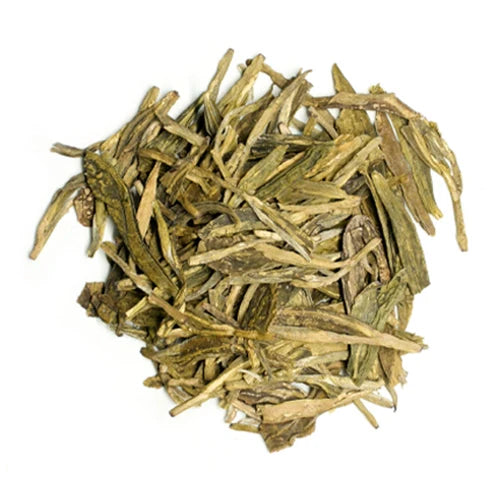
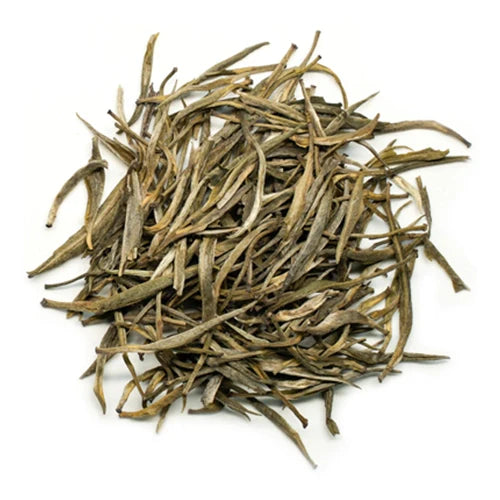
Longjing is one of China’s most renowned green teas. Our First Flush Longjing— the very first picking of early spring, harvested after the tea trees awaken from winter dormancy.
Picked to the traditional one bud, one leaf standard — with the first leaf just beginning to open — it represents the most prized stage of spring growth.
After resting through the entire winter, the tender shoots slowly accumulate nutrients and develop naturally high amino acid levels.
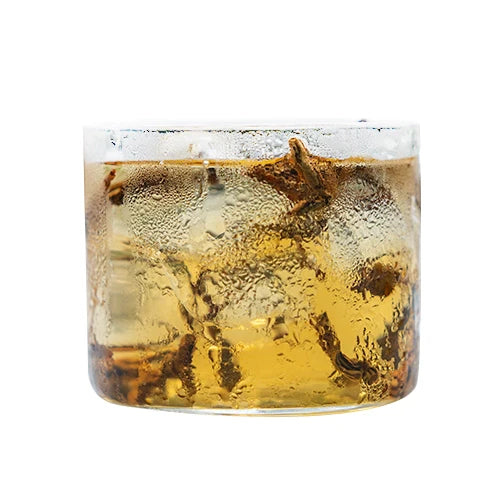
As the yellow-green buds unfurl in water, it feels like watching spring come alive in your cup.


First Flush Spring Green Tea Collection brings together four of China’s most iconic green teas — all harvested as First Flush, the very first picking of early spring.
Green tea is prized for its freshness, and nothing is more sought after than the first harvest after winter. After months of dormancy, the tender buds are hand-picked to the traditional one bud, one leaf standard. Naturally rich in amino acids, these early spring leaves deliver freshness at its peak — vibrant, smooth, and delicately sweet.
Like Japanese Shincha, First Flush tea is meant to be enjoyed fresh. Once sold out, it will not be replenished until next year’s spring harvest.
Buying Guide:
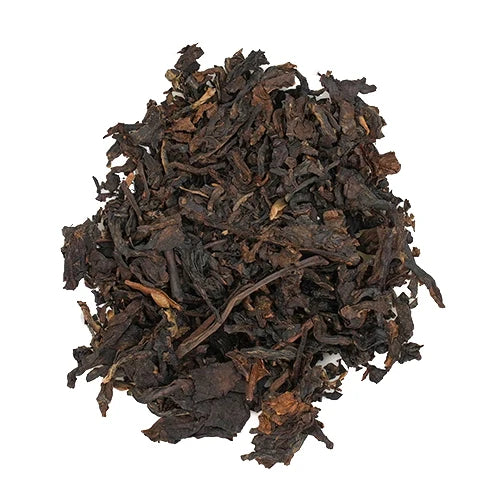
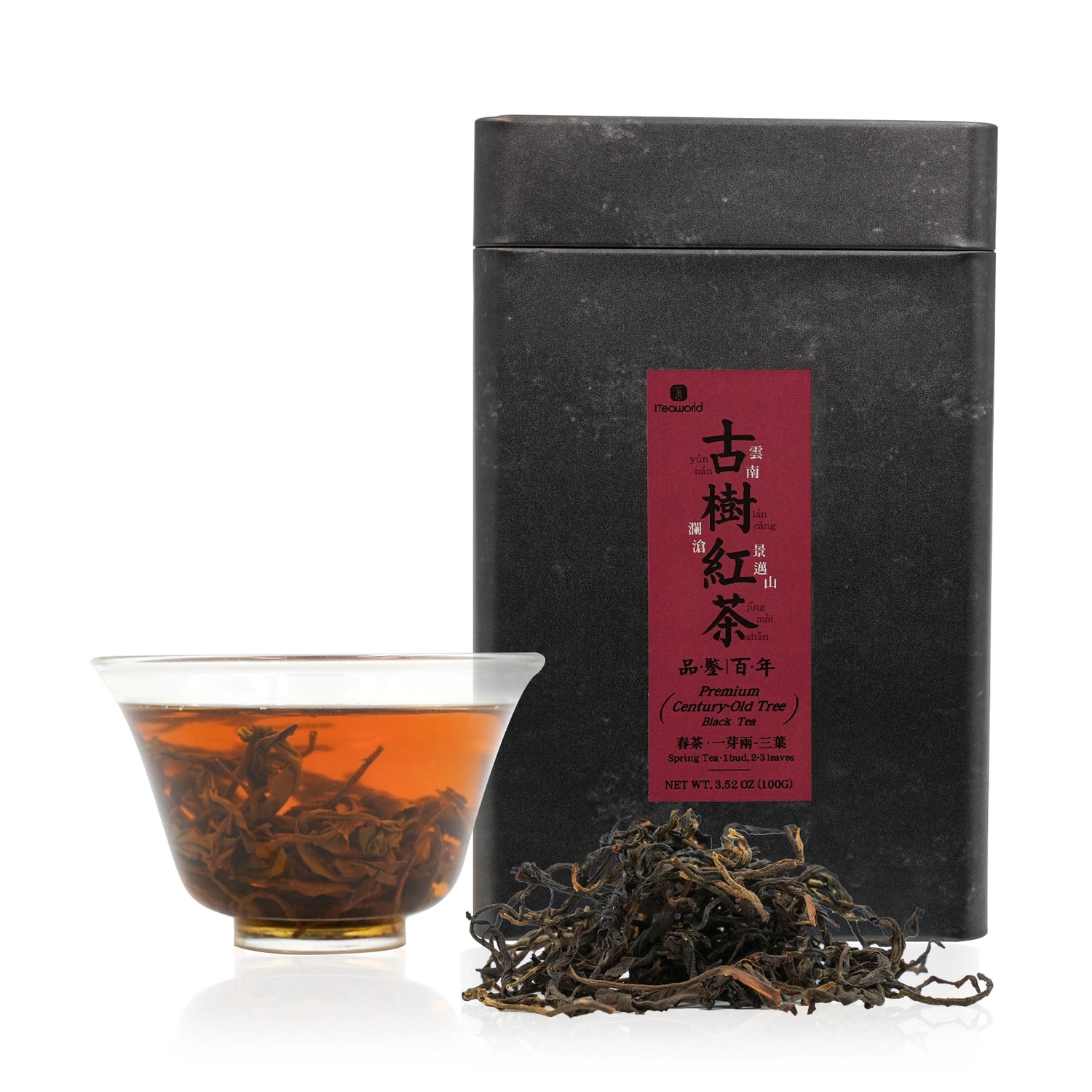
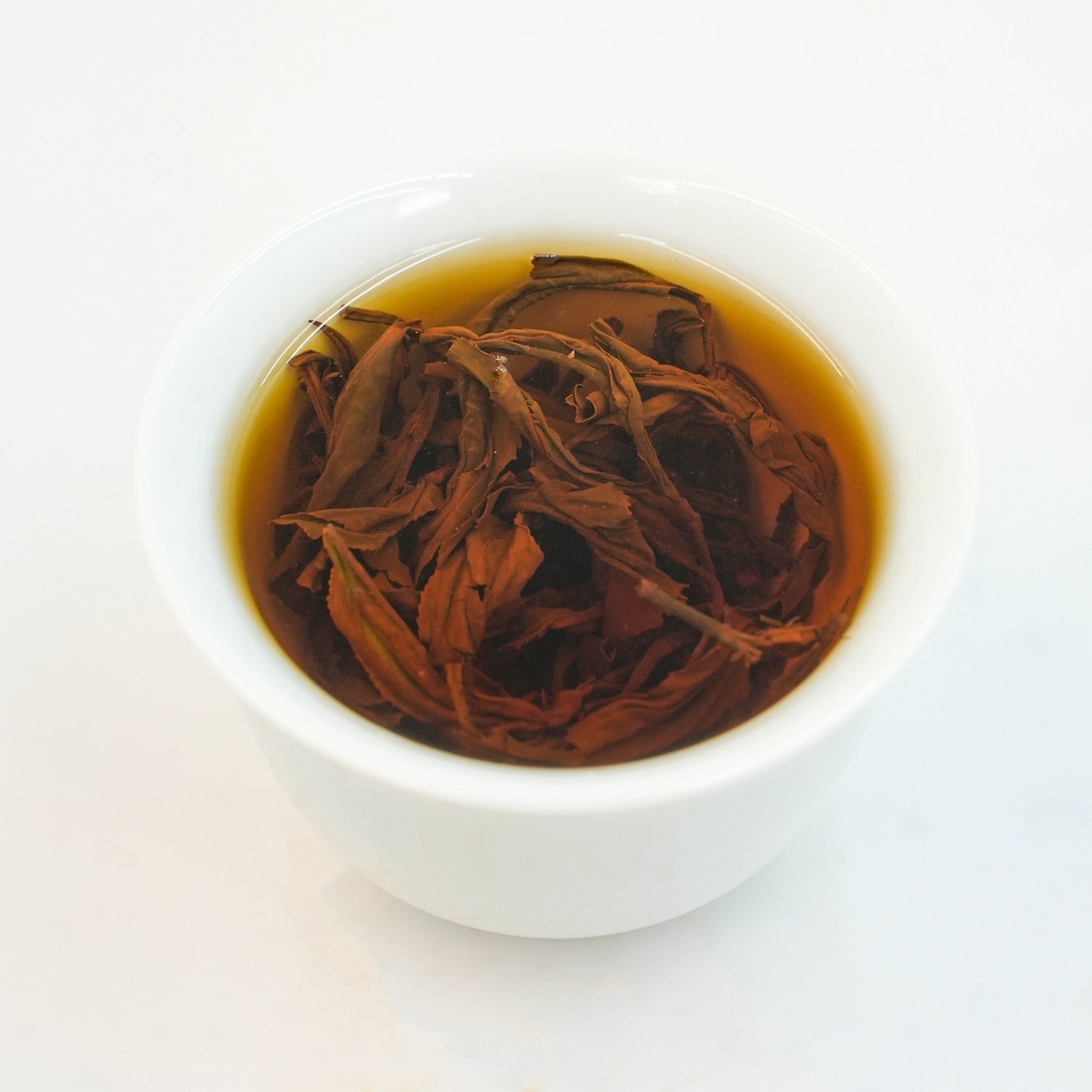
This Yunnan Ancient Tree Black Tea is crafted from trees over a hundred years old in Jingmai Mountain, Yunnan. It is made using the sun-dried black tea method (Shaihong), where the leaves are naturally dried under sunlight rather than baked.
The tea offers a clean, gentle sweetness that doesn’t rush in at the first sip. Instead, a soft sweetness slowly emerges in the mouth a few seconds after drinking, leaving a calm and refreshing finish.
Compared to traditionally baked black teas, its aroma is not caramelized or roasted. Instead, it carries a light floral honey note, subtle and elegant. The overall flavor is delicate and restrained, which may feel unfamiliar to those accustomed to bold, malty black teas.
This is a black tea meant to be enjoyed slowly — quiet, natural, and understated.
Key Details About Ancient Tree Black Tea:
Origin: Jingmai, Pu'er, Yunnan
Harvest Date: April 2024
Leaf Grade: One bud with two leaves
Tea Master: Zhu Yafen
How to Brew
Water Temp: 212°F(or 100℃)
Tea-to-Water: 1g per 25ml
Steep Time: 20 sec for first 3 steeps, add 5 sec each time after
Teaware: White porcelain gaiwan
Re-Steep: 7 times
Storage:
Keep sealed, dry, and away from light or odors. For longer preservation, store in a cool environment. Best enjoyed within two years.
Why Ancient Tree Black Tea Stands Out
Ancient tea trees, often over 100 years old, grow in remote, pristine mountain forests, free from synthetic fertilizers or pesticides. Their deep roots absorb rich minerals and nutrients, resulting in tea with a full-bodied, layered flavor and natural floral or honey notes.
The leaves of ancient tree black tea are thicker and more resilient, with higher levels of polyphenols and aromatic compounds, making the tea exceptionally durable in brewing. Each steep releases consistent flavor and aroma, often lasting for many infusions.
Yunnan, home to over 56 million ancient tea trees, is known as the “kingdom of ancient tea.” With the introduction of the Yunnan Ancient Tea Tree Protection Regulation in 2023, these trees are now safeguarded to ensure their heritage continues. Ancient tree black tea is a unique gem, offering both a pure taste and a connection to centuries of tradition.
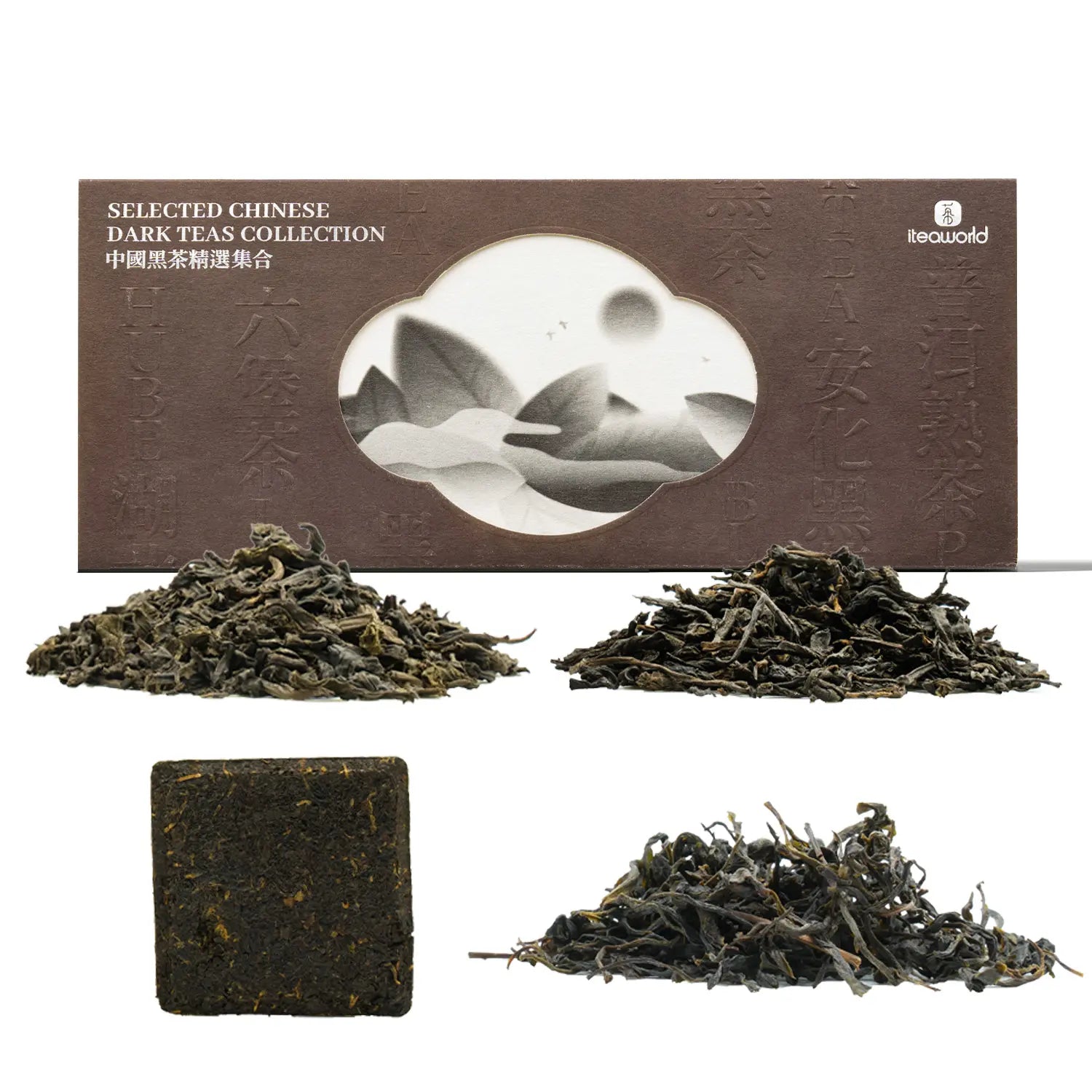
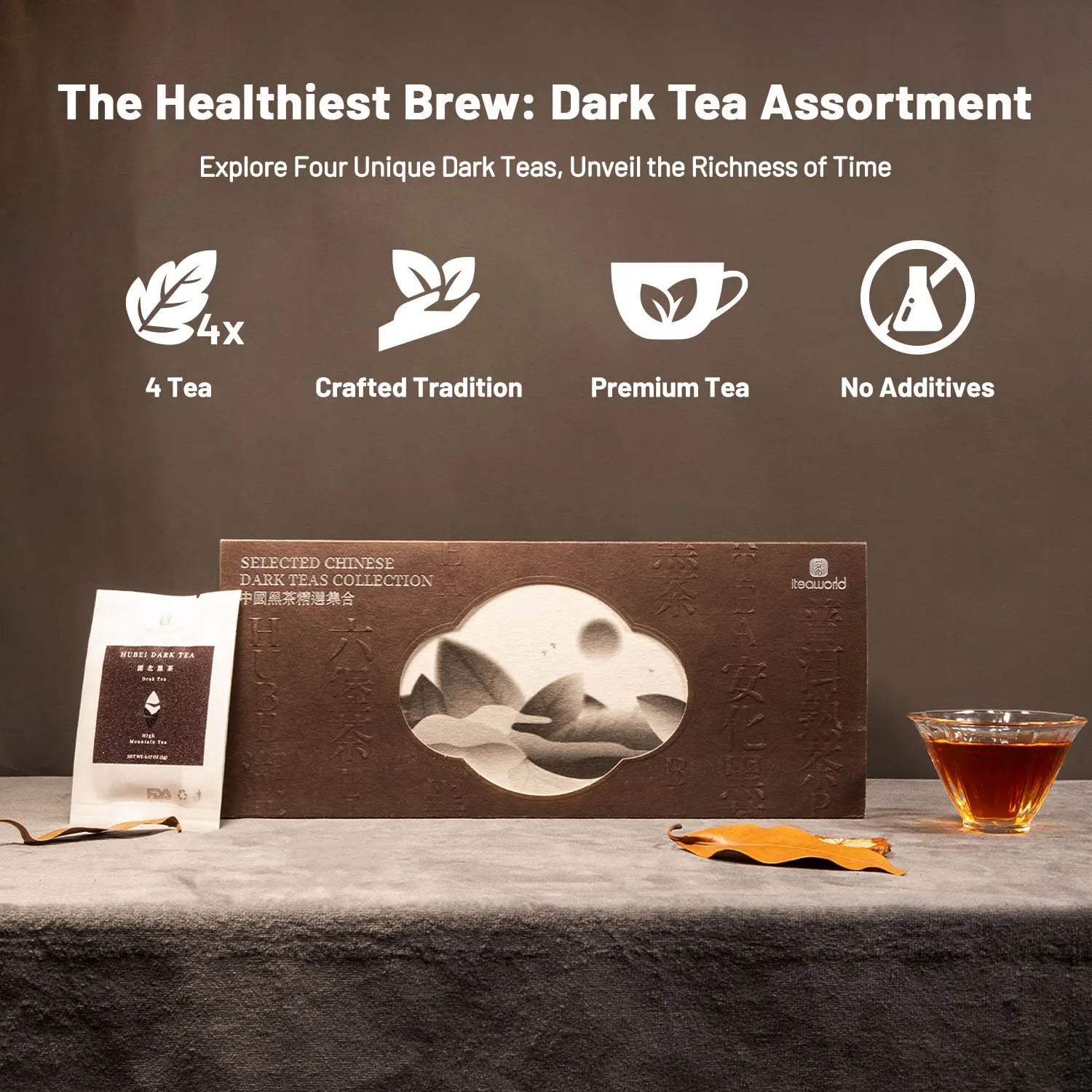
Treat yourself to the finest Chinese dark tea. Shop now and experience premium quality with free shipping from iTeaworld


Biluochun is one of China's most iconic green teas with a legacy that spans a thousand years. It's renowned for its unique floral and fruity aroma, often hailed as the most fragrant tea among greens. Traditional Biluochun tea gardens interplant fruit trees with tea bushes, allowing the leaves to naturally absorb a rich bouquet of floral and fruity scents, creating Biluochun's distinctive fresh and natural fragrance.
Our connoisseur-grade Biluochun is handpicked from the collective species (Jiu Keng variety) tea garden in Jiangdong Village, Tongguan Village Committee, Daibu Town, Liyang City, Jiangsu Province. The tea is personally crafted by Master Zhang, who has 30 years of tea-making experience. He adheres to the most traditional hand-crafting techniques to ensure that each leaf embodies the authentic flavor profile of Biluochun. Master Zhang's Biluochun boasts a distinct floral and fruity aroma, a long-lasting aftertaste, and a refreshing spring vibe with a delicate mouthfeel.
This tea is harvested before the rain, selecting the high-grade one bud and one leaf tea materials. The leaves are plump and tender green, and the tea soup is clear in color with a fresh sweet taste, almost devoid of astringency. Although its flavor and quality are on par with products from the core production area, the price is only half to one-third of the core origin products, making it a Biluochun tea with both high quality and great value for money.
Reasons to recommend:
Unique floral and fruity aroma: Biluochun's signature scent comes from the interplanted fruit trees in the tea garden. The dry tea has a natural, light aroma that becomes more pronounced upon brewing, making it especially suitable for tea enthusiasts who prefer a subtle fragrance.
Traditional handcrafting: This tea is handmade by Master Zhang with 30 years of experience, ensuring that the shape and flavor of each tea leaf are perfectly preserved. Handcrafted tea has a more delicate taste and a long, lingering aftertaste.
Great value: Although the tea comes from the surrounding high mountain tea gardens of the core production area, the quality is comparable to the authentic origin, but the price is only half to one-third of the tea from the core production area, making it suitable for consumers who pursue value for money.
High-grade picking: The tea is picked according to the high-grade standard of one bud and one leaf, especially before the rain, ensuring the tenderness and fresh taste of the tea leaves, and the tea soup is clear and bright.
Not recommended for:
Tea enthusiasts who prefer a strong roasted flavor: If you like the strong roasted flavor or bean flavor brought by the pan-frying process of Longjing or Biluochun, the floral and fruity aroma of this Biluochun may not meet your taste preferences.
Consumers with a limited budget: Although this tea offers great value, there may be cheaper options for consumers who are solely focused on price.
In summary, if you're looking for traditional craftsmanship, high quality, and a unique flavor profile, and you're fond of Biluochun's distinctive floral and fruity aroma, this connoisseur-grade Biluochun is an ideal choice for you.
Origin of Biluochun
-
Location: Liyang, Zhejiang Province, China
-
Picking Standard: One bud with one leaf
-
Tea Cultivar: Jiu Keng Variety — a local group small-leaf cultivar from Dongting Mountain
-
Tea Tree Age: Approximately 60 years


China's 10 Most Famous Tea Collection – Your Complete Introduction to Chinese Tea
From $24.99 USD
Unit price perChina's 10 Most Famous Tea Collection – Your Complete Introduction to Chinese Tea
From $24.99 USD
Unit price perDiscover China’s Most Iconic Teas — All in One Box
China’s tea world is vast. This curated set makes it simple.
It brings together ten classic teas across the major styles — from fresh Longjing green tea to rich Pu’er and fragrant jasmine — so you can explore authentic Chinese tea without guesswork.
Instead of buying full bags one by one, this collection lets you compare styles side by side and discover what you truly enjoy.
Each set includes:
• 10 representative teas
• A beautifully designed Beginner’s Guide
• Clear, simple brewing instructions
New to Chinese tea?
We explain the six major tea types, how to use a gaiwan, and how to brew with confidence — no prior knowledge required.
For those who want the full experience, the Gift Edition includes a lightweight Chaozhou bone-china gaiwan — designed to cool quickly and make brewing easier for first-time users.
This isn’t just a sampler.
It’s a practical, approachable way to explore real Chinese tea — at your own pace.


Huangshan Maofeng Green Tea – High Mountain Chinese Green Tea with Orchid Aroma
Huangshan Maofeng is one of the most renowned green teas in China, grown in the designated regions around Huangshan (Yellow Mountain) in Anhui Province.
This tea stands out for its elegant appearance—fine white hairs cover the leaves, and the bud tips stand upright like mountain peaks, which inspired its name “Maofeng,” meaning “Fur Peak.”
It delivers a refreshing green tea aroma, a subtle orchid fragrance, and a naturally sweet, smooth taste, making it a classic choice for both tea enthusiasts and newcomers.
Why Choose Huangshan Maofeng Tea?
-
✅ High Mountain Origin: Harvested from 60-year-old tea trees at 800 meters altitude, grown in mineral-rich pebble soil—ideal for producing rich, complex flavors.
-
✅ Traditional Craftsmanship: Carefully processed by tea masters using time-honored methods to lock in freshness and preserve the tea’s delicate orchid notes.
-
✅ Perfect for Green Tea Beginners: This tea is smooth, lightly floral, and never bitter—even with longer steeps—making it one of the best Chinese green teas for daily drinking.
-
✅ Excellent Value: Offers the ideal balance between quality and price, curated for those looking to explore authentic Chinese teas without overpaying.
-
✅ Clean Taste, Lasting Aroma: Unlike roasted green teas, Huangshan Maofeng highlights the pure taste of tea leaves and subtle floral undertones.
Who Should Try This Tea?
-
Green tea lovers exploring iconic Chinese teas
-
Newcomers looking for a mild, sweet green tea
-
Shoppers seeking high-quality, budget-friendly tea
-
Those who enjoy refreshing, floral teas without bitterness
Brewing Instructions
Chinese Gongfu Style:
-
Water temperature: 80°C–85°C (176°F–185°F)
-
Tea-to-water ratio: 1:40
-
Steep time: 15–30 seconds
-
Re-steep: Up to 5 times
Western Brewing Style:
-
Water temperature: 85°C (185°F)
-
Tea-to-water ratio: 1:50
-
Steep time: 2–3 minutes
-
Re-steep: 2–3 times
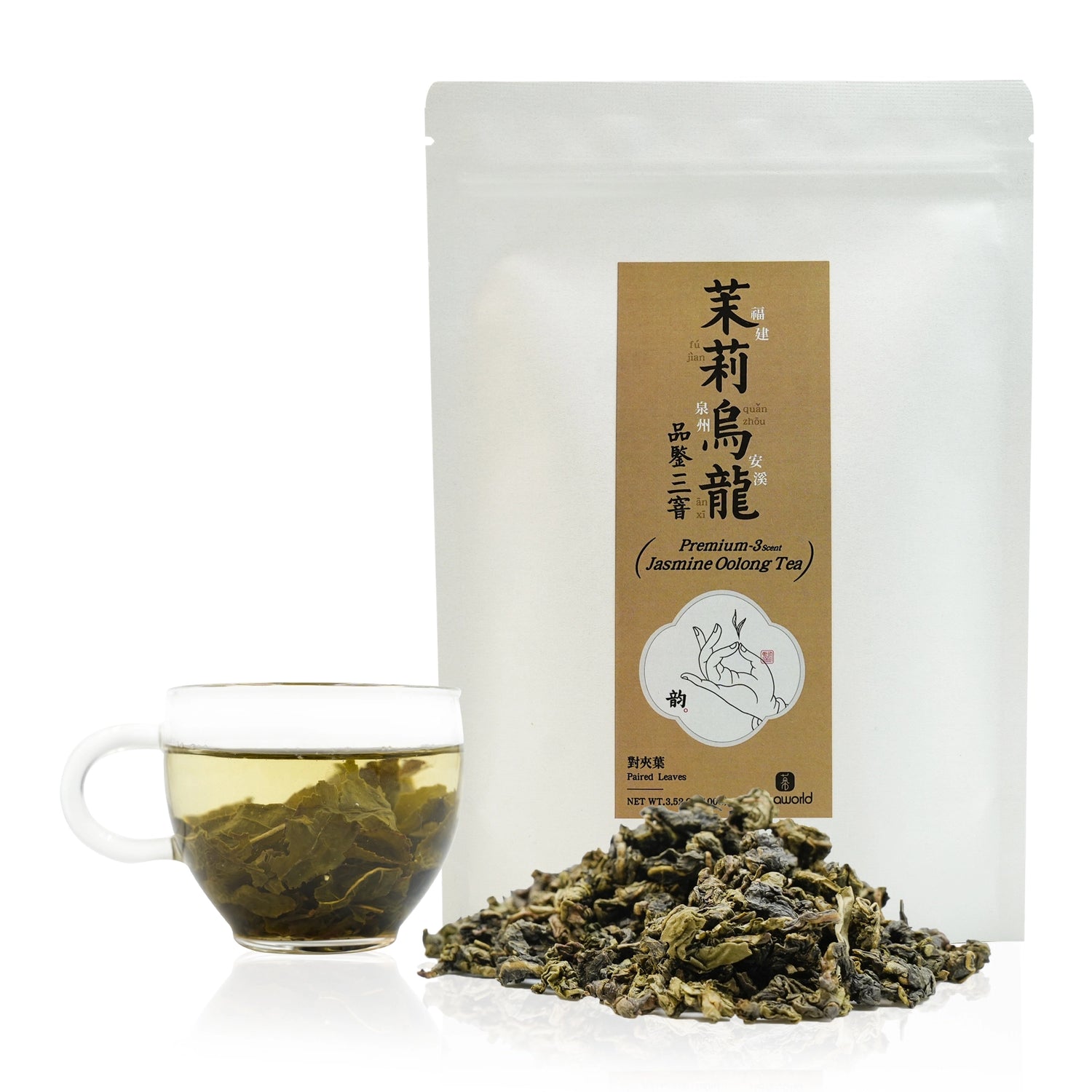
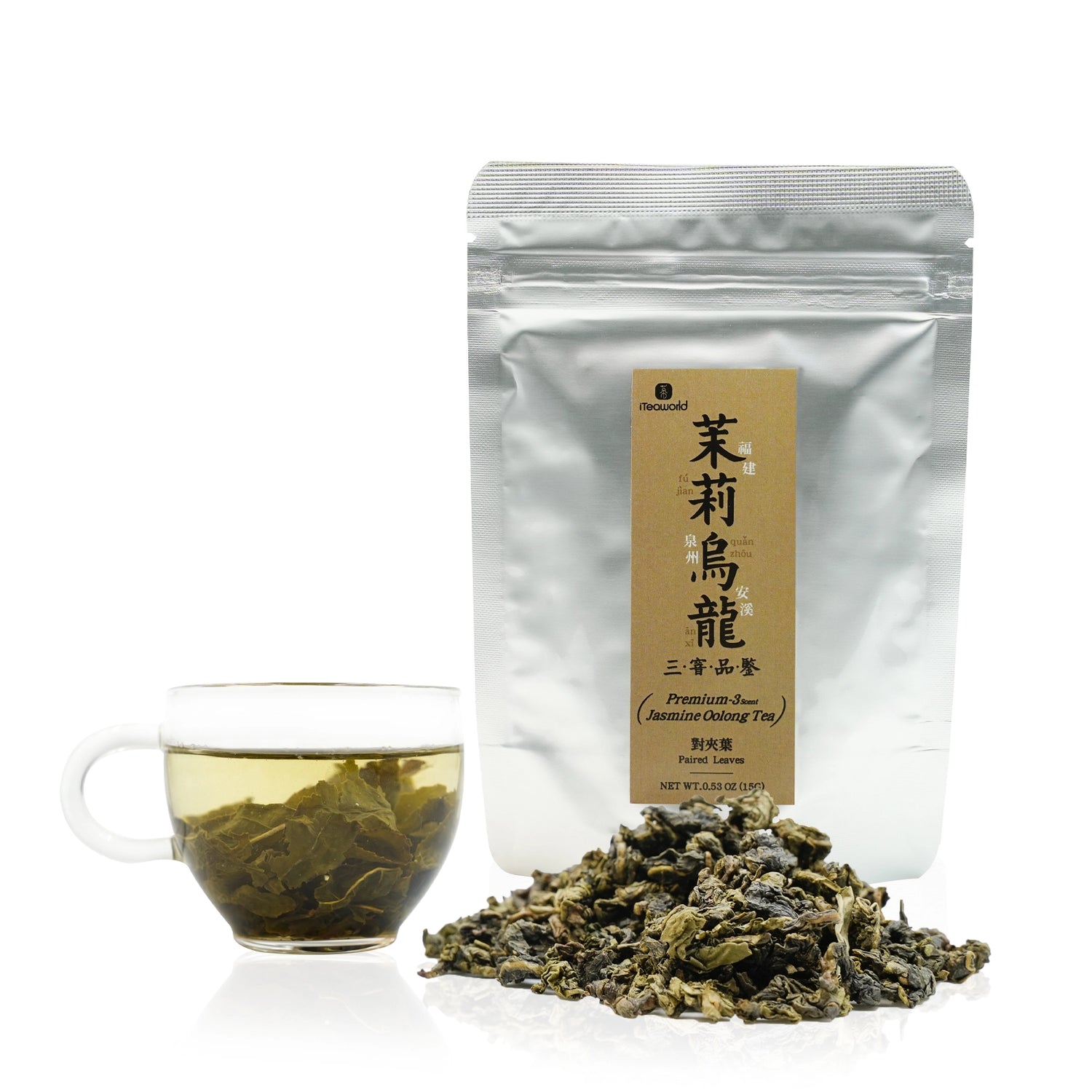
2024 Jasmine Tieguanyin Oolong
Who It’s For:
Light, refreshing, and perfectly balanced, this Jasmine Tieguanyin Oolong is for tea lovers who enjoy subtle floral notes and a creamy, smooth finish. The lightly fermented Tieguanyin tea base is scented three times with fresh jasmine flowers, resulting in a tea that is delicate, buttery, and reminiscent of a serene garden. Best for those seeking a gentle, floral oolong rather than bold or heavy teas.
Tea Details:
Origin: Fangting Village, Huqiu Town, Anxi County, Quanzhou, Fujian
Harvest Date: September 2024
Scenting Rounds: 3 rounds
Tea Base: Fragrant-style Tieguanyin oolong
Tea Cultivar: Tieguanyin
Flavor Profile: Clean and fresh jasmine aroma, silky smooth texture, with a creamy mouthfeel.
What Makes It Special: The perfect marriage of jasmine’s uplifting scent and Tieguanyin’s velvety smoothness, offering a truly luxurious yet refreshing tea experience.
How to Brew
Water Temp: 212°F(or 100℃)
Tea-to-Water: 1g per 20ml
Steep Time: 30 sec for first 3 steeps, add 5 sec each time after
Teaware: White porcelain gaiwan or clay teapot
Re-Steep: 5-7 times
Jasmine Oolong Tea
Authentic Jasmine Oolong is a premium tea that combines the fresh, fragrant notes of Jasmine flowers with the smooth, rich flavor of Oolong tea. The process involves carefully blending freshly bloomed Jasmine flowers with Oolong tea leaves during the drying stage, allowing the tea to absorb the flower's natural fragrance. The more times the tea is scented with Jasmine flowers, the more intense and aromatic the floral notes become. After the scenting process, the tea is dried again to lock in that fresh, vibrant Jasmine aroma.
For the best flavor, Jasmine Oolong is typically made with high-quality, lightly fragrant Tie Guan Yin Oolong tea leaves, harvested during the summer or autumn season. The result is a tea that’s perfectly balanced: the fresh, lively Jasmine fragrance mingles seamlessly with the smooth, creamy taste of Oolong. It’s like stepping into a garden full of blooming Jasmine flowers, where the sweet floral notes and the smooth, sweet tea create a refreshing, comforting experience in every sip.
This Jasmine Oolong tea is perfect for anyone who enjoys a balance of light floral notes with a rich, smooth finish—ideal for any time of day when you're craving something fragrant and refreshing.

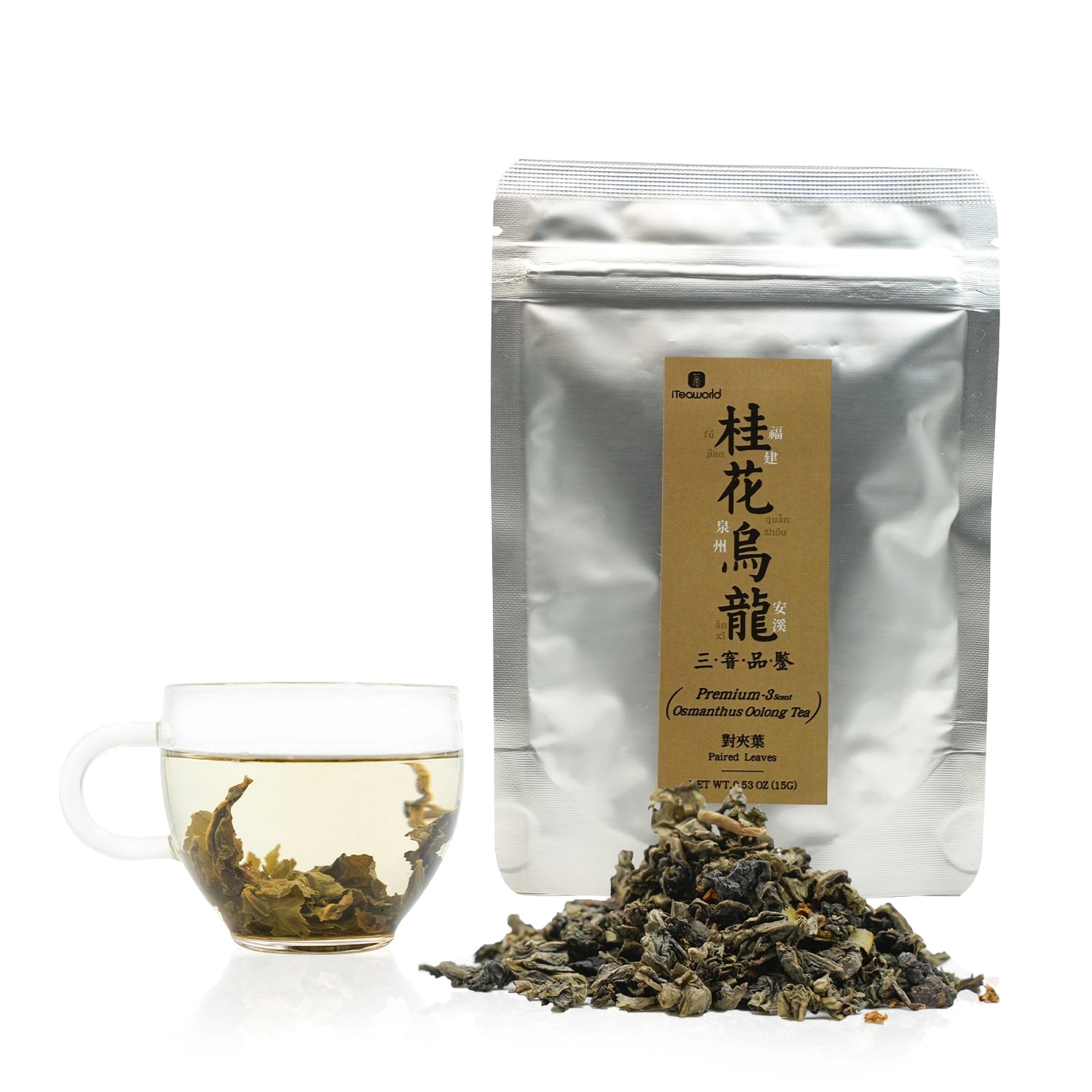
2024 Traditional Osmanthus Oolong
Who It’s For:
If you love teas with a deep, layered profile and long-lasting floral notes, this Osmanthus Oolong is a must-try. Crafted with a base of aged aromatic oolong tea and the fragrant blossoms of century-old osmanthus trees, this tea undergoes a meticulous three-round scenting process. The result? A rich, sweet brew where the floral elegance of osmanthus perfectly complements the tea’s mellow depth. Ideal for tea lovers who appreciate traditional crafting methods and unique floral teas. If you’re looking for rare and artisanal tea experiences, this one checks all the boxes.
Tea Details:
Origin: Fangting Village, Huqiu Town, Anxi County, Quanzhou, Fujian
Harvest Date: October 2024
Grade: First Grade (One bud, two leaves)
Tea Base: Aged aromatic oolong tea
Tea Cultivar: Tieguanyin
Tea Master: Chen Qizhi, a 30-year tea artisan
Flavor Profile: Bold and lasting osmanthus aroma, with the sweet, mellow body of aged oolong tea
What Makes It Special: Made with rare century-old osmanthus blossoms and aged oolong, this tea is meticulously scented three times for a truly exquisite experience.
Osmanthus Oolong Tea
Hailing from Anxi in Fujian, the birthplace of Tie Guan Yin Oolong, this Osmanthus Oolong tea is crafted with a unique traditional method that combines the finest Oolong tea leaves with fresh Osmanthus flowers. The process begins with carefully selecting tender Oolong tea leaves, which undergo a series of traditional steps, including withering, shaking to release the aroma (摇青), rolling, and initial drying. After the leaves are partially dried, fresh Osmanthus flowers are added during the final drying stages, allowing the natural floral fragrance to fully infuse into the tea leaves.
The result is a tea that beautifully blends the richness of Oolong with the delicate, sweet aroma of Osmanthus flowers. It combines the smooth, full-bodied taste of black tea with the refreshing, light qualities of green tea, creating a perfect balance of bold and delicate flavors. This Osmanthus Oolong is ideal for anyone who enjoys a complex yet soothing tea with a unique floral twist.
How to brew:
Water Temp: 212°F(or 100℃)
Tea-to-Water: 1g per 20ml
Steep Time: Discard the first steep; 20 sec for 2nd–4th steeps, add 5 sec each time after
Teaware: White porcelain gaiwan or clay teapot
Re-Steep: 5-7 times
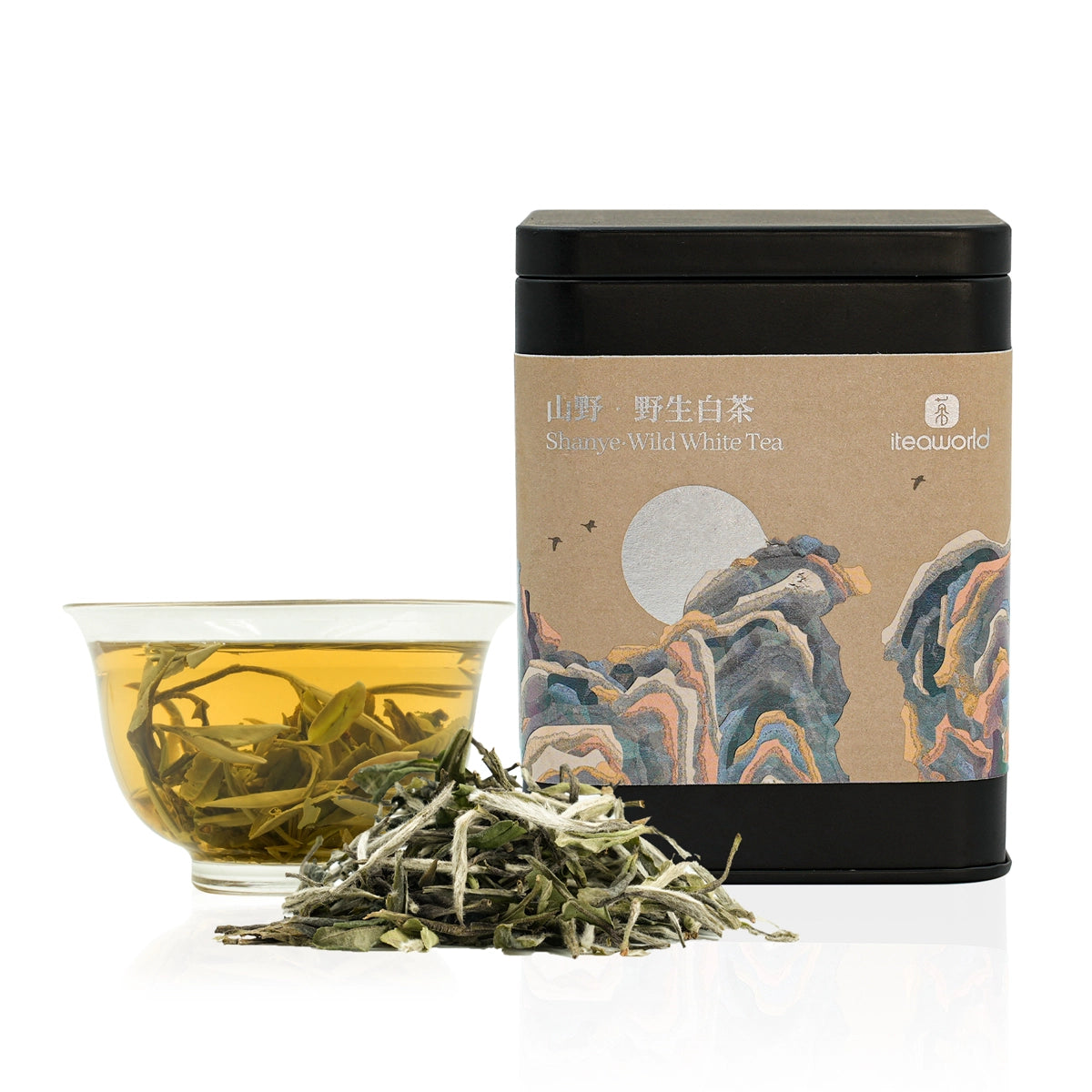
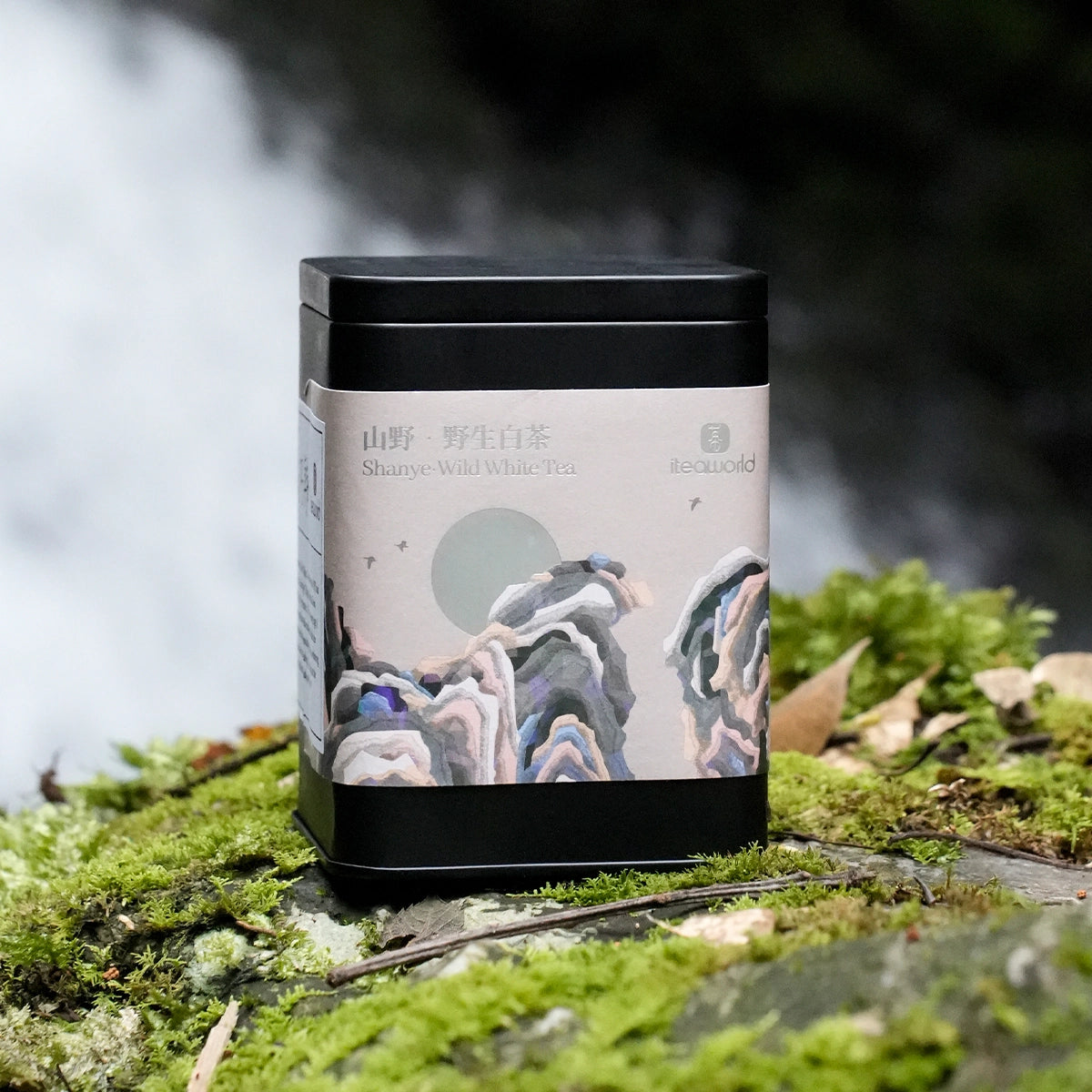
A professional tea drinker's review of the White Peony made from the same tea leaves as this one:
The dry leaf aroma is honeyed with a green undertone, clean and natural, without any artificial or perfumed notes. From the third infusion onward, the tea shows real body and presence - you can clearly feel that this is "real tea" with substance behind it. That said, the profile leans more toward structure and strength than elegance. Tannins are clearly present, and while they add firmness and character, they also introduce a noticeable dryness that lingers on the palate longer than ideal. Even with careful temperature control and gentle extraction, the astringency becomes more prominent in later infusions. Because of this, l found the tea to perform better with softer brewing (lower temperatures or more casual glass-style brewing) rather than classic gong fu tasting, where the structural strength can overshadow balance and smoothness. From a positioning perspective, l would describe this as a robust, character-driven old tree white tea - well suited for drinkers who enjoy intensity, minerality, and a more "serious" tea profile. For those seeking softness, sweetness, and a silky finish, it may feel less aligned with their expectations.
Rozle Siljan
January 15th, 2026
Why this product?
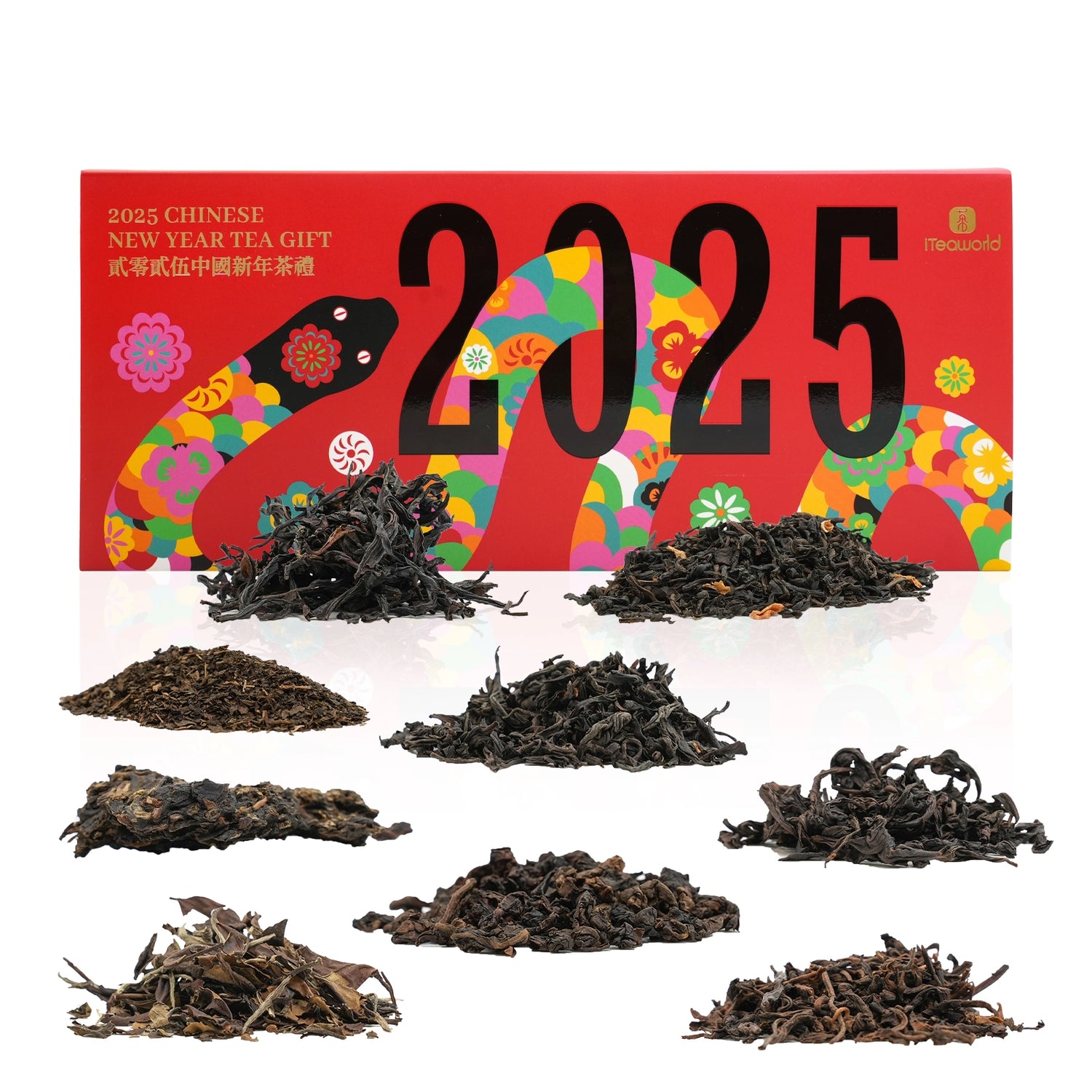
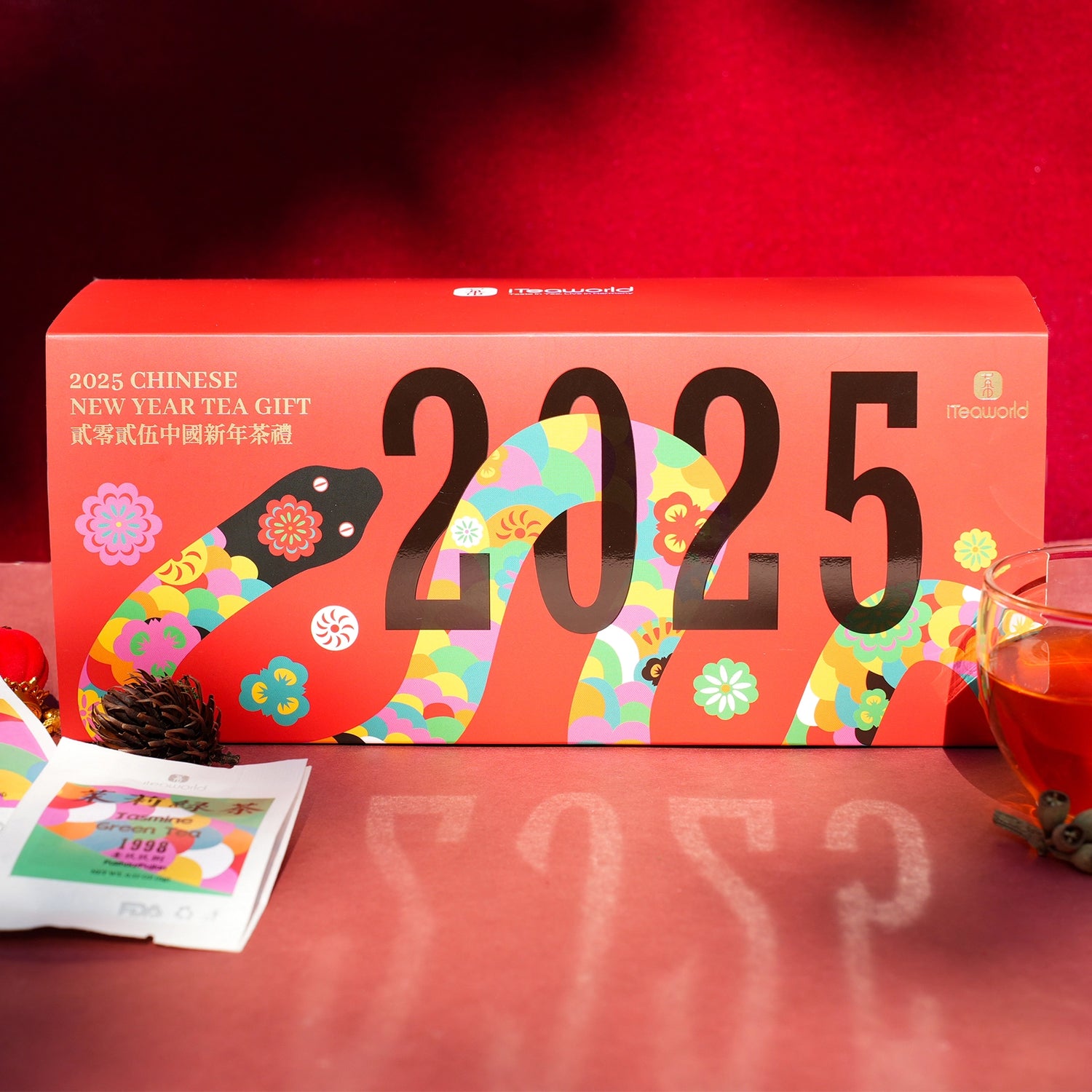
Many people are unclear about what qualifies as aged tea and how to tell the age of tea. iTeaworld has been working with aged tea in the Chinese market for 20 years. We believe that for tea to be considered "aged," it should meet these three criteria: 1. It should have an aged or woody aroma. 2. The tea liquor should be smooth, rich, and sweet. 3. There should be a noticeable warm sensation in the body, especially in the hands and feet, after drinking.
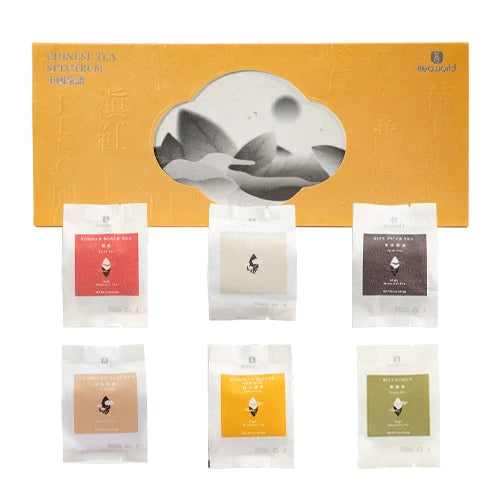
Based on this standard, we’ve selected 10 aged teas, including Oolong, black tea, white tea, dark tea, Pu-erh, and green tea, to help tea lovers understand what aged tea really is.
The product includes:
1995 Shui Xian Oolong Tea: 2 packs of 5g each
1998 Tie Guan Yin Oolong Tea: 2 packs of 5g each
1995 Fenghuang Dancong Oolong Tea: 2 packs of 5g each
1998 Raw Pu-erh Tea : 2 packs of 5g each
2003 Ripe Pu-erh Tea : 2 packs of 5g each
2008 Shuangzheng Liu Bao Dark Tea: 2 packs of 5g each
2014 Shou Mei White Tea: 2 packs of 5g each
2014 Lapsang Souchong Black Tea: 2 packs of 5g each
1998 Jasmine Green Tea: 2 packs of 5g each
1980s Aged Fu Brick Dark Tea: 2 packs of 5g each
How to brew:
Brewing utensils: White porcelain Gaiwan or Zisha teapot.
Water temperature: 95°C-100°C
Tea-to-water ratio: 1:15-25
Brewing time: 10-20seconds
Number of brews: 5-7 times
Why Aged Tea is Still Drinkable:
The reason aged tea can still be consumed safely lies in the unique chemistry of tea leaves and traditional storage methods. Tea contains powerful antioxidants like catechins and polyphenols, which naturally help slow oxidation, keeping tea consumable for extended periods. Dried tea absorbs only minimal moisture and oxygen, meaning it doesn’t provide the damp environment that bacteria need to grow. As long as tea is stored properly—dry, cool, and sealed against odors—it won’t spoil easily, and you can enjoy it without worries if there’s no mold or strange smells.
How Different Types of Tea Age:
Dark Tea (Hei Cha)
Dark tea, when properly aged, undergoes microbial transformations that mellow its flavor. Over time, compounds like caffeine and polyphenols break down, shifting the taste from bitter to smooth and rich. Dark tea requires specific storage conditions: dry, airy, and cool, to support this mellowing process.
White Tea
In China, there’s a saying about white tea: "One-year tea, three-year medicine, seven-year treasure." Aging for three years or more brings out richer flavors and enhances its perceived medicinal value. As white tea ages, the leaves soften in flavor and aroma, creating a more layered drinking experience.
Black Tea
Black tea generally maintains its natural sweetness and fragrance over time, and since its flavor doesn’t improve with aging, most black teas are best enjoyed fresh. However, certain types of compressed black teas, like Hunan's Fu Brick, can develop deeper flavors with storage due to gradual microbial changes.
Oolong Tea
Roasted Oolong teas like Wuyi Rock Tea (Yan Cha) gain complexity as they age. The roasted notes soften, and the tea develops a distinctive “aged aroma,” adding richness and hints of sweetness. Proper storage is essential to preserve its unique characteristics: keep it dry, away from direct sunlight, and sealed to maintain freshness.
Jasmine Green Tea
Jasmine Green Tea, infused with fresh jasmine flowers, has a unique floral aroma that is best enjoyed within one or two years. Over time, the green tea component oxidizes, leading to a darker color and a softer floral note. To preserve the jasmine aroma and freshness, it’s ideal to store it sealed, in a cool, dry place, or even refrigerate it if possible.
Introduction:
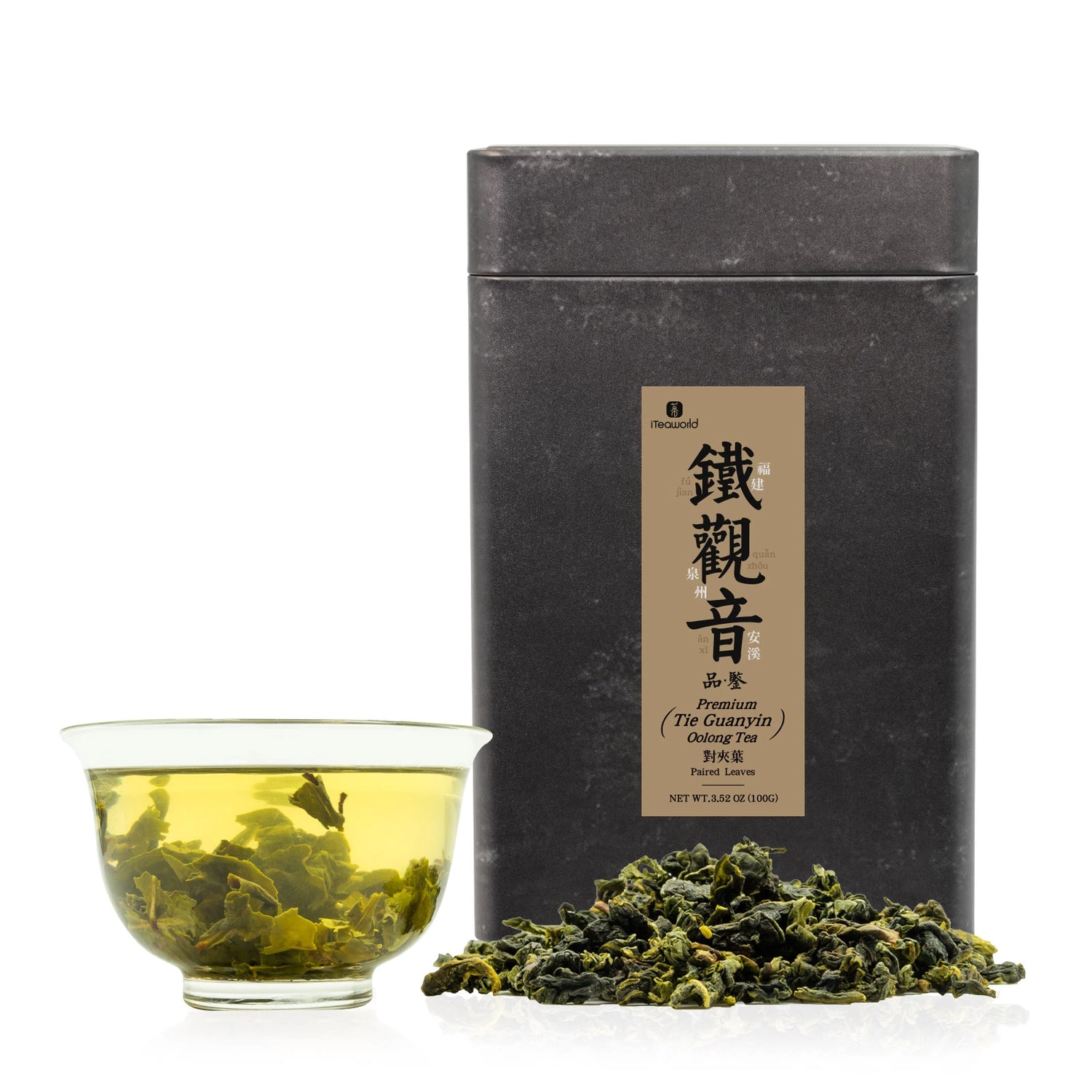
This premium Tieguanyin is meticulously selected from the autumn harvest of 2023. Plucked from high-altitude tea gardens in Anxi, Fujian (the most authentic origin), the exceptional growing conditions impart a rich and robust flavor profile. Carefully crafted in small batches by professional tea farmers, this tea guarantees a smooth, mellow taste with a strong orchid fragrance.
Reasons to Recommend:
- A Renowned Chinese Tea: Anxi Tieguanyin, originating around 1725, is one of China's top ten famous teas. On May 22, 2023, Anxi Tieguanyin was awarded the "Globally Important Agricultural Heritage Systems" certificate.
- Authentic Origin: Grown in Anxi, Fujian, where the mountainous terrain and misty climate create an average annual temperature of 15-18°C, a frost-free period of 260-324 days, and annual rainfall of 1700-1900 mm. The relative humidity exceeds 78%, and the acidic red soil, rich in organic matter and minerals, contributes to the unique flavor of Tieguanyin tea trees.
- High-Altitude Tea Gardens: Compared to other Tieguanyin teas, this one is cultivated in high-altitude gardens in Anxi, where the superior climate enhances the tea's richness, delivering a smoother, sweeter aftertaste and a more intense aroma.
- Meticulous Craftsmanship: Carefully produced in small batches by skilled farmers, this tea undergoes multiple intricate processes to achieve its premium quality.
Oxidation Level: 15%-25%
Roasting Level: Light roast
Tea Garden Soil: Red soil
Processing Time: November 2024
Best Before Date: 36 months
Tea Variety: Tieguanyin
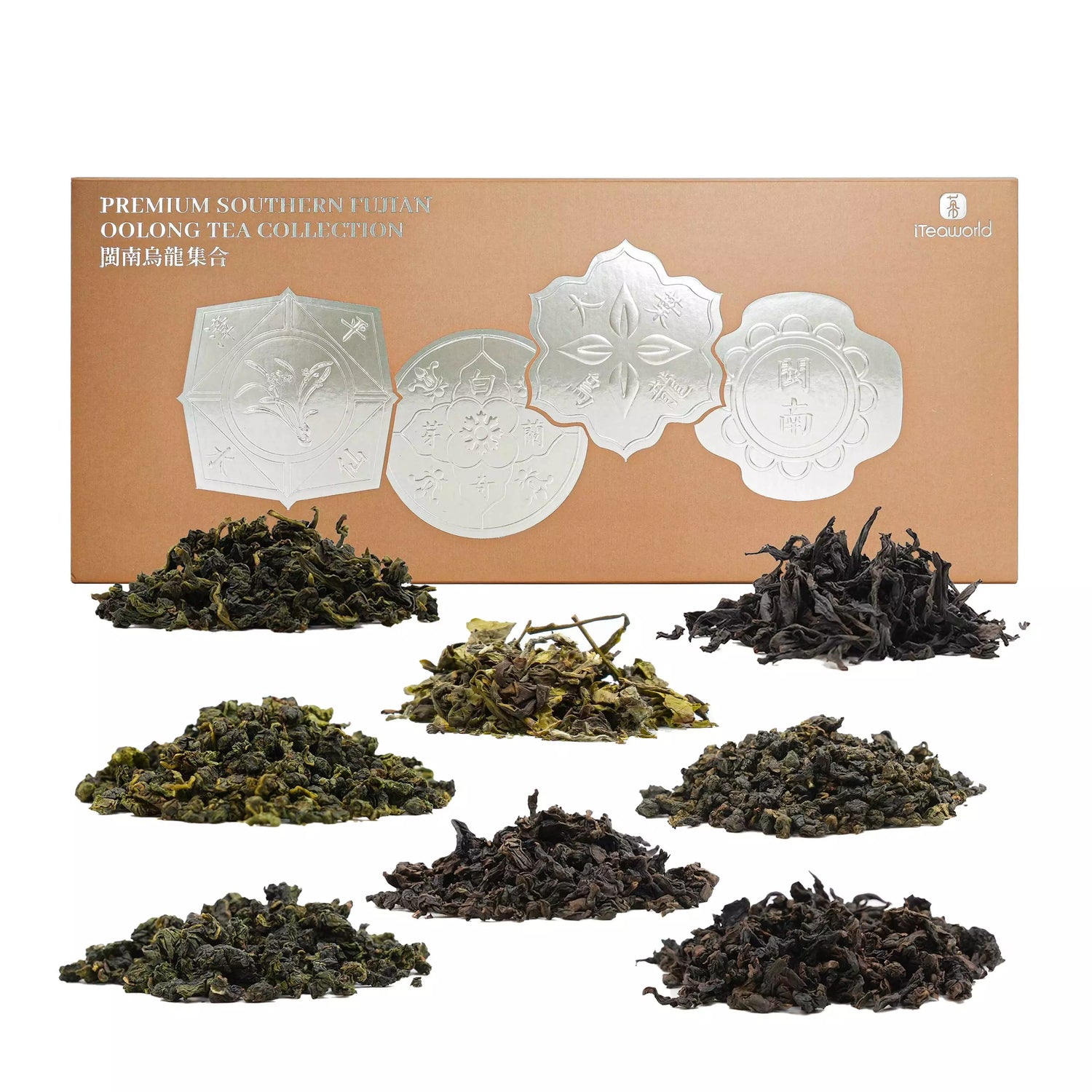
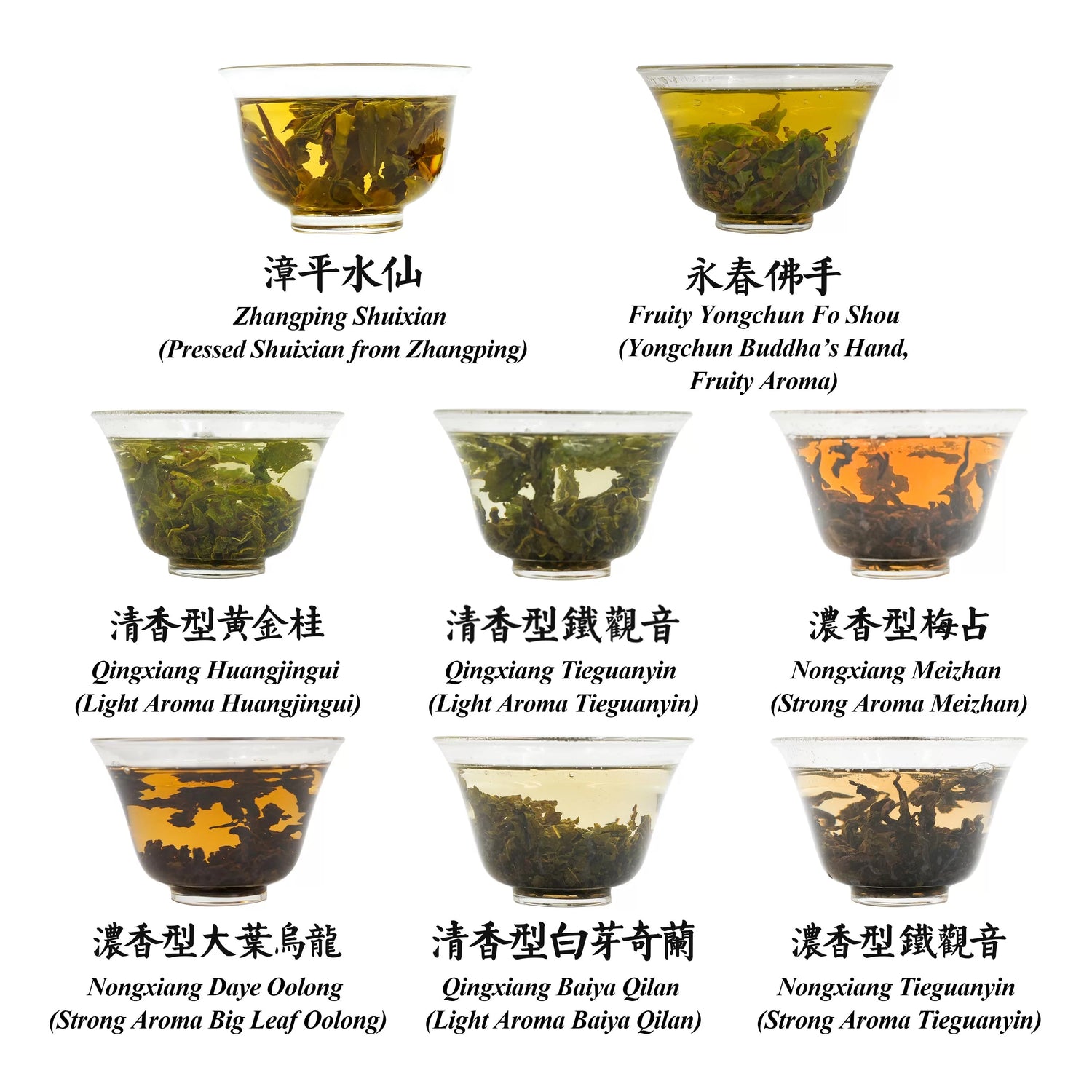
Explore the rich legacy of Southern Fujian oolong teas — home to the iconic Tie Guan Yin and Zhangping Shui Xian, both recognized as part of China’s Intangible Cultural Heritage. Since the 17th century, this region has pioneered the art of high-aroma oolongs, known for their floral, fruity, and gently roasted notes. Crafted with time-honored techniques like light oxidation, layered roasting, and meticulous leaf shaping, these teas capture the essence of Minnan tradition. Whether you're a seasoned tea drinker or just beginning your journey, this curated collection offers a true taste of oolong history.


This curated collection of Chinese scented teas celebrates the traditional craft of floral tea making, where premium teas are layered with fresh flowers like jasmine, rose, and osmanthus to infuse their essence. Through meticulous multi-round scenting (3-5 times), each tea offers a pure, natural floral aroma without a single petal in sight. Perfect for floral tea lovers or anyone curious about authentic Chinese scented teas, it includes six varieties: Jasmine Green Tea, Rose Black Tea, Jasmine Black Tea, Osmanthus Oolong, Jasmine Oolong Tea
and Jasmine Dark Tea. Ideal for gifting or indulging, this set combines rich heritage, delicate flavors, and the artistry of a UNESCO-recognized tradition. Not suited for those who prefer plain teas or are sensitive to floral fragrances.
Chinese Scented Tea Craftsmanship
"Scenting" is a traditional process where tea leaves are layered with fresh flowers, allowing the tea to absorb the floral aroma before the flowers are removed. This process is repeated multiple times to create the rich fragrance of high-quality scented teas. The best scented teas have no visible petals but retain the pure floral essence. By meticulously layering flowers and tea, ensuring proper aeration, and maintaining strict control over the scenting time and roasting process, the tea reaches peak flavor and aroma.
Depending on the number of scenting cycles—3, 6, or even 9 times—the tea's quality and complexity increase, with some processes taking up to a month. This craftsmanship, involving over 60 days and 200 steps, was recognized as an Intangible Cultural Heritage in 2022 for Jasmine Green Tea. While jasmine green tea is the original scented tea, modern innovation has expanded the range to include many beloved varieties.
This curated set features six of China’s most popular traditional scented teas, each crafted to perfection with vibrant floral aromas but no petals in sight:
- Rose Dianhong Black Tea (3 times scented): 3 packs x 5g
- Jasmine Dianhong Black Tea (3 times scented): 3 packs x 5g
- Osmanthus Aged Tieguanyin Oolong Tea (3 times scented): 4 packs x 5g
- Jasmine Fresh Tieguanyin Oolong Tea (3 times scented): 4 packs x 5g
- Jasmine Green Tea (5 times scented): 3 packs x 5g
- Jasmine Liu Bao Black Tea (3 times scented): 3 packs x 5g
Origins:
- Jasmine Green Tea: Hengxian County, Guangxi
- Jasmine Black Tea: Fengshan Town, Fengqing, Yunnan
- Rose Black Tea: Fengshan Town, Fengqing, Yunnan
- Jasmine Tieguanyin Oolong: Huqiu Town, Anxi, Fujian
- Osmanthus Tieguanyin Oolong: Huqiu Town, Anxi, Fujian
- Jasmine Liu Bao Tea: Hengxian County, Guangxi

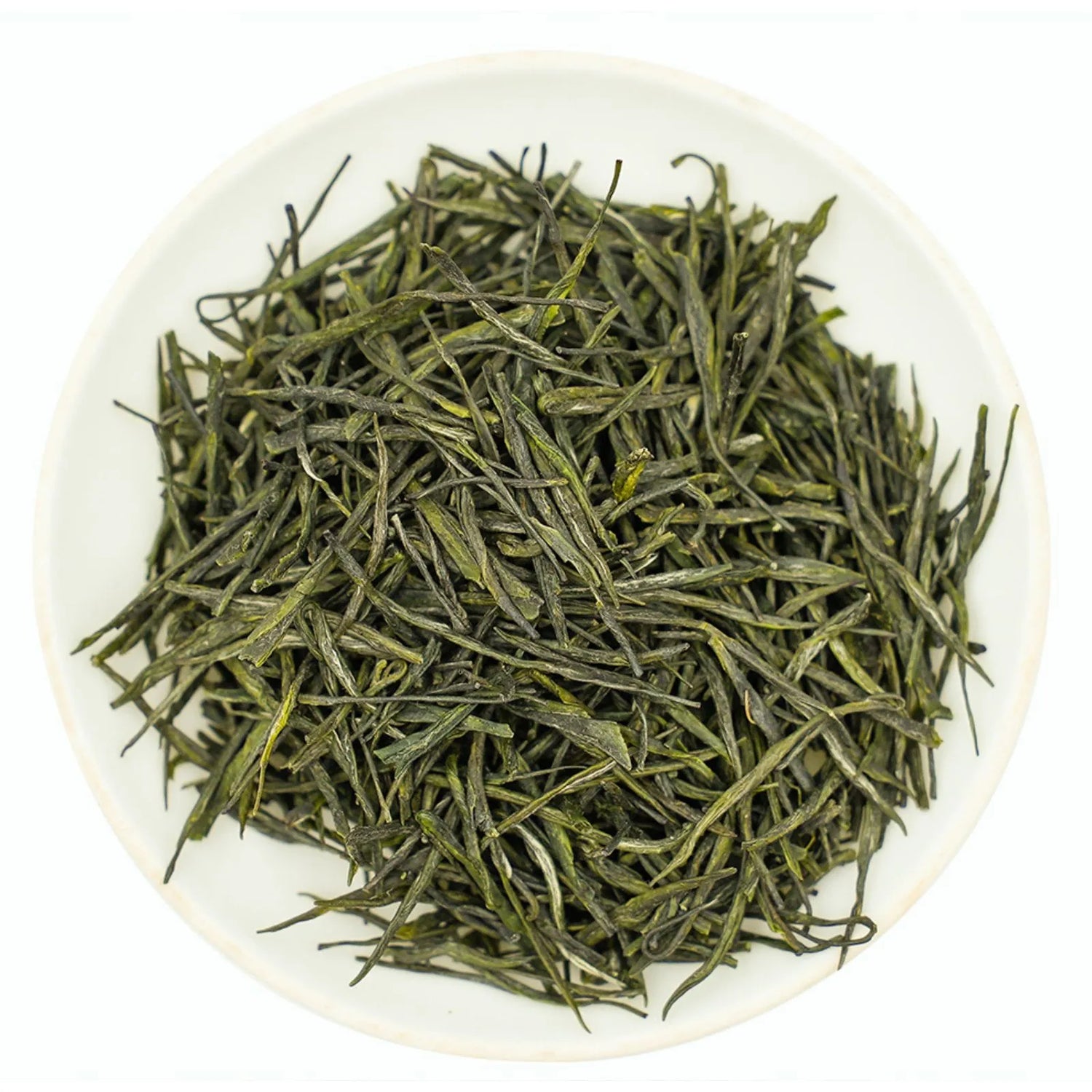
Enshi Yulu is a long-standing Chinese green tea made with the traditional steaming process, making it the only green tea in China that still uses this ancient method. The steaming technique was passed from China to Japan during the Tang Dynasty and has since become the main process for Japanese green tea. With its unique seaweed aroma, similar to Japanese sencha, Enshi Yulu retains the essence of traditional Chinese tea making.
Our Enshi Yulu comes straight from the heart of its production area, the Banqiao Dong Autonomous Township in Enshi, Hubei, China. The tea leaves are personally handpicked and crafted by Master He, a tea farmer with over 20 years of experience. His garden grows local Enshi tea varietals, and he selects only the highest grade of one bud and one leaf to ensure every sip is fresh, rich, and sweet without astringency, accompanied by a slight seaweed flavor. Most importantly, this tea is naturally rich in selenium, an essential trace element that can boost immunity, combat oxidation, and help lower blood pressure. Enshi, known as the "Selenium Capital of the World," offers these health benefits through its tea.
Reasons to choose Enshi Yulu:
Unique craftsmanship and historical legacy: For tea enthusiasts who love to explore traditional tea culture, Enshi Yulu offers a taste of China's oldest steaming process with a seaweed aroma reminiscent of Japanese green tea. Consumers who appreciate the flavor profile of Japanese sencha will also enjoy the distinctive taste of the steaming process.
Great value for money: We've selected a mid-range Enshi Yulu that maintains the quality of the core production area and authentic craftsmanship while being affordable. It's a fantastic green tea with a high cost-performance ratio, perfect for those who seek quality without breaking the bank.
Health benefits: Rich in selenium, Enshi Yulu offers antioxidant properties and can enhance immunity, making it ideal for health-conscious tea drinkers.
Cultural charm: This tea is from the ethnically diverse Enshi region, home to the Dong, Tujia, and Miao ethnic groups, among others. Interested consumers can even visit Enshi to experience the unique culture and natural environment firsthand.
Not recommended for:
Tea lovers who prefer the strong, pan-fried aroma of roasted green teas like Longjing or Biluochun, as Enshi Yulu does not have those flavors.
Those who dislike the seaweed aroma: If you're not a fan of the fresh, oceanic scent that comes from the steaming process, Enshi Yulu might not be your cup of tea.
Whether you're interested in traditional craftsmanship, health benefits, or great value, Enshi Yulu is an ideal choice for you.
Origin of Enshi Yulu
-
Location: Bajiang Dong Ethnic Township, Enshi, Hubei Province, China
-
Picking Standard: One bud with one leaf
-
Tea Cultivar: Enshi Small-leaf Variety
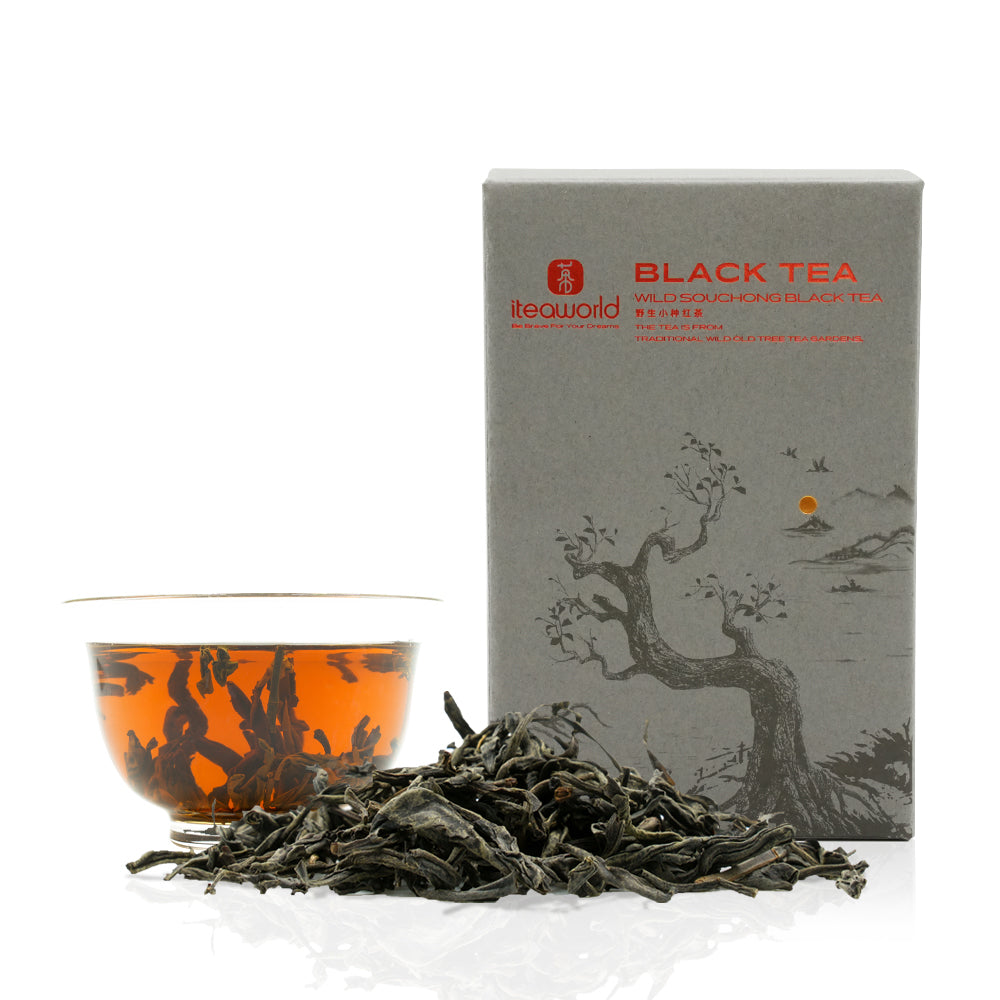
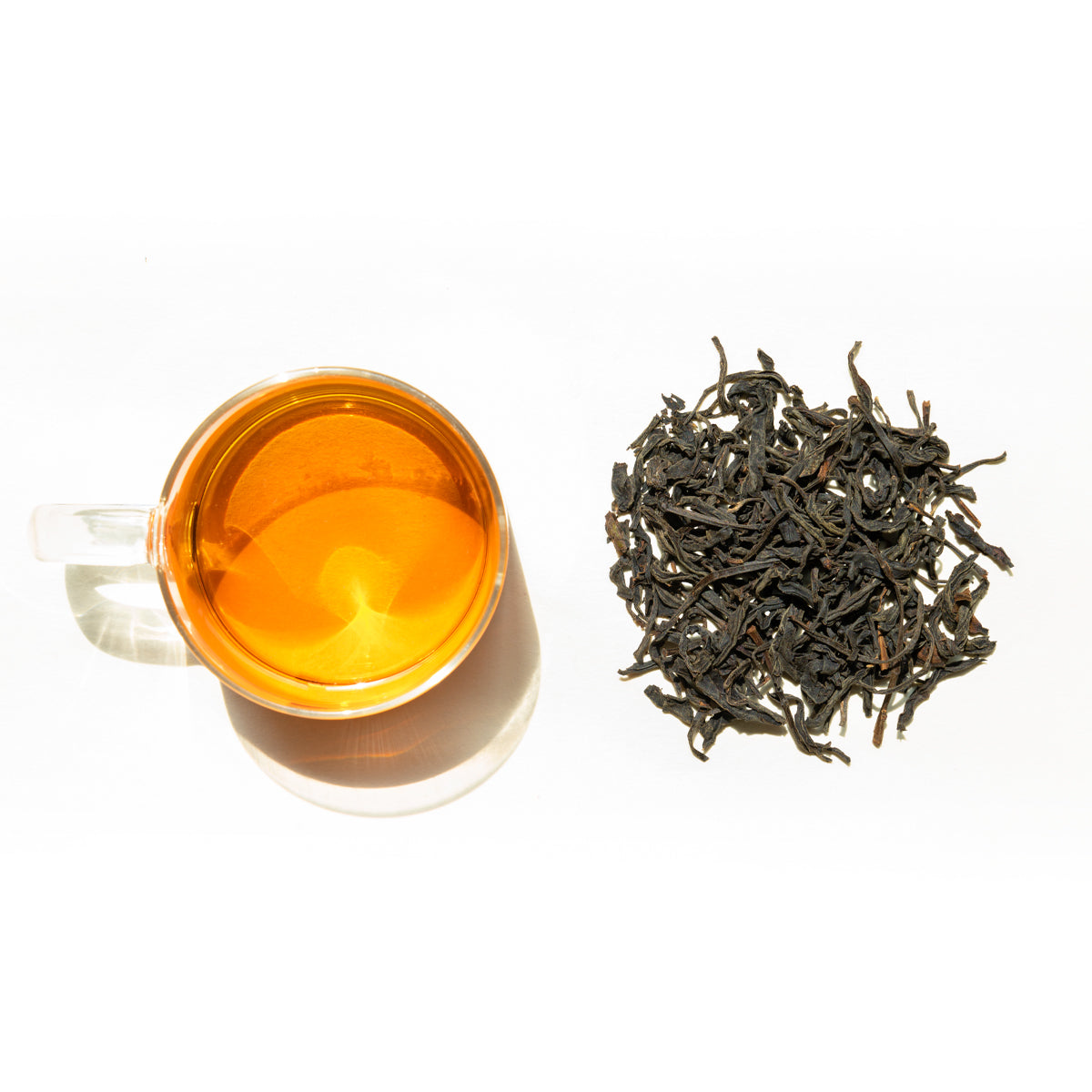
Wild Souchong Black Tea uses wild tea leaves from mountains in Guangxi Province. It uses a special tea-making method of traditional Lapsang Souchong technique. Wild Souchong Black Tea maintains the taste of Lapsang Souchong, while it has a richer flavor. Lapsang Souchong is the earliest black tea and it is called black tea originator. It has a history of 400 years. Lapsang Souchong is baked by pine needles or pine wood. As a result, it has very strong fragrance. Also, due to the bake technique, the color of the tea is grey black and the color of tea soup is dark amber.


Recommended Purchase:
This 2014 aged Shou Mei White Tea is made from Fuding Da Bai and Da Hao tea cultivars grown in Fujian, China. Crafted with traditional sun-drying methods, it delivers a unique blend of "aged aroma" and "herbal fragrance." With a rich, sweet aftertaste and long-lasting brews, this tea is ideal for those who appreciate the complexity of aged teas. However, it’s best enjoyed through simmering or long steeps, making it less suited for Gongfu-style brewing. If you prefer fresh, light, or floral white teas, this option may not align with your taste. This tea is made from whole loose leaves compressed into small 5g cakes. There’s no need to measure—perfect for quick and convenient brewing.
Key Details about 2014 Aged Shou Mei:
Origin: Fuding City, Fujian Province, China
Production Date: August 16, 2014
Grade: First Grade, Autumn Harvest Shou Mei
Tea Cultivar: Fuding Da Bai, Da Hao
Craftsmanship: Traditional sun-drying, overseen by tea master Li Shengyuan
Flavor Highlights: Deep "aged aroma" and "herbal fragrance," with exceptional durability in steeping.
Special Note: This 10-year-aged Shou Mei embodies the character and charm of time-aged white tea.
What is Shou Mei White Tea?
Shou Mei is a type of Chinese white tea primarily grown in Fuding, Zhenghe, and Songxi in Fujian Province. Its name, "Longevity Eyebrow," refers to the tea's leaf shape, which resembles the eyebrows of an elderly person. According to the latest national standards, Shou Mei is crafted from young shoots or leaves of tea plants such as Da Bai, Shui Xian, or local varietals through withering, drying, and sorting processes. While often considered less delicate than other white teas, its robust and complex flavor makes it a great choice for tea beginners.
Brewing and Enjoyment Tips for Shou Mei White Tea:
Shou Mei is not typically consumed fresh; it is better appreciated after aging for at least three years. With time, the tea develops deeper, more layered flavors. After 10 years, aged Shou Mei offers a smoother, sweeter taste, a richer, darker tea liquor, and distinctive "aged" and "herbal" aromas. These qualities make aged Shou Mei highly valued among white tea enthusiasts. It’s best enjoyed when simmered or steeped for extended periods.
Storage Guidelines for Shou Mei White Tea:
To preserve its quality, store the tea in a dry environment with moisture content below 8.5%, temperature around 25°C (77°F), and humidity under 45%. Keep it away from light, odors, and air exposure by sealing it tightly. After three years of proper storage, the tea can be classified as “aged white tea.”
How to Brew Shou Mei White Tea:
Shou Mei Thermos Brewing
1g tea per 100ml (3.4oz) water.
Boiling water (212°F).
Steeping Time: 1-2 hours.
Recommended Tool: Insulated thermos.
Boiling Method:
Add 1g of tea per 100ml (3.4oz) water.
Boil for 1-2 minutes, then let it sit for 2-3 minutes.
For each rebrew, boil 3 minutes longer.
Use a glass or ceramic teapot.
Enjoy up to 3 brews.

Introduction:
This Ripe Puer Tea is meticulously selected from the autumn harvest of 2020. Plucked from high-altitude tea gardens in Mengku Town, Lincang City, Yunnan Province, at elevations of over 1200 meters, this tea is made from high-quality one-bud-three-leaf material. After three years of aging, it exudes a rich, aged aroma with notes of wood, earth, and smokiness. Its balanced, mellow flavor leaves a lingering sweetness on the palate, accompanied by subtle fruity and floral undertones.
Reasons to Recommend:
- Special Processing Technique: The "wet piling" (wo dui) process is a crucial fermentation step in crafting ripe Puer tea. It involves piling sun-dried tea leaves to a certain height, sprinkling them with water, and covering them with burlap to ferment under warm and humid conditions for about 24 hours. Once the leaves reach the desired level of transformation, they are spread out to dry.
- Three Years of Aging: The aging of Puer tea is a natural process of oxidation and microbial fermentation. During this time, polyphenols, amino acids, and other chemical compounds in the tea gradually transform, developing new aromas and flavors. Ripe Puer tea further develops complex aromas and a smoother texture through aging.
- High-Mountain Tea Gardens: Grown in high-altitude tea gardens at around 1200 meters, this tea thrives in an environment where lush vegetation, organic-rich soil, and extreme daily temperature fluctuations enhance the accumulation of flavorful compounds in the leaves.
Oxidation Level: Fully fermented
Roasting Level: None
Processing Time: Spring 2020
Best Before Date: Suitable for long-term storage
Tea Variety: Yunnan Big Leaf
Recently viewed products
Shop with Confidence at iTeaworld

Not satisfied? Get a full refund within 30 days — no return needed

Free tea samples with tea order
Buy 1 get 1 sample. Buy 2 get 2. Buy 3+ get 3 free sample