Guide

Best Oolong Tea for Green Tea Drinkers

Best Oolong Tea for Green Tea Drinkers

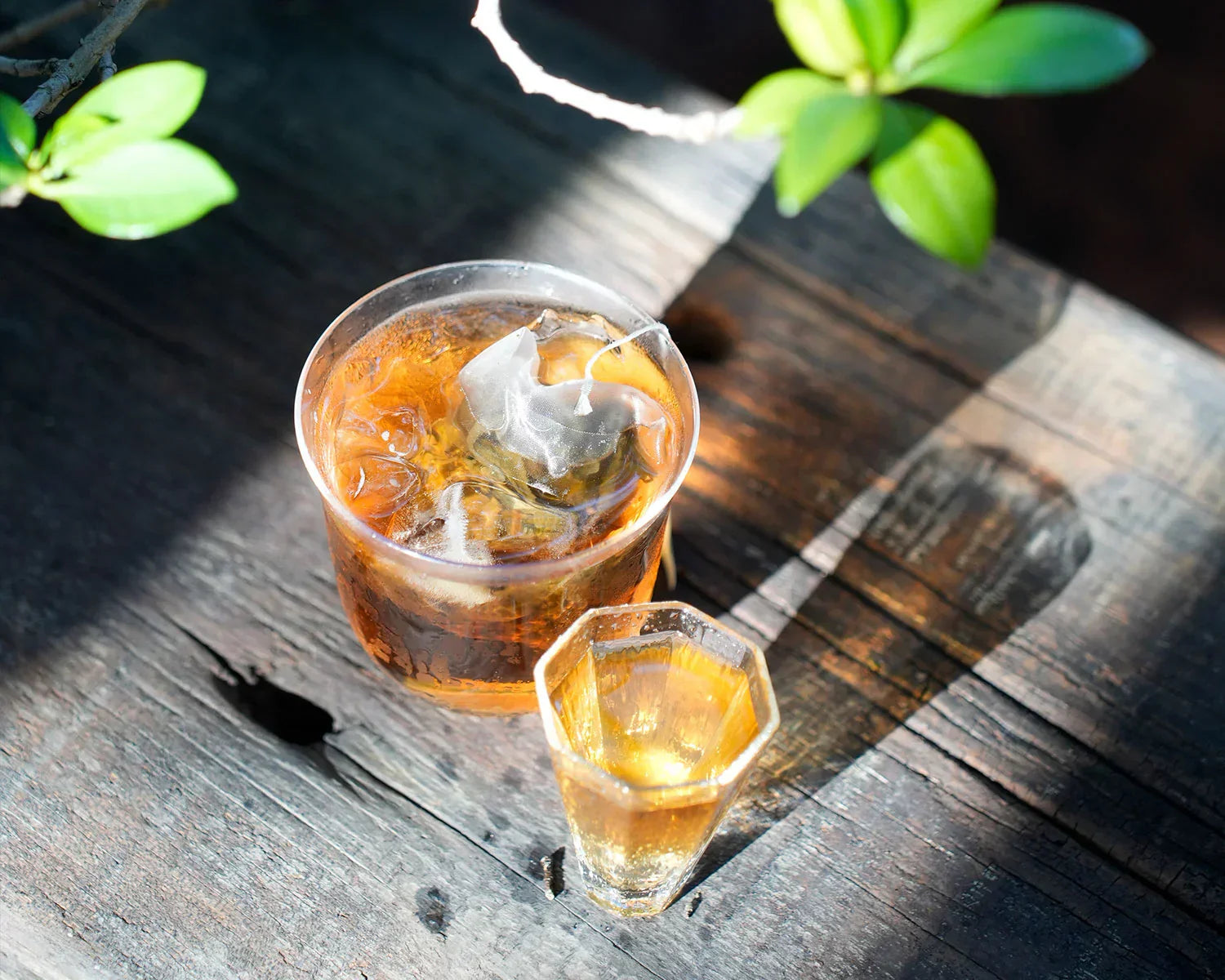
If you already enjoy green tea but have never tried oolong, the category can feel confusing. Some oolongs are green in color and taste fresh and floral. Others are dark, roasted, woody, or almost coffee-like. This is why one person may describe oolong as similar to green tea, while another says the two taste completely different. Both can be right. Tea drinkers often use terms such as “green oolong” or “jade oolong” to describe lightly oxidized, lightly roasted styles. These teas may look and taste closer to green tea, but they are still true oolong teas. Community discussions also show that many people confuse lightly processed oolong with green tea simply because the dry leaves are green. For green tea drinkers, the easiest way to enter the world of oolong is not to choose a random famous tea. Start with a fresh, lightly oxidized and lightly roasted oolong. Is Oolong Tea Similar to Green Tea? Green tea and oolong tea come from the same tea plant, Camellia sinensis. The main difference is what happens to the leaves after they are picked. When making green tea, producers heat the leaves relatively early to stop most oxidation. This helps preserve fresh, vegetal, nutty, or sweet flavors. Oolong tea is allowed to oxidize for longer, but the process is stopped before the leaves become fully oxidized like black tea. Producers may also roast the finished tea to different levels. These choices create an unusually wide range of flavors. Light oolongs can be fresh, bright, floral, and pale in color. More oxidized or roasted oolongs may taste like honey, ripe fruit, toasted grain, wood, minerals, nuts, or cocoa. Roasting can significantly change the aroma and depth of an oolong tea. This means oolong is not one flavor sitting exactly halfway between green tea and black tea. It is a large category with many different styles. For a green tea drinker, the best first Chinese oolong tea is usually found at the lighter end of this range. What Does Oolong Tea Taste Like? Although every tea is different, oolong flavors can be divided into three broad styles. 1. Lightly Oxidized and Lightly Roasted Oolong This is usually the best style for green tea drinkers. These teas often have: Fresh and clean aromas Orchid, lilac, gardenia, or other floral notes A light, smooth body A refreshing finish Pale green, light yellow, or honey-green tea liquor Compared with green tea, they are usually less grassy and more floral. The texture may also feel rounder, softer, or slightly creamier. The dry leaves are often green or jade green. Rolled oolongs gradually open into large leaves during brewing, while teas such as Wenshan Baozhong are usually long and loosely twisted. Good examples include: Light Aroma Tieguanyin Wenshan Baozhong Taiwanese High Mountain Oolong Huang Jin Gui Light-style Bai Ya Qi Lan Yongchun Fo Shou A good light oolong should smell clean and natural. Strong sourness, an unpleasant raw grass smell, or a harsh chemical-like aroma may indicate poor processing or storage. 2. Moderately Oxidized or Moderately Roasted Oolong These oolongs offer more body and richer aromas without becoming too dark. Common flavors include: Flowers and ripe fruit Honey Peach or apricot Toasted grain Nuts Warm spices The tea liquor is often golden or orange-yellow. The taste is fuller than a light oolong but usually not as deep or roasted as Wuyi rock tea. Examples may include: Mi Lan Xiang Dancong Ya Shi Xiang Dancong Traditional Dong Ding Oolong Medium-roasted Taiwanese oolong This can be a good second step for green tea drinkers who enjoy strong fragrance or roasted Chinese green teas. 3. More Oxidized and Heavily Roasted Oolong These teas are the least similar to green tea. They usually have a deeper body and lower, warmer aromas, such as: Roasted nuts Wood Charcoal Cocoa Caramel Minerals Dried fruit The dry leaves are normally dark brown, and the tea liquor may be deep orange, amber, or reddish brown. Da Hong Pao and other Wuyi rock teas are well-known examples. Some heavily roasted oolongs can even remind drinkers of coffee, especially when compared with light and floral styles. These teas can be excellent, but they may not be the easiest introduction for someone looking for the freshness of green tea. For a broader tasting path, this beginner’s guide to oolong tea explains how to explore fresh, floral, and roasted styles. What Is the Best Oolong Tea for Green Tea Drinkers? There is no single tea that suits everyone. Your best choice depends on what you already enjoy about green tea. However, lightly oxidized and lightly roasted oolongs from Southern Fujian and Taiwan are usually the safest places to begin. They preserve much of the freshness and lightness that green tea drinkers already know, while introducing the floral aroma, rounded texture, and changing infusions that make oolong distinctive. 1. Light Aroma Tieguanyin: Best Overall Starting Point Light Aroma Tieguanyin, also called Qingxiang Tieguanyin, is one of the most approachable oolongs for green tea drinkers. Tieguanyin comes from Anxi County in Fujian. Traditional versions can be more oxidized and roasted, but the modern light-aroma style uses lighter oxidation and little or light roasting to preserve freshness. It usually offers: Clear orchid-like aromas A light, refreshing body Gentle sweetness A clean finish Fast and noticeable returning sweetness The leaves are normally tightly rolled and jade green. Once brewed, they gradually open into large, soft leaves. Compared with green tea, Light Aroma Tieguanyin is generally less vegetal and more floral. It can feel familiar without tasting exactly the same. It is a particularly good choice for people who enjoy floral Chinese green teas, Huangshan Maofeng, jasmine green tea, or lighter styles of Biluochun. 2. Wenshan Baozhong: Closest to Green Tea Wenshan Baozhong is one of the lightest traditional Taiwanese oolongs. It is often called “qing cha,” or clear tea, because of its light processing and fresh character. The tea is usually loosely twisted rather than rolled into balls. Expect: Fresh flowers Soft leafy notes Gentle sweetness A light and smooth texture Pale green or light yellow liquor Among traditional oolong styles, Wenshan Baozhong may feel the closest to green tea. It is an excellent choice for drinkers who enjoy freshness but want more aroma and less sharp vegetal flavor. 3. Taiwanese High Mountain Oolong: Smooth and Creamy Taiwanese High Mountain Oolong includes teas from areas such as Alishan, Lishan, and Dayuling. These teas are often lightly oxidized and lightly roasted. Their flavor may include white flowers, fresh mountain air, sugarcane, butter, cream, or soft fruit. They are usually smoother and fuller than green tea, but still clean and refreshing. Choose High Mountain Oolong when you enjoy green tea but want: More body A longer floral aroma A softer mouthfeel Less bitterness and astringency High-quality examples can be expensive, so tasting smaller quantities before buying a large bag is often more practical. 4. Huang Jin Gui: Bright and Highly Aromatic Huang Jin Gui is a Southern Fujian oolong known for its bright, direct fragrance. Its name is often associated with a golden tea liquor and an aroma similar to osmanthus flowers. Compared with Tieguanyin, its aroma can feel lighter, sharper, and more immediately noticeable. It is a good choice for jasmine green tea drinkers and anyone who enjoys fragrant tea without added flavoring. 5. Bai Ya Qi Lan: Floral, Sweet, and More Layered Bai Ya Qi Lan comes from Pinghe County in Fujian and is known for its orchid-like aroma. Processing styles vary. Some versions are traditionally roasted and deeper in flavor, while lighter versions preserve more freshness and floral character. A light-roasted Bai Ya Qi Lan may offer: Delicate orchid aromas A smooth and refreshing entrance Natural sweetness A slightly fuller body than Light Aroma Tieguanyin A lingering finish This makes it a useful next step for green tea drinkers who want something fresh but not too light. 6. Yongchun Fo Shou: Best for a Fruity Transition Yongchun Fo Shou is a less common Southern Fujian oolong made from a large-leaf tea variety. It is often associated with fresh citrus, citron, pear, or sweet fruit aromas. A lightly roasted version can be smooth, mellow, and clean, without obvious charcoal notes. It is a good choice when you enjoy the refreshing quality of green tea but want to explore a softer and fruitier direction. The Best Oolong Starting Point If You Don’t Like Green Tea Here is a useful way to think about it in reverse: if you already know that you do not enjoy green tea, you may want to avoid the lightest, greenest styles of oolong at first. Instead, begin with a medium-oxidized or more strongly roasted oolong. These teas move further away from the fresh, grassy, or vegetal side of green tea and toward honeyed fruit, toasted grain, nuts, wood, caramel, and mineral depth. A traditional Dong Ding, a fragrant Dancong, or a Wuyi rock oolong may be a better starting point. Disliking green tea does not necessarily mean you will dislike oolong. It may simply mean that the greener end of the oolong spectrum is not the right place for you to begin. A Simple Three-Tea Tasting Path Trying several oolongs side by side is often more helpful than buying a large amount of one unfamiliar tea. The iTeaworld Fresh Chinese Oolong Tea Collection brings together three lightly roasted Southern Fujian oolongs: Light Aroma Tieguanyin Yongchun Fo Shou Bai Ya Qi Lan The three teas share a fresh, light, and easy-drinking character, but each shows a different direction. Light Aroma Tieguanyin is the most clearly floral and refreshing. Yongchun Fo Shou is softer and fruitier. Bai Ya Qi Lan combines orchid notes with a slightly fuller taste and lingering sweetness. The collection contains 30 grams of each tea, making it possible to compare them over several brewing sessions rather than judging each tea from a single cup. It is designed for people who prefer lighter oolongs without heavy roasted notes and can also be prepared as cold brew. Match Oolong to the Green Tea You Already Like Your current green tea preference can help narrow the choice. You Like Sencha or Other Japanese Green Tea Try: Wenshan Baozhong Light Aroma Tieguanyin Taiwanese High Mountain Oolong These oolongs will not have the same seaweed-like umami as Japanese green tea, but they preserve freshness while adding more flowers and a rounder texture. You Like Longjing or Other Pan-Fired Chinese Green Tea Try: Light Aroma Tieguanyin Bai Ya Qi Lan Huang Jin Gui Lightly roasted Dong Ding These teas may provide some of the smoothness or gentle toasted quality you enjoy, together with stronger floral aromas. You Like Jasmine Green Tea Try: Light Aroma Tieguanyin Wenshan Baozhong Huang Jin Gui Bai Ya Qi Lan The floral notes come naturally from the tea variety and processing rather than from added jasmine flowers. This can be a useful way to explore naturally aromatic tea. You Like Stronger Green Tea, Such as Gunpowder Try: Medium-roasted Dong Ding Traditional Tieguanyin A lighter Wuyi oolong A fragrant Dancong You may find very light oolongs too delicate. A moderate roast can provide more structure while still showing floral or fruity character. How to Brew Light Oolong Tea Green tea drinkers sometimes use water that is too cool for oolong. Many rolled oolongs need hotter water to help the leaves open and release their aroma. Instead of lowering the water temperature too much, control bitterness by shortening the brewing time. Simple Western-Style Method Use: 3–4 grams of tea 8 ounces or 250 milliliters of water Water at around 185–200°F or 85–93°C A first steep of 2–3 minutes Taste the tea and adjust from there. Use a shorter steep if it is too strong, or slightly hotter water if the aroma feels closed. Gongfu-Style Method Use: About 5 grams of tea 100 milliliters of water Hot or boiling water A first steep of around 15–20 seconds Add several seconds with each later infusion. The Light Aroma Tieguanyin, Yongchun Fo Shou, and Bai Ya Qi Lan in iTeaworld’s Fresh Collection are brewed with 5 grams per 100 milliliters at 212°F, using short infusions. Cold Brew Method Light oolong is also well suited to cold brewing. Place approximately 5 grams of tea in 500–750 milliliters of cold water and refrigerate it for 6–8 hours. The result is usually bright, smooth, and low in bitterness. How to Recognize a Good Light Oolong Color alone does not tell you whether an oolong is good. Look at the complete experience. The dry leaves should appear clean and have a fresh, natural aroma without unpleasant odors. After brewing, the tea liquor should be clear. Small tea hairs or tiny leaf particles are normal, but the cup should not look unusually muddy. The flavor should be fresh and clean rather than sharply sour, aggressively grassy, or burnt. Floral notes should feel connected to the tea, not like perfume sitting on top of the liquid. The opened leaves should generally feel soft and flexible rather than dry and brittle. A good oolong should also develop over several infusions instead of losing all aroma after the first cup. Final Recommendation For most green tea drinkers, Light Aroma Tieguanyin is the best first oolong tea. It keeps the freshness and light body that feel familiar while introducing the floral aroma, rounded texture, and changing infusions that make oolong special. Choose Wenshan Baozhong when you want the closest bridge from green tea. Choose Taiwanese High Mountain Oolong when you want something smoother and creamier. Choose Yongchun Fo Shou when you prefer fresh fruit and pear-like sweetness. Choose Bai Ya Qi Lan when you want floral freshness with a little more depth. You do not need to understand every tea region, cultivar, oxidation level, or roasting method before trying oolong. Begin with a fresh, lightly roasted style, compare a few teas, and pay attention to the direction you naturally enjoy. Your first oolong does not need to represent the entire category. It only needs to help you find the next cup.
The Best Tea to Drink in the Morning, Afternoon, and Evening

Tea vs Coffee: Why Tea Is a Better Choice for All-Day Energy

Learn which Chinese teas to drink in the morning, afternoon, and evening. Explore tea caffeine levels and find the perfect tea for focus, relaxation, and daily balance.
Valentine’s Day Tea Gifts

iTeaworld’s 7 Most Recommended Valentine’s Day Tea Gifts

Discover iTeaworld’s 7 Valentine’s Day tea gifts, from fragrant Chinese floral teas to beginner-friendly teaware, perfect for sharing warm, romantic moments together.
Seasonal Chinese Floral & Fruit Tea

Why We Created a Seasonal Chinese Floral & Fruit Tea Subscription

Discover our seasonal Chinese tea subscription, featuring flower, fruit, and herbal teas. Enjoy teas perfectly paired to the season for wellness and daily ritual.
High-Quality Chinese Oolong

What Makes a Top-Tier Oolong Tea? A Guide to High-Quality Chinese Oolong

Learn what makes a top-tier oolong tea, from growing regions and tea tree varieties to craftsmanship, with real examples from classic Chinese oolong teas.
xiao qing gan

Beginner’s Guide: Everything You Need to Know About Xiao Qing Gan (Green Mandarin Pu-erh Tea)

Learn everything about Xiao Qing Gan (Green Mandarin Pu-erh Tea), from origin and flavor to brewing tips, health benefits, and how to choose the right one.
chenpi (dried tangerine peel)

A Beginner’s Guide to Chenpi Tea (dried tangerine peel): Everything You Should Know

Chenpi tea, made from aged dried tangerine peel, is a traditional Chinese tea ingredient valued for its warming nature and layered aroma. This beginner-friendly guide explains what chenpi is, how aging changes its flavor, how it pairs with aged teas, and how to identify real chenpi with confidence.
Aged Citrus Peel Tea

The Best Winter Teas for Beginners: Warm, Gentle, and Easy to Enjoy

A beginner-friendly guide to winter teas, featuring aged tangerine peel (Chenpi) paired with aged Chinese teas. Learn why these blends are warm, gentle, low in caffeine, and easy to enjoy during colder months.
Chinese scent tea

Top 10 Chinese Scented Teas Every Beginner Should Try

Scented tea is a type of tea found only in China. It is not simply tea mixed with flowers. Through a traditional scenting process, fleeting floral aromas are gently absorbed into tea leaves, giving the tea a completely new aromatic character and flavor expression. China has a rich variety of scented teas. Jasmine, rose, Daidai blossom, pearl orchid, osmanthus, and many other flowers have long been used in this craft. In this guide, we introduce ten of the most common and beginner-friendly Chinese scented teas. We hope this overview helps you better understand Chinese floral teas and appreciate the quiet charm they carry. 1. Gardenia Black Tea The use of gardenia flowers in scented tea dates back to the Southern Song Dynasty, as recorded in Tiaobian Leiben. At that time, this tea was enjoyed mainly among scholars and literary circles. In modern tea making, the traditional gardenia scenting technique has been paired with Yunnan black tea(Dianhong), giving rise to what is now known as Gardenia black tea. This tea brings together the fresh, expressive aroma of gardenia and the natural sweetness of Dianhong. On the first sip, floral notes open gently on the palate, followed by the mellow sweetness and soft fruit tones of black tea. The finish feels clean and refreshing, with a pleasant returning sweetness in the throat. After drinking, the floral fragrance lingers, while the tea offers both palate-cleansing and gently uplifting qualities. If you’re interested in Gardenia Black Tea, feel free to click the image or the link to learn more>> 2. Pearl Orchid Green Tea (Zhulan) Pearl orchid, also known as tea orchid, has a long history in Chinese scented tea. According to the She County Gazetteer, its use began during the Daoguang period of the Qing Dynasty. By the late 19th century, pearl orchid tea had become one of China’s major scented teas. Together with jasmine, it gave rise to the saying “jasmine in the south, pearl orchid in the north,” and was regarded as a refined tea among scholars and cultural figures. This pearl orchid green tea comes from She County in Anhui Province. High-quality Huangshan Maofeng is used as the tea base and scented twice with fresh flowers. The pearl orchid softens the flavor, leaving the liquor light and clean, without the bitterness often found in green tea. A gentle sweetness emerges instead. The aroma feels calm and understated, carrying a cool, slightly sweet floral note reminiscent of orchids growing in a quiet mountain valley. Compared with jasmine tea, it is more restrained, yet its fragrance lasts long in the cup. If you’re interested in Pearl Orchid Green Tea, feel free to click the image or the link to learn more>> 3. Daidai Blossom Green Tea Daidai blossom comes from a variety of bitter orange. Its flowers carry a bright aroma reminiscent of fresh lemon peel, layered with soft orange blossom notes. Traditionally, daidai blossom has been used both as a medicinal ingredient in Chinese herbal practice and as a flower for scented tea. In Bencao Shiyi, it is described as helping ease tension, support digestion, and regulate the stomach. By the Qianlong period of the Qing Dynasty, tea scented with daidai blossom had already become a tribute tea served to the imperial court. This Daidai blossom green tea is produced in Jinhua, Zhejiang Province. Spring-picked tea ranging from single buds to one-bud-one-leaf is used as the base. The addition of Daidai blossom brings a gentle sweetness that softens the bitterness often associated with green tea, creating a more balanced and layered profile. The liquor tastes fresh and lively on the palate, with a clear sweetness emerging in the finish. Citrus fruit notes blend with floral fragrance and the natural freshness of green tea, forming a rich and long-lasting aroma. It is especially enjoyable after meals. If you’re interested in Daidai Blossom Green Tea, feel free to click the image or the link to learn more>> 4. Pomelo Blossom Oolong Tea Pomelo blossom oolong was born from an unexpected discovery. Tea master Zhang Guoxiong once scattered fresh pomelo blossoms over oolong tea by chance. After resting overnight, the brewed tea revealed an intense and surprisingly elegant pomelo blossom aroma. This moment sparked years of focused experimentation, and in 2007, the first batch of pomelo-scented Qilan Oolong was successfully produced on a larger scale. Pomelo blossoms bloom for only 15 to 20 days each year, which makes this tea particularly rare. This pomelo blossom oolong uses Baiya Qilan from Pinghe County as the tea base, scented twice with fresh pomelo blossoms. Bright citrus fruit notes of pomelo blossom intertwine with the natural orchid fragrance of Baiya Qilan, creating a layered and harmonious aroma. The liquor feels smooth and lively, with a light sweetness developing mid-palate. After swallowing, a clear returning sweetness rises in the throat, followed by a long, gentle finish. The overall impression is soft and well balanced, carrying a calm, grounded character reminiscent of mountain landscapes. Suitable for all seasons, this tea works especially well as an everyday companion. If you’re interested in Pomelo Blossom Oolong Tea, feel free to click the image or the link to learn more>> 5. Sticky Rice Aroma Black Tea  Fresh flowers are not the only ingredients used in the scenting tradition. Aromatic leaves also play an important role. Sticky rice aroma black tea is a lesser-known specialty from Yunnan, made by scenting black tea with nuomi xiang leaves. Among ethnic groups such as the Dai and Hani, these leaves have long been used in cooking, herbal remedies, and tea making. This sticky rice aroma black tea is scented with nuomi xiang leaves and Dianhong black tea. Once brewed, a warm and natural sticky rice fragrance rises from the cup, clean and comforting rather than overpowering. On the palate, the tea feels smooth and rounded, with the gentle sweetness of black tea unfolding without bitterness or rough edges. The liquor has a rich texture and a bright orange-red color, creating a sense of warmth and ease. It is especially well-suited for drinking during autumn and winter. If you’re interested in Sticky Rice Aroma Black Tea, feel free to click the image or the link to learn more>> 6. Osmanthus Black Tea The pairing of osmanthus and tea dates back to the Song Dynasty, when it was already enjoyed among the imperial court and scholars. Over time, osmanthus became one of the most widely used flowers in the scented tea tradition. This Osmanthus black tea is scented with fresh baoxin osmanthus, often called the “royalty of osmanthus” for its exceptional quality. Compared with common osmanthus, these blossoms are larger, thicker, and more aromatic, with a fragrance that lasts longer. Only one round of scenting is needed for the floral aroma to fully infuse the tea. In the cup, the rich body of black tea blends seamlessly with the soft sweetness of osmanthus. The flavor lingers gently after each sip, offering a clear returning sweetness and a comforting warmth. This tea is particularly enjoyable during cooler seasons, warming both the body and the stomach. If you’re interested in Osmanthus Black Tea, feel free to click the image or the link to learn more>> 7. Osmanthus Oolong Tea Osmanthus pairs beautifully not only with black tea, but also with oolong. This Osmanthus oolong uses a roasted, aroma-forward Tieguanyin as the tea base and undergoes three rounds of scenting. Through this process, the floral fragrance becomes deeply integrated into the tea. From the first sip, the rich aroma of Osmanthus fills the cup and the palate. The liquor feels smooth and rounded, while the character of Tieguanyin gradually unfolds, adding structure and depth. As the tea moves toward the finish, a gentle roasted note appears, leaving a warm and lingering aftertaste. The overall profile feels balanced and full, with both floral sweetness and oolong complexity working in harmony. If you’re interested in Osmanthus Oolong Tea, feel free to click the image or the link to learn more>> 8. Rose Black Tea The combination of rose and tea can be traced back to the Ming Dynasty, when roses were first paired with tea, most often green tea at the time. As black tea production techniques developed, rose black tea gradually became more widespread, especially in Guangdong and Fujian. It later grew into an important export tea and came to symbolize refined urban living in cities such as Shanghai. This rose black tea uses Dianhong as its base. The depth and body of the black tea balance the natural sweetness of the rose. On the palate, the tea feels smooth and full, with the mellow richness of black tea appearing first, followed by gentle floral sweetness spreading through the mouth. The aftertaste is long and elegant, combining warmth with a light, graceful floral lift. It is a comforting choice for those who enjoy naturally sweet and aromatic teas. If you’re interested in Rose Black Tea, feel free to click the image or the link to learn more>> 9. Jasmine Liubao Tea Jasmine Liubao is a relatively recent style within Chinese scented teas. The aged, grounding character of Liubao tea meets the fresh, expressive aroma of jasmine, creating a surprising and harmonious contrast. A sip brings together warmth and brightness, offering an experience that feels both familiar and new. Compared with traditional Liubao, this jasmine-scented version lacks heavy storage notes or earthy tones. What remains is a soft jasmine fragrance layered over the mellow sweetness of Liubao tea. The liquor feels smooth and gentle, making it especially enjoyable after rich or oily foods, when the palate benefits from something clean and calming. If you’re interested in Jasmine Liubao Tea, feel free to click the image or the link to learn more>> 10. Jasmine Green Tea Jasmine green tea is the most familiar and widely produced scented tea in China. Green tea is the most commonly used base. Traditional herbal texts note that the aroma of jasmine is valued for easing emotional tension and helping the body feel lighter during warm and humid weather. Today, major production areas include Hengzhou in Guangxi, Fuzhou in Fujian, Qianwei in Sichuan, and parts of Yunnan. This jasmine Biluochun comes from Hengzhou. The floral aroma is rich and expressive, while bitterness remains restrained. A slight bitterness appears toward the finish, but the fresh, lively character of green tea stays present throughout. Tea and flowers complement each other naturally, releasing layers of aroma and flavor with each sip. After drinking, the jasmine fragrance lingers in the mouth for a long time. If you’re interested in Jasmine Green Tea, feel free to click the image or the link to learn more>> Explore All 10 in One Collection If you would like to experience all ten of these teas at once, you may explore our Top 10 Chinese Scented Tea Set. Each tea was carefully selected from multiple samples, representing both classic and lesser-known styles. One box offers a complete journey through China’s most representative scented teas.
China's 10 Most Famous Tea Collection

Why We Created the “China’s 10 Most Famous Teas Collection”

The idea for this collection came from noticing something simple but important: many American friends want to explore Chinese tea and try it for themselves, but often don’t know where to start. Some say Longjing is the best place to begin, others recommend Tieguanyin. The real magic of Chinese tea, however, is that just one or two teas can’t represent it. The full picture lies in the seven major tea categories: green tea, black tea, oolong tea, white tea, dark tea, yellow tea, and China’s unique scented teas. Each category has its own distinct flavors and techniques, and the differences within a single category can be huge. Take oolong, for example: from the light, floral Tieguanyin to the Phoenix Dancong and the heavily roasted Da Hong Pao, the flavor spectrum is vast. For American consumers, trying each tea one by one can be time-consuming, expensive, and confusing—they often don’t know which teas to start with. This is why we created the “Top 10 Representative Chinese Teas”. The goal was simple: select the most iconic teas from each category so beginners can experience the full spectrum of Chinese tea flavors efficiently and at minimal cost. Green Tea: Longjing and Huangshan Maofeng were chosen as representatives of China’s two main green tea processing methods (pan-fired and baked) and as two of the most famous Chinese teas. Oolong Tea: The two oolongs selected are the most distinctive: Tieguanyin, representing southern Fujian; and Da Hong Pao, representing northern Fujian. Both are highly popular and widely discussed in China. Black Tea: China is the birthplace of black tea, and among hundreds of varieties, I selected Keemun (small-leaf) and Yunnan Dianhong (large-leaf) as the most typical and approachable examples. White Tea: White Peony was chosen for its tender one-bud-one-leaf combination, perfectly showcasing white tea’s soft, sweet character. Dark Tea: From the many dark teas, Yunnan ripe Pu-erh was selected for its recognizable flavor and beginner-friendly taste. Yellow Tea: Although less known overseas, Junshan Silver Needle is essential for understanding the full landscape of Chinese tea. Scented Tea: Jasmine tea naturally belongs here—an essential cup for anyone starting their journey into Chinese tea. With these ten teas, anyone can experience the most representative flavors of Chinese tea. We also realized that many beginners don’t know how to brew tea properly. To help, we created a “Beginner’s Guide to Chinese Tea”, covering five main sections: 1. Why Tea Matters in China – The cultural importance of tea. 2. The story of Chinese tea from myth to world heritage. 3. The Six Major Types of Chinese Tea – Origins, differences, and key techniques. 4. Why Chinese People Brew Tea with a Gaiwan – Insights into gongfu tea culture. 5. How to Brew Six Tea Types with a Gaiwan – Simple steps even beginners can follow. 6. Tea Etiquette – Traditions and details for enjoying tea at the table. Buying this collection includes the guide, so beginners not only get to taste the teas but also understand the culture behind them. Another challenge is that many beginners don’t have the right tea tools at home. In the Chinese tea system, the gaiwan set is the easiest and most effective way for newcomers to appreciate the flavors. That’s why we also offer the Top 10 Teas + Chaozhou Bone China Gaiwan Set.   The tea set features a thin, fast-heating, comfortable-to-hold gaiwan made in Chaozhou, Guangdong—perfect for beginners. The full set includes: a gaiwan, a fairness cup, and three tasting cups. Each tea comes with a dedicated card describing its origin, flavor, processing, story, and recommended brewing method.   For us, this collection isn’t just a set of teas. It’s a way to help friends overseas experience Chinese tea in the simplest and most enjoyable way, to introduce the culture, the flavors, and the beauty of Chinese tea, all in a way that’s friendly, accessible, and easy to understand.   If you’d like to learn more about our products and available discounts, please click the link. Buy now and enjoy 20% off,  end 12/31.
10 Must-Try Chinese Teas for Beginners

iTeaworld’s Top 10 Must-Try Chinese Teas for Beginners

China is the birthplace of tea. Over thousands of years, it has developed a complete tea system that includes green tea, black tea, white tea, yellow tea, oolong tea, dark tea, and China’s unique scented teas. Each category carries its own flavor, aroma, and stories. From the refreshing brightness of green tea to the rich depth of dark tea, different processing methods, cultivars, and growing regions create a wide world of taste. For beginners, trying teas at random can be time-consuming and costly. To help you get started more efficiently, we selected ten classic teas from China’s seven major tea categories. They represent the most iconic and approachable flavors for anyone beginning their journey into Chinese tea. 1. Green Tea Green tea is the oldest and most widely consumed category in China. It is grown across many regions and exists in three main types based on drying method: pan-fired, baked, and sun-dried. Longjing and Huangshan Maofeng almost perfectly showcase the essential features of pan-fired and baked green teas, while sun-dried green tea is mostly used to produce dark teas. Brewing: Use a gaiwan or glass cup, tea-to-water ratio of 1:50, water temperature 80–85°C, steep for 10–15 seconds. Best time to drink: Morning or early afternoon for a refreshing lift. ① Longjing – The Benchmark of Pan-Fired Green Tea Longjing is one of China’s most famous green teas. Known for its emerald color, delicate aroma, sweet and mellow taste, and elegant flat shape, it is often regarded as the crown of China’s top teas. West Lake Longjing was once given as a national gift to foreign guests.  The leaves are flat and smooth, releasing a distinctive aroma reminiscent of pan-fried beans or fresh peas. The flavor is bright and clean with a lingering sweetness and virtually no bitterness. Today, Longjing is mainly produced in Hangzhou’s West Lake, Qiantang, and Yuezhou regions. If you want to buy Longjing, click the image or link to learn more>> ② Huangshan Maofeng – A Classic Baked Green Tea Huangshan Maofeng is one of the most iconic baked green teas, originating from the Yellow Mountain region in Anhui. It was created around 1875 by tea merchant Xie Zheng’an. In 2022, its processing technique was listed as a UNESCO Intangible Cultural Heritage item.  Huangshan Maofeng has slender, slightly curved leaves that resemble a sparrow’s tongue. The color is a soft green with a hint of yellow. Its aroma is delicate, often showing notes of orchid or roasted chestnut. The taste is light, sweet, and refined, yet layered, with a clear and lasting sweetness after swallowing. It has long been cherished by tea enthusiasts in China and around the world. If you want to buy Huangshan Maofeng, click the image or link to learn more>> 2. Oolong Tea Among China’s traditional tea categories, oolong tea covers the widest range of flavors. Depending on the oxidation level and roasting intensity, oolong aromas can range from light floral notes to deeper caramel tones. Its taste can be fresh and bright or rich and roasted.  To help you understand the spectrum, we recommend Anxi Tieguanyin and Da Hong Pao. They sit at opposite ends of the oxidation and roasting scale. If you prefer a floral yet balanced flavor, Phoenix Dancong is also a wonderful choice. Brewing: Use a gaiwan or Yixing teapot, tea-to-water ratio 1:20. Steep the first three infusions for 10–15 seconds with boiling water, then gradually extend by 5–10 seconds. Drinking notes: Great in the morning or during work breaks. Avoid drinking at night. ① Anxi Tieguanyin – The Signature of Southern Fujian Oolong Tieguanyin, discovered during the Qing Dynasty in Anxi County of Fujian, is loved for its distinctive “Guanyin Yun,” a unique resonance in both aroma and taste. Its name is said to come from the Qianlong Emperor, who was impressed by the tea’s dark, glossy leaves and graceful fragrance.  Tieguanyin is commonly divided into three styles:  ● Light Aroma (Qingxiang): High floral fragrance, clear and refreshing.  ● Traditional Roasted (Nongxiang): Warm, rich aroma with caramel or fruit notes; smooth and full-bodied.  ● Aged (Chenxiang): Mature, mellow, sweet, ideal for aged-tea lovers. If you want to buy Tieguanyin, click the image or link to learn more>> ② Da Hong Pao – The King of Wuyi Rock Tea Da Hong Pao is the star of Wuyi rock tea. Most Da Hong Pao on the market today is blended from high-quality Wuyi cultivars.  Its signature traits are its mineral “rock rhyme” and long-lasting floral aromas such as orchid, osmanthus, peach, and even creamy notes. The liquor is smooth and full, offering a rich and layered flavor. If you want to buy  Da Hong Pao, click the image or link to learn more>> 3. Black Tea China is the birthplace of black tea. As a fully oxidized tea, its flavor varies widely depending on the tea cultivar and processing method. We recommend two classics: Keemun, made from small-leaf varieties, and Yunnan black tea, made from large-leaf varieties. If you enjoy smoky flavors, authentic Lapsang Souchong is also worth exploring. Brewing: Use a gaiwan at a 1:30 or 1:50 ratio. Steep the first three infusions for 10–15 seconds with 95–100°C water, then extend slowly. Drinking notes: Avoid drinking on an empty stomach. It pairs well with milk, honey, or lemon. The warm, bright color of the liquor makes it especially comforting in autumn and winter. ① Keemun Black Tea – The Queen of Black Tea Keemun is celebrated alongside Darjeeling and Uva as one of the world’s three most aromatic black teas. It earned international fame in the 19th century and quickly became beloved by the British royal family. It remains a key element of traditional English afternoon tea. Keemun is known for its rich and layered aroma, blending floral notes (orchid, rose), fruity tones (apple), and honeyed sweetness (caramel, malt). The liquor is smooth, full, and naturally sweet. If you want to buy Keemun Black Tea, click the image or link to learn more>> ② Yunnan Ancient Tree Black Tea (Dianhong) Dianhong represents China’s large-leaf black teas. It was created in 1939 during wartime, when traditional tea production areas were disrupted. Tea master Feng Shaoqiu successfully produced black tea using Yunnan’s large-leaf cultivar, which quickly gained global popularity. Dianhong is appreciated for its honeyed or floral aromas, thick texture, complexity, and impressive endurance over multiple infusions. If you want to buy Dianhong, click the image or link to learn more>> 4. Ripe Pu-erh Tea – A Representative of Dark Tea  Dark tea undergoes a second fermentation with the help of microorganisms. Among the major dark tea styles, ripe Pu-erh from Yunnan is one of the smoothest and most approachable for beginners. Its pile-fermentation process transforms the tea into a mellow, thick, and silky brew with no bitterness. Over time, it develops aromas such as jujube, aged wood, or herbal notes. Ripe Pu-erh is gentle on the stomach, making it suitable for sensitive drinkers. Moderate long-term consumption may help with digestion and fat metabolism. Brewing: Use a gaiwan or Yixing teapot at a 1:20 ratio. Rinse quickly with boiling water. Steep for 8–10 seconds for the first few infusions, then extend gradually. Drinking notes: Ideal for autumn and winter, and excellent with rich or oily foods. If you want to buy Ripe Pu-erh, click the image or link to learn more>> 5. White Peony – A Classic White Tea White tea is processed only through withering and drying, keeping much of its natural flavor. It is typically divided into four grades: Silver Needle, White Peony, Gongmei, and Shoumei. White Peony ranks second. Its mix of green leaves and silvery buds looks like a flower, and when brewed, the bud sits on the open leaf like fresh blossoms. The flavor is lightly sweet and floral, with notes of orchid, osmanthus, or soft vegetal aromas. Aged White Peony becomes smoother and richer. How to Brew:  Use a gaiwan or Yixing teapot at a 1:20 ratio. Steep the first three infusions for 30–40 seconds with boiling water, then extend by 30 seconds each round. Aged tea can also be brewed in a thermos or simmered. When to Drink:  Great for summer and autumn. It pairs well with lemon, orange, or floral additions like rose or chrysanthemum. If you want to buy White Peony, click the image or link to learn more>> 6. Junshan Silver Needle – A Rare Treasure Among Yellow Teas Junshan Silver Needle is the highest grade of Chinese yellow tea and has been an imperial tribute since the Tang Dynasty. Its unique “yellowing” process creates the signature golden liquor and softens any bitterness. The dry leaves carry a sweet young-corn aroma. Once brewed, the warm aroma resembles roasted chestnut, and as it cools, a gentle honey note appears. The liquor is smooth and clean. Though not widely known overseas, it remains an essential part of China’s tea heritage. How to Brew:  Use a gaiwan or glass cup at a 1:50 ratio. Steep the first three infusions for 10–15 seconds with water at 80–85°C, then extend by 5–10 seconds as you go. When to Drink:  Best in the morning or after meals to aid digestion and ease fatigue. Avoid drinking it on an empty stomach. If you want to buy Junshan Silver Needle, click the image or link to learn more>> 7. Jasmine Green Tea – The Most Popular Scented Tea Scented teas are unique to China. Fresh flowers are layered with tea leaves, allowing the leaves to absorb the floral fragrance naturally. Among them, jasmine tea is the most widely produced and most loved, usually made with green tea as the base. The more rounds of scenting it undergoes, the stronger and more integrated the jasmine aroma becomes.  This jasmine green tea is scented three times, giving it a bright, rich floral fragrance. The flavor is smooth and refreshing, with a balanced harmony of tea and jasmine. It is ideal for daily drinking, especially for those who enjoy pronounced floral notes. How to Brew: Use a gaiwan or glass cup at a 1:50 ratio. Steep the first three infusions for 10–15 seconds with water at 80–85°C, then extend by 5–10 seconds as needed. When to Drink: Perfect for mornings or afternoons. It helps you stay focused while also relaxing the mind. If you want to buy Jasmine Green Tea, click the image or link to learn more>> If you want to try all 10 teas at once, you can choose our Top 10 Chinese Teas, specially designed for beginners. Each tea is carefully selected, and we offer two options: a standard set and a gift set. Enjoy 20% off when you buy now. Offer ends 12/31.If you just want to explore a variety of Chinese teas, go for the standard set>> If you’re looking for a gift, the gift set comes with a beginner-friendly bone china gaiwan>> We hope these ten teas give you a solid foundation for understanding the core flavors of Chinese tea and inspire you to explore deeper. With these classics as your starting point, you’re far more likely to find the tea that truly speaks to your taste and becomes a long-term favorite.
 Cold Brew Tea Recipes

Cold Brew Tea Recipes: 7 Easy Chinese Whole Leaf Tea Ideas for Summer

Cold brewing Chinese whole leaf teas is not only tasty but also fun! These 7 easy-to-make cold brew recipes can be prepared right at home, and pairing the teas with common fruits adds a playful twist while expanding their flavor profiles.
cold brew tea-iteaworld

14 Chinese Whole Leaf Teas Perfect for Cold Brewing in Summer

Cold brew tea is the ultimate summer hack—0 sugar, 0 calories, 0 additives, less caffeine, and way smoother and sweeter than hot brews. But not every tea works the same. So which Chinese teas taste the best on ice? We’ve rounded up 14 perfect picks for your summer cold brew.
Cold Brew Chinese Tea

Benefits of Cold Brew Chinese Tea: Your Perfect Summer Tea

0 sugar, 0 calories, 0additives, Lower caffeine. Cold brewing makes Chinese whole leaf tea taste fresher, sweeter, and smoother. In this post, we’ll walk you through all the benefits—and show you exactly how to make it at home.
YaShiXiang Dancong Teas from Different Seasons

The Differences Between YaShiXiang Dancong Teas from Different Seasons

Today, I had the chance to try three YaShiXiang Dancong teas from different seasons. YaShiXiang is a well-known variety of Phoenix Dancong oolong tea, boasting higher popularity than other Dancong types. It falls under the category of semi-oxidated oolong teas. My Brewing Method: Use Gaiwan Water Temperature: Boiling water Steeping Time: Quick 10-second infusions Tea-to-Water Ratio: 5g of tea to about 90-100ml of water (using a 100ml gaiwan) The teas all came from the same region, with slight differences in elevation. The first tea, a spring harvest, was grown at an altitude of 600 meters, while the other two were from slightly lower elevations. Tea #1: Fengxi Spring YaShiXiang Smooth and full-bodied with a thick mouthfeel. The aroma is subtle and understated, but the flavor is balanced and satisfying. Even by the third infusion, the taste remained consistent and full. The tea has a gentle sweetness—soft, low-key, and steady. I found it absolutely delightful.  Tea #2: Autumn YaShiXiang This tea had a deeper roast and oxidation compared to the others, which gave it a more pronounced aroma. However, the tea liquor felt thinner, with a more watery texture. The flavor wasn’t as rich or layered as the spring tea, and it lacked the same depth and smoothness. Tea #3: Winter YaShiXiang (Xue Pian/雪片) The tea leaves were greener, and the liquor was lighter in color, suggesting a lighter roast and oxidation. It had a fresh, floral fragrance that was intense and sweet. The mouthfeel was soft and silky. By the third infusion, the aroma noticeably changed—it started with an orchid-like scent in the first two brews, then transitioned to a refreshing blend of floral notes with hints of gardenia. This dynamic and complex profile was incredibly captivating, light yet layered. Fun Facts: “Xue Pian/雪片” refers to the final harvest season for Phoenix Dancong tea. Lower-altitude tea bushes can sprout new buds in early winter due to milder temperatures, which is why Xue Pian and autumn teas don't have high-mountain teas. Recommendation Tips: If you enjoy floral teas (like Tie Guan Yin): Consider exploring Winter YaShiXiang. The slow growth during winter allows the leaves to accumulate more aromatic compounds, giving the tea a distinctive fragrance. Its bright, crisp aroma feels like a unique winter breeze—high, sharp, and memorable. If you’re after a well-rounded tea with balanced flavor, aroma, and durability: Spring YaShiXiang is an excellent choice. After a winter of nutrient accumulation, the leaves are packed with rich substances, creating a multi-layered taste. While it’s pricier, you can opt for mid-elevation teas if you’re on a budget or go for high-mountain teas for premium quality. This one I tasted is mid-elevation, also good. If you’re looking for value: Autumn YaShiXiang offers a great balance of quality and affordability. With less rainfall and lower humidity during autumn, the tea leaves have a reduced water content, which enhances the aroma. The tea delivers a steady, bold fragrance at a reasonable price. Discover the unique flavors of Ya Shi Xiang Duck Shit Oolong Tea across different seasons. Each season brings out distinct characteristics in the tea leaves. Spring offers a fresh and floral aroma, perfect for those who enjoy light, delicate teas. Autumn and winter, on the other hand, showcase deeper, more robust flavors with a fuller body. Our Ya Shi Xiang Dan Cong Oolong Tea Collection by Different Seasons provides a complete sensory journey through the changing seasons, with each tea carefully harvested and processed to highlight the seasonal nuances. Whether you prefer the crisp freshness of spring or the rich warmth of winter, this set is a must-try for any oolong lover.
Xinyang Maojian

Unveiling the Unique Charm of Xinyang Maojian and its Status as One of China’s Top Ten Teas

Hey, tea lovers! If you’re like me and love teas bursting with rich flavors, aromas, and captivating stories, then you’ve come to the right place. Today, let’s dive into Xinyang Maojian, a true treasure in the world of Chinese green tea. It’s not only cherished for its unique taste but also for its profound cultural background. The Lesser-Known Stories Behind Xinyang Maojian The Story of the Song Thrush In the tea mountains where Xinyang Maojian is produced, you can often spot a little bird with a sharp beak and big eyes, covered in soft yellow feathers. This bird is called the 画眉 (huà méi), or song thrush. Not only is this bird melodious and delightful, but it also helps out by catching insects on the tea plants. The tea farmers love it! Legend has it that the towering old tea tree on the mountain was planted from superior tea seeds brought by this very bird. International Honors Additionally, Xinyang Maojian won a first-class gold medal at the 1915 Panama-Pacific International Exposition, showcasing its international recognition and quality. Folklore There’s a beautiful legend about a girl named 茶姑 (Chagu), who searched for healing herbs to help her sick villagers. One day, she met an old herbalist and shared the community's struggles. Touched by her kindness, the elder revealed to her a magical tea, which later became known as Xinyang Maojian. It’s said that this tea comes from high-quality seeds carried by the hardworking song thrush, which not only sings beautifully but also helps farmers control pests.     What Sets Xinyang Maojian's Core Production Areas Apart? The main production area of Xinyang Maojian is concentrated in Xinyang City, Henan Province. Nanshan and Xishan Nanshan: Slightly warmer temperatures; tea is harvested in early April. Xishan (High Mountain): Harvesting occurs in late April. Harvesting Standards Tea pickers adhere to strict guidelines known as the “五不采” (Five Don’ts): 不采老茶叶 (No old leaves) 不采小茶叶 (No small leaves) 不采马蹄叶 (No fish leaves) 不采茶果 (No flower buds or immature fruits) 不采老枝梗 (No old branches) They ensure timely and selective harvesting. Superior Growing Conditions What’s the secret behind great Xinyang Maojian? Its growing conditions: Fertile soil Abundant rainfall Plenty of sunshine These factors contribute to the robust growth of tea trees. Xinyang Maojian mainly uses the 清明茶 variety, known for its tender buds and fine leaves. The brewed tea is fresh and fragrant, exuding a unique charm. In Xinyang’s special climatic conditions, the tea flourishes and is carefully picked when the leaves are at their best in spring.     What Makes Xinyang Maojian So Special? Xinyang Maojian is one of the finest loose leaf teas in China! Its leaves are deep green, dense, and tender, earning it the name “毛尖” (Maojian, meaning "hairy tip"). Its standout features include: Sweetness: High-quality Xinyang Maojian carries a natural sweetness after brewing, especially noticeable in the aftertaste. Fragrance: The aroma is fresh and elegant, often described with regional characteristics of bean, chestnut, or tender fragrances. Slight Bitterness: There may be a slight bitterness initially, which is a natural expression of the tea polyphenols, quickly transforming into a sweet aftertaste with a hint of nuttiness—truly delightful! The Production Process of Xinyang Maojian: Savoring the Craftsmanship of Tea The production process of Xinyang Maojian involves several key steps: Fresh Leaf Spreading: Freshly picked leaves are spread out, usually on odorless mats, to dry. They are spread about 5 to 10 cm thick and turned gently every hour. Top-grade and first-grade tender leaves are cooled for 1 to 2 hours before frying, while lower grades need at least 3 to 4 hours of cooling to ensure they are freshly processed on the same day. Killing Green: This step uses a frying pan to halt enzyme activity and initial rolling. The pan is heated to 140-160°C, using about 500 grams of fresh leaves per batch. Leaves are flipped and rotated for about 3 to 4 minutes until soft. Final Frying: The temperature is controlled at 80-100°C. Initially, a tea brush is used to handle the leaves, transitioning to hand-rolling to achieve the signature shape. Initial Drying, Cooling, and Re-Drying: The initial drying process aims to partially dry the tea, followed by cooling and subsequent drying. This is repeated multiple times to ensure the tea’s dryness and quality. Sorting and Final Drying: Finally, the tea is sorted to remove impurities and incomplete leaves before the last round of drying to guarantee quality and flavor.     Brewing Tips from Beginner to Expert Want to experience the exquisite flavors of Xinyang Maojian? Check out these simple brewing tips: Choose the Right Teaware: Xinyang Maojian is best brewed in a clear glass cup. This allows you to appreciate the beauty of the leaves as they unfurl in the water. Water Temperature: Use water around 80°C for brewing. Higher temperatures help release the nutrients while keeping the tea clear. Tea Amount: Typically, use 3-5 grams of tea. The tea-to-water ratio for Xinyang Maojian is about 1:50, using 150-300 ml of water. Brewing Time: The first steep should be around 20 seconds to fully extract the aroma and flavor while avoiding bitterness. Brewing Methods: You can use various pouring techniques for Xinyang Maojian: Top Pour: Fill your cup with hot water and then add the tea leaves. Middle Pour: Add some hot water first, then the tea leaves, and finally fill it up. Bottom Pour: Place leaves in the cup, add hot water to about 1/4 full, steep for 1-2 minutes, then top it off with hot water at 75°-85°C. Enjoying the Tea Savor the movement of the leaves and the taste of the tea. After tasting, you’ll appreciate its refreshing flavor and lasting sweetness. Using a transparent glass teapot helps you admire the beautiful color of the tea. This tea is also a great addition to Tea Gift Sets, bringing joy to both new and returning tea drinkers.     The Health Benefits of Xinyang Maojian Aside from being delicious, Xinyang Maojian offers numerous health benefits! Here are some of its wonders: Antioxidant Properties: Rich in tea polyphenols, this tea acts as a strong antioxidant, helping combat free radicals and aging while lowering the risk of certain chronic diseases. Cardiovascular Health: Studies show that the polyphenols and other compounds in green tea can help reduce cholesterol and lower the risk of atherosclerosis. Metabolism Boosting: The caffeine and other components in Xinyang Maojian may enhance metabolism, aiding in fat burning and supporting weight loss. Dental Health: Fluoride and other elements in green tea can help prevent tooth decay and reduce plaque formation. Digestive Health: This tea aids digestion, alleviating discomfort and even helping prevent gastrointestinal infections due to its antibacterial properties. Xinyang Maojian is an ideal afternoon pick-me-up! Just remember, while this tea has many health benefits, moderation is key—overindulging or drinking it on an empty stomach might cause some issues. Enjoy it in suitable amounts based on your personal health status. Frequently Asked Questions About Xinyang Maojian What does Xinyang Maojian taste like? Xinyang Maojian delivers a delicate, complex flavor, blending light fruity and nutty notes, with a smooth mouthfeel and a hint of sweetness. How should I store my Xinyang Maojian? Keep the tea in a cool, dry place, away from direct sunlight, ideally in a sealed container to maintain its freshness. Can I reuse the tea leaves? Absolutely! You can steep Xinyang Maojian leaves multiple times, each infusion offering a different tasting experience! Does Xinyang Maojian contain caffeine? Yes, like most green teas, it has a moderate caffeine level—perfect for a gentle boost.     Conclusion Incorporate Xinyang Maojian into your daily life or gift it to someone special to share this renowned Chinese Tea and savor its exquisite flavors. You’ll also be embracing a cherished tradition. At iTeaworld, we are thrilled to offer this extraordinary loose leaf tea, inviting you to explore the wonderful world of Xinyang Maojian with us!
 Black Friday Shopping Guide

2024 Black Friday Shopping Guide: Best Value Chinese Tea!!!

Dear Tea Enthusiasts! As the holiday season approaches and the cold weather sets in, I bet you’re on the lookout for the best way to warm yourself up. Chinese tea is catching the attention of many this season, and you know what that means? It’s time for an exciting Black Friday shopping spree! At iTeaworld, we’re rolling out our Crazy Black Friday promotion, offering a fantastic 25%-30% OFF, so you can stock up on your favorite loose leaf tea and explore new flavors without worrying about breaking the bank. Why Buy Tea This Black Friday? Best Savings of the Year: This is the most cost-effective shopping season. Comfort & Warmth: As temperatures drop, a hot cup of tea is exactly what you need. Healthy Choice: Tea is full of antioxidants and pairs perfectly with your healthy lifestyle. Perfect Gift: Tea makes an excellent, thoughtful gift for friends and family. Exclusive Discounts Await You Here’s the breakdown of our discounts: All orders < $100: Enjoy 25% OFF!! All orders ≥ $100: Enjoy 30% OFF!! Exciting Freebies To enhance your shopping experience, we’ve prepared some exclusive goodies for you: Spend $50: Get an Exclusive Panda Bookmark. It’s the perfect companion for your tea-sipping reading sessions! Spend $100: Receive a Beautiful Hand-Painted Teacup. Elegant and perfect for enjoying your brew.     Daily Deals Plus, don’t forget to check out our daily deals. You can snag up to 50% OFF on select tea products. Make sure to check back regularly! Discounts apply automatically at checkout November 17: Chinese Black Tea Sampler - Originally $19.99, now just $9.99!As of December 12 November 18: Wild Green Tea - Originally $31.43, now just $18.86!As of December 12 November 19: Wild Oolong Tea - Originally $35.88, now just $21.53!As of December 12 November 20: Wild Black Tea - Originally $30.23, now just $21.16!As of December 12 November 21: 3-Scent Jasmine Biluochun - Originally $15.90, now just $11.13!As of December 12 November 22: Chinese Cold Brew Tea Sampler - Originally $29.99, now just $17.99!As of December 12 November 23: Wild Souchong Chinese Black Tea- Originally $29.99, now just $19.49!  As of December 12 November 24: Old Tree Green Tea - Originally $14.99, now just $11.24!As of December 12 November 25: Yunnan Black Tea - Originally $9.99, now just $6.49!As of December 12 November 26: Guangxi Old Tree Black Tea - Originally $39.99, now just $29.99!As of December 12 November 27: Souchong Black Tea - Originally $29.99, now just $17.99!  As of December 12 November 28: Yingde Black Tea - Originally $24.99, now just $14.99!As of December 12 Pro Tip: Strategic ordering = Maximum savings Classic Collection Set: The Ultimate Starter If you’re unsure where to start, our value champion, the Classic Chinese Tea Sampler, is available for $19.99, now just $14.99. This set includes all the teas from our Chinese Black Tea Sampler  and Chinese Oolong Tea Sampler. It’s a fantastic entry option for anyone looking to explore the flavors of Chinese tea. Maximize Your Black Friday Savings Here’s how to truly maximize your savings: Discounts apply automatically at checkout 1. “Tea Lover’s Trio” Pick up: Classic Chinese Tea Sampler($19.99) Chinese Oolong Tea Sampler($19.99) Chinese Black Tea Sampler($19.99) Total Cost: $59.97Enjoy 25% OFF, bringing your total down to $44.98. What a steal! Additionally, you’ll receive the Panda Bookmark! 2. “Ultimate Tea Experience” Buy: Longjing Tea ($55.90) 9-Scent Jasmine Green Tea($39.99) Chinese Oolong Tea Sampler($19.99) Total Cost: $115.88You’ll get 30% OFF, making it just $81.12. Plus, you’ll receive the hand-painted teacup! 3. “Perfect Gift Set” Choose: Huangshan Maofeng ($25.45) Xinyang Maojian ($23.90) Chinese Black Tea Sampler($19.99) Total Cost: $69.34Enjoy 25% OFF, totaling $67.00. You’ll score another adorable Panda Bookmark! If you have some favorite tea varieties, take a look at our specific tea promotions.     Green Tea Picks: Refreshing Choices Looking for something fresh? Our green teas are sure to please. Discounts apply automatically at checkout 1. Longjing (Premium) Original $55.90, now just $41.925. This iconic Chinese green tea is known for its flat leaves and nutty aroma. Tasting Notes: Fresh, smooth, with a hint of sweetness. Health Benefits: Packed with antioxidants, it helps boost metabolism. 2. 9-Scent Jasmine Green Tea Original $39.99, now just $29.99. Ah, the floral wonder! This tea combines delicate white tea with jasmine. Tasting Notes: Light, fragrant, and sweet. Perfect Time: Ideal for relaxing after a long day. 3. Huangshan Maofeng Original $25.45, now just $19.08. Looking for something elegant? Tasting Notes: Delicate floral and grassy notes with a smooth finish. Occasion: Great for afternoon tea or casual gatherings. 4. Xinyang Maojian Original $23.90, now just $13.44. This tea has character! Bold flavor and vibrant green color. Tasting Notes: Rich, refreshing, and invigorating. Perfect Time: A fantastic midday pick-me-up. 5. Taiping Houkui Original $36.90, now just $27.67. Big leaves = bold flavor! Tasting Notes: Sweet, smooth, and aromatic. Enjoy It: Perfect for treating yourself.     Oolong Tea: Flavor Explosion If you want to venture out, give our oolong teas a try! Discounts apply automatically at checkout Chinese Oolong Tea Sampler Original $19.99, now just $14.99. Sample multiple flavors! This sampler includes: Da Hong Pao: Rich and complex with a roasted flavor. Original Price $29.90, now just $22.425. Tieguanyin: Light floral notes—it's a crowd favorite! Original Price $14.99, now just $11.24. Min Nan Shui Xian: Smooth and slightly sweet. Original Price $19.99, now just $14.99. Fenghuang Dancong Oolong tea: A wild taste adventure! Original Price $45.99, now just $34.49.     Black Tea: Bold and Beautiful Craving something bolder? Our red teas are your best bet! Discounts apply automatically at checkout Chinese Black Tea Sampler Original $19.99, now just $14.99. This combo takes you on a flavor journey: Souchong Black Tea : Smoky and rich for nighttime. Original Price $29.99, now just $22.49. Yunnan Black Tea: Malty and easy-drinking. Original Price $9.99, now just $7.49. Yingde Black Tea: Rich and balanced, perfect with snacks. Original Price $24.99, now just $18.74. Wild Souchong Black Tea: For fans of smoky flavors! Original Price $29.99, now just $22.49.     Frequently Asked Questions Q: How do I know which tea to choose?A: Start with our sample packs! They offer a great variety that lets you discover your favorite flavors. Q: Are these teas suitable for beginners?A: Absolutely! Many of our featured teas have mild flavors, making them perfect for newcomers. Q: Can I gift these teas?A: Yes! Our tea gift sets make thoughtful gifts, especially during the holiday season. Now that you have all this information, are you ready to dive into the captivating world of Chinese tea this Black Friday? With amazing discounts and enticing flavors, you’re not just buying tea; you’re getting an experience. Whether it’s enjoying a cozy cup yourself or gifting a thoughtful selection to friends, let this holiday season be special with iTeaworld. Check out iTeaworld.com for all the incredible deals! Happy shopping and happy sipping!  
What's the Big Deal About Chinese Tea?

What's the Big Deal About Chinese Tea?

Ever walked into a tea shop, eyes glazing over all those tea varieties, wondering,  what on earth is the difference between green, oolong, and pu-erh tea? Yeah, I’ve been there too. And if you’re hunting for some authentic Chinese tea, it can feel even more confusing with all the options popping up online. Let’s keep it simple, shall we? First, Why Chinese Tea? Chinese tea has been around for over 5,000 years. That’s not just ancient history—that’s a heck of a track record. But more than that, people rave about it for a reason: It’s calming, flavorful, and, yeah, healthy. Each tea offers a unique experience, like the soothing aroma of jasmine green tea or the rich, earthy taste of a well-aged pu-erh.     But choosing the right one can still feel like a puzzle. Breaking Down Popular 6 Types of Chinese Tea Green TeaThe go-to health tea. It's fresh, grassy, and full of antioxidants.Famous picks include Longjing(or Dragon Well). Ever tried it? It’s super crisp, like a cool breeze on a hot day. Green tea is delicate, though—don’t oversteep it, or it’ll get bitter. Brewing tip: 2-3 minutes at 175°F. White TeaWhite tea is the most delicate of all teas, made from young tea leaves or buds that are minimally processed. It has a light, subtly sweet, and floral flavor, making it feel like sipping a gentle morning breeze. Depending on the variety, you may taste notes ranging from honey to a soft, fruity sweetness. My go-to? Fujian Fuding White Tea Delicately smooth: The tea has a silky mouthfeel, without any astringency or bitterness, which many find incredibly soothing. Sweet and mellow: The natural sweetness is often compared to the gentle taste of honeydew or ripe pears, making it a pleasant and calming drink. Light floral notes: People might mention how the tea's subtle floral aroma reminds them of wildflowers or a fresh spring meadow. 3. Yellow TeaYellow tea is like the secret gem of the tea world—rare and refined, with a taste profile that sits between green and white tea. It undergoes a special, gentle oxidation process that gives it a mellow, slightly sweet flavor with hints of toasted grain and a touch of floral. My favorite? Junshan Silver Needle Yellow Tea. It’s like savoring warm sunshine on a quiet afternoon, perfect for those moments when you want something calming but a little richer than white tea.      4. Oolong Tea          Oolong is like the "Goldilocks" of tea—partly oxidized, making it sit between             green and black. It has a nutty, sometimes floral taste, depending on the                   style.  My fave? Tieguanyin. It feels like spring in a cup, even in the middle of           winter.      5. Black Tea Rich, bold, and fully oxidized. The popular ones, like Dianhong or Keemun, are perfect if you’re swapping out your morning coffee. A splash of milk, a hint of honey—game changer. Dark TeaDark tea, also known as Hei Cha, is like the “mature sage” of the tea world—fully fermented and aged, giving it a rich, earthy flavor. It's known for its deep, smooth taste, often with notes of forest floor, dried fruit, or sweet molasses, depending on how long it’s been aged. My favorite? Pu-erh. It feels like being wrapped in a cozy blanket on a rainy day, grounding and comforting, especially when you crave something bold and complex. FAQ: Let's Answer What You’re Really Wondering How do I know if I’m buying real Chinese tea?Look for trusted sellers with good reviews.Sites like TeaVivre, Yunnan Sourcing, Mei Leaf and Iteaworld help break down quality grades and sourcing. What’s the best Chinese tea for beginners?Jasmine green tea or Tieguanyin. They’re flavorful but not too intense. Is there a specific way to store Chinese tea?Yes! Keep it in an airtight container, away from light, heat, and moisture. Trust me, you don’t want your tea tasting like your pantry. Are there health benefits?Oh, you bet.Green tea is packed with antioxidants.Pu-erh? Known to aid digestion.But hey, enjoy it for the taste first—benefits are just a bonus. How to Brew Like a Pro Brewing Chinese tea doesn’t need to be complicated. Here are simple steps for the perfect cup every time: Use fresh, filtered water. Chlorine? Nope. Temperature matters: Don’t scald your green tea! Black tea? Go ahead, use that boiling water. Steeping time: A few minutes. Taste as you go to avoid bitterness. Teaware: If you’re feeling fancy, use a gaiwan. Or, a simple mug works too. One Last Sip of Wisdom Chinese tea isn’t just a drink. It’s a ritual, a moment to pause in your busy day. So next time you’re overwhelmed by tea choices, start with one. Brew it, sip it, and savor every note. Because, really, life’s too short for bad tea. Have questions about your next tea adventure? Drop them below or check out tea knowledge for more brewing tips and tea picks.
Things You Need to Know About Taiping Houkui

Things You Need to Know About Taiping Houkui

In the world of Chinese tea, Taiping Houkui is like a green brushstroke of poetry—a timeless, enchanting melody waiting for tea lovers to explore and savor. This tea is renowned not only for its unique shape and aroma but also for the spirit of craftsmanship and the vibrant essence of nature it embodies. Taiping Houkui holds a special allure for those seeking quality and a refined lifestyle. Each leaf of Taiping Houkui resembles a small boat, carrying the natural elegance and cultural stories of Huizhou. A light sniff unveils a delicate orchid fragrance, fresh and graceful, evoking a sense of retreat into a deep forest. Taking a sip, the taste is fresh, sweet, and smooth, with a lingering finish that enchants both the palate and the heart. Let us embark on this delightful Loose Leaf Tea journey together, savoring the unique and timeless beauty of Taiping Houkui.   History and Cultural Background of Taiping Houkui Taiping Houkui is a gem among China’s renowned teas, classified as a green tea and a distinguished example of pointed teas. Hailing from Huangshan in Anhui Province, Taiping Houkui is celebrated as the “ultimate pointed tea,” with its unique appearance: two leaves tightly embracing the bud, flat and straight, naturally spread, with a hint of white down that enhances its charm. The tea liquor is clear and fresh, exuding a strong orchid fragrance and providing a rich, captivating taste experience. The origins of Taiping Houkui can be traced back to the Xianfeng era of the Qing Dynasty (1859). At that time, tea artisan Zheng Shouqing developed a tea garden near the Machuan River, producing a tea with a strong, elegant aroma and upright appearance, which he named “Tai Ping Pointed Tea.” This tea gradually gained market attention and popularity. By the Guangxu period of the Qing Dynasty, Tai Ping tea had risen in popularity across tea houses in Nanjing, Yangzhou, and Wuhan, becoming highly sought after in Jiangnan. During this era, Wang Kui, a tea farmer from Hougang, carefully selected premium leaves to produce an even finer Chinese Green Tea, which was ultimately named “Taiping Houkui.” It has since become a treasured part of China’s tea culture.   Core Production Areas and Tea Varieties of Taiping Houkui ● Production Area Core Production Areas Taiping Houkui’s core production areas are located in Xinming Township in Huangshan City, specifically in villages such as Houkeng, Hougang, and Yanjia. These areas offer an ideal natural environment with a climate suited for tea tree growth, fostering the superior quality of Taiping Houkui. Other Production Areas Beyond the core areas, Taiping Houkui is also cultivated in places like Tai Ping Lake Town, Gantang Town, Xianyuan Town, and Wushi Township in Huangshan District. Although less frequently mentioned, these regions also produce quality Loose Leaf Green Tea that exhibits the unique characteristics of Taiping Houkui.   ● Tea Tree Varieties The primary tea variety for Taiping Houkui is the “Shi Da Cha” (Persimmon Large Leaf Tea), a seed-propagated, large-leaf bush variety from Anhui Province. The broad, tender leaves of Shi Da Cha provide the optimal aroma and taste needed to bring out Taiping Houkui’s distinct flavors during processing, making it the ideal choice for crafting this prized tea. Characteristics of Taiping Houkui Taiping Houkui, as one of China’s renowned teas, is highly admired for its unique shape, color, fragrance, taste, and liquor color. Here are some of its standout features: ● Shape Taiping Houkui’s leaves are distinctively two leaves embracing one bud, flat and upright. This shape allows the tea leaves to release aroma and flavor evenly during brewing, enhancing the overall tea experience of Chinese green tea. ● Color Its color is a uniform, refreshing emerald green, providing an inviting and pleasing appearance. ● Aroma The fragrance of Taiping Houkui is deeply orchid-like, with a natural, floral freshness. This fragrance, both captivating and soothing, is released fully during brewing, offering an enjoyable sensory experience. ● Taste The taste is refreshingly smooth yet full-bodied, with a lingering sweetness. Taiping Houkui has a unique fresh quality balanced by a rich, substantial undertone, leaving a memorable aftertaste that lingers delightfully. ● Liquor Color The tea liquor presents a clear, bright green hue, contributing to its visual appeal. ● Leaf Bottom Finally, the infused leaves are tender, bright green with red veins, further enhancing the overall quality and aesthetic of this exceptional tea.   The Craftsmanship of Taiping Houkui Tea Taiping Houkui, a renowned traditional Chinese tea, is crafted through meticulous steps and rigorous quality control, ensuring high quality while preserving its unique flavor. Below are the main steps involved in making Taiping Houkui: Leaf Picking The first step in producing Taiping Houkui is picking the leaves, usually done in the early morning or on cloudy days to ensure optimal moisture content. Tea farmers select the finest tender buds with one bud and two leaves, perfect for crafting high-quality Houkui tea. Fixation (Sha Qing) After picking, the tea leaves undergo fixation, a process involving high heat to halt oxidation, thus preserving the tea's green color and aroma. The leaves are usually fixed through pan-frying or steaming to quickly complete the process, locking in both fragrance and nutrients. Rolling Rolling is a physical process that breaks the leaf cell walls, releasing the tea juice. During this stage, the leaves become gradually flat and straight, setting the foundation for the following processes. The degree of rolling significantly affects the tea's shape and flavor in the Tea Sampler. Shaping After rolling, the tea leaves undergo a shaping process called "pinching." This traditional and high-end handcraft technique produces Taiping Houkui with tender, plump buds and leaves, minimal tea juice loss, and a natural flat shape. The finished tea is straight and as thin as cicada wings, with a fragrance of orchids and a smooth, sweet taste. Drying (Baking) Lastly, the leaves go through drying (baking) at appropriate temperatures and times to remove moisture, ensuring stability for long-term storage. This stage also enhances the tea’s aroma, resulting in a bright green tea liquor.   Tips for Selecting Taiping Houkui Tea Choosing premium Taiping Houkui requires attention to appearance, aroma, liquor color, taste, and leaf base. Here are some detailed tips to help you select top-quality Taiping Houkui: Appearance Shape High-quality Taiping Houkui should have a flat, straight shape with one bud held by two leaves. The tea leaves should be robust, around 5 to 7 cm in length, and uniform, with no broken or incomplete pieces. Color Premium Taiping Houkui should have a vibrant, even green color with a subtle layer of fine white hairs. If the leaves are yellowish or dull, or have sparse hairs, the quality might be lower. Aroma Dry Leaf Aroma Smell the dry tea leaves; good Taiping Houkui will have a fresh orchid or chestnut fragrance that is lasting and delightful. If the dry leaves have no aroma or smell moldy or sour, the tea’s quality is likely compromised. Brewed Aroma After brewing, the aroma of high-quality Taiping Houkui becomes more pronounced and long-lasting, providing a refreshing scent. If the aroma is weak or mixed with off-flavors, the quality is likely inferior in the Green Tea sampler. Liquor Color Observe the Liquor Premium Taiping Houkui produces a bright, clear green liquor upon brewing. If the liquor appears yellowish, cloudy, or has sediment, the tea quality may be poor or brewing technique incorrect. Color Stability Good Taiping Houkui maintains a stable liquor color across multiple infusions, not quickly fading or changing with subsequent brews. Taste Flavor Profile Quality Taiping Houkui has a thick, sweet flavor with a refreshing finish. The tea liquor should feel substantial and layered in the mouth, leaving a long-lasting impression. Brewing Durability Good Taiping Houkui can withstand 3 to 4 infusions, or even more, maintaining a consistent flavor level with each infusion. If the tea loses flavor quickly, the quality is likely low. Leaf Base Leaf Condition After brewing, observe the leaf base; premium Taiping Houkui leaves should be tender, bright green, complete, and plump. Broken, yellowish leaves or dark spots indicate lower quality. Touch High-quality Taiping Houkui leaves feel soft and resilient to the touch. Following these tips will help you easily find premium Taiping Houkui, allowing you to enjoy the unique charm of this classic tea. Whether for personal enjoyment or gifting, quality Taiping Houkui provides a delightful tea experience. Differentiating Taiping Houkui from Taiping Bujian Both Taiping Houkui and Taiping Bujian come from Huangshan, Anhui, and are beloved for their distinctive aroma and appearance. However, some unscrupulous sellers may pass off Taiping Bujian as Taiping Houkui. Here, we’ll detail the differences between the two in terms of appearance, aroma, durability, and taste, helping you purchase authentic Taiping Houkui, known for being one of the best green tea options available. Dry Tea Appearance Taiping Houkui: Made from tender leaves of the Shida tea plant, it has a two-leaf, one-bud form. The leaves are flat, straight, and vibrant green with a clear grid pattern, giving a robust look. Taiping Bujian: Made from Huangshan local tea plants with three-leaf, one-bud form. It appears wide, flat, and lighter green with a less distinct grid pattern. Bu Jian's leaves are larger, thinner, and lighter, lacking the robust texture of Houkui. Aroma Taiping Houkui: With minimal pressing, there is less juice loss, resulting in a rich orchid aroma. The tea's layers of fragrance unfold through the brewing process, particularly strong in the first two infusions. Taiping Bujian: With more pressing, there is greater juice loss and a weaker aroma. While fresh, Bu Jian lacks the complex layers and rich orchid fragrance found in Houkui. Durability Taiping Houkui: Highly durable, retaining aroma and flavor through three to four infusions without bitterness, even with longer steeping or more tea leaves. Taiping Bujian: Generally lasts only two infusions, with noticeable drops in aroma and flavor after the second steep. Testing durability is a quick way to check for authentic Taiping Houkui. Taste Taiping Houkui: The tea liquor has a fresh, full-bodied flavor with a strong aftertaste, presenting rich layers of taste without bitterness, even if over-brewed. Taiping Bujian: The liquor is mild and lacks the richness and aftertaste of Houkui, with an overall lighter flavor. Brewing Tips for Taiping Houkui Proper brewing is essential to enjoy the unique flavor of Taiping Houkui. Here are some recommended brewing tips for a fragrant cup at home. Choose the Right Utensil A tall glass is ideal for brewing Taiping Houkui, as it allows the tea leaves to fully expand. Tea Amount Use about 5 grams of Taiping Houkui per brew. This amount fits well with a tall glass, providing enough space for the leaves to release their aroma and flavor, making it one of the best green tea to drink. Brewing Steps Water Pouring: Start by filling about one-third of the glass with water at 90°C. This temperature activates the tea’s fragrance without damaging its delicate flavor. Tea Adding: Gently add 5 grams of tea leaves to the water, then lightly shake the glass to help the leaves unfold. Fill to Three-Quarters: Next, add more water until three-quarters full, watching the leaves float gently, releasing their fragrance. Steeping Time Let it steep for 3 minutes, which allows the tea to release its refreshing flavor without becoming too bitter. Enjoying the Tea After 3 minutes, start sipping the aromatic Taiping Houkui. First, gently swirl the glass to enjoy the aroma changes, then savor the tea slowly. Quality Taiping Houkui offers a fresh, full-bodied taste with orchid fragrance and a sweet aftertaste. In conclusion, Taiping Houkui holds an esteemed place among China’s famous teas due to its unique appearance, vibrant green color, and rich orchid fragrance. With a sweet, full-bodied flavor and a memorable aftertaste, it makes an excellent choice for a tea gift set that captures the hearts of many. As a historic tea, Taiping Houkui is more than a beverage—it’s a symbol of lifestyle. We encourage all tea enthusiasts to experience its exquisite flavor, appreciating the history and culture it represents, bringing serenity and joy to daily life. Whether enjoyed alone or with friends, Taiping Houkui will guide you on an unparalleled tea journey.
What's the Best Tea for Morning, Noon and Night?

What's the Best Tea for Morning, Noon and Night?

There are many types of tea, each with its own unique characteristics and benefits. Throughout the day, our body’s condition and energy levels are constantly changing. If you can drink the right tea at the right time, it will make your body feel more comfortable and achieve better health benefits. 1. What's the Best Tea for Morning, Noon and Night? 1.1 Morning: Awaken with Warm and Invigorating Tea In the morning, the body hasn’t fully transitioned from sleep and is in a fasting state. At this time, tea with a moderate amount of caffeine that is gentle on the stomach is the best choice to start the day. Types of tea suitable for morning: Black tea New white tea 1.2 Forenoon: Refreshing and Pleasant Tea Between 9 and 11 a.m., it's ideal to energize yourself with refreshing loose leaf tea. Lightly oxidized teas are rich in antioxidants, helping to refresh and invigorate the mind. They have a crisp taste and a pleasant aroma, providing a refreshing experience to keep you energized throughout the morning. Types of tea suitable for the forenoon:  Green tea  White tea  Lightly oxidized oolong tea 1.3 Noon: Digestive Tea Is the Best About an hour after lunch, it's ideal to drink teas that aid in digestion. Many types of Chinese tea undergo a certain degree of oxidation or fermentation during their production. This makes these teas gentle in nature, with the ability to reduce greasiness and assist in digestion, providing you with a comfortable post-meal experience. Types of tea suitable for noon:  Yellow tea  Moderately oxidized oolong tea  Ripe Pu-erh  Other dark teas 1.4 Afternoon: Fragrant and Relaxing Tea Between 2 and 4 p.m., it’s common to feel fatigued. During this time, the aroma of floral tea can gently lift your spirits.Traditional Chinese scented teas are crafted with meticulous techniques, absorbing the fragrance of fresh flowers through multiple infusions. These teas contain no artificial additives or artificial fragrances, offering a naturally elegant aroma. Types of tea suitable for afternoon: · Traditional Chinese scented flower tea 1.5 Night: Gentle and Profound Tea About two hours before bedtime, it’s best to enjoy a tea that is mild yet profound. Some aged Chinese teas and heavily roasted, highly oxidized oolong teas have a gentle and restrained nature with a deep, soothing aroma, providing a calming effect on both body and mind. Types of tea suitable for night:  Aged white tea  Aged oolong tea  Aged Pu-erh tea  Heavily roasted, highly oxidized oolong tea 2. Best Tea for Different Times 2.1 Best Tea for Morning · Yunnan Black Tea (Dian Hong) Our Yunnan Black Tea is made from carefully selected large-leaf varietals from Fengqing County, Yunnan Province, the core production area. Yunnan Black Tea is renowned for its rich flavor, distinctive honey aroma, and vibrant color, gently awakening you in the morning. · Lapsang Souchong (Smoked and Non-Smoked Versions) A classic in Chinese loose leaf black tea, Lapsang Souchong is not to be missed. The smoked version of Lapsang Souchong has a deep red tea liquor, rich and warming, with a distinctive pine smoke aroma. The non-smoked version of Lapsang Souchong offers a different experience. Without the pine smoke infusion, the tea retains its natural sweetness and floral-fruity notes, resulting in a smoother and more delicate taste with a bright, clear red liquor. Both versions have unique styles, and it is recommended to sample them using a loose leaf tea sampler before purchasing the full size.   · White Peony White Peony is known for its delicate and sweet flavor, making it ideal for morning consumption. Our White Peony comes from the core production area of Fuding, Fujian, and is made using traditional sun-drying techniques, resulting in a milder tea. 2.2 Best Tea for Forenoon · Longjing (Dragon Well) Longjing tea is celebrated for its gentle and delicate taste and its fresh, bean-flower aroma, making it one of the best loose leaf tea. Our Longjing comes from high-altitude tea gardens and is handcrafted by a master with 30 years of tea-making experience. · Biluochun (Green Snail Spring) Biluochun is a refreshing and intense type of loose leaf green tea. The tea liquor of Biluochun is clear and bright, with a rich and crisp flavor and a fresh floral-fruity aroma, providing a revitalizing boost in the morning. · Wild Green Tea Our Wild Green Tea is rich and refreshing with a complex flavor profile and a distinctive apple aroma. This tea comes from wild, unmanaged tea trees and it is a certified organic loose leaf tea. · TieGuanyin TieGuanyin is renowned as one of the best oolong tea. Our Light Aroma TieGuanyin features a golden, clear liquor with an elegant and enduring orchid aroma, delivering a rich and sweet taste. 2.3 Best Tea for Noon · Ripe Pu-erh There’s nothing more comforting than enjoying a cup of ripe Pu-erh an hour after lunch. Ripe Pu-erh is known for its rich, aged aroma and deep flavor. It’s not only suitable for daily drinking but also helps with digestion, warms the stomach, and aids in lowering fat. · Junshan Silver Needle Junshan Silver Needle offers a high, refined aroma and a sweet, mellow flavor. The “Yellowing” process of Junshan Silver Needle allows the tea to undergo a certain degree of fermentation, which provides good digestive benefits. · Fenghuang Dancong Fenghuang Dancong is known for its elegant and aromatic fragrance, rich taste, and long-lasting aftertaste. Its refreshing and palate-cleansing qualities make it an excellent choice for a post-meal tea. 2.4 Best Tea for Afternoon · Jasmine Tea Chinese jasmine tea is crafted by scenting the tea with a large quantity of fresh jasmine flowers, resulting in a fresh and fragrant aroma that lingers even after multiple infusions. A small packet of jasmine tea can help you through a long and somewhat weary afternoon tea time. · Rose Black Tea Chinese rose black tea is also made by scenting the tea with a generous amount of fresh rose petals. The tea liquor is bright red and clear, with an elegant rose aroma and a rich, enduring flavor. 2.5 Best Tea for Night · Liubao Tea Our Liubao tea has been aged for approximately six years, resulting in a deep red tea liquor with a rich, aged aroma and a distinctive betel nut fragrance. Enjoying a cup in the evening provides a comforting and soothing experience after a busy day. · Da Hong Pao Our Da Hong Pao is a classic high-roast, high-oxidation loose leaf oolong tea. The tea liquor is bright orange-red, with a rich and sweet flavor and a unique rock aroma, making it an excellent choice for evening relaxation. Whether it’s waking up in the morning, relaxing in the afternoon, or enjoying quiet moments in the evening, choosing the right loose leaf tea can help us better adjust our daily rhythm and emotions. At the same time, with the rich variety of Chinese teas, you can not only select your favorite teas for yourself but also consider Chinese tea as healthy and delicious tea gift sets for family and friends. May your tea times always be warm and delightful, becoming a special enjoyment in your life.