
Sort by:
8 products
8 products


Introduction:
This Ripe Puer Tea is meticulously selected from the autumn harvest of 2020. Plucked from high-altitude tea gardens in Mengku Town, Lincang City, Yunnan Province, at elevations of over 1200 meters, this tea is made from high-quality one-bud-three-leaf material. After three years of aging, it exudes a rich, aged aroma with notes of wood, earth, and smokiness. Its balanced, mellow flavor leaves a lingering sweetness on the palate, accompanied by subtle fruity and floral undertones.
Reasons to Recommend:
- Special Processing Technique: The "wet piling" (wo dui) process is a crucial fermentation step in crafting ripe Puer tea. It involves piling sun-dried tea leaves to a certain height, sprinkling them with water, and covering them with burlap to ferment under warm and humid conditions for about 24 hours. Once the leaves reach the desired level of transformation, they are spread out to dry.
- Three Years of Aging: The aging of Puer tea is a natural process of oxidation and microbial fermentation. During this time, polyphenols, amino acids, and other chemical compounds in the tea gradually transform, developing new aromas and flavors. Ripe Puer tea further develops complex aromas and a smoother texture through aging.
- High-Mountain Tea Gardens: Grown in high-altitude tea gardens at around 1200 meters, this tea thrives in an environment where lush vegetation, organic-rich soil, and extreme daily temperature fluctuations enhance the accumulation of flavorful compounds in the leaves.
Oxidation Level: Fully fermented
Roasting Level: None
Processing Time: Spring 2020
Best Before Date: Suitable for long-term storage
Tea Variety: Yunnan Big Leaf


Traditional Smoked Lapsang Souchong
Originating from Tongmuguan, Wuyi Mountains, the birthplace of Zhengshan Xiaozhong, this Traditional Smoked Lapsang Souchong represents one of the earliest styles of Chinese black tea. Made from local Xiaocai tea leaves and crafted using traditional pine-smoking techniques, it develops its signature smoky character and rich aroma.
The tea releases a distinctive pine smoke fragrance with hints of longan fruit and honey-like sweetness. The taste is bold yet smooth, with a full-bodied texture, deep smoky notes, and a lingering sweet finish. Unlike heavily flavored smoked teas, authentic Tongmuguan Lapsang Souchong offers a balanced and layered experience shaped by its mountain origin and traditional craftsmanship.
A true classic for tea lovers who appreciate complex aromas and the heritage of traditional Chinese black tea.


Chinese Aged Citrus Peel Tea Collection | Digestive Support & Soothing Warmth
$29.90 USD
Unit price perChinese Aged Citrus Peel Tea Collection | Digestive Support & Soothing Warmth
$29.90 USD
Unit price perChinese Aged Citrus Peel Tea Collection is crafted for tea lovers who want a warm, comforting cup during the cold season — without any fuss.
In traditional Chinese tea culture, special varieties of Aged Mandarin Peel are paired with mild, winter-friendly teas such as Pu-erh, Liu Bao, and aged white tea. These blends are celebrated for being gentle, stomach-warming, easy to digest, and soothing, making them the go-to digestive tea for southern China during winter.
One thing these teas have in common: they are delicious however you brew them — whether in a thermos, a mug, or simmered on low heat, the flavor is never bitter or harsh. Perfect for sipping anytime, the way you like.


This 2018 Liubao Dark Tea comes from Liubao Town, Guangxi, one of the most renowned origins of traditional Chinese dark tea. Made from high-quality one-bud-three-leaf material and crafted through classic Liubao tea techniques, it has been naturally aged for years, allowing the tea to gradually develop a deeper and smoother character.
Through years of transformation, the tea has evolved from its original freshness into a more mature expression. Its aroma reveals earthy notes of aged wood, forest floor, and dried herbs, with a subtle sweetness developed through natural aging. The tea liquor is rich yet gentle, offering a smooth texture, mellow fermented depth, and a refreshing cooling sensation that lingers after each sip.
Liubao tea is one of China’s traditional dark teas with a history of hundreds of years. Its unique character comes from the combination of regional terroir, traditional craftsmanship, and time. This 2018 aged Liubao presents the warmth, depth, and refined smoothness that define a well-matured dark tea.


Introduction:
This Hubei Dark Tea is meticulously selected from the autumn harvest of 2022. Plucked from high-altitude tea gardens in Zhaoliqiao Town, Hubei Province, it adheres to the plucking standard of one bud and three leaves. This tea is a type of Hubei Dark Tea known as "Mi Zhuan Cha" (Rice Brick Tea), renowned for its unique flavor profile. The tea liquor is rich and robust, with a slight initial bitterness that transforms into a lasting sweet aftertaste. It primarily exudes a floral and honey-like aroma, accompanied by a subtle aged fragrance.
Reasons to Recommend:
- Unique Raw Material: Mi Zhuan Cha is a specialty tea produced in Chibi City, Hubei Province, known as the "Hometown of Chinese Brick Tea." It is a compressed black tea made entirely from tea dust, which gives it the name "Rice Brick Tea."
- Distinct Appearance: The finished Mi Zhuan Cha is visually striking, with sharp edges, a smooth surface adorned with intricate patterns, and a glossy black brick color. When brewed, it produces a deep red liquor with a pure aroma and a rich, mellow taste.
- High-Mountain Tea Gardens: The tea trees grow at high altitudes, where significant daily temperature variations slow their growth. The abundant mist and moisture nourish the tea trees, enriching the leaves with nutrients and resulting in a tea with a robust flavor and strong aroma.
Oxidation Level: Wet piling followed by high-temperature steam pressing
Roasting Level: None
Tea Garden Soil: Yellow-brown soil
Processing Time: Autumn 2022
Best Before Date: Suitable for long-term storage
Tea Variety: South Hubei Group Variety
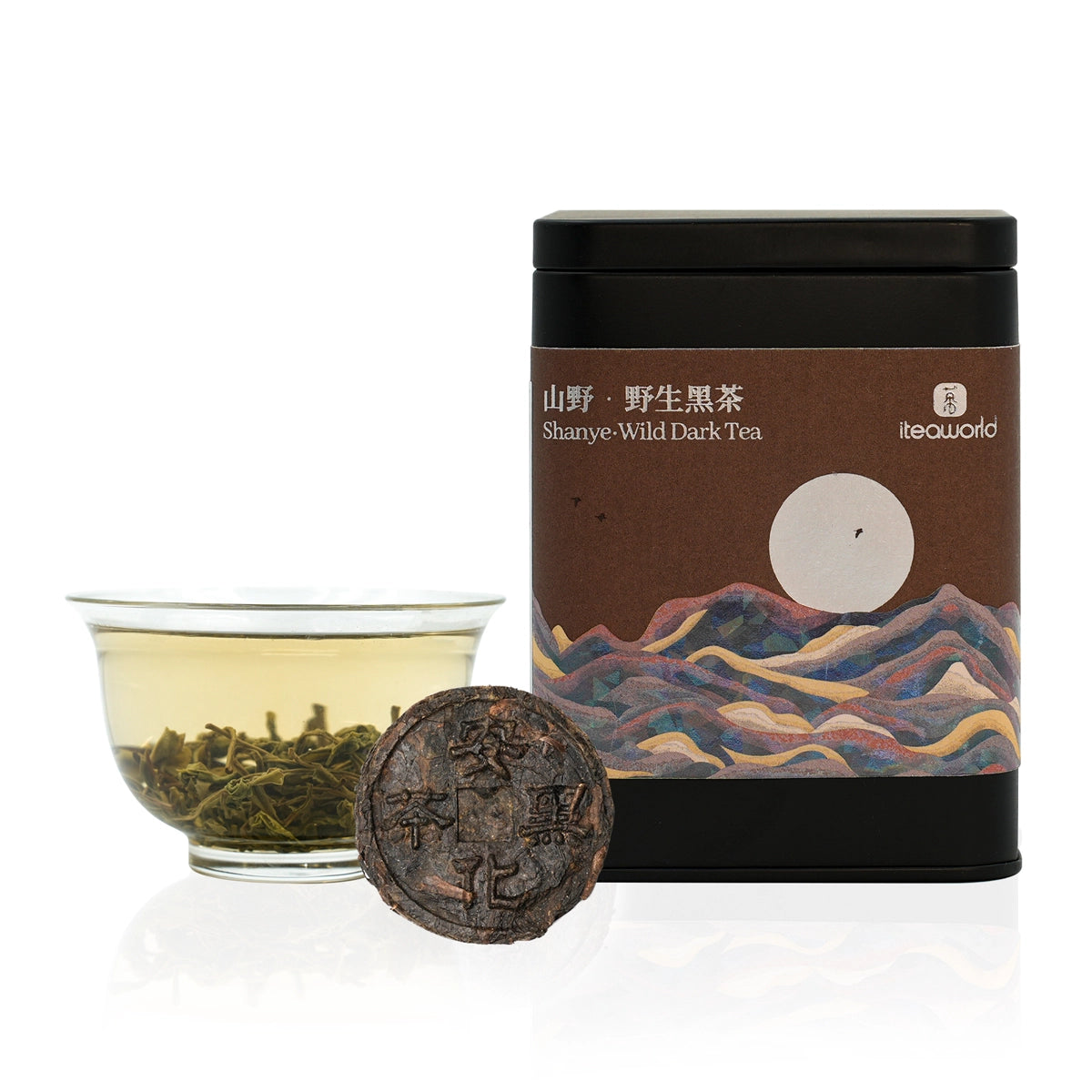
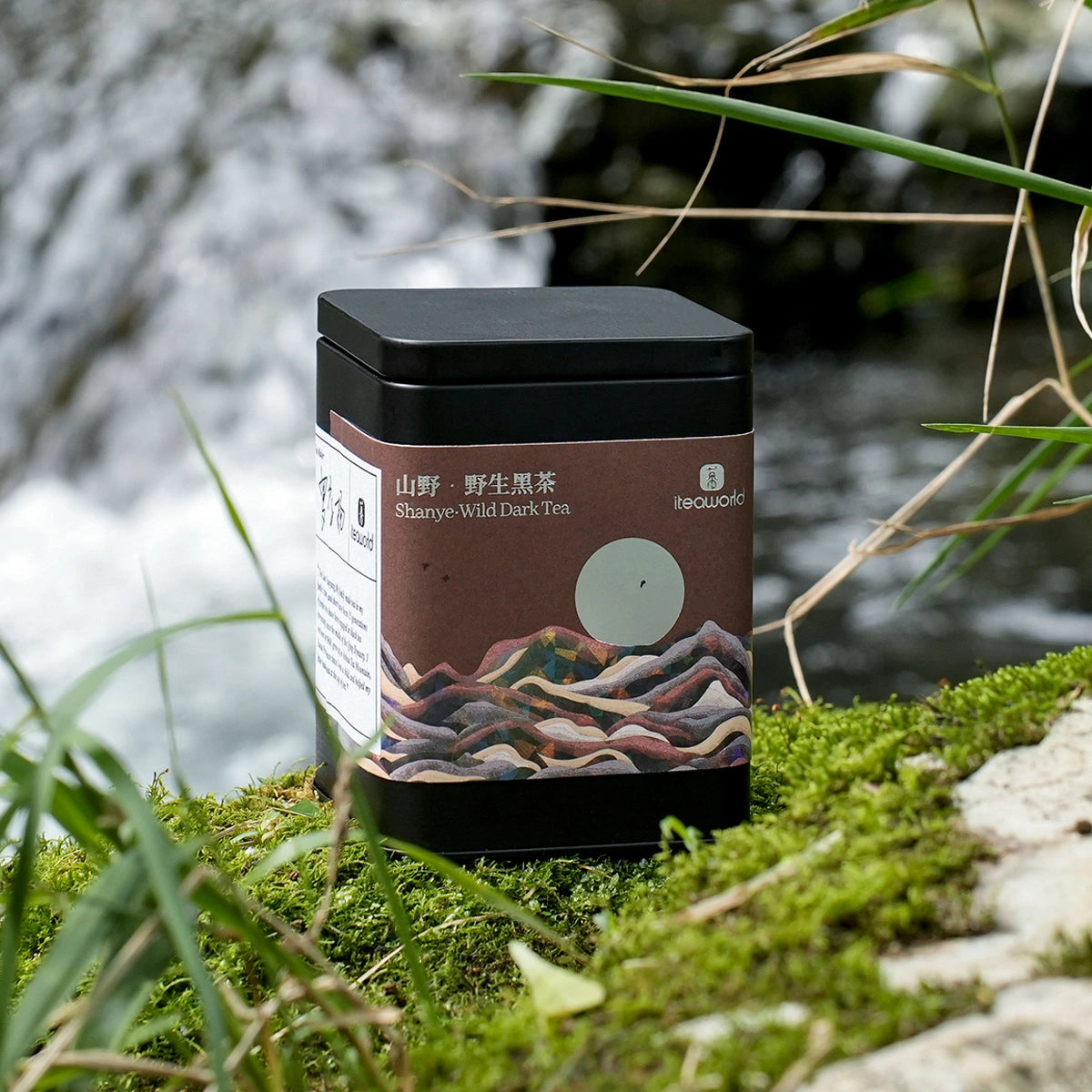
Wild dark tea is produced in Anhua County, Yiyang City, Hunan Province, the birthplace of Anhua dark tea. The tea gardens are primarily located in mountainous areas at an altitude of 1000 meters. Grown in a pristine ecological environment with abundant vegetation, this wild dark tea is cultivated without the use of chemical fertilizers and pesticides, resulting in limited yield with only one spring harvest per year. Processed using the Qiujiang Bopian Tea technique, it offers a pure and long-lasting pine-smoke aroma. The taste is rich, mellow, and sweet, with a lasting aftertaste and a unique pine-smoke fragrance. After consumption, a lingering sweetness remains in the mouth, leaving a memorable and unforgettable experience. Even after multiple infusions, it retains its distinctive aroma.

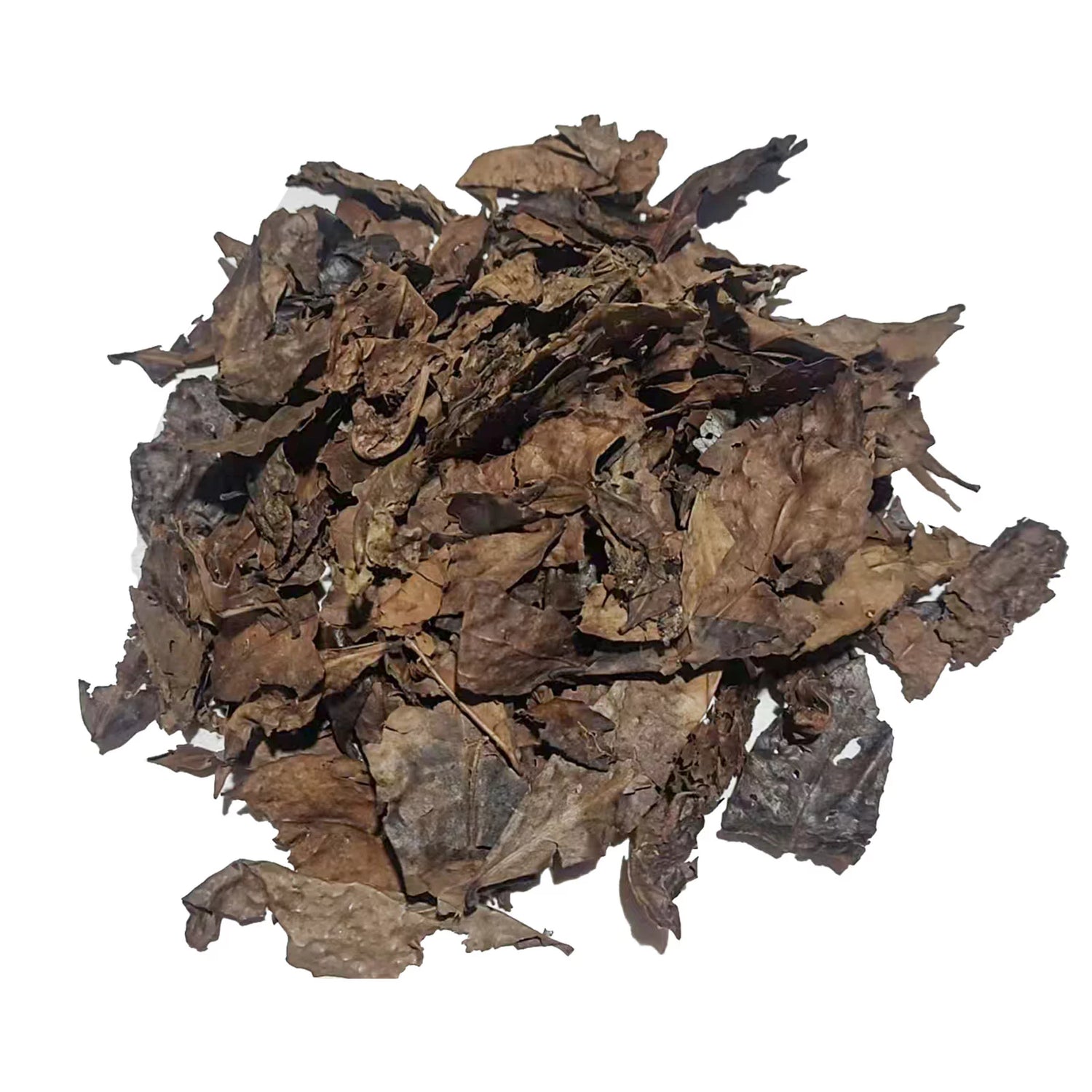
A rich and mellow Liubao tea with a cool herbal aroma, deep body, and long-lasting sweetness. The smooth, full-bodied liquor has a distinctive forest-like character, with a gentle herbal note that lingers pleasantly after each sip.
Perfect for: Tea drinkers who enjoy aged teas, herbal aromas, rich textures, and a deep, lingering finish.
Best for: Slow sipping, quiet evenings, and boiling over a gentle heat to bring out its deeper aroma and sweetness.


Wuyi Rou Gui is one of the most iconic cultivars of Wuyi rock oolong, well known for its distinctive cinnamon-like aroma and rich, full-bodied character.
This tasting-grade Rou Gui comes from a Ban Yan area (One of Wuyi mountain areas), offering a more rounded and powerful expression. The tea liquor is smooth, dense, and structured, with pronounced cinnamon spice and warm roasted notes that unfold layer by layer.
With multiple infusions, subtle Wuyi rock tea minerality and a gentle mineral-like texture emerge, adding depth and complexity to the overall profile.
Compared with lighter floral oolongs, this Rou Gui delivers a stronger, more warming, and more assertive experience, making it ideal for drinkers who enjoy bold aroma, rich body, and a deeply satisfying rock tea character.
Recently viewed products
Shop with Confidence at iTeaworld

30-Day Return & Satisfaction Policy
Not satisfied? Get a refund within 15 days for taste concerns, or return unopened products within 30 days.

Free tea samples with tea order
Buy 1 get 1 sample. Buy 2 get 2. Buy 3+ get 3 free sample