Guide

Discovering the Exquisite Flavor of Yingde Black Tea

Discovering the Exquisite Flavor of Yingde Black Tea

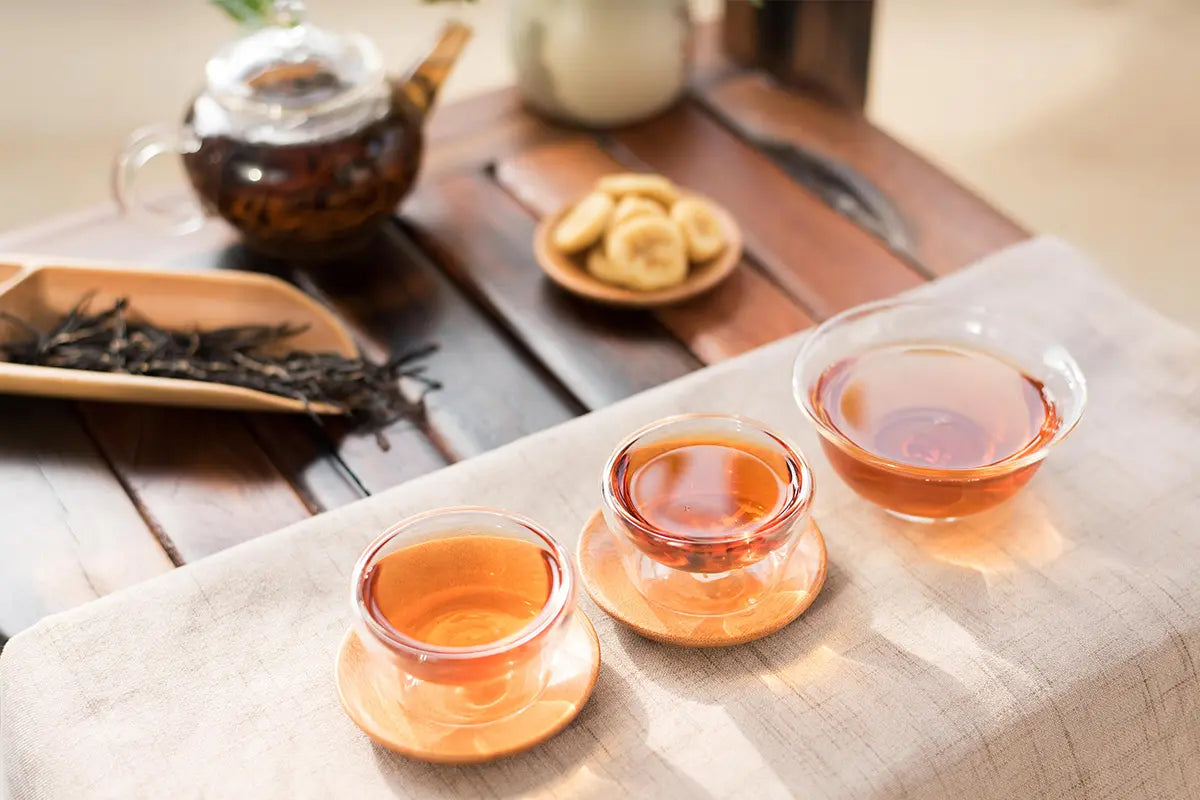
About Yingde Black Tea Produced in Yingde City, Qingyuan City, Guangdong Province, Yingde Black Tea is hailed as the "rising star of Chinese black tea." It originated in 1959 when the famous Yunnan large-leaf tea tree was successfully cultivated in Yingde City, and the fresh leaves of this variety were used to produce Yingde Black Tea. One prominent characteristic of Yingde Black Tea is its strong aroma, which is exceptionally enduring and rich. It stands out among loose leaf black tea. Another notable feature is its ability to withstand multiple infusions. After brewing, the tea exhibits a vibrant and bright red color, maintaining its rich and mellow flavor even after several infusions. During its peak, Yingde Black Tea had an annual production of over 4,000 tons and was exported to more than 70 countries and regions, including Western Europe, North America, Oceania, and the Middle East. Flavor and Aroma Characteristics of Yingde Chinese Black Tea Yingde Black Tea boasts excellent quality, primarily using the Yunnan large-leaf tea tree for black tea production, complemented by traditional large-leaf tea trees such as Phoenix Narcissus and Liannan large-leaf. The high-quality tea tree varieties lay the foundation for the superior aroma and taste of Yingde Black Tea, earning it a reputation as one of the best loose leaf tea. The large-leaf tea trees are characterized by rich content of leaf oxidants and aromatic alcohols. Based on these inherent substances, when the fresh leaves of these varieties undergo moderate fermentation to produce black tea, it significantly enhances the content of substances like theaflavins and thearubigins (which affect the color and aroma of black tea). Yingde Black Tea, thus produced, has a rich and enduring flavor, with pronounced floral and fruity notes. Its high and sharp aroma, along with a robust and mellow taste, surpasses that of typical medium and small-leaf varieties such as Qihong and Souchong Black Tea.The tea has a full-bodied taste, a strong aftertaste, and remains smooth on the palate, making it normal to brew it repeatedly over a dozen times. Yingde Black Tea is particularly suitable for making milk tea and flavored tea, as its unique color, taste, and aroma are not easily overshadowed by added ingredients. The distinct characteristics of Yingde Black Tea make it an ideal choice for festive occasions, such as Christmas tea or New Year's tea. Impact of Different Harvest Seasons on Yingde Black Tea Yingde City in Guangdong belongs to a subtropical monsoon climate with a long frost-free period and an average annual temperature of 21°C, making it especially suitable for tea cultivation. With a lengthy tea production cycle, tea can be harvested throughout the year, and Yingde Black Tea exhibits specific characteristics depending on the season. However, these patterns are general and may not strictly apply to every variety of Yingde Black Tea. 1. Spring Tea Tea harvested before the end of May is classified as spring tea. Spring tea has a high amino acid content, offering a fresh, silky, and sweet flavor with a full and mellow taste. Yingde Black Tea, when harvested in spring, has a pronounced floral fragrance, excellent quality, and a full-bodied red tea flavor. Spring tea is further categorized into early spring, pre-Qingming, and second spring, with later batches having lower inherent substances. 2. Summer Tea Tea harvested from June to the end of August before the beginning of autumn is known as summer tea. Summer tea has a strong black tea flavor but lacks the silkiness, sweetness, freshness, and infusion endurance found in spring tea. Yingde Black Tea varieties harvested in summer do not have a prominent floral fragrance and may exhibit a subtle sweet potato aroma. 3. Autumn Tea Autumn tea generally refers to tea harvested between the end of August (before autumn begins) and early October (before the cold dew). Autumn tea has a high fragrance, a sweet and mellow taste, a soft texture upon consumption, and a distinctive sweet potato aroma. However, the tea aroma is less pronounced, and the taste is relatively single. Yingde Black Tea varieties harvested in autumn may not have a prominent floral fragrance. 4. Winter Tea Winter tea is harvested in November and December. Winter-harvested Yingde Black Tea is the most fragrant, sweetest, with the least bitter substances throughout the year. It is rich, enduring, and less bitter, though production is limited.   Apart from the season, several other factors influence the taste of Yingde Black Tea. Weather conditions, such as excessive rain during the spring harvest, can affect the quality. General rules may not completely cover individual cases, and the taste of each tea depends on factors such as tree age, raw materials, soil, plantation management practices, growing weather, batch, growth cycle, time, and processing. These criteria apply not only to Yingde Black Tea but also to other high-quality loose leaf tea. Brewing Yingde Chinese Black Tea Yingde Black Tea exhibits excellent adaptability, whether brewed in glassware, ceramic lidded bowls, or Yixing clay teapots. Using a lidded bowl with a capacity of 110ml is recommended for brewing, as a white porcelain lidded bowl can enhance the fresh and elegant characteristics of Yingde Black Tea without overpowering its tea aroma. It is suggested to use 5g of tea leaves with water temperature set between 90-95°C. After rinsing the tea leaves, the first infusion should last for 10-15 seconds, followed by 15-20 seconds for the second infusion. Subsequent infusions should have an additional 10-15 seconds added to the brewing time. Once the tea liquor reaches a comfortable temperature, it is ready for consumption. Yingde Black Tea is known for its freshness and richness. Tea drinkers should take the time to savor and appreciate the tea's full flavor by sipping slowly and paying attention to the details, discovering the richness of Yingde Black Tea through careful observation and enjoyment. It's worth noting that if Yingde Black Tea becomes cloudy when cooled, it indicates high quality. Many people notice that the tea liquor becomes cloudy when the tea cools. This phenomenon is attributed to the presence of tea polyphenols, and during fermentation, some of these polyphenols convert into theaflavins, thearubigins, and theabrownins. At higher temperatures, caffeine remains in a free state with them. As the temperature drops, they form complexes, exhibiting colloidal properties, causing the tea liquor to change from clear to cloudy, known as the "cloudiness after cooling" phenomenon. This is related to the freshness and intensity of Yingde Black Tea; the stronger and fresher the tea, the more pronounced the cloudiness after cooling. To fully appreciate the exquisite flavor of Yingde Black Tea, it is recommended to taste and compare different varieties. iTeaworld offers a high-quality iTeaworld Loose Leaf Tea sourced from the core production area in Yingde City, Guangdong. Additionally, iTeaworld provides a Black Tea Sampler, allowing you to easily sample the taste of some of China's most classic red teas through tea samplers. Compared to other well-known black teas, Yingde Black Tea not only surpasses Qimen black tea while approaching Dianhong, Assam, Kenya black teas in "concentration," exceeds Qimen, Dianhong, Darjeeling to reach Uva and Hainan black teas in "intensity," but also possesses a freshness, floral aroma, and a bright golden-ringed tea liquor that are unique and unmatched by Qimen, Dianhong, Haihong, Vietnamese, Malaysian, and other black teas. Understanding why Yingde Black Tea's flavor is so popular is not difficult. Hopefully, everyone can find their favorite variety of Yingde Black Tea and fully experience its beauty.
difference between black tea and dark tea

The Difference Between Black Tea and Dark Tea

  What is black tea? Black tea is one of the six major types of Chinese tea, and it is highly popular worldwide. Black tea is known for its high oxidation level (70%~90%) and warm red-colored tea soup. It has a rich and delicate taste, often with a hint of sweetness. The earliest black teas can be traced back to the Song Dynasty (960-1279 AD) in China. Today, there are many Chinese black tea varieties, such as Lapsang Souchong, Yunnan black tea and Jin Jun Mei. Additionally, there are other varieties worldwide, including Assam Black Tea, Darjeeling Black Tea, and Earl Grey. What is dark tea? Dark tea is also one of the six major types of Chinese tea. While it may not be as well-known as black tea, many experienced tea enthusiasts believe that the deliciousness and influence of dark tea are no less than that of black tea. The distinctive feature of dark tea comes from its unique post-fermentation process. Post-fermentation refers to the process of piling tea leaves that have undergone withering and rolling, along with appropriate temperature and humidity, allowing the tea leaves to ferment under the action of microorganisms. There are several varieties of dark tea, including the well-known Ripe Pu-erh, as well as lesser-known varieties such as Liu Bao Tea and Anhua Dark Tea. I'm curious, why do black tea and dark tea have such similar names? "Black" and "dark" sound like they mean the same thing. Why did people choose such confusing names for black tea and dark tea? One theory suggests that historically, the first black tea Westerners encountered was China's Lapsang Souchong. When people saw the dark color of Lapsang Souchong's dry leaves, they began calling this loose leaf tea “black tea." If translated according to the Chinese name “红茶 (hóngchá)", the appropriate English name would be “red tea." However, the English name "black tea" persisted over time, and there was no intention to change it. Dark tea reached Europe and other regions later than black tea. When people considered translating dark tea according to its Chinese name “黑茶 (hēichá)," they found that the word "black" which accurately conveys the meaning “黑(hēi)" was already in use. What to do? Fortunately, there was also the word “dark." And that's how the English name for dark tea was settled upon. The Difference in Taste and Aroma Between Black Tea and Dark Tea Black tea generally has a mellow and smooth taste, with a noticeable sweetness. Its aroma often includes fruity and floral notes, leaning towards a fresh and fragrant profile. Some unique black teas, like Lapsang Souchong, also feature a distinct smoky aroma. It's recommended to explore the aromas of different black teas using a loose leaf tea sampler. Due to its post-fermentation process, dark tea has a denser taste compared to black tea. Its aroma typically includes notes of wood, agilawood, jujube, and sometimes a fungal earthiness, creating a deeper and more intense profile. Tea beginners may find the taste of dark tea challenging at first. However, those who have developed a taste for tea may find themselves irresistibly drawn to dark tea. For those who enjoy a mellow tea taste, besides black tea and dark tea, oolong tea is also worth trying. Many highly regarded best oolong tea, such as Oriental Beauty and Da Hong Pao, offer a mellow taste while showcasing the characteristic high fragrance of loose leaf oolong tea. The Difference in Production Regions Between Black Tea and Dark Tea Black tea is widely produced in several countries, including China, Sri Lanka, India, Indonesia, and Thailand. Dark tea is primarily produced in China. Among them, Yunnan Province in China is a major producer of ripe Pu-erh tea. In addition to Yunnan, there are locally famous dark tea production areas in Hunan, Hubei, Guangxi, and other regions of China. It can be fascinating to explore dark teas from different regions using a tea sampler to compare their characteristics. Black Tea Recommendations 1. Lapsang Souchong Lapsang Souchong is the earliest black tea in the world, originating from Wuyi Mountain in Fujian Province, China. The traditional version of Lapsang Souchong has a reddish-brown dry leaf appearance, a deep red liquor color, a mellow and lingering taste, and a unique smoky flavor. Because of this smoky flavor, Lapsang Souchong is highly acclaimed and considered one of the best loose leaf tea. The smoky flavor comes from the traditional Lapsang Souchong's unique pine wood smoking process. Today, due to restrictions on pine wood harvesting in the Wuyi Mountain region, the production of traditional Lapsang Souchong is gradually decreasing, being replaced by modern version of Lapsang Souchong without the smoky flavor. 2. Yunnan Black Tea (Dian Hong) Yunnan Black Tea primarily originates from Yunnan Province, China. It is characterized by using fresh leaves from Yunnan's large-leaf tea trees. Despite its history of less than a hundred years, Yunnan Black Tea has gained immense popularity among tea enthusiasts for its deliciousness and is now very well-known. The dry leaves of Dian Hong are reddish-brown with golden tips. The tea soup of Yunnan Black Tea is bright red, with a rich taste and noticeable sweetness, often accompanied by notes of sweetness, honey, and sweet potato aroma. Find more loose leaf black tea with our Black Tea Sampler.>>> Dark Tea Recommendations 1. Ripe Pu-erh Ripe Pu-erh tea is mainly produced in Yunnan Province, China. It is made from large-leaf tea trees in Yunnan, and then undergoes a process of wet piling and complex fermentation to develop its unique flavor profile. Ripe Pu-erh has a mellow, rich, and smooth taste, with a noticeable sweetness and a distinctive aged flavor. It typically carries aromas such as honey, aged notes, woody tones, and fruity notes. 2. Liu Bao Tea Liu Bao Tea is primarily produced in Wuzhou City, Guangxi Province, China. One of the main reasons for the popularity of Liu Bao Tea is that people in humid and hot regions noticed that miners who regularly drank Liu Bao Tea were less prone to illnesses. As a result, Liu Bao Tea's benefits for regulating digestion, dispelling dampness, and relieving diarrhea became well-known among many. Liu Bao Tea is renowned for its characteristics of being "red, strong, aged, and mellow." It has a deep red liquor color, a thick and aged aroma, and a sweet and mellow taste. High-quality Liu Bao Tea carries aromas of pine smoke and betel nut. Tea gift sets containing Liu Bao Tea are excellent choices as healthy and delicious gifts for family and friends. Find more loose leaf dark tea with our Dark Tea Sampler.>>> In general, apart from their similar names, black tea and red tea are quite different in many aspects, making them two distinctly characteristic types of tea. In addition to black tea and dark tea, there are many other types of tea in Chinese tea culture worth trying, such as green tea, white tea, and oolong tea. Furthermore, exploring Chinese wild tea is also worthwhile; some wild tea that has undergone organic certification is healthy and delicious organic loose leaf tea, suitable for tea enthusiasts seeking healthier options. I hope this article helps you gain a better understanding of Chinese tea and know how to choose your favorite teas.
Best Black Tea for Milk Tea: Your Perfect Blend

Best Black Tea for Milk Tea: Your Perfect Blend

Have you grown accustomed to the milk tea outside that seemingly contains a lot of sugar? Do you also want to make your own healthy and delicious milk tea at home? The characteristics of black tea suitable for milk tea When milk and tea are mixed, the tea needs to be strong so that it can blend well with the milk. This way, both the fragrance of milk and the aroma of tea are prominent, without the taste of tea being completely masked by the milk. Therefore, a strongly flavored tea is needed. Speaking of strongly flavored black tea, people may easily think of Assam black tea and Ceylon black tea. In fact, among Chinese loose leaf tea, there are many types of black tea that not only have a strong flavor but also unique aromas and tastes. They can be used to make very delicious black tea. It is recommended to explore loose leaf black teas you like through the form of a tea sampler. Yunnan Black Tea - Robust Choice About Yunnan Black Tea: Yunnan Black Tea, or Dian Hong, originates from Yunnan, China, where large-leaf tea trees are commonly found. Teas produced from large-leaf varieties contain higher levels of effective substances such as tea polyphenols and caffeine, resulting in a strong and intense flavor. Taste and Aroma of Yunnan Black Tea: The tea liquor of Yunnan Black Tea is a deep red color with a rich tea aroma, accompanied by a strong fragrance of floral honey. The taste is thick and robust when sipped. Characteristics of Yunnan Black Milk Tea: Due to its intense flavor, Yunnan Black Tea is an excellent choice for making milk tea. The tea flavor and aroma stand out prominently, ensuring that they are not overshadowed by the milk, making Yunnan Black Milk Tea a delightful and distinct beverage. Yingde Black Tea - Rich and Smooth Layers About Yingde Black Tea: Yingde Black Tea originates from Yingde City in Guangdong Province, China, and is one of the black teas favored by the Queen of England. The adoption of large-leaf tea trees transplanted from Yunnan has laid a solid foundation for the excellent quality of Yingde Black Tea, known for its high fragrance and strong flavor. Taste and Aroma of Yingde Black Tea: Yingde Black Tea boasts a pure and rich aroma with noticeable floral notes. The brewed tea has a bright and vivid red color, offering a thick, sweet, and smooth taste, with a distinctive golden ring. Characteristics of Yingde Black Milk Tea: Yingde Black Tea is characterized by its "rich, mellow, sweet, and smooth" qualities. When used to make milk tea, Yingde Black Tea imparts a smooth texture, and the blend of tea and milk is seamless. Upon closer tasting, the richness and sweetness become evident, creating a delightful and harmonious experience. Souchong Black Tea - The Secret Weapon for Delicious Milk Tea About Souchong Black Tea: Souchong Black Tea is one of the oldest black teas, originating from Wuyi Mountain in Fujian, China. In the traditional production of Souchong Black Tea, pine needles or pine wood are used in the smoking process, imparting a distinctive pine smoke and longan aroma. Many consider the traditional version of Souchong Black Tea to be among the best loose leaf tea, often referred to as the smoked version of Souchong Black Tea. As Wuyi Mountain is now designated as a nature reserve with logging prohibited, the smoked version of Souchong Black Tea has gradually decreased, giving rise to a non-smoked version. The non-smoked version retains the core craftsmanship of Souchong Black Tea but eliminates the use of pine smoke in the production process. Taste and Aroma of Souchong Black Tea: The smoked version of Souchong Black Tea possesses a unique "pine-smoked soup, longan aroma," with a rich and enduring taste. The non-smoked version of Souchong Black Tea has a golden-yellow tea liquor, with a pronounced floral and sweet fragrance, offering a clear and sweet taste. Characteristics of Souchong Black Milk Tea: Black tea based on Souchong Black Tea has a rich and smooth aftertaste without being overpowering. When used to make milk tea, the balance between tea and milk aromas is well-maintained, highlighting the overall characteristics. Milk tea made with the smoked version of Souchong Black Tea exudes a distinctive charm with its pine smoke and longan fragrance. On the other hand, milk tea made with the non-smoked version of Souchong Black Tea showcases a more prominent floral aroma, providing a delightful experience worth savoring. Souchong Black Tea has emerged as a "secret weapon" for many chain brand milk teas, contributing to their delicious flavor profile among traditional tea options. Find more loose leaf black tea with our Black Tea Sampler.>>> Milk Tea Recipe Recommendation Ingredients: Loose Leaf Black Tea, Milk, Purified Water, Granulated Sugar. Step 1: Bring purified water to a boil. Use the boiling water to steep loose leaf black tea multiple times until the desired amount of tea liquor is obtained. If a richer milk tea is desired, you can also add loose leaf black tea to boiling water, let it simmer together, and then filter the tea leaves to retain the tea liquor for later use. Step 2: Add milk to the tea liquor, bring it to a boil, and stir thoroughly. Step 3: Pour the prepared tea and milk mixture into a teapot, add an appropriate amount of granulated sugar, and stir until the sugar is fully dissolved. Your delicious cup of black milk tea is now ready to be enjoyed. Tips for Making Healthy Milk Tea 1.Use Milk Instead of Creamer Some milk tea shops use creamer to reduce costs, providing a milky taste but not being particularly health-friendly. Making your own milk tea allows you to avoid this issue. When making milk tea at home, it's preferable to use fresh milk or small packs of whole milk. The quality of the milk determines half of the milk tea's overall quality. 2.Choose High-Quality Black Tea The quality of the chosen tea determines nearly the other half of the milk tea's quality. When making your own milk tea, it's recommended to select high-quality black tea with good value for money. The condition of the tea leaves after brewing can indicate the tea's quality. High-quality quality Chinese black tea, also Chinese loose leaf black tea, for example, will have intact leaves after brewing, reflecting the freshness of the leaves when picked. High-quality loose leaf black teas are not only suitable for personal consumption but also make great tea gift sets for family and friends. 3.Add a Small Amount of Granulated Sugar or Honey Milk tea needs a certain level of sweetness to be enjoyable, but consuming too much sugar is not healthy. When making milk tea at home, you can opt to use less granulated sugar or replace it with honey. We hope this article helps you understand some red teas suitable for making milk tea and provides knowledge on making milk tea healthier and more delicious. To create milk tea that suits your taste, it's best to experiment hands-on. Through continuous trial and adjustment in practice, trying different black teas, you will discover that the process of brewing milk tea can also be a source of enjoyment and pleasure. Explore the Chinese New Year Sale Now >>
2024 Best Beginning to Chinese Black Tea

Black Tea Sampler: Best Beginning to Chinese Black Tea

About Loose Leaf Black Tea Among the six major categories of tea in China, loose leaf black tea is a relatively special type, with an overall oxidization level reaching 70% to 90%. During the production process of loose leaf black tea, there is a significant change in the composition of fresh tea leaves, especially in tea polyphenols. After undergoing enzymatic oxidation reactions, tea polyphenols decrease by more than 90%, giving rise to new components such as theaflavins, thearubigins, and theabrownins, along with aromatic substances. The characteristics of loose leaf black tea include a deep and clear red liquor, a rich aroma, a mellow and sweet taste, and a very gentle nature with minimal astringency. It is most suitable for consumption during periods of lower temperatures. During the winter season, choosing tea gift sets themed around Chinese black tea can be a delightful and healthy present for family and friends, offering a combination of deliciousness and well-being. Changes in the Production Process of Chinese Black Tea 1.Traditional Craft of Black Tea Loose leaf black tea, originating in China, has its earliest form known as Lapsang souchong. It was created by the ancestors of the Jiang family in Tongmu Village, Xingcun Town, Wuyishan City, Fujian Province, in the mid to late Ming Dynasty (around 1568). In the production process of the earliest loose leaf black tea, there were steps involving smoking fresh leaves with pine wood and drying and kneading the tea leaves with pine wood. These steps imparted a distinctive smoky flavor to Lapsang souchong. 2.Modern Craft of Young Black Tea In the subsequent development, different black tea types gained popularity in China and around the world, leading to the emergence of various varieties. Among these, two young Chinese loose leaf black teas stand out: Yunnan Black Tea and Yingde Black Tea. The production process of Yunnan Black Tea and Yingde Black Tea to a large extent reflects the characteristics of modern loose leaf black tea production. For example, the omission of smoking processes, the use of large-leaf tea varieties, and a greater emphasis on the richness and smoothness of black tea flavor. Loose Leaf Black Tea also Varied in Oxidization Levels 1.Light Oxidized Black Tea Light oxidized loose leaf black tea has a pale yellow color, a mild aroma, a gentle taste, and the tea liquor appears yellow. Lightly oxidized loose leaf black teas are relatively less common; examples include some non-smoked versions of Souchong Black tea and Jinjunmei. 2.Medium Oxidized Black Tea Medium oxidized loose leaf black tea features a vibrant red color, a rich aroma, a full-bodied taste, long-lasting sweetness, and the tea liquor appears reddish-brown. Medium oxidized loose leaf black teas are more common, and a well-known example is Yunnan Black Tea. 3.Heavy Oxidized Black Tea Heavy oxidized loose leaf black tea has a deeper color, a more pronounced taste, and the tea liquor appears deep red. There are also many dark oxidized loose leaf black teas, such as Yingde Black Tea and the smoked version of Souchong Black tea. Black teas with a medium level of oxidization are generally more suitable for the taste preferences of most people. However, individual preferences vary, and some may enjoy the stronger taste of heavy oxidized black tea, while others may prefer the lighter taste of lightly oxidized black tea. Tea Sampler: Discover the Black Tea That Suits You In China, there are many types of black tea. Initially, it's recommended to explore the best loose leaf tea for yourself using a tea sampler. Souchong Black Tea: Souchong black tea, hailed as the progenitor of world black teas, originated in Wuyishan, Fujian Province, China, with a history spanning several hundred years. Over time, Souchong black tea has developed into smoked and non-smoked versions. The smoked version of Souchong black tea, when brewed, reveals a deep and rich red hue in the tea liquor, accompanied by the aroma of pine smoke and a robust taste with a hint of lychee sweetness. Even when mixed with milk, the tea aroma remains fragrant. The non-smoked version of Souchong black tea, compared to the smoked version, is sweeter and carries a delicate floral and honey fragrance. Yingde Black Tea: Yingde Black Tea is produced in Yingde City, Guangdong Province, and is a specialty of Guangdong, recognized as a geographical indication product in China. Yingde Black Tea is characterized by its symmetrical and elegant appearance, a lustrous black and red color, a bright and vibrant red liquor, and a strong and pure aroma. It has gained much appreciation for these qualities. Yunnan Black Tea: Yunnan Black Tea, a specialty of Yunnan Province, thrives in its warm and humid climate, providing an ideal environment for tea leaf growth. The leaves of Yunnan Black Tea tea bushes remain tender, even when growing up to 5 to 6 leaves. Yunnan Black Tea stands out with its plump tea leaves, golden tips, a rich and elegant taste, showcasing distinctive quality. The tea is highly favored for its robust aroma and refreshing taste. Find more loose leaf black tea with our Black Tea Sampler.>>> Drinking Black Tea is Suitable for Cold Seasons Chinese loose leaf tea offer various health benefits, and among them, loose leaf black tea is particularly suitable for consumption during cold seasons due to its warming properties, immune-boosting effects, and assistance in digestion. 1.Warming and Heartwarming In the cold winter, marked by a sudden drop in temperature and chilling winds, fully oxidized loose leaf black tea quickly warms both the body and the spirit, providing comfort and soothing the cold. 2.Immune Boost Loose leaf black tea is rich in theaflavins, thearubigins, and other antioxidants, which enhance the immune system and help combat viruses that can cause colds and flu. In the cold winter, when the risk of catching a cold increases, regular consumption of loose leaf black tea can assist the body in better resisting external threats. 3.Aid in Digestion Winter is a season of many holidays and festive meals, often leading to digestive issues. The tannic acid components in loose leaf black tea contribute to promoting digestion and alleviating discomfort in the stomach. 4.Alleviate Joint Pain The cold and dampness of winter can exacerbate joint pain, especially for individuals with conditions like rheumatoid arthritis. The antioxidants and anti-inflammatory compounds in loose leaf black tea help alleviate joint pain, improve inflammation symptoms, and provide protection for joint health. 5.Promote Cardiovascular Health The theaflavins in loose leaf black tea aid in lowering cholesterol levels, maintaining blood vessel elasticity, and reducing the risk of hypertension. This is particularly important for individuals prone to high blood pressure during the cold season. 6.Mood Enhancement Beyond physiological benefits, loose leaf black tea also positively influences mood. Rich in theanine, an amino acid known to elevate mood, loose leaf black tea can help reduce stress, anxiety, and improve overall mood. In winter, when people are affected by reduced sunlight and shorter days, a cup of black tea can assist in relieving stress and lifting spirits.  
What Does Black Tea Taste Like? - Flavor, Mouthfeel, Aroma

What Does Black Tea Taste Like? - Flavor, Mouthfeel, Aroma

Black tea is a fully fermented tea. It has a rich taste, mellow and full, mellow in the mouth, and is durable for brewing for a long time. It is fragrant on the lips and teeth, has a long-lasting sweet aftertaste and promotes body fluids, and has a fragrant aroma at the bottom of the cup. If you're curious about the taste and flavor of black tea, read on to learn more about black tea flavor. What Does Black Tea Taste Like? The taste of loose leaf black tea is characterized by its smooth and pure texture, melting upon contact, lingering in the mouth, leaving behind a lasting aroma. It has a sweet and mellow flavor with a sustained aftertaste, minimal bitterness, no sourness, and it doesn’t cause dryness in the throat. Tasting it provides a comforting experience. If you want a more pure taste, it is recommended to buy high-quality loose leaf black tea. Smoothness Smoothness is the gentlest sensation, like holding the finest soy milk in your mouth, creating an extremely gentle feeling. It offers a mild and comfortable experience, creating a sense of calmness and ease in the mind. Melting Sensation "Melting upon contact" is a sign of high quality black tea and fine wine. To achieve the smooth texture of black tea, a highly skilled production process is required. The steps that determine whether black tea has a smooth taste include withering and oxidation, among others. Vitality The lively texture of tea is a delightful display of its elegance in the mouth. This sensation, akin to the charm of aged wine, is rather abstract and requires multiple tasting experiences to discern, impossible to convey through words alone. Grittiness After drinking the tea, there’s a sandy sensation in the mouth, reminiscent of the texture experienced after drinking a bowl of red bean soup. This sensation brings a comforting feeling to the mouth. Thickness In relation to the texture of black tea, a denser substance dissolved in water creates a thicker and denser sensation in the mouth. Thinness Opposite to thickness, a thin texture lacks the expansive and relaxed demeanor in the mouth. Some black teas might appear thin in their texture. Sharpness When the texture is excessively thin, it can give a sensation akin to touching a sharp edge, creating a feeling of discomfort and rejection. Shop our black tea sampler. >>> 6  Major Aromas of Black Tea Black tea, revered for its smooth and delicate taste, captivates the hearts of many tea enthusiasts. However, it’s the elevated and profound aroma that draws the affection of most. For aficionados of black tea, understanding these seven aromas is crucial. 1、Sweet Potato Aroma Named for its resemblance to roasted sweet potatoes, it's considered a "standard for distinguishing black teas" by connoisseurs. This fragrance emerges from the roasting process of black tea. The high temperatures during roasting break down the tea leaves' sugars and amino acids, enhancing the tea’s sweetness, resulting in notes reminiscent of caramel and roasted sweet potatoes. Generally, Dianhong (Yunnan black tea) carries this aroma, varying in intensity based on processing techniques. 2、Keemun Aroma Keemun black tea boasts its own unique aroma, resonating globally. Described as reminiscent of "flowers, fruits, and honey," its distinct fragrance proved challenging to capture accurately when Keemun black tea was first introduced overseas. 3、Floral Aroma Floral fragrances, with their gentle and refined nature, attract immense favor. However, these aromas are elusive and only present in specific tea tree varieties after withering, offering scents akin to natural flowers such as orchid, gardenia, honeysuckle, and magnolia. 4、Fruity Aroma The formation of fruity aromas is linked to fermentation. Slight adjustments during fermentation or in the processing methods can yield various fruity fragrances like longan, peach, and lychee, resembling the succulent sweetness of these fruits. 5、Sweet Aroma Commonly encountered, the formation of this aroma is also associated with fermentation. Alongside specific "chemical reactions" during fermentation, the tea’s aromatic compounds and amino acids increase, intensifying the honey-like sweetness within black tea, making it easily discernible. 6、Pine Smoke Aroma Pine smoke aroma, distinct and captivating, is treasured by some while being deemed overpowering by others. Its formation primarily depends on the drying method. During the drying process of tea leaves, using pine, cypress, maple, or yellow rattan for smoking imparts the characteristic pine smoke aroma onto the leaves. This fragrance is notably prominent in souchong black tea.   Note: Tea aromas are multifaceted, influenced by tea variety, geographical and climatic conditions, processing, brewing methods, and not singular. Teas exhibit varying aromas based on seasons, leaf maturity, processing techniques, baking temperatures, etc. For instance, the English Black No. 9 variety leans towards floral aromas. However, depending on seasons, fermentation levels, drying temperatures, and picking maturity, it might display floral, fruity, sweet, sugarcane, downy, or sweet potato fragrances. The charm of teas lies in the diversity of aromatic substances' boiling points and their activation by different water temperatures. For example, Keemun black tea presents a blend of floral, fruity, and honey-like aromas, while Dianhong tea exhibits both honey and sweet potato fragrances. Souchong black tea embodies both pine smoke and lychee scents, showcasing the diversity of tea aromas. Representative black teas: ● Chinese Black Tea Tea has a long history that dates back centuries. Chinese black tea tends to be slightly lighter and milder, lovely when consumed on its own without the need for milk or sugar. Keemun Black Tea Quality characteristics: Keemun black tea ranks as one of the top three high-aroma teas globally and is the only black tea among China's ten famous teas. The appearance of Keemun black tea is tightly knotted with slender and beautiful tips, showcasing a rich, dark color. Souchong Black Tea The tea leaves are thick and solid in appearance, displaying a dark color when steeped. The souchong aroma is long-lasting, carrying a pine smoke fragrance, and the taste is mellow and robust. Yunnan Black Tea Exhibits flavors of caramel, malt, and a sweet honey aroma, offering a rich and smooth taste. Yingde Black Tea The tea leaves are tight, plump, and solid in appearance, with a glossy color. Yingde Black Tea emanates a fresh, pure, and rich aroma with a strong, sweet, and smooth taste, featuring a bright red soup color. ● Indian Black Tea Black teas produced in India are typically derived from the Camellia sinensis plant and tend to have deeper, richer, and more robust characteristics. Many Indian black teas derive their names from renowned planting areas like Assam and Darjeeling. ● Other Black Teas Countries such as Japan, Nepal, and Vietnam also cultivate black tea. While the scale of black tea production in these countries may not be as extensive as in larger tea-exporting countries like China and India, they are renowned for producing high-quality specialty black teas. iTeaworld offers a variety of high-quality loose leaf teas, making them perfect for gifting to friends.They are worthwhile best buy Summer Sale. If you're struggling to decide what to buy during the summer sale, consider selecting some loose leaf teas. They are not only healthy and delicious for personal enjoyment but also make excellent choices for staying refreshed in the summer heat.
Is Black Tea Low in FODMAPs? Exploring its FODMAP Content

Is Black Tea Low in FODMAPs? Exploring its FODMAP Content

FODMAPs are short-chain carbohydrates that are poorly absorbed in the small intestine and can cause digestive problems for some people. FODMAP stands for Fermentable Oligosaccharides, Disaccharides, Monosaccharides and Polyols. For individuals with irritable bowel syndrome (IBS) or other digestive conditions, following a low FODMAP diet can help reduce symptoms by limiting these hard to digest carbohydrates. This article seeks to explore whether black tea is considered low in FODMAPs by examining its composition and effects on digestion. Black Tea - What is it? Black tea differs from green and white teas in that it undergoes a fermentation process during production. The fresh tea leaves are first wilted, which allows their enzymes to oxidize and triggers chemical processes responsible for black tea's characteristic flavor. The wilted leaves then enter the fermentation stage. Here, their cell walls rupture through controlled microbial activity, allowing polyphenols and other compounds to interact. Oxygen is introduced as the leaves are regularly turned and curled. Fermentation typically lasts 1-2 days. Properly fermented leaves will be completely black in color and malty-flavored. They are then dried to arrest fermentation at the desired point. The end result is loose leaf black tea, full of complex ripe, earthy and sometimes smoky taste profiles lacking in green or white teas. Nutritionally, black tea contains antioxidants called polyphenols that may protect against cell damage. These include flavonoids like epigallocatechin gallate which is anti-inflammatory. Black tea is also a source of manganese and vitamin K, both important for bone health. Caffeine is present at approximately half the level of coffee per cup, providing mental alertness without as strong stimulatory effects. The caffeine content can vary based on leaf size, harvest time and manufacturing process. Overall, black tea provides a number of bioactive compounds in a middle-of-the-road beverage.  Is Black Tea Low in FODMAPs? According to available research and databases on FODMAP contents, black tea is generally considered low in FODMAPs. The 2019 database from Monash University, the leading research group on the topic, lists black tea as green or safe for a low FODMAP diet. While small amounts of natural sugars like mannitol are present in black tea leaves, the fermentation process appears to significantly reduce their FODMAP content. Some studies have found the mature teas contain minimal or undetectable levels of oligosaccharides after oxidation and drying. However, research directly analyzing the FODMAP levels in black tea is limited. Many past investigations focused more broadly on tea's polyphenol and caffeine profiles. More specialized work is still needed to map out exactly how much of each FODMAP subtype black tea may contain. Regarding our Black Tea Sampler, it is considered safe to consume. Our sampler includes a collection of the finest black teas, sourced from different regions and known for their distinct flavors and characteristics. With our black tea sampler, you can explore a variety of high-quality black teas. Enjoy the rich and diverse flavors of black tea with confidence! Next, we will provide a detailed explanation of FODMAPs. What are FODMAPs? FODMAPs are a group of short-chain carbohydrates that share the common trait of being poorly absorbed in the small intestine. This means they can pass undigested into the large intestine where they come into contact with gastrointestinal bacteria. The fermentation of FODMAPs by these gut microbes can result in gas, bloating and abdominal discomfort in FODMAP-sensitive individuals. The main types of FODMAPs include fructose, lactose, fructans, galacto-oligosaccharides and polyols. Fructose is found abundantly in fruits like apples, pears and stonefruits. Lactose exists in dairy. Fructans feature prominently in wheat and garlic. Galacto-oligosaccharides are present in legumes. Polyols are used as sugar alcohols in low calorie processed foods. By limiting intake of high FODMAP foods, digestive symptoms can potentially be reduced. Understanding the Low FODMAP Diet The low FODMAP diet involves two main phases - elimination and reintroduction. Phase 1: Elimination In the elimination phase, high FODMAP foods are removed from the diet for 2-6 weeks in order to reduce digestive symptoms. Common foods eliminated include apples, pears, broccoli, cauliflower, onion, garlic, wheat, dairy products and high fructose corn syrup. Phase 2: Reintroduction After completing the elimination phase, the reintroduction phase begins. Individual FODMAPs are slowly reintroduced over several weeks to help determine personal tolerance levels. One FODMAP group is tested at a time by reintroducing a small amount and tracking any resulting symptoms. This allows customized guidance on which FODMAPs can be safely consumed. Following the low FODMAP diet has been shown to significantly reduce irritable bowel syndrome (IBS) symptoms in clinical trials. By cutting out problem triggers, it aims to minimize gas, bloating, cramping and changes in bowel movements. Adhering to the diet also helps identify what specifically causes discomfort. Furthermore, it raises awareness of eating habits and their impact on digestive health. Maintaining a symptom diary throughout reintroduction enables for the link between food and symptoms. A balanced tailored diet can then be achieved with the help of a dietician. The overall benefits include better quality of life as a result of getting control of a previously bothersome digestive ailment. What's a Low FODMAP Diet Good for? Symptom Relief: Research suggests that following a low FODMAP diet can effectively reduce symptoms such as bloating, abdominal pain, and altered bowel movements in individuals with irritable bowel syndrome (IBS) and other functional gastrointestinal disorders. By eliminating or reducing FODMAP-rich foods, individuals may experience relief from these uncomfortable symptoms, leading to improved overall well-being. Improved Digestive Health Understanding: Adopting a low FODMAP diet involves keeping a food and symptom diary to track the effects of specific foods on the body. This process helps individuals gain a better understanding of their own digestive health, identify trigger foods, and make informed decisions about their diet and lifestyle choices. Balanced Nutritional Approach: While the low FODMAP diet restricts certain high FODMAP foods, it still allows for a wide variety of nutritious options. Working with a registered dietitian can help individuals include a range of low FODMAP foods that provide essential nutrients, vitamins, and minerals. This ensures that nutritional needs are met while managing FODMAP intake. Potential for a More Enjoyable Tea Experience: Loose leaf teas, such as those found in our Black Tea Sampler, can be incorporated into a low FODMAP diet. These teas offer a rich and diverse range of flavors without containing high levels of FODMAPs. By exploring different varieties of loose leaf teas, individuals can enhance their tea experience and enjoy the aromatic and soothing qualities of tea while adhering to their dietary restrictions. Including Black Tea on a Low FODMAP Diet When selecting black teas to fit a low FODMAP lifestyle, certain choices can help reduce any possible FODMAP load. Plain, single variety teas without additions are best. Flavored or blended teas containing dried fruit or spices introduce unnecessary and hard to quantify FODMAPs. Brewing Techniques For brewing, a shorter steeping time and lower water temperature may limit FODMAP extraction. As a guide, 1-2 minutes at 175-185°F is recommended. Limiting tea leaves and using less water per serving also helps curb intake. Overbrewed or heavily sweetened tea increases carbohydrate consumption as well. Adding Flavor Without Increasing FODMAPs If you prefer flavored tea, there are low FODMAP options available like natural flavors which can enhance your tea experience without increasing the FODMAP content. Here are some suggestions: Lemon: Adding a slice of lemon to your black tea can provide a refreshing citrusy flavor. Lemon is low in FODMAPs and can be a great addition to your tea. Fresh Ginger: If you enjoy a hint of spiciness, try adding a small amount of fresh ginger to your black tea. Ginger is considered low in FODMAPs and can add a warming and invigorating taste. Cinnamon: A pinch of cinnamon can add a touch of warmth and sweetness to your black tea. Cinnamon is low in FODMAPs and can provide a cozy and aromatic flavor. When adding these flavorings, it's important to be mindful of the portion sizes. Excessive amounts of flavorings may introduce additional FODMAPs into your tea, potentially triggering symptoms. Following preparation guidelines tailored specifically for IBS or low FODMAP needs can provide peace of mind. Resources from accredited sources like Monash University offer suggested serving sizes and brewing instructions. Starting with a half standard cup size eaten with a meal can also buffer potential effects.  It's important to note that as with any diet, there is variability between individuals. While black tea may pose little issue for most, some people may find their tolerance is lower. Close monitoring for symptoms and checking with a dietitian are wise precautions. Adjusting intake up or down based on how one's body specifically reacts is the safest approach. With care and guidance, black tea can usually be included for those wanting its flavor and health perks. Which Teas Pass the Low FODMAP Test Besides Black Tea? Is Green Tea Low FODMAP? Green tea receives a positive endorsement from Monash's system, making it a safe choice for a low FODMAP diet. Some loose leaf green tea that you can confidently enjoy, even during the elimination phase, include our Chinese Jasmine and Chinese Gunpowder. For instance, our Green Tea Sampler is considered safe to consume. Our sampler includes a collection of China's finest loose leaf green teas, showcasing the best varieties from the region. So you can enjoy it without worry! Is Oolong Tea Low FODMAP? Research indicates it is generally low in FODMAPs for most people. Oolong tea, like black tea, undergoes a withering and partial fermentation process during production. This oxidation reduces the naturally occurring fructose, glucose, sucrose and FODMAP sugars present in fresh tea leaves. The 2019 Monash University app lists oolong tea as green, meaning it contains oligosaccharides (a type of FODMAP) in amounts that do not usually affect symptoms. Limited studies have also found oolong tea to have negligible fructan levels after processing. At iTeaworld, we offer several loose leaf oolong teas that you may enjoy while following a low FODMAP diet. Is White Tea Low FODMAP? Yes, white tea is safe to consume during the elimination phase of a low FODMAP diet or at any other time. Simply steep it for the appropriate amount of time and enjoy! However, if you typically sweeten your white tea with honey, it's important to note that honey is not low FODMAP. You may need to make an adjustment in this regard. Fortunately, white tea is naturally slightly sweet on its own. Alternatively, you can try adding a squeeze of lemon, as it pairs well with white tea and is low FODMAP. As always, cane sugar is safe to consume for individuals following a low FODMAP diet. Is Ginger Tea Low FODMAP? Ginger is considered low FODMAP and does not contain detectable levels of FODMAPs, according to Monash University. In addition to being FODMAP-friendly, ginger has long been recognized for its potential benefits in supporting digestion, making it a great choice for individuals with digestive issues. Regarding Ginger Sweet Peach, the mango, apple, and peach cubes used in the blend are present in lower quantities than what is considered high in FODMAPs. As for Citrus Detox, since some of its ingredients have not been tested for FODMAP content, it is advisable to wait until more information is available before incorporating it into your diet. Is Matcha Tea Low FODMAP? As of the current publication, matcha tea has not been specifically tested for its FODMAP content. While green tea has been approved for a low FODMAP diet, matcha is a slightly different case. Matcha is essentially finely ground green tea leaves that are consumed as a whole, as opposed to steeping and removing the leaves. This means that the FODMAP content of matcha may differ from regular green tea. To err on the side of caution, it is recommended to wait until you have completed the elimination phase of the low FODMAP diet or consult with your registered dietitian before consuming matcha tea. They can provide personalized guidance based on your specific dietary needs and tolerance to FODMAPs. However, factors like tea variety, leaf size, growth conditions, manufacturing process and brewing methods may also impact the final FODMAP value of the beverage. Individual tolerance should always be considered, as the gut microbiome differs between people.  In summary, current research indicates that black tea, oolong tea, and other traditionally processed teas are generally low in FODMAPs for most people. However, individual tolerance should always be considered. Consulting a dietitian can help personalize tea intake as part of a healthy low FODMAP lifestyle. Limited Time Christmas Tea Sale We are offering great deals to help you enjoy tea and spread holiday cheer. From now until December 17th, use code “XMAS50” to Buy One Get One Free on select tea samplers. Simply purchase our new Oolong Tea Sampler and get another sampler of your choice for free. Shop Christmas Tea Now! >>> Alternatively, use code “XMAS” to take 20% off our full selection of fine loose leaf teas. Wrap up some cozy tea gifts or treats for yourself during this festive season. Indulge in luxurious flavors while saving on your purchase.  
Unveiling the Flavor: Is Black Tea Inherently Bitter?

Unveiling the Flavor: Is Black Tea Inherently Bitter?

Is Black Tea Inherently Bitter? When casually sipping a cup of black tea, it's common for the initial flavor impression to be one of bitterness. This has led many to believe that black tea must inherently contain bitter compounds. However, the reality is more complex. While black tea does contain substances that can impart bitterness, its flavor profile depends greatly on processing techniques and steeping methods. When prepared properly, loose leaf black tea should impart a balanced taste with both bitter and non-bitter notes, creating a full-bodied flavor experience. So does this mean loose leaf black tea is not inherently bitter? To answer this question, we must first understand what gives tea its flavor and how processing impacts the chemical makeup. Certain compounds do contribute bitterness, but tea need not taste exclusively or overly bitter in the cup. Why Black Tea Tastes Bitter? 1、Black Tea Contains Bitter Compounds There are some bitter compounds in black tea, including theobromine, polyphenols, and tannins. While these compounds are considered beneficial for health, they can taste unpleasant in higher concentrations. They are also responsible for the bitter-dry taste found in red wine. Besides, The level of bitterness in black tea can also vary based on factors such as the season of harvest. Tea plants naturally produce bitter compounds to protect themselves from insects. Therefore, summer and autumn harvested teas tend to be more bitter compared to spring harvested teas, as there are fewer insects attacking the plants during the spring season. Spring teas often have sweeter flavors due to the milder conditions during that time.   However, black tea contains non-bitter compounds that can serve to balance the bitterness, giving black tea greater flavor. Polyphenols, flavonoids, and amino acids are a few examples. Polyphenols, such as flavonoids (including EGCG), theaflavins, and thearubigins, play a significant role in the flavor profile of tea. While some flavonoids can taste bitter, they also contribute floral and fruity notes to the tea. During the steeping process, polyphenols are released from the plant cells and interact with oxygen to form complex aromatic compounds. Amino acids, particularly theanine, add subtle umami flavors to tea. The combination of theanine and caffeine in tea creates a pleasant and smooth taste, balancing out any potential bitterness. Caffeine, although naturally bitter, is present in tea at moderate levels (around 3-4% of dry leaf weight). It enhances the mouthfeel of tea without overpowering the overall taste. Other non-bitter flavors from polyphenols and amino acids help to counterbalance the bitterness of caffeine. If you are interested loose leaf tea, do not miss our tea sampler where you can find your flavor. 2、Processing Techniques During black tea production, two important processes determine the chemical makeup and resulting flavors: oxidation and fermentation. Oxidation refers to the exposure of tea leaves to oxygen after picking. The duration of this step influences the presence of taste-active compounds. Light oxidation (15-30%) brings out vegetal, floral notes. Medium (30-60%) yields a sweet, malty profile. Crushing or tearing leaves aids the process. Fully oxidized teas (60-90%) have a bold, brisk flavor highlighted by malt and spices. Fermentation further impacts the chemical composition. This is when enzymes modify materials released during oxidation. Short fermentation preserves aroma compounds but longer periods produce more theaflavins and thearubigins for a richer, more complex cup. Air exposure levels also impact fermentation. By understanding these processing variables, particular flavor profiles can be obtained from the same plant. A master tea blender knows to recommend light oxidation for floral delicacy or long fermentation for a hearty roast. At iTeaworld, our black tea sampler allows you to discover the art of processing with samples of Chinese best black teas. Ranging from lightly oxidized Yingde black tea to the bold malty-ness of a Yunnan black tea, these full-leaf teas showcase the intricate flavors crafted through precise withering, rolling and oxidation. Enjoy the sampling to unveil black tea's hidden complexities beyond any initial perception of bitterness. 3、Using Too Much Tea The compounds responsible for the bitter taste in black tea make up a relatively small portion of the tea itself. The issue with bitterness is that it can be overwhelming even in lower concentrations compared to sweetness or other tastes. If you use excessive amounts of tea leaves, you will naturally have higher concentrations of these bitter compounds in your tea. To reduce the bitter taste, it is advisable to use less tea leaves. Using too few leaves may result in a loss of intensity and nuances, but the tea won't taste bitter. The perfect amount of tea to use depends largely on the brewing method employed. For example, with a gaiwan, a common guideline is to use 1 gram of tea per 1 ounce or 3 grams per 100 mL of water. For larger brewing vessels, a similar amount of tea can be used, but the steeping time should be adjusted accordingly. Shop Tea GIft Sets from iTeaworld. >>> 4、Brewing at High Temperatures Bitter compounds in black tea are not as easily soluble as the sweeter components. When you brew black tea with boiling water, it can result in a harsh and potentially bitter taste. Despite this, brewing with boiling water is often recommended to prevent black tea from tasting too mild or lacking in flavor. However, it's worth noting that some black teas may have better results when brewed with boiling water for a short steeping time, while others may taste better with longer infusions at lower temperatures or even as a cold brew. To achieve the perfect taste, it may be necessary to experiment with different brewing methods and parameters. Generally, if you find that your black tea tends to become bitter, it may benefit from a lower water temperature. Using water around 160°F (70°C) instead of boiling water can help reduce the bitterness and create a more enjoyable flavor profile. 5、Brewing for Too Long Bitter compounds in black tea can contribute to a fuller and desirable taste when present in lower concentrations. However, in larger quantities, these compounds can overpower the overall flavor of the tea. Similar to other types of tea, the bitter compounds in black tea are more challenging to dissolve than other desired components. If you brew your black tea for more than approximately 5-7 minutes, you may begin to notice the emergence of bitter notes. The longer the tea is brewed, the more pronounced the bitterness becomes. By reducing the brewing time, you can achieve a black tea that is sweeter and fuller in flavor. This allows the bitter compounds less time to fully dissolve in the water. Adjusting the brewing time according to your preference can result in a more enjoyable and well-balanced black tea experience. How to Avoid? To avoid black tea tasting bitter, you can consider the following tips based on above reasons: Water Temperature: Use water at a lower temperature, around 160°F (70°C), instead of boiling water. This helps to reduce the extraction of bitter compounds from the tea leaves. Cold brew your tea to lower any potential bitterness. You can try our best loose leaf cold brew tea- cold brew tea sampler which including cold brew black tea. Brewing Time: Steep black tea for the recommended time, usually between 3-5 minutes. Avoid overbrewing, as the longer the tea is steeped, the more likely it is to become bitter. Proper Tea-to-Water Ratio: Use the recommended amount of tea leaves for the amount of water. Too much tea can result in a harsher, potentially bitter flavor. Begin with the recommended ratio and modify to your liking. The ideal amount of tea is highly dependent on the brewing method used. I often use 1 gram every 1 ounce or 3 grams per 100 mL in a gaiwan. I would use about the same quantity of tea with larger brewing containers, but modify the steeping time. Quality Tea Leaves: Select a high-quality black tea. Higher-quality teas are frequently smoother and less bitter than lower-quality teas. To get a superior flavor profile, use loose leaf tea instead of tea bags. I recommend that you go with iTeaworld premium loose leaf black tea. It is a popular Chinese black tea that you should taste. Storage Conditions: Properly store your black tea in an airtight container in a cool, dry place away from strong odors. Exposure to air, moisture, and strong smells can affect the taste of the tea over time. Experiment with Tea Varieties: Different black tea varieties have varying flavor profiles. Explore different types and find the ones that suit your taste preferences. Some black teas may naturally have less bitterness. Add Milk or Sweetener: If you find your black tea consistently tasting bitter, you can try adding a splash of milk or a sweetener like honey or sugar. These additions can help balance out the bitterness and create a more enjoyable flavor. Is there any black tea that is not bitter? Certainly! While black teas can sometimes exhibit bitterness, there are specific varieties known for their ability to deliver a smooth and non-bitter taste. These teas are influenced by two key factors: harvesting season and production methods. Harvesting Season: Black teas harvested and produced in the spring or early spring tend to be less bitter and offer a sweeter and more savory flavor profile. During this time, the tea plants face fewer challenges from insects, as they are more active during the summer and autumn months. Moreover, the leaves of the tea plant produced in the early spring contain higher nutrient levels, as they are the first shoots after the winter dormancy. These factors contribute to black teas that possess a naturally sweet and savory taste, avoiding bitterness. Production Method: The production methods utilized in the creation of black tea also play a crucial role in its bitterness. Some black teas undergo additional processing, such as pan-frying or roasting, which yields a more robust and less delicate tea. Through these heating processes, bitter compounds within the tea leaves are decomposed. Furthermore, the roasting or pan-frying imparts flavors that are both sweet and pleasant, evoking the delightful taste and aroma of roasted vegetables or other plant materials. As a result, black teas subjected to these production methods rarely exhibit bitterness, offering a more enjoyable and flavorful experience. By considering both the harvesting season and production methods, you can find black teas that are less likely to be bitter and instead provide a delightful and well-rounded taste. Christmas Tea Sale: Sip, Savor, and Save! Buy One Get Free One on Select Teas: Use Code: XMAS50 Experience the magic of our tea samplers with our special Buy One Get Free One offer. When you purchase our New Oolong Tea Sampler, you'll receive another Tea Sampler of your choice absolutely free! Choose from our exquisite Black Tea Sampler, Green Tea Sampler, Cold Brew Tea Sampler, or Classic Tea Sampler. Simply enter the code XMAS50 at checkout to avail of this fantastic deal. 20% Off All Teas: Use Code: XMAS Embrace the warmth and comfort of tea this Christmas with our generous 20% off discount on all teas. Whether you're searching for the perfect gift or looking to stock up on your favorites, now is the time to indulge. Enter the code XMAS at checkout to enjoy this incredible offer. Happy Sipping and Merry Christmas!
loose-leaf-black-tea-sampler-iteaworld

Tea Sampler: Exploring Ancient and Young Black Teas

Due to its widespread popularity, people generally have some understanding of black tea, but often only scratch the surface. Black tea is fully fermented, and both its dry appearance and brewed infusion predominantly exhibit a reddish hue, hence its name. Black tea is also the most prominent category in global tea production, holding a dominant position in international tea trade.   There are numerous varieties of black tea. Did you know that the earliest black tea in the world has a history of more than four hundred years? Meanwhile, some black teas, born in recent decades, have only a few decades of history. Are you curious about the characteristics of these ancient and young black teas? As the saying goes, seeing is believing, and to truly appreciate the nuances, it's best to taste them yourself. We recommend exploring the flavors of these ancient and young black teas through tea sampler.   Exploring Ancient Black Tea 1.The Birth of Lapsang Souchong In the later period of the Ming Dynasty (1568), during the tea-picking season, a military unit passed through the area and camped for the night in what is now Tongmu Village. The local tea farmers, unfamiliar with such a tumultuous scene, were unable to process the harvested tea leaves, which fermented overnight. To salvage the situation, the tea farmers used local pine branches for charcoal roasting and added some special steps to maximize the quality of the tea leaves. The resulting tea was transported to the town for sale. Initially a serendipitous creation, the tea gained widespread popularity, leading to increasing orders. The entire Tongmu had to exert all efforts to meet the market demand, making Lapsang Souchong renowned far and wide.   2.Unique Flavor of Lapsang Souchong High-quality Lapsang Souchong has well-shaped leaves, a dark iron green color with hints of brown, and a slightly oily texture. It boasts a lasting aroma with the fragrance of pine smoke, not overpowering but subtle. The taste is mellow, robust, and sweet, with a distinct throat sensation and a hint of longan soup flavor. Even when mixed with milk, the aroma remains, creating a syrupy milk tea with a more vibrant liquid color.   3.Smoked and Non-Smoked Versions of Lapsang Souchong Traditional Lapsang Souchong is the smoked version, with a unique process involving pine smoke and pine wood drying. Nowadays, there is also a non-smoked version of Lapsang Souchong, which skips the use of pine wood in the processing. Both versions have a noticeable sweetness. The smoked version has a distinctive aroma of pine smoke and longan. The non-smoked version has a rich floral fragrance and a sweet and refreshing taste. In terms of infusion color, the smoked version has a more intense hue, while the non-smoked version has a bright and clear red tone.  Indulge Your Senses with Fine Teas from iTeaworld>>>   Exploring Young Black Tea Lapsang Souchong has a history of several hundred years, and its endurance is closely related to centuries of history and craftsmanship. However, there are also black teas that, though not yet a hundred years old, have gained widespread acclaim. Here are two young black teas: Yunnan Black Tea and Yingde Black Tea.    1.Yunnan Black Tea In the autumn of 1937, Feng Shaoqiu and Zheng Hechun visited Yunnan to observe and investigate the tea production and sales situation. They found Fengshan in Fengqing County to have natural conditions suitable for tea growth, leading to the initiation of black tea production. In 1939, the first batch of Yunnan Black Tea was successfully produced and initially shipped to Hong Kong in bamboo tea baskets before switching to wooden boxes and aluminum cans for market distribution. Since then, the Yunnan black tea industry has developed year by year, gaining high reputation in the former Soviet Union, Eastern Europe, and the London market. High-quality Yunnan Black Tea has tightly rolled slender leaves with visible tips and a lustrous, jet-black color. The infusion is bright red with a golden glow, representing the epitome of high-quality Yunnan black tea. It has a thick, mellow taste, refreshing and sweet, leaving a lasting fragrance in the mouth. The aroma is unique, featuring floral and honey notes that persist.   Yunnan Black Tea's exceptional quality has garnered much appreciation in the international market, being considered comparable to black teas from India and Sri Lanka. It is said that the Queen of England placed Yunnan Black Tea in transparent vessels for display, considering it a treasure.   2.Yingde Black Tea In 1955, Yingde City successfully cultivated the well-known Yunnan large-leaf tea variety. In 1959, Yingde Black Tea was successfully produced using the Yunnan large-leaf variety. It made its first successful export, receiving praise and recognition from the domestic and international tea community. Yingde Black Tea boasts excellent quality, primarily using the Yunnan large-leaf variety suitable for black tea production, combined with Phoenix Narcissus and the successful promotion of high-aroma, high-quality large-leaf black tea varieties. The appearance of Yingde Black Tea is tightly curled, with a glossy and uniform color, showcasing prominent golden tips. The aroma is fresh, pure, and intense, with noticeable floral notes. The taste is rich, sweet, and smooth, with a bright and clear red infusion color. When milk is added, the tea liquor becomes a beautiful reddish-brown, possessing a complete balance of color, aroma, and taste.   In 1963, Yingde Black Tea was successfully auctioned in the United Kingdom. The same year, Queen Elizabeth II used Yingde Black Tea FOP (Leaf Tea No. 1) to entertain guests at a grand banquet, receiving high praise and acclaim. It was even used as a royal gift tea, elevating the reputation of Yingde Black Tea to a new level. At its peak, Yingde Black Tea was exported to more than 70 countries and regions worldwide.   iTeaworld offers a Black Tea Sampler, including smoked and non-smoked versions of Lapsang Souchong, Yunnan Black Tea, and Yingde Black Tea in a form of tea samplers. With just one box, you can experience the flavors of both ancient and young black teas. iTeaworld also provides various tea selections, including convenient and easy-to-try tea samplers. To find the best loose leaf tea, it's advisable to try and compare different options to discover the loose leaf tea that suits your preferences. Best Buy Christmas Tea Get ready for the thrill of Christmas! iTeaworld's Christmas Tea Sale are live, and here's a treat: our special offer on the Black Tea Sampler – buy one, get one free! Don't miss out on the perfect Christmas tea gifts. Swap out sugary drinks for the goodness of tea and bring a dash of health to your family this holiday season. Act now and make this Christmas a joyous celebration with iTeaworld's exclusive deals! Shop Best Christmas Tea Sale at iTeaworld>>> In fact, through tasting, one can discover that historically rich black teas have their unique charm, while these young black teas may better align with the preferences of most people today. We hope that in exploring ancient and young black teas, you'll find a lot of enjoyment.
Black Tea Unexpected Health Benefits: Anti-Flu

Black Tea Unexpected Health Benefits: Anti-Flu

Don’t want to catch a cold or flu when the temperature drops? Every year, there are millions of cases of common colds, and even the strongest immune system can get sick in the autumn and winter seasons. But there is a simple (and delicious) way to protect yourself: add some immune-boosting foods to your daily diet. Black tea is a good option.   Why is black tea said to have some anti-flu effects? 1.Studies Show That Black Tea Can Deactivate a Large Number of Influenza Viruses. In 1992, researchers from the Department of Medicine at Showa University in Japan conducted a study. The researchers used tea bags to brew black tea for the experiment. The first step was to brew the tea bags sold on the market at the usual concentration and use it as the experimental liquid. The second step was to mix the test liquid with one million new influenza viruses, and after 10 seconds, confirm their infectivity with animal cells. The test results: when the test liquid was at the drinking concentration (polyphenol content: 101.1mg/ml, calculated by the iron tartaric acid method), less than 10 viruses were detected; when the concentration was diluted by 5 times with distilled water, the virus was still less than 10.   The researchers explained in a subsequent paper that the main mechanism of black tea’s anti-flu effect is the vitality resistance produced by the combined action of polyphenols and theaflavins. For example, the principle of polyphenols is that the surface of influenza virus has a spike-like protrusion, which invades the mucous membrane of human respiratory organs and causes infection, while black tea polyphenols can adsorb on the spike, thus taking away the virus’s infectivity.   Some people will say that black tea is a fully fermented tea, and the polyphenols in it are oxidized; there is no polyphenol in black tea, and the above research is untenable. In fact, although black tea is a fully fermented tea, compared with green tea, polyphenols are reduced by more than 90%, and new components such as theaflavins and thearubigins are produced, but polyphenols still exist. It’s just that the polyphenol content in black tea is not as much as theaflavins, thearubigins and other components.   2.Some Substances in Black Tea Can Help People Enhance Immunity In addition to the experimental evidence that black tea can deactivate a large number of influenza viruses, there are also some substances in black tea that can help the body enhance immunity. Some studies have shown that theanine, which is rich in black tea, can significantly improve the body’s immunity, and theanine can also have a sedative effect, making people feel relaxed, calm, and happy when drinking tea, which is partly due to theanine.   Black tea is also rich in vitamin C and vitamin E. Vitamin C and vitamin E are two important antioxidants that can help enhance the function of the immune system, making the body more able to cope with viral invasion. To make better use of black tea, it is recommended that you drink better quality loose leaf black tea.   3.Black Tea Is a Warm Tea Black tea has a high degree of fermentation, which reduces the amount of polyphenols that irritate the stomach, and also makes black tea warm rather than cold, with a certain effect of warming the body and mind. Influenza often occurs in cold weather, at this time drink a few cups of black tea, let the body warm up, to prevent influenza is helpful.   What kind of black tea is suitable for daily drinking? I recommend Yingde Black tea and Yunnan Black Tea, both of which have a very good taste, and can be drunk alone or with milk. If you are not sure what kind of black tea suits you, you can also try iTeaworld’s Black Tea Sampler, and find your favorite black tea.     Other Recommendations for Preventing the Flu 1.Exercise to Enhance Immunity Active exercise can effectively prevent the flu. You can choose your favorite way, such as running, climbing and other sports to exercise and enhance your body’s immunity. 2.Rest Well and Keep Energetic Having enough sleep and maintaining a good sleep state can enhance the body’s resistance. You should pay attention to avoid staying up late and other situations. 3.Arrange Your Diet Reasonably and Improve Your Body’s Immunity You should pay attention to control the intake of meat dishes and eat more vegetables. You should eat less high-calorie and high-fat food. Pay attention to balance the various nutrients and improve your body’s immunity. 4.Keep Warm and Prevent the Flu In the cold and warm alternation and the flu outbreak, you should pay attention to increase clothes and keep the indoor light sufficient (sunlight has a certain sterilization and disinfection effect). If you feel unwell, you should seek medical attention in time.   If you want to get a better anti-flu effect, it is recommended that you choose high-quality black tea such as loose leaf black tea. Loose leaf tea is better than tea bags in many aspects, and you can experience it by trying more. If you want to buy the best loose leaf tea, it is recommended to choose a reliable purchase channel.   Cold or flu are caused by viruses, and you need your own immunity to get through this process. Choosing nutritious ingredients can help us increase our resistance and shorten the recovery time. Combined with good daily habits, we can effectively enhance our immunity and resist diseases such as colds and flu. The body is the capital of the revolution, protect your health, so that you can better devote yourself to work, study and life.
black-tea-health-benefits-improving-cardiovascular-health

Black Tea Benefits: Improving Cardiovascular Health

Cardiovascular health refers to the well-being of the heart and blood vessels, and it is crucial for our overall health. The cardiovascular system is responsible for delivering oxygen and nutrients to all the body's tissues and organs while removing waste and carbon dioxide. Therefore, maintaining cardiovascular health is essential for normal bodily function and preventing many chronic diseases. Regular consumption of black tea has several significant benefits for cardiovascular health. Why is this the case? Let's explore two substances in black tea that are beneficial for cardiovascular health: flavonoids and theaflavins.   Flavonoids Flavonoids are found in various dietary sources, but some foods contain particularly high levels of flavonoids, such as loose leaf black tea, loose leaf green tea, apples, strawberries, raisins, and dark chocolate. Among these, black tea is known for its relatively high flavonoid content. A study conducted at Boston University found that the flavonoids in black tea can improve blood vessel dilation, offering hope to individuals with heart disease. In this study, researchers examined 50 heart disease patients, both male and female, with an average age of 55. Most of these patients had undergone surgery or interventional procedures due to coronary artery blockages and were receiving medication during the study, with relatively stable conditions. The study participants were divided into two groups. One group drank four cups of black tea daily for four weeks, while the other group consumed an equivalent amount of plain water. After four weeks, the two groups swapped, and after eight weeks, all 50 patients participated in a comparison test between black tea and water consumption. The results revealed a significant improvement in blood vessel dilation, approximately a 10% increase, after daily consumption of black tea. While this improvement didn't match the 13% increase observed in normal blood vessels after stimulation, it was still an encouraging outcome for individuals with heart disease. The researchers in this study pointed out that this improvement is primarily due to the excellent antioxidant properties of flavonoids found in black tea. They can reduce the oxidation of low-density lipoprotein cholesterol, preventing its deposition on the vessel walls and the formation of arterial plaques. This also helps alleviate inflammation within the artery walls, improving vascular function. Additionally, the antioxidant nature of flavonoids helps combat the damage caused by free radicals, which are implicated in many diseases, including cardiovascular diseases. If you want to try black tea that may help improve cardiovascular health, it is recommended to purchase loose leaf black tea. Loose-leaf tea generally offers better quality compared to tea bags. To find the best loose leaf tea, consider factors like the tea's origin, production time, and processing techniques, and compare various options before making a purchase.   Theaflavins Theaflavins are essential components that contribute to the fresh flavor and bright color of black tea. They refer to the orange-yellow substances present in the infusion of black tea, resulting from the oxidation of polyphenols and their derivatives. Theaflavins play a decisive role in determining the color, aroma, taste, and overall quality of black tea. They are the primary components that make the tea infusion "bright" and are crucial for flavor intensity and freshness. Additionally, theaflavins are responsible for forming the "golden ring" in the tea infusion. Theaflavins, with their multifaceted health benefits, are often referred to as the "soft gold" of tea for human health. Numerous scholars have observed the effects of theaflavins on the lipid levels of patients with coronary heart disease, atherosclerosis, hyperlipidemia, and hypertension. These studies have confirmed the role of theaflavins in regulating lipid levels. Both basic research and clinical trials have demonstrated that theaflavins have significant effects on anticoagulation, fibrinolysis promotion, inhibition of platelet adhesion and aggregation, and a significant reduction in triglycerides (TG) and low-density lipoprotein cholesterol (LDL) levels in the serum of hyperlipidemic animals. They also increase high-density lipoprotein cholesterol (HDL). This is achieved by improving red blood cell deformability, adjusting red blood cell aggregation, and platelet adhesion and aggregation, reducing plasma viscosity, improving microcirculation, ensuring the supply of blood and oxygen to tissues, enhancing overall immune function and tissue metabolism, ultimately achieving the goal of preventing and treating diseases. Furthermore, theaflavins have a significant inhibitory effect on angiotensin-converting enzyme, leading to effective blood pressure reduction. One well-known variety of black tea with a high catechin content is Yunnan Black Tea (Dianhong). High-quality Yunnan Black Tea exhibits a bright and reddish infusion color with a prominent "golden ring." iTeaworld offers a Yunnan Black Tea from the core production area of Fengqing County that is well worth trying.   Other Foods Recommended for Cardiovascular Health 1.Black Fungus (Auricularia auricula) Black fungus can help lower blood lipids, cholesterol, and triglycerides. It has long been associated with heart-healthy effects. You can add sliced black fungus to dishes or consume it as a beverage to help prevent cardiovascular diseases and thrombosis. 2.Nuts Nuts like cashews, walnuts, and almonds contain unsaturated fatty acids. Research shows that consuming 50-100 grams of almonds daily (approximately 40-80 almonds) does not lead to weight gain and can help maintain body weight, control cholesterol, and significantly reduce the risk of chronic diseases, especially in middle-aged and elderly individuals. 3.Deep-Sea Fish Deep-sea fish are rich in omega-3 fatty acids, which lower the risk of cardiovascular diseases and effectively reduce blood pressure while expanding blood vessels. Consuming palm-sized portions of deep-sea fish like tuna, salmon, and mackerel at least four times a week can help prevent strokes. However, omega-3 fatty acids should not be subjected to high-temperature cooking methods; steaming or boiling is the healthiest way to prepare them. 4.Oats Oats are rich in omega-3 fatty acids, folic acid, and potassium. They are often called the "cleaner of the cardiovascular system." Research has shown that oats can lower cholesterol and provide a sense of fullness. Whether you're looking to lose weight or reduce fat, incorporating oats into your diet can promote health.   In addition to theaflavins, black tea contains various other beneficial substances, including tea polyphenols, caffeine, and more, which also contribute to cardiovascular health. With a wide variety of black teas available, it's a good idea to explore and find your preferred type of black tea, making it a part of your daily routine to better support your cardiovascular health.
Loose Leaf Black Tea Buying Guide

Loose Leaf Black Tea Buying Guide

Introduction   Black tea is a beloved beverage known for its strong flavor and rich aroma. In this buying guide, we will explore the best loose leaf black tea, focusing on five types: Lapsang Souchong, Yunnan Black Tea, Yingde Black Tea, Guangxi Old Tree Black Tea, and Wild Souchong Black Tea. Each type offers unique characteristics and flavors, allowing tea enthusiasts to find their perfect cup. Let's dive into the details!   I. History and Production of Black Tea   Black tea is part of the Camellia sinensis plant and was first discovered in China in the mid-17th century. Previously, green and oolong teas were the only teas consumed. Black tea is the most oxidized tea type, which gives it its darker color and robust flavor. It can endure higher brewing temperatures and preserves better than most teas. In British culture, black tea became associated with wealth and social status, leading to traditions like Afternoon Tea. Over time, black tea production expanded to other parts of the world, including India, Sri Lanka, and Africa. Today, black tea makes up 90% of the tea sold and consumed in the United States.   Premium Pick:   1. Black Tea Selection: Explore a Curated Collection of Premium Black Teas   Black Tea Selection offers a carefully curated assortment of high-quality black teas, including Lapsang Souchong, Yunnan Black Tea, Yingde Black Tea, and Wild Souchong Black Tea. This selection provides tea lovers with a diverse range of flavors and aromas, inviting them to embark on an exciting exploration of black tea.   Black Tea Selection includes four famous loose-leaf black teas, known for their exceptional quality. Each tea is sourced with utmost care, ensuring a high grade and natural, organic experience. Our commitment to sustainability extends to our eco-friendly packaging, minimizing our environmental impact.   In a single box, you can enjoy the pleasure of tasting four different tea flavors, each offering a unique and captivating aroma. Experience the floral hints of Souchong Tea, relish the honeyed essence of Yunnan Black Tea, delight in the fragrant allure of Yingde Black Tea, and indulge in the smoky notes of Wild Souchong Black Tea. Each tea presents a different taste adventure, allowing you to explore the vast spectrum of black tea flavors.   Experience the excellence of black tea with Black Tea Selection. Immerse yourself in the world of premium teas, appreciating the diverse flavors, enticing aromas, and outstanding quality. Elevate your tea journey and savor the best loose leaf black teas.   Budget Pick:   2. Yunnan Black Tea   Yunnan Black Tea is a renowned black tea originating from the core producing area of Yunnan, China. It is highly valued for its authenticity and has even been presented as a national gift to the British Royal Family. In 1986, Queen Elizabeth II received Yunnan Black Tea as a national gift during her visit to China.   Yunnan Black Tea is made from large-leaf tea trees, which contribute to its strong and long-lasting flavor. These tea trees have a longer growth cycle of 2-3 years and produce large and fairly tippy leaves. They contain higher levels of water extract and other substances, enhancing the tea's overall quality.   The misty high mountains of Yunnan provide an ideal environment for tea cultivation. Lusher vegetation, higher organic matter content in the soil, and significant day and night temperature differences all contribute to the accumulation of tea compounds in the leaves. These factors further enhance the flavor and aroma of Yunnan Black Tea, making it a sought-after choice for tea enthusiasts.   In summary, Yunnan Black Tea is a prized black tea known for its authenticity and rich flavor. It originates from Yunnan, China, where large-leaf tea trees thrive in the misty high mountains. The tea's unique characteristics and the favorable growing conditions in Yunnan combine to create a truly exceptional tea experience.   3. Wild Souchong Black Tea   Wild Souchong Black Tea is sourced from the mountains of Guangxi, Guilin, at an altitude of 800m. This tea offers a unique flavor of wildness, derived from sexually reproduced tea trees that thrive in their original ecological environment with well-developed root systems.   The tea leaves used for Wild Souchong Black Tea are plucked once a year, allowing them to develop distinct and captivating flavors. To create its characteristic aroma of smoky pine and longan, a combination of traditional pine smoke techniques and modern charcoal techniques are employed during the tea processing.   During the withering phase, the tea leaves are heated with Chinese Red Pine, infusing them with the smoky essence. In the drying phase, aged Chinese Red Pine wood is used for further smoking. This meticulous process imparts a unique aroma of smoky pine and longan to the tea, enhancing its overall flavor profile.   Wild Souchong Black Tea offers a perfumy floral aroma that entices the senses. Its taste is both sweet and brisk, providing a delightful and refreshing tea experience. The wild tea, grown in its natural habitat, offers a more natural and authentic tea-drinking experience.   In summary, Wild Souchong Black Tea is sourced from the mountains of Guangxi, Guilin. With its unique flavor of wildness, derived from sexually reproduced tea trees grown in their original ecological environment, this tea offers a captivating taste experience. The combination of traditional pine smoke techniques and modern charcoal techniques creates an aroma of smoky pine and longan, further complementing the tea's distinctive qualities. Enjoy the perfumy floral aroma and the delightful sweetness and briskness of this exceptional tea.   Unique Flavors Pick:   4. Souchong Black Tea   Souchong Black Tea is sourced from the mountains of Guangxi, Shanglin, at an altitude of 1200m. The raw materials for this tea come from abandoned tea gardens that have been left unattended for 30-40 years. These abandoned tea gardens, once cared for and then left without human intervention, provide a unique sourcing method for Souchong Black Tea.   The advantages of sourcing tea from these abandoned tea gardens are manifold. Firstly, there is no pruning conducted in these gardens, allowing the tea trees togrow naturally and develop their own distinctive character. This contributes to the high resteepability of Souchong Black Tea, as the leaves retain their flavors even after multiple infusions. Additionally, the tea from abandoned tea gardens offers a more authentic experience, as it reflects the natural growth and development of the tea trees over the years.   The older tea trees in these abandoned gardens produce sweeter leaves, resulting in a tea with a delightful flavor profile. Furthermore, Souchong Black Tea is organically grown in a natural environment without the use of chemical fertilizers or pesticides. This ensures a safer and healthier product, allowing tea enthusiasts to enjoy their cup of tea with peace of mind.   When brewing Souchong Black Tea, an inviting aroma reminiscent of black teas often enjoyed in Western countries fills the air. It offers a delightful and distinct tea experience that can be enjoyed during a relaxing tea time with family and friends.   In summary, Souchong Black Tea is sourced from the mountains of Guangxi, Shanglin, where abandoned tea gardens provide the raw materials for this unique tea. With advantages such as no pruning, high resteepability, and a more authentic tea experience, Souchong Black Tea offers a delightful aroma and a flavor profile reminiscent of black teas commonly enjoyed in Western countries. Take a break and savor this tea, which hails from abandoned tea gardens and offers a lasting flavor that can be enjoyed through multiple brews.   5. Yingde Black Tea   Yingde Black Tea originates from the core producing area of Yingde City, Guangdong. This tea holds an esteemed position as a ceremonial tea served to foreign guests, and it has gained international recognition as one of China's world-class high-aroma black teas.   The authenticity of Yingde Black Tea is guaranteed by its origin in Yingde City, where it has been cherished for its exceptional quality. On April 7, 2023, French President Emmanuel Macron visited Guangzhou and attended a tea ceremony at Guangzhou Songyuan Hotel. During this event, Yingde Black Tea, along with Fenghuang Dancong tea, another famous Guangdong tea, was selected as the ceremonial tea. This recognition further affirms the status of Yingde Black Tea as a tea of high repute.   Yingde Black Tea is crafted from the fresh leaves of Yunnan large-leaf tea trees and Fenghuang Narcissus tea trees, known for their high aroma. This combination of tea leaves results in a tea with a rich flavor and a robust aroma that delights the senses.   Grown in the high mountains, Yingde Black Tea benefits from the unique conditions found in this region. The lusher vegetation, higher organic matter content in the soil, and significant day and night temperature differences contribute to the accumulation of tea substances in the leaves. These factors enhance the quality of Yingde Black Tea, ensuring a memorable tea-drinking experience.   In summary, Yingde Black Tea is sourced from the core producing area of Yingde City, Guangdong. It holds the distinction of being a ceremonial tea served to foreign guests and has received international recognition as a world-class high-aroma black tea. Made from the fresh leaves of Yunnan large-leaf tea trees and Fenghuang Narcissus tea trees, Yingde Black Tea offers a rich flavor and a strong aroma. Grown in the high mountains with favorable conditions, this tea embodies the essence of quality and craftsmanship.   Advanced Pick:   6. Guangxi Old Tree Black Tea   Guangxi Old Tree Black Tea is a unique black tea sourced from ancient tea trees in the mountains of Guangxi, Guilin, at an altitude of 800m. These century-old tea trees have deep roots and lush leaves, absorbing rich nutrients and minerals over their many years of growth.   The tea leaves used for Guangxi Old Tree Black Tea are plucked from these venerable trees. The result is a tea with a sweet and highly resteepable character, boasting low astringency. The century-old tea trees are sexually reproduced, with each tea tree occupying an area of 6-8 square meters. The leaves are harvested once a year during the flush.   One of the distinguishing features of Guangxi Old Tree Black Tea is the natural and sustainable cultivation methods employed in its production. No chemical fertilizers, pesticides, or growth-promoting agents are used, ensuring a more natural and healthier tea experience.   During the production process, Guangxi Black Tea undergoes slow fire roasting. This technique imparts a sweet aroma with a light smoky scent to the tea. The slow roasting over low heat contributes to a tea that is less bitter in taste, allowing the natural flavors to shine through. When brewed, the aroma of the century-old tea tree fills the air, evoking a sense of connection to nature.   Guangxi Old Tree Black Tea offers a rich and full-bodied flavor that can be enjoyed through multiple brewing sessions. Its high-quality leaves and careful processing result in a tea that can last through 10 brews while maintaining its distinct flavor profile.   In summary, Guangxi Old Tree Black Tea is sourced from century-old tea trees in the mountains of Guangxi, Guilin. With its sweet and highly resteepable nature, low astringency, and sustainable cultivation methods, this tea provides a delightful and lasting indulgence.   Tips for Brewing Black Tea   1. Water Temperature: Black teas are typically brewed at higher temperatures compared to other tea types. For the best flavor, bring spring or freshly drawn filtered water to a boil (212℉). This hot water will ensure a deep extraction and complete steeping to produce the robust flavors associated with black tea.   2. Preheating Your Vessels: Before brewing black tea, it is recommended to preheat your vessels, whether it's a teapot or teacup. This can be done by pouring boiling water into the vessel and then discarding the water. Preheating helps to retain the temperature of the brewed tea.   3. Brewing Loose Leaf Black Tea: If you prefer loose leaf black tea, here's a step-by-step guide to brewing it: - Bring water to a boil (212℉). - Preheat your vessels by pouring boiling water into them and then discarding the water. - Measure 1 teaspoon of loose leaf tea for every 8-10 ounces of water. - Place the tea leaves in the teapot and pour 8-10 ounces of hot water directly over the leaves. - Allow the leaves to steep for 5 minutes. - After 5 minutes, place a basket strainer over your cup and pour the tea to catch any leaves.   4. Brewing Black Tea Sachets: If you prefer the convenience of tea sachets, here's how to brew them: - Bring water to a boil (212℉). - Preheat your cup by pouring boiling water into it and then discarding the water. - Place the sachet in your chosen vessel, whether it's a teapot or teacup. - Pour about 8-10 ounces of hot water over the sachet. - Allow the tea to steep for 5 minutes. - After 5 minutes, remove the sachet and enjoy.   5. Personalizing Your Flavor: One of the great things about black tea is that you can easily customize its flavor. If you prefer a stronger flavor, you can brew more tea leaves to achieve a larger ratio of leaves to water. However, it is not recommended to steep the tea for more than five minutes, as it may become overly caffeinated. If you prefer a more astringent taste, you can choose a black tea blend with that specific flavor profile.   6. Adding Milk to Black Tea: Darker, fuller-bodied black teas such as Assam, Keemun, and Ceylon pair well with milk and sugar. Adding milk and a bit of sugar is customary in the United Kingdom, particularly with astringent breakfast teas. However, it is recommended to initially experience the tea on its own merits before adding any ingredients. Experimenting with different flavors and additives can be a fun way to personalize your black tea experience.   Tips for Maintaining Black Tea Freshness   Black tea is a popular and flavorful beverage enjoyed by many tea enthusiasts. To ensure that your black tea stays fresh and maintains its optimal flavor, it's important to follow proper storage techniques. Here are some tips for maintaining the freshness of black tea, especially when considering the best loose leaf tea options:   1. Store in an airtight container: One of the most important factors in preserving the freshness of black tea is to store it in an airtight container. This helps to protect the tea from exposure to air, which can cause oxidation and flavor loss. Choose a container that has a tight seal to prevent any air from entering.   2. Keep away from light, heat, and moisture: Black tea is sensitive to light, heat, and moisture, which can degrade its quality. Store your black tea in a cool, dry place, away from direct sunlight or strong artificial light sources. Avoid storing it in humid areas like the kitchen or near the stove, as excess moisture can cause the tea leaves to become damp and lose their flavor.   3. Avoid strong odors: Black tea can easily absorb strong odors from its surroundings, which can affect its flavor. It's best to store black tea away from spices, herbs, or other aromatic substances. This will help to preserve the natural aroma and taste of the tea.   4. Use within a reasonable time: While black tea has a longer shelf life compared to green or white tea, it's still recommended to consume it within a year for the best flavor. Over time, the flavor of black tea may weaken, so it's best to use it within a reasonable time frame to enjoy its full potential.   5. Consider individual packaging: If you have different varieties of black tea, it's a good idea to store them in separate containers. This helps to prevent flavor contamination and allows each tea to maintain its unique characteristics. You can use small airtight containers or resealable bags to store individual portions of black tea.   Tips for Novices in Exploring and Enjoying Black Tea   Black tea is a popular and flavorful beverage that offers a wide range of tastes and aromas. If you're new to black tea, here are some tips to help you navigate and enjoy this delightful drink.   1. Start with a Variety Pack If you're unsure about which type of black tea to try, consider purchasing a variety pack that includes different types of black tea. This allows you to explore and discover your preferred flavors. You can sample different blends and single-origin teas to find the ones that suit your taste buds.   2. Experiment with Brewing Methods Black tea can be brewed using various methods, such as using a teapot, infuser, or teabags. Each method can yield slightly different flavors, so don't be afraid to experiment and find the one that suits your preference. You can also adjust the brewing time and water temperature to achieve the desired strength and flavor.   3. Explore Different Black Tea Blends Black tea comes in a variety of blends, each offering a unique flavor profile. Some popular blends include Earl Grey, English Breakfast, and Assam. Experiment with different blends to find your favorite flavors. Earl Grey, for example, is infused with bergamot oil, giving it a citrusy and floral aroma, while Assam is known for its robust and malty flavor.   4. Seek Guidance from Tea Experts Don't hesitate to seek guidance from tea experts or visit tea shops specializing in black tea. They can provide valuable recommendations and insights into different loose leaf black tea varieties and blends. Tea experts can help you understand the nuances of different teas, suggest pairings with food, and guide you in selecting high-quality teas.   5. Pay Attention to Brewing Parameters To fully enjoy black tea, it's important to pay attention to brewing parameters such as water temperature and steeping time. Generally, black tea is brewed with water around 200°F (93°C) for 3-5 minutes, but these parameters can vary depending on the specific tea. Following the recommended brewing guidelines ensures that you extract the best flavors from the tea leaves.   6. Take Note of Tea Origins Black tea is produced in various regions around the world, each with its own unique characteristics. Some well-known black tea origins include China, India, Sri Lanka, and Kenya. Exploring teas from different origins can introduce you to a wide range of flavors and aromas. For example, Darjeeling black tea from India is known for its muscatel flavor, while Keemun black tea from China offers a rich and smoky taste.   7. Pair Black Tea with Food Black tea can be a great accompaniment to certain foods. Its robust and bold flavors pair well with hearty meals, such as spicy dishes, pasta, or meats with strong flavors. Consider experimenting with food pairings to enhance your overall tea-drinking experience.   Considerations for Buying in Bulk   When it comes to purchasing black tea, buying in bulk can be a practical and cost-effective option for tea enthusiasts. However, there are several important considerations to keep in mind to ensure that the bulk purchase maintains the freshness, flavor, and value of the tea. In this section, we will explore three key factors to consider when buying black tea in bulk: shelf life, storage requirements, and cost savings.   1. Shelf Life One of the first things to consider when buying black tea in bulk is its shelf life. While black tea generally has a longer shelf life compared to green or white teas, it is still essential to pay attention to the expiration dates or recommended consumption periods provided by the tea producer or retailer. Different black teas may have varying shelf lives depending on factors such as the tea type, processing method, and storage conditions.   When purchasing black tea in bulk, check the packaging or product information for details on the shelf life. It is advisable to choose teas with a longer shelf life, especially if you prefer to stock up on tea for an extended period. By ensuring that the tea is well within its shelf life, you can enjoy the tea at its freshest and experience its optimal flavor.   2. Storage Requirements Proper storage is crucial for maintaining the quality and flavor of black tea, particularly when buying in bulk. Before making a bulk purchase, consider whether you have appropriate storage conditions to keep the tea fresh and prevent it from losing its flavor over time.   Ideally, black tea should be stored in airtight containers to protect it from exposure to air, moisture, and odors. Glass jars or metal tins with tight-fitting lids are excellent options for storing bulk black tea. These containers help to preserve the tea's aroma and prevent it from absorbing external odors.   In addition to airtight containers, it is important to store black tea in a cool, dry place away from direct sunlight. Exposure to heat and light can accelerate the degradation of the tea leaves and diminish their flavor. Choose a storage location that is away from sources of heat, such as stoves or sunlight, to ensure the tea remains fresh and flavorful.   3. Cost Savings One of the significant advantages of buying black tea in bulk is the potential cost savings it can offer. When purchasing larger quantities of tea, the price per unit generally decreases, making it a cost-effective option for regular tea drinkers or those who enjoy a variety of teas.   Before opting for a bulk purchase, evaluate the cost savings compared to buying smaller quantities of black tea. Consider your tea consumption habits and determine if buying in bulk aligns with your budget and preferences. If you consume tea on a daily basis or frequently host tea gatherings, buying in bulk can provide substantial savings over time.   However, it is important to strike a balance between quantity and freshness. While buying in bulk can save you money, purchasing excessive amounts of tea that exceed your consumption needs may result in the tea losing its freshness and flavor before you have a chance to consume it. Therefore, it is essential to assess your tea-drinking habits and storage capabilities to ensure that the bulk purchase is suitable for your needs.   In conclusion, buying black tea in bulk requires careful consideration of its shelf life, storage requirements, and cost savings. Pay attention to the tea's expiration dates or recommended consumption periods, and ensure that you have suitable storage conditions to maintain its freshness and flavor. Evaluate the potential cost savings and determine if buying in bulk aligns with your budget and tea consumption habits. By taking these considerations into account, you can make an informed decision and enjoy the benefits of purchasing black tea in bulk while ensuring a delightful tea-drinking experience.   Conclusion   In this buying guide, we have explored the best loose leaf black tea brands, including Lapsang Souchong, Yunnan Black Tea, Yingde Black Tea, and Wild Souchong Black Tea. Each type offers unique flavors and characteristics that cater to different preferences and tastes. Whether you prefer a smoky aroma, a smooth and malty flavor, a delicate and mellow taste, or a wild and natural experience, there is a black tea that will suit your palate. Enjoy the world of black tea and savor the diverse and delightful flavors it has to offer!   At iTeaworld, we are passionate about bringing you the finest teas from around the world. With a commitment to quality and authenticity, iTeaworld Loose Leaf Tea offers a wide selection of teas, including the captivating Wild Souchong Black Tea, the authentic Souchong Black Tea sourced from abandoned tea gardens, and the esteemed Yingde Black Tea, recognized as China's world-class high-aroma black tea. Explore our collection and embark on a journey of tea discovery. Experience the art of tea with iTeaworld today.   Black tea is a popular beverage known for its bold flavor and rich aroma. Whether you prefer loose leaf tea or tea sachets, there are a few tips and techniques you can follow to brew and maintain the perfect cup of black tea. In this article, we explored the best loose leaf black tea, and practices for brewing black tea, including water temperature, steeping time, and personalizing the flavor. We also provided some insights into the history and production of black tea.
yunnan-black-tea-dianhong-tea-soup

Things you need to know about Yunnan Black Tea (Dianhong)

If you enjoy the refreshing and rich flavor of black tea, then there's one tea you absolutely shouldn't miss, and that is Yunnan Black Tea (Dianhong).Many Chinese teas have a long history. For instance, well-known loose leaf green tea like Longjing and Biluochun have a history of over a thousand years. The famous Dahongpao in loose leaf oolong tea has a history of about six hundred years. The earliest loose leaf black tea, Zhengshan Xiaozhong, has a history of around five hundred years. If these teas are popular, it's because of their long history, longstanding reputation, and tried-and-tested craftsmanship and taste. Yunnan Black Tea (Dianhong), on the other hand, stands out among them. It's very young, but its popularity is no less than many historical famous teas. A Young yet Beloved black tea In 1938, Feng Shaoqiu conducted field research in Yunnan and discovered that the tea trees in Fengqing County grew like forests, with tall and robust plants, healthy buds and leaves, making them perfect for producing high-quality black tea. Through hard work, they successfully produced it. The tea leaves are plump, the infusion is bright red, and the leaves shine with a brilliant red color at the bottom. It has a rich aroma and is unlike any other small-leaf tea variety in the country. In 1939, the Yunnan large-leaf tea variety produced in Fengqing successfully passed the production trial for black tea and was exported to Hong Kong and then to London, achieving great success. In 1940, this tea was officially named "Yunnan Black Tea," and the legendary story of Yunnan Black Tea's fragrance spreading around the world began. It gained high acclaim in the former Soviet Union, Eastern European countries, and the London market. Characteristics of Yunnan Black Tea Tea Soup: The Tea Soup of Yunnan Black Tea is a bright and vibrant red with a hint of golden hue, representing high-quality Yunnan Black Tea. Aroma: Yunnan Black Tea has a unique aroma with floral and fruity notes, as well as a honey-like sweetness. The aroma is long-lasting. Flavor: Yunnan Black Tea has a full-bodied and mellow taste with a refreshing and lingering sweetness, leaving a lasting aftertaste in your mouth. Tea Leaves: The tea leaves are slender, with visible golden tips, and have a lustrous dark color. Large-Leaf Tea Trees The Yunnan large-leaf tea tree is one of the finest tea tree varieties in China. Its fresh leaf water extract content is 48.75%, and it contains 35.79% tea polyphenols. There are now two nationally recognized superior varieties of tea trees: Mengku large-leaf and Fengqing large-leaf. Yunnan Black Tea is made from Yunnan large-leaf tea trees. Compared to medium and small-leaf tea tree varieties, Yunnan large-leaf tea trees have a higher concentration of substances, making Yunnan Black Tea more robust and durable in terms of steeping, while also resulting in a richer flavor. Yunnan Black Tea Production Areas The primary production areas for Yunnan Black Tea include Fengqing, Yunxian, Shuangjiang, Lincang, Changning, and other counties. Tea produced in these regions account for over 90% of the total Yunnan Black Tea production. The highest-quality Yunnan Black Tea is found in Fengqing County, Lincang, Yunnan, where it is crafted to the highest standards. The taste of Yunnan Black Tea can vary depending on its place of origin. Yunnan Black Tea produced in the southern Yunnan region is known for its robust flavor and strong stimulation, while Yunnan Black Tea from the western Yunnan region has a mellow taste with less stimulation but a refreshing aftertaste, providing a sense of sweetness. iTeaworld offers Yunnan Black Tea from the core production area of Fengqing County. The tea infusion is bright orange-red, with a strong flavor and a fresh aroma. What's more, this Yunnan Black Tea is reasonably priced, making it a must-try for tea enthusiasts interested in Yunnan Black Tea. Unique Growing Environment for Yunnan Black Tea The primary production areas for Yunnan Black Tea are located within a latitude range of no more than 3° from the Tropic of Cancer. This region is in the "biological optimum zone" and is home to the largest number of wild tea trees in China. The Yunnan Black Tea production areas are characterized by rolling hills and an average elevation of over 1000 meters above sea level. The climate is subtropical, with an annual average temperature ranging from 18 to 22°C, accumulated temperature exceeding 6000°C annually, and a significant day-night temperature difference. The annual precipitation ranges from 1200 to 1700 millimeters, and the climate is known for the frequent presence of mist in the mornings and evenings, as well as rainy and cloudy conditions. The region's lush forests, decomposed leaves and grasses forming a rich humus layer, fertile soil, and abundant rainfall contribute to the growth of tall and robust tea trees with abundant white hairs. Even when the leaves grow to 5-6 pieces, they remain soft and tender. The region's tea leaves have the highest content of polyphenols and alkaloids among all tea-producing regions in China. To choose and purchase the best loose leaf tea, you need to pay attention to both the craftsmanship and the growing environment of the tea tree. High-quality loose leaf tea often excels in both these aspects, and Yunnan Black Tea is a perfect example. Production of Yunnan Black Tea The production of Yunnan Black Tea primarily involves plucking, withering, rolling, fermentation, drying, and meticulous sorting. First, high-quality tea buds and leaves are picked and spread thinly for withering. Then, the tea leaves are rolled and kneaded for 70-90 minutes to break down cell tissues. Next comes the unique phase of temperature-controlled traditional fermentation (4 hours at 35°C), which is a distinctive stage in the production of Yunnan Black Tea. During fermentation, the leaves change from green to red, creating the characteristic red leaves and red infusion of Yunnan Black Tea. The mechanism behind this is that the leaf's cell membrane permeability increases due to the rolling and kneading process. Polyphenolic substances come into contact with oxidizing enzymes, leading to oxidation and polymerization, which results in the color, aroma, and taste of loose leaf black tea. The right degree of fermentation produces leaves with a uniform red color, reddish hue in older leaves, the disappearance of grassy notes, and a ripe fruit fragrance. Finally, the tea leaves are dried and meticulously sorted to become the finished tea. Proper Brewing Methods 1. Choice of TeawareSelecting the right teaware is essential for brewing a delicious cup of Yunnan Black Tea. For a visually appealing experience, use glass, crystal, or white porcelain teacups that allow you to appreciate the brilliant clarity of "Highland Red" during the tea brewing process. 2. Selection of Water QualityChoosing the right water quality for brewing Yunnan Black Tea also has a direct impact on the tea's taste. You can use spring water, mineral water, groundwater, well water, distilled water, or purified water for brewing. Place a small bag of Yunnan Black Tea in your teapot or cup, pour in boiling water, and steep for around 15 seconds before enjoying. 3. Control of Water TemperatureThe water temperature used for brewing Yunnan Black Tea is crucial. Water that is too hot can make the tea lack depth, while water that is too cool won't allow the aroma and flavor to fully develop. The steeping time determines the sweetness of the black tea, and the ideal temperature and brewing time may vary depending on your personal taste. It's a matter of experimentation to find the right balance.   I hope this article provides you with a better understanding of this young black tea, Yunnan Black Tea (Dianhong). It explains the reasons behind its delightful flavor and offers guidance on how to enjoy it to the fullest.  
benefits-of-black-tea-stomach-nourishment

Amazing Benefits of Black Tea: Stomach Nourishment

Black tea is a widely popular type of tea. The reason black tea is so beloved by many is due to its taste, and it also offers numerous health benefits. Among the various benefits of black tea, its warming benefit on the stomach is something many people have heard about. So, why does black tea have this warming benefit on the stomach?   The Core Production Step of Black Tea - Oxidation Although loose leaf black tea comes in different varieties such as Keemun black tea, Congou black tea, and Broken black tea, the basic processing steps typically involve Weidiao (withering), Rounian (rolling), Oxidation, and Drying. Different types of black tea may have some variations within these four steps. Among these steps, the most crucial, one might say the soul of the process, is "oxidation." The oxidation level of black tea is approximately 70%-90%, which is higher compared to the oxidation levels of loose leaf green tea, white tea, loose leaf oolong tea, and yellow tea. Among the six major tea categories, only dark tea has a higher oxidation level than black tea. Tea leaf "oxidation" specifically refers to the changes in certain compounds within the tea leaves under controlled temperature and humidity conditions. The oxidation of black tea essentially involves the enzymatic action on polyphenolic compounds caused by damage to the fresh leaf cell structure. This process leads to the formation of colored substances, such as theaflavins and thearubigins, as well as compounds with unique aromas. In this process, a series of oxidation, polymerization, and condensation reactions occur in the inherent substances of the fresh tea leaves, and it is fundamentally a chemical transformation process centered around the deep oxidation of polyphenolic compounds. The substances generated through this oxidation process determine the unique qualities of black tea: heaflavins influence the brightness of the tea infusion and the freshness of its aroma. Thearubigins affect the redness of the tea infusion. Amino acids contribute to the formation of colored substances and aromatic compounds. Water-soluble pectin influences the concentration of the tea infusion. Alcohols and esters are responsible for the aroma of black tea.   Reasons for the Stomach-Warming Benefit of Black Tea The essential substance found in tea leaves, known as catechins, has an astringent quality and can stimulate the stomach, with a stronger effect when consumed on an empty stomach. Black tea has a higher level of oxidation compared to other teas. During the oxidation process, the more stimulating catechins in the tea leaves undergo enzymatic oxidation, reducing their content and consequently lessening their stomach-stimulating effect. Additionally, the oxidized derivatives of these catechins can reduce the irritation of gastric mucosa by stomach acid, serving a protective role for the stomach lining. On the other hand, due to the oxidation process, black tea changes from being cool in nature to warm in nature, offering stomach-warming, pain relief, digestive, and diuretic effects. People with a deficiency of the spleen and stomach are not suitable for consuming cool beverages, but black tea, with its warming nature, is a good choice for this group. For those looking to try suitable stomach-warming black teas, you can consider iTeaworld's Yunnan Black Tea and Guangxi Black Tea. These two black teas have a relatively high level of oxidation, and as a result, they offer excellent stomach-warming benefits.   Appropriate Consumption Methods To achieve a certain stomach-nourishing effect with black tea, it is recommended not to brew it too strong. Tea made from Broken black tea leaves often results in a stronger brew. It is advisable to choose Gongfu black tea and Keemun black tea, which belong to the loose-leaf category of black teas. Adjust the tea leaf quantity and water ratio to control the tea's taste. Typically, 3-5 grams of tea leaves per person and a tea-to-water ratio of around 50:1 work well. This will yield a moderately strong black tea with a refreshing and sweet flavor. It's best to use an open-mouthed cup when brewing black tea. Don't wait until the cup is completely empty before adding more hot water; it's better to replenish water when there is about 1/3 left. The best taste is achieved by adding water three times for each cup of black tea. Furthermore, it's essential to consume black tea while it's hot for its stomach-benefiting effects. Black tea is best freshly brewed and enjoyed immediately. In colder temperatures, tea cools down quickly, so it's advisable to keep the temperature of the black tea moderately warm, as low temperatures can affect its stomach-warming effect.   In addition to consuming plain tea, black tea can also be combined with other ingredients for consumption: 1.Milk Black Tea 3 grams of black tea, 100 grams of milk, 2 grams of salt. Place the black tea in a pot, add water, and simmer for 5 minutes. Remove the black tea leaves and separately heat the milk in another pot. After the milk comes to a boil, add the tea infusion and stir in the salt. Drink it once in the morning daily to effectively replenish qi and blood and promote overall health. 2.Huangqi Black Tea 15 grams of Huangqi, 3 grams of black tea. Put the Huangqi in a pot, add an appropriate amount of water, and simmer for about 15 minutes. Add the black tea and simmer together for another 5 minutes. Huangqi has a sweet and neutral taste and is known for its abilities to tonify qi, yang, harmonize the spleen and stomach, moisten the lungs, and dispel phlegm. This combination can effectively invigorate the qi and benefit the stomach, improving symptoms of weakness. 3.Osmanthus Black Tea 7-10 dried osmanthus flowers, 20 grams of brown sugar, 5 grams of black tea. Add dried osmanthus and brown sugar to the black tea, and brew with hot water. This combination can help soothe liver qi and promote digestion.   In this article, we have shared the reasons for the stomach-warming effect of black tea and recommended various methods for consuming black tea. Whether it's in the cold winter or on chilly nights, black tea is a suitable beverage to warm you up. As the days grow colder, consider incorporating more black tea into your daily routine to nourish your body and soul with its warmth.  
Black Tea Benefits: Improves Osteoporosis

Black Tea Benefits: Improves Osteoporosis

In the minds of many people, osteoporosis seems to be a condition only afflicting the elderly. However, in recent years, due to poor dietary habits, there is a trend of osteoporosis affecting younger individuals. Therefore, it is even more important to pay attention to one's diet in daily life to proactively prevent osteoporosis. Research has shown that there is a common beverage in our daily lives, black tea, that can help improve osteoporosis. Individuals suffering from osteoporosis might consider increasing their consumption of black tea.   Theaflavins - Key Factor in Black Tea Improving Osteoporosis A study conducted at Osaka University in Japan has shown that the theaflavins found in black tea can help prevent the formation of bone-resorbing osteoclasts, leading to the improvement of symptoms in experimental mice with osteoporosis. Within the skeletal system, there are two types of cells, osteoblasts that build bone and osteoclasts that break down bone. When osteoclasts become excessively active, the balance between these two cell types is disrupted, resulting in brittle bones, reduced bone mass, and the onset of osteoporosis. Researchers at Osaka University in Japan, including Keizo Nishikawa, have discovered that the theaflavins present in black tea can inhibit the formation of osteoclasts. In their study, experimental mice with osteoporosis, who had only one-third of the normal bone mass, were injected with theaflavins every three days. After approximately three weeks, there was a reduction in osteoclasts within the mice's bodies, and their bone mass doubled. However, individuals with osteoporosis should not rely solely on drinking loose leaf black tea as a primary treatment method. This is because research indicates that a person weighing 60 kilograms would need to absorb an equivalent level of theaflavins as the experimental mice, which is equivalent to drinking approximately 20 cups of black tea daily. Therefore, a more effective approach would involve taking suitable supplements. Keizo Nishikawa suggested, "If theaflavins are used to create nutritional supplements that are then consumed, it could potentially help prevent osteoporosis." The American Medical Association conducted a study over ten years, involving 497 men and 540 women, which found that individuals who consume black tea have stronger bones. To prevent and manage the common condition of osteoporosis in women, it is recommended to have a small cup of black tea daily, with noticeable effects after several years of consistent consumption. Adding lemon to black tea can further enhance bone strength, and various fruits can also be added to black tea for a synergistic effect.   Recommendations for Black Tea Suitable for Daily Consumption 1 Yunnan Black Tea (Dian Hong) Yunnan Black Tea, known as Dian Hong in Chinese, is made from the fresh leaves of large-leaf tea trees in Yunnan Province. It undergoes processes such as withering, rolling, fermentation, and drying to become the tea we know. Due to its origin in Yunnan, it is named "Dian Hong." Yunnan Black Tea is highly regarded among loose leaf teas due to its rich flavor and unique aroma. What sets Yunnan Black Tea apart is its plump tea leaves, rich nutrients, elevated fragrance, and suitability for multiple infusions. High-quality Yunnan Black Tea presents a vibrant and bright red infusion, with a strong and distinct floral aroma. It offers a deep, thick, and sweet taste, which becomes particularly refreshing and clear when milk is added. Yunnan Black Tea is an exceptionally delicious entry-level black tea that even those who don't usually drink tea will enjoy. iTeaworld offers a cost-effective Yunnan Black Tea that is perfect for trying out.   2 Modern Technique Souchong Black Tea Souchong black tea is one of the earliest black teas in the world and is crafted using both traditional and modern processing techniques currently. Traditional technique Souchong black tea is known for its unique pine-smoked flavor, resulting in a deep red infusion after brewing. It boasts a long-lasting fragrance with hints of pine smoke, and it offers a rich and full-bodied taste with a subtle Longyan-like sweetness. On the other hand, modern technique Souchong black tea, while based on the traditional method, excludes the pine-smoking step. This kind of tea presents a sweeter and more refreshing tea with a rich floral aroma. In reality, many newcomers to tea may initially find it challenging to appreciate the smoky flavor of traditional technique Souchong black tea. Modern technique Souchong black tea is an excellent choice for those new to tea, as it lacks the smoky notes. Whether you want to try the traditional smoked version or the modern, non-smoked version of Souchong black tea, you can find both options at iTeaworld.   What Other Foods Can Help Prevent Osteoporosis? In addition to black tea, there are other foods that can help prevent osteoporosis, such as milk, tofu, and sardines. Milk is rich in vitamin D and calcium, providing essential nutrients for bone health when consumed regularly. It can aid in preventing the onset and progression of osteoporosis. Tofu is abundant in nutrients like protein and calcium, making it a helpful addition to maintaining bone health, increasing bone density, and preventing osteoporosis. Sardines contain significant amounts of vitamin D, calcium, amino acids, and other essential nutrients. Consuming sardines in moderation can help reduce bone loss and benefit bone health, serving as a preventive measure against osteoporosis.   In this article, we've learned that the theaflavins in red tea can contribute to the prevention of osteoporosis. Regular consumption of red tea can indeed support bone health. However, it's essential to understand that drinking red tea is not the sole method for preventing osteoporosis. Maintaining a balanced diet, engaging in regular exercise, and getting adequate rest are also vital components of bone health.
Food Pairings to Enhance the Experience of Drinking Yunnan Black Tea

Food Pairings to Enhance the Experience of Drinking Yunnan Black Tea

Introduction Yunnan Black Tea holds a special place in the world of tea, originating from the core producing area of Yunnan Black Tea in China. Renowned for its authenticity and historical significance, this tea has even been presented as a national gift to the British Royal Family. In 1986, during her visit to China, Queen Elizabeth II was honored with a taste of Yunnan Black Tea, showcasing its esteemed status. So, what makes Yunnan Black Tea so exceptional? Let's delve into its unique characteristics and explore the perfect food pairings to enhance the overall tea-drinking experience.   1. The Unique Characteristics of Yunnan Black Tea Yunnan Black Tea is derived from the core producing area of Yunnan Black Tea, ensuring its authenticity and quality. Grown from Yunnan large-leaf tea trees, this tea possesses a strong and long-lasting flavor that distinguishes it from other black teas. These large-leaf tea trees have a longer growth cycle of 2-3 years, resulting in large, fairly tippy leaves. This allows for higher contents of water extract and other substances in the tea, contributing to its robust flavor profile.   One of the key factors that set Yunnan Black Tea apart is its high brew tolerance. This means that the tea can withstand longer steeping times and higher water temperatures without becoming bitter or astringent. This quality makes it an excellent choice for those who prefer a stronger and more full-bodied tea experience.   Yunnan Black Tea, the best loose leaf tea, is grown in misty high mountains, adding to its exceptional quality. The high-altitude regions provide lusher vegetation and soils with higher organic matter content. Additionally, the extreme day and night temperature difference in these areas promotes the accumulation of tea substances in the leaves, resulting in a unique and flavorful tea.   2. Exploring the Perfect Food Pairings To truly enhance the experience of drinking Yunnan Black Tea, carefully selecting the right food pairings is essential. The concept of food pairing involves finding flavors that complement or contrast with the tea, creating a harmonious or contrasting sensory experience.   When seeking complementary flavors, delicate pastries and desserts make an excellent choice. The subtle sweetness and light textures of pastries beautifully harmonize with the rich and smooth taste of Yunnan Black Tea. Think of pairing it with buttery croissants, flaky scones, or fragrant macarons for a delightful tea time experience.   For those who enjoy more robust and savory dishes, Yunnan Black Tea can be paired with a range of options. The earthy and bold notes of the tea can stand up to the complexity of rich stews, grilled meats, and flavorful curries. Consider pairing it with braised beef, roasted duck, or spicy tofu dishes to create a satisfying combination of flavors.   Incorporating fruits and nuts into the tea pairing can also add a delightful touch. The natural sweetness and refreshing qualities of fruits complement the tea's robust flavor. Citrus fruits like oranges or grapefruits can provide a tangy contrast, while nuts like almonds or cashews offer a crunchy texture that complements the tea's smoothness.   On the other hand, contrasting flavors can create an exciting and unique tea-drinking experience. Spicy and aromatic foods, such as Indian or Thai cuisine, can provide a vibrant contrast to the tea's richness. The heat and spices in dishes like curry or stir-fried chili peppers create a delightful interplay with the tea's flavor profile.   Tangy and citrusy flavors can also create a refreshing contrast. Consider pairing Yunnan Black Tea with a slice of lemon or a spritz of citrus zest. The zingy and bright notes of the citrus fruits can add a new dimension to the tea, creating a lively and invigorating combination.   For a creamy and indulgent experience, dairy-based treats can be paired with Yunnan Black Tea. The richness of cheese, cream-based desserts, or even a dollop of whipped cream can provide a velvety contrast to the tea's robustness. Think of enjoying a slice of cheesecake or a creamy panna cotta alongside a cup of Yunnan Black Tea for a luxurious treat.   3. Recommendations for Optimal Enjoyment To fully enjoy the enhanced Yunnan Black Tea experience, including our exquisite collection of loose leaf oolong tea, it is important to consider a few recommendations. When brewing the tea, follow the instructions carefully to ensure the perfect balance of flavors. Experiment with different steeping times and water temperatures to find your preferred strength and taste.   Additionally, don't be afraid to explore and try various food pairings. Everyone's palate is unique, and what works for one person may not work for another. Allow yourself to be adventurous and open-minded, discovering new flavor combinations that resonate with your taste buds.   Conclusion Yunnan Black Tea, with its authenticity, rich flavor, and historical significance, offers a remarkable tea-drinking experience. By carefully selecting the perfect food pairings, one can elevate the flavors and sensations associated with this distinctive tea to new heights. The unique characteristics of Yunnan Black Tea, derived from the core producing area of Yunnan Black Tea and grown from Yunnan large-leaf tea trees, contribute to its strong and long-lasting flavor. The high brew tolerance and the misty high mountain environment further enhance its quality.   At iTeaworld, we are passionate about bringing you the finest teas from around the world, including our exquisite collection of iTeaworld loose leaf tea. We understand the importance of authenticity and strive to provide teas that are sourced directly from their core producing regions, ensuring an unparalleled tea-drinking experience. Our collection includes a wide range of high-quality teas, including the exquisite Yunnan Black Tea we have discussed in this article.   When it comes to food pairings, we encourage you to explore the possibilities and discover your own perfect combinations. Experiment with delicate pastries and desserts, rich and savory dishes, fruits and nuts, or even spicy and aromatic flavors. The goal is to enhance your tea-drinking journey and create moments of pure enjoyment.   Remember to follow brewing instructions and embrace your own preferences when it comes to flavor profiles. Each individual's palate is unique, and we believe that the joy of tea lies in the exploration and discovery of personal preferences.   In conclusion, Yunnan Black Tea offers a remarkable tea-drinking experience with its authenticity, robust flavor, and historical significance. By pairing it with the perfect foods, you can elevate the taste and enjoyment of this exceptional tea. Whether you prefer complementary or contrasting flavors, the world of food pairings with Yunnan Black Tea is waiting to be explored.   Visit iTeaworld today to discover our exceptional collection of teas and embark on a journey of flavor and indulgence. We are here to accompany you on your tea-drinking adventure, providing you with the finest teas that will delight your senses and enrich your moments of relaxation.
Black Tea Buying Guide

Black Tea Buying Guide

Black tea is celebrated globally for its distinct flavors and alluring aromas. Yet, given the vast array of black tea varieties, each with its own quality tier, many tea lovers, especially those in the West, might feel a bit overwhelmed when diving into the world of loose-leaf black tea. Not quite sure how to discern the good from the not-so-good? Fret not! iTeaworld has you covered with some straightforward and practical tips. Some of the tips below will help you find the best loose leaf tea quickly. 1.Check the Color and Appearance a.Lay the dry loose-leaf black tea on white paper or a white porcelain plate. Take note of its uniformity, color consistency, and any golden fuzz present. If the leaves are tightly rolled, free from noticeable breakage, and have minimal crushed particles, you're probably looking at a top-tier tea. A dark, glossy hue suggests a fresh tea, while a grayish-brown indicates an older one. 2.Feel with Your Fingers a.Quality loose leaf black tea should have tightly curled leaves that feel dense to the touch. Flimsy, loose strands usually hint at an inferior grade. Feeling the leaves can also clue you in on its dryness: premium tea often feels prickly and snaps easily when rubbed, turning to powder. In contrast, tea that feels damp lacks this characteristic. 3.Smell the Aroma a.Quality loose leaf tea exude a sweet fragrance. Once brewed, they should radiate a pure and sweet aroma. Inferior teas, especially those improperly processed, might have off-putting smells like sourness, staleness, mold, or a sunburned scent. If the dry leaves don't give much away, brewing might reveal more. 4.Observe the Brew a.After brewing, assess the color of the tea liquid. Top-notch loose-leaf black tea should produce a bright, clear, and vivid red infusion. The tea leaves should unfurl entirely, showcasing a tender quality. On the other hand, a dark, murky brew with leaves that don't fully expand and appear dull might not be your best pick. 5.Taste the Flavor Premium loose leaf black tea should taste sweet, rich, and smooth. Lapsang Souchong is robust and has a lingering sweetness. (Note: There are two main types of Lapsang Souchong. One is made using modern methods without pine-smoke drying, and the other, made using traditional techniques, undergoes pine-smoke drying. The latter has a richer taste, coupled with sweet longan undertones and a distinct pine-smoke aroma.) Gōngfū black teas, like Yunnan Black Tea, Yingde Black Tea, and Ninghong, typically have a "fresh, concentrated, and rich" profile. Lower quality teas tend to be more astringent, bitter, and might even carry off-flavors. While these are some general tea-selection pointers, in-depth tea selection skills require knowledge of tea grades, harvesting seasons, and more. Stay tuned as Iteaworld will continue to dish out more details for you.
Exploring the World of Loose Leaf Black Tea: A Journey of Flavors and Traditions

Exploring the World of Loose Leaf Black Tea: A Journey of Flavors and Traditions

Introduction Tea, with its rich history and cultural significance, has been enjoyed by people around the world for centuries. Among its various types, black tea stands out for its robust flavor and versatility. In this article, we delve into the realm of loose leaf black tea, exploring its characteristics, brewing techniques, popular varieties, health benefits, and more. Join us on this delightful journey as we uncover the enchanting world of loose leaf black tea.   I. Characteristics of Loose Leaf Black Tea Loose leaf black tea is renowned for its distinct characteristics. We explore the processing methods involved, the varying degrees of oxidation, and the resulting flavors and aromas. From bold and malty to floral and fruity, loose leaf black tea offers a wide range of flavor profiles that cater to diverse palates. Additionally, we delve into the potential health benefits associated with consuming black tea.   II. Brewing Loose Leaf Black Tea To fully appreciate the nuanced flavors of loose leaf black tea, proper brewing techniques are essential. We discuss the equipment and tools required for a satisfying tea experience and delve into the significance of water temperature and steeping time. Whether you prefer the simplicity of Western-style brewing or the precision of Gongfu-style, we provide step-by-step instructions to help you achieve the perfect cup of black tea.   III. Popular Loose Leaf Black Tea Varieties When it comes to loose leaf black tea, there is a wide array of popular varieties that have gained recognition and captivated tea enthusiasts worldwide. Let's delve deeper into these beloved black tea varieties:   1. Guangxi Black Tea: From the Guangxi region in China, Guangxi Black Tea is produced from ancient tea trees. This black tea variety offers a smooth and mellow flavor with hints of chocolate and honey. The leaves are carefully harvested from old-growth trees, adding a touch of elegance to the tea-drinking experience.   Guangxi Black Tea offers a delightful combination of flavors and characteristics. It is cherished for its sweet taste, which is complemented by a highly resteepable nature and low astringency. The slow fire roasting technique employed during its production enhances the tea's unique qualities. The resulting brew unveils a sweet aroma with a subtle and light smoky scent, adding an intriguing layer to the tea-drinking experience.   The unparalleled sweetness, coupled with the captivating aroma and light smoky undertones, make Guangxi Black Tea a cherished choice among tea enthusiasts. Its remarkable resteepability allows for multiple infusions, ensuring that each cup is a moment to be savored. As you indulge in this tea, let its flavors transport you to the deep mountains of Guangxi, where the old tea trees stand as guardians of tradition and excellence.   2. Yunnan Black Tea: Hailing from the Yunnan province in China, Yunnan black tea is known for its golden buds and robust flavor. It exhibits a malty and slightly peppery taste with subtle hints of cocoa and sweet potatoes. Yunnan black tea has gained popularity for its rich and full-bodied profile, making it a favorite among black tea enthusiasts.   Yunnan Black Tea boasts a strong and long-lasting flavor that sets it apart from other black tea varieties. Its rich and full-bodied taste is accompanied by subtle notes of cocoa and sweet potatoes, creating a uniquely satisfying tea-drinking experience. What makes Yunnan Black Tea truly remarkable is its high brew tolerance, allowing for multiple infusions without losing its flavor and strength.   The large-leaf tea trees of Yunnan, coupled with time-honored cultivation and processing techniques, contribute to the exceptional quality of Yunnan Black Tea. Each sip embodies the heritage and rich tea culture of the region, transporting you to the picturesque tea gardens of Yunnan.   Embrace the boldness and depth of Yunnan Black Tea as you partake in its strong, flavorful brew. Let its high brew tolerance and enduring taste accompany you through multiple infusions, making each cup a journey of rich flavors and sensory delight.   3. Souchong Black Tea: Souchong black tea is a Chinese black tea with a robust flavor. Made from large leaves smoke-dried over pinewood fires, it offers a unique and bold taste experience.   Souchong Black Tea undergoes a modern charcoal technique that omits baking during the withering phase and utilizes charcoal for the drying process, resulting in a delightful infusion with a perfumy floral aroma, sweetness, and briskness.   The combination of the high altitude, abandoned tea gardens, and the skilled use of both traditional and modern techniques results in a captivating tea. Souchong Black Tea offers a robust and bold flavor profile. It provides a memorable tea-drinking experience that transports you to the misty mountains of Guangxi, where the tea gardens, once forgotten, have been reimagined to produce this exceptional black tea.   Indulge in the rich flavors and intoxicating aroma of Souchong Black Tea as you embrace its unique origin and craftsmanship. Let the  modern charcoal create a symphony of flavors that awaken the senses and invite you to savor each sip.   4. Yingde Black Tea: Grown in the Yingde region of Guangdong province in China, Yingde black tea is highly regarded for its smooth and sweet taste. It exhibits a rich, malty flavor with notes of caramel and chocolate. The tea's unique growing conditions and processing techniques contribute to its exceptional quality and flavor profile.   Renowned as China's world-class high-aroma black tea, Yingde Black Tea captivates tea enthusiasts with its captivating fragrance and exquisite flavor profile. The tea leaves undergo meticulous processing, which brings forth a harmonious balance of floral and fruity notes, resulting in a truly delightful tea-drinking experience.   In recognition of its outstanding qualities, Yingde Black Tea received a remarkable accolade. In 2019, the International Tea Council honored Yingde Black Tea as the world's finest high-aroma black tea, solidifying its position as one of the most esteemed black teas globally. This recognition reflects the dedication and skill of the tea artisans who have mastered the art of producing this remarkable tea.   As you savor a cup of Yingde Black Tea, let its enticing aroma and refined taste transport you to the enchanting tea gardens of Yingde City. Experience the pinnacle of black tea craftsmanship and indulge in the elegance and sophistication that this extraordinary tea offers.   5. Wild Souchong Black Tea: Harvested from wild tea trees in the mountainous regions of China, Wild Souchong black tea offers a distinctive and robust flavor. The leaves are gathered from ancient trees in their natural habitat, giving the tea a complex and earthy taste. This tea variety provides a captivating experience for those seeking a unique and untamed black tea.   Derived from wild tea plants, this tea possesses a distinct flavor of wildness that sets it apart from cultivated varieties. The untamed character of the tea leaves infuses the brew with a captivating depth and complexity, offering a truly remarkable tea-drinking experience.   As you indulge in Wild Souchong Black Tea, you'll discover the unique flavors of the oldest black tea variety. The infusion reveals a harmonious blend of smoky pine and longan, creating a delightful interplay of earthy and fruity notes. The smoky pine aroma evokes images of mist-covered forests, while the essence of longan adds a touch of sweetness, resulting in a truly enchanting sensory journey.   Allow yourself to be transported to the mountains of Guangxi, where centuries-old tea plants grow freely, untouched by human intervention. With each sip of Wild Souchong Black Tea, you'll experience the untamed spirit of nature and taste the essence of its wild flavors.   These popular loose leaf black tea varieties showcase the diversity and complexity that make black tea so beloved. Each variety has its own unique characteristics and flavor profiles, allowing tea enthusiasts to explore a wide range of tastes and preferences.   IV. Loose Leaf Black Tea Blends Black tea blends offer a delightful twist by combining black tea with other ingredients. We focus on three popular blends: English Breakfast, Earl Grey, and Chai. From the invigorating blend of English Breakfast to the fragrant infusion of Earl Grey and the aromatic spices of Chai, these blends showcase the versatility of loose leaf black tea and lend themselves to various brewing techniques and serving suggestions.   V. Loose Leaf Black Tea and Health Loose leaf black tea not only offers an exquisite taste and aroma but also provides various potential health benefits. Here are some key points highlighting the potential health benefits associated with loose leaf black tea:   1. Rich in Antioxidants: Loose leaf black tea is packed with antioxidants known as polyphenols, which help protect the body against harmful free radicals. These antioxidants have been associated with potential health benefits, including reducing the risk of chronic diseases, such as heart disease, certain types of cancer, and neurodegenerative disorders.   2. Heart Health: Regular consumption of loose leaf black tea has been linked to potential improvements in heart health. The flavonoids present in black tea may help promote healthy blood circulation, reduce the risk of cardiovascular diseases, and support overall heart function.   3. Digestive Health: Black tea is known for its potential digestive benefits. It contains tannins that can aid in digestive processes, promote healthy gut function, and alleviate digestive discomfort. Additionally, black tea may help regulate bowel movements and support a healthy digestive system.   4. Energy Boost and Mental Alertness: Loose leaf black tea contains caffeine, a natural stimulant that can provide an energy boost and enhance mental alertness. It can help increase focus, concentration, and overall cognitive performance. The combination of caffeine and an amino acid called L-theanine in black tea is known to promote a state of relaxed focus.   5. Immune System Support: The natural compounds found in loose leaf black tea, such as catechins and theaflavins, have been associated with potential immune-boosting properties. Regular consumption of black tea may help strengthen the immune system, promoting better defense against common illnesses.   6. Hydration: Contrary to popular belief, loose leaf black tea can contribute to your daily fluid intake. While it contains caffeine, which has mild diuretic effects, the overall hydrating properties of black tea outweigh its minimal diuretic effects.   It's important to note that while loose leaf black tea offers potential health benefits, individual responses may vary, and it's always advisable to consume it in moderation as part of a balanced diet. Consulting with a healthcare professional or nutritionist can provide personalized guidance based on your specific health needs.   VI. Loose Leaf Black Tea Accessories and Storage To enhance your tea experience, we explore various accessories and tools that complement loose leaf black tea. From tea infusers and filters to tea storage containers, we guide you in selecting the right equipment for brewing and storing your black tea. Moreover, we provide valuable tips for maintaining the freshness and flavor of loose leaf black tea, ensuring every cup is a delightful experience.   VII. Loose Leaf Black Tea and Cultural Significance Loose leaf black tea holds a significant place not only in terms of taste and health benefits but also in various cultural traditions around the world. Here are some aspects showcasing the cultural significance of loose leaf black tea:   1. Tea Ceremonies: In many countries, the preparation and consumption of loose leaf black tea are deeply rooted in traditional tea ceremonies. These ceremonies are not merely about drinking tea but also about mindfulness, hospitality, and connecting with others. Examples include the Chinese Gongfu tea ceremony, Japanese tea ceremonies (chanoyu), and the elaborate tea rituals of India and other tea-drinking cultures. These ceremonies often highlight the appreciation of loose leaf black tea's aroma, flavor, and the art of tea preparation.   2. Symbol of Hospitality: Loose leaf black tea is often considered a symbol of hospitality in various cultures. It is customary in many countries to welcome guests with a cup of tea, reflecting warmth, friendship, and a gesture of hospitality. Offering loose leaf black tea to guests is a way of showing respect, creating a welcoming atmosphere, and fostering social connections.   3. Cultural Exchanges: Loose leaf black tea has played a pivotal role in facilitating cultural exchanges between nations. It has been a medium for diplomacy, trade, and cultural understanding throughout history. Tea has been a catalyst for cross-cultural interactions, shaping relationships between countries and fostering mutual appreciation of traditions and customs.   4. Artistic Expression: Loose leaf black tea has inspired artistic expression in various forms. From the intricate designs of tea utensils used in tea ceremonies to the delicate tea sets crafted by skilled artisans, loose leaf black tea has influenced the realms of pottery, calligraphy, painting, and other artistic disciplines. The aesthetics associated with loose leaf black tea appreciation have become an integral part of cultural heritage.   5. Rituals and Meditation: Loose leaf black tea has been incorporated into rituals and meditation practices in different cultures. It serves as a tool for mindfulness, relaxation, and spiritual contemplation. Whether it's the Zen Buddhism-inspired tea rituals or the practice of savoring a cup of tea in peaceful solitude, loose leaf black tea encourages a serene state of mind and a deeper connection with oneself.   6. Historical Significance: Loose leaf black tea has a rich historical significance, often intertwined with the social, economic, and political narratives of different regions. It has been a subject of trade routes, cultural exchanges, and even revolutions. The historical journey of loose leaf black tea reflects the global impact of its cultivation, trade, and consumption.   The cultural significance of loose leaf black tea extends beyond its consumption. It serves as a symbol of tradition, etiquette, and social cohesion. Embracing the cultural aspects associated with loose leaf black tea can deepen our appreciation for this time-honored beverage and foster a greater understanding of diverse cultures worldwide.   VIII. Exploring Tea Plantations and Origins To truly understand the journey of loose leaf black tea, we take you on a virtual tour of tea plantations and explore the origins of some popular black tea varieties. We travel to the misty tea gardens of Assam, India, where the renowned Black Tea Selection is cultivated. We then venture to Guangxi and Yunnan in China, where the ancient tea trees produce the exquisite Guangxi Black Tea and Yunnan Black Tea. We also visit the regions of Fujian and Guangdong to discover the secrets behind the Souchong Black Tea, Yingde Black Tea, and Wild Souchong Black Tea. Immersing ourselves in the landscapes and terroir of these regions helps us appreciate the unique attributes of each black tea variety.   IX. The Art of Tea Tasting The art of tea tasting is a sensory journey that allows tea enthusiasts to explore the nuances, flavors, and aromas of loose leaf black tea. It involves a mindful and deliberate approach that engages the senses and deepens the appreciation of this ancient beverage. Here are key aspects that contribute to the art of tea tasting:   1. Visual Examination: The tea tasting experience begins with a visual examination of the loose leaf black tea. Observing the color, shape, and size of the dry tea leaves can provide valuable insights into its quality and processing. High-quality black tea often features well-twisted, whole leaves that showcase a range of colors, from golden tips to deep, rich tones.   2. Aroma Appreciation: The aroma of loose leaf black tea is an essential element in tea tasting. Before brewing, gently inhaling the fragrance of the dry tea leaves can reveal subtle notes such as floral, fruity, malty, or earthy tones. Once steeped, the aroma intensifies, offering a preview of the flavors that will unfold.   3. Brewing Techniques: The art of tea tasting involves selecting appropriate brewing techniques to unleash the full potential of the loose leaf black tea. Factors such as water temperature, steeping time, and tea-to-water ratio must be carefully considered to achieve the desired flavor profile. Experimenting with different brewing parameters can reveal the tea's diverse characteristics and allow for a personalized experience.   4. Flavor Exploration: The key component of tea tasting is exploring the flavors that emerge upon sipping the brewed loose leaf black tea. Tasting the tea involves allowing it to coat the palate, noticing the initial tastes, and discerning the complexity and depth of flavors that develop over time. The flavor profile can range from robust and malty to floral, fruity, smoky, or even honey-like, depending on the specific black tea variety.   5. Mouthfeel and Texture: Apart from flavor, the art of tea tasting also encompasses the examination of mouthfeel and texture. Paying attention to the body, viscosity, and smoothness of the tea on the tongue adds another layer of appreciation. Loose leaf black tea can exhibit a range of mouthfeel qualities, from light and crisp to velvety and full-bodied.   6. Aftertaste and Finish: The lingering aftertaste and finish of the tea are crucial aspects of tea tasting. Noting the flavors that remain on the palate after swallowing provides insight into the tea's complexity and quality. The length and character of the aftertaste, whether it is sweet, floral, or lingeringly robust, add to the overall tea-tasting experience.   7. Reflection and Comparison: Engaging in tea tasting often involves reflection and comparison. Connoisseurs may compare different loose leaf black teas to understand variations in flavor profiles, origins, processing methods, and brewing techniques. Reflecting on personal preferences, sharing experiences, and learning from other tea enthusiasts can deepen one's understanding and enjoyment of tea.   The art of tea tasting is a continuous journey of exploration and discovery. It allows individuals to develop a heightened sensory awareness, cultivate mindfulness, and forge a deeper connection with the rich heritage and craftsmanship associated with loose leaf black tea.   X. Pairing Loose Leaf Black Tea with Food Pairing loose leaf black tea with food can be a delightful and rewarding experience. The complex flavors and aromas of black tea can complement, contrast, or enhance the flavors of various foods, creating harmonious combinations that elevate the overall dining experience. Here are some tips and ideas for pairing loose leaf black tea with different types of food:   1. Light and Floral Black Teas: ● Pair with: Fresh salads, light seafood dishes, mild cheeses, delicate pastries, and fruit-based desserts. ● Why it works: The light and floral flavors of these black teas provide a refreshing and aromatic backdrop that complements the lightness and subtlety of the food.   2. Robust and Malty Black Teas: ● Pair with: Savory dishes like roasted meats, grilled vegetables, hearty stews, rich chocolate desserts, and spicy cuisines. ● Why it works: The robust and malty flavors of these black teas can stand up to the bold flavors of savory dishes, providing a balanced and robust taste experience.   3. Smoky and Earthy Black Teas: ● Pair with: Grilled or smoked meats, barbecued dishes, roasted root vegetables, aged cheeses, and dark chocolate desserts. ● Why it works: The smoky and earthy notes of these black teas complement the rich and smoky flavors of grilled or smoked foods, adding depth and complexity to the overall pairing.   4. Citrusy and Fruity Black Teas: ● Pair with: Light seafood, citrus-infused dishes, tropical fruits, creamy desserts, and citrus-based pastries. ● Why it works: The bright and citrusy flavors of these black teas harmonize with citrus-infused or tropical flavors, creating a refreshing and vibrant pairing.   5. Spiced and Aromatic Black Teas: ● Pair with: Spicy cuisines, curries, baked goods with warm spices, hearty soups, and desserts with cinnamon or ginger. ● Why it works: The warm and aromatic spices in these black teas complement the flavors of spicy or spiced dishes, adding depth and warmth to the pairing.   6. Creamy and Rich Black Teas: ● Pair with: Creamy desserts, buttery pastries, chocolate-based dishes, and indulgent cheeses. ● Why it works: The smooth and rich flavors of these black teas provide a luxurious and velvety contrast to creamy and rich foods, creating a decadent pairing.   7. Floral and Perfumed Black Teas: ● Pair with: Light and fragrant desserts, floral-infused pastries, aromatic rice dishes, and delicate cheeses. ● Why it works: The floral and perfumed notes of these black teas complement the delicate flavors of desserts and cheeses, adding an elegant touch to the pairing.   When pairing loose leaf black tea with food, it's important to consider the intensity and flavors of both the tea and the dish. Strive to create a balance where neither the tea nor the food overwhelms the other. Additionally, experimenting with different brewing techniques, such as adjusting the steeping time or water temperature, can further enhance the pairing experience.   Remember, pairing black tea with food is a personal journey, and taste preferences may vary. Don't be afraid to explore and discover unique flavor combinations that appeal to your palate. Enjoy the process of discovering the harmonies and contrasts that arise when pairing loose leaf black tea with the diverse flavors of different foods.   XI. The Future of Loose Leaf Black Tea As the world becomes more interconnected, the appreciation for loose leaf black tea continues to grow. We discuss the evolving trends and innovations in the tea industry, such as sustainable farming practices, unique flavor infusions, and the rise of specialty tea shops. Additionally, we explore how technology and online platforms have made it easier than ever to access and purchase high-quality loose leaf black tea from around the world.   XII. Exploring Specialty Loose Leaf Black Teas Specialty loose leaf black teas offer a world of diverse flavors, unique characteristics, and exceptional quality. These teas are often crafted with meticulous care, using specific tea cultivars, growing regions, and processing techniques. Exploring specialty loose leaf black teas allows tea enthusiasts to discover new dimensions of taste and experience the nuances of different tea varieties. Here are some aspects to consider when delving into the world of specialty loose leaf black teas:   1. Single-Origin Teas: Specialty loose leaf black teas often highlight single-origin varieties, which are sourced from specific tea gardens or estates. Each origin imparts its own distinct flavor profile, influenced by factors such as climate, soil composition, altitude, and local tea cultivation traditions. Exploring single-origin black teas allows one to appreciate the unique characteristics and terroir-driven qualities of teas from different regions, such as Darjeeling from India, Assam from India, Yunnan from China, or Ceylon from Sri Lanka.   2. Rare and Limited Edition Teas: Specialty loose leaf black teas may include rare and limited edition offerings. These teas are produced in small quantities, often using unique processing methods or made from specific tea plants. Their limited availability makes them highly sought after by tea connoisseurs. Exploring rare and limited edition black teas provides a chance to savor exclusive flavors and indulge in exquisite tea experiences.   3. Handcrafted Artisan Teas: Specialty loose leaf black teas often involve artisanal craftsmanship, where skilled tea artisans carefully hand-process the tea leaves. These teas may undergo meticulous plucking, withered and oxidized under precise conditions, and sometimes even undergo additional steps like rolling, fermenting, or aging. The artistry involved in crafting these teas contributes to their exceptional quality and distinctive flavor profiles.   4. Unique Flavor Profiles: Specialty loose leaf black teas offer a vast array of flavor profiles, ranging from delicate and floral to bold and malty. Each tea variety has its own distinct taste, influenced by factors such as cultivar, processing techniques, and terroir. Exploring specialty black teas allows one to discover flavors like notes of honey, chocolate, fruit, spice, or even hints of smoke. Each cup provides an opportunity to embark on a sensory adventure and explore the nuances of taste.   5. Brewing Techniques: Specialty loose leaf black teas often require specific brewing techniques to bring out their best qualities. The water temperature, steeping time, and tea-to-water ratio may vary depending on the particular tea variety. Experimenting with different brewing parameters can uncover the optimal way to extract the desired flavors and aromas from each tea, ensuring a satisfying and enjoyable tea-drinking experience.   6. Tea Tasting and Pairings: Engaging in tea tasting sessions with specialty loose leaf black teas allows for an exploration of their complexities. Comparing different teas side by side can reveal variations in aroma, flavor, and mouthfeel. Additionally, pairing specialty black teas with complementary foods like chocolates, pastries, cheeses, or fruits can create delightful flavor combinations and enhance the overall tea-drinking experience.   7. Direct Sourcing and Relationships: Exploring specialty loose leaf black teas often involves direct sourcing from tea growers, estates, or reputable tea merchants. Establishing relationships with tea producers can provide insights into the tea's origin, cultivation practices, and processing methods. This connection with the source fosters a deeper appreciation for the tea and supports sustainable and ethical tea production.   Specialty loose leaf black teas offer a captivating journey of exploration and discovery. Each variety holds a story, a unique flavor profile, and the potential to create memorable tea experiences. By venturing into the world of specialty black teas, tea enthusiasts can indulge in the richness and diversity of this beloved beverage.   XIII. The Art of Tea Ceremonies Tea ceremonies have been an integral part of many cultures throughout history. We delve into the art of tea ceremonies, focusing on the traditional Chinese Gongfu tea ceremony, the Japanese tea ceremony, and the British afternoon tea tradition. Each ceremony has its own unique rituals, aesthetics, and philosophies, providing a profound and immersive tea-drinking experience. We explore the significance of these ceremonies and how they enhance our appreciation for loose leaf black tea.   XIV. Exploring Black Tea in Culinary Applications Black tea is not limited to being a delightful beverage; it also holds immense potential as an ingredient in culinary creations. Its robust flavors and aromatic qualities can add depth, complexity, and a unique twist to a wide range of culinary dishes. Here are some ways to explore the culinary applications of black tea:   1. Infused Desserts: Black tea can be infused into various dessert recipes to impart its distinct flavor. From creamy custards and silky ice creams to rich cakes and delicate pastries, incorporating black tea can elevate the taste profile of desserts. The earthy, floral, or malty notes of black tea can harmonize with ingredients like chocolate, citrus, berries, or spices, resulting in delectable and sophisticated treats.   2. Savory Dishes: Black tea can be utilized in savory dishes to create intriguing flavor profiles. It can be used as a marinade or a braising liquid for meats, lending a subtle smoky or floral essence. Black tea can also be incorporated into glazes, sauces, or dressings, offering a unique depth of flavor to dishes like roasted vegetables, grilled meats, or salads. It pairs exceptionally well with ingredients like ginger, garlic, soy sauce, and honey.   3. Tea-Infused Beverages: Black tea can serve as a base for creating refreshing and innovative beverages. From iced teas and tea cocktails to tea-infused mocktails and tea-based punches, the versatility of black tea shines through. By experimenting with different tea blends, sweeteners, fruits, herbs, and spices, you can craft a wide array of thirst-quenching and visually appealing beverages.   4. Spice Blends and Rubs: Ground black tea leaves can be combined with various spices to create unique blends and rubs for seasoning meats, seafood, or even tofu. The smoky, robust flavors of black tea can enhance the taste of grilled or roasted dishes, adding a delightful complexity to the final result.   5. Tea-Infused Stocks and Broths: Black tea can be used to infuse stocks and broths, providing a subtle flavor profile to soups, stews, and braised dishes. The addition of black tea can enhance the savory notes and create a captivating depth of taste.   6. Tea-Smoked Foods: Black tea leaves can be utilized for tea smoking, a technique that imparts a smoky aroma and flavor to foods. Tea-smoked chicken, fish, or tofu can add a unique twist to your culinary repertoire, infusing the dishes with a hint of tea-infused smokiness.   7. Tea-Infused Oils and Vinegars: Black tea leaves can be infused into oils or vinegars, creating aromatic and flavorful bases for dressings, marinades, or drizzles. The infused oils and vinegars can be used to enhance the taste of salads, roasted vegetables, grilled meats, or even as a finishing touch on desserts.   Exploring black tea in culinary applications opens up a world of creative possibilities. Its versatility and distinct flavor profile make it a valuable ingredient that can elevate dishes from ordinary to extraordinary, adding a touch of sophistication and intrigue to your culinary creations.   XV. The Global Impact of Loose Leaf Black Tea Loose leaf black tea has not only influenced individual experiences but has also had a significant global impact. We delve into the economic, social, and environmental aspects of the tea industry, discussing the tea trade, fair trade practices, sustainability initiatives, and the livelihoods of tea farmers and workers. Understanding the broader context allows us to appreciate the interconnectedness of the tea world and the importance of supporting ethical and sustainable tea practices.   XVI. The Joy of Discovering Loose Leaf Black Tea As we conclude our exploration of the bese loose leaf tea, we emphasize the joy and fulfillment that comes from discovering new teas and embracing the tea-drinking experience. We encourage readers to embark on their own tea adventures, exploring local tea shops, attending tea tastings and workshops, and connecting with tea communities. The world of loose leaf black tea is vast and ever-evolving, offering endless opportunities for discovery and enjoyment.   Conclusion   In conclusion, the world of loose leaf black tea is a captivating realm that combines culture, tradition, and delightful flavors. Throughout this article, we have explored its characteristics, brewing techniques, popular varieties, cultural significance, tea origins, tea tasting, food pairing, and future trends. As you embark on your own tea journey, we encourage you to embrace the richness and diversity that loose leaf black tea has to offer.   At iTeaworld, we are passionate about providing tea enthusiasts with the finest selection of loose leaf black teas. With a commitment to quality and a deep appreciation for the art of tea, our brand aims to elevate your tea-drinking experience. From exquisite single-origin teas to carefully curated blends, iTeaworld offers a range of flavors to suit every palate.   We invite you to explore our collection and embark on a flavorful journey with iTeaworld. Sourced from renowned tea gardens and crafted with expertise, our teas are a celebration of tradition and taste. Whether you seek a moment of relaxation, a social gathering, or a culinary adventure, iTeaworld is here to accompany you on your tea-infused voyage.   With each sip, you can savor the essence of loose leaf black tea and create memorable experiences. So, raise your teacup and immerse yourself in the enchanting world of iTeaworld. Discover the art, tradition, and flavors that await you, and let us be your guide to the extraordinary world of loose leaf black tea.
Yunnan Black Tea Guide: Everything You Wanted To Know

Yunnan Black Tea Guide: Everything You Wanted To Know

About Yunnan Black Tea Yunnan black tea is one of the late but very famous black teas.As the technology slowly matured, Yunnan black tea began to be well-known.Yunnan black tea is a large-leaf variety. Large-leaf varieties have high polyphenol content and relatively low ester content, so Yunnan black tea will have a strong flavor.In the 1980s and 1990s, Yunnan black tea was the State Council's foreign guest tea or national gift tea. iTeaworld's  Yunnan Black Tea   The origin of the Yunnan black tea we drink today is in the core production area of Fengqing.This place is called Dawangtian, and the tea factory is also called Dawangtian Tea Factory, which was formerly known as the old Fengqing Tea FactoryThe reason why we choose this Yunnan black tea for our customers is mainly because of its cost-effectiveness.After many comparisons, we finally chose this Yunnan black tea.This Yunnan black tea has two major advantages, one is the strong aroma and the other is the mellow flavor.The ecological environment and altitude of the tea plantation are very good, and the grade is one bud and two leaves.iTeaworld black tea is priced at only US$9.90/100g, which is perfect for milk tea! This is a memorable loose leaf black tea that will suit most people's tastes How to brew Yunnan Black Tea?   1. Thick Gaiwan 2. Infuse water to a fixed point of the cup from a lower height Tea Set Options: Thicker white porcelain bowl Brewing Method: For teas that are known for their flavor, we recommend using the "low point brewing" method when filling with water.This method means "filling the tea cup with water from a lower height to a fixed point".This brewing method brings out the best flavor of Yunnan black tea. This method is also suitable for strong-flavored black teas such as Yingde Black Tea and Wild Souchong Black Tea. Tea Pitching Amount: The amount of tea thrown is similar to other black teas.In the case of a gaiwan, for example, we will use the classic method, which is 1/3 of the volume of the gaiwan.If using other vessels, we remember that the ratio of tea to water should be between 1:20 and 1:35.Because Yunnan black tea is slightly more concentrated, it can be adjusted to a lower amount than the tea water, 1:20 or 1:15 is sufficientIf the amount of tea is too much, i.e. the ratio of tea to water is too high, the concentration will tend to be offensive and the bitterness and astringency will be more pronounced.   Characteristics of Yunnan Black Tea   The greatest characteristic of Yunnan black tea is its unique honey flavor.Because of the high altitude raw materials used, it has a sweet and mellow flavor with a sweet aftertaste.Secondly, the number of times Yunnan black tea is brewed should be the most except for wild tea and ancient tree tea.Therefore, Yunnan black tea has a strong tea flavor and is most suitable for brewing milk tea. How Does it compare to foreign black teas?   If you compare Yunnan black tea with them, the difference is not that bigWhat is the only difference between us and them?It is the way Chinese people drink tea is different from the way other countries drink tea.Chinese people drink tea by tasting, to savor the difference between this tea and that tea.In addition to the basic flavors we have already talked about, we need to talk about the flavor of the tea and what cultural attributes this tea has.Broken black tea is particularly popular in Europe and the United States, why is broken black tea particularly popular? Because the substances inside the broken black tea are easily precipitated when it is chopped, and the more they are precipitated, the stronger the flavor of the tea.If you compare it with black tea from Assam, Darjeeling, and other European and American countries.From the excellence of raw material origins to the research and development of processing technology, to the accumulation of innovation, I think China's tea still has a great advantage!China needs to slowly make the aesthetic logic of tea clear and share with everyone why we drink tea the way we do!I believe that our tea culture will be understood by more people, and I believe that we can let the people of the world recognize China's unique tea culture! Explore the Chinese New Year Sale Now >>
types-of-loose-leaf-tea-black-tea-souchong-black-tea

All About Souchong Black Tea: Origin, Production, Brewing Method

Souchong Black Tea  What is Souchong Black Tea? Where did Souchong Black Tea come from? How many types of Souchong Black Tea are there? How to Brew Souchong Black Tea? How to Choose Souchong Black Tea? Preservation Methods for Souchong Black Tea Price of Souchong Black Tea Tongmuguan Black Tea Brands What is Souchong Black Tea? Souchong Black Tea is the earliest black tea in China and the world.Because it is produced in Tongmuguan, it is also known as Tongmuguan Souchong Black Tea.Souchong Black Tea was the most famous black tea exported from China to England at that time. Where did Souchong Black Tea come from? It all started by chance, the origin of Souchong Black Tea was accidental.In ancient China, during the late Ming and early Qing dynasties, the Qing army attacked Wuyi Mountain in Fujian Province and came to Tongmuguan.As soon as the tea farmers saw the army coming, they left the tea leaves they were processing and ran to the mountains to hide.The Qing army came to this village and ate, drank, and lived there. Many Qing troops slept on the tea leaves.The next day the Qing army withdrew, after the withdrawal the people back, to see the tea leaves and fresh leaves have turned red, it was too late to do other processing, so they rushed to use pine firewood to dry, and then knead tea.After the tea was made, they began to taste it and found that the tea made in this way had a great change from the previous, before it was green tea broth, and now the brewed tea broth is red!Tea farmers don't want to waste the tea leaves and bring this tea to the tea market to sell.Many customers have drank this tea and feedback that the flavor is delicious! Later they optimized this tea process.This is the origin of Tongmuguan Souchong Black Tea. How many types of Souchong Black Tea are there? Two types of processes 1. Traditional craft (pine smoke aroma)2. Modern craft (floral flavor) There are generally two types, one with traditional craftsmanship and one with modern craftsmanship. Traditional processes: Traditional Souchong Black Tea has pine wood drying in the production process, which gives it a unique pine smoke aroma.The soup color of souchong black tea of traditional craft is slightly darker, with the unique aroma of pine smoke.The Wild Souchong Black Tea offered by iTeaworld is made using traditional techniques.Wild Souchong Black Tea is made from wild tea trees and has a pine-smoke aroma. Modern processes: The modern process is basically based on nectar flavor.The biggest characteristic is that the tea soup is orange-yellow in color, with an obvious floral aroma and no pine smoke aroma.iTeaworld's Souchong Black Tea is made using modern techniques and has a floral aroma with a hint of sweetness. How to Brew Souchong Black Tea? Choice of Tea Set Usually, you should choose an open bowl.You can use a glass or porcelain gaiwan for brewing.The tea leaves can fully unfold in this open bowl, which is more conducive to the release of tea leaves. Brewing Temperature Loose Leaf Black Tea is usually brewed in water between 80 and 90 degrees Celsius.We are now choosing this traditional crafted Souchong Black Tea, which is pure wild tea and wild alpine tea.For high mountain tea or wild tea, it is recommended to use 100 degrees of water. Brewing Time The first three brews are usually 10 seconds.Between three and seven brews, we can add about 5 seconds in turn.In traditional Chinese Kung Fu tea, if using a gaiwan, add 1/3 of the amount of tea (1/3 of the capacity of the gaiwan).Compared with Yunnan Black Tea or Yingde Black Tea, the amount of tea for Souchong Black Tea is appropriately less because it is relatively less oxidized. How to Choose Souchong Black Tea? New tea lovers: We recommend choosing a modern refined Souchong Black Tea.Because it is just pure nectar flavor that suits most people's taste. Senior tea lovers/people who like traditionally crafted tea: We suggest choosing traditionally crafted Souchong Black Tea.Drinking traditional Souchong Black Tea warms the body and has the effect of replenishing the pancreas.The traditional craftsmanship of Souchong Black Tea is drying with pine wood and then charcoal, the overall feeling is very mellow and rich.The modern process is a bit cleaner. Preservation Methods for Souchong Black Tea Whether it is a traditional or modern craft, try to keep it sealed, The black tea should not oxidize too fast and do not absorb moisture.You can use self-sealing bags, or use tinplate boxes, and tinplate cans, or use tinplate cans.Keep it sealed in a place where the temperature is below 25 degrees Celsius and the humidity is below 65%. Shelf life of black tea China's regulation should be 24 months to 36 months.After the 1990s, tea drinking has become more popular and the aesthetic dimension of tea drinking has been rising.Then there are also many people who found that in some traditional small-breed black tea, the longer the preservation of the tea, the more flavorful it is. Price of Souchong Black Tea First of all, distinguish whether it is inside or outside Tongmuguan.Tea inside Tongmu Pass is definitely more than twice as expensive as in other places.Please note that even inside Tongmuguan, there are high mountain tea and wild tea.Tongmuguan inside the real old tree wild tea to a few thousand dollars per catty, so there is no way to clarify the purchase price!The second needs to clarify the origin of its raw materials and its process characteristics.On the basis of the same raw materials, the same process, and flavor, choose the one with better cost performance.This is a suitable method, but it is difficult for consumers.Over the years, we have also been honing our skills to understand what type of tea fits what price point.iTeaworld insists that customers can get better quality for the same price. Tongmuguan black tea brands Nice brand 1. ZhengShanTang Tea 2. YuanZheng Tea 3. Junde Tea Tongmuguan black tea is in a small category, there have been a few brands that do very well.One is Mr. Jiang Yuanxun, the founder of Tongmuguan black tea, who founded ZhengShanTang.He has two brands, Zhengshantang is his premium brand and Yuanxun is his mid-range tea brand.The other one is the founder of Jin Jun Mei tea handmade, which is Mr. Liang Jun de with his brand Junde.Basically, if you buy the Tongmuguan black tea from Junde, Zhengshantang, and Yuanzheng, you will know what it tastes like.Apart from trying the authentic Tongmuguan Souchong Black Tea.You can also buy iTeaworld's Souchong Black Tea online to try it out.iTeaworld's two types of Souchong Black Tea are very good in terms of both raw materials and craftsmanship and are priced at a very reasonable price, making them cost-effective.
The Rich Flavors of Yingde Black Tea: A Detailed Guide

The Rich Flavors of Yingde Black Tea: A Detailed Guide

There are very many types of black tea, and in China, Yingde black tea is renowned as one of the top three types of black teas. Follow the founder of iTeaworld to get to know this famous black tea!