Guide

oolong-tea-caffeine

Oolong Tea and Caffeine: What You Need to Know

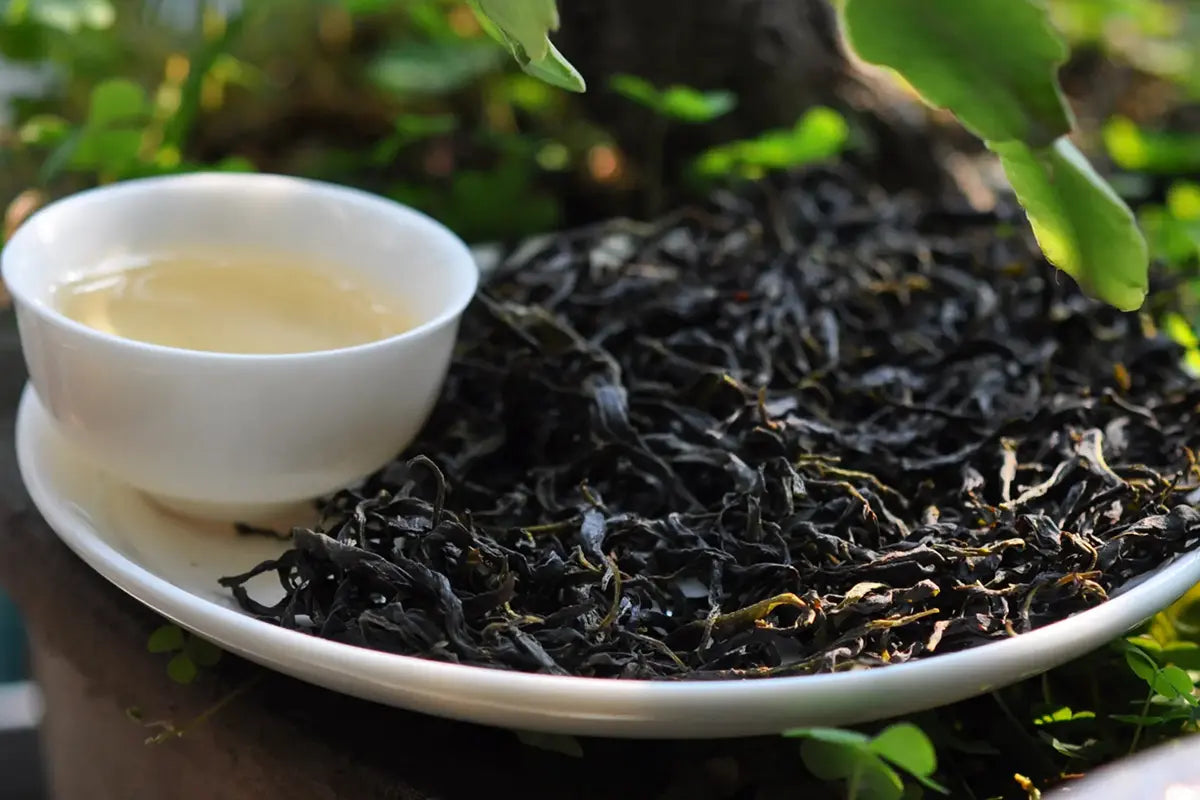
How much caffeine does Oolong tea contain? Worried about staying awake if you drink Oolong tea at night due to its caffeine content? If you love tea but are concerned about caffeine, what tea should you drink? In response to these questions, we have the following suggestions. We will take you to learn more about the caffeine content in oolong tea and how to choose oolong tea. 1. How much caffeine does Oolong tea contain? When it comes to the caffeine content of Oolong tea, the range is quite broad. In an 8-ounce cup of tea, the caffeine content ranges from 16 milligrams to 55 milligrams. The weakest Oolong tea varieties contain about 16 milligrams of caffeine per serving, while the strongest varieties can have over 55-60 milligrams per cup. Other varieties fall within the range of 30-40 milligrams of caffeine. Generally, Oolong tea tends to have lower caffeine levels due to the use of mature leaves. Among oolong teas, Dahongpao is an oolong tea with a lower caffeine content, while Fenghuang Dancong is an oolong tea with a higher caffeine content. 2. What is a reasonable caffeine intake? Oolong tea contains caffeine, and moderate intake can provide alertness. However, it's essential to be mindful of caffeine intake. For healthy adults, a daily caffeine intake is roughly between 300-400 milligrams. An 8-ounce cup of coffee typically contains about 80-100 milligrams of caffeine, while a cup of Oolong tea contains approximately 30-40 milligrams. Therefore, a healthy adult can drink 6-8 cups of Oolong tea per day without exceeding the recommended caffeine intake limit. However, for individuals sensitive to caffeine, pregnant women, and children, attention should be paid to caffeine intake. The metabolism of caffeine slows down during pregnancy, leading to its accumulation and potential transfer to the baby through the placenta. Therefore, Oolong tea may be burdensome for pregnant women and is not recommended. For children, those under four years old should avoid caffeine, and for children aged four and above, the recommended intake is approximately 1 milligram per 2.5 kilograms of body weight. 3. What are the effects of caffeine? Caffeine is a compound known as methylxanthine, and it acts as a stimulant. Its primary stimulant effect is due to its binding to adenosine receptors in the brain. Adenosine, a byproduct of energy production (ATP), attaches to receptors throughout the day, causing a feeling of tiredness. Because caffeine structurally resembles adenosine, it can replace adenosine on these receptors, alleviating the feeling of fatigue. Therefore, the beneficial effects of caffeine include alertness, fatigue reduction, and diuretic properties. 4. What harm can excessive caffeine consumption cause? Excessive caffeine intake can lead to overstimulation and excitement, affecting the nervous system and causing negative effects such as anxiety and nervousness. It may also result in increased blood pressure and vascular stiffness. 5. How to control caffeine intake during Oolong tea consumption? If you want to control the caffeine content of oolong tea, then firstly, we recommend that you choose oolong tea with low caffeine content. Secondly, we recommend that you choose loose leaf oolong tea instead of tea bags. The beauty of loose leaf tea is that you can brew it by brewing it. Brewing methods to control caffeine intake in tea. When it comes to brewing loose leaf tea, you have five tips to control the amount of caffeine you drink: The first is the amount of tea leaves; more tea leaves mean more caffeine, and vice versa. The second is the steeping time; shorter steeping times effectively reduce caffeine intake. The third is lowering the water temperature; caffeine in tea leaves releases more with higher water temperatures. Using 80-degree water to brew tea will result in lower caffeine content than using boiling water. Cold brewing is also an effective method to minimize caffeine release, making it suitable for those sensitive to caffeine. The fifth is rinsing the tea leaves with boiling water before brewing, which can reduce caffeine content by about 50%. 6. Recommended Oolong Tea Loose leaf oolong tea not only has the benefit of being able to control caffeine intake through the brewing method, but also has many other advantages that make it perfect for a healthy daily drink. If you are new to tea and have never tried oolong tea, then we highly recommend you start with the Chinese Oolong Tea Starter Set. This allows you to taste multiple oolong teas at one time at the lowest cost. If you are still hesitant about how to buy good oolong tea online, you can try iTeaworld's Chinese Oolong Tea Starter Set, which contains four classic loose leaf oolong teas: Dahongpao, Tieguanyin, Fenghuang Dancong. iTeaworld promises to provide the best loose leaf tea rather than low cost tea. · Da Hong Pao: Da Hong Pao has a rich and smooth taste with a fragrant orchid aroma. · Tie Guan Yin: Tie Guan Yin has a fresh and brisk taste with a quick and lasting sweetness, featuring the unique "Guan Yin Yun" (rhythm of Guanyin). · Fenghuang Dancong: Fenghuang Dancong, known as the "perfume of teas," offers a rich, mellow, and fresh taste with a long-lasting fragrance. About iTeaworld’s Oolong Tea Reviews iTeaworld has been deeply involved in China's tea industry for 15 years and has its own century-old tea garden and tea factory. The founder of iTeaworld loves tea very much and has an in-depth understanding of tea. He has always believed that something as valuable as Chinese tea should be promoted to the world, so that Chinese tea can be loved by the world. So he created the brand iTeaworld. Not only to promote Chinese culture, but also to let people around the world drink real Chinese tea. At present, people from many countries have drank iTeaworld tea. They will post their true evaluations of the tea on Reddit, Instagram, and Youtube. They can even view the evaluations of iTeaworld tea on some independent blog sites.Here are some real reviews about iTeaworld’s Oolong Tea“I’ve had Tieguanyin before but iteaworld stepped it up on quality. Sweet vegetal and creamy notes and covered the entire palate.”--from Reddit "According to the package, this tea comes from old trees that are older than 100 years old.Since I have a full-size package of this tea, I decided to try it first, and boy was I taken aback by the incredibly intense peach aroma.It made me wonder how they achieved such a strong aroma without adding any additional flavorings!Until the third steep, following the gongfu style, the tea retained this delightful peach fragrance.After that, the roasted undertones became more prominent, and personally, I enjoyed the tea slightly less.Nonetheless, it is a tea that I believe will likely become one of my favorites from this selection."--from Reddit   If you want a stimulating effect while controlling caffeine intake, substituting Oolong tea for coffee is a good choice. Regardless of the source of caffeine, excessive consumption of tea and coffee can lead to certain adverse effects. In some special cases, such as pregnancy or sensitivity in the stomach, drinking 2-3 cups of Oolong tea per day is suitable.
what-is-fenghuangdancong

About Fenghuang Dancong Shan Yun: How to Taste

If you are familiar with loose-leaf tea, you will know that there is a certain level of expertise required for entry. Among the various loose-leaf teas, Fenghuang Dancong is relatively challenging for beginners. Fenghuang Dancong is indeed delicious and enjoyable, but why is it so challenging to understand? One reason is the various outstanding and unique characteristics of Fenghuang Dancong, one of which is the "Shanyun" (Mountain Charm) of Fenghuang Dancong. What Is the "Shanyun" of Fenghuang Dancong? First, let me explain what "Yun" means. "Yun" can be interpreted as having residual feeling, profound and infinite taste. Many people associate Fenghuang Dancong with high fragrance, which is also a classic characteristic of loose leaf oolong tea. Because Fenghuang Dancong comes in various aromatic profiles that captivate people, it seems that Fenghuang Dancong is known for its aroma. However, fragrance is just a surface feature. Just like a person's clothing and appearance are superficial, the inner temperament is the most beautiful aspect of a person.   Apart from the tea aroma, Fenghuang Dancong tea possesses another flavor called "Shanyun," which is unique to Dancong. This "Shanyun" is a unique expression of Dancong, a description that can be felt but not easily conveyed.  Indulge Your Senses with Fine Teas from Iteaworld>>> How Is the "Shanyun" of Fenghuang Dancong Formed? The formation of the "Shanyun" of Fenghuang Dancong is attributed to three essential conditions: superior ecological conditions, special tea tree varieties, and exquisite craftsmanship. The former is crucial for determining the unique "Shanyun" of tea leaves, while the latter two mainly influence the "fragrance," "vitality," and "sweetness" of Dancong tea, with no obvious relation to "Shanyun."    1.Superior ecological conditions The tea's variety and aroma are influenced by the environment in which it grows, reflecting its genetic makeup. The "regional fragrance" changes noticeably with environmental variations, including the mineral composition of the tea's growth medium and surface components of the mountains. Fenghuang Mountain, also known as Xiangfeng Mountain, with its high altitude and favorable conditions, provides an ideal environment for tea trees to thrive. The mountainsides of Fenghuang Mountain, Wuling Mountain, and Wudong Mountain are covered with coarse-grained granite, resulting in red and yellow soils with organic content ranging between 1% and 2%. These soils are rich in minerals, trace elements, and compounds, providing the material foundation for the growth of tea trees and the intrinsic qualities of tea leaves, especially contributing to the unique "Shanyun" and honeyed flavor of Fenghuang Dancong.   The roots of Fenghuang Dancong tea trees, extending deep into the rocky terrain, absorb trace elements from the special mineral structure of Fenghuang Mountain, continuously transforming them into hundreds of organic compounds, including catechins, alkaloids, camphor, theanine, and various vitamins.   Under such favorable conditions, Fenghuang Dancong is more likely to develop its unique aroma and flavor.   2.Special tea tree varieties Fenghuang Dancong has a diverse range of tree varieties, and their number is countless. They all originate from the "Fenghuang Shuixian" variety. "A Comprehensive Overview of Chinese Famous Teas" describes the Fenghuang Shuixian tea tree as a complex and diverse population with variations in maturity, leaf morphology, and resource types. Fenghuang Shuixian is a sexually reproductive tea tree population, providing opportunities for the diversity of tea tree varieties through sexual reproduction. The adaptability and resistance of Fenghuang Shuixian tea trees are strong, resulting in naturally fragrant tea with orange-yellow liquor, a fresh and sweet taste, strong aftertaste, and resistance to over-brewing. Tea made from the refined Fenghuang Shuixian variety has a unique honeyed aroma.   The charm of Fenghuang Dancong is unique, but not every tea tree grown on Fenghuang Mountain will exhibit "Shanyun" after processing. Only high-altitude tea trees, especially spring tea from older trees (generally considered to be over fifty or sixty years old), can develop this unique "Shanyun" after careful processing.   There is a saying in Fenghuang Dancong, "Spring Charm, Autumn Fragrance," indicating that only spring tea from Dancong can exhibit this unique flavor, and it is challenging to achieve the same "Shanyun" with tea leaves harvested in other seasons. Additionally, tea trees grown at altitudes above six to seven hundred meters, due to different mountain terrains, also exhibit different flavor characteristics. Regardless, younger trees lack this unique flavor, and the older and higher-altitude trees show a more pronounced "Shanyun."     3.Exquisite Craftsmanship The saying "timely picking, precise processing" reflects the wisdom accumulated by the ancestors in the production of Fenghuang Dancong tea.   The picking of Fenghuang Dancong is highly meticulous. When to harvest fresh tea leaves and the optimal time of day are not a problem for experienced tea farmers; they skillfully grasp the best picking time and tea-making timing. Whether the tea is fragrant and has "Shanyun" not only depends on environmental and species factors but also has a close relationship with the timing of picking, the standard ripeness of the leaves, the climate conditions during picking and drying, and the degree of enzymatic oxidation during tea making.   The production process of Fenghuang Dancong is also very complex. From sun-drying, airing, bruising, shaking, resting, and fixation, to rolling, baking, and then picking and re-roasting, each step requires strict control of time and intensity to ensure no mistakes are made. Otherwise, Fenghuang Dancong won't reveal its unique "Shanyun flavor."     To truly appreciate the "Shanyun" of Fenghuang Dancong, the quality of the tea you taste is crucial. iTeaworld offers a high-quality Fenghuang Dancong sourced from the core production area in Wudong Village, Fenghuang County. Made from fresh leaves of century-old tea trees, it is truly worth experiencing. If you want to explore other high-quality loose leaf oolong teas, you can try iTeaworld's new Oolong Tea Sampler, which includes classic oolong teas such as Tie Guanyin and Da Hong Pao, in addition to Fenghuang Dancong, allowing you to fully appreciate the flavors of the best loose leaf teas.   Best Christmas Tea Sale Exciting news! iTeaworld's Christmas Tea Sale are here, featuring a fantastic 20% off on premium Fenghuang Dancong tea. Give the gift of health this Christmas—swap sugary drinks for the pure goodness of tea. Elevate your celebration with iTeaworld's exclusive discounts. Don't miss out! In conclusion, to bring out the "Shanyun" of Fenghuang Dancong tea, the tea leaves must be harvested from old tea trees at high altitudes in Fenghuang Mountain. After meticulous processing, the brewing and tasting process provides sensory enjoyment to the drinker. This unique "Shanyun" is often referred to as "Lan Xiang Gui Yun" (Orchid Fragrance, Osmanthus Charm), "Dancong Yun," and "Mi Xiang Yun" (Honeyed Aroma Charm). The higher the altitude of production for Fenghuang Dancong tea, the more pronounced the "Shanyun" becomes.
Taste-and-aroma-of-Da-Hong-Pao-Tea

A Beginner's Guide to Enjoying Da Hong Pao (Big Red Robes)

The Historical Significance of Da Hong Pao In the history of tea, the tea produced in Wuyi Mountain was collectively referred to as Wuyi tea. Due to the unique geological conditions of "tea only grows in rocks, and without rocks, there is no tea," the Oolong tea produced in Wuyi Mountain is also known as "Wuyi Rock Tea." Wuyi tea had already become a finished product in the Tang Dynasty and was selected as a royal tribute in the Song Dynasty. In the Yuan Dynasty, an imperial tea garden was established in Wuyi Mountain specifically for producing tribute tea. From ancient times to the present, Wuyi Rock Tea has always been a enduring royal tribute. Among the numerous tea tree varieties in Wuyi Mountain, Da Hong Pao (Big Red Robe) holds a special position. From the picking to the tea-making process, it is intricate. It is singled out from the famous Wuyi Rock Tea varieties and recognized as the leader among them (the foremost and acknowledged king of Wuyi tea). Therefore, it is honored as the "King of Rock Tea," "King of Wuyi Tea," "The Best Tea in the World," and so on. For those who want to experience the flavor of the best loose leaf tea, especially the finest loose leaf Oolong tea, trying Da Hong Pao is a must. Of course, Chinese Oolong tea has a long history and a rich variety. In addition to Da Hong Pao, classic Oolong teas such as Tie Guanyin and Fenghuang Dancong are also worth tasting. Why is it called Da Hong Pao? According to legend, in the year 1385, during the Ming Dynasty's Hongwu reign, a scholar named Ding Xian was on his way to the capital for the imperial examination. He fell ill while passing through Wuyi and suffered unbearable abdominal pain. Fortunately, he encountered a monk at Tianxin Yongle Temple who brewed tea from his stored tea leaves and gave it to him. The illness immediately subsided.   After achieving the top score in the imperial examination, Ding Xian returned to express his gratitude to the monk. When asked about the origin of the tea leaves, he learned that the monk had taken off a big red robe, circled the tea bushes three times, and draped it over the tea trees. Hence, it was named "Da Hong Pao" (Big Red Robe). The top scholar used a tin can to collect the Da Hong Pao and brought it back to the capital. When he returned to the court, he coincidentally encountered the empress who was ill. Despite the efforts of many physicians, the empress's condition did not improve. Ding Xian presented the can of tea leaves, and after the empress drank it, her health gradually recovered. The emperor was delighted and awarded Ding Xian with a red robe, instructing him to personally go to Jiulongke and drape it over the tea tree as a sign of gratitude. At the same time, officials were dispatched to supervise the harvesting and production of tea leaves, ensuring that none were hidden. Since then, Wuyi Rock Tea Da Hong Pao became an exclusive tribute tea for the imperial court, and the fame of Da Hong Pao spread among the people. Legend has it that every year, the officials sent by the court would wear big red robes, untie them, and hang them on the tea trees of the tribute tea. Therefore, it was called Da Hong Pao. Indulge Your Senses with Fine Teas from iTeaworld>>> The Historical Allusion of "Half the Country": Da Hong Pao as the Behind-the-Scenes Hero of Sino-American Diplomacy As a tribute tea for successive royal families, Da Hong Pao naturally has a high value. However, many may not be aware that the six remaining mother trees of Da Hong Pao on the rock wall of Tianxin Yan Jiulong Cave once shouldered the important responsibility of being a link in the history of Sino-American diplomacy. In 1972, during the establishment of diplomatic relations between China and the United States, then-US President Richard Nixon visited China. Chairman Mao Zedong presented him with four liang (about 160 grams) of Da Hong Pao as a gift. It is said that after receiving the gift, Nixon was not very pleased, feeling that the gift was somewhat stingy. Premier Zhou Enlai, who was present at the time, noticed Nixon's mood and approached him, saying, "The Chairman has given you half the country." Nixon, puzzled, became even more confused. Premier Zhou Enlai pointed to the Da Hong Pao and explained, "Da Hong Pao from Wuyi Mountain is a tribute tea to the royal family of China throughout history. The annual output is less than one jin (500 grams). The Chairman has given you four liang, which is 'half the country.' " Upon hearing this, President Nixon immediately burst into laughter. The historical allusion to Da Hong Pao as "half the country" witnessed the "ice-breaking journey" of Sino-American relations. It has far surpassed the meaning of a gift and serves as a special medium conveying political significance and cultural influence beyond its intrinsic value. This tale of great power diplomacy is enough to show that Da Hong Pao is no ordinary tea; it is a source of pride for the Chinese nation.   Classification of Da Hong Pao Da Hong Pao can be divided into Mother Tree Da Hong Pao, Purebred Da Hong Pao, and Commercial Da Hong Pao. 1 Mother Tree Da Hong Pao Mother Tree Da Hong Pao refers to the mother trees of Da Hong Pao that grow on the rock walls of Jiulong Cave in Wuyi Mountain, with six existing tea trees. Currently, Mother Tree Da Hong Pao has ceased to be harvested, making it a rare and exceptional variety. 2 Purebred Da Hong Pao This type is a variety formed through the single and asexual reproduction cultivation of a specific lineage from the mother tree. The recognized variety of purebred Da Hong Pao is Qidan, so purebred Da Hong Pao is essentially Wuyi Rock Tea made from the purebred Qidan tea tree. Due to its limited production, it is priced at a premium. 3 Commercial Da Hong Pao This is the most widely circulated and common Da Hong Pao in the current market. It is a blend of two or more Wuyi Rock Teas, typically with a base of cinnamon and narcissus, creating a Commercial Da Hong Pao with the characteristic rock essence and floral fragrance. Unique Flavor Characteristics of Da Hong Pao Currently, Mother Tree Da Hong Pao is prohibited from being harvested. Therefore, the Da Hong Pao available in the market falls into two categories: Qidan and blended Da Hong Pao, each with distinct flavor characteristics. 1 Qidan - Purebred Da Hong Pao According to the "Chinese Tea Varieties Chronicle," Da Hong Pao is described as one of Wuyi's traditional five precious tea varieties, belonging to the asexual reproduction series. When crafted into Oolong tea, it exhibits exceptional quality, with tightly rolled leaves, a lustrous green-brown color, a rich and fragrant aroma reminiscent of osmanthus flowers, a mellow and sweet taste with lingering aftertaste, prominent rock essence, and a unique fragrance. These characteristics define the unique flavor of purebred Da Hong Pao. 2 Blended Da Hong Pao The Da Hong Pao available in the market is often a blend, also known as "Commercial Da Hong Pao." Commercial Da Hong Pao was created to promote Wuyi Rock Tea by combining different varieties of rock tea, complementing each other's strengths. Blending does not necessarily indicate a decrease in quality; for example, combining tea with a good aroma and tea with a good taste enhances both the aroma and taste, resulting in a higher-quality product. iTeaworld offers a cost-effective blend of Commercial Da Hong Pao, allowing you to easily experience the classic flavor characteristics of Da Hong Pao. The key to blending Da Hong Pao is to achieve a uniform taste without discerning the characteristics of individual varieties. Additionally, it is crucial to reflect the unique characteristics of Wuyi Rock Tea, with a unified aroma, rich taste, delicate and lingering fragrance, and a good aftertaste. If you’d like to explore more teas with a flavor profile similar to Da Hong Pao, try the iTeaworld Roasted Oolong Tea Collection. It includes three classic Wuyi oolong teas: Da Hong Pao, Wuyi Shui Xian, and Wuyi Rou Gui. While they share a similar style, each offers its own unique character. All three undergo deep roasting, delivering rich flavors, complex layers, and a satisfying depth, making them excellent choices for everyday tea enjoyment. Click the link to learn more about the Roasted Oolong Tea Collection>> If you’d like to explore more oolong teas with similar flavor profiles or discover higher-grade Da Hong Pao, you can visit our Oolong Tea Flavor Exploration page. It features a wide range of oolong teas, each categorized by its unique flavor profile, helping you discover a broader and more fascinating world of oolong tea.
Oolong Tea Benefits: Good For Cardiovascular Health

Oolong Tea Benefits: Good For Cardiovascular Health

Under the influence of various factors, many people may experience cardiovascular problems. If appropriate measures are not taken to regulate these issues, the impact on the human body can be significant. Therefore, it is crucial for everyone to pay attention to cardiovascular protection in daily life and use appropriate methods for regulation. There are many methods, such as regularly drinking loose leaf oolong tea, which can help improve cardiovascular health to a certain extent.   Numerous Studies Have Demonstrated the Efficacy of Oolong Tea in Improving Cardiovascular Health 1.Studies on the prevention and treatment of coronary heart disease and atherosclerosis with oolong tea A survey of a large population published in 2011 indicated that long-term consumption of oolong tea, loose leaf green tea, and coffee can reduce the mortality rate of coronary heart disease patients. In 2004, a clinical study found that after 11 coronary heart disease patients consumed oolong tea for one month, their plasma adiponectin levels significantly increased, and LDL particles became significantly larger. It was speculated that oolong tea might play a preventive role in the formation of atherosclerosis in coronary heart disease patients. Indulge Your Senses with Fine Teas from Iteaworld>>> A study in 2006 found that after 12 healthy adult subjects consumed oolong tea extract rich in polyphenols for 10 consecutive days, the amount of fat excreted in their feces significantly increased. It was speculated that the tea polyphenols in oolong tea could reduce the accumulation of fat leading to atherosclerosis. 2.Studies on the prevention and treatment of hypertension with oolong tea In a 2008 experiment with urethane-anesthetized rats, after intraduodenal injection of decaffeinated oolong tea or oolong tea, the excitability of the renal sympathetic nerves decreased, leading to a decrease in blood pressure. In addition, spontaneously hypertensive rats drinking oolong tea for 14 weeks showed a reduction in elevated blood pressure. Oolong tea can change the transmission of autonomic nervous signals through enteric nervous mechanisms, exerting its antihypertensive effect. In 2003, a study in Taiwan, China, involving 1507 participants (711 males and 796 females) over several decades investigated the impact of tea consumption on the risk of newly diagnosed hypertension. The study included participants aged 20 or above with no history of hypertension. The results showed that habitual consumption of moderate-strength oolong tea (i.e., drinking 120ml of oolong tea per day for over a year) could reduce the risk of developing hypertension. Therefore, researchers suggested that oolong tea extract could significantly reduce the risk of hypertension in the Chinese population. A study in 2008 found that caffeine in oolong tea might play a role in regulating the renal sympathetic nerves, thereby regulating blood pressure. The research showed that oolong tea could inhibit mouse renal sympathetic nerves and blood pressure, and the effective components might be caffeine and certain unidentified substances in oolong tea. 3.Studies on the prevention and treatment of ischemic and hemorrhagic stroke with oolong tea A study in 2015 found that among Chinese adults, higher tea consumption was associated with a lower risk of ischemic and hemorrhagic strokes. An investigation in the southern region of China showed that daily consumption of 1-2 cups of oolong tea or green tea significantly reduced the risk of ischemic stroke, and there was a dose-response relationship with tea consumption quantity and duration.   If you want to drink oolong tea regularly, it is recommended to try some classic Chinese loose leaf oolong teas, such as Tie Guanyin, Da Hong Pao, and Fenghuang Dancong. These teas have classic flavors and aromas, and long-term consumption can reveal the joy and mysteries within them.   Good Habits for Improving Cardiovascular Health 1.Improve Dietary Habits To maintain cardiovascular health, it is important to consume foods rich in vitamins and low in cholesterol. Reduce the intake of high-fat, high-calorie foods such as fried and sweet foods. Limit the consumption of high-salt foods like pickles and cured meats.   2.Control Weight Obesity increases the risk of cardiovascular diseases. Therefore, maintaining cardiovascular health involves controlling weight. This can be achieved by reducing calorie intake and incorporating regular exercise.   3.Exercise Daily The key to maintaining cardiovascular health is daily exercise. Aim for at least 30 minutes of exercise per day, including activities like walking, jogging, jumping rope, swimming, etc. Choose an exercise method based on personal interests and physical condition. Exercise promotes blood circulation, strengthens the heart muscle, improves cardiopulmonary function, enhances the cardiovascular system's resistance, and prevents diseases like heart attacks and strokes.   4.Quit Smoking and Limit Alcohol Intake Smoking and excessive alcohol consumption narrow blood vessels and increase the incidence of cardiovascular diseases. Therefore, to maintain cardiovascular health, it is crucial to quit smoking and limit alcohol intake.   5.Maintain a Positive Psychological State Psychological stress can lead to vascular tension, affecting the normal functioning of the cardiovascular system. To maintain cardiovascular health, it is important to have a positive psychological state. Engage in enjoyable activities such as watching movies, listening to music, reading, etc., and try to minimize psychological stress.   Improving cardiovascular health is best achieved through small changes in daily life, such as regularly drinking oolong tea. It is recommended to purchase high-quality tea leaves for better health benefits. To find the best loose leaf tea, individuals should try different options and compare, choosing a suitable purchasing channel. Additionally, maintaining good dietary and exercise habits, quitting smoking and limiting alcohol intake, and maintaining a positive psychological state are essential.   Many people may think that cardiovascular diseases are ailments that only occur in old age. However, being young does not guarantee cardiovascular health. Although many cardiovascular diseases typically occur in the elderly, the changing lifestyle has led to the gradual "youngerization" of these diseases. Therefore, young people also need to pay attention to the prevention and treatment of cardiovascular diseases, cultivate good lifestyle habits, and take preventive measures in daily life to avert potential risks.
loose-leaf-black-tea-sampler-iteaworld

Tea Sampler: Exploring Ancient and Young Black Teas

Due to its widespread popularity, people generally have some understanding of black tea, but often only scratch the surface. Black tea is fully fermented, and both its dry appearance and brewed infusion predominantly exhibit a reddish hue, hence its name. Black tea is also the most prominent category in global tea production, holding a dominant position in international tea trade.   There are numerous varieties of black tea. Did you know that the earliest black tea in the world has a history of more than four hundred years? Meanwhile, some black teas, born in recent decades, have only a few decades of history. Are you curious about the characteristics of these ancient and young black teas? As the saying goes, seeing is believing, and to truly appreciate the nuances, it's best to taste them yourself. We recommend exploring the flavors of these ancient and young black teas through tea sampler.   Exploring Ancient Black Tea 1.The Birth of Lapsang Souchong In the later period of the Ming Dynasty (1568), during the tea-picking season, a military unit passed through the area and camped for the night in what is now Tongmu Village. The local tea farmers, unfamiliar with such a tumultuous scene, were unable to process the harvested tea leaves, which fermented overnight. To salvage the situation, the tea farmers used local pine branches for charcoal roasting and added some special steps to maximize the quality of the tea leaves. The resulting tea was transported to the town for sale. Initially a serendipitous creation, the tea gained widespread popularity, leading to increasing orders. The entire Tongmu had to exert all efforts to meet the market demand, making Lapsang Souchong renowned far and wide.   2.Unique Flavor of Lapsang Souchong High-quality Lapsang Souchong has well-shaped leaves, a dark iron green color with hints of brown, and a slightly oily texture. It boasts a lasting aroma with the fragrance of pine smoke, not overpowering but subtle. The taste is mellow, robust, and sweet, with a distinct throat sensation and a hint of longan soup flavor. Even when mixed with milk, the aroma remains, creating a syrupy milk tea with a more vibrant liquid color.   3.Smoked and Non-Smoked Versions of Lapsang Souchong Traditional Lapsang Souchong is the smoked version, with a unique process involving pine smoke and pine wood drying. Nowadays, there is also a non-smoked version of Lapsang Souchong, which skips the use of pine wood in the processing. Both versions have a noticeable sweetness. The smoked version has a distinctive aroma of pine smoke and longan. The non-smoked version has a rich floral fragrance and a sweet and refreshing taste. In terms of infusion color, the smoked version has a more intense hue, while the non-smoked version has a bright and clear red tone.  Indulge Your Senses with Fine Teas from iTeaworld>>>   Exploring Young Black Tea Lapsang Souchong has a history of several hundred years, and its endurance is closely related to centuries of history and craftsmanship. However, there are also black teas that, though not yet a hundred years old, have gained widespread acclaim. Here are two young black teas: Yunnan Black Tea and Yingde Black Tea.    1.Yunnan Black Tea In the autumn of 1937, Feng Shaoqiu and Zheng Hechun visited Yunnan to observe and investigate the tea production and sales situation. They found Fengshan in Fengqing County to have natural conditions suitable for tea growth, leading to the initiation of black tea production. In 1939, the first batch of Yunnan Black Tea was successfully produced and initially shipped to Hong Kong in bamboo tea baskets before switching to wooden boxes and aluminum cans for market distribution. Since then, the Yunnan black tea industry has developed year by year, gaining high reputation in the former Soviet Union, Eastern Europe, and the London market. High-quality Yunnan Black Tea has tightly rolled slender leaves with visible tips and a lustrous, jet-black color. The infusion is bright red with a golden glow, representing the epitome of high-quality Yunnan black tea. It has a thick, mellow taste, refreshing and sweet, leaving a lasting fragrance in the mouth. The aroma is unique, featuring floral and honey notes that persist.   Yunnan Black Tea's exceptional quality has garnered much appreciation in the international market, being considered comparable to black teas from India and Sri Lanka. It is said that the Queen of England placed Yunnan Black Tea in transparent vessels for display, considering it a treasure.   2.Yingde Black Tea In 1955, Yingde City successfully cultivated the well-known Yunnan large-leaf tea variety. In 1959, Yingde Black Tea was successfully produced using the Yunnan large-leaf variety. It made its first successful export, receiving praise and recognition from the domestic and international tea community. Yingde Black Tea boasts excellent quality, primarily using the Yunnan large-leaf variety suitable for black tea production, combined with Phoenix Narcissus and the successful promotion of high-aroma, high-quality large-leaf black tea varieties. The appearance of Yingde Black Tea is tightly curled, with a glossy and uniform color, showcasing prominent golden tips. The aroma is fresh, pure, and intense, with noticeable floral notes. The taste is rich, sweet, and smooth, with a bright and clear red infusion color. When milk is added, the tea liquor becomes a beautiful reddish-brown, possessing a complete balance of color, aroma, and taste.   In 1963, Yingde Black Tea was successfully auctioned in the United Kingdom. The same year, Queen Elizabeth II used Yingde Black Tea FOP (Leaf Tea No. 1) to entertain guests at a grand banquet, receiving high praise and acclaim. It was even used as a royal gift tea, elevating the reputation of Yingde Black Tea to a new level. At its peak, Yingde Black Tea was exported to more than 70 countries and regions worldwide.   iTeaworld offers a Black Tea Sampler, including smoked and non-smoked versions of Lapsang Souchong, Yunnan Black Tea, and Yingde Black Tea in a form of tea samplers. With just one box, you can experience the flavors of both ancient and young black teas. iTeaworld also provides various tea selections, including convenient and easy-to-try tea samplers. To find the best loose leaf tea, it's advisable to try and compare different options to discover the loose leaf tea that suits your preferences. Best Buy Christmas Tea Get ready for the thrill of Christmas! iTeaworld's Christmas Tea Sale are live, and here's a treat: our special offer on the Black Tea Sampler – buy one, get one free! Don't miss out on the perfect Christmas tea gifts. Swap out sugary drinks for the goodness of tea and bring a dash of health to your family this holiday season. Act now and make this Christmas a joyous celebration with iTeaworld's exclusive deals! Shop Best Christmas Tea Sale at iTeaworld>>> In fact, through tasting, one can discover that historically rich black teas have their unique charm, while these young black teas may better align with the preferences of most people today. We hope that in exploring ancient and young black teas, you'll find a lot of enjoyment.
All About Fenghuang Dancong Oolong Tea

All About Fenghuang Dancong Oolong Tea

For those intrigued by oolong tea, the name Fenghuang Dancong may ring a bell. Recognized as a tea treasure, Fenghuang Dancong is celebrated for its robust flavor and enduring sweetness. What is Fenghuang Dancong?   Fenghuang Dancong, a loose leaf oolong tea, stands as the epitome of Guangdong's oolong variety, specifically linked to Fenghuang Mountain in Chaozhou City. It earns its name from the tradition of harvesting, processing, and marketing tea from individual trees. Characterized by an intense floral aroma, a mellow taste, and a robust aftertaste, Fenghuang Dancong has rightfully earned its status as a precious oolong tea. Evolution of Fenghuang Dancong 1.First Phase: During the late Qing Dynasty to the Ming Dynasty, any tea crafted from the Phoenix Narcissus variety, with single-tree harvesting, processing, store and sales, fell under the category of Fenghuang Dancong. Preceding the Republican era, the majority of tea trees producing Fenghuang Dancong were sexually reproduced trees thriving in high-altitude environments. 2.Second Phase: From 1955 to the 1980s, during a period when the Chinese government encouraged tea exports, Fenghuang Dancong experienced significant growth. In 1955, a tea purchasing station was established in Fenghuang Town. Fresh leaves of the Phoenix Narcissus variety served as raw materials, giving rise to a series of Phoenix teas. Within the Phoenix tea series, three distinct grades emerged: Dancong tea, Langcai tea, and Narcissus tea. 3.Third Phase: In the 1990s, propelled by the progress of propagation technologies such as grafting, asexual reproduction became widespread. These techniques facilitated the mass replication of previously selected superior single-tree tea trees. Presently, Fenghuang Dancong no longer emphasizes the concept of "single-tree harvesting and processing" but rather broadly refers to these exceptional individual trees. Three major aroma types are now highlighted: Honey Orchid aroma, Yellow Twig Flower aroma, and Orchid aroma.  Indulge Your Senses with Fine Teas from Iteaworld>>> Distinctive Flavor of Fenghuang Dancong   Fenghuang Dancong tea is renowned for its "beautiful appearance, emerald color, rich fragrance, and sweet taste," embodying the four unique characteristics. The tea features a straight, plump, and glossy appearance; a naturally elegant and high floral fragrance; a rich, mellow, refreshing, and lingering taste; a clear and bright orange-yellow liquor; green stems, red-edged green leaves, and a strong brewing resistance, collectively forming the unique characteristics of Fenghuang Dancong tea in terms of color, fragrance, and taste. Mountain Charm of Fenghuang Dancong Fenghuang Dancong boasts a unique "mountain charm" in terms of taste, representing a deeper level of expression that can only be appreciated through experience. This special "mountain charm" is crucial to the tea's quality and distinguishes it from other single-tree teas produced elsewhere. The key factors contributing to Fenghuang Dancong's mountain charm include superior ecological conditions, excellent tea tree varieties, and exquisite harvesting and processing techniques. How to Enjoy Fenghuang Dancong   1.Color Observation: Pour the tea leaves into a teacup and observe their color and shape. The soup color of Fenghuang Dancong tea is orange-yellow or yellow-green, clear and bright, with a glossy appearance.  2.Aroma Appreciation: Gently shake the teacup to release the tea's aroma. Fenghuang Dancong tea has a unique floral and fruity fragrance with a lasting aroma that captivates the senses. 3.Taste Evaluation: When tasting Fenghuang Dancong tea, let the tea leaves linger in the mouth for some time to fully appreciate its taste and aftertaste. The tea has a rich and smooth flavor, leaving a long-lasting aftertaste.  4.Sensation: During the tea taste process, we can also experience the cultural connotations and historical heritage of Fenghuang Dancong. This tea is not just a specialty beverage in the Chaoshan region but also a cultural symbol passed down through the centuries. Craftsmanship of Fenghuang Dancong Fresh leaves of Fenghuang Dancong are typically harvested around the Qingming Festival. Tea tree buds, specifically at the stage of small opening (residual buds present), are plucked using the "riding horse" handpicking technique. If the harvested leaves are too tender, the resulting tea may be bitter and lack fragrance, while overly mature leaves can lead to a coarse and bland taste. Harvested leaves are usually processed on the same night to preserve freshness. The entire tea-making process takes about 10 hours and includes eight steps: harvesting, sun-drying, air-drying, shaping, fixation, rolling, baking, and final product creation. Each step requires meticulous attention to detail and precision. Unique Ecological Environment of Fenghuang Dancong Production Area   Chaozhou City, located in the eastern part of Guangdong Province, has a subtropical maritime climate with mild temperatures. The average annual temperature is 21.4°C, and there is abundant rainfall, averaging 1685.9 millimeters annually. Chaozhou's tea-producing areas benefit from a short daylight period, abundant cloud cover, and rainfall, with no severe cold in winter and no scorching heat in midsummer—ideal conditions for tea tree growth. Tea trees in Chaozhou have no distinct dormancy period and can produce tea throughout the year. The soil types in the tea-producing areas of Chaozhou include yellow soil, red soil, red lateritic soil, and paddy soil. Yellow and red soils are mainly distributed at altitudes above 400 meters, with a pH value ranging from 4.5 to 6.5. These soils are deep, rich in organic matter, and contain numerous micronutrients. Red lateritic soil and paddy soil provide good water and thermal conditions, with a pH value ranging from 5.5 to 6.5, suitable for tea tree growth. Chaozhou City has abundant rainfall, numerous mountain streams and rivers, and well-distributed reservoirs, ensuring ample water resources. The region's diverse vegetation, picturesque landscapes, high green coverage, and forest canopy contribute to a unique ecological environment conducive to Fenghuang Dancong tea production. Fenghuang Dancong Storage Tips Similar to other tea varieties, Fenghuang Dancong is susceptible to moisture absorption, potentially impacting its quality. This is attributed to tea leaves having a high affinity for moisture and odors, and their fragrance being notably volatile. For those who prefer enjoying tea in small quantities at home, a common practice is to store it in iron-colored tea canisters, tin bottles, colored glass bottles, or ceramic containers. Optimal storage is recommended with iron-colored tea canisters featuring double-layered lids and long-necked tin bottles. Ensure these containers are airtight, and tightly pack the tea leaves to minimize the presence of air inside. Health Benefits of Fenghuang Dancong Fenghuang Dancong tea not only delivers an exceptional taste and quality but also offers various health advantages. Firstly, it is rich in tea polyphenols and antioxidants, supporting antioxidation and combating the damage caused by free radicals—playing a pivotal role in overall health maintenance and the deceleration of the aging process. Secondly, Fenghuang Dancong tea boasts numerous health benefits, including heat-clearing and detoxifying properties. It has the capacity to reduce blood pressure and cholesterol while promoting stomach health and spleen nourishment. Incorporating Fenghuang Dancong tea into daily life can contribute to regulating bodily functions, enhancing metabolism, and improving the digestive system. For those yet to experience Fenghuang Dancong or undecided on which type to try, exploring the Honey Orchid fragrance Fenghuang Dancong is recommended. Even for those not accustomed to regular tea consumption, this variety is likely to be perceived as exceptionally delicious. iTeaworld offers a high-quality, cost-effective, and popular Honey Orchid fragrance Fenghuang Dancong. If you desire to explore not only Honey Orchid fragrance Fenghuang Dancong but also other classic Chinese oolong teas, consider iTeaworld's thoughtfully curated  Oolong Tea Sampler. Furthermore, iTeaworld provides various tea sampler to assist you in discovering the best loose leaf tea based on your preferences. New to Chinese oolong tea? If Fenghuang Dancong’s floral and fruity aroma interests you, you may enjoy exploring more high-aroma oolong teas through the Floral Chinese Oolong Tea Collection. It is a good direction for tea drinkers who enjoy expressive fragrance, layered aroma, and a bright aftertaste. If you are still building your oolong preference, start with the Chinese Oolong Tea Starter Set. It helps beginners compare different oolong flavor directions before choosing a favorite style. Related Oolong Tea Guides Find Your Oolong Tea Flavor — choose oolong tea by taste instead of unfamiliar tea names. 10 Best Chinese Loose Leaf Oolong Teas to Try — compare Fenghuang Dancong with other classic oolong teas. Oolong vs Green Tea: Everything You Need to Know — helpful if you are comparing tea categories. We trust this article enhances everyone's understanding of Fenghuang Dancong, a celebrated oolong tea, and sheds light on why it is cherished. In reality, there are numerous aspects of Fenghuang Dancong worth savoring, and the best way to appreciate them is through personal exploration—drinking, observing, and tasting. May every enthusiast of Fenghuang Dancong discover the tranquility and joy they seek in this remarkable tea.
tea-sampler-find-the-perfect-autumn-tea

Tea Sampler: Find the Perfect Autumn Tea for You

As the weather gradually turns cooler in the autumn season, it can have various effects on the human body. Firstly, autumn is a season prone to illness, with weakened bodily functions making it more susceptible to colds and external pathogens. Secondly, the dry weather of autumn necessitates increased hydration. Furthermore, people tend to have a better appetite in the fall, which can lead to overeating and increased fat accumulation. There are certain types of tea that are well-suited for autumn consumption, as they can help regulate some of the changes in the body's functions during this season. Let's explore some teas that are suitable for autumn.   Which Teas Are Suitable for Autumn? 1.Oolong Tea Loose Leaf Oolong tea is a partially fermented tea with a balanced nature, not too cold or too hot. It combines the fragrance of green tea with natural floral notes and the rich taste of black tea. Oolong tea has the ability to quench thirst, clear internal heat, and moisten the throat and skin, making it particularly suitable for consumption in the dry autumn season. Some of the polyphenols in oolong tea transform into tea pigments, giving it antioxidant and oil-reducing properties. Oolong tea is also highly aromatic and has a refreshing and invigorating effect. 2.Black Tea Loose Leaf Black tea is a highly fermented tea with warm properties, making it very suitable for consumption in the autumn. During cold weather, a steaming cup of black tea can quickly warm the body and help fend off the chill. Additionally, black tea promotes blood circulation, ensuring that all parts of the body receive adequate blood supply, reducing the likelihood of cold hands and feet. Autumn is a season with a high incidence of colds due to the sudden drop in temperature and reduced immune defenses. Black tea is rich in antioxidants like tea polyphenols, vitamin C, and amino acids, which can enhance the immune system's function and help the body resist colds and other common autumn illnesses. 3.White Tea White tea is minimally fermented and undergoes natural withering and drying. It has a gentle nature, making it suitable for consumption throughout the year. Drinking white tea in the autumn helps reduce heat and dryness. Since white tea is not subjected to high-temperature processing, it retains a significant amount of active enzymes. White tea can replenish the body's moisture and nourish while reducing dryness. 4.Dark Tea With the onset of cooler weather in autumn, people tend to have better appetites, leading to increased food consumption. Dark tea contains beneficial microorganisms and probiotics that effectively regulate the gastrointestinal tract, promote digestion, and help maintain digestive health, making it a great choice for those who enjoy rich and hearty meals. Dark tea, being post-fermented, has warm properties and is generally suitable for a wide range of individuals. Like the other types of tea mentioned earlier, loose leaf tea is the best choice for dark tea. I recommend that you seek reliable sources for purchasing loose leaf tea to ensure that you obtain the best loose leaf tea, as this is essential for achieving better health benefits. 5.Chrysanthemum Tea Autumn weather tends to be dry, the summer heat lingers, and there can be significant temperature differences between day and night. This can lead to symptoms such as excessive internal heat, headaches, and wind-heat colds. Drinking chrysanthemum tea can help clear heat, moisten dryness, and prevent internal heat. When brewing chrysanthemum tea, you can add a suitable amount of goji berries, which can help disperse wind, clear heat, detoxify, and improve vision. Combining chrysanthemum tea with pu-erh tea can help disperse wind, clear heat, and benefit the liver and eyes. However, chrysanthemum tea has a cooling nature, so it should be used with caution by those with qi deficiency and cold stomach. 6.Osmanthus Tea Late August is the season when osmanthus flowers are in full bloom. Osmanthus is warm in nature and can warm the stomach, improve a poor appetite, and aid digestion. Osmanthus can be used in cooking, pastries, or in tea. Osmanthus tea contains various trace elements that can alleviate fatigue, soothe coughs, and moisten the lungs. It can also be brewed with black tea for a delightful combination.   Try Tea Samplers to Find Your Ideal Tea Black tea and oolong tea are well-known tea varieties with a rich history and numerous famous varieties. How can you select and purchase the black tea or oolong tea that you'll enjoy? It's not advisable to purchase the full-sized packaging when you're uncertain whether you'll like a particular tea. Full-sized tea packages typically contain 50g or even 100g of tea, making it easy to end up with unused tea if you don't like the taste. Therefore, I recommend trying tea samplers to discover the teas that suit your taste. iTeaworld offers premium Black Tea Sampler and Oolong Tea Sampler, each containing several classic loose-leaf Chinese black teas and loose-leaf oolong teas with different processing methods, fermentation levels, and flavor profiles, making it easier for you to find the tea that suits you. Compared to black tea and oolong tea, white tea and dark tea are less mainstream and can be confusing for those who aren't well-versed in tea. In the future, iTeaworld will also introduce selections of these tea categories, including classic tea sampler that offer excellent value for money, allowing you to discover the teas that suit you with limited time and budget.   In this article, we introduced several teas suitable for autumn, and provided recommendations on selecting and purchasing tea. Tea preferences are subjective, and the choice of which tea to drink can be based on personal taste and individual health considerations.
oolong-tea-health-benefits-antioxidation

Oolong Tea Health Benefits: Antioxidation

The topic of antioxidants has always been popular. If you are interested in health and well-being, you've probably come across some information about antioxidants. In fact, antioxidants are closely related to many aspects of our health. Regularly drinking oolong tea can provide excellent antioxidant benefits. Let's learn more about it below.   What Is Antioxidation? Antioxidation refers to the abbreviation for combating oxidative free radicals. Due to continuous exposure to the external environment, which includes factors like respiration (oxidative reactions), environmental pollution, and radiation, the human body consistently generates free radicals internally. Scientific research has shown that many diseases, such as cancer, aging, and others, are closely associated with the overproduction of free radicals. Antioxidation involves substances that, when present in low concentrations, effectively inhibit the oxidative reactions of free radicals. Their mechanisms of action can be direct, acting directly on free radicals, or indirect, by depleting substances that easily give rise to free radicals, preventing further reactions. While the human body inevitably produces free radicals, it also naturally generates antioxidants to counteract the oxidative attacks of free radicals on human cells. Studies have proven that the human body's antioxidant system is a sophisticated and complex system that can be compared to the immune system. The stronger the body's antioxidant capacity, the healthier and longer the life it tends to have. Explore the finest Oolong Tea selections at iTeaworld! >>> Why Does Oolong Tea Have Antioxidant Benefits? Oolong tea contains various natural active components that can eliminate free radicals in the body, reducing oxidative reactions and helping the body maintain a youthful and healthy state while delaying the onset of various signs of aging. In 1983, experiments on anti-aging conducted by the Fujian Traditional Chinese Medicine Research Institute showed that two groups of animals, one fed oolong best loose leaf tea and the other fed vitamin E, both had significantly reduced lipid peroxidation in the liver. This suggests that oolong best loose leaf tea, like vitamin E, has anti-aging effects. Research has also shown that consuming oolong tea has beneficial effects on the plasma antioxidant defense in healthy individuals. A study on 22 male rugby players demonstrated that oolong tea significantly reduced plasma malondialdehyde (MDA) levels and superoxide dismutase (SOD) activity after both resting and exhaustive exercise. Oolong tea extract can reduce oxidative stress and lipid peroxidation. Furthermore, the DPPH free radical scavenging activity of oolong tea extract increases with higher steeping water temperatures.   Oolong Tea Recommendations There are numerous varieties of oolong loose leaf tea to choose from, so which ones are best for daily consumption? Here, we recommend two oolong loose leaf teas that are not only classic and have great taste but also boast captivating aromas.   1.TieGuanyin The core production area for TieGuanyin is Anxi, Fujian. TieGuanyin tea leaves are tightly curled, plump, and exhibit a dark green or glossy black color. The leaves resemble the head of a dragonfly and frog's legs. After brewing, the tea has a clear and bright amber-like color. The tea leaves are thick, soft, and shiny, with reddish-brown leaf edges, creating a combination of red and green. The flavor is sweet, mellow, and refreshing, with a unique orchid aroma. 2.Minnan Shuixian The core production area for Minnan Shuixian is Yongchun, Fujian. Minnan Shuixian tea leaves are tightly rolled and sturdy, with a sandy green color that glistens with a honey-like yellow hue. The fragrance is pure, high, and long-lasting, with hints of orchid. The tea has a clear and orange-yellow color, with a sweet, mellow, and refreshing taste. The tea leaves are bright yellow and thick, with uniform consistency. Even after multiple infusions, the fragrance lingers outside the cup, and the sweetness endures.   iTeaworld offers a Oolong Tea Sampler, including TieGuanyin and Minnan Shuixian, both sourced from the core production areas of these two classic teas. They offer excellent value for the quality and are definitely worth a try. Other Antioxidant-Rich Food Recommendations 1.Tomatoes Tomatoes are rich in lycopene, which has much higher antioxidant capabilities than vitamin C. Even when tomatoes are cooked, they still maintain good antioxidant effects. Although cooking tomatoes can lead to the degradation of vitamin C, it correspondingly increases the lycopene content, enhancing its antioxidant function. 2.Red Wine Red wine, made from grapes, undergoes fermentation, which enhances its antioxidant properties compared to grapes or grape juice, which lack this fermentation process. Therefore, moderate consumption of red wine can offer certain antioxidant and beauty benefits. 3.Nuts Nuts, rich in vitamin E, not only have antioxidant properties but can also repair skin tissue. However, nuts are high in fats, and excessive intake poses a risk of weight gain and may compromise the antioxidant function of vitamin E due to the oxidative reactions caused by high-fat consumption. Therefore, it's essential to consume these foods in moderation to fully harness their antioxidant benefits. 4.Garlic Garlic not only has antioxidant effects but also promotes blood circulation, speeds up metabolism, and aids in detoxification and weight loss. Additionally, garlic's sulfur compounds have antioxidant and reduction properties, effectively reducing cholesterol levels and preventing hypertension and cardiovascular diseases.   To achieve optimal antioxidant effects, it's important not only to consume foods with antioxidant properties but also to ensure the quality of these foods. For fruits and vegetables, fresh and organic options are generally the best choices. When it comes to oolong tea, loose leaf oolong tea is recommended for its high quality. To ensure the best loose leaf tea, it's advisable to choose reputable brands and sources.   In addition to dietary choices, good lifestyle habits are also crucial for effective antioxidant effects. This includes avoiding smoking and secondhand smoke, maintaining regular sleep patterns, avoiding late nights, and practicing sun protection, among other factors. We hope this article provides a better understanding of antioxidants and offers some practical ways to incorporate antioxidant benefits into your daily life.
oolong-tea-health-benefits:-regulating-oral-and-intestinal-microbiota

Oolong Tea Benefits: Improves Intestinal and Oral Flora

The state of our oral and intestinal microbiota is closely linked to our health. Imbalances in the oral microbiota can lead to pathogenic bacteria in the mouth, while the intestinal microbiota, which populates our gastrointestinal tract, has a profound impact on various aspects of human health, from maintaining normal nutrient metabolism and immune function to potentially triggering diseases like cancer and diabetes.   About Oral and Intestinal Microbiota   1.What is Oral Microbiota? Our mouth is a home to hundreds of different microorganisms, collectively forming a significant microbial ecosystem in our oral cavity. The oral environment is highly complex, with various structural sites where bacteria can reside, including teeth, the tongue, hard palate, and soft palate. The oral environment is conducive to microbial growth due to its relative warmth and nutrient-rich conditions. The most common bacteria found in the oral cavity belong to phyla such as Firmicutes, Bacteroidetes, and Actinobacteria. Unlike the colon, the oral microbiota ecosystem is relatively stable and less prone to dramatic changes. The oral microbiota constitutes a complex microbial ecosystem that contributes to the stability of the oral environment.   2.What is Intestinal Microbiota? The intestinal microbiota is also a complex microbial ecosystem consisting of bacteria, viruses, fungi, and archaea that work in harmony with the human body to provide a range of health benefits. These benefits include reinforcing the intestinal barrier, supporting the immune system, providing energy, and protecting against pathogenic microorganisms that could potentially make us ill. When our intestinal environment is in optimal condition, intestinal bacteria and humans engage in a mutually beneficial relationship. If an imbalance occurs in the intestinal microbiota, pathogenic bacteria may dominate our gut, or the diversity of intestinal microbiota may decrease. Ultimately, this means that our intestines cannot work in synergy with us. These microorganisms can release unhealthy metabolites and toxins or trigger inflammation, all of which can impact our health.   Why Oolong Tea Can Help Regulate Oral and Intestinal Microbiota? A study published in the journal "Nutrients" evaluated the oral microbiota of three healthy adults who consumed 1 liter (33 ounces) of loose leaf oolong tea daily for eight weeks. Researchers collected samples of their saliva microbiota before the intervention, during the treatment period, and at the end of the study, and conducted sequencing and analysis. The data showed that "consumption of oolong tea reduced saliva bacterial diversity and the abundance of certain oral disease-related bacteria, such as Streptococcus, Neisseria, Porphyromonas gingivalis, Rothia mucilaginosa, and Veillonella atypica." The results suggest that long-term consumption of oolong tea may alter your saliva microbiota and have a protective effect on oral health.   Additionally, multiple studies have also assessed the impact of oolong tea on regulating the human intestinal microbiota in laboratory and animal models. A study published in the journal "Food Research International" suggested that compounds commonly found in oolong tea, including epigallocatechin gallate (EGCG), epicatechin gallate (ECG), etc. can modulate the growth of intestinal bacteria. They can inhibit the growth of harmful bacteria while promoting the proliferation of beneficial bacteria. This research evaluated the impact of tea on the intestinal microbiota based on known anti-obesity properties. The results from this animal model study indicated that tea consumption significantly increased the diversity and structure of the intestinal microbiota, which could have implications for fat metabolism. Researchers also demonstrated that polyphenols extracted from green tea, oolong tea, and black tea can regulate the intestinal microbiota, leading to the production of more short-chain fatty acids, which benefit a healthy gut microbiota.   To achieve the consistent benefits of regulating oral and intestinal microbiota through oolong tea consumption, it's essential to not only incorporate oolong tea into your daily routine but also select high-quality oolong tea. Loose leaf tea generally offers better quality compared to tea bags. To purchase the best loose leaf tea, I recommend trying tea sampler and comparing different options.   Oolong Tea Recommendations 1.TieGuanyin TieGuanyin is one of the premium varieties within the oolong tea category. It is not only the name of the tea but also the name of the tea tree variety. The name " TieGuanyin" translates to "Iron Goddess of Mercy" because of its heavy and tightly curled leaves, and it possesses both beauty and depth. The tea leaves are rolled into tightly coiled shapes, appearing plump and well-knit. After steeping, TieGuanyin offers a rich, sweet, and fresh flavor with a fragrant aroma. It leaves a lingering aftertaste and a sweet finish with hints of honey, earning it the reputation of "seven infusions with remaining fragrance." 2.Fenghuang Dancong Fenghuang Dancong refers to oolong tea produced from excellent individual tea bushes or varieties cultivated from the Fenghuang Shuixian variety in the Phoenix Mountain area of Chaozhou, under specific natural conditions. These teas are processed using unique techniques and are divided into more than 80 different strains, including those with aromas like Rougui, Huangzhi, and Milan.   iTeaworld offers an Oolong Tea Sampler that includes TieGuanyin and Fenghuang Dancong. Additionally, this Oolong Tea Selection features two more classic Chinese oolong teas that are well worth trying.   In this article, we have gained knowledge about oral and intestinal microbiota and learned why oolong tea can help regulate them. In your daily life, you can enjoy the oolong tea flavors you prefer to better take care of your oral and intestinal health.
oolong-tea-health-benefits-anti-cancer

Can Drinking Oolong Tea Really Help Anti-Cancer?

Most of us have heard about the health benefits of tea, and this has been confirmed by numerous scientific studies. Since the mid-1980s, scientists have accumulated over 8,000 publications on the health benefits of tea. In 2010, over a thousand papers related to tea and health were published worldwide. Today, with advances in technology, more and more scientific reports are confirming the anti-cancer properties of tea.Among various types of loose leaf teas such as loose leaf green tea, loose leaf black tea, loose leaf oolong tea, loose leaf dark tea and loose leaf white tea, loose leaf oolong tea stands out for its anti-cancer benefits. Let's delve into the details. Research Has Shown That Oolong Tea Has a Preventive and Therapeutic Effect on Several Types of Cancer. 1 Oolong Tea in the Prevention of Esophageal Cancer In 1998, researchers at the Toxicology and Chemistry Research Department of the Institute of Nutrition and Food Hygiene, Chinese Academy of Preventive Medicine, conducted experiments on the inhibitory effects of tea in animal models. They fed rats with five types of tea, including Anxi TieGuanyin, and exposed them to a carcinogen, methyl-nitroso-ketone. After three months, the rats that did not consume tea had an esophageal cancer incidence rate of 90% and an average tumor count of 5.2. In contrast, the rats that consumed tea had an incidence rate of 42-67% and an average tumor count of 2.2-3. Among the teas, Anxi TieGuanYin exhibited the most potent anti-cancer effects. In another experiment using sodium nitrite and methyl-nitroso-ketone as carcinogenic precursors, no esophageal cancer occurred in the tea-consuming group, while the non-tea-consuming group had a 100% incidence rate.An epidemiological study in Taiwan also revealed a significant inverse relationship between oolong tea consumption and the risk of esophageal squamous cell carcinoma (ESCC). 2 Oolong Tea in the Prevention of Stomach Cancer   A large-scale, community-based prospective cohort study in Japan explored the potential relationship between tea consumption and stomach cancer risk among Japanese men and women. The study involved 63,848 participants (26,025 men and 37,823 women) aged 40-79 years, with a median follow-up period of 13.3 years. The main outcome variable was the risk of stomach cancer determined by tea consumption frequency. The results showed that tea consumption had no association with the risk of stomach cancer in both men and women, but oolong tea was found to have a certain inhibitory effect on the carcinogenesis of human stomach cancer cells. 3 Oolong Tea in the Prevention of Breast Cancer   In 2018, research by Shi H and colleagues discovered that oolong tea induces DNA damage and fragmentation, inhibiting the growth, proliferation, and tumorigenesis of breast cancer cells. It is considered a promising chemopreventive agent for breast cancer. 4 Oolong Tea in the Prevention of Colorectal Tumors   A study by Niho and colleagues in 2006 found that a flavonoid derivative in oolong tea called tea flavonoid glycoside, when continuously fed to Min mice lacking the Apc gene and rats with azoxymethane-induced colon tumors for 14 weeks, had strong potential in inhibiting the development of precancerous lesions in the colon.In addition to these findings, several studies suggest that oolong tea also has certain preventive and therapeutic effects on uterine cancer, skin cancer, lung cancer, prostate cancer, liver cancer, and kidney cancer. Why Does Oolong Tea Have Anti-Cancer Health Benefits?   The main production steps of loose leaf oolong tea include withering, shaking, roasting, rolling, and drying. It is the unique processing method of oolong tea that imparts it with a rich profile of bioactive compounds, including tea polyphenols (catechins), tea pigments (catechins, theaflavins), theanine, caffeine, tea polysaccharides, vitamins, and aromatic substances.Among these compounds, the primary substance EGCG (Epigallocatechin gallate) , which is a type of tea polyphenols, plays a significant role in cancer prevention and treatment. Firstly, EGCG exhibits antioxidant activity. Secondly, EGCG inhibits the activity of enzymes that promote tumor development, including protein kinase C, ornithine decarboxylase, cyclooxygenase, and lipoxygenase. Thirdly, EGCG can enhance the activity of enzymes with anti-cancer properties, such as catalase and glutathione S-transferase. Fourthly, EGCG can counteract the proliferation of tumor cells. In summary, EGCG helps restore the normal order of cells, disrupts tumor cells, and accelerates apoptosis (cell death) in cancer cells.Furthermore, regular consumption of oolong tea can help boost the body's immune system, which also plays a role in cancer prevention and treatment.To buy oolong tea with better efficacy, it is advisable not to purchase bagged tea or tea with added sugar and flavorings, and instead opt for loose-leaf tea. Loose-leaf oolong tea is typically crafted using various techniques to impart rich flavor and aroma without any additives, with the tea leaves remaining intact. The best loose leaf tea is of high quality in terms of both craftsmanship and raw materials. Recommended Brewing Method for Oolong Tea   To get the maximum benefits from oolong tea, it's best to consume the tea within two hours after brewing. If you wish to have more, you can simply brew a fresh batch.The reason for this is that tea contains many antioxidants, which are made up of various unstable hydroxyl groups. Therefore, within two hours of steeping, it is advisable to finish the tea, as these beneficial compounds can undergo changes, potentially losing their cancer-fighting properties and even possibly producing substances that may not be beneficial to the body.In fact, different types of oolong tea have their own specific brewing methods. I recommend trying iTeaworld's Oolong Tea Sampler, as they not only offer a variety of classic oolong teas but also provide detailed information about these oolong teas, including their origin, tea leaf quality, and brewing methods. This will help you gain a better understanding of oolong tea and select the one that suits your preferences. It's important to note that the formation of cancer is usually complex, and proactive treatment and adherence to medical advice are of utmost importance. However, maintaining a healthy lifestyle, including regular consumption of oolong tea, can play a supportive role in cancer prevention and treatment. Hopefully, this article has helped you understand some of the knowledge about oolong tea's role in preventing and treating cancer, as well as how to enjoy oolong tea more effectively.
Loose Leaf Black Tea Buying Guide

Loose Leaf Black Tea Buying Guide

Introduction   Black tea is a beloved beverage known for its strong flavor and rich aroma. In this buying guide, we will explore the best loose leaf black tea, focusing on five types: Lapsang Souchong, Yunnan Black Tea, Yingde Black Tea, Guangxi Old Tree Black Tea, and Wild Souchong Black Tea. Each type offers unique characteristics and flavors, allowing tea enthusiasts to find their perfect cup. Let's dive into the details!   I. History and Production of Black Tea   Black tea is part of the Camellia sinensis plant and was first discovered in China in the mid-17th century. Previously, green and oolong teas were the only teas consumed. Black tea is the most oxidized tea type, which gives it its darker color and robust flavor. It can endure higher brewing temperatures and preserves better than most teas. In British culture, black tea became associated with wealth and social status, leading to traditions like Afternoon Tea. Over time, black tea production expanded to other parts of the world, including India, Sri Lanka, and Africa. Today, black tea makes up 90% of the tea sold and consumed in the United States.   Premium Pick:   1. Black Tea Selection: Explore a Curated Collection of Premium Black Teas   Black Tea Selection offers a carefully curated assortment of high-quality black teas, including Lapsang Souchong, Yunnan Black Tea, Yingde Black Tea, and Wild Souchong Black Tea. This selection provides tea lovers with a diverse range of flavors and aromas, inviting them to embark on an exciting exploration of black tea.   Black Tea Selection includes four famous loose-leaf black teas, known for their exceptional quality. Each tea is sourced with utmost care, ensuring a high grade and natural, organic experience. Our commitment to sustainability extends to our eco-friendly packaging, minimizing our environmental impact.   In a single box, you can enjoy the pleasure of tasting four different tea flavors, each offering a unique and captivating aroma. Experience the floral hints of Souchong Tea, relish the honeyed essence of Yunnan Black Tea, delight in the fragrant allure of Yingde Black Tea, and indulge in the smoky notes of Wild Souchong Black Tea. Each tea presents a different taste adventure, allowing you to explore the vast spectrum of black tea flavors.   Experience the excellence of black tea with Black Tea Selection. Immerse yourself in the world of premium teas, appreciating the diverse flavors, enticing aromas, and outstanding quality. Elevate your tea journey and savor the best loose leaf black teas.   Budget Pick:   2. Yunnan Black Tea   Yunnan Black Tea is a renowned black tea originating from the core producing area of Yunnan, China. It is highly valued for its authenticity and has even been presented as a national gift to the British Royal Family. In 1986, Queen Elizabeth II received Yunnan Black Tea as a national gift during her visit to China.   Yunnan Black Tea is made from large-leaf tea trees, which contribute to its strong and long-lasting flavor. These tea trees have a longer growth cycle of 2-3 years and produce large and fairly tippy leaves. They contain higher levels of water extract and other substances, enhancing the tea's overall quality.   The misty high mountains of Yunnan provide an ideal environment for tea cultivation. Lusher vegetation, higher organic matter content in the soil, and significant day and night temperature differences all contribute to the accumulation of tea compounds in the leaves. These factors further enhance the flavor and aroma of Yunnan Black Tea, making it a sought-after choice for tea enthusiasts.   In summary, Yunnan Black Tea is a prized black tea known for its authenticity and rich flavor. It originates from Yunnan, China, where large-leaf tea trees thrive in the misty high mountains. The tea's unique characteristics and the favorable growing conditions in Yunnan combine to create a truly exceptional tea experience.   3. Wild Souchong Black Tea   Wild Souchong Black Tea is sourced from the mountains of Guangxi, Guilin, at an altitude of 800m. This tea offers a unique flavor of wildness, derived from sexually reproduced tea trees that thrive in their original ecological environment with well-developed root systems.   The tea leaves used for Wild Souchong Black Tea are plucked once a year, allowing them to develop distinct and captivating flavors. To create its characteristic aroma of smoky pine and longan, a combination of traditional pine smoke techniques and modern charcoal techniques are employed during the tea processing.   During the withering phase, the tea leaves are heated with Chinese Red Pine, infusing them with the smoky essence. In the drying phase, aged Chinese Red Pine wood is used for further smoking. This meticulous process imparts a unique aroma of smoky pine and longan to the tea, enhancing its overall flavor profile.   Wild Souchong Black Tea offers a perfumy floral aroma that entices the senses. Its taste is both sweet and brisk, providing a delightful and refreshing tea experience. The wild tea, grown in its natural habitat, offers a more natural and authentic tea-drinking experience.   In summary, Wild Souchong Black Tea is sourced from the mountains of Guangxi, Guilin. With its unique flavor of wildness, derived from sexually reproduced tea trees grown in their original ecological environment, this tea offers a captivating taste experience. The combination of traditional pine smoke techniques and modern charcoal techniques creates an aroma of smoky pine and longan, further complementing the tea's distinctive qualities. Enjoy the perfumy floral aroma and the delightful sweetness and briskness of this exceptional tea.   Unique Flavors Pick:   4. Souchong Black Tea   Souchong Black Tea is sourced from the mountains of Guangxi, Shanglin, at an altitude of 1200m. The raw materials for this tea come from abandoned tea gardens that have been left unattended for 30-40 years. These abandoned tea gardens, once cared for and then left without human intervention, provide a unique sourcing method for Souchong Black Tea.   The advantages of sourcing tea from these abandoned tea gardens are manifold. Firstly, there is no pruning conducted in these gardens, allowing the tea trees togrow naturally and develop their own distinctive character. This contributes to the high resteepability of Souchong Black Tea, as the leaves retain their flavors even after multiple infusions. Additionally, the tea from abandoned tea gardens offers a more authentic experience, as it reflects the natural growth and development of the tea trees over the years.   The older tea trees in these abandoned gardens produce sweeter leaves, resulting in a tea with a delightful flavor profile. Furthermore, Souchong Black Tea is organically grown in a natural environment without the use of chemical fertilizers or pesticides. This ensures a safer and healthier product, allowing tea enthusiasts to enjoy their cup of tea with peace of mind.   When brewing Souchong Black Tea, an inviting aroma reminiscent of black teas often enjoyed in Western countries fills the air. It offers a delightful and distinct tea experience that can be enjoyed during a relaxing tea time with family and friends.   In summary, Souchong Black Tea is sourced from the mountains of Guangxi, Shanglin, where abandoned tea gardens provide the raw materials for this unique tea. With advantages such as no pruning, high resteepability, and a more authentic tea experience, Souchong Black Tea offers a delightful aroma and a flavor profile reminiscent of black teas commonly enjoyed in Western countries. Take a break and savor this tea, which hails from abandoned tea gardens and offers a lasting flavor that can be enjoyed through multiple brews.   5. Yingde Black Tea   Yingde Black Tea originates from the core producing area of Yingde City, Guangdong. This tea holds an esteemed position as a ceremonial tea served to foreign guests, and it has gained international recognition as one of China's world-class high-aroma black teas.   The authenticity of Yingde Black Tea is guaranteed by its origin in Yingde City, where it has been cherished for its exceptional quality. On April 7, 2023, French President Emmanuel Macron visited Guangzhou and attended a tea ceremony at Guangzhou Songyuan Hotel. During this event, Yingde Black Tea, along with Fenghuang Dancong tea, another famous Guangdong tea, was selected as the ceremonial tea. This recognition further affirms the status of Yingde Black Tea as a tea of high repute.   Yingde Black Tea is crafted from the fresh leaves of Yunnan large-leaf tea trees and Fenghuang Narcissus tea trees, known for their high aroma. This combination of tea leaves results in a tea with a rich flavor and a robust aroma that delights the senses.   Grown in the high mountains, Yingde Black Tea benefits from the unique conditions found in this region. The lusher vegetation, higher organic matter content in the soil, and significant day and night temperature differences contribute to the accumulation of tea substances in the leaves. These factors enhance the quality of Yingde Black Tea, ensuring a memorable tea-drinking experience.   In summary, Yingde Black Tea is sourced from the core producing area of Yingde City, Guangdong. It holds the distinction of being a ceremonial tea served to foreign guests and has received international recognition as a world-class high-aroma black tea. Made from the fresh leaves of Yunnan large-leaf tea trees and Fenghuang Narcissus tea trees, Yingde Black Tea offers a rich flavor and a strong aroma. Grown in the high mountains with favorable conditions, this tea embodies the essence of quality and craftsmanship.   Advanced Pick:   6. Guangxi Old Tree Black Tea   Guangxi Old Tree Black Tea is a unique black tea sourced from ancient tea trees in the mountains of Guangxi, Guilin, at an altitude of 800m. These century-old tea trees have deep roots and lush leaves, absorbing rich nutrients and minerals over their many years of growth.   The tea leaves used for Guangxi Old Tree Black Tea are plucked from these venerable trees. The result is a tea with a sweet and highly resteepable character, boasting low astringency. The century-old tea trees are sexually reproduced, with each tea tree occupying an area of 6-8 square meters. The leaves are harvested once a year during the flush.   One of the distinguishing features of Guangxi Old Tree Black Tea is the natural and sustainable cultivation methods employed in its production. No chemical fertilizers, pesticides, or growth-promoting agents are used, ensuring a more natural and healthier tea experience.   During the production process, Guangxi Black Tea undergoes slow fire roasting. This technique imparts a sweet aroma with a light smoky scent to the tea. The slow roasting over low heat contributes to a tea that is less bitter in taste, allowing the natural flavors to shine through. When brewed, the aroma of the century-old tea tree fills the air, evoking a sense of connection to nature.   Guangxi Old Tree Black Tea offers a rich and full-bodied flavor that can be enjoyed through multiple brewing sessions. Its high-quality leaves and careful processing result in a tea that can last through 10 brews while maintaining its distinct flavor profile.   In summary, Guangxi Old Tree Black Tea is sourced from century-old tea trees in the mountains of Guangxi, Guilin. With its sweet and highly resteepable nature, low astringency, and sustainable cultivation methods, this tea provides a delightful and lasting indulgence.   Tips for Brewing Black Tea   1. Water Temperature: Black teas are typically brewed at higher temperatures compared to other tea types. For the best flavor, bring spring or freshly drawn filtered water to a boil (212℉). This hot water will ensure a deep extraction and complete steeping to produce the robust flavors associated with black tea.   2. Preheating Your Vessels: Before brewing black tea, it is recommended to preheat your vessels, whether it's a teapot or teacup. This can be done by pouring boiling water into the vessel and then discarding the water. Preheating helps to retain the temperature of the brewed tea.   3. Brewing Loose Leaf Black Tea: If you prefer loose leaf black tea, here's a step-by-step guide to brewing it: - Bring water to a boil (212℉). - Preheat your vessels by pouring boiling water into them and then discarding the water. - Measure 1 teaspoon of loose leaf tea for every 8-10 ounces of water. - Place the tea leaves in the teapot and pour 8-10 ounces of hot water directly over the leaves. - Allow the leaves to steep for 5 minutes. - After 5 minutes, place a basket strainer over your cup and pour the tea to catch any leaves.   4. Brewing Black Tea Sachets: If you prefer the convenience of tea sachets, here's how to brew them: - Bring water to a boil (212℉). - Preheat your cup by pouring boiling water into it and then discarding the water. - Place the sachet in your chosen vessel, whether it's a teapot or teacup. - Pour about 8-10 ounces of hot water over the sachet. - Allow the tea to steep for 5 minutes. - After 5 minutes, remove the sachet and enjoy.   5. Personalizing Your Flavor: One of the great things about black tea is that you can easily customize its flavor. If you prefer a stronger flavor, you can brew more tea leaves to achieve a larger ratio of leaves to water. However, it is not recommended to steep the tea for more than five minutes, as it may become overly caffeinated. If you prefer a more astringent taste, you can choose a black tea blend with that specific flavor profile.   6. Adding Milk to Black Tea: Darker, fuller-bodied black teas such as Assam, Keemun, and Ceylon pair well with milk and sugar. Adding milk and a bit of sugar is customary in the United Kingdom, particularly with astringent breakfast teas. However, it is recommended to initially experience the tea on its own merits before adding any ingredients. Experimenting with different flavors and additives can be a fun way to personalize your black tea experience.   Tips for Maintaining Black Tea Freshness   Black tea is a popular and flavorful beverage enjoyed by many tea enthusiasts. To ensure that your black tea stays fresh and maintains its optimal flavor, it's important to follow proper storage techniques. Here are some tips for maintaining the freshness of black tea, especially when considering the best loose leaf tea options:   1. Store in an airtight container: One of the most important factors in preserving the freshness of black tea is to store it in an airtight container. This helps to protect the tea from exposure to air, which can cause oxidation and flavor loss. Choose a container that has a tight seal to prevent any air from entering.   2. Keep away from light, heat, and moisture: Black tea is sensitive to light, heat, and moisture, which can degrade its quality. Store your black tea in a cool, dry place, away from direct sunlight or strong artificial light sources. Avoid storing it in humid areas like the kitchen or near the stove, as excess moisture can cause the tea leaves to become damp and lose their flavor.   3. Avoid strong odors: Black tea can easily absorb strong odors from its surroundings, which can affect its flavor. It's best to store black tea away from spices, herbs, or other aromatic substances. This will help to preserve the natural aroma and taste of the tea.   4. Use within a reasonable time: While black tea has a longer shelf life compared to green or white tea, it's still recommended to consume it within a year for the best flavor. Over time, the flavor of black tea may weaken, so it's best to use it within a reasonable time frame to enjoy its full potential.   5. Consider individual packaging: If you have different varieties of black tea, it's a good idea to store them in separate containers. This helps to prevent flavor contamination and allows each tea to maintain its unique characteristics. You can use small airtight containers or resealable bags to store individual portions of black tea.   Tips for Novices in Exploring and Enjoying Black Tea   Black tea is a popular and flavorful beverage that offers a wide range of tastes and aromas. If you're new to black tea, here are some tips to help you navigate and enjoy this delightful drink.   1. Start with a Variety Pack If you're unsure about which type of black tea to try, consider purchasing a variety pack that includes different types of black tea. This allows you to explore and discover your preferred flavors. You can sample different blends and single-origin teas to find the ones that suit your taste buds.   2. Experiment with Brewing Methods Black tea can be brewed using various methods, such as using a teapot, infuser, or teabags. Each method can yield slightly different flavors, so don't be afraid to experiment and find the one that suits your preference. You can also adjust the brewing time and water temperature to achieve the desired strength and flavor.   3. Explore Different Black Tea Blends Black tea comes in a variety of blends, each offering a unique flavor profile. Some popular blends include Earl Grey, English Breakfast, and Assam. Experiment with different blends to find your favorite flavors. Earl Grey, for example, is infused with bergamot oil, giving it a citrusy and floral aroma, while Assam is known for its robust and malty flavor.   4. Seek Guidance from Tea Experts Don't hesitate to seek guidance from tea experts or visit tea shops specializing in black tea. They can provide valuable recommendations and insights into different loose leaf black tea varieties and blends. Tea experts can help you understand the nuances of different teas, suggest pairings with food, and guide you in selecting high-quality teas.   5. Pay Attention to Brewing Parameters To fully enjoy black tea, it's important to pay attention to brewing parameters such as water temperature and steeping time. Generally, black tea is brewed with water around 200°F (93°C) for 3-5 minutes, but these parameters can vary depending on the specific tea. Following the recommended brewing guidelines ensures that you extract the best flavors from the tea leaves.   6. Take Note of Tea Origins Black tea is produced in various regions around the world, each with its own unique characteristics. Some well-known black tea origins include China, India, Sri Lanka, and Kenya. Exploring teas from different origins can introduce you to a wide range of flavors and aromas. For example, Darjeeling black tea from India is known for its muscatel flavor, while Keemun black tea from China offers a rich and smoky taste.   7. Pair Black Tea with Food Black tea can be a great accompaniment to certain foods. Its robust and bold flavors pair well with hearty meals, such as spicy dishes, pasta, or meats with strong flavors. Consider experimenting with food pairings to enhance your overall tea-drinking experience.   Considerations for Buying in Bulk   When it comes to purchasing black tea, buying in bulk can be a practical and cost-effective option for tea enthusiasts. However, there are several important considerations to keep in mind to ensure that the bulk purchase maintains the freshness, flavor, and value of the tea. In this section, we will explore three key factors to consider when buying black tea in bulk: shelf life, storage requirements, and cost savings.   1. Shelf Life One of the first things to consider when buying black tea in bulk is its shelf life. While black tea generally has a longer shelf life compared to green or white teas, it is still essential to pay attention to the expiration dates or recommended consumption periods provided by the tea producer or retailer. Different black teas may have varying shelf lives depending on factors such as the tea type, processing method, and storage conditions.   When purchasing black tea in bulk, check the packaging or product information for details on the shelf life. It is advisable to choose teas with a longer shelf life, especially if you prefer to stock up on tea for an extended period. By ensuring that the tea is well within its shelf life, you can enjoy the tea at its freshest and experience its optimal flavor.   2. Storage Requirements Proper storage is crucial for maintaining the quality and flavor of black tea, particularly when buying in bulk. Before making a bulk purchase, consider whether you have appropriate storage conditions to keep the tea fresh and prevent it from losing its flavor over time.   Ideally, black tea should be stored in airtight containers to protect it from exposure to air, moisture, and odors. Glass jars or metal tins with tight-fitting lids are excellent options for storing bulk black tea. These containers help to preserve the tea's aroma and prevent it from absorbing external odors.   In addition to airtight containers, it is important to store black tea in a cool, dry place away from direct sunlight. Exposure to heat and light can accelerate the degradation of the tea leaves and diminish their flavor. Choose a storage location that is away from sources of heat, such as stoves or sunlight, to ensure the tea remains fresh and flavorful.   3. Cost Savings One of the significant advantages of buying black tea in bulk is the potential cost savings it can offer. When purchasing larger quantities of tea, the price per unit generally decreases, making it a cost-effective option for regular tea drinkers or those who enjoy a variety of teas.   Before opting for a bulk purchase, evaluate the cost savings compared to buying smaller quantities of black tea. Consider your tea consumption habits and determine if buying in bulk aligns with your budget and preferences. If you consume tea on a daily basis or frequently host tea gatherings, buying in bulk can provide substantial savings over time.   However, it is important to strike a balance between quantity and freshness. While buying in bulk can save you money, purchasing excessive amounts of tea that exceed your consumption needs may result in the tea losing its freshness and flavor before you have a chance to consume it. Therefore, it is essential to assess your tea-drinking habits and storage capabilities to ensure that the bulk purchase is suitable for your needs.   In conclusion, buying black tea in bulk requires careful consideration of its shelf life, storage requirements, and cost savings. Pay attention to the tea's expiration dates or recommended consumption periods, and ensure that you have suitable storage conditions to maintain its freshness and flavor. Evaluate the potential cost savings and determine if buying in bulk aligns with your budget and tea consumption habits. By taking these considerations into account, you can make an informed decision and enjoy the benefits of purchasing black tea in bulk while ensuring a delightful tea-drinking experience.   Conclusion   In this buying guide, we have explored the best loose leaf black tea brands, including Lapsang Souchong, Yunnan Black Tea, Yingde Black Tea, and Wild Souchong Black Tea. Each type offers unique flavors and characteristics that cater to different preferences and tastes. Whether you prefer a smoky aroma, a smooth and malty flavor, a delicate and mellow taste, or a wild and natural experience, there is a black tea that will suit your palate. Enjoy the world of black tea and savor the diverse and delightful flavors it has to offer!   At iTeaworld, we are passionate about bringing you the finest teas from around the world. With a commitment to quality and authenticity, iTeaworld Loose Leaf Tea offers a wide selection of teas, including the captivating Wild Souchong Black Tea, the authentic Souchong Black Tea sourced from abandoned tea gardens, and the esteemed Yingde Black Tea, recognized as China's world-class high-aroma black tea. Explore our collection and embark on a journey of tea discovery. Experience the art of tea with iTeaworld today.   Black tea is a popular beverage known for its bold flavor and rich aroma. Whether you prefer loose leaf tea or tea sachets, there are a few tips and techniques you can follow to brew and maintain the perfect cup of black tea. In this article, we explored the best loose leaf black tea, and practices for brewing black tea, including water temperature, steeping time, and personalizing the flavor. We also provided some insights into the history and production of black tea.
yunnan-black-tea-dianhong-tea-soup

Things you need to know about Yunnan Black Tea (Dianhong)

If you enjoy the refreshing and rich flavor of black tea, then there's one tea you absolutely shouldn't miss, and that is Yunnan Black Tea (Dianhong).Many Chinese teas have a long history. For instance, well-known loose leaf green tea like Longjing and Biluochun have a history of over a thousand years. The famous Dahongpao in loose leaf oolong tea has a history of about six hundred years. The earliest loose leaf black tea, Zhengshan Xiaozhong, has a history of around five hundred years. If these teas are popular, it's because of their long history, longstanding reputation, and tried-and-tested craftsmanship and taste. Yunnan Black Tea (Dianhong), on the other hand, stands out among them. It's very young, but its popularity is no less than many historical famous teas. A Young yet Beloved black tea In 1938, Feng Shaoqiu conducted field research in Yunnan and discovered that the tea trees in Fengqing County grew like forests, with tall and robust plants, healthy buds and leaves, making them perfect for producing high-quality black tea. Through hard work, they successfully produced it. The tea leaves are plump, the infusion is bright red, and the leaves shine with a brilliant red color at the bottom. It has a rich aroma and is unlike any other small-leaf tea variety in the country. In 1939, the Yunnan large-leaf tea variety produced in Fengqing successfully passed the production trial for black tea and was exported to Hong Kong and then to London, achieving great success. In 1940, this tea was officially named "Yunnan Black Tea," and the legendary story of Yunnan Black Tea's fragrance spreading around the world began. It gained high acclaim in the former Soviet Union, Eastern European countries, and the London market. Characteristics of Yunnan Black Tea Tea Soup: The Tea Soup of Yunnan Black Tea is a bright and vibrant red with a hint of golden hue, representing high-quality Yunnan Black Tea. Aroma: Yunnan Black Tea has a unique aroma with floral and fruity notes, as well as a honey-like sweetness. The aroma is long-lasting. Flavor: Yunnan Black Tea has a full-bodied and mellow taste with a refreshing and lingering sweetness, leaving a lasting aftertaste in your mouth. Tea Leaves: The tea leaves are slender, with visible golden tips, and have a lustrous dark color. Large-Leaf Tea Trees The Yunnan large-leaf tea tree is one of the finest tea tree varieties in China. Its fresh leaf water extract content is 48.75%, and it contains 35.79% tea polyphenols. There are now two nationally recognized superior varieties of tea trees: Mengku large-leaf and Fengqing large-leaf. Yunnan Black Tea is made from Yunnan large-leaf tea trees. Compared to medium and small-leaf tea tree varieties, Yunnan large-leaf tea trees have a higher concentration of substances, making Yunnan Black Tea more robust and durable in terms of steeping, while also resulting in a richer flavor. Yunnan Black Tea Production Areas The primary production areas for Yunnan Black Tea include Fengqing, Yunxian, Shuangjiang, Lincang, Changning, and other counties. Tea produced in these regions account for over 90% of the total Yunnan Black Tea production. The highest-quality Yunnan Black Tea is found in Fengqing County, Lincang, Yunnan, where it is crafted to the highest standards. The taste of Yunnan Black Tea can vary depending on its place of origin. Yunnan Black Tea produced in the southern Yunnan region is known for its robust flavor and strong stimulation, while Yunnan Black Tea from the western Yunnan region has a mellow taste with less stimulation but a refreshing aftertaste, providing a sense of sweetness. iTeaworld offers Yunnan Black Tea from the core production area of Fengqing County. The tea infusion is bright orange-red, with a strong flavor and a fresh aroma. What's more, this Yunnan Black Tea is reasonably priced, making it a must-try for tea enthusiasts interested in Yunnan Black Tea. Unique Growing Environment for Yunnan Black Tea The primary production areas for Yunnan Black Tea are located within a latitude range of no more than 3° from the Tropic of Cancer. This region is in the "biological optimum zone" and is home to the largest number of wild tea trees in China. The Yunnan Black Tea production areas are characterized by rolling hills and an average elevation of over 1000 meters above sea level. The climate is subtropical, with an annual average temperature ranging from 18 to 22°C, accumulated temperature exceeding 6000°C annually, and a significant day-night temperature difference. The annual precipitation ranges from 1200 to 1700 millimeters, and the climate is known for the frequent presence of mist in the mornings and evenings, as well as rainy and cloudy conditions. The region's lush forests, decomposed leaves and grasses forming a rich humus layer, fertile soil, and abundant rainfall contribute to the growth of tall and robust tea trees with abundant white hairs. Even when the leaves grow to 5-6 pieces, they remain soft and tender. The region's tea leaves have the highest content of polyphenols and alkaloids among all tea-producing regions in China. To choose and purchase the best loose leaf tea, you need to pay attention to both the craftsmanship and the growing environment of the tea tree. High-quality loose leaf tea often excels in both these aspects, and Yunnan Black Tea is a perfect example. Production of Yunnan Black Tea The production of Yunnan Black Tea primarily involves plucking, withering, rolling, fermentation, drying, and meticulous sorting. First, high-quality tea buds and leaves are picked and spread thinly for withering. Then, the tea leaves are rolled and kneaded for 70-90 minutes to break down cell tissues. Next comes the unique phase of temperature-controlled traditional fermentation (4 hours at 35°C), which is a distinctive stage in the production of Yunnan Black Tea. During fermentation, the leaves change from green to red, creating the characteristic red leaves and red infusion of Yunnan Black Tea. The mechanism behind this is that the leaf's cell membrane permeability increases due to the rolling and kneading process. Polyphenolic substances come into contact with oxidizing enzymes, leading to oxidation and polymerization, which results in the color, aroma, and taste of loose leaf black tea. The right degree of fermentation produces leaves with a uniform red color, reddish hue in older leaves, the disappearance of grassy notes, and a ripe fruit fragrance. Finally, the tea leaves are dried and meticulously sorted to become the finished tea. Proper Brewing Methods 1. Choice of TeawareSelecting the right teaware is essential for brewing a delicious cup of Yunnan Black Tea. For a visually appealing experience, use glass, crystal, or white porcelain teacups that allow you to appreciate the brilliant clarity of "Highland Red" during the tea brewing process. 2. Selection of Water QualityChoosing the right water quality for brewing Yunnan Black Tea also has a direct impact on the tea's taste. You can use spring water, mineral water, groundwater, well water, distilled water, or purified water for brewing. Place a small bag of Yunnan Black Tea in your teapot or cup, pour in boiling water, and steep for around 15 seconds before enjoying. 3. Control of Water TemperatureThe water temperature used for brewing Yunnan Black Tea is crucial. Water that is too hot can make the tea lack depth, while water that is too cool won't allow the aroma and flavor to fully develop. The steeping time determines the sweetness of the black tea, and the ideal temperature and brewing time may vary depending on your personal taste. It's a matter of experimentation to find the right balance.   I hope this article provides you with a better understanding of this young black tea, Yunnan Black Tea (Dianhong). It explains the reasons behind its delightful flavor and offers guidance on how to enjoy it to the fullest.  
yunnan-black-tea-beverage-recipe

Black Tea Recipes:Specialty Pairing of Yunnan Black Tea

Yunnan Black Tea (Dian Hong) can be used to create not only delicious beverages but also tasty baked goods, and it can even be used in cooking. Let's take a look at some delicious Yunnan Black Tea (Dian Hong) recipes below.   Yunnan Black Tea Beverage Recipe In addition to enjoying Yunnan Black Tea (Dian Hong) on its own, it is also excellent for making beverages. Many people use tea bags for convenience when making beverages, but I recommend trying loose leaf tea. High-quality Yunnan Black Tea (Dian Hong) has a bright red soup color, prominent golden tips, a fresh and fragrant aroma, and a rich and robust flavor. The beverages made from it will leave a lasting impression on many. 1.Fresh Milk Yunnan Black Tea Ingredients: Yunnan Black Tea, milk, white sugar, light cream, salt. Pour Yunnan Black Tea and drinking water into a saucepan, continuously stir, and bring it to a boil for 60 seconds. Then add in milk, light cream, white sugar, and salt, and continue to boil for 1 minute and 30 seconds. Reduce the heat to low, and continue stirring while simmering for another 1 minute and 30 seconds. Turn off the heat, strain it out of the pot, and you can enjoy the delicious Fresh Milk Yunnan Black Tea. 2.Rose Milk Yunnan Black Tea Ingredients: milk, Yunnan Black Tea, rose petals, salt, white sugar. Take an appropriate amount of Yunnan Black Tea and rose petals, add about 250ml of boiling water, and simmer in a saucepan. Pour the tea into a teapot, straining out the tea leaves. Take a carton of whole milk and add it to the tea, then simmer over low heat, stirring slowly to prevent it from sticking to the pot until it simmers. Add white sugar and a small amount of salt, stir well, and then turn off the heat. Your Rose Milk Tea Yunnan Black Tea is ready to enjoy. 3.Passion Fruit Yunnan Black Tea Ingredients: Yunnan Black Tea, honey, passion fruit, lemon slices. Steep 6 grams of Yunnan Black Tea in hot water for 6 minutes, then let it cool. Place ice cubes in a shaker cup (if you don't have a shaker cup, you can use a thermos), pour in 100 milliliters of the brewed Yunnan Black Tea, stir to lower the temperature of the tea, cover the cup, and shake it until it foams. Add 30 milliliters of honey and 30 milliliters of passion fruit to the cup, and stir well. Take another glass, add ice cubes and lemon slices, then pour in the prepared drink from earlier. You've now completed a glass of Passion Fruit Yunnan Black Tea.   Yunnan Black Tea Baking Recipe 1.Yunnan Black Tea Rose Madeleine Ingredients: Eggs, white sugar, milk, honey, low-gluten flour, baking powder, almond flour, salt, Yunnan Black Tea, butter. Beat two eggs and mix with 60 grams of white sugar. Sift in 80 grams of low-gluten flour, 20 grams of almond flour, 3 grams of baking powder, and 2 grams of salt, stirring until there are no large lumps. Take 3 grams of Yunnan Black Tea, chop it, and mix it into the batter. Heat and melt 100 grams of butter, then let it return to room temperature and pour it into the batter. Transfer the mixed batter into a piping bag and refrigerate it overnight. Brush the molds with melted butter, fill them about seven-eighths full with the batter. Place them in the middle of the oven and bake at 170 degrees Celsius for 15 minutes, or until the madeleines puff up and turn golden brown around the edges. 2.Yunnan Black Tea Chiffon Cake Ingredients: Eggs, Yunnan Black Tea, vegetable oil, low-gluten flour, white sugar. Separate the egg whites from the egg yolks. Mix the brewed Yunnan Black Tea tea soup and vegetable oil into the egg yolks, stirring until well combined. Sift in the low-gluten flour and mix until smooth. Set aside. Whip the egg whites with sugar until they reach a medium peak. Finally, combine the egg yolk mixture with the egg whites and mix until well incorporated. Bake in a cake mold and it's ready to serve.   Yunnan Black Tea Cuisine Recipe Compared to other types of tea such as loose leaf green tea, white tea, and loose leaf oolong tea, loose leaf black tea, like Yunnan Black Tea (Dian Hong), has a higher degree of oxidation. This higher oxidation level gives black tea its warming properties, making it good for digestion. Therefore, using Yunnan Black Tea (Dian Hong) in cooking can have beneficial effects on the stomach and overall health.   Yunnan Black Tea Braised Chicken Ingredients: Half a chicken, Yunnan Black Tea, black dates, chestnuts, cooking wine, sugar, salt, monosodium glutamate. Cut the chicken into small pieces and place it in a pot. Add water and cooking wine. After it comes to a boil, remove the frothy soup, then add clear water along with Yunnan Black Tea wrapped in cheesecloth and cooking wine. Bring it to a boil again, then reduce the heat and add 30 black dates. After 20 minutes, add 30 chestnuts and 5 grams of sugar. Cook for another 20 minutes, then add salt and monosodium glutamate. Finally, cook for 5 more minutes, remove the cheesecloth-wrapped Yunnan Black Tea, increase the heat to reduce the liquid, and your delicious Yunnan Black Tea Braised Chicken is ready. This dish has a rich and aromatic tea flavor and is nourishing, warming, and good for the stomach and blood. Please note that this dish is best enjoyed for lunch, as consuming it for dinner might lead to difficulty falling asleep.   iTeaworld offers a high-quality Yunnan Black Tea (Dian Hong) that provides excellent value for money. Whether you enjoy it on its own or use it to make beverages and other dishes, it's a great choice. Of course, if you'd like to explore other types of black tea in addition to Yunnan Black Tea (Dian Hong), you can purchase iTeaworld's Black Tea Sampler, which includes four classic Chinese black teas that are definitely worth trying. Yunnan Black Tea (Dian Hong), as a representative of black tea, boasts a rich flavor and a fresh, fragrant aroma. It pairs well with various ingredients such as milk, honey, rose petals, passion fruit, and even certain meats. This versatility is one of the reasons why Yunnan Black Tea (Dian Hong) is so suitable for creating a wide range of interesting recipes. We welcome everyone to try these delicious and intriguing Yunnan Black Tea (Dian Hong) recipes.
Why Drinking Oolong Tea Can Prevent Tooth Decay?

Why Drinking Oolong Tea Can Prevent Tooth Decay?

In China, there is a common saying: "Toothache is not a disease, but it really hurts when it does." This phrase aptly describes the pain that dental caries can bring. In daily life, people can maintain oral hygiene and health through habits like regular brushing and reducing the consumption of sugary foods. Additionally, there are some foods that can help in preventing dental caries, such as oolong tea.   Causes of Dental Caries 1.Poor Oral Environment If a person has a poor oral environment, it can lead to a reduced resistance to dental caries, making teeth more vulnerable to bacterial attacks and the formation of caries. It is recommended for individuals to develop the habit of brushing their teeth in the morning and evening and rinsing their mouths after meals to reduce the occurrence of oral diseases. 2.Unhealthy Dietary Habits Frequent consumption of high-sugar foods can lead to the proliferation of bacteria on the tooth surface, resulting in the occurrence of dental caries. 3.Bacterial Infection If teeth become infected with bacteria, these bacteria can invade the tooth surface, leading to demineralization of the teeth and causing dental caries.   Why Is It Said That Oolong Tea Has the Benefit of Preventing Dental Caries? From the previous text, it can be understood that the core reason for the formation of dental caries is the invasion of bacteria into tooth tissues and the production of substances within tooth tissues that cause dental caries. The polyphenols found in oolong tea can inhibit the production of these substances that cause dental caries. Scientific research, conducted through extended experiments, has shown that feeding rats with polyphenol-containing diets can reduce the likelihood of dental caries.   In addition, certain varieties of oolong tea, such as Tie Guan Yin oolong tea, contain a higher amount of fluoride compared to other types of tea. Fluoride dissolves in water at about 40%-80% and easily combines with the calcium in the teeth, forming a layer of calcium fluoride on the tooth surface, which plays a role in preventing acid erosion and dental caries.   If there's no time to brush your teeth after a meal, drinking a cup of oolong tea is also a good choice. It not only quenches thirst, freshens breath but also has the effect of preventing dental caries. For long-term consumption, it's recommended to purchase high-quality oolong tea. In general, loose leaf teas are of higher quality than tea bags, so it's advisable to buy loose leaf oolong tea. Below, we will introduce some suitable varieties of loose leaf oolong tea.   Recommended Oolong Teas 1.Qingxiang (light aroma) Tie Guanyin Qingxiang Tieguanyin has a lighter fermentation and a high content of tea polyphenols. It is suitable for those who prefer a mild flavor and appreciate the color of tea. Qingxiang Tie Guanyin emphasizes a clear soup and freshness, with the distinct "Three Greens" characteristics: dry tea is green, soup color is green, and leaf base is green. It has a lasting fragrance, a bright and clear tea soup, a delicate aroma, and a soft leaf base.   2.Minnan Shuixian Minnan Shuixian is also a less fermented oolong tea, and correspondingly, it has a higher content of tea polyphenols. The tea leaves of Minnan Shuixian are tightly rolled, with a sandy green color and a natural orchid fragrance. After brewing, the tea soup is bright yellow, with a sweet and refreshing taste, and it can be steeped multiple times, maintaining its rich tea aroma.   Of course, in addition to Qingxiang Tie Guanyin and Minnan Shuixian, there are many other varieties of oolong tea. If you want to find oolong tea that suits your taste, you can try iTeaworld's Oolong Tea Sampler, which includes four classic Chinese oolong teas. With just this box, you can gain a basic understanding of Chinese oolong teas.   What Other Foods Can Help Prevent Dental Caries? 1.Milk and Dairy Products Milk and dairy products, such as milk and cheese, are rich in phosphorus and calcium, which play a significant role in the formation and hardening of tooth tissues. In addition, milk and dairy products contain vitamins, proteases, and certain trace elements that promote the absorption of calcium and phosphorus while inhibiting bacterial growth and reproduction. 2.Fruits and Vegetables Fruits and vegetables are high in fiber, which aids in mechanically removing bacteria from the oral cavity. Additionally, the fruit acids in fruits and vegetables can inhibit bacterial growth and reproduction. Vegetables like onions, ginger, and garlic, which have a distinct spicy flavor, can also inhibit bacterial growth. 3.Legume Products Legume products such as soybeans, red beans, peas, and green beans have a relatively high phosphorus content. Phosphorus is a necessary component for maintaining the growth of teeth and bones.   In summary, preventing dental caries is a comprehensive endeavor. Typically, brushing your teeth in the morning and evening, rinsing your mouth after meals, and controlling the intake of high-sugar foods can go a long way in preventing dental caries. On top of these practices, you can consider taking care of your teeth by consuming oolong tea regularly and incorporating more dairy products, fruits, vegetables, and legume products into your diet.
Black Tea Benefits: Improves Osteoporosis

Black Tea Benefits: Improves Osteoporosis

In the minds of many people, osteoporosis seems to be a condition only afflicting the elderly. However, in recent years, due to poor dietary habits, there is a trend of osteoporosis affecting younger individuals. Therefore, it is even more important to pay attention to one's diet in daily life to proactively prevent osteoporosis. Research has shown that there is a common beverage in our daily lives, black tea, that can help improve osteoporosis. Individuals suffering from osteoporosis might consider increasing their consumption of black tea.   Theaflavins - Key Factor in Black Tea Improving Osteoporosis A study conducted at Osaka University in Japan has shown that the theaflavins found in black tea can help prevent the formation of bone-resorbing osteoclasts, leading to the improvement of symptoms in experimental mice with osteoporosis. Within the skeletal system, there are two types of cells, osteoblasts that build bone and osteoclasts that break down bone. When osteoclasts become excessively active, the balance between these two cell types is disrupted, resulting in brittle bones, reduced bone mass, and the onset of osteoporosis. Researchers at Osaka University in Japan, including Keizo Nishikawa, have discovered that the theaflavins present in black tea can inhibit the formation of osteoclasts. In their study, experimental mice with osteoporosis, who had only one-third of the normal bone mass, were injected with theaflavins every three days. After approximately three weeks, there was a reduction in osteoclasts within the mice's bodies, and their bone mass doubled. However, individuals with osteoporosis should not rely solely on drinking loose leaf black tea as a primary treatment method. This is because research indicates that a person weighing 60 kilograms would need to absorb an equivalent level of theaflavins as the experimental mice, which is equivalent to drinking approximately 20 cups of black tea daily. Therefore, a more effective approach would involve taking suitable supplements. Keizo Nishikawa suggested, "If theaflavins are used to create nutritional supplements that are then consumed, it could potentially help prevent osteoporosis." The American Medical Association conducted a study over ten years, involving 497 men and 540 women, which found that individuals who consume black tea have stronger bones. To prevent and manage the common condition of osteoporosis in women, it is recommended to have a small cup of black tea daily, with noticeable effects after several years of consistent consumption. Adding lemon to black tea can further enhance bone strength, and various fruits can also be added to black tea for a synergistic effect.   Recommendations for Black Tea Suitable for Daily Consumption 1 Yunnan Black Tea (Dian Hong) Yunnan Black Tea, known as Dian Hong in Chinese, is made from the fresh leaves of large-leaf tea trees in Yunnan Province. It undergoes processes such as withering, rolling, fermentation, and drying to become the tea we know. Due to its origin in Yunnan, it is named "Dian Hong." Yunnan Black Tea is highly regarded among loose leaf teas due to its rich flavor and unique aroma. What sets Yunnan Black Tea apart is its plump tea leaves, rich nutrients, elevated fragrance, and suitability for multiple infusions. High-quality Yunnan Black Tea presents a vibrant and bright red infusion, with a strong and distinct floral aroma. It offers a deep, thick, and sweet taste, which becomes particularly refreshing and clear when milk is added. Yunnan Black Tea is an exceptionally delicious entry-level black tea that even those who don't usually drink tea will enjoy. iTeaworld offers a cost-effective Yunnan Black Tea that is perfect for trying out.   2 Modern Technique Souchong Black Tea Souchong black tea is one of the earliest black teas in the world and is crafted using both traditional and modern processing techniques currently. Traditional technique Souchong black tea is known for its unique pine-smoked flavor, resulting in a deep red infusion after brewing. It boasts a long-lasting fragrance with hints of pine smoke, and it offers a rich and full-bodied taste with a subtle Longyan-like sweetness. On the other hand, modern technique Souchong black tea, while based on the traditional method, excludes the pine-smoking step. This kind of tea presents a sweeter and more refreshing tea with a rich floral aroma. In reality, many newcomers to tea may initially find it challenging to appreciate the smoky flavor of traditional technique Souchong black tea. Modern technique Souchong black tea is an excellent choice for those new to tea, as it lacks the smoky notes. Whether you want to try the traditional smoked version or the modern, non-smoked version of Souchong black tea, you can find both options at iTeaworld.   What Other Foods Can Help Prevent Osteoporosis? In addition to black tea, there are other foods that can help prevent osteoporosis, such as milk, tofu, and sardines. Milk is rich in vitamin D and calcium, providing essential nutrients for bone health when consumed regularly. It can aid in preventing the onset and progression of osteoporosis. Tofu is abundant in nutrients like protein and calcium, making it a helpful addition to maintaining bone health, increasing bone density, and preventing osteoporosis. Sardines contain significant amounts of vitamin D, calcium, amino acids, and other essential nutrients. Consuming sardines in moderation can help reduce bone loss and benefit bone health, serving as a preventive measure against osteoporosis.   In this article, we've learned that the theaflavins in red tea can contribute to the prevention of osteoporosis. Regular consumption of red tea can indeed support bone health. However, it's essential to understand that drinking red tea is not the sole method for preventing osteoporosis. Maintaining a balanced diet, engaging in regular exercise, and getting adequate rest are also vital components of bone health.
Brewing Tips for Bringing Out the Best in Da Hong Pao Loose Leaf Tea

Brewing Tips for Bringing Out the Best in Da Hong Pao Loose Leaf Tea

Introduction   Nestled in the core producing area of Dahongpao, one of the most renowned oolong teas in the world, lies a tea with a rich history and a flavor profile that captivates the senses. Da Hong Pao, also known as Big Red Robe, is a representative of Wuyi "Yan" tea, characterized by its unique "Yan" flavor derived from the tea trees that grow in the rocky crevices of the Wuyi Mountains. With a history that spans over 700 years, Da Hong Pao has earned its place as the number one scholar tea, captivating tea enthusiasts with its enchanting aroma and distinct taste. In this article, we will delve into the art of brewing Da Hong Pao loose leaf tea and explore the techniques to unlock its full potential.   I. Choosing and Preparing Da Hong Pao Loose Leaf Tea   Before embarking on the brewing journey, it is essential to select high-quality Da Hong Pao, the best loose leaf tea. The core producing area of Dahongpao is known for its authentic and exceptional tea leaves. Look for reputable tea suppliers who source their Da Hong Pao directly from this region to ensure the most authentic and flavorful experience.   Proper storage and handling of loose leaf tea are crucial to preserve its freshness and quality. Keep Da Hong Pao in an airtight container away from moisture, light, and strong odors. This will help maintain the tea's aroma and taste over time. When preparing the tea, use clean and dry utensils to avoid any contamination that may affect the flavor.   II. Brewing Techniques for Maximizing Flavor   A. Water temperature and quality considerations: Da Hong Pao requires water of the right temperature to unleash its full flavor potential. Optimal water temperature for brewing Da Hong Pao is around 90-95°C (194-203°F). Boiling water is too hot and can scorch the delicate leaves, resulting in a bitter taste. Use filtered or spring water to enhance the purity of the tea's flavor.   B. Tea-to-water ratio for optimal taste: The ideal tea-to-water ratio for brewing Da Hong Pao is approximately 1 teaspoon of loose leaf tea per 8 ounces (240 ml) of water. Adjust the amount based on personal preference and the intensity of flavor desired.   C. Steeping time and multiple infusions: Da Hong Pao is known for its ability to be steeped multiple times, unveiling different layers of flavor with each infusion. For the initial steep, let the tea steep for around 1-2 minutes. Subsequent infusions can be gradually increased by 30 seconds to 1 minute. Experiment with different steeping times to find the perfect balance that suits your taste.   III. Appreciating the Aroma and Taste   A. Description of the sweet aroma and light smoky scent: When brewing Da Hong Pao, be prepared to be embraced by its enchanting aroma. The tea emanates a delightful sweet fragrance with subtle hints of roasted nuts and dried fruit. As the tea leaves unfurl, a light smoky scent may emerge, adding a layer of complexity to the overall experience.   B. Notable flavor notes and characteristics of Da Hong Pao: The taste of Da Hong Pao is a harmonious blend of flavors. You may encounter a spectrum of taste notes, including roasted malt, caramel, honey, and minerals. The tea carries a pleasant, lingering aftertaste that leaves a subtle sweetness on the palate.   IV. Serving and Enjoying Da Hong Pao Tea   A. Choosing the right teaware for an enhanced tea-drinking experience: To fully appreciate the nuances of Da Hong Pao loose leaf oolong tea, select teaware that allows the tea to breathe and infuse properly. A porcelain or clay teapot is often recommended as it helps retain heat and brings out the tea's flavors. The porous nature of these materials also enhances the interaction between the tea leaves and water, resulting in a more robust and flavorful brew. Savor the tea in small teacups to fully enjoy its aromas and flavors, allowing them to envelop your senses with each sip.   B. Suggestions for pairing Da Hong Pao with food or enjoying it on its own: Da Hong Pao's versatility extends beyond being a standalone beverage. Its robust yet smooth flavor pairs well with various cuisines. Consider enjoying Da Hong Pao loose leaf oolong tea with light snacks such as roasted nuts, dark chocolate, or delicate pastries. The tea's complex notes complement the richness of these treats, creating a harmonious balance of flavors. If you prefer a more savory experience, explore pairing Da Hong Pao with grilled seafood or roasted meats. The tea's depth and character can elevate the flavors of these dishes, providing a delightful dining experience that showcases the tea's versatility.   Whether you choose to savor Da Hong Pao on its own or pair it with delectable treats, the key is to appreciate the interplay of flavors and aromas. Take your time, indulge in the sensory journey, and let the remarkable qualities of Da Hong Pao loose leaf oolong tea enhance your tea-drinking experience.   V. Conclusion   As you embark on the journey of brewing Da Hong Pao loose leaf tea, remember that each cup is an opportunity to indulge in centuries of tea craftsmanship and immerse yourself in the rich cultural heritage of Wuyi "Yan" tea. By selecting high-quality tea leaves, employing proper brewing techniques, and appreciating the tea's unique aroma and taste, you can unlock the full potential of Da Hong Pao.   In addition to providing brewing tips and insights into the world of Da Hong Pao tea, we at iTeaworld are passionate about delivering exceptional tea experiences to our customers. As a brand dedicated to sourcing and offering the finest teas, including the renowned Da Hong Pao, we strive to bring the rich heritage and flavors of teas to tea lovers worldwide.   Whether you're seeking a robust and flavorful cup of Da Hong Pao or exploring other tea varieties, iTeaworld is here to accompany you on your tea journey. Our commitment to exceptional quality extends beyond our tea selection; we also provide a range of teaware and accessories to enhance your tea-drinking experience.   Visit our online store or explore our tea collections, and immerse yourself in the world of iTeaworld Loose Leaf Tea. We invite you to discover the timeless beauty and exquisite flavors of our teas, including the legendary Da Hong Pao. Let iTeaworld be your companion in experiencing the art and pleasure of tea.   Remember, the true joy of tea lies in the exploration and appreciation of its diverse offerings. We at iTeaworld are honored to be a part of your tea adventure, and we look forward to serving you with the utmost dedication and care.
A Beginner's Guide to Drinking Loose Leaf Oolong Tea

A Beginner's Guide to Drinking Loose Leaf Oolong Tea

 Introduction Welcome to the enchanting world of loose leaf oolong tea! If you're a tea enthusiast or a curious beginner, this guide will take you on a delightful journey of exploration. Oolong tea, with its unique characteristics and captivating flavors, offers a sensory experience like no other. In this beginner's guide, we will delve into two remarkable oolong tea varieties: Fenghuang Dancong and Minnan Shuixian. Get ready to awaken your taste buds as we unravel the secrets of these exquisite teas. 1. Understanding Oolong Tea Before we dive into the specifics of Fenghuang Dancong and Minnan Shuixian, let's gain a general understanding of the best loose leaf tea. Oolong tea is a partially oxidized tea that falls between green and black teas. It undergoes a meticulous process of withering, oxidation, and firing to create its distinctive flavor profile. Oolong teas are known for their complexity, ranging from light and floral to rich and robust. 2. Exploring Fenghuang Dancong Originating from the core producing area of Fenghuang Town in Chaozhou, Guangdong, loose leaf oolong tea, specifically Fenghuang Dancong Oolong Tea, also known as Mi Lan Xiang, holds a special place in the hearts of tea enthusiasts. Notably, on April 7, 2023, French President Emmanuel Macron attended a tea ceremony at Songyuan Hotel in Guangzhou, where renowned Guangdong teas, including Yingde Black Tea and Fenghuang Dancong, as well as loose leaf oolong tea, were served. Fenghuang Dancong tea is plucked from old tea trees that have thrived for over 100 years in the deep mountains. Its flavor profile is characterized by its sweetness, high redeemability, and low astringency. What sets Fenghuang Dancong apart is its mesmerizing aroma, often referred to as the "Perfume of Tea." When savoring this tea, the natural fragrance envelops the mouth, reminiscent of a sophisticated perfume. It is this unique quality that earns Fenghuang Dancong the reputation of being a drinkable perfume among tea lovers. One remarkable aspect of Fenghuang Dancong is its longevity in flavor. Even after 10 brews, the tea retains its exquisite taste, providing a true testament to its quality and endurance. 3. Discovering Minnan Shuixian Moving on to Minnan Shuixian Oolong Tea, we find ourselves in Fujian Province, known for its rich tea heritage. Minnan Shuixian , also called Shuixian Tea, has gained recognition for passing Japanese organic food safety tests, ensuring its purity and safety for consumption. Minnan Shuixian tea is derived from tea trees that have gracefully aged for over 60 years. These old tea trees metabolize carbonaceous compounds, resulting in leaves with higher sugar and polyphenol content. This unique composition contributes to a tea with a denser, smoother, sweeter, and thicker brew. The misty high mountains of Fujian, where Minnan Shuixian is cultivated, play a pivotal role in the tea's quality. The lush vegetation and higher organic matter content in the soils, coupled with the significant temperature differences between day and night, contribute to the accumulation of tea substances in the leaves. As a result, Minnan Shuixian exhibits exceptional qualities that tea connoisseurs admire. 4. The Art of Brewing Oolong Tea To fully appreciate the nuances of Fenghuang Dancong and Minnan Shuixian, mastering the art of brewing oolong tea is essential. Proper water temperature and steeping time are crucial factors in extracting the finest flavors from the tea leaves. Generally, oolong teas benefit from water temperatures between 185°F (85°C) and 205°F (96°C), with steeping times ranging from 1 to 5 minutes. Experimentation and personal preference play a role in finding the ideal brewing technique for each tea variety. Investing in quality teaware, such as a gaiwan or a clay teapot, can enhance the tea-drinking experience. These vessels allow for better heat retention and promote the release of flavors and aromas. Additionally, using filtered water ensures the purity of the brew, eliminating any potential interference from impurities. 5. Appreciating Oolong Tea Developing a discerning palate is an integral part of the tea journey. With loose leaf oolong tea, one can explore a vast range of flavors and aromas. Fenghuang Dancong offers a delicate balance of sweetness and redeemability, while Minnan Shuixian mesmerizes with its sweet and smooth notes. As you continue to explore, pay attention to the subtleties and complexities that each brew reveals. Pairing oolong tea with different foods can elevate the overall experience. The floral and fruity notes of Fenghuang Dancong complement light desserts, while Minnan Shuixian harmonizes beautifully with rich,savory dishes. Experiment with your own pairings to discover delightful combinations that suit your taste preferences. 6. Embracing the Oolong Tea Journey To further expand your oolong tea knowledge and discover the best loose leaf tea, there is a world of tea varieties waiting to be explored. From other famous Chinese oolongs like Tie Guan Yin and Da Hong Pao to lesser-known gems from Taiwan and beyond, the possibilities are endless. Seek out reputable tea suppliers and tea houses that specialize in high-quality loose leaf oolong teas to continue your tea adventure. In conclusion, diving into the art of loose leaf oolong tea is a rewarding and pleasurable experience. With this beginner's guide, you have gained insights into two remarkable oolong tea varieties: Fenghuang Dancong and Minnan Narcissus. By understanding their origins, flavor profiles, brewing techniques, and appreciation methods, you are now equipped to embark on a journey of tea exploration. As you continue to explore the world of tea, we invite you to discover the exceptional range of teas offered by iTeaworld. iTeaworld is dedicated to providing tea enthusiasts with a curated selection of high-quality loose leaf teas, including our renowned iTeaworld loose leaf tea. With a commitment to authenticity and flavor, iTeaworld takes pride in sourcing teas that meet the needs and preferences of discerning consumers.Remember to approach each cup of tea with curiosity and an open mind. Allow yourself to be captivated by the captivating aromas, flavors, and textures that oolong tea has to offer. Whether you choose to savor it in solitude or share it with friends and loved ones, loose leaf oolong tea promises a truly enchanting experience. So, go ahead, brew a pot of oolong tea, and let its magic unfold. Explore the world of tea with iTeaworld by your side, and discover the endless possibilities that await. Cheers to mastering the art of loose leaf oolong tea and embracing the exceptional teas from iTeaworld!
tieguanyin-is-oolong-tea

Tieguanyin is Green Tea Or Oolong Tea?

I believe that those who are familiar with Chinese tea have heard of or know about Tie Guanyin tea to some extent. When people first encounter Tie Guanyin, some may mistakenly think it is a type of green tea. In reality, Tie Guanyin is a classic oolong tea. The name Tie Guanyin originally referred to the tea tree variety, and because it is suitable for making oolong tea, the finished oolong tea product from leaves of Tie Guanyin trees is also named Tie Guanyin. So-called Tie Guanyin tea is the oolong tea made from the Tie Guanyin tea tree variety. Why is Tie Guanyin often mistaken for green tea? Tie Guanyin can be categorized into three main types: Qingxiang (Fresh aroma) Tie Guanyin, Nongxiang (strong aroma) Tie Guanyin, and Chenxiang (aged aroma) Tie Guanyin. Qingxiang Tie Guanyin has a relatively mild taste with a slight sweetness on the tip of the tongue, leaning towards modern processing techniques. Its appearance is characterized by a jade green color, clear infusion, rich aroma, and distinct floral notes, resulting in a smooth and authentic taste. Nongxiang Tie Guanyin, on the other hand, is known for its robust flavor, high and lasting aroma, and a more pronounced sweet aftertaste. It is produced using traditional roasting methods after the initial processing. Nongxiang Tie Guanyin has a golden-hued liquor and a pure aroma, offering a thick and rich taste. Compared to Qing Xiang, Nong Xiang Tie Guanyin is warmer in nature and is believed to have additional benefits like thirst-quenching and digestive support. Chenxiang Tie Guanyin, also known as aged or matured tea, is produced by storing Qingxiang or Nongxiang Tie Guanyin for an extended period and subjecting it to repeated processing. This category of Tie Guanyin has a deeper color, ranging from reddish-brown to dark red, a rich infusion, a sweet and mellow taste, and a lingering aroma. Its characteristics and taste are similar to Pu-erh tea, black tea, and other teas with a rich historical and cultural heritage. Qingxiang Tie Guanyin is the most common type found in the market, and what most people encounter is typically the Qingxiang Tie Guanyin. The greenish liquor and green leaf appearance after brewing can indeed resemble green tea, which is why many people mistake Tie Guanyin for green tea. If you come across the golden-hued liquor of Nongxiang Tie Guanyin or the reddish-brown liquor of Chenxiang Tie Guanyin, it is less likely to be confused with green tea.   The core processing techniques of Tie Guanyin determine its classification as oolong tea. Of course, it is not appropriate to judge a tea's category based solely on its appearance and color. The reason Tie Guanyin is classified as oolong tea lies in its tea-making process. The primary steps in making Tie Guanyin include Weidiao(withering), Yaoqing(shaking the leaves), Shaqing(killing the green), Rounian(rolling), and drying. The most crucial step in this process is Yaoqing which also means "shaking the leaves." This step involves alternately shaking and spreading the leaves, and it is the key procedure that imparts the unique qualities of Tie Guanyin. "Shaking" is a dynamic process where fresh leaves collide, scatter, and rub against each other in a shaking drum. "Spreading" is a static process where the leaves are spread out in a bamboo sieve, allowing moisture to penetrate and various chemical changes to occur. Shaking the leaves facilitates the transport of moisture from the stems to the leaf surface, promoting leaf rejuvenation, while spreading helps disperse moisture from the leaf edges, resulting in withering and softening. In essence, shaking is for rejuvenation, while spreading is for withering. Shaking and spreading are typically carried out 3-4 times, with alternating leaf rejuvenation and withering. As shaking frequency increases, moisture decreases, the transformation accelerates, the greenness fades, and the floral aroma intensifies, gradually transitioning the leaf color from yellow-green to light red and even silver-red, forming the characteristic "green leaves with a red edge." Yaoqing is a unique processing technique in oolong tea production. This core process of Tie Guanyin is what categorizes it as oolong tea. By comparison, green tea processing primarily involves three steps: Shaqing(killing the green), Rounian(rolling), and drying. A quick glance at the two processes of oolong tea and green tea makes it clear that Tie Guanyin cannot be considered green tea.   The defining feature of Tie Guanyin as an oolong tea: The pronounced aroma Oolong tea is renowned for its unique aroma, especially in the case of high-quality loose leaf oolong teas that exhibit a variety of rich aromas worth exploring. The core tea-making process in oolong tea, Yaoqing(shaking the leaves), endows oolong tea with an exceptionally prominent aroma. During this process, the collision and agitation of fresh leaves cause some cellular damage on the leaf edges, promoting the oxidation of polyphenolic compounds and the formation of colored substances, as well as encouraging the development of aromatic compounds. When Yaoqing(shaking the leaves) is done effectively, the entire process results in a sequence of aroma changes: leafy aroma, light floral aroma, floral aroma, light fruity aroma, fruity aroma, and ripe fruit aroma. This leads to the lush aromatic characteristics of oolong tea. High-quality Tie Guanyin tea is known for its fresh and fragrant aroma that fills the room when the tea is brewed. It is often said to have a "lasting aroma even after seven infusions." Research conducted both domestically and internationally has shown that Tie Guanyin from Anxi, in particular, contains the most diverse range of aromatic compounds, with a significantly higher proportion of low and medium boiling point aromatic components compared to oolong teas made from other tea tree varieties. This unique aroma of Anxi Tie Guanyin is captivating and makes for a delightful tea-drinking experience. iTeaworld offers Qingxiang Tie Guanyin from the core tea-producing region of Anxi, available for worldwide delivery, allowing you to savor the authentic flavor of Tie Guanyin.   I hope this article helps clarify a common misconception about Tie Guanyin and provides a better understanding of this long-standing and aromatic oolong tea.
A Quick Dive into Tie Guan Yin Oolong Tea

A Quick Dive into Tie Guan Yin Oolong Tea

Tieguanyin is a very famous tea in China and almost everyone knows about this tea. So, how much do you know about Tieguanyin? Follow this article to learn more about this well-known tea. "Tieguanyin" is both the name of the tea, but also the name of the species of tea, belonging to the oolong tea category, Tieguanyin's unique "Guanyin Yun", fragrance, and elegance, after brewing the natural orchid fragrance, pure and strong flavor, aroma rich and long-lasting, there are "seven bubbles have a residual fragrance of the reputation 1.Where's the original birthplace of Anxi Tie Guan Yin? Anxi Tie Guan Yin comes straight from Anxi County in Fujian Province and ranks among China's top ten famous teas. Anxi has been producing tea since the Tang Dynasty. By the Ming Dynasty, its tea production was flourishing. Representing the style of Southern Fujian's oolong teas, it's often dubbed the "Tea King." 2.Why the name "Tie Guan Yin"? Legend has it that during the Qing Dynasty, in the Qianlong era, a devout Buddhist named Wei Yin in Anxi County would offer a cup of clear tea before the statue of the Goddess of Mercy, Guan Yin, every day. One day, while he was out collecting firewood, he passed by a temple dedicated to Guan Yin. After paying his respects, he saw a unique tea plant shimmering in the sunlight outside the temple, with thick, rounded leaves that shone brilliantly. Thinking this was a blessing from the Goddess, he relocated the plant to his tea garden. Later, he made oolong tea from its leaves which were shiny green, heavy like iron, and had a distinct aroma. People began calling it "Heavy as Iron," and upon learning of Wei Yin's encounter, it was renamed "Tie Guan Yin" or "Iron Goddess of Mercy." 3.How to quickly distinguish the quality of Anxi Tie Guan Yin? Anxi Tie Guan Yin leaves are dense. A simple test is to place some leaves in a teapot; if they produce a clear, ringing sound when they hit the pot, it's top-notch; a duller sound indicates lesser quality. Moreover, high-quality Tie Guan Yin has a naturally rich orchid aroma since the tea mountains also host orchids, infusing the tea leaves with their scent. The best Tie Guan Yin produces a golden-yellow brew that's vivid and transparent, with a lingering aroma accompanied by a hint of orchid – retaining its fragrance even after several infusions. Unleash the Essence of Pure Tea Bliss with iTeaworld's Finest Loose Leaf Tea Collection! >>> 4.What tea tools should beginners use for brewing Anxi Tie Guan Yin? Using a covered cup to brew Tie Guan Yin is straightforward and beginner-friendly, though the porcelain can get hot quickly. For newcomers, it's probably best to use a Yixing clay teapot. Brewing in such a pot enhances the aroma, retains heat well, and captures the tea's essence, showcasing its unique flavor. Tie Guan Yin can be infused 3-5 times. 5.Why should you use a small cup when tasting Anxi Tie Guan Yin? When sipping Anxi Tie Guan Yin, smaller cups are preferable over large tasting cups. For oolong, it's best to sip slowly, taking in three or more mouthfuls from a small cup. Drink while it's hot, first enjoying the aroma and then the taste, sipping and sniffing simultaneously. Though each serving is small, the tea leaves a lingering fragrance in your mouth and a sweet aftertaste – it's a delightful experience! Elevate Your Tea Experience: iTeaworld's Amazing Best Loose Leaf Teas! >>> 6.How to pick Tie Guan Yin? One of the reasons Tie Guan Yin consistently lands in the "Top Ten Famous Teas" of China is its outstanding aroma. Its three aroma types — fresh, strong, and aged — can be summarized as: Fresh aroma: Refreshing and sweet, induces salivation, and has a strong aftertaste. Strong aroma: Rich and moist with a full-bodied flavor. Aged aroma: Smooth and mellow, rich and full, with minimal bitterness and a notable sweet aftertaste. Among tea enthusiasts, Tie Guan Yin harvested in the fall is considered superior to spring tea. For newcomers, the fresh aroma Tie Guan Yin (lightly fermented) is recommended, while the aged aroma is perfect for seasoned tea lovers.   7. what is the difference between Tieguanyin and other oolong teas? Iron Goddess of Mercy process of "doing green", is a unique process of oolong tea. So Iron Goddess of Mercy belongs to the oolong tea category, loose leaf oolong tea is a semi-oxidized tea between loose leaf green tea and loose leaf black tea. There are many varieties of oolong tea, and Tieguanyin is one of the main varieties of oolong tea, other well-known varieties are Dahongpao, Fenghuang dancong, and so on. The differences between Tieguanyin and other oolong teas are: 1) Different places of origin, oolong tea has three major production areas, and Tieguanyin belongs to the southern Fujian oolong tea. 2) Aroma and taste is different, oolong tea has a variety of different aroma and taste, such as Dahongpao has a unique "yan" rhyme 3) Different soup colors. Oolong tea is a general term for large tea, its soup color is golden: yellow-based, with orange, there are shades; Fresh Aroma Tieguanyin tea broth yellow-green and clear; Strong Aroma Tieguanyin broth color gold or orange; Aged Aroma Tieguanyin tea broth is rich and dark brown.     8.Recommended Places to Buy Tieguanyin   If you are in China, there are many places where you can buy great loose leaf tea. For example, the most convenient online shopping platform is "Taobao". If you are not in China, you can choose offline specialized tea stores and buy online. Please be careful to choose the origin from "Anxi". Tieguanyin from "Anxi" is authentic. You can choose to buy Tieguanyin on iTeaworld. If you are new to tea, it is recommended that you start with the oolong tea sampler. This will allow you to quickly taste a variety of classic oolong teas at the lowest cost.   Summary: Tieguanyin is an iconic oolong tea. It's perfect as a tea for novice tea drinkers to get started. Not only does Tieguanyin have the right taste for most people it also has many health benefits. If you really don't know what tea to choose, then Tieguanyin is a good choice!   Christmas Gifts - Christmas Tea Sale The most important holiday of the year is just around the corner – Christmas! Ready to gift your loved ones something special? Opt for iTeaworld's TieGuanyin, a perfect choice. Imagine your loved ones sipping on a warm cup of Oolong tea by the fireplace – simply delightful. Now, TieGuanyin is part of our Christmas Tea Sale  discounts! Enjoy a limited-time 20% OFF! CODE: XM20 Don't miss out – another year's wait is too long! Click below to shop now and elevate your Christmas gifting game with iTeaworld's christmas tea sale!
Da Hong Pao and Wuyi Rock Tea: What You Don't Know

Da Hong Pao and Wuyi Rock Tea: What You Don't Know

Many people know about Dahongpao, and they also know about Wuyi Rock Tea, but many people don't know what the relationship is between the two!The answer is: Dahongpao is actually a variety of Wuyi Rock Tea!Wuyi Mountain is the birthplace of oolong tea in the world. Dahongpao belongs to the most representative products of Wuyi rock tea, at the same time, due to the high popularity of Dahongpao, many people will Wuyi rock tea collectively referred to as Dahongpao, in fact, Wuyi rock tea has more than three hundred varieties.Let's read on to learn more about the two.   What is Wuyi Rock Tea? Wuyi Rock Tea refers to a type of Oolong tea produced exclusively within the administrative region of Wuyishan City, Fujian Province. Grown and nurtured under the unique ecological conditions of Wuyi Mountains, this tea is made from specially selected tea varieties that undergo asexual propagation. Its defining characteristics come from its distinct traditional processing techniques, resulting in a tea known for its "rock rhyme" – a blend of mineral and floral notes. Born between the late Ming and early Qing dynasties, Wuyi Rock Tea has weathered centuries and has, through generational wisdom, blossomed into an array of categories including Da Hong Pao, Rou Gui, Shui Xian, Qi Zhong, and other renowned varieties. Due to the immense popularity of Da Hong Pao, many consumers outside the local region recognize only Da Hong Pao and not Wuyi Rock Tea as a whole. Hence, promoting Wuyi Rock Tea under the name Da Hong Pao has proven to be more effective in gaining acceptance. What does Da Hong Pao refer to? As a category of tea, Da Hong Pao includes pure Da Hong Pao and commercial Da Hong Pao. Pure Da Hong Pao tea is made from the leaves of the Da Hong Pao plant, while the commercial version is a blend made from various varieties. The Da Hong Pao tea plant, originating from the Wuyi Cai Tea group, was selected for its exceptional quality. Through rigorous research and development, it was successfully cultivated and, in 2012, recognized as an official tea plant variety by the Fujian Provincial Crop Variety Appraisal Committee. It has since been cultivated on a large scale. Once a tribute to the royal court, it has now become accessible to the general public. Da Hong Pao boasts a fragrance reminiscent of osmanthus flowers, combined with the subtle aroma of tea tree pollen, offering a smooth, rich taste with a lingering aftertaste. Da Hong Pao is also a name of a tea plant variety. Originally recognized for its standout quality among tea groups, it was officially established as a provincial tea variety in May 2012. The term "Mother Tree Da Hong Pao" specifically refers to six tea plants located on the cliff of Jiulongke. These original plants, as key components of both "primary natural landscapes" and "cultural relics and landscapes", form an integral part of the Wuyi Mountain "World Cultural and Natural Heritage." Since 2006, the government has prohibited the harvesting from these mother trees and assigned experts for their preservation and care. What is blending? Tea blending is a sophisticated craft. It involves tea masters using their sensory experience and technical expertise to combine different teas, each with unique characteristics, to enhance or balance flavor, aroma, color, and overall profile. Some teas might undergo additional processes like sieving, cutting, fanning, or refiring to meet blending standards, ensuring a consistent product that matches samples. Blending is a common method to improve and stabilize the quality of tea, expand its sources, increase its quantity, and achieve higher economic returns. Recommended brands of Dahongpao Most of what is currently circulating in the market is commercial Dahongpao. If you like to drink loose leaf oolong tea, then commercial Dahongpao is a good choice.There are many brands that currently offer commercial Dahongpao, such as iTeaworld, Zhengshantang, etc.If you've never had Dahongpao before, then I suggest you start with a tea sampler or a collection of oolong teas so that you can try it out with minimal cost.iTeaworld's oolong tea sampler is a good choice. It offers four different oolong teas, including honey-orchid scented Dahongpao,tieguanyin, fenghuang dancong, and Minnan narcissus.This oolong tea collection is good for new tea drinkers who are just trying oolong tea. Final Summary Dahongpao is one of the Wuyi rock teas. There are more than 300 varieties of Wuyi Rock Tea Friends, and Dahongpao is the most famous representative of them. If you want to drink authentic Wuyi rock tea and feel the rocky rhythm, then Dahongpao is the most recommended and preferred variety of tea.