
Sort by:
15 products
15 products


The Oolong Tea Flavor Exploration Collection is designed for curious tea lovers who want to explore the rich and diverse world of Chinese oolong tea through tasting.
Inside the collection are 10 distinctive styles of oolong tea, ranging from light floral aromas to deep roasted flavors.
This collection is more than just tea tasting — it’s about discovering the styles and aromas you truly enjoy. Whether you’re drawn to honey-like sweetness, orchid-like florals, mineral-rich roasted notes, or smooth and mellow textures, this set offers an approachable way to deepen your understanding of oolong tea.
Each tea is crafted from loose leaves and pressed into convenient mini tea cakes. A simple guidebook with brewing tips and tea stories is also included, making your exploration journey easy, enjoyable, and fun.

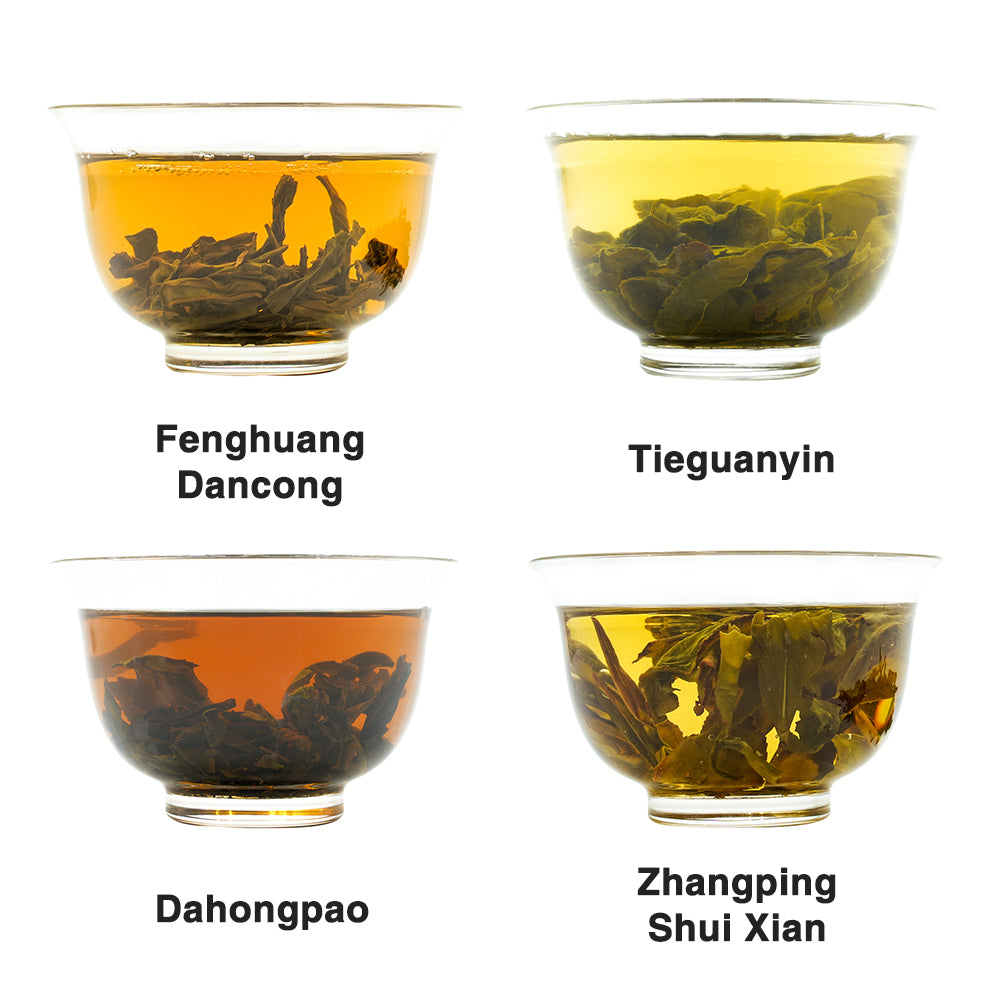
Explore the World of Chinese Oolong Tea with Four Iconic Varieties
Discover the rich diversity of Chinese Oolong tea with this curated sampler featuring Da Hong Pao, Tie Guan Yin, Phoenix Dan Cong, and Zhangping Shui Xian. From lightly oxidized teas to deeply roasted rock teas, this set is a perfect introduction for tea lovers who want to explore the full spectrum of oolong flavors.
- Da Hong Pao: Bold and toasty, from Wuyi Mountains
- Tie Guan Yin: Light, floral, and elegant — a classic minnan oolong tea
- Fenghuang Dan Cong: Naturally fruity with rich orchid aroma
- Zhangping Shui Xian: Rare pressed oolong with subtle garden notes
Whether you're new to oolong or seeking variety, this set offers a sensory journey across China’s top tea regions, all in one elegant collection.

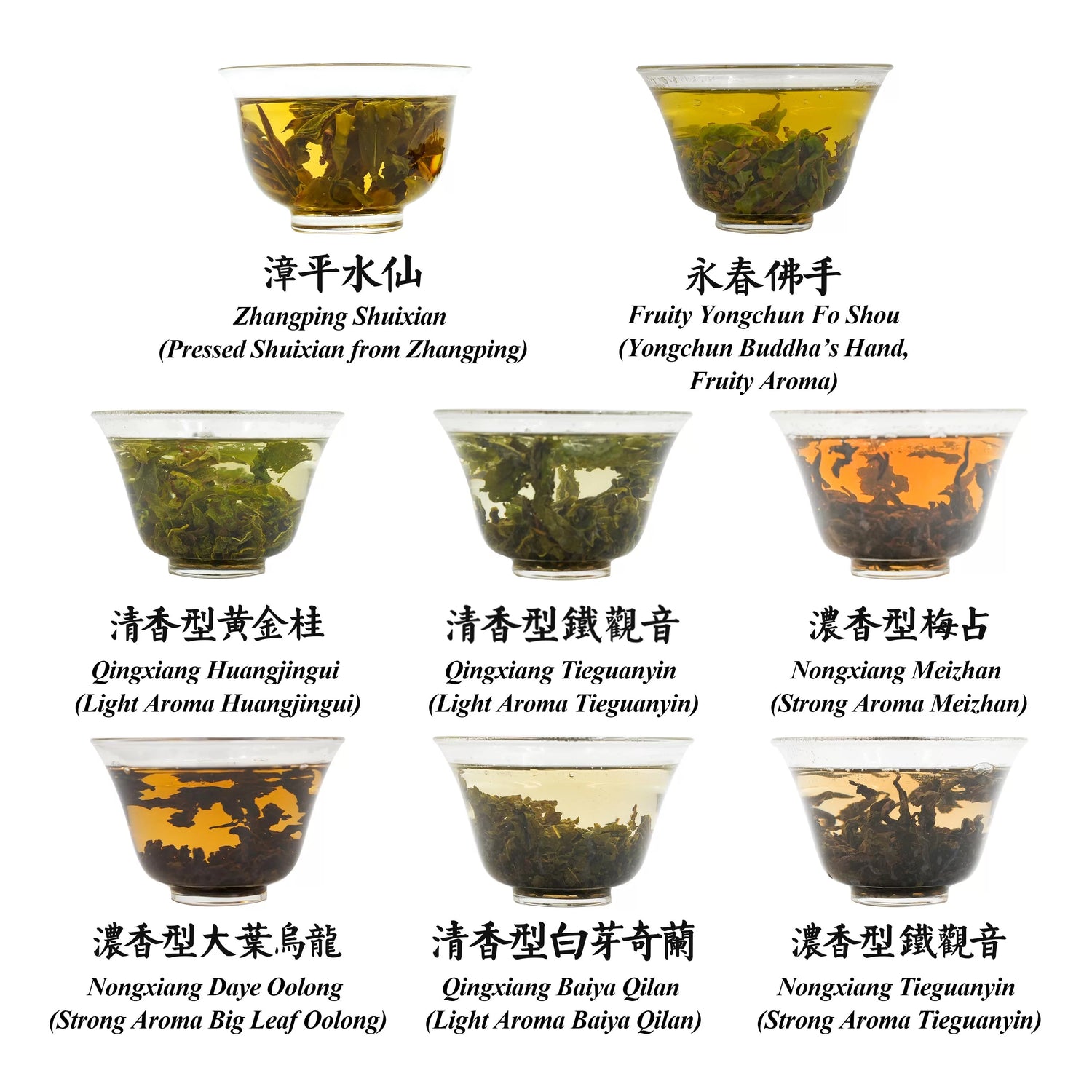
Explore the rich legacy of Southern Fujian oolong teas — home to the iconic Tie Guan Yin and Zhangping Shui Xian, both recognized as part of China’s Intangible Cultural Heritage. Since the 17th century, this region has pioneered the art of high-aroma oolongs, known for their floral, fruity, and gently roasted notes. Crafted with time-honored techniques like light oxidation, layered roasting, and meticulous leaf shaping, these teas capture the essence of Minnan tradition. Whether you're a seasoned tea drinker or just beginning your journey, this curated collection offers a true taste of oolong history.


A Boxed Journey into the Essence of Guangdong Oolong
From the ancient Shiguping oolong crafted by the She ethnic group over 1,500 years ago to today’s highly aromatic Dancong teas, this curated set brings together six signature teas from Chaozhou, Meizhou, and Raoping—the three core regions of Guangdong. A flavorful journey through 500 years of tea-making heritage.

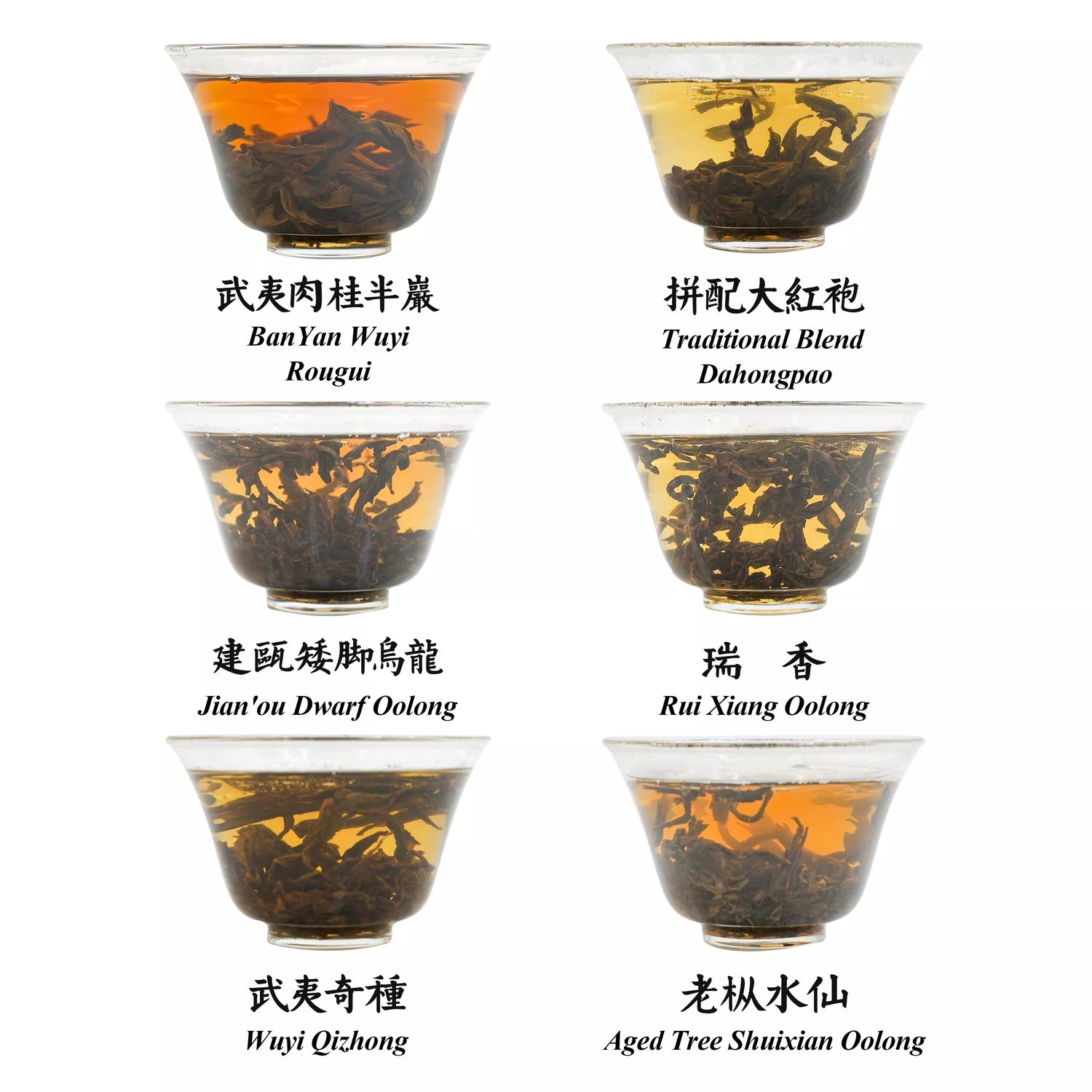
The Northern Fujian region is considered the birthplace of Oolong tea, and the traditional crafting methods of Wuyi Rock Tea have been recognized as part of China’s intangible cultural heritage. This collection brings together iconic oolong varieties from the Song Dynasty (Wuyi Qizhong and Jian'ou Dwarf Oolong) to today (Blended Da Hong Pao, Wuyi Rougui, Aged Tree Shuixian Oolong ), along with emerging cultivars with great future potential (Rui Xiang Oolong). Each tea carries the unique craftsmanship of the region, with its own distinct story and flavor. We hope this collection will allow you to explore the diverse flavors and rich cultural heritage of Northern Fujian (Minnan) Oolong tea.
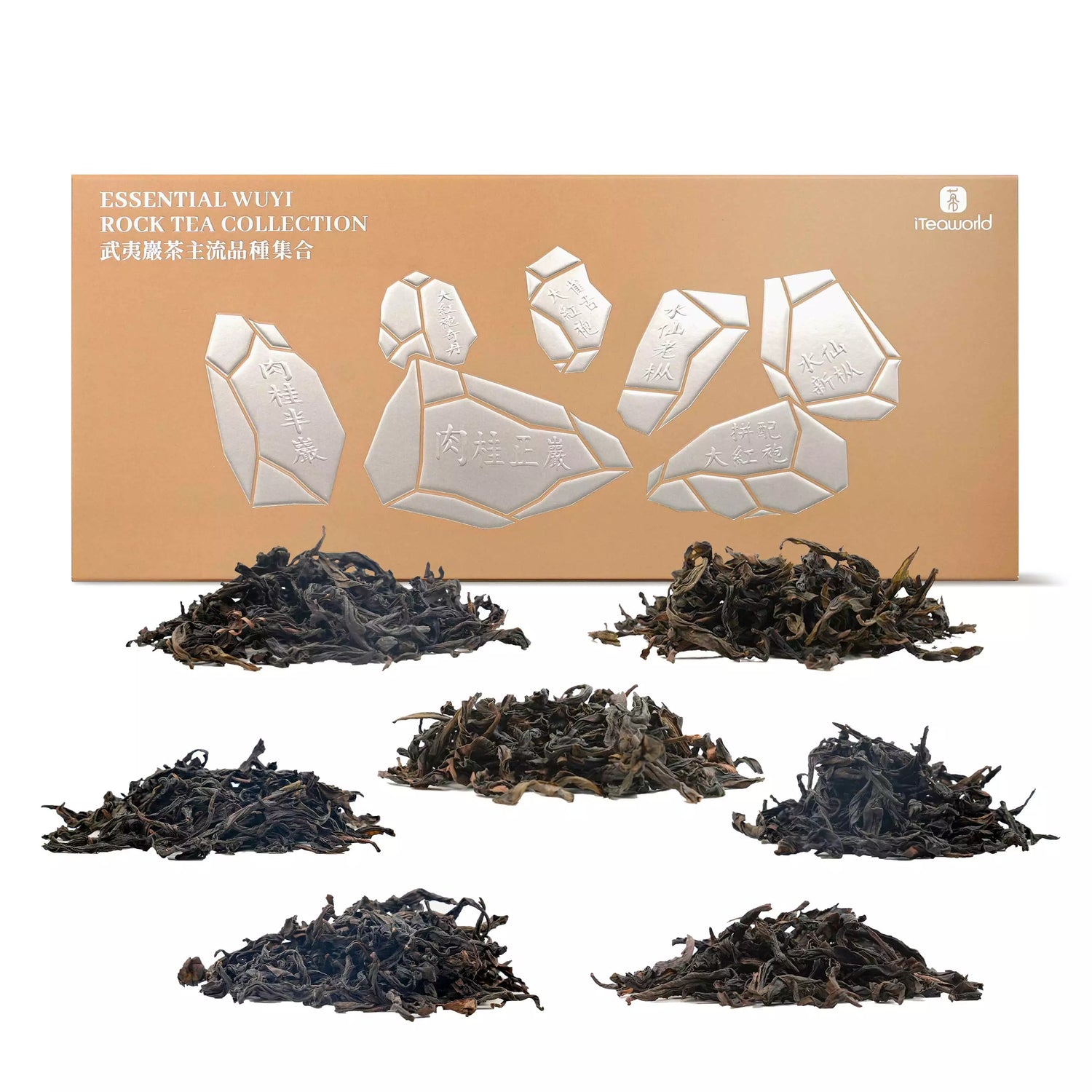
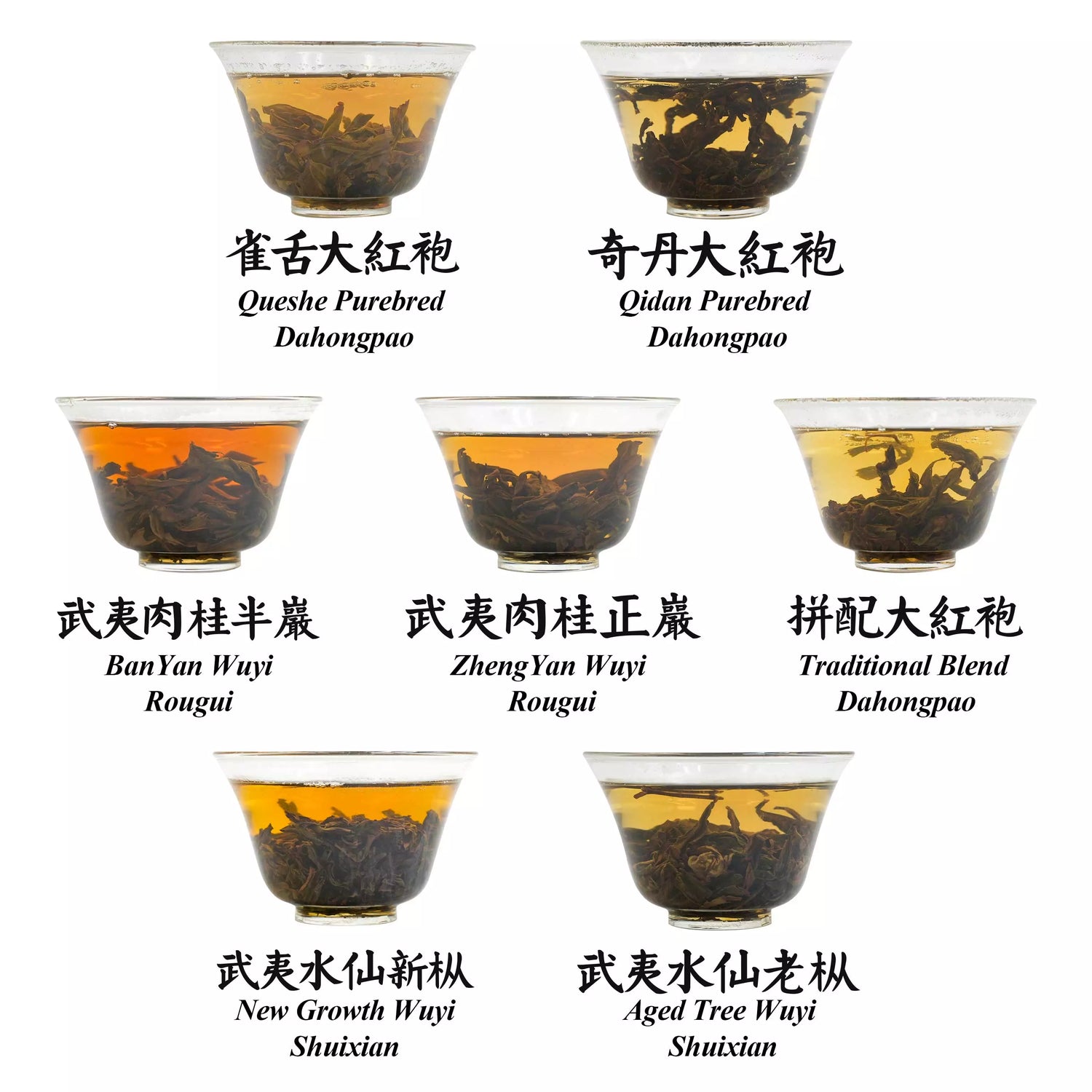
A semi-fermented oolong tea grown in the rocky crevices of Fujian’s Wuyi Mountain, renowned for its unique "rock bone floral aroma" (Yan Yun). Only tea cultivated within Wuyi City’s protected region can bear this name. Other areas (e.g., Anxi) do not produce Rock Tea.
This collection features the three most iconic Wuyi rock teas—Da Hong Pao, Shuixian, and Rougui—along with their key variations. You’ll taste the difference between blended and purebred Da Hong Pao, young and old Shuixian trees, and core vs. semi-core Rougui. A guided journey into the depth and complexity of Wuyi rock tea.
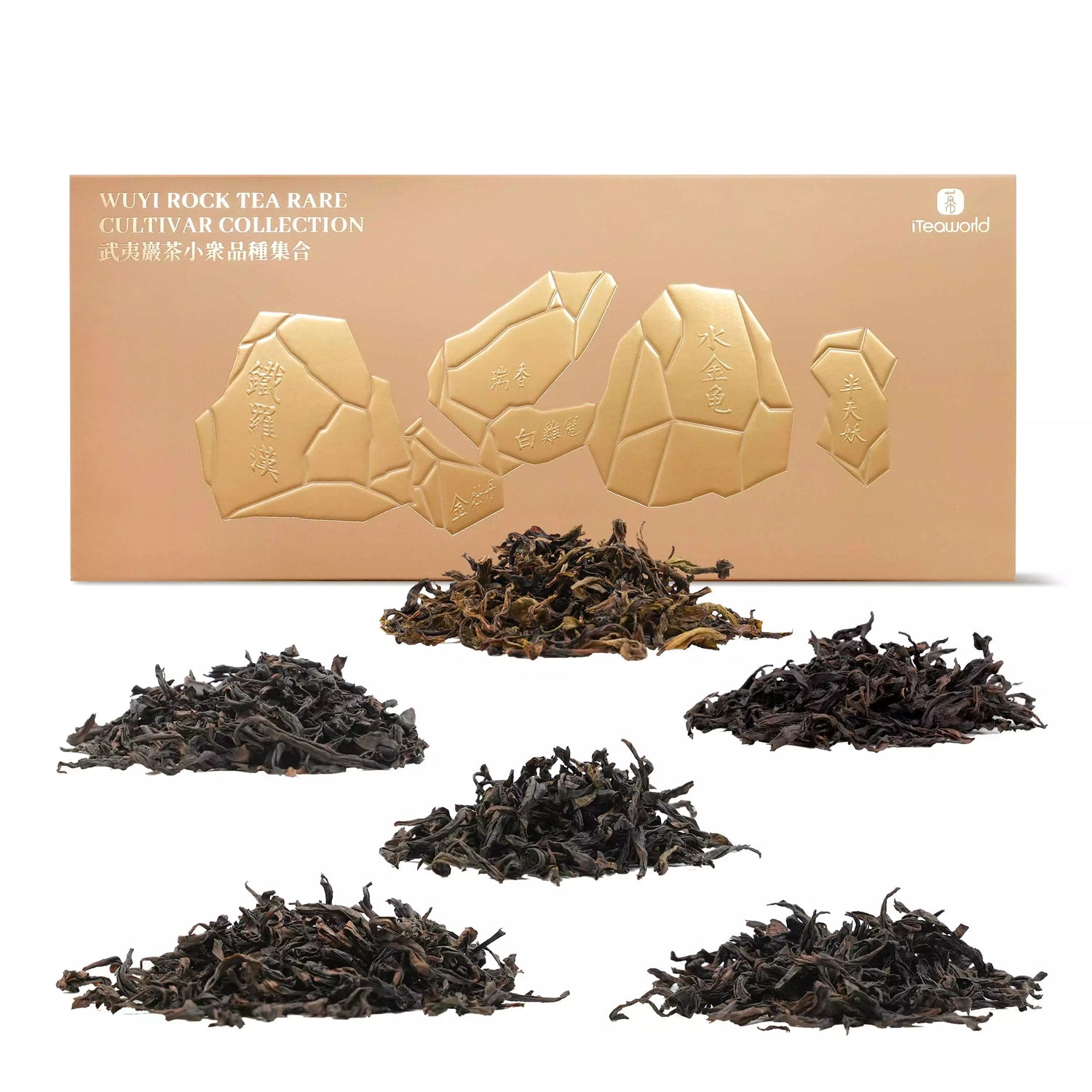
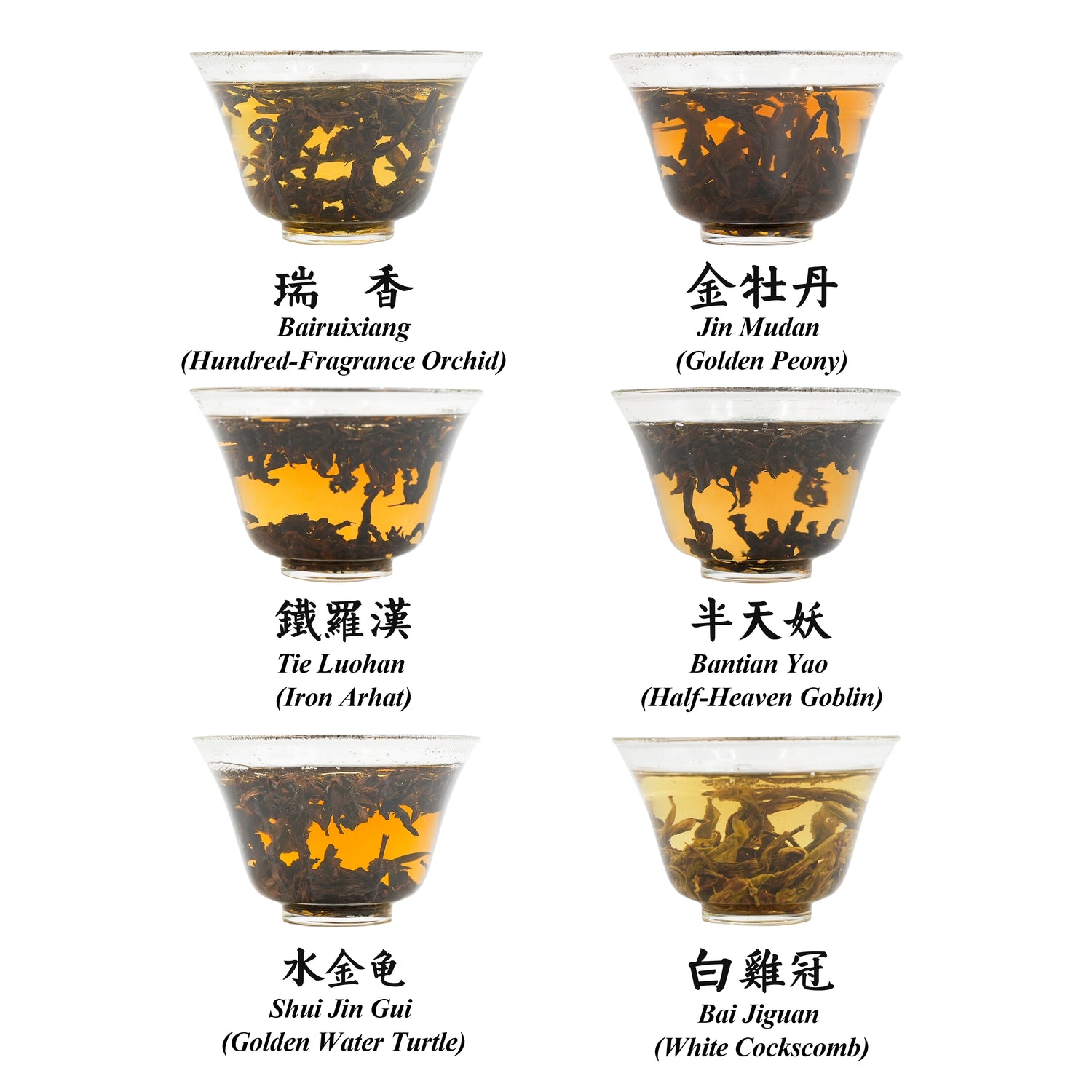
Rare Wuyi Rock Tea Cultivars: Hidden Gems from the Core of Zhengyan
While teas like Da Hong Pao, Rou Gui, and Shui Xian have become well-known representatives of Wuyi Rock Tea, the rare cultivars—such as Tie Luo Han, Bai Ji Guan, Shui Jin Gui, and Ban Tian Yao—tell a deeper, more authentic story. These teas originate from wild, heirloom tea trees that have grown for centuries in the heart of the Wuyi Mountains, shaped by natural selection and careful cultivation. They embody the original genetic heritage of Wuyi rock tea.
Grown on remote cliffs and craggy ledges in the Zhengyan core production zone—places like Guidong Cave and Sanhua Peak—these tea trees sink their roots deep into rocky crevices, drawing in rare minerals. The result is a flavor profile marked by the elusive and unmistakable "Yan Yun" (rock rhyme) that connoisseurs revere.
Who would enjoy this tea?
This collection is perfect for those who have explored the classic Wuyi rock teas and are ready to dive deeper into its rare and distinctive varieties. It includes historically renowned teas like Tie Luohan, Bàn Tiān Yāo, Bai Ji Guan, Shui Jin Gui, and Bai Rui Xiang, along with newer, highly sought-after cultivars like Rui Xiang and Jin Mudan. A journey through the diverse flavors and craftsmanship of Wuyi rock tea.
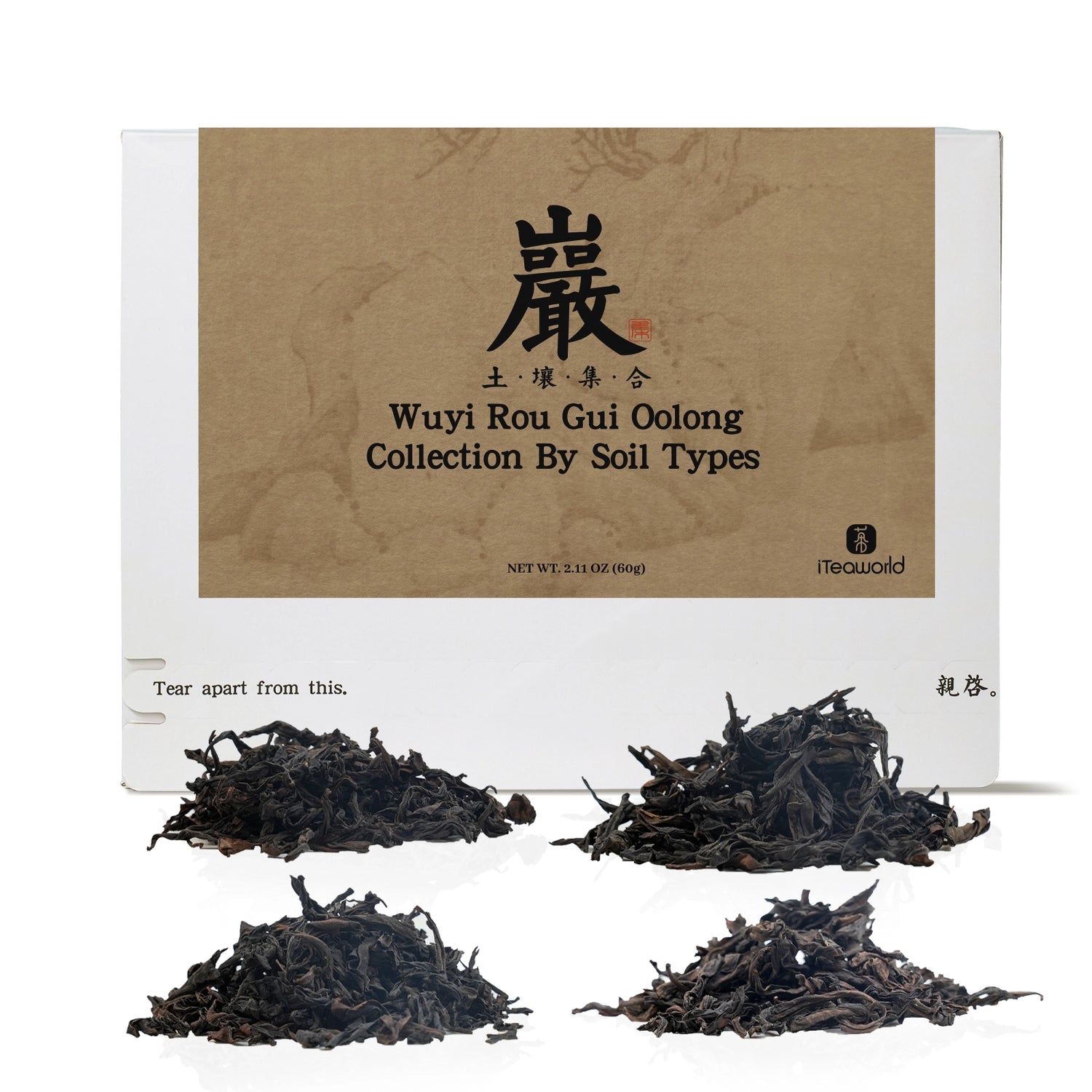
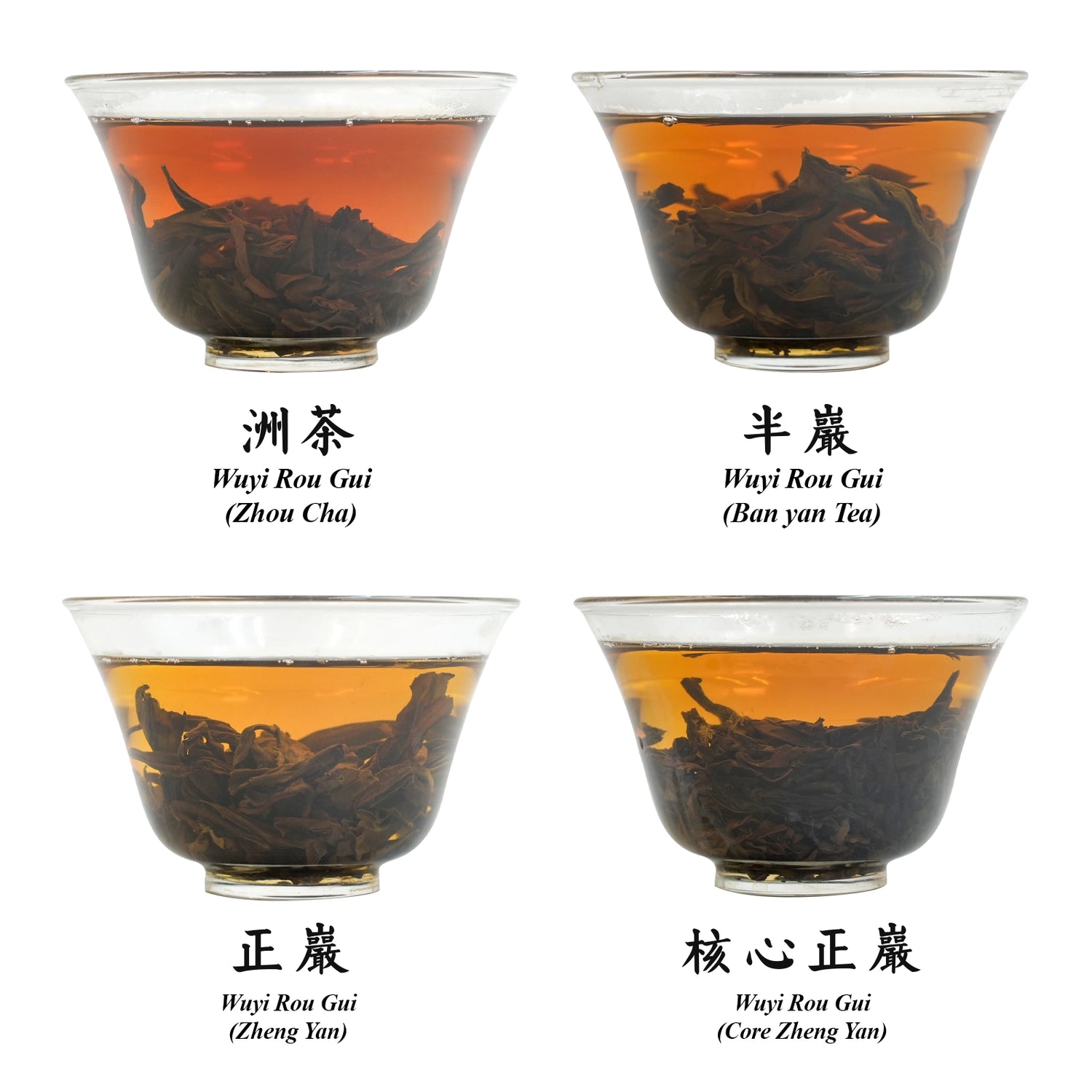
Soil is one of the most fundamental factors shaping the character of Wuyi Rock Tea. In the Wuyi Mountains, tea trees grow in dramatically different soil environments—from mineral-rich rocky ground to looser red and yellow earth—each shaping aroma, texture, and depth in the cup.
This collection explores how soil influences the same Wuyi Rougui cultivar. All teas are made from the same tea variety and crafted using traditional Wuyi rock tea processing, with soil type as the only key variable.
Gravel soil produces deeper minerality and structure. Red soil brings balance and smoothness. Yellow earth results in a lighter, simpler expression with a softer body.
Rather than comparing different teas, this set reveals how terroir beneath the ground defines what we taste in the cup.
Taste them side by side and discover how soil becomes flavor.
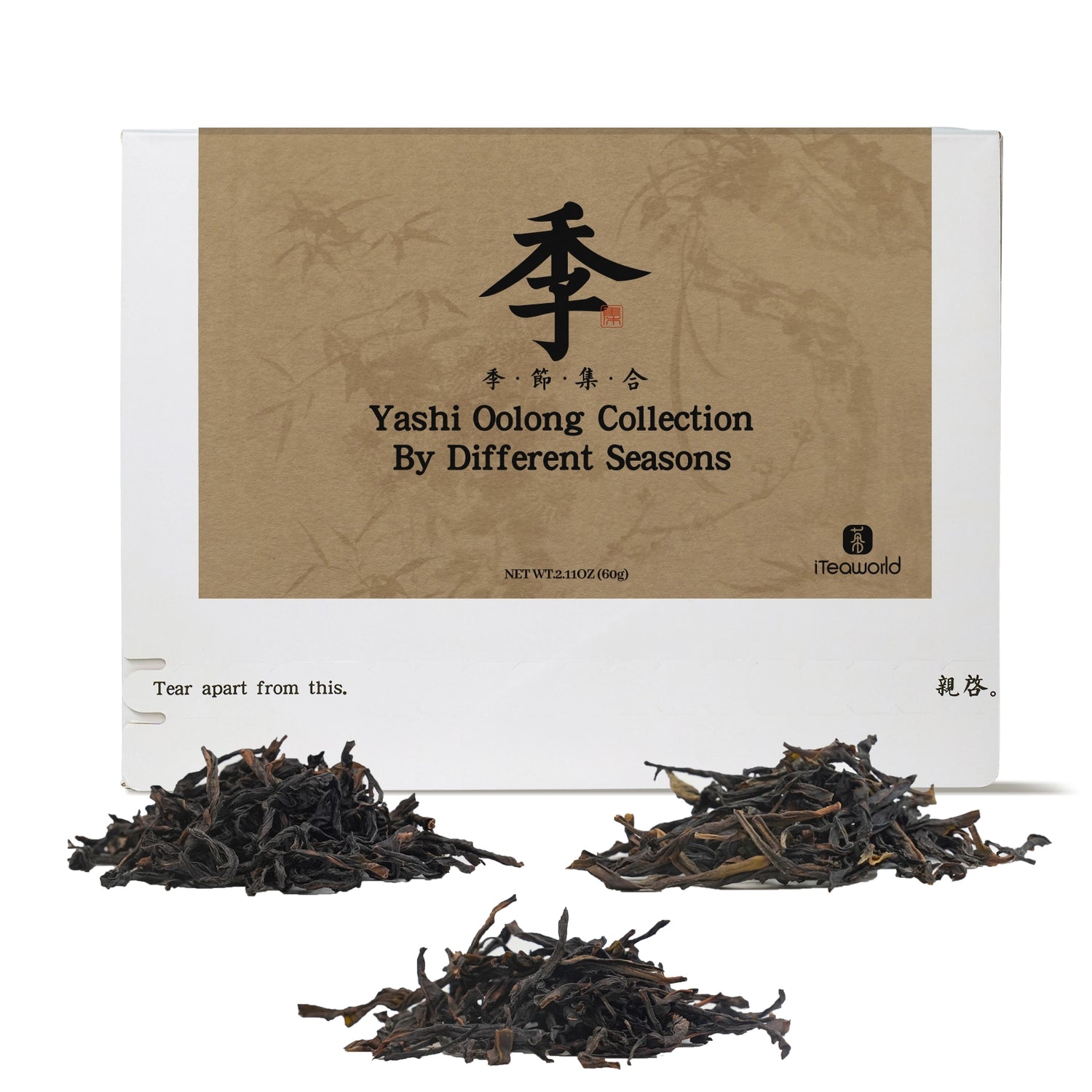
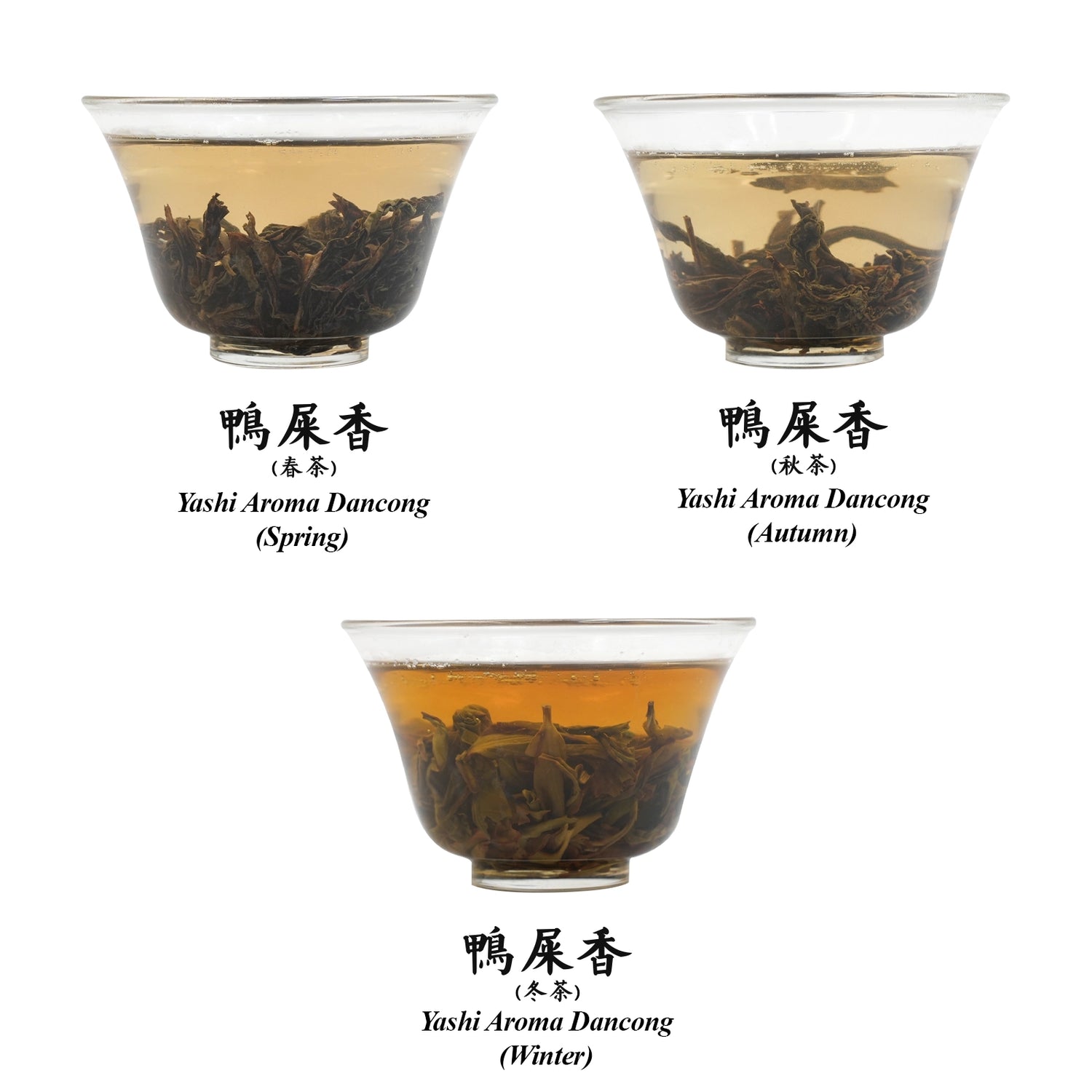
Ya Shi Xiang is one of the most aromatic Dancong oolong teas from the Phoenix Mountains in Chaozhou, China, known for its naturally rich floral fragrance and remarkable aromatic complexity.
This collection invites you to experience how the same tea changes across different harvest seasons. All three teas come from the same village and are crafted by the same tea master, ensuring that only nature—the season of harvest—creates the difference.
Spring, fall, and winter each reveal a unique expression of the same tea. Spring is soft and floral with gentle sweetness. Fall is smooth and rounded with warm aromatic depth. Winter is crisp and vibrant with a clean, lingering finish.
Rather than a single tea, this set offers a guided tasting experience that lets you explore how season shape aroma, texture, and flavor in real time.
Taste them side by side and discover how one tea can express three completely different seasonal personalities.
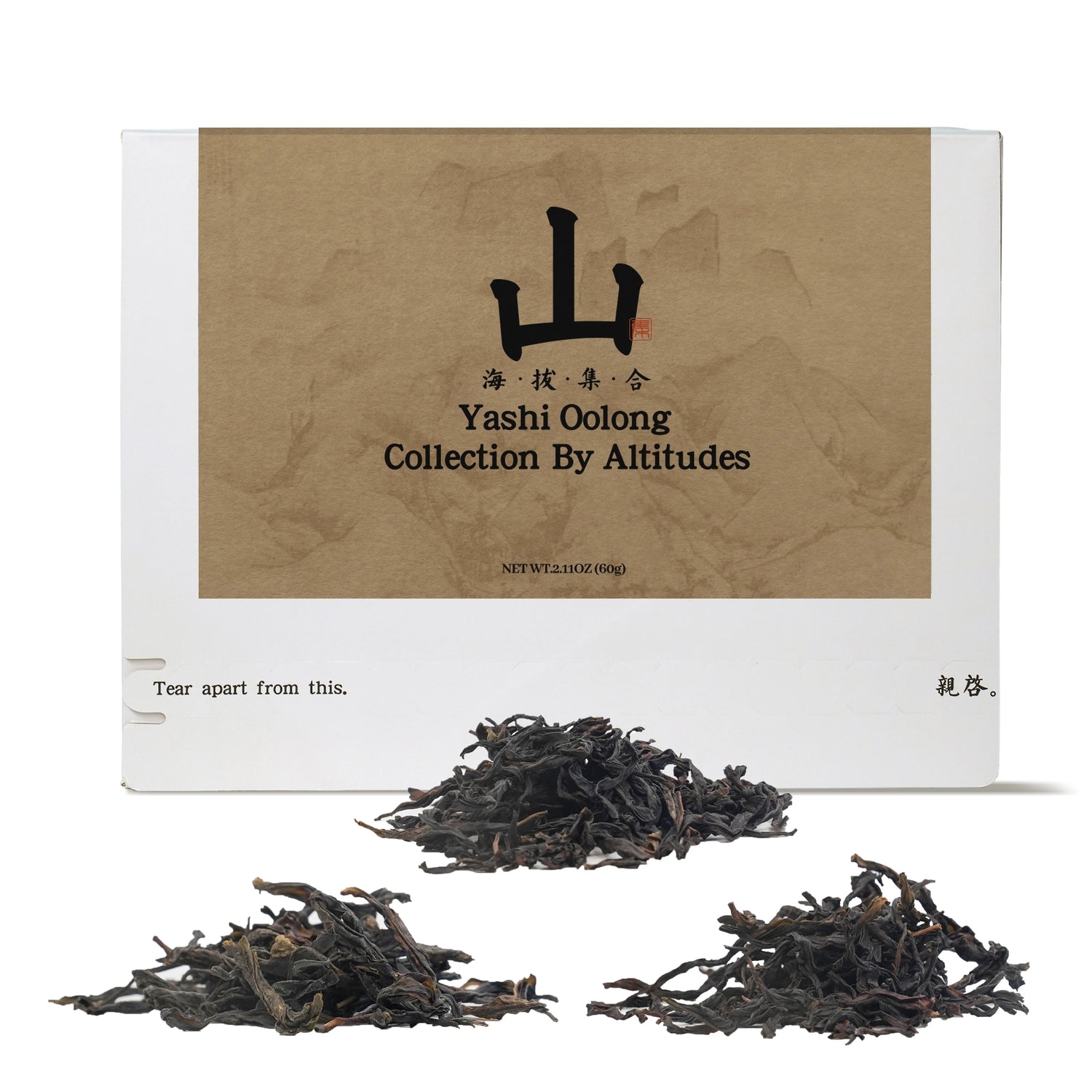
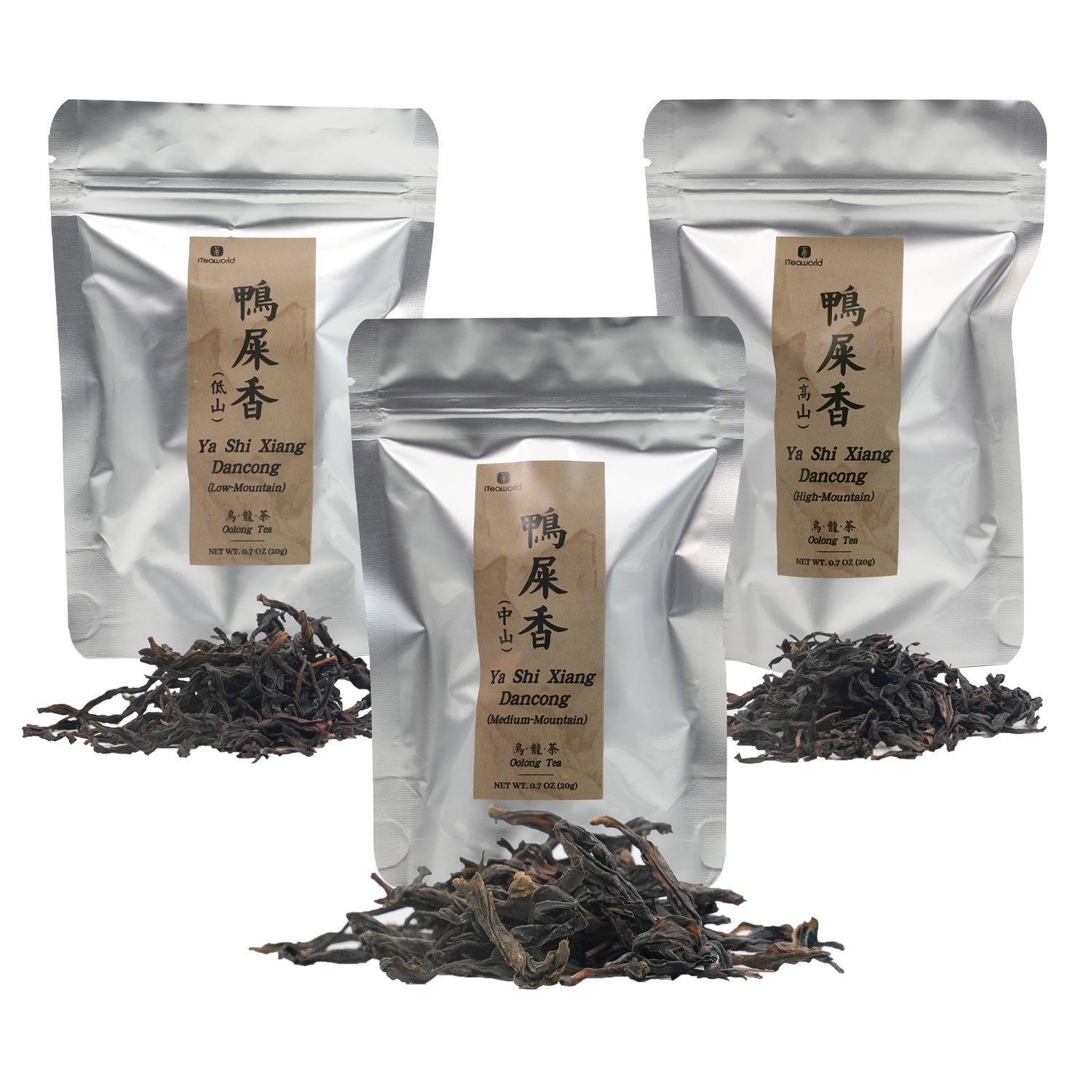
Ya Shi Xiang is one of the most aromatic Dancong oolong teas from Fenghuang Town in Chaozhou, Guangdong, China, known for its naturally expressive floral fragrance and layered complexity.
This collection explores how elevation shapes the character of the same tea. All teas are made from the same Ya Shi Xiang cultivar and crafted by the same tea master, but sourced from different altitudes within the Phoenix Mountains.
As elevation increases, temperature, sunlight exposure, and growing conditions naturally shift, creating subtle yet noticeable differences in aroma intensity, structure, and mouthfeel.
Rather than a single expression, this set offers a guided tasting experience that reveals how geography influences the personality of the same tea in different environments.
Taste them side by side and experience how altitude transforms aroma, texture, and finish.
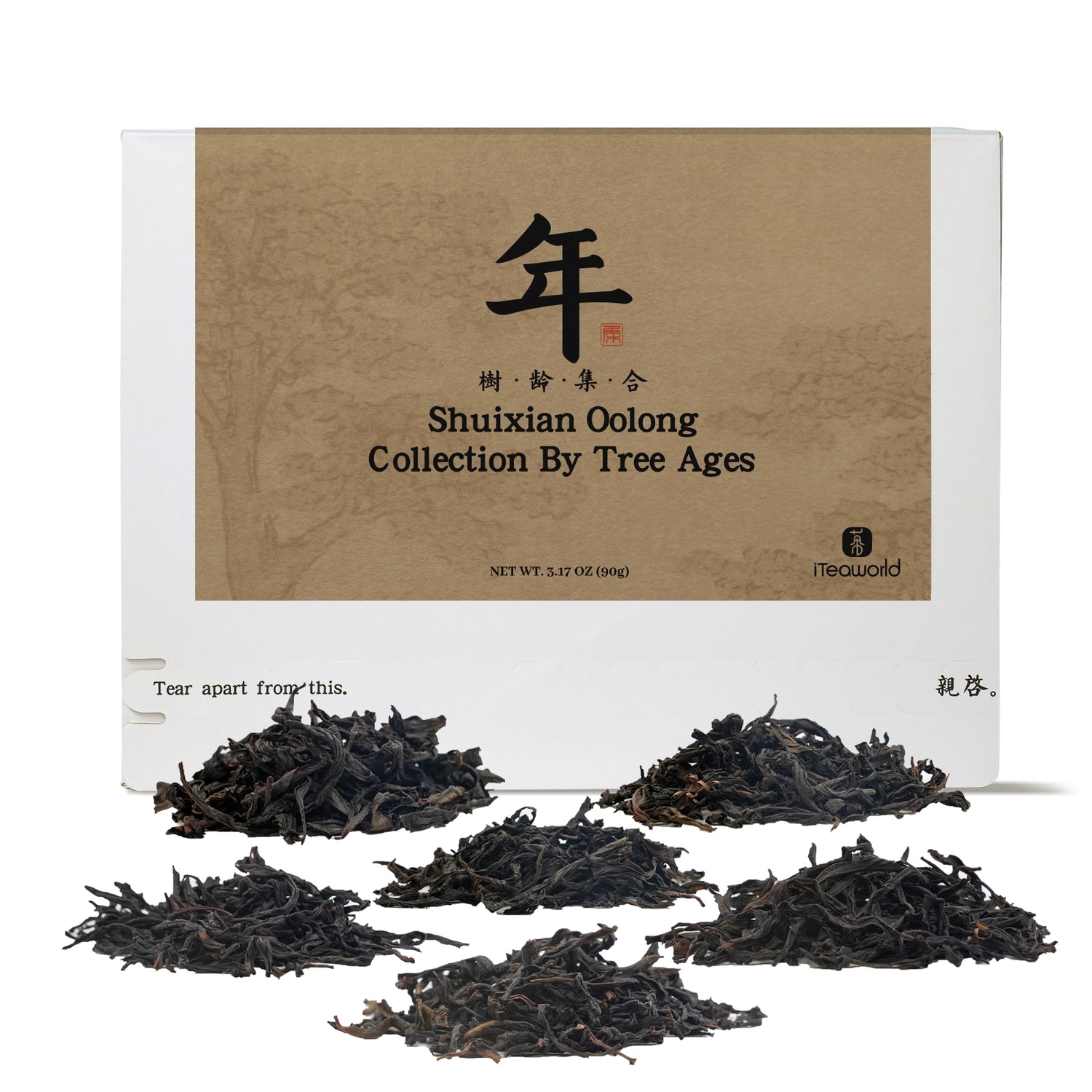
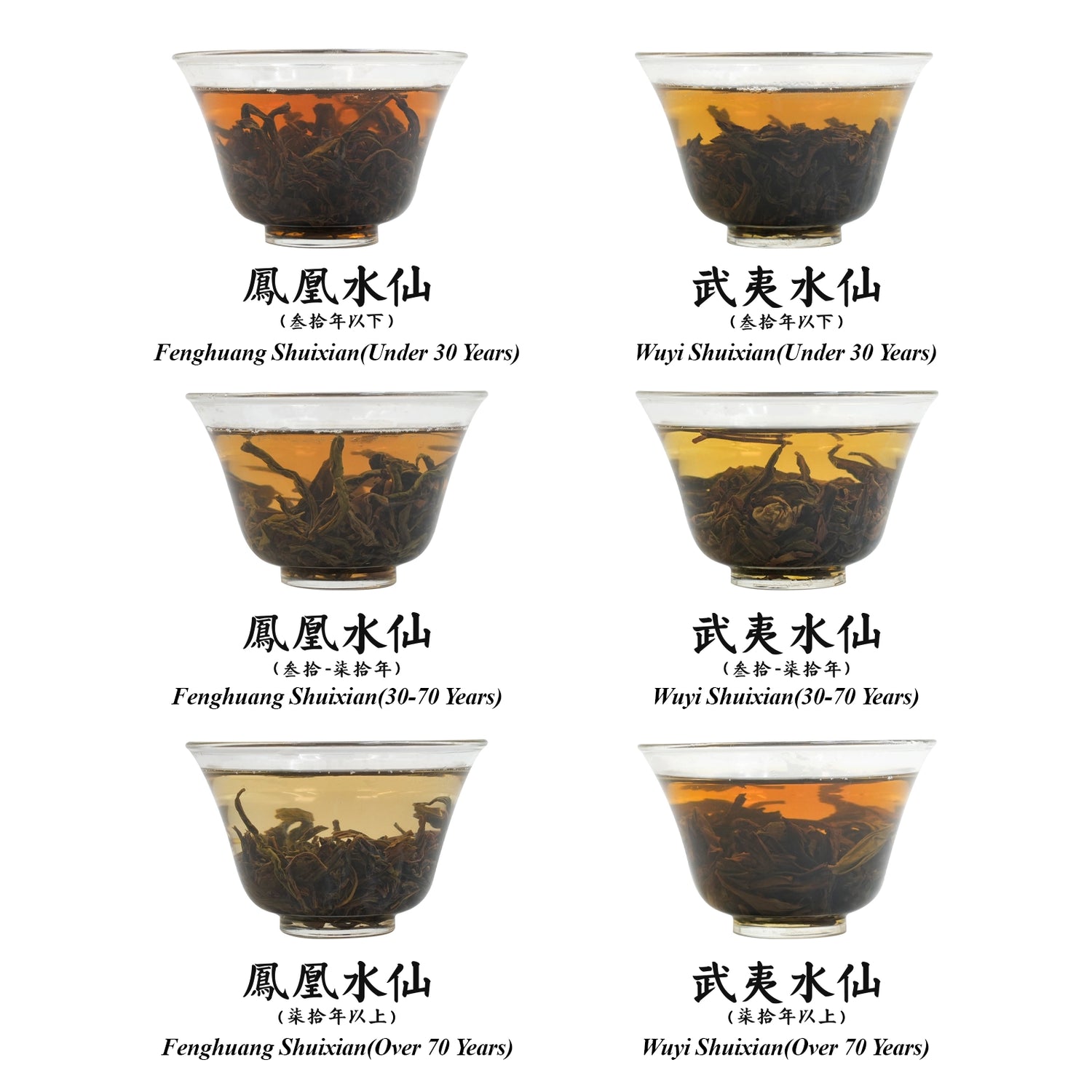
Tea tree age is one of the most important but often overlooked factors in oolong tea. As tea trees grow older, their root systems deepen, mineral absorption changes, and flavor structure becomes more complex.
This collection explores how tree age shapes oolong tea character. It brings together Shui Xian teas from both Fenghuang (Guangdong) and Wuyi (Fujian), comparing young, mature, and old tea trees from the same cultivars and production methods.
Younger trees tend to produce lighter, fresher teas with bright floral notes. Mature trees develop more body, sweetness, and aromatic depth. Older trees offer richer structure, deeper minerality, and a longer, more lingering finish.
Rather than focusing on origin alone, this set reveals how time in the ground influences flavor in the cup.
Taste them side by side and experience how tree age becomes taste.
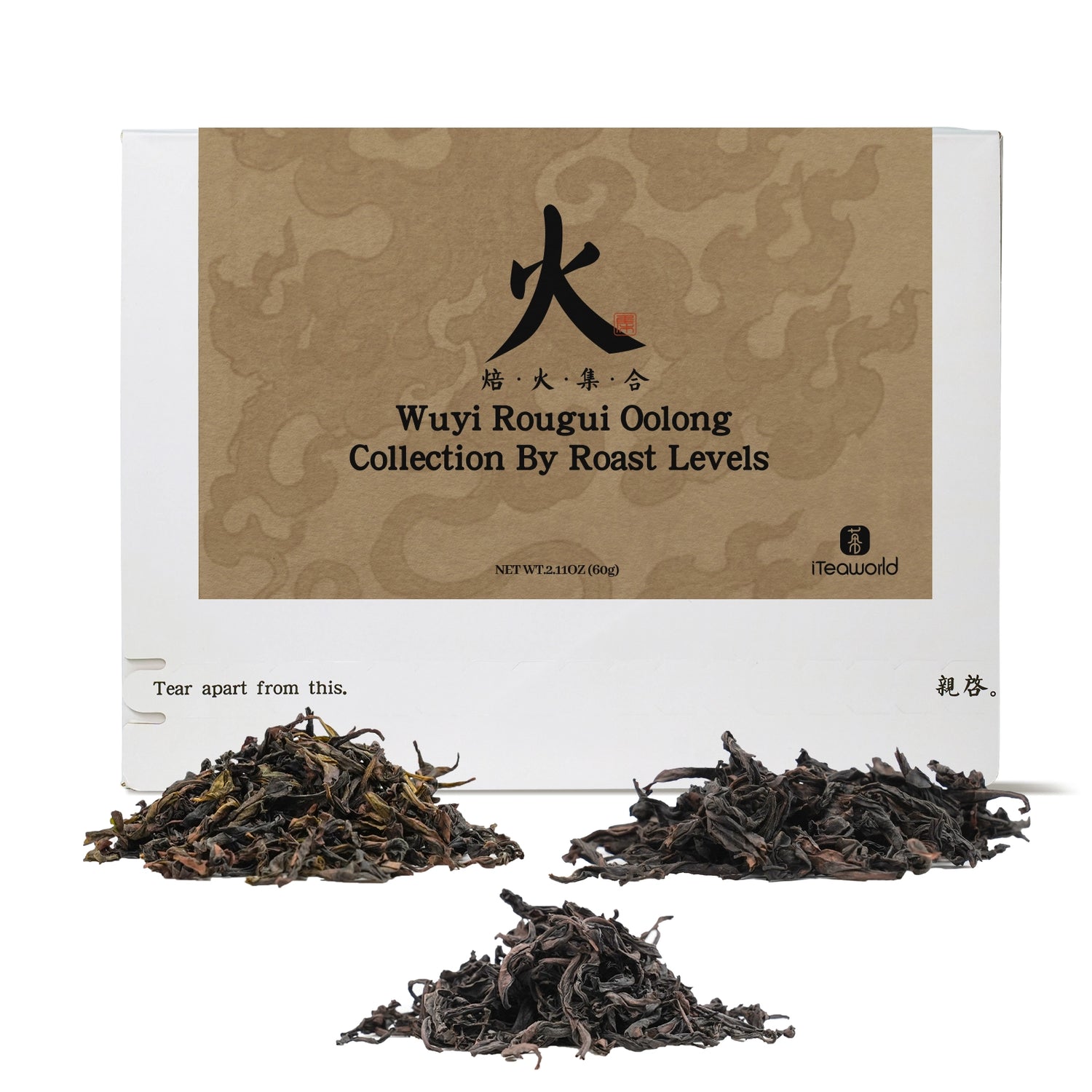
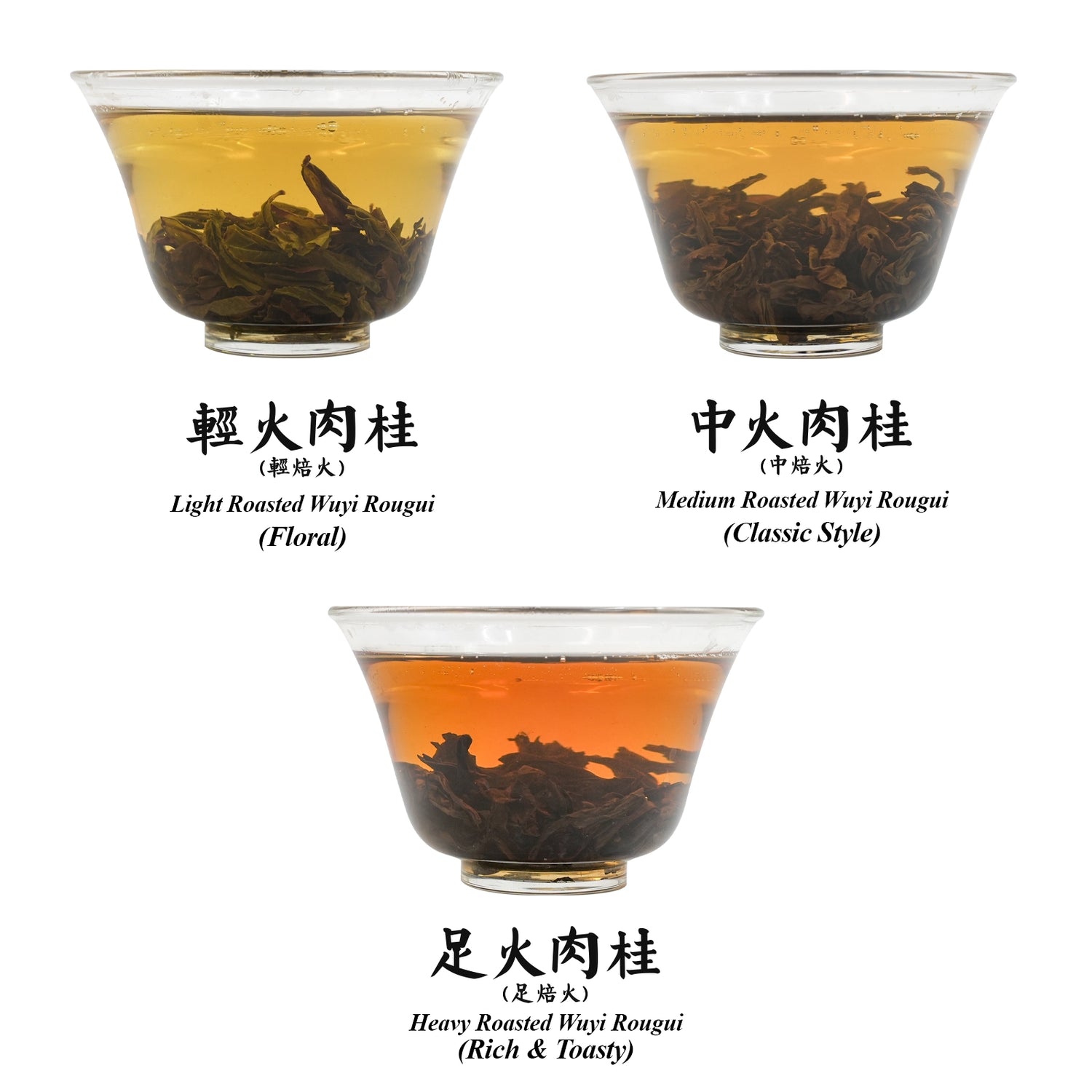
Wuyi Rougui is one of the most iconic rock oolong teas from the Wuyi Mountains in Fujian, China, known for its distinctive cinnamon-like aroma, mineral depth, and rich roasted character.
This collection explores how fire transforms the same tea. All teas are made from the same Rougui cultivar, sourced from the same origin, and crafted using traditional Wuyi rock tea methods—the only variable is roasting level.
Light roast highlights the tea’s floral brightness and mineral clarity. Medium roast brings balance between aroma, body, and roast depth. Heavy roast develops deeper, more intense roasted notes with a richer and more structured finish.
Rather than a single tea, this set offers a side-by-side tasting experience that reveals how roasting shapes aroma, texture, and overall flavor in Wuyi rock tea.
Taste them together and discover how fire defines the personality of Rougui.
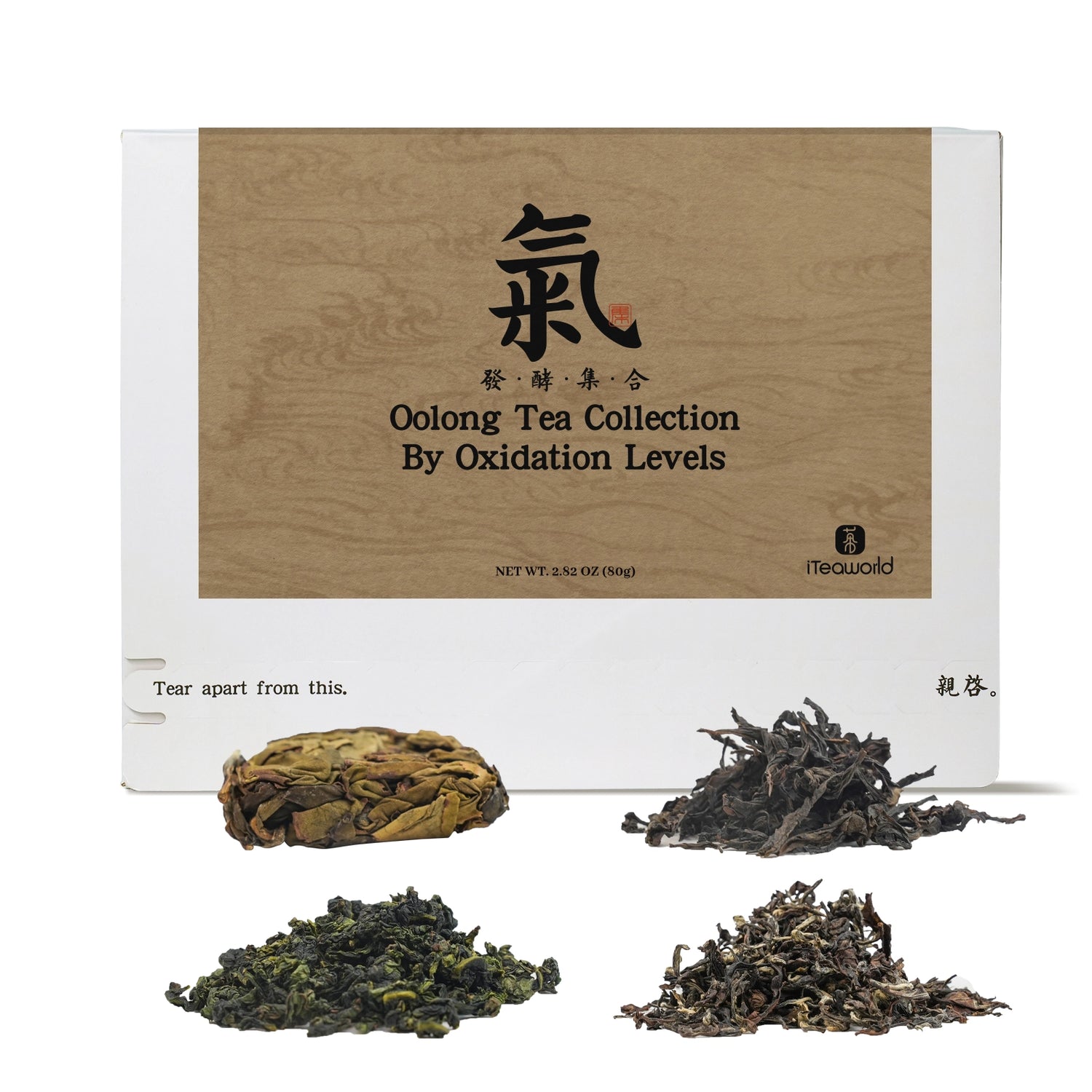
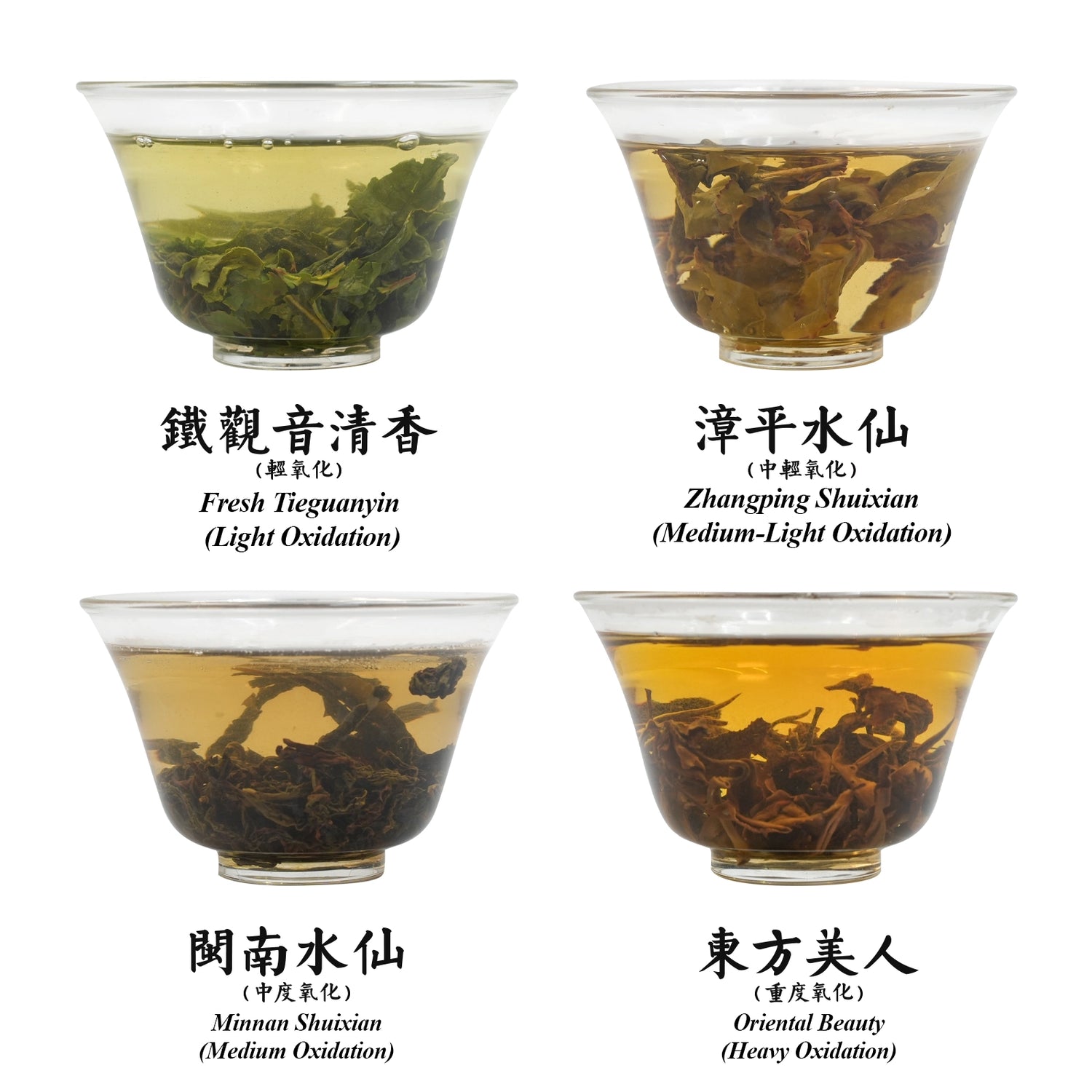
Oolong tea sits between green and black tea, and its character is shaped primarily by oxidation level—a natural process that transforms aroma, flavor, and texture.
This collection explores how oxidation changes the same tea category across four iconic oolongs from Fujian and Guangdong. Each tea represents a different stage of oxidation, from light and floral to rich and fully developed.
Lightly oxidized teas like Tieguanyin highlight fresh floral and fruity notes. Medium oxidation brings balance and complexity. Higher oxidation develops deeper fruit, honey, and roasted characteristics, culminating in the rich, aromatic profile of Oriental Beauty.
Rather than a single style of tea, this set offers a guided tasting experience that reveals how oxidation defines the core identity of oolong tea.
Taste them side by side and discover how natural enzymatic change shape flavor from light to deep.
Oolong tea roasting is where tradition and modern technique diverge. For centuries, tea masters have relied on slow charcoal fire to shape depth and complexity. Today, electric roasting offers precision, consistency, and a cleaner aromatic profile.
This collection compares both roasting philosophies through two iconic oolong teas—Wuyi Rougui from Fujian and Phoenix Dancong from Guangdong. Each tea is prepared in two versions: charcoal-roasted and electric-roasted.
Charcoal roasting enhances depth, body, and complexity, while electric roasting highlights freshness, clarity, and floral brightness. Together, they reveal how fire alone can transform the same tea into two completely different experiences.
Taste them side by side and explore how roasting defines the soul of oolong tea.
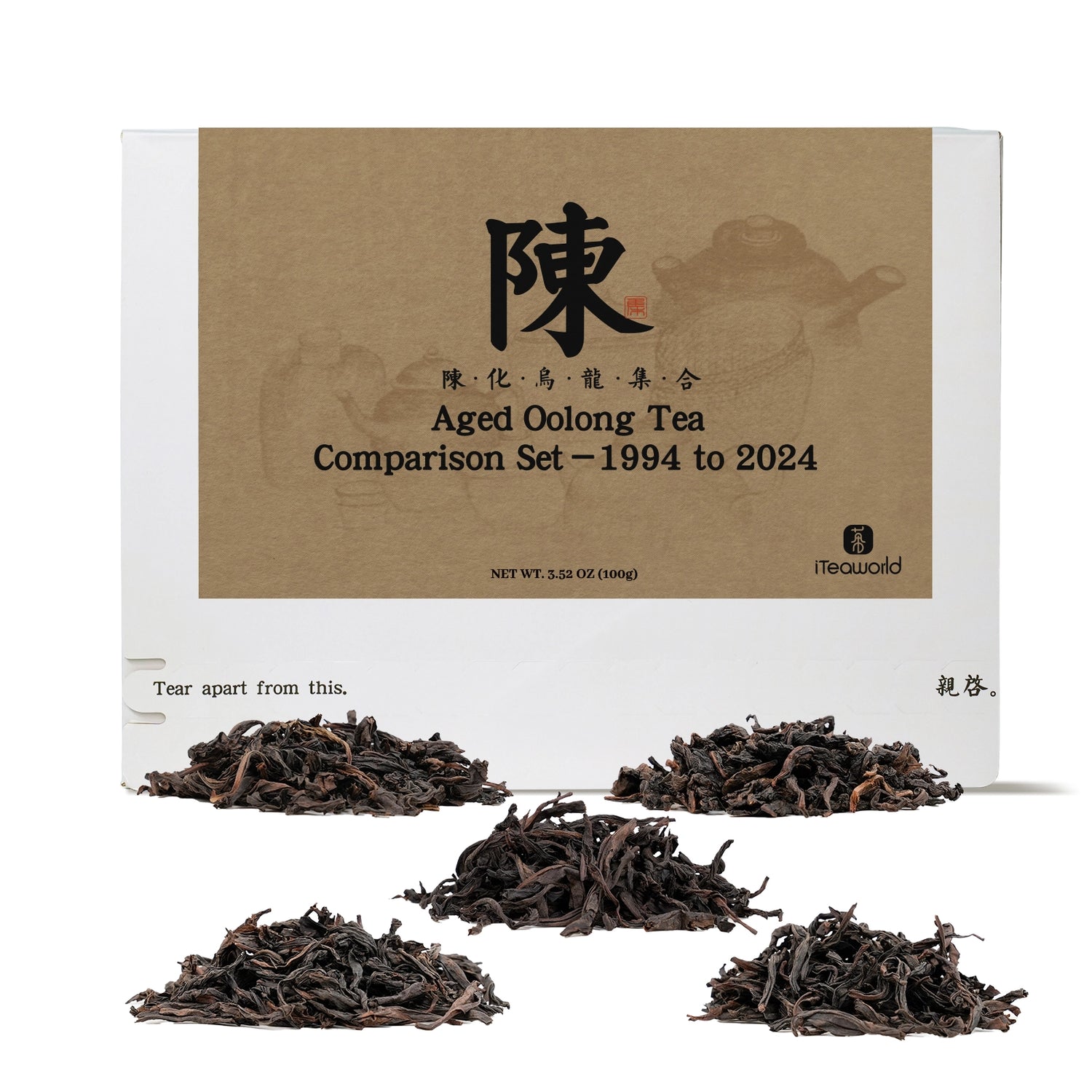
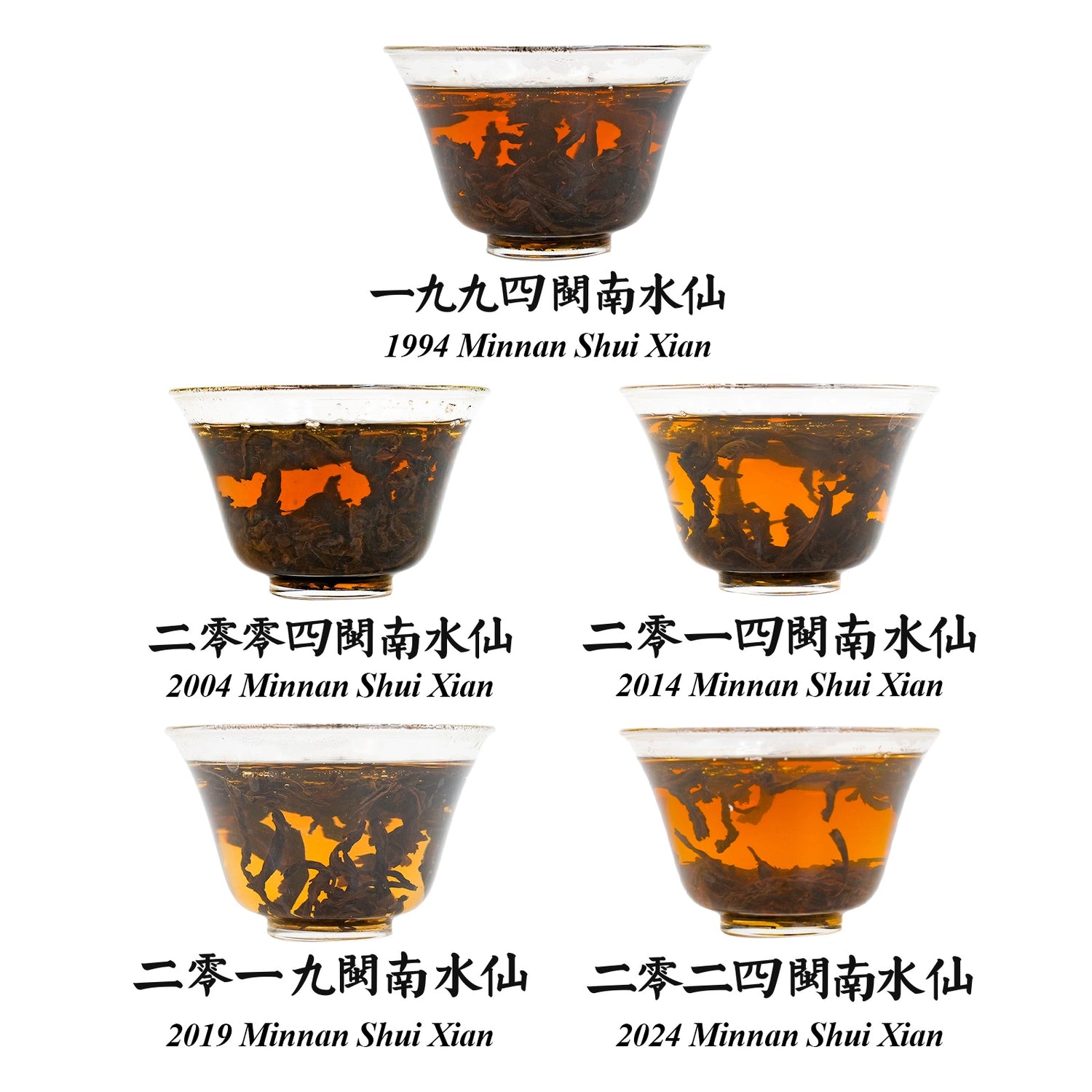
Aged oolong tea reveals a unique dimension of tea character—how time transforms aroma, texture, and depth.
This collection brings together five vintages of traditionally charcoal-roasted Minnan Shui Xian, spanning from 1994 to 2024. All teas come from the same tea-making lineage, allowing time—not origin or craftsmanship—to be the only variable.
Fresh teas express bright orchid aroma and lively sweetness. As the tea ages, floral notes gradually fade, giving way to deeper woody, honeyed, and herbal tones. With decades of transformation, the tea develops a smoother texture, thicker body, and a long, lingering finish.
Rather than a single flavor, this set offers a journey through time—revealing how oolong tea evolves across 30 years of natural aging.
Taste them side by side and experience how time becomes a flavor.
Recently viewed products
Shop with Confidence at iTeaworld

30-Day Return & Satisfaction Policy
Not satisfied? Get a refund within 15 days for taste concerns, or return unopened products within 30 days.

Free tea samples with tea order
Buy 1 get 1 sample. Buy 2 get 2. Buy 3+ get 3 free sample