

Sort by:
19 products
19 products
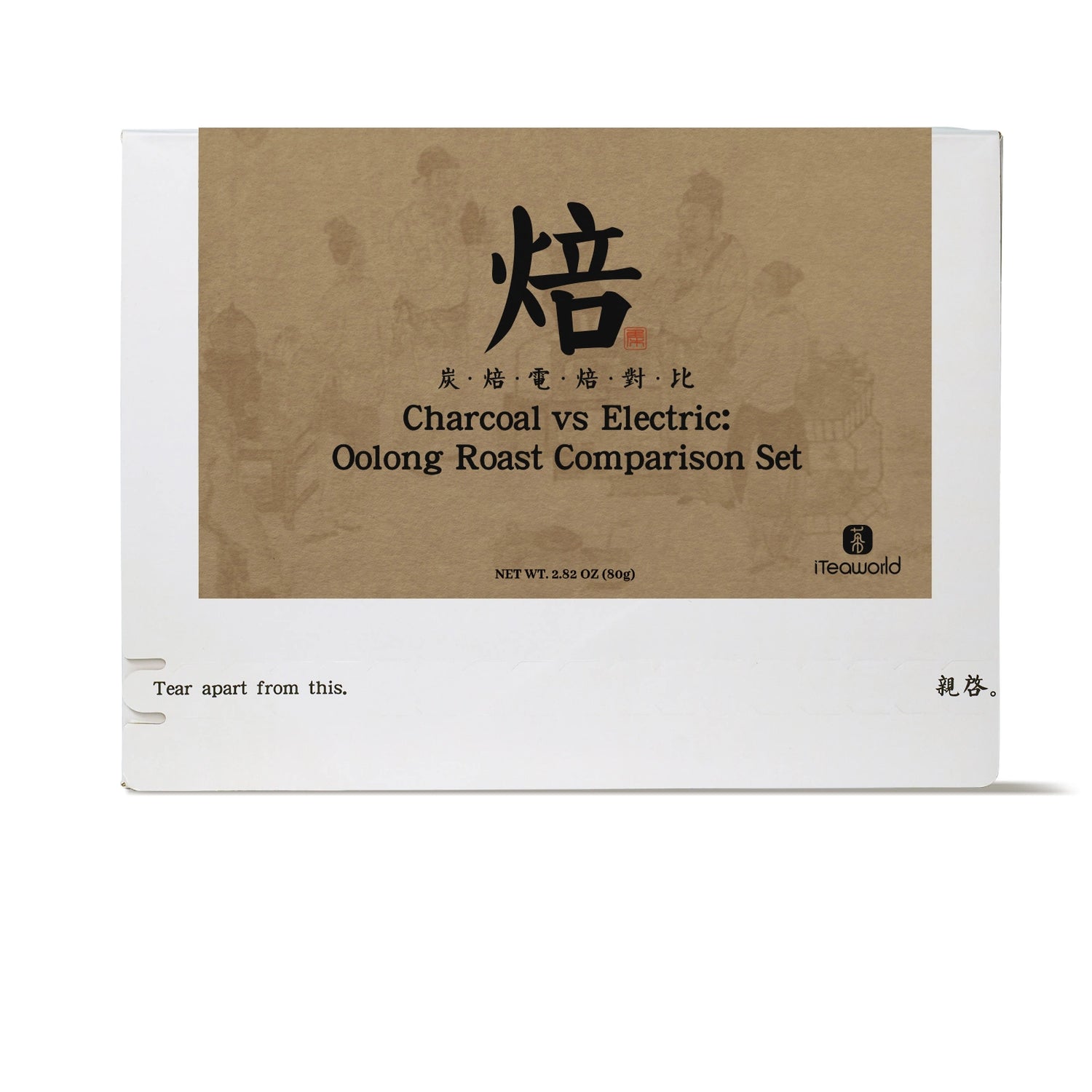
Oolong tea roasting is where tradition and modern technique diverge. For centuries, tea masters have relied on slow charcoal fire to shape depth and complexity. Today, electric roasting offers precision, consistency, and a cleaner aromatic profile.
This collection compares both roasting philosophies through two iconic oolong teas—Wuyi Rougui from Fujian and Phoenix Dancong from Guangdong. Each tea is prepared in two versions: charcoal-roasted and electric-roasted.
Charcoal roasting enhances depth, body, and complexity, while electric roasting highlights freshness, clarity, and floral brightness. Together, they reveal how fire alone can transform the same tea into two completely different experiences.
Taste them side by side and explore how roasting defines the soul of oolong tea.
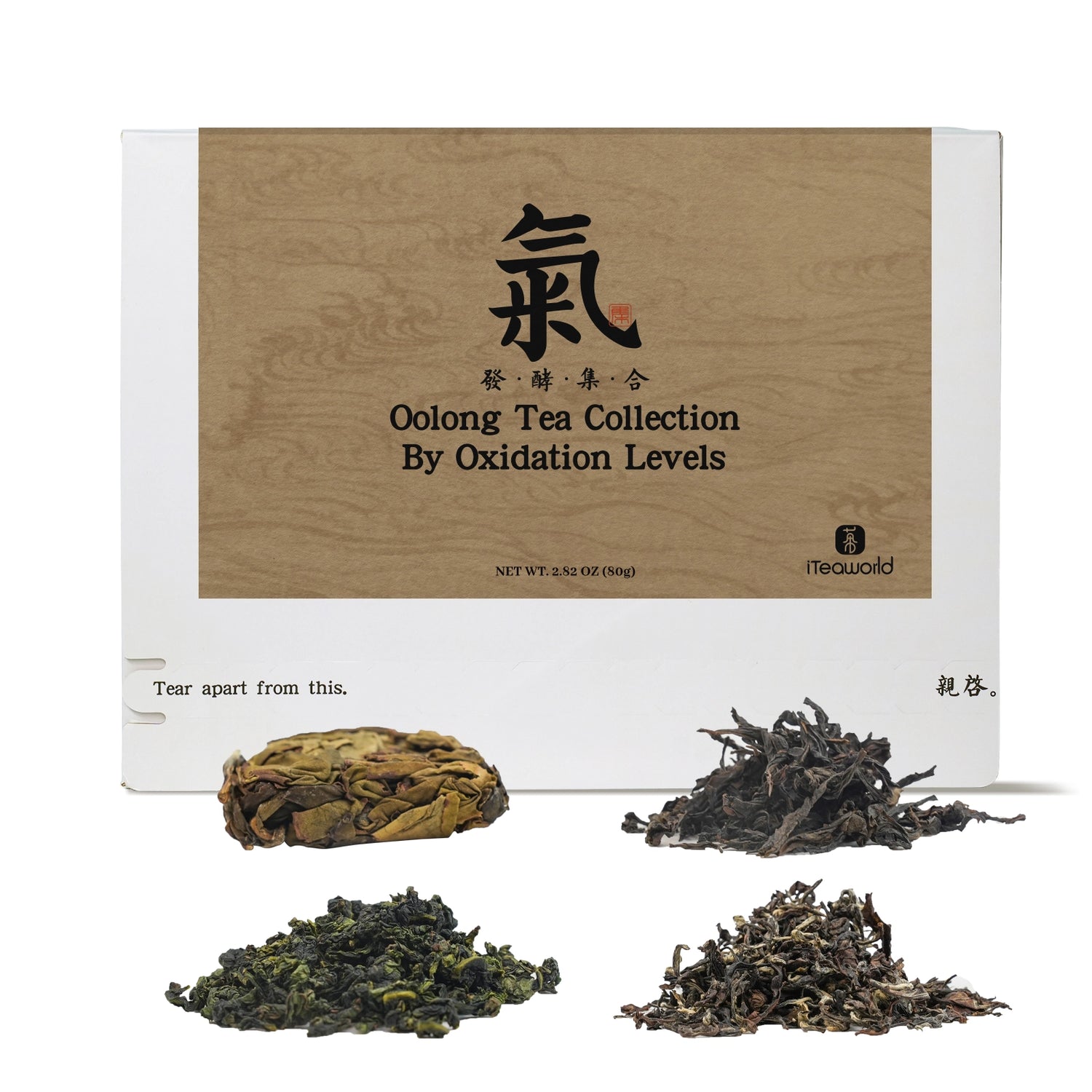
Oolong tea sits between green and black tea, and its character is shaped primarily by oxidation level—a natural process that transforms aroma, flavor, and texture.
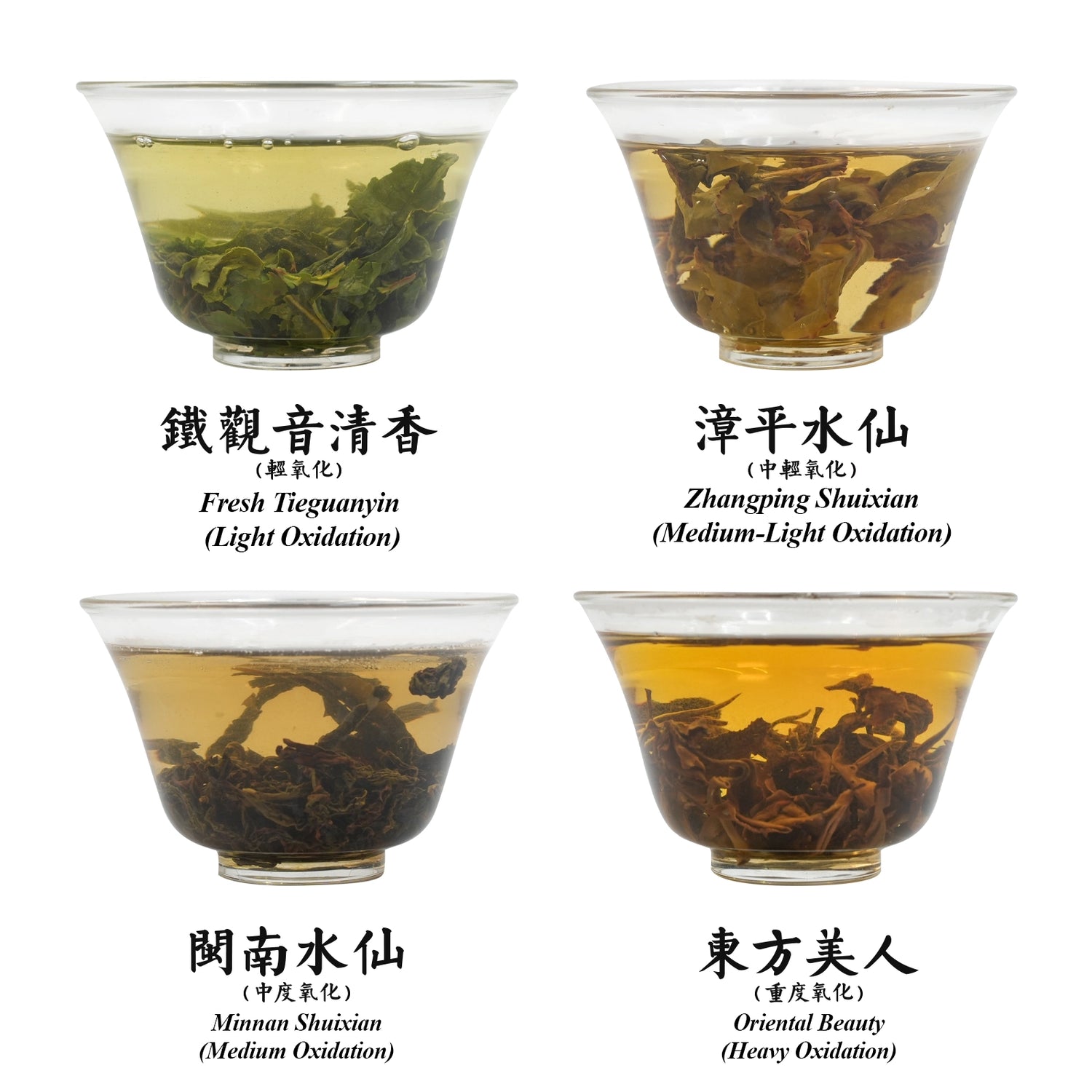
This collection explores how oxidation changes the same tea category across four iconic oolongs from Fujian and Guangdong. Each tea represents a different stage of oxidation, from light and floral to rich and fully developed.
Lightly oxidized teas like Tieguanyin highlight fresh floral and fruity notes. Medium oxidation brings balance and complexity. Higher oxidation develops deeper fruit, honey, and roasted characteristics, culminating in the rich, aromatic profile of Oriental Beauty.
Rather than a single style of tea, this set offers a guided tasting experience that reveals how oxidation defines the core identity of oolong tea.
Taste them side by side and discover how natural enzymatic change shape flavor from light to deep.
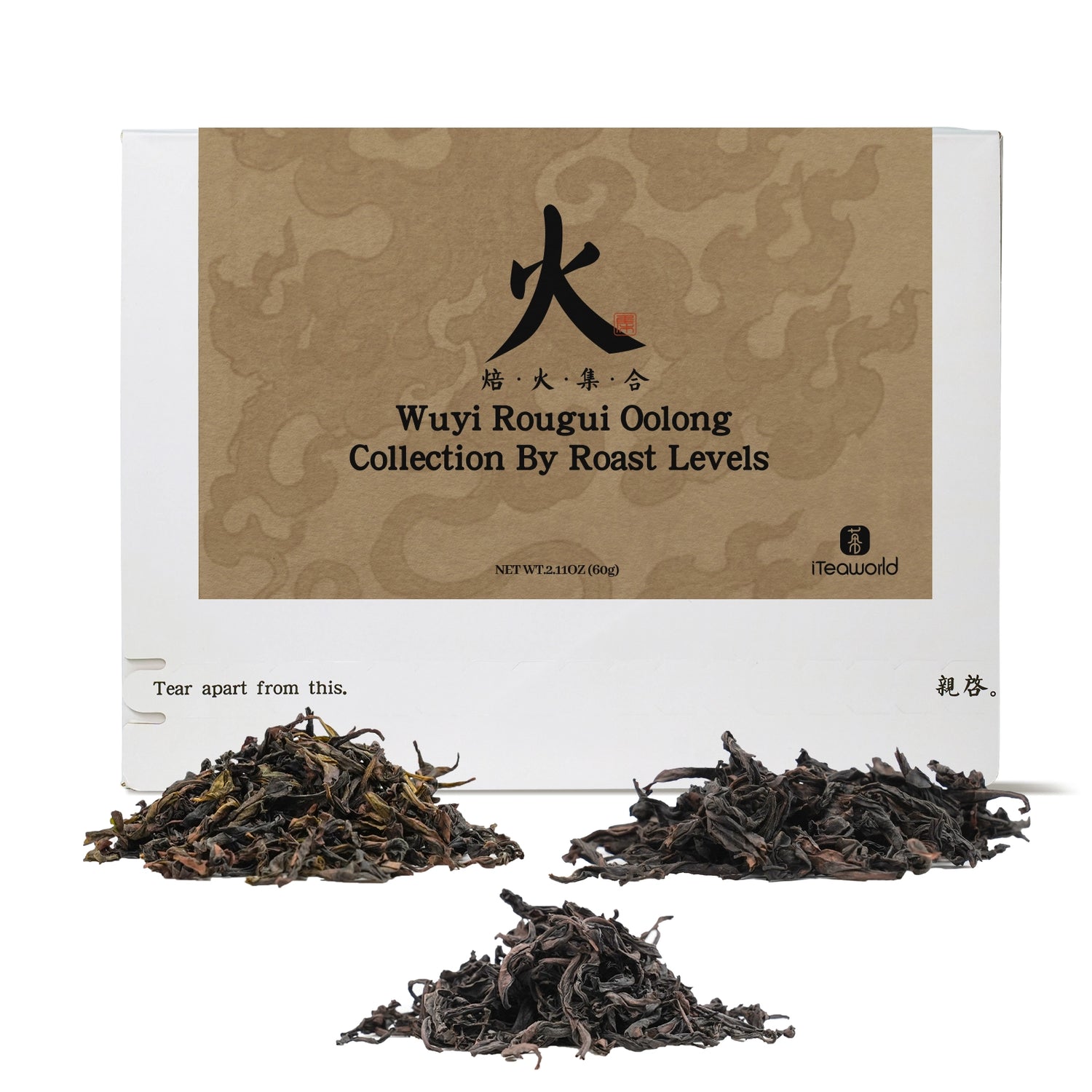
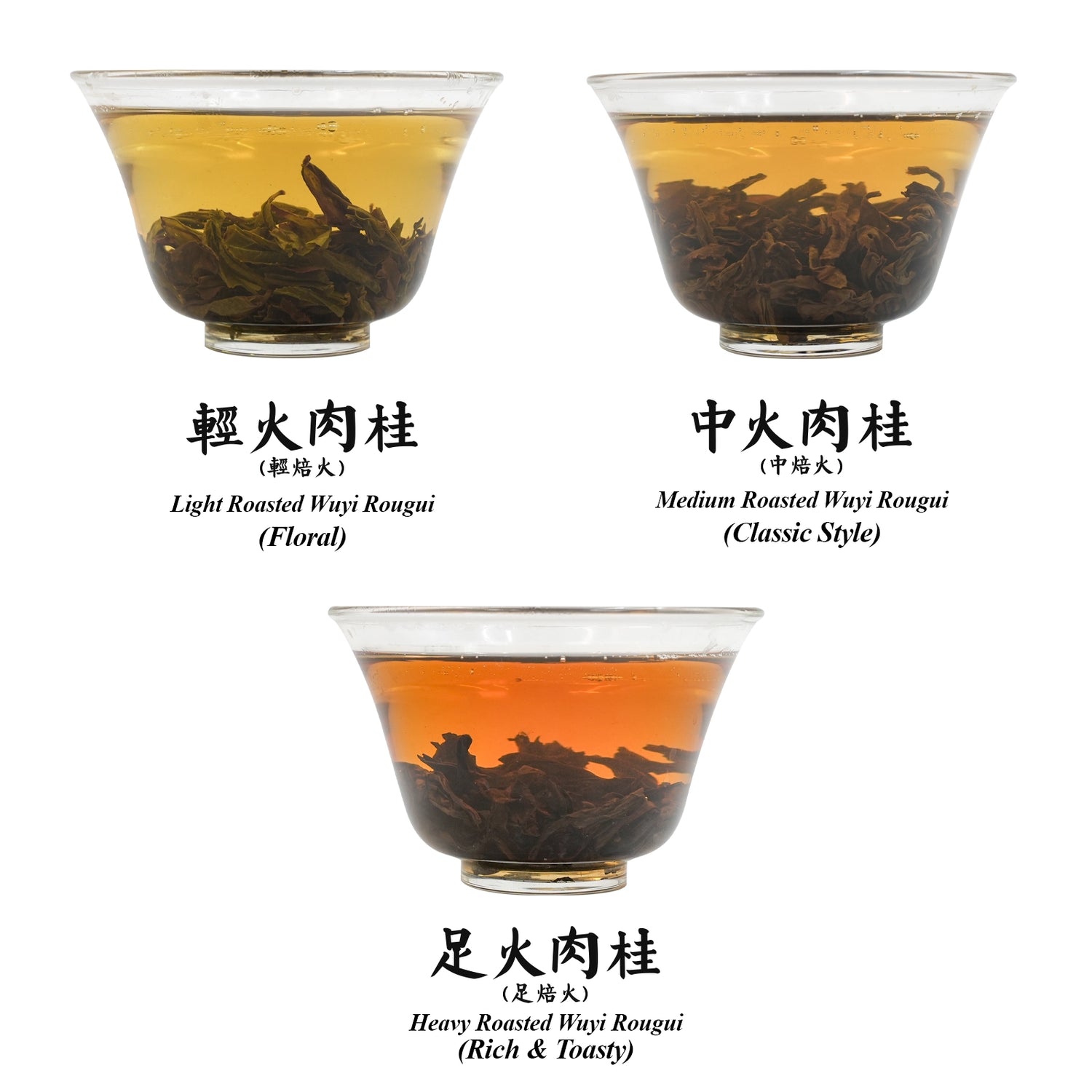
Wuyi Rougui is one of the most iconic rock oolong teas from the Wuyi Mountains in Fujian, China, known for its distinctive cinnamon-like aroma, mineral depth, and rich roasted character.
This collection explores how fire transforms the same tea. All teas are made from the same Rougui cultivar, sourced from the same origin, and crafted using traditional Wuyi rock tea methods—the only variable is roasting level.
Light roast highlights the tea’s floral brightness and mineral clarity. Medium roast brings balance between aroma, body, and roast depth. Heavy roast develops deeper, more intense roasted notes with a richer and more structured finish.
Rather than a single tea, this set offers a side-by-side tasting experience that reveals how roasting shapes aroma, texture, and overall flavor in Wuyi rock tea.
Taste them together and discover how fire defines the personality of Rougui.
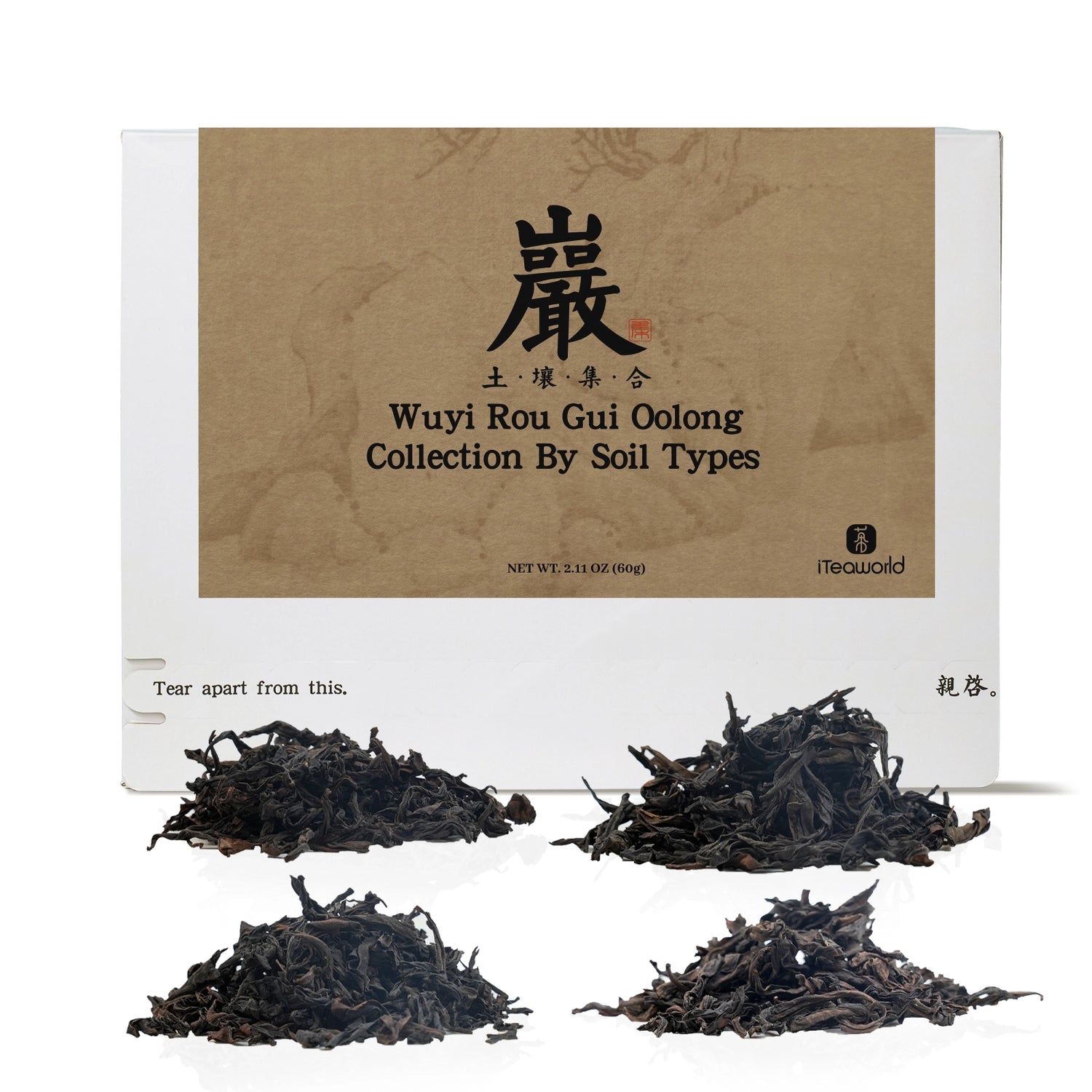
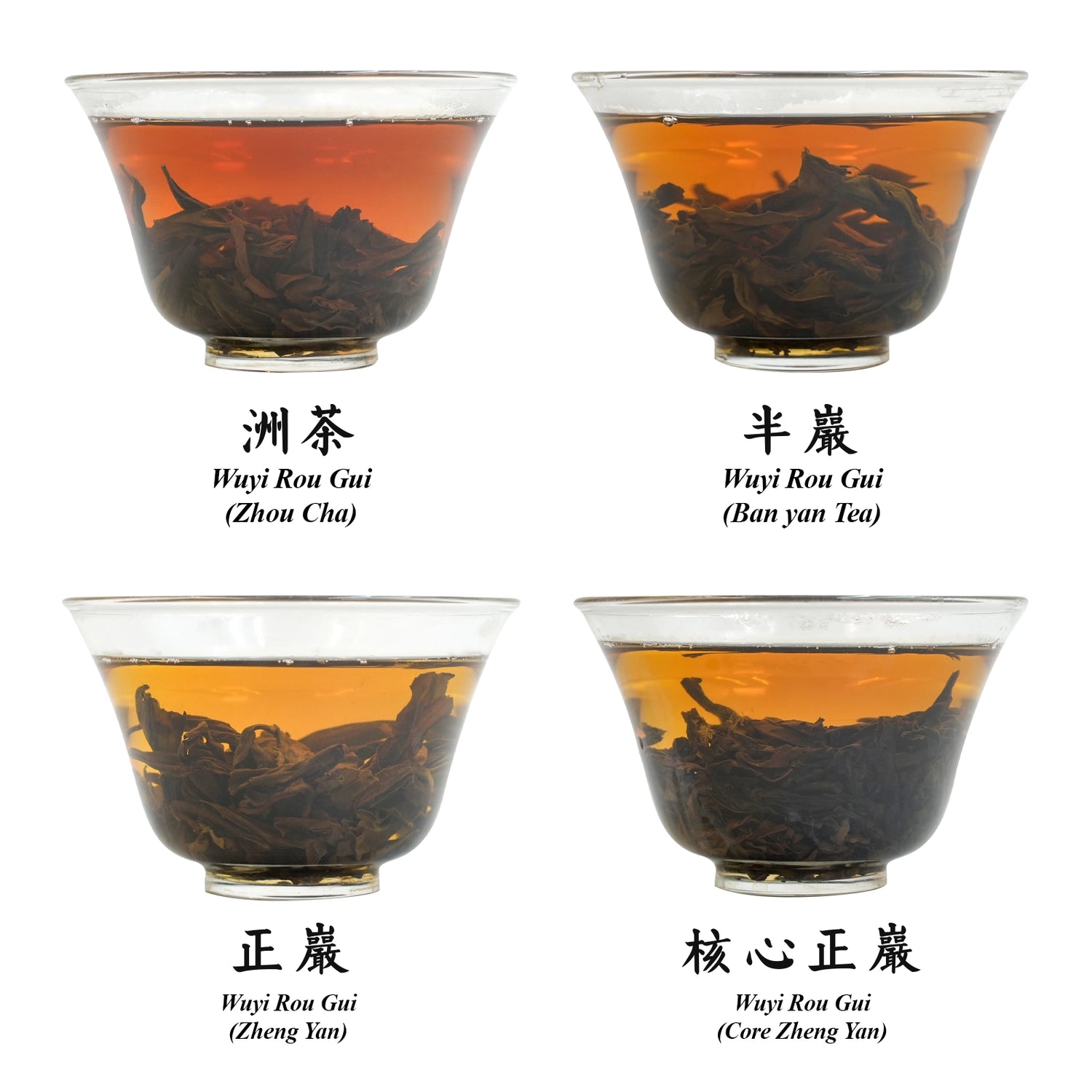
Soil is one of the most fundamental factors shaping the character of Wuyi Rock Tea. In the Wuyi Mountains, tea trees grow in dramatically different soil environments—from mineral-rich rocky ground to looser red and yellow earth—each shaping aroma, texture, and depth in the cup.
This collection explores how soil influences the same Wuyi Rougui cultivar. All teas are made from the same tea variety and crafted using traditional Wuyi rock tea processing, with soil type as the only key variable.
Gravel soil produces deeper minerality and structure. Red soil brings balance and smoothness. Yellow earth results in a lighter, simpler expression with a softer body.
Rather than comparing different teas, this set reveals how terroir beneath the ground defines what we taste in the cup.
Taste them side by side and discover how soil becomes flavor.
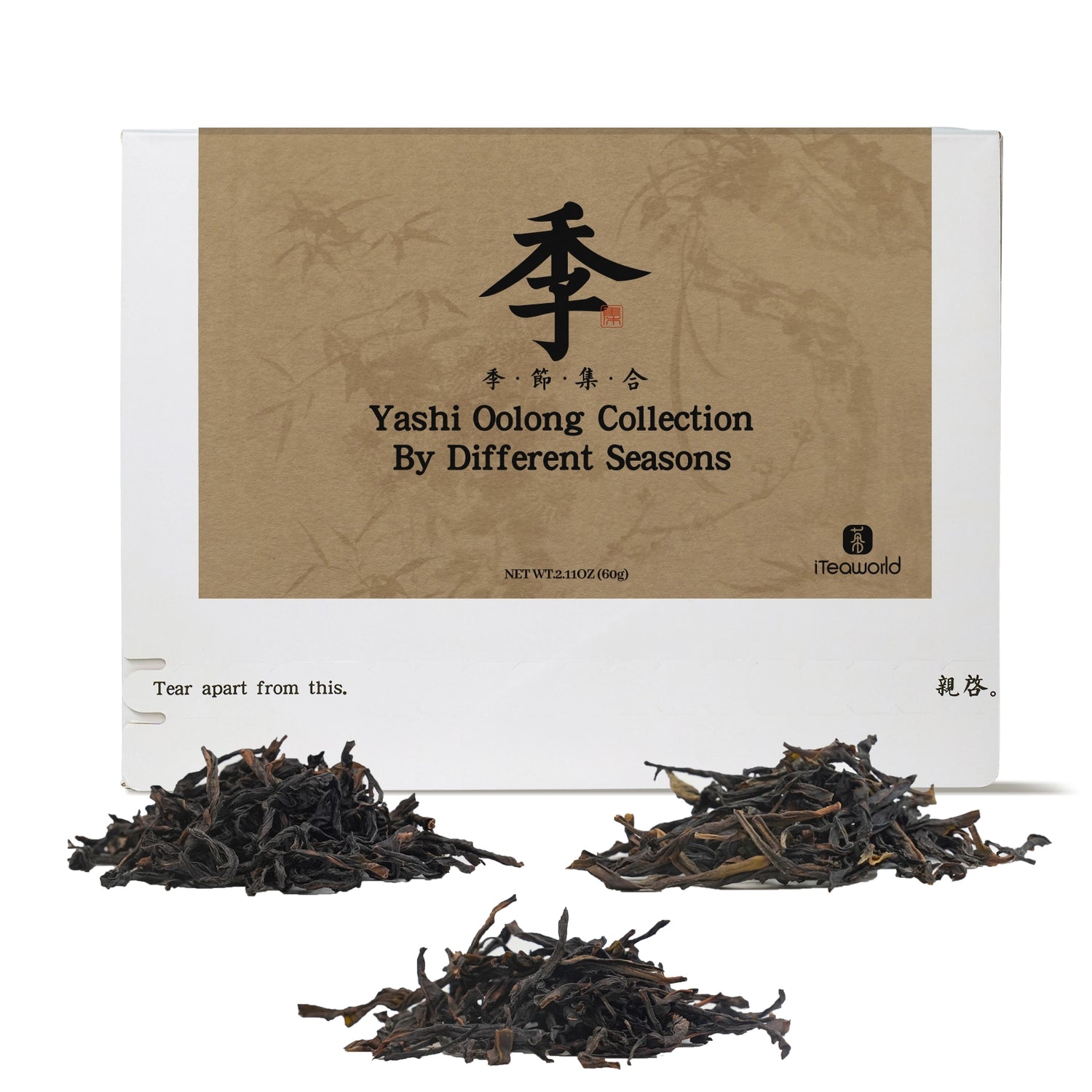
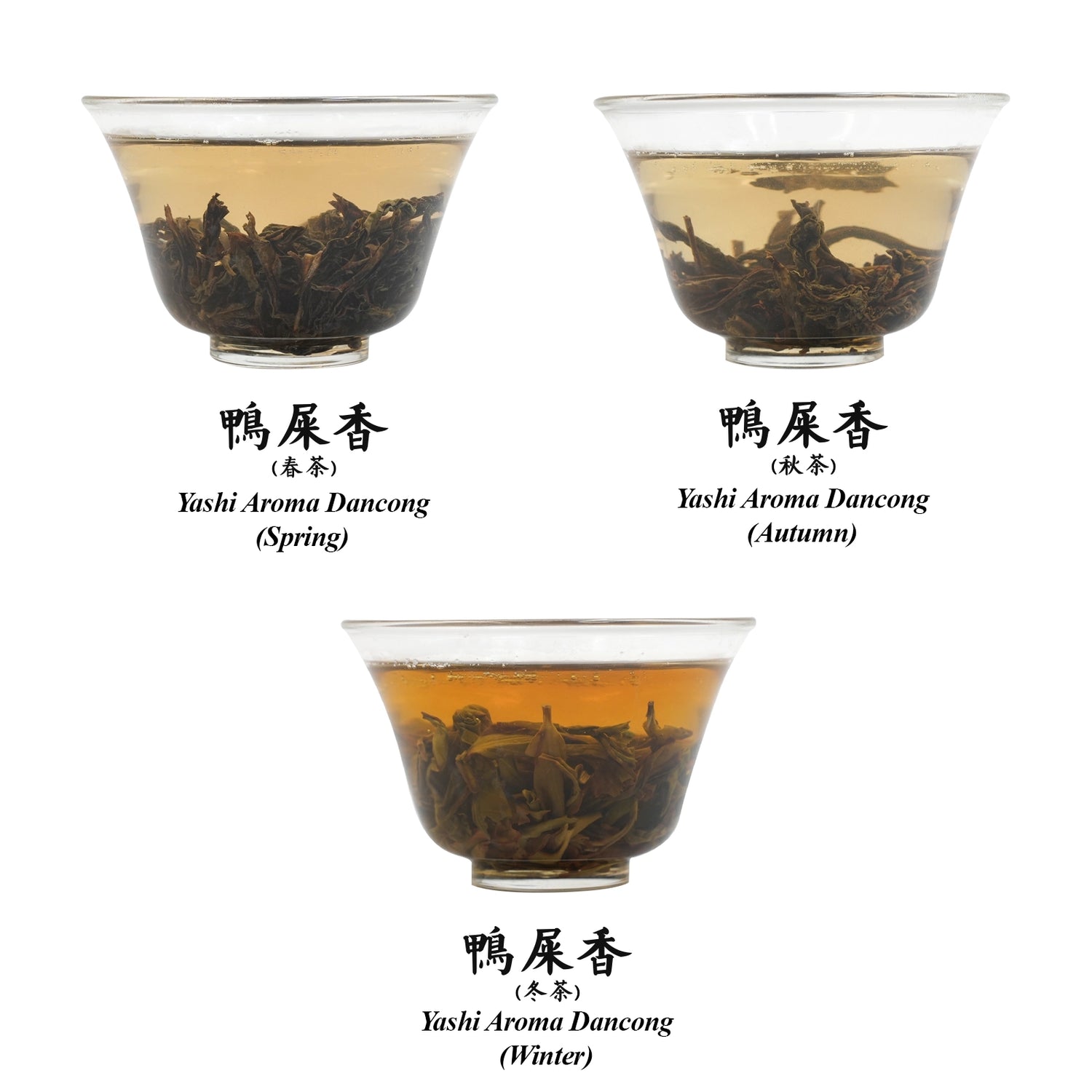
Ya Shi Xiang is one of the most aromatic Dancong oolong teas from the Phoenix Mountains in Chaozhou, China, known for its naturally rich floral fragrance and remarkable aromatic complexity.
This collection invites you to experience how the same tea changes across different harvest seasons. All three teas come from the same village and are crafted by the same tea master, ensuring that only nature—the season of harvest—creates the difference.
Spring, fall, and winter each reveal a unique expression of the same tea. Spring is soft and floral with gentle sweetness. Fall is smooth and rounded with warm aromatic depth. Winter is crisp and vibrant with a clean, lingering finish.
Rather than a single tea, this set offers a guided tasting experience that lets you explore how season shape aroma, texture, and flavor in real time.
Taste them side by side and discover how one tea can express three completely different seasonal personalities.
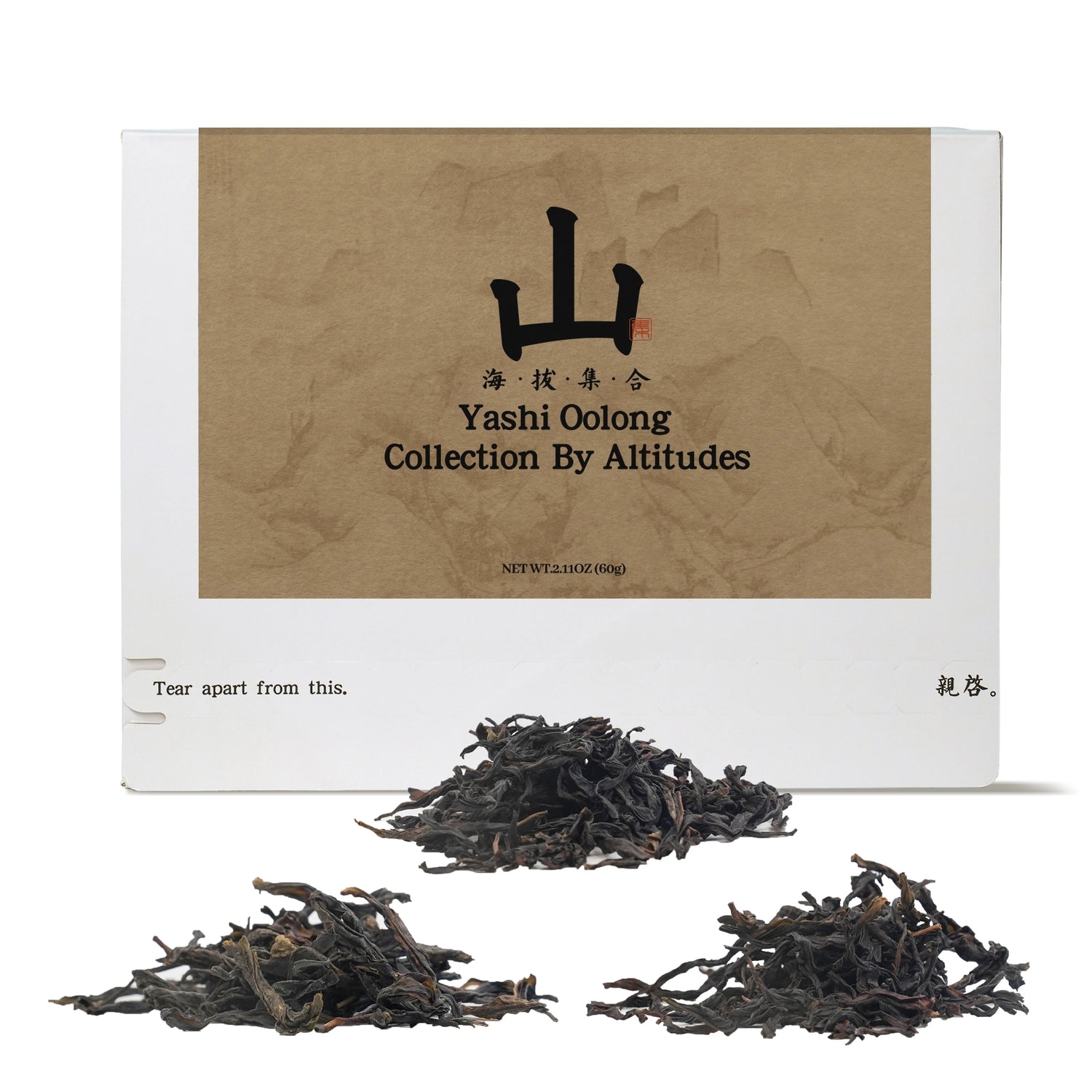
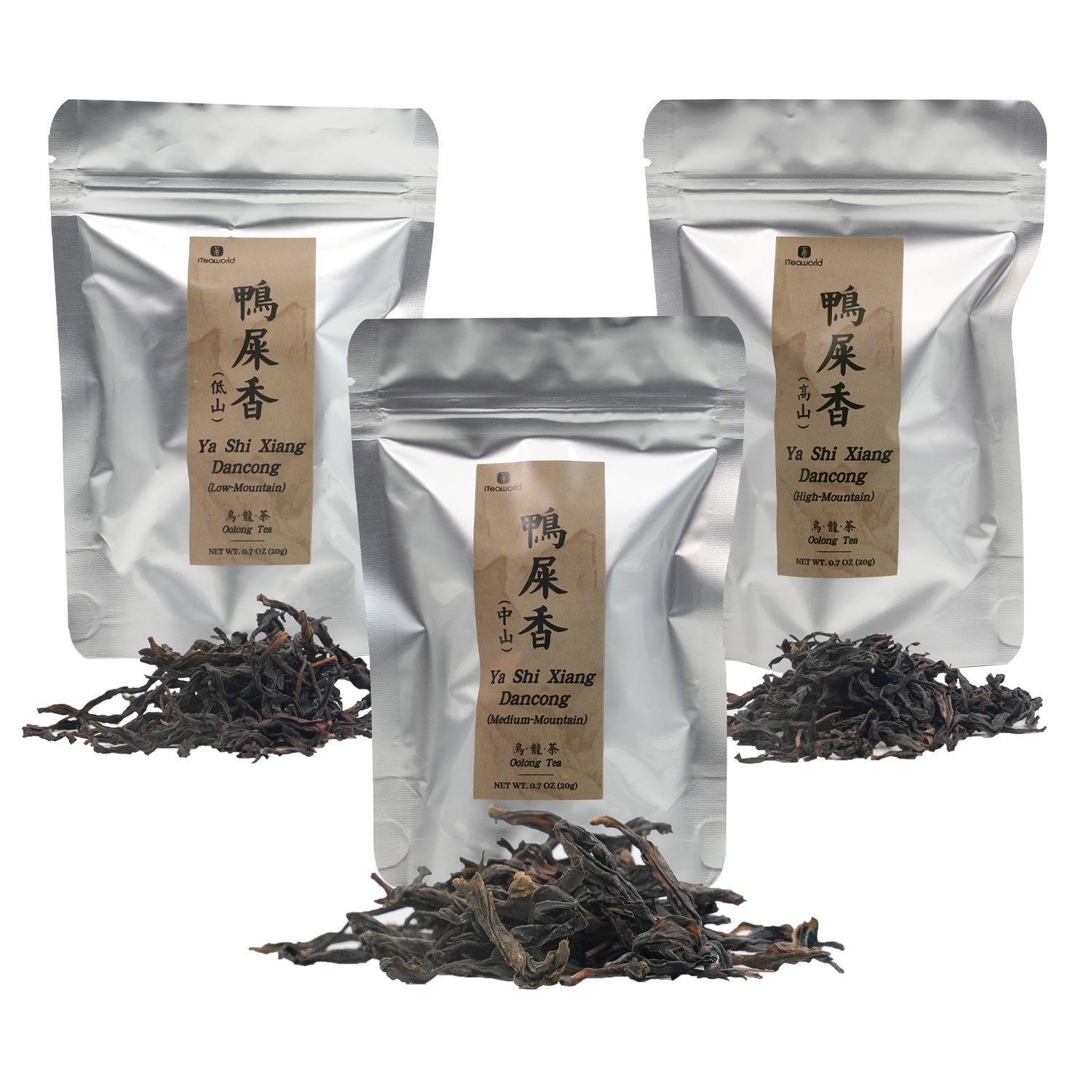
Ya Shi Xiang is one of the most aromatic Dancong oolong teas from Fenghuang Town in Chaozhou, Guangdong, China, known for its naturally expressive floral fragrance and layered complexity.
This collection explores how elevation shapes the character of the same tea. All teas are made from the same Ya Shi Xiang cultivar and crafted by the same tea master, but sourced from different altitudes within the Phoenix Mountains.
As elevation increases, temperature, sunlight exposure, and growing conditions naturally shift, creating subtle yet noticeable differences in aroma intensity, structure, and mouthfeel.
Rather than a single expression, this set offers a guided tasting experience that reveals how geography influences the personality of the same tea in different environments.
Taste them side by side and experience how altitude transforms aroma, texture, and finish.
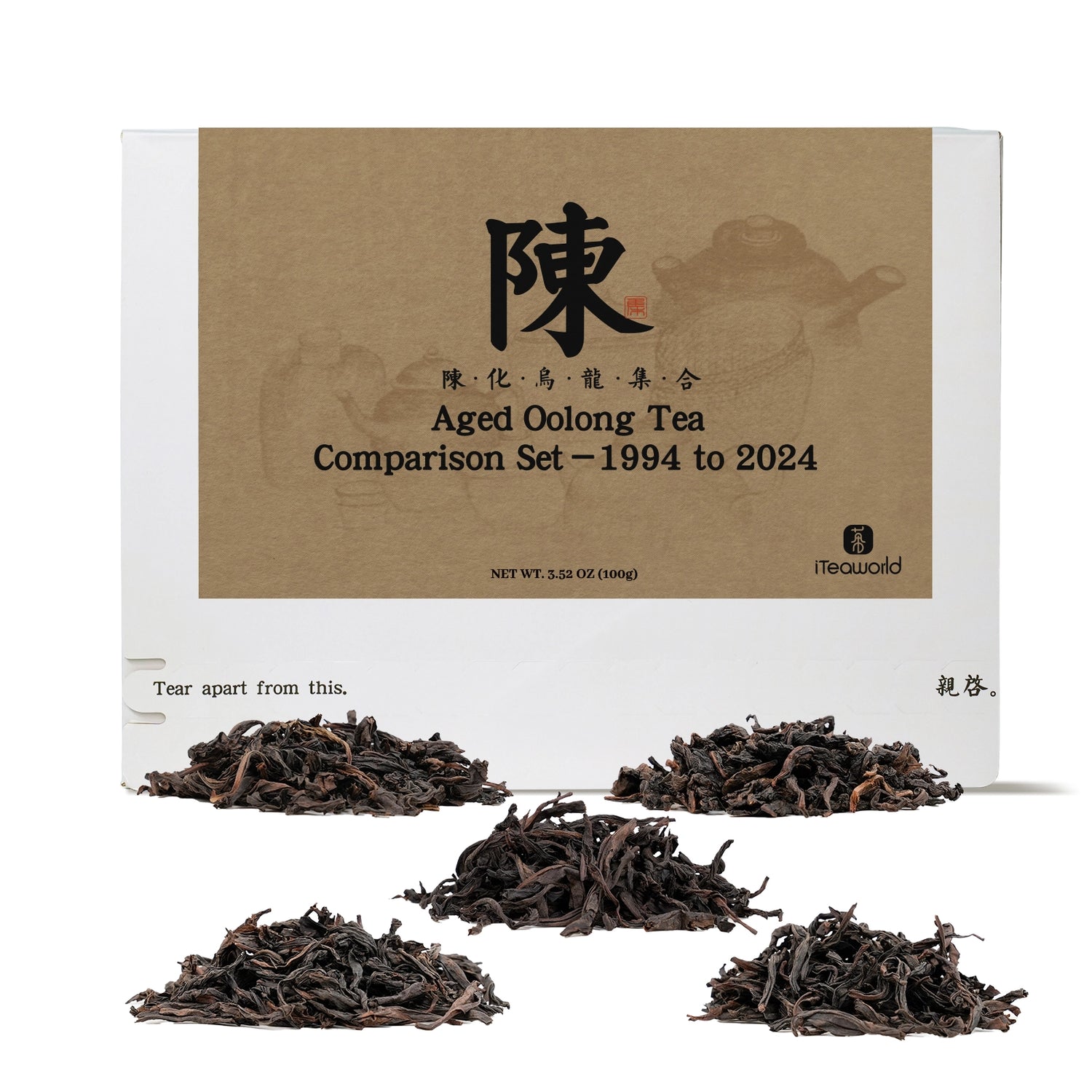
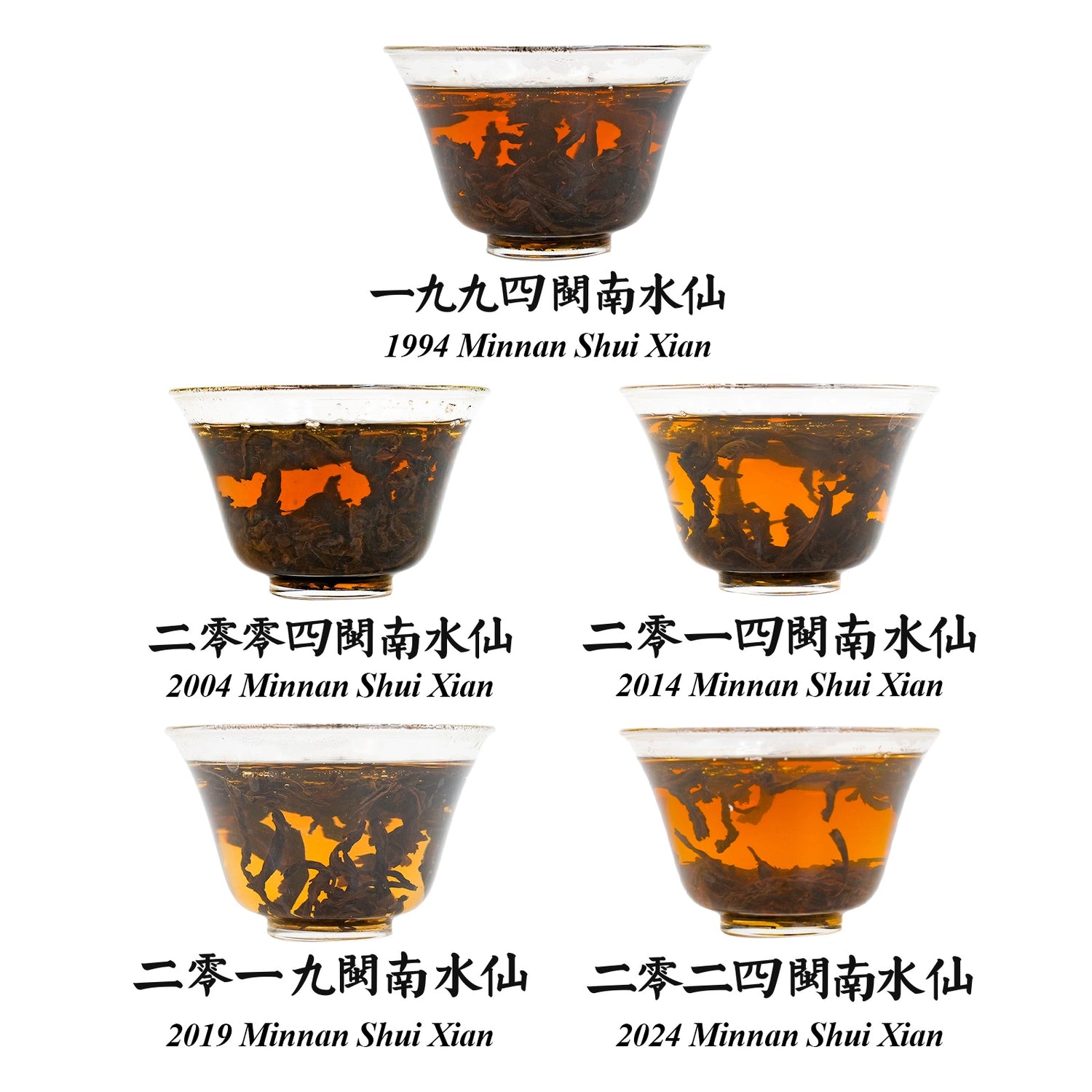
Aged oolong tea reveals a unique dimension of tea character—how time transforms aroma, texture, and depth.
This collection brings together five vintages of traditionally charcoal-roasted Minnan Shui Xian, spanning from 1994 to 2024. All teas come from the same tea-making lineage, allowing time—not origin or craftsmanship—to be the only variable.
Fresh teas express bright orchid aroma and lively sweetness. As the tea ages, floral notes gradually fade, giving way to deeper woody, honeyed, and herbal tones. With decades of transformation, the tea develops a smoother texture, thicker body, and a long, lingering finish.
Rather than a single flavor, this set offers a journey through time—revealing how oolong tea evolves across 30 years of natural aging.
Taste them side by side and experience how time becomes a flavor.


This Qi Dan Da Hong Pao is a balanced and refined Wuyi rock oolong with elegant floral aromas, layered fragrance, and a smooth roasted character. Compared to heavier roasted rock teas, it offers a more harmonious and approachable profile while still retaining the gentle mineral character that defines Wuyi oolong.
Smooth, expressive, and comforting, this tea is especially suitable for those who enjoy roasted oolongs with both floral complexity and depth.
This tea is made from the Qi Dan cultivar, one of the original tea varieties associated with Da Hong Pao. Unlike the blended Da Hong Pao styles commonly found today, single-cultivar Da Hong Pao highlights the unique personality of one specific tea variety, offering a more distinctive and layered tasting experience.
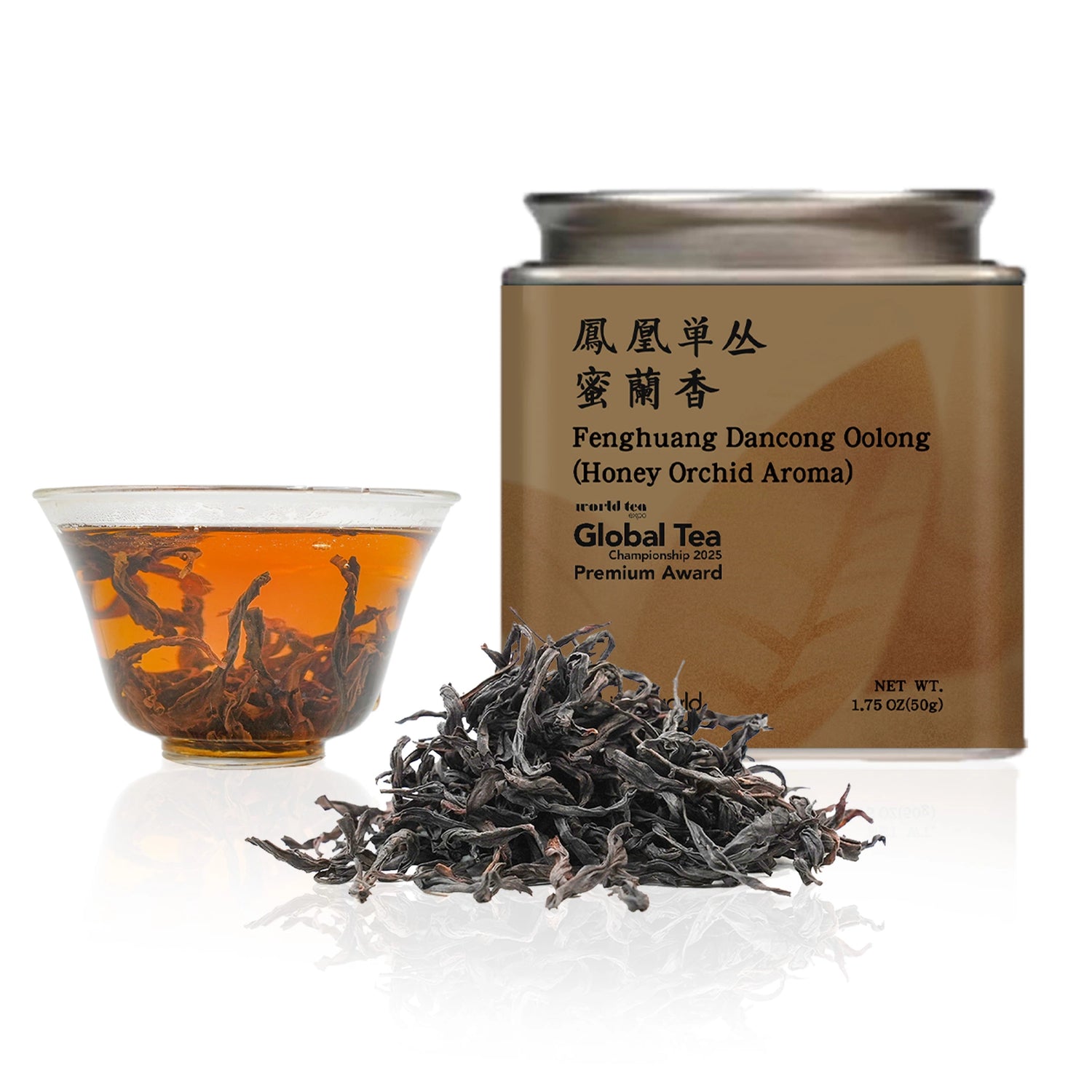
Top Grade Mi Lan Xiang Dancong Oolong - Global Tea Championship Winner 50g
$99.99 USD
Unit price perTop Grade Mi Lan Xiang Dancong Oolong - Global Tea Championship Winner 50g
$99.99 USD
Unit price perThis Award-Winning Mi Lan Xiang Dancong was honored with the Premium Award – Best Oolong (Long Oxidized) at the Global Tea Championship 2025.
Judged by an independent panel of international tea experts in Las Vegas, the Global Tea Championship recognizes outstanding teas from around the world. Our Mi Lan Xiang Dancong distinguished itself in the highly competitive oolong category for its exceptional aroma, balance, and craftsmanship.
The tea is crafted from leaves harvested from 50–70-year-old tea trees. These mature trees develop deep root systems that contribute to the tea’s concentrated aroma, rich body, and long-lasting sweetness.
Traditional charcoal roasting is used to bring out the tea’s full character. Unlike electric roasting, charcoal roasting enhances aromatic complexity, adds depth and warmth, and creates a smoother, more refined cup while preserving the tea’s natural floral character.
The result is a clean, silky liquor with rich orchid-like floral fragrance, lingering sweetness, and remarkable depth. Smooth, elegant, and highly aromatic, this award-winning Dancong is an excellent choice for tea drinkers who appreciate floral oolongs, refined texture, and a long-lasting finish.
Recommended Purchase
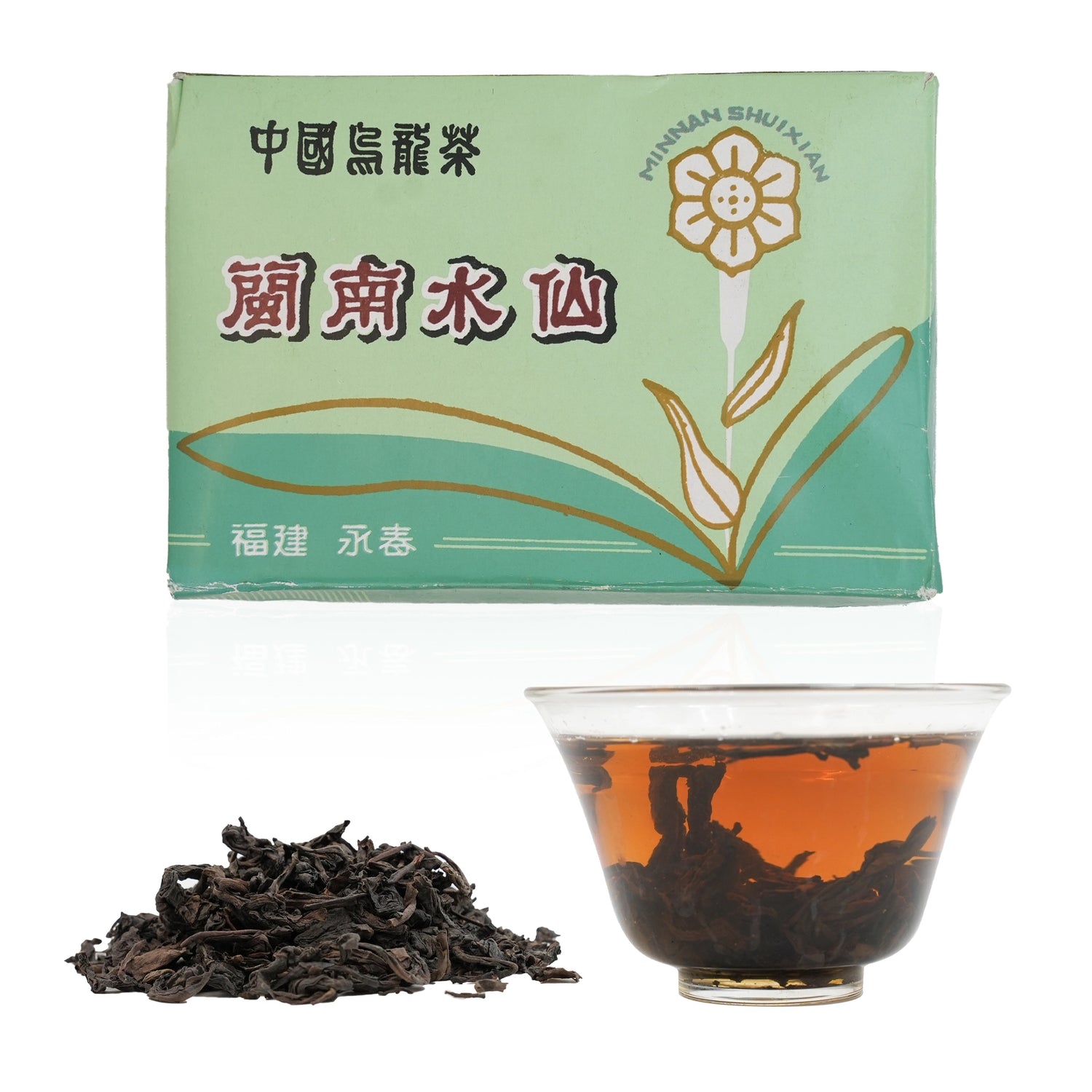
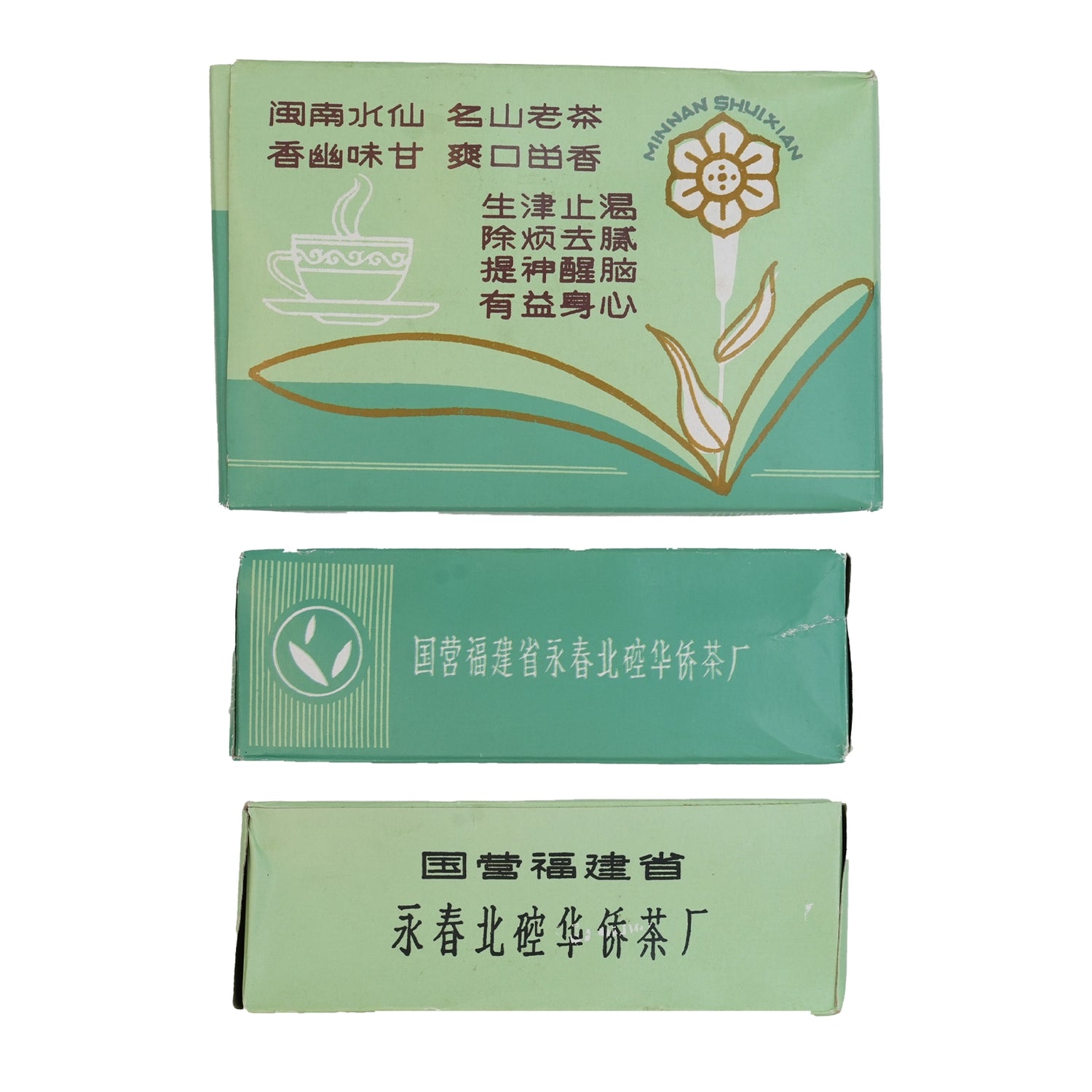
This 1993 Aged Min Nan Shui Xian Oolong Tea is crafted from the Shui Xian tea cultivar, grown in Fujian, China. Produced by the renowned Yongchun Beikeng Overseas Chinese Tea Factory, which was established in 1917. This tea has been naturally aged in dry storage for 33 years, developing a unique blend of sweet aged aroma and medicinal fragrance. With a smooth, thick mouthfeel and a lingering sweetness, it is ideal for those who appreciate the depth of aged teas. The traditional high-temperature roasting and medium oxidation enhance its warming characteristics. This product is in its original packaging and is no longer in circulation on the market.
Key Details about 1993 Aged Min Nan Shui Xian
Origin: Yongchun, Fujian Province, China
Production Date: 1993
Grade: Second Grade
Tea Cultivar: Shui Xian
Craftsmanship: Traditional high-fire roasting, medium oxidation, light rolling
Flavor Highlights: Sweet aged aroma with medicinal fragrance, thick and smooth taste, long-lasting aftertaste
Storage: Naturally dry-aged, sealed packaging for optimal preservation
What is Min Nan Shui Xian Oolong Tea?
Min Nan Shui Xian is a Southern Fujian-style Oolong tea, known for its rich fragrance, mellow body, and lasting sweetness. Compared to Wuyi Shui Xian, it undergoes less oxidation, resulting in a softer and smoother profile. After decades of aging, this 1993 batch has developed an aged sweetness, medicinal notes, and a thick, velvety texture, making it a highly sought-after selection among aged tea connoisseurs.
Recommended Brewing Methods:
Gaiwan Brewing:
100ml Gaiwan
95℃-100℃
5-7 times
1:15 to 1:25
10~20 seconds
Thermos Brewing :
1g tea per 100ml (3.4oz) water.
Use boiling water (212°F).
Steeping Time: 1-2 hours.
Tool: Insulated thermos.
Boiling Method :
Add 1g tea per 100ml (3.4oz) water.
Boil for 1-2 minutes, then let sit for 2-3 minutes.
Rebrew by boiling 3 minutes longer with each steeping.
Use a ceramic or glass teapot for optimal flavor.
Enjoy up to 3-4 brews.
Storage Guidelines
Store this tea in a dry, cool environment with a humidity level below 45% and temperature below 25°C (77°F). Keep it away from strong odors, light, and air exposure. Proper storage ensures the tea retains its flavor and continues to age gracefully over time.
Weight & Packaging
Net Weight: 100g (3.5oz)
Packing Type: Original sealed paper box with inner aluminum foil bag
About Yongchun Beikeng Overseas Chinese Tea Factory
Founded in 1917, the Yongchun Beikeng Tea Factory has a rich history of producing high-quality teas. Once a bustling hub of innovation and craftsmanship, the factory was home to over 1,000 tea workers at its peak, producing millions of pounds of tea annually. The factory's products, including Min Nan Shui Xian, were highly sought after in Hong Kong, Taiwan, Japan, and Southeast Asia.
Just as many state-owned old factories have experienced ups and downs, in the 1990s, the tea factory once fell into a slump, and the once bustling factory area gradually became desolate. The former factory director, Huang Shenghou, who had created its greatest glory and witnessed its decline, couldn't bear to see it and took over the factory personally after its privatization.
Today, this aged Min Nan Shui Xian Oolong tea stands as a flavorful tribute to the factory's storied past and the enduring legacy of traditional Chinese tea-making.
Recommended Purchase
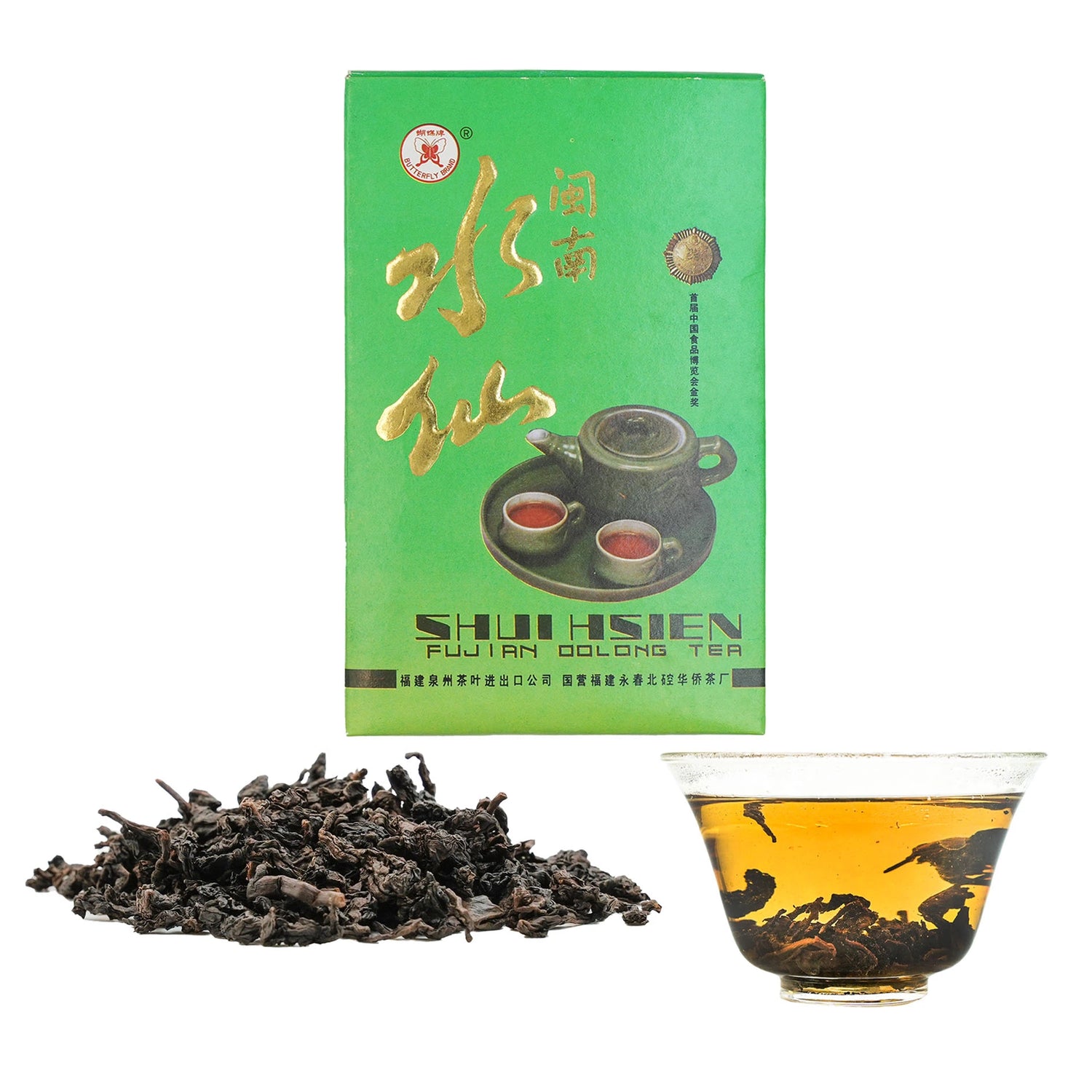
This Southern Fujian Shui Xian Oolong Tea, produced between 1993 and 1995 and aged for over 30 years in a dry warehouse under sealed conditions, is made from the Shui Xian (Narcissus) varietal sourced from Yongchun, Fujian—the birthplace of this tea. It was jointly produced by Quanzhou Tea Import & Export Company and the State-Owned Yongchun Kong Overseas Chinese Tea Factory in Fujian.
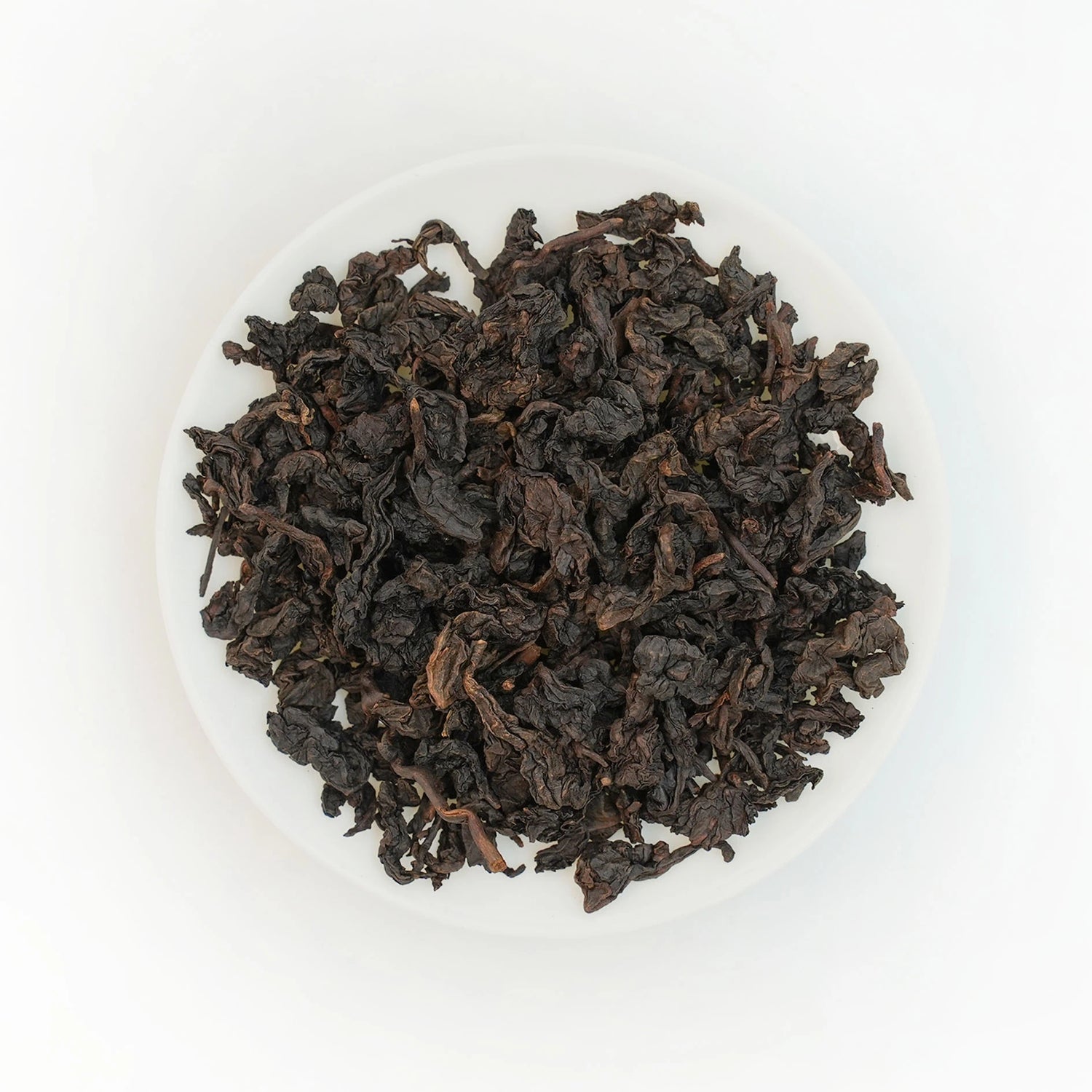
Processed using the Yongchun Shui Xian method, this tea is a classic example of Oolong tea, preserved in its original packaging. It is no longer available on the market. The tea exhibits a distinct aged aroma, accompanied by a subtle medicinal fragrance, with a sweet, mellow flavor and a smooth texture. Its excellent aging results make it a treasured choice for enthusiasts of aged Oolong tea.
Key Details about Southern Fujian Shui Xian
- Origin:Yongchun, Fujian Province, China
- Production Date:1993-1995
- Grade: First grade
- Tea Cultivar:Shui Xian
- Craftsmanship:This tea is processed into oolong tea using the Yong Chun Shui Xian method, with moderate fermentation. It has been naturally aged in a dry storage environment for over 30 years. The tea is packaged in its original sealed cardboard box, with an inner aluminum foil layer for additional protection.
- Flavor Highlights :The tea exhibits a distinct aged aroma, accompanied by a subtle medicinal fragrance. Its flavor is sweet and mellow, with a smooth texture, showcasing excellent aging effects.
What is Southern Fujian Shui Xian Tea?
Southern Fujian Shui Xian Tea originated in Northern Fujian and was introduced to Yong Chun during the Daoguang period of the Qing Dynasty. Over time, its processing techniques evolved by blending the characteristics of Northern and Southern Fujian oolong teas, resulting in a unique method that enhances the tea's durability for multiple infusions, intensifies its orchid-like aroma, and produces a bright yellow liquor with a sweet, mellow, and refreshing flavor. Beyond its exceptional taste, Southern Fujian Shui Xian Tea offers numerous health benefits, such as activating the autonomic nervous system, reducing stress, enhancing energy metabolism, breaking down fats, and lowering cholesterol, making it a cherished choice for both tea enthusiasts and health-conscious individuals.
Brewing and Enjoyment Tips
This tea showcases the unique transformation brought by time. The first infusion can be used as a "tea awakening" step to activate the tea's inner qualities, resulting in a richer, smoother texture and a more pronounced sweet aftertaste. For the best experience, we recommend using longer steeping times or boiling methods to fully unlock its aged characteristics.
Recommended Brewing Methods
Gaiwan Brewing :
- Capacity:110ml Gaiwan
- Water Temperature:100℃
- Brewing Times:5-7 times
- Tea Water Ratio:1:22
- Brewing Time Once:For brewing, begin with a quick rinse (1-2 seconds) and discard the liquid. For the first three infusions, steep the tea for just a few seconds and pour out immediately. After that, gradually extend each subsequent infusion by 5-10 seconds to adapt to the evolving flavor profile.
Storage Guidelines
To ensure the best quality of tea, the ideal way to store it is in vacuum-sealed packaging, kept in a cool, dark, and dry place. Avoid exposure to strong odors and air. For sealed storage, using a tin can or a double-lidded metal can is recommended. For even better results, you can store the sealed tea in the refrigerator or a dry storage container.
Weight & Packaging:
Weight : 4.4oz (125g)
Packing Type : Original paper box sealed packaging, inner aluminum film sealed packaging
About Yongchun Beikeng Overseas Chinese Tea Factory
Established in 1958, the state-owned Fujian Yongchun Beikeng Overseas Chinese Tea Factory carries a rich history and cultural heritage of tea production. At its peak, the factory was a bustling hub of innovation and craftsmanship, employing over 1,000 tea workers and producing millions of pounds of tea annually. Its teas, including Tieguanyin, were exported to Hong Kong, Taiwan, Japan, and Southeast Asia, earning widespread acclaim and becoming a shining symbol of Fujian's tea culture.
However, by the 1990s, the factory fell into decline, and its once-vibrant grounds grew quiet. Unable to bear seeing his life's work fade away, the veteran factory director, Huang Shenghou, took over after its privatization, dedicating himself to reviving the factory and preserving its tea-making legacy.
Today, the factory's aged Tieguanyin not only embodies decades of tea-making expertise but also continues to showcase the timeless charm of Yongchun's Tieguanyin. The story of the Fujian Yongchun Beikeng Overseas Chinese Tea Factory reflects the dedication and innovation of generations of tea artisans, and its aged Tieguanyin carries forward this remarkable legacy.
During the aging and transportation process of aged tea, the packaging and the tea itself may get damaged. Please be cautious when purchasing if you mind this.
Recommended Purchase
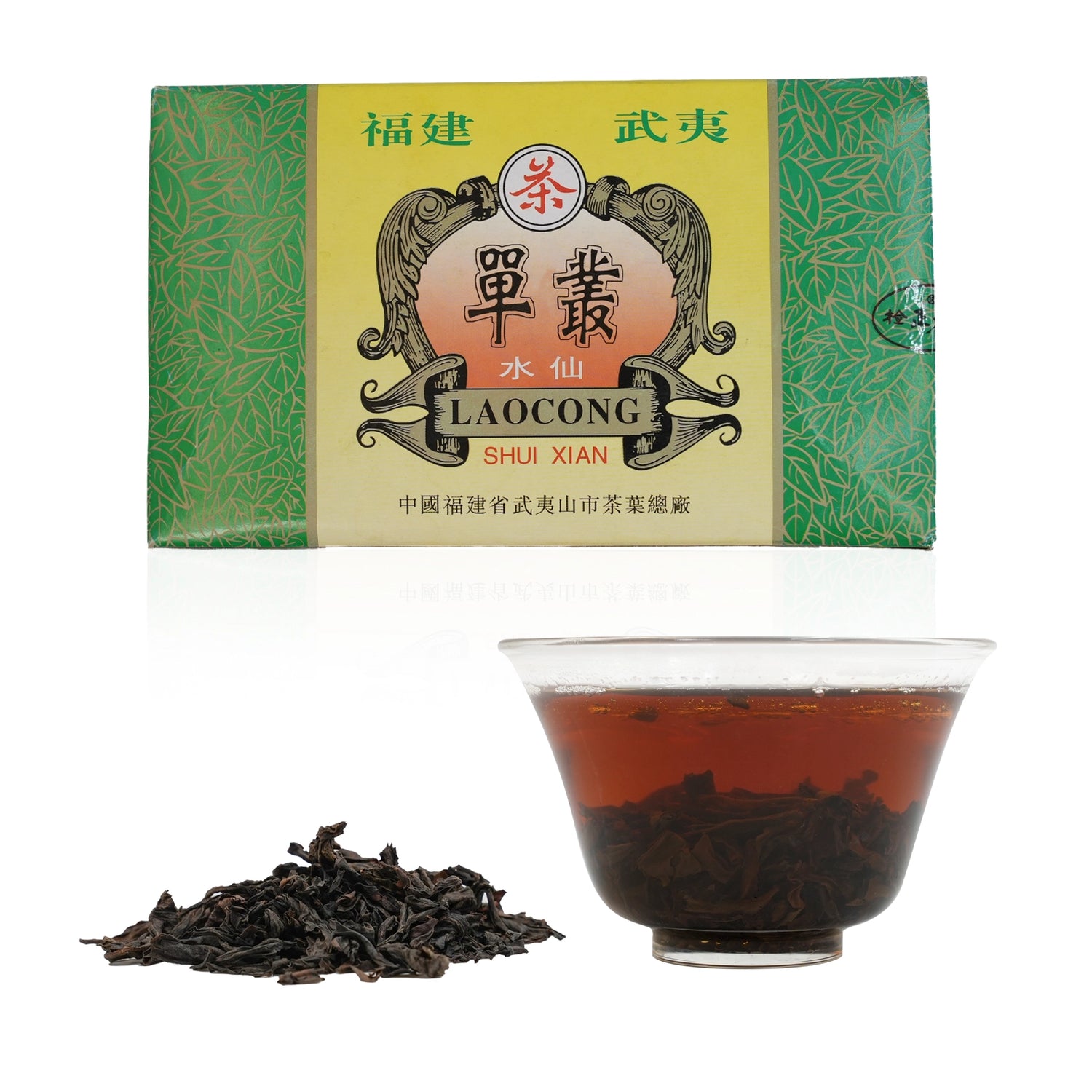
This 1996 Aged Dancong Shui Xian Oolong Tea is crafted from Shui Xian tea cultivars grown in the famous Wuyi Mountain region of Fujian, China. Produced by the Wuyi Mountain Tea Factory, this tea has been naturally aged in dry storage for 30 years. It is known for its rich, sweet aroma with notes of roasted sweet potato and fruit, and the distinctive floral fragrance of orchids. The tea liquor is a vibrant, deep orange, and the taste is thick, with a noticeable acidity that gives way to a refreshing aftertaste. This product is in its original packaging and is no longer in circulation on the market.This tea is ideal for those who appreciate the complexity of aged Wuyi rock teas and are looking for a bold, full-bodied flavor.
Key Details about 1996 Aged Dancong Shui Xian
- Origin: Wuyi Mountain, Fujian Province, China
- Production Date: 1996
- Grade: Special Grade Dancong
- Tea Cultivar: Shui Xian
- Craftsmanship: Medium roasting, medium oxidation, light rolling
- Flavor Highlights: Sweet aroma with roasted sweet potato, fruit, and floral orchid notes, thick and refreshing taste with acidity
- Storage: Naturally dry-aged, sealed packaging for optimal preservation
What is Dancong Shui Xian Oolong Tea?
Dancong Shui Xian is a type of Wuyi rock tea, known for its intense, complex flavor profile. Shui Xian is one of the most well-known cultivars in Wuyi Mountain and is prized for its unique floral and fruit-like aroma. The tea undergoes a moderate level of oxidation and is roasted to bring out its robust flavor. Aged Shui Xian Oolong offers even deeper complexity, with the floral, fruity notes mellowing into more nuanced, savory characteristics. This makes it a perfect choice for tea connoisseurs who appreciate both freshness and the depth of aged tea.
Brewing and Enjoyment Tips
Aged Shui Xian tea is best enjoyed using Gongfu brewing or boiling methods, which can bring out the full range of aromas and flavors. The tea has excellent durability, so it can withstand multiple brews.
How to Brew 1996 Aged Dancong Shui Xian Oolong Tea
- Gongfu Brewing Method
-
- Tea-to-Water Ratio: 6g tea per 100ml water
- Water Temperature: 95-100°C (203-212°F)
- Steeping Time: 10-15 seconds for the first brew, increase time for each subsequent brew
- Recommended Tool: Porcelain Gaiwan or Yixing Clay Teapot
- Tea-to-Water Ratio: 6g tea per 100ml water
- Boiling Method
- Tea-to-Water Ratio: 3g per 100ml water
- Process: Boil the tea for 3-5 minutes, then simmer for 2-3 minutes
- Rebrewing: Extend boiling time by 2-3 minutes for each subsequent brew
- Recommended Tool: Glass or ceramic teapot
- Tea-to-Water Ratio: 3g per 100ml water
Storage Guidelines for Aged Shui Xian Oolong Tea
To preserve the tea's aging qualities, store it in a cool, dry environment, away from direct light and strong odors. Keep the tea sealed in an airtight container to minimize exposure to air and moisture. Proper storage will allow the tea to continue aging gracefully.
Weight & Packaging
- Net Weight: 125g (4.4oz)
- Packing Type: Original sealed paper box with inner aluminum foil bag


Recommended Purchase :
This Tie Guan Yin Oolong tea, produced between 1990 and 1993, has been stored in a dry warehouse of an old tea factory for over thirty years and kept sealed. It is made from the Tie Guan Yin variety from the famous tea-growing region of Yongchun, Fujian, and was crafted by the state-owned Yongchun Kong Overseas Chinese Tea Factory, established in 1958. This tea is entirely handmade, traditionally roasted over a full fire, and comes in its original packaging. No longer available on the market, its unique "aged aroma," rich sweetness, and smooth texture make it a prized choice for connoisseurs of aged oolong tea.
Key Details about Tieguanyin :
- Production Date:1990-1993
- Grade: First grade
- Tea Cultivar: Tieguanyin
- Craftsmanship: This tea is traditionally roasted with a full fire and moderately oxidized. After over thirty years of natural aging in a dry storage environment, it is sealed in an outer paper box and packaged in an inner kraft paper bag.
- Flavor Highlights: This tea offers a rich, aged aroma with hints of woody notes. The texture is thick and smooth, with a deep, mellow flavor and a long-lasting sweet aftertaste. Its complex profile unfolds in layers, making it a truly refined experience.
What is Tieguanyin Oolong Tea? :
Tieguanyin is one of China's top ten famous teas, a semi-fermented oolong tea primarily produced in Anxi, Fujian. Its unique production process includes sun-withering, shaking, and heating, which gives the leaves a distinctive "green leaf with red edges" appearance. The tea features tightly rolled, sandy-green leaves and a golden, clear brew. It has a rich, lasting aroma with natural orchid or fruity notes, a smooth, refreshing taste, and a sweet aftertaste. Highly resistant to multiple infusions, Tieguanyin is packed with nutrients like polyphenols and amino acids, offering benefits such as boosting alertness, reducing fatigue, cooling the body, and aiding weight loss. A treasured tea and a symbol of Southern Fujian's tea culture, it is widely loved by tea enthusiasts.
Brewing and Enjoyment Tips :
This tea showcases the unique transformation brought by time. The first infusion can be used as a "tea awakening" step to activate the tea's inner qualities, resulting in a richer, smoother texture and a more pronounced sweet aftertaste. For the best experience, we recommend using longer steeping times or boiling methods to fully unlock its aged characteristics.
Recommended Brewing Methods :
-
Gaiwan Brewing
- Capacity:100ml Gaiwan
- Water Temperature:95℃-100℃
- Brewing Times:5-7 times
- Tea Water Ratio:1:15 to 1:25
- Brewing Time Once:10~20 seconds
-
Thermos Brewing
- 1g tea per 100ml (3.4oz) water.
- Use boiling water (212°F).
- Steeping Time: 1-2 hours.
- Tool: Insulated thermos.
-
Boiling Method
- Add 1g tea per 100ml (3.4fl oz) water.
- Boil for 1-2 minutes, then let sit for 2-3 minutes.
- Rebrew by boiling for 3 minutes longer with each steeping.
- Use a ceramic or glass teapot for optimal flavor.
- Enjoy up to 3-4 brews.
Storage Guidelines:
To ensure the best quality of tea, the ideal way to store it is in vacuum-sealed packaging, kept in a cool, dark, and dry place. Avoid exposure to strong odors and air. For sealed storage, using a tin can or a double-lidded metal can is recommended. For even better results, you can store the sealed tea in the refrigerator or a dry storage container.
Weight & Packaging
- Weight:3.5oz (100g)
- Packing Type : Sealed paper box with cowhide bag packaging inside
About Yongchun Beikeng Overseas Chinese Tea Factory:
Established in 1958, the state-owned Fujian Yongchun Beikeng Overseas Chinese Tea Factory carries a rich history and cultural heritage of tea production. At its peak, the factory was a bustling hub of innovation and craftsmanship, employing over 1,000 tea workers and producing millions of pounds of tea annually. Its teas, including Tieguanyin, were exported to Hong Kong, Taiwan, Japan, and Southeast Asia, earning widespread acclaim and becoming a shining symbol of Fujian's tea culture.
However, by the 1990s, the factory fell into decline, and its once-vibrant grounds grew quiet. Unable to bear seeing his life's work fade away, the veteran factory director, Huang Shenghou, took over after its privatization, dedicating himself to reviving the factory and preserving its tea-making legacy.
Today, the factory's aged Tieguanyin not only embodies decades of tea-making expertise but also continues to showcase the timeless charm of Yongchun's Tieguanyin. The story of the Fujian Yongchun Beikeng Overseas Chinese Tea Factory reflects the dedication and innovation of generations of tea artisans, and its aged Tieguanyin carries forward this remarkable legacy.
During the aging and transportation process of aged tea, the packaging and the tea itself may get damaged. Please be cautious when purchasing if you mind this.
Recommended Purchase
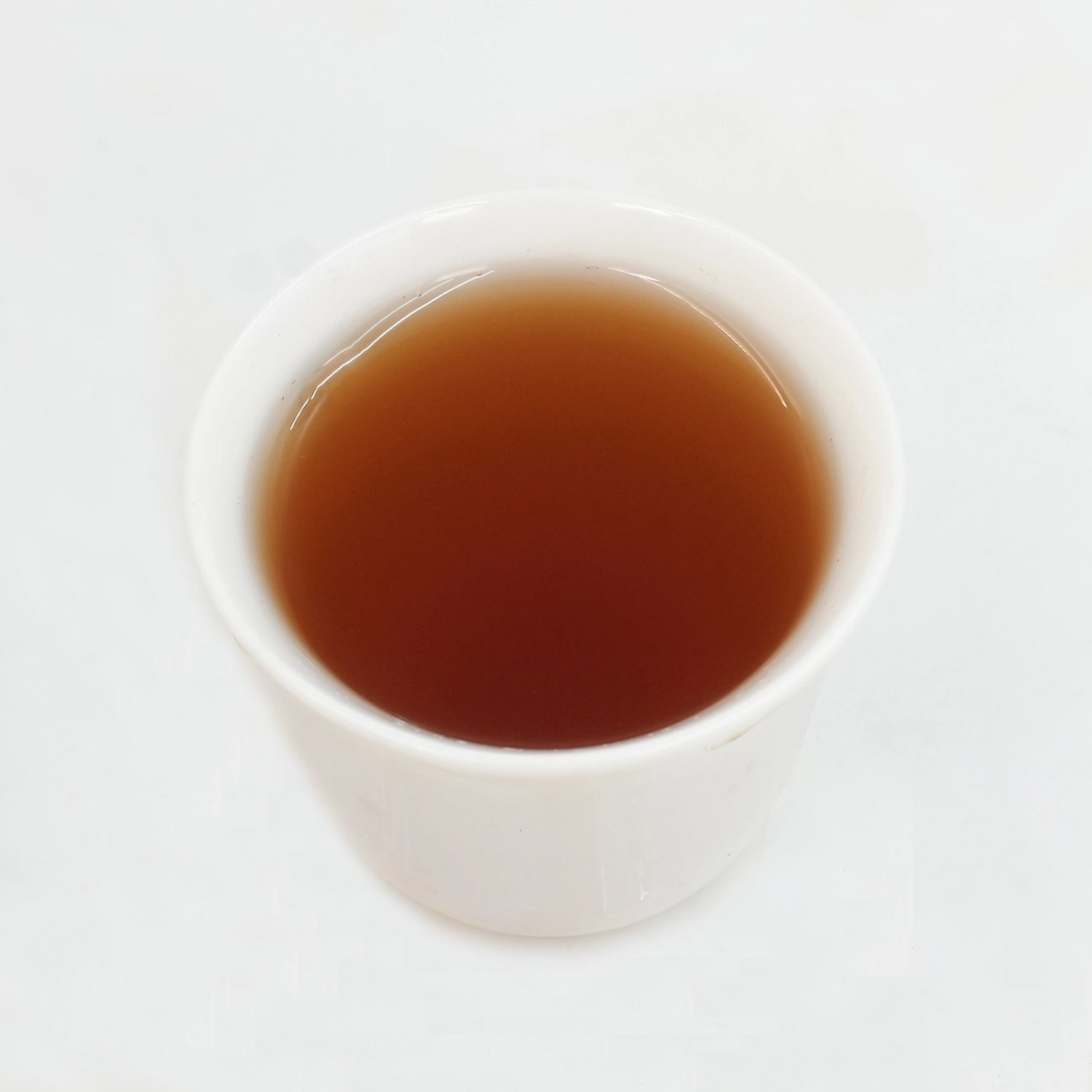
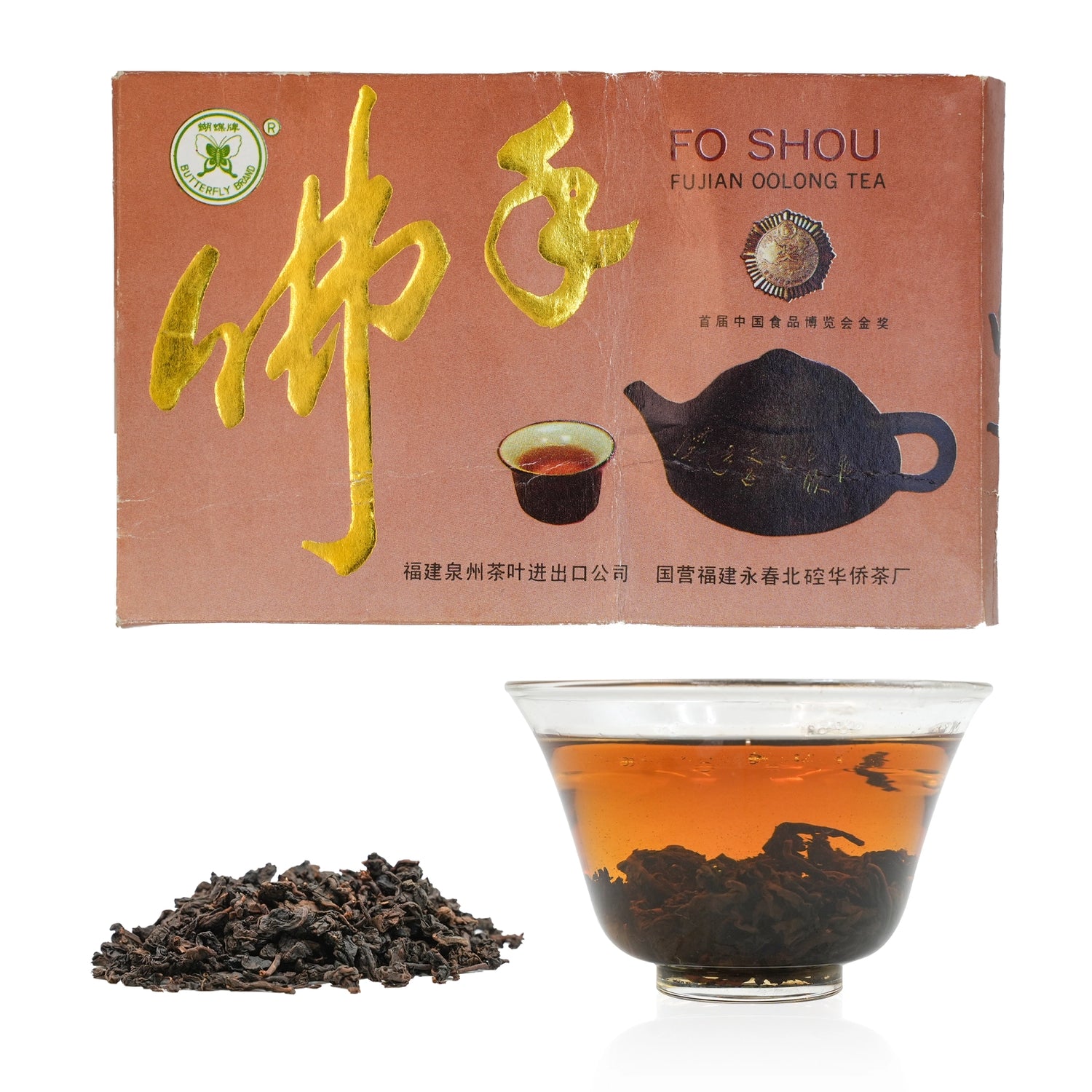
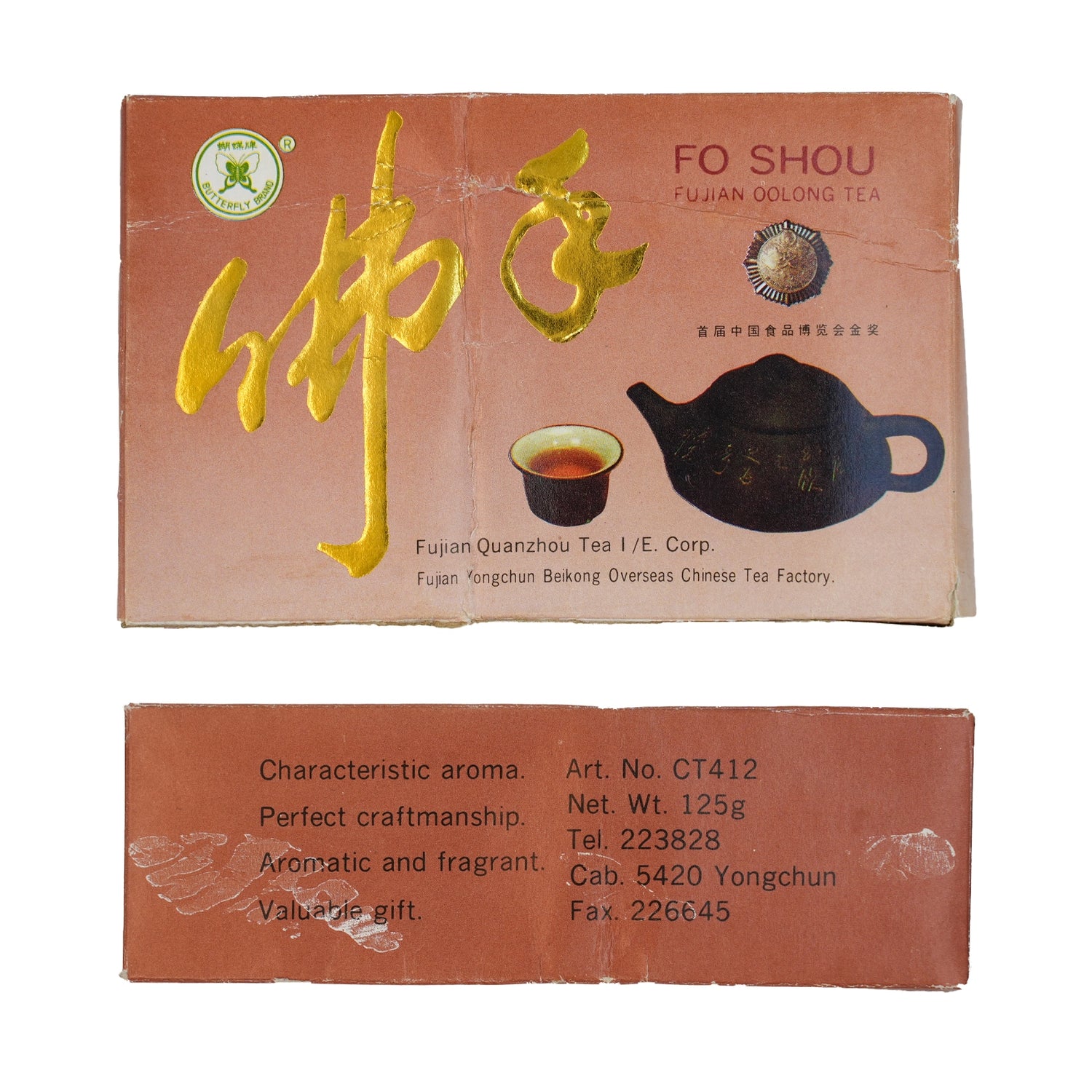
This Yongchun Fo Shou Oolong tea, produced in 1993 and naturally aged in dry storage for 33 years, is made from the Yongchun Fo Shou variety, a well-known tea type from Yongchun, Fujian Province. It was crafted by the Yongchun Beikong Overseas Chinese Tea Factory, established in 1917. This tea is handcrafted with traditional full-heat roasting and comes in its original packaging. No longer available on the market, it features a unique "aged aroma", rich sweetness and smooth texture, making it a cherished choice for lovers of aged Oolong tea.
Key Details about 1993 Yongchun Fo Shou
- Origin: Yongchun, Fujian Province, China
- Production Date : 1993
- Grade: Special Grade
- Tea Cultivar: Yongchun Fo Shou
- Craftsmanship : Traditional high-fire roasting with medium fermentation, followed by 33 years of natural dry storage in sealed outer box with an inner foil bag.
- Flavor Highlights: Warm "aged aroma" with notes of roasted nuts, complex layers of aged flavors.
What is Yongchun Fo Shou Oolong Tea?
Yongchun Fo Shou, also known as "Buddha’s Hand," is a premium variety of oolong tea grown in Yongchun, Fujian. Named after its leaves that resemble a Buddha’s hand, Yongchun Fo Shou is celebrated for its fragrant aroma, smooth taste, and exceptional aging potential. The tea is lightly twisted into a "dragonfly head" shape, with dark blackish-brown leaves indicative of traditional craftsmanship.
Brewing and Enjoyment Tips
This tea is a testament to the transformative effects of time, offering a rich, smooth, and slightly tangy flavor profile. Best enjoyed with long steeping times or simmering to fully release its aged characteristics.
Recommended Brewing Methods:
-
Gaiwan Brewing:
- 100ml Gaiwan
- 95℃-100℃
- 5-7 times
- 1:15 to 1:25
- 10~20 seconds
-
Thermos Brewing:
- 1g tea per 100ml (3.4oz) water.
- Use boiling water (212°F).
- Steeping Time: 1-2 hours.
- Tool: Insulated thermos.
-
Boiling Method:
- Add 1g tea per 100ml (3.4oz) water.
- Boil for 1-2 minutes, then let sit for 2-3 minutes.
- Rebrew by boiling 3 minutes longer with each steeping.
- Use a ceramic or glass teapot for optimal flavor.
- Enjoy up to 3-4 brews.
Storage Guidelines
Store this tea in a dry, cool environment with a humidity level below 45% and temperature below 25°C (77°F). Keep it away from strong odors, light, and air exposure. Proper storage ensures the tea retains its flavor and continues to age gracefully over time.
Weight
- 4.4oz (125g)
- Packing Type : Sealed Paper Box with Internal Foil Bag
About Yongchun Beikeng Overseas Chinese Tea Factory
Founded in 1917, the Yongchun Beikeng Tea Factory has a rich history of producing high-quality teas. Once a bustling hub of innovation and craftsmanship, the factory was home to over 1,000 tea workers at its peak, producing millions of pounds of tea annually. Its products, including Yongchun Fo Shou, were highly sought after in Hong Kong, Taiwan, Japan, and Southeast Asia.
Just as many state-owned old factories have experienced ups and downs, in the 1990s, the tea factory once fell into a slump, and the once bustling factory area gradually became desolate. The former factory director, Huang Shenghou, who had created its greatest glory and witnessed its decline, was deeply saddened by its decline and took over the factory himself after privatization.
Today, this aged Yongchun Fo Shou tea stands as a flavorful tribute to the factory's storied past and the enduring legacy of traditional Chinese tea-making.
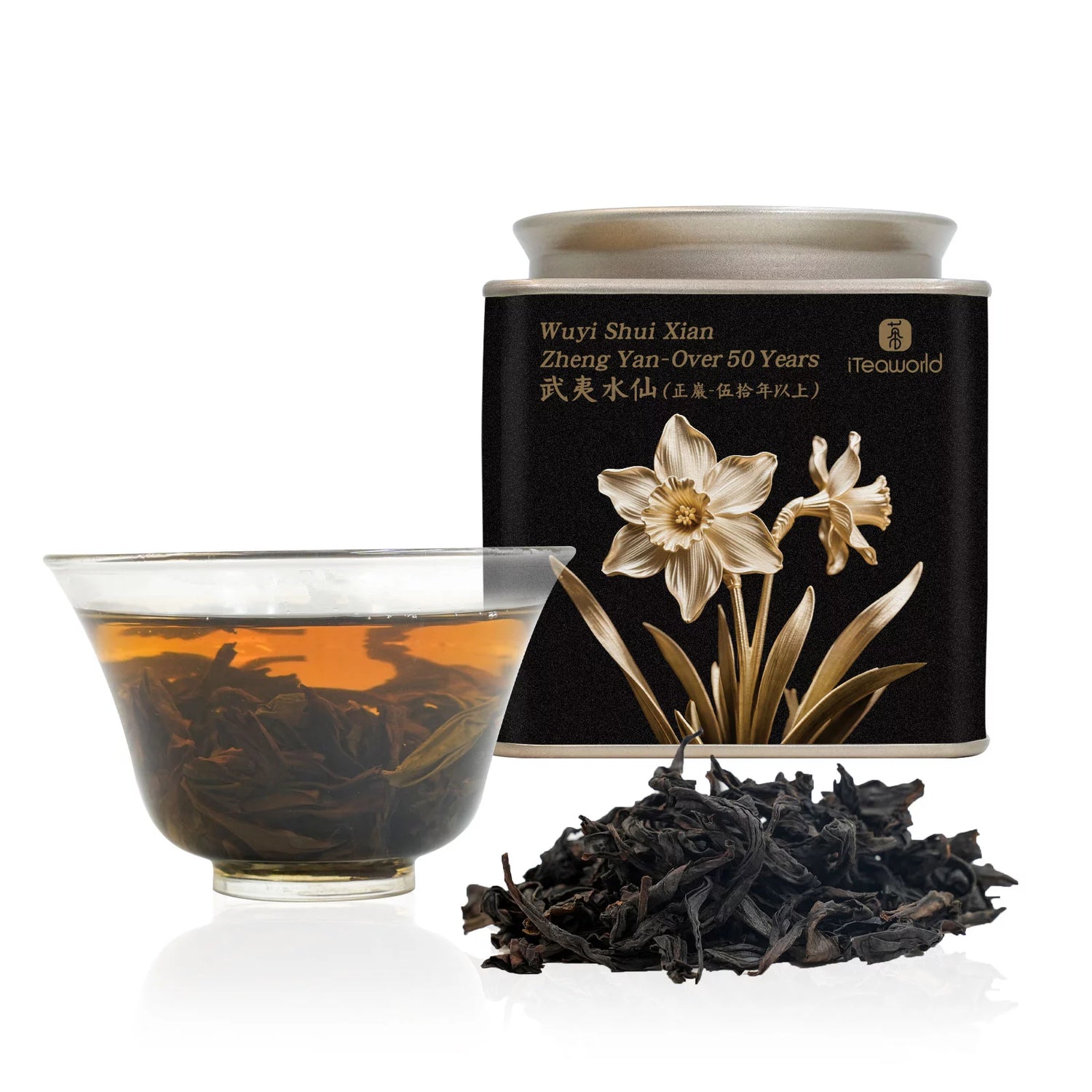
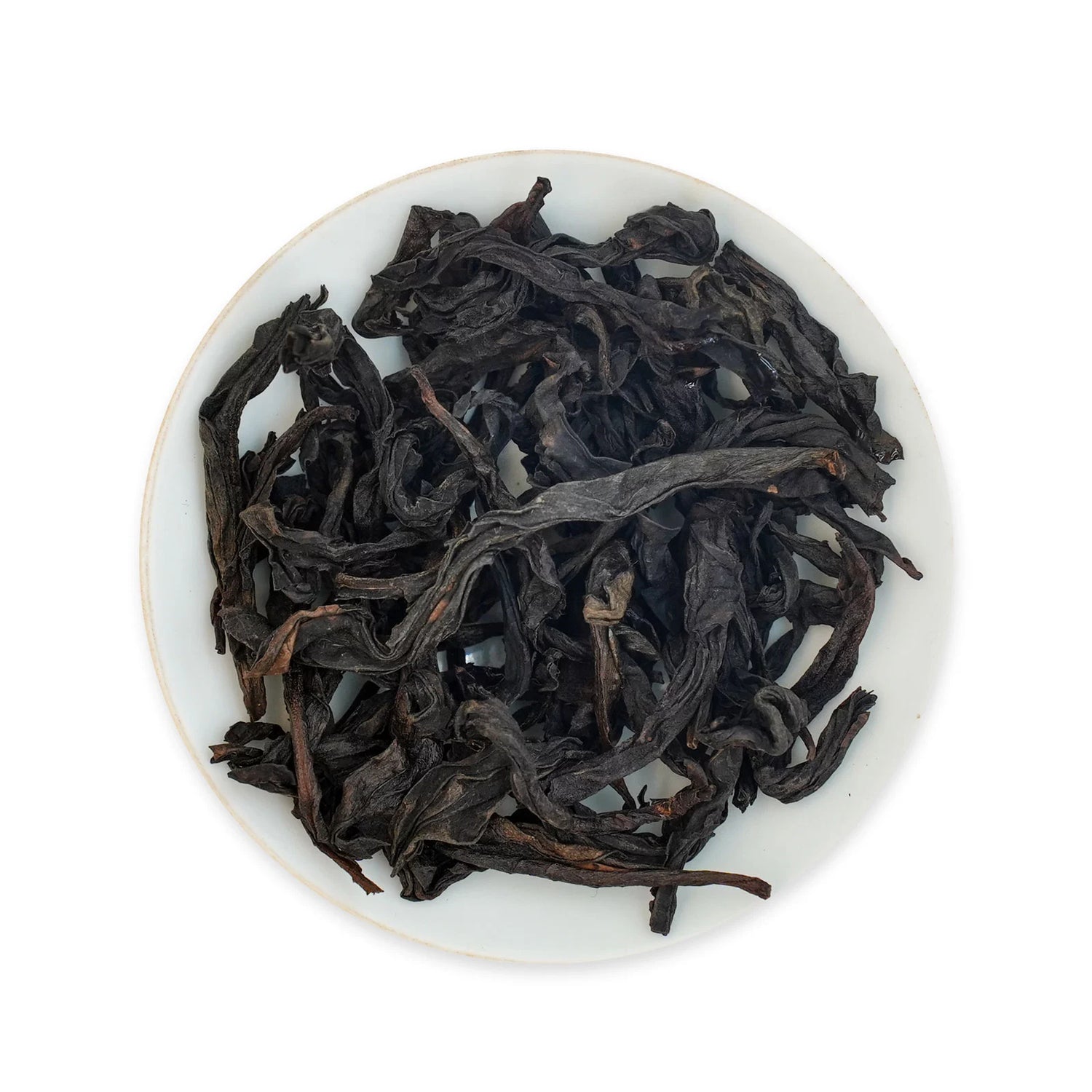
This Top Grade Laocong Shui Xian is crafted for tea drinkers who appreciate the deep, traditional character of classic Wuyi rock oolong tea. Made from leaves harvested from 50+ year-old tea trees growing in the Zhengyan region near Yunu Peak — one of the well-known scenic and tea-growing areas within the core Wuyi Mountain terroir — this tea expresses the distinctive old bush character that Shui Xian is prized for.
Compared with younger tea trees, Laocong Shui Xian develops a fuller body, deeper texture, and more layered flavor profile. The tea features pronounced woody and mossy aromas, accompanied by a smooth, velvety mouthfeel and the grounded mineral depth characteristic of authentic Wuyi Yancha. Gentle roasting adds warmth and structure without overpowering the tea’s natural complexity.
Rich, mellow, and deeply expressive, this traditional Wuyi rock tea is ideal for those who enjoy wood notes and the bold, mature character of old bush oolong teas.


This Top Grade Da Hong Pao is crafted for tea drinkers who enjoy the balance of elegant floral aroma and rich roasted depth in traditional Wuyi rock oolong tea.Compared with many heavily roasted Da Hong Pao teas, this version highlights a more expressive orchid-like fragrance while still preserving the smooth, structured character that defines authentic Yancha.
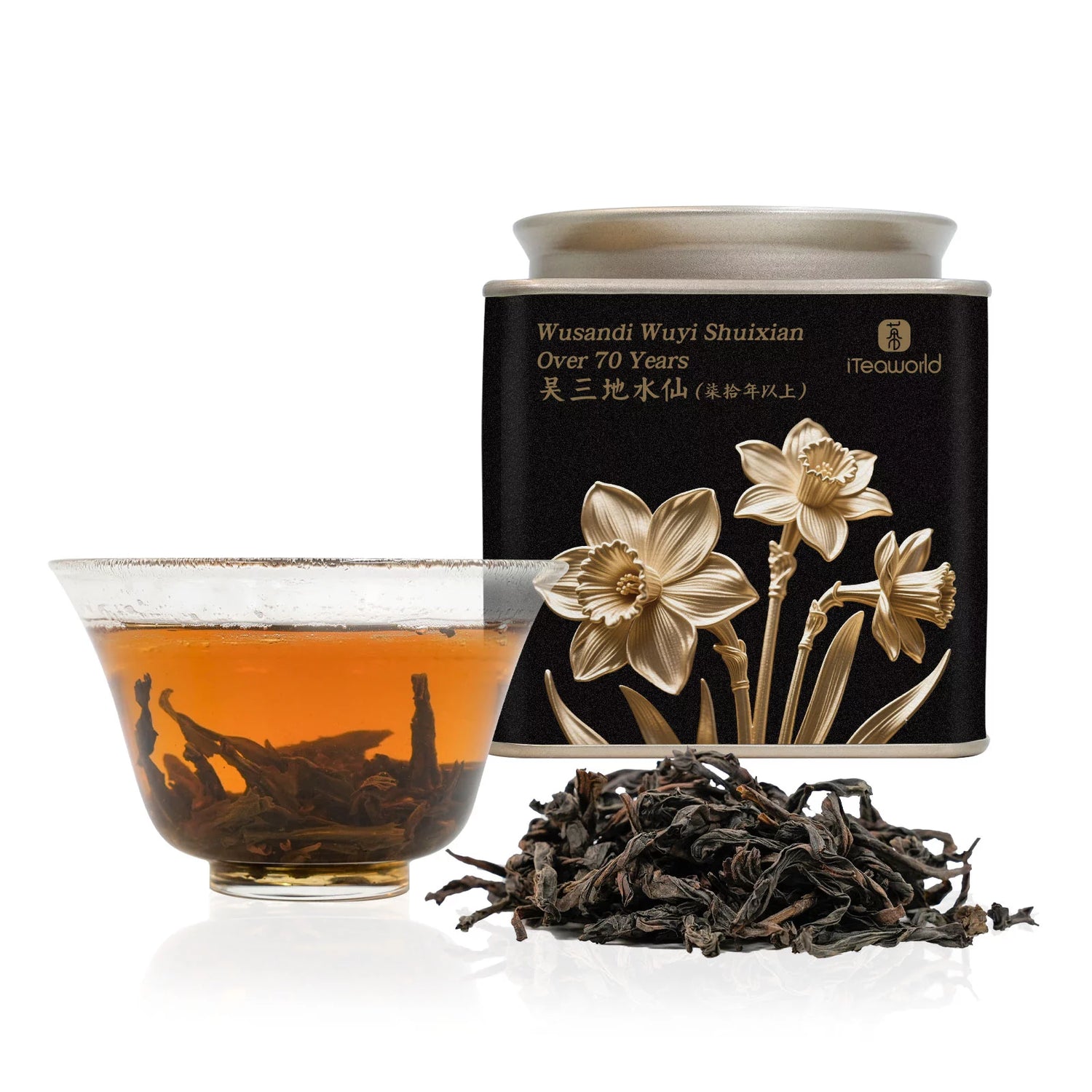
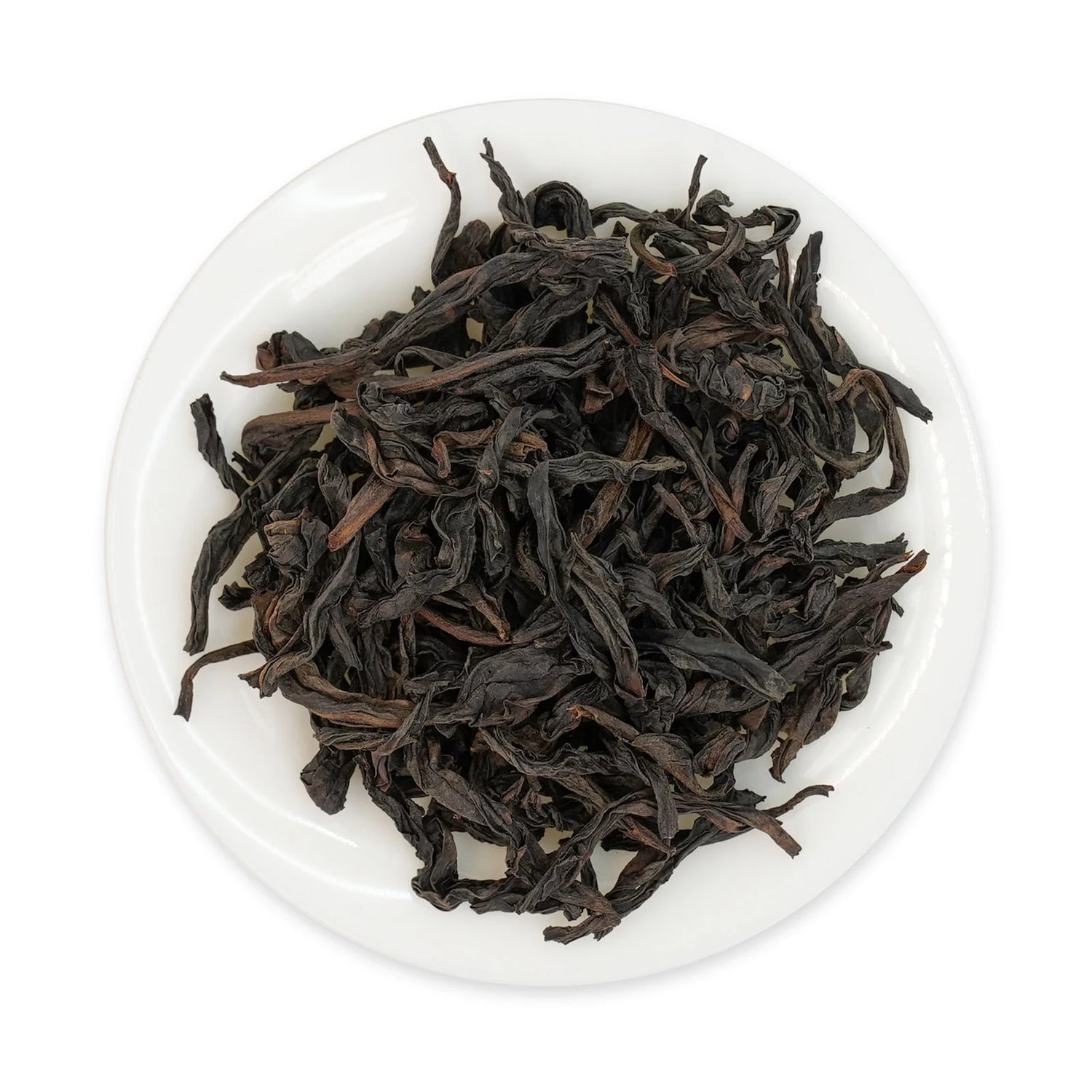
This Wuyi Shui Xian is sourced from Wu San Di, a renowned mountain terroir celebrated for producing exceptional old bush Shui Xian teas. The region is known for teas with distinctive woody aromas, mossy depth, and an exceptionally smooth, full-bodied texture.
Compared with more heavily roasted Wuyi Shui Xian teas, this version features a lighter roast that allows the tea's natural character to shine through. The liquor is brighter, smoother, and more approachable, while still retaining the rich depth and complexity that Shui Xian is known for.
Harvested from tea trees over 70 years old, the tea offers a remarkably silky mouthfeel, enhanced sweetness, and a long, lingering finish. Its balanced aroma and pronounced old bush character create a refined and deeply satisfying drinking experience.
Elegant, smooth, and expressive, this tea is ideal for drinkers who appreciate distinctive woody and mossy notes, balanced aromatics.
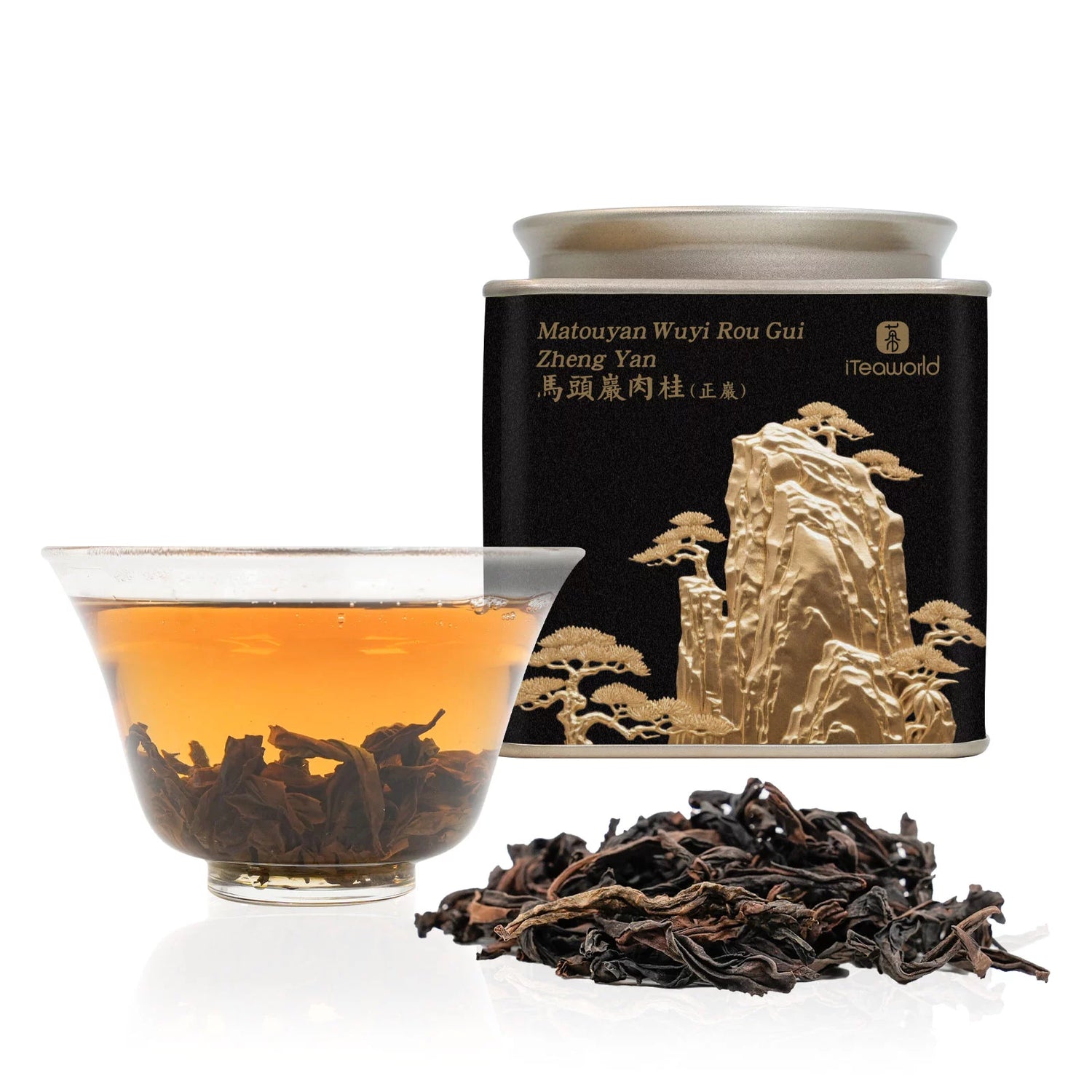
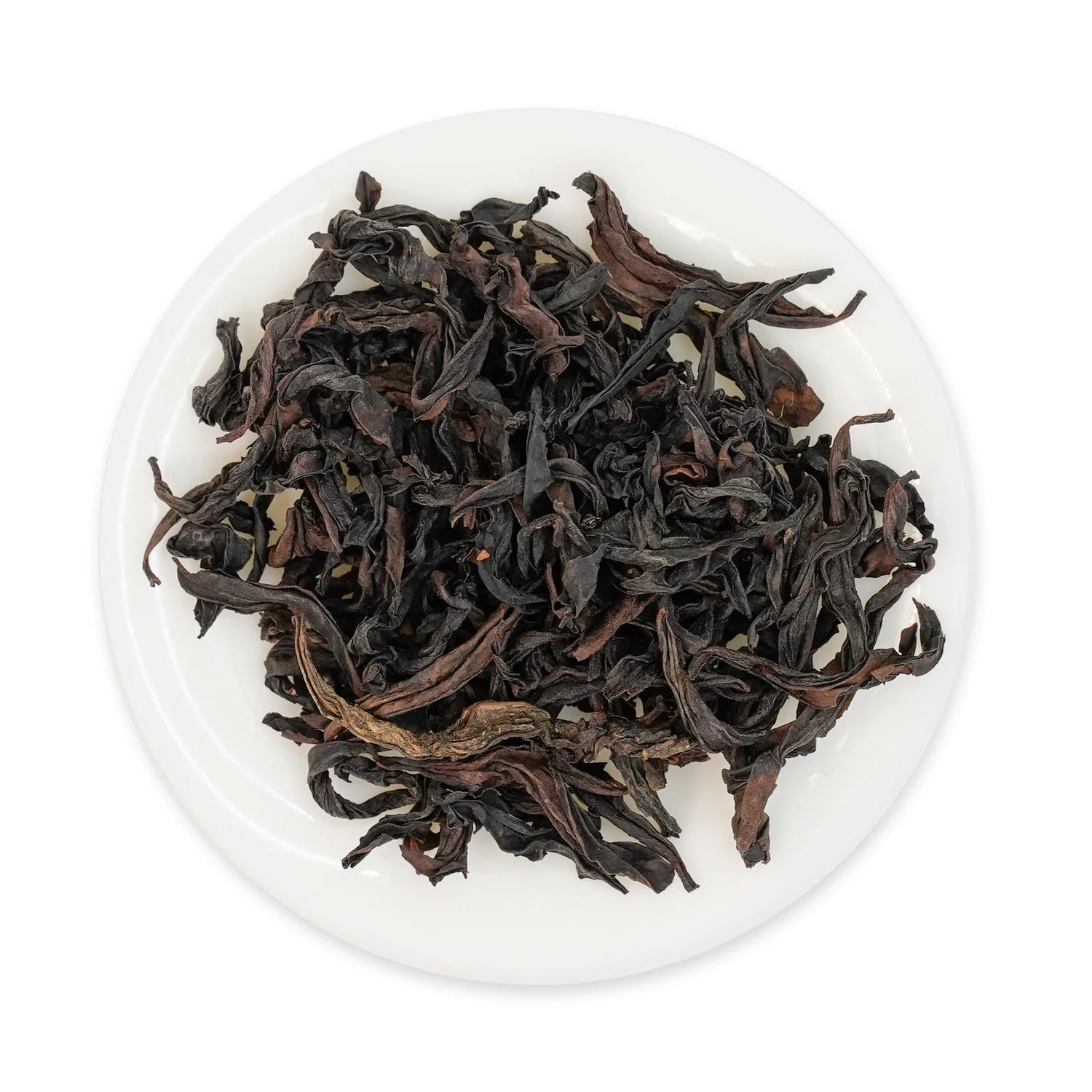
This Top Grade Rou Gui comes from Matouyan, one of the most celebrated terroirs within the core Zhengyan region of Wuyi Mountain. Renowned for producing rock teas with exceptional depth, structure, and mineral character, Matouyan is considered one of the finest origins for premium Wuyi rock tea.
This tea showcases the signature cinnamon-spice aroma that has made Rou Gui one of the most sought-after Wuyi cultivars. The dramatic canyon landscape, rocky cliffs, and unique microclimate of Matou Yan contribute to the tea's distinctive mineral-rich character and remarkable complexity.
The liquor is rich, full-bodied, and powerfully structured, with pronounced roasted notes balanced by lasting mineral depth and a long, satisfying finish. Bold yet refined, this Rou Gui delivers the commanding presence and layered character that experienced Yancha drinkers seek.
Ideal for those who appreciate traditional Wuyi rock teas with strong cinnamon aroma, robust body, pronounced roast, and the distinctive mineral character of top-tier Zhengyan terroir.
Recently viewed products
FAQs
Brewing oolong tea isn’t difficult at all—just follow a few key tips and you’ll enjoy a flavorful cup with ease:
Water Temperature: 85°C to 100°C (185°F to 212°F), depending on the tea type
Tea-to-Water Ratio: Use one mini tea cake (5g) or 1–2 teaspoons of loose leaf for every 200ml (7oz) of water
Steeping Time: Steep for about 30–60 seconds on the first brew. Increase time slightly for each additional infusion
Multiple Infusions: Oolong tea is known for being re-steepable—usually 3 to 5 times or more. Each infusion reveals new layers of aroma and taste.
Oolong tea contains a moderate amount of caffeine and is rich in polyphenols, which can help boost energy, support digestion, and promote overall wellness when consumed in the right amount.
✅ Recommended Times to Enjoy Oolong Tea:
After Breakfast (9:00–10:30 AM)
Gently wakes up your digestive system and boosts mental clarity.
- After Lunch (1:00–3:00 PM)
Helps with digestion and cuts through greasy meals—especially useful after heavy lunches. - Afternoon Tea Time (3:00–5:00 PM)
Relieves fatigue and refreshes your mind. This is one of the best times for daily tea drinking. - After Dinner (before 7:00 PM, in moderation)
You may enjoy a low-caffeine or roasted oolong (like Da Hong Pao) to aid digestion, but avoid drinking too late to prevent sleep disruption.
❌ Times to Avoid:
On an empty stomach: Oolong tea has warming properties and may increase stomach acid when consumed without food.
Within 2 hours before bed: Its caffeine content may interfere with your sleep quality.
☕ How Much Per Day?
For most people, 2 to 4 cups per day (about 10–20g of dry tea) is a healthy and enjoyable range. Since oolong tea can be steeped multiple times, you can spread out your tea sessions throughout the day.
Oolong tea is a semi-oxidized tea, positioned between green and black tea in terms of processing and flavor. This means it combines the freshness of green tea with the richness of black tea—a truly unique balance.
Green Tea is unoxidized, retaining its grassy, vegetal notes and a light, refreshing taste. It's perfect for those who enjoy a clean and delicate flavor.
Black Tea is fully oxidized, offering bold, smooth flavors with notes of honey, malt, or fruit. It’s warming and full-bodied.
Oolong Tea is partially oxidized (typically between 10% and 70%). Its flavor varies widely:
Lightly oxidized oolongs (like Tie Guan Yin) are floral and crisp.
Medium to heavily oxidized oolongs (like Da Hong Pao) are rich, roasted, and warming.
Some, like Oriental Beauty, have a sweet, honeyed aroma.
Another key difference: oolong tea is more resilient to multiple infusions than green tea. You can steep the same leaves 3–5 times or more, with each infusion gradually unfolding new layers of aroma and flavor. It’s ideal for slow sipping and mindful tea sessions.
Core Concept: Start small, focus on practice, enjoy the process.
Step 1: Get basic knowledge and beginner tea samples
Learn the basic concepts and categories of oolong tea. Buy some beginner-level tea samples to taste.
Step 2: Learn how to brew
Learn the brewing methods of oolong tea. You don’t need many tools—just start with mastering the tea-to-water ratio and steeping time.
Step 3: Taste carefully
Pay attention to the experience of each tea session—the color of the liquor, the leaves, the taste, and the aroma. This is key to understanding each type of oolong tea.
Step 4: Deepen learning and practice
Comparative tasting: Try different grades of the same type of tea or teas from different mountains.
Expand exploration: Try more oolong varieties.
Use resources:
High-quality blogs/websites: The tea brand’s official website blog, such as iTeaworld’s oolong tea blog.
Online/Offline Communities:
Reddit: The r/tea community is very active—you can ask questions, share, and read others’ tasting notes.
Local tea events/workshops.
The charm of oolong tea lies in its rich layers of aroma and ever-changing taste. For example:
Some are fresh and elegant, like Tie Guan Yin
Some are sweet and smooth like honey, like Oriental Beauty
Some are rich and mellow with a lingering aftertaste, like Da Hong Pao
What makes oolong tea special is that “the more you steep, the more flavor it reveals.” It is highly re-steepable, and each infusion shows a different character—like having a conversation with tea.
The first brew is fragrant and pleasant
The second brew is sweet and refreshing
From the third brew on, the aroma becomes softer, and the taste grows deeper
You can’t help but steep again and again, falling deeper in love with it.
Each kind of oolong tea is like a “flavor story,” combining the expression of nature with the craftsmanship of the tea master and the terroir of the mountain. The process of drinking tea is also a journey of exploration and enjoyment.
No worries! We offer a 30-day satisfaction guarantee. If the tea isn’t to your liking, you can get a refund—no returns needed. Just contact our customer service anytime. It’s a zero-risk way to explore and find the flavors you truly enjoy.
Absolutely—your safety is our top priority.
✅ Meets U.S. FDA requirements
All our teas pass mandatory radiation tests required by the FDA. Without this, they wouldn’t even clear customs.
✅ EU-level pesticide testing
Our teas have passed testing for over 500 pesticide residues. Ingredients in our Wild & Old Tree Tea Series meet EU export standards (certification in progress).
✅ From high-mountain, low-intervention gardens
We source teas from high-altitude farms with minimal human intervention, using seed-propagated heirloom varieties. These tea trees grow naturally—far from the heavy pesticide and fertilizer use found in industrial plantations.
✅ Full traceability and transparency
We share detailed origin info for each tea, down to the township, plus tea maker, harvest date, tree variety, elevation, soil type, and more. For green tea, you'll also see the leaf grade.
Can’t find what you’re looking for? Just ask our customer service—we’re happy to help.
Chat with fellow tea lovers, ask questions, and share your tea moments.
Shop with Confidence at iTeaworld

30-Day Return & Satisfaction Policy
Not satisfied? Get a refund within 15 days for taste concerns, or return unopened products within 30 days.

Free tea samples with tea order
Buy 1 get 1 sample. Buy 2 get 2. Buy 3+ get 3 free sample