
Sort by:
5 products
5 products

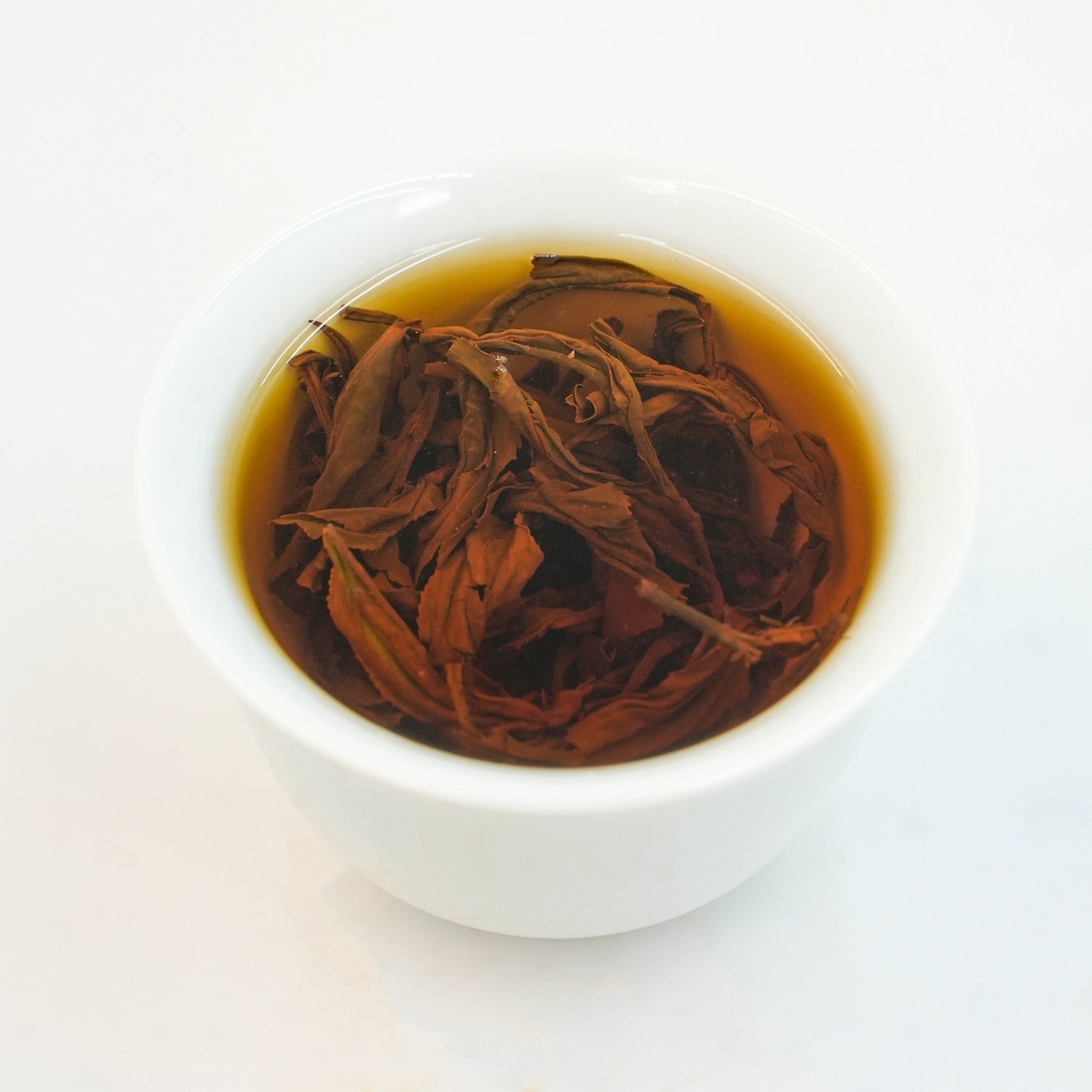
This Yunnan Ancient Tree Black Tea is made from leaves harvested from ancient tea trees in Jingmai Mountain, Yunnan. It is crafted using the traditional sun-dried black tea method (Shai Hong), where the leaves are naturally dried under sunlight instead of being dried with high heat. Unlike many heat-dried black teas, this process helps preserve a cleaner aroma and a more natural sweetness.
The mature tea trees and unique mountain environment contribute to this black tea’s smooth texture, gentle sweetness, and delicate aroma. Compared with bold, malty black teas, it offers a softer and more refined flavor profile with a clean finish.
A naturally crafted Yunnan black tea for those who enjoy subtle flavors, smooth texture.


Dianhong Golden Bud is one of the most refined varieties of Yunnan black tea, crafted from carefully selected pre-Qingming tender buds of the Fengqing large-leaf tea cultivar. Grown in Fengqing, Yunnan — a region renowned for its exceptional black tea — this tea is made using traditional Dianhong techniques to preserve the natural sweetness and rich aroma of the buds.
The dry leaves are covered with golden tips, producing a bright reddish-gold liquor. It offers a luxurious honey-like aroma, a smooth and full-bodied texture, and a naturally sweet aftertaste that lingers. Compared with Dianhong made from one bud and two leaves, Golden Bud delivers a more delicate, elegant, and refined tea experience.
Perfect for enjoying on its own, this premium Dianhong showcases the classic character of Yunnan black tea through its pure bud material, rich fragrance, and graceful sweetness.


2014 Aged Shou Mei White Tea is a traditional Fuding white tea that has been naturally aged for over 10 years, allowing time to transform its flavor and character. Made from Fuding Da Bai and Da Hao tea cultivars and crafted through traditional sun-drying methods, this tea develops a deeper aroma, smoother texture, and richer sweetness through years of natural aging.
Compared with fresh white teas that highlight floral freshness and brightness, aged Shou Mei offers a warmer and more mature expression of white tea. Its gentle aged aroma reveals notes of dried herbs, aged wood, and sweet hay, while the tea liquor becomes soft, silky, and mellow with a long-lasting sweet finish.
Pressed into convenient 5g tea cakes, each serving is easy to brew without measuring. Whether enjoyed during a quiet afternoon, after a meal, or as a daily calming ritual, this aged white tea offers a comforting and refined tea experience.


This 2018 Liubao Dark Tea comes from Liubao Town, Guangxi, one of the most renowned origins of traditional Chinese dark tea. Made from high-quality one-bud-three-leaf material and crafted through classic Liubao tea techniques, it has been naturally aged for years, allowing the tea to gradually develop a deeper and smoother character.
Through years of transformation, the tea has evolved from its original freshness into a more mature expression. Its aroma reveals earthy notes of aged wood, forest floor, and dried herbs, with a subtle sweetness developed through natural aging. The tea liquor is rich yet gentle, offering a smooth texture, mellow fermented depth, and a refreshing cooling sensation that lingers after each sip.
Liubao tea is one of China’s traditional dark teas with a history of hundreds of years. Its unique character comes from the combination of regional terroir, traditional craftsmanship, and time. This 2018 aged Liubao presents the warmth, depth, and refined smoothness that define a well-matured dark tea.


Introduction:
This Ripe Puer Tea is meticulously selected from the autumn harvest of 2020. Plucked from high-altitude tea gardens in Mengku Town, Lincang City, Yunnan Province, at elevations of over 1200 meters, this tea is made from high-quality one-bud-three-leaf material. After three years of aging, it exudes a rich, aged aroma with notes of wood, earth, and smokiness. Its balanced, mellow flavor leaves a lingering sweetness on the palate, accompanied by subtle fruity and floral undertones.
Reasons to Recommend:
- Special Processing Technique: The "wet piling" (wo dui) process is a crucial fermentation step in crafting ripe Puer tea. It involves piling sun-dried tea leaves to a certain height, sprinkling them with water, and covering them with burlap to ferment under warm and humid conditions for about 24 hours. Once the leaves reach the desired level of transformation, they are spread out to dry.
- Three Years of Aging: The aging of Puer tea is a natural process of oxidation and microbial fermentation. During this time, polyphenols, amino acids, and other chemical compounds in the tea gradually transform, developing new aromas and flavors. Ripe Puer tea further develops complex aromas and a smoother texture through aging.
- High-Mountain Tea Gardens: Grown in high-altitude tea gardens at around 1200 meters, this tea thrives in an environment where lush vegetation, organic-rich soil, and extreme daily temperature fluctuations enhance the accumulation of flavorful compounds in the leaves.
Oxidation Level: Fully fermented
Roasting Level: None
Processing Time: Spring 2020
Best Before Date: Suitable for long-term storage
Tea Variety: Yunnan Big Leaf
Recently viewed products
Shop with Confidence at iTeaworld

30-Day Return & Satisfaction Policy
Not satisfied? Get a refund within 15 days for taste concerns, or return unopened products within 30 days.

Free tea samples with tea order
Buy 1 get 1 sample. Buy 2 get 2. Buy 3+ get 3 free sample