
Sort by:
8 products
8 products


Meicha (also known as Vine Tea) is a naturally caffeine-free herbal tea made from a wild vine plant of the Ampelopsis genus in the grape family. It originates from the high mountains of the Wuling region in Zhangjiajie, Hunan, at elevations of 400–1,500 meters. Its name comes from the natural layer of flavonoid crystals that form a “white frost” on the surface of the leaves.
Rich in flavonoids, Meicha has long been used in Chinese folk tradition as an antioxidant, or to soothe the throat, relieve fatigue, and support cardiovascular health. Because it contains no caffeine, it can be enjoyed even before bedtime without affecting sleep, making it an ideal choice for tea lovers who are sensitive to caffeine or looking for a caffeine-free beverage.
This tea has a slightly bitter taste at first, quickly giving way to a strong, lasting sweetness with a refreshing sensation. After drinking, even just drinking water tastes subtly sweet for a while. Its aroma combines the freshness of wild mountains with herbal notes, clean and long-lasting. It can be brewed 3–5 times.
Our Meicha comes from Yongshun in western Hunan, a region with a natural environment similar to Zhangjiajie and also part of the Wuling Mountains. With its humid climate, misty landscapes, and excellent natural conditions, Yongshun produces high-quality Meicha with superior flavor and character. It’s the perfect choice for anyone seeking a premium caffeine-free tea.
Origin: Furong Town, Yongshun, Xiangxi, Hunan Province, China
Elevation: Above 780 m
Harvest Date: May 2025
Storage Life: 18 months
Tea Maker: Qin Dajie
How to Brew:
Water Temp: 100°C (212°F)
Brewware: Gaiwan or glass cup
Tea-to-Water Ratio: 1g per 100ml
1–2 infusions: 30-60 sec
Later infusions: Add 30 sec
Total brews: 3-5 times


This Da Hong Pao offers a bold and full-bodied flavor with a distinct charcoal-roasted aroma. Grown in the high mountains of Jian’ou, Fujian, it delivers a rich yet smooth cup with a lingering cooling sensation that stays pleasantly in the mouth after drinking.
With its warm roasted character and natural sweetness, this tea is especially suited for those who enjoy stronger flavors or regularly drink coffee. Comforting, and easy to enjoy daily, it is an approachable introduction to the world of roasted oolong tea.

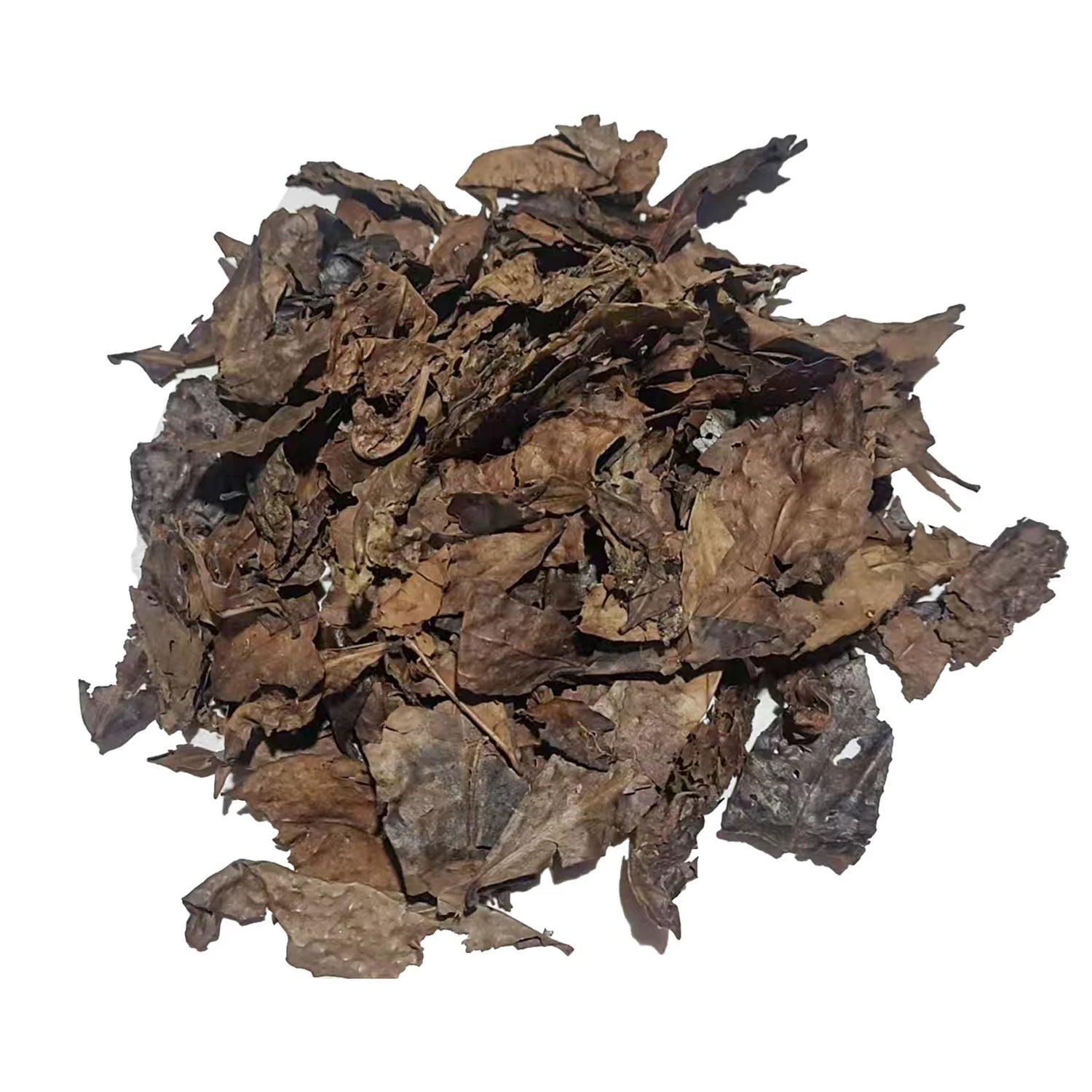
A rich and mellow Liubao tea with a cool herbal aroma, deep body, and long-lasting sweetness. The smooth, full-bodied liquor has a distinctive forest-like character, with a gentle herbal note that lingers pleasantly after each sip.
Perfect for: Tea drinkers who enjoy aged teas, herbal aromas, rich textures, and a deep, lingering finish.
Best for: Slow sipping, quiet evenings, and boiling over a gentle heat to bring out its deeper aroma and sweetness.


As one of China’s most iconic oolong teas, this Tie Guan Yin comes from high-mountain tea gardens at elevations of 800–1000 meters in its core growing region and is harvested in spring for its fresh and vibrant character.
Crafted with light roasting, the tea highlights elegant floral aromas, a clean natural sweetness, and a refreshing high-mountain finish. Compared to traditional heavily roasted Tie Guan Yin, this style feels brighter, fresher, and more floral-forward.
Compared with our everyday version, this tea offers a smoother texture, greater aromatic intensity, and a more refined drinking experience, making it especially suitable for those who enjoy expressive floral oolongs.


A Boxed Journey into the Essence of Guangdong Oolong
From the ancient Shiguping oolong crafted by the She ethnic group over 1,500 years ago to today’s highly aromatic Dancong teas, this curated set brings together six signature teas from Chaozhou, Meizhou, and Raoping—the three core regions of Guangdong. A flavorful journey through 500 years of tea-making heritage.

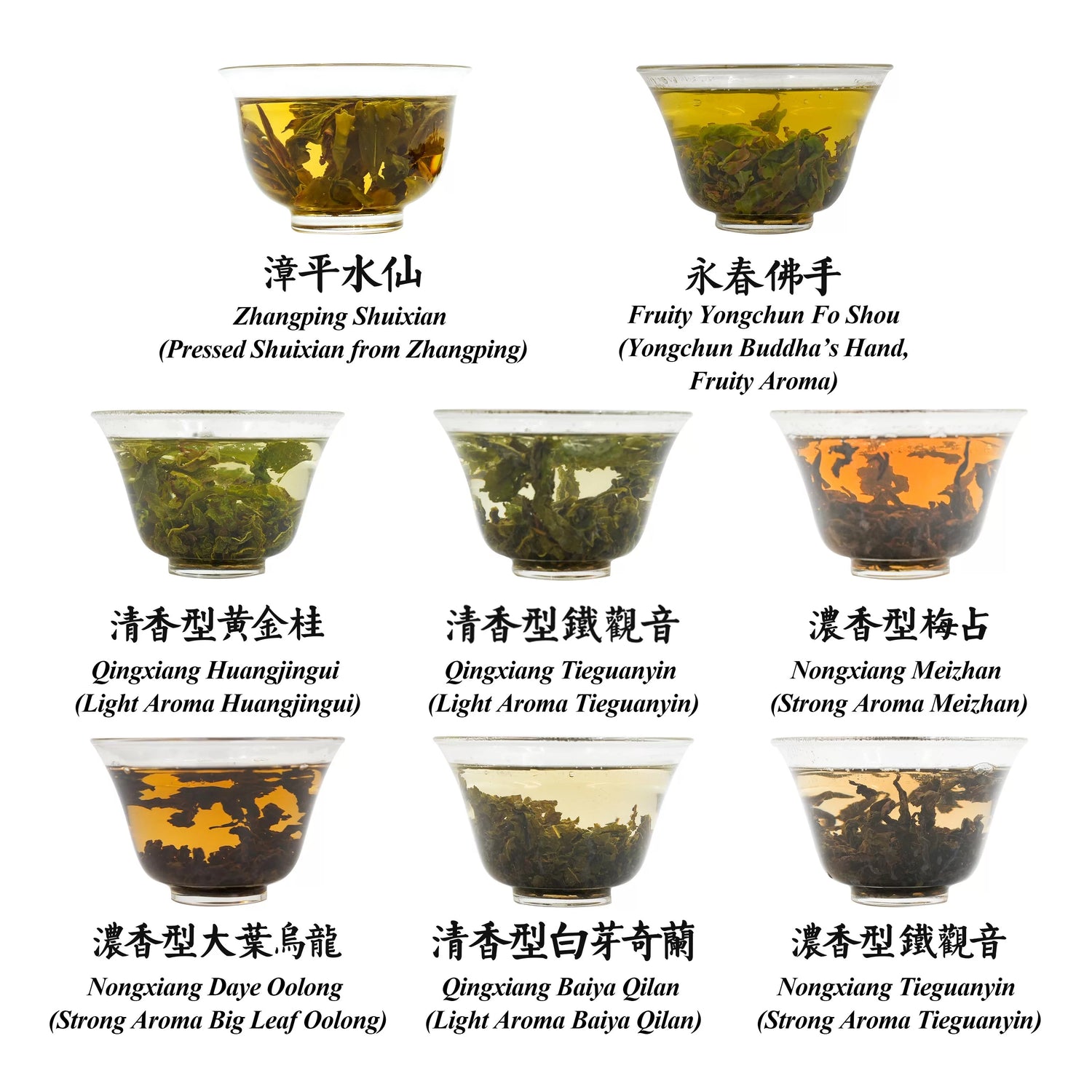
Explore the rich legacy of Southern Fujian oolong teas — home to the iconic Tie Guan Yin and Zhangping Shui Xian, both recognized as part of China’s Intangible Cultural Heritage. Since the 17th century, this region has pioneered the art of high-aroma oolongs, known for their floral, fruity, and gently roasted notes. Crafted with time-honored techniques like light oxidation, layered roasting, and meticulous leaf shaping, these teas capture the essence of Minnan tradition. Whether you're a seasoned tea drinker or just beginning your journey, this curated collection offers a true taste of oolong history.
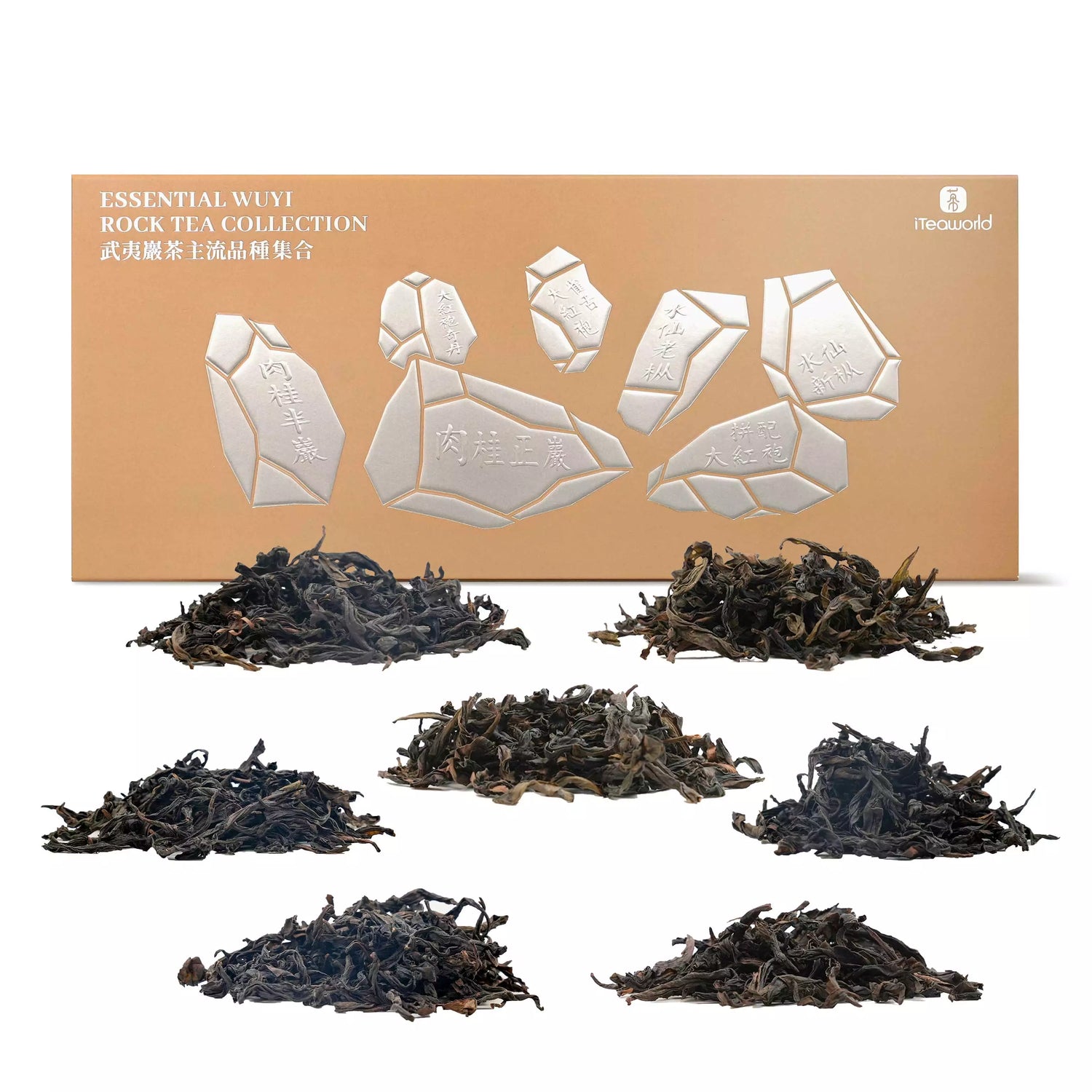
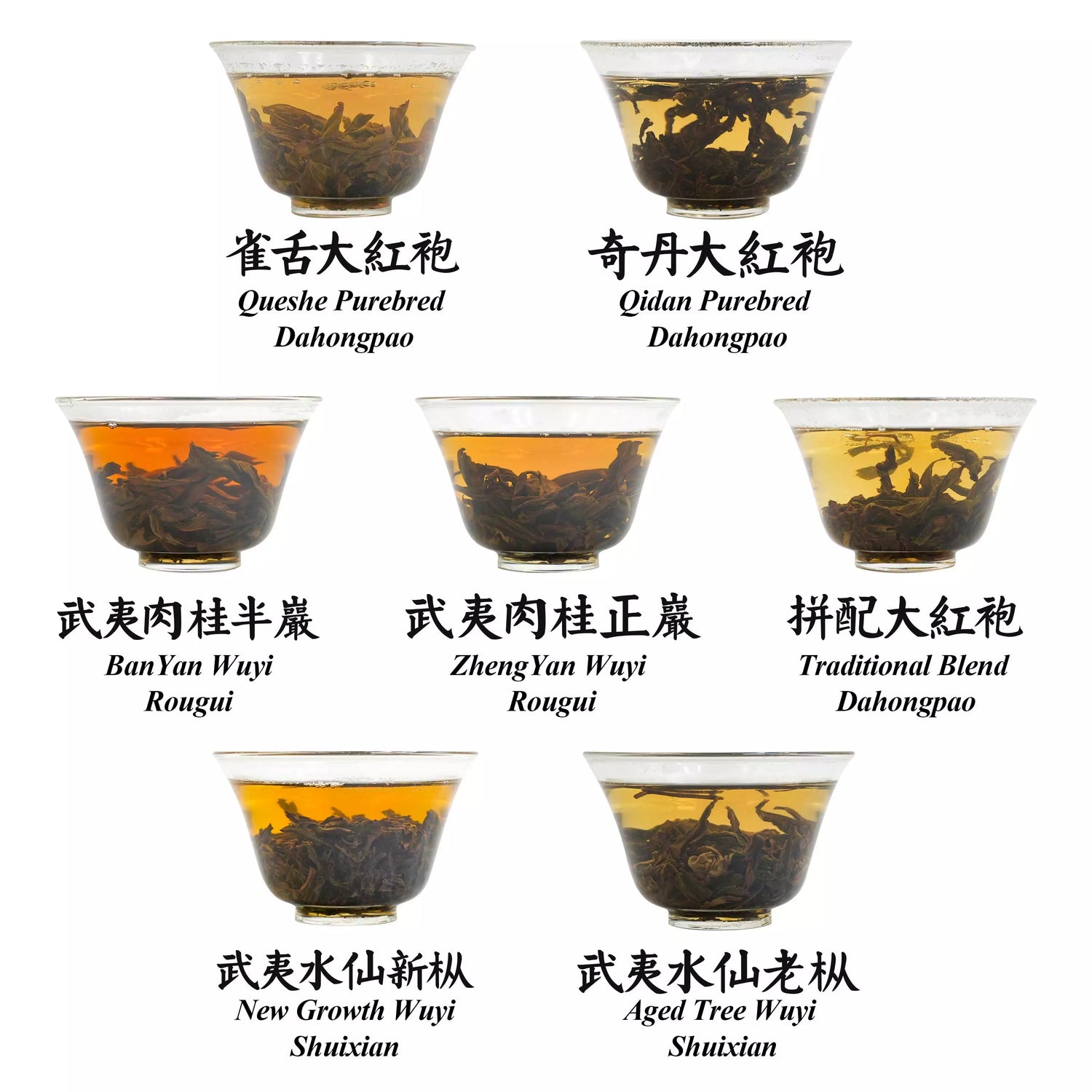
A semi-fermented oolong tea grown in the rocky crevices of Fujian’s Wuyi Mountain, renowned for its unique "rock bone floral aroma" (Yan Yun). Only tea cultivated within Wuyi City’s protected region can bear this name. Other areas (e.g., Anxi) do not produce Rock Tea.
This collection features the three most iconic Wuyi rock teas—Da Hong Pao, Shuixian, and Rougui—along with their key variations. You’ll taste the difference between blended and purebred Da Hong Pao, young and old Shuixian trees, and core vs. semi-core Rougui. A guided journey into the depth and complexity of Wuyi rock tea.
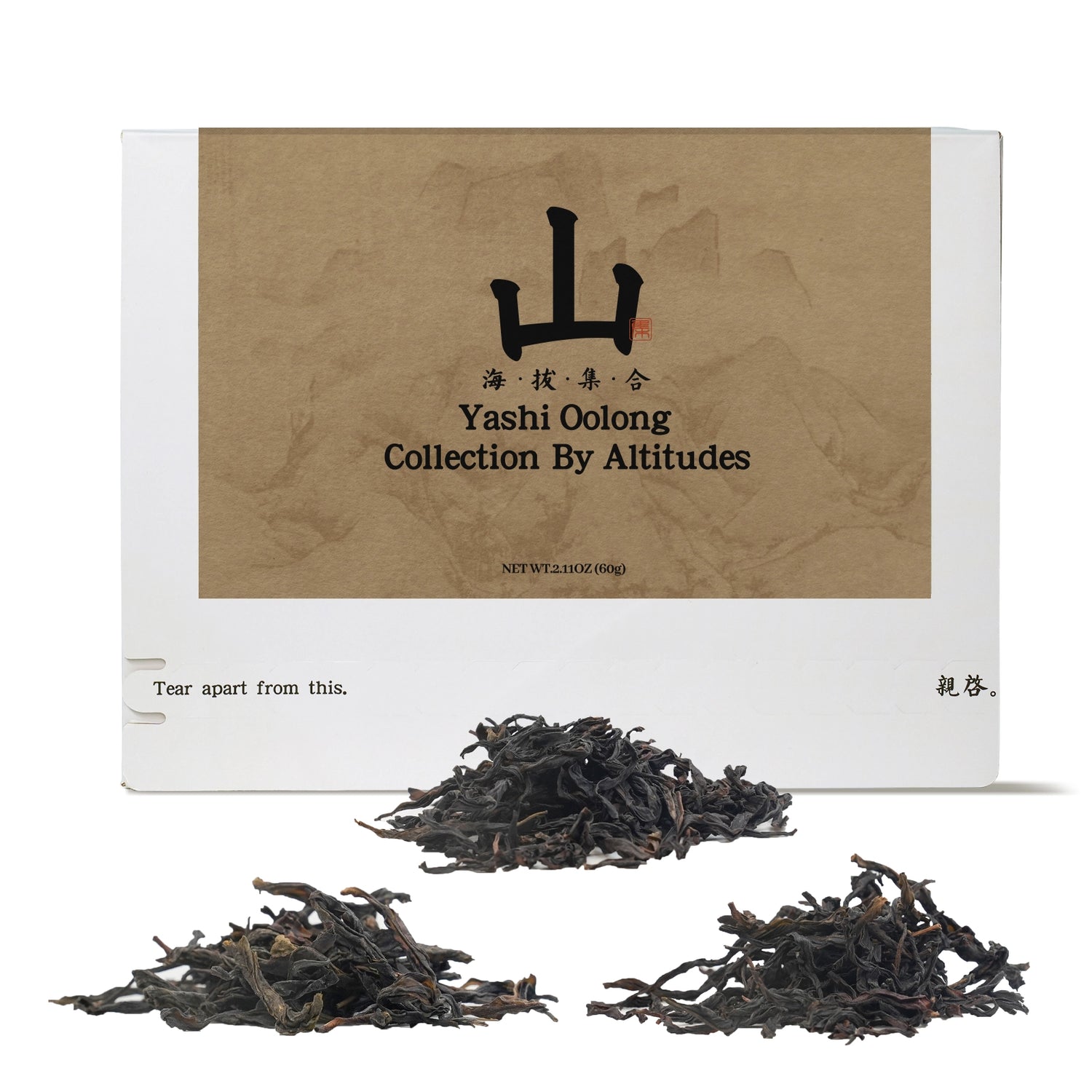
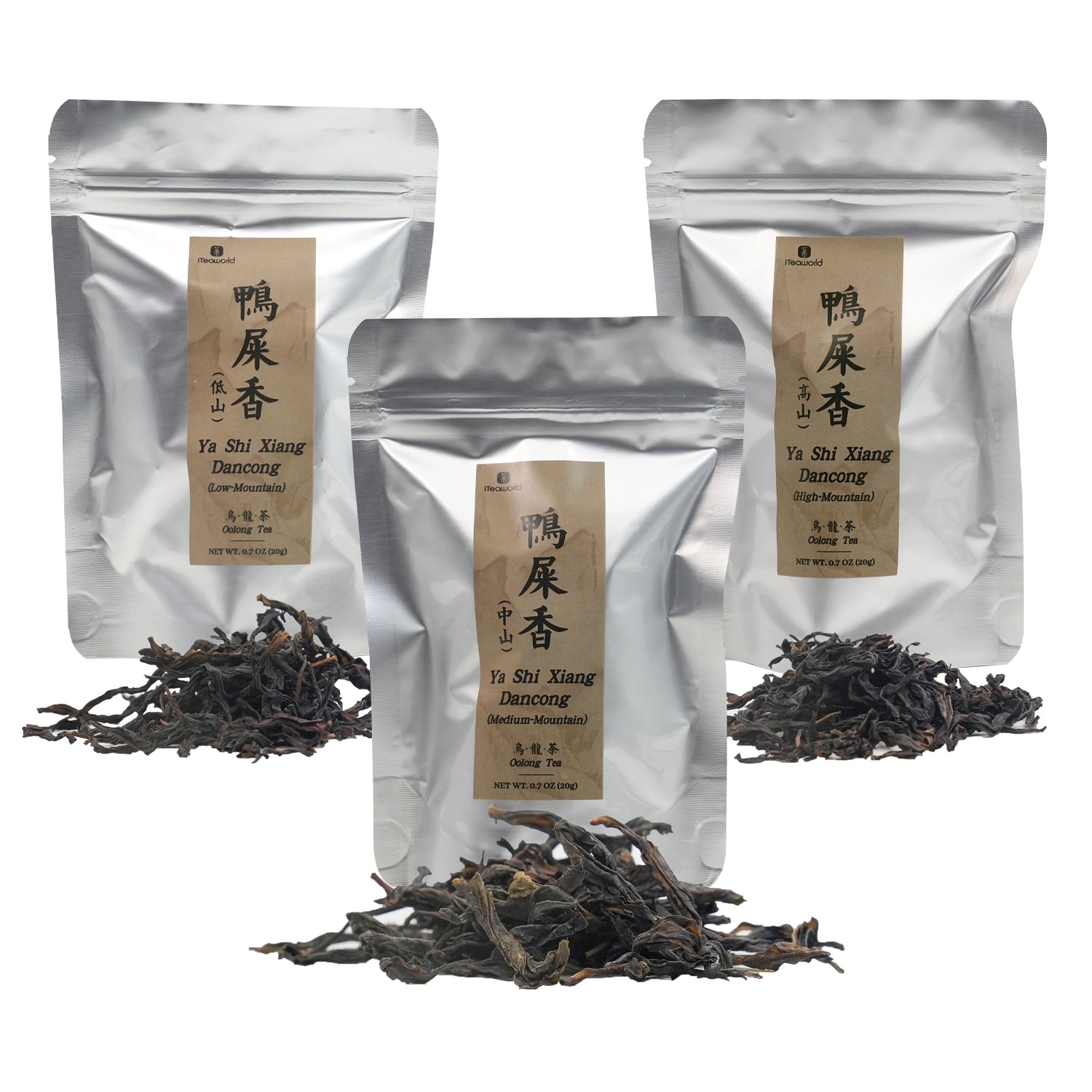
Ya Shi Xiang is one of the most aromatic Dancong oolong teas from Fenghuang Town in Chaozhou, Guangdong, China, known for its naturally expressive floral fragrance and layered complexity.
This collection explores how elevation shapes the character of the same tea. All teas are made from the same Ya Shi Xiang cultivar and crafted by the same tea master, but sourced from different altitudes within the Phoenix Mountains.
As elevation increases, temperature, sunlight exposure, and growing conditions naturally shift, creating subtle yet noticeable differences in aroma intensity, structure, and mouthfeel.
Rather than a single expression, this set offers a guided tasting experience that reveals how geography influences the personality of the same tea in different environments.
Taste them side by side and experience how altitude transforms aroma, texture, and finish.
Recently viewed products
Shop with Confidence at iTeaworld

30-Day Return & Satisfaction Policy
Not satisfied? Get a refund within 15 days for taste concerns, or return unopened products within 30 days.

Free tea samples with tea order
Buy 1 get 1 sample. Buy 2 get 2. Buy 3+ get 3 free sample