
Sort by:
139 products
139 products
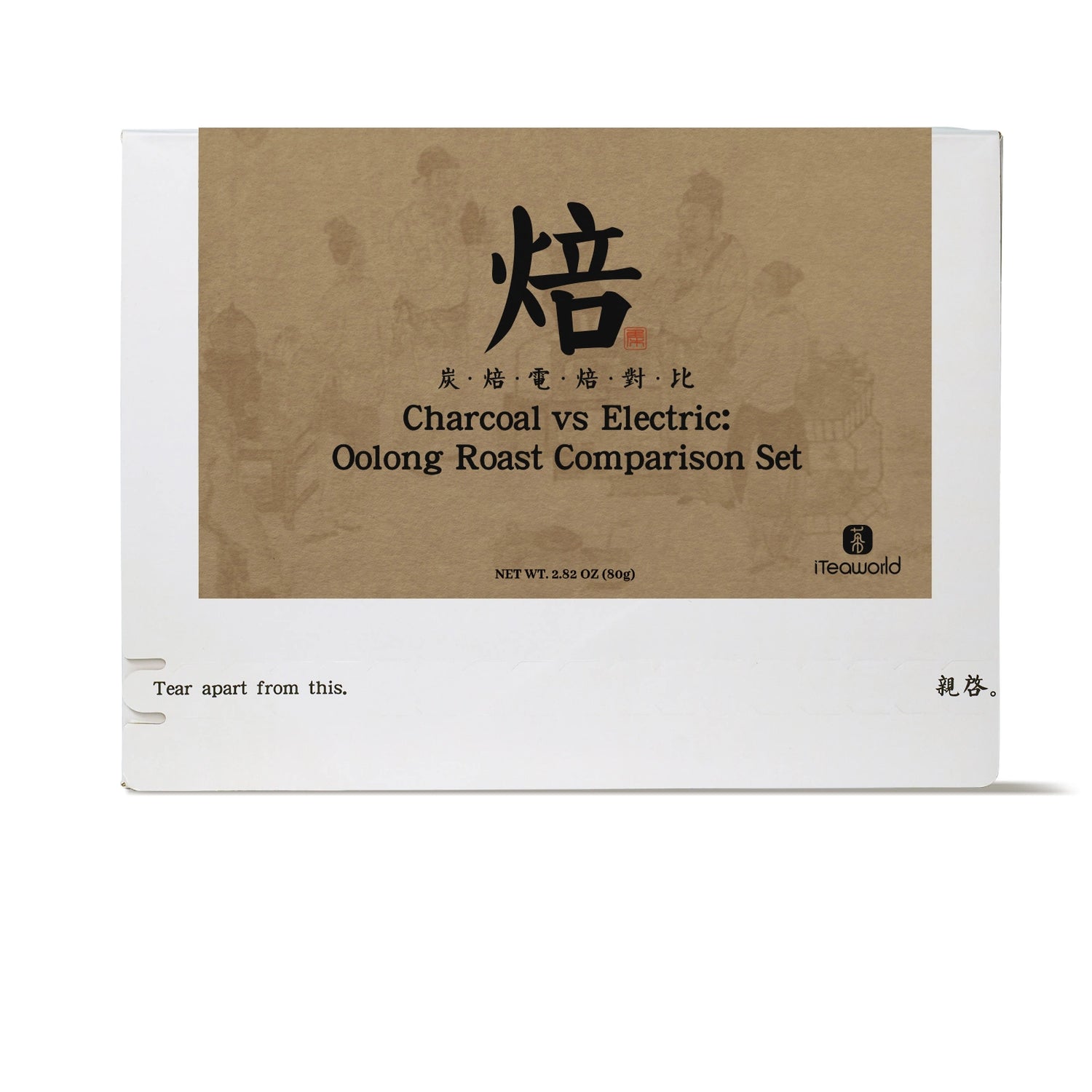
Oolong tea roasting is where tradition and modern technique diverge. For centuries, tea masters have relied on slow charcoal fire to shape depth and complexity. Today, electric roasting offers precision, consistency, and a cleaner aromatic profile.
This collection compares both roasting philosophies through two iconic oolong teas—Wuyi Rougui from Fujian and Phoenix Dancong from Guangdong. Each tea is prepared in two versions: charcoal-roasted and electric-roasted.
Charcoal roasting enhances depth, body, and complexity, while electric roasting highlights freshness, clarity, and floral brightness. Together, they reveal how fire alone can transform the same tea into two completely different experiences.
Taste them side by side and explore how roasting defines the soul of oolong tea.


Curious about the different flavors of Tieguanyin?
This legendary Chinese oolong has evolved through generations of craftsmanship, creating diverse expressions—from fresh and floral & fruity, to roasted, and aged.
Explore four authentic Tieguanyin styles side by side and discover how one tea can tell many stories.


This Yunnan High Mountain Green Tea is grown at around 1,200 meters in Mengku, Lincang, Yunnan, and made from spring-picked Fengqing large-leaf tea plants. Unlike lighter green teas, it offers a bolder and more structured green tea experience.
The tea has a rich floral aroma, full-bodied liquor, and a lingering aftertaste, with a gentle bitterness reminiscent of young raw Pu-erh—but fresher, brighter, and more refreshing. It is ideal for tea drinkers who enjoy strong tea flavor, noticeable body, and a more distinctive Chinese green tea character.


Shape Discovery: Witness the Art.
Compare Leaf Shapes & Unfurling. Observe how Spiral, Strip, Needle, and Ring forms change the way tea dances in your cup. Each shape influences the brewing speed and texture, offering a unique visual and mouthfeel experience.


Sweet Tea, also known as Yao Tea, is a naturally sweet, caffeine-free herbal tea made from the young leaves of Lithocarpus litseifolius, a unique plant native to southern China. It has been enjoyed for generations in the mountain regions of Hunan.
What makes this tea special is its natural sweetness. The young leaves are rich in naturally sweet compounds called dihydrochalcones, which give the tea its distinctive sweet taste without added sugar. The leaves are processed using a black tea-style oxidation method, making the tea smoother and more mellow, with a light herbal aroma and a flavor reminiscent of black tea.
The tea has a clear, sweet taste with a smooth finish, and its sweetness remains noticeable even after multiple infusions. Naturally caffeine-free, it is a great choice for tea lovers who enjoy a naturally sweet tea and want something comforting to drink at any time of day, including in the evening.


A refreshing blend of Tieguanyin oolong and fresh gardenia flowers, offering a bright floral aroma with a smooth, candy-like sweetness.
Popular in China’s modern tea scene, Gardenia Oolong has captured the hearts of younger tea drinkers with its unique combination of floral elegance and refreshing character.
Every July, fresh gardenia flowers are harvested in Qingxi Town, Leshan, Sichuan, and carefully scented with Tieguanyin through three traditional scenting rounds. This process allows the gardenia’s delicate fragrance to naturally merge with the tea’s gentle sweetness, creating a smooth and harmonious cup with a clean finish.
The lingering aroma makes it enjoyable through multiple infusions, while its refreshing character shines especially well as a summer tea. Brew it hot for a silky floral experience, or cold brew it to bring out its crisp, refreshing taste.


Chinese Tea Starter Set is designed for anyone new to Chinese tea. Guided by our Flavor Discovery System, it features four iconic teas that represent the most distinct flavor profiles in Chinese tea.
From Fresh & Refreshing(Longjing) and Floral & Fruity (Mi Lan Xiang Dancong) to Roasted & Rich (Da Hong Pao) and Smooth & Mellow (2003 Ripe Pu-erh), each tea offers a different tasting experience.
Discover your favorite flavor, gain confidence in exploring loose-leaf tea, and begin your journey into the world of Chinese tea.


Origin Discovery: Taste the Land.
Compare Regional Terroirs. Explore the distinct characters of Fuzhou, Hengzhou, Yunnan, and Sichuan. Discover how different soils and climates naturally influence the base tea and the way it carries the jasmine scent.


Winter invites us to enjoy richer, heartier meals and cozy comforts. But these indulgences can often leave us feeling heavy and sluggish. Now, more than ever, your body craves a gentle aid to restore balance and lightness.
The "After-Meal Digestive Picks" collection is your essential winter wellness ritual. We've curated seven teas renowned in Chinese tradition for their digestive benefits. Instead of simply ending a meal, let these teas be your warm, soothing companion to ease discomfort, cut through richness, and leave you feeling comfortably light and settled.
Why These Teas Are Perfect for Winter
Winter's hearty diets and less active lifestyle make mindful digestion key. This collection is rooted in centuries of Chinese culinary wisdom, focusing on two categories celebrated as natural digestive aids:
1. Rock Oolongs: The Natural "Grease Cutter"
Featured Teas: Wuyi Rou Gui (Ban Yan), Wuyi Rock Tea 'Golden Peony', Wuyi Rock Tea 'Rui Xiang 305'.
The Winter Reason: In regions like Fujian, a pot of robust, warmed Rock Oolong is the traditional answer to rich, celebratory winter feasts. Their baking process creates a toasty, warm character that perfectly complements the season, while their complex profiles are known to help metabolize fats and relieve that overstuffed feeling.
2. Dark Teas & Aged White Tea: The Soothing "Gut Harmonizer"
Featured Teas: Liupao Dark Tea, Ripe Pu-erh, Anhua Dark Tea, Jasmine Liupao, 2014 Aged Shou Mei.
The Winter Reason: In Northern China and border regions where winter diets rely on meat and rich foods, Dark Tea (Pu-erh, Liupao, Anhua) is a daily staple for good reason. Through post-fermentation, these teas become exceptionally mellow and warming. They are prized for gently soothing the stomach and aiding digestion, making them ideal for managing heavier winter meals. The 2014 Aged Shou Mei, having matured into a warm and sweet profile, offers similar gentle comfort. The Jasmine Liupao adds a unique floral lift, cutting through winter's richness with a refreshing aroma.
In summary, this collection focuses on teas that are warming, smooth, and traditionally used to support digestion. They are not just a beverage, but a practical and comforting wellness practice for the winter season, helping you feel your best even while enjoying the coziness of the season.
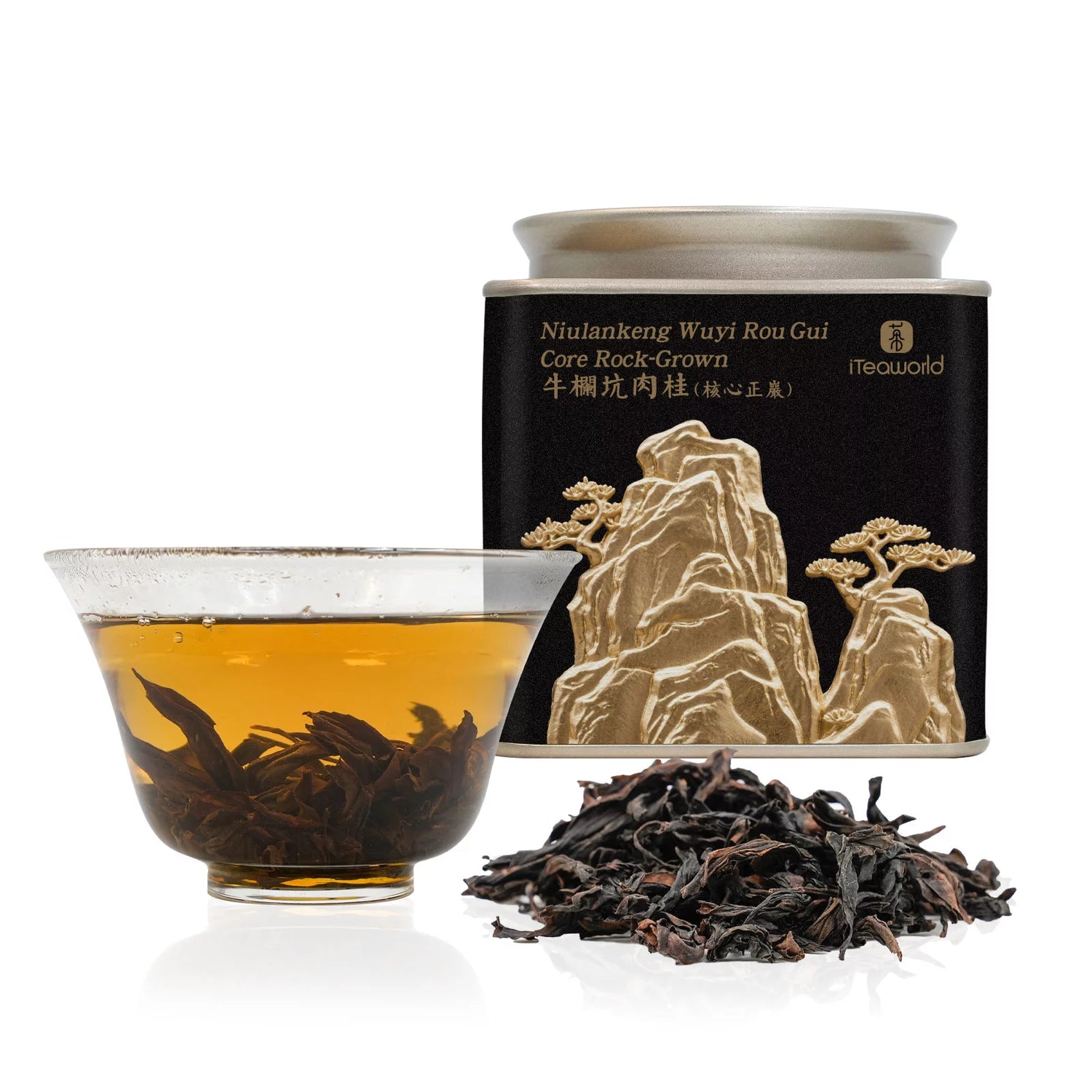
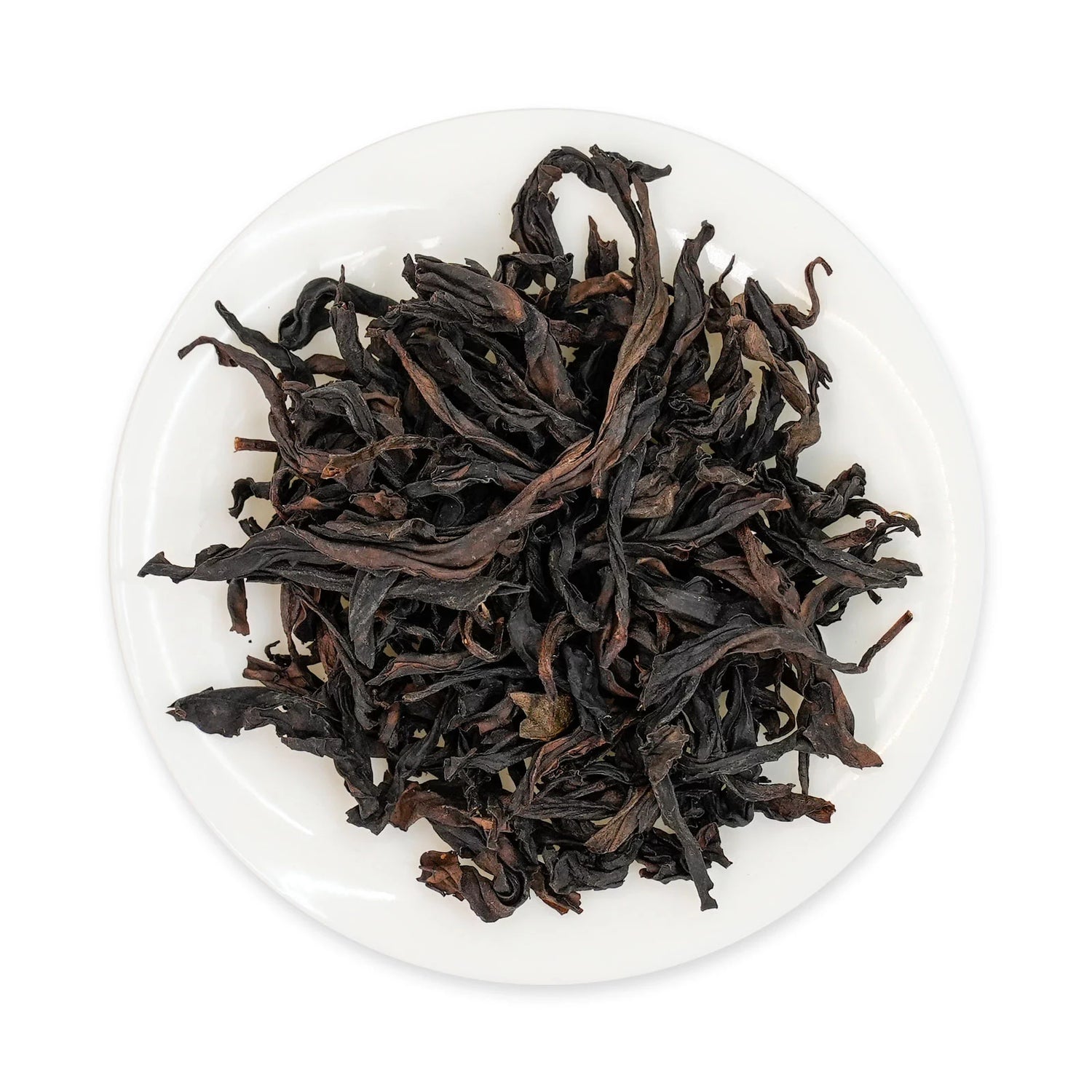
Niu Lan Keng is one of the core Zhengyan producing areas of Wuyi Rock Tea, belonging to the famous “Three Pits and Two Ravines.” The area is nourished year-round by flowing streams from rock crevices, with high humidity, misty air, limited sunlight inside the pit, and mineral-rich soil. These conditions create a cool, shaded environment ideal for tea trees.
The Wuyi Rougui produced here—often referred to as “Niu Rou”—is highly prized for its rarity and extremely limited yield, earning it the title “King of Rock Tea.” Its signature cinnamon note is sharp, bold, and highly penetrating, layered with osmanthus, floral, and fruity aromas. Unique to Niu Lan Keng, it also carries a distinct “ravine character”—a mossy, mineral freshness reminiscent of a primeval forest—which adds depth and authenticity to its terroir expression.
On the palate, it strikes a balance of strength and finesse: the cinnamon’s spicy sharpness is complemented by a smooth, delicate liquor, hiding inner power. The rock rhyme is pronounced, with a quick and lasting sweet aftertaste.
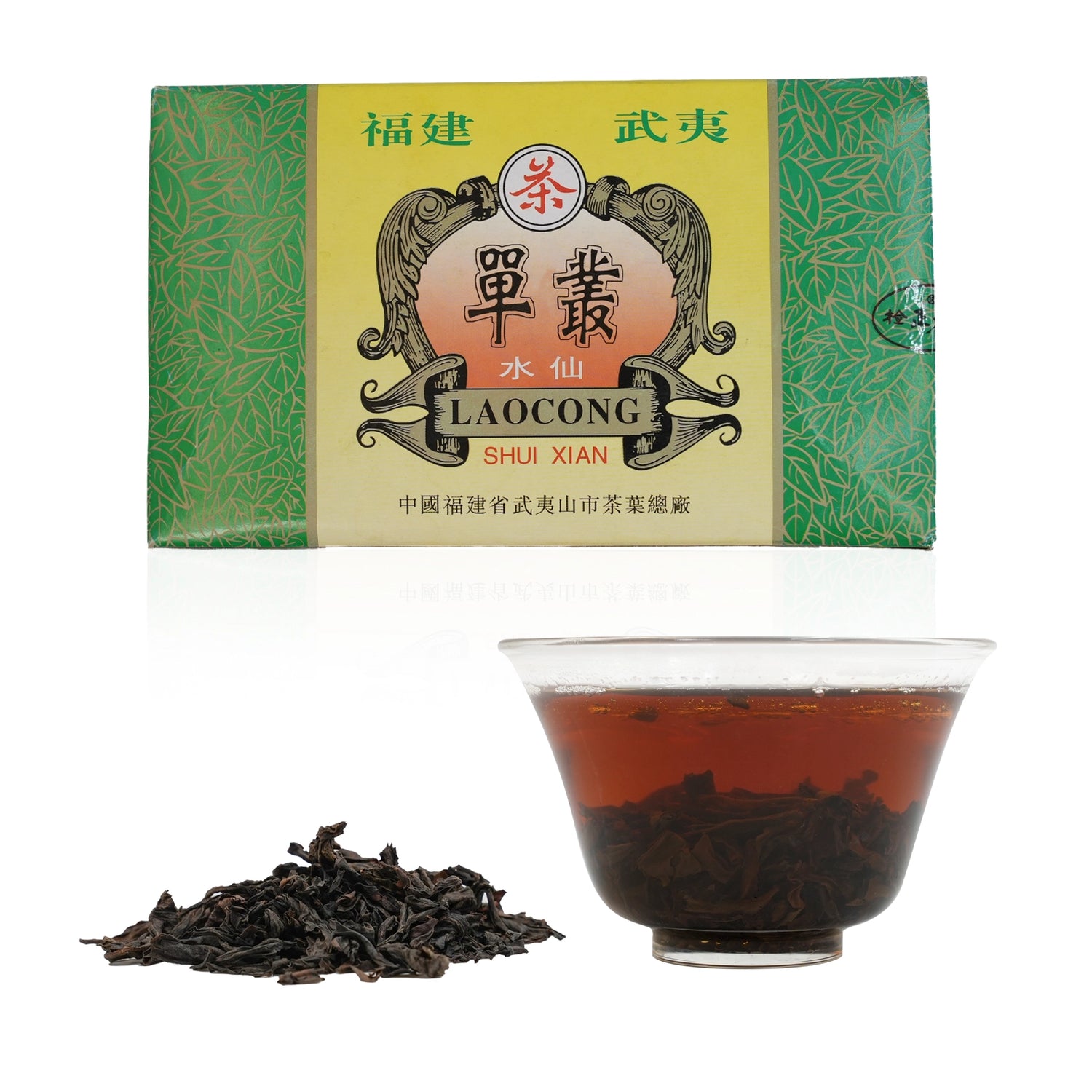
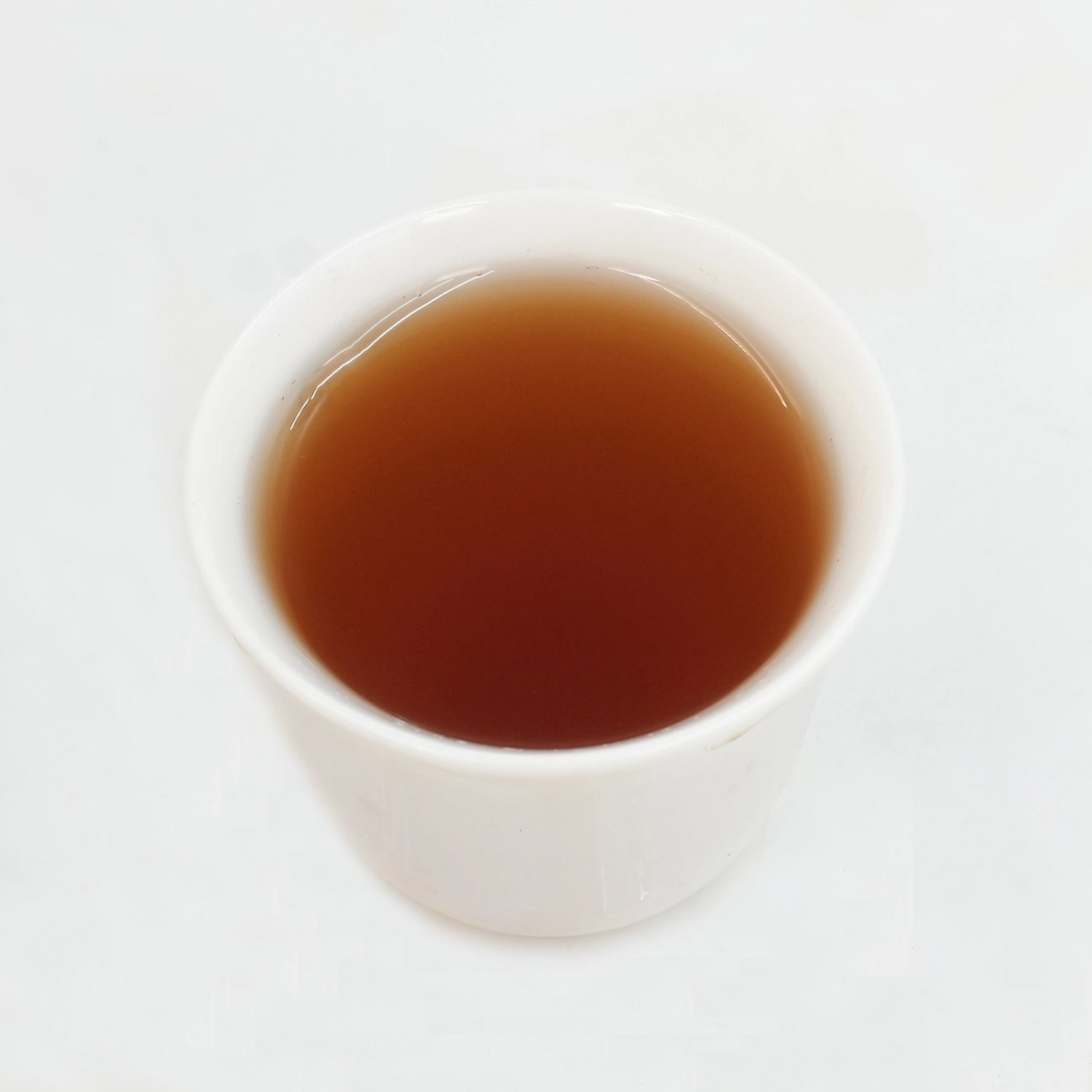
During the aging and transportation process of aged tea, the packaging and the tea itself may get damaged. Please be cautious when purchasing if you mind this.
Recommended Purchase
This 1996 Aged Dancong Shui Xian Oolong Tea is crafted from Shui Xian tea cultivars grown in the famous Wuyi Mountain region of Fujian, China. Produced by the Wuyi Mountain Tea Factory, this tea has been naturally aged in dry storage for 30 years. It is known for its rich, sweet aroma with notes of roasted sweet potato and fruit, and the distinctive floral fragrance of orchids. The tea liquor is a vibrant, deep orange, and the taste is thick, with a noticeable acidity that gives way to a refreshing aftertaste. This product is in its original packaging and is no longer in circulation on the market.This tea is ideal for those who appreciate the complexity of aged Wuyi rock teas and are looking for a bold, full-bodied flavor.
Key Details about 1996 Aged Dancong Shui Xian
- Origin: Wuyi Mountain, Fujian Province, China
- Production Date: 1996
- Grade: Special Grade Dancong
- Tea Cultivar: Shui Xian
- Craftsmanship: Medium roasting, medium oxidation, light rolling
- Flavor Highlights: Sweet aroma with roasted sweet potato, fruit, and floral orchid notes, thick and refreshing taste with acidity
- Storage: Naturally dry-aged, sealed packaging for optimal preservation
What is Dancong Shui Xian Oolong Tea?
Dancong Shui Xian is a type of Wuyi rock tea, known for its intense, complex flavor profile. Shui Xian is one of the most well-known cultivars in Wuyi Mountain and is prized for its unique floral and fruit-like aroma. The tea undergoes a moderate level of oxidation and is roasted to bring out its robust flavor. Aged Shui Xian Oolong offers even deeper complexity, with the floral, fruity notes mellowing into more nuanced, savory characteristics. This makes it a perfect choice for tea connoisseurs who appreciate both freshness and the depth of aged tea.
Brewing and Enjoyment Tips
Aged Shui Xian tea is best enjoyed using Gongfu brewing or boiling methods, which can bring out the full range of aromas and flavors. The tea has excellent durability, so it can withstand multiple brews.
How to Brew 1996 Aged Dancong Shui Xian Oolong Tea
- Gongfu Brewing Method
-
- Tea-to-Water Ratio: 6g tea per 100ml water
- Water Temperature: 95-100°C (203-212°F)
- Steeping Time: 10-15 seconds for the first brew, increase time for each subsequent brew
- Recommended Tool: Porcelain Gaiwan or Yixing Clay Teapot
- Tea-to-Water Ratio: 6g tea per 100ml water
- Boiling Method
- Tea-to-Water Ratio: 3g per 100ml water
- Process: Boil the tea for 3-5 minutes, then simmer for 2-3 minutes
- Rebrewing: Extend boiling time by 2-3 minutes for each subsequent brew
- Recommended Tool: Glass or ceramic teapot
- Tea-to-Water Ratio: 3g per 100ml water
Storage Guidelines for Aged Shui Xian Oolong Tea
To preserve the tea's aging qualities, store it in a cool, dry environment, away from direct light and strong odors. Keep the tea sealed in an airtight container to minimize exposure to air and moisture. Proper storage will allow the tea to continue aging gracefully.
Weight & Packaging
- Net Weight: 125g (4.4oz)
- Packing Type: Original sealed paper box with inner aluminum foil bag


China’s herbal tea culture is as diverse as its landscapes. From mountain villages to southern forests, each region has its own treasured botanical infusions, created from generations of local knowledge and a deep connection with nature.
Made from young leaves, tender vines, flowers, and other carefully selected plants, these herbal teas showcase the unique flavors of different regions and the traditional wisdom of Chinese communities.
1. Mei Cha (Vine Tea)
A wild mountain vine from Zhangjiajie, Hunan. It starts slightly bitter, followed by a surprisingly strong, lingering sweetness.
2. Jin Qian Liu
Made from the leaves of a tree found across southern China. Golden in color, with a light natural sweetness and a clean finish.
3. Shi Ya Cha (Cliff Tea)
A wild tea tree growing on cliffs in the forests of Guangxi. Fresh, fragrant, and naturally caffeine-free, with a clean and refreshing taste.
4. Chinese Sweet Tea
Made from the naturally sweet leaves of a mountain tree found in Hunan and Guangxi. Light, smooth, and naturally sweet with a refreshing finish.
5. Bama Sweet Tea
Made from the tender leaves of a thorny Rubus plant from Bama, Guangxi. Naturally sweet with a honey-like taste and a refreshing finish.


A naturally aged ripe Pu-erh from Menghai, Yunnan, offering a smooth, warming cup with rich depth and a clean aged aroma.
Made from Yunnan large-leaf tea and crafted as ripe Pu-erh, this tea has been naturally aged since 2003 in Menghai, one of the most renowned Pu-erh regions in China.
Over two decades of aging have transformed its flavor, removing the youthful fermentation notes and creating a refined aged character with hints of old wood, dried fruit, and a deep, mellow aroma.
The tea brews into a rich amber liquor with a smooth, silky texture and a warm, full-bodied taste. With very little bitterness or astringency, it remains balanced and enjoyable through many infusions.
A great choice for those who enjoy bold flavors, aged teas, or are looking for a comforting alternative to coffee.


A refreshing floral green tea infused with fresh gardenia flowers, offering a bright aroma and a clean, crisp taste.
A popular summer tea in China, Gardenia Green Tea is loved for its fresh floral character and refreshing finish. It’s a perfect choice for those who enjoy jasmine tea or light, naturally fragrant teas.
Made with fresh gardenia flowers and spring green tea from Sichuan, this tea is carefully scented through five rounds of traditional floral infusion. The process creates a beautiful balance between gardenia’s sweet floral notes and the fresh, lively taste of green tea.
Light, smooth, and refreshing, it can be enjoyed hot or cold. Cold brewing brings out its delicate floral aroma and crisp, cooling character—making it an ideal summer tea.


Experience the perfect harmony between the bright, zesty aroma of sun-dried citrus and the deep, grounding soul of fermented dark tea. This 2021 vintage blend pairs premium Liu Bao tea with authentic Chenpi (aged citrus peel) from 30-year-old trees. It’s a comforting, "living" tea that grows smoother and sweeter with time—designed for those who seek a moment of calm in a busy day.
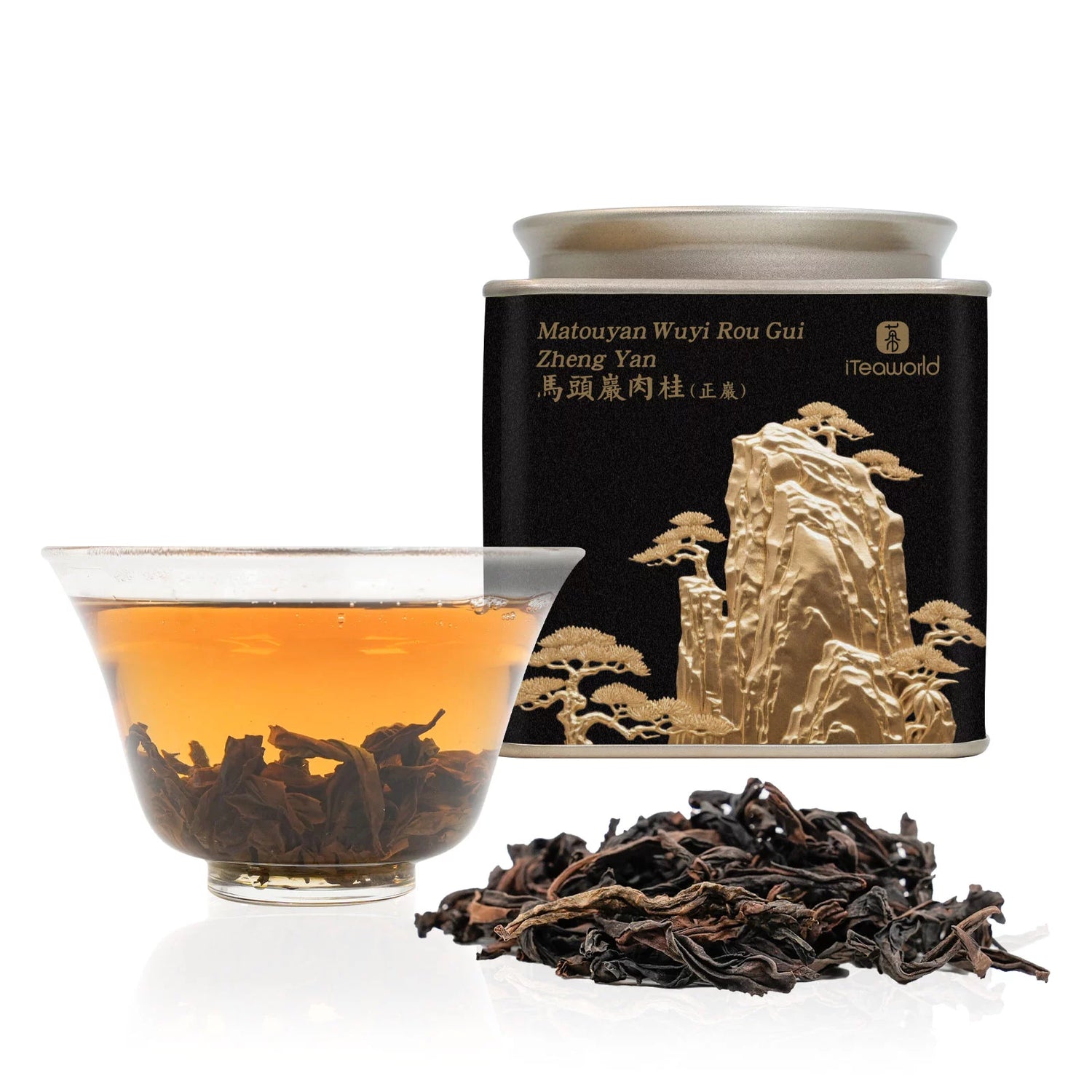
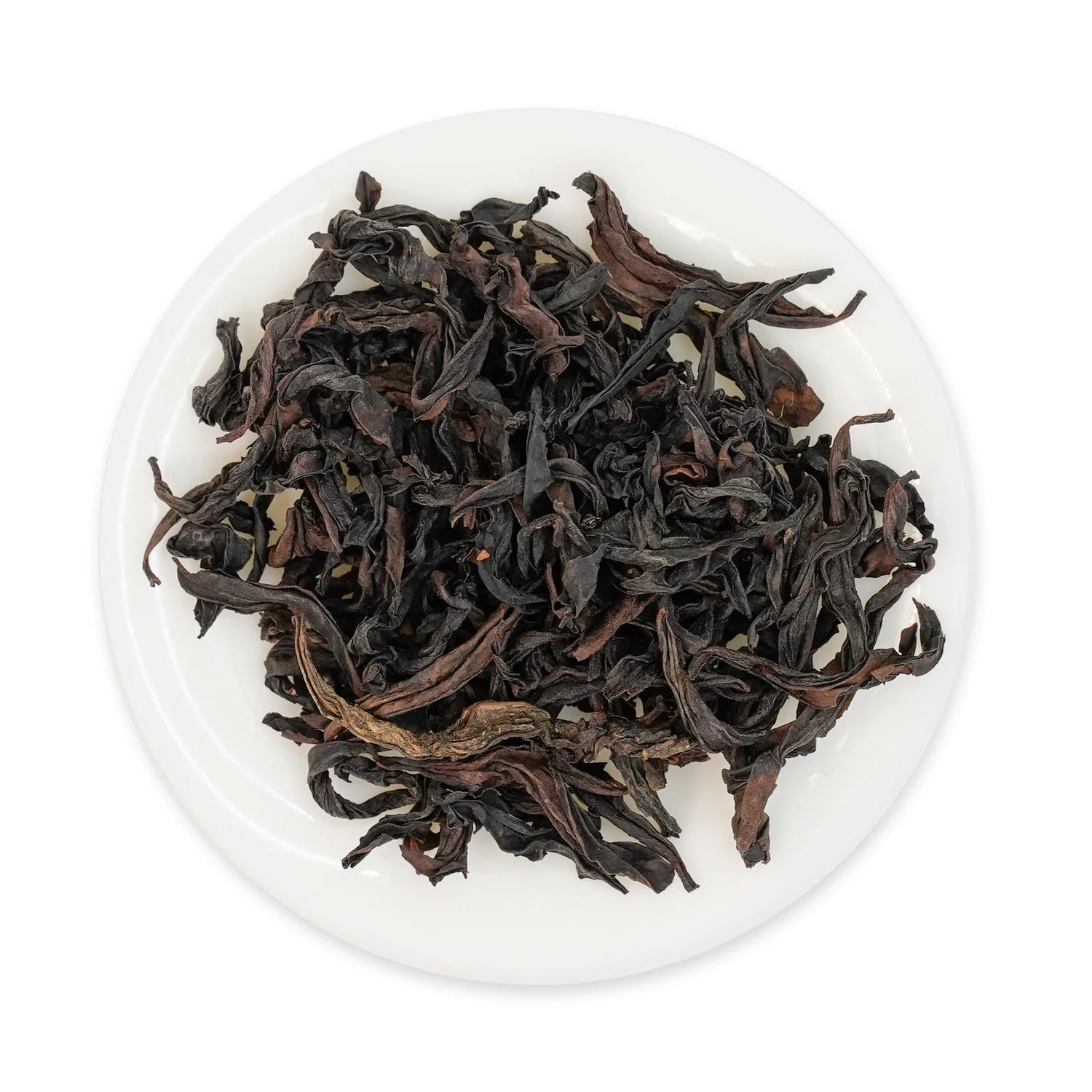
This Top Grade Rou Gui comes from Matouyan, one of the most celebrated terroirs within the core Zhengyan region of Wuyi Mountain. Renowned for producing rock teas with exceptional depth, structure, and mineral character, Matouyan is considered one of the finest origins for premium Wuyi rock tea.
This tea showcases the signature cinnamon-spice aroma that has made Rou Gui one of the most sought-after Wuyi cultivars. The dramatic canyon landscape, rocky cliffs, and unique microclimate of Matou Yan contribute to the tea's distinctive mineral-rich character and remarkable complexity.
The liquor is rich, full-bodied, and powerfully structured, with pronounced roasted notes balanced by lasting mineral depth and a long, satisfying finish. Bold yet refined, this Rou Gui delivers the commanding presence and layered character that experienced Yancha drinkers seek.
Ideal for those who appreciate traditional Wuyi rock teas with strong cinnamon aroma, robust body, pronounced roast, and the distinctive mineral character of top-tier Zhengyan terroir.


Yongchun Fo Shou is a distinctive Southern Fujian oolong tea from Yongchun County, prized for its bergamot-like fruity aroma and smooth, rich tea liquor.
This premium Fo Shou combines bright citrusy fruit notes with elegant floral aromatics, creating a highly recognizable and refreshing flavor profile. The tea liquor is silky, mellow, and naturally sweet, offering a smooth and comforting drinking experience.
Compared with more purely floral oolongs, Yongchun Fo Shou stands out for its unique citrus character reminiscent of bergamot and Buddha’s hand fruit, making it especially appealing to drinkers who enjoy fruit-forward oolong teas.
Local tea folklore tells of 17th-century monks inspired by fragrant citrus plants when cultivating this unique tea variety, adding a touch of legend to its distinctive personality.
Suitable for both hot brewing and cold brewing. An excellent choice for those who enjoy fruity, floral, and smooth oolong teas.
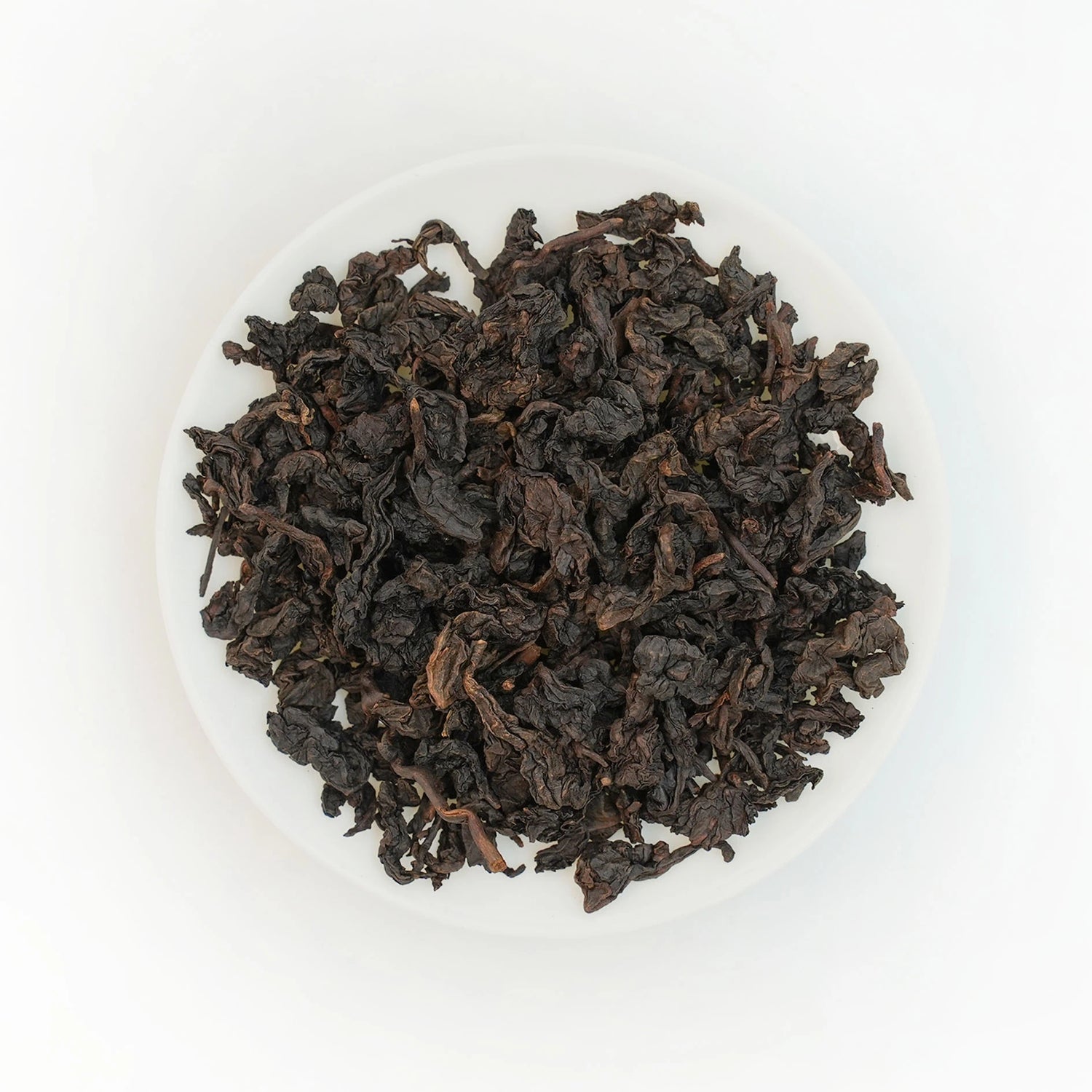
Recommended Purchase
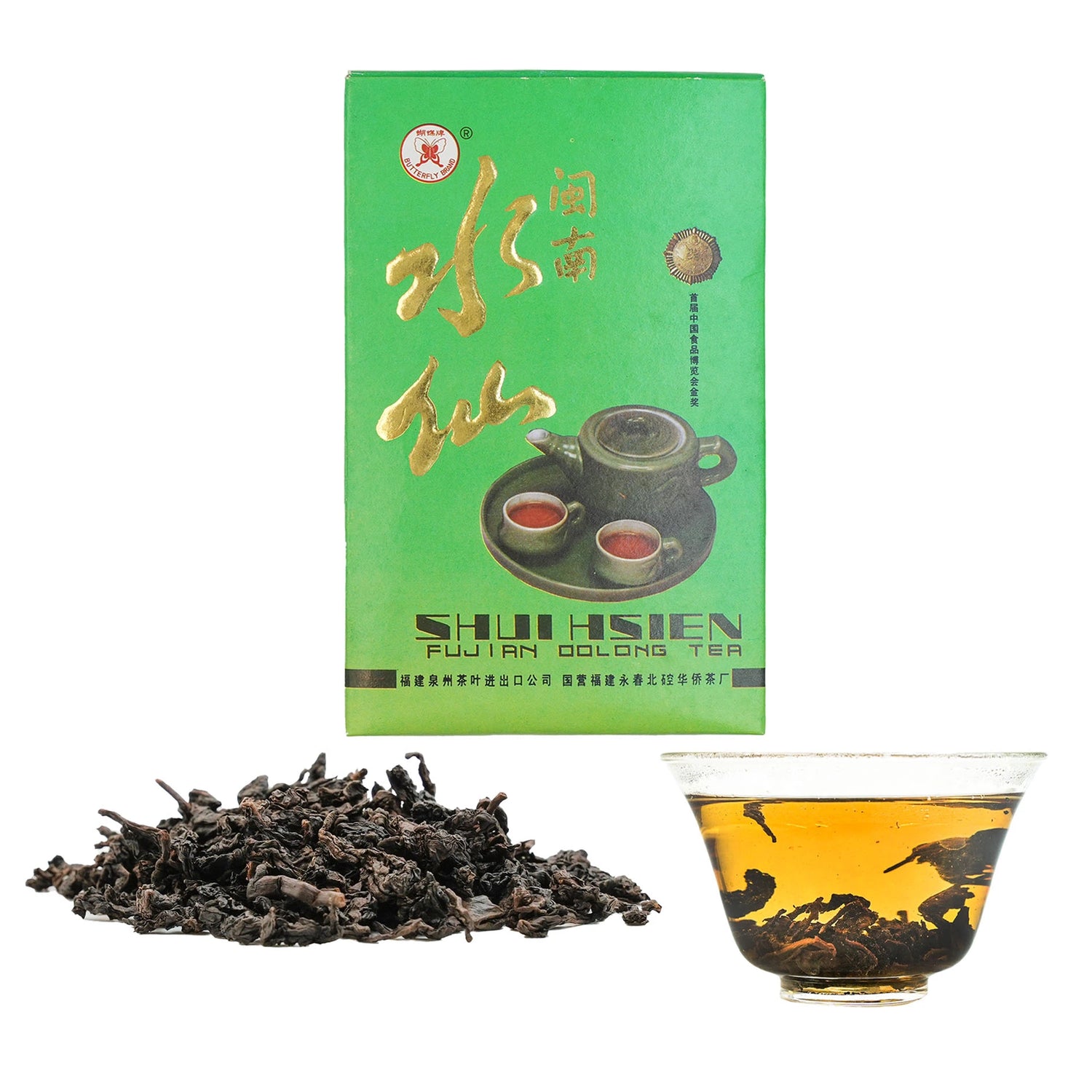
This Southern Fujian Shui Xian Oolong Tea, produced between 1993 and 1995 and aged for over 30 years in a dry warehouse under sealed conditions, is made from the Shui Xian (Narcissus) varietal sourced from Yongchun, Fujian—the birthplace of this tea. It was jointly produced by Quanzhou Tea Import & Export Company and the State-Owned Yongchun Kong Overseas Chinese Tea Factory in Fujian.
Processed using the Yongchun Shui Xian method, this tea is a classic example of Oolong tea, preserved in its original packaging. It is no longer available on the market. The tea exhibits a distinct aged aroma, accompanied by a subtle medicinal fragrance, with a sweet, mellow flavor and a smooth texture. Its excellent aging results make it a treasured choice for enthusiasts of aged Oolong tea.
Key Details about Southern Fujian Shui Xian
- Origin:Yongchun, Fujian Province, China
- Production Date:1993-1995
- Grade: First grade
- Tea Cultivar:Shui Xian
- Craftsmanship:This tea is processed into oolong tea using the Yong Chun Shui Xian method, with moderate fermentation. It has been naturally aged in a dry storage environment for over 30 years. The tea is packaged in its original sealed cardboard box, with an inner aluminum foil layer for additional protection.
- Flavor Highlights :The tea exhibits a distinct aged aroma, accompanied by a subtle medicinal fragrance. Its flavor is sweet and mellow, with a smooth texture, showcasing excellent aging effects.
What is Southern Fujian Shui Xian Tea?
Southern Fujian Shui Xian Tea originated in Northern Fujian and was introduced to Yong Chun during the Daoguang period of the Qing Dynasty. Over time, its processing techniques evolved by blending the characteristics of Northern and Southern Fujian oolong teas, resulting in a unique method that enhances the tea's durability for multiple infusions, intensifies its orchid-like aroma, and produces a bright yellow liquor with a sweet, mellow, and refreshing flavor. Beyond its exceptional taste, Southern Fujian Shui Xian Tea offers numerous health benefits, such as activating the autonomic nervous system, reducing stress, enhancing energy metabolism, breaking down fats, and lowering cholesterol, making it a cherished choice for both tea enthusiasts and health-conscious individuals.
Brewing and Enjoyment Tips
This tea showcases the unique transformation brought by time. The first infusion can be used as a "tea awakening" step to activate the tea's inner qualities, resulting in a richer, smoother texture and a more pronounced sweet aftertaste. For the best experience, we recommend using longer steeping times or boiling methods to fully unlock its aged characteristics.
Recommended Brewing Methods
Gaiwan Brewing :
- Capacity:110ml Gaiwan
- Water Temperature:100℃
- Brewing Times:5-7 times
- Tea Water Ratio:1:22
- Brewing Time Once:For brewing, begin with a quick rinse (1-2 seconds) and discard the liquid. For the first three infusions, steep the tea for just a few seconds and pour out immediately. After that, gradually extend each subsequent infusion by 5-10 seconds to adapt to the evolving flavor profile.
Storage Guidelines
To ensure the best quality of tea, the ideal way to store it is in vacuum-sealed packaging, kept in a cool, dark, and dry place. Avoid exposure to strong odors and air. For sealed storage, using a tin can or a double-lidded metal can is recommended. For even better results, you can store the sealed tea in the refrigerator or a dry storage container.
Weight & Packaging:
Weight : 4.4oz (125g)
Packing Type : Original paper box sealed packaging, inner aluminum film sealed packaging
About Yongchun Beikeng Overseas Chinese Tea Factory
Established in 1958, the state-owned Fujian Yongchun Beikeng Overseas Chinese Tea Factory carries a rich history and cultural heritage of tea production. At its peak, the factory was a bustling hub of innovation and craftsmanship, employing over 1,000 tea workers and producing millions of pounds of tea annually. Its teas, including Tieguanyin, were exported to Hong Kong, Taiwan, Japan, and Southeast Asia, earning widespread acclaim and becoming a shining symbol of Fujian's tea culture.
However, by the 1990s, the factory fell into decline, and its once-vibrant grounds grew quiet. Unable to bear seeing his life's work fade away, the veteran factory director, Huang Shenghou, took over after its privatization, dedicating himself to reviving the factory and preserving its tea-making legacy.
Today, the factory's aged Tieguanyin not only embodies decades of tea-making expertise but also continues to showcase the timeless charm of Yongchun's Tieguanyin. The story of the Fujian Yongchun Beikeng Overseas Chinese Tea Factory reflects the dedication and innovation of generations of tea artisans, and its aged Tieguanyin carries forward this remarkable legacy.
Recently viewed products
Shop with Confidence at iTeaworld

Not satisfied? Get a full refund within 30 days — no return needed

Free tea samples with tea order
Buy 1 get 1 sample. Buy 2 get 2. Buy 3+ get 3 free sample