Guide

Exploring Health Benefits of Tea Through Loose Leaf Tea Samplers

Exploring Health Benefits of Tea Through Loose Leaf Tea Samplers

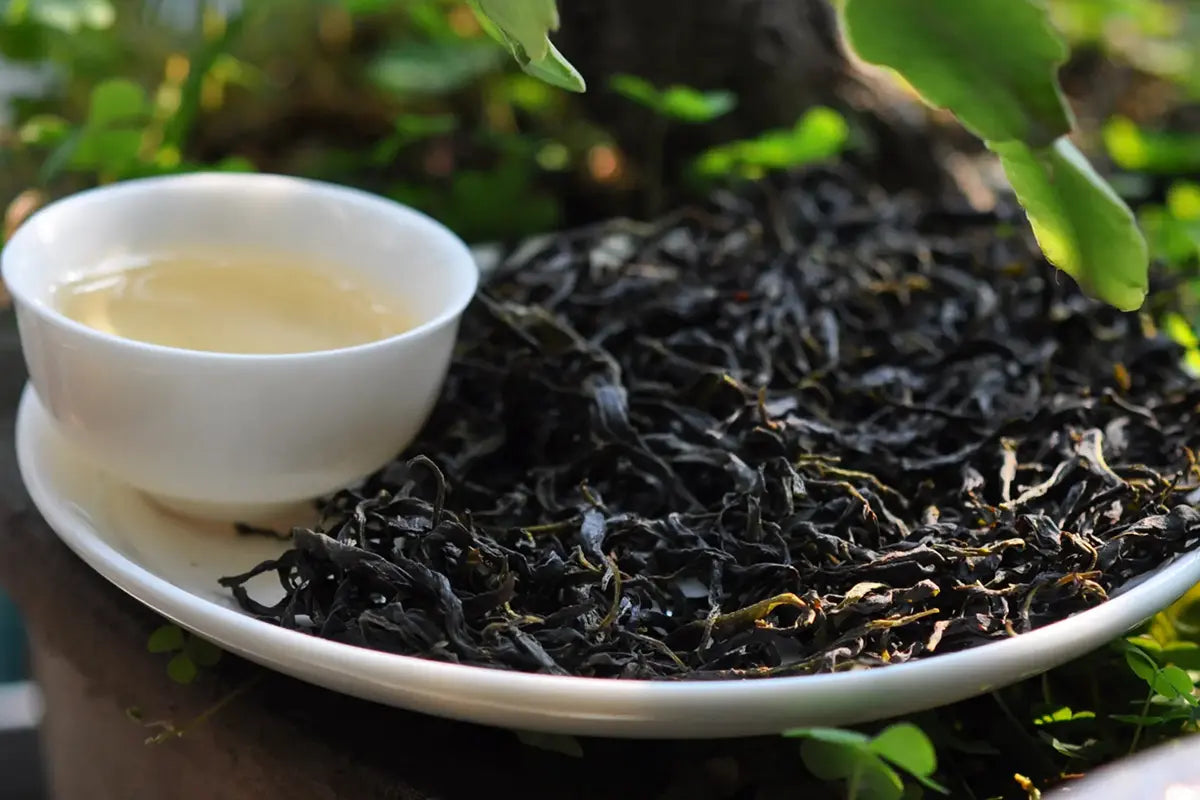
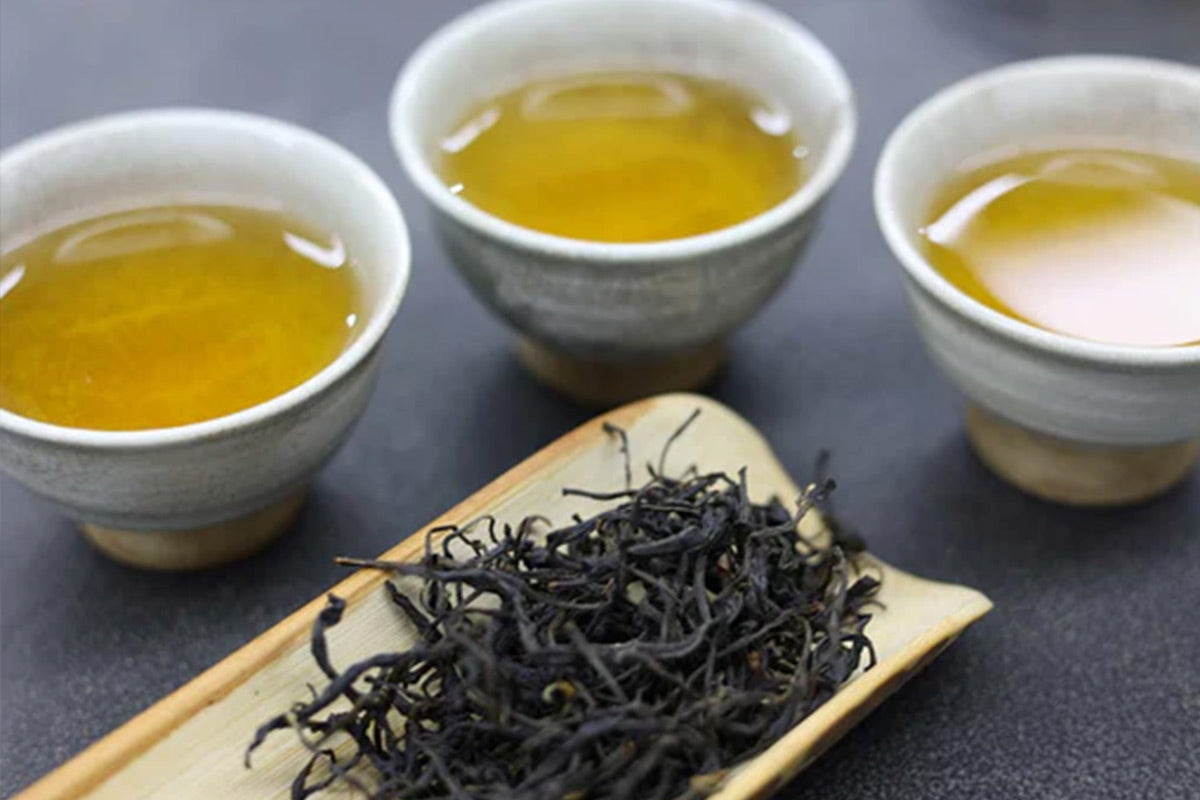
Chinese teas have many varieties, and based on the degree of fermentation and production techniques, they can be categorized into six major types: loose leaf green tea, loose leaf yellow tea, loose leaf white tea, loose leaf black tea, loose leaf oolong tea, and loose leaf dark tea. Among the six major types of Chinese tea, each has its unique charm and value, along with commendable health benefits worth exploring. Many individuals may feel a bit overwhelmed when first entering the realm of Chinese loose leaf tea, as there is a plethora of information and choices to understand and try. Faced with the rich diversity of Chinese tea, it is recommended for everyone to explore through the use of a loose leaf tea sampler, which provides an economical and convenient way to taste and experience the different varieties. Loose Leaf Green Tea and Its Health Benefits About Loose Leaf Green Tea: Loose leaf green tea is the most produced type of tea in China. It falls under the category of non-fermented tea, with the basic processing steps being Shaqing (killing green), Rounian (rolling), and drying. The characteristics of loose leaf green tea include a clear and bright tea liquor, appearing light green or yellow-green. The tea liquor is refreshing, with a long-lasting aroma, and a soft, delicate, and smooth taste. Health Benefits of Loose Leaf Green Tea: Loose leaf green tea, with its tender raw materials and non-fermented nature, preserves the freshness and natural substances in the leaves to the maximum extent. The antioxidant, anti-aging, anti-cancer, antibacterial, and anti-inflammatory effects of loose leaf green tea are significantly higher than other types of tea. Additionally, loose leaf green tea has benefits such as weight loss, fat reduction, cavity prevention, freshening breath, and lowering blood lipid levels. Representatives of Loose Leaf Green Tea: Includes Longjing, Biluochun, Xinyang Maojian, Anji White Tea, Enshi Yulu, Huangshan Maofeng, and more. Find more loose leaf green tea with our Green Tea Sampler.>>> Loose Leaf White Tea and Its Health Benefits About Loose Leaf White Tea: Loose leaf white tea belongs to the category of lightly fermented tea, with its basic processing involving Weidiao (withering) and drying (air-drying or baking). Varieties with a high abundance of white downy hairs on the leaf buds are often chosen for loose leaf white tea. Depending on the harvested parts, loose leaf white tea is divided into bud tea and leaf tea. Old White Tea is particularly popular within the loose leaf white tea category. The liquor of old white tea is clear red, with abundant white fuzz, a rich and lingering aroma, a sweet and soft taste, and a smooth and glutinous texture. Health Benefits of Loose Leaf White Tea: As it hasn't undergone high-temperature fixation, loose leaf white tea has the potential for post-fermentation or aging. In simple terms, it is known for being "durable," and there's a saying that goes, "One-year tea, three-year medicine, seven-year treasure." Loose leaf white tea is rich in various vitamins and minerals, exhibiting antioxidant and antibacterial properties. It can enhance the function of the immune system, aid in reducing cholesterol levels, promote heart health, and prevent skin aging. Representatives of Loose Leaf White Tea: Includes Baihao Yinzhen (Silver Needle), Bai Mudan (White Peony), Shoumei, and Gongmei, among others. Loose Leaf Yellow Tea and Its Health Benefits About Loose Leaf Yellow Tea: Compared to other types of tea, the variety of loose leaf yellow tea is relatively limited, making it a niche choice. The processing method for yellow tea involves Shaqing (killing green), Rounian (rolling), Menghuang (covering and yellowing) and drying. A characteristic feature of yellow tea is the "yellow liquor and yellow leaves," a result of the "menghuang" process during tea production. The characteristics of loose leaf yellow tea include a bright, goose-yellow tea liquor, a clear and mellow aroma, a sweet taste, and a lingering aftertaste. Health Benefits of Loose Leaf Yellow Tea: The raw materials for loose leaf yellow tea are tender, and the processing technique is similar to green tea, resulting in similar health benefits. However, yellow tea undergoes an additional "menghuang" process compared to green tea, making its taste mellower and less cooling in nature. Loose leaf yellow tea retains over 85% of natural substances present in fresh leaves, providing excellent antioxidant, antibacterial, and anti-inflammatory effects. Additionally, as a post-fermented tea, the enzymatic activity produced during the "meng" process helps protect the spleen and stomach, improve appetite, and aid digestion. Digestive enzymes can restore the metabolism function of fat cells, aiding in fat elimination. Representatives of Loose Leaf Yellow Tea: Include Junshan Yinzhen, Huoshan Huangya, Mengding Huangya, Wanzixi Huangda Cha, and Guangdong Daye Qing, among others. Loose Leaf Oolong Tea and Its Health Benefits About Loose Leaf Oolong Tea: Loose leaf oolong tea belongs to the category of semi-fermented tea, positioned between non-fermented tea (loose leaf green tea) and fully fermented tea (loose leaf black tea). Its appearance is characterized by a greenish-brown color. Due to varietal differences, oolong tea is further classified into four types: Northern Fujian Oolong, Southern Fujian Oolong, Guangdong Oolong, and Taiwanese Oolong. The characteristics of loose leaf oolong tea include a rich and mellow flavor, a strong and pleasant aroma, a balanced and fresh taste, a lingering fragrance, and a lasting sweet aftertaste. Health Benefits of Loose Leaf Oolong Tea: Loose leaf oolong tea, known for its strong aroma, has excellent invigorating effects. Some polyphenols in oolong tea leaves transform into tea pigments during processing, providing antioxidant, oil-dissolving, and blood pressure-lowering effects. Loose leaf oolong tea is also a good choice for weight loss, showing positive slimming effects. Additionally, consuming loose leaf oolong tea helps maintain a higher level of vitamin C in the blood and reduces the excretion of vitamin C in urine. Representatives of Loose Leaf Oolong Tea: Include Da Hong Pao, Fenghuang Dancong, Dong Ding Oolong, TieGuanyin, and Dongfang Meiren, among others. Find more loose leaf oolong tea with our Oolong Tea Sampler.>>> Loose Leaf Black Tea and Its Health Benefits About Loose Leaf Black Tea: Loose leaf black tea is a fully fermented tea, with its basic processing steps including Weidiao (withering), Rounian(rolling), Oxidation, and drying. The quality characteristics of the red liquor and red leaves of loose leaf black tea are mainly formed through the "fermentation" process. The aroma of loose leaf black tea is generally sweet, varying depending on the specific characteristics of different black teas. The taste of the tea liquor is typically robust, with a sweet or mellow aftertaste. Health Benefits of Loose Leaf Black Tea: During the production of loose leaf black tea, components such as theaflavins and thearubigins are formed, and these play a significant role in determining the color, taste, and aroma of the tea. Theaflavins, also known as the "soft gold" of tea, have excellent effects on regulating blood lipids and lowering cholesterol. Loose leaf black tea, with its mild nature and rich aroma, aids in digestion, reduces greasiness, stimulates the appetite, promotes well-being, and enhances appetite. Representatives of Loose Leaf Black Tea: Include Lapsang Souchong, Keemun Black Tea, Yunnan Black Tea, and Yingde Black Tea, among others. Find more loose leaf black tea with our Black Tea Sampler.>>> Loose Leaf Dark Tea and Its Health Benefits About Loose Leaf Dark Tea: Loose leaf dark tea is a post-fermented tea, with its basic processing steps including Shaqing (killing green), Rounian (rolling), Wodui (pile fermentation) and drying. The raw materials for loose leaf dark tea are generally coarse and aged, and due to the often extended fermentation time during manufacturing, the leaves take on an oily black or black-brown color, hence the name "dark tea." The characteristics of loose leaf dark tea include an orange-yellow liquor color, a pure aroma, and a mellow taste with a slight astringency. Health Benefits of Loose Leaf Dark Tea: Loose leaf dark tea undergoes a high degree of fermentation, often involving the participation of microorganisms, resulting in the transformation of many beneficial substances for the human body. Loose leaf dark tea contains various vitamins and minerals, exhibiting antioxidant and anti-inflammatory effects. It can help lower cholesterol levels, promote digestion, alleviate constipation, and relieve stomach discomfort. Moreover, loose leaf dark tea can enhance the function of the immune system, contributing to heart health protection. Representatives of Loose Leaf Dark Tea: Include Yunnan Ripe Pu-erh, Anhua Dark Tea, Guangxi Liubao Tea, and Hubei Qingzhuan, among others. The world of Chinese loose leaf tea is incredibly rich. I hope this article helps everyone gain some understanding of the six major types of Chinese tea. To truly appreciate the beauty of Chinese loose leaf tea, it's best to experience it firsthand. Loose leaf tea samplers offer various small packages of tea, allowing you to purchase tea samplers of specific varieties like black tea or oolong tea. In this way, with minimal time and effort, you can discover the best loose leaf tea that suits your preferences through practical exploration. The above are the six major types of tea in China. If you want to try these six types of tea at once and don’t want to spend too much money, then I strongly recommend you try the Chinese Tea Sampler. This is the latest product released by iTeaworld. One box contains six types of tea. Tea categories include oolong tea, green tea, black tea, yellow tea, white tea, and dark tea. And it doesn’t require high costs, you can experience it once at the lowest cost. In addition, there are also tea bags made of corn starch for free. This makes it more convenient to enjoy tea in the office. In reality, the quantity of tea knowledge you possess is not the most crucial factor. The appreciation and learning about tea come from hands-on experience. Most importantly, find joy in tea tasting and let tea become a relaxing and healthy companion in your daily life.
Loose Leaf Tea Caffeine

Tea Sampler: Exploring Caffeine Levels in Different Loose Leaf Tea

Caffeine is a natural stimulant found in coffee, loose leaf tea, cocoa, and some soft drinks. The caffeine in loose leaf tea can enhance the excitation process of the cerebral cortex, increase reflexes, shorten their latency period, and make brain thinking more rapid and clear, deepening the brain's sensitivity to external impressions. Different individuals have varying needs for caffeine. Some may require loose leaf teas with high caffeine content to help stay alert, while others may need to reduce their caffeine intake from loose leaf teas. Below, let's explore the caffeine content in different loose leaf teas and discover the best loose leaf tea that suits individual preferences. Caffeine in Different Loose Leaf Teas Caffeine in Loose Leaf Green Tea Loose leaf green tea is an unoxidized tea. Typically, loose leaf green tea has a lower caffeine content, with approximately 30-50 milligrams of caffeine per cup. This makes loose leaf green tea a suitable tea for consumption throughout the day without causing insomnia or rapid heartbeats. Find more loose leaf green tea with our Green Tea Sampler.>>> Caffeine in Loose Leaf White Tea Loose leaf white tea is a tea with a relatively simple production process, undergoing only mild oxidization during its production. The caffeine content in loose leaf white tea is generally lower, around 15-20 milligrams per cup. This makes loose leaf white tea a relaxing beverage, suitable for consumption during summer or in the evening. Caffeine in Loose Leaf Yellow Tea Loose leaf yellow tea shares a production process similar to loose leaf green tea but undergoes a slight oxidization, categorizing it as a lightly oxidized type of tea. The caffeine content in loose leaf yellow tea is relatively low, typically around 20-30 milligrams per cup. Despite its lower content, loose leaf yellow tea still has an invigorating effect and a mild taste, making it suitable for consumption on workday afternoons. Caffeine in Loose Leaf Oolong Tea Loose leaf oolong tea is a semi-oxidized tea. Generally, loose leaf oolong tea has a higher caffeine content compared to non-oxidized green tea and lightly oxidized white and yellow teas, containing approximately 25-45 milligrams of caffeine per cup. This makes loose leaf oolong tea a tea that not only provides a caffeine boost but also offers diverse flavors. The caffeine content can vary among different loose leaf oolong teas, with higher oxidization levels typically resulting in higher caffeine content. Use a tea sampler to explore different loose leaf oolong teas and find the one that suits your preferences. Find more loose leaf oolong tea with our Oolong Tea Sampler.>>> Caffeine in Black Tea Loose leaf black tea is a fully oxidized tea. The caffeine content in loose leaf black tea is relatively high, usually ranging from 40-70 milligrams per cup, with some varieties even higher. This makes loose leaf black tea an ideal choice for an energizing boost, but it's important to be mindful not to consume excessive amounts to avoid affecting nighttime rest. Similar to loose leaf oolong tea, different loose leaf black teas may have varying caffeine levels, influenced by the corresponding tea varieties' oxidization levels. A tea sampler would be a fitting choice to explore the caffeine content in different loose leaf black teas. Find more loose leaf black tea with our Black Tea Sampler.>>> Caffeine in Loose Leaf Dark Tea Loose leaf dark tea is post-oxidized tea, with a caffeine content typically ranging from 45-70 milligrams per cup, and some varieties even higher. Loose leaf dark tea boasts a distinctive taste and rich flavor, making it suitable for those who appreciate robust tea experiences. Caffeine in Loose Leaf Tea vs. Caffeine in Coffee Loose leaf tea contains 3.5% caffeine, while coffee beans contain 1.1-2.2%. On the surface, it appears that loose leaf tea has a higher caffeine content than coffee beans. However, what we ultimately consume is coffee or tea, not directly eating loose leaf tea or coffee beans. During the brewing process, more caffeine is released from coffee beans, and the quantity of coffee beans used for brewing a cup is generally higher than the amount of loose leaf tea. Therefore, a brewed cup of coffee typically contains more caffeine than a cup of tea. How to Reduce Caffeine Intake from Loose Leaf Tea? Although caffeine in loose leaf tea is generally safe for most people, excessive intake may lead to discomfort in certain situations. If you are concerned about consuming too much caffeine, consider the following: 1.Choose loose leaf teas with lower caffeine content Loose leaf green tea, loose leaf white tea, and loose leaf yellow tea generally have lower caffeine content, making them suitable choices for those seeking lower caffeine options. 2.Discard the first tea steeping The first steeping of tea has the highest caffeine content. Discarding the first steeping and not consuming it can reduce caffeine intake by about half. Typically, the first steeping is used for rinsing the tea and is not consumed, making it a suitable choice. 3.Use the cold brewing method The higher the temperature, the easier it is for caffeine to be released from loose leaf tea. If you want to reduce caffeine intake, cold brewing can be an effective method.   The caffeine content in different loose leaf teas is related to the production process. Generally, teas with higher oxidization levels tend to have higher caffeine content. In general, drinking loose leaf tea can help reduce caffeine intake compared to drinking coffee. If you are concerned about the caffeine content in tea, choosing suitable brewing and consumption methods can also help reduce caffeine intake to some extent.
best loose leaf tea sampler 2024

The 6 Best Tea Samplers in 2024

Chinese loose leaf tea, with its unique charm and thousand years of traditional history, has always been a favorite among tea enthusiasts.In order to allow tea enthusiasts to fully appreciate the diverse styles of Chinese tea, we have carefully selected six of the best tea samplers for the year 2024. This includes tea samplers of classic tea, green tea, oolong tea, and more. Each tea sampler brings tea lovers on a wonderful journey into Chinese tea culture, allowing them to experience the flavors of best loose leaf tea.   Chinese Classic Tea Sampler If you are no longer satisfied with bagged tea leaves and are seeking higher-quality tea, you will find Chinese loose leaf tea to be a good choice.Chinese loose leaf tea boasts a long history and exquisite craftsmanship. Chinese tea is classified into various types, with the most basic categorization based on production techniques: green tea, white tea, yellow tea, black tea, oolong tea, and dark tea.For tea enthusiasts newly entering the world of Chinese tea, iTeaworld's Classic Tea Sampler is a good starting point. The Classic Tea Sampler includes two beginner-friendly varieties of Chinese loose leaf tea: Chinese Loose Leaf Black Tea and Chinese Loose Leaf Oolong Tea. Whether you prefer a rich taste or a tea with a delightful aroma, there is a suitable tea for you.iTeaworld's Classic Tea Sampler features classic Chinese loose leaf black tea varieties such as Souchong Black Tea, Wild Souchong Black Tea, Yingde Black Tea, and Yunnan Black Tea. It also includes classic Chinese loose leaf oolong tea varieties like Da Hong Pao, TieGuanYin, Minnan Shuixian, and Fenghuang Dancong. Chinese Green Tea Sampler Loose leaf green tea is the oldest category of Chinese loose leaf tea, and it has developed into numerous varieties over time. Just by perusing the book "Chinese Tea Classics," there are records of 153 types of green tea, though this is far from exhaustive. Among China's main tea-producing regions, green tea boasts the greatest variety and is also the most exported type of tea. When it comes to green tea, the first impression for many is freshness. The overall characteristics of Chinese loose leaf green tea include a clear broth, green leaves, a refreshing taste, and strong astringency. Each tea variety exhibits different flavor characteristics, ranging from a delicate taste to a high aroma. There is always a tea that suits your taste.For those looking to experience the flavor of Chinese loose leaf green tea, it's best to start with classic Chinese tea varieties. iTeaworld offers a Chinese Green Tea Sampler, including various classics such as Longjing (Dragon Well), Biluochun, Huangshan Maofeng, and Enshi Yulu.Compared to other types of tea, the production process for green tea is relatively simple, consisting of three steps: withering, rolling, and drying. The drying process for loose leaf green tea further divides into pan-frying, oven-drying, steaming, and sun-drying. These subtle process differentiations contribute to the unique flavors of various green teas. iTeaworld's Green Tea Sampler covers green teas produced using different methods, allowing you to experience the richness of Chinese green tea in terms of both craftsmanship and flavor through a single box. Chinese Oolong Tea Sampler Loose leaf oolong tea originated in China, initially evolving from the green tea production method developed by tea farmers in Wuyi Mountain, Fujian Province. To experience the best flavor of oolong tea, one must try Chinese oolong tea, as some of the finest varieties are also found in China. The development of Chinese oolong tea began in the north of Fujian province, spreading to the south of Fujian, Guangdong, and later to Taiwan. This marks the origin of the four major oolong-producing regions: northern Fujian, southern Fujian, Guangdong, and Taiwan. To fully appreciate the flavors and subtleties of oolong tea, it's essential to taste representative teas from these oolong-producing regions.iTeaworld offers two samplers of oolong tea, including representative varieties such as Da Hong Pao from northern Fujian, TieGuanyin from southern Fujian, and Zhangping Shuixian from Guangdong. With a box of oolong tea, you can taste the unique flavors and aromas characteristic of oolong teas produced in different regions. Additionally, you can experience the distinct flavor profiles of oolong teas with varying degrees of oxidation.For beginners in the world of tea, iTeaworld's classic Oolong Tea Sampler is an excellent choice, offering an easy entry into the realm of Chinese oolong tea at an economical price.For seasoned tea enthusiasts, iTeaworld's new Oolong Tea Sampler is highly recommended. This tea sampler includes premium teas from the core production areas of Wuyi Mountain, such as Qidan Da Hong Pao and handcrafted TieGuanyin, deserving careful savoring. Chinese Black Tea Sampler Loose leaf black tea is the second-largest category of tea in China, following closely behind loose leaf green tea, and it is widely loved by many tea enthusiasts. Loose leaf black tea is a fully oxidized tea, where most of the tea polyphenols undergo enzymatic oxidation, transforming into substances such as theaflavins and thearubigins, giving rise to its characteristic red broth and red leaves. The taste of loose leaf black tea is sweet and mellow, with a gentle nature that is friendlier to the digestive system.If you want to explore more possibilities beyond the English-style black tea, Chinese loose leaf black tea is an excellent choice.iTeaworld's Black Tea Sampler includes various styles of black tea: Souchong Black Tea, Wild Souchong Black Tea, Yingde Black Tea, and Yunnan Black Tea. Whether you prefer black tea with a smoky flavor, a distinctive character, a rich taste, or a high fragrance, you can find a suitable variety within this tea sampler. Chinese Jasmine Tea Sampler Loose leaf jasmine tea represents the floral category within Chinese loose leaf tea and is renowned as the "first fragrance on earth." It is a tea that many floral tea enthusiasts should not miss. Jasmine tea is known for its exquisite craftsmanship. In essence, the production of jasmine tea involves using a green tea base to absorb the fragrance of fresh jasmine flowers multiple times. This process ensures that jasmine tea releases the fresh aroma of jasmine flowers when brewed. This refreshing fragrance not only invigorates the senses but also has a soothing effect on stress.The quality of jasmine tea is determined by the number of times it absorbs the fragrance. In common production processes, jasmine tea may absorb the fragrance of fresh jasmine flowers 3 or 5 times, while top-tier jasmine tea can absorb the fragrance up to 9 times.To fully experience the beauty of jasmine tea and discover the variety that suits you, iTeaworld's Jasmine Tea Sampler is an excellent choice. With just one box, you can explore the taste and aroma of jasmine tea produced using different techniques.The journey of exploring iTeaworld loose leaf tea is not just a simple tea-tasting experience; it is an opportunity to delve into the world of Chinese loose leaf tea.From classic black tea to refreshing green tea, and the uniquely flavored oolong tea, each set brings together the finest categories of Chinese tea, presenting a diverse range of flavors and aromas. We hope that our tea samplers will be a delightful companion on your journey through the world of Chinese tea, making your Chinese tea experience even more vibrant and colorful.
classic chinese tea sampler

Demystifying Chinese Tea: A Classic Sampler for Newcomers

Chinese loose leaf tea has a rich and ancient history, being one of the earliest types of tea cultivated and consumed in the world. Renowned for its unique flavor and rich cultural significance, Chinese loose leaf tea has earned a distinguished place in the global tea landscape. When you aspire to explore higher-quality teas and seek the ultimate taste and aroma experience, you may find that Chinese loose leaf tea is the answer you've been looking for. However, many people hesitate at the threshold of Chinese loose leaf tea due to the numerous varieties and vast knowledge associated with it. With a multitude of options and a wealth of tea-related information, it can be challenging to know where to begin. Here, we present a simple method to start your journey into the world of Chinese loose leaf tea.   About Chinese Loose Leaf Tea China is the homeland of tea, and according to historical records, the origin of Chinese tea can be traced back to 2737 B.C. Legend has it that under the rule of an ancient Chinese emperor, tea was first discovered and used for consumption. Since then, the cultivation and craftsmanship of Chinese tea have gradually developed, becoming an indispensable part of Chinese life. Chinese tea comes in a variety of types, and based on different production techniques and processing methods, it can be categorized into six major classes: loose leaf green tea, loose leaf black tea, loose leaf yellow tea, loose leaf white tea, loose leaf oolong tea, and loose leaf dark tea. Each class of tea has its unique characteristics and flavors. For beginners, some types among the six may not be suitable to try right from the start. For example, loose leaf white tea and loose leaf dark tea require some tea-drinking experience to appreciate their beauty. Loose leaf yellow tea is relatively niche and not recommended for initial attempts. Ideal choices for beginners are Chinese loose leaf black tea and Chinese loose leaf oolong tea. Chinese loose leaf black tea offers a diverse range of options, whether you prefer a robust taste or a smoky flavor, you can find well-crafted varieties. Chinese loose leaf oolong tea, known for its rich aroma, falls between the flavors of loose leaf black tea and loose leaf green tea, making it very friendly for newcomers. Of course, if you have a preference for a fresh taste, Chinese loose leaf green tea is also a good choice. Find more loose leaf green tea with our Green Tea Sampler.>>>   Chinese Loose Leaf Black Tea Chinese loose leaf black tea originated in the mid-Ming Dynasty (around the 16th century) in the Tanyang region of Wuyi Mountain, Fujian Province. The earliest variety was known as "Lapsang souchong." Based on the different manufacturing methods, black tea can be further categorized into small-leaf black tea, Gongfu black tea, and broken black tea. Named for its reddish dry leaves and the predominantly red color of its brewed tea, it is aptly called black tea. Among the various types of Chinese loose leaf black tea, Lapsang souchong, Yingde Black Tea, and Jin Jun Mei are representative and widely appreciated. 1.Souchong Black Tea Souchong Black Tea is a specialty of Fujian, known as the ancestor of all black teas worldwide. Depending on the production process, Souchong Black Tea can be classified into smoked and non-smoked versions. The smoked version of Souchong Black Tea uses mature raw materials with plump and well-formed leaves, presenting a glossy dark color. The brewed tea has a rich and vibrant red hue, exuding the aroma of pine smoke. Its taste is mellow and thick, resembling longan soup with hints of sweet dates. On the other hand, the non-smoked version of Souchong Black Tea has a taste reminiscent of honey water, with a smooth and velvety texture. It lacks caramel or sweet potato soup notes, offering a fragrance akin to honey and a subtle floral undertone. 2.Yingde Black Tea Yingde, located in Guangdong, China, is the birthplace of black tea in the region and is renowned for producing a unique variety known as Yingde Black Tea, which is one of the five major types of black tea in China. Yingde Black Tea has loose, somewhat scattered strips, resembling the appearance of individual leaves from loose leaf oolong tea. The tea leaves exhibit a dark, lustrous color. When brewed and consumed, Yingde Black Tea boasts a bright and vibrant red liquor, with a rich tea aroma and a sharp, elevated fragrance. 3.Yunnan Black Tea Yunnan Black Tea, also known as Dian Hong, belongs to the large-leaf category of Gongfu tea and is mainly produced in regions such as Lincang and Baoshan in Yunnan. It is a rising star among Chinese Gongfu black teas. The appearance of Yunnan Black Tea features tightly knotted, robust, and plump tea leaves with a glossy dark color, accentuated by golden tips. The brewed tea exhibits a bright and colorful liquor, characterized by a fresh, robust, and long-lasting aroma. The taste is thick, rich, and refreshing with a pronounced stimulating quality. The even, tender, and shiny red leaf bottom sets Yunnan Black Tea apart as a distinctive Gongfu black tea from China. Chinese Loose Leaf Oolong Tea Chinese loose leaf oolong tea was created during the Ming and Qing dynasties. As a semi-fermented tea, loose leaf oolong tea stands out as a distinctive category among China's six major types of tea. This tea is mainly produced in the provinces of northern and southern Fujian, as well as Guangdong and Taiwan. Due to its unique production process, Chinese loose leaf oolong tea combines the rich and robust flavor of loose leaf black tea with the fresh and aromatic qualities of loose leaf green tea. After tasting, it leaves a lingering fragrance on the palate, offering a sweet and refreshing aftertaste. The most outstanding feature of oolong tea is its rich aroma. Oolong tea aromas can be categorized into several major types, including floral, fruity, honey, fresh, and charcoal fire fragrances, with numerous subcategories worth exploring. 1.Da Hong Pao Da Hong Pao, originating from Wuyi Mountain in Fujian, is a special and famous Chinese tea. Its tightly twisted appearance features a fresh green-brown color, and when brewed, the tea produces a bright orange-yellow liquor. The leaves exhibit a combination of red and green, with a distinct "rock rhyme." 2.Tie Guanyin Tie Guanyin was created by local tea farmers in Anxi, Fujian, between 1725 and 1735 and is among China's top ten famous teas. Tie Guanyin has a unique aroma with hints of "orchid fragrance" and "osmanthus fragrance." The brewed tea has a bright golden-yellow color and a rich, mellow, and sweet taste. Tie Guanyin is divided into three types: Qing Xiang (light fragrance), Nong Xiang (heavy fragrance), and Chen Xiang (aged fragrance). 3.Minnan Shuixian Minnan Shuixian tea is characterized by tightly twisted and robust tea leaves, displaying a sandy green color with a lustrous hint of honey yellow. It emanates a clear and elevated fragrance, reminiscent of orchid, while the brewed tea exhibits a clear orange-yellow liquor. The taste is sweet, mellow, and refreshing, with a bright yellow and evenly thick leaf bottom. Even after multiple infusions, the aroma continues to overflow from the cup, leaving a lingering sweetness. 4.Fenghuang Dancong Fenghuang Dancong tea is produced in Fenghuang Town, Chaozhou City, Guangdong, and is renowned for the Fenghuang Mountain. During the Tongzhi and Guangxu reigns, tea farmers aimed to enhance the quality of tea leaves. They introduced a method involving single-plant picking, single-plant tea frying, and individual plant marketing. Outstanding single plants were separated and cultivated as distinct trees, earning the name Fenghuang Dancong tea. At that time, over ten thousand excellent ancient tea trees were processed using the single-plant harvesting method, hence the name Fenghuang Dancong tea. Find more Chinese loose leaf tea with our Classic Tea Sampler.>>>   Brewing Chinese Loose Leaf Tea It is recommended to use a gaiwan (lidded bowl) for brewing Chinese loose leaf tea, as this brewing method can unlock the full potential of loose leaf tea, allowing you to experience the flavor of the best loose leaf tea.   Preheat the teaware: Before brewing with the gaiwan, rinse the teaware with boiling water to warm it up. Add tea leaves: Based on the capacity of the gaiwan, add an appropriate amount of tea leaves. For example, a standard gaiwan with a capacity of 110 milliliters can accommodate 5 grams of tea leaves. The right proportion is crucial for bringing out the best flavor of the tea. Brewing: Pour boiling water into the gaiwan in a circular motion, allowing the water to interact with the tea leaves. Use the lid to gently stir the leaves, ensuring they fully expand. Cover the gaiwan and wait for 10-15 seconds to brew. Pouring: Pour the tea liquor from the gaiwan into a fairness pitcher, then evenly distribute the tea from the pitcher into small tea cups, ensuring each cup is about seventy percent full. High-quality loose leaf black tea and loose leaf oolong tea can be brewed up to 7 times or more. In subsequent infusions, you may extend the steeping time slightly. Chinese tea is renowned worldwide for its rich varieties, intricate craftsmanship, and unique cultural significance. Whether it's loose leaf green tea, loose leaf black tea, loose leaf yellow tea, loose leaf white tea, loose leaf oolong tea, or loose leaf dark tea, each type of tea has its unique flavor and mouthfeel.   With a long and storied history, Chinese tea, tea ceremonies, and tea culture are treasures of the Chinese people. Whether enjoyed at home, in business settings, or during gatherings, Chinese tea is a beloved beverage. Through savoring Chinese tea, we not only experience the aroma and taste of tea leaves but also gain insight into China's ancient cultural traditions and wisdom.
fenghuang dancong is perfume of tea

Why is Fenghuang Dancong called the "Perfume of Tea"?

Many friends, when tasting Fenghuang Dancong, often wonder why this tea is so fragrant and where the aroma comes from. Below, let's explore this question.   About Fenghuang Dancong Fenghuang Dancong, belonging to the category of loose leaf oolong tea, is an excellent single plant selected from the national-level Phoenix Narcissus group. Its finished tea has excellent quality, with a floral and fruity aroma that is refreshing and unique.   Fenghuang Dancong is mainly produced in Fenghuang Mountain in Chaozhou City, Guangdong Province, China. This area is close to the East China Sea, with a warm and humid climate, abundant rainfall, and tea trees growing at an altitude of over 1000 meters in mountainous areas. The region is enveloped in mist throughout the year, with humid air, significant temperature differences between day and night, an average annual temperature of around 20°C, an annual precipitation of around 1800 millimeters, and fertile, deep soil containing rich organic matter and various trace elements. This conducive environment promotes the development of tea trees and the formation of tea polyphenols and aromatic substances. It is this kind of growth environment that makes Fenghuang Dancong one of the best loose leaf tea.   The tea farmers in Fenghuang Mountain have rich experience in selection and cultivation. There are still more than 3000 large single tea trees with a lifespan of over a hundred years, characterized by unique features and excellent quality. Each tree produces more than 10 kilograms of dried tea annually. Fenghuang Mountain tea farmers select excellent single plant tea trees from the Phoenix Narcissus group, and through cultivation, picking, and processing, produce Fenghuang Dancong.   Fenghuang Dancong tea has dozens of varieties and types. Its appearance is characterized by thick and straight strips, uniform and straight, with a yellow-brown color, oily and shiny, and red cinnabar dots. When brewed, it has a lasting and unique natural orchid fragrance, a rich and refreshing taste, and a moist throat with a lingering sweetness. To fully explore the various aromas and flavors of Fenghuang Dancong, it is best to try it through tea samplers.   Why is Fenghuang Dancong so Fragrant? Fenghuang Dancong stands out among numerous loose leaf tea with its uplifting aroma and rich, vibrant, and sweet taste, earning it the reputation of being the "Perfume of Tea." In reality, Fenghuang Dancong tea does not rely on intentional planting of fruit trees and fragrant flowers around the tea bushes, nor does it involve co-fermenting flowers and tea leaves. Additionally, no artificial fragrances or additives are used. The fragrance of Fenghuang Dancong comes naturally from the combination of favorable natural conditions, suitable cultivation practices, and the inherent qualities of the tea, making it one of the excellent choices as loose leaf tea gifts for family and friends.   The sources of the fragrance in Fenghuang Dancong can be roughly summarized into three categories: varietal fragrance, processing fragrance, and regional fragrance. Try this method with our New Oolong Tea Sampler. >>> 1.Varietal Fragrance The variety of the Fenghuang Dancong tea tree is selected from the excellent single plants of the Phoenix Narcissus series. With exceptional characteristics, the variety inherently carries floral fragrance. The aromatic components are determined by the genes of the single trunk tea. Fenghuang Dancong itself is rich in natural floral factors, containing abundant aromatic substances. While there is not much difference in the fresh leaves of various Fenghuang Dancong tea trees, the aromatic substances of the tea leaves significantly increase after processing. 2.Processing Fragrance As mentioned in the previous article "Do You Know the Aromas of Fenghuang Dancong?" there are meticulous considerations during the picking process of single trunk tea, observing three conditions for not picking: no picking on rainy days, no picking during intense noon sunlight, and no picking of dew-covered tea. Generally, picking is done in the clear afternoon weather when the tea leaves naturally carry the most fragrance. The aroma of single trunk tea leaves is closely related to the weather. From picking to sun drying, withering, shaping, killing green, rolling, twisting, and baking in the complex processing, the aromatic substances in single trunk tea form a high-quality fragrance. 3.Regional Fragrance Famous teas are produced in high mountains with mist, and Fenghuang Dancong comes from Fenghuang Mountain in Chaozhou, Guangdong. The main peak reaches an elevation of 1497.8 meters, making it the highest peak in eastern Guangdong. It is said that the Tianchi on Fenghuang Mountain is an ancient volcano crater with soil rich in trace elements. The water in Tianchi is as clear as a mirror, and it is home to precious wild animals such as dollfish. In spring, the mountains are covered with beautiful azalea flowers, making it a breathtaking sight. During summer, it becomes a cool retreat. In autumn, one can enjoy sunrise, sunset, and the mesmerizing sea of clouds, which is another highlight of Fenghuang Mountain.   How to Brew Fenghuang Dancong? To fully appreciate the fragrance of Fenghuang Dancong, it is essential to follow the correct brewing method to ensure the best outcome. 1.Preheat the Teaware After the water has boiled, use the boiling water to preheat the teapot lid, tasting cup, or any other teaware directly. Preheating is done to avoid the teaware absorbing the heat, which could compromise the aroma of the tea. 2.Adding Tea Leaves and Rinsing Place approximately 8g of Fenghuang Dancong into the teapot. The tea leaves should fill about 6-7% of the teapot. After adding the tea leaves, avoid shaking them; simply cover them slightly. The rinsing process should be swift, described as "no time to lose." 3.Brewing and Pouring After rinsing the tea leaves, pour boiling water into the teapot again for brewing. The water level should cover the tea leaves but not exceed too much. Pouring should also be quick. The first brewing should not exceed 3 seconds, the second brewing should not exceed 5 seconds, and by the sixth brewing, it should not exceed 30 seconds. This brewing method results in tea with no bitterness or astringency, offering the most enjoyable drinking experience.   Fenghuang Dancong has undergone a long period of sedimentation and accumulation, embodying the wisdom of generations of tea enthusiasts. It is a remarkable category of tea. I hope this article helps you better understand this famous oolong tea and enhances your appreciation for its fragrance and delicious taste.
loose leaf tea gift

Loose Leaf Tea: Perfect Gift for Tea Lovers!

The varieties of loose leaf tea are rich and diverse, with each type showcasing its unique characteristics. The robustness of loose leaf black tea, the fragrant notes of loose leaf oolong tea, the freshness of loose leaf green tea, and more—all are worth exploring. When you delve into the world of loose leaf tea, it feels like opening the door to a fascinating realm.   Tea-Making Processes Shape the Diversity of Loose Leaf Tea. Depending on the production techniques, loose leaf tea can be classified into six major categories: green tea, white tea, yellow tea, oolong tea, black tea, and dark tea. In fact, fresh leaves from the same tea plant can be processed into these six tea categories through different manufacturing techniques.   Each of the six tea categories has its own unique style, creating various aromas and flavors solely through the tea plant variety and production process, without the use of artificial flavors. This makes them ideal choices for gifting healthy Christmas tea and New Year tea to family and friends. In the production of the six tea categories, some processing techniques are common to multiple types, such as Weidiao (withering), Rounian (rolling), Shaqing (killing green), and drying. Others are unique to specific tea types, like the green tea fixation process and the dark tea pile fermentation process. Different types of tea emphasize different aspects in their production processes. For instance, in green tea production, fixing is a crucial step that determines the quality, influencing the aroma, color, and integrity of the tea leaves. In the case of black tea, rolling is essential, as thorough rolling disrupts the structure of the leaves, allowing for subsequent fermentation and creating the rich flavor of black tea. If you're unsure about which type of tea suits your taste, it's recommended to explore through tea sampler to discover the one that best fits your preferences.   Knowing the 6 Major Categories of Loose Leaf Tea 1.Green Tea Loose leaf green tea is one of the primary types of tea in China and is also the earliest type to appear in Chinese history. During the production process, green tea undergoes no fermentation, and the finished product retains the green tones of fresh tea leaves, preserving a significant amount of natural substances. The tea polyphenols and caffeine retained are more than 85% of the fresh leaves, chlorophyll is retained at around 50%, and there is also minimal loss of vitamins. Therefore, if you have friends who appreciate the fresh taste of tea, iTeaworld's Green Tea Sampler would make an excellent tea gift set. Representative teas of green tea include Biluochun, Liuan Guapian, West Lake Longjing, Shien Yulu, Huangshan Maofeng, and others. 2.White Tea White tea is a lightly fermented tea known for its characteristics of having many buds, being covered with white down, and possessing a light and sweet aftertaste. It is considered a special treasure among Chinese teas. The production process of white tea is relatively natural. After picking the fresh leaves, they are spread thinly on bamboo mats under weak sunlight or placed in well-ventilated and well-lit rooms. The leaves naturally wither, air-dry to about 70-80% moisture content, without frying or rolling, and are slowly dried over a low fire. White tea is characterized by its fragrant and elegant aroma, fresh and refreshing taste, and a yellow-green liquor. One notable feature of white tea is its suitability for aging, often improving in flavor and offering beneficial effects as it ages. Representative white teas include Baihao Yinzhen, White Peony, Shoumei, Moonlight Beauty, and others. 3.Yellow Tea The distinctive quality of yellow tea is characterized by "yellow liquor and yellow leaves," which is the result of the tea-making process involving a unique fermentation and oxidation technique. Some yellow teas undergo a stacking process before rolling to develop a mellow yellow color, while others are stacked or left to mellow for an extended period after rolling. Some may undergo mellowing after the initial roasting, while others achieve the desired yellow hue during subsequent roasting. Yellow tea can be categorized into three types based on the tenderness and size of the original leaf buds: Huangya Cha, Huangxiao Cha, and Huangda Cha. Yellow tea is relatively unique and less commonly found among the six major tea categories. If you have friends who are interested in more niche teas, consider gifting them a selection of yellow tea.   Representative yellow teas include Junshan Yinzhen, Huoshan Huangya, Yueyang Yellow Tea, Goushan Maojian, and others. 4.Oolong Tea Loose leaf oolong tea is one of China's traditional semi-oxidized teas with a variety of cultivars, making it a tea category with distinct Chinese characteristics among the country's major types of tea. Oolong tea undergoes processes such as picking, Weidiao (withering), Zuoqing (shaking), Shaqing (killing green), Rounian (rolling), and drying to produce high-quality teas. Oolong tea is known for its rich aroma, fresh and refreshing taste, and enduring aftertaste. What sets oolong tea apart from other tea types is its abundant fragrance, making it a suitable tea gift for friends who enjoy exploring tea aromas. Representative oolong teas include Da Hong Pao, TieGuanyin, Huangjin Gui, Fenghuang Dancong, Lingtou Dancong, Dongfang Meiren, and others. 5.Black Tea Loose leaf black tea is a fully oxidized tea. During the processing of black tea, a chemical reaction centered around the enzymatic oxidation of tea polyphenols occurs. This leads to significant changes in the chemical composition of the fresh leaves, with a reduction of over 90% in tea polyphenols and the generation of new components such as theaflavins and thearubigins. The resulting black tea is characterized by a red infusion, red leaves, and a rich, sweet, and aromatic flavor. Black tea is generally well-received, making it a good choice when you're unsure about which tea to gift to a friend. Representative black teas include Lapsang Souchong, Jin Junmei, Yunnan Black Tea, Yingde Black Tea, Jiucun Hongmei, and others. 6.Dark Tea Dark tea is produced by pouring water over processed tea and then undergoing a post-fermentation process known as wet piling (here, "fermentation" refers to a complex process involving moisture, enzymes, anaerobic, and aerobic conditions). Dark tea is considered a post-fermented tea, inhibiting the enzymatic activity of tea leaves and promoting microbial activity. It has certain benefits for digestion and regulation of intestinal microflora.   Dark tea is one of China's traditional post-fermented teas, primarily produced in Hunan, Yunnan, Sichuan, and other regions. Traditional dark tea is made from matured dark-haired tea leaves and is tightly compressed. Dark tea is characterized by its deep red color, robust taste, and unique aroma. It is a favorite among many seasoned tea enthusiasts, making a carefully selected dark tea a great tea gift for friends who have been enjoying tea for many years. Representative dark teas include Hunan Anhua Dark Tea, Yunnan Shou Pu'er Tea, and Guangxi Liubao Tea.   Different Loose Leaf Teas Require Different Brewing Methods. Green tea is best brewed with hot water between 80 to 90 degrees Celsius. Avoid prolonged steeping to prevent the tender leaves from becoming stale. Green tea is known for its fresh and brisk flavor, offering a refreshing and unique experience. Additionally, it has the benefits of clearing heat, relieving dryness, and promoting alertness. Similar to green tea, white tea and yellow tea should not be brewed with high temperatures. If the water temperature exceeds 95 degrees Celsius, it may result in a loss of the drinking experience. However, aged white tea is an exception; it can be boiled or steeped, enhancing the flavor of the aged white tea. For daily consumption, red tea can be brewed with water at 90-95 degrees Celsius. Oolong tea can be brewed at a slightly higher temperature, around 95-100 degrees Celsius. The first 1-2 infusions of red tea and oolong tea require "awakening" the tea leaves, and subsequent infusions will reveal the optimal taste. Black tea requires a higher brewing temperature to fully release its aroma and taste. When brewing black tea, it is recommended to rinse the tea leaves with boiling water at 100 degrees Celsius to awaken the tea, and subsequent infusions will bring out the full flavor of the black tea. To fully appreciate the characteristics of loose leaf tea, it's best to try and experience it personally. You are welcome to try iTeaworld loose leaf tea. iTeaworld offers various tea samplers in the form of tea selections. This allows you to economically and conveniently experience the flavors of best loose leaf tea.   I hope this article helps people understand some basic knowledge about loose leaf tea. Exploring the world of loose leaf tea is best done with a relaxed and curious mindset. By trying, experiencing, and exchanging ideas, you can discover more of the beauty of loose leaf tea.
The Ultimate Buying Guide: Loose Leaf Tea vs. Tea Bags

The Ultimate Buying Guide: Loose Leaf Tea vs. Tea Bags

Are you a tea enthusiast or just a beginner? Whether you're a seasoned tea drinker or new to the scene, you may have questions about loose leaf teas and tea bags. Some individuals like loose tea, while others prefer the convenience of tea bags. Both offer advantages and disadvantages, so how can you know which is best for you? As it turns out, the manner in which tea is brewed and packed has an effect on the drinking experience. Loose leaf tea has quality and flavor advantages that bagged tea may not always have. Continue reading to learn more about the distinctions between the two primary types of tea and to determine which one is ideal for your cup of tea. What is Loose Leaf Tea? Loose leaf tea refers to tea leaves that are not pre-packaged in tea bags. Unlike tea bags, loose leaf tea consists of whole tea leaves, allowing it to retain its flavor, aroma, and health benefits more effectively. To steep loose leaf tea, various methods can be used, such as a steeping ball, infuser, French press, or strainer. These tools allow the tea leaves to infuse in hot water while keeping them contained for easy removal. What’s cool about this method is there’s much less waste than with bagged tea. Loose leaf tea is typically sold in boxes or tins and offers a wider variety of tea options compared to tea bags. It allows tea enthusiasts to explore different tea varieties, origins, and flavor profiles. The larger tea leaves in loose leaf tea provide a more nuanced and satisfying tea-drinking experience. What Are Tea Bags? The invention of the tea bag is commonly credited to American tea merchant Thomas Sullivan in 1908. Seeking to break into the Indian and Sri Lankan tea export market, he experimented with small silk bags of tea that could easily be ejected after steeping. This novel "individual brewing" concept paved the way for mass adoption of tea bags in the West. Modern tea bags are composed of filter paper and stapled at the top. The quality of paper determines how much flavor can penetrate during steeping. Many economical tea bags contain lower grades of paper which restrict flavor extraction. As for the tea inside, both fannings and dust are frequently used rather than whole leaf cuttings due to lower costs. Fannings refer to broken tea particles whereas dust includes tea powder and small fragments. These finer particles tend to over-steep quickly and release bitter tannins which can affect taste. While convenient and affordable, tea bag's use of fannings and dust limit quality considerably compared to whole leaf grades. Bagged varieties often rely on black tea buds and fermented teas which hold up better to packaging. Flavored tea bags may also incorporate roasted chicory or other non-tea additives as fillers. Now that we have an overview of loose leaf tea and tea bags, next let’s dive into the specific differences between loose leaf tea and tea bags. What's the Difference Between Loose Leaf Tea and Tea Bags So, what's the difference between loose leaf tea and bagged tea? Simply described, it is the tea-drinking experience. The flavor and health benefits of each cup are influenced by the state of the tea leaves and the various packing methods. It's important to understand what you're purchasing and where to invest in order to obtain exactly what you want from your tea excursions. Here's the skinny: 1、Tea Leaves vs. Tea Dust: Leaf Size and Quality After the leaves undergo harvesting, they undergo a meticulous sorting process categorizing them into full or whole leaf, broken leaf, and fannings. Subsequently, they are graded, processed, and packaged as loose tea leaves, sachets, or tea bags. The primary objective behind sorting and grading is to ensure uniform leaf size and prevent smaller tea pieces from influencing the flavor of full leaf teas. Generally, the price tends to increase with fuller leaves, but it's not a direct indication of poorer quality in smaller, broken leaf teas. It's crucial to note that a tea's taste, body, and steeping time vary based on the leaf's grade. Various factors such as climate, location, harvest season, and processing methods significantly contribute to a tea's quality and final characteristics. The grading and quality standards differ across cultures and for different types of tea; there isn't a universal grading system to determine quality or desirability. For instance, breakfast teas like English Breakfast often incorporate smaller broken leaves to craft a full-bodied cup, while high mountain Taiwanese oolongs typically feature tightly-rolled full leaves that gradually unfurl in water, releasing smooth, fragrant flavors—a fascinating diversity, right? Full or Whole Leaf Whole leaf tea offers a wider range of complex and nuanced flavor profiles, usually accompanied by higher nutritional value. However, it doesn't inherently mean it's superior. Enthusiasts might extol the virtues of first flush, or initial harvest whole leaf teas for their superior nutritional content and flavor, but our aim is to present the facts. Full or whole leaf tea in loose form is a delightful experience, especially when one takes a moment to savor and appreciate the diverse flavors brewed. Observing the rolling technique used on the leaves, witnessing their unfurling during the brewing process, and ultimately experiencing the journey they bring to your cup can be quite relaxing. Best Loose leaf teas, such as those sourced by iTeaworld, prioritize quality, resulting in a delightful and satisfying tea-drinking experience. Broken Leaf and Leaf Pieces While broken leaf teas might lack the breadth of flavor found in whole leaf teas, they compensate with depth, producing a darker, bolder cup. They infuse faster than whole leaf teas and are ideal for blending with other herbs, spices, or fruits, ensuring consistency in size and weight for a well-integrated concoction. Silken pyramid sachets are suitable for broken leaf teas, allowing more room for expansion as the leaves steep. Fannings and Dust Leaf particles too small for broken leaf classification fall into fannings and dust (each with several grades). Fannings are finely broken leaf pieces with a coarse texture, while dust consists of even finer particles left after sorting higher grades. These are commonly used in standard tea bags due to their short steeping time and bold flavor. However, teas made from fannings and dust may yield a more astringent cup with less natural flavor. Often, their taste is derived from herbal inclusions or additives rather than the tea itself, resulting in reduced health properties compared to whole or broken leaf teas. Fannings brew quickly, ideal for a strong, rapidly flavored cup. Despite criticisms surrounding uncertainty over contents, fannings and dust were historically prevalent in U.S. tea consumption; however, the market is gradually diversifying to include more leaf varieties. While whole and broken leaf teas excite, fannings offer affordability, convenience, and unique flavors valuable in their own right. Instant Tea Crystals A rising star in the tea world is premium instant tea crystals. Unlike traditional steeping methods with loose leaves or bags, these crystals eliminate the waiting time by being pre-steeped, allowing for an instant cup of tea. This innovation caters to on-the-go tea lovers, offering convenience without compromising on taste. Though it deviates from the traditional steeping process, it's a convenient option for those seeking their daily tea fix in any situation. 2、Depth of Flavor and Aroma One of the most significant differences between loose leaf tea and tea bags lies in the depth of flavor and aroma they offer. Loose leaf tea allows for the full expression of the tea leaves' characteristics. The whole leaves unfurl during steeping, releasing their flavors and aromas gradually. This slow infusion process results in a rich and multidimensional cup of tea that captivates the senses. On the other hand, tea bags often contain broken or finely ground tea leaves, which can limit the infusion process and lead to a more subdued and one-dimensional flavor profile. 3、Room to Brew: Infusion Space The amount of space available for tea leaves to expand and infuse is crucial in extracting the optimal flavors from the tea. Tea bags are often tightly packed, leaving little room for the tea leaves to expand fully. This limited space can impede the release of flavors and result in a weaker or less robust cup of tea. In contrast, loose leaf teas have ample room to unfurl and infuse in the water, allowing for a more complete extraction of flavors and a more satisfying tea-drinking experience. 4、Brewing Methods and Rituals The brewing methods for loose leaf tea and tea bags differ slightly. Tea bags offer convenience and simplicity, requiring only hot water and a cup. You can quickly steep a tea bag, making it suitable for on-the-go or time-constrained situations. Loose leaf tea, while requiring a bit more effort, offers a rewarding and immersive brewing experience. Using a tea infuser, teapot, or even a paper tea filter, loose leaf tea allows you to appreciate the ritual of tea-making, from measuring the leaves to watching them unfurl and infuse in the water. This process can be meditative and add to the overall enjoyment of the tea. 5、 Diversity of Tea Varieties Loose leaf tea definitely shines when it comes to the variety of tea varietals. When compared to tea bags, loose leaf tea offers a substantially wider variety of possibilities. The world of loose leaf tea is vast, with each having its own distinct qualities, flavors, and cultural importance. How do I choose which tea to drink? The following are some examples of popular tea varietals. Black Tea Black tea is one of the most widely consumed types of tea. It undergoes a complete oxidation process, resulting in a robust and full-bodied flavor. Within the realm of loose leaf black tea, you can find various sub-varieties such as Assam, Darjeeling, Ceylon, Keemun, and Earl Grey. These teas offer distinct profiles, from malty and bold to floral and aromatic. Green Tea Green tea is known for its refreshing and delicate taste. It undergoes minimal oxidation, preserving its natural antioxidants and vibrant green color. Popular loose leaf green tea varieties include Sencha, Dragon Well (Longjing), Matcha, Gunpowder, and Jasmine tea. Each of these teas offers its own unique flavor profile, ranging from grassy and vegetal to floral and sweet. If you want to try loose leaf green tea, a green tea sampler is a good place to start. Longjing、Biluochun、Huangshan Maofeng、Enshi Jade Dew、Jasmine Green Tea and Old Tree Green Tea are among the best Chinese loose leaf green teas in our green tea sampler. Oolong Tea Oolong tea falls between green and black tea in terms of oxidation. It offers a diverse range of flavors and aromas, often characterized by a smooth and complex profile. Some well-known oolong tea varieties include Tie Guan Yin, Da Hong Pao, Dong Ding, and Oriental Beauty. Each oolong tea has its own processing method and terroir, resulting in nuanced flavors that can range from fruity and floral to toasty and creamy. White Tea White tea is prized for its delicate and subtle flavors. It is made from young tea buds and leaves that undergo minimal processing. White tea varieties such as Silver Needle (Baihao Yinzhen) and White Peony (Bai Mudan) offer a light and airy cup with notes of floral, melon, and honey. Whether you're a tea aficionado or new to the world of tea, the diverse range of loose leaf teas ensures that there's always something new and exciting to try, expanding your palate and enriching your tea-drinking experience. If you are looking for different premium Chinese tea varieties, iTeaworld tea sampler is your choice. 6、 Benefits of Loose Leaf Tea vs. Tea Bags Tea is renowned for its numerous health benefits and nutritional value. Loose leaf tea, with its higher quality and larger tea leaves, generally contains more concentrated amounts of beneficial compounds and antioxidants compared to tea bags. These compounds contribute to a range of health benefits, including immune support, stress relief, soothing sore throats improved digestion, and heart health. While tea bags still offer some health benefits, the lower quality and limited space for the tea leaves to infuse may result in a slightly lower concentration of these beneficial compounds. What are the benefits of loose leaf tea? All teas provide some level of antioxidants, vitamins, nutrients and have anti-bacterial properties. Different types of loose leaf tea offer specific health benefits. For example: Black Tea: Supports digestion, heart health, energy levels, and immune system function. Green Tea: Promotes memory, dental health, cancer prevention, and a healthy metabolism. Herbal Tea: Provides benefits such as improved sleep, enhanced immune system function, and reduced inflammation, depending on the herbs used. White Tea: Supports cholesterol management, reproductive health, weight loss, and brain health. Pu-Erh Tea: Aids in blood pressure regulation, stress relief, weight management, and digestion. Oolong Tea: Assists with diabetes management, reduces inflammation, supports weight loss, and promotes brain health. Find more loose leaf oolong tea with our oolong tea sampler. >>> 7、Cost Considerations Many people believe that loose leaf tea is always more expensive than tea bags. While loose leaf tea is slightly more expensive than tea bags from the grocery store, it is still quite inexpensive. In reality, when you consider the quality and flavor that loose leaf tea gives, it is a great value for money. Let's take a closer look at the cost comparison. For example, let's say you purchase a $14 bag of loose leaf tea. This bag can make up to 40 cups of tea, which means that each cup costs approximately 35 cents. When you break it down like this, you can see that loose leaf tea is quite affordable, especially when compared to other beverages or specialty drinks. Furthermore, loose leaf tea has the advantage of being able to be steeped multiple times without compromising its flavor. This means that you can get multiple cups of tea from a single serving of loose leaf tea. The leaves can often be reinfused, allowing you to extract more flavor and enjoyment from the same batch of tea leaves. This ability to re-steep the leaves significantly extends the value of loose leaf tea and makes it more cost-effective in the long run. Tea bags, on the other hand, are typically designed for a single use and do not offer the same potential for multiple infusions.   To sum up, the differences between loose leaf tea and tea bags can be summarized as follows: Pros of Loose Leaf Tea: Superior quality and complex flavors. Rich flavor and aromatic experience. Higher concentrations of health benefits. Multiple infusions for extended tea-drinking. Wide variety for exploration. Enjoyable brewing ritual. Cons of Loose Leaf Tea: Takes a few more steps to prepare. sometimes cost more than tea bags. Additional brewing equipment required. Longer steeping time. Pros of Tea Bags: Convenience and ease of use. Portability for on-the-go tea drinking. Quick brewing time. Cost-effective option. Cons of Tea Bags: Lower quality compared to loose leaf tea. Limited flavor profile and depth. Fewer health benefits. Less variety in tea options. Single-use and cannot be reinfused. So, why not embark on a journey of exploration and elevate your tea-drinking experience with the delights of loose leaf tea? What to Look for When Buying Tea? When it comes to buying tea, there are a few key factors to consider in order to ensure that you are getting a high-quality product that suits your preferences. Here are some points to keep in mind: 1、Source and Origin Look for teas that are sourced and grown with care. Consider the country or region of origin, as certain areas are renowned for producing specific types of tea. For example, dahongpao and tieguanyin from China are highly regarded. 2、Quality of Leaves Just as we discussed different tea leaf shapes earlier, different tea leaf shapes have their own advantages, and you can choose based on your personal tastes. However, for a more realistic tea flavor, I recommend using whole leaves or large leaf fragments. Because when compared to tea dust or broken leaves, whole leaves or large leaf pieces are generally regarded superior quality. 3、Harvesting and Processing The way the tea is harvested and processed can greatly impact its flavor and aroma. Hand-picked teas are often of higher quality as they preserve the integrity of the leaves. Additionally, teas that undergo proper processing techniques, such as withering, rolling, oxidation, or drying, can result in more nuanced flavors. 4、Flavor Profile Taste is subjective, so choose teas that appeal to your palate. Consider whether you prefer bold and robust flavors or subtle and delicate notes. Read the product descriptions or consult with knowledgeable tea vendors to get an idea of the flavor profiles of different teas. 5、Organic and Ethical Considerations If you prioritize organic or ethically sourced products, look for teas that are certified organic or sourced from sustainable and fair-trade practices. This ensures that the tea has been produced without the use of harmful chemicals and that the workers involved in its production are treated fairly. 6、Packaging Loose Leaf Tea Loose leaf tea refers to leaves packaged freely in a container. Whole leaf tea, broken leaf tea, and sometimes tea pieces are presented as loose leaf teas. Unlike tea bags, loose leaf tea requires an additional tool for steeping, such as a tea infuser. The key to brewing loose leaf tea is using a method that allows the leaves to fully expand! Tea Bags Tea bags are efficient, cost-effective, and convenient for transport. While they aren't ideal for re-steeping or for full leaf teas, they serve their purpose well. This is especially true for herbal blends, often cut and not needing room to expand, quick and bold cups of black tea, and rooibos blends. Silken Pyramid Sachets Silken pyramid sachets are a hybrid between loose tea leaves and tea bags, designed to offer a fuller steeping experience - more room for leaf pieces or whole leaves to expand and greater transparency, almost answering the question, "what's in that tea bag!?" Various options in pyramid silken sachets are available on shelves in the U.S., perfect for on-the-go or office steeping. Generally, broken pieces of tea leaves are packaged in sachets. 7、Price While higher-priced teas can indicate quality, it's not always the case. As mentioned before, broken leaves or lower-grade teas can still offer enjoyable flavors at a more affordable price point. Consider your budget and strike a balance between quality and affordability.   At the end of the day, if they taste good, contain no artificial flavors, and don't leave your mouth dry, most teas are worth drinking. We love experiencing the leaf with loose leaf teas but also enjoy the convenience and value of using single-serving sachets and premium tea crystals. But When you want to look for carefully harvested and grown tea that is well processed, this may not always be the most expensive option. For example, choose iTeaworld loose leaf tea for your try. A Personalized Guide to Brew Tea Loose Leaf Tea vs. Tea Bags: How to brew them? Here are some differences between brewing loose leaf tea and tea bags: Loose Leaf Tea: Use 1-2g of leaves per 6-8oz water Warm teapot before steeping by rinsing with hot water Add leaves to warmed teapot and pour freshly boiled water over Steep 2-5 minutes depending on type, swirling occasionally Remove leaves with a tea strainer or by pouring through a lidded pot Can make successive brews of the same leaves Tea Bags: Use 1 tea bag for 6-8oz water Place tea bag in empty mug/cup and pour water directly over Steep for only 1-3 minutes to avoid over-steeping fragile particles Remove tea bag with tongs or by discarding in cup Cannot make successive brews from the same bag The higher leaf-to-water ratio of loose leaf allows for better extraction of flavors and nutrients. Tea bags restrict this process and require shorter steeping to prevent bitterness from damaged bits over-steeping quickly. Loose leaf also offers more control over steeping variables and multiple infusions from a single serving. FAQs: What makes loose-leaf tea a greener choice than tea bags? As per findings from The Tea Division, tea bags leave a significantly larger carbon footprint, estimated to be ten times greater than that of loose-leaf tea. While tea bags claim to be around 70% biodegradable, recent revelations have stirred concerns about their environmental impact. In a revealing experiment showcased on the BBC's War on Plastic, researchers immersed tea bags in a solution aimed at dissolving everything except plastic. The results were startling, uncovering a hidden layer of plastic, known as polypropylene, in popular UK tea brands like Twinings, Tetley, and Yorkshire tea. This plastic component, persistent and resistant, takes centuries—potentially millennia—to fully degrade. Contrarily, loose leaf tea presents a refreshing alternative devoid of such plastic residues. Its production doesn't involve the incorporation of plastics, ensuring your tea enjoyment is free from unnecessary plastic waste. Choosing loose leaf tea means relishing your cuppa with the peace of mind that your choice isn't contributing to the enduring presence of plastic in our environment. Is loose leaf tea a healthier choice compared to tea bags? Both loose leaf tea and tea bags offer various health benefits depending on the type of tea you prefer. Whether it's calming stress, bolstering immunity, aiding sleep, or providing a caffeine boost, teas possess diverse therapeutic properties. However, loose leaf tea often stands out for its higher quality, containing more concentrated amounts of these beneficial components. Does loose leaf tea truly offer a superior taste experience? Taste in tea is deeply personal, and there's no definitive right or wrong choice. Yet, when directly compared, loose leaf tea tends to offer a richer, more intricate flavor profile compared to tea bags. The nuanced taste and depth of character in loose leaf tea often outshine the more straightforward flavors of tea bags. Regular consumers of loose leaf tea might find it challenging to revert to tea bags after experiencing the elevated taste of high-quality loose leaf varieties. How much loose leaf tea per cup? If you want to drink loose leaf tea, how much loose leaf tea should you use every cup? Usually, guidance on how to steep your loose leaf tea can be found on the packaging itself. As a general rule, you'll require about 1 to 2 teaspoons of loose leaf tea for every 8 ounces of water. This ratio ensures a balanced and flavorful brew. Which contains more caffeine: tea bags or loose leaf tea? The caffeine content in tea can vary based on several factors such as tea type, leaf size, steeping duration, and water temperature. Tea bags often consist of finely ground particles and fannings, potentially leading to a higher initial caffeine concentration compared to loose leaf tea. This is especially notable in the first brew. However, certain tea varieties like Irish Breakfast or Assam are inherently high in caffeine regardless of form. What distinguishes a tea bag from a tea sachet? Some tea brands offer tea sachets as an alternative to traditional tea bags. These sachets, often pyramid-shaped, feature superior quality tea leaves compared to standard tea bags. Similarly convenient, they eliminate the need for measuring or scooping tea leaves, allowing direct placement into the cup for steeping. While sachets offer added convenience, loose leaf tea tends to surpass both tea bags and sachets in terms of overall quality and flavor richness.  
The Complete Guide to Buying Tea: Loose Leaf or Tea Bags?

The Complete Guide to Buying Tea: Loose Leaf or Tea Bags?

Tea, with its centuries-old legacy and captivating array of flavors, has transcended cultural boundaries to become a global beverage of choice. As tea enthusiasts embark on their journey to discover the perfect cup, a pivotal decision awaits them: loose leaf or tea bags? This comprehensive guide unfolds the mysteries of the tea world, shedding light on the advantages of loose leaf tea and offering expert insights to guide your purchases. What is Loose Leaf Tea? Loose leaf tea refers to whole tea leaves and buds that have been carefully hand-picked, processed and dried but not crushed into broken bits. It is sold unpackaged, allowing the leaves to remain whole. Loose leaf tea retains more flavor compounds compared to tea bags, which can contain fannings (pieces of leaves) or dust. History of Tea Bags Unlike what is commonly believed, tea was drank loose for almost the all of its history. The teabag hasn't been used in the last 100 years or so. According to the most plausible scenario, it was created by accident. In 1908, Thomas Sullivan, an American tea dealer, portioned up tea into single-use packets. However, a customer made the error of dipping the entire bag into hot water. This was the first teabag.Bigger tea firms started to discover how much faster this was for making a cup of tea, and before long, making tea in bags was standard practice. When tea was made in teabags, it also allowed for the mass production of lower-quality leaves for consumers who were more concerned with convenience. What are Tea Bags Made From? Filter paper, usually derived from vegetable fibers or wood pulp, is used to make tea bags. Additionally, some tea bags might be composed of silk or nylon based on cornstarch, which are biodegradable or compostable materials. But it's crucial to remember that not all tea bags can be composted or biodegraded because some can contain synthetic materials like nylon or polypropylene. What are the Main Differences Between Loose Leaf Tea and Tea Bags? At a fundamental level, loose leaf tea consists of actual tea leaves which are unpacked, whereas tea bags contain ground-up tea particles or fannings packaged within a filter bag. This difference in formulation results in some key variances between the two: Quality of Ingredients Tea bags often contain lower quality tea dust, fannings, and even ingredients like flowers, spices, or flavors that stretch the actual tea content. Meanwhile, loose leaf tea exclusively contains whole tea leaves with no additives or fillers. The leaves used in loose leaf are usually from the top of the tea bush which contain higher concentrations of valuable nutrients and antioxidants compared to the smaller, lower leaves used in bagged varieties. Taste and Aroma The whole leaves expand fully when brewed, releasing a fuller spectrum of taste compounds and aromatic oils for a more nuanced, complex flavor that brings out the distinctive character of each tea varietal. In comparison, bagged tea may carry a weaker, more uniform taste profile due to the smaller particulate matter steeping abruptly. Steeping Control Loose tea leaves allow for adjustments to steeping time, temperature, and the amount of leaves used depending on personal preference. Tea bags deliver a standardized but less customizable strength. With loose leaf, one can fine-tune each parameter to maximize flavor. Less Waste Since the leaves are removed from the water after steeping instead of disposing of the entire bag, loose leaf creates significantly less trash. Tea bags contain non-biodegradable plastic and aluminum materials that take centuries to break down in landfills. Cost Savings While upfront tea costs may seem higher for loose variants, multiple infusions can be drawn from one batch of leaves compared to the single-use nature of bags. This makes loose tea a better value for money, especially using quality leaves. Aesthetic Appeal Witnessing leaves unfurl and steep in a teapot is a visually engaging process, in contrast to a standard tea bag dipping method. This makes loose tea a more meditative and immersive tea drinking experience. Elevate your tea journey with loose leaf black tea! >>> Why are Loose Leaf Teas Better Than Tea Bags Loose leaf teas offer several advantages over tea bags, making them a preferred choice among tea enthusiasts. Here are some reasons why loose leaf teas are often considered superior to tea bags: 1.Quality of Leaves: ●Loose Leaf Tea: Loose leaf teas are made up of whole or partially whole leaves, providing a higher quality product. The leaves have more room to unfurl during steeping, allowing the water to interact with the entire surface area. This results in a more flavorful and aromatic cup of tea.●Tea Bags: Tea bags often contain broken tea leaves or dust, which can compromise the overall quality and flavor of the tea. The finer particles may not offer the same depth and complexity found in loose leaf teas. 2.Flavor Profile: ●Loose Leaf Tea: The intact nature of loose leaves allows for a more nuanced flavor profile. Each tea type has its own distinctive taste, and loose leaf teas capture these flavors in their entirety. Tea enthusiasts can experience the full range of notes, from the top to the base, with every sip.●Tea Bags: Tea bags may contain lower-grade tea leaves or fannings, which are broken fragments. This can result in a less complex and less flavorful brew compared to loose leaf teas. 3.Aroma: ●Loose Leaf Tea: Essential oils and volatile compounds present in whole leaves contribute to a richer aroma. The act of steeping loose leaves releases these aromatic compounds, providing a fragrant and delightful experience.●Tea Bags: Due to the confinement of tea bags, the release of aromas may be restricted. The fragrance in tea bags might be less pronounced and vibrant compared to the open, expansive nature of loose leaf tea. 4.Ceremonial and Ritualistic Experience: ●Loose Leaf Tea: Brewing loose leaf tea can become a ritualistic experience, especially with traditional brewing methods such as gongfu cha. This adds a ceremonial aspect to tea preparation, enhancing the overall enjoyment.●Tea Bags: While convenient, tea bags may lack the ritualistic aspect and sensory engagement that comes with preparing and savoring loose leaf tea. Pros and Cons of Loose Leaf Tea Pros of Loose Leaf Tea 1.Loose leaf tea offers numerous advantages that make it a preferred choice for tea enthusiasts. Firstly, loose leaf tea is known for its superior quality. Unlike tea bags that often contain broken or lower-grade tea leaves, loose leaf tea consists of whole, unbroken leaves. This allows for a more robust flavor, enhanced aroma, and a richer overall tea-drinking experience.2.Secondly, loose leaf tea provides greater control and customization. With loose leaf tea, you have the freedom to adjust factors such as water temperature, steeping time, and tea-to-water ratio according to your personal taste preferences. This flexibility allows you to experiment and create a cup of tea that is perfectly tailored to your liking. Additionally, loose leaf tea can be steeped multiple times, offering multiple infusions and a more economical tea-drinking experience. Cons of Loose Leaf Tea 1.One drawback of loose leaf tea is that preparing it requires more time and equipment compared to simply dunking a tea bag. You need a kettle to boil water, a teapot or infuser to hold the loose leaves, and must measure the appropriate amount of leaves for each brew. The preparation process takes several minutes as you heat the water, steep the leaves, and wash any utensils after.2.Also, loose tea leaves pose a small risk of escaping an infuser and winding up in your brewed tea, potentially affecting the taste. This doesn't happen with tea bags where the leaves are securely sealed inside. Storing loose tea requires airtight containers to prevent dried leaves from becoming stale more quickly than bagged alternatives. Special care must also be taken in cleaning essential loose leaf tools like teapots and infusers.Embrace the exquisite flavors of loose leaf Oolong tea! >>> Pros and Cons of Tea Bags Pros of Using Tea Bags 1.Tea bags offer several advantages that make them a convenient and popular choice for tea drinkers. Firstly, tea bags provide convenience and ease of use. They eliminate the need for measuring loose tea leaves, making them a quick and convenient option for a single cup of tea. Tea bags are also portable, making them ideal for on-the-go tea enthusiasts who can easily carry them in their bags or pockets.2.Secondly, tea bags are generally more accessible and widely available than loose leaf tea. They can be found in most grocery stores, making it convenient for individuals to purchase their preferred tea varieties without the need for specialized tea shops or online orders. Additionally, tea bags often come in a variety of flavors and blends, catering to a wide range of taste preferences. This accessibility and variety make tea bags a convenient and versatile option for tea drinkers. Cons of Using Tea Bags 1.While tea bags offer convenience, they also come with a few drawbacks. Firstly, tea bags often contain lower-quality tea compared to loose leaf tea. They are typically filled with tea dust or fannings, which are the broken and smaller tea leaves. This can result in a less flavorful and aromatic cup of tea compared to the whole leaves used in loose leaf tea.2.Secondly, tea bags can limit the control over the brewing process. The confined space within a tea bag restricts the expansion and circulation of tea leaves, which can affect the extraction of flavors and aromas. This can result in a weaker or less nuanced cup of tea. Additionally, the materials used in some tea bags, such as bleached paper or nylon, may impart unwanted flavors or chemicals to the tea. Types of Loose Leaf Tea 1. Green Tea:Green tea is known for its fresh and grassy notes, resulting from the minimal oxidation it undergoes during processing. Varieties such as Dragon Well from China and Sencha from Japan offer a broad spectrum of flavors, ranging from vegetal to umami to lightly nutty. Dragon Well tends towards toastier notes with a deep flavor, while sencha boasts a bright, sweet aroma.2. Black Tea:Black tea is a popular beverage known for its robust flavor and energizing properties. One notable variety is Yingde black tea, originating from the Yingde region in Guangdong, China. Renowned for its superior quality and distinct taste, Yingde black tea is characterized by its rich, malty flavors and a hint of sweetness. Its captivating aroma and deep amber liquor make it a favorite choice for tea enthusiasts seeking a bold and satisfying cup of black tea.3. Oolong Tea:As a semi-oxidized tea, oolong occupies the broad middle ground between green and black tea. The level of oxidation can vary greatly, from barely oxidized to almost black. Two famous oolong varieties are Tie Guan Yin with its orchid aromas and slight astringency, and Chinese Fujian Da Hong Pao known for its sweet, floral perfume. Oolongs skillfully showcase the complex interplay between flavor and oxidation.4. White Tea:White tea is the least processed of all true teas. The young bud and leaf varieties, like Silver Needle and Bai Mu Dan, feature subtle sweetness and delicate floral and vegetal flavors. Prized for their nuanced complexities, white teas are softly infused to bring out their refined attributes.5. Pu-erh Tea:Aged and fermented, pu-erh teas show great maturation potentials. Sheng or 'raw' pu-erh naturally post-ferments over time, developing profound earthy and mushroomy notes. Shu or 'cooked' pu-erh undergoes a fast fermentation yielding dark liquors with woodsy aromas. Both reward contemplative steeping and aging. Understanding Tea Grades 1.Whole Leaf vs. Broken Leaf: Whole leaf teas often indicate a higher grade, as the leaves are intact and retain their essential oils. Broken leaf teas, while still offering a delightful experience, may have a different flavor profile due to increased oxidation during processing. The smaller pieces of broken leaf teas can impart a bolder, more robust flavor compared to whole leaves which have a lighter infusion. 2.Grading Systems: Various tea-producing regions employ grading systems that classify teas based on factors such as leaf size, appearance, aroma and the part of the plant the leaf was picked from. China and Japan use numeric scales to rate degrees of wholeness and quality, with one being the finest. Other places use letters - FBOP grade in India grades size and quality. Familiarize yourself with these systems to make informed choices. 3.Single-Origin vs. Blends: Single-origin teas allow you to deeply experience the terroir of where it was grown. Explore single-estates or regions to discover their unique characteristics. Blends combine leaves from different regions to create layers of flavor, but don't impart the same sense of place. Blends allow for interesting flavor combinations, while single-origin teas offer purity and complexity to unpack. 4.Reviews and Reputations: Reading reviews and researching a tea maker's reputation provides further insight into grade. Masters with high standards produce superior grades. Ingredient sourcing and specific processing methods also impact quality. Over time, you'll learn to identify subtle cues indicating grade from appearance to infusion. Understanding grades guides you towards teas that align with your preferences. Buying the Best Loose Leaf Tea – A Guide Loose leaf tea is a popular choice among tea lovers, known for its superior quality and taste compared to tea bags. However, with so many varieties and options available, buying the best loose leaf tea can be overwhelming, especially for beginners. If you are new to loose leaf tea or simply looking to try out different types of tea, a tea sampler can be a great option. 1.Determine Your Preferred Taste First and foremost, you need to determine your preferred taste in tea. Loose leaf tea comes in various varieties such as green tea, black tea, white tea, oolong tea, and more, each with its unique flavor and characteristics. If you like a light and delicate taste, you can go for green or white tea; if you prefer a bolder flavor, black or oolong tea would be a good choice. Additionally, you can also consider the caffeine level in the tea, as some teas have higher caffeine content than others. 2.Consider the quality of the tea When buying loose leaf tea, it is essential to pay attention to the quality of the tea. Loose leaf tea is generally considered to be of higher quality than tea bags, as the leaves are not broken down and retain more of their natural oils and flavors. Look for teas that are hand-picked and sourced from reputable tea gardens. You can also look for certifications such as Fair Trade or Organic to ensure that the tea is ethically and sustainably produced. 3.Check the freshness of the tea The freshness of the tea is crucial in maintaining its quality and taste. When buying loose leaf tea, make sure to check the packaging date or expiration date to ensure that the tea is fresh. It is recommended to consume loose leaf tea within a year of its packaging date for the best taste. 4.Know the origin of the tea The origin of the tea can play a significant role in its taste and quality. Different regions have different growing conditions and processing methods, resulting in unique flavors and characteristics. For example, Chinese green tea is known for its delicate and grassy taste, while Indian black tea is bold and robust. Knowing the origin of the tea can help you choose a tea that suits your taste preferences. 5.Consider the cost and quantity Loose leaf tea can vary in price, depending on the quality, origin, and type of tea. It is essential to consider your budget and how much tea you want to purchase. Loose leaf tea is usually sold in ounces, so make sure to check the quantity before buying. Some famous sellers like iTeaworld also offer tea samplers, which can be a good option if you want to try different types of tea without committing to a large quantity.In conclusion, buying loose leaf tea requires some knowledge and consideration. By following these guidelines, you can choose a high-quality tea that suits your taste and budget. Remember to store your loose leaf tea properly in an airtight container away from heat and moisture to maintain its freshness and taste. Enjoy your cup of loose leaf tea! Brewing Essentials Brewing loose leaf tea is an ancient art that demands attention to detail and an appreciation for the subtleties of flavor. Unlike tea bags, which often contain broken leaves or dust, loose leaf tea offers a richer and more complex taste profile. Elevate your tea-drinking experience with these essential brewing tips that cater to the unique qualities of loose leaf tea. 1. Begin with Quality Loose Leaf Tea: ●The journey to a perfect cup of tea starts with the leaves themselves. Choose high-quality loose leaf tea sourced from reputable suppliers. Whole or partially whole leaves ensure a more nuanced and flavorful brew. 2. Accurate Measuring for Consistency: ●Precise measurements are crucial for consistency in your tea preparation. Use a teaspoon to measure the right quantity of loose leaves, generally around one teaspoon per 8 ounces of water. Adjust based on the type of tea and your taste preferences. 3. Mastering Water Temperature: ●Different types of tea require specific water temperatures to extract their optimal flavors. Invest in a variable temperature kettle to achieve precision:●White and green teas: 160–185°F (71–85°C)●Oolong teas: 185–205°F (85–96°C)●Black and herbal teas: 200–212°F (93–100°C) 4. Choose the Right Teaware: ●The choice of teaware significantly influences the brewing process. Use a teapot or infuser that allows the leaves to unfurl and interact freely with the water. For certain teas, consider a gaiwan or Yixing clay teapot for more controlled brewing. 5. Perfecting Steeping Time: ●Adjusting steeping times is an art that can make or break your tea. Experiment with different durations to find the sweet spot for your chosen tea. Shorter times result in a lighter brew, while longer times intensify the flavor. 6. Filtered Water for Purity: ●Water quality directly impacts the taste of your tea. Use filtered water to avoid impurities that can interfere with the tea's flavor. Balanced mineral content in the water enhances the overall brewing experience. 7. Rinsing the Leaves: ●Some teas benefit from a quick rinse before the first infusion. Pour hot water over the leaves and then discard it. This helps awaken the leaves and removes any residual dust or impurities. 8. Serving with Ritual: ●Pour your brewed tea into a teapot or directly into teacups, embracing the ritual of tea serving. This step adds a sensory element to the experience, allowing you to appreciate the tea's color and aroma.Brewing loose leaf tea is an art form that invites exploration and discovery. With these essential tips, you're well on your way to mastering the intricacies of brewing loose leaf tea and unlocking a world of flavors in every cup. So, gather your favorite loose leaves, set the stage with the right teaware, and embark on a journey of sensory delight with each exquisite brew.Elevate gifting with our thoughtfully curated tea gift sets! >>> How to Store Tea Proper storage is essential for preserving the flavor, aroma, and quality of your tea. Whether you're a casual tea drinker or a devoted enthusiast, following these guidelines will ensure that your tea leaves maintain their freshness over time.1. Airtight Containers: Store tea in airtight containers to shield it from air, moisture, and external odors. This preserves the tea's integrity and prevents it from absorbing unwanted smells.2. Cool, Dark, and Dry: Choose a cool, dark, and dry storage location. Exposure to heat and sunlight can degrade tea leaves, affecting their taste and aroma. Keep tea away from direct sunlight or heat sources.3. Opaque Containers: Opt for opaque containers to protect tea from light, as prolonged exposure can lead to flavor deterioration. Avoid transparent containers that allow light to compromise the tea's quality.4. Sealable Bags: If tea comes in sealable bags, reseal them after each use. Removing excess air before sealing minimizes exposure and helps retain freshness.5. Separate Strong-Smelling Teas: Store strong-smelling teas separately to prevent flavor transfer. Keep flavored or scented teas in different containers to maintain distinct characteristics.6. Avoid Refrigeration: Refrain from refrigerating tea, as fluctuating temperatures and potential moisture can lead to condensation, negatively impacting the leaves.By adhering to these storage practices, you can extend the shelf life of your tea and indulge in each cup with the rich and nuanced flavors that characterize high-quality teas. Frequently Asked Questions About Loose Leaf Tea And Tea Bags: 1.Are there more flavor options available with loose leaf tea?Yes, loose leaf tea offers a wide variety of flavor options. With loose leaf tea, you can explore different tea types, blends, and even create your own custom blends. Tea bags usually have a more limited selection of flavors.2.Do loose leaf teas have more health benefits than tea bags?Loose leaf teas tend to have higher levels of antioxidants and polyphenols compared to tea bags. These beneficial compounds are often more concentrated in loose leaf tea due to the use of whole leaves.3.Can I use loose leaf tea in tea bags?Yes, you can use empty tea bags or disposable tea filters to brew loose leaf tea. This allows you to enjoy the convenience of tea bags while still using your preferred loose leaf tea.4.Are loose leaf teas more expensive than tea bags?Loose leaf teas can vary in price depending on factors such as quality, origin, and rarity. While some loose leaf teas may be more expensive than tea bags, there are also affordable options available. The cost is often justified by the superior quality and flavor experience that loose leaf tea offers.5.Are there any specific brewing techniques for loose leaf tea?Brewing loose leaf tea typically involves using a tea infuser, teapot, or other brewing tools. The steeping time, water temperature, and tea-to-water ratio may vary depending on the type of tea and personal preference.6.Are there any health benefits associated with tea bags?Tea bags, like loose leaf tea, can provide health benefits due to the antioxidants and polyphenols present in tea. However, the specific health benefits may vary depending on the type and quality of tea used.Remember, loose leaf tea provides a more customizable and high-quality tea-drinking experience compared to tea bags.Taste the essence of nature with our enticing green tea sampler! >>> The Final Word About Loose Leaf vs Tea bag Tea bags can be a convenient way to introduce people to the world of tea on particular occasions. On the other hand, you will uncover a world of enthusiasm and exploration when you take on the task of making loose leaf tea. A multitude of unique teas lie in wait, beckoning you to discover their alluring scents and tastes. You can immerse yourself in the art of tea preparation by experimenting with ratios and brewing processes with loose leaf tea, turning yourself into an alchemist. Finding the ideal mix that appeals to your particular palate makes every sip an adventure. Accept the charm of loose leaf tea and allow it to kindle a desire in you that goes beyond the norm, taking your tea-drinking to new and amazing levels.
Christmas Tea Gifts

Christmas Tea Gifts Buying Guide

Christmas is approaching, and everyone is busy preparing gifts to celebrate this warm holiday. If you're still contemplating what Christmas gift to choose, consider selecting some tea that the recipient enjoys. Giving tea as a gift is not only healthy and delicious but also a thoughtful way to convey your sentiments. When choosing the right Christmas tea gifts, there are some aspects to consider to ensure that your tea gift is both suitable and thoughtful. Let's explore them below.   Advantages of Giving Tea as a Gift 1.Health Focus People are increasingly emphasizing health, and gift choices tend to lean towards health and wellness. Tea, as a natural beverage, has always been renowned for its unique health benefits. Tea contains rich active ingredients such as tea polyphenols, catechins, caffeine, amino acids, and more, all of which are beneficial to the human body. Tea polyphenols have antioxidant and anti-inflammatory effects, helping reduce damage to cells by free radicals and lowering the risk of chronic diseases. Catechins assist in regulating blood sugar and lipid levels, positively impacting weight control and diabetes prevention. Caffeine, on the other hand, provides alertness, enhances attention, and improves reaction time. Therefore, giving tea as a Christmas gift not only expresses blessings and care but also conveys a sense of health and well-being. 2.Diversity of Gifts Tea comes in a wide variety, including green tea, pu-erh tea, black tea, white tea, and more, each with its unique flavor and characteristics. This diversity makes tea an excellent choice for Christmas gifts, as you can select based on the recipient's taste preferences. Green tea is refreshing and light, suitable for those who prefer a mild taste. Pu-erh tea has a distinctive flavor and aroma, appealing to those who enjoy a rich and robust taste. Black tea is full-bodied and sweet, ideal for those who appreciate a bold flavor. White tea is fragrant and delicate, perfect for those who enjoy a subtle and sweet taste. To find the tea with the perfect flavor, it's recommended to learn more about different types of tea, compare them, and choose the best loose leaf tea for yourself and your friends and family.   How to Choose the Right Christmas Tea Gifts? 1.Taste Preferences Everyone has different preferences when it comes to tea. Some people enjoy robust and strong-flavored teas, while others prefer teas with a refreshing taste. There are also those who are more interested in the enchanting aromas of tea. When selecting Christmas tea gifts, it's essential to understand the recipient's preferences. iTeaworld loose leaf tea has diverse types, providing multiple options to ensure you find the perfect tea for individuals with different tastes.   Black Tea Sampler Black tea, being fully fermented, undergoes a series of processes such as withering, rolling, fermentation, and drying. Black tea can be classified based on origin, leaf size, and processing methods, among other criteria. For enthusiasts of black tea, a collection containing various types of black tea can be a fascinating gift. iTeaworld's Black Tea Sampler includes varieties from different regions and production techniques, each tea being unique and delicious.   Green Tea Sampler Green tea, with its long history, is primarily processed through steps such as fixation, rolling, and drying. The distinctive qualities of green tea include a clear soup, green leaves, an elegant shape, a high aroma, and a mellow taste with a cool and slightly cold nature. To experience the best flavors of green tea, it's recommended to try classic Chinese green teas, known for their rich history and refined craftsmanship. iTeaworld's Green Tea Sampler include several classic Chinese green teas, showcasing the main production techniques and offering a delightful tasting experience.   Oolong Tea Sampler Oolong tea, being a semi-fermented tea, falls between green tea and black tea in terms of processing. Oolong tea possesses a unique aroma and taste. Produced in regions such as Fujian, Taiwan, and Guangdong, different areas have developed distinct characteristics and flavors in oolong tea through years of cultivation and processing advancements. iTeaworld's Oolong Tea Sampler includes classic varieties from various regions, encompassing different fragrance types and fermentation levels, making it an excellent gift for oolong tea enthusiasts. 2.Caffeine Content Different individuals have varying preferences for the caffeine content in tea. Some people prefer tea with higher caffeine content to experience a good energizing effect. Others prefer teas with lower caffeine content, aiming to avoid too much caffeine affecting their sleep. Understanding the recipient's preferences regarding caffeine in tea is essential before giving Christmas tea gifts. Loose leaf black tea is a fully fermented tea with a relatively high caffeine content. The caffeine in each cup of black tea is typically around 40-70 milligrams, with some varieties even higher. This makes black tea an ideal choice for a morning pick-me-up, but it's important to consume it in moderation to avoid disrupting nighttime rest. Loose leaf oolong tea undergoes a certain degree of fermentation during its production, placing its caffeine content between unfermented green tea and fully fermented black tea. Generally, a cup of green tea contains about 25-45 milligrams of caffeine. This makes green tea a tea option that provides both a caffeine boost and a variety of flavors. Loose leaf green tea is an unfermented tea, typically with lower caffeine content. The caffeine content in a cup of green tea is usually around 30-50 milligrams. This makes green tea suitable for all-day consumption without causing insomnia or rapid heartbeats.   Christmas is an annual grand festival where people often exchange gifts to express good wishes and emotions. I hope this article helps you understand how to choose the right Christmas tea gifts for your family and friends, allowing you to convey your love and blessings more effectively.
The Alkalinity of Green Tea: Is It An Alkaline Drink?

The Alkalinity of Green Tea: Is It An Alkaline Drink?

Green tea has long been praised for its potent health benefits. As one of nature's most nutritious beverages, green tea is packed with vitamins, minerals and antioxidants that can lower disease risk when enjoyed regularly. However, another popular claim surrounding green tea is its ability to alkalize the body and balance pH levels. Is green tea truly an alkaline drink, or is this perception more myth than fact? Let's take an in-depth look at the science behind green tea's alkalinity and what really determines its pH impact. Is Green Tea Alkaline? The pH of green tea can range from acidic to alkaline depending on preparation, but within the body it is believed to be alkalizing. The average pH levels in different tea types show green tea having the highest alkalinity: ●Black tea: pH4.99-5.55●Oolong tea: pH5.9-8.2. ●Herbal tea: pH6-7●White tea: pH6.9-9.7●Green tea: pH7-10Once metabolized, its polyphenols are thought to act as buffers and support the body's natural alkaline pH balance. So while a brewed cup can test variably, green tea overall acts more as an alkaline beverage compared to other teas based on its inherent pH levels. If you want to know about green tea, we have green tea sampler, which contains the best loose leaf green tea in China. Health Implications of Consuming Alkaline Beverages Consuming alkaline beverages, including green tea, has been associated with potential health benefits. Alkaline diets, which aim to balance the body's pH levels, have gained attention for their perceived benefits, such as improved digestion, enhanced bone health, and increased energy levels. However, it's essential to note that the alkalinity of a beverage alone may not significantly impact the body's overall pH levels, as the body has efficient mechanisms to maintain its pH balance. Why Alkalinity Matters for Health Our bodies prefer to maintain a slightly alkaline pH level between 7.35 to 7.45 as this environment enhances nutrient absorption and cellular function. However, foods we consume can influence this balance and tip the scale more acidic. A highly acidic pH below 6.8 has been linked to conditions like osteoporosis, kidney stones, and even cancer according to some studies. That's why consuming alkalizing foods helps counteract an overly acidic pH that could otherwise compromise health.Green tea contains polyphenols that many believe impart an alkalizing influence by neutralizing acidity once processed by the body. In China, green tea holds significant cultural importance as part of an alkaline diet known to promote longevity. But is loose leaf green tea truly an alkaline beverage on its own? Let's dig deeper. Factors That Determine Green Tea's pH While green tea does neutralize acidity to some extent once metabolized, the pH of the actual tea beverage itself varies and depends greatly on preparation methods. Here are some key factors that determine whether tea water ends up more alkaline or acidic:●Type of Tea: Oolong teas tend toward a higher pH while black tea skew lower. Within green tea, matcha sits on the alkaline end while other varieties depend more on steeping time.●Steeping Time: Brief steeps of only 1-2 minutes yield a lower pH below 6. Longer 5+ minute brews can increase pH toward alkaline territory over 7.●Temperature: Hotter water above 175°F extracts more tannins and caffeine that acidify tea. Using freshly boiled water that's allowed to cool some provides the optimal extraction of alkalizing nutrients.●Water Quality: Ideal water pH ranges from 6-8.5 while harder waters above 250ppm or distilled water alter infusion qualities and pH level.●Additions: Lemon, milk or sugar thrown into a typically brief steeping lowers green tea's pH value substantially by adding alkali compounds.Spread cheer with our Christmas tea sale! >>> Does Green Tea Truly Buffer Acidity? While green tea's standalone pH verges both acidic and alkaline depending variables, its capacity to counteract dietary acidity and uphold homeostasis within our bodies is quite clear. Here's a closer scientific look at how:1.Polyphenolic compounds like EGCG are known antioxidants that mitigate cell-damaging oxidative stress and its acidifying effects on tissues over time.2.These same antioxidants function as alkalizing buffers that shuttle acid out of tissues and organs alongside bicarbonate once ingested according to several metabolism studies on animals and humans.3.Catechins are similarly shown to reduce gastric pH levels to inhibit stomach acidity and ulcer development linked to acid reflux and other issues.4.Rodent studies demonstrated green tea's ability to sustain normal alkaline balance and bone density with diets skewed acid-forming versus controls - suggesting alkalizing buffering activity.So while green tea steeped one way or another may test slightly acidic versus neutral or alkaline, its absorption within our bodies elicits an altogether different influence - one that assists pH homeostasis against acid-intensifying factors in lifestyle and diet. Enjoying green tea in moderation as part of a balanced meal plan is a sensible strategy aligned with overall health maintenance.Sip joy, spread cheer - Christmas tea is here! >>> Does Brewing Method Impact Alkalinity? Beyond the numbers, alternative steeping preparations release green tea's wholesome benefits differently. Let's investigate some methods:Traditional Steeping: As noted, longer 2-5 minutes at 68-75°C is ideal to fully extract green tea's alkalizing compounds over brief steep times that leave it testing more acidic alone effortlessly entirely freely.Cold Brew Tea: Overnight room temperature steeping intensifies flavor compounds without oxidation's degrading effect on pH-balancing polyphenols. It offers convenience ideal for sharing quality loose leaf with gifts.Japanese Iced Tea: Steeped chilled overnight then iced, this refreshing brew maintains antioxidant impact within a pleasantly brisk drink that hydrates comfortably. Its lower pH is offset by enhanced absorption!Microwaved Tea: Regrettably, microwaved water releases fewer flavor-enhancing compounds from loose leaf tea and decreases alkalizing polyphenols versus heating on a traditional kettle.So though preferred steeping temperatures differ, it's duration paired with proper leaf contact that liberates green tea's true health-sustaining qualities best versus compromising them. Is Alkaline Water Necessary with Green Tea? Since green tea naturally improves body alkalinity to a neutral range through its polyphenols, drinking it with regular water suffices. However, some enthusiasts experiment by combining it with high pH alkaline water in hopes of amplifying benefits.In moderation, alkaline water supporters argue enriched minerals buffer excess stomach acidity and bolster nutrient absorption alongside green tea for enhanced pH regulation. Skeptics counter that natural waters already maintain homeostasis just fine. Overall, quality hydration alongside a balanced lifestyle supported by green tea's benefits seems most prudent approach to overall health and alkalinity.Warm hearts with festive Christmas tea gifts! >>> Benefits of Green Tea's Alkalinity Balances pH Levels: Green tea's alkalinity helps to balance the pH levels in our body. When our body becomes too acidic, it can lead to various health problems such as inflammation, acid reflux, and even cancer. Consuming alkaline foods and drinks like green tea can help maintain a balanced pH level and reduce the risk of these health issues.Anti-Inflammatory Properties: Green tea's alkalinity can help reduce inflammation in the body. Chronic inflammation is linked to various diseases such as heart disease, diabetes, and arthritis. By consuming alkaline foods and drinks like green tea, we can help reduce inflammation and promote overall health.Digestive Health: Green tea's alkalinity can support digestive health. It can help neutralize excess stomach acid and reduce symptoms of acid reflux and heartburn. Additionally, green tea's alkalinity can promote a healthy gut environment by supporting the growth of beneficial bacteria.Detoxification: Green tea's alkalinity can aid in detoxification. It helps to alkalize the body and supports the natural detoxification processes. Green tea contains antioxidants that help eliminate toxins and free radicals from the body, promoting overall detoxification and cleansing.Bone Health: Green tea's alkalinity can contribute to better bone health. Research suggests that an alkaline environment in the body may help preserve bone density and reduce the risk of osteoporosis. Green tea's alkalinity can help maintain a balanced pH level, which is important for bone health. Does Green Tea Boost the Immune System? Yes, green tea has been shown to boost the immune system. It is loaded with disease-fighting antioxidants and polyphenols, including epigallocatechin gallate (EGCG), which has been extensively studied for its ability to alleviate inflammation and enhance immunity .Green tea is good for our health and immune system due to its polyphenol content, particularly EGCG. These active ingredients have antioxidant properties and promote immunity against foreign pathogens while protecting body tissues and cells against oxidative damage .The antioxidant properties of green tea make it a powerful tool for boosting the immune system. Antioxidants help prevent diseases by protecting the body against the action of free radicals and premature aging of cells .Matcha tea, a type of green tea, is especially rich in catechins and EGCG, making it even more beneficial for the immune system .Taking care of the immune system is essential for overall well-being. Green tea can be a natural and enjoyable way to support the immune system, along with a healthy and active lifestyle .Share love and warmth with our tea gift sets! >>> Does Consuming Green Tea Damage Your Stomach or Teeth? Consuming green tea is generally considered safe and can even have some health benefits. However, there are a few things to keep in mind regarding its potential impact on your stomach and teeth.1.Stomach: Green tea contains caffeine, which can stimulate the production of stomach acid. This may cause discomfort or exacerbate symptoms in individuals with conditions such as acid reflux or stomach ulcers. If you have a sensitive stomach or a history of these conditions, it's advisable to consume green tea in moderation and monitor how your body reacts to it.2.Teeth: Green tea can potentially stain your teeth if you drink it frequently and don't practice proper oral hygiene. The natural compounds in green tea, such as tannins, can contribute to tooth discoloration. However, regular brushing and dental care can help minimize this effect.It's important to note that these potential effects are not experienced by everyone, and many people can enjoy green tea without any issues. If you have specific concerns about your stomach or teeth, it's always a good idea to consult with a healthcare professional or dentist. Final Words While the pH levels of green tea may vary, its overall alkalinity and potential to counteract dietary acidity make it a valuable addition to a balanced and healthy diet. Green tea's antioxidant properties and ability to boost the immune system also make it a popular choice for those looking to improve their overall well-being.However, it's important to consume green tea in moderation and monitor how your body reacts, particularly if you have a sensitive stomach or are concerned about tooth staining.In conclusion, green tea is a nutritious and beneficial beverage that can be enjoyed as part of a healthy lifestyle. Its potential to balance pH levels and promote overall health make it a valuable addition to any diet. The 2026 first-flush spring teas have just opened for pre-order. This year’s harvest features four classic green teas grown from traditional seed-propagated plants: Longjing, Biluochun, Huangshan Maofeng, and Enshi Yulu. If you’d like to experience the very first taste of spring tea, you can start with the sampler set—or choose your favorite tea individually here.
black tea sampler

Gift Guide: New Year's Perfect Black Tea Samplers

As the new year approaches, it's the perfect time to engage in some ceremonial activities. Among them, planning a healthy diet and selecting healthy foods and beverages for oneself and loved ones is a worthwhile endeavor. black tea, known for its health benefits and delicious taste, is an excellent choice for a daily beverage. Let's explore how to select the perfect black tea sampler for the upcoming New Year.   Ideal Tea for the New Year: Loose Leaf black tea Black tea is one of the most famous among the six major types of tea. During the processing of black tea, a chemical reaction centered around tea polyphenol enzyme-catalyzed oxidation occurs, resulting in significant changes in the fresh leaf composition. With a reduction of over 90% in tea polyphenols, new components such as theaflavins and thearubigins, along with aromatic substances, are produced. black tea is characterized by its red leaves, red liquor, and a rich, sweet aroma, belonging to the category of fully fermented tea. During the colder season of the New Year, it's ideal to brew a cup of warm and mellow black tea. Not only does it refresh and alleviate fatigue, but it also helps to dispel the cold and nourish the stomach. When gathering with friends and family during the New Year, where indulging in delicious food is common, sharing black tea can not only warm the body and soul but also aid in digestion. In fact, high-quality black tea not only offers excellent health benefits but is also delicious. For those who want to fully appreciate the beauty of black tea, loose leaf black tea is recommended. Loose-leaf black tea surpasses bagged tea in various aspects of quality and allows you to directly observe the true state of the tea leaves. This provides a more intuitive understanding of the color, shape, and aroma of the tea leaves, enhancing the overall tea-drinking experience during the joyous gatherings of the New Year.   How to Select the Perfect Black Tea Samplers 1.Examine the Appearance The appearance is the first aspect of tea leaves that catches our attention. For high-quality strip-shaped black tea, the appearance should meet certain criteria: the strips should be tight, slender, uniform with minimal breakage, and exhibit a shiny black color, showing prominent tips. It is recommended to compare various tea sampler of loose leaf black tea to better understand the visual characteristics of high-quality black tea. Uniformity is Key: When assessing the appearance, focus on uniformity. The size and shape of the tea leaves should be consistent, and buds and leaves should be intact. If there is a significant variation in size, irregular shapes, and many broken pieces, it indicates poor raw tea materials, especially issues with processing techniques such as withering and rolling. Fine Over Coarse: A tight appearance indicates tender tea leaves, while coarse and long black tea leaves are typically from late spring or even summer and autumn, suggesting older raw materials. 2.Smell the Aroma The aroma of tea leaves can be assessed through both the dry leaves and the brewed tea. Although the types of aromas may vary, certain overall qualities are desirable. The best loose leaf tea generally has a fresh, pure, rich, and unadulterated aroma, free from any off-putting scents. Purity Over Complexity: The aroma of a good tea should have a genuine varietal fragrance without any sourness, mustiness, staleness, or pan-fired odors. Any presence of these indicates aged tea or undesirable influences during processing and storage. Clarity is Key: A tea with a high-fired aroma, unless of a specific type like Lapsang Souchong, usually suggests an attempt by the producer to mask inherent off-notes or a lack of natural aroma in the tea leaves, leading to the use of high-temperature processes resulting in caramelized scents. 3.Taste Evaluation A good black tea is characterized by a rich and mellow taste with a sweet aftertaste. Mellow Over Strong: A high-quality tea should have a rich and quickly enveloping taste, both strong and mellow. If the tea lacks flavor and has a pronounced watery taste, it indicates lower tea quality. Astringency Over Bitterness: Tea leaves naturally carry a slight bitterness, as the saying goes, "Tea is not tea without a hint of bitterness." However, if the bitterness persists and lingers in the mouth, it suggests faults in the tea processing, often related to inadequate fermentation in the case of black tea. Smoothness Over Tightness: A good tea leaves a smooth sensation in the throat, without any tightness. If, after drinking tea, there is a feeling of tightness in the throat, it may indicate lower tea quality. 4.Observe the Tea Color The color of black tea should be orange-yellow or orange-red, clear, and bright, with the presence of a "golden ring." The excellent color of the tea imparts a festive atmosphere, making it to be perfect Christmas tea or the New Year tea. Lighter is Better Than Darker: The color of black tea ranges from orange-yellow to orange-red. Higher levels of theaflavins result in a more reddish hue, while higher levels of thearubigins produce a more yellowish tint. A more orange-yellow tone in black tea indicates a higher theaflavin content, signifying better quality. Note that the intensity of color should be compared under the same amount of tea leaves, as varying amounts can make it challenging to assess concentration accurately. Clear Over Cloudy: The transparency of black tea indicates good quality in terms of origin, raw materials, and processing techniques. If the tea appears cloudy, it may be due to storage issues or aging. However, it's important to note that if cloudiness occurs after the tea has cooled, this is a normal phenomenon known as "tea cream" and is not indicative of tea quality issues. Brighter is Better Than Dull: A bright color in black tea signifies a higher theaflavin content, whereas a dull appearance suggests a higher thearubigin content, indicating excessive fermentation and a lower-grade black tea.   Black Tea Sampler Recommendations 1 Yunnan Black Tea Yunnan Black Tea is a precious gem among black teas. In 1939, Yunnan Black Tea tea, made from fresh leaves of Yunnan large-leaf tea trees, was successfully produced in Fengqing, Yunnan. It gained international acclaim for its excellent quality. Yunnan Black Tea tea has tight and well-structured leaves, a lustrous black color, a vibrant red and bright liquor, a fresh and lasting aroma, a rich and mellow taste with a sweet aftertaste, and evenly tender tea leaves at the bottom. 2.Lapsang Souchong Lapsang Souchong, hailed as the "ancestor of black tea," has a long history and a unique production process. It features robust and well-formed leaves, a shiny black color, a deep red liquor after brewing, a mellow taste, and a hint of longan flavor. The finished tea exhibits an iron-green hue with a touch of brown, a natural floral fragrance that is not overpowering, a refined and subtle taste, a rich and sweet aftertaste, and a clear orange-yellow liquor. 3.Yingde Black Tea Yingde Black Tea is produced in Yingde, Guangdong, and was successfully developed in 1959 using large-leaf tea from Yunnan. Since its introduction, Yingde Black Tea has been widely appreciated for its symmetrical and beautiful appearance, a lustrous black and red color, a vibrant red and bright liquor, and a rich and pure aroma.   If you're eager to try high-quality black tea samplers, feel free to explore iTeaworld loose leaf tea. iTeaworld offers a variety of black teas, allowing you to conveniently experience the classic flavors of Chinese loose-leaf black tea. In conclusion, selecting black tea requires comparisons, observations, and tasting experiences. The accumulation of knowledge and experience takes time. The most important aspect of choosing tea is finding varieties that suit your taste or the preferences of your family and friends. Higher prices don't always guarantee the best quality. Through sampling tea varieties, we hope you discover the delightful black tea that suits your palate.
what-is-fenghuangdancong

About Fenghuang Dancong Shan Yun: How to Taste

If you are familiar with loose-leaf tea, you will know that there is a certain level of expertise required for entry. Among the various loose-leaf teas, Fenghuang Dancong is relatively challenging for beginners. Fenghuang Dancong is indeed delicious and enjoyable, but why is it so challenging to understand? One reason is the various outstanding and unique characteristics of Fenghuang Dancong, one of which is the "Shanyun" (Mountain Charm) of Fenghuang Dancong. What Is the "Shanyun" of Fenghuang Dancong? First, let me explain what "Yun" means. "Yun" can be interpreted as having residual feeling, profound and infinite taste. Many people associate Fenghuang Dancong with high fragrance, which is also a classic characteristic of loose leaf oolong tea. Because Fenghuang Dancong comes in various aromatic profiles that captivate people, it seems that Fenghuang Dancong is known for its aroma. However, fragrance is just a surface feature. Just like a person's clothing and appearance are superficial, the inner temperament is the most beautiful aspect of a person.   Apart from the tea aroma, Fenghuang Dancong tea possesses another flavor called "Shanyun," which is unique to Dancong. This "Shanyun" is a unique expression of Dancong, a description that can be felt but not easily conveyed.  Indulge Your Senses with Fine Teas from Iteaworld>>> How Is the "Shanyun" of Fenghuang Dancong Formed? The formation of the "Shanyun" of Fenghuang Dancong is attributed to three essential conditions: superior ecological conditions, special tea tree varieties, and exquisite craftsmanship. The former is crucial for determining the unique "Shanyun" of tea leaves, while the latter two mainly influence the "fragrance," "vitality," and "sweetness" of Dancong tea, with no obvious relation to "Shanyun."    1.Superior ecological conditions The tea's variety and aroma are influenced by the environment in which it grows, reflecting its genetic makeup. The "regional fragrance" changes noticeably with environmental variations, including the mineral composition of the tea's growth medium and surface components of the mountains. Fenghuang Mountain, also known as Xiangfeng Mountain, with its high altitude and favorable conditions, provides an ideal environment for tea trees to thrive. The mountainsides of Fenghuang Mountain, Wuling Mountain, and Wudong Mountain are covered with coarse-grained granite, resulting in red and yellow soils with organic content ranging between 1% and 2%. These soils are rich in minerals, trace elements, and compounds, providing the material foundation for the growth of tea trees and the intrinsic qualities of tea leaves, especially contributing to the unique "Shanyun" and honeyed flavor of Fenghuang Dancong.   The roots of Fenghuang Dancong tea trees, extending deep into the rocky terrain, absorb trace elements from the special mineral structure of Fenghuang Mountain, continuously transforming them into hundreds of organic compounds, including catechins, alkaloids, camphor, theanine, and various vitamins.   Under such favorable conditions, Fenghuang Dancong is more likely to develop its unique aroma and flavor.   2.Special tea tree varieties Fenghuang Dancong has a diverse range of tree varieties, and their number is countless. They all originate from the "Fenghuang Shuixian" variety. "A Comprehensive Overview of Chinese Famous Teas" describes the Fenghuang Shuixian tea tree as a complex and diverse population with variations in maturity, leaf morphology, and resource types. Fenghuang Shuixian is a sexually reproductive tea tree population, providing opportunities for the diversity of tea tree varieties through sexual reproduction. The adaptability and resistance of Fenghuang Shuixian tea trees are strong, resulting in naturally fragrant tea with orange-yellow liquor, a fresh and sweet taste, strong aftertaste, and resistance to over-brewing. Tea made from the refined Fenghuang Shuixian variety has a unique honeyed aroma.   The charm of Fenghuang Dancong is unique, but not every tea tree grown on Fenghuang Mountain will exhibit "Shanyun" after processing. Only high-altitude tea trees, especially spring tea from older trees (generally considered to be over fifty or sixty years old), can develop this unique "Shanyun" after careful processing.   There is a saying in Fenghuang Dancong, "Spring Charm, Autumn Fragrance," indicating that only spring tea from Dancong can exhibit this unique flavor, and it is challenging to achieve the same "Shanyun" with tea leaves harvested in other seasons. Additionally, tea trees grown at altitudes above six to seven hundred meters, due to different mountain terrains, also exhibit different flavor characteristics. Regardless, younger trees lack this unique flavor, and the older and higher-altitude trees show a more pronounced "Shanyun."     3.Exquisite Craftsmanship The saying "timely picking, precise processing" reflects the wisdom accumulated by the ancestors in the production of Fenghuang Dancong tea.   The picking of Fenghuang Dancong is highly meticulous. When to harvest fresh tea leaves and the optimal time of day are not a problem for experienced tea farmers; they skillfully grasp the best picking time and tea-making timing. Whether the tea is fragrant and has "Shanyun" not only depends on environmental and species factors but also has a close relationship with the timing of picking, the standard ripeness of the leaves, the climate conditions during picking and drying, and the degree of enzymatic oxidation during tea making.   The production process of Fenghuang Dancong is also very complex. From sun-drying, airing, bruising, shaking, resting, and fixation, to rolling, baking, and then picking and re-roasting, each step requires strict control of time and intensity to ensure no mistakes are made. Otherwise, Fenghuang Dancong won't reveal its unique "Shanyun flavor."     To truly appreciate the "Shanyun" of Fenghuang Dancong, the quality of the tea you taste is crucial. iTeaworld offers a high-quality Fenghuang Dancong sourced from the core production area in Wudong Village, Fenghuang County. Made from fresh leaves of century-old tea trees, it is truly worth experiencing. If you want to explore other high-quality loose leaf oolong teas, you can try iTeaworld's new Oolong Tea Sampler, which includes classic oolong teas such as Tie Guanyin and Da Hong Pao, in addition to Fenghuang Dancong, allowing you to fully appreciate the flavors of the best loose leaf teas.   Best Christmas Tea Sale Exciting news! iTeaworld's Christmas Tea Sale are here, featuring a fantastic 20% off on premium Fenghuang Dancong tea. Give the gift of health this Christmas—swap sugary drinks for the pure goodness of tea. Elevate your celebration with iTeaworld's exclusive discounts. Don't miss out! In conclusion, to bring out the "Shanyun" of Fenghuang Dancong tea, the tea leaves must be harvested from old tea trees at high altitudes in Fenghuang Mountain. After meticulous processing, the brewing and tasting process provides sensory enjoyment to the drinker. This unique "Shanyun" is often referred to as "Lan Xiang Gui Yun" (Orchid Fragrance, Osmanthus Charm), "Dancong Yun," and "Mi Xiang Yun" (Honeyed Aroma Charm). The higher the altitude of production for Fenghuang Dancong tea, the more pronounced the "Shanyun" becomes.
Taste-and-aroma-of-Da-Hong-Pao-Tea

A Beginner's Guide to Enjoying Da Hong Pao (Big Red Robes)

The Historical Significance of Da Hong Pao In the history of tea, the tea produced in Wuyi Mountain was collectively referred to as Wuyi tea. Due to the unique geological conditions of "tea only grows in rocks, and without rocks, there is no tea," the Oolong tea produced in Wuyi Mountain is also known as "Wuyi Rock Tea." Wuyi tea had already become a finished product in the Tang Dynasty and was selected as a royal tribute in the Song Dynasty. In the Yuan Dynasty, an imperial tea garden was established in Wuyi Mountain specifically for producing tribute tea. From ancient times to the present, Wuyi Rock Tea has always been a enduring royal tribute. Among the numerous tea tree varieties in Wuyi Mountain, Da Hong Pao (Big Red Robe) holds a special position. From the picking to the tea-making process, it is intricate. It is singled out from the famous Wuyi Rock Tea varieties and recognized as the leader among them (the foremost and acknowledged king of Wuyi tea). Therefore, it is honored as the "King of Rock Tea," "King of Wuyi Tea," "The Best Tea in the World," and so on. For those who want to experience the flavor of the best loose leaf tea, especially the finest loose leaf Oolong tea, trying Da Hong Pao is a must. Of course, Chinese Oolong tea has a long history and a rich variety. In addition to Da Hong Pao, classic Oolong teas such as Tie Guanyin and Fenghuang Dancong are also worth tasting. Why is it called Da Hong Pao? According to legend, in the year 1385, during the Ming Dynasty's Hongwu reign, a scholar named Ding Xian was on his way to the capital for the imperial examination. He fell ill while passing through Wuyi and suffered unbearable abdominal pain. Fortunately, he encountered a monk at Tianxin Yongle Temple who brewed tea from his stored tea leaves and gave it to him. The illness immediately subsided.   After achieving the top score in the imperial examination, Ding Xian returned to express his gratitude to the monk. When asked about the origin of the tea leaves, he learned that the monk had taken off a big red robe, circled the tea bushes three times, and draped it over the tea trees. Hence, it was named "Da Hong Pao" (Big Red Robe). The top scholar used a tin can to collect the Da Hong Pao and brought it back to the capital. When he returned to the court, he coincidentally encountered the empress who was ill. Despite the efforts of many physicians, the empress's condition did not improve. Ding Xian presented the can of tea leaves, and after the empress drank it, her health gradually recovered. The emperor was delighted and awarded Ding Xian with a red robe, instructing him to personally go to Jiulongke and drape it over the tea tree as a sign of gratitude. At the same time, officials were dispatched to supervise the harvesting and production of tea leaves, ensuring that none were hidden. Since then, Wuyi Rock Tea Da Hong Pao became an exclusive tribute tea for the imperial court, and the fame of Da Hong Pao spread among the people. Legend has it that every year, the officials sent by the court would wear big red robes, untie them, and hang them on the tea trees of the tribute tea. Therefore, it was called Da Hong Pao. Indulge Your Senses with Fine Teas from iTeaworld>>> The Historical Allusion of "Half the Country": Da Hong Pao as the Behind-the-Scenes Hero of Sino-American Diplomacy As a tribute tea for successive royal families, Da Hong Pao naturally has a high value. However, many may not be aware that the six remaining mother trees of Da Hong Pao on the rock wall of Tianxin Yan Jiulong Cave once shouldered the important responsibility of being a link in the history of Sino-American diplomacy. In 1972, during the establishment of diplomatic relations between China and the United States, then-US President Richard Nixon visited China. Chairman Mao Zedong presented him with four liang (about 160 grams) of Da Hong Pao as a gift. It is said that after receiving the gift, Nixon was not very pleased, feeling that the gift was somewhat stingy. Premier Zhou Enlai, who was present at the time, noticed Nixon's mood and approached him, saying, "The Chairman has given you half the country." Nixon, puzzled, became even more confused. Premier Zhou Enlai pointed to the Da Hong Pao and explained, "Da Hong Pao from Wuyi Mountain is a tribute tea to the royal family of China throughout history. The annual output is less than one jin (500 grams). The Chairman has given you four liang, which is 'half the country.' " Upon hearing this, President Nixon immediately burst into laughter. The historical allusion to Da Hong Pao as "half the country" witnessed the "ice-breaking journey" of Sino-American relations. It has far surpassed the meaning of a gift and serves as a special medium conveying political significance and cultural influence beyond its intrinsic value. This tale of great power diplomacy is enough to show that Da Hong Pao is no ordinary tea; it is a source of pride for the Chinese nation.   Classification of Da Hong Pao Da Hong Pao can be divided into Mother Tree Da Hong Pao, Purebred Da Hong Pao, and Commercial Da Hong Pao. 1 Mother Tree Da Hong Pao Mother Tree Da Hong Pao refers to the mother trees of Da Hong Pao that grow on the rock walls of Jiulong Cave in Wuyi Mountain, with six existing tea trees. Currently, Mother Tree Da Hong Pao has ceased to be harvested, making it a rare and exceptional variety. 2 Purebred Da Hong Pao This type is a variety formed through the single and asexual reproduction cultivation of a specific lineage from the mother tree. The recognized variety of purebred Da Hong Pao is Qidan, so purebred Da Hong Pao is essentially Wuyi Rock Tea made from the purebred Qidan tea tree. Due to its limited production, it is priced at a premium. 3 Commercial Da Hong Pao This is the most widely circulated and common Da Hong Pao in the current market. It is a blend of two or more Wuyi Rock Teas, typically with a base of cinnamon and narcissus, creating a Commercial Da Hong Pao with the characteristic rock essence and floral fragrance. Unique Flavor Characteristics of Da Hong Pao Currently, Mother Tree Da Hong Pao is prohibited from being harvested. Therefore, the Da Hong Pao available in the market falls into two categories: Qidan and blended Da Hong Pao, each with distinct flavor characteristics. 1 Qidan - Purebred Da Hong Pao According to the "Chinese Tea Varieties Chronicle," Da Hong Pao is described as one of Wuyi's traditional five precious tea varieties, belonging to the asexual reproduction series. When crafted into Oolong tea, it exhibits exceptional quality, with tightly rolled leaves, a lustrous green-brown color, a rich and fragrant aroma reminiscent of osmanthus flowers, a mellow and sweet taste with lingering aftertaste, prominent rock essence, and a unique fragrance. These characteristics define the unique flavor of purebred Da Hong Pao. 2 Blended Da Hong Pao The Da Hong Pao available in the market is often a blend, also known as "Commercial Da Hong Pao." Commercial Da Hong Pao was created to promote Wuyi Rock Tea by combining different varieties of rock tea, complementing each other's strengths. Blending does not necessarily indicate a decrease in quality; for example, combining tea with a good aroma and tea with a good taste enhances both the aroma and taste, resulting in a higher-quality product. iTeaworld offers a cost-effective blend of Commercial Da Hong Pao, allowing you to easily experience the classic flavor characteristics of Da Hong Pao. Best Christmas Tea Sale Excitement is building for Christmas, and iTeaworld has something special for you! Dive into the festivities with our Christmas Tea Sale, offering an enticing 20% discount on the exquisite Dahongpao tea. Don't miss the chance to give the perfect Christmas gift—choose health by replacing sugary drinks with our wholesome tea. Share the goodness with your family this Christmas, creating unforgettable moments with iTeaworld's exclusive offers! Act now and make this holiday season a celebration of well-being! The key to blending Da Hong Pao is to achieve a uniform taste without discerning the characteristics of individual varieties. Additionally, it is crucial to reflect the unique characteristics of Wuyi Rock Tea, with a unified aroma, rich taste, delicate and lingering fragrance, and a good aftertaste.
oolong-tea-Benefits

Oolong Tea Benefits | Do You Really Know About Oolong tea?

Oolong tea is a unique type of organic tea in China, and is highly sought after for its unique taste and health benefits. Oolong tea offers the advantages of both green tea and black tea, with the mellowness of black tea but stronger astringency than black tea, and the freshness of green tea but without the astringency of green tea. Read on to discover the benefits of drinking oolong tea! Benefits of Oolong Tea Facilitate Weight Loss Refreshing and Relaxing Antibacterial and Anti-inflammatory Protect Teeth Benefits of Oolong Tea Oolong tea contains a variety of nutrients, including tea polyphenols, plant alkaloids, proteins, amino acids, vitamins, pectin, organic acids, lipopolysaccharides, sugars, enzymes, pigments, etc. Regular consumption of oolong tea has specific benefits for the human body. Facilitate Weight Loss If you want to lose weight, try drinking Loose Leaf Oolong Tea. Oolong tea has the effect of dissolving fat. Because the main component in tea - tannic acid, has a close relationship with fat metabolism. Oolong tea can lower blood cholesterol levels. Compared with black tea and green tea, oolong tea can not only stimulate the activity of pancreatic lipolytic enzymes, reduce the absorption of sugar and fatty food, but also accelerate the increase of body heat, promote fat burning, and reduce the accumulation of abdominal fat. Refreshing and Relaxing If you are tired of drinking coffee, drinking oolong tea is also a good choice for energy in the morning. The caffeine in oolong tea can promote the excitement of the central nervous system, can enhance the excitement process of the cerebral cortex, and then play a refreshing role in eliminating fatigue. Antibacterial and Anti-inflammatory Oolong tea contains a large amount of tea polyphenols, which can effectively inhibit the reproduction of pathogenic bacteria and viruses, and have antibacterial and anti-inflammatory effects. Protect Teeth The effect you can't think of is that oolong tea can also protect teeth! Oolong tea has a high fluorine content, of which 10 mg to 15 mg per 100 grams of dry tea, a large part of which is water-soluble. Drinking oolong tea can increase the intake of fluorine, so as to achieve the best tooth protection. Recommended Oolong Tea iTeaworld offers a wide range of oolong teas of good quality at the right price.For example, Tie Guanyin, Minnan Narcissus, Dahongpao, and Fenghuang Dancong.These are all well-known Chinese Oolong teas.In addition to this, iTeaworld also offers an Oolong Tea Sampler.It contains the four teas mentioned above. You can experience them all at once! Tieguanyin Tieguanyin--This is an oolong tea famous for its light flavor. The tea leaves are curlyWhen you take the first sip you will feel a light creamy texture. There is no astringency at all and the taste is smooth and freshGreat for those who are trying oolong tea for the first timeMinnan NarcissusMinnan Shuixian--This is one of iTeaworld's highly acclaimed teas. The floral natural sweetness is perfectly balanced and the rich roasted flavor excites the taste buds. This is a perfect morning cup of tea!Fenghuang DancongEvery tea lover will be satisfied with Fenghuang Dancong. There are no bad reviews!Very strong peach flavor hits the nose. The taste is delicate and smooth with a sweet flavorThis is a great milanxiang Fenghuang Dancong!DahongpaoDahongpao is a very well known oolong tea from China. It has a dense, creamy texture and a sweet, mineral taste that will give you a rocky tea experienceThe above four oolong loose leaf teas are all selected by iTeaworld, synthesizing the taste evaluations and tea quality judgments from several 20+ years old tea lovers. Perfect for tea lovers who want to savor a variety of Chinese Oolong teas at once. If you are interested in Oolong tea, why don't you try them out and experience the special taste of Oolong tea and its efficacy together!
how-to-make-iced-tea-with-chinese-loose-leaf-tea

How to Make Iced Tea with Chinese Tea

Today’s Perks from iTeaworld First order ships free (U.S. 50% off shipping; free over $39.99 / $99.99) Free tea samples with every order 30‑Day Satisfaction Guarantee Faster delivery: now up to 7 days quicker Shop Iced‑Tea‑Friendly Teas › Table of Contents Why Choose Chinese Tea for Iced Tea Best Chinese Teas for Iced Tea How to Make Chinese Iced Tea (3 Easy Methods) Brewing Time & Storage Tips Iced Tea Comparison Table FAQ – Chinese Iced Tea Shop the Best Teas for Iced Tea Why Choose Chinese Tea for Iced Tea Aromatic & layered – florals, honeyed sweetness, and refreshing greenery. Naturally sweet – cold brewing reduces bitterness and highlights umami. Healthy & clean – no added sugar needed. Versatile – great as cold brew, hot brew then chill, or ice‑melt styles. Serving tip: Add ice and a slice of citrus (lemon/yuzu) to brighten the tea without sweeteners. Sweetness control: If needed, use a splash of simple syrup or honey; start with 1–2 tsp per 500ml. Best Chinese Teas for Iced Tea Choose teas that are fresh, aromatic, and tender. The picks below are especially good for chinese iced tea and cold brew chinese tea: Green Tea Biluochun – fragrant and refreshing; Huangshan Maofeng – orchid‑like aroma; Enshi Yulu – steamed style with a clean, seaweed note. Shop Biluochun ›   Shop Huangshan Maofeng ›   Shop Enshi Yulu › 1. White Tea Pick fresher lots like Silver Needle or White Peony for a floral, honeyed iced tea. (Brew gently; see methods below.) 2. Oolong Tea Lightly oxidized, aromatic oolongs shine on ice. If you want a fruit‑forward style, look for Dancong or other high‑aroma oolongs. 3. Black Tea Choose sweet and aromatic styles (e.g., Yunnan/Keemun‑like profiles). Smoke‑heavy styles (e.g., classic Lapsang) are better hot. 4. Floral/Herbal Blends Jasmine, osmanthus, and peach‑accented blends are crowd‑pleasers. For a clean finish, keep the brew time moderate. Sampler shortcut: Not sure which to pick? Try a mixed set and compare on ice: Flower Tea Sampler, Cold Brew Tea Sampler or Top 10 classic Chinese Oolong sampler. How to Make Chinese Iced Tea (3 Easy Methods) Method 1: Cold Brew (Clean & Sweet) Ratio: 1g tea : 100–150ml mineral water (lighter at 1:150; richer at 1:100). Combine & chill: Add tea to a bottle, fill with water, shake gently, refrigerate. Time: 4–8 hours depending on tea and taste (see “Brewing Time” below). Serve: Strain, pour over ice, garnish with citrus if desired. Method 2: Hot Brew, Then Chill (Faster Aroma Release) Add tea to a heat‑safe vessel. Pour in about half the total water as hot (e.g., 80–90°C), then top with cold water. Stir, cool to room temp, and refrigerate. Method 3: Ice‑Melt (On‑the‑Go) Fill a cup with ice; add tea leaves (about 3g per 300–400ml). Let the melting ice extract flavor; swirl occasionally and strain to serve. Brewing Time & Storage Tips Green/White/Light Oolong: 4–6 hours cold brew; check early to avoid over‑extraction. Aromatic Black: 6–8 hours cold brew for round sweetness. Storage: Keep sealed in the fridge and finish within 24–72 hours (best flavor within 24–48h). Hygiene: Use clean teaware and fresh water; avoid touching leaves with wet hands. FAQ – Chinese Iced Tea How to make Chinese iced tea?Use one of the three methods above. For the cleanest, sweetest results, try cold brew with a 1:100–150 tea‑to‑water ratio for 4–6 hours. Which Chinese tea is best for iced tea?Fresh, aromatic greens (e.g., Biluochun, Huangshan Maofeng, Enshi Yulu) and lightly oxidized oolongs are excellent. For black tea, pick sweeter, aromatic styles. How long does iced tea last in the fridge?Best within 24–48 hours; finish within 72 hours in a sealed container. Shop the Best Teas for Iced Tea First order ships free (U.S. customers 50% off shipping; free over $39.99 / $99.99) Free tea samples with every order (Buy 1 get 1; Buy 2 get 2; Buy 3+ get 3 unique samples) 30‑Day Satisfaction Guarantee — full refund if not satisfied Faster Delivery — now up to 7 days faster Shop Iced‑Tea‑Friendly Teas › Back to top ↑  
Make-a-cup-of-tea-at-the-top-of-the-mountain

Make a cup of tea at the top of the mountain!

Make a cup of tea at the top of the mountain. Look at the mists and listen to the mountain wind.