
Sort by:
12 products
12 products


Xiao Qing Gan is a unique Chinese tea made by filling young green mandarin peel with ripe Pu-erh tea. The mandarins come from Pubei, Guangxi, known for high-quality peel, and the Pu-erh is sourced from Yunnan. Produced in 2020 and aged about five years, it develops a smooth, rich, and gently citrusy flavor, where bright mandarin notes blend naturally with the mellow depth of aged Pu-erh.
Easy to brew—one piece per cup—this tea is perfect for cold days, offering a warming cup with gentle citrus aroma and smooth Pu-erh depth.


Experience the perfect harmony between the bright, zesty aroma of sun-dried citrus and the deep, grounding soul of fermented dark tea. This 2021 vintage blend pairs premium Liu Bao tea with authentic Chenpi (aged citrus peel) from 30-year-old trees. It’s a comforting, "living" tea that grows smoother and sweeter with time—designed for those who seek a moment of calm in a busy day.

Treat yourself to the finest Chinese dark tea. Shop now and experience premium quality with free shipping from iTeaworld


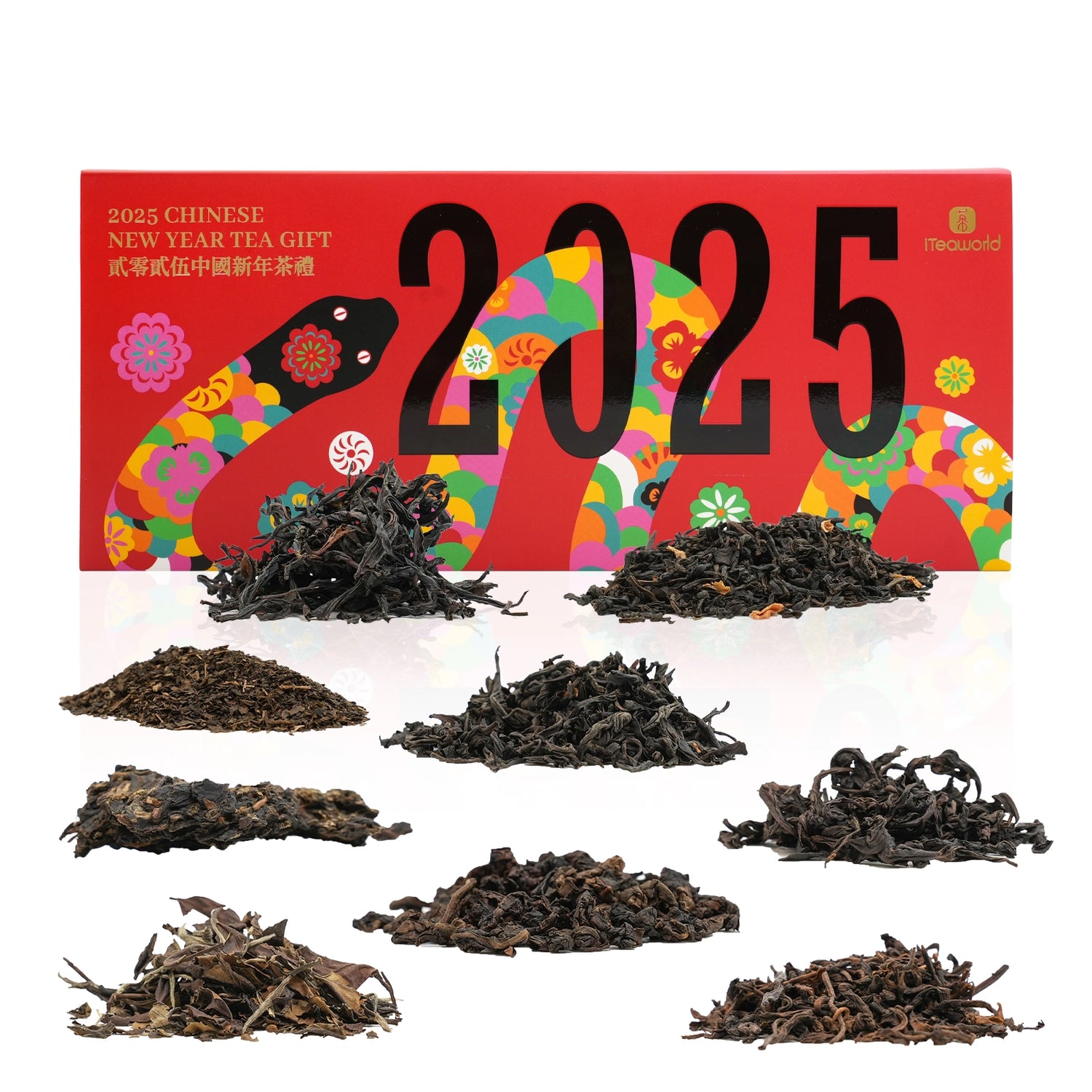
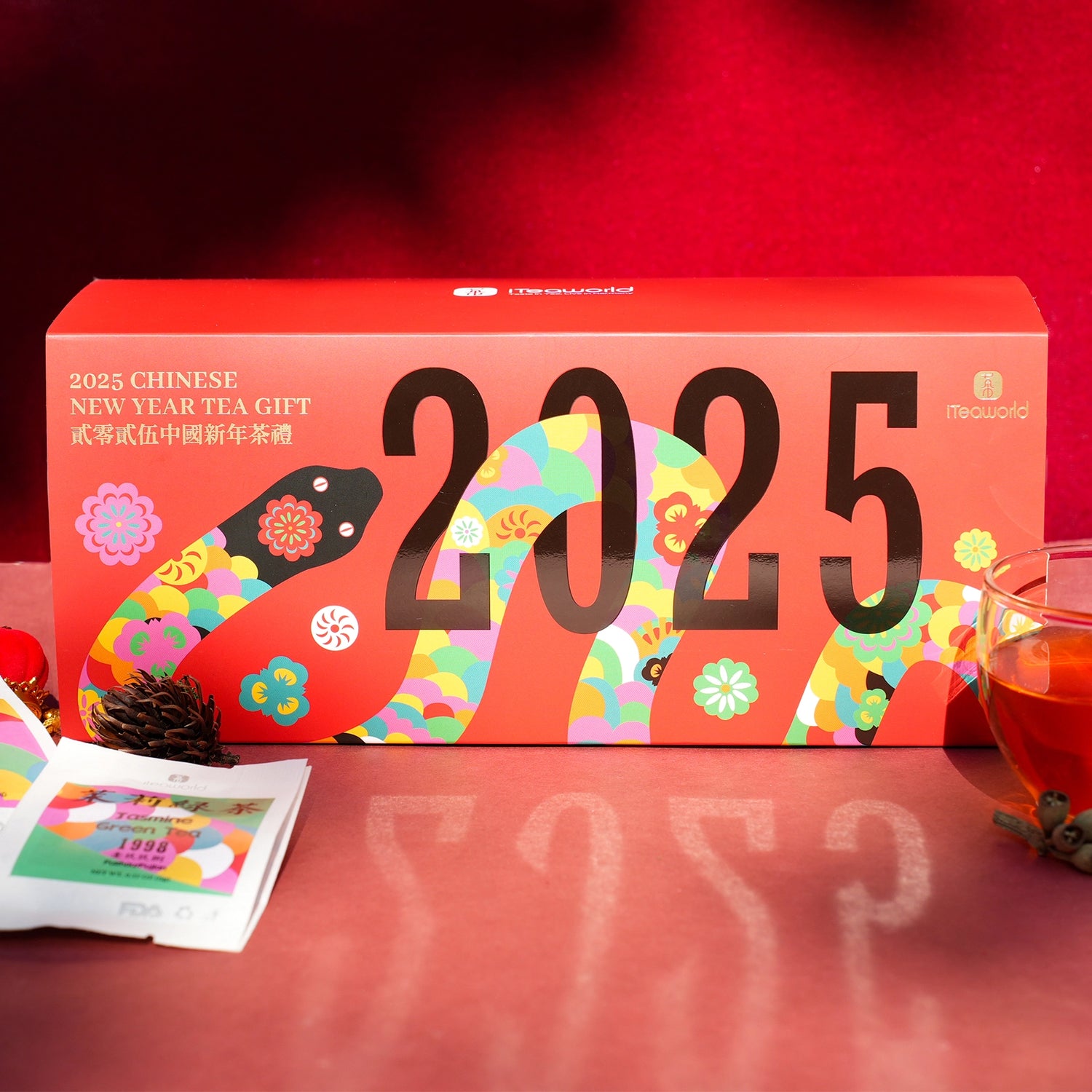
This curated collection features nine teas aged from 14 to 40 years, each capturing a mature in flavor evolution. Experience a velvety, full-bodied texture that glides across the palate, revealing a profile that is both profound and strikingly revitalizing.
Wrapped in packaging adorned with ancient Chinese galloping horse motifs, these teas mirror the spirit of the artwork: a timeless vitality that has only sharpened with age. It is more than a drink; it is a celebration of heritage and refined elegance.
Why this product?
Many people are unclear about what qualifies as aged tea and how to tell the age of tea. iTeaworld has been working with aged tea in the Chinese market for 20 years. We believe that for tea to be considered "aged," it should meet these three criteria: 1. It should have an aged or woody aroma. 2. The tea liquor should be smooth, rich, and sweet. 3. There should be a noticeable warm sensation in the body, especially in the hands and feet, after drinking.
Based on this standard, we’ve selected 10 aged teas, including Oolong, black tea, white tea, dark tea, Pu-erh, and green tea, to help tea lovers understand what aged tea really is.
The product includes:
1995 Shui Xian Oolong Tea: 2 packs of 5g each
1998 Tie Guan Yin Oolong Tea: 2 packs of 5g each
1995 Fenghuang Dancong Oolong Tea: 2 packs of 5g each
1998 Raw Pu-erh Tea : 2 packs of 5g each
2003 Ripe Pu-erh Tea : 2 packs of 5g each
2008 Shuangzheng Liu Bao Dark Tea: 2 packs of 5g each
2014 Shou Mei White Tea: 2 packs of 5g each
2014 Lapsang Souchong Black Tea: 2 packs of 5g each
1998 Jasmine Green Tea: 2 packs of 5g each
1980s Aged Fu Brick Dark Tea: 2 packs of 5g each
How to brew:
Brewing utensils: White porcelain Gaiwan or Zisha teapot.
Water temperature: 95°C-100°C
Tea-to-water ratio: 1:15-25
Brewing time: 10-20seconds
Number of brews: 5-7 times
Why Aged Tea is Still Drinkable:
The reason aged tea can still be consumed safely lies in the unique chemistry of tea leaves and traditional storage methods. Tea contains powerful antioxidants like catechins and polyphenols, which naturally help slow oxidation, keeping tea consumable for extended periods. Dried tea absorbs only minimal moisture and oxygen, meaning it doesn’t provide the damp environment that bacteria need to grow. As long as tea is stored properly—dry, cool, and sealed against odors—it won’t spoil easily, and you can enjoy it without worries if there’s no mold or strange smells.
How Different Types of Tea Age:
Dark Tea (Hei Cha)
Dark tea, when properly aged, undergoes microbial transformations that mellow its flavor. Over time, compounds like caffeine and polyphenols break down, shifting the taste from bitter to smooth and rich. Dark tea requires specific storage conditions: dry, airy, and cool, to support this mellowing process.
White Tea
In China, there’s a saying about white tea: "One-year tea, three-year medicine, seven-year treasure." Aging for three years or more brings out richer flavors and enhances its perceived medicinal value. As white tea ages, the leaves soften in flavor and aroma, creating a more layered drinking experience.
Black Tea
Black tea generally maintains its natural sweetness and fragrance over time, and since its flavor doesn’t improve with aging, most black teas are best enjoyed fresh. However, certain types of compressed black teas, like Hunan's Fu Brick, can develop deeper flavors with storage due to gradual microbial changes.
Oolong Tea
Roasted Oolong teas like Wuyi Rock Tea (Yan Cha) gain complexity as they age. The roasted notes soften, and the tea develops a distinctive “aged aroma,” adding richness and hints of sweetness. Proper storage is essential to preserve its unique characteristics: keep it dry, away from direct sunlight, and sealed to maintain freshness.
Jasmine Green Tea
Jasmine Green Tea, infused with fresh jasmine flowers, has a unique floral aroma that is best enjoyed within one or two years. Over time, the green tea component oxidizes, leading to a darker color and a softer floral note. To preserve the jasmine aroma and freshness, it’s ideal to store it sealed, in a cool, dry place, or even refrigerate it if possible.


This 2018 Liubao Dark Tea comes from Liubao Town, Guangxi, one of the most renowned origins of traditional Chinese dark tea. Made from high-quality one-bud-three-leaf material and crafted through classic Liubao tea techniques, it has been naturally aged for years, allowing the tea to gradually develop a deeper and smoother character.
Through years of transformation, the tea has evolved from its original freshness into a more mature expression. Its aroma reveals earthy notes of aged wood, forest floor, and dried herbs, with a subtle sweetness developed through natural aging. The tea liquor is rich yet gentle, offering a smooth texture, mellow fermented depth, and a refreshing cooling sensation that lingers after each sip.
Liubao tea is one of China’s traditional dark teas with a history of hundreds of years. Its unique character comes from the combination of regional terroir, traditional craftsmanship, and time. This 2018 aged Liubao presents the warmth, depth, and refined smoothness that define a well-matured dark tea.


Introduction:
This Hubei Dark Tea is meticulously selected from the autumn harvest of 2022. Plucked from high-altitude tea gardens in Zhaoliqiao Town, Hubei Province, it adheres to the plucking standard of one bud and three leaves. This tea is a type of Hubei Dark Tea known as "Mi Zhuan Cha" (Rice Brick Tea), renowned for its unique flavor profile. The tea liquor is rich and robust, with a slight initial bitterness that transforms into a lasting sweet aftertaste. It primarily exudes a floral and honey-like aroma, accompanied by a subtle aged fragrance.
Reasons to Recommend:
- Unique Raw Material: Mi Zhuan Cha is a specialty tea produced in Chibi City, Hubei Province, known as the "Hometown of Chinese Brick Tea." It is a compressed black tea made entirely from tea dust, which gives it the name "Rice Brick Tea."
- Distinct Appearance: The finished Mi Zhuan Cha is visually striking, with sharp edges, a smooth surface adorned with intricate patterns, and a glossy black brick color. When brewed, it produces a deep red liquor with a pure aroma and a rich, mellow taste.
- High-Mountain Tea Gardens: The tea trees grow at high altitudes, where significant daily temperature variations slow their growth. The abundant mist and moisture nourish the tea trees, enriching the leaves with nutrients and resulting in a tea with a robust flavor and strong aroma.
Oxidation Level: Wet piling followed by high-temperature steam pressing
Roasting Level: None
Tea Garden Soil: Yellow-brown soil
Processing Time: Autumn 2022
Best Before Date: Suitable for long-term storage
Tea Variety: South Hubei Group Variety

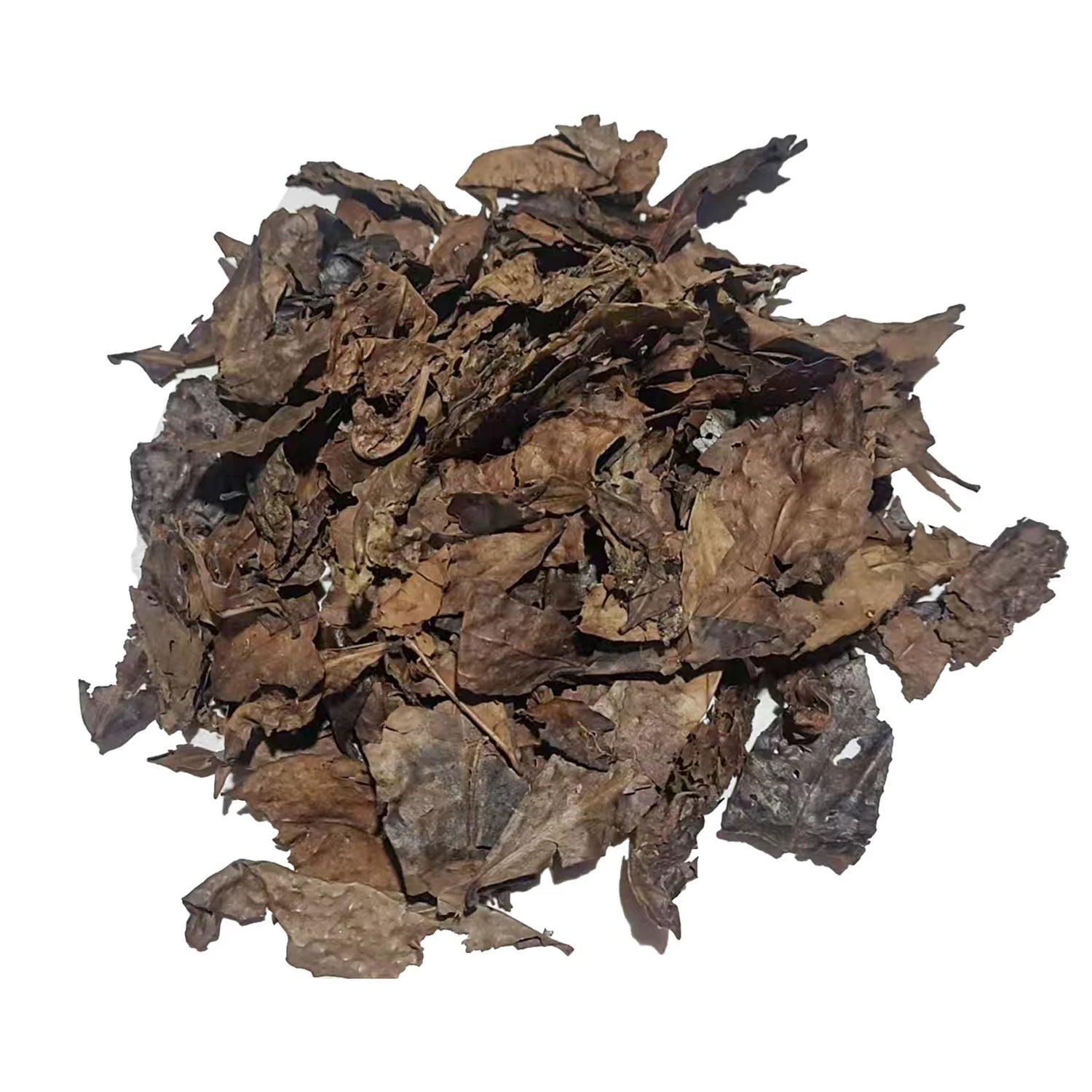
A rich and mellow Liubao tea with a cool herbal aroma, deep body, and long-lasting sweetness. The smooth, full-bodied liquor has a distinctive forest-like character, with a gentle herbal note that lingers pleasantly after each sip.
Perfect for: Tea drinkers who enjoy aged teas, herbal aromas, rich textures, and a deep, lingering finish.
Best for: Slow sipping, quiet evenings, and boiling over a gentle heat to bring out its deeper aroma and sweetness.


A naturally aged ripe Pu-erh from Menghai, Yunnan, offering a smooth, warming cup with rich depth and a clean aged aroma.
Made from Yunnan large-leaf tea and crafted as ripe Pu-erh, this tea has been naturally aged since 2003 in Menghai, one of the most renowned Pu-erh regions in China.
Over two decades of aging have transformed its flavor, removing the youthful fermentation notes and creating a refined aged character with hints of old wood, dried fruit, and a deep, mellow aroma.
The tea brews into a rich amber liquor with a smooth, silky texture and a warm, full-bodied taste. With very little bitterness or astringency, it remains balanced and enjoyable through many infusions.
A great choice for those who enjoy bold flavors, aged teas, or are looking for a comforting alternative to coffee.


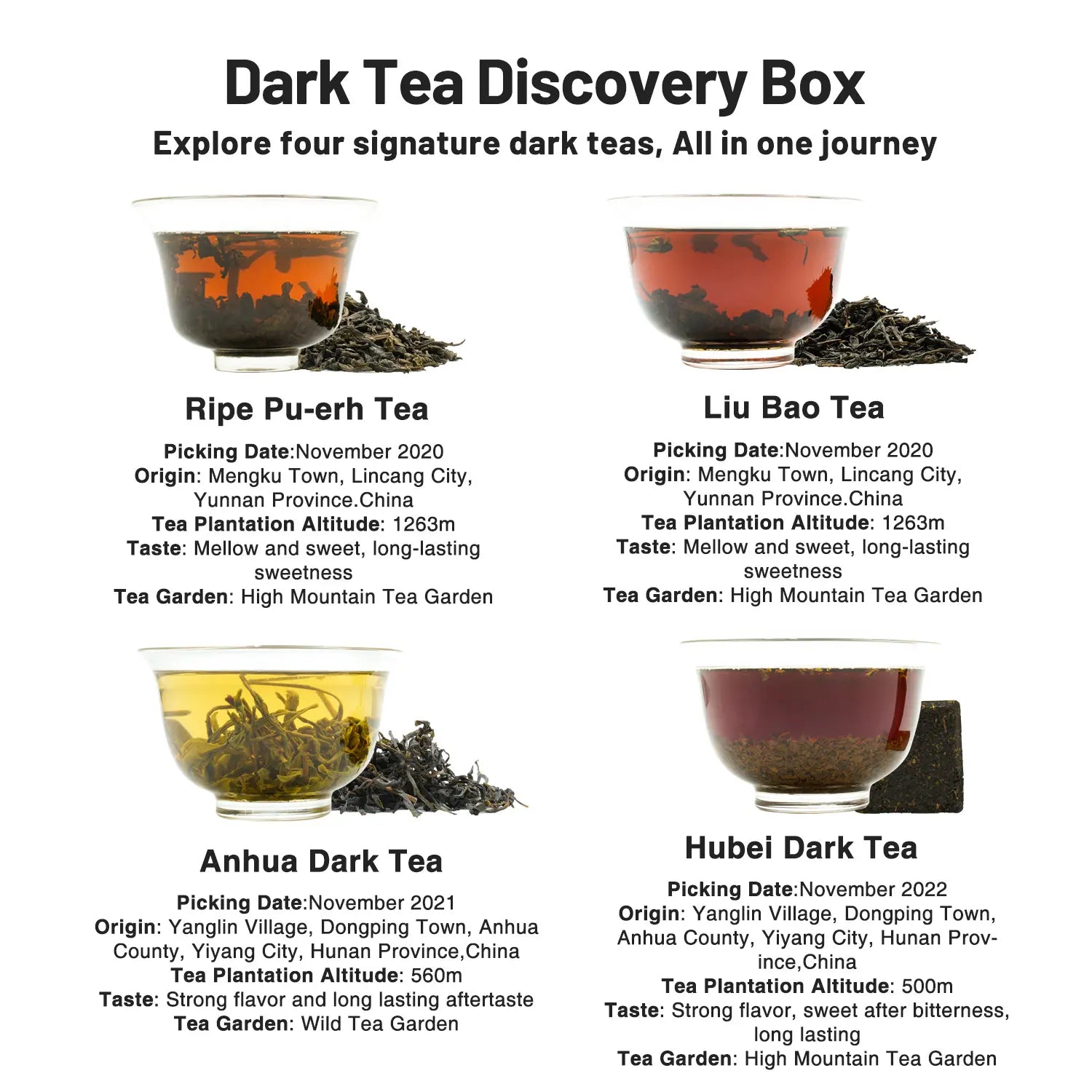
High-quality Chinese loose leaf tea samples, individually wrapped, to try at a low price.
Click the sample to go to the corresponding product page.
Ripe Pu'er 2003
Ripe Pu'er 2020
Liu Bao Tea
Anhua Dark Tea
Hubei Dark Tea


Introduction:
This Anhua Dark Tea is meticulously selected from the autumn harvest of 2021. Plucked from wild tea gardens in Anhua County, Hunan Province, it adheres to the plucking standard of one bud and three leaves. Recognized by the global tea and medical communities as one of the healthiest beverages of the 21st century, this tea exudes a unique pine smoke aroma when brewed, offering a pure, mellow, and sweet taste with a lasting aftertaste.
Reasons to Recommend:
- Special Processing Technique: Anhua Dark Tea undergoes a unique "wet piling" (wo dui) process twice—once during the initial processing of raw tea and again during the final product processing. This process utilizes the temperature and humidity of the tea leaves after fixation, allowing microorganisms in the air to interact with the leaves, resulting in the transformation of the tea's internal compounds.
- Premium Quality: This Anhua Dark Tea (Tianjian) is considered the finest variety available on the market and was historically treasured as a tribute tea for emperors.
- Unique Aroma: A special step in the production of Anhua Dark Tea is the "Seven Star Stove" roasting. During this process, pine wood is burned beneath the stove, and the pine smoke is channeled into the tea leaves, infusing them with a distinctive pine smoke aroma while drying.
Oxidation Level: Wet piling fermentation
Roasting Level: Seven Star Stove pine smoke roasting
Tea Garden Soil: Weathered slate soil
Processing Time: 2021
Best Before Date: Suitable for long-term storage
Tea Variety: Anhua Group Variety
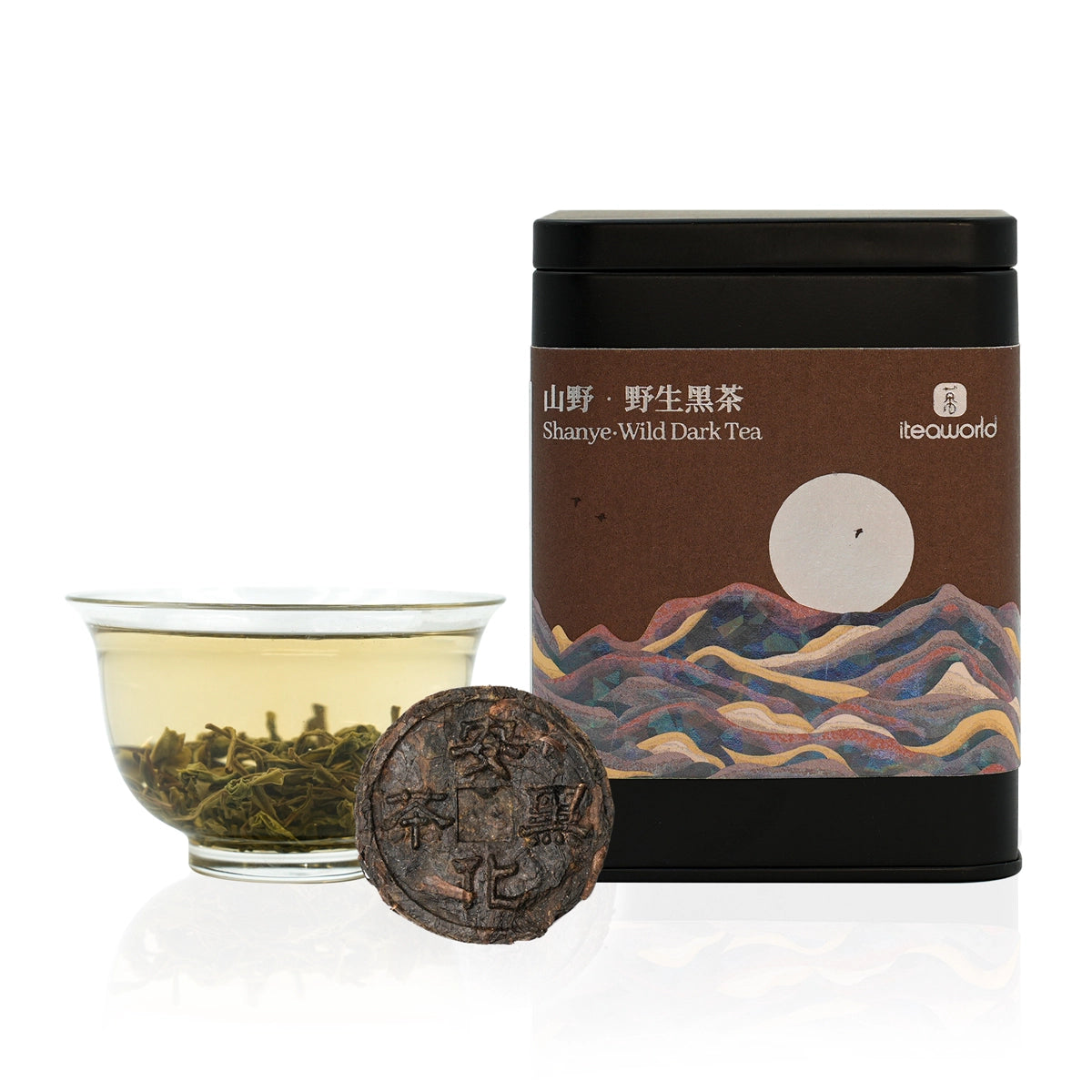
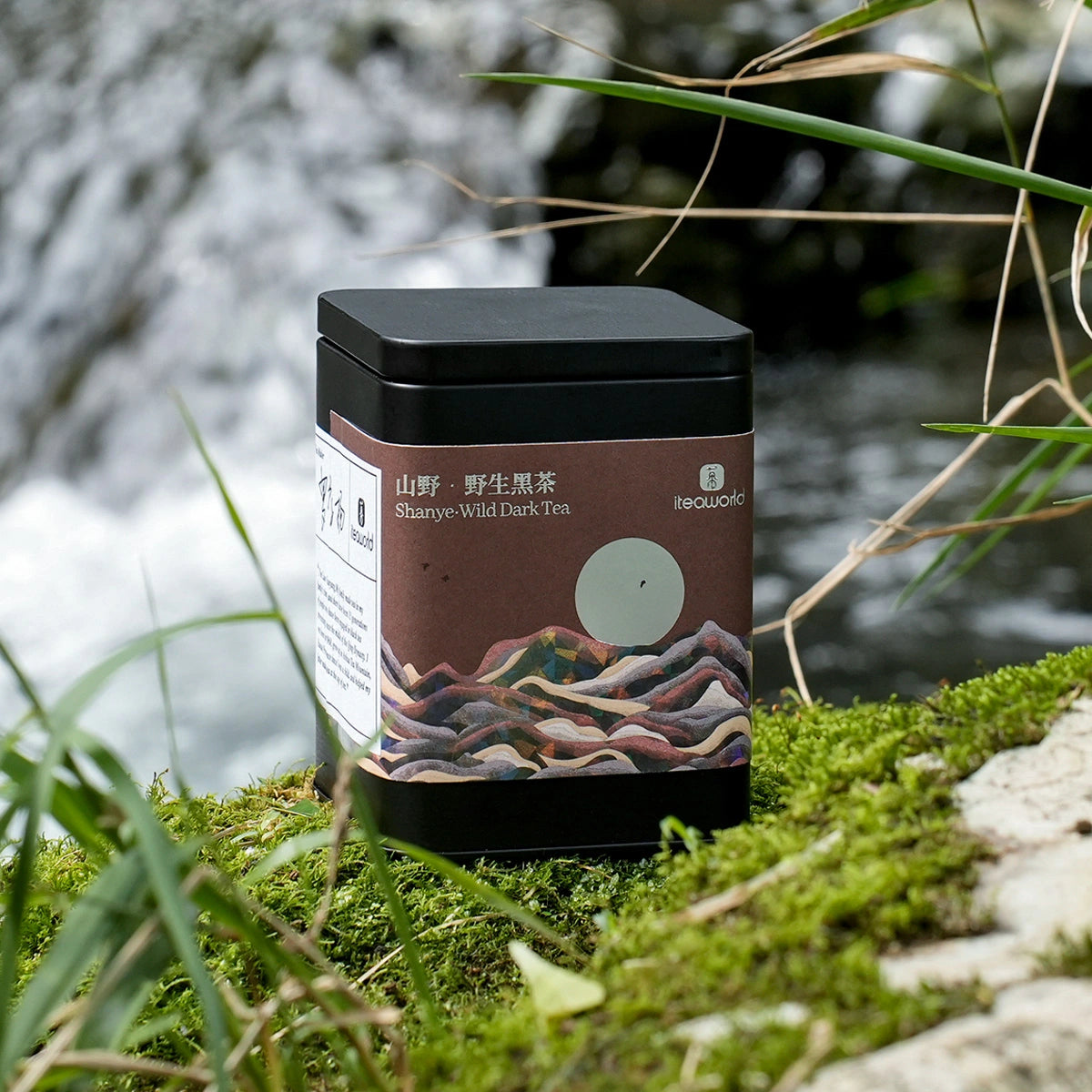
Wild dark tea is produced in Anhua County, Yiyang City, Hunan Province, the birthplace of Anhua dark tea. The tea gardens are primarily located in mountainous areas at an altitude of 1000 meters. Grown in a pristine ecological environment with abundant vegetation, this wild dark tea is cultivated without the use of chemical fertilizers and pesticides, resulting in limited yield with only one spring harvest per year. Processed using the Qiujiang Bopian Tea technique, it offers a pure and long-lasting pine-smoke aroma. The taste is rich, mellow, and sweet, with a lasting aftertaste and a unique pine-smoke fragrance. After consumption, a lingering sweetness remains in the mouth, leaving a memorable and unforgettable experience. Even after multiple infusions, it retains its distinctive aroma.
Recently viewed products
Shop with Confidence at iTeaworld

30-Day Return & Satisfaction Policy
Not satisfied? Get a refund within 15 days for taste concerns, or return unopened products within 30 days.

Free tea samples with tea order
Buy 1 get 1 sample. Buy 2 get 2. Buy 3+ get 3 free sample