
Sort by:
10 products
10 products


This curated collection of Chinese scented teas celebrates the traditional craft of floral tea making, where premium teas are layered with fresh flowers like jasmine, rose, and osmanthus to infuse their essence. Through meticulous multi-round scenting (3-5 times), each tea offers a pure, natural floral aroma without a single petal in sight. Perfect for floral tea lovers or anyone curious about authentic Chinese scented teas, it includes six varieties: Jasmine Green Tea, Rose Black Tea, Jasmine Black Tea, Osmanthus Oolong, Jasmine Oolong Tea
and Jasmine Dark Tea. Ideal for gifting or indulging, this set combines rich heritage, delicate flavors, and the artistry of a UNESCO-recognized tradition. Not suited for those who prefer plain teas or are sensitive to floral fragrances.
Chinese Scented Tea Craftsmanship
"Scenting" is a traditional process where tea leaves are layered with fresh flowers, allowing the tea to absorb the floral aroma before the flowers are removed. This process is repeated multiple times to create the rich fragrance of high-quality scented teas. The best scented teas have no visible petals but retain the pure floral essence. By meticulously layering flowers and tea, ensuring proper aeration, and maintaining strict control over the scenting time and roasting process, the tea reaches peak flavor and aroma.
Depending on the number of scenting cycles—3, 6, or even 9 times—the tea's quality and complexity increase, with some processes taking up to a month. This craftsmanship, involving over 60 days and 200 steps, was recognized as an Intangible Cultural Heritage in 2022 for Jasmine Green Tea. While jasmine green tea is the original scented tea, modern innovation has expanded the range to include many beloved varieties.
This curated set features six of China’s most popular traditional scented teas, each crafted to perfection with vibrant floral aromas but no petals in sight:
- Rose Dianhong Black Tea (3 times scented): 3 packs x 5g
- Jasmine Dianhong Black Tea (3 times scented): 3 packs x 5g
- Osmanthus Aged Tieguanyin Oolong Tea (3 times scented): 4 packs x 5g
- Jasmine Fresh Tieguanyin Oolong Tea (3 times scented): 4 packs x 5g
- Jasmine Green Tea (5 times scented): 3 packs x 5g
- Jasmine Liu Bao Black Tea (3 times scented): 3 packs x 5g
Origins:
- Jasmine Green Tea: Hengxian County, Guangxi
- Jasmine Black Tea: Fengshan Town, Fengqing, Yunnan
- Rose Black Tea: Fengshan Town, Fengqing, Yunnan
- Jasmine Tieguanyin Oolong: Huqiu Town, Anxi, Fujian
- Osmanthus Tieguanyin Oolong: Huqiu Town, Anxi, Fujian
- Jasmine Liu Bao Tea: Hengxian County, Guangxi


Pearl Orchid Green Tea is a rare traditional Chinese scented tea that combines the freshness of Huangshan Maofeng green tea with the elegant fragrance of Pearl Orchid, a treasured flower once cultivated in She County, Anhui for its beauty and later cherished for tea scenting.
Pearl Orchid gets its name from its tiny golden blossoms that grow along the stem like strings of pearls. Unlike the bright and expressive aroma of jasmine, Pearl Orchid offers a softer, deeper floral fragrance with a serene sweetness and a long-lasting finish. It is a classic seasonal tea in Chinese tea culture, traditionally enjoyed during the transitions between warmer and cooler seasons.
This tea is crafted with spring-picked Huangshan Maofeng and carefully scented with Pearl Orchid blossoms from She County. The fresh, delicate green tea base provides a clean and sweet foundation, while the floral infusion brings a gentle orchid-like aroma and a smoother, more refined character.
The first sip reveals a subtle floral sweetness, followed by the fresh and mellow taste of Huangshan Maofeng. The tea is light yet layered, with a graceful aroma that lingers long after each cup.


Sticky Rice Aroma Black Tea is a unique specialty from Yunnan, created by combining classic Dianhong black tea with the naturally fragrant leaves that carry a distinctive sticky-rice aroma. Unlike traditional scented teas made only with flowers, this tea showcases the creativity of Yunnan tea craftsmanship by using aromatic leaves to create a warm and comforting fragrance.
Made with Dianhong black tea from Fengqing, Yunnan, and carefully scented with sticky rice aroma leaves, this tea offers a harmonious blend of rich black tea sweetness and a soft rice-like fragrance. Once brewed, it releases an inviting sticky rice aroma, followed by a smooth, mellow taste with a thick and silky texture. The bright orange-red liquor delivers a naturally sweet finish with no bitterness or astringency.
A unique expression of Yunnan tea culture, this tea brings together the depth of Dianhong and the nostalgic aroma of sticky rice, creating a warm and satisfying tea experience for everyday enjoyment.


Daidai Flower Green Tea is a refreshing floral tea that brings together the bright citrus fragrance of Daidai flowers and the delicate sweetness of early spring green tea. Daidai is a traditional citrus blossom from China, known for its unique aroma that combines the freshness of lemon peel with the elegance of orange blossom.
Crafted in Jinhua, Zhejiang, this tea uses tender spring-picked Biluochun green tea as its base, made from young buds and one-bud-one-leaf leaves. Freshly harvested Daidai flowers are carefully used for scenting, adding a natural citrus sweetness that softens the green tea’s fresh character and creates a smoother, more balanced cup.
The first impression is a lively citrus floral aroma, followed by the fresh sweetness of Biluochun. The tea liquor is light, smooth, and refreshing, with a clean finish and a lingering fragrance that combines citrus, flowers, and green tea notes. It is a unique expression of spring tea with a bright and uplifting character.


Gardenia Black Tea captures the beauty of early summer, when fresh gardenia blossoms meet the rich sweetness of Yunnan black tea. Gardenia, a beloved traditional Chinese fragrant flower, is known for its pure, elegant aroma with a naturally refreshing character.
This tea begins with spring-harvested Dianhong from Fengqing, Yunnan, a black tea prized for its smooth texture and honey-like sweetness. Fresh June gardenia blossoms are carefully paired with the tea through three rounds of traditional scenting, allowing the flower’s graceful fragrance to gently blend into the warm, mellow tea base.
The result is a tea with a unique contrast of floral brightness and rich tea depth. The first impression is a fresh gardenia aroma, delicate yet captivating, like stepping into a garden in full bloom. As you sip, the smooth sweetness of Yunnan black tea unfolds, creating a balanced experience that is refreshing, comforting, and beautifully lingering.

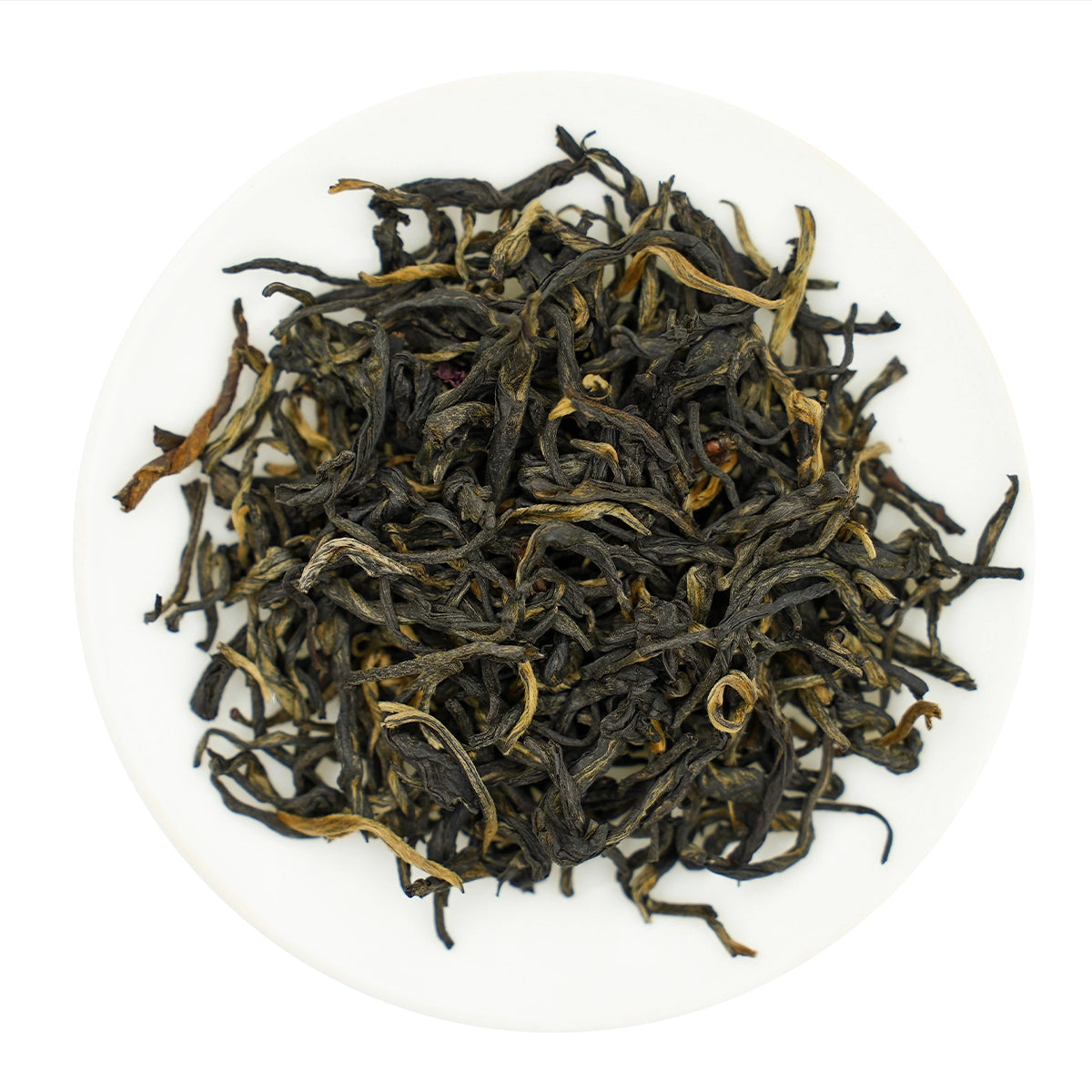
This rose black tea brings together two signature ingredients from Yunnan, China: fragrant Yunnan roses and smooth Dianhong black tea.
Yunnan roses are known for their rich, naturally sweet floral aroma. Grown in sunny mountain environments with fresh air, they develop a deeper and more vibrant fragrance.
The tea base is Dianhong black tea, famous for its smooth body and gentle sweetness, often with notes of honey and malt.
Using a traditional Chinese scenting process, fresh rose petals are layered with the tea, allowing the floral aroma to slowly infuse into the tea. This process is repeated three times to create a balanced cup that is soft, floral, and naturally smooth.


This Osmanthus Black Tea was freshly scented this autumn, using autumn-harvested black tea paired with autumn-blooming Bao Xin osmanthus. Through careful scenting, it carries a rich osmanthus aroma with a gentle sweetness.
Bao Xin osmanthus is often called the “royalty of osmanthus” for its exceptional quality, has layered petals and a full, rounded center. Compared with regular osmanthus, its blossoms are larger, thicker, and more fragrant. A single round of scenting is enough to infuse the tea with a strong aroma, and dried flowers are often kept in the final product to enhance the flavor.
The tea tastes warm and smooth, almost silky, with a sweet, full-bodied profile. The richness of the black tea and the clean sweetness of osmanthus complement each other, leaving a long-lasting aroma and a clear, pleasant aftertaste. It’s an excellent choice for autumn and winter, offering comforting warmth to both body and stomach.


This Osmanthus Oolong Tea offers a smooth and aromatic tasting experience, opening with the rich, mellow depth of Tieguanyin oolong, followed by an elegant osmanthus floral fragrance that gently lingers on the palate.
Sourced from Anxi, Fujian — the birthplace of Tieguanyin oolong — this tea uses carefully selected Tieguanyin leaves as its base. Fresh osmanthus blossoms are then infused through a traditional three-round scenting process during the final drying stage. With each round, the tea slowly absorbs the natural floral aroma, allowing the fragrance to penetrate deeply while preserving the integrity and character of the oolong base. The result is a beautifully balanced cup where delicate floral sweetness meets the smooth, lightly roasted profile of Tieguanyin.
This tea is ideal for those who appreciate refined floral teas and layered flavor complexity. It is especially suited for tea drinkers seeking a unique oolong experience with a naturally infused floral elegance.


Pomelo Blossom Oolong is a rare floral oolong tea that captures the delicate sweetness of pomelo blossoms and the elegant character of traditional Chinese oolong. Unlike teas scented with heavy floral notes, this tea offers a naturally fresh and subtle fragrance, with a gentle citrus blossom sweetness that feels light, clean, and refreshing.
Crafted in Pinghe County, Fujian, the birthplace of Bai Ya Qi Lan and the famous Guanxi honey pomelo, this tea combines the region’s two seasonal treasures. Each spring, tea makers collect Bai Ya Qi Lan tea leaves and carefully scent them with freshly blooming pomelo flowers during the short 20-day blossom season. The result is a unique harmony between Bai Ya Qi Lan’s signature orchid-like aroma and the soft, sweet fragrance of pomelo flowers.
The tea opens with a delicate sweetness from the pomelo blossoms, followed by the smooth body and layered floral notes of Bai Ya Qi Lan. Its silky texture, refreshing finish, and lingering floral aftertaste create a graceful and memorable oolong experience.
Recently viewed products
Shop with Confidence at iTeaworld

30-Day Return & Satisfaction Policy
Not satisfied? Get a refund within 15 days for taste concerns, or return unopened products within 30 days.

Free tea samples with tea order
Buy 1 get 1 sample. Buy 2 get 2. Buy 3+ get 3 free sample