排序方式
172 这些产品
172 这些产品
The First Taste of Spring — Fresh, Fragrant
Biluochun reveals its most captivating character in the earliest days of spring.
Handpicked in early April from Dongting Mountain in Suzhou, these tender buds grow among fruit trees — a unique terroir that naturally infuses the tea with a fresh aroma and a bright, lively taste.
Picked at their youngest stage, the leaves are exceptionally delicate, offering a clarity and fragrance that later harvests cannot replicate.
Available only during a short spring window, once a year.
A vibrant and aromatic expression of spring.
This Jasmine Tieguanyin Oolong is a refined floral tea that blends the elegance of freshly bloomed jasmine flowers with the smooth, creamy character of high-quality Tieguanyin oolong. Through a traditional multi-round scenting process, fresh jasmine blossoms are layered with tea leaves during drying, allowing the tea to naturally absorb the flower’s fragrance.
Scented three times for depth and clarity, this tea achieves a delicate balance—neither overly perfumed nor heavy, but soft, aromatic, and naturally refreshing. The result is a cup that feels like walking through a jasmine garden in full bloom, while enjoying the silky comfort of premium oolong.
This Osmanthus Oolong Tea offers a smooth and aromatic tasting experience, opening with the rich, mellow depth of Tieguanyin oolong, followed by an elegant osmanthus floral fragrance that gently lingers on the palate.
Sourced from Anxi, Fujian — the birthplace of Tieguanyin oolong — this tea uses carefully selected Tieguanyin leaves as its base. Fresh osmanthus blossoms are then infused through a traditional three-round scenting process during the final drying stage. With each round, the tea slowly absorbs the natural floral aroma, allowing the fragrance to penetrate deeply while preserving the integrity and character of the oolong base. The result is a beautifully balanced cup where delicate floral sweetness meets the smooth, lightly roasted profile of Tieguanyin.
This tea is ideal for those who appreciate refined floral teas and layered flavor complexity. It is especially suited for tea drinkers seeking a unique oolong experience with a naturally infused floral elegance.
Introduction:
This Ripe Puer Tea is meticulously selected from the autumn harvest of 2020. Plucked from high-altitude tea gardens in Mengku Town, Lincang City, Yunnan Province, at elevations of over 1200 meters, this tea is made from high-quality one-bud-three-leaf material. After three years of aging, it exudes a rich, aged aroma with notes of wood, earth, and smokiness. Its balanced, mellow flavor leaves a lingering sweetness on the palate, accompanied by subtle fruity and floral undertones.
Reasons to Recommend:
- Special Processing Technique: The "wet piling" (wo dui) process is a crucial fermentation step in crafting ripe Puer tea. It involves piling sun-dried tea leaves to a certain height, sprinkling them with water, and covering them with burlap to ferment under warm and humid conditions for about 24 hours. Once the leaves reach the desired level of transformation, they are spread out to dry.
- Three Years of Aging: The aging of Puer tea is a natural process of oxidation and microbial fermentation. During this time, polyphenols, amino acids, and other chemical compounds in the tea gradually transform, developing new aromas and flavors. Ripe Puer tea further develops complex aromas and a smoother texture through aging.
- High-Mountain Tea Gardens: Grown in high-altitude tea gardens at around 1200 meters, this tea thrives in an environment where lush vegetation, organic-rich soil, and extreme daily temperature fluctuations enhance the accumulation of flavorful compounds in the leaves.
Oxidation Level: Fully fermented
Roasting Level: None
Processing Time: Spring 2020
Best Before Date: Suitable for long-term storage
Tea Variety: Yunnan Big Leaf
Jasmine Liu Bao Tea is a unique expression of aged dark tea refreshed by the elegance of jasmine flowers. Crafted with a 2023 Liu Bao dark tea base, this tea has been carefully aged to develop its smooth, mellow, and naturally sweet character. The rich, earthy depth of Liu Bao is beautifully complemented by the fresh fragrance of jasmine, creating a harmonious balance between the warmth of aged tea and the bright, uplifting aroma of blooming flowers.
Unlike traditional jasmine teas made with green tea, Jasmine Liu Bao offers a deeper and more layered tasting experience. The jasmine does not mask the character of Liu Bao — instead, it gently enhances its mellow, adding floral sweetness, a silky texture, and a clean, refreshing finish.
For jasmine tea lovers, this tea offers a new way to experience the familiar charm of jasmine through a richer and more complex tea base. For dark tea enthusiasts, it brings a fresh floral dimension to the deep, smooth character of Liu Bao. A beautiful meeting of two tea traditions, it is a journey of balance, depth, and discovery in every cup.
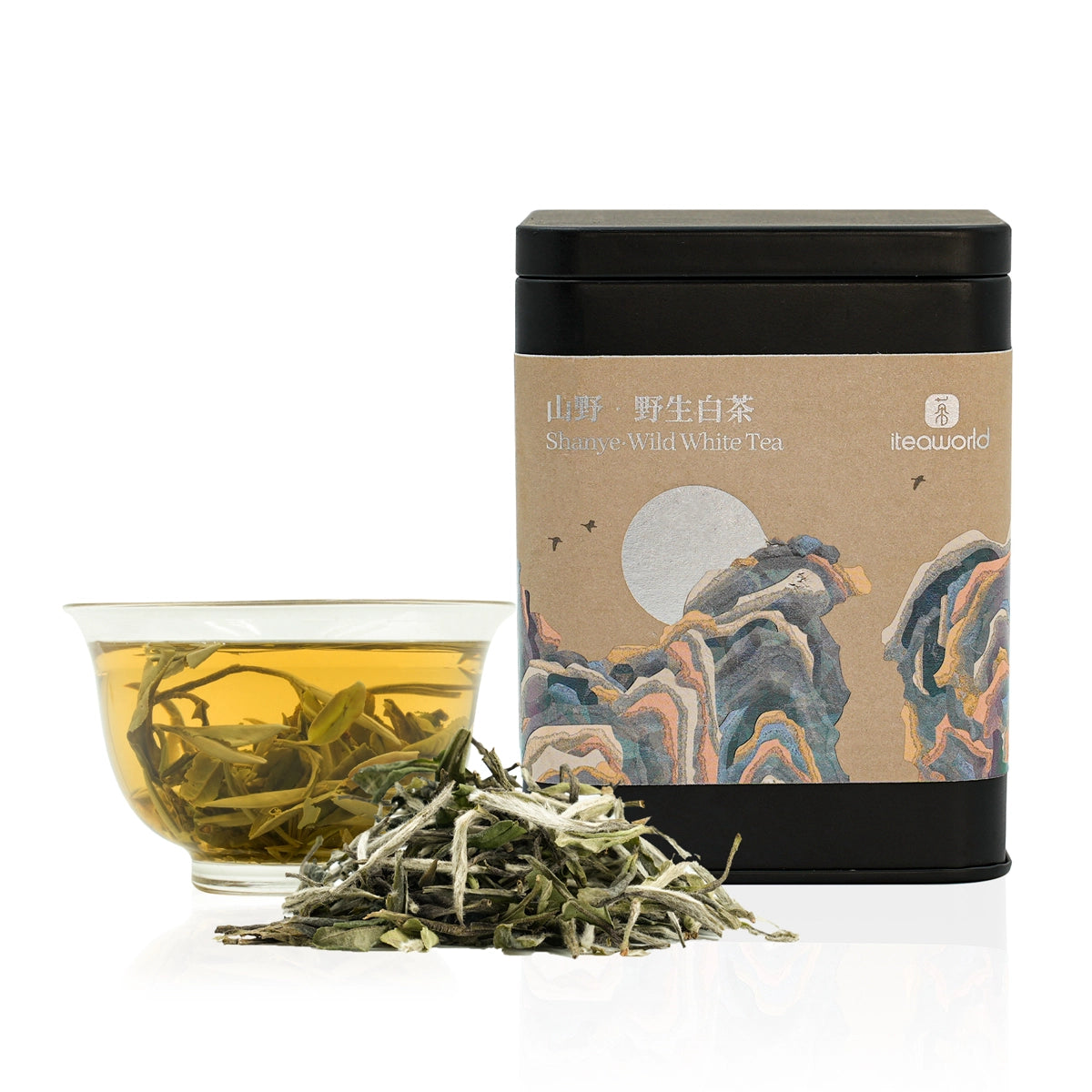
Sourced from wild tea trees left untouched for over a decade, this white tea is the epitome of natural purity. Without any human intervention, it has developed a character far beyond the ordinary.
The Experience: Exceptionally smooth with a lingering sweetness, it carries a bold, "wild" undertone—a refreshing coolness that distinguishes it from garden-grown teas. It is a natural revitalizer, perfect for clearing the mind and boosting focus.
As one of China’s most iconic oolong teas, this Tie Guan Yin comes from high-mountain tea gardens at elevations of 800–1000 meters in its core growing region and is harvested in spring for its fresh and vibrant character.
Crafted with light roasting, the tea highlights elegant floral aromas, a clean natural sweetness, and a refreshing high-mountain finish. Compared to traditional heavily roasted Tie Guan Yin, this style feels brighter, fresher, and more floral-forward.
Compared with our everyday version, this tea offers a smoother texture, greater aromatic intensity, and a more refined drinking experience, making it especially suitable for those who enjoy expressive floral oolongs.
Jasmine Bai Hao represents the pinnacle of traditional Chinese jasmine tea craftsmanship, featuring nine rounds of jasmine scenting — an exceptional level of traditional processing. Each round uses fresh jasmine flowers from Fuzhou, allowing the tea buds to absorb the floral essence and develop a fresh, lively, and deeply layered jasmine aroma.
Made from rare whole buds of Fuding Big Pekoe grown in the high mountains of northern Fujian, this tea combines precious bud material with masterful scenting techniques. The result is an elegant tea with a vibrant jasmine fragrance, a smooth and mellow taste, and a naturally sweet, lingering finish.
A prized choice for those who appreciate the finest expressions of traditional Chinese jasmine tea.
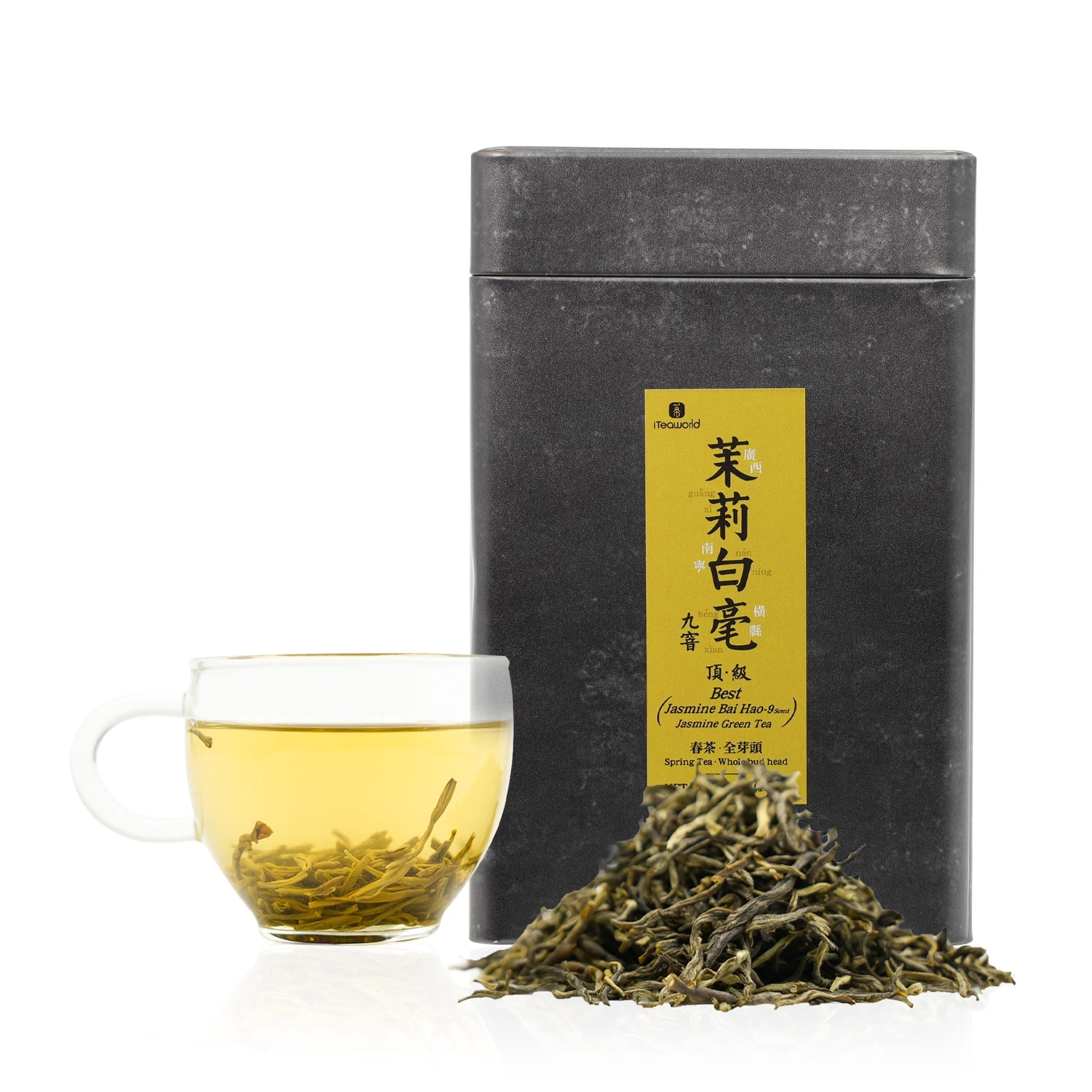
This Jasmine Silver Needle Green Tea is a premium, high-grade jasmine tea made from tender spring-picked Yunnan Da Bai Hao buds and fresh jasmine blossoms from Hengxian, Guangxi—China’s most famous jasmine-growing region.
Using only whole silver buds as the tea base, the tea undergoes an exceptionally refined seven-time scenting process. Fresh jasmine flowers are repeatedly layered with the tea leaves, allowing each bud to slowly absorb deep, natural floral layers while preserving its inherent sweetness and softness.
The result is an elegant, luxurious cup with a pure jasmine fragrance, silky texture, and long-lasting sweetness. More refined than everyday jasmine teas, it is designed for quiet enjoyment, gifting, and moments that call for something truly special.
2014 Aged Shou Mei White Tea is a traditional Fuding white tea that has been naturally aged for over 10 years, allowing time to transform its flavor and character. Made from Fuding Da Bai and Da Hao tea cultivars and crafted through traditional sun-drying methods, this tea develops a deeper aroma, smoother texture, and richer sweetness through years of natural aging.
Compared with fresh white teas that highlight floral freshness and brightness, aged Shou Mei offers a warmer and more mature expression of white tea. Its gentle aged aroma reveals notes of dried herbs, aged wood, and sweet hay, while the tea liquor becomes soft, silky, and mellow with a long-lasting sweet finish.
Pressed into convenient 5g tea cakes, each serving is easy to brew without measuring. Whether enjoyed during a quiet afternoon, after a meal, or as a daily calming ritual, this aged white tea offers a comforting and refined tea experience.
This Qi Dan Da Hong Pao is a balanced and refined Wuyi rock oolong with elegant floral aromas, layered fragrance, and a smooth roasted character. Compared to heavier roasted rock teas, it offers a more harmonious and approachable profile while still retaining the gentle mineral character that defines Wuyi oolong.
Smooth, expressive, and comforting, this tea is especially suitable for those who enjoy roasted oolongs with both floral complexity and depth.
This tea is made from the Qi Dan cultivar, one of the original tea varieties associated with Da Hong Pao. Unlike the blended Da Hong Pao styles commonly found today, single-cultivar Da Hong Pao highlights the unique personality of one specific tea variety, offering a more distinctive and layered tasting experience.
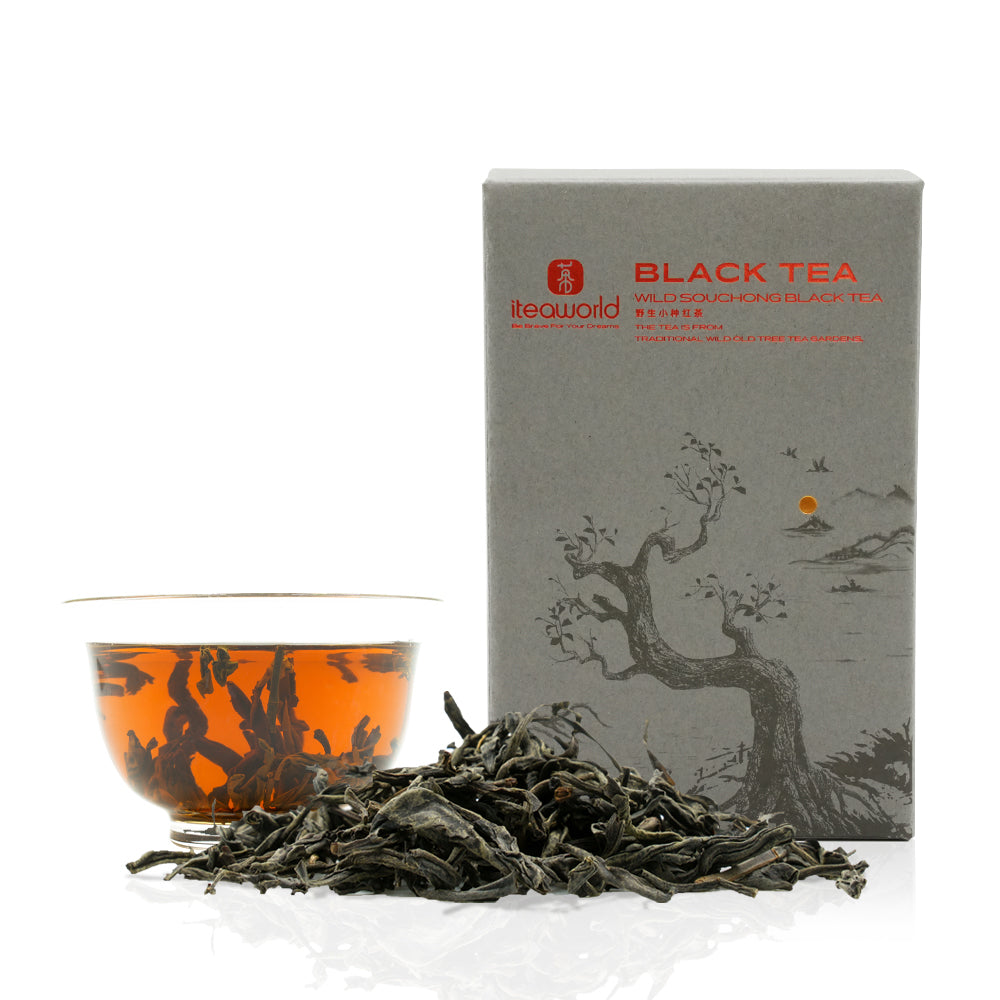
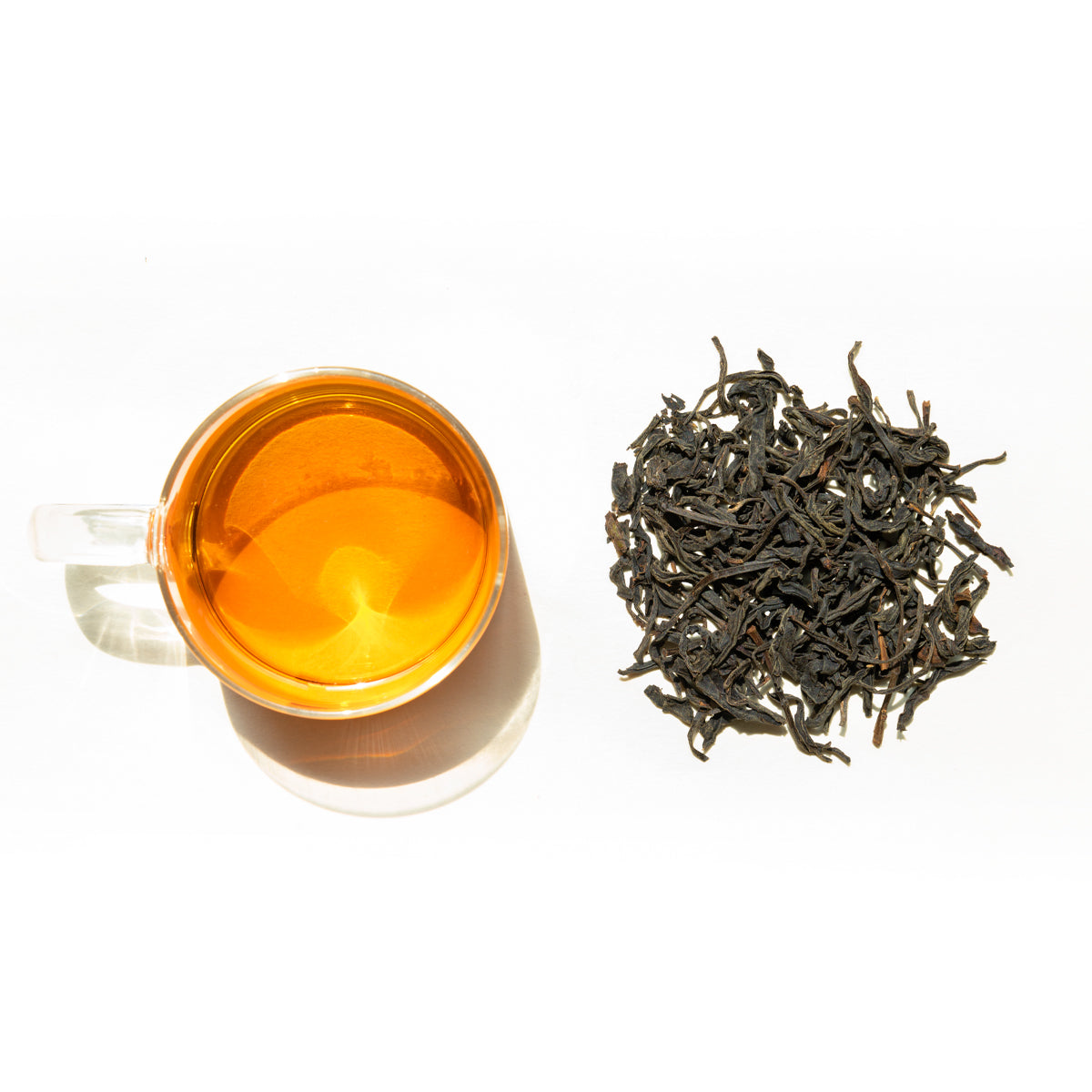
Wild Souchong Black Tea is a unique black tea crafted from wild tea leaves collected from the mountain forests of Guangxi, China. Inspired by the traditional Lapsang Souchong method, this tea combines the classic character of China’s earliest black tea with the deeper, more complex flavors naturally developed by wild tea trees.
Lapsang Souchong, known as the origin of Chinese black tea, has a history of over 400 years. Traditionally crafted with pine wood smoking, it is famous for its distinctive smoky aroma and rich amber-colored liquor. This Wild Souchong follows the same traditional approach while using wild-grown leaves, bringing an added layer of depth, sweetness, and mountain character.
The tea opens with a gentle smoky fragrance, followed by notes of dried fruit, wood, and a subtle natural sweetness. Its full-bodied liquor is smooth and warming, with a lingering finish that reflects both the craftsmanship of Lapsang Souchong and the unique character of wild tea.
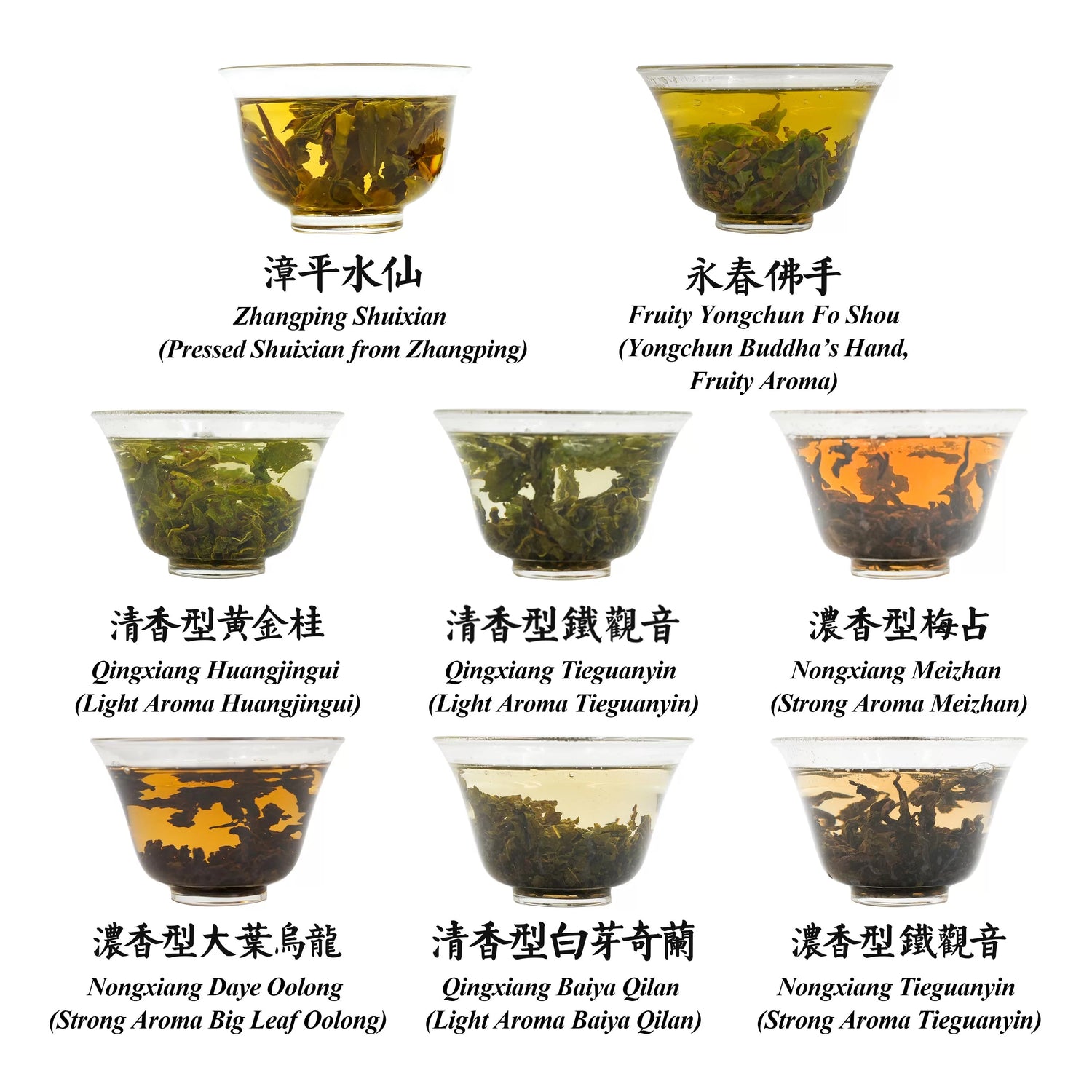
Explore the rich legacy of Southern Fujian oolong teas — home to the iconic Tie Guan Yin and Zhangping Shui Xian, both recognized as part of China’s Intangible Cultural Heritage. Since the 17th century, this region has pioneered the art of high-aroma oolongs, known for their floral, fruity, and gently roasted notes. Crafted with time-honored techniques like light oxidation, layered roasting, and meticulous leaf shaping, these teas capture the essence of Minnan tradition. Whether you're a seasoned tea drinker or just beginning your journey, this curated collection offers a true taste of oolong history.
The First Taste of Spring — Light, Clean & Delicate
The elegance of Huangshan Maofeng is defined by its earliest harvest.
Handpicked in early April from high-altitude mountains of Anhui (around 800 meters), these young leaves develop a lighter, more refined profile shaped by the cool, misty environment.
The result is a clean vegetal aroma, gentle sweetness, and a smooth, refreshing finish — soft, balanced, and quietly expressive.
As the season progresses, this delicacy diminishes, making First Flush the most prized selection.
Limited to a short harvest window each year.
A pure and delicate taste of spring.
This curated collection of Chinese scented teas celebrates the traditional craft of floral tea making, where premium teas are layered with fresh flowers like jasmine, rose, and osmanthus to infuse their essence. Through meticulous multi-round scenting (3-5 times), each tea offers a pure, natural floral aroma without a single petal in sight. Perfect for floral tea lovers or anyone curious about authentic Chinese scented teas, it includes six varieties: Jasmine Green Tea, Rose Black Tea, Jasmine Black Tea, Osmanthus Oolong, Jasmine Oolong Tea
and Jasmine Dark Tea. Ideal for gifting or indulging, this set combines rich heritage, delicate flavors, and the artistry of a UNESCO-recognized tradition. Not suited for those who prefer plain teas or are sensitive to floral fragrances.
Chinese Scented Tea Craftsmanship
"Scenting" is a traditional process where tea leaves are layered with fresh flowers, allowing the tea to absorb the floral aroma before the flowers are removed. This process is repeated multiple times to create the rich fragrance of high-quality scented teas. The best scented teas have no visible petals but retain the pure floral essence. By meticulously layering flowers and tea, ensuring proper aeration, and maintaining strict control over the scenting time and roasting process, the tea reaches peak flavor and aroma.
Depending on the number of scenting cycles—3, 6, or even 9 times—the tea's quality and complexity increase, with some processes taking up to a month. This craftsmanship, involving over 60 days and 200 steps, was recognized as an Intangible Cultural Heritage in 2022 for Jasmine Green Tea. While jasmine green tea is the original scented tea, modern innovation has expanded the range to include many beloved varieties.
This curated set features six of China’s most popular traditional scented teas, each crafted to perfection with vibrant floral aromas but no petals in sight:
- Rose Dianhong Black Tea (3 times scented): 3 packs x 5g
- Jasmine Dianhong Black Tea (3 times scented): 3 packs x 5g
- Osmanthus Aged Tieguanyin Oolong Tea (3 times scented): 4 packs x 5g
- Jasmine Fresh Tieguanyin Oolong Tea (3 times scented): 4 packs x 5g
- Jasmine Green Tea (5 times scented): 3 packs x 5g
- Jasmine Liu Bao Black Tea (3 times scented): 3 packs x 5g
Origins:
- Jasmine Green Tea: Hengxian County, Guangxi
- Jasmine Black Tea: Fengshan Town, Fengqing, Yunnan
- Rose Black Tea: Fengshan Town, Fengqing, Yunnan
- Jasmine Tieguanyin Oolong: Huqiu Town, Anxi, Fujian
- Osmanthus Tieguanyin Oolong: Huqiu Town, Anxi, Fujian
- Jasmine Liu Bao Tea: Hengxian County, Guangxi
Why this product?
Many people are unclear about what qualifies as aged tea and how to tell the age of tea. iTeaworld has been working with aged tea in the Chinese market for 20 years. We believe that for tea to be considered "aged," it should meet these three criteria: 1. It should have an aged or woody aroma. 2. The tea liquor should be smooth, rich, and sweet. 3. There should be a noticeable warm sensation in the body, especially in the hands and feet, after drinking.
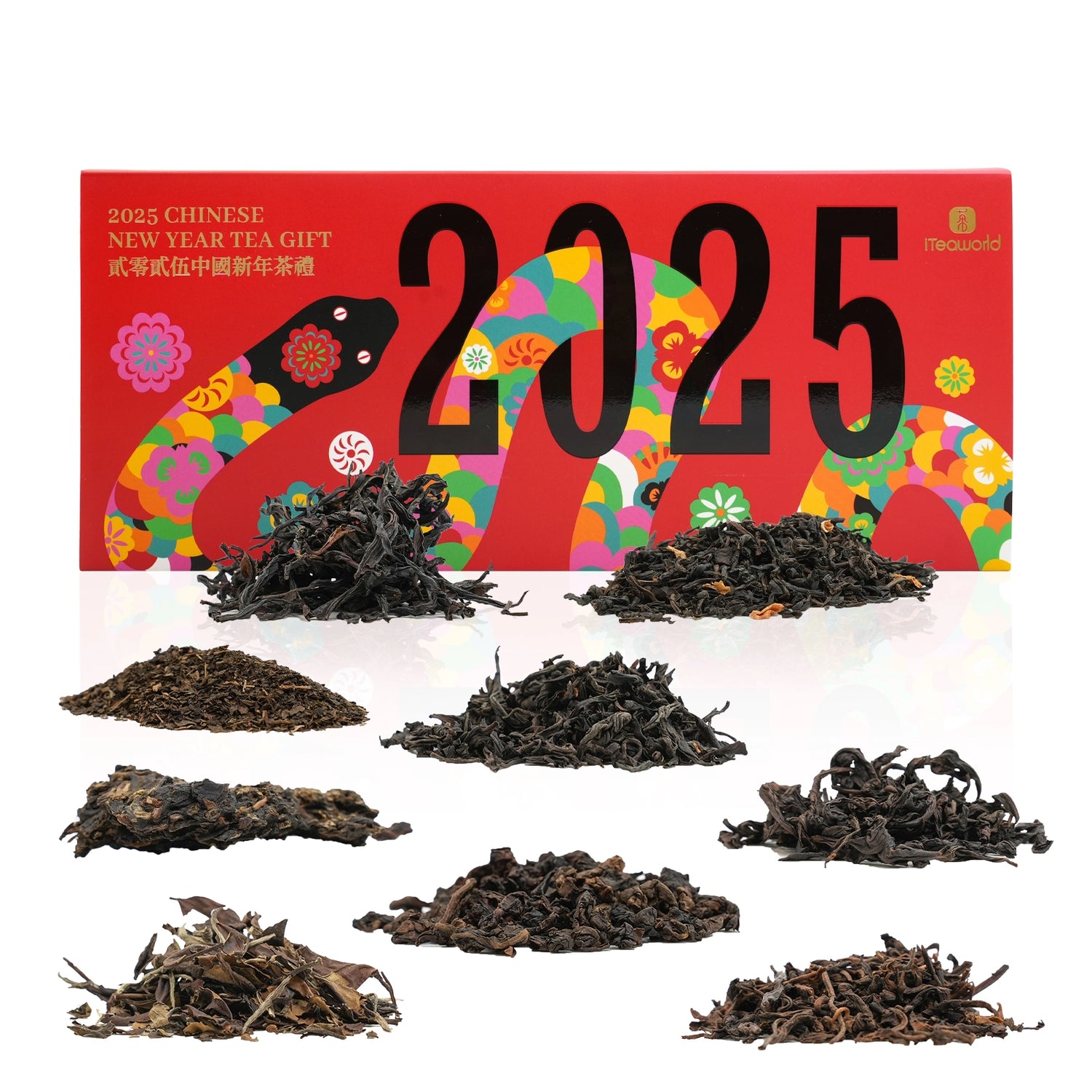
Based on this standard, we’ve selected 10 aged teas, including Oolong, black tea, white tea, dark tea, Pu-erh, and green tea, to help tea lovers understand what aged tea really is.
The product includes:
1995 Shui Xian Oolong Tea: 2 packs of 5g each
1998 Tie Guan Yin Oolong Tea: 2 packs of 5g each
1995 Fenghuang Dancong Oolong Tea: 2 packs of 5g each
1998 Raw Pu-erh Tea : 2 packs of 5g each
2003 Ripe Pu-erh Tea : 2 packs of 5g each
2008 Shuangzheng Liu Bao Dark Tea: 2 packs of 5g each
2014 Shou Mei White Tea: 2 packs of 5g each
2014 Lapsang Souchong Black Tea: 2 packs of 5g each
1998 Jasmine Green Tea: 2 packs of 5g each
1980s Aged Fu Brick Dark Tea: 2 packs of 5g each
How to brew:
Brewing utensils: White porcelain Gaiwan or Zisha teapot.
Water temperature: 95°C-100°C
Tea-to-water ratio: 1:15-25
Brewing time: 10-20seconds
Number of brews: 5-7 times
Why Aged Tea is Still Drinkable:
The reason aged tea can still be consumed safely lies in the unique chemistry of tea leaves and traditional storage methods. Tea contains powerful antioxidants like catechins and polyphenols, which naturally help slow oxidation, keeping tea consumable for extended periods. Dried tea absorbs only minimal moisture and oxygen, meaning it doesn’t provide the damp environment that bacteria need to grow. As long as tea is stored properly—dry, cool, and sealed against odors—it won’t spoil easily, and you can enjoy it without worries if there’s no mold or strange smells.
How Different Types of Tea Age:
Dark Tea (Hei Cha)
Dark tea, when properly aged, undergoes microbial transformations that mellow its flavor. Over time, compounds like caffeine and polyphenols break down, shifting the taste from bitter to smooth and rich. Dark tea requires specific storage conditions: dry, airy, and cool, to support this mellowing process.
White Tea
In China, there’s a saying about white tea: "One-year tea, three-year medicine, seven-year treasure." Aging for three years or more brings out richer flavors and enhances its perceived medicinal value. As white tea ages, the leaves soften in flavor and aroma, creating a more layered drinking experience.
Black Tea
Black tea generally maintains its natural sweetness and fragrance over time, and since its flavor doesn’t improve with aging, most black teas are best enjoyed fresh. However, certain types of compressed black teas, like Hunan's Fu Brick, can develop deeper flavors with storage due to gradual microbial changes.
Oolong Tea
Roasted Oolong teas like Wuyi Rock Tea (Yan Cha) gain complexity as they age. The roasted notes soften, and the tea develops a distinctive “aged aroma,” adding richness and hints of sweetness. Proper storage is essential to preserve its unique characteristics: keep it dry, away from direct sunlight, and sealed to maintain freshness.
Jasmine Green Tea
Jasmine Green Tea, infused with fresh jasmine flowers, has a unique floral aroma that is best enjoyed within one or two years. Over time, the green tea component oxidizes, leading to a darker color and a softer floral note. To preserve the jasmine aroma and freshness, it’s ideal to store it sealed, in a cool, dry place, or even refrigerate it if possible.
Looking for a Caffeine-Free Green Tea Alternative?
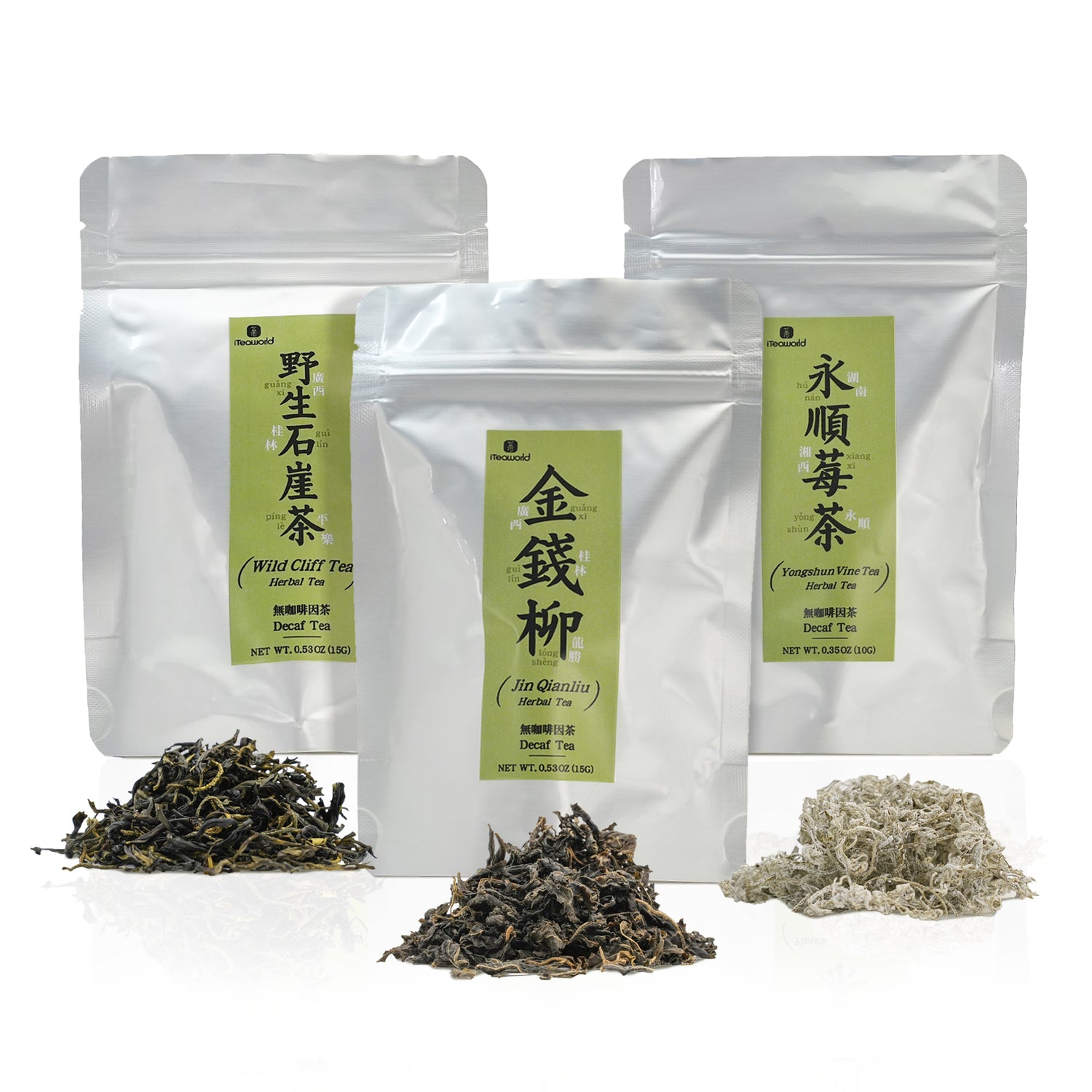
While we don’t offer caffeine-free green tea, we’ve carefully selected three herbal teas processed in a similar way to green tea—offering comparable freshness and aroma. These unique teas have been valued in traditional Chinese tea culture for centuries.
Jin Qian Liu – Sweet Tea Tree (Cyclocarya Paliurus)
Grown in the lush regions of southern China, this naturally sweet herbal tea is made from the leaves of the Cyclocarya Paliurus tree. Its smooth, mellow flavor makes it a perfect choice for anyone looking for a gentle, caffeine-free infusion. Traditionally, it has been appreciated for its balance and calming taste.
Wild Cliff Tea (Shi Ya Cha)
Harvested from wild tea trees on the rocky cliffs of Guangxi, this rare herbal tea delivers a robust, aromatic experience. With a rich profile and sweet finish, it’s known as “tea of the immortals” in local folklore. It is naturally high in flavonoids, which contribute to its full-bodied taste.
Vine Tea – Zhangjiajie Mei Tea (Ampelopsis grossedentata)
Thriving in the misty highlands of Zhangjiajie, Vine Tea is celebrated for its vibrant, refreshing flavor. Known as the “King of Flavonoids,” this herbal infusion contains a naturally high concentration of flavonoids, offering a satisfying, clean finish with every sip.