排序方式
172 这些产品
172 这些产品
Rich in honeysuckle-like floral aroma, this Ya Shi Xiang Dancong offers a smooth, full-bodied tea liquor with a naturally sweet and silky texture. Its refreshing finish and uplifting fragrance make it an especially enjoyable floral oolong for daily drinking.
Compared with traditionally heavy-roasted Dancong styles, this version presents a cleaner, fresher, and more aromatic profile while still maintaining satisfying body and depth.
Crafted from autumn-harvest tea leaves grown in Dingyao — one of the core tea-growing areas of Phoenix Mountain, Guangdong — this tea is ideal for drinkers who enjoy highly fragrant oolong teas with a smooth and approachable character. Suitable for both newcomers to Dancong and experienced oolong enthusiasts.
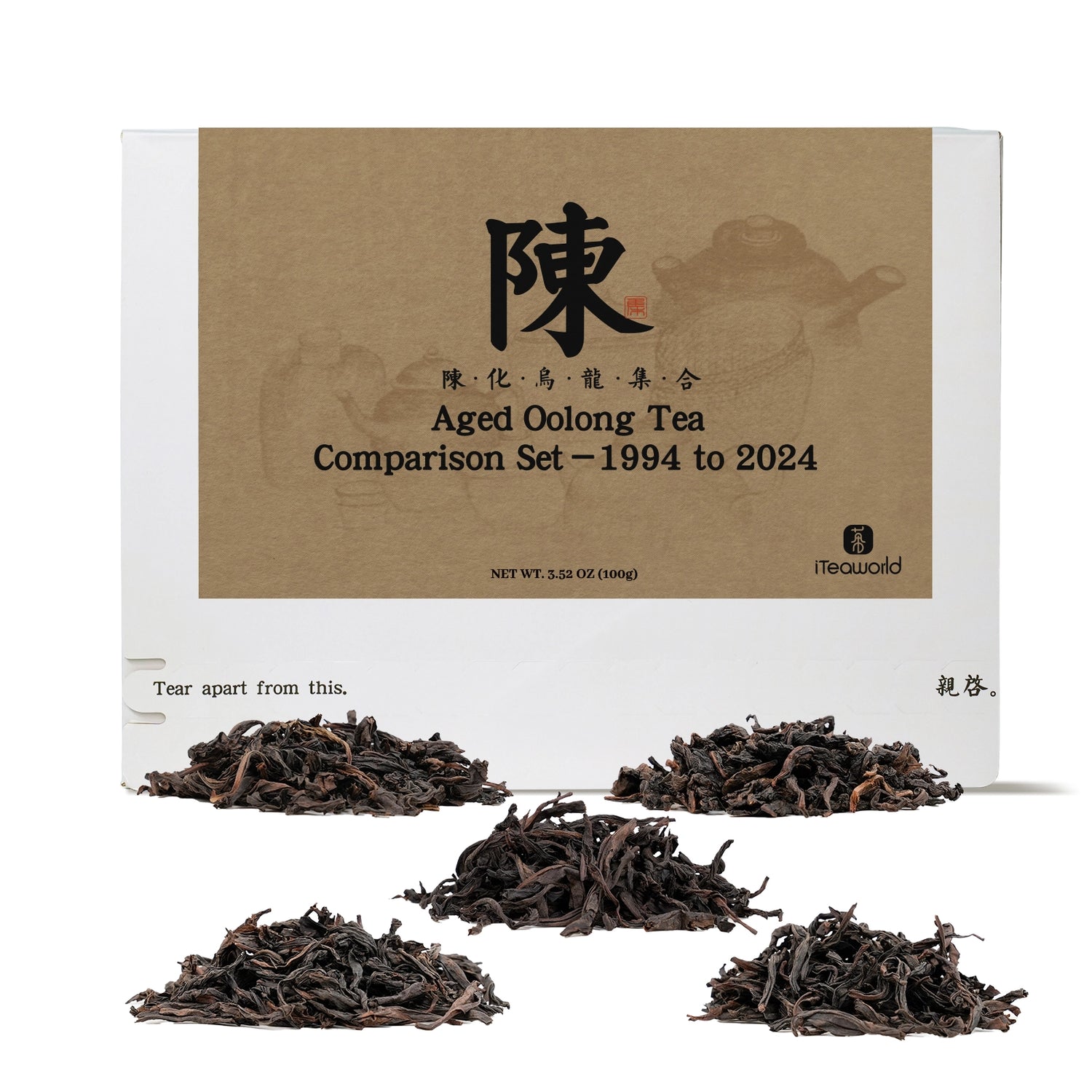
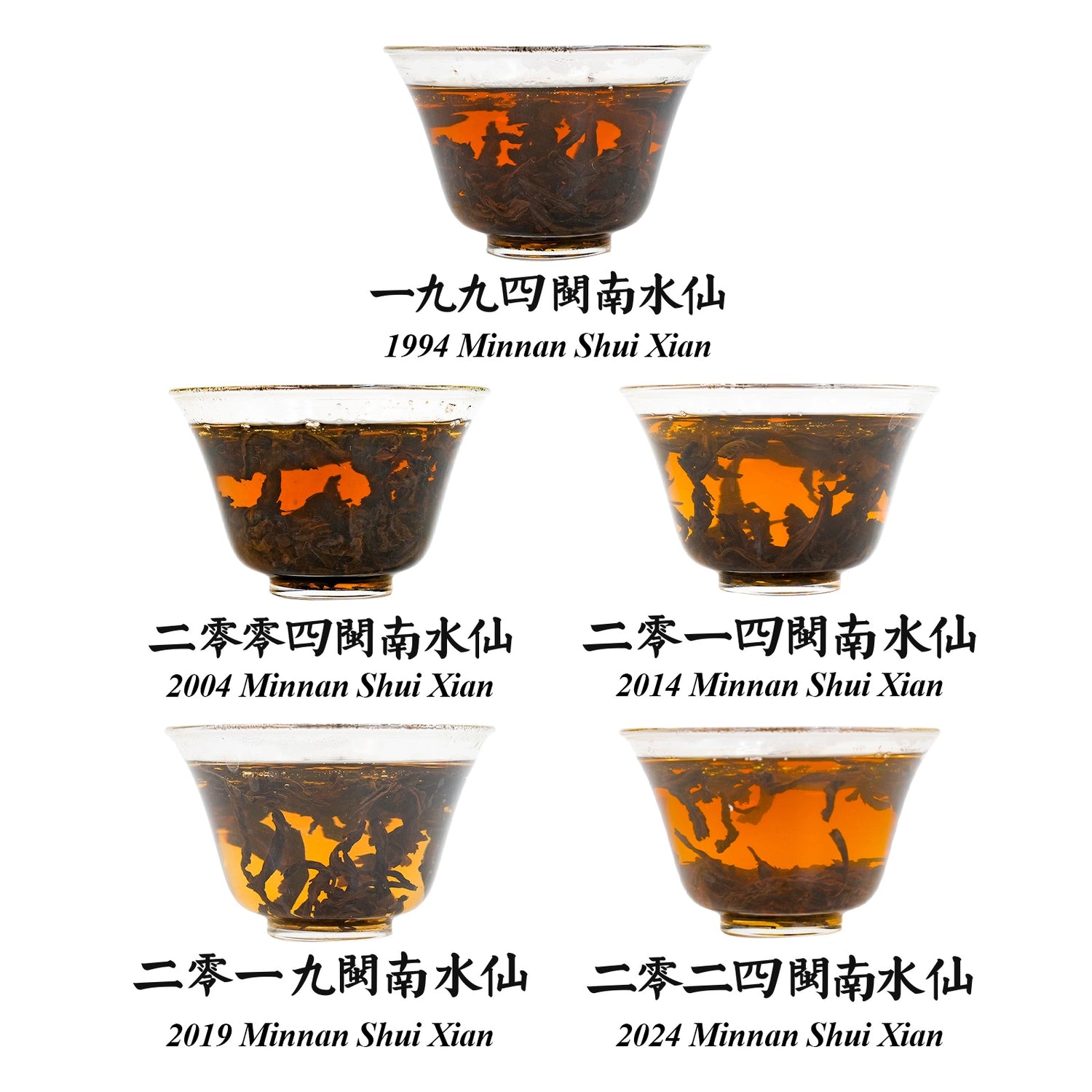
The Northern Fujian region is considered the birthplace of Oolong tea, and the traditional crafting methods of Wuyi Rock Tea have been recognized as part of China’s intangible cultural heritage. This collection brings together iconic oolong varieties from the Song Dynasty (Wuyi Qizhong and Jian'ou Dwarf Oolong) to today (Blended Da Hong Pao, Wuyi Rougui, Aged Tree Shuixian Oolong ), along with emerging cultivars with great future potential (Rui Xiang Oolong). Each tea carries the unique craftsmanship of the region, with its own distinct story and flavor. We hope this collection will allow you to explore the diverse flavors and rich cultural heritage of Northern Fujian (Minnan) Oolong tea.
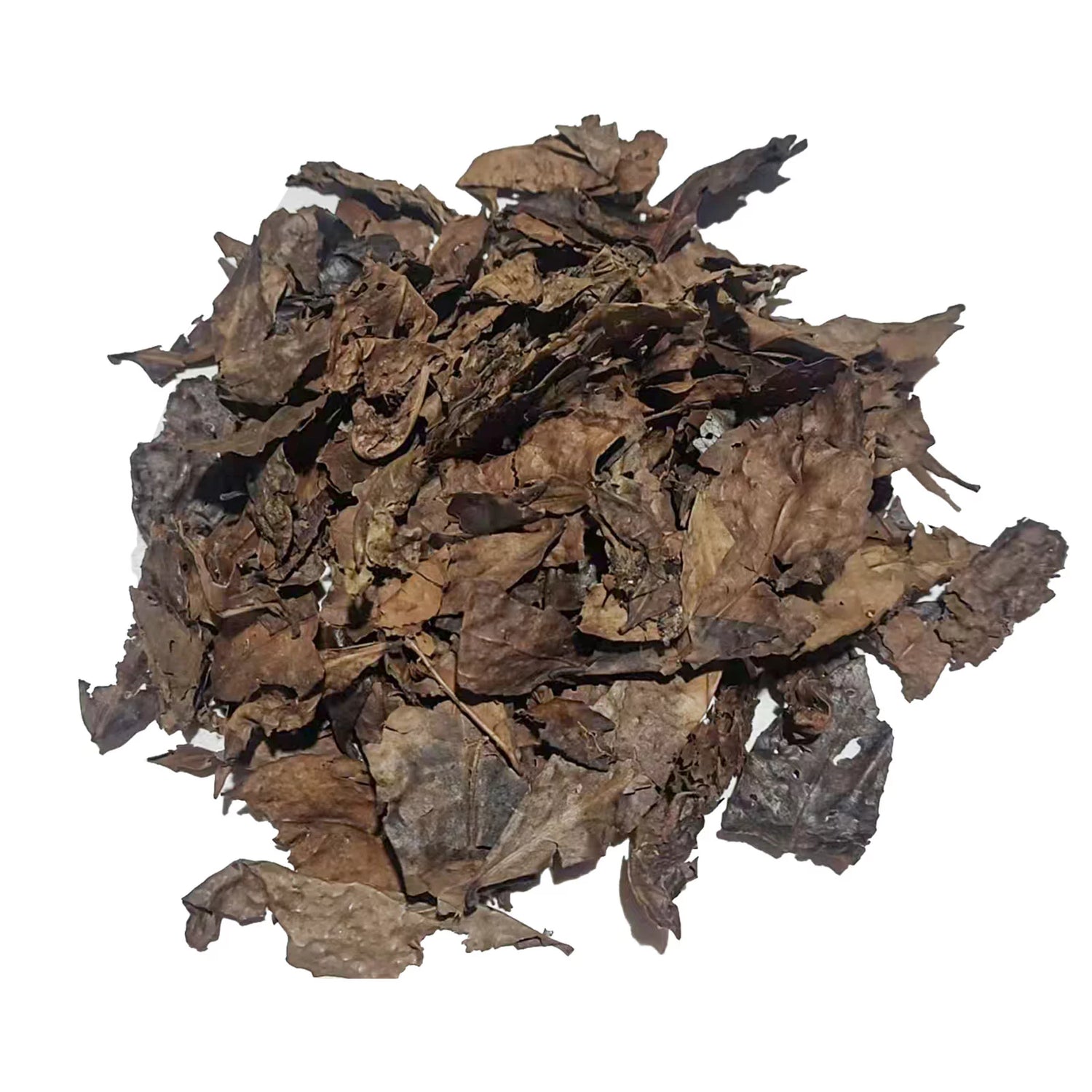
This 2018 Liubao Dark Tea comes from Liubao Town, Guangxi, one of the most renowned origins of traditional Chinese dark tea. Made from high-quality one-bud-three-leaf material and crafted through classic Liubao tea techniques, it has been naturally aged for years, allowing the tea to gradually develop a deeper and smoother character.
Through years of transformation, the tea has evolved from its original freshness into a more mature expression. Its aroma reveals earthy notes of aged wood, forest floor, and dried herbs, with a subtle sweetness developed through natural aging. The tea liquor is rich yet gentle, offering a smooth texture, mellow fermented depth, and a refreshing cooling sensation that lingers after each sip.
Liubao tea is one of China’s traditional dark teas with a history of hundreds of years. Its unique character comes from the combination of regional terroir, traditional craftsmanship, and time. This 2018 aged Liubao presents the warmth, depth, and refined smoothness that define a well-matured dark tea.
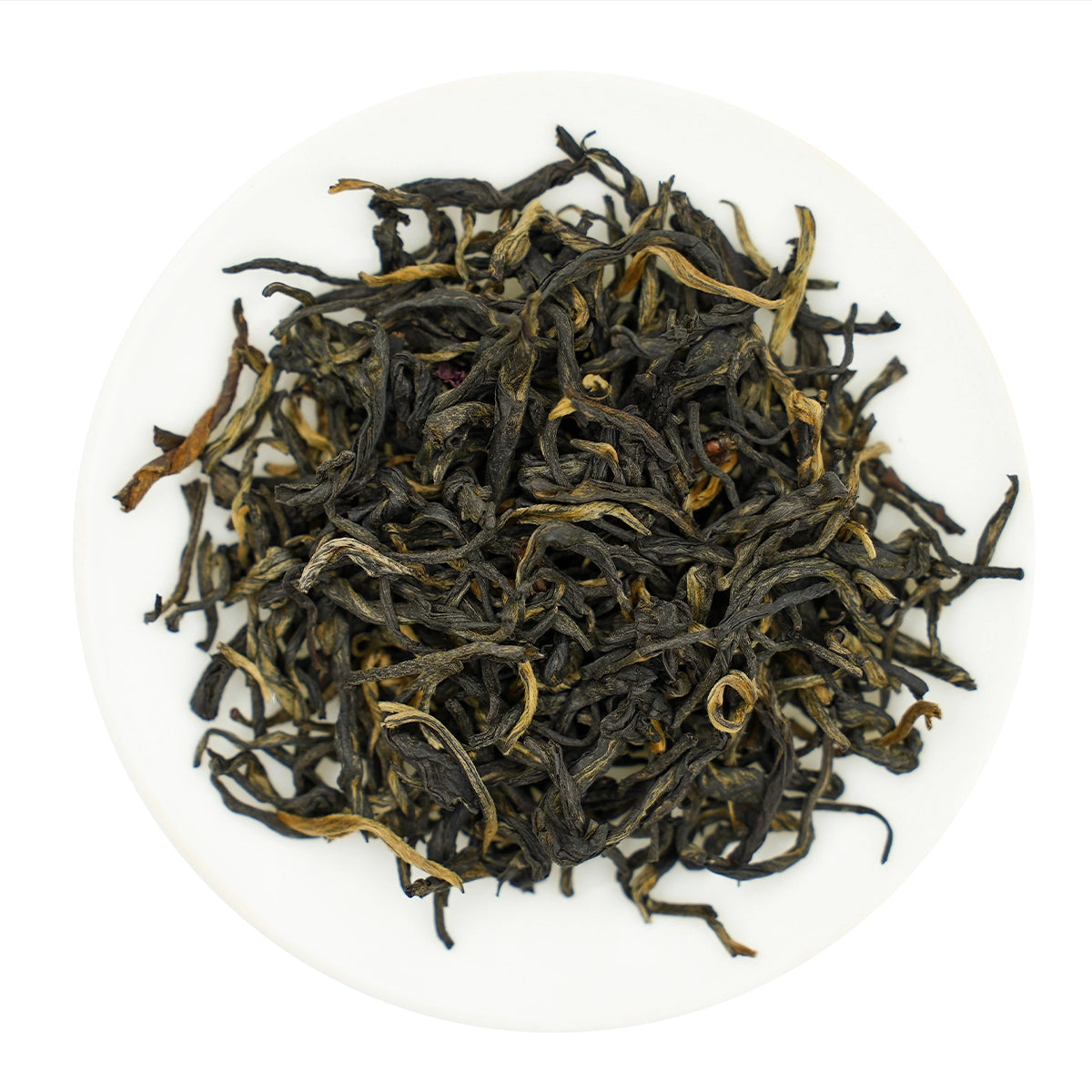
Jasmine Black Tea is a delicate blend of high-mountain Yunnan black tea and fresh jasmine flowers from Hengxian, Guangxi. Made from spring-harvested tea leaves from Fengqing, Yunnan, this tea develops a naturally sweet, smooth, and mellow character thanks to its high-altitude growing environment.
During the traditional three-round jasmine scenting process, fresh jasmine flowers gently infuse the rich body of Yunnan black tea with a refined floral fragrance. The jasmine aroma adds a touch of freshness to the tea’s honey-like sweetness, creating a lighter and more elegant expression of Yunnan black tea while preserving its deep and satisfying character.
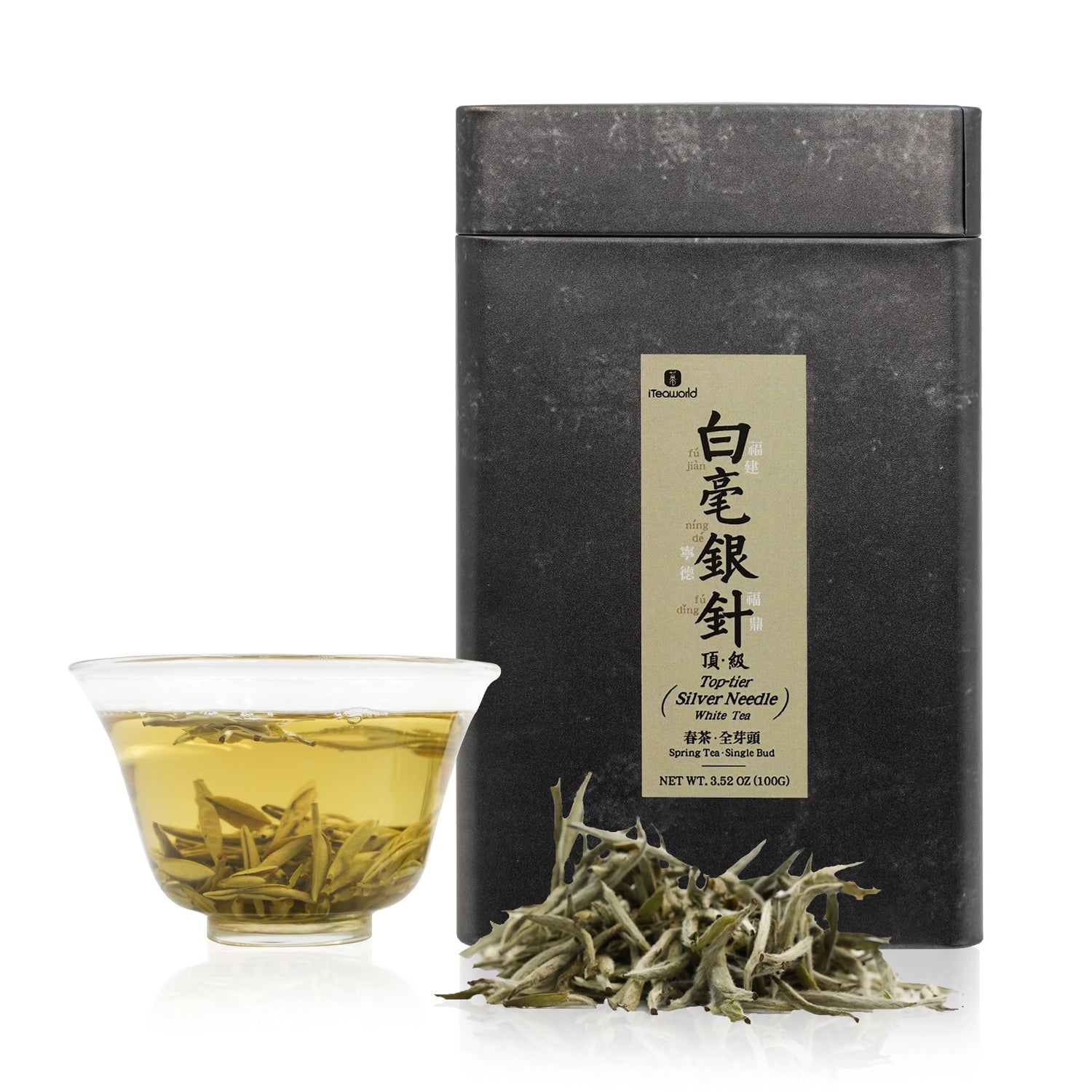
Fuding White Peony (Bai Mudan) is one of the most beloved styles of Chinese white tea, valued for its elegant floral aroma, gentle sweetness, and refreshing character. Made from the tender buds and first young leaves of the Fuding Da Bai tea variety, it captures the delicate beauty of young tea leaves while offering a fuller flavor than Silver Needle.
Crafted in Fuding, Fujian, the birthplace of white tea, this tea follows traditional sun-drying techniques to preserve the leaves’ natural freshness and purity. The result is a smooth and balanced white tea with soft floral notes, subtle sweetness, and a clean finish. Its approachable yet layered character makes it an excellent choice for those new to white tea and for experienced tea drinkers seeking an authentic Fuding white tea experience.
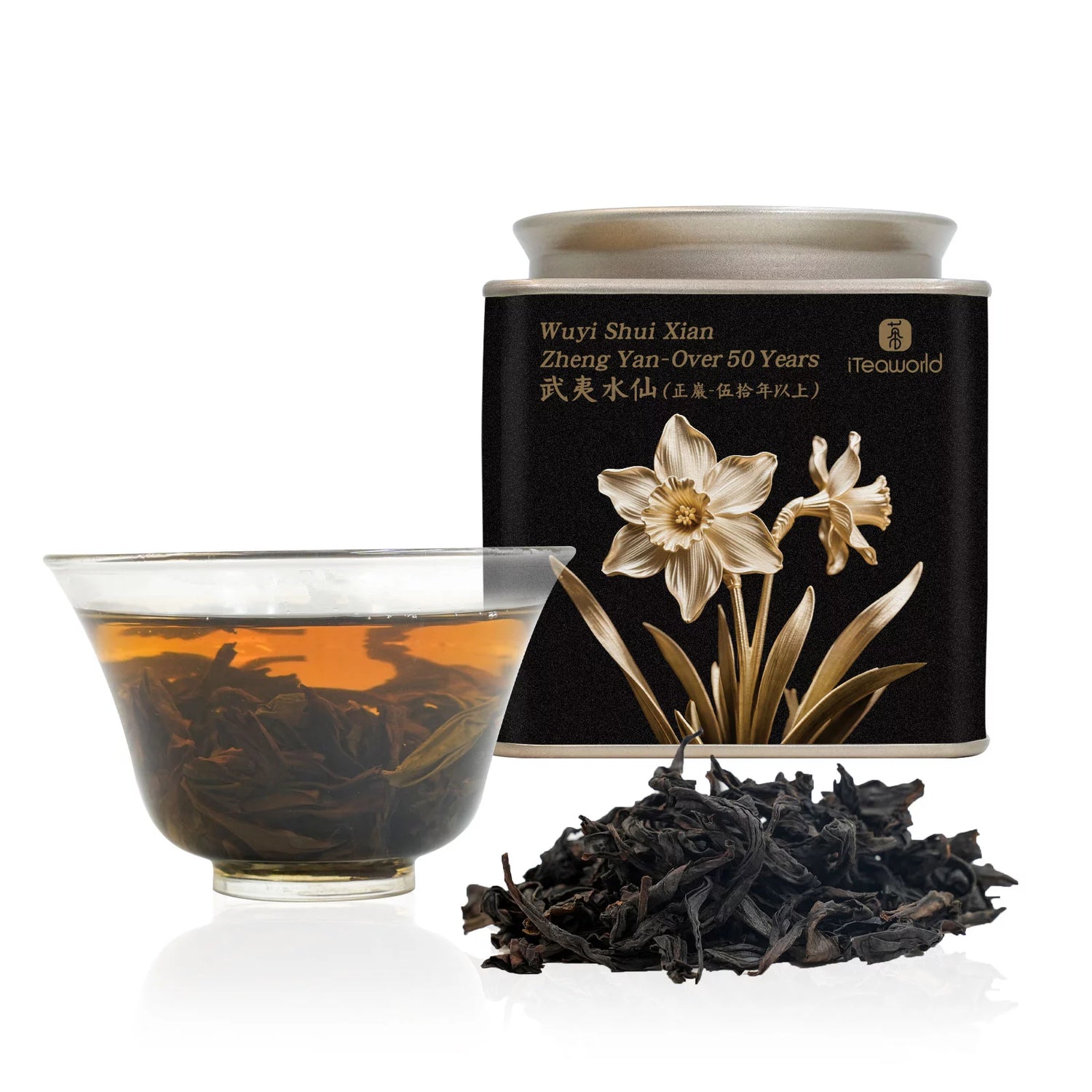
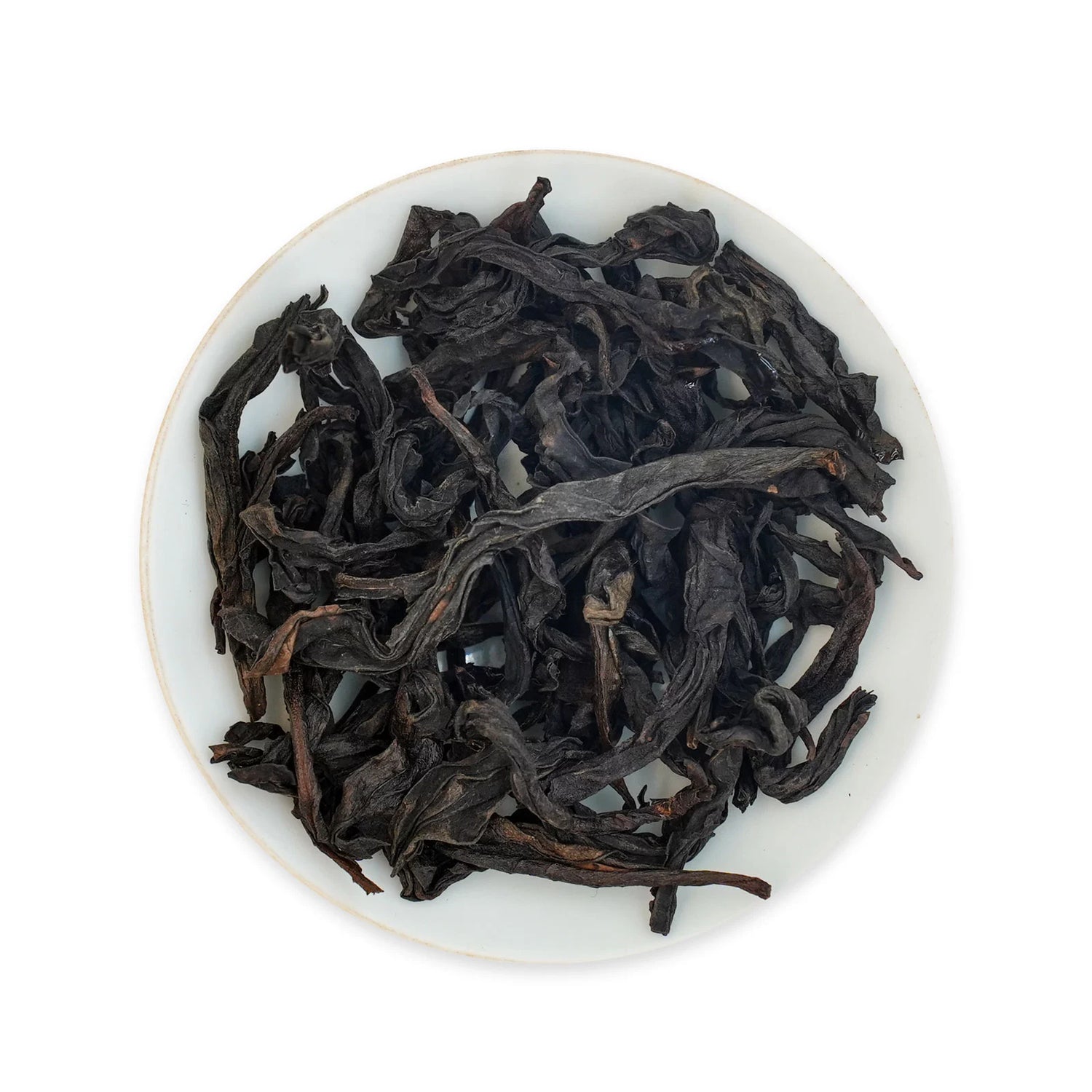
This premium Lao Cong Shui Xian comes from Jian’ou in Northern Fujian and is crafted from old Shui Xian tea bushes aged around 30–50 years.
The tea liquor is smooth, rich, and naturally sweet, with gentle woody notes and a soft forest-like character that gradually unfolds through multiple infusions. Subtle hints of aged wood, moss, and lingering sweetness create a calm and deeply comforting tea experience.
Shui Xian is one of the few oolong cultivars where bush age significantly influences flavor. As the tea trees mature over decades, they develop deeper woody sweetness, a rounder body, and the distinctive layered character prized in old bush oolong teas.
Compared with highly aromatic floral oolongs, this style is more mellow and grounded, focusing on texture, depth, and a soothing woody finish rather than intense fragrance.
An excellent choice for drinkers who enjoy smooth, full-bodied oolong teas with woody, forest-like complexity and low bitterness.
This Ya Shi Xiang Dancong is known for its elegant floral aroma, featuring distinctive notes of honeysuckle and sweet blossoms. As one of the signature aroma styles of Fenghuang Dancong oolong (also known as Phoenix Dancong), it is especially appreciated for its clear floral character and naturally honey-like sweetness.
The tea brews into a smooth and gentle cup with a refined, graceful finish. Light, aromatic, and easy to enjoy, it is an excellent everyday oolong for those who appreciate floral teas and clean, delicate flavors.
Discover the Hidden Diversity of Longjing
Most tea lovers know Longjing (Dragon Well) for its signature roasted chestnut aroma, smooth texture, and refreshing sweetness. But behind this familiar profile are different tea cultivars — each bringing its own character to the cup.
This Longjing Cultivar Comparison Set features four representative varieties: Longjing #43, Wu Niu Zao, Longjing Qunti, and Baiye No.1.
By tasting them side by side, you can explore how different tea trees shape the aroma, body, sweetness, and overall personality of Longjing — and discover which cultivar creates the style you love most.
A perfect tasting experience for Longjing enthusiasts who want to go beyond one classic flavor and understand the diversity behind Dragon Well green tea.
A Boxed Journey into the Essence of Guangdong Oolong
From the ancient Shiguping oolong crafted by the She ethnic group over 1,500 years ago to today’s highly aromatic Dancong teas, this curated set brings together six signature teas from Chaozhou, Meizhou, and Raoping—the three core regions of Guangdong. A flavorful journey through 500 years of tea-making heritage.
Introduction:
This Hubei Dark Tea is meticulously selected from the autumn harvest of 2022. Plucked from high-altitude tea gardens in Zhaoliqiao Town, Hubei Province, it adheres to the plucking standard of one bud and three leaves. This tea is a type of Hubei Dark Tea known as "Mi Zhuan Cha" (Rice Brick Tea), renowned for its unique flavor profile. The tea liquor is rich and robust, with a slight initial bitterness that transforms into a lasting sweet aftertaste. It primarily exudes a floral and honey-like aroma, accompanied by a subtle aged fragrance.
Reasons to Recommend:
- Unique Raw Material: Mi Zhuan Cha is a specialty tea produced in Chibi City, Hubei Province, known as the "Hometown of Chinese Brick Tea." It is a compressed black tea made entirely from tea dust, which gives it the name "Rice Brick Tea."
- Distinct Appearance: The finished Mi Zhuan Cha is visually striking, with sharp edges, a smooth surface adorned with intricate patterns, and a glossy black brick color. When brewed, it produces a deep red liquor with a pure aroma and a rich, mellow taste.
- High-Mountain Tea Gardens: The tea trees grow at high altitudes, where significant daily temperature variations slow their growth. The abundant mist and moisture nourish the tea trees, enriching the leaves with nutrients and resulting in a tea with a robust flavor and strong aroma.
Oxidation Level: Wet piling followed by high-temperature steam pressing
Roasting Level: None
Tea Garden Soil: Yellow-brown soil
Processing Time: Autumn 2022
Best Before Date: Suitable for long-term storage
Tea Variety: South Hubei Group Variety
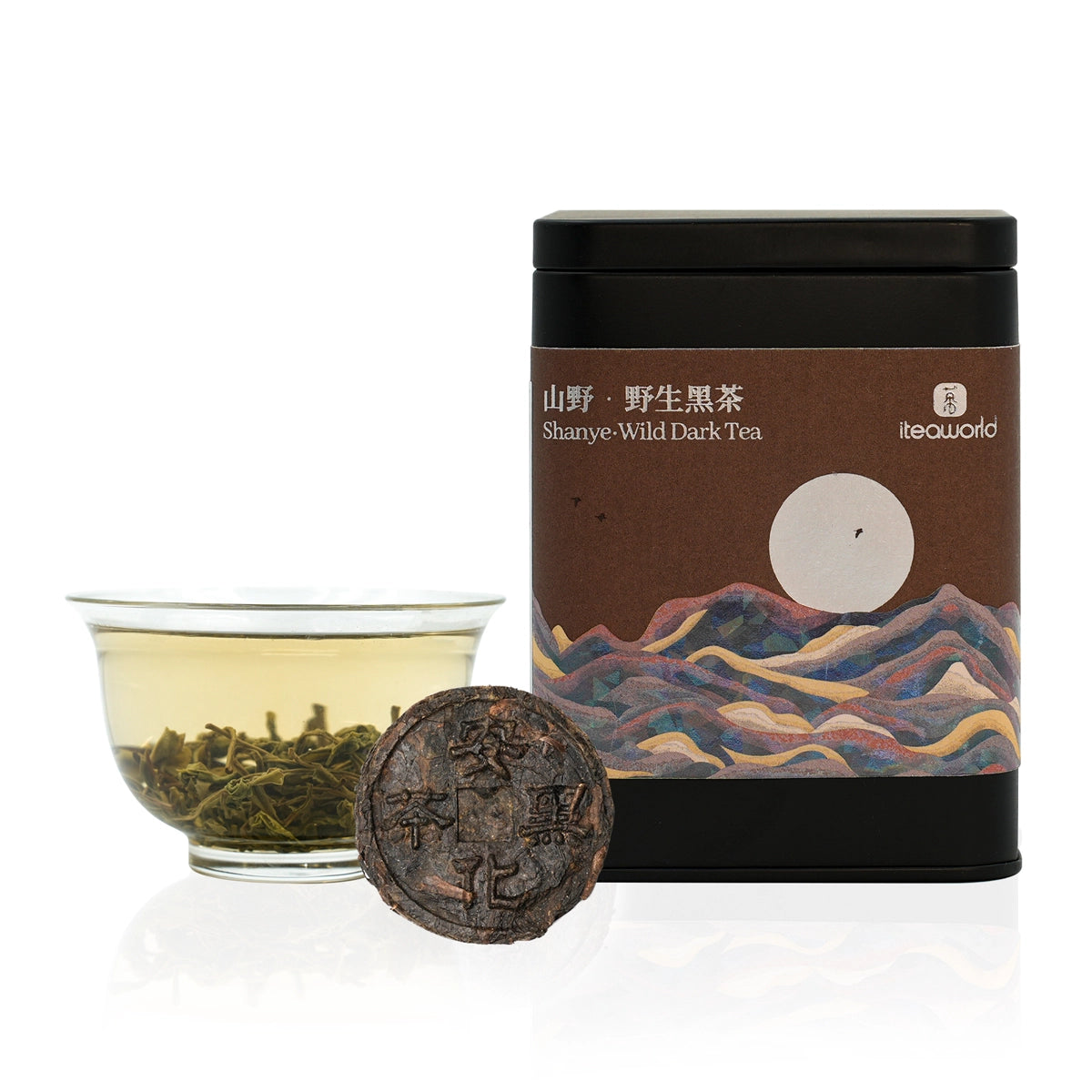
Wild dark tea is produced in Anhua County, Yiyang City, Hunan Province, the birthplace of Anhua dark tea. The tea gardens are primarily located in mountainous areas at an altitude of 1000 meters. Grown in a pristine ecological environment with abundant vegetation, this wild dark tea is cultivated without the use of chemical fertilizers and pesticides, resulting in limited yield with only one spring harvest per year. Processed using the Qiujiang Bopian Tea technique, it offers a pure and long-lasting pine-smoke aroma. The taste is rich, mellow, and sweet, with a lasting aftertaste and a unique pine-smoke fragrance. After consumption, a lingering sweetness remains in the mouth, leaving a memorable and unforgettable experience. Even after multiple infusions, it retains its distinctive aroma.
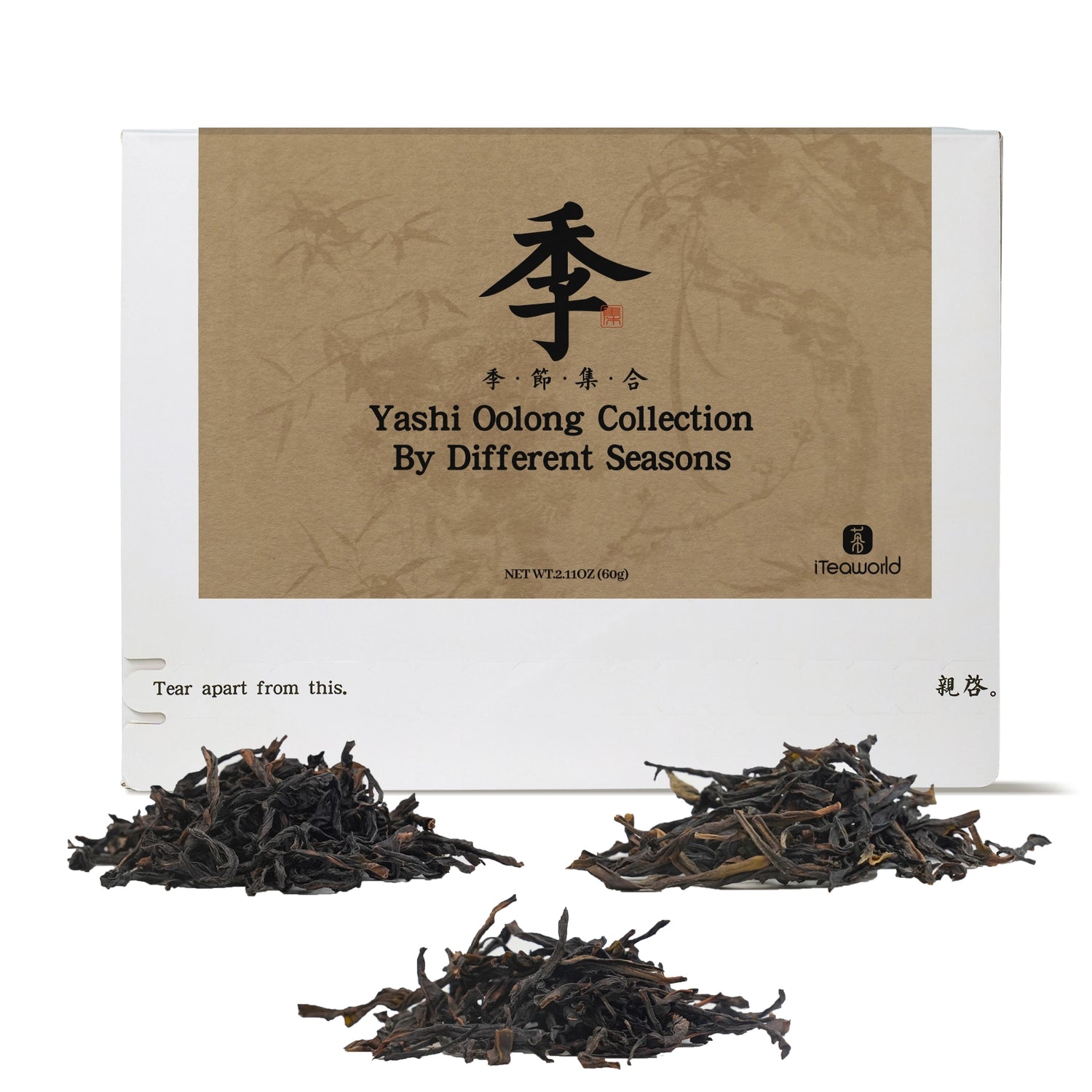
Ya Shi Xiang is one of the most aromatic Dancong oolong teas from the Phoenix Mountains in Chaozhou, China, known for its naturally rich floral fragrance and remarkable aromatic complexity.
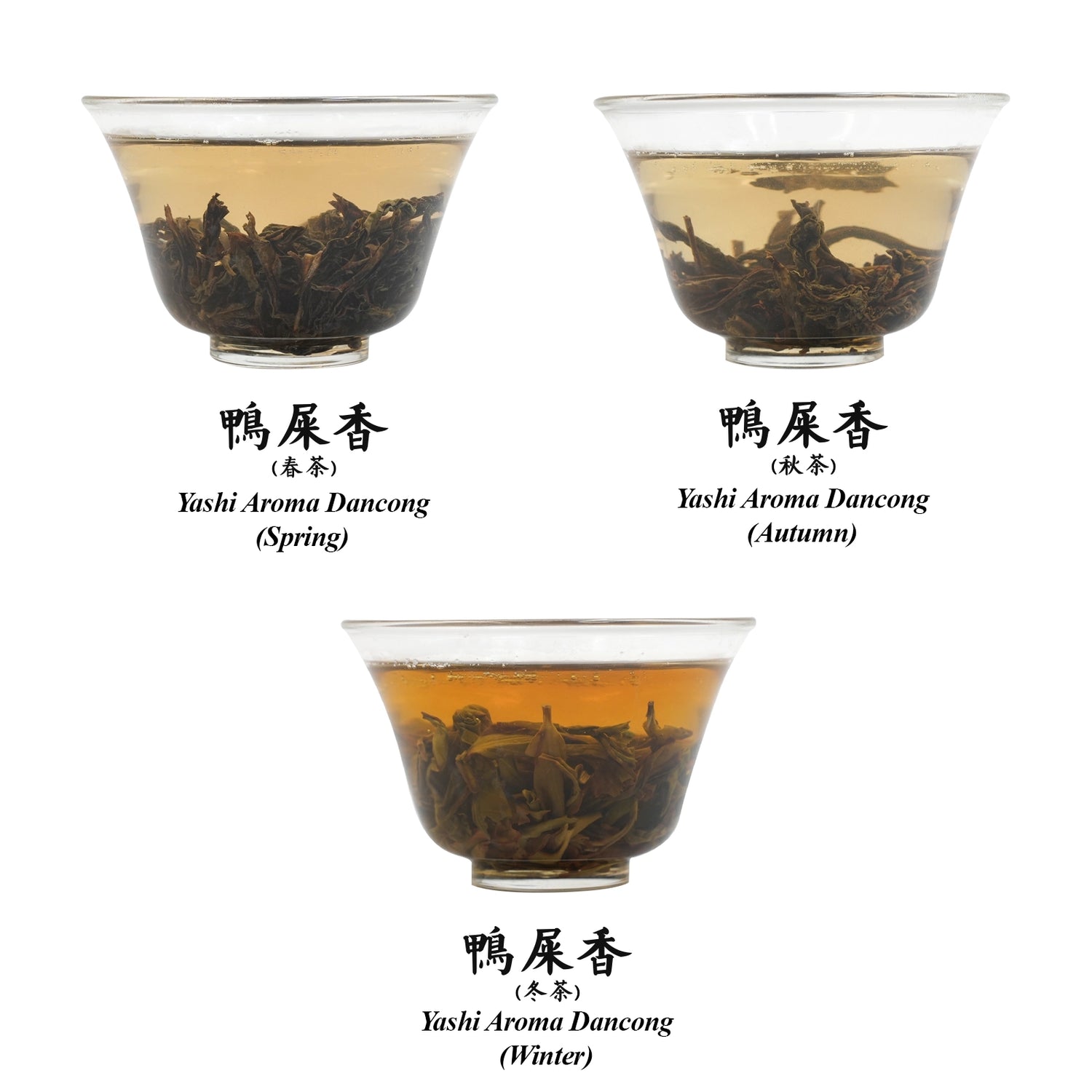
This collection invites you to experience how the same tea changes across different harvest seasons. All three teas come from the same village and are crafted by the same tea master, ensuring that only nature—the season of harvest—creates the difference.
Spring, fall, and winter each reveal a unique expression of the same tea. Spring is soft and floral with gentle sweetness. Fall is smooth and rounded with warm aromatic depth. Winter is crisp and vibrant with a clean, lingering finish.
Rather than a single tea, this set offers a guided tasting experience that lets you explore how season shape aroma, texture, and flavor in real time.
Taste them side by side and discover how one tea can express three completely different seasonal personalities.
Designed with the beginner in mind, these teas are easy to brew. It is the perfect starting point for anyone looking to a delightful journey into authentic Chinese green tea.
Gardenia Black Tea captures the beauty of early summer, when fresh gardenia blossoms meet the rich sweetness of Yunnan black tea. Gardenia, a beloved traditional Chinese fragrant flower, is known for its pure, elegant aroma with a naturally refreshing character.
This tea begins with spring-harvested Dianhong from Fengqing, Yunnan, a black tea prized for its smooth texture and honey-like sweetness. Fresh June gardenia blossoms are carefully paired with the tea through three rounds of traditional scenting, allowing the flower’s graceful fragrance to gently blend into the warm, mellow tea base.
The result is a tea with a unique contrast of floral brightness and rich tea depth. The first impression is a fresh gardenia aroma, delicate yet captivating, like stepping into a garden in full bloom. As you sip, the smooth sweetness of Yunnan black tea unfolds, creating a balanced experience that is refreshing, comforting, and beautifully lingering.
The First Taste of Spring — Steamed Freshness & Umami Depth
Enshi Yulu captures spring in one of the most distinctive ways among Chinese green teas.
Harvested in early April from the mountains of Hubei, its youngest buds are processed using a rare steaming technique — preserving natural chlorophyll and active compounds at their peak.
This method gives the tea its vibrant green color, a gentle seaweed-like aroma, and a fresh, umami-rich taste with a smooth, clean finish.
Unlike pan-fired teas, its freshness feels brighter and more vivid — a true expression of preserved spring vitality.
Only produced once a year, within a short seasonal window.
A uniquely fresh and lively taste of spring.
This rose black tea brings together two signature ingredients from Yunnan, China: fragrant Yunnan roses and smooth Dianhong black tea.
Yunnan roses are known for their rich, naturally sweet floral aroma. Grown in sunny mountain environments with fresh air, they develop a deeper and more vibrant fragrance.
The tea base is Dianhong black tea, famous for its smooth body and gentle sweetness, often with notes of honey and malt.
Using a traditional Chinese scenting process, fresh rose petals are layered with the tea, allowing the floral aroma to slowly infuse into the tea. This process is repeated three times to create a balanced cup that is soft, floral, and naturally smooth.