Guide

The Difference Between Jasmine Tea and Green Tea

The Difference Between Jasmine Tea and Green Tea

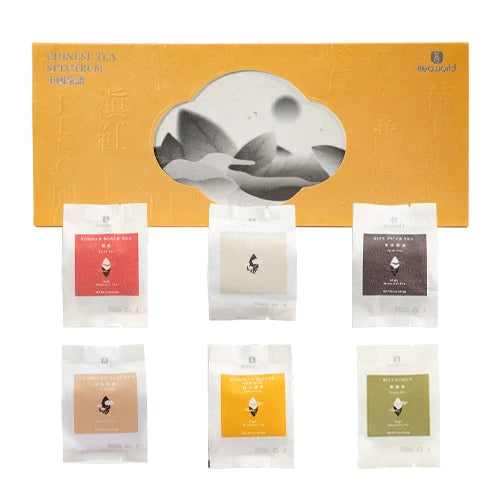
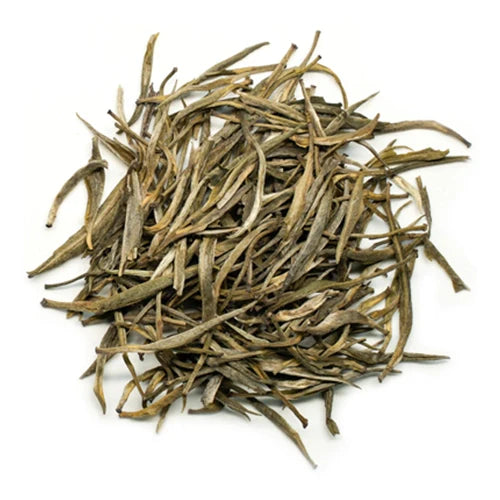
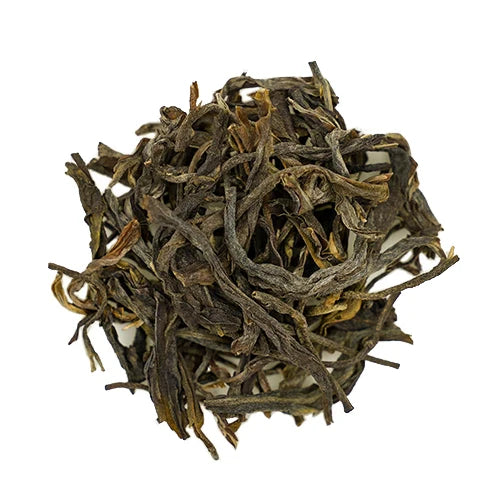
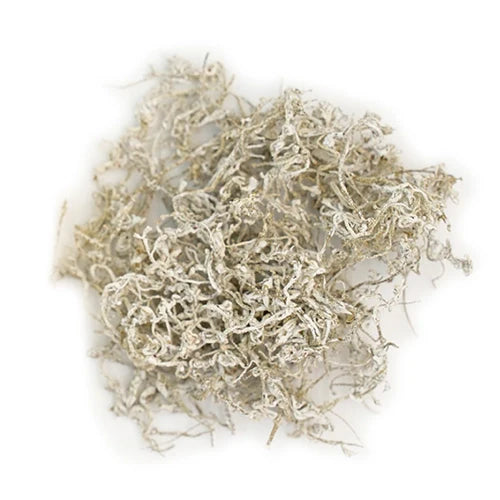
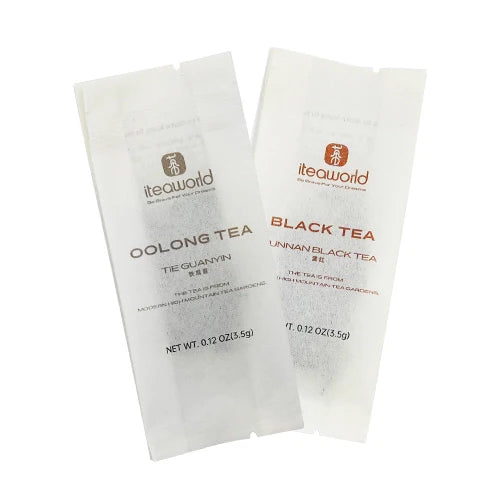
Both jasmine tea and green tea are beloved in China and around the world. But are they the same thing? Let’s explore their origins, flavors, and how to choose. What is green tea? Loose leaf green tea is one of the six major types of Chinese tea. Its main difference from oolong or black tea is that it’s non-fermented. The production steps include Shaqing (kill-green), rolling, and drying—methods that preserve the leaf’s natural green color. That’s why green tea is often described as “clear soup and green leaves.” China produces over a hundred varieties. Famous ones include Longjing (Dragon Well), Biluochun, Huangshan Maofeng, and Liuan Guapian. What is jasmine tea? Loose leaf jasmine tea is not one of the six tea categories. Instead, it’s a scented tea made by blending tea leaves with fresh jasmine blossoms. The flowers infuse their fragrance into the tea, producing a lively and long-lasting aroma—earning jasmine tea the nickname “the first fragrance on earth.” Base teas vary: green, black, oolong, or white tea may be used, though green tea is the most common. Is jasmine tea considered green tea? Often yes. In most cases, the jasmine tea you buy is jasmine green tea—jasmine-scented green tea. Examples include Jasmine Longjing, Jasmine Biluochun, and Jasmine Needle King. Comparison: Jasmine Tea vs Green Tea Feature Green Tea Jasmine Tea Category One of the six major tea types A scented tea, usually based on green tea but can use others Processing Non-fermented; kill-green, rolling, drying Scented by layering with fresh jasmine blossoms Aroma Clean, grassy, vegetal Floral, jasmine-dominant Taste Fresh, light, slightly bitter Smooth, floral, sweet aftertaste Caffeine Moderate Similar to green tea unless using other bases Regions Zhejiang, Jiangsu, Anhui Mainly Fujian (Fuzhou) & Guangxi (Hengxian) Famous Types Longjing, Biluochun, Huangshan Maofeng Jasmine Longjing, Jasmine Biluochun, Jasmine Tieguanyin Best For Pure tea taste & refreshing mouthfeel Fragrant tea lovers Starter Tip Green Tea Sampler Jasmine Sampler No matter which aroma wins your heart—jasmine or green—iTeaworld’s Holiday Celebration makes both more affordable. Click here>> Recommendations Jasmine Tea For beginners, try 3-scent Jasmine Green for a smooth, fragrant introduction. Or explore different scenting levels (3, 5, or 7 sessions) with our Jasmine Sampler for a diverse tea-tasting experience. 6 Jasmine Tea Sampler – Perfect for Tea Enthusiasts If you’re looking to explore even more exciting jasmine tea varieties, we’re thrilled to introduce our new Jasmine Tea Collection, which features a beautiful selection of freshly scented jasmine teas: Jasmine Red Tea, Jasmine Mao Feng, Jasmine Dragon Pearls, Jasmine Liu Bao Black Tea, Jasmine Silver Needle, and Jasmine Oolong Each tea is carefully scented with jasmine blossoms, offering an exquisite balance of flavors and floral notes. Eco-friendly PLA biodegradable tea bags and gift-box packaging make this set ideal for both personal enjoyment and gifting. 24 tea bags included, each can be re-steeped 2-3 times to enjoy the lingering jasmine fragrance. 2025 Spring harvest with sealed freshness, independent packaging, and 100% natural, non-GMO ingredients. Chinese Floral Tea Collection — Ten Tea, Ten Blessings, One Gift of Fragrance Why it’s great:The 10 Flowers Scented Teas box is a fragrant journey through China’s centuries-old tea culture. Each tea is paired with a flower that symbolizes a blessing — jasmine for grace, osmanthus for warmth, rose for love — turning every cup into a small ritual of calm and beauty. The set comes with a beautifully printed culture guide that explains the history and meaning behind each tea, making it an ideal introduction for anyone curious about Chinese flower teas. Thoughtful and elegant, it’s a perfect gift for those who find comfort in slow rituals and aromatic details. Link to this collection What's inside: ①Jasmine Pearl Tea*2 bags*5g②Jasmine Liu Bao Tea*2 bags*5g③Rose Black Tea*2 bags*5g④Osmanthus Oolong *2 bags*5g⑤Pomelo Blossom Oolong Tea*2 bags*5g⑥Gardenia Black Tea*2 bags*5g⑦Daidai Flowers Green Tea*2 bags*5g⑧Sticky Rice Aroma Black Tea*2 bags*5g⑨Pearl Orchid Green Tea*2 bags*5g⑩Osmanthus Black Tea*2 bags*5g⑪10 Tea Info Cards⑫1 Flower Tea Booklet   Learn More>> Green Tea Start with classics like Longjing or Biluochun. Or get a curated Green Tea Discovery Set to try multiple types.  Shop Jasmine Sampler Shop Green Tea Sampler iTeaworld — Premium Chinese Loose Leaf Tea Celebration: Sip Authentic China, Save Big this Black Friday! 25% Off All Teas((oolong tea,jasmine tea, black tea, dark tea, aged tea, white tea, herbal tea), 50% Off Green Teas + Exclusive Free Gifts!  Earn reward points on every purchase. Redeem for discounts on future purchases. Lear More>> © iTeaworld — Tea guides for curious drinkers.  
chinese green tea gift

Green Tea Sampler: a Perfect Green Tea Gift Set to Your Friends& Family

About Loose Leaf Green Tea If you want to share high-quality tea with family and friends, you will find that Chinese tea is an excellent field to explore. Among the six major categories of Chinese tea, Chinese green tea can be considered the largest. Whether in terms of the variety of cultivars, the extensive production regions, or the large consumer base, loose leaf green tea surpasses other tea types such as loose leaf black tea and loose leaf oolong tea. Loose leaf green tea is a non-fermented tea. Due to its production process, the dry leaves and tea liquor of loose leaf green tea retain more of the fresh green tones of the leaves, hence its name. Loose leaf green tea is made from the new leaves or buds of the tea plant, processed through techniques such as fixation, rolling, and drying. It contains nutritional components such as tea polyphenols, catechins, chlorophyll, caffeine, amino acids, and vitamins. Health Benefits of Loose Leaf Green Tea As loose leaf green tea undergoes no fermentation, the preservation of natural substances in the tea leaves is optimal. Therefore, loose leaf green tea is rich in nutritional components such as tea polyphenols, vitamins, chlorophyll, and amino acids. The primary benefits of loose leaf green tea include anti-aging effects, skincare and beauty benefits, as well as radiation resistance. Loose leaf green tea is more suitable for young people and working professionals. Due to its cool nature, it is essential for middle-aged and elderly individuals, as well as those with weak digestive systems, to consume it in moderation. When drinking loose leaf green tea, it's crucial not to brew it too strong or consume excessive amounts, and it should not be consumed on an empty stomach. Exploring Loose Leaf Green Tea with Green Tea Sampler Chinese green tea comes in a wide variety, making the selection process quite overwhelming. So, how can one discover the green tea that suits them best? A high-quality tea sampler can be an excellent choice. iTeaworld offers a Green Tea Sampler that includes several classic Chinese loose leaf green teas. 1.Longjing (Dragon Well) Longjing originates from Hangzhou, Zhejiang, and is renowned as the "king of green tea." Longjing has a vibrant green color, a rich aroma, a sweet and mellow taste, and is widely loved. Longjing is known for its "green color, fragrant aroma, mellow taste, and beautiful appearance." High-quality Longjing is also an excellent decaf green tea. 2.Biluochun (Green Snail Spring) Biluochun comes from Suzhou, Jiangsu, and it is one of the best green tea. Its name reflects its appearance of green tea leaves, with spiral-shaped tea leaves that are fresh and tender green. The infusion of Biluochun is clear and bright, with a rich, sweet, and mellow flavor, refreshing and quenching the thirst, and a lingering aftertaste; the tender green leaves at the bottom are vivid. 3.Huangshan Maofeng Huangshan Maofeng is produced in Huangshan, Anhui. The natural conditions of Huangshan Maofeng's growing region are exceptional, benefiting from the nourishment of mist and avoiding extremes of heat and cold, resulting in excellent tea quality. Huangshan Maofeng has a slender, slightly curved appearance, resembling sparrow's tongue, with a fragrance reminiscent of white orchids and a mellow, sweet aftertaste. 4.Enshi Yulu Enshi Yulu comes from Enshi, Hubei, with a long history, representing the traditional steamed green tea. The leaves of Enshi Yulu have a lush green color, resembling pine needles. The tea infusion is clear and bright, with a fresh aroma and a mellow and refreshing taste. 5.Ancient Tree Green Tea Ancient Tree Green Tea, also known as Sheng Pu'er, is produced in Yunnan province. It has a robust and mellow flavor, with a prominent tea essence and mountain charm, and a higher level of stimulation, resulting in a lasting aftertaste. 6.Jasmine Green Tea Loose leaf Jasmine Tea is a unique variety within loose leaf green tea, combining the freshness of green tea with the fragrance of jasmine flowers. High-quality Jasmine Green Tea is characterized by a scent without visible flowers, a clear and bright tea liquor, a smooth taste, and a refreshing sweetness. Even after multiple infusions, it maintains an alluring lingering fragrance. Why Loose Leaf Green Tea Sampler Makes a Perfect Gift? 1.Delivering Delightful Flavors and Health Benefits Gifting a loose leaf green tea set to family and friends means presenting not only the refreshing taste and fresh aroma of green tea but also a gift of health. 2.Diverse Varieties for Convenient Tasting However, if you present a large pack of a single variety of loose leaf green tea, it might not align with the recipient's preferences, and it could be inconvenient for brewing and storage. This is where the loose leaf green tea gift set comes in handy. In the green tea sampler, various classic green tea varieties are packaged in small portions, suitable for one brewing session each, making it extremely convenient. Therefore, green tea sampler is one of the great tea gift sets. 3.Enhanced Quality Loose leaf green tea allows for a clear view of the tea leaves' form and quality, unlike the fragmented tea leaves often found in tea bags. High-quality loose leaf green tea may even display the presence of downy hairs on the leaves, a criterion for judging some of the best loose leaf tea. The more downy hairs, the more tender the leaves used in making the loose leaf green tea, indicating higher quality. When is the Ideal Time to Gift Loose Leaf Green Tea? Spring and summer are the most suitable seasons for enjoying loose leaf green tea, making it an opportune time to gift this delightful beverage. As the weather warms up in spring and nature undergoes renewal, a cup of green tea can awaken the senses and allow one to experience the essence of spring. Additionally, loose leaf green tea can help alleviate the fatigue often associated with the arrival of spring. During the hot summer months, with abundant shade from lush trees and increased fluid loss in the body, drinking bitter and cool-flavored loose leaf green tea is recommended. After brewing, this tea exhibits clear and bright water, green leaves, and an enchanting fragrance, providing a refreshing sensation. When you choose a green tea sampler as a gift, you are not just giving a unique and delicious green tea set but also conveying care and positive sentiments. iTeaworld loose leaf tea offers a wide range of high-quality options. Loose leaf green tea, symbolizing culture, quality, and health, becomes the perfect choice for sharing warm moments with family and friends. Let the carefully selected loose leaf green tea accompany every shared moment, creating beautiful memories immersed in the pleasant aroma of tea. Choose green tea sampler to let that unique tea fragrance convey heartfelt blessings at the intersection of friendship and love.
best green tea sampler

Sip & Explore: Green Tea Sampler's Diverse Flavors

What Does Green Tea Taste Like? Loose leaf green tea, being an unoxidized tea, retains the original green color and natural components of the tea leaves. The infusion of loose leaf green tea typically exhibits a bright green or yellow-green hue, as it undergoes no oxidation during the production process. The transparent and clear appearance of the tea reflects a refreshing and delightful visual experience. The leaves of loose leaf green tea are fresh and tender, displaying a vibrant green color. The non-oxidized nature of loose leaf green tea during production preserves the freshness of the leaves, and the lush green hue of the leaves is a distinctive characteristic of green tea. Loose leaf green tea is known for its fresh aroma and flavor, with the tea leaves emitting a fragrant scent that imparts a sense of natural freshness. Different varieties of loose leaf green tea showcase various aromatic characteristics, such as Longjing tea with its fresh and tender aroma, or Biluochun tea with its floral and fruity notes. The taste of loose leaf green tea is mild, refreshing, and crisp, providing a light and invigorating sensation. To experience the diverse flavors of green tea, it is recommended to explore by purchasing tea samplers.   The Flavors of Several Famous Green Teas China boasts a diverse range of green tea varieties, each with its unique characteristics. I recommend everyone to try several classic and renowned green teas to fully appreciate the flavors of best loose leaf tea. 1.Dragon Well Tea (Longjing Tea) Dragon Well's reputation dates back to the Song Dynasty, became renowned during the Yuan Dynasty, thrived in the Ming Dynasty, and reached its peak in the Qing Dynasty. During the Republic of China era, it had already become China's foremost famous tea. Dragon Well tea is produced in the mountains around the West Lake in Hangzhou, Zhejiang, such as Shifeng, Wengjiashan, Hupao, Meijiawu, Yunqi, and Lingyin. Dragon Well tea belongs to the category of pan-fried green tea. The dried tea leaves are flat and delicate, displaying a jade green color. When brewed with high-quality spring water in a glass cup, the tea infusion is clear yellow-green. The taste is fresh and crisp, leaving a delightful lingering fragrance on the lips and teeth. 2.Bi Luo Chun Tea Bi Luo Chun, originally known as Dongting Tea or "Startling Fragrance," was a tribute tea as early as the Tang Dynasty. It is primarily produced in the area around Dongting Lake in Wu County, Suzhou City, Jiangsu Province. The plucking season for Bi Luo Chun begins around the vernal equinox and concludes around Guyu, featuring distinct characteristics of early picking and tenderness. The dry Bi Luo Chun tea leaves are tightly curled, displaying a silver-green color, covered with abundant white down, and shaped like spiral curls. It possesses a unique and intense natural floral and fruity fragrance. When brewed, Bi Luo Chun imparts a rich and mellow taste, with a sweet and lingering aftertaste. 3.Huangshan Maofeng Huangshan Maofeng can be traced back to the prosperous period of the Tang Dynasty, and its reputation gradually spread during the Ming Dynasty with the expansion of trade. The origin of Huangshan Maofeng is in the Huangshan area of Anhui, including regions such as Huangshan Scenic Area, Tangkou, Fangcun, Gangcun, Chongchuan, Taohuafeng, and Yungu Temple. Harvested from the Qingming Festival to the end of Guyu, the leaves are fresh and tender. The dry Huangshan Maofeng tea leaves are slender and flat, with a slightly yellowish-green hue amidst the verdant color, and they exhibit a shiny luster. The outer leaves envelop the tea bud in the middle, creating an elegant appearance. The dry tea exudes a fragrance reminiscent of orchids or chestnuts, refreshing and pleasant. The infusion has a light yellow and clear color, with a rich and fragrant aroma. The taste is fresh and intense, leaving a sweet and crisp aftertaste. 4.Xinyang Maojian Xinyang Maojian is a famous tea from Henan Province and is also one of China's top ten famous teas. Xinyang Maojian is produced in the areas of Shangcheng County, Xin County, and Shangcheng County within the Dabie Mountains in Henan Province. The most famous production areas include Wuyun, Liangtan, Yishan, Yizhai, and Yisi. Xinyang Maojian has a uniform appearance, exhibiting a bright green color with a noticeable luster, and prominent white tea hairs. When lightly sniffed, the dry tea imparts a mature fragrance reminiscent of chestnuts, with a pure and uplifting aroma. After brewing, the tea infusion has a clear yellow-green color, a fresh and uplifting fragrance, and a taste that is both mellow and refreshing.   Find more loose leaf green tea with our Green Tea Sampler.>>>   Differences between Green Tea, Black Tea, and Oolong Tea  1.Loose leaf Green Tea – Unoxidized Freshness Oxidation Level: Loose leaf green tea is non-oxidized, preserving the natural green color and components of the tea leaves. Taste: Loose leaf green tea has a refreshing taste with a subtle tea fragrance and a certain level of astringency. Origin: Mainly produced in Zhejiang, Anhui, Jiangsu, and other regions. Representative Varieties: Longjing, Biluochun, Huangshan Maofeng, etc. 2.Loose leaf Oolong Tea – The Allure of Partial Oxidation Oxidation Level: Loose leaf oolong tea falls into the category of partially oxidized tea, with a oxidation level between loose leaf green tea and loose leaf black tea. As a result, it combines characteristics of both green and black teas. Taste: Loose leaf oolong tea has a mellow taste, strong aftertaste, and a rich and persistent tea fragrance. Origin: Mainly produced in Fujian, Guangdong, Taiwan, and other regions. Representative Varieties: TieGuanyin, Da Hong Pao, Fenghuang Dancong, etc. 3.Loose leaf Black Tea – Full-Oxidation Richness Oxidation Level: Loose leaf black tea belongs to the category of fully oxidized tea, with a high level of oxidation. Consequently, the tea liquor has a bright red color, and the tea fragrance is intense. Taste: Loose leaf black tea has a rich taste, strong aftertaste, and a certain level of sweetness. Origin: Mainly produced in Anhui, Jiangxi, Hunan, and other regions. Representative Varieties: Qimen Black Tea, Lapsang souchong, Jin Junmei, etc. iTeaworld  loose leaf tea includes various types, allowing you to fully experience the beauty of loose leaf green tea, loose leaf black tea, and loose leaf oolong tea. How to Brew Loose Leaf Green Tea for a Better Flavor? Brewing loose leaf green tea requires careful attention to water temperature. As loose leaf green tea is made from fresh leaves and tender buds, excessively hot water can result in overcooked tea leaves, leading to changes and loss of components, thereby affecting the nutritional value and taste of the tea infusion. The recommended water temperature for brewing loose leaf green tea is between 80 to 90 degrees Celsius, and it is best to brew and drink immediately. The amount of loose leaf green tea used varies based on the size of the teaware, type of tea leaves, and personal preference. Generally, it is less than other types of tea, with a common ratio being 1:50. Tea enthusiasts can experiment with different amounts to find the tea infusion concentration they prefer. For brewing loose leaf green tea, transparent glassware is often preferred, ideally without patterns. The transparent nature of glass allows people to appreciate the graceful dance of the loose leaves during the brewing process. Additionally, glassware has no fine pores, doesn't absorb the tea's flavor, is easy to clean, and leaves no residual taste. Therefore, many tea art establishments choose to use glass cups for brewing loose leaf green tea.   The fresh aroma and taste, bright color of the tea liquor, tender tea leaves, and the sweet and refreshing aftertaste of green tea make it the preferred choice for tea enthusiasts, providing a delightful tea-drinking experience. Whether enjoyed alone or shared with family and friends, green tea is a unique and pleasurable choice.
make green tea taste good

Top 5 Tips to Make Delicious Green Tea

Many people have had the experience of enjoying a fragrant and rich loose leaf green tea in a tea shop, with a sweet and refreshing taste that lingers on the palate. However, once they buy it and brew it at home, they can't seem to recreate that amazing sensation. So, I am often asked: Why doesn't the tea I buy taste as good as the one I had in the store?   Part of the reason is the different environment, which can affect the perception of taste. Another factor is related to the brewing method used for loose leaf green tea. Below, let's explore some methods to make loose leaf green tea taste even better. 1.Choosing the Right Tea Ware - Glass Cup Sipping loose leaf green tea is not just a simple act of tasting; it's a comprehensive process that involves savoring the aroma, observing the dance of tea leaves, and appreciating the flavor.   Tea appreciation is also a crucial aspect of tea culture. As the tea leaves gradually unfurl in the cup, undulating up and down, a glass cup allows for a better appreciation of the dynamic beauty of the tea leaves. With a leisurely and carefree mood, it's like watching a "green tea dance." In such situations, the most suitable utensil for brewing loose leaf green tea is naturally a transparent glass cup. 2.Choosing Quality Loose Leaf Green Tea To truly appreciate the exquisite charm of loose leaf green tea, it's essential to select high-quality loose leaf green tea. Different varieties of loose leaf green tea offer distinct flavors and characteristics, so the choice should be based on personal taste and preferences. For example, Longjing tea, known for its mild taste, is suitable for those who enjoy a refreshing experience. Bi Luo Chun, with a bolder flavor, is more fitting for tea enthusiasts who prefer a relatively robust taste. It's advisable to explore and find the loose leaf green tea that suits you by purchasing tea samplers. Here are a few renowned varieties of loose leaf green tea from China. When unsure of which loose leaf green tea to try, opting for these varieties is a reliable choice. Additionally, selecting tea gift sets containing these green teas is a wonderful option when giving gifts to family and friends. Longjing Tea Longjing tea, also known as Dragon Well tea, is one of China's top ten famous teas, celebrated for its beautiful appearance, vibrant green color, fragrant aroma, and sweet taste. Premium Longjing tea exhibits smooth and straight shapes, with uniformly even lengths and a fresh, emerald green color. The tea infusion appears in a light yellow-green hue, displaying a clear and bright liquid. The tea exudes a rich and lasting fragrance, and its taste is delightful, with a slightly brisk and concentrated flavor. The aftertaste is sweet, leaving a lingering charm of the tea. Bi Luo Chun Bi Luo Chun is a traditional and historically renowned green tea, with a lineage dating back to the Qing Dynasty in China. It has been produced and passed down to the present day, originating from the Dongting East Mountain Peninsula and West Mountain Island in Wuzhong District, Suzhou City, on the eastern shores of Lake Tai. The tea leaves of Bi Luo Chun are slender and curled, forming a spiral shape, with a surface covered in uniform, fine white hairs. Its infusion exhibits a clear and vibrant emerald green color, and the brewed tea leaves maintain a tender and uniform state of light green. In terms of taste, Bi Luo Chun tea offers a rich and refreshing flavor with a sweet and thick aftertaste. Jasmine Green Tea The production of Loose Leaf Jasmine Tea involves blending loose leaf tea with fresh jasmine flowers, allowing the tea leaves to absorb the floral fragrance. One particularly famous type of loose leaf Jasmine tea is Jasmine Green Tea. The aroma and taste of Jasmine Green Tea are distinct from other green teas, making it unique. Jasmine Green Tea is known for its rich and enduring fragrance, combined with the fresh and refreshing characteristics typical of green tea. If you love jasmine tea, then I highly recommend trying iTeaworld's new Chinese Jasmine Tea Sampler, which features four different jasmine teas with different techniques that will allow you to savor the springtime of China in one box!   Find more loose leaf green tea with our Green Tea Sampler.>>> 3.Choosing the Right Brewing Method There are several brewing methods for loose leaf green tea, namely Upper Tea Brewing, Middle Tea Brewing, and Bottom Tea Brewing. When steeping tea, you can choose different brewing methods based on the level of tenderness and maturity of the loose leaf green tea. The appropriate brewing method can unlock the potential of the tea leaves, allowing you to savor the flavor of best loose leaf tea.   If the loose leaf green tea consists mainly of buds, the Upper Tea Brewing method is suitable. In this approach, you first pour boiling water into a glass cup and then add the tea leaves to the cup. For loose leaf green tea with a mix of buds and leaves, the Middle Tea Brewing method is recommended. This involves pouring half of the hot water into the glass cup, adding the tea leaves, and then pouring in the remaining water after the tea leaves have been added. If the loose leaf green tea uses thicker and more robust fresh leaves, the Bottom Tea Brewing method is suitable. This method involves placing the tea leaves into the cup first and then pouring water over them, the conventional way most people brew tea. For more detailed information on these three brewing methods and the appropriate water temperatures, you can refer to this article, which provides comprehensive illustrations and explanations. 4.Brewing Tea with Mineral Water The quality of water directly impacts the quality of tea infusion, and tea brewed with high-quality water results in a distinctive color and aroma, especially in the case of green tea. Generally, spring water is the preferred choice, followed by clean streams and rivers, which are acceptable. However, not everyone has access to clean spring or stream water. In such cases, mineral water becomes an excellent option for brewing loose leaf tea. 5.Choosing the Right Amount of Tea Leaves The quantity of tea leaves depends on personal preferences, with no standardized guidelines or fixed recommendations. It varies based on the size of the tea utensils, the type of tea, and individual taste preferences. Beginners can experiment with different amounts to find the desired concentration of their favorite tea.   In general, the tea-to-water ratio when brewing tea is around 1:50 to 60. For every 3 grams of green tea, use 150 milliliters of water. This ratio ensures a balanced brew, neither too strong nor too weak, with a flavor that is not overly bitter but rich and smooth. Such proportions are particularly suitable for brewing delicate premium teas and are ideal for serving guests.   The purpose of paying attention to the tea brewing method is to avoid the shortcomings of the tea and highlight its strengths, a concept known as "emphasizing strengths and avoiding weaknesses." By focusing on the brewing method, even for moderately quality loose leaf green tea, we can bring out its strengths and minimize its weaknesses, resulting in a slightly better taste. On the other hand, if we neglect the brewing method, the taste of even high-quality loose leaf green tea can vary significantly from the value we expect for the price paid. I encourage everyone to experiment during the brewing process and discover the joy of savoring loose leaf green tea in various ways.
green tea iteaworld

Green Tea Sampler: a Perfect Green Tea Gift Set to Your Friends& Family

About Chinese Green Tea Among all types of tea, green tea boasts the longest history, and one could argue that the history of tea itself is synonymous with the history of green tea, dating back over 3000 years. Simultaneously, green tea holds the top spot in popularity and sales in China. For every 10 pounds of tea produced in China, 7 pounds are green tea. To explore the flavors of Chinese green tea, one can begin with tea samplers of these teas. Green tea is made from the buds, leaves, and tender stems of the tea plant. It undergoes processes such as fixation, rolling, and drying to produce primary tea (also known as crude tea or Maocha) and refined tea (also known as finished tea) through shaping and sorting while retaining its green characteristics. All teas that maintain their green color and are suitable for consumption are collectively referred to as green tea. The leaves of such teas exhibit an emerald green color, and the brewed tea has a greenish-yellow hue, hence the name green tea.   Characteristics of Chinese Green Tea China boasts a diverse array of loose leaf green tea, each possessing unique flavors and aromas. For instance, Longjing tea is renowned for its "emerald color, rich aroma, sweet taste, and beautiful shape," while Biluochun is celebrated for its "emerald color, fresh aroma, mellow taste, and elegant shape." These green teas not only offer distinctive tastes but are also rich in various beneficial nutrients for the human body. The Green Tea Sampler is a selection of various classic green tea samples, carefully chosen based on considerations such as tea variety, origin, and production techniques, making it an ideal choice for tea enthusiasts interested in Chinese green tea. Find more loose leaf green tea with our Green Tea Sampler. Green tea, being a non-fermented tea, retains a higher amount of natural substances from fresh leaves, including catechins, tea polyphenols, chlorophyll, caffeine, amino acids, and vitamins. Its dry tea leaves, brewed tea liquor, and tea leaves after brewing predominantly exhibit shades of green, hence the name. The defining qualities of green tea include a clear, green broth, elegant appearance, high fragrance, and a mellow taste, with a cool and slightly cold nature. The production of green tea involves typical processes such as fixation, rolling, and drying. The health benefits and delightful characteristics of green tea make it an excellent gift, such as for Christmas tea gifts or New Year tea gifts.   Famous Chinese Green Teas 1.Longjing Tea   Longjing, also known as Dragon Well, is one of China's top ten famous teas and stands out among green teas. This type of green tea is named after the Longjing Village near West Lake in Hangzhou, China, where it is produced. Its flat and straight appearance, tender green and glossy dry leaves, and a fragrance that is clear, elegant, and lofty contribute to a unique drinking experience. After brewing, the tea leaves yield a refreshing and crisp taste, providing a distinctive sensory experience. Moreover, West Lake Longjing possesses unique cultural connotations and natural charm. To savor the finest loose-leaf tea flavor, one must definitely try Longjing Tea. 2.Biluochun Biluochun, produced in the East Dongting Mountain and West Dongting Mountain near Taihu Lake in Suzhou, Jiangsu Province, is another of China's top ten famous teas. It is made from the fresh and tender leaf buds, undergoing processes such as fixation, rolling, and showing white hairs. Biluochun is characterized by its beautiful appearance, vibrant color, rich fragrance, and mellow taste. The local tea gardens are typical mixed areas of flowers and fruits, coupled with the unique geographical environment, giving Biluochun its distinct floral and fruity aroma. 3.Taiping Houkui Taiping Houkui comes from Huangshan, Anhui Province, China, and belongs to the category of pointed green teas. It is made by selecting two leaves embracing a bud, resulting in a flat and straight shape. It is renowned for being "pointed at both ends, not curling, not dispersing, and not rolling at the edges." Historical records indicate that Taiping Houkui originated in the late Qing Dynasty, initially named Taiping Jiancha, and is known for its orchid fragrance, smooth taste, and lingering sweetness. The main production area is in Sanmen Village, Xinming Township, featuring locations like Monkey Pit, Monkey Ridge, and Yan's house. 4.Huangshan Maofeng Huangshan Maofeng hails from the Huangshan region in Anhui Province, China, also known as Hui tea. It has earned global acclaim among tea enthusiasts for its unique quality and taste. "Maofeng" describes its appearance, and "Huangshan" indicates its origin. The prominent feature of Huangshan Maofeng is its fresh green color and refreshing aroma. The tea liquor is clear and bright, with a crisp and sweet taste, accompanied by a subtle floral fragrance. 5.Anji Baicha Anji Baicha originates from Anji in Zhejiang Province and follows the typical pan-fried green tea processing method. Therefore, despite the name Baicha(White Tea), according to the classification of the six major tea types, Anji Baicha belongs to the green tea category, not white tea. The name Baicha(White Tea) comes from the whitish color of the tea tree's new spring shoots, exhibiting a phenomenon known as leaf whitening. Anji Baicha is a semi-roasted and semi-fried green tea, and its unique processing gives it an appearance resembling orchid flowers. It has a fragrant and refreshing aroma, a deliciously sweet taste, and a clear and bright tea liquor, making it highly valued for both its visual and gustatory qualities. 6.Enshi Yulu Enshi Yulu is produced in Baqiao Township and the eastern suburbs of Wufeng Mountain in the southern part of Enshi City, Hubei Province. Enshi Yulu is the only preserved type of needle-shaped green tea in China that undergoes steaming for fixation, a production technique classified as a national intangible cultural heritage. Formerly known as "Yulu" for its jade-like green color, it was later renamed "Yulu" due to its fresh and brisk taste, tight and smooth appearance, verdant green color, and jade-like white tips. It is considered a traditional Chinese famous tea. 7.Xinyang Maojian Xinyang Maojian is produced in the area around Cheyun Mountain in the western part of Xinyang City, Henan Province, China, at an altitude of approximately 600 meters. The cultivation of Xinyang Maojian dates back to the Western Zhou Dynasty, flourished during the Tang Dynasty, matured in the Northern Song Dynasty, and gained fame in the late Qing Dynasty. The tea leaves are thin, tight, round, and straight, displaying a vibrant green color with visible white hairs. The tea liquor is clear, bright green, and has a fresh and high aroma, with a taste that is refreshing and mellow. The leaves at the bottom are robust with an even and tender green appearance. Xinyang Maojian is renowned for its "emerald color, fresh taste, and high fragrance." 8.Sheng Puer Tea Sheng Puer tea, also known as old tree green tea, is made from the leaves of Yunnan large-leaf tea trees. The process involves sun-drying, rolling, and other techniques to produce raw tea leaves, which are then tightly pressed and naturally fermented through high-pressure steam. It is a widely appreciated loose leaf tea. As Sheng Puer undergoes natural fermentation without wet piling, it retains more substances, resulting in a stronger and more robust flavor. It has a smooth and refreshing taste, distinct tea aroma, and mountainous charm, with a higher level of stimulation and lasting appeal. 9.Jasmine Green Tea Jasmine Green Tea is a somewhat unique type among Chinese green teas, and it is also considered a flower tea. Loose leaf Jasmine Tea involves placing tea leaves and fresh jasmine flowers together, allowing the tea leaves to absorb the floral aroma during the processing, with Jasmine Green Tea being a common variant. It is characterized by a lasting and fresh fragrance, a rich and refreshing taste, a bright yellow-green tea liquor, and tender, even, and soft tea leaves at the bottom. Jasmine Green Tea is known for its calming effect, mood-enhancing properties, digestive benefits, anti-aging effects, and its ability to boost the body's immune system.  Find more loose leaf jasmine tea with our Jasmine Tea Sampler. In China, tea is not just a beverage; it is a culture and a way of life. Among these, green tea, with its unique flavors and rich cultural heritage, is deeply loved by people. To truly appreciate the beauty of Chinese green tea, it is best to personally taste and experience the diverse textures and fresh goodness of different green teas.
The Complete Guide to Buying Tea: Loose Leaf or Tea Bags?

The Complete Guide to Buying Tea: Loose Leaf or Tea Bags?

Tea, with its centuries-old legacy and captivating array of flavors, has transcended cultural boundaries to become a global beverage of choice. As tea enthusiasts embark on their journey to discover the perfect cup, a pivotal decision awaits them: loose leaf or tea bags? This comprehensive guide unfolds the mysteries of the tea world, shedding light on the advantages of loose leaf tea and offering expert insights to guide your purchases. What is Loose Leaf Tea? Loose leaf tea refers to whole tea leaves and buds that have been carefully hand-picked, processed and dried but not crushed into broken bits. It is sold unpackaged, allowing the leaves to remain whole. Loose leaf tea retains more flavor compounds compared to tea bags, which can contain fannings (pieces of leaves) or dust. History of Tea Bags Unlike what is commonly believed, tea was drank loose for almost the all of its history. The teabag hasn't been used in the last 100 years or so. According to the most plausible scenario, it was created by accident. In 1908, Thomas Sullivan, an American tea dealer, portioned up tea into single-use packets. However, a customer made the error of dipping the entire bag into hot water. This was the first teabag.Bigger tea firms started to discover how much faster this was for making a cup of tea, and before long, making tea in bags was standard practice. When tea was made in teabags, it also allowed for the mass production of lower-quality leaves for consumers who were more concerned with convenience. What are Tea Bags Made From? Filter paper, usually derived from vegetable fibers or wood pulp, is used to make tea bags. Additionally, some tea bags might be composed of silk or nylon based on cornstarch, which are biodegradable or compostable materials. But it's crucial to remember that not all tea bags can be composted or biodegraded because some can contain synthetic materials like nylon or polypropylene. What are the Main Differences Between Loose Leaf Tea and Tea Bags? At a fundamental level, loose leaf tea consists of actual tea leaves which are unpacked, whereas tea bags contain ground-up tea particles or fannings packaged within a filter bag. This difference in formulation results in some key variances between the two: Quality of Ingredients Tea bags often contain lower quality tea dust, fannings, and even ingredients like flowers, spices, or flavors that stretch the actual tea content. Meanwhile, loose leaf tea exclusively contains whole tea leaves with no additives or fillers. The leaves used in loose leaf are usually from the top of the tea bush which contain higher concentrations of valuable nutrients and antioxidants compared to the smaller, lower leaves used in bagged varieties. Taste and Aroma The whole leaves expand fully when brewed, releasing a fuller spectrum of taste compounds and aromatic oils for a more nuanced, complex flavor that brings out the distinctive character of each tea varietal. In comparison, bagged tea may carry a weaker, more uniform taste profile due to the smaller particulate matter steeping abruptly. Steeping Control Loose tea leaves allow for adjustments to steeping time, temperature, and the amount of leaves used depending on personal preference. Tea bags deliver a standardized but less customizable strength. With loose leaf, one can fine-tune each parameter to maximize flavor. Less Waste Since the leaves are removed from the water after steeping instead of disposing of the entire bag, loose leaf creates significantly less trash. Tea bags contain non-biodegradable plastic and aluminum materials that take centuries to break down in landfills. Cost Savings While upfront tea costs may seem higher for loose variants, multiple infusions can be drawn from one batch of leaves compared to the single-use nature of bags. This makes loose tea a better value for money, especially using quality leaves. Aesthetic Appeal Witnessing leaves unfurl and steep in a teapot is a visually engaging process, in contrast to a standard tea bag dipping method. This makes loose tea a more meditative and immersive tea drinking experience. Elevate your tea journey with loose leaf black tea! >>> Why are Loose Leaf Teas Better Than Tea Bags Loose leaf teas offer several advantages over tea bags, making them a preferred choice among tea enthusiasts. Here are some reasons why loose leaf teas are often considered superior to tea bags: 1.Quality of Leaves: ●Loose Leaf Tea: Loose leaf teas are made up of whole or partially whole leaves, providing a higher quality product. The leaves have more room to unfurl during steeping, allowing the water to interact with the entire surface area. This results in a more flavorful and aromatic cup of tea.●Tea Bags: Tea bags often contain broken tea leaves or dust, which can compromise the overall quality and flavor of the tea. The finer particles may not offer the same depth and complexity found in loose leaf teas. 2.Flavor Profile: ●Loose Leaf Tea: The intact nature of loose leaves allows for a more nuanced flavor profile. Each tea type has its own distinctive taste, and loose leaf teas capture these flavors in their entirety. Tea enthusiasts can experience the full range of notes, from the top to the base, with every sip.●Tea Bags: Tea bags may contain lower-grade tea leaves or fannings, which are broken fragments. This can result in a less complex and less flavorful brew compared to loose leaf teas. 3.Aroma: ●Loose Leaf Tea: Essential oils and volatile compounds present in whole leaves contribute to a richer aroma. The act of steeping loose leaves releases these aromatic compounds, providing a fragrant and delightful experience.●Tea Bags: Due to the confinement of tea bags, the release of aromas may be restricted. The fragrance in tea bags might be less pronounced and vibrant compared to the open, expansive nature of loose leaf tea. 4.Ceremonial and Ritualistic Experience: ●Loose Leaf Tea: Brewing loose leaf tea can become a ritualistic experience, especially with traditional brewing methods such as gongfu cha. This adds a ceremonial aspect to tea preparation, enhancing the overall enjoyment.●Tea Bags: While convenient, tea bags may lack the ritualistic aspect and sensory engagement that comes with preparing and savoring loose leaf tea. Pros and Cons of Loose Leaf Tea Pros of Loose Leaf Tea 1.Loose leaf tea offers numerous advantages that make it a preferred choice for tea enthusiasts. Firstly, loose leaf tea is known for its superior quality. Unlike tea bags that often contain broken or lower-grade tea leaves, loose leaf tea consists of whole, unbroken leaves. This allows for a more robust flavor, enhanced aroma, and a richer overall tea-drinking experience.2.Secondly, loose leaf tea provides greater control and customization. With loose leaf tea, you have the freedom to adjust factors such as water temperature, steeping time, and tea-to-water ratio according to your personal taste preferences. This flexibility allows you to experiment and create a cup of tea that is perfectly tailored to your liking. Additionally, loose leaf tea can be steeped multiple times, offering multiple infusions and a more economical tea-drinking experience. Cons of Loose Leaf Tea 1.One drawback of loose leaf tea is that preparing it requires more time and equipment compared to simply dunking a tea bag. You need a kettle to boil water, a teapot or infuser to hold the loose leaves, and must measure the appropriate amount of leaves for each brew. The preparation process takes several minutes as you heat the water, steep the leaves, and wash any utensils after.2.Also, loose tea leaves pose a small risk of escaping an infuser and winding up in your brewed tea, potentially affecting the taste. This doesn't happen with tea bags where the leaves are securely sealed inside. Storing loose tea requires airtight containers to prevent dried leaves from becoming stale more quickly than bagged alternatives. Special care must also be taken in cleaning essential loose leaf tools like teapots and infusers.Embrace the exquisite flavors of loose leaf Oolong tea! >>> Pros and Cons of Tea Bags Pros of Using Tea Bags 1.Tea bags offer several advantages that make them a convenient and popular choice for tea drinkers. Firstly, tea bags provide convenience and ease of use. They eliminate the need for measuring loose tea leaves, making them a quick and convenient option for a single cup of tea. Tea bags are also portable, making them ideal for on-the-go tea enthusiasts who can easily carry them in their bags or pockets.2.Secondly, tea bags are generally more accessible and widely available than loose leaf tea. They can be found in most grocery stores, making it convenient for individuals to purchase their preferred tea varieties without the need for specialized tea shops or online orders. Additionally, tea bags often come in a variety of flavors and blends, catering to a wide range of taste preferences. This accessibility and variety make tea bags a convenient and versatile option for tea drinkers. Cons of Using Tea Bags 1.While tea bags offer convenience, they also come with a few drawbacks. Firstly, tea bags often contain lower-quality tea compared to loose leaf tea. They are typically filled with tea dust or fannings, which are the broken and smaller tea leaves. This can result in a less flavorful and aromatic cup of tea compared to the whole leaves used in loose leaf tea.2.Secondly, tea bags can limit the control over the brewing process. The confined space within a tea bag restricts the expansion and circulation of tea leaves, which can affect the extraction of flavors and aromas. This can result in a weaker or less nuanced cup of tea. Additionally, the materials used in some tea bags, such as bleached paper or nylon, may impart unwanted flavors or chemicals to the tea. Types of Loose Leaf Tea 1. Green Tea:Green tea is known for its fresh and grassy notes, resulting from the minimal oxidation it undergoes during processing. Varieties such as Dragon Well from China and Sencha from Japan offer a broad spectrum of flavors, ranging from vegetal to umami to lightly nutty. Dragon Well tends towards toastier notes with a deep flavor, while sencha boasts a bright, sweet aroma.2. Black Tea:Black tea is a popular beverage known for its robust flavor and energizing properties. One notable variety is Yingde black tea, originating from the Yingde region in Guangdong, China. Renowned for its superior quality and distinct taste, Yingde black tea is characterized by its rich, malty flavors and a hint of sweetness. Its captivating aroma and deep amber liquor make it a favorite choice for tea enthusiasts seeking a bold and satisfying cup of black tea.3. Oolong Tea:As a semi-oxidized tea, oolong occupies the broad middle ground between green and black tea. The level of oxidation can vary greatly, from barely oxidized to almost black. Two famous oolong varieties are Tie Guan Yin with its orchid aromas and slight astringency, and Chinese Fujian Da Hong Pao known for its sweet, floral perfume. Oolongs skillfully showcase the complex interplay between flavor and oxidation.4. White Tea:White tea is the least processed of all true teas. The young bud and leaf varieties, like Silver Needle and Bai Mu Dan, feature subtle sweetness and delicate floral and vegetal flavors. Prized for their nuanced complexities, white teas are softly infused to bring out their refined attributes.5. Pu-erh Tea:Aged and fermented, pu-erh teas show great maturation potentials. Sheng or 'raw' pu-erh naturally post-ferments over time, developing profound earthy and mushroomy notes. Shu or 'cooked' pu-erh undergoes a fast fermentation yielding dark liquors with woodsy aromas. Both reward contemplative steeping and aging. Understanding Tea Grades 1.Whole Leaf vs. Broken Leaf: Whole leaf teas often indicate a higher grade, as the leaves are intact and retain their essential oils. Broken leaf teas, while still offering a delightful experience, may have a different flavor profile due to increased oxidation during processing. The smaller pieces of broken leaf teas can impart a bolder, more robust flavor compared to whole leaves which have a lighter infusion. 2.Grading Systems: Various tea-producing regions employ grading systems that classify teas based on factors such as leaf size, appearance, aroma and the part of the plant the leaf was picked from. China and Japan use numeric scales to rate degrees of wholeness and quality, with one being the finest. Other places use letters - FBOP grade in India grades size and quality. Familiarize yourself with these systems to make informed choices. 3.Single-Origin vs. Blends: Single-origin teas allow you to deeply experience the terroir of where it was grown. Explore single-estates or regions to discover their unique characteristics. Blends combine leaves from different regions to create layers of flavor, but don't impart the same sense of place. Blends allow for interesting flavor combinations, while single-origin teas offer purity and complexity to unpack. 4.Reviews and Reputations: Reading reviews and researching a tea maker's reputation provides further insight into grade. Masters with high standards produce superior grades. Ingredient sourcing and specific processing methods also impact quality. Over time, you'll learn to identify subtle cues indicating grade from appearance to infusion. Understanding grades guides you towards teas that align with your preferences. Buying the Best Loose Leaf Tea – A Guide Loose leaf tea is a popular choice among tea lovers, known for its superior quality and taste compared to tea bags. However, with so many varieties and options available, buying the best loose leaf tea can be overwhelming, especially for beginners. If you are new to loose leaf tea or simply looking to try out different types of tea, a tea sampler can be a great option. 1.Determine Your Preferred Taste First and foremost, you need to determine your preferred taste in tea. Loose leaf tea comes in various varieties such as green tea, black tea, white tea, oolong tea, and more, each with its unique flavor and characteristics. If you like a light and delicate taste, you can go for green or white tea; if you prefer a bolder flavor, black or oolong tea would be a good choice. Additionally, you can also consider the caffeine level in the tea, as some teas have higher caffeine content than others. 2.Consider the quality of the tea When buying loose leaf tea, it is essential to pay attention to the quality of the tea. Loose leaf tea is generally considered to be of higher quality than tea bags, as the leaves are not broken down and retain more of their natural oils and flavors. Look for teas that are hand-picked and sourced from reputable tea gardens. You can also look for certifications such as Fair Trade or Organic to ensure that the tea is ethically and sustainably produced. 3.Check the freshness of the tea The freshness of the tea is crucial in maintaining its quality and taste. When buying loose leaf tea, make sure to check the packaging date or expiration date to ensure that the tea is fresh. It is recommended to consume loose leaf tea within a year of its packaging date for the best taste. 4.Know the origin of the tea The origin of the tea can play a significant role in its taste and quality. Different regions have different growing conditions and processing methods, resulting in unique flavors and characteristics. For example, Chinese green tea is known for its delicate and grassy taste, while Indian black tea is bold and robust. Knowing the origin of the tea can help you choose a tea that suits your taste preferences. 5.Consider the cost and quantity Loose leaf tea can vary in price, depending on the quality, origin, and type of tea. It is essential to consider your budget and how much tea you want to purchase. Loose leaf tea is usually sold in ounces, so make sure to check the quantity before buying. Some famous sellers like iTeaworld also offer tea samplers, which can be a good option if you want to try different types of tea without committing to a large quantity.In conclusion, buying loose leaf tea requires some knowledge and consideration. By following these guidelines, you can choose a high-quality tea that suits your taste and budget. Remember to store your loose leaf tea properly in an airtight container away from heat and moisture to maintain its freshness and taste. Enjoy your cup of loose leaf tea! Brewing Essentials Brewing loose leaf tea is an ancient art that demands attention to detail and an appreciation for the subtleties of flavor. Unlike tea bags, which often contain broken leaves or dust, loose leaf tea offers a richer and more complex taste profile. Elevate your tea-drinking experience with these essential brewing tips that cater to the unique qualities of loose leaf tea. 1. Begin with Quality Loose Leaf Tea: ●The journey to a perfect cup of tea starts with the leaves themselves. Choose high-quality loose leaf tea sourced from reputable suppliers. Whole or partially whole leaves ensure a more nuanced and flavorful brew. 2. Accurate Measuring for Consistency: ●Precise measurements are crucial for consistency in your tea preparation. Use a teaspoon to measure the right quantity of loose leaves, generally around one teaspoon per 8 ounces of water. Adjust based on the type of tea and your taste preferences. 3. Mastering Water Temperature: ●Different types of tea require specific water temperatures to extract their optimal flavors. Invest in a variable temperature kettle to achieve precision:●White and green teas: 160–185°F (71–85°C)●Oolong teas: 185–205°F (85–96°C)●Black and herbal teas: 200–212°F (93–100°C) 4. Choose the Right Teaware: ●The choice of teaware significantly influences the brewing process. Use a teapot or infuser that allows the leaves to unfurl and interact freely with the water. For certain teas, consider a gaiwan or Yixing clay teapot for more controlled brewing. 5. Perfecting Steeping Time: ●Adjusting steeping times is an art that can make or break your tea. Experiment with different durations to find the sweet spot for your chosen tea. Shorter times result in a lighter brew, while longer times intensify the flavor. 6. Filtered Water for Purity: ●Water quality directly impacts the taste of your tea. Use filtered water to avoid impurities that can interfere with the tea's flavor. Balanced mineral content in the water enhances the overall brewing experience. 7. Rinsing the Leaves: ●Some teas benefit from a quick rinse before the first infusion. Pour hot water over the leaves and then discard it. This helps awaken the leaves and removes any residual dust or impurities. 8. Serving with Ritual: ●Pour your brewed tea into a teapot or directly into teacups, embracing the ritual of tea serving. This step adds a sensory element to the experience, allowing you to appreciate the tea's color and aroma.Brewing loose leaf tea is an art form that invites exploration and discovery. With these essential tips, you're well on your way to mastering the intricacies of brewing loose leaf tea and unlocking a world of flavors in every cup. So, gather your favorite loose leaves, set the stage with the right teaware, and embark on a journey of sensory delight with each exquisite brew.Elevate gifting with our thoughtfully curated tea gift sets! >>> How to Store Tea Proper storage is essential for preserving the flavor, aroma, and quality of your tea. Whether you're a casual tea drinker or a devoted enthusiast, following these guidelines will ensure that your tea leaves maintain their freshness over time.1. Airtight Containers: Store tea in airtight containers to shield it from air, moisture, and external odors. This preserves the tea's integrity and prevents it from absorbing unwanted smells.2. Cool, Dark, and Dry: Choose a cool, dark, and dry storage location. Exposure to heat and sunlight can degrade tea leaves, affecting their taste and aroma. Keep tea away from direct sunlight or heat sources.3. Opaque Containers: Opt for opaque containers to protect tea from light, as prolonged exposure can lead to flavor deterioration. Avoid transparent containers that allow light to compromise the tea's quality.4. Sealable Bags: If tea comes in sealable bags, reseal them after each use. Removing excess air before sealing minimizes exposure and helps retain freshness.5. Separate Strong-Smelling Teas: Store strong-smelling teas separately to prevent flavor transfer. Keep flavored or scented teas in different containers to maintain distinct characteristics.6. Avoid Refrigeration: Refrain from refrigerating tea, as fluctuating temperatures and potential moisture can lead to condensation, negatively impacting the leaves.By adhering to these storage practices, you can extend the shelf life of your tea and indulge in each cup with the rich and nuanced flavors that characterize high-quality teas. Frequently Asked Questions About Loose Leaf Tea And Tea Bags: 1.Are there more flavor options available with loose leaf tea?Yes, loose leaf tea offers a wide variety of flavor options. With loose leaf tea, you can explore different tea types, blends, and even create your own custom blends. Tea bags usually have a more limited selection of flavors.2.Do loose leaf teas have more health benefits than tea bags?Loose leaf teas tend to have higher levels of antioxidants and polyphenols compared to tea bags. These beneficial compounds are often more concentrated in loose leaf tea due to the use of whole leaves.3.Can I use loose leaf tea in tea bags?Yes, you can use empty tea bags or disposable tea filters to brew loose leaf tea. This allows you to enjoy the convenience of tea bags while still using your preferred loose leaf tea.4.Are loose leaf teas more expensive than tea bags?Loose leaf teas can vary in price depending on factors such as quality, origin, and rarity. While some loose leaf teas may be more expensive than tea bags, there are also affordable options available. The cost is often justified by the superior quality and flavor experience that loose leaf tea offers.5.Are there any specific brewing techniques for loose leaf tea?Brewing loose leaf tea typically involves using a tea infuser, teapot, or other brewing tools. The steeping time, water temperature, and tea-to-water ratio may vary depending on the type of tea and personal preference.6.Are there any health benefits associated with tea bags?Tea bags, like loose leaf tea, can provide health benefits due to the antioxidants and polyphenols present in tea. However, the specific health benefits may vary depending on the type and quality of tea used.Remember, loose leaf tea provides a more customizable and high-quality tea-drinking experience compared to tea bags.Taste the essence of nature with our enticing green tea sampler! >>> The Final Word About Loose Leaf vs Tea bag Tea bags can be a convenient way to introduce people to the world of tea on particular occasions. On the other hand, you will uncover a world of enthusiasm and exploration when you take on the task of making loose leaf tea. A multitude of unique teas lie in wait, beckoning you to discover their alluring scents and tastes. You can immerse yourself in the art of tea preparation by experimenting with ratios and brewing processes with loose leaf tea, turning yourself into an alchemist. Finding the ideal mix that appeals to your particular palate makes every sip an adventure. Accept the charm of loose leaf tea and allow it to kindle a desire in you that goes beyond the norm, taking your tea-drinking to new and amazing levels.
The Alkalinity of Green Tea: Is It An Alkaline Drink?

The Alkalinity of Green Tea: Is It An Alkaline Drink?

Green tea has long been praised for its potent health benefits. As one of nature's most nutritious beverages, green tea is packed with vitamins, minerals and antioxidants that can lower disease risk when enjoyed regularly. However, another popular claim surrounding green tea is its ability to alkalize the body and balance pH levels. Is green tea truly an alkaline drink, or is this perception more myth than fact? Holiday Tea Sale: Sip your way to better health 50% Off Green Teas! End Dec 31.Discover authentic loose leaf green teas in our Green Tea Sampler and experience the freshness of China’s finest harvests. Let's take an in-depth look at the science behind green tea's alkalinity and what really determines its pH impact. Is Green Tea Alkaline? The pH of green tea can range from acidic to alkaline depending on preparation, but within the body it is believed to be alkalizing. The average pH levels in different tea types show green tea having the highest alkalinity: ●Black tea: pH4.99-5.55●Oolong tea: pH5.9-8.2. ●Herbal tea: pH6-7●White tea: pH6.9-9.7●Green tea: pH7-10Once metabolized, its polyphenols are thought to act as buffers and support the body's natural alkaline pH balance. So while a brewed cup can test variably, green tea overall acts more as an alkaline beverage compared to other teas based on its inherent pH levels. If you want to know about green tea, we have green tea sampler, which contains the best loose leaf green tea in China. Health Implications of Consuming Alkaline Beverages Consuming alkaline beverages, including green tea, has been associated with potential health benefits. Alkaline diets, which aim to balance the body's pH levels, have gained attention for their perceived benefits, such as improved digestion, enhanced bone health, and increased energy levels. However, it's essential to note that the alkalinity of a beverage alone may not significantly impact the body's overall pH levels, as the body has efficient mechanisms to maintain its pH balance. Why Alkalinity Matters for Health Our bodies prefer to maintain a slightly alkaline pH level between 7.35 to 7.45 as this environment enhances nutrient absorption and cellular function. However, foods we consume can influence this balance and tip the scale more acidic. A highly acidic pH below 6.8 has been linked to conditions like osteoporosis, kidney stones, and even cancer according to some studies. That's why consuming alkalizing foods helps counteract an overly acidic pH that could otherwise compromise health.Green tea contains polyphenols that many believe impart an alkalizing influence by neutralizing acidity once processed by the body. In China, green tea holds significant cultural importance as part of an alkaline diet known to promote longevity. But is loose leaf green tea truly an alkaline beverage on its own? Let's dig deeper. Factors That Determine Green Tea's pH While green tea does neutralize acidity to some extent once metabolized, the pH of the actual tea beverage itself varies and depends greatly on preparation methods. Here are some key factors that determine whether tea water ends up more alkaline or acidic:●Type of Tea: Oolong teas tend toward a higher pH while black tea skew lower. Within green tea, matcha sits on the alkaline end while other varieties depend more on steeping time.●Steeping Time: Brief steeps of only 1-2 minutes yield a lower pH below 6. Longer 5+ minute brews can increase pH toward alkaline territory over 7.●Temperature: Hotter water above 175°F extracts more tannins and caffeine that acidify tea. Using freshly boiled water that's allowed to cool some provides the optimal extraction of alkalizing nutrients.●Water Quality: Ideal water pH ranges from 6-8.5 while harder waters above 250ppm or distilled water alter infusion qualities and pH level.●Additions: Lemon, milk or sugar thrown into a typically brief steeping lowers green tea's pH value substantially by adding alkali compounds.Spread cheer with our Christmas tea sale! >>> Does Green Tea Truly Buffer Acidity? While green tea's standalone pH verges both acidic and alkaline depending variables, its capacity to counteract dietary acidity and uphold homeostasis within our bodies is quite clear. Here's a closer scientific look at how:1.Polyphenolic compounds like EGCG are known antioxidants that mitigate cell-damaging oxidative stress and its acidifying effects on tissues over time.2.These same antioxidants function as alkalizing buffers that shuttle acid out of tissues and organs alongside bicarbonate once ingested according to several metabolism studies on animals and humans.3.Catechins are similarly shown to reduce gastric pH levels to inhibit stomach acidity and ulcer development linked to acid reflux and other issues.4.Rodent studies demonstrated green tea's ability to sustain normal alkaline balance and bone density with diets skewed acid-forming versus controls - suggesting alkalizing buffering activity.So while green tea steeped one way or another may test slightly acidic versus neutral or alkaline, its absorption within our bodies elicits an altogether different influence - one that assists pH homeostasis against acid-intensifying factors in lifestyle and diet. Enjoying green tea in moderation as part of a balanced meal plan is a sensible strategy aligned with overall health maintenance.Sip joy, spread cheer - Christmas tea is here! >>> Does Brewing Method Impact Alkalinity? Beyond the numbers, alternative steeping preparations release green tea's wholesome benefits differently. Let's investigate some methods:Traditional Steeping: As noted, longer 2-5 minutes at 68-75°C is ideal to fully extract green tea's alkalizing compounds over brief steep times that leave it testing more acidic alone effortlessly entirely freely.Cold Brew Tea: Overnight room temperature steeping intensifies flavor compounds without oxidation's degrading effect on pH-balancing polyphenols. It offers convenience ideal for sharing quality loose leaf with gifts.Japanese Iced Tea: Steeped chilled overnight then iced, this refreshing brew maintains antioxidant impact within a pleasantly brisk drink that hydrates comfortably. Its lower pH is offset by enhanced absorption!Microwaved Tea: Regrettably, microwaved water releases fewer flavor-enhancing compounds from loose leaf tea and decreases alkalizing polyphenols versus heating on a traditional kettle.So though preferred steeping temperatures differ, it's duration paired with proper leaf contact that liberates green tea's true health-sustaining qualities best versus compromising them. Is Alkaline Water Necessary with Green Tea? Since green tea naturally improves body alkalinity to a neutral range through its polyphenols, drinking it with regular water suffices. However, some enthusiasts experiment by combining it with high pH alkaline water in hopes of amplifying benefits.In moderation, alkaline water supporters argue enriched minerals buffer excess stomach acidity and bolster nutrient absorption alongside green tea for enhanced pH regulation. Skeptics counter that natural waters already maintain homeostasis just fine. Overall, quality hydration alongside a balanced lifestyle supported by green tea's benefits seems most prudent approach to overall health and alkalinity.Warm hearts with festive Christmas tea gifts! >>> Benefits of Green Tea's Alkalinity Balances pH Levels: Green tea's alkalinity helps to balance the pH levels in our body. When our body becomes too acidic, it can lead to various health problems such as inflammation, acid reflux, and even cancer. Consuming alkaline foods and drinks like green tea can help maintain a balanced pH level and reduce the risk of these health issues.Anti-Inflammatory Properties: Green tea's alkalinity can help reduce inflammation in the body. Chronic inflammation is linked to various diseases such as heart disease, diabetes, and arthritis. By consuming alkaline foods and drinks like green tea, we can help reduce inflammation and promote overall health.Digestive Health: Green tea's alkalinity can support digestive health. It can help neutralize excess stomach acid and reduce symptoms of acid reflux and heartburn. Additionally, green tea's alkalinity can promote a healthy gut environment by supporting the growth of beneficial bacteria.Detoxification: Green tea's alkalinity can aid in detoxification. It helps to alkalize the body and supports the natural detoxification processes. Green tea contains antioxidants that help eliminate toxins and free radicals from the body, promoting overall detoxification and cleansing.Bone Health: Green tea's alkalinity can contribute to better bone health. Research suggests that an alkaline environment in the body may help preserve bone density and reduce the risk of osteoporosis. Green tea's alkalinity can help maintain a balanced pH level, which is important for bone health. Does Green Tea Boost the Immune System? Yes, green tea has been shown to boost the immune system. It is loaded with disease-fighting antioxidants and polyphenols, including epigallocatechin gallate (EGCG), which has been extensively studied for its ability to alleviate inflammation and enhance immunity .Green tea is good for our health and immune system due to its polyphenol content, particularly EGCG. These active ingredients have antioxidant properties and promote immunity against foreign pathogens while protecting body tissues and cells against oxidative damage .The antioxidant properties of green tea make it a powerful tool for boosting the immune system. Antioxidants help prevent diseases by protecting the body against the action of free radicals and premature aging of cells .Matcha tea, a type of green tea, is especially rich in catechins and EGCG, making it even more beneficial for the immune system .Taking care of the immune system is essential for overall well-being. Green tea can be a natural and enjoyable way to support the immune system, along with a healthy and active lifestyle .Share love and warmth with our tea gift sets! >>> Does Consuming Green Tea Damage Your Stomach or Teeth? Consuming green tea is generally considered safe and can even have some health benefits. However, there are a few things to keep in mind regarding its potential impact on your stomach and teeth.1.Stomach: Green tea contains caffeine, which can stimulate the production of stomach acid. This may cause discomfort or exacerbate symptoms in individuals with conditions such as acid reflux or stomach ulcers. If you have a sensitive stomach or a history of these conditions, it's advisable to consume green tea in moderation and monitor how your body reacts to it.2.Teeth: Green tea can potentially stain your teeth if you drink it frequently and don't practice proper oral hygiene. The natural compounds in green tea, such as tannins, can contribute to tooth discoloration. However, regular brushing and dental care can help minimize this effect.It's important to note that these potential effects are not experienced by everyone, and many people can enjoy green tea without any issues. If you have specific concerns about your stomach or teeth, it's always a good idea to consult with a healthcare professional or dentist. Holiday Tea Sale Alert!Treat yourself and your loved ones to the finest selection of Chinese teas and exclusive gift boxes, with savings up to 50% OFF! Final Words While the pH levels of green tea may vary, its overall alkalinity and potential to counteract dietary acidity make it a valuable addition to a balanced and healthy diet. Green tea's antioxidant properties and ability to boost the immune system also make it a popular choice for those looking to improve their overall well-being.However, it's important to consume green tea in moderation and monitor how your body reacts, particularly if you have a sensitive stomach or are concerned about tooth staining.In conclusion, green tea is a nutritious and beneficial beverage that can be enjoyed as part of a healthy lifestyle. Its potential to balance pH levels and promote overall health make it a valuable addition to any diet.
Best & Worst Times for Chinese Green Tea Enjoyment

Best & Worst Times for Chinese Green Tea Enjoyment

Introduction Chinese green tea has enjoyed immense popularity worldwide due to its delicious flavor profile and wide-ranging health benefits. However, even the most finely crafted green tea can have different effects depending on when it is enjoyed. The time of day someone chooses to drink their tea can significantly influence their experience.In Chinese culture, timing is considered an integral component of tea appreciation. Consuming green tea at certain times is believed to accentuate its positive attributes, while drinking at other times may diminish enjoyment or cause unwanted side effects. With this in mind, let's explore both the best and worst times for Chinese green tea enjoyment, so we can fully maximize its gifts. Best Times for Chinese Green Tea Enjoyment Morning Tea: The Ideal Way to Begin the Day Starting the day with a cup of lively green tea is a time-honored Chinese ritual that can set the perfect tone. Brewing a pot of quality loose leaf tea allows us to gently rouse our senses with its subtly robust aroma. Green tea's L-theanine helps induce relaxation while its natural caffeine content of 20-30mg acts as just enough of a pick-me-up to energize our mind and body without unhealthy spikes in energy levels. Savoring each nuanced note of grassiness or toasted rice characters provides a moment of calm mindfulness to ease into our morning tasks and responsibilities with balanced focus. Afternoon Tea: A Midday Boost Those drowsy late afternoon hours are when green tea truly works its restorative magic. During meetings or classes when our energy naturally dips, just one cup of a full-bodied oolong or vegetal sencha boosts us without caffeine jitters. L-theanine increases the production of calming alpha brain waves and stimulant dopamine for mental clarity even as deadlines near. At 30-50mg of caffeine, green tea surges stagnant productivity exactly when concentration needs lifting most before evening arrives. Evening Tea: Winding Down As daylight dims, unwind beside a view with loose leaf gyokuro steeping nearby. At this later hour, green tea’s 15-25mg of caffeine won’t disrupt slumber like evening coffee might. Instead, its antioxidants facilitate relaxation on stressed minds and bodies. Low, slow L-theanine releases combined with brewed EGCG’s cellular repair work eases tension naturally like nothing else. Emerging from this simple pleasure signals our bodies and spirits for rest and quality sleep to come with ease. Exercise Tea: Pre-Workout Fuel On gym days, green tea provides energizing polyphenols and just enough caffeine to power through sweat sessions safely. Its EGCG protects the cardiovascular system against exertion’s stresses while perking performance. Smooth energy sustains the entire workout without dehydrating like sugary sports drinks. Alongside flexibility and resistance training, green tea multiplies fitness gains each session for ongoing wellness.Celebrate with Christmas Tea from iTeaworld! >>> Worst Times for Chinese Green Tea Enjoyment Nighttime Rest Avoidance While containing far less caffeine than coffee at around 35mg per 8oz serving compared to 95mg, green tea still contains a stimulant for many. Caffeine is classified as a psychoactive compound that triggers the release of fat-burning hormones like adrenaline and promotes feelings of alertness and energy. However, it can also disrupt sleep patterns for sensitive individuals when enjoyed too close to bed.Caffeine activates the central nervous system, increasing heart rate, respiration rate and brain wave frequency. These physiological changes induced by its consumption oppose the body's natural shift into relaxation mode needed for restorative rest. Tossing and turning or a restless, light sleep may replace sufficient shut-eye, leaving one feeling drained upon waking. Those with preexisting insomnia could see issues exacerbated by caffeine after sunset as well. For optimal sleep, it's generally best to enjoy green tea during the daytime hours outside a 6 hour window from bedtime. Empty Stomach Discomfort Unlike oolong or black teas occasionally enjoyed without food in China, the majority of green tea varieties are meant to be consumed alongside or after a light meal or snack. Their high antioxidant content could potentially cause stomach upset due to too much tannin and caffeine concentration coming into direct contact with an empty gastrointestinal tract in certain people with sensitivity.Green tea's polyphenols and stimulants have the potential to irritate the digestive lining without a buffer of food matter. Rare cases may experience nausea, heartburn, acid reflux or indigestion. Drinking tea paired with or 30-60 minutes post-meal allows the stomach and intestines to better metabolize its compounds safely. A light evening meal or snack of bread, crackers or yogurt prevents unnecessary discomfort from unabated intake on an empty system.Stock up on tea samples. Holiday deals at iTeaworld! >>> Sensitivity to Caffeine Due to variations in liver enzyme activity and individual constitution, some tea drinkers process caffeine differently than others. Those who already struggle with headaches, anxiety, irregular heart rhythms or other conditions could see mild to moderate flare-ups from standard daily green tea consumption depending on inherent tolerance levels.Teas with lower caffeine content like bancha or switching to soothing herbal alternatives like chamomile in evenings provides a solution. Ultimately, paying close attention to any adverse reactions after green tea and spacing or limiting intake as needed ensures health remains priority one over short-term enjoyment alone effortlessly entirely. Understanding innate tolerance guides appropriate custom adjustments freely. Green Tea and Medication Interaction As devoted green tea aficionados, maintaining robust health through natural compounds inspires prescription usage infrequently alone effortlessly entirely freely. Yet occasional remedies lend reliant assistance during illnesses too.So staying abreast interactions prudent precautions serve our wellness regally freely! Alert prescribers helpfully adjust amounts guided by steeped tea intakes. And reserving favorite brew at decent 30-minute intervals surrounding medications circumvents undesirable interferences entirely freely alone effortlessly entirely! Why Drink Green Tea? Drinking green tea, whether it's a deliciously aromatic sencha or richly vegetal houjicha, can benefit both your body and mind in significant ways. This is largely due to its concentration of polyphenols, especially EGCG - one of the most potent antioxidants found in nature. When choosing a tea, loose leaf varieties provide the maximum health benefits compared to bagged options. Let's explore some key reasons why drinking quality loose leaf green tea can support your wellness. Antioxidant Power Green tea is packed with polyphenolic antioxidants which help protect cells from free radical damage. These antioxidants boost heart and brain health. Loose leaf retains higher levels than bagged teas since it avoids the fanning process that generates dust, losing nutrients. Highest antioxidant content comes from steaming or not roasting the leaves during processing. Heart Health Protection Studies show green tea drinkers have a lower risk of cardiovascular disease thanks to catechins like EGCG that help reduce "bad" LDL cholesterol and prevent dangerous clot formation in arteries. Loose leaf varieties from certain regions and varietals provide the purest heart-supporting catechin compounds. Cancer-Fighting Potential Antioxidants in green tea may impair tumor growth by fighting oxidative stress and preventing DNA damage in cells linked to cancer development. Research indicates green tea drinkers have a decreased risk of cancers affecting the breast, prostate, lung and more. For maximum cancer-preventing compounds choose carefully processed loose leaf teas. Oral Care Champ Green tea's fluoride content joins potent catechins lending antimicrobial benefits against the bacteria behind dental plaque, gingivitis and tooth decay. Simply replacing water or sugary drinks with a daily cup helps naturally protect pearly whites alone effortlessly entirely freely! Brain Boosting Effects Drinking green tea has been shown to benefit brain health as we age by protecting neurons from damage. L-theanine helps induce relaxation without drowsiness by boosting brain-derived neurotrophic factor and alpha wave production. Loose leaf delivers optimal L-theanine amounts to support sharp cognition. Weight Management Assistance Catechins are capable of ramping up calorie and fat burning. Studies find green tea may aid weight loss and prevent weight regain when combined with a healthy diet. Loose leaf varieties deliver higher metabolic-boosting catechin levels than bagged teas.So for harnessing green tea's most powerful wellness properties and antioxidant content, loose leaf teas processed to retain their natural compounds provide the very best health-supporting benefits. Whether enjoying a relaxing cup of Longjing or Biluochun, loose leaf truly is the premium choice.Christmas Tea Sale at iTeaworld! >>> FAQ 1.What does Chinese Green Tea Taste Like? Chinese green teas have a medium body and sweet, vegetal taste. Unroasted leaves deliver fresh grassy notes while steamed varieties take on cooked spinach or broccoli flavors. Water temperature affects mouthfeel - too hot mutes taste while cooler brews are smoother yet allow more bright, complex flavors to shine through. 2.What Kinds of Chinese Green Teas are Popular? Some classic varieties include: Longjing, known for creamy notes and refreshing aftertaste; Dragonwell, featuring roasted chestnut and toasted rice characters; Biluochun, delivering sweet hay and toasted bread tastes in each sip. Gunpowder tea's round balls brew into a mildly malty, thick liquor. Elevate your tea collection with iTeaworld exquisite green tea sampler! >>> 3.Are Tea Gift Sets a Nice Way to Enjoy Chinese Tea? Tea gift sets offer a fun, affordable method to sample different Chinese green teas. Many include small packets or tins of a variety of types from various regions plus brewing instructions for discovery. They make excellent gifts and a great entry into Chinese tea culture. 4.Which Times of Day Suit Chinese Green Tea Best? Morning and afternoon are ideal for enjoying the energy and antioxidant benefits without disrupting sleep. Evening works too if not too close to bedtime due to tea's mild caffeine. Enjoying a soothing ritual like this pairs tea with moments of intentional relaxation too. 5.How Should I Brew Loose Leaf Green Tea? Use freshly boiled water that's cooled to around 80C°. For optimum nutrient extraction, start with 1 teaspoon of loose leaf tea per 8 oz water. Steep for 2-3 minutes, then remove the leaves. Don't over-steep, as this can lead to bitterness. Proper brewing unlocks green tea's peak flavor and benefits. 6.Is It Safe to Drink Green Tea Every Day? For most healthy adults, daily consumption of up to 10 cups is generally considered safe. Pregnant/nursing women should check with their doctor first, and those sensitive to caffeine may want to limit intake. No serious risks have been found when green tea is consumed in moderation. Conclusion: In conclusion, understanding the best and worst times to drink green tea allows us to maximize the many health benefits this beverage has to offer. By thoughtfully considering factors like caffeine content and how our individual biochemistry responds, we can match tea consumption to the occasions that are ideal for our well-being.Experimenting with different timings also helps discover when green tea most enhances our focus, energy levels or relaxation. Enjoying iTeaworld's best loose leaf teas prepared mindfully further enhances flavor and experience. Overall, drinking green tea in harmony with our schedule and needs cultivates radiant wellness naturally. So explore different occasions to determine your perfect windows alone effortlessly entirely. Then go forth and nourish both body and spirit deliciously through this simple botanical elixir for years of enjoyment ahead freely! You may also like: Types of chinese green tea
Is Green Tea Acidic or Alkaline

Is Green Tea Acidic or Alkaline?FAQs

Loose leaf green tea stands as one of the world's most favored beverages, especially among health-conscious individuals. Renowned for its manifold benefits for both the body and mind, including metabolism boost, mood enhancement, infection prevention, and inflammation reduction, it holds a significant place in wellness routines. Yet, amidst its virtues, does loose leaf green tea influence the body's pH level? Is it acidic or alkaline? And why does this aspect matter? In this article, we delve into these queries and beyond. Exploring the intricacies of pH, its impact on well-being, and how various types of loose leaf tea can distinctly influence your body's pH equilibrium. Additionally, we'll furnish invaluable insights on savoring loose leaf green tea without compromising dental or stomach health. What is pH and Why is It Important? pH is a measure of how acidic or alkaline a substance is. It ranges from 0 to 14, with 7 being neutral. Anything below 7 is acidic, and anything above 7 is alkaline. The pH of your body fluids, such as blood, saliva, urine, and stomach acid, is tightly regulated by your body to maintain optimal health. The normal pH range for blood is between 7.35 and 7.45, which means slightly alkaline. If your blood pH falls below or above this range, it can cause serious health problems, such as acidosis or alkalosis. The pH of your stomach acid is much lower than that of your blood, usually between 1.5 and 3.5. This is necessary to digest food and kill harmful bacteria. However, if your stomach acid becomes too acidic, it can cause acid reflux, heartburn, ulcers, and gastritis. The pH of your saliva and urine can vary depending on what you eat and drink, as well as other factors such as stress, medication, and exercise. The normal pH range for saliva is between 6.5 and 7.5, while the normal pH range for urine is between 4.5 and 8. pH Levels of Different Types of Tea Different teas exhibit diverse pH levels, indicating their acidity or alkalinity: Green tea: Features pH levels ranging between 7 and 10 Black tea: pH ranges between 4.99 and 5.55 Oolong tea: pH spans from 5.9 to 8.2 Herbal tea: Typically falls within a pH range of 6 to 7 White tea: Exhibits pH levels varying from 6.9 to 9.7 Pu-erh tea: Generally falls within a pH range of 4.5 to 5.5 Chamomile tea: Shows pH levels averaging between 6.8 and 7.5 Rooibos tea: Typically ranges from pH 5.5 to 7 According to the preceding list, green tea is more alkaline than acidic. Dilution with neutral substances such as water or milk is frequently used to balance acidity in tea. Shorter steeping times dramatically lower acidity, with teas releasing more acid after five minutes and climbing significantly after 15 minutes. Optimal taste characteristics in loose leaf tea normally develop after 2 to 5 minutes of steeping. If you’re considering adding green tea to your diet, iTeaworld’s Holiday Celebration offers 50% off all green teas—a great time to choose gentle, balanced options. If you are interested in loose leaf green tea, we propose that you try our green tea sampler, which is ideal for beginners to discover their favorite flavor. Furthermore, iTeaworld offers excellent Chinese loose leaf oolong tea and loose leaf black tea.   What Does Green Tea Taste Like? Green tea of China has a subtle, yet distinctive flavor that sets it apart from other types of tea. On the first sip, you may notice that it tastes slightly bitter or astringent. This is due to the polyphenols naturally present in green tea. However, the bitterness is mild and often balanced by grassy, vegetal notes.Since green tea has a mild flavor, it is best consumed without any additional ingredients like milk or sugar. This lets the delicate tastes come through. On the palate, you might detect notes of springtime or just cut grass. Occasionally, there are also subtle hints of spiciness that are reminiscent of black pepper. The flavor of the vegetables is light and pleasant, never overbearing. Good Chinese green tea has a far more subtle, nuanced flavor than black tea, which can have a strong, overpowering flavor. Tannins that coat the lips gently provide a clean, although slightly crisp, finish. Green tea is different from other tea varietals in that it has a light, naturally complex flavor profile. This makes it an acquired taste for some people. How Long to Steep Green Tea? The steeping time for good Chinese green tea can vary depending on personal preference, the specific type of green tea, and the desired strength of the tea. In general, it is recommended to steep green tea for around 2 to 3 minutes.Steeping green tea for too long may result in a bitter taste, so it is important to keep an eye on the steeping time. If you prefer a milder flavor, you can start with a shorter steeping time of around 1 to 2 minutes. On the other hand, if you prefer a stronger and more robust flavor, you can extend the steeping time to 3 to 4 minutes. Frequently Asked Questions How Does Green Tea Affect Your pH Level? Green tea is made from the leaves of the Camellia sinensis plant, which are steamed or pan-fried to prevent oxidation. This process preserves the natural antioxidants and polyphenols in the tea leaves, which give loose leaf green tea its distinctive color and flavor. Green tea contains several organic acids, such as citric acid, malic acid, oxalic acid, and ascorbic acid (vitamin C). These acids contribute to the taste and aroma of green tea, but they also lower its pH level. The average pH of loose leaf green tea is around 7-10, which means slightly acidic. However, the acidity of green tea can vary depending on several factors, such as: The type of green tea: Different varieties of green tea have different levels of acidity. For example, sencha green tea has a pH of around 5.5, while matcha green tea has a pH of around 7. The brewing method: The longer you steep the tea leaves in hot water, the more acidic the tea becomes. For example, steeping green tea for 3 minutes can result in a pH of around 6.5, while steeping it for 10 minutes can result in a pH of around 4.5. The water quality: The pH of the water you use to brew the tea can also affect the acidity of the tea. For example, using distilled water can result in a more acidic tea than using tap water or mineral water. The additives: Adding sugar, honey, lemon juice, milk, or cream to your green tea can also change its pH level. For example, adding lemon juice can lower the pH of green tea by about 0.5 units. How Can I Reduce the Acidity of My Green Tea? If you are concerned about the acidity of your green tea and its potential effects on your teeth or stomach, there are some ways you can reduce it or neutralize it. Here are some tips: Choose a less acidic type of green tea: As mentioned above, different varieties of green tea have different levels of acidity. You can opt for matcha green tea or other alkaline teas such as rooibos or herbal teas. Brew your green tea for a shorter time: The longer you steep your green tea in hot water, the more acidic it becomes. You can reduce the brewing time to 2 minutes or less to keep the acidity low. Use filtered or mineral water: The quality of the water you use to brew your green tea can also affect its acidity. You can use filtered or mineral water. What Is the Difference Between Green Tea and Matcha? While both green tea of China and matcha come from the Camellia sinensis plant, there are some key differences in how they are processed and prepared. Green tea is made by pan-frying or steaming fresh tea leaves to prevent oxidation, which halts fermentation. The leaves are then dried, and hot water is poured over steeped leaves to make a beverage. Matcha, on the other hand, is shade-grown tender tea leaves that are then ground into a bright green powder.The processing of matcha into a powder allows the entire leaf, including the antioxidant-rich cell walls, to be consumed. This results in matcha having up to 10 times the EGCG and antioxidants of regular brewed green tea. Additionally, matcha is prepared by whisking the powder into hot water, as opposed to steeping and removing tea leaves. This means matcha provides a full-body experience of color, texture, flavor and nutrients with each drinking. Due to using the entire leaf, matcha also has a bolder, creamier texture and notably more pronounced savory- Umami flavor than steeped green tea. Does Green Tea Stain Your Teeth? Good Chinese green tea often escapes the blame for tooth staining when compared to several daily consumables. Its higher alkalinity suggests that the teeth stains typically witnessed might have roots elsewhere in your dietary choices. The acids present in items like citrus fruits, candies, fizzy beverages, tomato sauces, wines, and vinegars pose a more substantial risk. They tend to erode tooth enamel, paving the way for potential discoloration. And let's not overlook coffee, a notorious player in altering the mouth's pH balance and amplifying teeth's vulnerability to stains from other foods. Novel insights hint at potential remedies to mitigate green tea's staining propensity. A dash of milk or cream in your tea might counteract its staining tendencies, as per certain studies. Alternatively, incorporating raw veggies into your routine may build an oral defense against staining. However, if veggies don't align with your cup, a post-tea brushing ritual could serve as your safeguard. What Is Catechins? Catechins are a type of antioxidant found in tea leaves. They are polyphenols that belong to a group of natural plant chemicals known as flavanols. Green tea of China, white tea, oolong tea and black tea all contain various amounts of catechins.The major catechins found in tea are epigallocatechin gallate (EGCG), epigallocatechin (EGC), epicatechin gallate (ECG), and epicatechin (EC). EGCG is believed to be the most potent catechin and makes up around 50-80% of total catechins in green tea.Catechins are thought to provide many health benefits due to their powerful antioxidant properties. As antioxidants, they fight free radicals and help prevent oxidative stress-related damage to cells. Catechins have been studied for their potential ability to help reduce risks of heart disease, neurodegenerative conditions, and some cancers. They may also aid weight loss and help control blood sugar levels. Does Green Tea Make You Poop? Because good Chinese green tea contains caffeine and catechins, there is some evidence that it may stimulate the intestines and encourage bowel regularity. The well-known stimulant caffeine has the ability to both relax and contract the intestines. Additionally, it causes the gallbladder to contract more, which facilitates the passage of food through the digestive system.Green tea's catechins, meantime, have been demonstrated to have prebiotic properties that promote the development of beneficial bacteria in the gut microbiota. This promotes better digestion and, by adding volume, may soften stools. According to studies, drinking green tea can help shorten the time waste takes to pass through the bowels.Individual reactions differ, though. Within an hour of consuming green tea of China, some people may notice a minor loosening of the stool or an increase in the number of bowel movements, while others may not notice any changes at all. Results can be affected by variables such as intestinal health, current diet, and caffeine tolerance. Green tea has modest laxative effects for most people. However, it does provide many people with minor digestive help by encouraging regularity. Does Green Tea Expire? Yes, green tea of China does eventually expire, but the expiration timeline depends on several factors. Properly stored high-quality green tea can stay fresh for 1-2 years. Some factors that affect the shelf life include:●Processing method: Loose leaf tea tends to last longer than tea bags since it's not enclosed. Oolong and white teas expire more quickly than green tea.●Storage conditions: Tea should be kept in an airtight container in a cool, dark place away from heat, light, and moisture. Refrigeration further extends shelf life.●Natural oils: The aromatic oils in tea can become rancid over time, changing the flavor. Higher-oil teas like matcha may expire faster.●Humidity: Too much moisture can cause tea to stale more rapidly. Proper drying after production is important.●Quality: Fresher, higher-grade tea with fewer broken leaves will maintain freshness longer.Tea that is past expiration may taste stale, musty, or weak in flavor rather than bright and bold. Color changes are also a sign it's no longer at peak freshness. It's best to drink tea within 1-2 years for optimal taste and benefits. Is Drinking Green Tea Good or Bad for Your Health? Drinking green tea of China can have both positive and negative effects on your health, depending on how much you drink and how sensitive you are to its acidity. On the positive side, drinking green tea can: Provide antioxidants and polyphenols that protect your cells from oxidative stress and inflammation. Enhance your metabolism and fat burning by stimulating thermogenesis and increasing energy expenditure. Improve your mood and cognitive function by boosting dopamine and serotonin levels in your brain. Prevent infections and diseases by inhibiting bacterial growth and viral replication. Lower your blood pressure and cholesterol levels by relaxing your blood vessels and reducing inflammation. Reduce your risk of cancer by modulating gene expression and inducing apoptosis (cell death) in tumor cells. On the negative side, drinking too much green tea or drinking it on an empty stomach can conduct to stomach irritation, causing nausea or discomfort due to its relatively high caffeine content. Excessive consumption, especially on an empty stomach, can prompt acid reflux or exacerbate existing gastrointestinal issues. Finding a balance in green tea consumption is crucial for reaping its benefits while mitigating potential drawbacks. Overindulgence may lead to disrupted sleep patterns, jitteriness, or even increased anxiety in sensitive individuals due to its caffeine levels. Moreover, the acidity in green tea might pose challenges for those with acid reflux or sensitive stomachs, causing discomfort when consumed in large quantities or on an empty stomach. Moderation is key; consuming moderate amounts of green tea, typically around 3-4 cups a day, allows individuals to harness its health benefits without experiencing adverse effects. Additionally, taking breaks between cups or consuming it alongside meals can help buffer its acidic impact on the stomach. Try premium green teas for less during iTeaworld’s Holiday event —refreshing, smooth, and easy on the stomach. Shop Now Does Green Tea Have Caffeine? Indeed, green tea of China contains caffeine, albeit in milder doses compared to coffee. An 8-ounce cup typically carries around 35 mg of caffeine, offering a gentle pick-me-up without the potent jolt often associated with coffee's higher caffeine levels. Is Green Tea More Acidic Than Coffee? In the realm of acidity, green tea stands apart from coffee. Generally boasting lower acidity levels, green tea occasionally tilts towards alkalinity, showcasing pH levels reaching as high as 10. Yet, the precise acidity varies based on brewing techniques and any added elements. It's crucial to note that certain bottled green teas might up their acidity due to added sugars or additives. Furthermore, green tea also contains caffeine, which can aggravate acidity and cause side effects in excess. Aim to consume green tea in moderate amounts if you're an otherwise healthy individual. How to Brew Green Tea? Tea utensils: Unlike other Chinese teas, green tea is better brewed in a glass.Because the beauty of green tea is not only in the taste, but also in the fact that when green tea is brewed, the tea leaves come down from the sky like a fairy dancing with long sleeves.Therefore, using glass cups to brew famous teas makes it easier to appreciate the appearance and inner texture of the tea leaves.Water temperature:Green tea is usually delicate, usually the water temperature for green tea is between 80℃-90℃.Of course, different green tea will have different methods, according to the grade of green tea, tenderness and so on, there are three different brewing methods: up-throw method, middle-throw method and down-throw method. Click on the following article to find the details How to Brew Green Tea Correctly - Step by Step with Pictures Does Green Tea Break a Fast? The impact of green tea on fasting can vary based on the type of fast and individual circumstances. Generally, plain green tea without any additives like sugar or milk is considered non-caloric and low in calories, containing minimal to no macronutrients. During intermittent fasting or certain fasting protocols like water fasting, consuming plain, unsweetened green tea is often permitted without significantly disrupting the fast. Its low-calorie content and potential benefits, like antioxidants, may not trigger an insulin response or substantially interfere with the fasting state for many individuals. Does Green Tea Help with Bloating? Yes, green tea is believed to help with bloating for several reasons: Natural Diuretic: Green tea acts as a natural diuretic, aiding in reducing water retention in the body. This can help alleviate the feeling of bloating caused by excess water. Anti-inflammatory Properties: Green tea contains antioxidants that possess anti-inflammatory properties. Bloating can sometimes be due to inflammation in the digestive system, and these properties may help in reducing that discomfort. Aids Digestion: Compounds in green tea, like catechins and polyphenols, have been suggested to support digestive health by promoting a healthy gut environment. Improved digestion can reduce the likelihood of bloating. However, individual responses to green tea can vary. Some people might find relief from bloating by incorporating green tea into their routine, while others might not experience the same benefits. If bloating is a persistent or severe issue, it's essential to consult a healthcare professional to determine the underlying cause and the most appropriate treatment. Recommended Green Tea There are very many green teas in China. Among the top ten famous Chinese teas, there are some green teas that are often on the list, such as Longjing, Biluochun, Huangshan Maofeng, etc. If you are trying green tea for the first time, it is recommended that you start with these green teas that are household names. Of course the best choice is to buy a green tea tea sampler. This will allow you to drink a variety of green teas at one time and buy them in small quantities to avoid wastage. If you’d like to explore more authentic Chinese green teas, you can visit our Green Tea Guide, where iTeaworld features popular varieties and curated sampler packs for beginners and tea lovers alike. Who Should Not Drink Green Tea? While green tea is generally safe for most healthy individuals in moderate amounts, there are specific groups who should consider limiting or avoiding its consumption: Pregnant Women: Limit intake to no more than 6 cups daily due to the caffeine content. Higher amounts have been associated with an elevated risk of miscarriage and birth defects. Breastfeeding Women: Limit caffeine intake to 2 to 3 cups daily. Excess caffeine can pass through breast milk and potentially affect the infant. Certain Health Conditions: Individuals with specific health concerns should be cautious with green tea consumption. Conditions such as anemia, anxiety disorders, and gastrointestinal issues like diarrhea (whether related to irritable bowel syndrome or not) may worsen with green tea intake. Bleeding Disorders: Avoid green tea consumption as it may heighten the risk of bleeding, especially for those with bleeding disorders. Osteoporosis: Limit consumption to no more than 6 cups daily, as excessive green tea may impact bone health. Cardiovascular Issues and High Blood Pressure: Those with heart conditions, seizures, or high blood pressure may be affected by the caffeine in green tea. Diabetes: Green tea might influence blood sugar levels, so individuals with diabetes should monitor their intake and its effects on their glucose levels. Glaucoma: Green tea may increase intraocular pressure, so individuals with glaucoma should be cautious with its consumption. You may also like: The Top 15 Health Benefits of Chinese Green TeaEarn reward points on every purchase. Redeem for discounts on future purchases.>>  
Green Tea of China for Weight Loss: Is It Effective?

Green Tea of China for Weight Loss: Is It Effective?

Green tea of China for weight loss: Is it effective? For centuries, ancient Chinese healers have treasured green tea as a natural slimming elixir. While Western cultures primarily view it as a mere beverage, traditional Chinese medicine recognizes green tea's profound health benefits. And now, it’s the best time to explore authentic Chinese green teas — during our Holiday Sale! Get 50% off all green teas at iTeaworld (End on Dec 31). If you’ve been thinking about starting your green tea journey, this is your perfect chance. Does green tea of China truly possess the power to help us achieve our weight loss goals? In this article, we delve into the scientific research and explore whether green tea of China is indeed an effective tool in the battle against excess weight. Green tea: what is it? Green tea comes from the same plant as black and oolong teas, the Camellia sinensis plant. However, green tea leaves are steamed or heated during processing which prevents the fermentation process that black and oolong teas undergo. This allows green tea to retain a higher concentration of powerful polyphenols. The major polyphenol in green tea is epigallocatechin gallate (EGCG), which is thought to be responsible for many of green tea's health benefits. Green tea and weight loss We've all heard the claims that drinking green tea can help with weight loss. Green tea is advertised as a natural fat burner that can boost metabolism and aid in shedding excess pounds. As green tea enthusiasts, we want to know if these weight loss promises actually have scientific backing or if it's just hype. In this article, we will look at the research on green tea and metabolism. We'll examine the proposed mechanisms by which green tea might help with weight management. By learning the real facts, we aim to determine if brewing up a cup of loose leaf green tea every day can actually help us achieve our weight loss goals. How to lose weight with green tea In addition to caffeine, green tea has an antioxidant flavonoid known as catechin. Studies indicate that both of these substances have the ability to increase metabolism Trusted Source. Both catechin and caffeine have the ability to raise the body's energy expenditure, and catechin can aid in the breakdown of extra fat. Catechin & weight loss Green tea contains a number of powerful antioxidants called catechins. The most active catechin is epigallocatechin gallate (EGCG), which makes up about 50-80% of the total catechin content in green tea. EGCG and other catechins have been shown in studies to help promote weight loss in several ways. They can boost our metabolism by stimulating the breakdown of fat cells and increasing calorie burn. Catechins may also block the absorption of dietary fat in our digestive systems. When fat molecules bind to catechins, they are unable to be fully digested and absorbed as body fat. Instead, they pass through our systems. Additionally, catechins appear to target the release of fat from fat cells to be burned as energy. Consuming green tea with its high concentration of beneficial catechins may therefore support weight loss through metabolism-boosting and fat-blocking effects. Caffeine & weight loss Green tea contains a modest amount of caffeine, which can act as a metabolic stimulant. Caffeine works by interacting with adenosine receptors in the brain to trigger the release of fat-burning hormones like epinephrine. This stimulates the central nervous system and increases calorie burn. Caffeine also appears to temporarily suppress appetite by influencing levels of the hormone leptin and peptide YY, both of which regulate satiety. When combined with loose leaf tea's catechins, caffeine's effect on metabolism gets an additional boost. Studies show caffeine consumption can increase overall daily calorie expenditure. Over weeks and months, this moderate yet consistent boost in calories burned through caffeine, along with reduced calorie intake from feelings of fullness, can contribute to safe and sustainable weight loss. Summary: ●Catechins promote the release of fat from fat cells to be burned as energy, supporting fat loss.●Caffeine is a metabolic stimulant that increases calorie burn by triggering the release of fat-burning hormones.●Green tea contains catechins like EGCG and caffeine that can boost metabolism and aid weight loss. Using our iTeaworld Green Tea Sampler (now 50% off + exclusive gifts) is a smart choice — it includes several top Chinese cultivars, helping you find your favorite while supporting your wellness goals. 5 ways green tea may help with weight loss: 1.Green tea contains compounds that boost metabolism ●As green tea drinkers, we know that green tea is high in catechins like EGCG that can boost our metabolism. Studies show these compounds may temporarily increase calorie burning. 2.It blocks fat absorption ●Some research suggests green tea may prevent fat from being absorbed during digestion. The catechins in green tea may bind to fat molecules in our digestive tract, preventing them from being fully absorbed. 3.Green tea causes fat cells to release fat ●Studies on lab rats show EGCG may prompt fat cells to release stored fat into the bloodstream, where it's used as fuel. This could aid weight loss over time if the effect translates to humans. 4.Green tea curbs appetite ●The caffeine in green tea may improve alertness and temporarily curb appetite. Combined with its stimulation of fat burning, this may reduce daily calorie intake and lead to fat loss over weeks/months. 5.Drinking green tea promotes a healthier lifestyle ●By including green tea as part of an active, nutritious lifestyle that minimizes junk foods, we set ourselves up to see greater results from its modest metabolic boosting effects. Green tea varieties Green tea offers a wide range of varieties, each with its own distinct characteristics and origins. Let's explore some additional popular green tea sampler varieties: 1.Longjing (Dragon Well): Longjing, also known as Dragon Well tea, is a renowned green tea of China hailing from the West Lake region of Hangzhou. It features flat, sword-shaped leaves and has a delicate, chestnut-like flavor with a hint of sweetness. Longjing tea is often revered for its smooth texture and its ability to produce multiple flavorful infusions. 2.Biluochun (Pi Lo Chun): Biluochun, originating from Jiangsu province in China, is a premium green tea known for its delicate appearance and fruity aroma. Its curly leaves resemble snails, and when brewed, it produces a pale yellow infusion with a refreshing and floral flavor. Biluochun is highly regarded for its complex taste and is often enjoyed during special occasions. 3.Huangshan Maofeng: Huangshan Maofeng is a famous green tea produced in the Huangshan Mountains of Anhui province, China. Its name translates to "Fur Peak," referring to the fine white hairs on the tea leaves. This tea boasts a gentle and refreshing taste with a subtle orchid-like aroma. Huangshan Maofeng is prized for its high quality and is a popular choice among tea connoisseurs. Made from the tender buds and leaves of old-growth bushes, it produces a best loose leaf tea with great flavor, texture and health benefits when infused to perfection. 4.Enshi Jade Dew: Enshi Jade Dew, grown in the Enshi region of Hubei province, China, is a green tea known for its vibrant green color and delicate flavor. It offers a smooth and mellow taste with a hint of sweetness. Enshi Jade Dew is often hand-picked and carefully processed to preserve its unique characteristics. 5.Jasmine green tea: Jasmine green tea is a fragrant blend of green tea leaves and jasmine flowers. The tea leaves are layered with jasmine blossoms, allowing the natural floral essence to infuse into the tea. This results in a delicate and soothing brew with a pleasant aroma. Jasmine green tea is popular for its calming properties and its ability to evoke a sense of relaxation. 6.Old tree green Tea: Old tree green tea, as the name suggests, is made from leaves harvested from ancient tea trees. These trees are typically several hundred years old, and their age contributes to the unique flavors and complexity of the tea. Old tree green tea often possesses a rich and smooth taste with a lingering sweetness.These green tea varieties offer a glimpse into the diverse world of green tea, each offering its own unique taste and experience. Exploring different varieties can be an exciting and rewarding journey as we discover our personal favorites and appreciate the nuances of flavor and aroma that each one brings. Tea gift sets make a perfect introduction to new varieties for ourselves or as gifts for loved ones embarking on their own journeys of discovery. How many cups of green tea should we drink a day ? ●2-3 cups per day is a reasonable amount for most people and likely provides benefits. This allows you to enjoy green tea without overdoing it. ●Drinking 3-5 cups of green tea spread throughout the day is ideal if you're specifically looking to use green tea for weight loss. This takes advantage of its metabolism-boosting effects.●It's best not to exceed 5 cups per day, as too much caffeine intake could cause side effects like anxiety, difficulty sleeping, or irregular heart rhythms for some people.●For maximum benefits, brew full-leaf teas versus tea bags, and drink them hot rather than iced. Hot brewing allows more polyphenols to be extracted.●Start with 2 cups and see how your body responds over 1-2 weeks before increasing amount. Individual tolerance to caffeine varies.●Green tea should be part of an overall healthy lifestyle. Don't rely on it alone for weight loss without also watching calories and exercise. How to brew green tea As consistent consumers of green tea who are committed to effectively losing weight, we aim to optimize the numerous health advantages of our brews. Using loose leaf green tea is preferable than using tea bags because it allows for a more complete flavor extraction. Green tea's catechins are released when it is brewed using freshly boiled water that has been left to cool for a brief period of time.Steeping for 3-5 minutes ensures optimal antioxidant release. Using our iTeaworld Green Tea Sampler is a smart choice, as its variety lets us sample different cultivars so we can identify personal favorites. Proper preparation also means brewing each leaf only once, and not over-steeping which can lead to bitterness. With the right brewing method unlocking maximum polyphenols from our premium greens, we give our bodies the best chance of benefiting from green tea's metabolism-boosting and fat-burning effects. The best time to drink green tea for weight loss As regular green tea drinkers aiming to lose weight, we want to make the most of green tea's metabolism-boosting effects. Research suggests drinking green tea 30-60 minutes before meals may help maximize its benefits. Having green tea before consuming other foods allows its catechins and caffeine time to kick in and prime our systems for calorie burning. Green tea can increase fat oxidation during exercise, according to research, thus it's a good idea to combine our daily cups of green tea with physical activity or exercises. Making green tea part of our daily routine, especially when we need an energy boost pre-or post-meal or workout, may help optimize its ability to aid weight loss over the long term. Conclusion: ●Incorporate 3-5 cups of Loose Leaf Green Tea per day into your routine, especially 30-60 minutes before meals.●Combine green tea consumption with a reduced-calorie diet focused on whole foods and Mindful eating habits.●Make green tea part of an active lifestyle by drinking it before or after exercise for additional calorie burn.●Stay hydrated by sipping tea comfortably between plain water throughout the day.●Be patient as weight loss supported by green tea occurs gradually over weeks/months through modest calorie deficits.●Enjoy green tea as a healthy alternative to sugary drinks and snacks for appetite regulation.●Consult your doctor before using green tea if pregnant/nursing or taking medications to ensure safety.By making these lifestyle adjustments and appreciating green tea's subtle assistance, we empower ourselves to achieve weight loss goals deliciously alone effortlessly entirely! You may also like: How to Brew Green Tea Correctly - Step by Step with Pictures
The Top 15 Health Benefits of Chinese Green Tea

The Top 15 Health Benefits of Chinese Green Tea

Green tea has long been renowned for its multiple health benefits, and many scientific studies have been conducted in recent years to support the supposed medicinal properties of green tea. If you want to consume green tea to improve your health or simply enjoy the mellow, vegetal flavor of a cup of quality green tea, you have numerous possibilities. Chinese green tea has increased in popularity around the world due to its multiple health advantages. Chinese green tea, which is high in antioxidants and essential minerals, has a plethora of health benefits that make it an essential component of a healthy lifestyle. This article examines the multiple health benefits of Chinese green tea, focusing on its capacity to improve a range of aspects of health. iTeaworld is celebrating Holiday Season with up to 50% off — your chance to explore the depth of Chinese tea culture.Learn More>> Learn about Chinese green tea:Chinese Green Tea vs. Japanese Green Tea Green tea is primarily produced in either China or Japan. When exploring the world of green tea, it's essential to understand the distinctions between Chinese and Japanese varieties. Chinese loose leaf green tea, known for its delicate flavors and diverse range of types like Longjing, often boasts a mellow, vegetal taste with subtle sweetness. In contrast, Japanese green tea, exemplified by renowned types such as matcha and sencha, tends to have a more vibrant, grassy flavor profile, attributed to shading the tea leaves before harvest. While both Chinese and Japanese green teas offer high antioxidant content and health benefits, their cultivation methods, processing techniques, and regional characteristics contribute to nuanced differences in taste and aroma. For those eager to explore the rich tapestry of Chinese green teas, we recommend our green tea sampler. This curated selection combines some of China's most renowned loose-leaf green teas, including Longjing and fragrant jasmine green tea. This sampler allows enthusiasts to experience the diverse range of flavors and aromas that characterize Chinese green tea. Shop green tea sampler. >>> Green tea benefits 1. Antioxidant-Rich Superfood Chinese green tea is a potent antioxidant powerhouse. It contains high levels of antioxidants, including catechins and epigallocatechin gallate (EGCG), which play a crucial role in protecting cells from damage caused by free radicals. These antioxidants help reduce the risk of chronic diseases, including cardiovascular ailments, certain types of cancer, and neurodegenerative conditions. 2. Boosts Metabolism and Aids Weight Loss If you're looking to shed some pounds, Chinese green tea can be a helpful ally. It contains compounds that can increase your metabolic rate, promoting calorie burning and fat oxidation. The thermogenic properties of green tea stimulate the body's heat production, contributing to weight loss. Scientific studies have demonstrated the positive effects of green tea consumption on weight management and fat reduction. 3. Supports Heart Health Chinese green tea has been associated with numerous cardiovascular benefits. Regular consumption of green tea may help lower blood pressure levels, reducing the risk of hypertension and heart disease. The tea's antioxidant properties also contribute to improved cholesterol profiles by reducing LDL ("bad") cholesterol levels and increasing HDL ("good") cholesterol levels. 4. Enhances Brain Function and Mental Well-being Green tea contains caffeine and L-theanine, which work together to enhance brain function. Caffeine provides a natural boost of alertness, while L-theanine promotes relaxation and reduces anxiety. This combination can improve focus, memory, and mood. Studies have shown that green tea consumption may help reduce the risk of cognitive decline and neurodegenerative diseases like Alzheimer's and Parkinson's. 5. Promotes Digestive Health Chinese green tea aids digestion and supports a healthy gut. It can alleviate gastrointestinal issues such as bloating and indigestion. The tea's natural compounds help regulate gut flora, promoting a balanced and healthy microbiome. By maintaining digestive health, green tea contributes to overall well-being and may reduce the risk of digestive disorders. 6. Strengthens the Immune System The immune-boosting properties of Chinese green tea are well-documented. Its high content of catechins and polyphenols provides antimicrobial and antiviral effects, helping to prevent infections. Green tea supports immune function by enhancing the body's defenses against pathogens. Regular consumption of green tea can strengthen the immune system and contribute to overall health and well-being. 7. Protects Skin Health Chinese green tea offers numerous benefits for the skin. Its antioxidants and anti-inflammatory properties help protect against UV damage and reduce the signs of aging. Green tea's polyphenols can neutralize harmful free radicals, preventing skin cell damage and promoting a youthful complexion. Additionally, green tea's anti-inflammatory effects may alleviate skin conditions such as acne and eczema. 8. Supports Liver Function Chinese green tea plays a beneficial role in liver health. It has been shown to reduce liver inflammation and oxidative stress, helping to protect the liver from damage. Studies suggest that green tea's protective effects may be particularly beneficial for individuals with fatty liver disease. By supporting liver function, green tea contributes to overall health and detoxification processes in the body. 9. Improves Oral Health Green tea's antimicrobial properties make it a valuable ally in promoting oral health. It inhibits the growth of bacteria responsible for dental plaque and cavities, helping to reduce the risk of oral diseases. Studies have also suggested that green tea promotes gum health and may help prevent periodontal diseases. Incorporating green tea into your oral hygiene routine can contribute to maintaining a healthy smile. 10. Reduces the Risk of Cancer Chinese green tea has been extensively studied for its potential anti-cancer properties. The polyphenols present in green tea, particularly EGCG, have shown promising effects in inhibiting the growth of cancer cells and preventing tumor formation. Research suggests that green tea consumption is associated with a reduced risk of certain cancers, including breast, prostate, and colorectal cancer. However, further studies are needed to fully understand its therapeutic potential. 11. Anti-Inflammatory Effects Chronic inflammation is associated with various health conditions, including cardiovascular diseases, arthritis, and metabolic disorders. Chinese green tea possesses anti-inflammatory benefits, potentially reducing inflammation in the body. The tea's polyphenols and other bioactive compounds help modulate inflammatory responses, contributing to overall health and well-being. 12. Promotes Longevity Chinese green tea has been linked to longevity and age-related health benefits. The combination of its diverse health-promoting properties, such as antioxidant activity, anti-inflammatory effects, and support for cardiovascular and brain health, contributes to a longer, healthier life. Studies have suggested that regular green tea consumption is associated with increased lifespan and a reduced risk of age-related diseases. 13. Supports Eye Health Green tea contains antioxidants, such as catechins and vitamin C, that may help protect the eyes from oxidative stress and age-related damage. Regular consumption of green tea has been associated with a reduced risk of developing eye conditions, including cataracts and age-related macular degeneration (AMD). The tea's anti-inflammatory properties may also contribute to maintaining healthy vision. 14. Enhances Exercise Performance The combination of caffeine and other bioactive compounds in green tea can have a positive impact on physical performance. Green tea has been shown to improve endurance, increase fat oxidation during exercise, and enhance overall exercise efficiency. By boosting energy levels and promoting fat utilization, green tea may support individuals looking to maximize their workout results. 15. Supports Gut Health Green tea contains polyphenols and other compounds that promote a healthy gut microbiome. These beneficial compounds can help increase the abundance of beneficial gut bacteria while inhibiting the growth of harmful bacteria. A balanced and diverse gut microbiota is essential for digestive health, nutrient absorption, and immune function. Regular consumption of green tea may contribute to a healthy gut environment.   Green tea's manifold health benefits make it an ideal gift for your loved ones. Whether it's for a family member, a dear friend, or a colleague, gifting tea can be a thoughtful way to express care for their well-being. Tea gift sets, in particular, encapsulate the essence of health and enjoyment in one package. So, Consider gifting a tea gift set to your close ones, allowing them to savor the benefits of green tea and elevate their wellness journey. Build Your Own Tea Gift Box – Choose 20 Flavors from 42 samples>> Flavored Green Tea vs. Classic Green Tea The realm of green tea extends beyond its classic form to include a myriad of flavored variations. Infusions like jasmine-infused green tea or citrus-flavored blends offer a delightful twist to the traditional green tea experience. These flavored options often combine the inherent health benefits of green tea with the aromatic essence of added ingredients, appealing to diverse palates. However, classic green tea, in its purest form, remains a staple for its unadulterated taste and comprehensive health advantages. Its natural properties, unaffected by additional flavors, provide a direct path to reaping the full spectrum of green tea's benefits. Whether opting for the refined simplicity of classic green tea or exploring the sensorial journey of flavored variations, each offers its unique appeal, catering to individual preferences and wellness needs. Chinese Loose Leaf Green Tea vs. Green Tea Bag · Chinese Loose Leaf Green Tea Loose leaf green tea is typically crafted from whole tea leaves that unfurl when brewed, releasing more aroma and nutritional components. This type of tea often boasts higher quality because the leaves aren't compressed within a bag, allowing them to express their distinct flavors more freely. For those seeking purer taste and richer nutrition, Chinese loose leaf green tea might be preferred. Loose leaf tea demands a bit more time and steps but yields a more robust brew with a diverse and rich flavor profile. · Green Tea Bag In contrast, tea in bags is often comprised of chopped or powdered leaves. While these teas have a larger surface area, which might facilitate quicker brewing, they may potentially lose some of the natural aroma and nutritional value found in whole leaves. Another factor to consider is convenience. Tea bags are more portable and user-friendly, ideal for travel or office use. They brew quickly, eliminating the need for the additional steps involved in brewing loose leaf tea, catering well to a fast-paced lifestyle. Regardless of the chosen method, the undeniable health benefits of green tea remain. Both Chinese loose leaf green tea and green tea bags offer abundant antioxidants and other beneficial compounds, contributing to overall health maintenance. Hence, when deciding between Chinese loose leaf green tea and green tea bags, it's essential to consider personal taste preferences and lifestyle to ensure the full enjoyment of the various benefits green tea has to offer. Earn reward points on every purchase. Redeem for discounts on future purchases. Learn More>> Chinese green tea is more than just a tasty beverage; it's also a gesture of kindness and compassion. Continuing to enjoy the health advantages of Chinese green tea is a long process. A daily cup of quality Chinese green tea can serve as a cornerstone for sustaining physical and mental health, whether by embracing its antioxidant capabilities, supporting cardiovascular well-being, enhancing cognitive function, or defending the skin. You may also like: Is Green Tea Acidic or Alkaline?
Oolong Tea Vs. Green Tea

Oolong Tea Vs. Green Tea: Which Is the Best Choice?

Do you know about Oolong tea and Green tea? Are you aware of their differences? In reality, these two types of tea share some similarities, yet they also have distinctions in terms of aroma, taste, appearance, color, and production processes. Exploring these aspects can help you gain a better and deeper understanding of Oolong tea and Green tea, enabling you to choose the best loose leaf tea that suits your preferences.   About Oolong Tea and Green Tea 1.What is Oolong Tea? Oolong tea is a distinctive category among the six major types of Chinese teas. This tea is unique as it is a semi-fermented tea. Oolong tea stands apart, not falling into the category of either green tea or black tea. It has characteristics of both green and black teas. Oolong tea is widely loved around the world and is acclaimed in Japan as "beauty tea" and "health tea." Representative varieties of Oolong tea include TieGuanyin from Anxi, Huangjingui, Yongchun Foshou, Wuyi Da Hong Pao, Wuyi Shuixian, Fenghuang Dancong, Dongding Oolong, and Ali Shan Oolong, etc. 2.What is Green Tea? Green tea is a non-fermented tea, and it is named "green tea" because its finished dry leaves, brewed tea color, and leaf bottom color are primarily green. Green tea is the oldest type of tea in history, with a history spanning over three thousand years. Green tea has the highest sales volume among the six major types of teas, with an annual production of around 100,000 tons, ranking first among all types of teas produced in China. However, its global market share is much lower than that of black tea. Seventy percent of the world's green tea comes from China. The typical processing methods for green tea include fixation, rolling, and drying, which categorize it into steamed green tea, pan-fried green tea, roasted green tea, and sun-dried green tea.   Differences Between Oolong Tea and Green Tea 1.Aroma and Taste Due to its fermentation process, loose-leaf Oolong tea significantly reduces the bitter taste of tea leaves. This results in a unique flavor profile for Oolong tea, combining the richness of black tea with the freshness of green tea. Oolong tea is perceived as having a clear and refreshing aroma, with a rich and mellow taste, lingering sweetness, and a lasting fragrance. Notably, the second and third infusions of Oolong tea are often the most aromatic, and renowned varieties like Anxi TieGuanyin are known for having "more than seven infusions of lingering fragrance." In comparison, green tea, without undergoing fermentation, may not match Oolong tea in terms of endurance for multiple infusions and may lack the same intense and enduring aroma. However, green tea has its distinct characteristics, mainly characterized by its "freshness." The quality of the taste of green tea is mainly determined by the fixation process. According to the fixation process, green tea can be categorized into steamed green tea, pan-fried green tea, roasted green tea, and sun-dried green tea. Steamed green tea has a high and clear aroma with a sweet taste; roasted green tea has a pure aroma and a mellow taste; sun-dried green tea has a stronger fragrance and a strong astringency; pan-fried green tea has a slightly stronger aroma and taste. The unique and beautiful taste and aroma of loose-leaf Oolong tea and loose-leaf green tea make them excellent choices for holiday gifts. Feel free to explore the Tea Gift Sets available at iTeaworld, providing healthy and delicious gifts for friends and family. 2.Appearance Loose leaf oolong tea can be roughly categorized based on its appearance characteristics: twisted tea strips with plump and round knots, tightly coiled with delicate and even knots, and coiled with round and robust knots. In general, Oolong tea gives an overall impression of being coiled, plump, and rounded, without distinct edges. In terms of appearance, green tea can be broadly categorized into different shapes such as long strips, cylindrical, flat, needle-shaped, and spiral. 3.Color Color is primarily divided into three aspects: dry leaves, brewed tea color, and leaf bottom. The dry leaves of Oolong tea are more complex in color compared to green tea due to fermentation, resulting in darker-colored tea leaves. The most distinctive feature is the "green leaves with red edges," such as yellow-green and glossy, sandy green and lustrous, and green-brown and fresh. As for the brewed tea color, Oolong tea generally appears golden-yellow and bright orange. The fundamental characteristic of loose leaf green tea is that the dry leaves are green, the brewed tea color is green, and the leaf bottom is green, essentially all green without other mixed colors. 4.Production Process Oolong tea is a semi-fermented tea with key processing steps including withering, "making green," fixation, rolling, and drying. The most crucial step is the "making green" process, unique to Oolong tea, determining its distinct aroma and taste. Green tea's main processing steps include fixation, rolling, and drying, with fixation and drying being the critical factors determining the quality differences in green tea. From the processing methods, it can be seen that both share common steps such as fixation, rolling, and drying. The key difference lies in Oolong tea having withering and the "making green" processes, which involve a certain degree of fermentation for the tea leaves. Green tea, on the other hand, undergoes minimal fermentation throughout its production. 5.Brewing Water Temperature Distinguishing between green tea and Oolong tea can also be done through their brewing water temperatures. Oolong tea has a strong resistance to brewing and is suitable for steeping with water close to boiling at around 100 degrees Celsius. Most green teas are tender in taste and require water at around 90 degrees Celsius for brewing. Using water at too high a temperature can scald the tea leaves, affecting the taste and flavor of the tea infusion.   After learning so many interesting details about oolong tea and green tea, it is recommended to taste some classic varieties of both to better appreciate the differences and their unique qualities. Feel free to purchase iTeaworld loose leaf tea to try out. iTeaworld offers a series of tea sampler, making it easy for you to discover the Oolong tea and green tea that suit your preferences. Oolong tea and green tea each have their own characteristics. In summary, green tea preserves the original flavor of tea leaves, resulting in a fragrant and refreshing tea infusion after brewing. On the other hand, Oolong tea offers a long-lasting and lofty aroma with a rich and soft taste. The choice between the two depends on your preference for tea characteristics.
Chinese Green Tea and Detoxification: Cleansing the Body from Within

Chinese Green Tea and Detoxification: Cleansing the Body from Within

Introduction While fad diets promise quick results, true wellness is achieved gradually through balanced nutrition and lifestyle choices. Thoughtfully selected Loose Leaf Teas offer hydration alongside antioxidant support for natural detoxification. Among varieties, premium Chinese green teas excel at promoting purification without harsh stimulants through their high-quality Loose Leaf Tea composition. Let's explore how these tea treasures nourish the body from within to lighten its burden gradually over time. What is Detoxification? Detoxification refers to the natural processes by which the body removes and eliminates toxins and waste products from its systems. This includes the liver breaking down toxins to render them inactive and soluble for safe excretion from the body through the kidneys, intestines, lungs, and skin. How Toxins Accumulate in the Body Our modern industrialized world exposes us daily to toxins through pollution, chemicals in foods and consumer products, radiation, and medications. The liver works constantly to detoxify these threats, but its reserves can become overwhelmed over time if lifestyle factors strain its functions. This allows toxins to accumulate in tissues rather than be fully removed. Even natural byproducts of metabolism like uric acid and free radicals threaten health if not eliminated efficiently. Benefits of Detoxification Supporting healthy detox pathways through diet and lifestyle keeps toxicity burdens low and promotes overall well-being. Efficient detoxification prevents disease by removing carcinogens and improves skin, energy levels, mental clarity and digestion when the body operates at its natural cleansing best. It also aids weight management by flushing out fat-soluble toxins. The Power of Green Tea Chinese green tea has played an integral role in Chinese culture for centuries. This section will explore its history, significance, production process and nutritional profile. We will learn about loose leaf green tea's origins and development, along with how its preparation and consumption became intertwined with Chinese traditions. Additionally, the composition of green tea will be examined, focusing on what makes it different compared to other tea varieties and its antioxidant and nutrient content. 1.  History and Cultural Significance of Chinese Green Tea Green tea has a long and rich history in Chinese culture dating back thousands of years. Green tea has a long and rich history in Chinese culture dating back thousands of years. According to legend, Chinese emperors drank green tea for its refreshing qualities as early as the Tang Dynasty in the 9th century AD. Tea planting later spread from its origins in Yunnan and Sichuan provinces across China. Green tea became intertwined with Chinese traditions like Tai Chi, calligraphy, zen meditation and also makes for a perfect tea gift sets. It also featured heavily in ancient Chinese medicine where its health properties were documented. Even today, green tea remains a staple drink among Chinese people and an important part of socializing, business culture and is commonly found in tea gift sets. The rituals surrounding Chinese green tea preparation and its place in Taoist and Buddhist traditions demonstrate how deeply ingrained it is in Chinese society. 2. Composition and Nutritional Profile of Chinese Green Tea Like all true teas, Chinese green tea comes from the leaves of the Camellia sinensis plant. What sets it apart is that the leaves are steamed or pan-fried immediately after picking to prevent oxidation. This retains high levels of polyphenols called catechins, the most notable being EGCG. Chinese green tea is also rich in antioxidants, vitamins B2, C, and E, manganese, potassium, and fluoride. It contains much lower tannins and caffeine than black tea but more amino acids giving it a milder, less bitter flavor. 3.  Health Benefits: Chinese green tea is associated with a wide range of health benefits due to its unique composition. The high concentration of antioxidants in green tea, particularly catechins, has been linked to reduced inflammation, improved heart health, and enhanced immune function. These antioxidants also have potent anticancer properties, helping to inhibit the growth of cancer cells and reduce the risk of certain types of cancer. Loose leaf green tea is also known to support weight loss and boost metabolism, making it a popular choice for those seeking to maintain a healthy weight. Additionally, it has been found to improve brain function, lower the risk of neurodegenerative diseases, and promote healthy skin. The use of loose leaf tea allows for the optimal release of antioxidants and bioactive compounds compared to tea bags. Chinese Green Tea and the Body's Systems Green tea supports healthy digestion in multiple ways. Its antioxidants reduce inflammation in the gut and its caffeine helps stimulate digestive juices and gastric emptying. Epigallocatechin gallate (EGCG) has been shown to promote the growth of beneficial bacteria while inhibiting pathogenic strains. This optimization of intestinal flora enhances nutrient absorption and weight management. Studies also link green tea compounds to increased calorie and fat burning during exercise through thermogenesis effects. 1. Effects on the lymphatic System and Toxin Removal The lymphatic system plays a key role in cleansing the body of disease-causing toxins, waste and other foreign invaders. Green tea polyphenols stimulate lymph flow and enhance immune cell activity within lymph nodes and vessels. This aids optimal waste filtering and supports natural toxin removal processes. The strong antioxidant activity also protects delicate lymphatic tissues from oxidative stress damage. 2. Support for Kidney Function and Toxin Filtration As a primary organ of detoxification, well-functioning kidneys are vital for flushing metabolized toxins out of the body in urine. Research shows green tea boosts antioxidant enzymes within kidney tissues, protecting cells and improving filtration efficiency. This lowers toxin accumulation risks from everyday environmental exposures and metabolic byproducts. Detoxification Properties of Chinese Green Tea Chinese green tea has long been revered for its detoxification properties, thanks to its antioxidant-rich composition. The high levels of antioxidants, such as catechins, polyphenols, and epigallocatechin gallate (EGCG), play a crucial role in eliminating toxins from the body and promoting overall health. 1. Antioxidant Properties and Their Role in Detoxification: Chinese green tea is packed with antioxidants that help combat oxidative stress caused by free radicals in the body. These antioxidants neutralize harmful free radicals, reducing cellular damage and inflammation. By reducing oxidative stress, Chinese green tea supports the body's natural detoxification processes, allowing it to function optimally. 2. Effects of Catechins, Polyphenols, and EGCG in Eliminating Toxins: Catechins, a type of antioxidant found abundantly in Chinese green tea, have been widely studied for their detoxification properties. They have been shown to bind to toxins and heavy metals, preventing their absorption into the body and facilitating their elimination. Polyphenols, another class of antioxidants present in green tea, also aid in detoxification by promoting healthy digestion and improving bowel movements. EGCG, a specific catechin found in high concentrations in loose leaf green tea, has been found to have powerful detoxifying effects, particularly in the liver. 3. Enhanced Liver Function and Toxin Elimination Through Chinese Green Tea: The liver is a vital organ responsible for metabolizing and eliminating toxins from the body. Chinese green tea has been found to enhance liver function, promoting the efficient breakdown and elimination of toxins. It stimulates the production of detoxification enzymes in the liver, such as glutathione S-transferase, which aid in the breakdown of harmful substances. This leads to improved liver health and the elimination of toxins from the body.Incorporating Chinese green tea into a detoxification routine can be a powerful way to support your body's natural cleansing processes. By following a few key steps, you can maximize the benefits of Chinese green tea and enhance your overall detoxification experience. Maximizing the Detoxifying Effects of Chinese Green Tea Choosing high-quality Chinese green tea products is essential for harnessing their full detoxifying effects. This section will explore factors to consider when selecting teas as well as some top Loose Leaf varieties recommended for purification. Proper brewing techniques will also be covered, as the way one prepares green tea impacts its health-supporting compounds. Finally, combining tea with a nutritious diet, exercise and hydration will be discussed to maximize its contribution to the body's natural elimination of toxins. 1. Choosing High-Quality Chinese Green Tea Products: To ensure you are getting the most out of your detoxification routine, it is important to choose high-quality Chinese green tea products. Look for reputable brands that source their tea from trusted suppliers. Opt for loose-leaf tea or tea bags that contain whole leaves, as they tend to retain more of the beneficial compounds. Avoid teas that are heavily processed or contain additives. By selecting high-quality green tea, you can ensure a potent and effective detoxifying experience. 2.  Best Loose Leaf Teas for Purifying the Body: When selecting premium Chinese green teas to aid the body's natural toxin removal, consider this best Green Tea sampler and individual Loose Leaf options revered for their ability to hydrate while cleansing subtly without harshness: Huangshan Maofeng: Grown upon famed Mt. Huangshan, its toasted notes calm tension while antioxidants cleanse naturally. Dragonwell Tea: Luxurious Chinese cultivar enhances liver health and provides sustained antioxidant protection throughout the day. Jasmine Green Tea: Delicate floral notes pair beautifully with green tea's nutritional benefits for complete relaxation and purification. Bi Luo Chun Green Tea : Harvested young before full oxidation, this hand-rolled marvel supports kidney and gastrointestinal function with its smooth, vegetal essence. 3. Brewing Methods and Recommended Consumption: The way you prepare and consume Chinese green tea can greatly impact its detoxification properties. Follow these steps for optimal results:Start with fresh, filtered water: Use clean, purified water to brew your tea. This helps avoid any potential contaminants that may hinder the detoxification process.Steep at the right temperature and time: Chinese green tea is best steeped at a lower temperature (around 175°F or 80°C) to preserve its delicate flavors and beneficial compounds. Steep the tea for 2-3 minutes to extract the desired flavors and antioxidants.Sip mindfully: Take the time to savor each cup of green tea, allowing its flavors and detoxifying properties to work their magic. Aim to consume 2-3 cups of green tea throughout the day to reap its maximum benefits. 4. Combining Chinese Green Tea with Other Detoxifying Practices: Chinese green tea can be even more effective when combined with other detoxifying practices. Consider incorporating the following:Healthy diet: Pairing Chinese green tea with a nutrient-rich, whole foods diet can further support your body's detoxification efforts. Include plenty of fruits, vegetables, lean proteins, and whole grains to provide essential nutrients and support optimal detoxification.Regular exercise: Engaging in regular physical activity helps stimulate blood circulation, lymphatic flow, and sweat production, all of which aid in the elimination of toxins. Combine Chinese green tea with activities such as yoga, brisk walking, or strength training for a comprehensive detoxification routine.Hydration: Drinking plenty of water throughout the day is essential for proper detoxification. Combine Chinese green tea with ample hydration to flush out toxins and support overall health.Incorporating Chinese green tea into your detoxification routine can be a beneficial and enjoyable experience. By choosing high-quality products such as Tea Samples, following proper brewing methods, and combining it with other detoxifying practices, you can enhance your body's natural cleansing processes and promote optimal well-being. Remember to listen to your body and consult with a healthcare professional if you have any specific health concerns. iTeaworld's Festive Promotions If you're looking to gift extraordinary Chinese teas, treat yourself or enjoy some Christmas tea this festive season, iTeaworld has you covered with two fantastic holiday promotions running from December 7th through the 17th. First, buy one select tea and get another free with code XMAS50. This offer applies when purchasing the New Oolong Tea Sampler, after which you can choose a complimentary Tea Sampler of Black, Green, Cold Brew or Classic varieties. Meanwhile, those seeking to sample widely can save 20% sitewide with code XMAS. Enjoy expanded discovery of iTeaworld's extensive tea selections. Whether unwinding with loved ones by a warm fire, wrapping gifts in good cheer or enjoying a nice cup of Christmas tea, premium Chinese greens, oolongs and blacks make for thoughtful stocking stuffers. Be sure to order ahead of Christmas rush delivery delays too - iTeaworld promises the perfect way to stay cosy this December. Savoring the Journey to Wellbeing In conclusion, Chinese green tea offers a multitude of benefits for detoxification and overall health. Its high concentration of antioxidants, particularly catechins like EGCG, helps reduce inflammation, improve heart health, enhance immune function, and combat cancer cell growth. Chinese green tea also supports weight loss, boosts metabolism, improves brain function, and promotes healthy skin. By selecting high-quality Chinese green tea products, such as the best loose leaf teas that contain whole leaves and avoiding heavily processed teas or those with additives, individuals can ensure a potent and effective detoxifying experience. Brewing methods, such as using fresh, filtered water, steeping at the right temperature and time, and savoring each cup mindfully, can maximize the health-supporting compounds of Chinese green tea. Opting for the best loose leaf teas allows one to truly experience the full flavor and benefits of Chinese green tea. While fad diets promise overnight transformations pressuring organs and spirits, true balance emerges gradually through sustainable choices one makes consistently over the long run. Exquisitely crafted Chinese green teas like those found in iTeaworld’s Green Tea sampler or treasured Loose Leaf varieties deliver purification naturally at a sip time. Appreciate their process and properties for a nurturing journey to sustained inner tranquility and lightness achieved one conscious cup at a time. Now discover brewing methods bringing you closer to tea’s gifts through mindful ritual and appreciate nature’s pharmacy within each leaf.
10 Best Chinese Green Tea

10 Best Chinese Green Tea

Green tea is the most widely produced type among China’s six major categories of tea.Each region has its own unique flavor and character, shaped by local climate, soil, and craftsmanship. With so many options out there, it’s easy to feel overwhelmed. In this article, we’ll guide you through ten of the best loose-leaf green teas in China—exploring their origins, flavor profiles, and brewing tips—so you can better understand what makes each one special and find the right tea for your taste. 1、Xihu Longjing (Dragon Well) Longjing tea has been an integral part of Chinese culture for centuries, gracing imperial courts and revered by emperors. Its association with Hangzhou's tranquil landscapes and the poetry it inspires has elevated it to a symbol of refinement and serenity. Furthermore, its historic connection with legendary figures, poets, and even statesmen has entrenched Longjing tea in the annals of Chinese cultural heritage. Beyond its allure as a beverage, Longjing embodies a philosophy—a commitment to excellence in craftsmanship and an embodiment of the harmony between nature and human artistry. Origin and Production Region: Longjing, or Dragon Well tea, emerges from the picturesque West Lake region in Hangzhou, Zhejiang province. This revered tea finds its roots in the lush hills surrounding the legendary Dragon Well itself, where the unique terroir, climate, and the meticulous craftsmanship of local artisans converge to produce this esteemed variety. Characteristics and Flavor Profile: Renowned for its flat-pressed, emerald-green leaves resembling the shape of a sparrow's tongue, Longjing tea exudes elegance in appearance and taste. Its delicate infusion showcases a subtle chestnut-like aroma coupled with a buttery-smooth texture. The flavor profile boasts a harmonious blend of nuttiness, a hint of sweetness, and a lingering, fresh grassy finish—a symphony of nuanced flavors that tantalizes the palate. Brewing Recommendations: To truly savor Longjing's essence, the art of brewing is pivotal. Optimal brewing involves steeping the leaves in water at temperatures around 160–170°F (70–75°C) for no more than two to three minutes. Use glassware or porcelain teapots to witness the graceful dance of leaves as they unfurl, releasing their essence sip by sip. For those who would like to learn more about Chinese green teas, our green tea sampler is an excellent choice if you'd like to sample this Xihu Longjing but aren't sure whether it's right for you. The best Chinese green teas in our collection, such as Longjing (Dragon Well), Biluochun (Pi Lo Chun), Huangshan Maofeng, Enshi Jade Dew, Jasmine Green Tea, and Old Tree Green Tea, are introduced to you in this sampler. It is intended for novices or aficionados looking for something different. 2、 Biluochun (Bi Lo Chun) The name Biluochun literally means "Green Snail Spring". It is cropped during the spring equinox and "grain rain" period (according to the 24 solar terms), and it has a curled shape resembling a snail. Early in the Tang Dynasty (618-907), it has been precious tribute to the emperor and royal families. The tea leaves are tight, curly and slivery green with white hair. Special planting method gives Biluochun tea mixed aroma of flower and fruit. When brewing, the curling tea leaves slowly unfold and fall down into the bottom of tea cup and the soup appears to be clear and green. Origins and Traditional Cultivation: Hailing from the misty hills surrounding Dongting Lake in Jiangsu province, Biluochun is a marvel crafted amidst nature's serene embrace. This tea's name, translating to "Green Snail Spring," derives from its curled shape resembling snail shells, hand-rolled by skilled artisans. Its cultivation involves meticulous plucking, with only the tenderest buds and leaves selected during early spring, ensuring utmost quality and flavor. Notable Features and Taste Profile: Biluochun boasts an enchanting appearance with its delicate, curly, downy leaves that unfold upon brewing, releasing a mesmerizing aroma. Upon infusion, its pale jade liquor presents a harmonious blend of floral notes, often likened to orchids or magnolias, paired with a subtle hint of fruitiness. Its nuanced taste profile exudes a refreshing sweetness, coupled with a lingering, slightly nutty finish—a symphony of flavors that evoke tranquility and sophistication. Brewing Techniques and Serving Suggestions: Achieving the perfect brew requires a delicate touch. Infuse Biluochun leaves in water at temperatures around 175–185°F (80–85°C) for approximately one to two minutes. Embrace the beauty of the leaves unfurling in a glass teapot or a gaiwan, allowing the aromas to tantalize your senses before savoring each sip. Try the greatest loose leaf green tea from China as we continue our trip through the intricate tapestry of tea samplers from iTeaworld, each weaving its own tale of heritage, flavor, and culture. For anyone seeking the best Chinese green tea, iTeaworld’s Holiday Celebration offers 50% off all green teas and exclusive free gifts. Learn More>> 3、 Huangshan Maofeng Also called: Yellow Mountain Fur Peak Growing area: Yellow Mountain in Huangshan City, Anhui Province Benefits: keep excited, diuretic, promote blood circulation, and lose weight… One can often find Huangshan Maofeng on lists of the top Chinese green tea brands. Like a bird's tongue, the tea leaves have a tiny curve to them. The tea soup has a persistent flavor and an orchid or Chinese chestnut aroma. It is transparent and yellowish. It is literally termed "sharp tea leaves covered with pekoe from Mt. Huangsha" because the freshly brewed tea leaves have a sharp tip and are covered in white pekoe. The tea leaves are harvested from the Yellow Mountain, or Mt. Huangshan. Geographical Background and Cultivation Specifics: Nestled within the scenic landscapes of Yellow Mountain in Huangshan City, Anhui Province, Huangshan Maofeng thrives amidst mist-laden peaks and pristine environments. Its cultivation involves the meticulous plucking of tender buds and young leaves, hand-picked from the misty mountain slopes during the early spring. This pristine environment imbues the tea with a unique character and unparalleled quality. Flavor Notes and Unique Attributes: Revered among the finest Chinese green teas, Huangshan Maofeng's leaves delicately curl akin to a bird's tongue. Upon infusion, the tea reveals a clear, yellowish liquor that unveils a nuanced flavor profile. It boasts a long-lasting, orchid-like aroma coupled with hints of Chinese chestnut, offering a sensorial journey that lingers on the palate. The presence of white pekoe, covering the sharp-pointed fresh tea leaves sourced from the Yellow Mountain, contributes to its distinctive name, translating to "sharp tea leaves covered with pekoe from Mt. Huangshan." Brewing Methods and Ideal Serving Practices: To unlock its full potential, brew Huangshan Maofeng in water around 175–185°F (80–85°C) for approximately one to two minutes. Witness the leaves gracefully unfurl in a glass teapot or a gaiwan, allowing the infusion to release its captivating aromas before indulging in its refined taste. As we continue our exploration of Chinese best loose leaf tea, let Huangshan Maofeng serve as a testament to the exquisite blend of nature, tradition, and taste woven into every cup. 4、Enshi Jade Dew En Shi Yu Lu Jade Dew is an early spring heritage green tea from Enshi in Hubei Province that undergoes steaming rather that the usual pan frying. Consisting of fine young leaves, it produces a bold verdant liquor with a smooth buttery flavour and a mouthwatering aftertaste. Region-Specific and Harvesting Process: Enshi Jade Dew finds its roots in the misty valleys of Enshi City, nestled within the picturesque landscapes of Hubei Province. Cultivated at high altitudes amidst fog-shrouded hills, this tea undergoes a meticulous harvesting process during the early spring. Expert tea artisans hand-select the tender buds and leaves, ensuring utmost freshness and quality. Flavor Profile and Distinctive Characteristics: Upon brewing, Enshi Jade Dew unveils a pale green liquor that exudes a gentle, yet complex aroma. Its taste profile is characterized by a harmonious blend of vegetal notes akin to steamed greens, complemented by a subtle sweetness and a lingering, refreshing aftertaste. This tea embodies a delicate balance, offering a nuanced and invigorating experience with each sip. Brewing Guidelines and Serving Recommendations: To capture the essence of Enshi Jade Dew, brew the leaves in water around 175–185°F (80–85°C) for approximately one to two minutes. Witness the leaves gracefully unfold in a glass teapot or a gaiwan, allowing the aromas to permeate before indulging in the delicate flavors. This tea rewards patience, offering a delightful experience when brewed with precision. 5、Jasmine Green Tea Jasmine scented green tea is one of the classic teas one might have in a Chinese restaurant. Pairing superbly with salty and spicy foods, Jasmine Green complements without overpowering. Its popularity extends globally, appreciated for its soothing qualities and fragrant allure, making it a beloved choice among tea enthusiasts worldwide. Origin and Traditional Preparation Methods: Jasmine Green Tea traces its origins back to the Fujian province in China, where it was first produced during the Song Dynasty. The traditional method involves meticulously layering jasmine flowers with green tea leaves, allowing the tea to absorb the fragrant essence of the blossoms. This intricate process infuses the tea with the delicate floral aroma that defines Jasmine Green Tea. Aroma and Taste Profile Infused with Jasmine: The hallmark of Jasmine Green Tea lies in its enchanting aroma—a fragrant bouquet of jasmine that captivates the senses with its sweet, floral notes. Upon brewing, the tea unveils a pale golden liquor, accompanied by a nuanced taste profile. Its flavor delicately balances the floral sweetness of jasmine with the vegetal notes of green tea, offering a harmonious and refreshing experience. Brewing Instructions and Recommended Pairings: To experience the full spectrum of flavors, steep Jasmine Green Tea in water at around 175°F (80°C) for approximately two to three minutes. It's crucial to allow the tea leaves to unfurl fully, releasing the jasmine-infused aroma. Pair this tea with light, subtly-flavored dishes or desserts to complement its delicate taste and aroma. 6、Old Tree Green Tea Old tree green tea is an unusual green tea made from old tea trees over 100 years old in deep mountains. Characteristics of Old Tea Trees Tea 1.Sexual tea tree varieties over 100 years old 2.One tea tree in an area of 6-8 m². 3.Picked 1 flush a year. 4.The tea is sweet, can withstand multiple steepings, and has a low astringent taste. Origin from Ancient Trees: Old Tree Green Tea originates from venerable tea trees, often centuries old, found in various regions across China, including Yunnan and Fujian provinces. These ancient trees, steeped in history, contribute to the tea's exceptional character and significance. Harvesting leaves from these aged trees is considered an art, representing a harmonious connection between nature, tradition, and tea craftsmanship. Flavor Profile, Rarity, and Aging Effects: This tea's flavor profile embodies complexity and depth, boasting a rich, nuanced taste. It exhibits a mellow and smooth texture with floral undertones and hints of sweetness, often evolving over time with an aging process akin to fine wines. Its rarity stems from the limited quantity of leaves harvested from these ancient trees, making it a sought-after delicacy among tea connoisseurs. Brewing Techniques to Maximize Its Unique Qualities: To unveil the full spectrum of flavors, brew Old Tree Green Tea in water around 180–185°F (82–85°C) for approximately three to four minutes, allowing the leaves ample time to infuse the water. Using a clay teapot or a gaiwan allows for multiple infusions, each unraveling different facets of its taste profile. Patience and attention to brewing time are essential to savoring its nuanced flavors. 7、Anji White Tea Growing area: Anji County, Huzhou City, Zhejiang Province Benefits: lose weight, delay aging, prevent cancer… Though Anji White Tea has a “white” in its name, it has nothing to do with the white tea but the authentic green tea. Renowned for its rarity, this tea comes from a specific cultivar of the tea plant known for its light-colored leaves. The leaves undergo minimal oxidation, resulting in a delicate, pale hue that distinguishes it from other teas. Its cultivation involves precise harvesting of young leaves in the early spring, showcasing the tea's purity and unique appearance. Its historical origins intertwine with tales of imperial preference and the pursuit of extraordinary teas. This tea's cultural significance lies in its ability to capture the essence of tranquility, symbolizing purity and harmony with nature. Flavor Notes and Health Benefits: Upon infusion, Anji White Tea offers a refreshing and subtly sweet taste profile, accompanied by a vegetal freshness reminiscent of spring vegetables. This tea is rich in antioxidants and contains high levels of amino acids like theanine, promoting relaxation and focus. Its potential health benefits range from aiding in stress reduction to supporting metabolism and enhancing cognitive function. Brewing Guidelines and Ideal Serving Methods: To appreciate the nuances of Anji White Tea, brew it in water around 160–170°F (70–75°C) for approximately one to two minutes. The delicate nature of this tea requires gentle handling during brewing. Use glassware or porcelain teaware to witness the leaves unfurl gracefully, allowing the infusion to reveal its subtle aromas and flavors. This tea's beauty lies in its simplicity and purity. 8、 Xinyang Maojian Tea Growing area: Xinyang City, Henan Province Benefits: lose weight, delay aging, refresh mind, improve the appetite… Another well-known Chinese loose leaf green tea variety, Xinyang Maojian, can be further classified into many varieties based on when it is picked. Its characteristics include rich white hair, a chestnut scent, a slender and straight shape, and a crisp flavor. The tea soup turns a yellow-green tint when it is brewed. Maojian, the name of the tea, means "Fur Tips," alluding to the delicate, fuzzy texture of the leaves, signifying their superior quality. Geographical Details and Growing Conditions: Xinyang Maojian Tea hails from the lush and mountainous regions of Xinyang City in Henan Province, China. Its cultivation thrives in the area's moderate climate, fertile soil, and the region's unique topography, which contributes to the tea's exceptional quality. Grown at high elevations, the tea bushes benefit from the mist-laden air and ample rainfall, nurturing the leaves to perfection. Taste Profile and Distinctive Features: This esteemed tea presents a flavor profile marked by a delightful blend of freshness and complexity. Its infusion yields a bright, yellow-green liquor with a smooth, mellow taste and a hint of sweetness. Xinyang Maojian stands out for its slender, slightly twisted leaves adorned with fine hairs, imparting a delicate texture and enhancing its nuanced flavor. Brewing Recommendations: To unveil the tea's exquisite taste, brew Xinyang Maojian in water at temperatures around 175–185°F (80–85°C) for approximately one to two minutes. The leaves, when brewed in a glass teapot or gaiwan, gracefully unfurl, releasing their aroma and flavors. Traditionally, locals often opt for gongfu brewing, utilizing multiple short infusions to extract the tea's full spectrum of flavors. 9、 Emei Zhuyeqing Growing area: Mt. Emei, Leshan City, Sichuan Province Benefits: detoxicating, anti-microbial, refresh thirst, nourish skin, delay aging… Emei Mountain produces a special kind of tea called Zhuyeqing, which is made exclusively from buds and has a rich white pekoe surface. The tea soup is flavorful, clear, and yellow-green in color. This tea is distinctive because of the climate and geographical conditions of the area. Its Origin from Emei Mountain: Emei Zhuyeqing traces its origins to the misty slopes of Emei Mountain, a UNESCO World Heritage site in Sichuan Province, China. This tea is often associated with Buddhist traditions and is believed to embody the mountain's serene and pure essence. Legend has it that monks cultivated and revered this tea for its ability to induce a meditative state, fostering calmness and clarity of mind. Flavor Profile and Notable Attributes: Emei Zhuyeqing presents a delicate and refined flavor profile that mirrors the tranquility of its origin. Upon infusion, it reveals a pale green liquor with a gentle, floral aroma accompanied by a hint of chestnut sweetness. Its taste profile is characterized by a smooth, vegetal note with a refreshing finish, offering a harmonious balance that captivates the senses. Brewing Instructions and Recommended Rituals: To appreciate the nuanced flavors of Emei Zhuyeqing, brew the leaves in water at temperatures around 175–185°F (80–85°C) for approximately two to three minutes. The leaves, when steeped in a glass teapot or gaiwan, unfurl gracefully, releasing the tea's essence. Traditional brewing rituals emphasize mindfulness and grace, making the tea-drinking experience a moment of contemplation and appreciation. 10、Duyun Maojian Also Called: White Maojian, Slim Maojian Growing area: Duyun City, Qiannan, Guizhou Province Benefits: detoxicating, anti-microbial, lose weight, nourish skin, delay aging… Mao Zedong gave the name Duyun Maojian. During the Qingming Festival, tea leaves are typically harvested, with one group typically possessing one leaf and one sprout. The neatly rolled, slightly rolled dried tea leaves have a rich white pekoe color and a yellow-green hue. The tea soup has a long-lasting sweetness and a green and yellow tint after brewing. Geographical Background and Plantation Specifics: Duyun Maojian, renowned for its quality, originates from the misty and mountainous terrains of Duyun in Guizhou Province, China. The region's unique microclimate, characterized by fog-laden hills and ample rainfall, creates an ideal environment for tea cultivation. The tea bushes, grown at moderate altitudes, are meticulously tended by skilled artisans, ensuring the finest quality harvest. Taste Profile and Notable Qualities: This esteemed tea boasts a distinctive taste profile that reflects the region's pristine environment. Upon brewing, it reveals a golden-yellow liquor with a delicate, floral aroma, accompanied by a nuanced sweetness and a subtle vegetal note. Duyun Maojian stands out for its smooth texture and a refreshing finish, offering a well-balanced and invigorating cup. Brewing Techniques and Serving Suggestions: To fully appreciate the complexities of Duyun Maojian, brew the leaves in water at temperatures around 175–185°F (80–85°C) for approximately two to three minutes. Using a glass teapot or gaiwan allows for the graceful unfurling of the leaves, maximizing the tea's aromatic and flavor potential. Embrace the ritual of tea preparation, allowing moments of tranquility while savoring this exceptional brew. Build Your Own Tea Gift Box – Choose 20 Flavors from 42 tea samples>> Green Tea Collection – A Curated Selection for You 1. This premium gift box brings together four of China’s most iconic first flush green teas: Longjing (Dragonwell), Biluochun, Huangshan Maofeng, and Enshi Yulu. Carefully selected from authentic origin farms, each tea offers a unique taste of spring’s earliest harvest. Perfect for mindful tasting or as a refined gift for tea lovers. 2025 First Flush Spring Tea Collection 100g 2. Explore the true spirit of Chinese green tea with this curated set featuring:Enshi Jade Dew, Dragonwell, Biluochun, Jasmine Green Tea, Ancient Tree Green Tea, and Huangshan Maofeng. A soothing journey of lightness and clarity — like a spring breeze by the riverside. Ideal for both beginners and seasoned drinkers, and makes a beautiful gift. Chinese Green Tea Collection – 6 Premium Teas for Tea Lovers 100g 3. This set was thoughtfully curated to help tea drinkers discover China’s most beloved green teas. It features four classics from the Top 10 Famous Chinese Teas: Dragonwell, Biluochun, Huangshan Maofeng, and Lu'an Guapian. All teas are sourced directly from trusted farmers in renowned origin regions, and crafted by tea masters with over 20 years of experience. We’ve also included selections from high-altitude, seed-propagated gardens for added quality and depth. Each tea is from the spring harvest of this year — fresh, authentic, and perfect for daily enjoyment or as a thoughtful gift for beginners. Everyday Chinese Green Tea Collection – Fresh, Authentic, Beginner-Friendly Join us and connect with fellow tea lovers in Discord!

green-tea-brewing-method-iteaworld

How to Brew Green Tea Correctly - Step by Step with Pictures

In the hustle and bustle of city life or the tranquility of the countryside, a cup of clear and fragrant green tea always offers a moment of serene enjoyment. Green tea, an ancient beverage, is not just a type of tea but a rich cultural heritage. With the rise of a healthier lifestyle, the presence of green tea has surged, becoming the ideal choice for those seeking a natural and refreshing taste. Brewing iTeaworld Loose Leaf Green Tea Unlike other types of tea, brewing loose leaf green tea offers a variety of methods. Below, we'll delve into the recommended brewing methods for iTeaworld's loose leaf green tea.   1.Upper Tea Brewing Suitable Teas: Green teas with delicate buds, especially full buds, and curly-shaped green teas Suitable Tea in iTeaworld Green Tea Selection: Biluochun 1)Start by rinsing the glass cup.2)Pour 80-85°C (176-185℉)hot water slowly into the cup.3)Add green tea (Recommended ratio: 3-5 g of tea for 200 ml of water).4)Observe the fascinating way the tea leaves dance in the water. And enjoy green tea!  2.Middle Tea Brewing   Suitable Teas: Ideal for strip-shaped green teas like Longjing, Huangshan Maofeng, Liuan Guapian, and Taipinghoukui Suitable Tea in iTeaworld Green Tea Selection:  Jasmine Green Tea, Huangshan Maofeng, Enshi Yulu (water temperature can be lowered to 75°C) 1)Pour 90-95°C(194-203℉)hot water into the cup up to 1/3 of its capacity.2)Add loose leaf green tea, let it steep for 5-10 seconds (Recommended ratio: 3-5 grams of tea for 200 ml of water).3)  Wait for the tea leaves to absorb water and stretch before brewing until the cup is full 4)Enjoy green tea! 3. Bottom Tea Brewing   Suitable Tea: Coarse and old green teaSuitable Tea Leaves in iTeaworld Green Tea Selection: Longjing, Ancient Green Tea 1)Rinse the glass cup.2)Place the tea leaves (Recommended ratio: 3-5 g of tea for 200 ml of water).3)  Pour 100°C(212℉)hot water until full.4)Wait for 30-40 seconds for the first infusion. Enjoy Green Tea!   4. Gaiwan Suitable Teas: older green teas like ancient tree green teas. Suitable Tea Leaves in iTeaworld Green Tea Selection: Ancient Green Tea 1)Clean the gaiwan.2)Pour in the tea leaves (Recommended ratio: 3-5 grams of tea for 100 ml of water).3)  Brew with 100°C(212℉) hot water.4)Enjoy green tea!   Principles of Green Tea Brewing:   Water Temperature: Premium green teas, especially the various kinds of green teas with tender buds and leaves, these best loose leaf teas should be brewed with hot water around 80-85°C. When the tea leaves are tender and green, if the water temperature is too high, it is easy to scald the tea leaves, making the tea soup yellow and bitter. If the water temperature is too low, the permeability of the water to the tea leaves is poor, and it is easy to produce the result of low flavor.Medium and low-grade green tea (low grade, leaf shape coarse old), suitable for 90-100°C water brewing. Such water temperature is more conducive to the leaching of tea leaf contents, to make up for the shortcomings of low-grade green tea tea flavor is weak. Teaware: Choose glass cups for delicate, high-grade green teas and porcelain or glass gaiwan, lower-grade green teas. Amount of Tea: The amount of tea leaves used directly affects the strength of the tea flavor. There is no uniform standard for the amount of tea leaves used. It depends on the size of the tea set, the type of tea, and personal preference. Take the habit of brewing green tea in China as an example, generally speaking, the ratio of tea to water for brewing green tea is 3-5 grams of tea in 200ml of water.   Recommended Green Teas: Unlike Westerners who prefer strong, loose leaf black tea, Chinese people will appreciate the lightness of green tea. If you are in China, you can find a very wide variety of green teas. For example, Longjing, Biluochun, Huangshan Maofeng, etc. These green teas occupy an important place among the ten most famous Chinese teas, and there are also many very special green teas, such as Enshi Yulu, Jasmine Green Tea, Ancient Green Tea, and so on. If you are trying green tea for the first time, then we highly recommend that you start with the Tea Sampler. iTeaworld offers a good selection of 6 varieties of green tea, which allows you to experience 6 of China's great green teas at a minimal cost. The iTeaworld website is currently in the midst of a christmas tea sale, where the Green Tea Sampler  is buying one get one free for a limited time! Don't miss out on the biggest discount of the year! Conclusion: Whether pursuing a healthier lifestyle or seeking a moment of tranquility, green tea's allure extends beyond being a beverage – it's a lifestyle, an attitude towards embracing the freshness of nature. Join iTeaworld in savoring the health benefits and antioxidant richness of green tea.  You may also like: Does Green Tea Help People Lose Weight?
green-tea-brewing-method

How to Brew Green Tea: Detailed Graphic Explanation

As everyone knows, to make delicious dishes, you not only need good ingredients but also good skills. Brewing tea, although not as complex as cooking, has some similarities. Some differences in brewing steps can lead to different results, even with the same type of tea. Loose leaf green tea, like loose leaf black tea and loose leaf oolong tea, can be brewed in a Gaiwan, which is a convenient brewing method. However, loose leaf green tea is more suitable for brewing in a glass cup. Because loose leaf green tea is visually appealing, a glass cup allows you to appreciate the clear broth and green leaves simultaneously, creating a beautiful presentation. Below, we will introduce three ways to brew green tea using a glass cup: Upper Tea Brewing, Middle Tea Brewing, and Bottom Tea Brewing.   Upper Tea Brewing Choose an open glass cup and pour hot water at around 85 degrees Celsius into the cup. When the cup is about 70% full, stop pouring and add the tea leaves. When adding the tea leaves, drop them from the air without touching the cup's walls to prevent them from sticking. The Upper Tea Brewing is suitable for high-grade loose-leaf green teas with many buds and delicate leaves, such as high-grade Biluochun and Xinyang Maofeng loose leaf green teas. To purchase the best loose leaf tea, you need to spend time and effort to distinguish and select the right one. When you have acquired high-quality loose leaf tea, it's essential to choose the appropriate method to brew it to fully appreciate its flavor. The advantage of the Upper Tea Brewing is that it allows you to observe the tender buds unfurling in the cup when they meet the water, as well as the "green tea dance" of the leaves floating up and down. Moreover, the Upper Tea Brewing avoids vigorously agitating the tea leaves, preventing the loss of delicate hairs on high-grade green tea leaves, which could make the tea murky. When brewed using the Upper Tea Brewing, the tea offers a sweet taste in the beginning, a mellow taste in the middle, and a refreshing taste at the end.   Middle Tea Brewing   Choose an open glass cup and pour hot water at around 85 degrees Celsius into the cup. Stop pouring when the cup is about one-third full. At this point, add a suitable amount of dry tea leaves and gently shake the cup to wet the leaves completely. You can smell the aroma of the green tea at this stage, which is very pleasant. After smelling the aroma, continue pouring water until the cup is about 70% full. The Middle Tea Brewing is suitable for tightly rolled loose leaf green teas like Longjing tea, Taiping Houkui, and Huangshan Maofeng. The advantage of the Middle Tea Brewing is that you can pour water from a height during the second water addition, gradually lowering the water temperature and avoiding the bitterness of the tea. Additionally, using the Middle Tea Brewing, the tea leaves float more consistently in the water. When brewed using the Middle Tea Brewing, you taste mellowness in the beginning, sweetness in the middle, and freshness at the end.   Bottom Tea Brewing Choose an open glass cup, place an appropriate amount of dry tea leaves at the bottom, and then pour hot water along the cup's walls until it's about 70% full. Because the Bottom Tea Brewing is suitable for different types of tea leaves compared to the Upper Tea Brewing and Middle Tea Brewing, you can use hot water at 90-95 degrees Celsius. During the brewing process, you can watch the beauty of the tea leaves unfurling and swirling as you pour in the water, which helps release substances from the tea leaves. The Bottom Tea Brewing is suitable for large-leaf, loosely shaped, and less tender loose leaf green teas, such as Liu An Gua Pian and lower-grade Taiping Houkui. The advantage of the Bottom Tea Brewing is that the forceful water flow can fully stimulate the substances in the tea leaves. Some less tender green teas may lack the desired freshness and aroma, and they require the impact of high-temperature water to bring out the aromatic compounds. When brewed using the Bottom Tea Brewing, the tea has a more tender, bright green color, and a fuller flavor.   To fully understand the different green tea brewing methods, it's best to practice them yourself to experience the unique qualities of each method. As for where to purchase the corresponding green tea, we recommend iTeaworld's Green Tea Sampler, which includes various top-grade and above top-grade classic green teas. This will allow you to fully experience the differences that the Upper Tea Brewing, Middle Tea Brewing, and Bottom Tea Brewing can bring to your tea enjoyment.   The three green tea brewing methods introduced above cover most types of green tea. We hope this article helps you better understand how to brew green tea and choose the right method to bring out the best flavor of each type of green tea.
Loose Leaf Green Tea Buying Guide

Loose Leaf Green Tea Buying Guide

Introduction: When it comes to enjoying the finest green tea flavors and maximizing your tea experience, loose leaf green tea is the way to go. Unlike tea bags, loose leaf green tea offers a higher quality and more flavorful infusion. In this comprehensive buying guide, we aim to equip you with essential tips and knowledge to help you choose the best loose leaf green tea that suits your preferences.   Whether you're a tea connoisseur or a newcomer to the world of green tea, selecting the right loose leaf tea can be an exciting and rewarding journey. By understanding the factors that contribute to the quality, flavor, and aroma of green tea, you can make informed decisions and unlock the full potential of this remarkable beverage.   Throughout this guide, we will explore various aspects to consider when purchasing loose leaf green tea. From understanding the diverse varieties and cultivars to knowing the importance of sourcing and freshness, we will delve into the key factors that can make a significant difference in your tea-drinking experience.   Additionally, we will discuss the benefits of choosing organic and pesticide-free green tea, as well as the significance of examining the shape, color, and scent of the tea leaves to assess their quality. Armed with this knowledge, you will be empowered to make choices that align with your preferences and values.   I. Understand the Variety: Different types of green tea, including the Best Loose Leaf Tea, have specific characteristics and quality indicators. It is important to familiarize yourself with the variety of green tea you are interested in to know what to look for. By understanding these distinctions, you can make an informed choice when selecting the Best Loose Leaf Tea that suits your preferences and provides an exceptional tea-drinking experience.   Product: Green Tea Selection - Box of Six Famous Chinese Green Teas   1. Dragon Well (Long Jing): One of China's most famous green teas, Dragon Well, also known as Long Jing, is highly regarded for its exceptional quality. Grown in the West Lake region of Hangzhou, it is meticulously hand-plucked in the spring of 2023. The plucking standard for Dragon Well is one bud and two leaves, carefully selected to ensure the tea's optimal flavor. Its leaves are characterized by their smooth, flat shape, resembling the tip of a spear. When brewed, Dragon Well tea releases a fresh, nutty aroma that is both invigorating and comforting. The taste is sweet, mellow, and refreshing, with a delightful lingering aftertaste that lingers on the palate.   2. Jasmine Green Tea: Jasmine Green Tea is a classic Chinese tea that has been skillfully scented with jasmine flowers. The pure buds used for this tea are carefully harvested and processed in July 2023. When steeped, the tea releases a captivating jasmine fragrance that envelops the senses. It has a smooth and refreshing taste, with a subtle sweetness and a delicate floral note. The combination of the gentle green tea base and the floral infusion creates a harmonious and captivating drinking experience.  Get Best Loose Leaf Jasmine Tea at iTeaworld. >>> 3. Bi Luo Chun (Pi Lo Chun): With a history spanning over 1000 years, Bi Luo Chun is a renowned Chinese green tea that originated in Jiangsu province. This tea is plucked before the Qingming Festival in March 2023, ensuring the highest quality leaves. Bi Luo Chun is known for its small, twisted leaves, resembling snail spirals, which unfurl beautifully when brewed. The tea emanates a distinct floral and fruity aroma that entices the senses. Its flavor profile is fresh, mellow, and sweet, with a long-lasting aftertaste that lingers on the palate, inviting you to savor each sip.   4. Jade Dew (En Shi Yu Lu): Jade Dew, also known as En Shi Yu Lu, is a unique Chinese green tea that stands out for being the only steamed green tea in China. It is primarily plucked with one bud and one leaf in the spring of 2023. The tea leaves are carefully processed using the steaming method, which helps to preserve their vibrant green color and retain their natural flavors. Jade Dew tea is characterized by its prominent seaweed aroma, which adds a distinctive element to its overall profile. When brewed, it offers a rich and refreshing taste that is both invigorating and soothing.   5. Huangshan Maofeng (Yellow Mountain): Huangshan Maofeng, also known as Yellow Mountain, is a highly regarded high-mountain green tea that is grown in the Huangshan Mountains of Anhui province. It is plucked after the Grain Rain in April 2023, ensuring the tea leaves have reached optimal maturity. This tea variety is known for its long, slender leaves and delicate, orchid-like aroma. When brewed, it imparts a rich flavor with a distinct high-mountain charm that is both refreshing and satisfying. Huangshan Maofeng offers a captivating tea-drinking experience that showcases the beauty of nature.   6. Old Tree Green Tea: Picked from century-old tea trees, Old Tree Green Tea is a treasured variety that showcases the exceptional qualities that come with age. The tea leaves are carefully plucked with one bud and 2 to 3 leaves in the autumn of 2023. This tea exudes a captivating honey aroma that is both enticing and comforting. When brewed, it delivers a sweet taste that is smooth and satisfying. Due to its high-quality leaves, Old Tree Green Tea can be steeped multiple times, offering a durable and enjoyable tea-drinking experience.   These six teas, each with their own distinct characteristics and flavors, provide a captivating journey into the world of Chinese green tea. From the renowned Dragon Well to the exquisite Old Tree Green Tea, this Green Tea selection offers a range of flavors and aromas that will delight tea enthusiasts and connoisseurs alike.   II. Avoid Generic Teas: When it comes to green tea, it's best to steer clear of generic teas with vague names. These teas often lack specific information about their origin or processing methods, which can be an indication of lower quality. Instead, opt for teas with more specific names that provide clear details about their type and origin. Here are a few reasons why choosing teas with specific names is beneficial:   1. Quality Assurance: Teas with more specific names are typically associated with higher quality. These teas are often produced using traditional methods and undergo strict quality control measures, ensuring a superior tea-drinking experience. By choosing teas with specific names, you can have more confidence in the quality and authenticity of the tea you are purchasing.   2. Regional Distinctions: Different regions have their own unique tea-growing traditions and cultivation techniques, resulting in teas with distinct flavors and characteristics. By opting for teas with specific names, you can explore the diversity of green teas from various regions and enjoy the specific qualities that each tea offers. For example, Japanese green teas are known for their vibrant green color, umami flavor, and grassy notes, while Chinese green teas often exhibit a range of flavors from floral and fruity to nutty and toasty.   3. Cultural Significance: Green tea holds cultural significance in many countries, and specific names often reflect the tea's cultural heritage and production methods. By choosing teas with specific names, you can delve deeper into the cultural aspects of tea appreciation and gain a greater understanding of the traditions and rituals associated with green tea.   4. Expanded Variety: Opting for teas with specific names opens up a world of possibilities and allows you to explore different types and styles of green tea. From sencha and matcha in Japan to longjing and biluochun in China, each tea offers a unique taste profile and brewing experience. By embracing the variety of specific green tea names, you can expand your palate and discover new favorites. Discover the Pinnacle of Taste with our Classic Tea Selection, Exclusively at iTeaworld! >>>   III. Consider the Cultivar: When choosing green tea, considering the cultivar can provide valuable insights into the tea's taste profile. The cultivar refers to the specific variety of tea plant used to produce the tea leaves. It plays a significant role in determining the flavors, aromas, and textures of the final brew. Here are some reasons why paying attention to the cultivar is important when selecting green tea:   1. Flavor Diversity: Different tea cultivars have distinct flavor profiles. Some cultivars are known for their grassy and vegetal notes, while others may offer floral, fruity, nutty, or even umami flavors. By choosing teas that mention the cultivar, you can explore the wide range of flavors available in green tea and find the profiles that suit your preferences.   2. Intentional Taste Capture: Tea suppliers that mention the cultivar on their packaging demonstrate their intention to capture a specific taste profile. They have carefully selected and cultivated the tea plants to bring out the unique characteristics associated with that particular cultivar. This attention to detail can enhance your tea-drinking experience and provide a more nuanced flavor profile.   3. Consistency and Predictability: Certain cultivars are known for their consistent flavor profiles across different harvests and production batches. By opting for teas that mention the cultivar, you can have a better idea of what to expect from the tea in terms of taste and aroma. It allows you to develop preferences for specific cultivars and seek out teas that consistently deliver the flavors you enjoy.   4. Cultivar Influence on Aroma and Texture: In addition to flavor, the cultivar can also impact the aroma and texture of the tea. Some cultivars may produce teas with pronounced floral or fruity aromas, while others may have a more delicate or complex fragrance. Texture-wise, certain cultivars may result in teas with a smoother, creamier mouthfeel, while others may offer a more brisk and refreshing sensation. Considering the cultivar helps you explore these additional dimensions of the tea-drinking experience.   5. Cultural Significance: In regions where tea cultivation is deeply rooted in tradition, specific cultivars may hold cultural significance. For example, Japanese green teas, such as Gyokuro and Sencha, are often associated with specific cultivars like Yabukita or Okumidori, which have their own unique characteristics. By considering the cultivar, you can appreciate the cultural heritage and historical context behind different green teas.  iTeaworld: Discover the Essence of Tea with our Exquisite Loose Leaf Tea Samples! >>> IV. Source of the Tea: Understanding the source of the green tea you're considering is essential for finding high-quality teas with distinct flavor profiles. The source refers to the location or region where the tea was produced, and it can provide valuable information about the tea's characteristics and taste. Here are some reasons why considering the source of the tea is important:   1. Single-Origin Teas: Teas that specify their source often indicate that they are single-origin teas, meaning they come from a specific location or estate. Single-origin teas are highly regarded for their unique flavor profiles, as they reflect the distinct attributes of the terroir—factors such as soil composition, altitude, climate, and tea-growing traditions that influence the tea's characteristics. By opting for teas that mention the source, you can explore the diverse flavor profiles associated with different regions and estates.   2. Flavor Diversity: The source of the tea has a significant impact on its flavor. Different regions and estates are known for producing teas with specific flavor profiles. For example, teas from Japan, like Matcha or Sencha, are known for their grassy notes and umami flavors. On the other hand, teas from China, such as Dragon Well or Bi Luo Chun, offer a wide range of flavors from floral and nutty to toasty and fruity. By considering the source, you can choose teas that align with your preferred flavor profiles.   3. Quality Assurance: Teas that specify their source often indicate a focus on quality and traceability. When a tea is sourced from a specific region or estate, it allows for better quality control and ensures that the tea meets certain standards. By choosing teas from reputable sources, you can have more confidence in the authenticity, freshness, and overall quality of the tea you are purchasing.   4. Environmental Considerations: Knowing the source of your tea can also provide insights into its environmental impact. Some tea-producing regions or estates may prioritize sustainable farming practices, organic cultivation, or fair-trade initiatives. By supporting teas from specific sources that align with your values, you can contribute to the preservation of the environment and the well-being of tea farmers.  iTeaworld: Delight and Inspire with Thoughtful Tea Gifts! >>> V. Choose Loose Leaf over Teabags: When it comes to green tea, it's always advisable to choose loose leaf tea over teabags. Loose leaf tea offers several advantages over teabags, providing a superior tea-drinking experience. Here are some reasons why opting for loose leaf tea is beneficial:   1. Leaf Quality: Teabags are often filled with lower quality tea leaves, including broken leaves, fannings, or dust. These smaller particles have a larger surface area, which can result in a faster infusion but may compromise the overall flavor and quality of the tea. In contrast, loose leaf tea consists of whole or larger tea leaves, preserving the tea's natural oils, flavors, and aroma. By choosing loose leaf tea, you have greater control over the quality of the leaves used in your brew.   2. Flavor and Aroma: Loose leaf tea offers a wider range of flavors and a more nuanced taste profile compared to teabags. The larger leaves in loose leaf tea allow for a slower and more controlled infusion, enabling the flavors to develop fully. As the leaves unfurl and expand in hot water, they release their aromatic compounds, resulting in a more fragrant and flavorful cup of tea. With loose leaf tea, you can appreciate the subtleties and complexities of the tea's flavor profile.   3. Better Infusion: Loose leaf tea provides ample space for the leaves to expand and unfurl during steeping. This allows for better water circulation and extraction of flavors, ensuring a more thorough infusion. In contrast, teabags often restrict the movement of the tea leaves, limiting the extraction process and potentially leading to a weaker or less flavorful cup of tea. With loose leaf tea, you can enjoy a more robust and well-extracted brew.   4. Customization: Loose leaf tea offers greater flexibility and customization options. You can adjust the quantity of tea leaves according to your preferred strength, experiment with different steeping times, and even blend different teas to create your own unique flavor combinations. This level of control is not easily achievable with teabags, which typically provide a standardized and less customizable brewing experience.   5. Sustainability: Choosing loose leaf tea is a more environmentally friendly option. Teabags often contain non-biodegradable materials like nylon or polyester, which can contribute to waste accumulation. Loose leaf tea, on the other hand, typically involves less packaging and produces less waste. You can further reduce your environmental impact by using reusable tea infusers or strainers with loose leaf tea.   VI. Freshness: When selecting green tea, it's important to prioritize freshness. Choosing tea that is within the last year of packaging or harvest ensures that you are getting the best flavor and quality from your tea. Here are some reasons why freshness is crucial when it comes to green tea:   1. Flavor Preservation: Green tea is known for its fresh, vibrant, and delicate flavors. Over time, however, tea leaves can start to lose their flavor and develop stale or flat tastes. By choosing green tea that is fresh and recently packaged, you can ensure that the tea retains its natural flavors, allowing you to fully enjoy the nuances and complexities of the tea.   2. Aroma Retention: The aroma of green tea is an integral part of the overall tea-drinking experience. Freshly packaged green tea tends to have more pronounced and fragrant aromas. As time passes, the essential oils in the tea leaves can degrade, leading to a loss of aroma. By selecting green tea that is within the last year of packaging, you can enjoy the enticing and aromatic scents that are characteristic of high-quality green tea.   3. Quality Assurance: Freshness is often an indicator of quality. Tea suppliers that prioritize freshness and provide clear packaging dates or harvest dates demonstrate their commitment to delivering the best possible tea to consumers. Choosing green tea that is within the last year of packaging ensures that you are investing in a product that has been handled and stored properly, maximizing its quality and flavor.   4. Nutrient Content: Fresh green tea contains higher levels of beneficial compounds such as antioxidants and catechins, which contribute to its health benefits. As tea ages, these compounds can degrade, leading to a potential loss of some of the tea's nutritional value. By selecting fresh green tea, you can optimize your intake of these beneficial compounds and enjoy the potential health benefits associated with green tea consumption.   5. Clear Packaging or Harvest Dates: Look for green teas that provide clear packaging dates or harvest dates on the packaging. This information allows you to assess the freshness of the tea and make an informed decision before purchasing. Ideally, choose teas that have been packaged or harvested within the last year to ensure optimal freshness. Unleash the Essence of Tranquility with TieGuanyin, Crafted with Precision at iTeaworld! >>> VII. Organic and Pesticide-Free: When it comes to green tea, opting for organically grown or pesticide-free options can be beneficial for both the environment and your health. Here's why choosing organic green tea is worth considering:   1. Environmental Benefits: Organic green tea is produced using farming practices that prioritize the health of the ecosystem. Organic certification ensures that the tea has been cultivated without the use of synthetic pesticides, herbicides, or genetically modified organisms (GMOs). By choosing organic tea, you support sustainable agricultural methods that promote biodiversity, protect soil health, and conserve natural resources. Organic farming practices also aim to minimize soil erosion, water pollution, and the overall ecological impact of tea production.   2. Reduced Exposure to Chemicals: Conventional tea production often involves the use of synthetic pesticides and fertilizers to control pests and promote growth. These chemicals can leave residues on the tea leaves, which may find their way into your cup of tea. By choosing organic green tea, you minimize your exposure to potentially harmful chemicals, ensuring a cleaner and more natural beverage. Organic certification provides assurance that the tea has been produced without the use of such synthetic chemicals.   3. Health Considerations: Pesticide residues in tea have raised concerns about their potential impact on human health. While the levels of residues in conventionally grown tea are generally within acceptable limits, some individuals prefer to minimize their exposure altogether. By selecting organic loose leaf green tea, you can enjoy your tea with peace of mind, knowing that it has been produced using natural and environmentally friendly methods.   4. Quality and Taste: Organic green tea is often associated with high-quality leaves and a cleaner taste profile. Organic tea farmers typically prioritize the health and well-being of their tea plants, which can result in better leaf quality and flavor development. The absence of synthetic chemicals allows the natural flavors and aromas of the tea to shine through, providing a more authentic and enjoyable tea-drinking experience.   5. Supporting Sustainable Agriculture: By choosing organic green tea, you actively support farmers who are committed to sustainable and environmentally conscious practices. Organic certification involves rigorous standards and inspections, ensuring that the tea meets specific criteria for organic production. By purchasing organic tea, you contribute to the demand for sustainable agriculture, promoting a more resilient and ecologically friendly tea industry.   It's important to note that while organic certification is a reliable indicator of environmentally friendly and pesticide-free practices, there are tea producers who follow sustainable farming methods without formal organic certification. If you have access to local tea producers or small-scale farms, they may employ organic practices even if they don't carry official certification. Engaging in conversations with tea producers or researching their farming methods can provide valuable insights into their cultivation practices.   VIII. Quality of the Leaves: Assessing the quality of the tea leaves is essential when selecting green tea. Examining the shape, color, and scent of the leaves can provide valuable insights into the overall quality and characteristics of the tea. Here are some factors to consider when evaluating the quality of green tea leaves:   1. Leaf Shape: Different green teas exhibit distinct leaf shapes that can indicate their type and quality. For example, gyokuro tea often features tightly rolled needle-shaped leaves, while sencha tea typically has flat and slender leaves. Matcha, on the other hand, is finely ground into a powder, resulting in a vibrant green color. High-quality green tea leaves should have a consistent and characteristic shape associated with their specific type.   2. Color: The color of the tea leaves can provide valuable information about their freshness and processing. In general, high-quality green tea leaves should exhibit a vibrant, bright, and uniform color. For example, sencha tea leaves are typically a vibrant shade of green, while dragonwell (Longjing) tea leaves have a distinct flat, yellow-green color. Avoid green tea leaves that appear dull, brownish, or have uneven coloring, as they may indicate lower quality or improper storage.   3. Aroma: The scent of the tea leaves is another important indicator of quality. High-quality green tea leaves should have a fresh, pleasant aroma that is characteristic of their specific type. For example, sencha tea often has a grassy, vegetal scent, while jasmine tea leaves exhibit a delicate floral aroma. The aroma should be inviting and distinct, without any off-putting or musty smells that may indicate poor quality or improper storage conditions.   4. Intact Appearance: When examining the tea leaves, look for an intact and unbroken appearance. High-quality green tea leaves should be whole, without excessive breakage or crumbling. Avoid leaves that are overly fragmented or crushed, as they may indicate lower quality or mishandling during processing or packaging. Intact leaves not only contribute to the visual appeal of the tea but also ensure a more consistent and enjoyable brewing experience.   5. Consistency: Consistency is an important aspect of leaf quality. When inspecting the tea leaves, ensure that they are uniform in size, shape, and color within the same batch or package. Consistency indicates that the tea has been processed and sorted with care, resulting in a more even and balanced infusion.   It's worth noting that while assessing the quality of the tea leaves can provide insights into the potential flavor and characteristics of the tea, it's not the sole determining factor. The brewing method, water temperature, and steeping time also play crucial roles in unlocking the tea's full potential. Black Friday Tea Deals at iTeaworld Buy One Get Free One iTeaworld is offering a Buy One Get One Free deal on select tea samplers when using code BF50. Try their New Oolong Tea Sampler, Cold Brew Tea Selection or Green Tea Selection and get another sampler for FREE. It's the perfect way to explore new flavors. All Tea 20% Off Don't miss out on 20% off all tea products sitewide using code BF20. Whether you're looking to stock up on favorites or find new additions to your collection, this is the time to save. It's also the ideal opportunity to gift the warmth and enjoyment of tea to friends and family this holiday season. Treat yourself while taking advantage of these Black Friday tea deals. High-quality loose leaf teas like oolongs and white teas are excellent for reducing stress and enhancing relaxation. Get your favorites for less during this sale event, so you can unwind with an affordable cup of soothing tea.   Conclusion: Choosing the best loose leaf green tea involves understanding the variety, considering the cultivar, knowing the source, opting for loose leaf over teabags, prioritizing freshness, seeking organic options, and evaluating the quality of the leaves. By following these guidelines, you can enjoy a delightful and satisfying cup of green tea with exceptional flavors and aromas.   When it comes to finding premium green tea that meets these criteria, look no further than iTeaworld. As a trusted brand in the tea industry, iTeaworld is dedicated to providing tea enthusiasts with a wide selection of high-quality loose leaf green teas. Our commitment to sourcing the finest tea leaves, prioritizing freshness, and supporting sustainable and organic farming practices ensures that every cup of iTeaworld tea delivers a truly exceptional tea-drinking experience.   With iTeaworld, you can explore the diverse world of green tea, from delicate and fragrant sencha to the rich and nuanced flavors of gyokuro. Each tea is carefully selected and packaged to preserve its freshness and quality, allowing you to savor the authentic taste and aroma of our teas.   Visit our website or browse our collection at your local tea retailer to discover the perfect green tea that suits your preferences. With iTeaworld Loose Leaf Tea, elevate your tea-drinking experience and embark on a journey of flavor, quality, and satisfaction.   Remember, enjoying a cup of iTeaworld green tea is more than just a beverage—it's a moment of tranquility and indulgence that rejuvenates your senses and nourishes your well-being. Experience the difference with iTeaworld and savor the pure essence of loose leaf green tea.
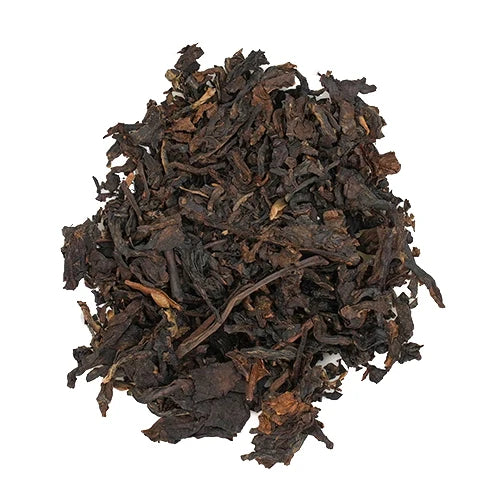
some-interesting-facts-about-biluochun

Green Tea: About Biluochun Tea

Home › Guide › Biluochun Tea Try Authentic Biluochun at Home First order ships free (U.S. -50% shipping; free over $39.99/$99.99) Free tea samples 30‑Day Guarantee Shop Biluochun Table of Contents "Biluochun" is a type of green tea that hails from Dongting Mountain in the Taihu Lake region of WuZhong District, Suzhou City, Jiangsu Province, China. Its origins date back to the Ming Dynasty but gained fame during the reign of Emperor Qianlong in the Qing Dynasty when it was designated as tribute tea, making it one of China's top ten famous teas. Gong Zizhen once praised it, saying, "Biluochun of Dongting Mountain is the best Chinese green tea in the world." Today, let's delve into some fascinating facts about this renowned green tea. As the crisp air of late autumn sets in, there’s no better time to enjoy a refreshing cup of Biluochun green tea.This Black Friday, iTeaworld invites you to explore authentic 50% off green teas and exclusive free gifts from Nov 3 to Dec 1.Whether you’re a longtime tea enthusiast or a newcomer, it’s the perfect opportunity to experience the delicate aroma and brisk flavor of Biluochun, one of China’s top ten famous teas. The Origin of the Name Biluochun Regarding the origin of the name of this renowned green tea, Biluochun, there are multiple explanations, and here, we'll discuss the two main ones.One account suggests that, in its early days, Biluochun was known as "Dongting Tea" or "Scary Fragrance." According to folklore, a nun went to the mountains in the spring, casually picked a few tea leaves, and brewed tea. The aroma was so captivating that she exclaimed, "The fragrance is so scary!" Local people began calling this tea "Scary Fragrance." During the Kangxi era of the Qing Dynasty, Emperor Kangxi inspected and tasted this tea, which had a jade-green color and was curled like a snail. He greatly appreciated its taste but found the name "Scary Fragrance" to be less than refined. As a result, he renamed it "Biluochun." Since then, Biluochun has been offered as a tribute tea every year.Another clever explanation attributes the name "Biluochun" to its distinctive features. The tea has a jade-green color, is tightly curled like a snail, is harvested in the spring, and originates from the Bi Luo Peak. Therefore, it was named "Biluochun." Characteristics of Biluochun Tea Shape: Thin and slender, tightly curled like a snail, covered in fine silvery hairs, displaying a blend of silver and green hues.Color: Interplay of silver and green, gentle and bright.Liquor: Emerald green, clear and brilliant.Aroma: Strong and intense fragrance with floral and fruity notes, a clear and refreshing scent.Taste: Fresh, mellow, and brisk, with a lingering aftertaste.Leaves: Tender and abundant buds, vibrant and fresh. Harvesting and Processing of Biluochun Tea The harvesting of Biluochun tea demands exceptional precision, requiring that the leaves be young, tender, and immaculate. High-quality Biluochun is often defined by the standard of plucking a single bud or one bud and one leaf. It is an extremely time-consuming and labor-intensive process, with approximately 65,000 first-grade buds half a kilogram and around 55,000 for second-grade buds.After the plucking is complete, the tea leaves undergo meticulous sorting and spreading. They are then subjected to high-temperature fixation, shaping through rolling, kneading to form tight clusters with visible hairs, and finally, gentle heat drying. The process adheres to the principle of "never leaving the tea from the hands, and the tea never leaving the pan." The continuous and skillful manipulation is what yields the fresh, brisk, sweet, and floral or fruity fragrance that characterizes a cup of Biluochun. Grading of Biluochun Tea The grading of Dongting Biluochun tea is determined according to national standards. The national standards classify Dongting Biluochun tea into five grades based on product quality: special first grade, special second grade, first grade, second grade and third grade, with the special grades (special first grade and special second grade) being the most precious.For green tea, freshness and briskness are highly valued. Typically, the higher the grade of green tea, the greater its amino acid content and the corresponding freshness. This is distinct from other tea categories such as loose leaf black tea, loose leaf oolong tea, dark tea, yellow tea, and white tea, where some teas, like dark tea and white tea, may even improve with age. During iTeaworld’s Black Friday Celebration, you can easily access high-quality Biluochun from Dongting West Mountain, sourced directly from the core production area.Take advantage of exclusive 50% OFF discounts and complimentary gifts while discovering the refreshing aroma and sweet, floral flavor that has captivated tea lovers for centuries. The Unique Landscape of Biluochun Tea Region Biluochun, as a renowned Chinese loose leaf tea, owes its exceptional flavor to the environment in which it thrives. Biluochun is grown in Dongting Mountain, situated within the Taihu Lake region in Suzhou, Jiangsu Province, China. Dongting Mountain is divided into two peaks: Dongting East Mountain, which resembles a massive ship extending into Taihu Lake, and Dongting West Mountain, a sturdy island standing in the middle of the lake. These two mountains share a temperate climate, with an annual average temperature of 15.5 to 16.5°C and annual rainfall ranging from 1200 to 1500 millimeters. The moisture rising from Taihu Lake results in lingering mist and a humid atmosphere. The air is moist, and the soil is slightly acidic to acidic. The loose, sandy soil is ideal for tea tree cultivation.In this region, not only are there numerous tea trees, but also a variety of fruit trees such as peach, plum, apricot, plum, orange, loquat, and bayberry. These fruit trees are interspersed with tea trees, giving Biluochun tea a unique floral and fruity fragrance. Brewing Biluochun Tea It is best to use freshly boiled water for brewing Biluochun tea. After the water has come to a boil, preheat the teacup by pouring hot water into it to ensure the teacup is warm, which helps release the initial aroma of the tea. As Biluochun tea leaves have fine hairs, the first infusion is a rinse. Pouring hot water over the tea allows the hairs to separate from the leaves, and they float on the surface. Discard this first infusion and proceed to the second infusion, which is the one to savor. The third infusion is often considered the best, as by this point, the tea's aroma is fully released. For brewing, it is recommended to use the "upwards pouring" method, which involves filling the teacup approximately 70% full with water and adding about 3 grams of dry tea leaves. In this method, you can witness the Biluochun tea leaves unfurl and produce a mesmerizing dance akin to rolling white clouds and swirling snowflakes. Because Biluochun leaves are covered in fine hairs, the "upwards pouring" method is particularly suitable. Using the "middle pouring" or "bottom pouring" methods may wash away a significant portion of the fine hairs, resulting in a cloudy appearance of the tea infusion. The Benefits of Biluochun Tea Biluochun tea is rich in catechins and various vitamins, which can help promote blood circulation and reduce stasis. Moderate consumption of Biluochun tea in daily life can help soften blood vessels, lower blood lipid and blood pressure levels, and provide some preventive effects against arterial sclerosis, especially in middle-aged and elderly individuals. Biluochun contains substances like caffeine and folic acid, which can accelerate metabolism, aid in intestinal cleansing, and play a role in preventing obesity. Additionally, the tea contains compounds that can coagulate proteins, effectively acting as a bactericide. Studies have also suggested that individuals who regularly consume tea in their daily lives have a lower risk of cancer compared to those who do not. How to Store Biluochun Tea The storage of Biluochun tea requires careful attention. Traditional storage methods involve wrapping the tea leaves in paper, placing them in bags, and layering with block-shaped quicklime. The tea and quicklime are stored in a sealed container with moisture-absorbing properties. With the advancement of science, some have adopted the use of triple-layer plastic bags for sealing and isolating the tea from air, storing it in a refrigerator or cold storage unit below 10°C. This method allows for long-term storage of over a year, preserving the tea's color, fragrance, and flavor as if it were newly harvested. Nowadays, there are numerous teas on the market labeled as Biluochun, making it challenging to find a high-quality option. iTeaworld's Green Tea Sampler offers a high-quality Biluochun tea sourced from the core production area in Dongting West Mountain, Taihu Lake, Suzhou, Jiangsu Province, and it is certainly worth a try. After reading this article, you may find yourself more inclined to enjoy Biluochun tea. Not only does it offer a refreshing and delicate flavor, but it also comes with various health benefits and has a rich history spanning over a thousand years. It's an ideal beverage for relaxation, helping alleviate the pressures of work and life, and adding a touch of elegance to your daily routine. Prefer to compare before buying? Explore our Green Tea Sampler including Biluochun from the core origin. Shop Sampler Enjoy authentic Biluochun at home Shop Now  
Tasting Bi Luo Chun: China's Famous Green Tea

Tasting Bi Luo Chun: China's Famous Green Tea

Biluochun is a classic green tea with a rich history. The name "Biluochun" can also be translated as "Green Snail Spring," which gives you a hint of its characteristics. Biluochun has always been known for its tender, emerald leaves, a soft and uniform leaf base, a clear and elegant aroma, and a fresh, sweet, and refreshing taste that delights everyone. Sipping a cup of Biluochun is like savoring the gentle scenery of Jiangnan.   Biluochun's "One Tender, Three Fresh" Quality Biluochun is renowned for its tenderness and freshness, often referred to as the "One Tender, Three Fresh" tea. "One tender" refers to the exceptionally tender young leaves of Biluochun, with over 50,000 to 60,000 tender buds in every 500 grams of Biluochun tea. It has large buds and small leaves, with buds that haven't fully opened yet. The abundance of tender buds is a characteristic of many high-quality loose leaf green tea, which generally prioritize freshness and tenderness. Other types of teas, such as loose leaf black tea, loose leaf oolong tea, loose leaf yellow tea, and loose leaf dark tea, may not necessarily aim for numerous tender buds. "Three fresh" refers to Biluochun's vibrant color, strong and fresh aroma, and a fresh and mellow taste. "Color fresh" means that Biluochun tea not only has a shiny silver-green appearance but also has a bright and clear green tea soup, with tender and bright leaf bottoms. "Aroma fresh" refers to the tea's fragrance, which carries a rich floral scent within the clear tea aroma, captivating and enchanting those who savor it. "Taste fresh and mellow" describes the refreshing taste of Biluochun, which also has a sweet fruitiness that keeps you coming back for more, leaving a lingering aftertaste.   Biluochun's Unique Natural Tea Fragrance and Fruitiness The reason why Biluochun is so beloved by the public and considered one of the best loose leaf teas is primarily determined by its growing environment, processing techniques, and flavor characteristics. The unique growing environment of Biluochun, especially, imparts a distinctive natural tea fragrance and fruity taste to this tea. The climate and soil in the Dongting Mountains of Jiangsu's Taihu Lake are not only suitable for tea tree growth, but what's even more unique is that tea trees in the Dongting Mountains coexist with fruit trees. The Dongting Biluochun production area is a renowned region in China where tea and fruit trees are intercropped. Tea trees are grown alongside fruit trees such as peaches, plums, apricots, plums, persimmons, oranges, pomegranates, and chestnuts. Rows of lush tea bushes resemble green screens, and the dense shade of fruit trees forms a canopy that shields from frost and snow, while basking in the autumn sun. Tea trees and fruit trees are interconnected through their branches and roots, with tea absorbing the fragrance of the fruits, and the flowers infusing tea with their flavors, nurturing the natural qualities of Biluochun tea with the scents of flowers and fruits. As stated in the "Tea Explanation" from the Ming Dynasty, "Tea gardens should not be mixed with inferior trees, only planting with varieties such as osmanthus, plum, magnolia, rose, fir, and green bamboo is sufficient to shield from frost and snow and bask in the autumn sun." The intercropping of tea trees and fruit trees gives Biluochun tea a unique natural tea fragrance and fruity taste, with excellent quality. Its finished tea leaves are tightly rolled, slender, with a hidden emerald hue. It exudes a clear and elegant aroma, refreshing and thirst-quenching, with a clear and green liquor color, and the tea leaves unfurl evenly. After consumption, there is a lingering sweetness on the palate.   "Furry Body, Copper Wire Stripes, Bee Legs." The appearance of Biluochun tea is also unique, with dried tea leaves curving in interesting arcs and covered in a layer of fine fuzz. Tea farmers describe the appearance of Biluochun as " Furry body, copper wire stripes, bee legs." "Furry body" refers to the presence of white hairs that densely cover the finished tea leaves, with the quality of Biluochun being determined by the density of these fine hairs. "Copper wire strips" means that the tea strips are fine, tight, and heavy, and they quickly sink when brewed, rather than floating on the water's surface. "Bee legs" refers to the resemblance of Biluochun tea to the legs of a bee, which is an important feature for distinguishing genuine from fake Biluochun and evaluating processing quality.   How to appreciate Biluochun When brewing Biluochun, it's best to use pure water or spring water. Because the tea buds and leaves are extremely tender, the water temperature should not be too high, ideally between 80-85°C. For brewing equipment, you can choose a transparent glass cup to fully appreciate the unfolding and sinking of Biluochun in the cup and experience the beauty of loose leaf green tea. Gently submerge Biluochun tea in water, and the tea leaves will immediately sink, earning the nickname "Spring Dyeing the Seabed." The tea leaves carry tiny water droplets on their surface, and after about two minutes, almost all of them have gracefully settled at the bottom of the cup, leaving only a few tea leaves floating on the surface. The majority descend slowly, unfurling at the bottom of the cup, displaying a light emerald and fresh appearance with a delicate and elegant fragrance.   To savor the exquisite flavors of Biluochun tea, selecting a high-quality Biluochun is of paramount importance. iTeaworld offers a selection of green teas, including a Biluochun sourced from the core production area on the western slopes of Dongting Lake. It belongs to the group of mass-produced tea leaves and boasts excellent quality. Apart from this Biluochun, iTeaworld's Green Tea Sampler also includes five other high-quality Chinese classic green teas that are well worth trying. With just this box of tea, you can gain a good understanding of Chinese green teas. Biluochun, true to its name, is a tea with a light green color, a clear and elegant aroma, and a refreshing, sweet taste. When brewed, the tea flavor gradually unfolds, moving up and down, with the tea liquor shining like silver and emerald. It offers a fragrant and refreshing taste, making it suitable for enjoying at home, during work, or when gathering with friends.
Guide to Buying Longjing (Dragon Well): How to Judge Quality?

Guide to Buying Longjing (Dragon Well): How to Judge Quality?

Because Longjing tea(Dragon well) is highly renowned and the market offers a wide variety of Longjing teas(Dragon well)  with varying quality, we would like to share some methods to help you distinguish the quality of Longjing tea(Dragon well) , enabling you to make better choices when purchasing Longjing tea. Holiday Tea Sale at iTeaworld (end on Dec 31): Get 50% off all green teas!!! If you’ve been curious about trying authentic Longjing tea, this is the perfect opportunity to sample premium varieties without leaving home. Examining the Dry Leaves When buying Longjing tea(Dragon well) , the first technique is to inspect the appearance of the tea leaves. High-quality Longjing tea leaves should be flat, smooth, firm, pointed, and consistent in size, exhibiting a neat and uniform appearance. The color of the leaves should ideally be a yellowish-green hue, with a fresh and vivid appearance. Leaves that appear excessively green or overly yellow may look attractive but are of lower quality, particularly those with very young green dry leaves, which are often used as imitations of other tea varieties. Conversely, low-quality Longjing tea will have irregularly shaped leaves and a dull color. You can also check the dryness of the leaves. Choose a leaf at random and, when placed between your thumb and index finger, give it a gentle pinch. If it easily turns into a powder, it is adequately dry. If it forms small crumbs, it is not dry enough, or the tea leaves have absorbed moisture. Tea leaves with inadequate dryness are harder to store and may lack a strong aroma. Besides green tea, you can also use this method to check the dryness of loose leaf tea of other types, such as black tea, oolong tea, and dark tea. Examining the Tea Soup High-quality Longjing tea(Dragon well)  should yield a tea soup with a tender, bright green color that remains clear, even if left overnight. There should be no sediment at the bottom of the cup. The better the quality of Longjing tea(Dragon well) , the clearer the tea soup, showcasing the beauty of green tea. Slightly lower-grade Longjing tea may exhibit a deeper yellowish color. Inspecting the Brewed Tea Leaves When assessing the quality of Longjing tea leaves, the appearance of the brewed tea leaves is a crucial criterion. Due to the high standards for picking tender buds in Longjing tea, it can be said to have one of the most beautiful brewed tea leaves among loose leaf tea. High-quality Longjing tea(Dragon well) , when brewed, will display leaves that are uniform, neatly arranged, and finely tender, with a uniform and orderly appearance. The brewed tea leaves will exhibit a light beige color, with tender buds, and they will be even and uniform. In contrast, after brewing, lower-quality Longjing tea leaves will appear disorganized and lack aesthetic appeal, appearing dim, coarse, and lacking in elegance. Assessing the Taste When tasting Longjing tea(Dragon well) , the ideal flavor is characterized by its freshness, mellowness, and a subtle sweetness. High-quality Longjing tea should not have a pronounced bitter taste, but it should have a refreshing and sweet aftertaste, along with a sufficient aroma and a fresh, invigorating taste. Upon tasting, the aroma should be rich, and upon savoring, it should deliver a sense of freshness, leaving a pleasant aftertaste. Evaluating the Aroma Take some dry Longjing tea leaves and place them in the palm of your hand. Gently exhale onto the leaves, and you will immediately smell the unadulterated aroma of the tea leaves. High-quality Longjing tea exhibits a unique blend of floral, chestnut, and bean aromas that meld into a rich fragrance. It encapsulates a sense of "mellowness," with a lingering and intense aroma. You can also assess the quality of Longjing tea by the aroma it exudes after brewing. Superior Longjing tea emits a fresh, delicate, and high aroma that is exceptionally enduring, creating a sense of relaxation and delight. In contrast, lower-quality tea leaves may emit a slight off-putting odor, often with a bitter or coarse undertone. Even if they have an aroma, it tends to dissipate quickly. To find high-quality Longjing tea(Dragon well) , consider purchasing from tea brands with extensive experience in the field. iTeaworld has a 15-year history in the tea industry and offers a rich array of Chinese teas, including green tea. iTeaworld's green tea sampler includes a high-quality Longjing tea that is well worth trying. In this article, we have shared information on how to discern the quality of Longjing tea(Dragon well) . When selecting and purchasing Longjing tea, you can apply these methods flexibly. We hope that you can acquire high-quality Longjing tea that suits your preferences. Holiday Tea Sale: end on Dec 31, enjoy 25% off all oolong teas, 50% off green teas, and exclusive free gifts at iTeaworld. It’s a great way to acquire high-quality Longjing tea for yourself or as a thoughtful gift.