
Sort by:
67 products
67 products
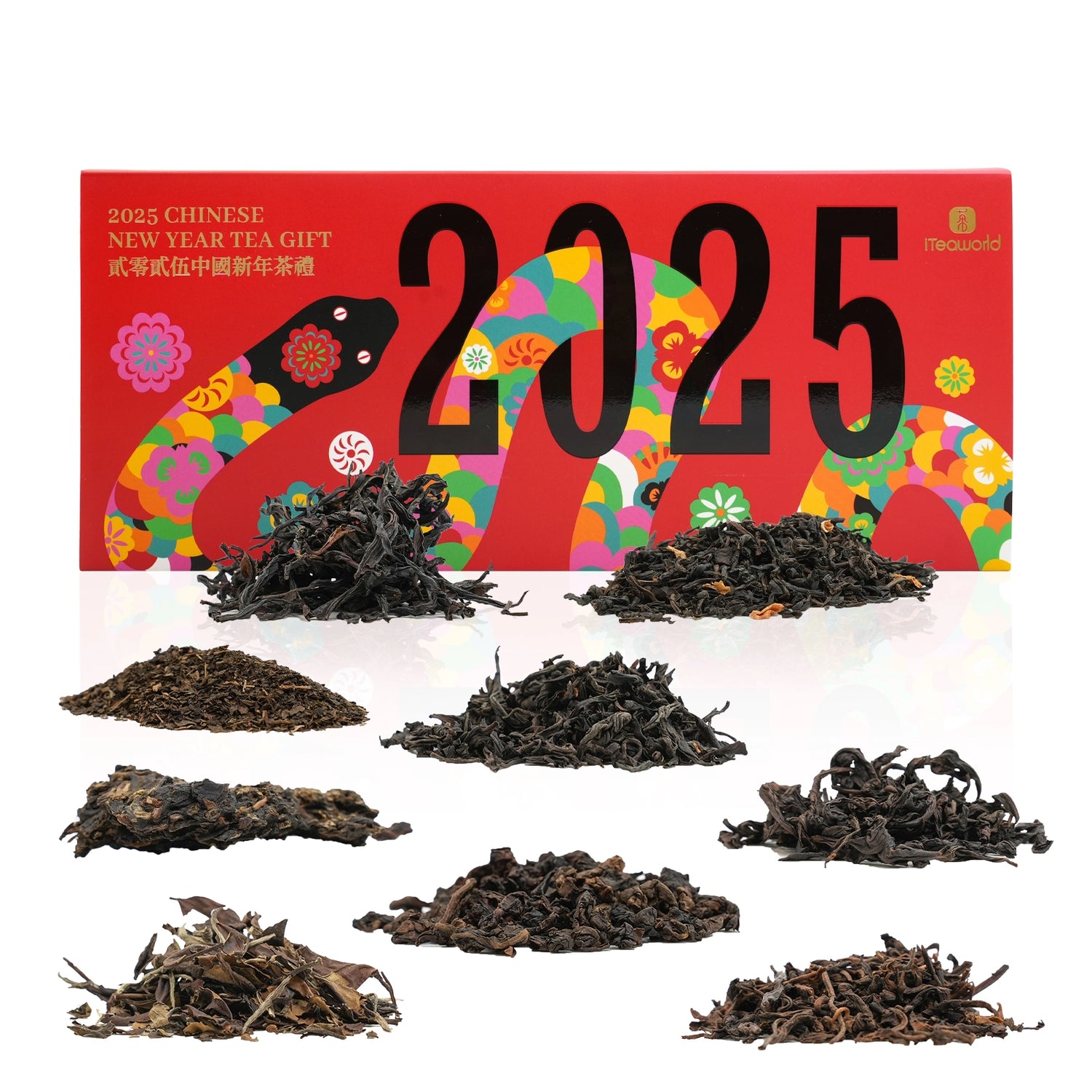
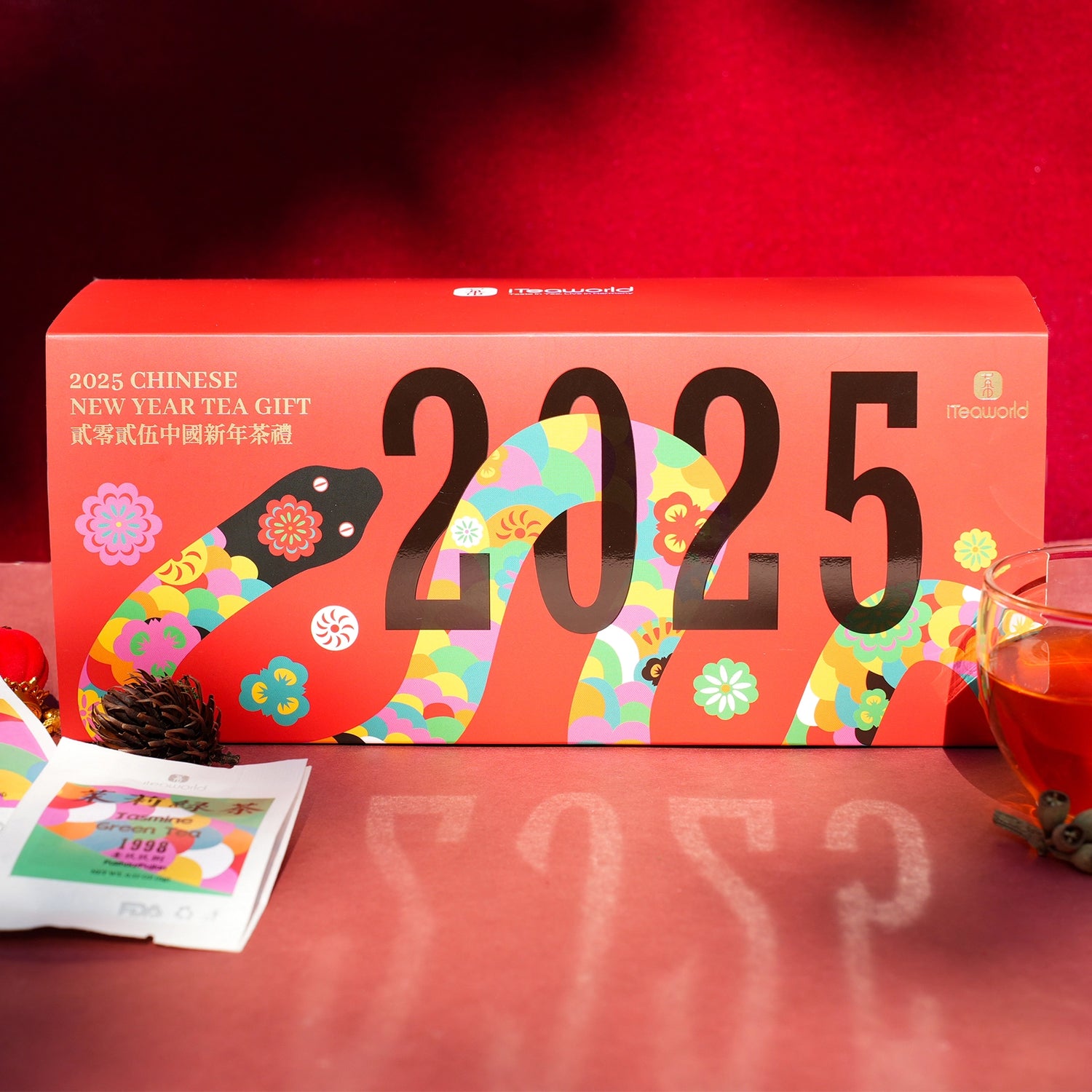
Why this product?
Many people are unclear about what qualifies as aged tea and how to tell the age of tea. iTeaworld has been working with aged tea in the Chinese market for 20 years. We believe that for tea to be considered "aged," it should meet these three criteria: 1. It should have an aged or woody aroma. 2. The tea liquor should be smooth, rich, and sweet. 3. There should be a noticeable warm sensation in the body, especially in the hands and feet, after drinking.
Based on this standard, we’ve selected 10 aged teas, including Oolong, black tea, white tea, dark tea, Pu-erh, and green tea, to help tea lovers understand what aged tea really is.
The product includes:
1995 Shui Xian Oolong Tea: 2 packs of 5g each
1998 Tie Guan Yin Oolong Tea: 2 packs of 5g each
1995 Fenghuang Dancong Oolong Tea: 2 packs of 5g each
1998 Raw Pu-erh Tea : 2 packs of 5g each
2003 Ripe Pu-erh Tea : 2 packs of 5g each
2008 Shuangzheng Liu Bao Dark Tea: 2 packs of 5g each
2014 Shou Mei White Tea: 2 packs of 5g each
2014 Lapsang Souchong Black Tea: 2 packs of 5g each
1998 Jasmine Green Tea: 2 packs of 5g each
1980s Aged Fu Brick Dark Tea: 2 packs of 5g each
How to brew:
Brewing utensils: White porcelain Gaiwan or Zisha teapot.
Water temperature: 95°C-100°C
Tea-to-water ratio: 1:15-25
Brewing time: 10-20seconds
Number of brews: 5-7 times
Why Aged Tea is Still Drinkable:
The reason aged tea can still be consumed safely lies in the unique chemistry of tea leaves and traditional storage methods. Tea contains powerful antioxidants like catechins and polyphenols, which naturally help slow oxidation, keeping tea consumable for extended periods. Dried tea absorbs only minimal moisture and oxygen, meaning it doesn’t provide the damp environment that bacteria need to grow. As long as tea is stored properly—dry, cool, and sealed against odors—it won’t spoil easily, and you can enjoy it without worries if there’s no mold or strange smells.
How Different Types of Tea Age:
Dark Tea (Hei Cha)
Dark tea, when properly aged, undergoes microbial transformations that mellow its flavor. Over time, compounds like caffeine and polyphenols break down, shifting the taste from bitter to smooth and rich. Dark tea requires specific storage conditions: dry, airy, and cool, to support this mellowing process.
White Tea
In China, there’s a saying about white tea: "One-year tea, three-year medicine, seven-year treasure." Aging for three years or more brings out richer flavors and enhances its perceived medicinal value. As white tea ages, the leaves soften in flavor and aroma, creating a more layered drinking experience.
Black Tea
Black tea generally maintains its natural sweetness and fragrance over time, and since its flavor doesn’t improve with aging, most black teas are best enjoyed fresh. However, certain types of compressed black teas, like Hunan's Fu Brick, can develop deeper flavors with storage due to gradual microbial changes.
Oolong Tea
Roasted Oolong teas like Wuyi Rock Tea (Yan Cha) gain complexity as they age. The roasted notes soften, and the tea develops a distinctive “aged aroma,” adding richness and hints of sweetness. Proper storage is essential to preserve its unique characteristics: keep it dry, away from direct sunlight, and sealed to maintain freshness.
Jasmine Green Tea
Jasmine Green Tea, infused with fresh jasmine flowers, has a unique floral aroma that is best enjoyed within one or two years. Over time, the green tea component oxidizes, leading to a darker color and a softer floral note. To preserve the jasmine aroma and freshness, it’s ideal to store it sealed, in a cool, dry place, or even refrigerate it if possible.
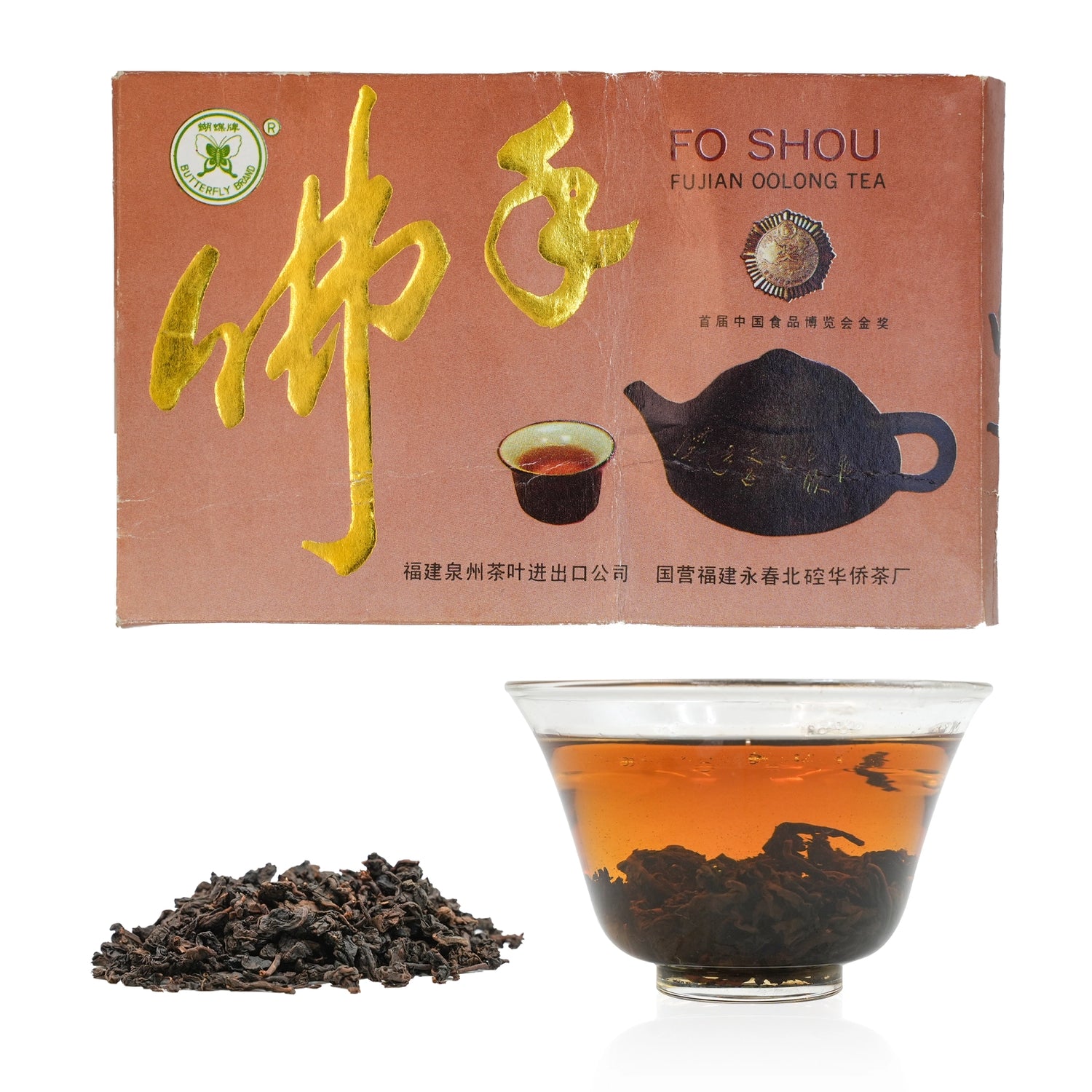
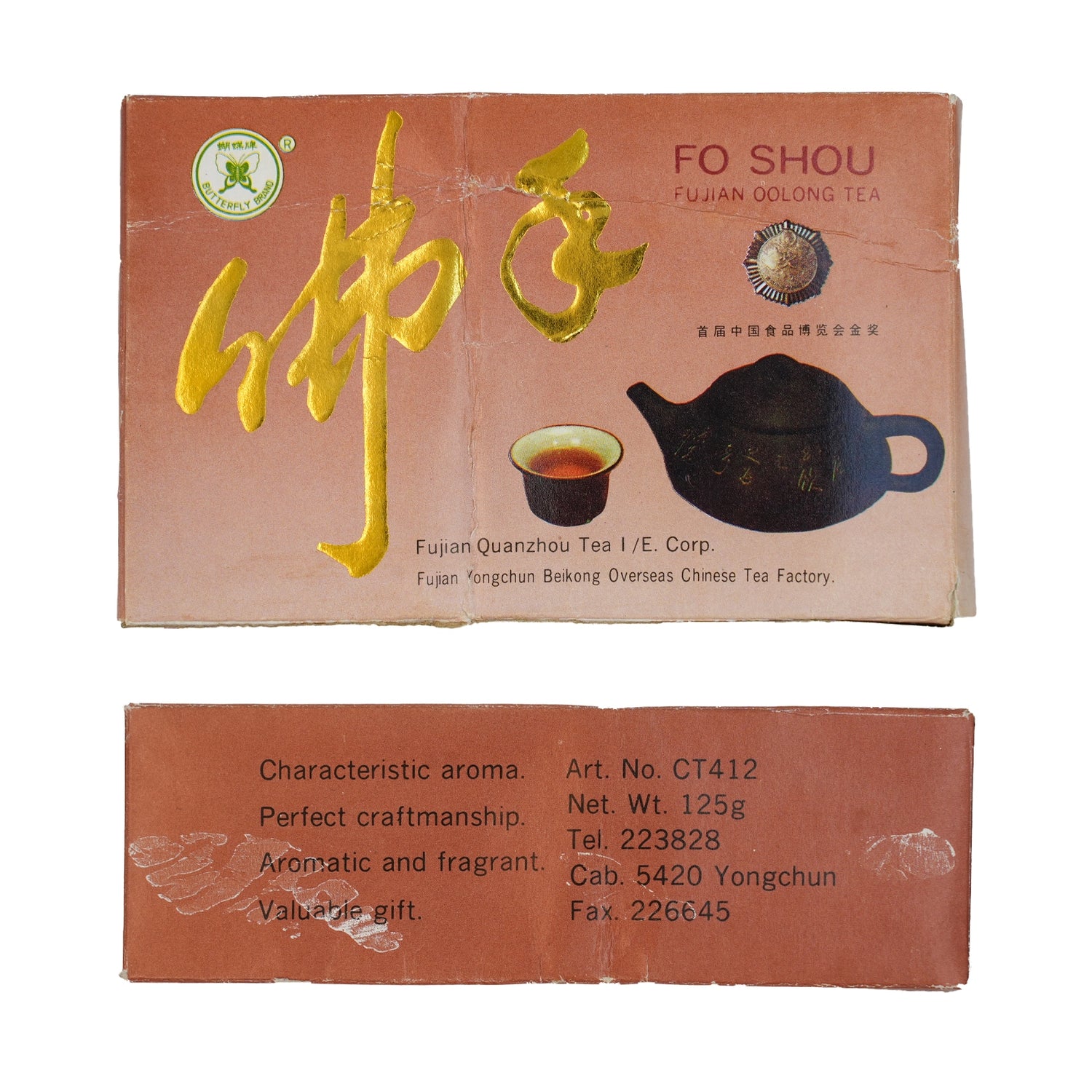
During the aging and transportation process of aged tea, the packaging and the tea itself may get damaged. Please be cautious when purchasing if you mind this.
Recommended Purchase
This Yongchun Fo Shou Oolong tea, produced in 1993 and naturally aged in dry storage for 33 years, is made from the Yongchun Fo Shou variety, a well-known tea type from Yongchun, Fujian Province. It was crafted by the Yongchun Beikong Overseas Chinese Tea Factory, established in 1917. This tea is handcrafted with traditional full-heat roasting and comes in its original packaging. No longer available on the market, it features a unique "aged aroma", rich sweetness and smooth texture, making it a cherished choice for lovers of aged Oolong tea.
Key Details about 1993 Yongchun Fo Shou
- Origin: Yongchun, Fujian Province, China
- Production Date : 1993
- Grade: Special Grade
- Tea Cultivar: Yongchun Fo Shou
- Craftsmanship : Traditional high-fire roasting with medium fermentation, followed by 33 years of natural dry storage in sealed outer box with an inner foil bag.
- Flavor Highlights: Warm "aged aroma" with notes of roasted nuts, complex layers of aged flavors.
What is Yongchun Fo Shou Oolong Tea?
Yongchun Fo Shou, also known as "Buddha’s Hand," is a premium variety of oolong tea grown in Yongchun, Fujian. Named after its leaves that resemble a Buddha’s hand, Yongchun Fo Shou is celebrated for its fragrant aroma, smooth taste, and exceptional aging potential. The tea is lightly twisted into a "dragonfly head" shape, with dark blackish-brown leaves indicative of traditional craftsmanship.
Brewing and Enjoyment Tips
This tea is a testament to the transformative effects of time, offering a rich, smooth, and slightly tangy flavor profile. Best enjoyed with long steeping times or simmering to fully release its aged characteristics.
Recommended Brewing Methods:
-
Gaiwan Brewing:
- 100ml Gaiwan
- 95℃-100℃
- 5-7 times
- 1:15 to 1:25
- 10~20 seconds
-
Thermos Brewing:
- 1g tea per 100ml (3.4oz) water.
- Use boiling water (212°F).
- Steeping Time: 1-2 hours.
- Tool: Insulated thermos.
-
Boiling Method:
- Add 1g tea per 100ml (3.4oz) water.
- Boil for 1-2 minutes, then let sit for 2-3 minutes.
- Rebrew by boiling 3 minutes longer with each steeping.
- Use a ceramic or glass teapot for optimal flavor.
- Enjoy up to 3-4 brews.
Storage Guidelines
Store this tea in a dry, cool environment with a humidity level below 45% and temperature below 25°C (77°F). Keep it away from strong odors, light, and air exposure. Proper storage ensures the tea retains its flavor and continues to age gracefully over time.
Weight
- 4.4oz (125g)
- Packing Type : Sealed Paper Box with Internal Foil Bag
About Yongchun Beikeng Overseas Chinese Tea Factory
Founded in 1917, the Yongchun Beikeng Tea Factory has a rich history of producing high-quality teas. Once a bustling hub of innovation and craftsmanship, the factory was home to over 1,000 tea workers at its peak, producing millions of pounds of tea annually. Its products, including Yongchun Fo Shou, were highly sought after in Hong Kong, Taiwan, Japan, and Southeast Asia.
Just as many state-owned old factories have experienced ups and downs, in the 1990s, the tea factory once fell into a slump, and the once bustling factory area gradually became desolate. The former factory director, Huang Shenghou, who had created its greatest glory and witnessed its decline, was deeply saddened by its decline and took over the factory himself after privatization.
Today, this aged Yongchun Fo Shou tea stands as a flavorful tribute to the factory's storied past and the enduring legacy of traditional Chinese tea-making.
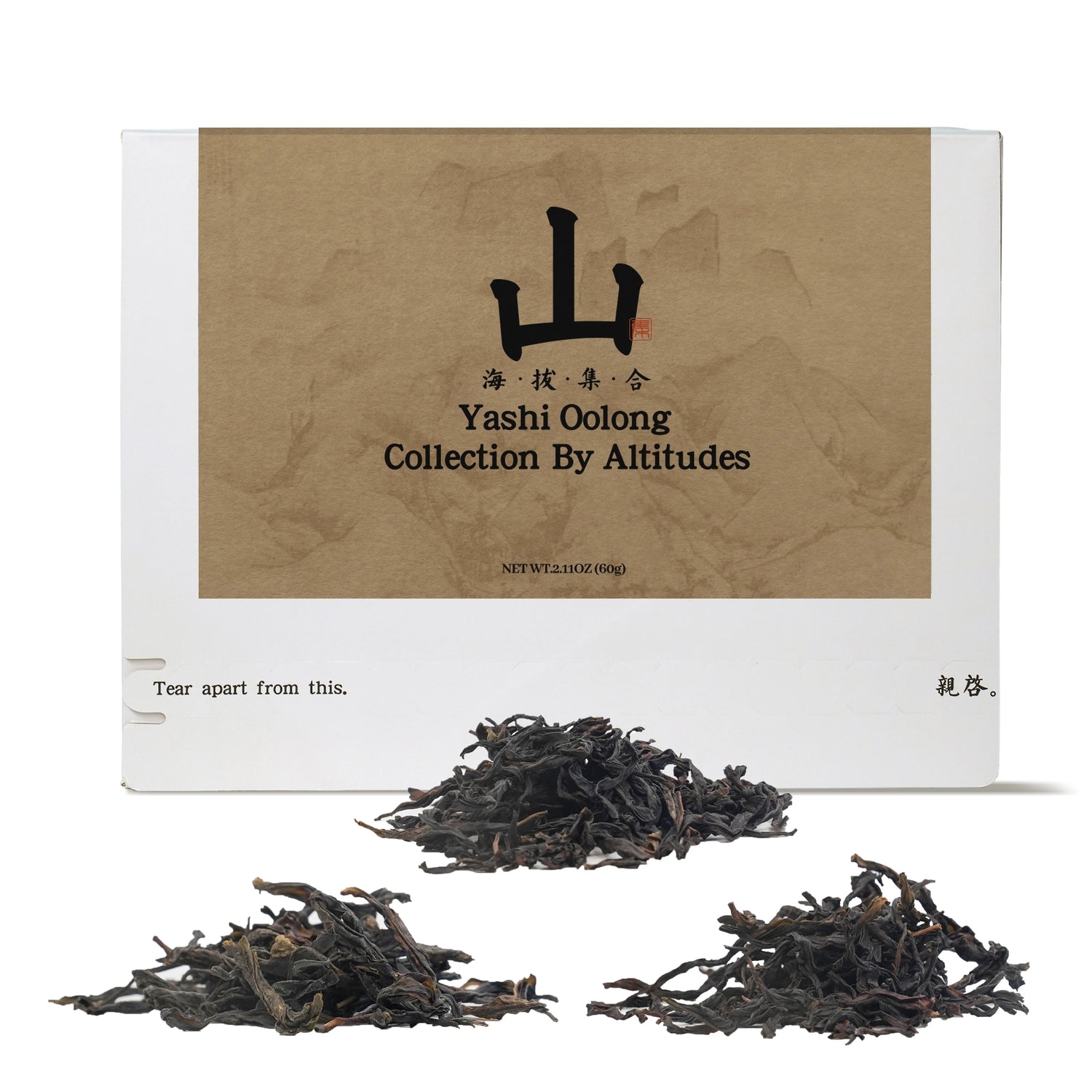
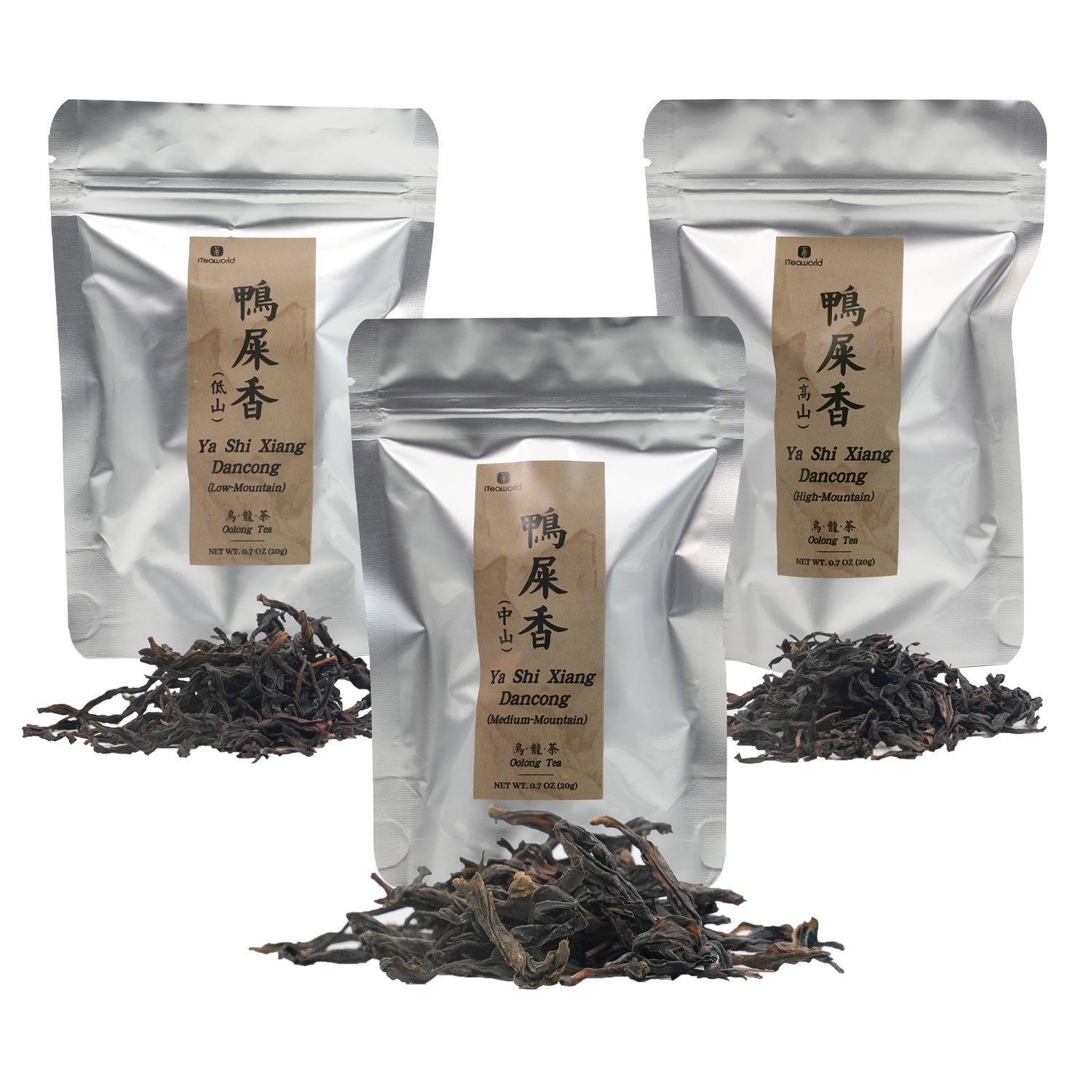
Ya Shi Xiang is one of the most aromatic Dancong oolong teas from Fenghuang Town in Chaozhou, Guangdong, China, known for its naturally expressive floral fragrance and layered complexity.
This collection explores how elevation shapes the character of the same tea. All teas are made from the same Ya Shi Xiang cultivar and crafted by the same tea master, but sourced from different altitudes within the Phoenix Mountains.
As elevation increases, temperature, sunlight exposure, and growing conditions naturally shift, creating subtle yet noticeable differences in aroma intensity, structure, and mouthfeel.
Rather than a single expression, this set offers a guided tasting experience that reveals how geography influences the personality of the same tea in different environments.
Taste them side by side and experience how altitude transforms aroma, texture, and finish.
Recommended Purchase
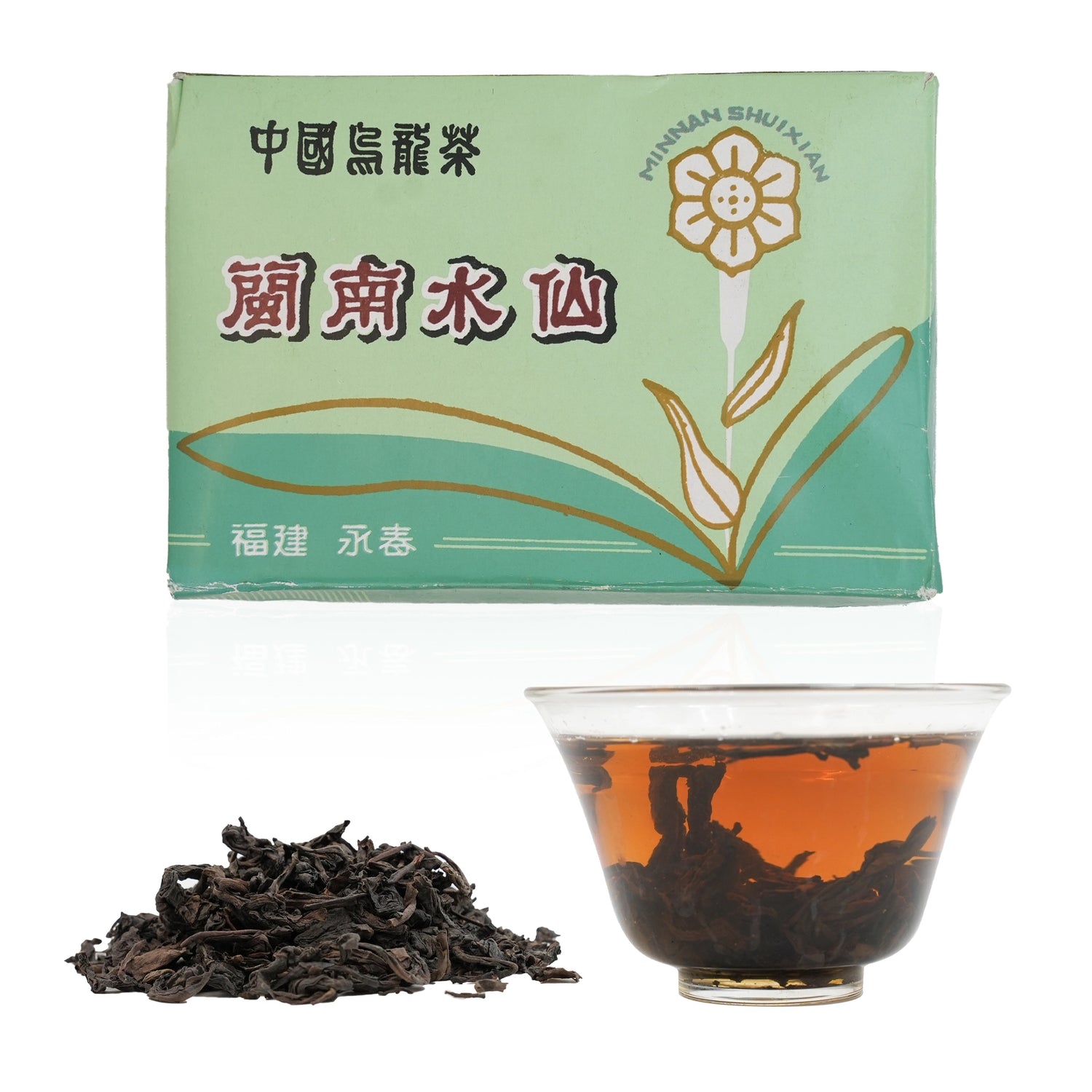
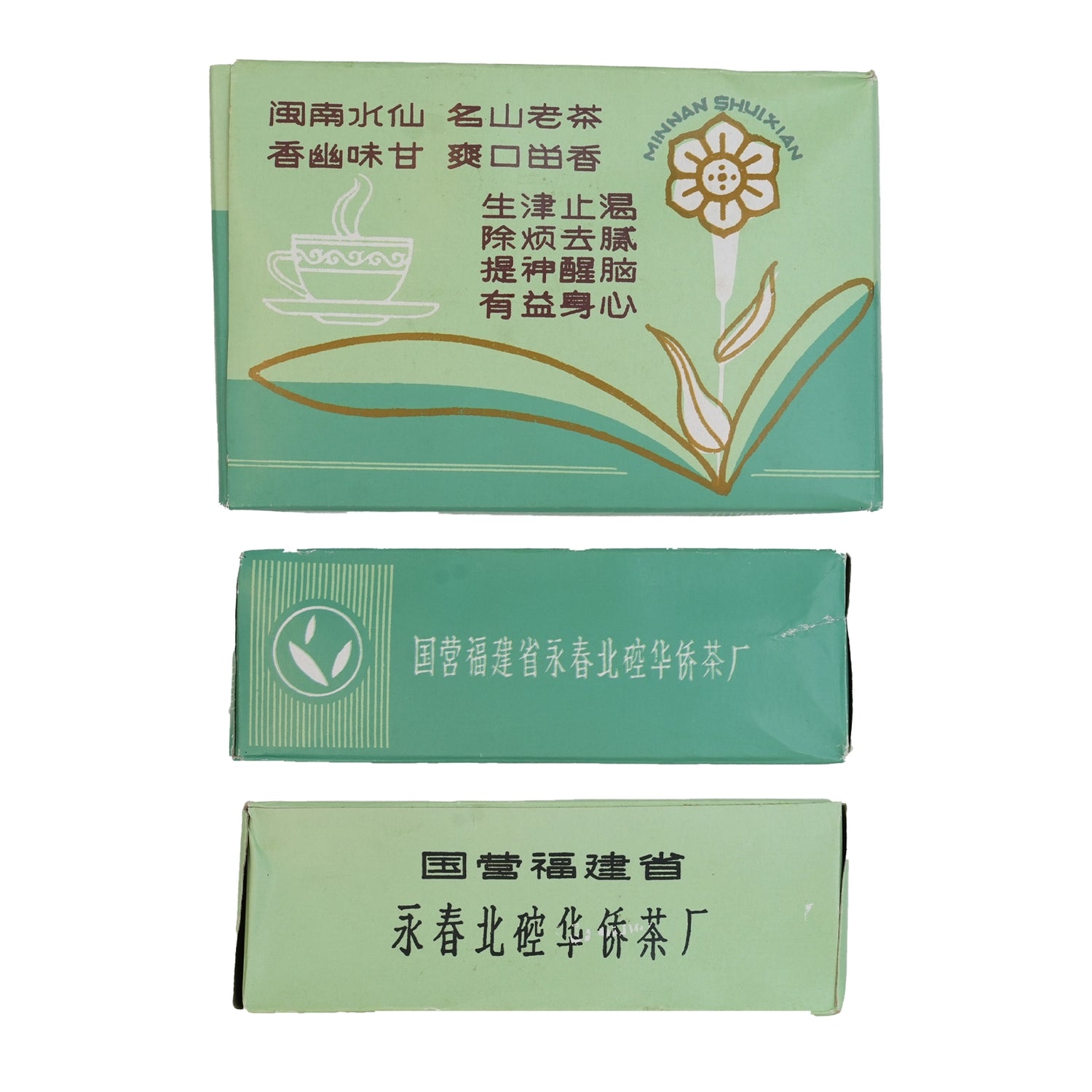
This 1993 Aged Min Nan Shui Xian Oolong Tea is crafted from the Shui Xian tea cultivar, grown in Fujian, China. Produced by the renowned Yongchun Beikeng Overseas Chinese Tea Factory, which was established in 1917. This tea has been naturally aged in dry storage for 33 years, developing a unique blend of sweet aged aroma and medicinal fragrance. With a smooth, thick mouthfeel and a lingering sweetness, it is ideal for those who appreciate the depth of aged teas. The traditional high-temperature roasting and medium oxidation enhance its warming characteristics. This product is in its original packaging and is no longer in circulation on the market.
Key Details about 1993 Aged Min Nan Shui Xian
Origin: Yongchun, Fujian Province, China
Production Date: 1993
Grade: Second Grade
Tea Cultivar: Shui Xian
Craftsmanship: Traditional high-fire roasting, medium oxidation, light rolling
Flavor Highlights: Sweet aged aroma with medicinal fragrance, thick and smooth taste, long-lasting aftertaste
Storage: Naturally dry-aged, sealed packaging for optimal preservation
What is Min Nan Shui Xian Oolong Tea?
Min Nan Shui Xian is a Southern Fujian-style Oolong tea, known for its rich fragrance, mellow body, and lasting sweetness. Compared to Wuyi Shui Xian, it undergoes less oxidation, resulting in a softer and smoother profile. After decades of aging, this 1993 batch has developed an aged sweetness, medicinal notes, and a thick, velvety texture, making it a highly sought-after selection among aged tea connoisseurs.
Recommended Brewing Methods:
Gaiwan Brewing:
100ml Gaiwan
95℃-100℃
5-7 times
1:15 to 1:25
10~20 seconds
Thermos Brewing :
1g tea per 100ml (3.4oz) water.
Use boiling water (212°F).
Steeping Time: 1-2 hours.
Tool: Insulated thermos.
Boiling Method :
Add 1g tea per 100ml (3.4oz) water.
Boil for 1-2 minutes, then let sit for 2-3 minutes.
Rebrew by boiling 3 minutes longer with each steeping.
Use a ceramic or glass teapot for optimal flavor.
Enjoy up to 3-4 brews.
Storage Guidelines
Store this tea in a dry, cool environment with a humidity level below 45% and temperature below 25°C (77°F). Keep it away from strong odors, light, and air exposure. Proper storage ensures the tea retains its flavor and continues to age gracefully over time.
Weight & Packaging
Net Weight: 100g (3.5oz)
Packing Type: Original sealed paper box with inner aluminum foil bag
About Yongchun Beikeng Overseas Chinese Tea Factory
Founded in 1917, the Yongchun Beikeng Tea Factory has a rich history of producing high-quality teas. Once a bustling hub of innovation and craftsmanship, the factory was home to over 1,000 tea workers at its peak, producing millions of pounds of tea annually. The factory's products, including Min Nan Shui Xian, were highly sought after in Hong Kong, Taiwan, Japan, and Southeast Asia.
Just as many state-owned old factories have experienced ups and downs, in the 1990s, the tea factory once fell into a slump, and the once bustling factory area gradually became desolate. The former factory director, Huang Shenghou, who had created its greatest glory and witnessed its decline, couldn't bear to see it and took over the factory personally after its privatization.
Today, this aged Min Nan Shui Xian Oolong tea stands as a flavorful tribute to the factory's storied past and the enduring legacy of traditional Chinese tea-making.
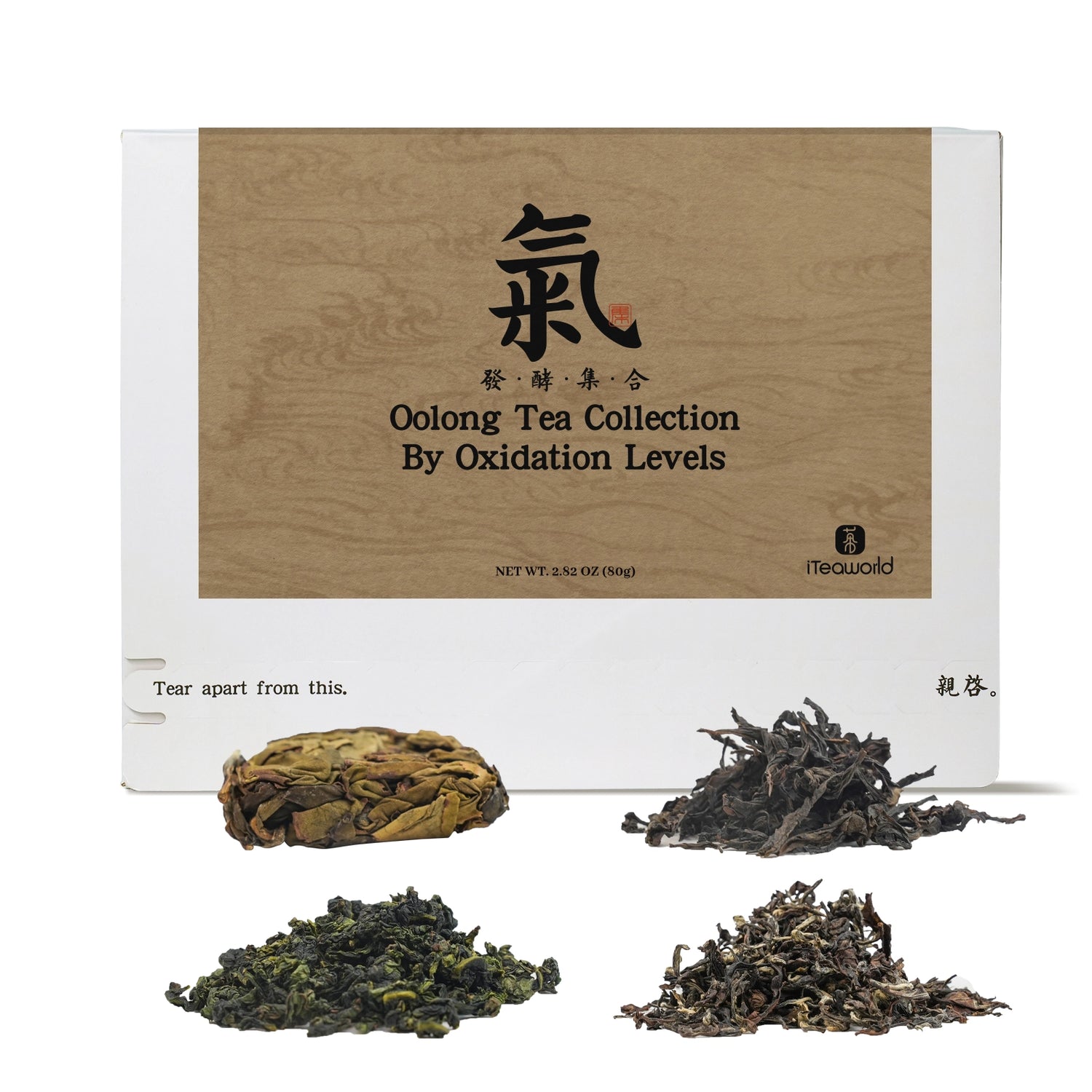
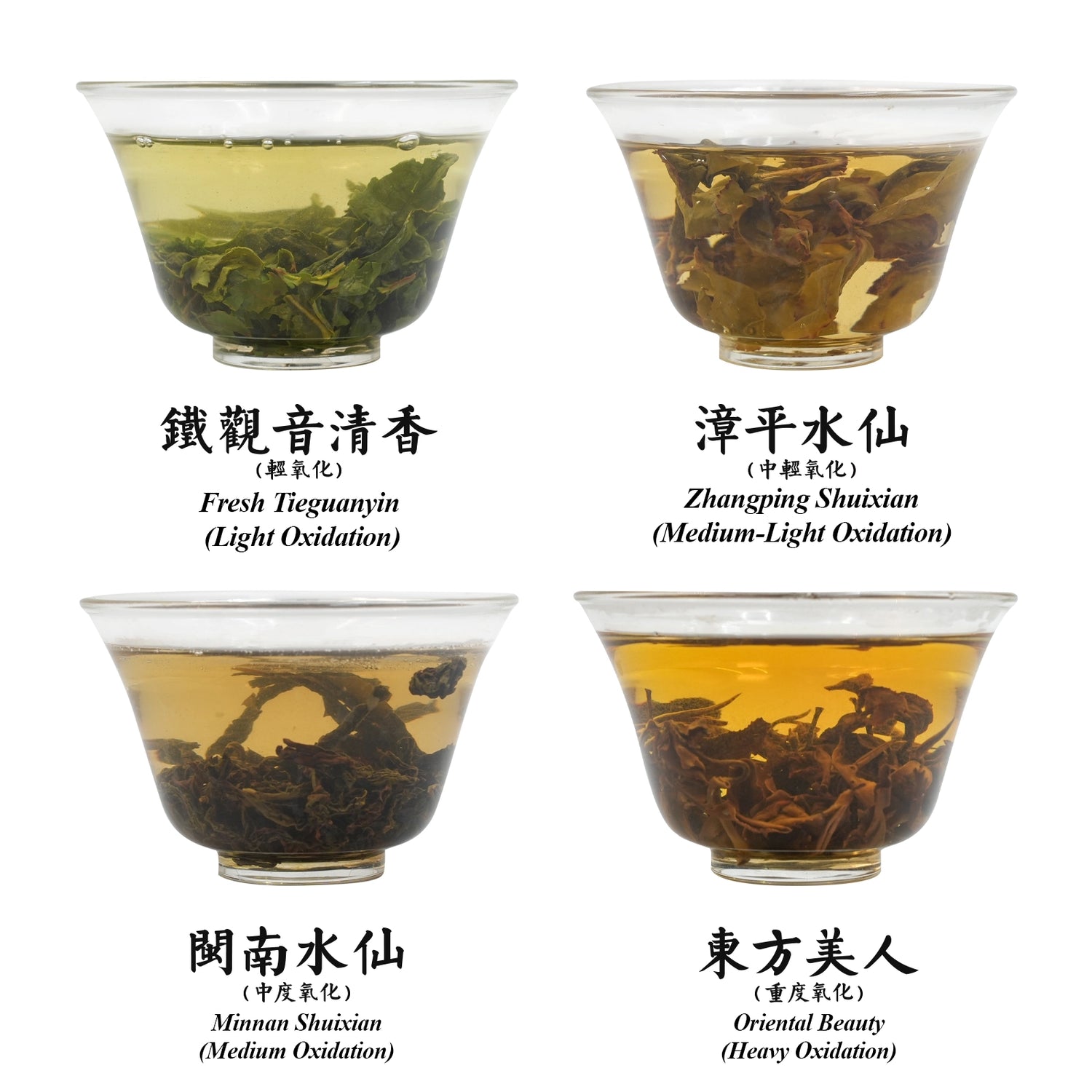
Oolong tea sits between green and black tea, and its character is shaped primarily by oxidation level—a natural process that transforms aroma, flavor, and texture.
This collection explores how oxidation changes the same tea category across four iconic oolongs from Fujian and Guangdong. Each tea represents a different stage of oxidation, from light and floral to rich and fully developed.
Lightly oxidized teas like Tieguanyin highlight fresh floral and fruity notes. Medium oxidation brings balance and complexity. Higher oxidation develops deeper fruit, honey, and roasted characteristics, culminating in the rich, aromatic profile of Oriental Beauty.
Rather than a single style of tea, this set offers a guided tasting experience that reveals how oxidation defines the core identity of oolong tea.
Taste them side by side and discover how natural enzymatic change shape flavor from light to deep.
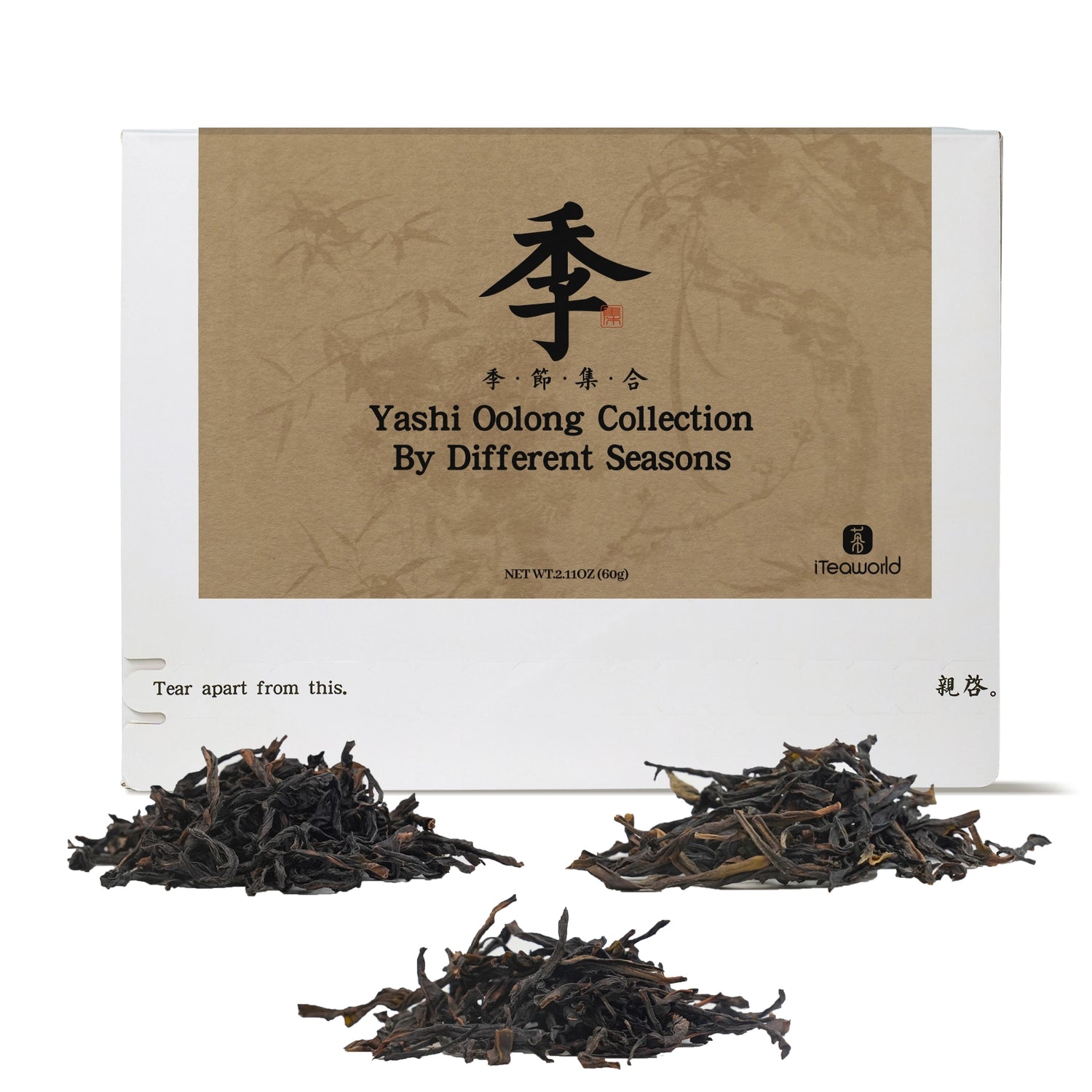
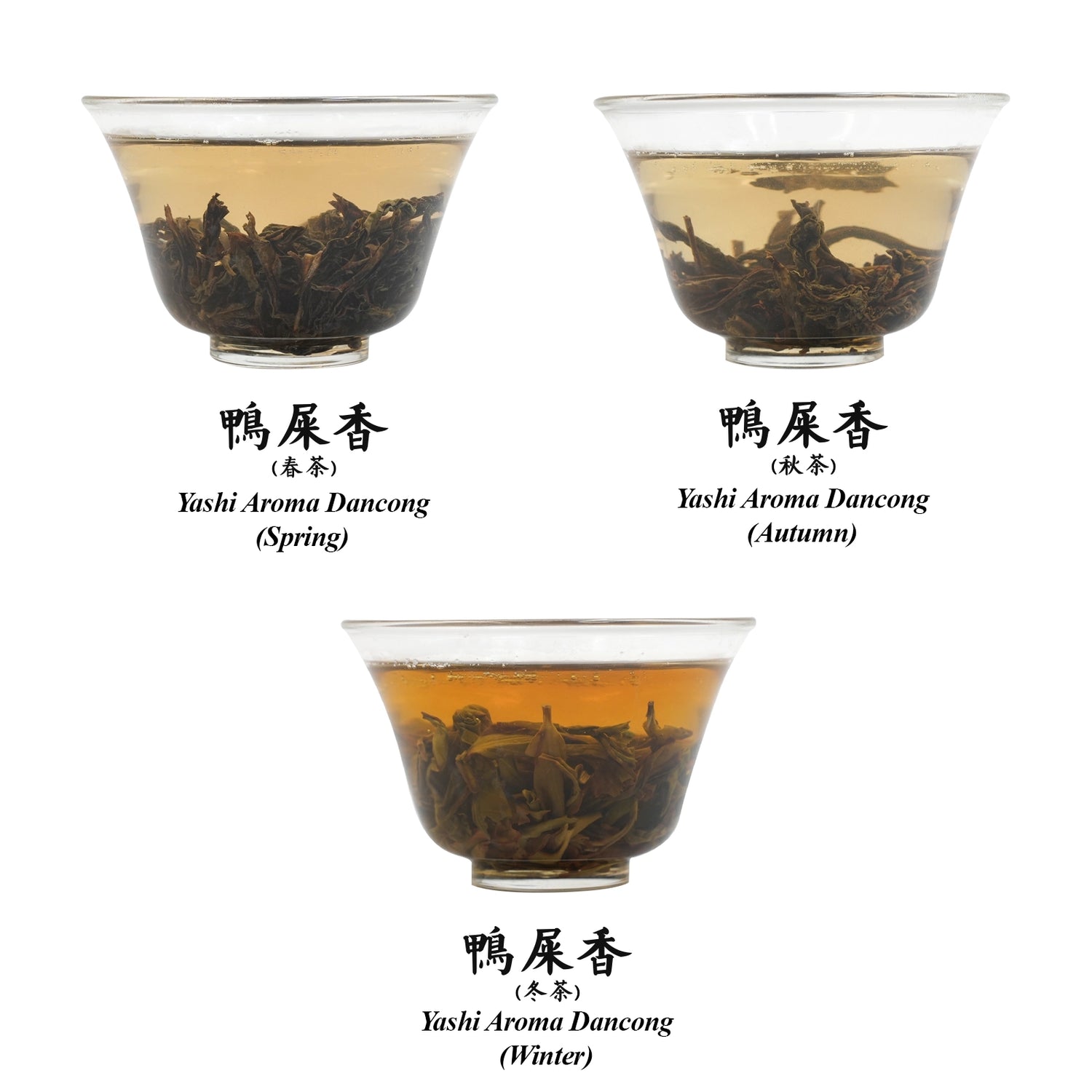
Ya Shi Xiang is one of the most aromatic Dancong oolong teas from the Phoenix Mountains in Chaozhou, China, known for its naturally rich floral fragrance and remarkable aromatic complexity.
This collection invites you to experience how the same tea changes across different harvest seasons. All three teas come from the same village and are crafted by the same tea master, ensuring that only nature—the season of harvest—creates the difference.
Spring, fall, and winter each reveal a unique expression of the same tea. Spring is soft and floral with gentle sweetness. Fall is smooth and rounded with warm aromatic depth. Winter is crisp and vibrant with a clean, lingering finish.
Rather than a single tea, this set offers a guided tasting experience that lets you explore how season shape aroma, texture, and flavor in real time.
Taste them side by side and discover how one tea can express three completely different seasonal personalities.
During the aging and transportation process of aged tea, the packaging and the tea itself may get damaged. Please be cautious when purchasing if you mind this.
Recommended Purchase
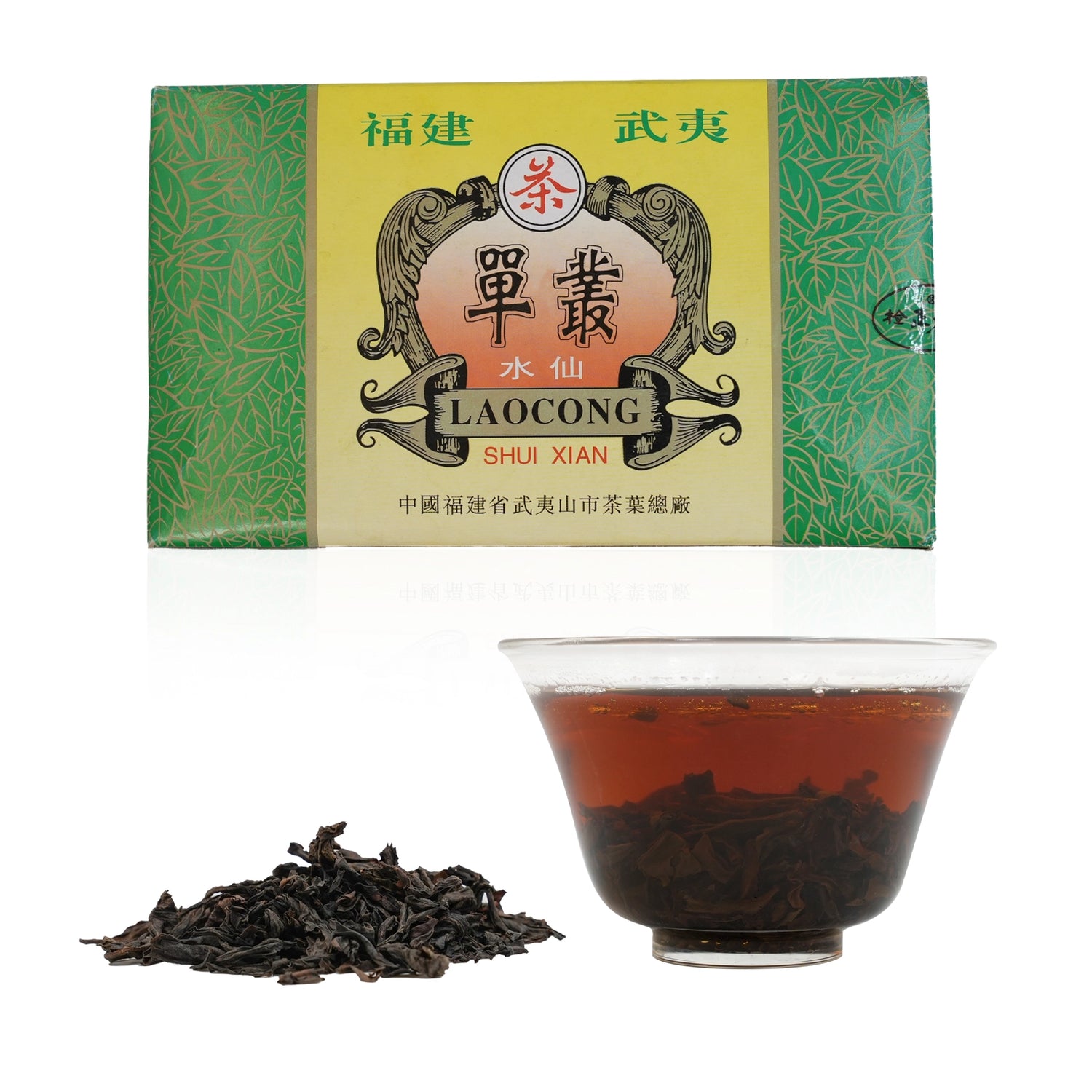
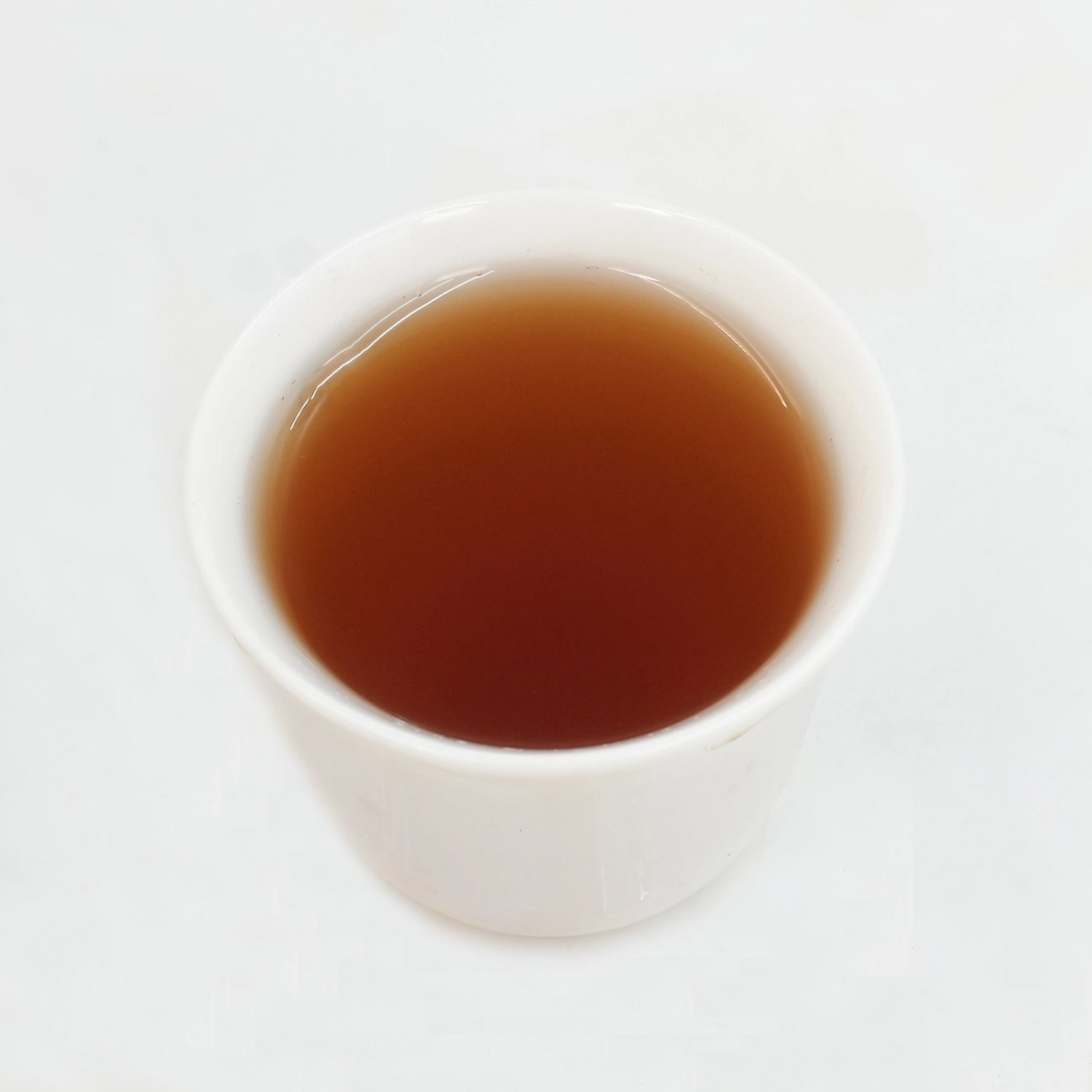
This 1996 Aged Dancong Shui Xian Oolong Tea is crafted from Shui Xian tea cultivars grown in the famous Wuyi Mountain region of Fujian, China. Produced by the Wuyi Mountain Tea Factory, this tea has been naturally aged in dry storage for 30 years. It is known for its rich, sweet aroma with notes of roasted sweet potato and fruit, and the distinctive floral fragrance of orchids. The tea liquor is a vibrant, deep orange, and the taste is thick, with a noticeable acidity that gives way to a refreshing aftertaste. This product is in its original packaging and is no longer in circulation on the market.This tea is ideal for those who appreciate the complexity of aged Wuyi rock teas and are looking for a bold, full-bodied flavor.
Key Details about 1996 Aged Dancong Shui Xian
- Origin: Wuyi Mountain, Fujian Province, China
- Production Date: 1996
- Grade: Special Grade Dancong
- Tea Cultivar: Shui Xian
- Craftsmanship: Medium roasting, medium oxidation, light rolling
- Flavor Highlights: Sweet aroma with roasted sweet potato, fruit, and floral orchid notes, thick and refreshing taste with acidity
- Storage: Naturally dry-aged, sealed packaging for optimal preservation
What is Dancong Shui Xian Oolong Tea?
Dancong Shui Xian is a type of Wuyi rock tea, known for its intense, complex flavor profile. Shui Xian is one of the most well-known cultivars in Wuyi Mountain and is prized for its unique floral and fruit-like aroma. The tea undergoes a moderate level of oxidation and is roasted to bring out its robust flavor. Aged Shui Xian Oolong offers even deeper complexity, with the floral, fruity notes mellowing into more nuanced, savory characteristics. This makes it a perfect choice for tea connoisseurs who appreciate both freshness and the depth of aged tea.
Brewing and Enjoyment Tips
Aged Shui Xian tea is best enjoyed using Gongfu brewing or boiling methods, which can bring out the full range of aromas and flavors. The tea has excellent durability, so it can withstand multiple brews.
How to Brew 1996 Aged Dancong Shui Xian Oolong Tea
- Gongfu Brewing Method
-
- Tea-to-Water Ratio: 6g tea per 100ml water
- Water Temperature: 95-100°C (203-212°F)
- Steeping Time: 10-15 seconds for the first brew, increase time for each subsequent brew
- Recommended Tool: Porcelain Gaiwan or Yixing Clay Teapot
- Tea-to-Water Ratio: 6g tea per 100ml water
- Boiling Method
- Tea-to-Water Ratio: 3g per 100ml water
- Process: Boil the tea for 3-5 minutes, then simmer for 2-3 minutes
- Rebrewing: Extend boiling time by 2-3 minutes for each subsequent brew
- Recommended Tool: Glass or ceramic teapot
- Tea-to-Water Ratio: 3g per 100ml water
Storage Guidelines for Aged Shui Xian Oolong Tea
To preserve the tea's aging qualities, store it in a cool, dry environment, away from direct light and strong odors. Keep the tea sealed in an airtight container to minimize exposure to air and moisture. Proper storage will allow the tea to continue aging gracefully.
Weight & Packaging
- Net Weight: 125g (4.4oz)
- Packing Type: Original sealed paper box with inner aluminum foil bag
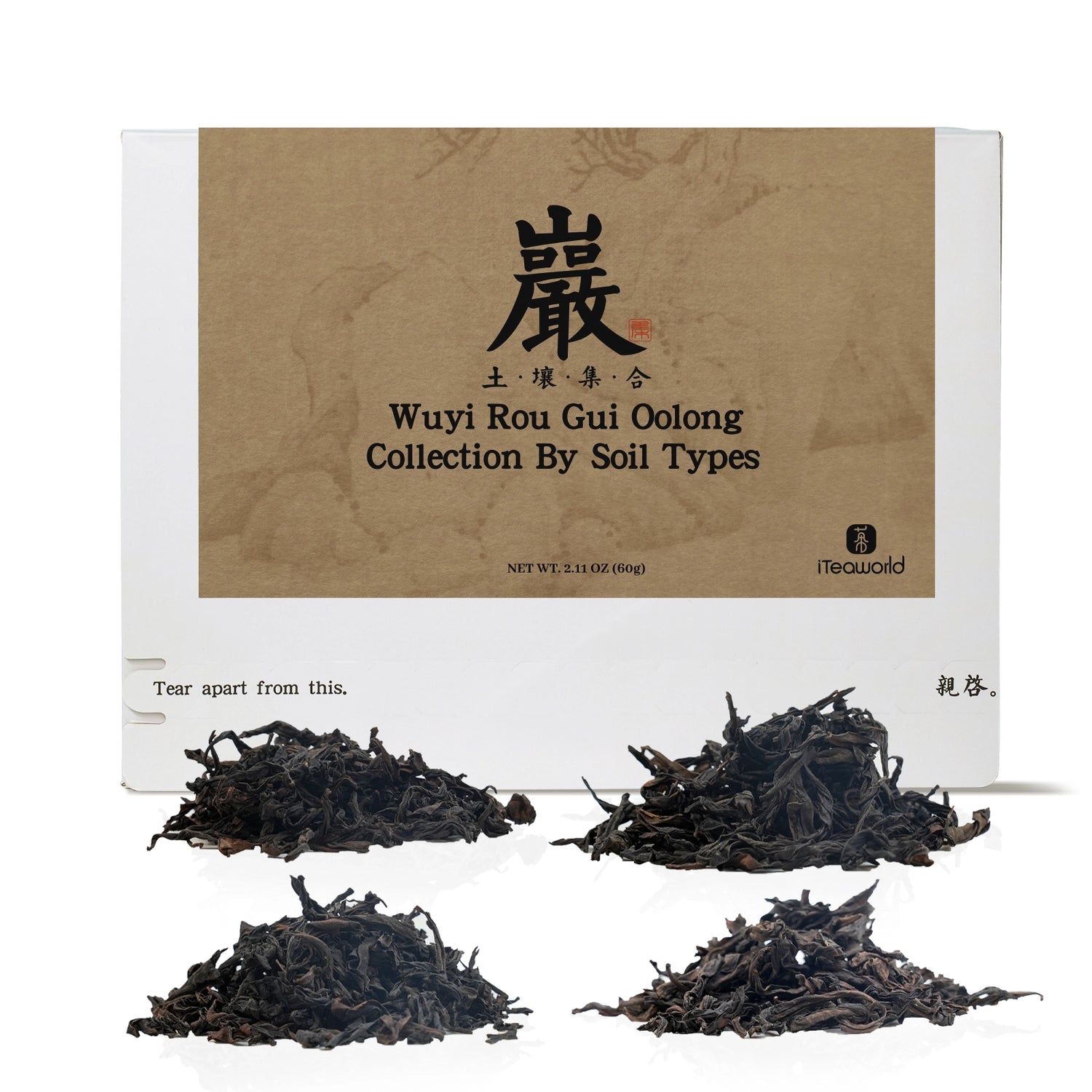
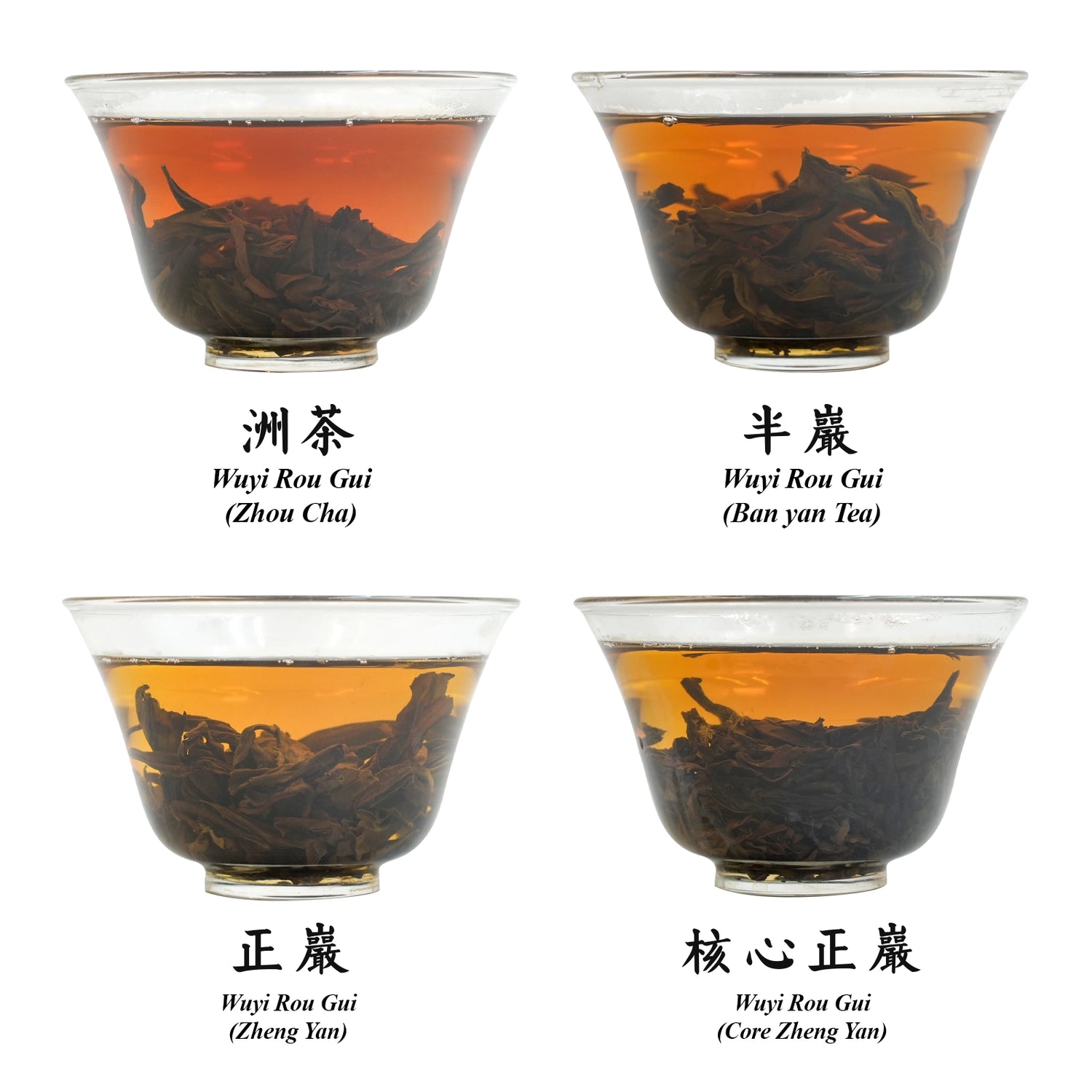
Soil is one of the most fundamental factors shaping the character of Wuyi Rock Tea. In the Wuyi Mountains, tea trees grow in dramatically different soil environments—from mineral-rich rocky ground to looser red and yellow earth—each shaping aroma, texture, and depth in the cup.
This collection explores how soil influences the same Wuyi Rougui cultivar. All teas are made from the same tea variety and crafted using traditional Wuyi rock tea processing, with soil type as the only key variable.
Gravel soil produces deeper minerality and structure. Red soil brings balance and smoothness. Yellow earth results in a lighter, simpler expression with a softer body.
Rather than comparing different teas, this set reveals how terroir beneath the ground defines what we taste in the cup.
Taste them side by side and discover how soil becomes flavor.
During the aging and transportation process of aged tea, the packaging and the tea itself may get damaged. Please be cautious when purchasing if you mind this.
Recommended Purchase
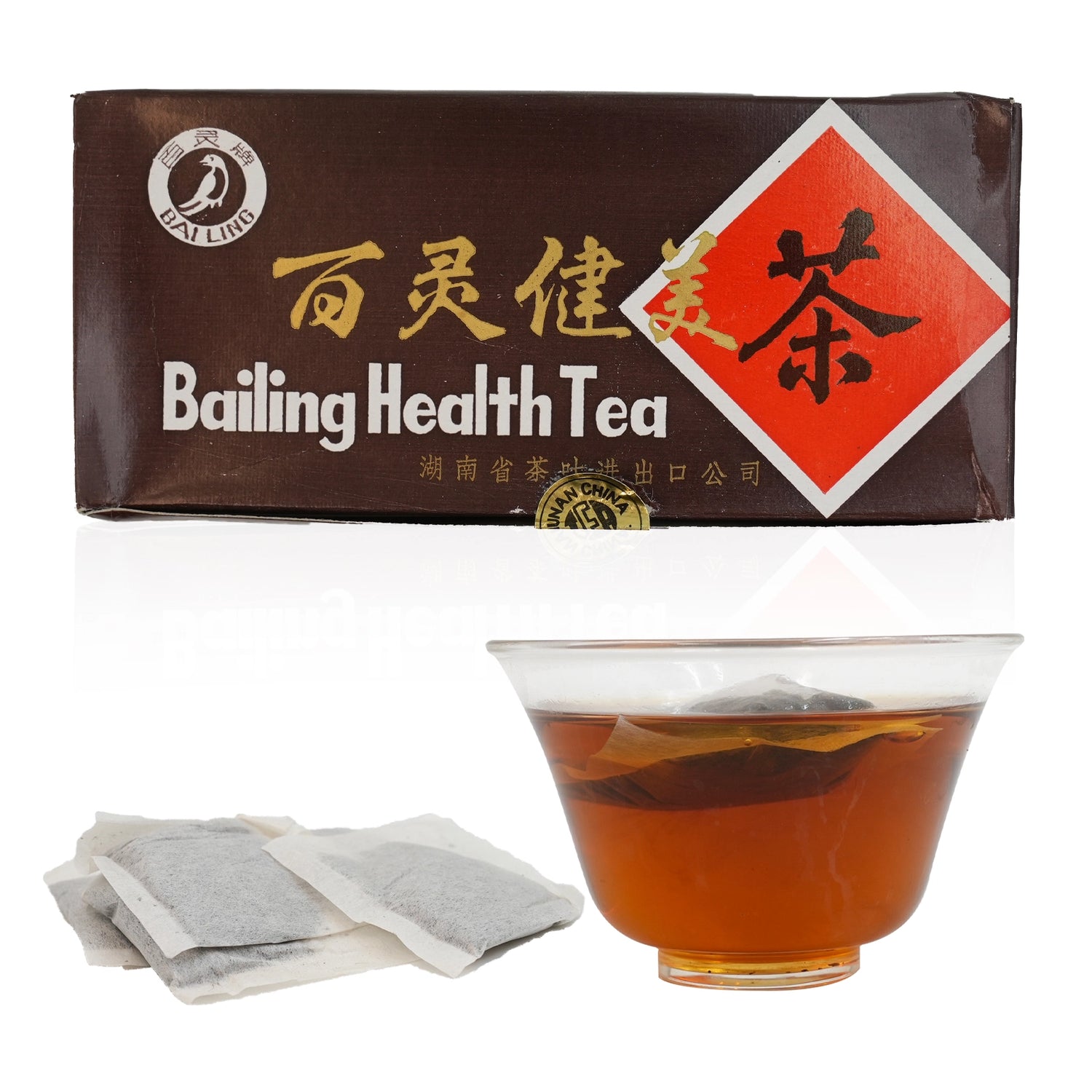
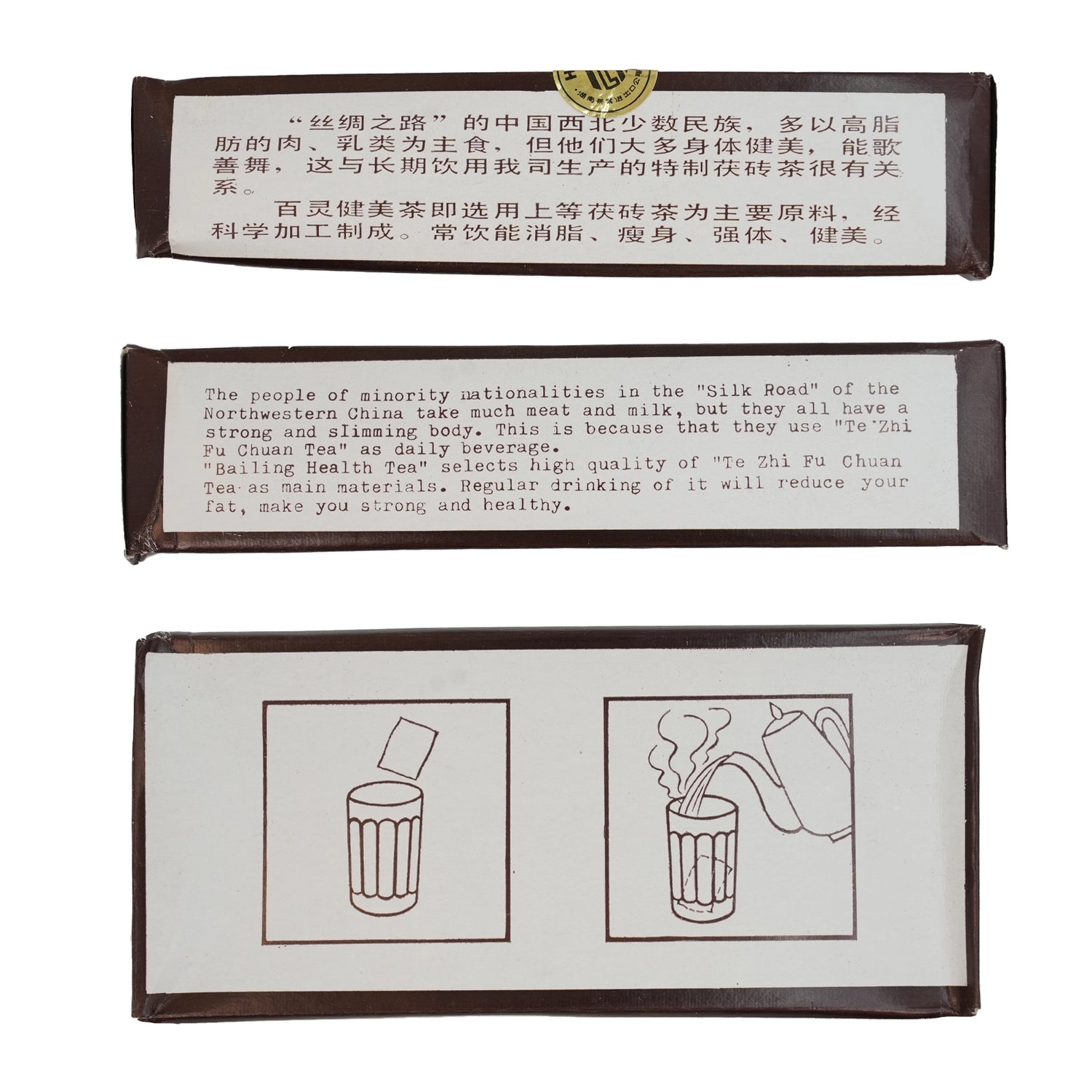
Bailing Wellness Tea is a unique aged Fu Brick tea that originated from the Silk Road’s traditional tea culture. This tea was crafted in 1988 by Hunan Tea Import & Export Company using premium Fu Brick and Hei Brick tea leaves. After 34 years of careful aging in a dry storage environment, this tea has developed a mellow taste, rich in medicinal fragrance and a smooth, slightly sweet aftertaste. Traditionally, it has been a staple among Northwest China’s ethnic groups, who consume a high-fat diet yet maintain a fit and energetic lifestyle. Bailing Wellness Tea’s unique fermentation process enhances its ability to aid digestion, promote metabolism, and support overall wellness. This product retains its original sealed paper box packaging and is no longer available on the market.
Key Details about Bailing Fitness Tea
- Origin: Hunan Province, China
- Production Date: 1988
- Grade: Third Grade
- Tea Cultivar: Fu Brick, Hei Brick Tea Fragments
- Craftsmanship: Traditional Fu Brick fermentation, natural aging
- Flavor Highlights: Bright yellow liquor, rich aged aroma with herbal notes, mellow and smooth taste, slight medicinal sweetness
- Storage: Dry warehouse storage, original sealed packaging
What is Fu Brick Tea?
Fu Brick Tea is a type of dark tea originating from Hunan, China, known for its unique post-fermentation process and health benefits. It contains Golden Flowers (Eurotium cristatum), a probiotic beneficial for digestion and metabolism. Due to its long aging potential, Fu Brick tea develops a complex and mellow taste over time. Bailing Fitness Tea, aged for 34 years, showcases a rich, medicinal aroma with a silky smooth texture, making it a prized selection among aged tea enthusiasts.
Recommended Brewing Methods
-
Gaiwan Brewing
- Tea-to-water ratio: 1:20
- Water temperature: 95°C-100°C
- Infusions: 6-8 times
- Steeping time: 10~20 seconds
-
Thermos Brewing
- Tea-to-water ratio: 1g per 100ml water
- Water temperature: 100°C (boiling water)
- Steeping time: 1-2 hours
- Tool: Insulated thermos
-
Boiling Method
- Tea-to-water ratio: 1g per 100ml water
- Boiling time: 1-2 minutes, then let sit for 2-3 minutes
- Rebrew: Extend boiling time by 3 minutes for each additional infusion
- Best with: Ceramic or glass teapot
- Steeping times: 3-4 brews
Storage Guidelines
To maintain the tea’s optimal aging process, store it in a dry and cool environment with humidity below 45% and temperature under 25°C. Keep it away from strong odors, direct light, and air exposure. Proper storage ensures that the tea retains its aged aroma and continues to mature gracefully over time.
Weight & Packaging
- Net Weight: 75g
- Packing Type: Original sealed paper box with moisture-proof coating
About Hunan Tea Import & Export Company
Founded in the early 20th century, Hunan Tea Import & Export Company is a pioneering force in China's tea trade. The company played a crucial role in exporting Fu Brick Tea along the Silk Road, making it a staple among ethnic groups in Northwest China and Central Asia. The company’s expertise in traditional tea fermentation and storage has ensured the production of high-quality aged teas that stand the test of time.
Today, this 34-year aged Bailing Fitness Tea remains a remarkable testament to China’s tea heritage and the enduring appeal of Fu Brick Tea.
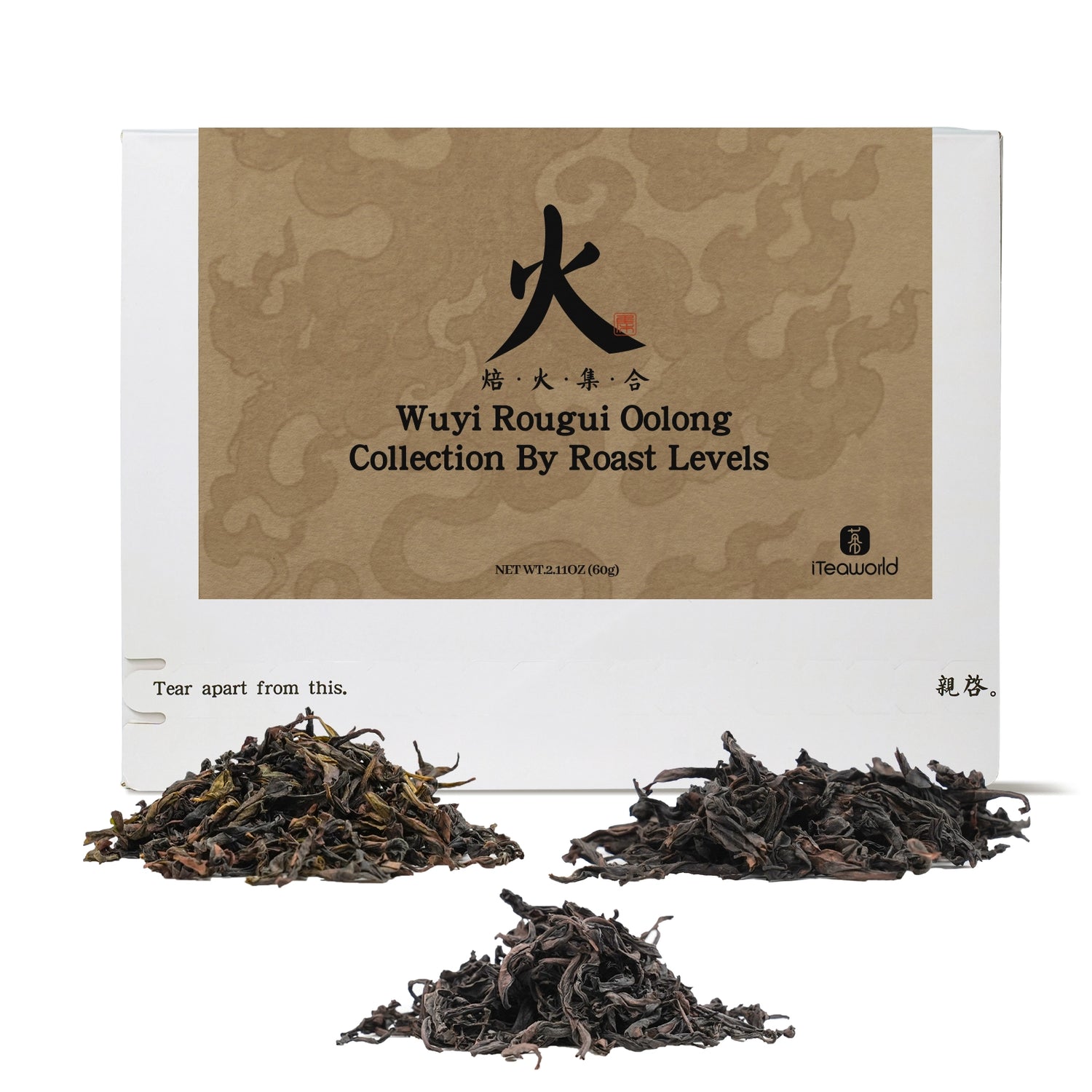
Wuyi Rougui is one of the most iconic rock oolong teas from the Wuyi Mountains in Fujian, China, known for its distinctive cinnamon-like aroma, mineral depth, and rich roasted character.
This collection explores how fire transforms the same tea. All teas are made from the same Rougui cultivar, sourced from the same origin, and crafted using traditional Wuyi rock tea methods—the only variable is roasting level.
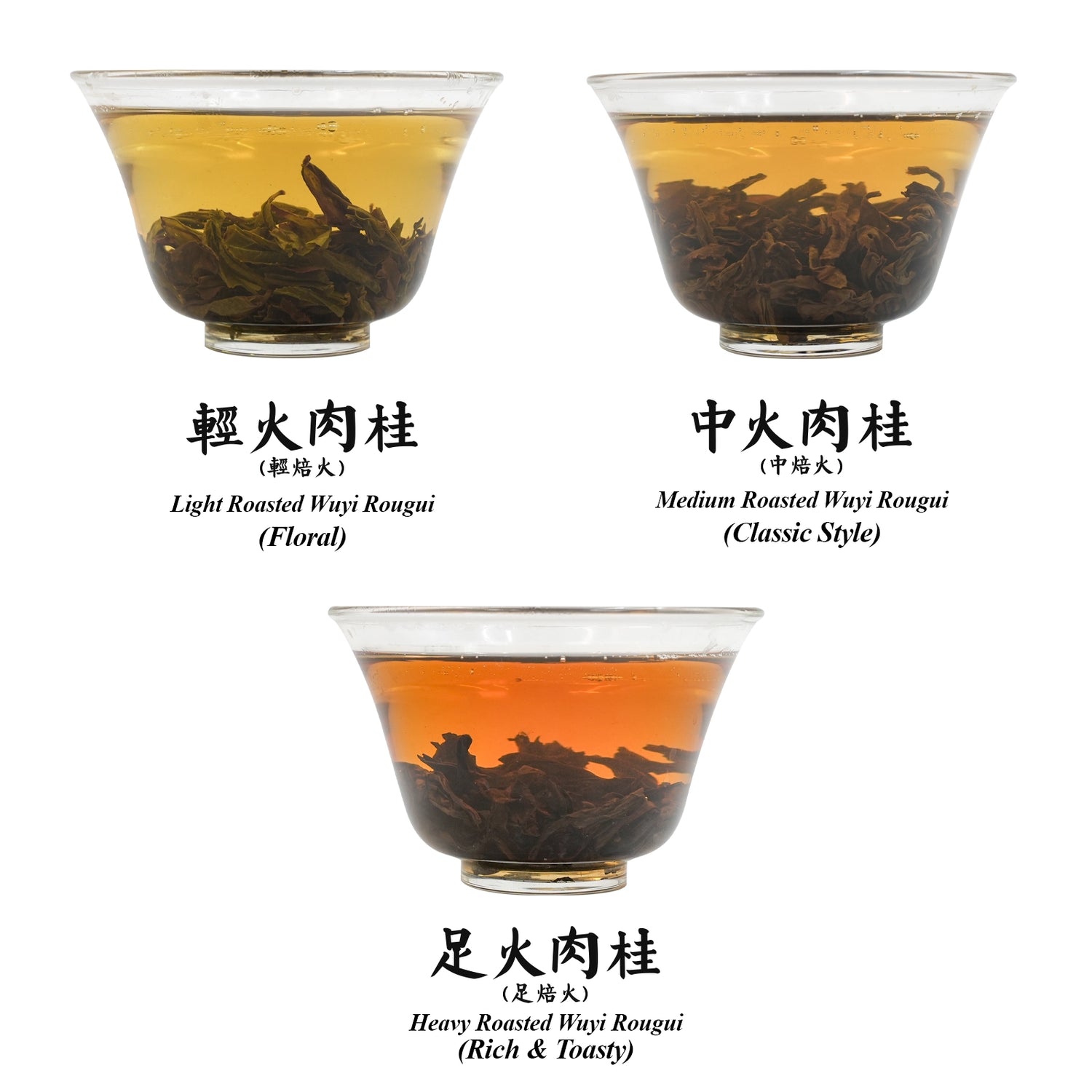
Light roast highlights the tea’s floral brightness and mineral clarity. Medium roast brings balance between aroma, body, and roast depth. Heavy roast develops deeper, more intense roasted notes with a richer and more structured finish.
Rather than a single tea, this set offers a side-by-side tasting experience that reveals how roasting shapes aroma, texture, and overall flavor in Wuyi rock tea.
Taste them together and discover how fire defines the personality of Rougui.
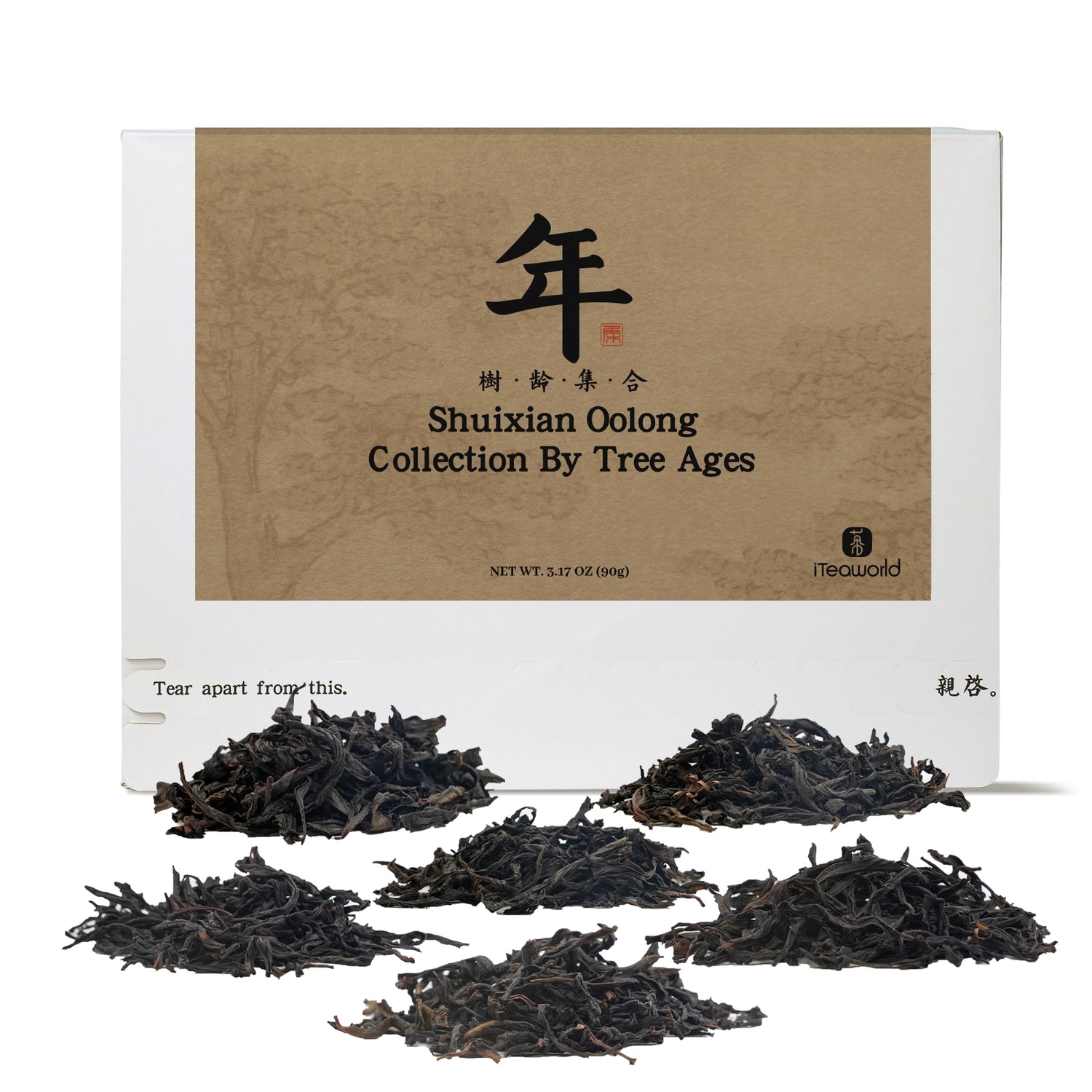
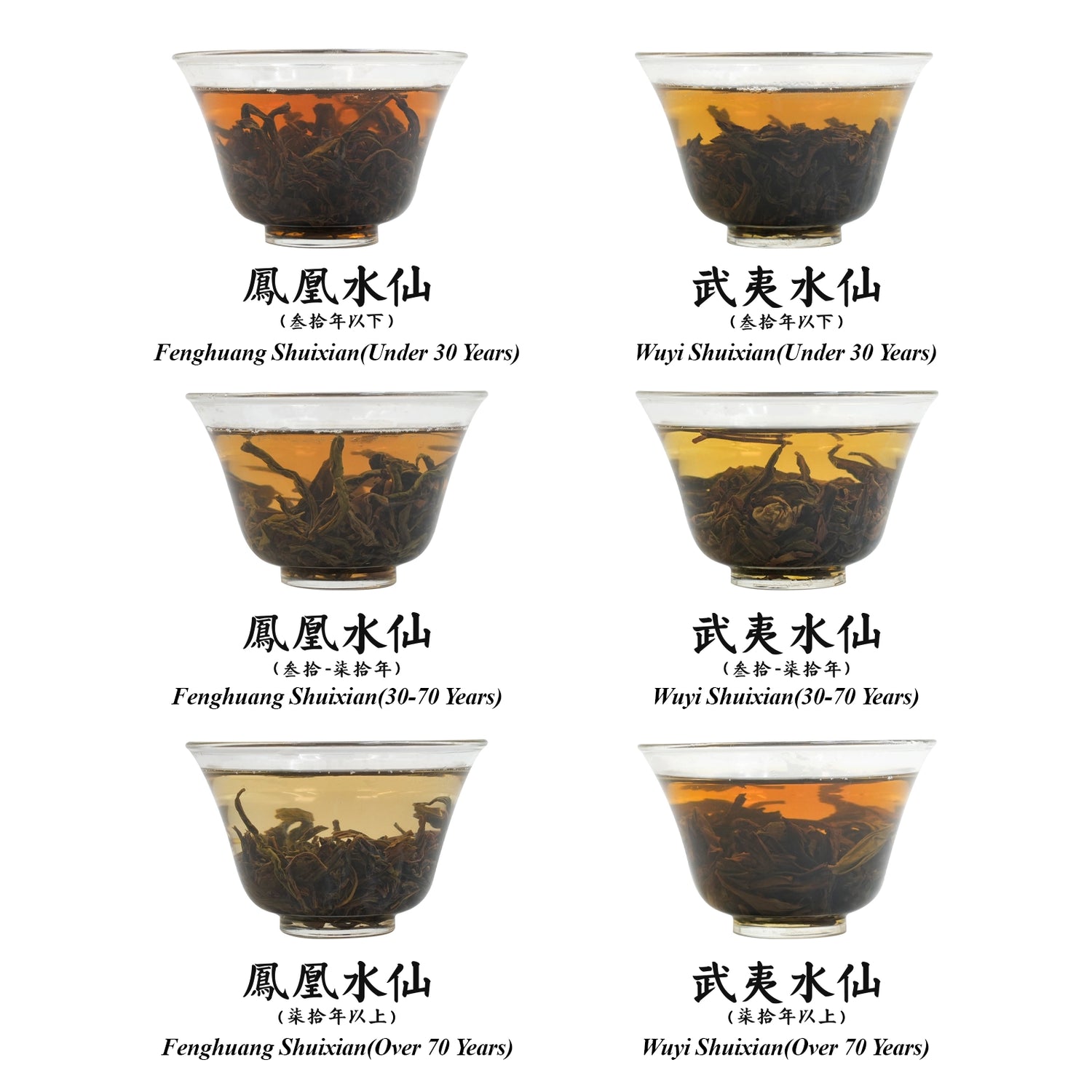
Tea tree age is one of the most important but often overlooked factors in oolong tea. As tea trees grow older, their root systems deepen, mineral absorption changes, and flavor structure becomes more complex.
This collection explores how tree age shapes oolong tea character. It brings together Shui Xian teas from both Fenghuang (Guangdong) and Wuyi (Fujian), comparing young, mature, and old tea trees from the same cultivars and production methods.
Younger trees tend to produce lighter, fresher teas with bright floral notes. Mature trees develop more body, sweetness, and aromatic depth. Older trees offer richer structure, deeper minerality, and a longer, more lingering finish.
Rather than focusing on origin alone, this set reveals how time in the ground influences flavor in the cup.
Taste them side by side and experience how tree age becomes taste.
During the aging and transportation process of aged tea, the packaging and the tea itself may get damaged. Please be cautious when purchasing if you mind this.
Recommended Purchase
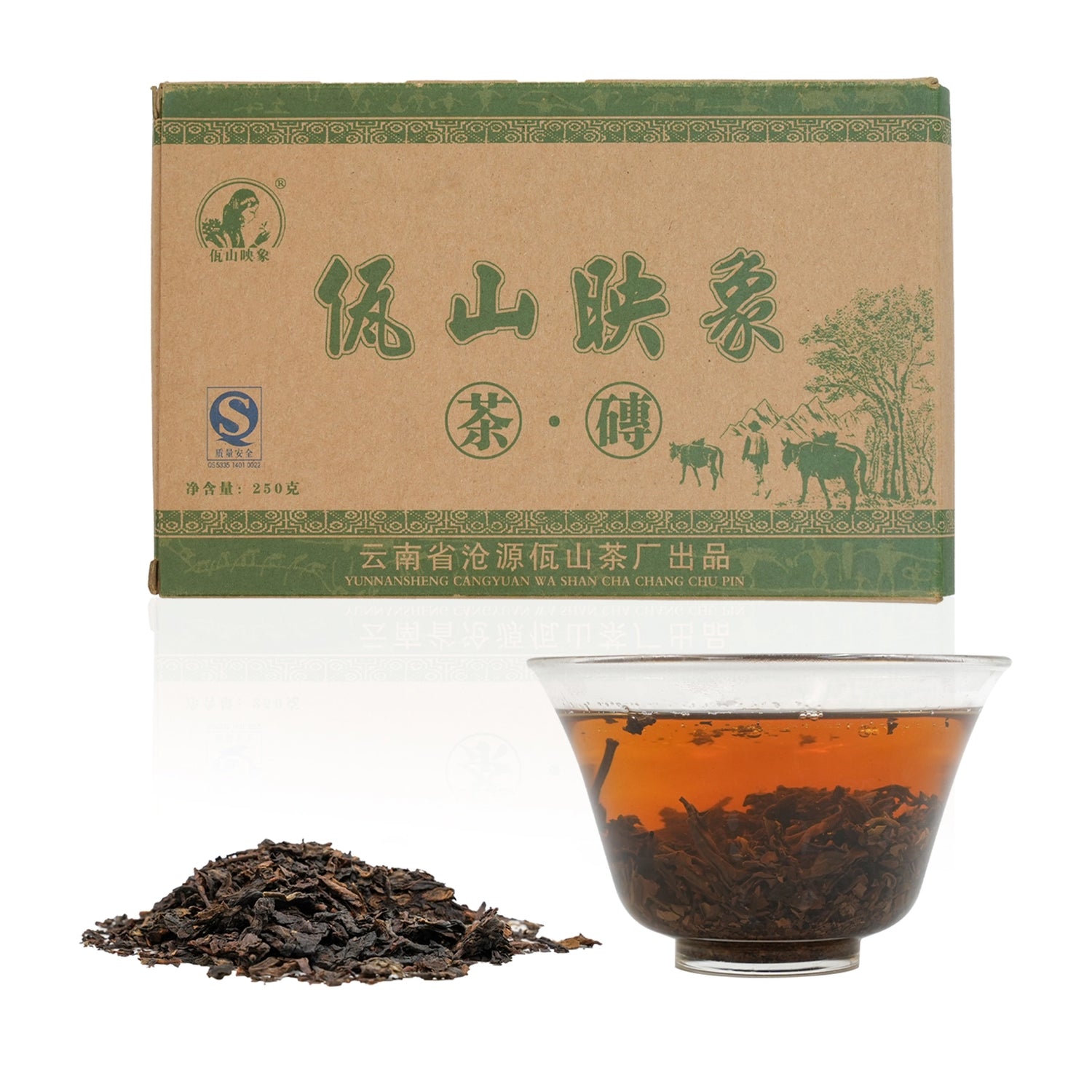
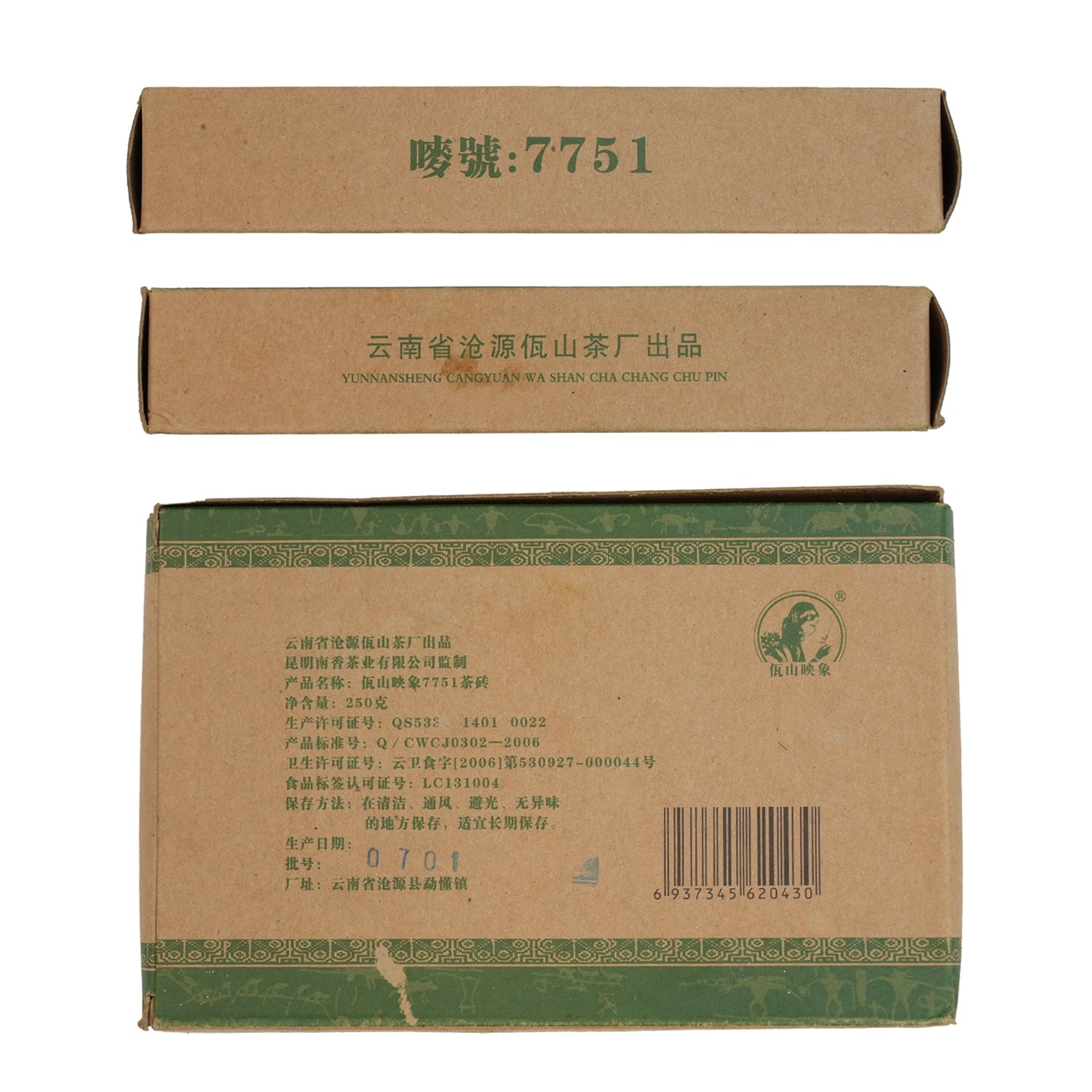
This 2007 Wa Mountain Impression "7751" Raw Pu-erh Tea Brick is supervised by Ms. Tan Mei, a former senior engineer and quality inspection section chief of the Kunming Tea Factory. Following traditional recipes, it selects high-quality sun-dried green materials from tall arbor trees in the Lancang River basin of Yunnan and is meticulously processed and pressed using the original Kunming Tea Factory's brick-making techniques. The tea inherits the essence of the Kunming Tea Factory's brick tea, with a uniform and neat brick shape, clear and even strips, exposed buds and hairs, bright orange-yellow soup color, fresh and high aroma, mellow and refreshing taste, and obvious returning sweetness and salivation. It is an excellent choice for daily drinking and collection.
Key Details about 2007 Wa Mountain Impression Tea Brick
- Origin: Cangyuan Wa Mountain Tea Factory, Yunnan Province, China
- Production Date: 2007
- Grade: Second Grade
- Tea Cultivar: Yunnan Large-Leaf Tea
- Craftsmanship: Traditional Kunming Tea Factory brick-making technique, sun-dried green tea, pressed into bricks
- Flavor Highlights: Bright orange-yellow soup color, fresh and high aroma, mellow and refreshing taste, obvious returning sweetness and salivation, rich, authentic flavor, reminiscent of the taste of aged raw tea from around 1995.
- Storage: Naturally stored in Dongguan with slight dryness, no off-flavors
What is Wa Mountain Impression Tea Brick?
Wa Mountain Impression Tea Brick is a Pu-erh tea product produced by Yunnan Cangyuan Wa Mountain Tea Factory. The tea factory owns over 6,000 acres of pollution-free high mountain ecological tea gardens, with the main tea garden base located in Tuanjie Dazhai, Yanshuai Town, Cangyuan County, at an altitude of over 1,800 meters. The climate is mild, rainfall is abundant, and the area is shrouded in clouds and mist, far from pollution, making it an ideal place for tea cultivation. The tea factory strictly manages the tea gardens according to international organic agriculture movement federation (IFOAM) technical specifications, ensuring the excellent quality of Wa Mountain Impression tea sources.
Recommended Brewing Methods
-
Gaiwan Brewing
- Tea-to-water ratio: 1:20
- Water temperature: 95°C-100°C
- Infusions: 6-8 times
- Steeping time: 10-20 seconds
-
Thermos Brewing
- Tea-to-water ratio: 1g per 100ml water
- Water temperature: 100°C (boiling water)
- Steeping time: 1-2 hours
- Tool: Insulated thermos
-
Boiling Method
- Tea-to-water ratio: 1g per 100ml water
- Boiling time: 1-2 minutes, then let sit for 2-3 minutes
- Rebrew: Extend boiling time by 3 minutes for each additional infusion
- Best with: Ceramic or glass teapot
- Steeping times: 3-4 brews
Storage Guidelines
To maintain the tea's optimal aging process, store it in a dry and cool environment with humidity below 45% and temperature under 25°C. Keep it away from strong odors, direct light, and air exposure. Proper storage ensures that the tea retains its aged aroma and continues to mature gracefully over time.
Weight & Packaging
- Net Weight: 250g (8.8oz)
- Packaging: Original paper box packaging
During the aging and transportation process of aged tea, the packaging and the tea itself may get damaged. Please be cautious when purchasing if you mind this.
Recommended Purchase
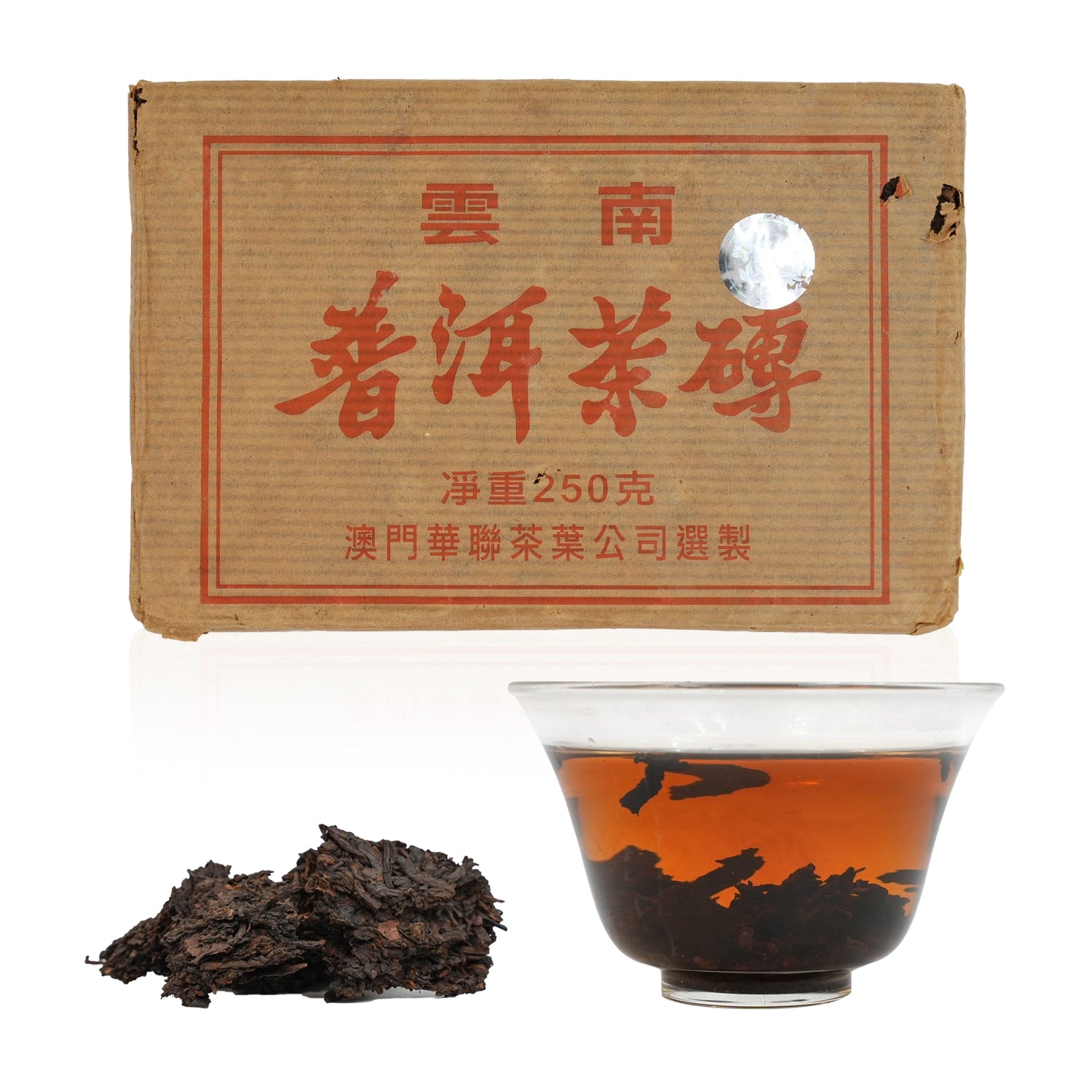
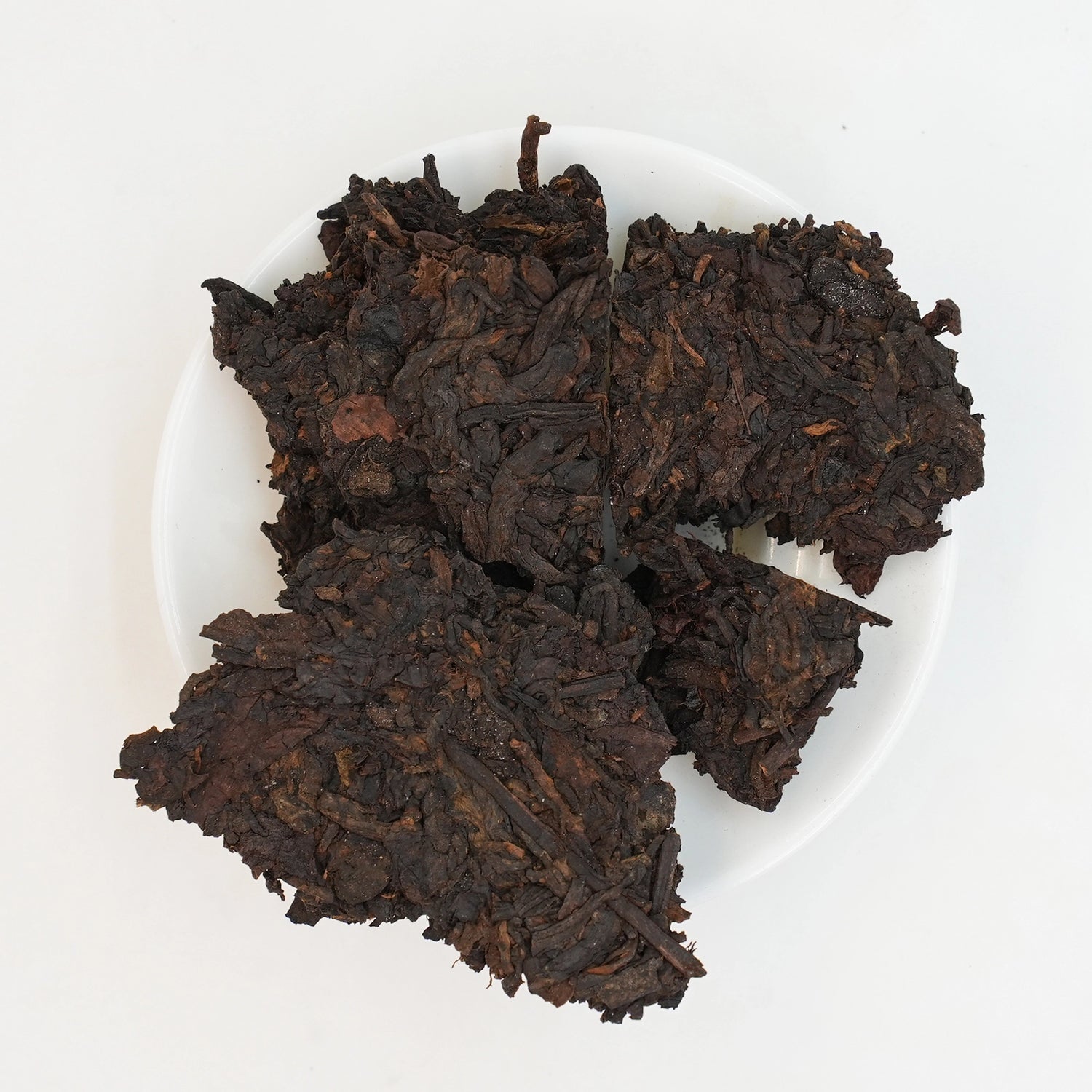
This 1998 Yunnan Pu-erh Tea Brick is a remarkable product crafted by the renowned Macao Hualian Tea Company. The tea brick was custom-produced by the Menghai Tea Factory, utilizing premium Yunnan large-leaf tea leaves. After 29 years of natural dry storage in Dongguan, the tea has developed a rich camphor and aged aroma, with a mellow, sweet, and smooth taste. The brick's appearance is flat with distinct edges and corners, uniform thickness, and a dark brown color. The liquor presents a bright orange-yellow hue with some sediment. This tea is an excellent choice for Pu-erh enthusiasts and collectors seeking a well-aged, high-quality tea with historical significance.
Key Details about 1998 Yunnan Pu-erh Tea Brick
- Origin: Yunnan Province, China
- Production Date: 1998
- Grade: Second Grade
- Tea Cultivar: Yunnan Large-Leaf Tea
- Craftsmanship: Custom-produced by Menghai Tea Factory for Macao Hualian Tea Company; traditional processing and compression techniques
- Flavor Highlights: Pronounced camphor and aged aroma; mellow, sweet, and smooth taste
- Storage: Naturally stored in Dongguan dry warehouse; well-preserved without musty odors
What is Yunnan Pu-erh Tea Brick?
Yunnan Pu-erh Tea Brick is a type of compressed tea made from Yunnan large-leaf tea varieties. The tea undergoes a oxidation process, during which it is steamed and pressed into brick shapes for aging. Over time, the tea develops complex flavors and aromas, becoming smoother and more mellow. Pu-erh tea bricks are highly valued for their aging potential and are often sought after by collectors and tea enthusiasts.
About Macao Hualian Tea Company
Macao Hualian Tea Company, established in 1965 by Mr. Zeng Zhihui and four patriotic overseas Chinese partners, has played a pivotal role in the tea industry. The name "Hualian" signifies the unity of overseas Chinese in business. During the 1960s to 1980s, the company collaborated closely with the Guangdong Tea Import and Export Corporation, serving as a crucial channel for exporting Chinese tea to international markets. Notably, Hualian held the exclusive rights as the sole distributor for the China Tea Import and Export Company in Macau, commanding over 90% of the local market share. Their Pu-erh tea bricks, especially those produced in partnership with the Menghai Tea Factory, are esteemed for their quality and have become coveted items among tea collectors.
Recommended Brewing Methods
-
Gaiwan Brewing
- 100ml Gaiwan
- 95℃-100℃
- 5-7 times
- 1:15 to 1:25
- 10~20 seconds
-
Thermos Brewing
- 1g tea per 100ml (3.4oz) water
- Use boiling water (212°F)
- Steeping Time: 1-2 hours
- Tool: Insulated thermos
-
Boiling Method
- Add 1g tea per 100ml (3.4oz) water
- Boil for 1-2 minutes, then let sit for 2-3 minutes
- Rebrew by boiling 3 minutes longer with each steeping
- Use a ceramic or glass teapot for optimal flavor
- Enjoy up to 3-4 brews
Storage Guidelines
Store this tea in a dry, cool environment with a humidity level below 45% and temperature below 25°C (77°F). Keep it away from strong odors, light, and air exposure. Proper storage ensures the tea retains its flavor and continues to age gracefully over time.
Weight & Packaging
- Net Weight: 250g
- Packing Type: Paper-wrapped
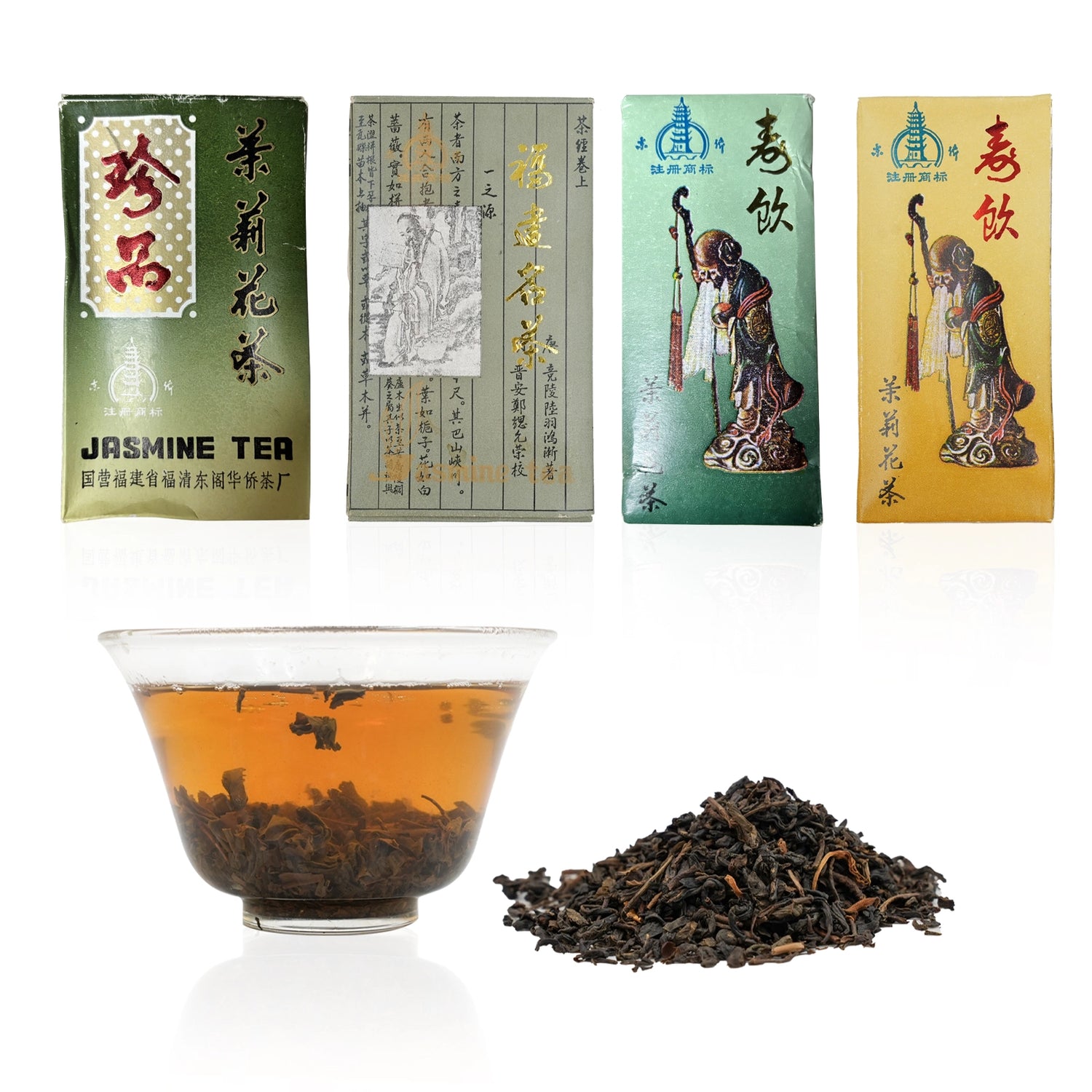
- Four types of packaging are randomly dispatched.
- During the aging and transportation process of aged tea, the packaging and the tea itself may get damaged. Please be cautious when purchasing if you mind this.
Recommended Purchase
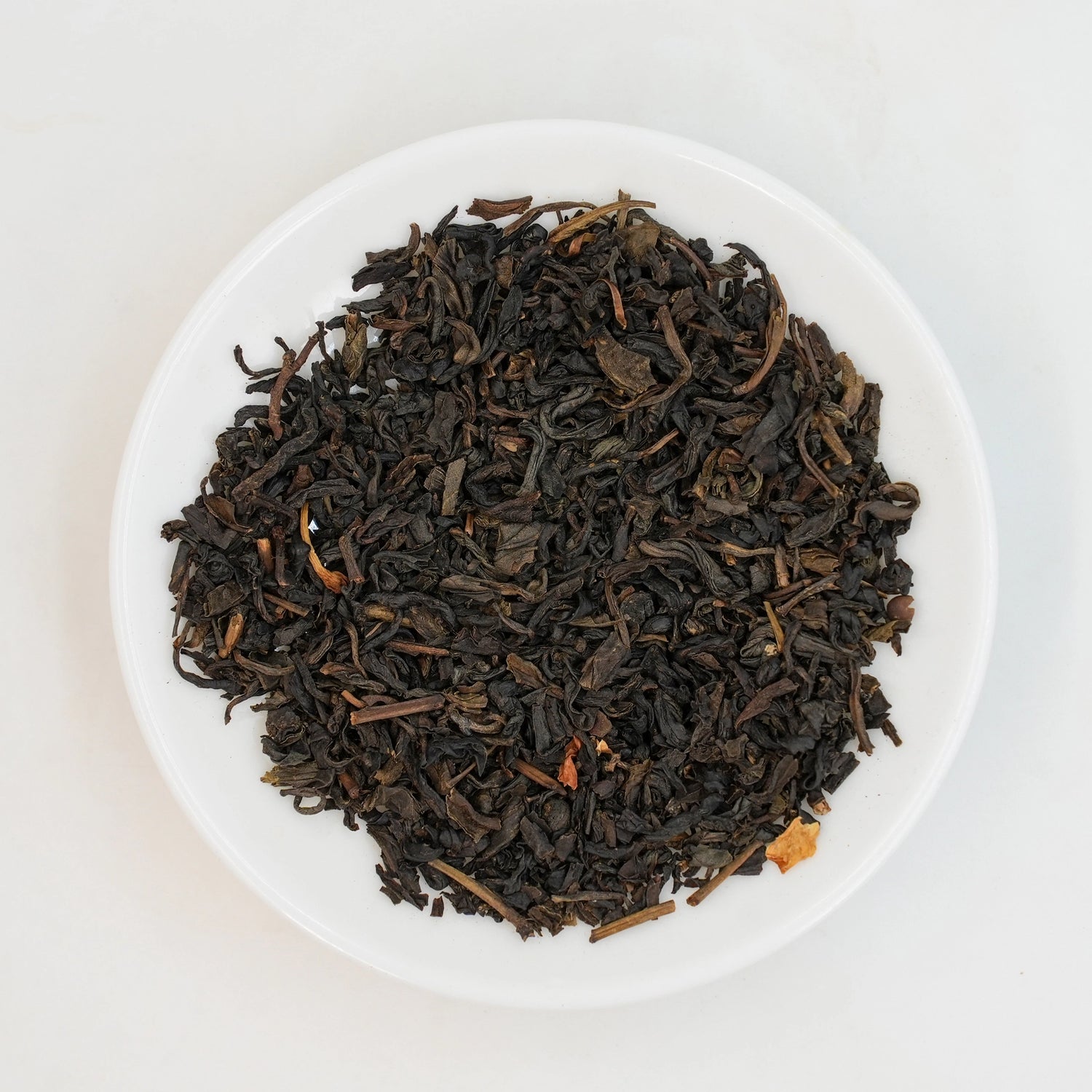
This aged Jasmine Tea is a rare and exquisite tea that has been naturally stored for over 30 years, making it a true collector’s item. Crafted by the renowned Fuqing Dongge Overseas Chinese Tea Factory in the early 1990s, this tea has undergone decades of natural aging, enhancing its depth of flavor and smoothness. Unlike freshly scented jasmine tea, this aged version offers a more mellow and rich taste with a deep, lingering floral fragrance. It has completely transformed over time, developing a soothing and slightly honeyed undertone while retaining its signature jasmine aroma. This tea is no longer in circulation on the market, making it a unique find for tea connoisseurs and collectors.
Key Details about Jasmine Tea
- Origin: Fuqing, Fujian, China
- Production Date: Early 1990s
- Grade: Third Grade
- Tea Cultivar: Green tea buds
- Craftsmanship: Aged naturally over decades, originally scented with jasmine flowers
- Flavor Highlights: Aged floral aroma, mellow and smooth taste, slightly honeyed aftertaste
- Storage: Stored in a dry, cool environment in the northwest warehouse
What is Aged Jasmine Tea?
Aged Jasmine Tea is a unique category of jasmine tea that has been carefully stored for decades, allowing its flavors to develop and mature over time. While fresh jasmine tea is prized for its bright floral notes, aged jasmine tea offers a deeper, smoother taste with a richer texture. The aging process enhances the tea’s complexity, reducing any bitterness and infusing it with subtle honeyed sweetness. This type of tea is rare due to its long storage period and the fact that it is no longer in active production, making it highly sought after by tea collectors and enthusiasts.
Recommended Brewing Methods
-
Gaiwan Brewing
- 100ml Gaiwan
- 95℃-100℃
- 4-6 times
- 1:15 to 1:20
- 15-20 seconds
-
Thermos Brewing
- 1g tea per 100ml (3.4oz) water
- Use water at 95℃
- Steeping Time: 1-2 hours
- Tool: Insulated thermos
Storage Guidelines
Store in a cool, dry place, away from light, moisture, and strong odors. Proper storage will help preserve the delicate fragrance and flavor of the jasmine tea.
Weight & Packaging
- Net Weight: 50g (1.76oz)
- Packing Type: Original paper box sealed packaging
About Fuqing Dongge Overseas Chinese Tea Factory
The Fuqing Dongge Overseas Chinese Tea Factory, established in 1963, is a renowned producer of high-quality teas, specializing in jasmine-scented teas. Located in Fuqing, Fujian, an area rich in tea cultivation, the factory has been dedicated to preserving traditional tea-making methods while ensuring the highest standards of craftsmanship. With decades of experience, Fuqing Dongge has become a trusted name in the tea industry, especially known for its aromatic jasmine tea, which has gained popularity both domestically and internationally. The aged Jasmine Tea from this factory is a testament to their commitment to excellence and the beauty of time-enhanced tea.


This curated collection of Chinese scented teas celebrates the traditional craft of floral tea making, where premium teas are layered with fresh flowers like jasmine, rose, and osmanthus to infuse their essence. Through meticulous multi-round scenting (3-5 times), each tea offers a pure, natural floral aroma without a single petal in sight. Perfect for floral tea lovers or anyone curious about authentic Chinese scented teas, it includes six varieties: Jasmine Green Tea, Rose Black Tea, Jasmine Black Tea, Osmanthus Oolong, Jasmine Oolong Tea
and Jasmine Dark Tea. Ideal for gifting or indulging, this set combines rich heritage, delicate flavors, and the artistry of a UNESCO-recognized tradition. Not suited for those who prefer plain teas or are sensitive to floral fragrances.
Chinese Scented Tea Craftsmanship
"Scenting" is a traditional process where tea leaves are layered with fresh flowers, allowing the tea to absorb the floral aroma before the flowers are removed. This process is repeated multiple times to create the rich fragrance of high-quality scented teas. The best scented teas have no visible petals but retain the pure floral essence. By meticulously layering flowers and tea, ensuring proper aeration, and maintaining strict control over the scenting time and roasting process, the tea reaches peak flavor and aroma.
Depending on the number of scenting cycles—3, 6, or even 9 times—the tea's quality and complexity increase, with some processes taking up to a month. This craftsmanship, involving over 60 days and 200 steps, was recognized as an Intangible Cultural Heritage in 2022 for Jasmine Green Tea. While jasmine green tea is the original scented tea, modern innovation has expanded the range to include many beloved varieties.
This curated set features six of China’s most popular traditional scented teas, each crafted to perfection with vibrant floral aromas but no petals in sight:
- Rose Dianhong Black Tea (3 times scented): 3 packs x 5g
- Jasmine Dianhong Black Tea (3 times scented): 3 packs x 5g
- Osmanthus Aged Tieguanyin Oolong Tea (3 times scented): 4 packs x 5g
- Jasmine Fresh Tieguanyin Oolong Tea (3 times scented): 4 packs x 5g
- Jasmine Green Tea (5 times scented): 3 packs x 5g
- Jasmine Liu Bao Black Tea (3 times scented): 3 packs x 5g
Origins:
- Jasmine Green Tea: Hengxian County, Guangxi
- Jasmine Black Tea: Fengshan Town, Fengqing, Yunnan
- Rose Black Tea: Fengshan Town, Fengqing, Yunnan
- Jasmine Tieguanyin Oolong: Huqiu Town, Anxi, Fujian
- Osmanthus Tieguanyin Oolong: Huqiu Town, Anxi, Fujian
- Jasmine Liu Bao Tea: Hengxian County, Guangxi




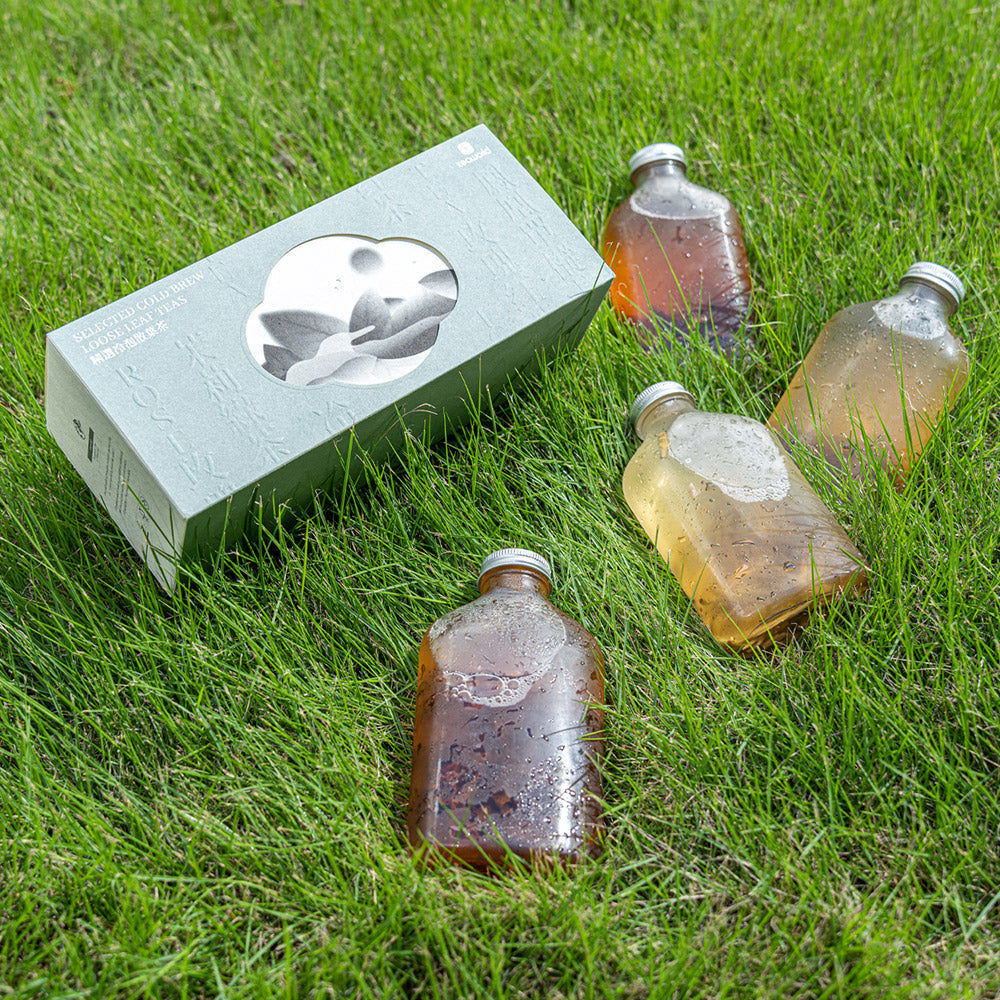
Four Chinese teas. One refreshing cold brew journey.
Meet your new favorite way to enjoy loose leaf tea. This Cold Brew Tea Sampler brings together four distinctive Chinese teas chosen for their ability to shine in cool water—smooth, fragrant, naturally sweet, and incredibly refreshing.
Taste your way from the fresh floral character of Jasmine Green Tea, to the mellow sweetness of Jasmine Black Tea, the rich rose aroma of Rose Black Tea, and the honeyed orchid notes of Mi Lan Xiang Dancong.
Just add tea to cool water, chill, and let it slowly infuse. Cold brewing helps create a softer, smoother cup while highlighting the tea’s delicate floral and fruity aromas.
Perfect for hot days, busy mornings, afternoon breaks, or anyone ready to explore Chinese tea beyond traditional hot brewing.


Net weight: 80g total, 5g per pack. More tea, same price.
Each pack is perfect for both Gongfu-style and Western-style brewing—just the right amount for one brew.

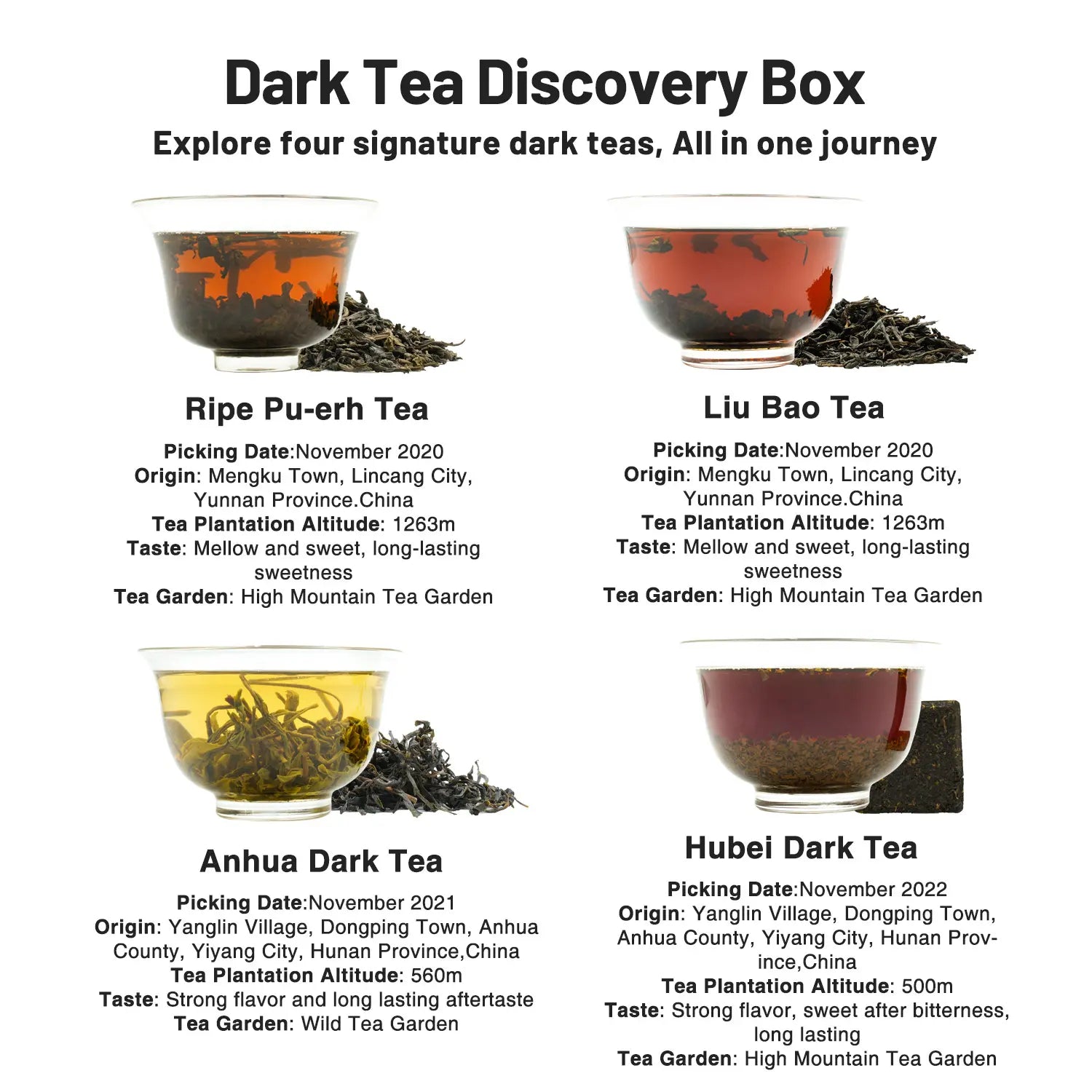
Treat yourself to the finest Chinese dark tea. Shop now and experience premium quality with free shipping from iTeaworld

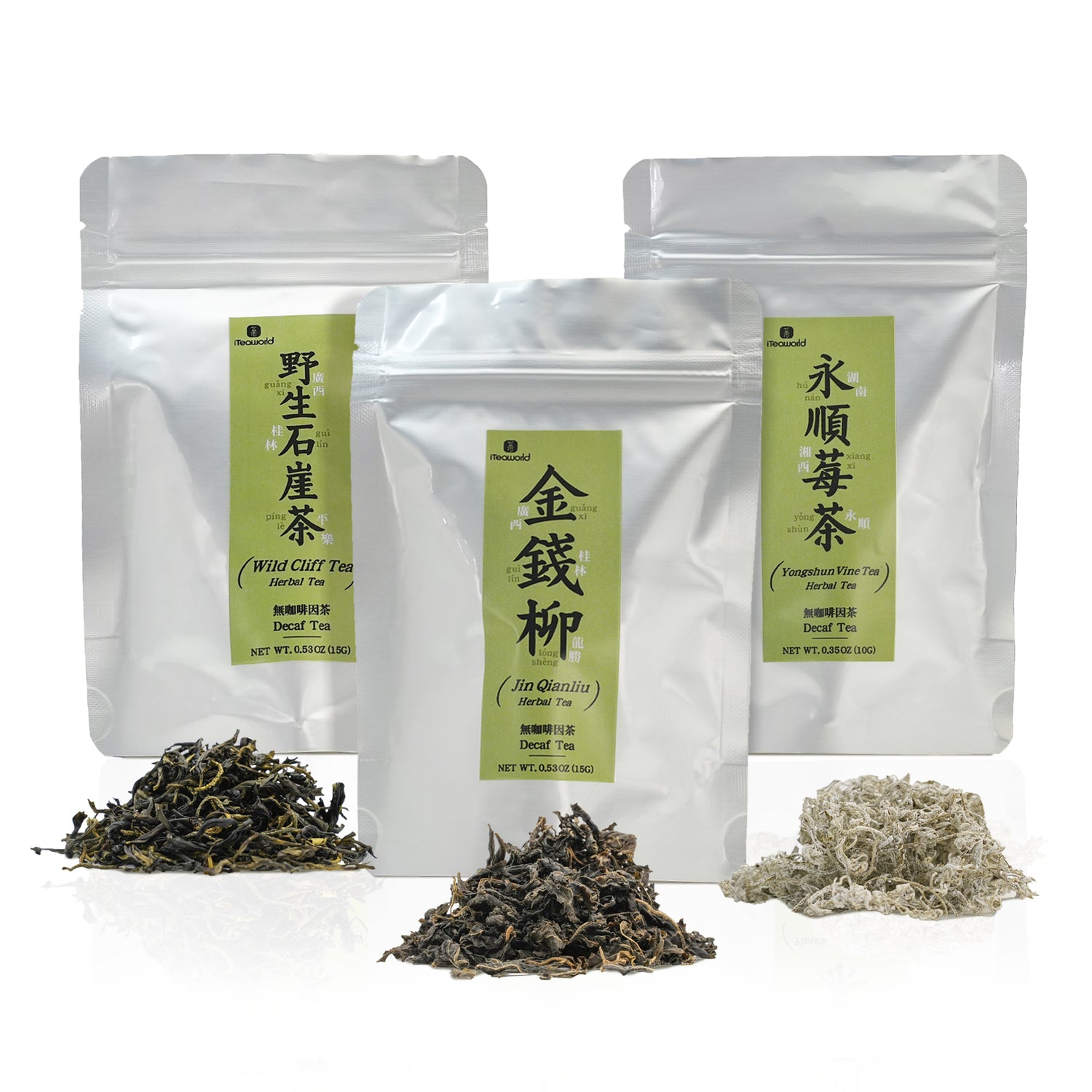
Looking for a Caffeine-Free Green Tea Alternative?
While we don’t offer caffeine-free green tea, we’ve carefully selected three herbal teas processed in a similar way to green tea—offering comparable freshness and aroma. These unique teas have been valued in traditional Chinese tea culture for centuries.
Jin Qian Liu – Sweet Tea Tree (Cyclocarya Paliurus)
Grown in the lush regions of southern China, this naturally sweet herbal tea is made from the leaves of the Cyclocarya Paliurus tree. Its smooth, mellow flavor makes it a perfect choice for anyone looking for a gentle, caffeine-free infusion. Traditionally, it has been appreciated for its balance and calming taste.
Wild Cliff Tea (Shi Ya Cha)
Harvested from wild tea trees on the rocky cliffs of Guangxi, this rare herbal tea delivers a robust, aromatic experience. With a rich profile and sweet finish, it’s known as “tea of the immortals” in local folklore. It is naturally high in flavonoids, which contribute to its full-bodied taste.
Vine Tea – Zhangjiajie Mei Tea (Ampelopsis grossedentata)
Thriving in the misty highlands of Zhangjiajie, Vine Tea is celebrated for its vibrant, refreshing flavor. Known as the “King of Flavonoids,” this herbal infusion contains a naturally high concentration of flavonoids, offering a satisfying, clean finish with every sip.


Jin Qian Liu, also known as Money Tree, is a traditional Chinese herbal tea made from the leaves of the Cyclocarya paliurus tree, a member of the walnut family. It grows mainly in the mountainous regions of southern and eastern China, where the trees thrive in clean, sunny environments.
The leaves are known for their naturally sweet and refreshing taste, with a light herbal aroma and a smooth finish. Jin Qian Liu has long been enjoyed in Chinese folk tradition as a refreshing herbal tea and is naturally caffeine-free, making it a great choice for those who want to enjoy tea throughout the day or in the evening.
Our Jin Qian Liu is carefully selected for its clean taste and distinctive character. If you’re looking for a caffeine-free Chinese herbal tea with a naturally refreshing and slightly sweet flavor, Jin Qian Liu is a great one to discover.


Wild Shiya Tea, also known as Cliff Tea, is a naturally caffeine-free herbal tea from the high-altitude forests of Guangxi, China. It grows naturally on cliffs and steep mountain slopes, which is where its name comes from. With a long history in the region, Shiya Tea was once considered a valuable tribute.
The tea leaves are tight, dark green, and rich in aroma. When brewed, they produce a bright green tea liquor with a fresh, clean taste and a gentle natural sweetness. Its flavor is refreshing and easy to enjoy, with a light herbal character that lingers pleasantly.
Naturally caffeine-free, Wild Shiya Tea is a great choice for tea lovers who want a refreshing tea without caffeine. It can be enjoyed throughout the day, including in the evening.
Recently viewed products
Shop with Confidence at iTeaworld

30-Day Return & Satisfaction Policy
Not satisfied? Get a refund within 15 days for taste concerns, or return unopened products within 30 days.

Free tea samples with tea order
Buy 1 get 1 sample. Buy 2 get 2. Buy 3+ get 3 free sample