This Zhuni teapot was handcrafted by Cai Songkai, a renowned Zhuni teapot master from Chaozhou, and is primarily made from Zhuni clay, featuring a design inspired by the Xishi teapot.

Sort by:
223 products
223 products


Discover the fresh and light flavor of Chinese oolong tea.
This Fresh Chinese Oolong Tea Collection features three refreshing oolong teas with fresh aromas, light bodies, and smooth, easy-drinking character.
Crisp, gentle, and approachable, this collection is ideal for tea drinkers who prefer lighter oolong teas without heavy roasted notes. Enjoy it hot for a smooth daily cup, or cold brewed for an even brighter and more refreshing taste.


Baiya Qilan is a rare oolong variety native to Pinghe County, Fujian. First discovered during the Qing Dynasty, it’s named for its pale buds and strong orchid fragrance. It’s one of Fujian’s top five oolongs, beloved for its unique blend of floral aroma and natural honeyed sweetness.
Our tea is harvested from the high-elevation gardens of Daqin Mountain (around 1000 meters), where misty skies and selenium-rich soil help develop its rich aroma. Each cup offers bright orchid and pomelo notes, with a soft texture and a refreshing, sweet finish.
This is a refined, elegant oolong that appeals to both floral tea lovers and those looking for something rare and naturally sweet.


Spring Awakening Wellness Floral & Fruit Tea Box – Six Blends for Seasonal Renewal
A seasonal tea collection crafted for spring.
Discover six unique herbal and flower teas, designed for three cups a day—morning, afternoon, and evening.
Inspired by traditional seasonal wellness wisdom, each cup brings a moment of freshness, balance, and gentle renewal.


Abstract Landscape Fabric Teapot & Teacup Bag Set (3 Pieces) — Padded Travel Teaware Storage Case
$14.99 USD
Unit price perAbstract Landscape Fabric Teapot & Teacup Bag Set (3 Pieces) — Padded Travel Teaware Storage Case
$14.99 USD
Unit price perThese teacup and teapot bag sets are specially designed to protect your teaware. Each bag is lined with soft padding that provides full cushioning and protection for teapots and cups, preventing damage from accidental bumps during handling or storage.
The sets can easily store a complete compact tea set (teapot and cups), with separate compartments for each piece to keep them secure and organized.
Available in multiple designs, these teaware bags are perfect for both home storage and travel, offering reliable protection for your favorite teapot or teacup wherever you go.
Sizes:
Teapot & Cup Bag Set (Abstract Landscape):
Large: 10 cm (L) × 10 cm (W) × 10 cm (H)
Medium: 9 cm (L) × 9 cm (W) × 9 cm (H)
Small: 7 cm (L) × 7 cm (W) × 7 cm (H)
*All sizes are measured by hand, and a margin of error of ±1 cm may occur.


Curious about the different flavors of Tieguanyin?
This legendary Chinese oolong has evolved through generations of craftsmanship, creating diverse expressions—from fresh and floral & fruity, to roasted, and aged.
Explore four authentic Tieguanyin styles side by side and discover how one tea can tell many stories.


A refreshing blend of Tieguanyin oolong and fresh gardenia flowers, offering a bright floral aroma with a smooth, candy-like sweetness.
Popular in China’s modern tea scene, Gardenia Oolong has captured the hearts of younger tea drinkers with its unique combination of floral elegance and refreshing character.
Every July, fresh gardenia flowers are harvested in Qingxi Town, Leshan, Sichuan, and carefully scented with Tieguanyin through three traditional scenting rounds. This process allows the gardenia’s delicate fragrance to naturally merge with the tea’s gentle sweetness, creating a smooth and harmonious cup with a clean finish.
The lingering aroma makes it enjoyable through multiple infusions, while its refreshing character shines especially well as a summer tea. Brew it hot for a silky floral experience, or cold brew it to bring out its crisp, refreshing taste.


Summer Clarity Wellness Floral & Fruit Tea Box – Six Blends for Seasonal Renewal
A seasonal tea collection crafted for early summer.
Discover six unique herbal and flower teas, designed for three cups a day—morning, afternoon, and evening. Enjoy three cups a day of refreshing herbal flower teas designed to keep you cool, calm, and balanced as summer begins—inspired by traditional seasonal wellness wisdom.


This authentic West Lake Longjing Green Tea comes from Meijiawu, one of the core production areas within the protected West Lake Longjing region.
Each package carries an official anti-counterfeit traceability label issued to certified tea farmers authorized to produce genuine West Lake Longjing, helping ensure its authentic origin.
Hand-picked on April 7–8, just a few days after Qingming Festival, this top-grade Longjing captures the fresh character of early spring harvest tea while offering a fuller and richer taste.
Its aroma is expressive and comforting, with distinctive roasted bean notes, gentle nuttiness, and natural sweetness. The tea liquor is smooth, full-bodied, and layered, with a lingering aftertaste that develops beautifully through multiple infusions.
Compared with lighter Longjing styles, this Meijiawu selection offers a richer and more robust flavor profile, making it an excellent choice for tea lovers who enjoy deeper roasted-bean aroma and a more satisfying Longjing experience.
Limited quantity available.


Collection Introduction
As winter's palette turns muted, we turn to the spectrum of flavor for comfort. This season invites more than just roasted warmth and floral notes—it calls for the sun-drenched sweetness of fruit, naturally captured in the tea leaf.
Presenting Orchard Hearth, a journey into the heart of China's naturally fruit-scented teas. We've consciously moved beyond strong floral scents or heavy roast profiles to curate leaves that whisper of ripe berries, honeyed orchards, and sun-warmed citrus. These are pure teas, needing no added flavors, that brew into cups brimming with the essence of a cozy, sun-kissed grove. They are the vibrant accent in the quiet winter months, a refreshing and uplifting warmth that brightens any day.
Why We Chose These Teas
Fruitiness is a universal language of delight. We selected these teas precisely because their natural, approachable flavors speak directly to the global palate, offering a welcoming gateway to the world of premium Chinese tea.
Sunshine & Nectar: Winter's Sweet Embrace
Featured Teas: Mi Lan Xiang Dan Cong, Yunnan Golden Buds, Keemun Black Tea (Red Fruit Note), Yongchun Fo Shou.
The Experience: These teas deliver the sweet, radiant warmth we crave in winter. Whether it's the iconic honeyed aroma of Mi Lan Xiang, the ripe mango-like sweetness of Yunnan Golden Buds, or Keemun's elegant notes of red wine and apple (the celebrated "Keemun Aroma"), they are like liquid sunshine—immediately comforting, satisfying, and uplifting.
The Crisp Accent: A Spark of Freshness
Featured Teas: Qing Xiang Bai Ya Qi Lan, Gong Mei White Tea, Bi Luo Chun Green Tea.
The Experience: Who says winter can't be refreshing? These teas offer a bright, clean counterpoint to heavier flavors. Bai Ya Qi Lan presents a delicate fruitiness alongside orchid notes, Gong Mei White Tea evokes gentle honey and melon, and the precious Bi Luo Chun holds the fresh, subtle fruitiness of spring. They cut through the staleness of heated rooms, bringing a burst of mental clarity and revitalization.
Mellow Comfort: The Daily Cup of Serenity
Featured Teas: Zhangping Shui Xian (Soft Fruit Note), Shou Mei White Tea, Lingtou Dan Cong.
The Experience: These are your reliable companions for a peaceful winter afternoon. They are mellow, smooth, and incredibly approachable. Zhangping Shui Xian is softly soothing, aged Shou Mei develops a warm, date-like sweetness over time, and Lingtou Dan Cong is known for its straightforward honeyed charm. Their fruit notes are not bold but are woven deeply into the liquor, offering a lasting sweetness and profound relaxation.
In Summary, the Orchard Hearth collection is our gift to those seeking unique, approachable, and delightfully flavorful teas. It proves that warmth can come from sun-kissed fruitiness and comfort from vibrant clarity. It's the perfect answer to the winter monotony, creating a sunny, inner orchard with every sip.


Seasonal Discovery: Savor the Time.
Compare Harvest Seasons. Taste the subtle shifts between Spring, Summer, and Autumn jasmine teas. Discover how the time of year changes the tea’s freshness, strength, and how long the floral aroma lingers.


Leaf Grade Discovery: Discover the Texture.
Compare Leaf Tenderness. Experience the contrast between Full Buds and Multi-leaf grades. See how the picking standard defines the natural sweetness, body, and overall balance of the jasmine tea.


Create Your Own Holiday Tea Gift Box
Choose 20 Tea Samplers from 40+ Unique Flavors
Scroll down to select teas and create your own tea gift style.👇
Suitable For
• Anyone looking for a thoughtful, personalized gift
• Tea beginners or those curious to explore many flavors
• Perfect for colleagues, family members, teachers, or clients
• Ideal for people who prefer healthy, natural, additive-free gifts


This Yunnan High Mountain Green Tea is grown at around 1,200 meters in Mengku, Lincang, Yunnan, and made from spring-picked Fengqing large-leaf tea plants. Unlike lighter green teas, it offers a bolder and more structured green tea experience.
The tea has a rich floral aroma, full-bodied liquor, and a lingering aftertaste, with a gentle bitterness reminiscent of young raw Pu-erh—but fresher, brighter, and more refreshing. It is ideal for tea drinkers who enjoy strong tea flavor, noticeable body, and a more distinctive Chinese green tea character.


As the days grow shorter and a chill fills the air, we crave a cup of tea that warms us from the inside out. It’s more than just heat; it's about the comfort and satisfaction that comes from rich, soothing flavors.
The "Cozy Winter Warmers" collection was created for exactly this moment. We've carefully curated ten distinct Chinese teas, each chosen for its ability to comfort and delight. Like a crackling fireplace, a soft blanket, or a warm hug, these teas are your perfect companions to melt away the winter chill.
Why We Chose These Teas
When winter arrives, we turn to teas that are inherently warming, rich, and sweet. The philosophy behind this collection is all about comfort, body, and natural sweetness.
The Direct Sweetness of Black & Flowering Teas:
Lapsang Souchong Black Tea: Offers a signature sweet, smoky aroma with notes of dried longan.
Sticky Rice Scented Black Tea: Known for its unique, toasty aroma of glutinous rice, providing a mild and comforting sweetness.
Rose Black Tea (Scented x3): A romantic and warming blend of honeyed black tea and fragrant rose petals.
These teas are smooth, approachable, and deliver immediate, delightful flavors that are easy to love.
The Toasty Warmth of Rock Oolongs:
Wuyi Shui Xian (Ban Yan): A robust, mineral tea with floral notes and a warm, toasty finish from roasting.
Wuyi Rou Gui (Ban Yan): Known for its warming, spicy cinnamon character and a rich, baked aroma.
Wuyi Da Hong Pao (Blend): The ultimate expression of a complex, toasty, and deeply satisfying Rock Oolong.
Osmanthus Oolong (Scented x3): The toasty base of the oolong is beautifully brightened by the sweet, apricot-like fragrance of osmanthus flowers.
These teas provide a solid, grounding warmth that lingers, perfect for a cozy afternoon.
The Smooth & Earthy Depth of Dark Teas & Aged White Tea:
Liupao Dark Tea: Exceptionally smooth and mellow, with earthy, woody, and sometimes date-like notes. Known for its digestive comfort.
Ripe Pu-erh Dark Tea: Deeply rich and earthy with a smooth, velvety texture and a warm, soothing character.
Gong Mei White Tea (Aged): While young white tea is fresh, this aged version has matured into a warmer, sweeter cup with honey and herbal notes.
These teas are the definition of cozy—soft, earthy, and incredibly soothing on a cold day.
Together, these teas share a common theme: they are warming, full-bodied, and feature inviting aromas of wood, natural sugar, and baked goodness. They are chosen not just to warm your hands, but to comfort your soul, making them perfect for sharing with loved ones during the holiday season and beyond. This collection is expertly curated to suit the American palate's desire for comforting and robust flavors in winter.


This set includes five cups made in Dehua, China. Each cup is hand-painted with a different motif: landscape, lotus, bamboo, mountain, and persimmon. The brushwork is smooth and expressive, bringing each design to life. All five cups use underglaze painting and feature the classic “douli” (conical hat) shape. They are fired at high temperatures, giving them a dense body and a smooth, delicate glaze that feels warm to the touch. The overall look is elegant and refined.
The cups show the typical characteristics of Ge ware, with a network of natural crackles across the surface. These patterns, known as “golden threads and iron lines,” become more distinct as they are nourished by tea over time.
The glaze is a soft gray-green color. The rim is slightly thickened to enhance the drinking experience.
Cup Size: 6.5 cm diameter, 4.8 cm height
Capacity: approx. 50 mL
Quantity: 5 cups total
All measurements are taken by hand and may have small variations.


Wuyi Rou Gui is one of the most iconic cultivars of Wuyi rock oolong, well known for its distinctive cinnamon-like aroma and rich, full-bodied character.
This tasting-grade Rou Gui comes from a Ban Yan area (One of Wuyi mountain areas), offering a more rounded and powerful expression. The tea liquor is smooth, dense, and structured, with pronounced cinnamon spice and warm roasted notes that unfold layer by layer.
With multiple infusions, subtle Wuyi rock tea minerality and a gentle mineral-like texture emerge, adding depth and complexity to the overall profile.
Compared with lighter floral oolongs, this Rou Gui delivers a stronger, more warming, and more assertive experience, making it ideal for drinkers who enjoy bold aroma, rich body, and a deeply satisfying rock tea character.
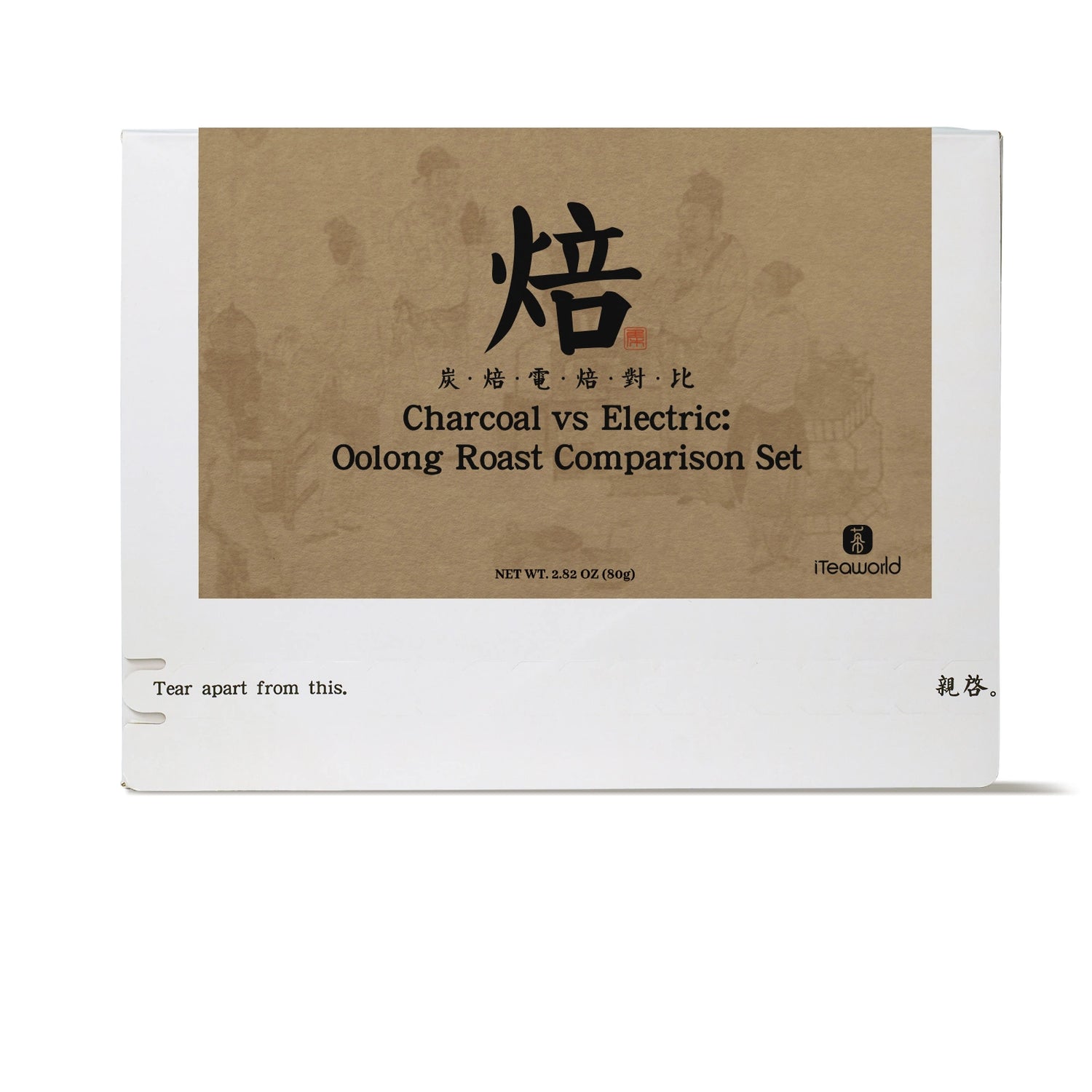
Oolong tea roasting is where tradition and modern technique diverge. For centuries, tea masters have relied on slow charcoal fire to shape depth and complexity. Today, electric roasting offers precision, consistency, and a cleaner aromatic profile.
This collection compares both roasting philosophies through two iconic oolong teas—Wuyi Rougui from Fujian and Phoenix Dancong from Guangdong. Each tea is prepared in two versions: charcoal-roasted and electric-roasted.
Charcoal roasting enhances depth, body, and complexity, while electric roasting highlights freshness, clarity, and floral brightness. Together, they reveal how fire alone can transform the same tea into two completely different experiences.
Taste them side by side and explore how roasting defines the soul of oolong tea.


This tea accessory set includes a horse-shaped tea pet and a matching tasting cup. Both are finished in Langhong glaze, a vibrant red tone that creates a bold and elegant look. The red-glazed horse paired with a matching cup forms a harmonious and refined presentation.
The year 2026 is the Year of the Horse in the Chinese zodiac. In Chinese culture, bright red symbolizes celebration and good fortune.
Together, the design conveys auspicious meanings such as “success upon arrival” and “thriving prosperity,” making it ideal for gifting or personal use.
What is Langhong Glaze?
Langhong glaze, also known as Langyao Red, is a prized copper-red glaze in Chinese ceramics, known for its vivid color.
It originated in the Ming Dynasty and matured during the Qing Dynasty.
In the 18th century, it was famously produced under the supervision of the imperial kiln official Lang Tingji, from whom the name “Lang Kiln Red” is derived.
Origin: Dehua, China
Material: Ceramic


Master Handmade Zhuni “Yao Yue” Teapot – Cai Songkai | Chaozhou Gongfu Tea | 110mL
$159.99 USD
Unit price perMaster Handmade Zhuni “Yao Yue” Teapot – Cai Songkai | Chaozhou Gongfu Tea | 110mL
$159.99 USD
Unit price perThe handle curves gracefully, the body and lid connect seamlessly, and the round, compact form with its short spout gives the teapot a soft, elegant presence.
Its shape resembles a young lady dancing under the moonlight, ribbon in hand — charming and full of life.
The maker named this teapot “Yao Yue” (Inviting the Moon) to capture that poetic imagery.
The inner lid and handle are engraved with the maker’s name or signature.
This teapot is ideal for brewing high-aroma teas, especially Oolong varieties such as Phoenix Dancong, Tieguanyin, and Dong Ding Oolong.
Capacity: 110 mL
What is a Zhuni Teapot?
Zhuni is a type of zisha clay, belonging to the “red clay” family, and is regarded as the finest and most delicate among them — often considered the “noble” or “gem” of zisha clay.
It has a low sand content and a fragile texture, making it prone to deformation or cracking during firing.
Because of this, the yield rate is very low, and teapots made from it are known as Zhuni teapots.
Chaozhou Zhuni Master — Cai Songkai
Cai Songkai is a senior arts and crafts artist of Guangdong Province, a Chaozhou arts and crafts master, and a renowned folk ceramic artist.
With years of dedication to Zhuni pottery, he has developed a distinctive style that combines precise structure, smooth lines, and refined craftsmanship.
His teapots are widely admired by collectors both in China and abroad, earning him a strong reputation in the field of Zhuni teapot making.
His works have won multiple gold awards in major competitions.


Master Handmade Zhuni Bamboo Segment Teapot – Cai Songkai | Chaozhou Gongfu Tea | 140mL
$159.99 USD
Unit price perMaster Handmade Zhuni Bamboo Segment Teapot – Cai Songkai | Chaozhou Gongfu Tea | 140mL
$159.99 USD
Unit price per

Shape Discovery: Witness the Art.
Compare Leaf Shapes & Unfurling. Observe how Spiral, Strip, Needle, and Ring forms change the way tea dances in your cup. Each shape influences the brewing speed and texture, offering a unique visual and mouthfeel experience.


Origin Discovery: Taste the Land.
Compare Regional Terroirs. Explore the distinct characters of Fuzhou, Hengzhou, Yunnan, and Sichuan. Discover how different soils and climates naturally influence the base tea and the way it carries the jasmine scent.
Recently viewed products
Shop with Confidence at iTeaworld

30-Day Return & Satisfaction Policy
Not satisfied? Get a refund within 15 days for taste concerns, or return unopened products within 30 days.

Free tea samples with tea order
Buy 1 get 1 sample. Buy 2 get 2. Buy 3+ get 3 free sample