
Sort by:
223 products
223 products
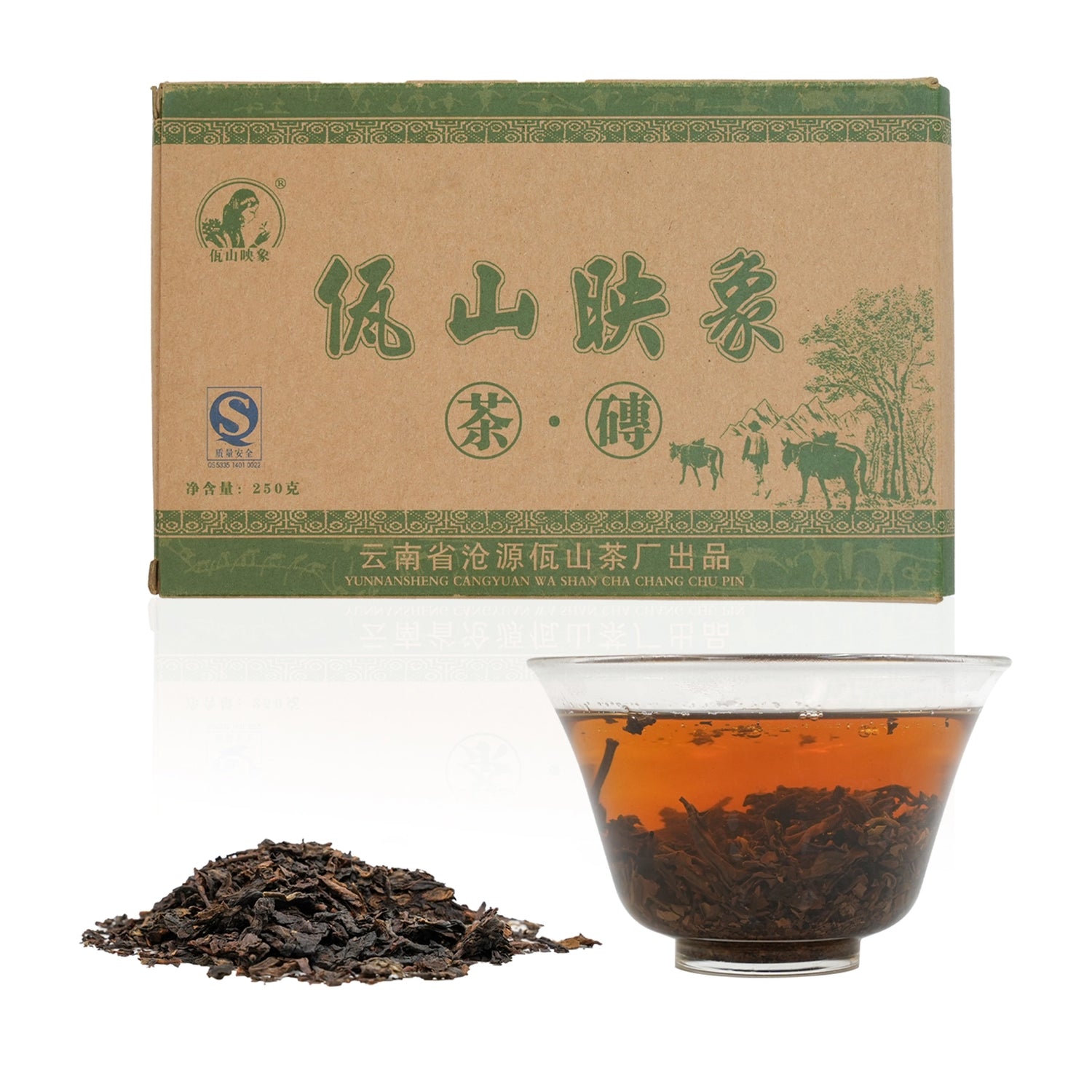
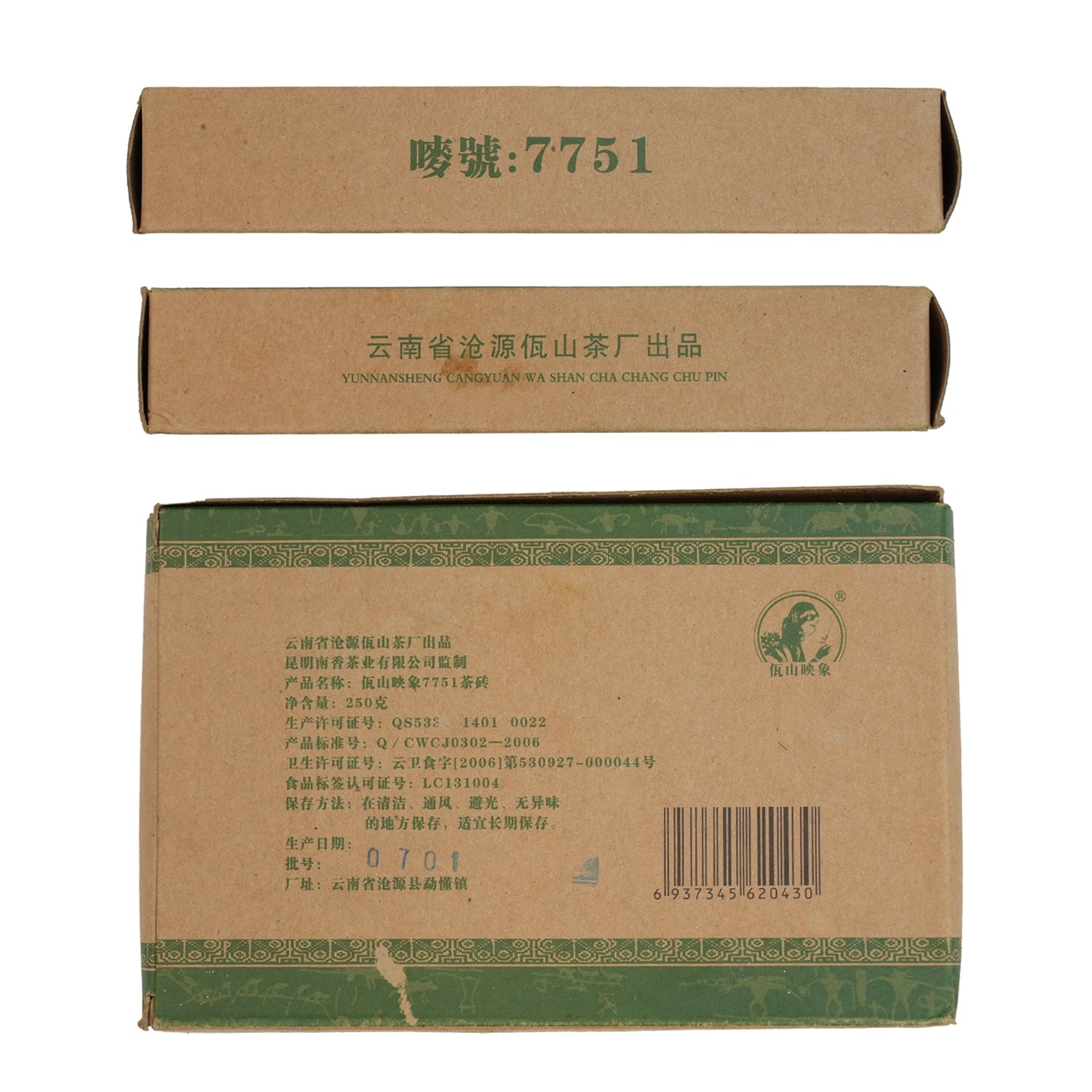
During the aging and transportation process of aged tea, the packaging and the tea itself may get damaged. Please be cautious when purchasing if you mind this.
Recommended Purchase
This 2007 Wa Mountain Impression "7751" Raw Pu-erh Tea Brick is supervised by Ms. Tan Mei, a former senior engineer and quality inspection section chief of the Kunming Tea Factory. Following traditional recipes, it selects high-quality sun-dried green materials from tall arbor trees in the Lancang River basin of Yunnan and is meticulously processed and pressed using the original Kunming Tea Factory's brick-making techniques. The tea inherits the essence of the Kunming Tea Factory's brick tea, with a uniform and neat brick shape, clear and even strips, exposed buds and hairs, bright orange-yellow soup color, fresh and high aroma, mellow and refreshing taste, and obvious returning sweetness and salivation. It is an excellent choice for daily drinking and collection.
Key Details about 2007 Wa Mountain Impression Tea Brick
- Origin: Cangyuan Wa Mountain Tea Factory, Yunnan Province, China
- Production Date: 2007
- Grade: Second Grade
- Tea Cultivar: Yunnan Large-Leaf Tea
- Craftsmanship: Traditional Kunming Tea Factory brick-making technique, sun-dried green tea, pressed into bricks
- Flavor Highlights: Bright orange-yellow soup color, fresh and high aroma, mellow and refreshing taste, obvious returning sweetness and salivation, rich, authentic flavor, reminiscent of the taste of aged raw tea from around 1995.
- Storage: Naturally stored in Dongguan with slight dryness, no off-flavors
What is Wa Mountain Impression Tea Brick?
Wa Mountain Impression Tea Brick is a Pu-erh tea product produced by Yunnan Cangyuan Wa Mountain Tea Factory. The tea factory owns over 6,000 acres of pollution-free high mountain ecological tea gardens, with the main tea garden base located in Tuanjie Dazhai, Yanshuai Town, Cangyuan County, at an altitude of over 1,800 meters. The climate is mild, rainfall is abundant, and the area is shrouded in clouds and mist, far from pollution, making it an ideal place for tea cultivation. The tea factory strictly manages the tea gardens according to international organic agriculture movement federation (IFOAM) technical specifications, ensuring the excellent quality of Wa Mountain Impression tea sources.
Recommended Brewing Methods
-
Gaiwan Brewing
- Tea-to-water ratio: 1:20
- Water temperature: 95°C-100°C
- Infusions: 6-8 times
- Steeping time: 10-20 seconds
-
Thermos Brewing
- Tea-to-water ratio: 1g per 100ml water
- Water temperature: 100°C (boiling water)
- Steeping time: 1-2 hours
- Tool: Insulated thermos
-
Boiling Method
- Tea-to-water ratio: 1g per 100ml water
- Boiling time: 1-2 minutes, then let sit for 2-3 minutes
- Rebrew: Extend boiling time by 3 minutes for each additional infusion
- Best with: Ceramic or glass teapot
- Steeping times: 3-4 brews
Storage Guidelines
To maintain the tea's optimal aging process, store it in a dry and cool environment with humidity below 45% and temperature under 25°C. Keep it away from strong odors, direct light, and air exposure. Proper storage ensures that the tea retains its aged aroma and continues to mature gracefully over time.
Weight & Packaging
- Net Weight: 250g (8.8oz)
- Packaging: Original paper box packaging


Enjoy a better tea experience every day with this versatile 800ml Glass Tea Maker.
Designed for both brewing and drinking, it features a removable infuser for loose leaf tea, easy-to-read hydration markings to help you stay on track throughout the day, and a wide-mouth opening for effortless filling and cleaning.
Whether you're making hot tea, cold brew, fruit-infused water, or herbal drinks, this all-in-one tea maker brings convenience, functionality, and modern style to your desk or home.


This Winter harvest Ya Shi Xiang Dancong offers a uniquely soft and refreshing floral profile with a clean, cooling character rarely found in traditional Dancong teas. The tea liquor is smooth, silky, and naturally sweet, delivering a gentle honeyed finish with an elegant winter-like freshness.
Harvested during the late autumn to early winter season in Dapu, Guangdong, this special “winter harvest” style develops a lighter, purer, and more delicate expression compared with typical Ya Shi Xiang Dancong. Its aroma feels calmer and cleaner, while the texture becomes softer and more rounded.
Ideal for drinkers who enjoy refined floral oolong teas with a smooth, mellow, and comforting character. Especially suitable for those who prefer cleaner and gentler tea profiles over heavily roasted styles.


Daidai Flower Green Tea is a refreshing floral tea that brings together the bright citrus fragrance of Daidai flowers and the delicate sweetness of early spring green tea. Daidai is a traditional citrus blossom from China, known for its unique aroma that combines the freshness of lemon peel with the elegance of orange blossom.
Crafted in Jinhua, Zhejiang, this tea uses tender spring-picked Biluochun green tea as its base, made from young buds and one-bud-one-leaf leaves. Freshly harvested Daidai flowers are carefully used for scenting, adding a natural citrus sweetness that softens the green tea’s fresh character and creates a smoother, more balanced cup.
The first impression is a lively citrus floral aroma, followed by the fresh sweetness of Biluochun. The tea liquor is light, smooth, and refreshing, with a clean finish and a lingering fragrance that combines citrus, flowers, and green tea notes. It is a unique expression of spring tea with a bright and uplifting character.
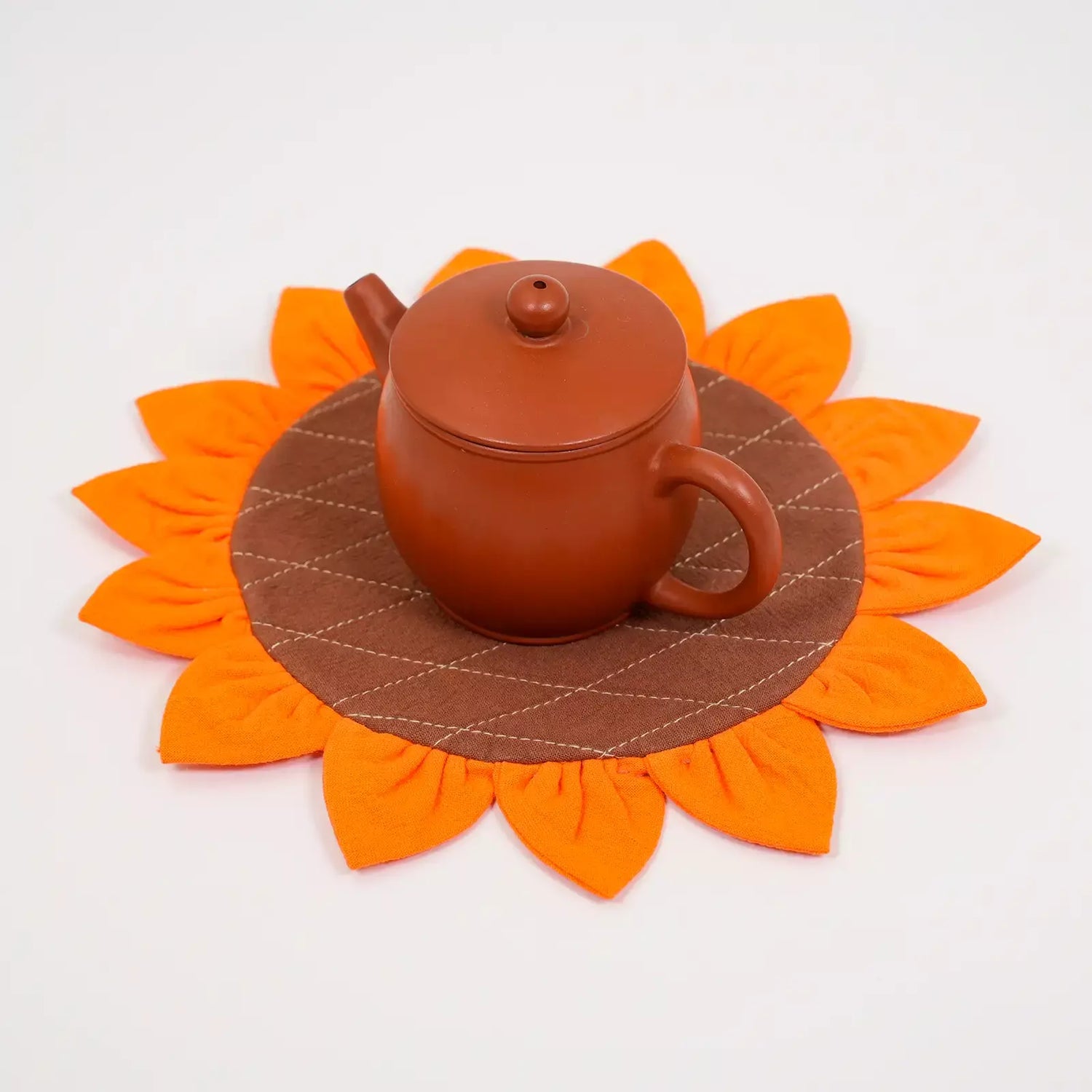
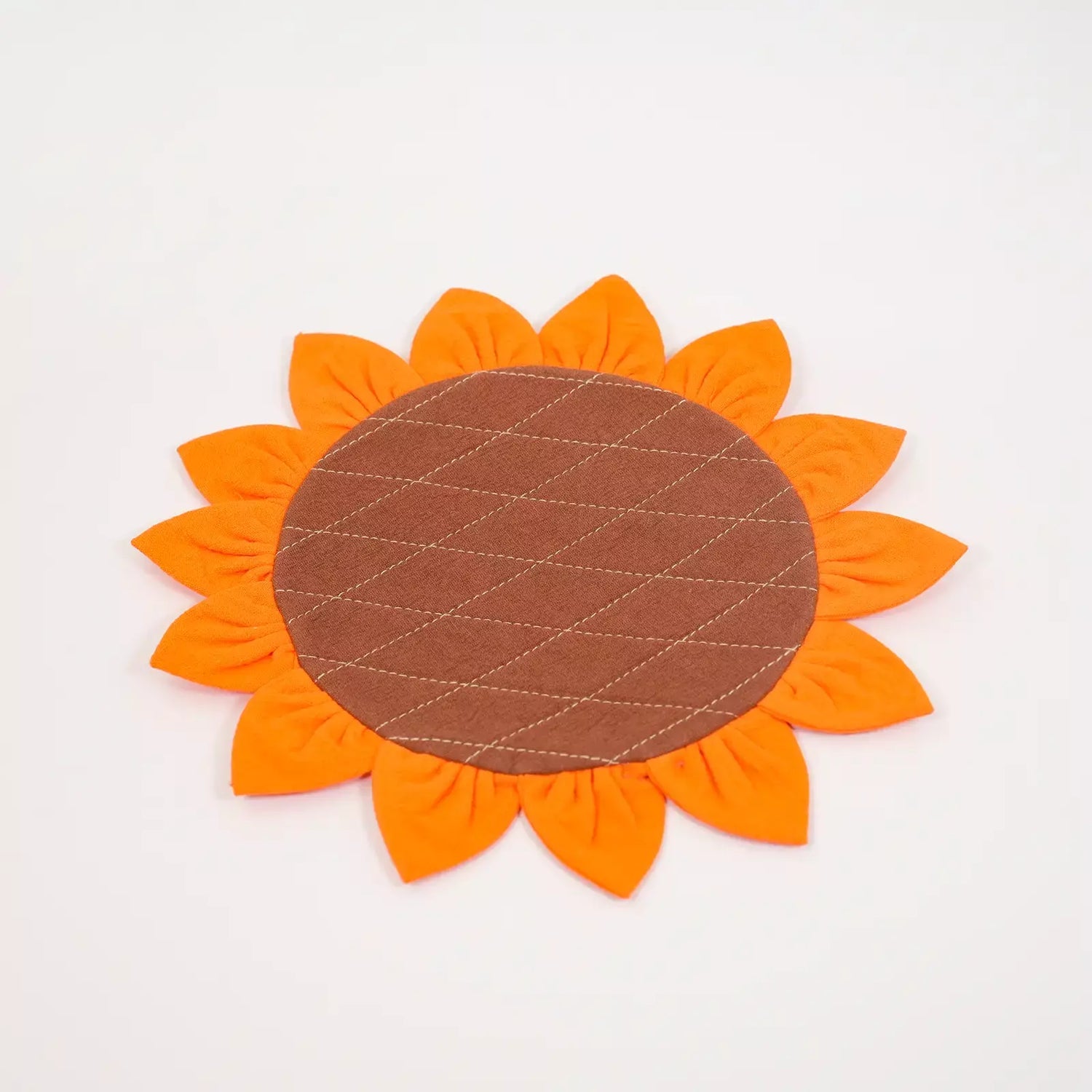
The teapot mats are mainly made of cloth, designed to prevent cups and Yixing teapots from bumping against the table. When you place the cup back, it makes little to no sound, creating a softer and quieter tea-drinking atmosphere.
The fabric is absorbent, allowing you to easily wipe off any water or tea stains from the teapot or cup, keeping the table clean and dry. Most coasters and mats also feature elegant patterns or unique shapes, making them lovely decorative pieces for a tea table or tearoom.
Sizes:
Handcrafted Sunflower Teapot Mat: Max diameter 19 cm, center circle 13 cm
*All sizes are measured by hand, and a margin of error of ¡À1 cm may occur.
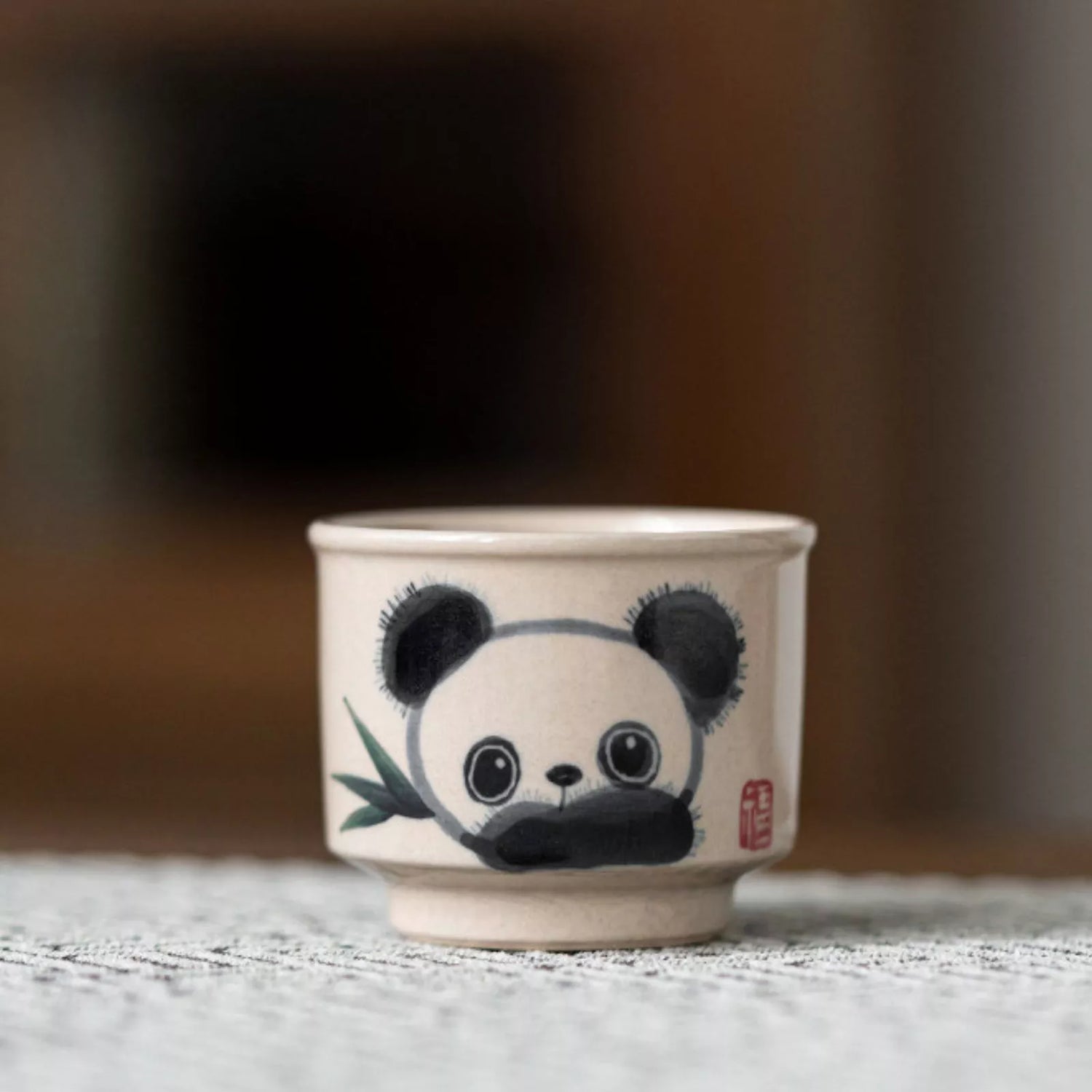
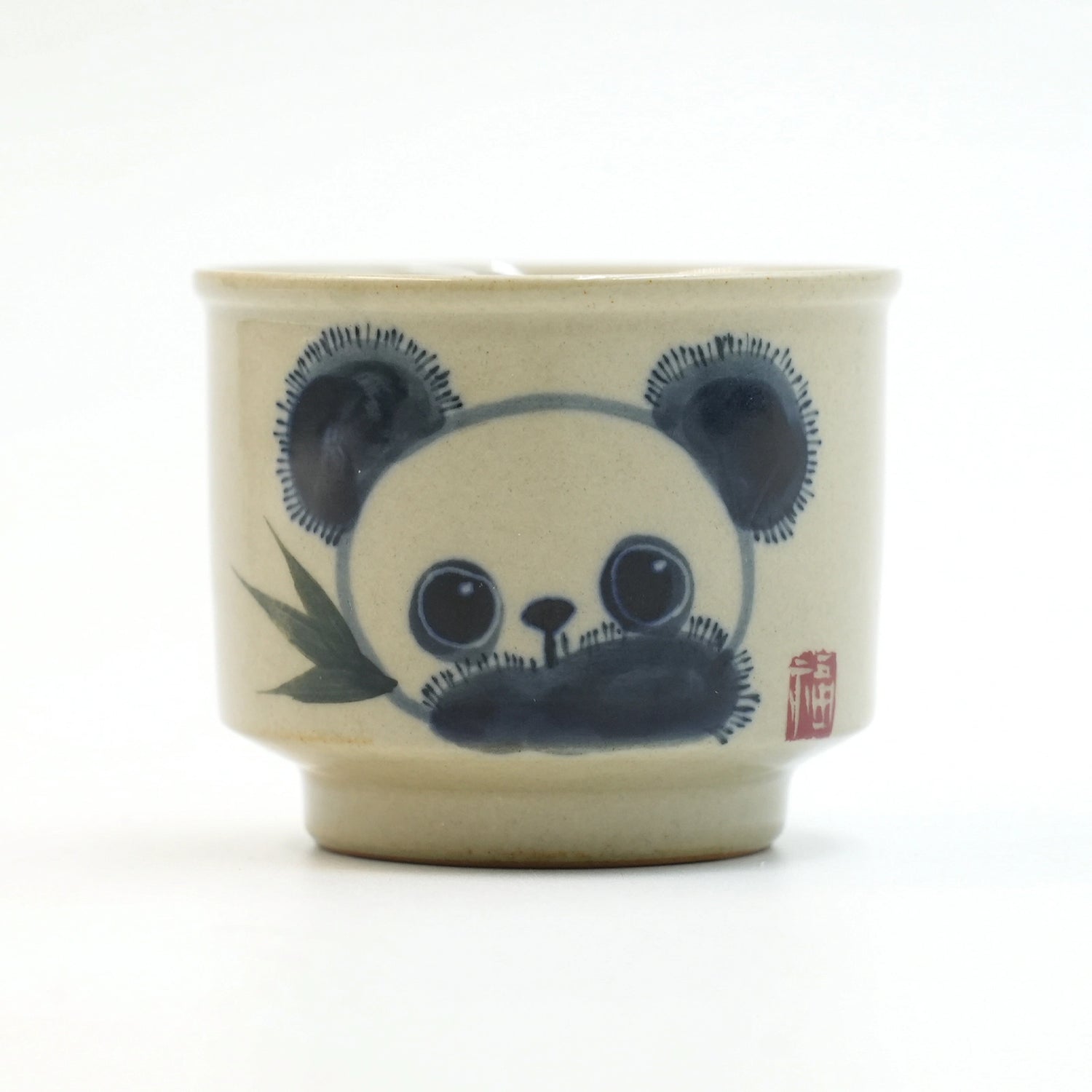
Panda Ceramic Gongfu Tea Tasting Cup
Add a playful touch to your tea session with this handcrafted ceramic tasting cup featuring an adorable panda design. Perfectly sized for Gongfu tea brewing, it holds just the right amount for appreciating aroma, color, and flavor. The smooth glaze and comfortable feel make it a joy to hold, while the panda motif adds charm to every sip.
Ideal for oolong, puerh, and other traditional teas
A great gift for tea lovers and panda fans alike


Lingtou Dancong is a Guangdong oolong tea from the Chaozhou region, closely related to Phoenix Dancong. Compared with the intensely aromatic and highly layered style of Phoenix Dancong, Lingtou Dancong is especially prized for its signature “honeyed sweetness” known as mi yun (“honey charm”).
This Premium Lingtou Dancong offers elegant floral notes with a gentle honey-like aroma. The tea liquor is rich, smooth, and naturally sweet, with very low bitterness and a soft lingering finish reminiscent of honey.
Compared with more aggressively aromatic Dancong teas, this style is softer, rounder, and easier to drink, making it especially suitable for those who enjoy sweet, smooth oolong teas with a lighter roast and a comforting finish.
Recommended Purchase
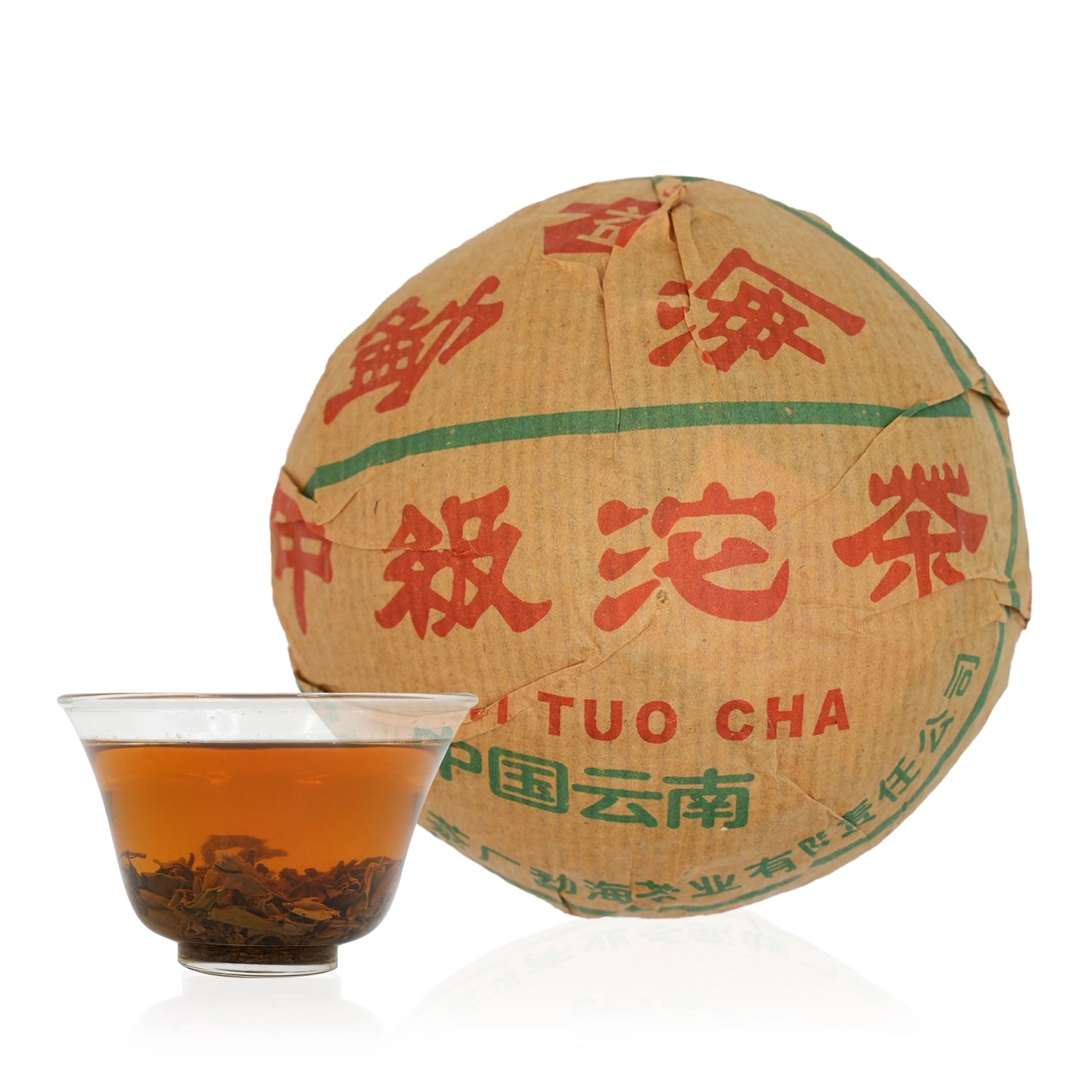
This Yunnan Pu'er Tuo Tea, produced in 2003 and aged for 22 years in a dry northern warehouse, is crafted from Yunnan large-leaf tea varietals harvested in the region's primary tea-growing areas. It is a premium Tuo Tea produced by Menghai Tea Factory in Yunnan Province, renowned for its exquisite material selection and meticulous craftsmanship. This tea is no longer available on the market.
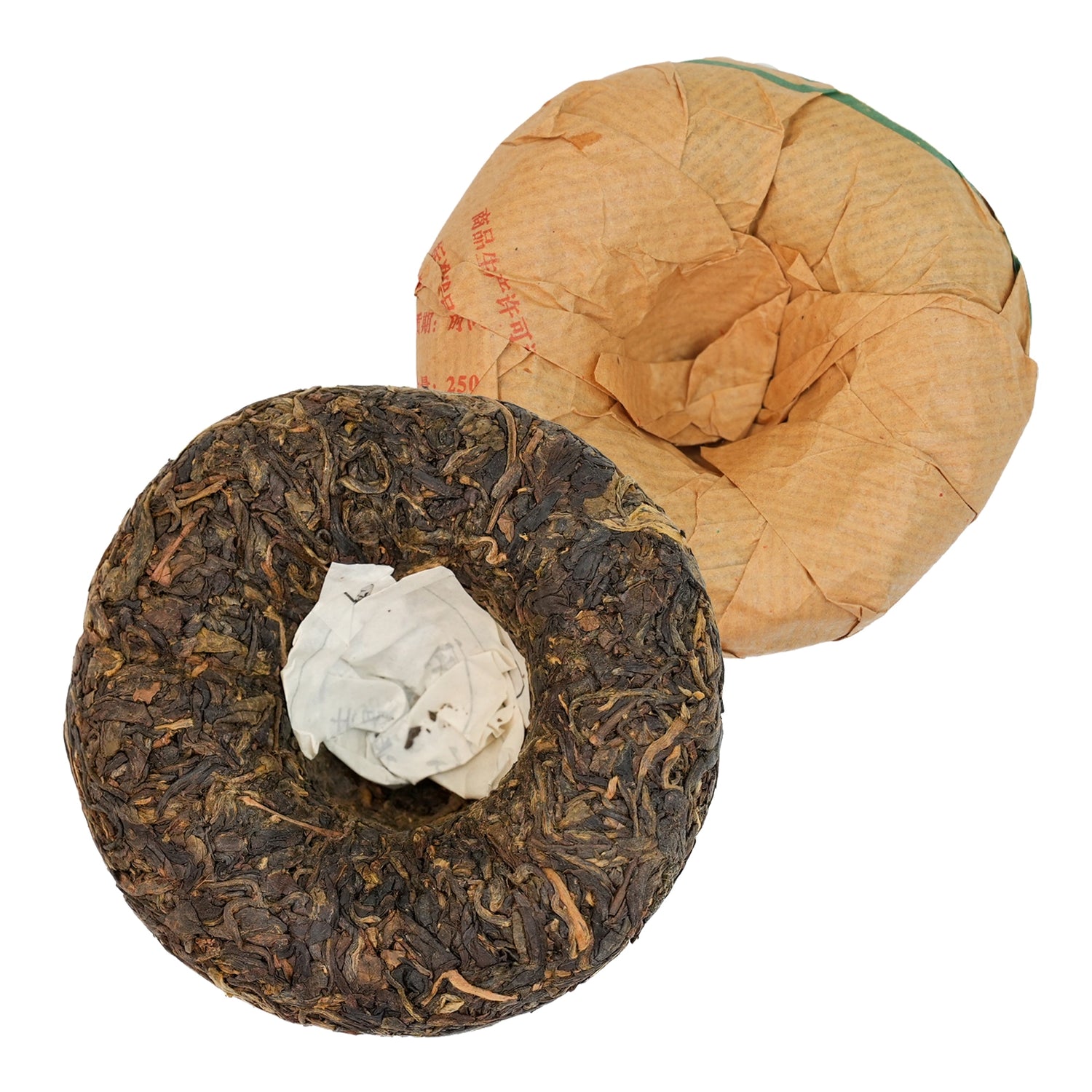
The tea has a unique bowl-shaped appearance, with a distinct aged aroma and a rich, complex profile. Its flavor is mellow, refreshing, and smooth, with a sweet, velvety texture and a long-lasting aftertaste. This rare and highly sought-after tea is a classic early Dayi (Menghai) masterpiece, cherished by collectors and connoisseurs alike.
Key Details about Yunnan Pu'er Tuo Tea 2003
- Origin:Xishuangbanna, Yunnan Province, China
- Production Date:2003
- Grade: First grade
- Tea Cultivar:Yunnan Large-Leaf Varietal
- Craftsmanship:Using handpicked tea leaves as the raw material, the fresh leaves are processed through withering, fixing, rolling, and sun-drying to create sun-dried tea. The sun-dried tea is then steamed and pressed into the shape of Pu'er Tuo Tea. Finally, the tea undergoes 22 years of natural aging in a dry storage environment, allowing it to develop its unique character and depth.
- Flavor Highlights :The tea exhibits a distinct aged aroma, with a rich and complex profile. Its flavor is mellow, refreshing, and smooth, with a velvety texture, high sweetness, and a long-lasting aftertaste.
What is Yunnan Pu'er Tuo Tea?
Yunnan Pu'er Tuo Tea is a traditional and distinctive tea from Yunnan Province, known for its unique shape, resembling a thick-walled bowl with a concave center. It is tightly compressed and neatly formed, made from Pu'er tea as the raw material.
Dark Tea Tuo Tea is further divided into two types:
Raw Tuo (Sheng Tuo): Compressed directly from sun-dried raw tea leaves, featuring a dark, glossy color, a fresh aroma, and a sweet aftertaste.
Ripe Tuo (Shou Tuo): Fermented through artificial pile fermentation, resulting in a reddish-brown color and a rich, mellow flavor.
Pu'er Tuo Tea has a long history, with records dating back to the Ming Dynasty in the book "Dian Lue." In 1986, the 100-gram Tuo Tea produced by Yunnan Xiaguan Tea Factory won the Golden Rooster Award in Paris, France.Modern research has confirmed its significant health benefits. Clinical trials by French and Chinese medical institutions have shown that it can reduce blood lipids and cholesterol, and assist in treating obesity, hypertension, and arteriosclerosis.The tea's liquor is known for its enduring color, aroma, and flavor, combining cultural heritage with health-promoting properties. It has gained international acclaim for its unique qualities.
Brewing and Enjoyment Tips
This tea embodies the unique transformation brought by time. The first infusion can serve as a "tea awakening" to activate the tea's inner qualities, enhancing its flavor profile.Tuo Tea is a type of compressed tea. Before brewing, use a specialized tea knife or tea pick to gently break the Tuo Tea into appropriately sized pieces. Avoid using excessive force to prevent damaging the tea leaves.
Recommended Brewing Methods
- Capacity:100ml Gaiwan
- Water Temperature:90-100℃
- Brewing Times:7-8 times
- Tea Water Ratio:around 1:20(Adjust according to your own taste)
- Brewing Time Once:10-20 seconds(Adjust according to your own taste),The first time as a wake-up tea can take 3 seconds.
Storage Guidelines
To ensure the best quality of tea, the ideal way to store it is in vacuum-sealed packaging, kept in a cool, dark, and dry place. Avoid exposure to strong odors and air. For sealed storage, using a tin can or a double-lidded metal can is recommended. For even better results, you can store the sealed tea in the refrigerator or a dry storage container.
Weight & Packaging
Weight : 3.5oz (100g)/8.8oz(250g)
Packing Type : Kraft paper packaging
About Menghai Tea Factory
Menghai Tea Factory is a benchmark enterprise in the Pu'er tea industry. Established in 1940 in Menghai County, Xishuangbanna, Yunnan—the birthplace of tea trees and a core production region for Pu'er tea—it is the oldest professional tea company in Yunnan. The factory integrates cultivation, processing, and sales, and its flagship brand, "Dayi," offers hundreds of varieties, including Pu'er tea, black tea, and green tea. Its representative products, 7572 Ripe Cake and 7542 Raw Cake, are widely recognized as the gold standard for Pu'er tea quality.
The factory has made outstanding contributions to the modern development of Pu'er tea: it pioneered and first applied artificial post-fermentation aging technology, driving innovation in Pu'er tea processing. It also led the large-scale production of Yunnan Seven Sons Cake Tea, establishing a classic form in the industry. Today, the factory owns a 380-acre modern processing facility and two 10,000-acre eco-tea garden bases in Bada and Bulang Mountain, creating a comprehensive industry chain.
With its deep historical roots and technological innovation, Menghai Tea Factory continues to lead the development of the Pu'er tea industry. Its products are highly valued for both drinking and collecting, earning global acclaim from consumers.


China’s herbal tea culture is as diverse as its landscapes. From mountain villages to southern forests, each region has its own treasured botanical infusions, created from generations of local knowledge and a deep connection with nature.
Made from young leaves, tender vines, flowers, and other carefully selected plants, these herbal teas showcase the unique flavors of different regions and the traditional wisdom of Chinese communities.
A wild mountain vine from Zhangjiajie, Hunan. It starts slightly bitter, followed by a surprisingly strong, lingering sweetness.
Made from the leaves of a tree found across southern China. Golden in color, with a light natural sweetness and a clean finish.
A wild tea tree growing on cliffs in the forests of Guangxi. Fresh, fragrant, and naturally caffeine-free, with a clean and refreshing taste.
Made from the naturally sweet leaves of a mountain tree found in Hunan and Guangxi. Light, smooth, and naturally sweet with a refreshing finish.
5. Bama Sweet Tea
Made from the tender leaves of a thorny Rubus plant from Bama, Guangxi. Naturally sweet with a honey-like taste and a refreshing finish.


A naturally aged ripe Pu-erh from Menghai, Yunnan, offering a smooth, warming cup with rich depth and a clean aged aroma.
Made from Yunnan large-leaf tea and crafted as ripe Pu-erh, this tea has been naturally aged since 2003 in Menghai, one of the most renowned Pu-erh regions in China.
Over two decades of aging have transformed its flavor, removing the youthful fermentation notes and creating a refined aged character with hints of old wood, dried fruit, and a deep, mellow aroma.
The tea brews into a rich amber liquor with a smooth, silky texture and a warm, full-bodied taste. With very little bitterness or astringency, it remains balanced and enjoyable through many infusions.
A great choice for those who enjoy bold flavors, aged teas, or are looking for a comforting alternative to coffee.


Scenting Discovery: Feel the Intensity.
Compare Aroma Levels. Taste the progression from a light floral hint to a deep, lingering fragrance. Compare 3, 5, and 7-scented jasmine teas side-by-side to find the specific aroma concentration that suits your palate.


This teapot is crafted in Dehua, China, using natural mineral clay and fired at high temperatures. It features a vintage blue-and-white glaze decorated with various traditional tuanhua (Chinese medallion floral motifs), arranged in a lively and balanced way. The design is applied using an in-glaze decal technique.
Inside the pot is a built-in multi-hole filter ball that helps catch tea leaves and ensures a smooth pour. The teapot feels fine and delicate in hand, with a compact and elegant form, making it suitable both as a gift and for personal use.
Material: Ceramic
Capacity: 140 mL
Size: Length 11.8 cm; Body width 7.2 cm; Height 8.5 cm
What is Tuanhua (团花)?
Tuanhua, also known as “ball-flower patterns,” doesn’t refer to any specific flower. Instead, it’s a decorative style where flowers, fruits, and geometric elements are arranged within a circular outline, forming a compact “ball-like” motif. The earliest versions date back to the Shang dynasty, appearing on bronze and white pottery. By the Yongzheng period of the Qing dynasty, tuanhua became widely used in imperial porcelain—especially in famille-rose ware—and later spread to folk kilns, becoming a beloved decorative style.
Tuanhua designs are known for their lively, free layouts. Circles of different sizes are arranged in seemingly casual yet harmonious compositions—sometimes single, sometimes overlapping in pairs or groups of three. Often paired with colors like white, black, and celadon white, they create a light, balanced visual effect. These motifs are commonly used on porcelain, clothing, and furniture, symbolizing reunion, prosperity, and completeness, carrying blessings of good fortune.


As an essential decoration on the tea table, a tea mat helps organize teaware such as teapots and cups, bringing them together into a harmonious setting. It sets the tone for the tea experience, whether tranquil, elegant, or lively. Placed on the table, it also helps prevent direct contact between teaware and the surface, offering cushioning and anti slip protection.
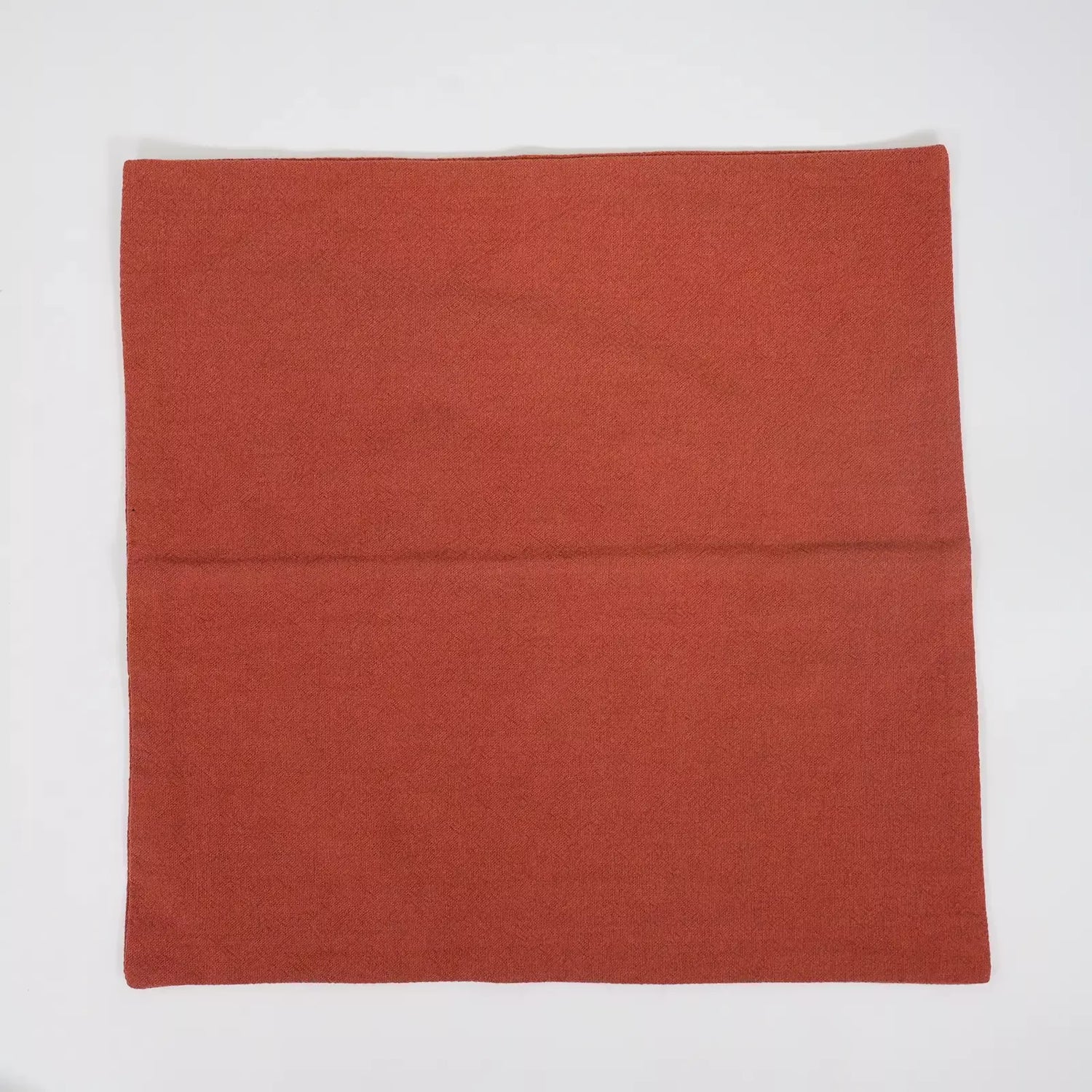
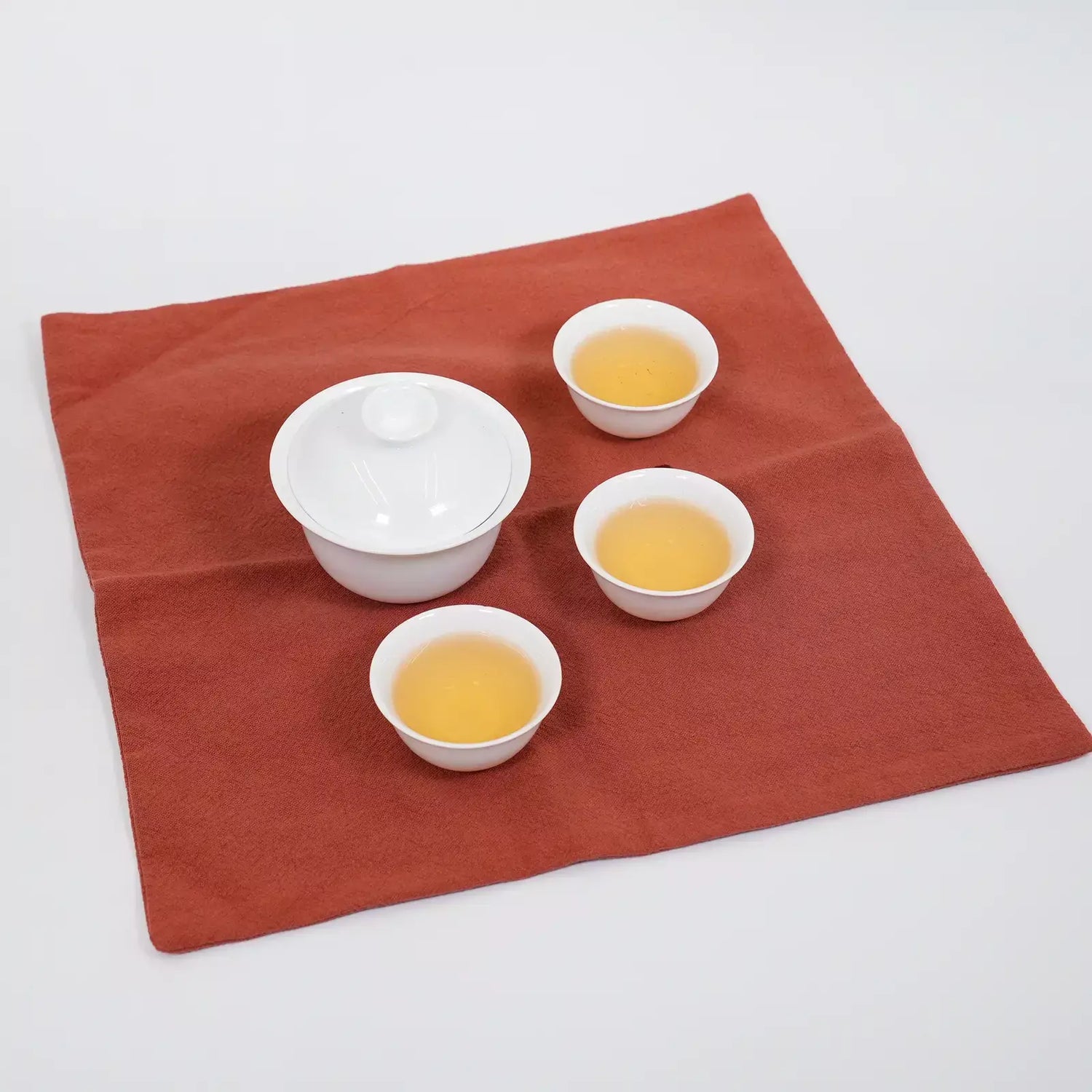
The tea towel, usually square or rectangular, is an important cleaning tool during tea preparation. It is used to wipe the teapot, teacups, or any water stains on the tea mat, keeping the tea space neat and graceful.
We offer a variety of styles and colors for both tea mats and tea towels. Each design, whether hand painted or hand embroidered, is carefully crafted with attention to detail.
Sizes:
Hand painted Tea Mat, Lotus Pod Design: 49 x 29 cm
Hand painted Tea Mat, Butterfly & Flower Design: 49 x 29 cm
Hand painted Tea Mat, Free Spirit Landscape Design: 49 x 29 cm
Hand painted Tea Mat, Fish & Lotus Design: 49 x 29 cm
Hand embroidered Tea Mat, Snowflake Design: 20 x 38 cm
Hand embroidered Tea Mat, Lotus Design: 20 x 38 cm
Hand embroidered Tea Mat, Red Fruit Design: 20 x 38 cm
Lotus leaf shaped Tea Mat (Blue, Green, Red):
Irregular shape; maximum diameter 37 cm, minimum diameter 30 cm
Solid Color Tea Towel:
Square: 28 x 28 cm
Rectangular: 38 x 11 cm
*All sizes are measured by hand, and a margin of error of ±1 cm may occur.
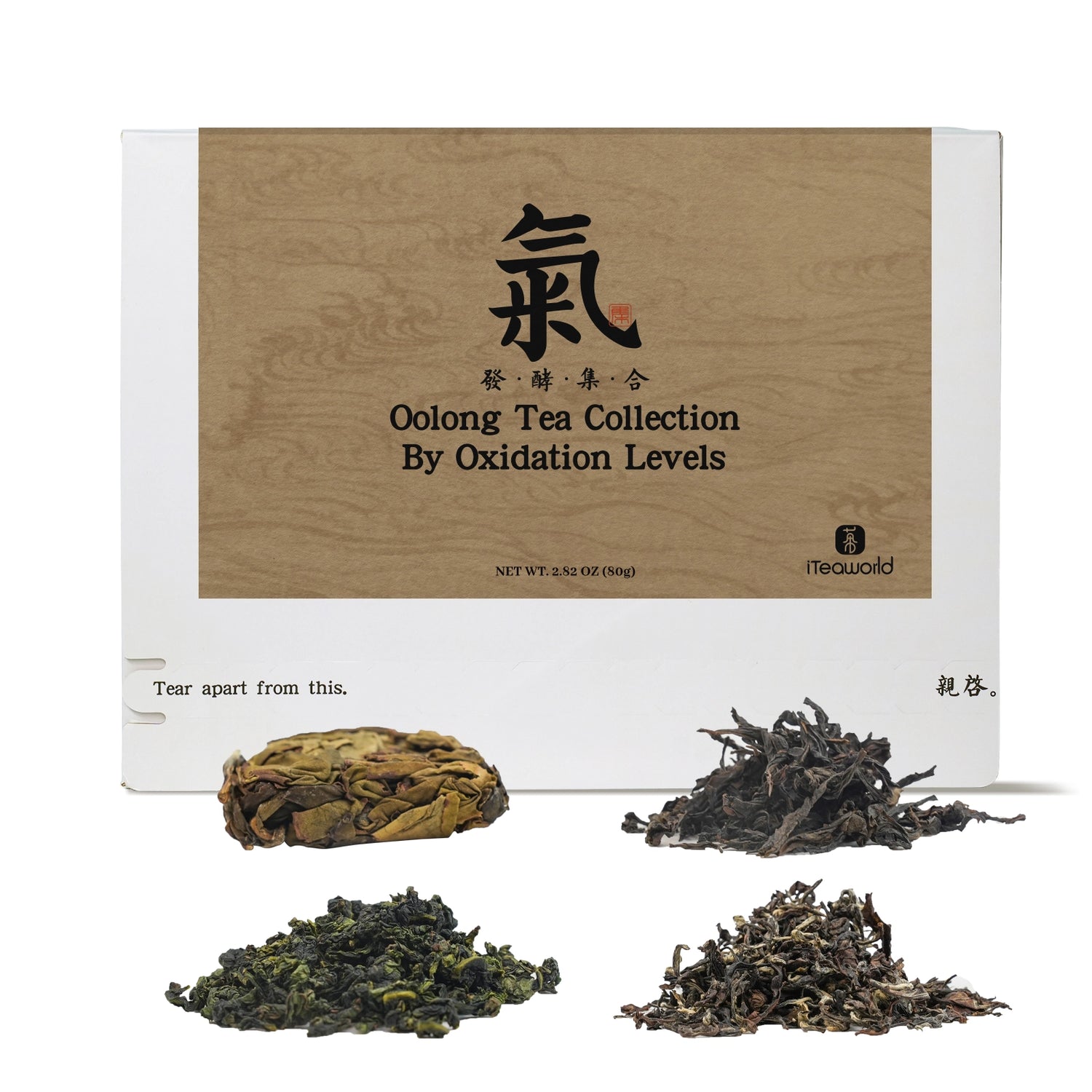
Oolong tea sits between green and black tea, and its character is shaped primarily by oxidation level—a natural process that transforms aroma, flavor, and texture.
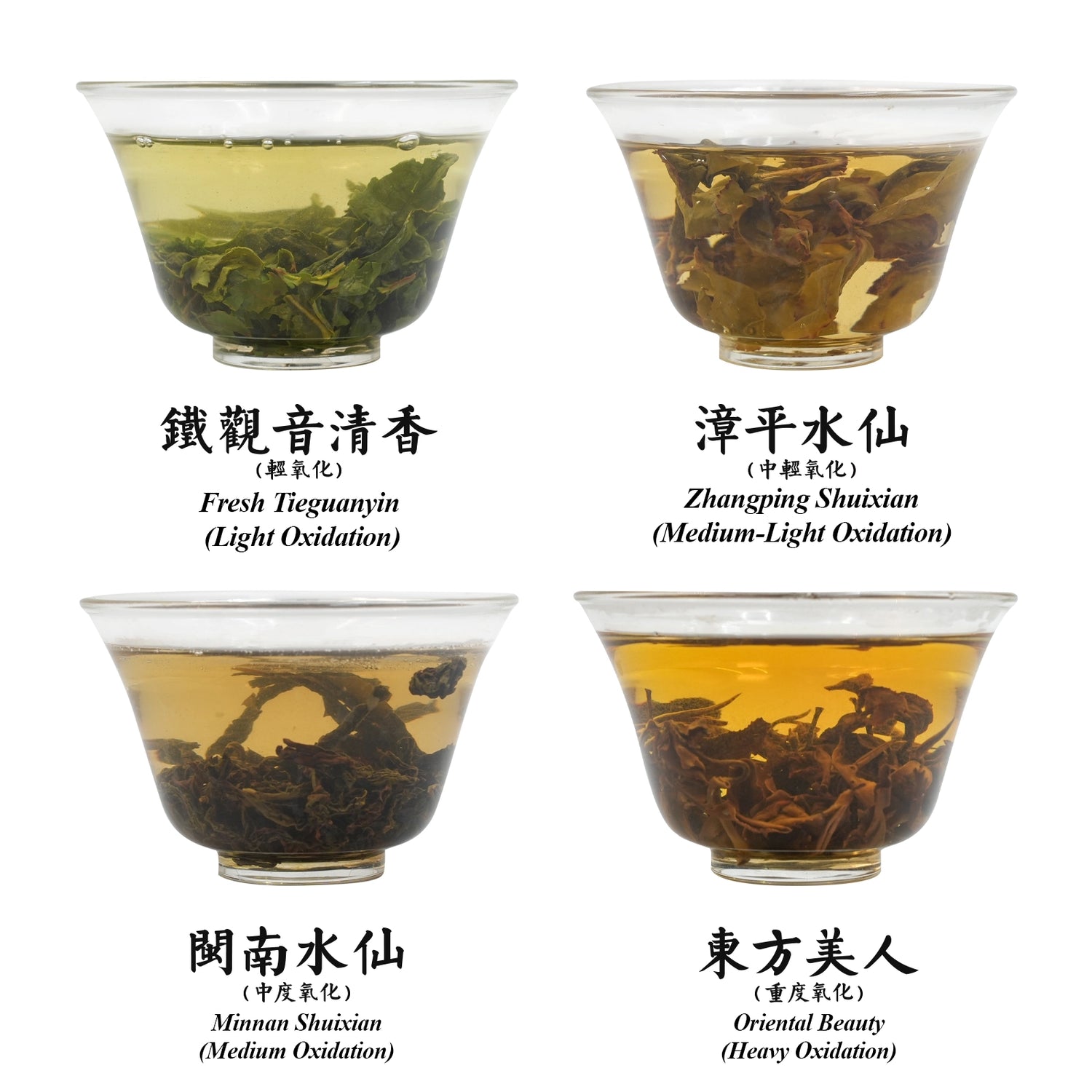
This collection explores how oxidation changes the same tea category across four iconic oolongs from Fujian and Guangdong. Each tea represents a different stage of oxidation, from light and floral to rich and fully developed.
Lightly oxidized teas like Tieguanyin highlight fresh floral and fruity notes. Medium oxidation brings balance and complexity. Higher oxidation develops deeper fruit, honey, and roasted characteristics, culminating in the rich, aromatic profile of Oriental Beauty.
Rather than a single style of tea, this set offers a guided tasting experience that reveals how oxidation defines the core identity of oolong tea.
Taste them side by side and discover how natural enzymatic change shape flavor from light to deep.


Recommended Purchase :
This Tie Guan Yin Oolong tea, produced between 1990 and 1993, has been stored in a dry warehouse of an old tea factory for over thirty years and kept sealed. It is made from the Tie Guan Yin variety from the famous tea-growing region of Yongchun, Fujian, and was crafted by the state-owned Yongchun Kong Overseas Chinese Tea Factory, established in 1958. This tea is entirely handmade, traditionally roasted over a full fire, and comes in its original packaging. No longer available on the market, its unique "aged aroma," rich sweetness, and smooth texture make it a prized choice for connoisseurs of aged oolong tea.
Key Details about Tieguanyin :
- Production Date:1990-1993
- Grade: First grade
- Tea Cultivar: Tieguanyin
- Craftsmanship: This tea is traditionally roasted with a full fire and moderately oxidized. After over thirty years of natural aging in a dry storage environment, it is sealed in an outer paper box and packaged in an inner kraft paper bag.
- Flavor Highlights: This tea offers a rich, aged aroma with hints of woody notes. The texture is thick and smooth, with a deep, mellow flavor and a long-lasting sweet aftertaste. Its complex profile unfolds in layers, making it a truly refined experience.
What is Tieguanyin Oolong Tea? :
Tieguanyin is one of China's top ten famous teas, a semi-fermented oolong tea primarily produced in Anxi, Fujian. Its unique production process includes sun-withering, shaking, and heating, which gives the leaves a distinctive "green leaf with red edges" appearance. The tea features tightly rolled, sandy-green leaves and a golden, clear brew. It has a rich, lasting aroma with natural orchid or fruity notes, a smooth, refreshing taste, and a sweet aftertaste. Highly resistant to multiple infusions, Tieguanyin is packed with nutrients like polyphenols and amino acids, offering benefits such as boosting alertness, reducing fatigue, cooling the body, and aiding weight loss. A treasured tea and a symbol of Southern Fujian's tea culture, it is widely loved by tea enthusiasts.
Brewing and Enjoyment Tips :
This tea showcases the unique transformation brought by time. The first infusion can be used as a "tea awakening" step to activate the tea's inner qualities, resulting in a richer, smoother texture and a more pronounced sweet aftertaste. For the best experience, we recommend using longer steeping times or boiling methods to fully unlock its aged characteristics.
Recommended Brewing Methods :
-
Gaiwan Brewing
- Capacity:100ml Gaiwan
- Water Temperature:95℃-100℃
- Brewing Times:5-7 times
- Tea Water Ratio:1:15 to 1:25
- Brewing Time Once:10~20 seconds
-
Thermos Brewing
- 1g tea per 100ml (3.4oz) water.
- Use boiling water (212°F).
- Steeping Time: 1-2 hours.
- Tool: Insulated thermos.
-
Boiling Method
- Add 1g tea per 100ml (3.4fl oz) water.
- Boil for 1-2 minutes, then let sit for 2-3 minutes.
- Rebrew by boiling for 3 minutes longer with each steeping.
- Use a ceramic or glass teapot for optimal flavor.
- Enjoy up to 3-4 brews.
Storage Guidelines:
To ensure the best quality of tea, the ideal way to store it is in vacuum-sealed packaging, kept in a cool, dark, and dry place. Avoid exposure to strong odors and air. For sealed storage, using a tin can or a double-lidded metal can is recommended. For even better results, you can store the sealed tea in the refrigerator or a dry storage container.
Weight & Packaging
- Weight:3.5oz (100g)
- Packing Type : Sealed paper box with cowhide bag packaging inside
About Yongchun Beikeng Overseas Chinese Tea Factory:
Established in 1958, the state-owned Fujian Yongchun Beikeng Overseas Chinese Tea Factory carries a rich history and cultural heritage of tea production. At its peak, the factory was a bustling hub of innovation and craftsmanship, employing over 1,000 tea workers and producing millions of pounds of tea annually. Its teas, including Tieguanyin, were exported to Hong Kong, Taiwan, Japan, and Southeast Asia, earning widespread acclaim and becoming a shining symbol of Fujian's tea culture.
However, by the 1990s, the factory fell into decline, and its once-vibrant grounds grew quiet. Unable to bear seeing his life's work fade away, the veteran factory director, Huang Shenghou, took over after its privatization, dedicating himself to reviving the factory and preserving its tea-making legacy.
Today, the factory's aged Tieguanyin not only embodies decades of tea-making expertise but also continues to showcase the timeless charm of Yongchun's Tieguanyin. The story of the Fujian Yongchun Beikeng Overseas Chinese Tea Factory reflects the dedication and innovation of generations of tea artisans, and its aged Tieguanyin carries forward this remarkable legacy.
Recommended Purchase
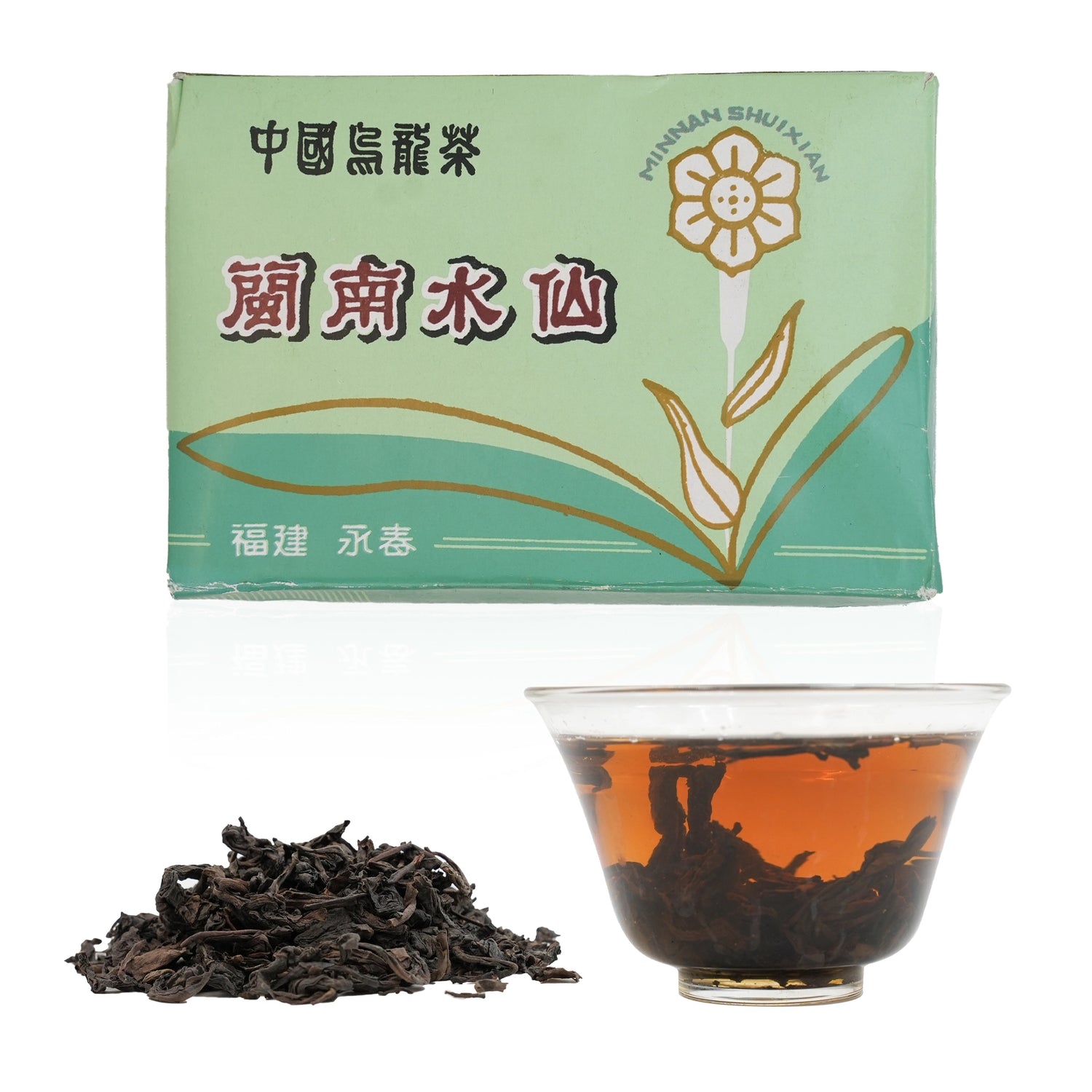
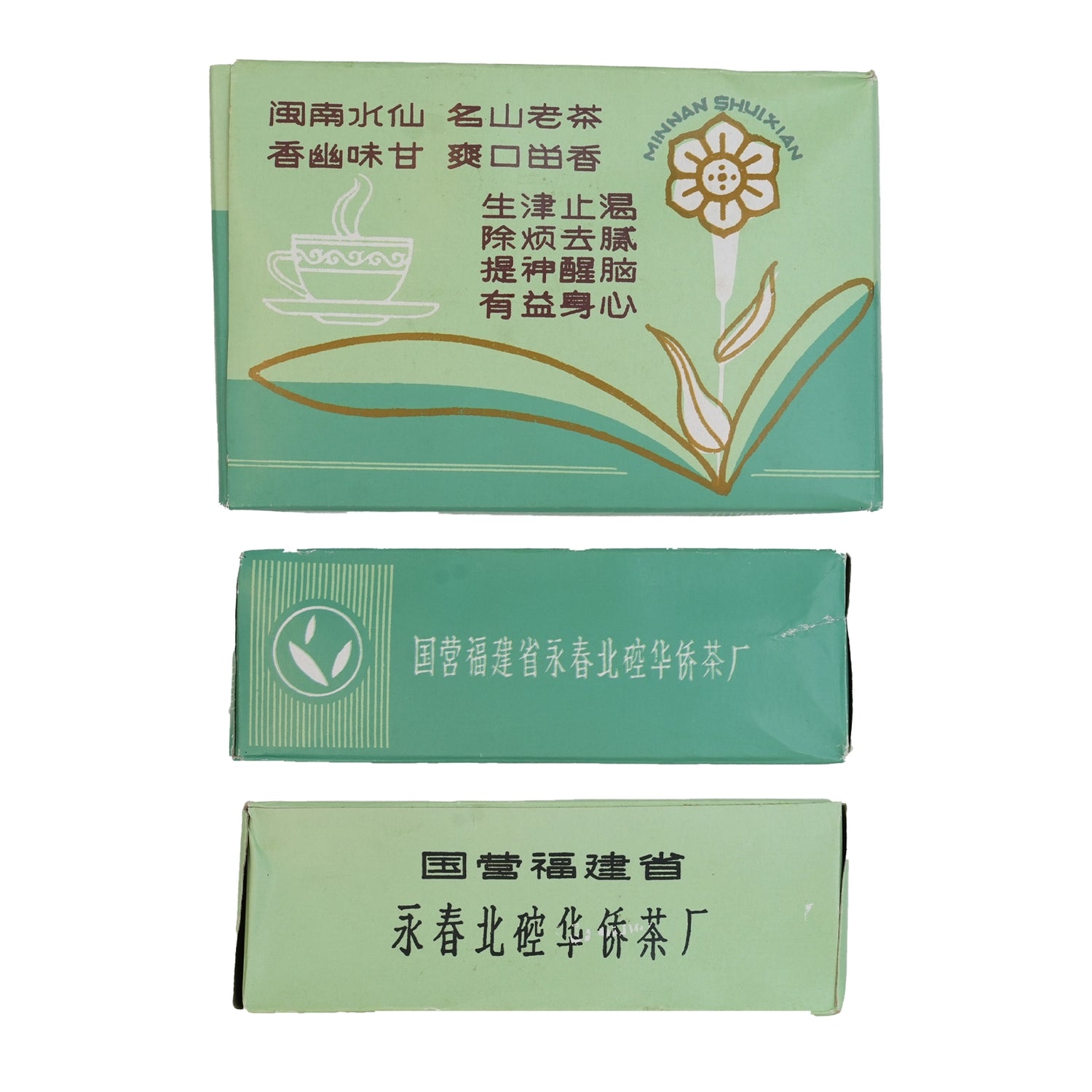
This 1993 Aged Min Nan Shui Xian Oolong Tea is crafted from the Shui Xian tea cultivar, grown in Fujian, China. Produced by the renowned Yongchun Beikeng Overseas Chinese Tea Factory, which was established in 1917. This tea has been naturally aged in dry storage for 33 years, developing a unique blend of sweet aged aroma and medicinal fragrance. With a smooth, thick mouthfeel and a lingering sweetness, it is ideal for those who appreciate the depth of aged teas. The traditional high-temperature roasting and medium oxidation enhance its warming characteristics. This product is in its original packaging and is no longer in circulation on the market.
Key Details about 1993 Aged Min Nan Shui Xian
Origin: Yongchun, Fujian Province, China
Production Date: 1993
Grade: Second Grade
Tea Cultivar: Shui Xian
Craftsmanship: Traditional high-fire roasting, medium oxidation, light rolling
Flavor Highlights: Sweet aged aroma with medicinal fragrance, thick and smooth taste, long-lasting aftertaste
Storage: Naturally dry-aged, sealed packaging for optimal preservation
What is Min Nan Shui Xian Oolong Tea?
Min Nan Shui Xian is a Southern Fujian-style Oolong tea, known for its rich fragrance, mellow body, and lasting sweetness. Compared to Wuyi Shui Xian, it undergoes less oxidation, resulting in a softer and smoother profile. After decades of aging, this 1993 batch has developed an aged sweetness, medicinal notes, and a thick, velvety texture, making it a highly sought-after selection among aged tea connoisseurs.
Recommended Brewing Methods:
Gaiwan Brewing:
100ml Gaiwan
95℃-100℃
5-7 times
1:15 to 1:25
10~20 seconds
Thermos Brewing :
1g tea per 100ml (3.4oz) water.
Use boiling water (212°F).
Steeping Time: 1-2 hours.
Tool: Insulated thermos.
Boiling Method :
Add 1g tea per 100ml (3.4oz) water.
Boil for 1-2 minutes, then let sit for 2-3 minutes.
Rebrew by boiling 3 minutes longer with each steeping.
Use a ceramic or glass teapot for optimal flavor.
Enjoy up to 3-4 brews.
Storage Guidelines
Store this tea in a dry, cool environment with a humidity level below 45% and temperature below 25°C (77°F). Keep it away from strong odors, light, and air exposure. Proper storage ensures the tea retains its flavor and continues to age gracefully over time.
Weight & Packaging
Net Weight: 100g (3.5oz)
Packing Type: Original sealed paper box with inner aluminum foil bag
About Yongchun Beikeng Overseas Chinese Tea Factory
Founded in 1917, the Yongchun Beikeng Tea Factory has a rich history of producing high-quality teas. Once a bustling hub of innovation and craftsmanship, the factory was home to over 1,000 tea workers at its peak, producing millions of pounds of tea annually. The factory's products, including Min Nan Shui Xian, were highly sought after in Hong Kong, Taiwan, Japan, and Southeast Asia.
Just as many state-owned old factories have experienced ups and downs, in the 1990s, the tea factory once fell into a slump, and the once bustling factory area gradually became desolate. The former factory director, Huang Shenghou, who had created its greatest glory and witnessed its decline, couldn't bear to see it and took over the factory personally after its privatization.
Today, this aged Min Nan Shui Xian Oolong tea stands as a flavorful tribute to the factory's storied past and the enduring legacy of traditional Chinese tea-making.


These teacup and teapot bag sets are specially designed to protect your teaware. Each bag is lined with soft padding that provides full cushioning and protection for teapots and cups, preventing damage from accidental bumps during handling or storage.
The sets can easily store a complete compact tea set (teapot and cups), with separate compartments for each piece to keep them secure and organized.
Available in multiple designs, these teaware bags are perfect for both home storage and travel, offering reliable protection for your favorite teapot or teacup wherever you go.
Sizes:
Round base diameter 15 cm × height 11.5 cm
*All sizes are measured by hand, and a margin of error of ±1 cm may occur.
Tea Towel for Gongfu Tea Ceremony – Soft Cloth for Teapot and Teacup Cleaning
From $6.99 USD
Unit price perTea Towel for Gongfu Tea Ceremony – Soft Cloth for Teapot and Teacup Cleaning
From $6.99 USD
Unit price perThe tea towel, usually square or rectangular, is an important cleaning tool during tea preparation. It’s used to wipe the teapot, teacups, or any water stains on the tea mat, keeping the tea space neat and graceful.
Sizes:
Solid Color Tea Towel:
Square: 28 × 28 cm
Rectangular: 38 × 11 cm
*All sizes are measured by hand, and a margin of error of ±1 cm may occur.
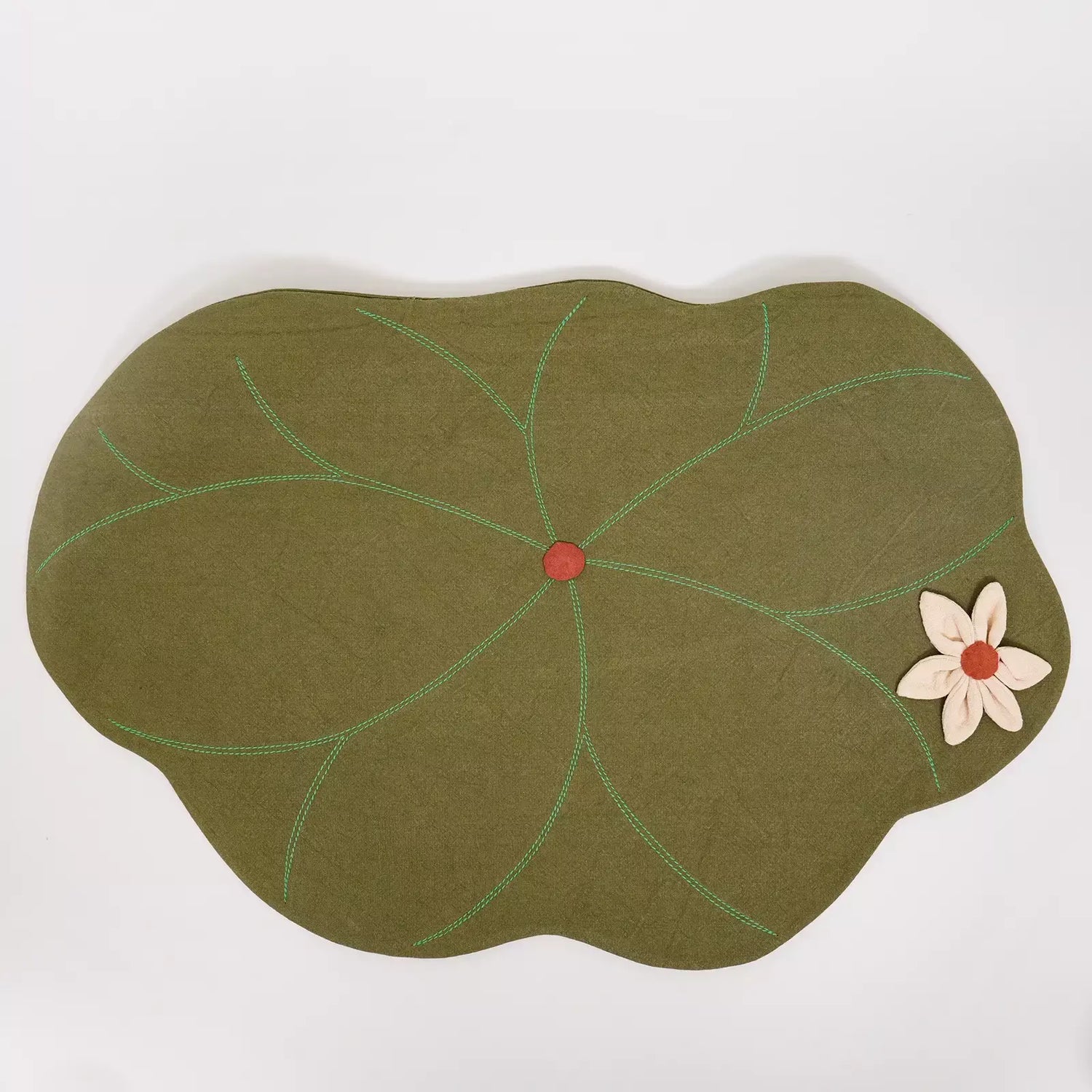
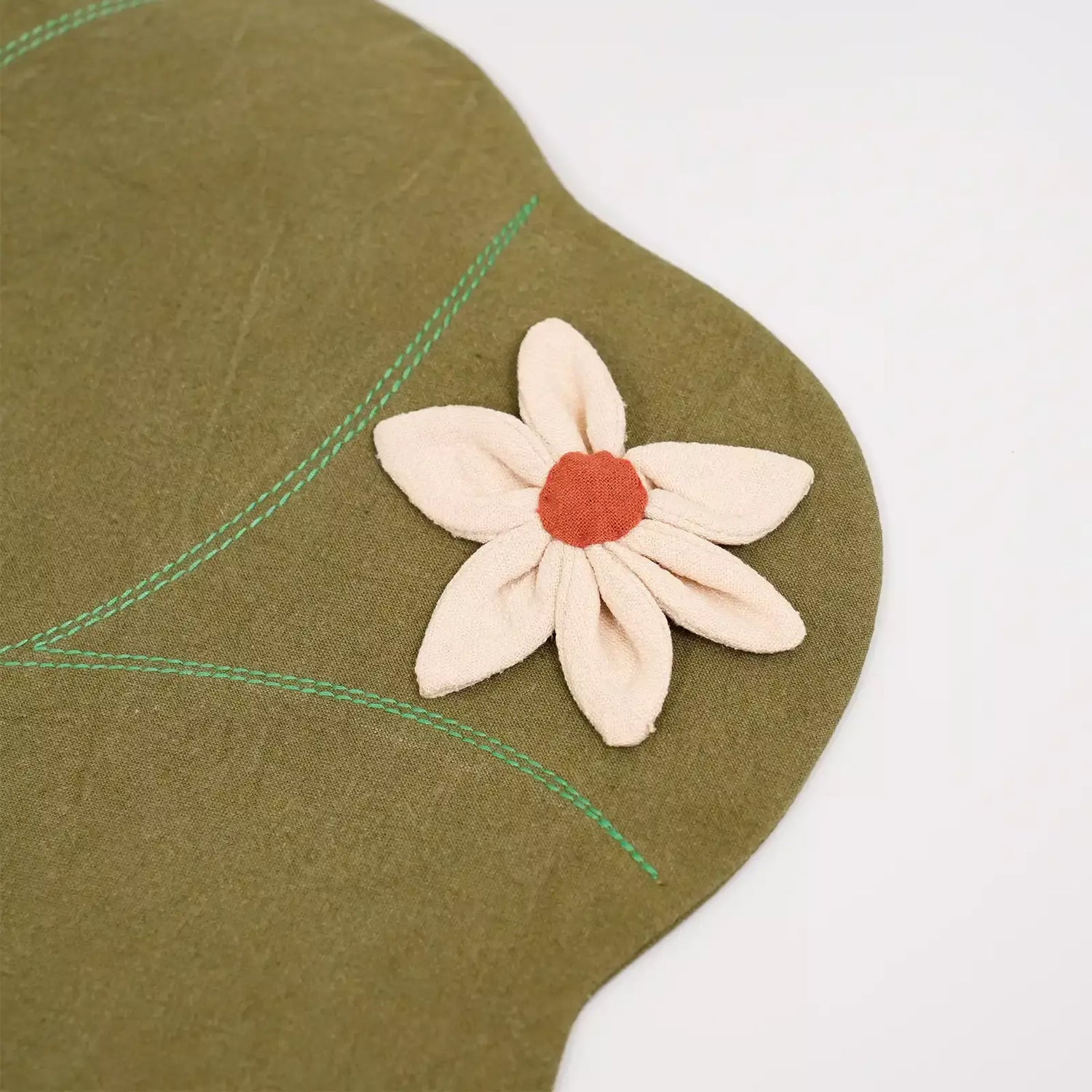
As an essential decoration on the tea table, a tea mat helps organize teaware such as teapots and cups, bringing them together into a harmonious setting. It sets the tone for the tea experience—whether tranquil, elegant, or lively. Placed on the table, it also helps prevent direct contact between teaware and the surface, offering cushioning and anti-slip protection.
The tea towel, usually square or rectangular, is an important cleaning tool during tea preparation. It’s used to wipe the teapot, teacups, or any water stains on the tea mat, keeping the tea space neat and graceful
We offer a variety of styles and colors for both tea mats and tea towels. Each design—whether hand-painted or hand-embroidered—is carefully crafted with attention to detail.
Sizes:
Lotus Leaf-Shaped Tea Mat (Blue, Green, Red): Irregular shape, max diameter 37 cm, min diameter 30 cm
*All sizes are measured by hand, and a margin of error of ±1 cm may occur.


Introduction:
This Anhua Dark Tea is meticulously selected from the autumn harvest of 2021. Plucked from wild tea gardens in Anhua County, Hunan Province, it adheres to the plucking standard of one bud and three leaves. Recognized by the global tea and medical communities as one of the healthiest beverages of the 21st century, this tea exudes a unique pine smoke aroma when brewed, offering a pure, mellow, and sweet taste with a lasting aftertaste.
Reasons to Recommend:
- Special Processing Technique: Anhua Dark Tea undergoes a unique "wet piling" (wo dui) process twice—once during the initial processing of raw tea and again during the final product processing. This process utilizes the temperature and humidity of the tea leaves after fixation, allowing microorganisms in the air to interact with the leaves, resulting in the transformation of the tea's internal compounds.
- Premium Quality: This Anhua Dark Tea (Tianjian) is considered the finest variety available on the market and was historically treasured as a tribute tea for emperors.
- Unique Aroma: A special step in the production of Anhua Dark Tea is the "Seven Star Stove" roasting. During this process, pine wood is burned beneath the stove, and the pine smoke is channeled into the tea leaves, infusing them with a distinctive pine smoke aroma while drying.
Oxidation Level: Wet piling fermentation
Roasting Level: Seven Star Stove pine smoke roasting
Tea Garden Soil: Weathered slate soil
Processing Time: 2021
Best Before Date: Suitable for long-term storage
Tea Variety: Anhua Group Variety
Recommended Purchase
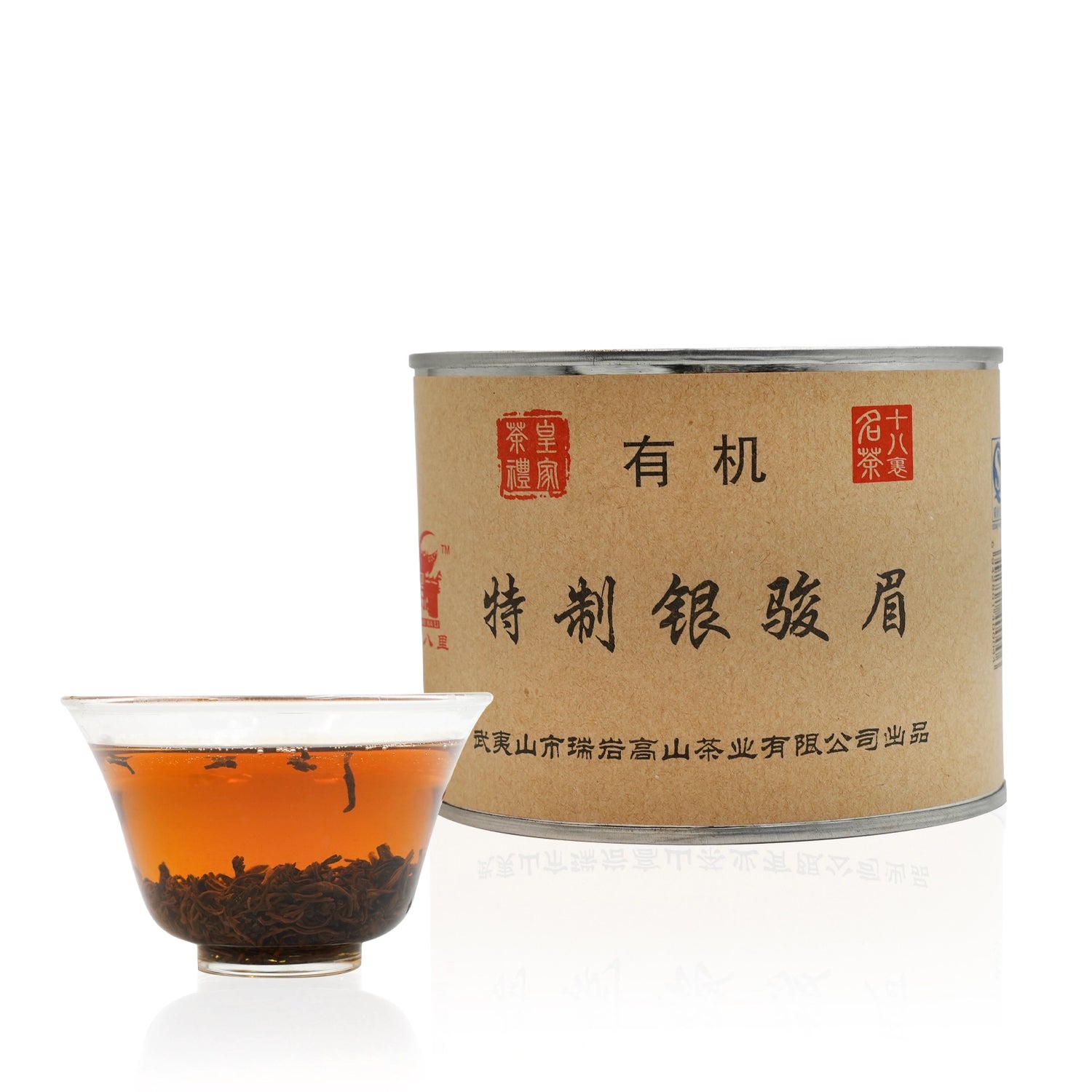
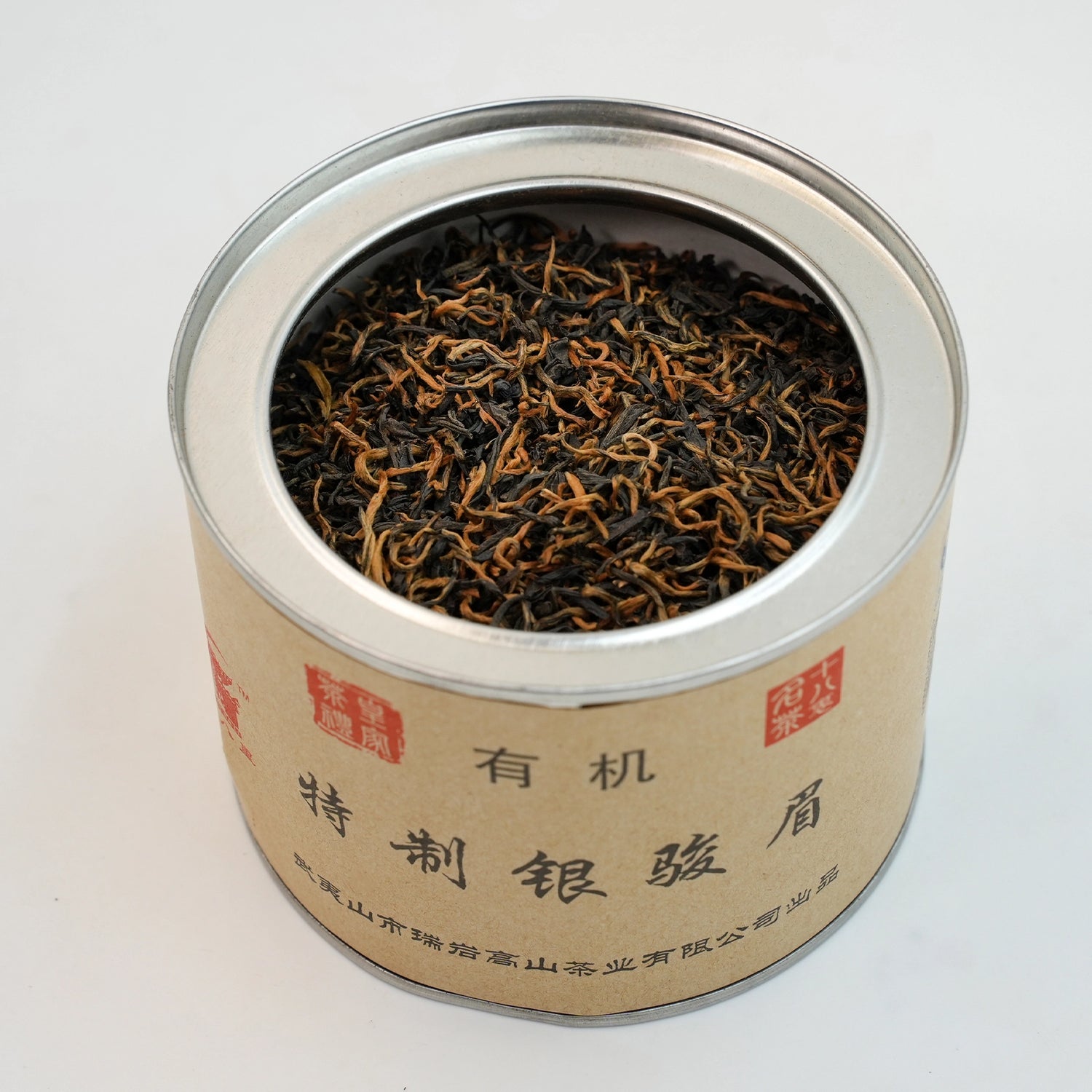
This Organic Silver Junmei, produced in 2007 and aged for 18 years in a sealed dry northern warehouse, is crafted from local group varietals harvested in Tongmu Village, a primary tea-growing area in Wuyi Mountain. It is produced by Wuyishan Ruiyan High Mountain Tea Co., Ltd. The tea is made from carefully selected tender buds using the traditional handmade techniques of Lapsang Souchong, ensuring the tea leaves remain intact and well-preserved. This tea is no longer available on the market.
The tea offers a long-lasting floral aroma, a rich, refreshing flavor, and a high sweetness. While it is in a transitional aging phase and may have a slightly tangy note, it remains an excellent choice for drinking and a treasured item for collectors.
Key Details about Organic Silver Junmei black tea
- Origin:Mount Wuyi, Fujian, China
- Production Date:2007
- Grade: special grade
- Tea Cultivar:Tongmu Village Local Group Varietals
- Craftsmanship:Silver Junmei is meticulously crafted using one bud and one leaf, following the traditional handmade techniques of Lapsang Souchong. The process includes picking, withering, rolling, fermenting, and drying, with a strong emphasis on precision and care. The tea is then naturally aged in a dry storage environment for 18 years, allowing it to develop its unique character and depth.
- Flavor Highlights:The tea offers a long-lasting floral aroma, a rich, refreshing flavor, and a high sweetness, though it may have a slight tanginess due to its transitional aging phase.
What is Silver Junmei black tea ?
Silver Junmei, born in 2005, is a premium-grade masterpiece among Lapsang Souchong black teas, often referred to alongside Golden Junmei as the "Twin Jewels of Black Tea." Sourced from wild tea trees growing at 1500-1800 meters above sea level in Wuyi Mountain, it is made exclusively from one bud and one leaf plucked before Grain Rain (Guyu). It takes 50,000 tender buds to produce just one pound of tea, making the raw material as rare as gold.
Crafted using traditional handmade techniques without smoking or sifting, the tea leaves are tight, slender, and eyebrow-shaped, with a silvery-gray hue and subtle golden tips. The aroma is elegant and refined, with notes of flowers and fruits. When brewed, the liquor is golden and translucent, offering a fresh, mellow, and sweet flavor with a harmonious blend of honeyed sweetness and longan aroma. The brewed leaves are even and coppery, and the tea remains flavorful even after ten infusions.
Due to its demanding production process and limited yield, Silver Junmei embodies both the wild essence of nature and the precision of masterful craftsmanship.
Brewing and Enjoyment Tips
This tea embodies the unique transformation brought by time. For the first rinse, use boiling water to quickly wash the tea leaves for no more than 5 seconds, then discard the water. This step helps awaken the tea and remove any storage-related odors. For the best experience, it is recommended to use traditional brewing methods to fully release its aged characteristics.
Recommended Brewing Methods
Gaiwan Brewing :
- Capacity:110ml Gaiwan
- Water:Mineral Water or Purified Water
- Water Temperature:95-100℃
- Brewing Times:8-10 times
- Tea Water Ratio:Around 1:22(Adjust according to your own taste)
- Brewing Time Once:For the first three infusions, steep the tea for 5-10 seconds and pour out immediately. For each subsequent infusion, increase the steeping time by 5 seconds.
Storage Guidelines
To ensure the best quality of tea, the ideal way to store it is in vacuum-sealed packaging, kept in a cool, dark, and dry place. Avoid exposure to strong odors and air. For sealed storage, using a tin can or a double-lidded metal can is recommended. For even better results, you can store the sealed tea in the refrigerator or a dry storage container.
Weight & Packaging:
Weight : 100g (3.5oz)
Packing Type : Original canned seal


Sweet Tea, also known as Yao Tea, is a naturally sweet, caffeine-free herbal tea made from the young leaves of Lithocarpus litseifolius, a unique plant native to southern China. It has been enjoyed for generations in the mountain regions of Hunan.
What makes this tea special is its natural sweetness. The young leaves are rich in naturally sweet compounds called dihydrochalcones, which give the tea its distinctive sweet taste without added sugar. The leaves are processed using a black tea-style oxidation method, making the tea smoother and more mellow, with a light herbal aroma and a flavor reminiscent of black tea.
The tea has a clear, sweet taste with a smooth finish, and its sweetness remains noticeable even after multiple infusions. Naturally caffeine-free, it is a great choice for tea lovers who enjoy a naturally sweet tea and want something comforting to drink at any time of day, including in the evening.


Chinese Tea Starter Set is designed for anyone new to Chinese tea. Guided by our Flavor Discovery System, it features four iconic teas that represent the most distinct flavor profiles in Chinese tea.
From Fresh & Refreshing(Longjing) and Floral & Fruity (Mi Lan Xiang Dancong) to Roasted & Rich (Da Hong Pao) and Smooth & Mellow (2003 Ripe Pu-erh), each tea offers a different tasting experience.
Discover your favorite flavor, gain confidence in exploring loose-leaf tea, and begin your journey into the world of Chinese tea.
Recently viewed products
Shop with Confidence at iTeaworld

30-Day Return & Satisfaction Policy
Not satisfied? Get a refund within 15 days for taste concerns, or return unopened products within 30 days.

Free tea samples with tea order
Buy 1 get 1 sample. Buy 2 get 2. Buy 3+ get 3 free sample