
Sort by:
71 products
71 products
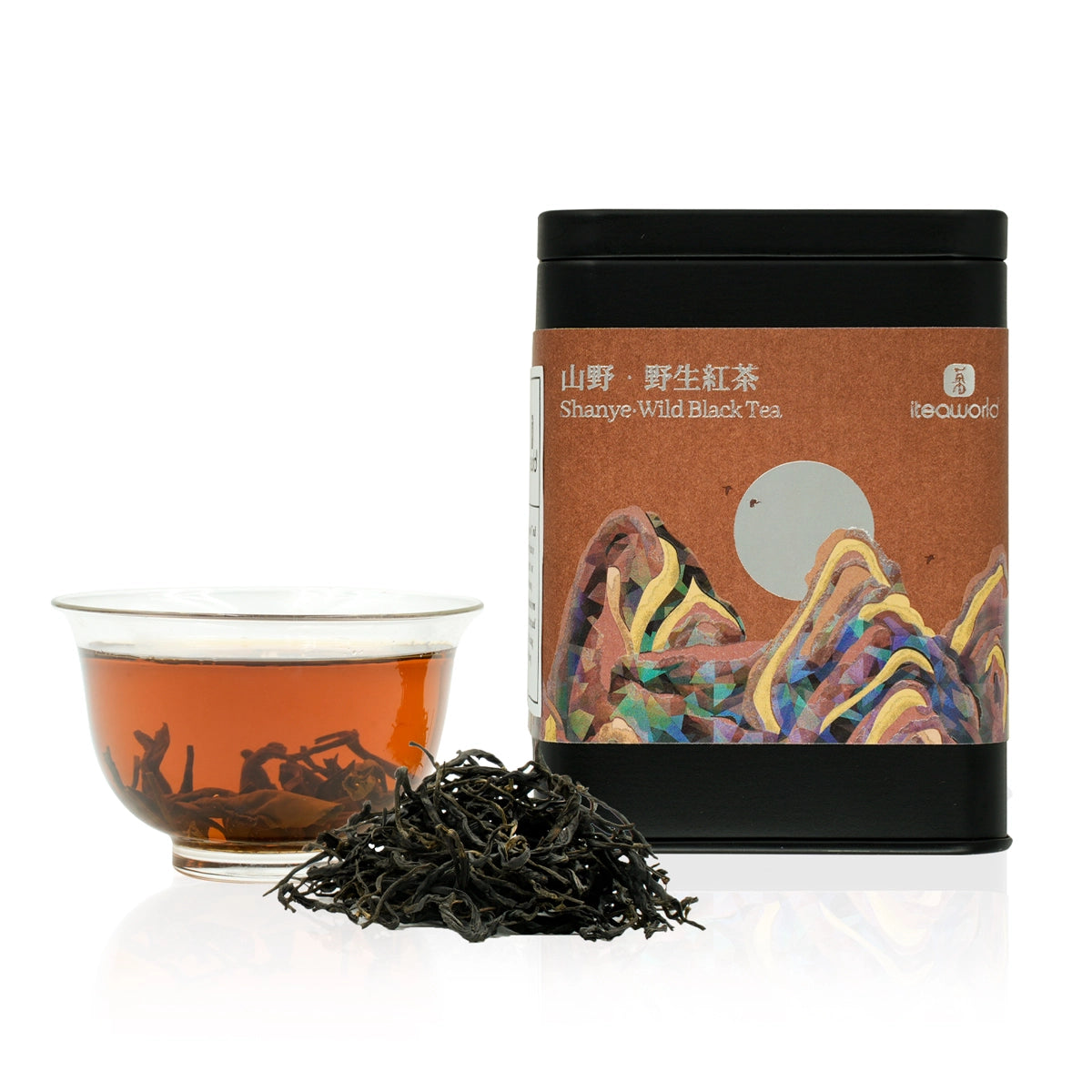
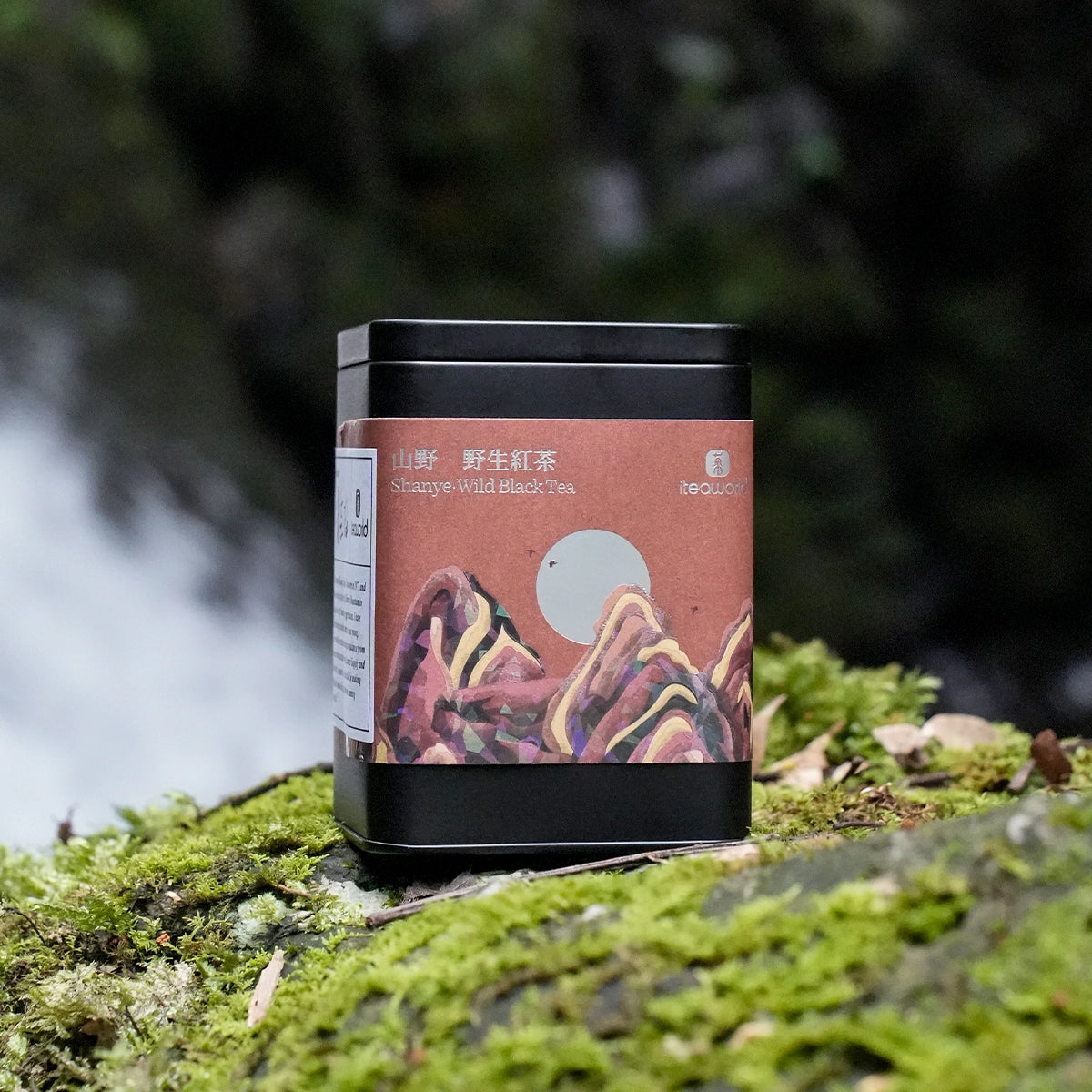
Wild Black Tea
Untouched Nature: Grown wild at 900m altitude in the lush Da Ming Mountain range. This tea thrives in a pristine ecosystem without chemical fertilizers or pesticides. To preserve its concentrated energy, we only harvest once a year in spring.
The Craft: Processed using the traditional Lapsang Souchong technique (unsmoked). This method highlights the tea's natural wild character without the distraction of smoke.
Flavor Profile: A brilliant orange-yellow liquor with a prominent "golden ring." It features a rich, unique floral bouquet and a refreshing, honey-like sweetness that lingers on the palate.
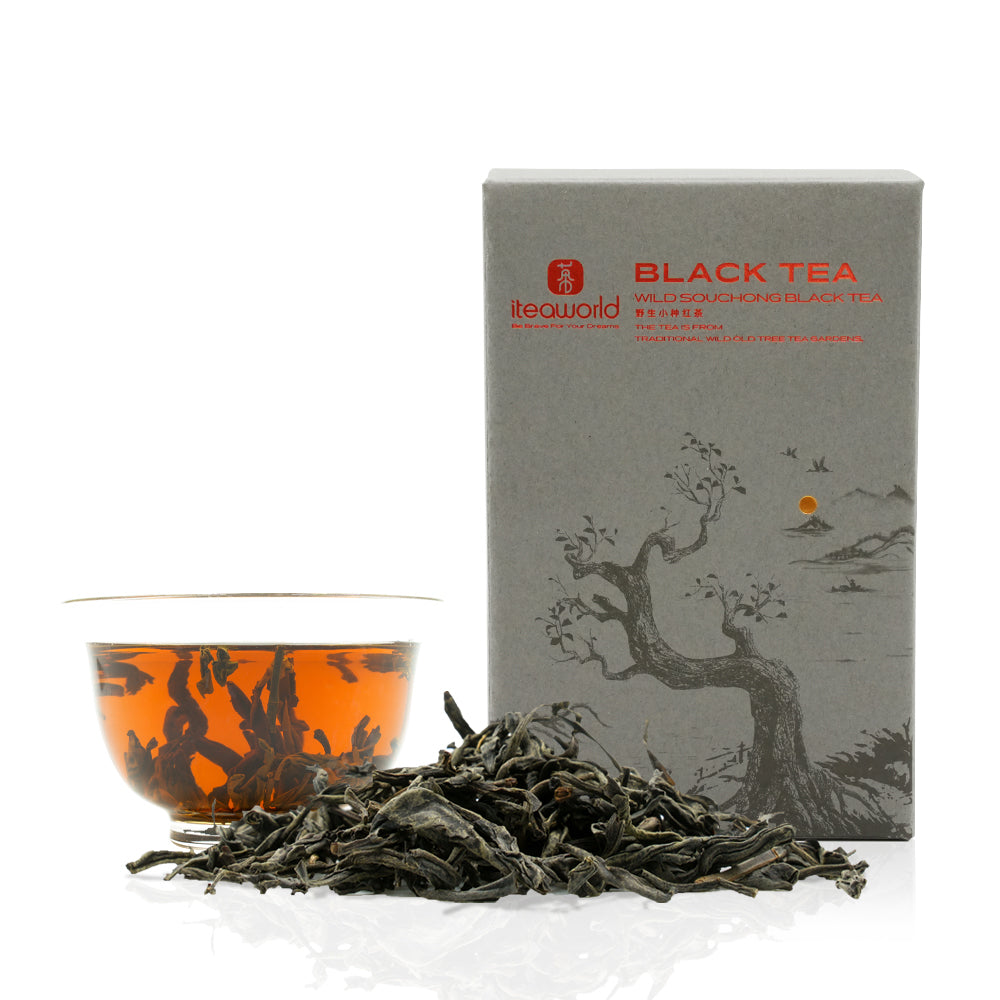
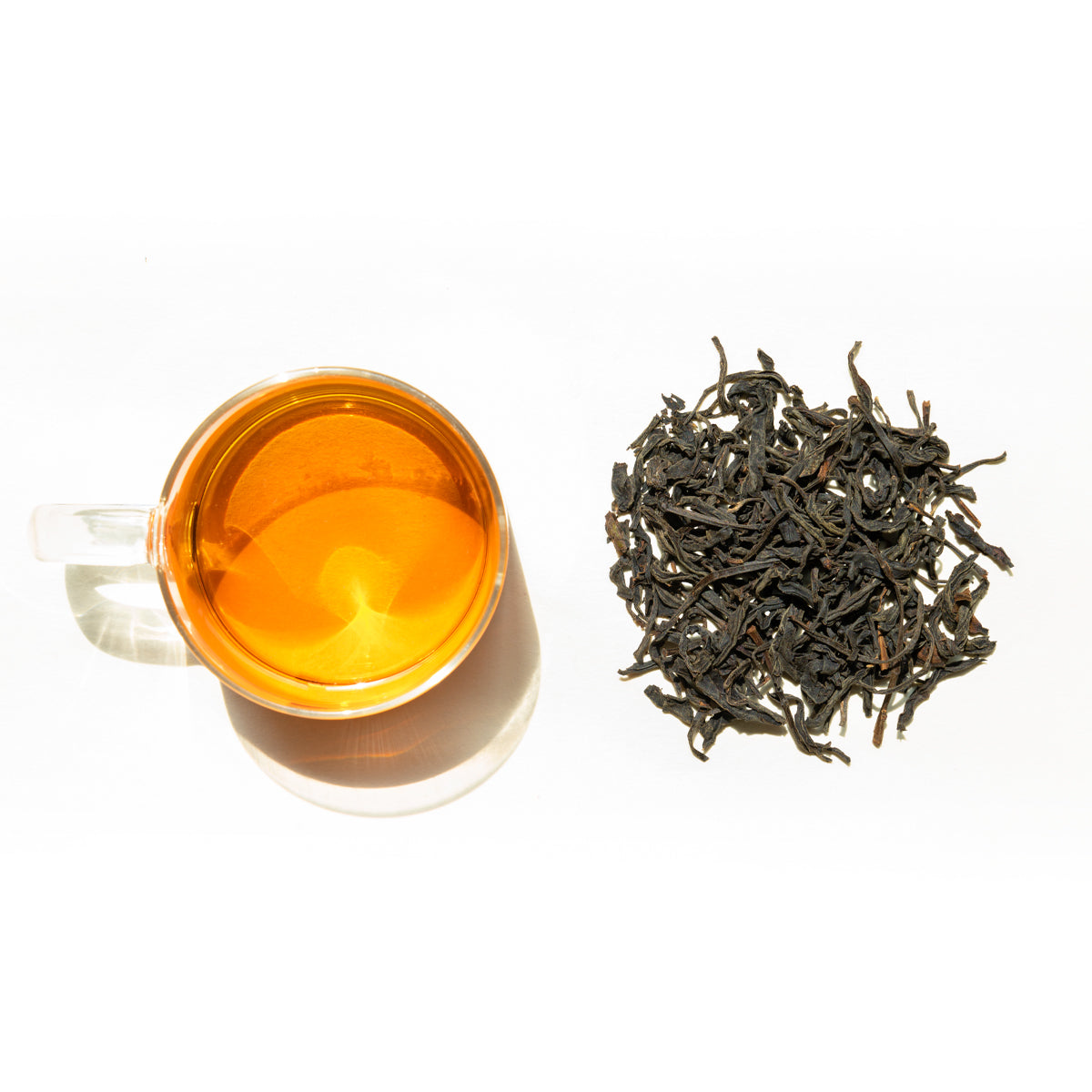
Wild Souchong Black Tea is a distinctive black tea made from wild tea leaves collected from the mountain forests of Guangxi, China. Inspired by the traditional craftsmanship of Lapsang Souchong, this tea brings the character of one of China’s earliest black teas into a lighter, more natural expression shaped by wild-grown tea trees.
Lapsang Souchong has a history of over 400 years and is widely regarded as one of the earliest styles of Chinese black tea. Traditionally associated with pine-smoked tea, it is known for its bold character and distinctive smoky aroma. This Wild Souchong takes inspiration from the traditional style while allowing the natural character of the wild leaves to come forward.
The tea opens with a clean, gentle aroma, followed by delicate notes of dried fruit, wood, and a light, natural sweetness. Its liquor is smooth and refreshing rather than heavy, with a subtle sweetness that gradually lingers on the palate. The finish is clean and clear, revealing the distinctive mountain character of wild tea leaves.
A lighter take on Souchong—naturally sweet, smooth.
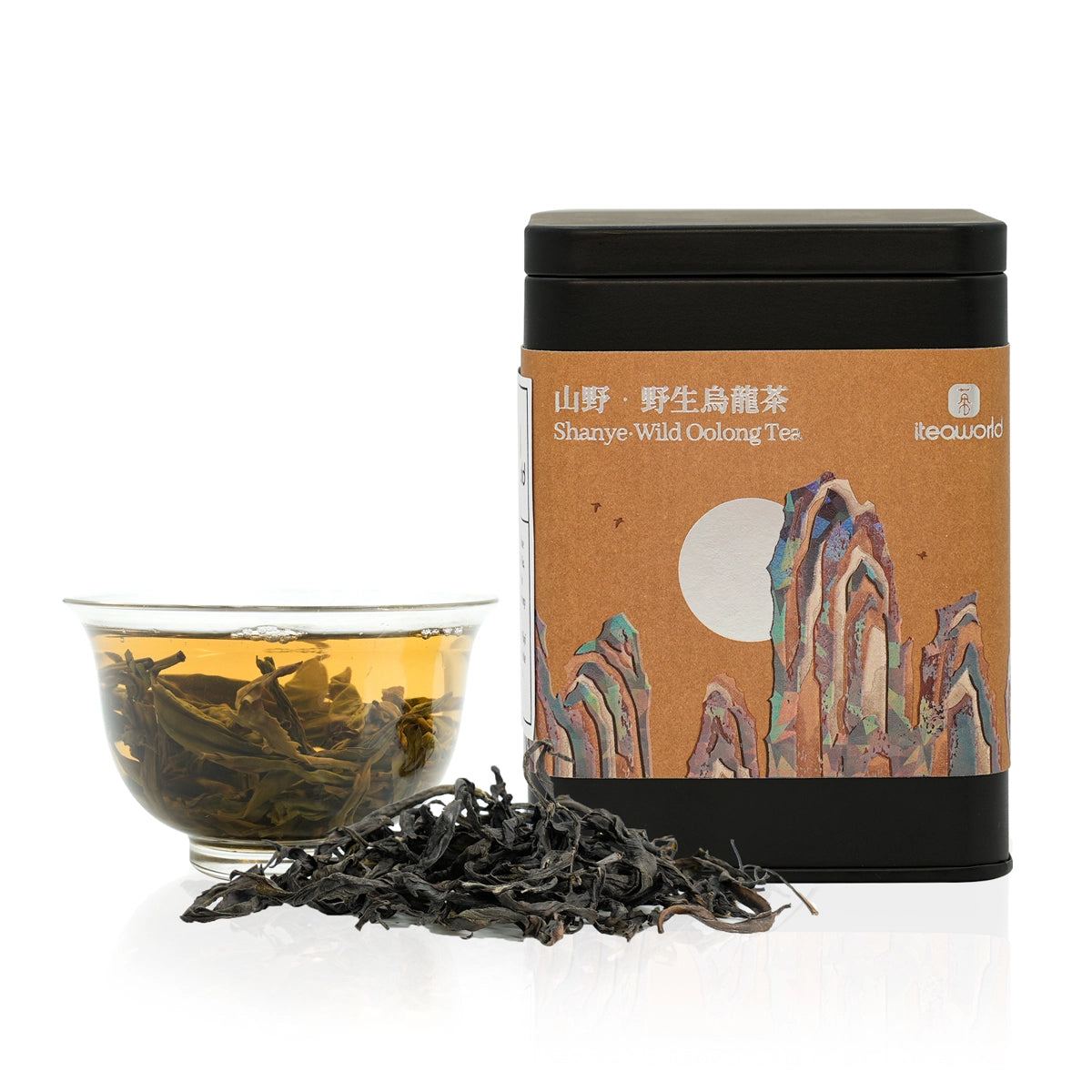
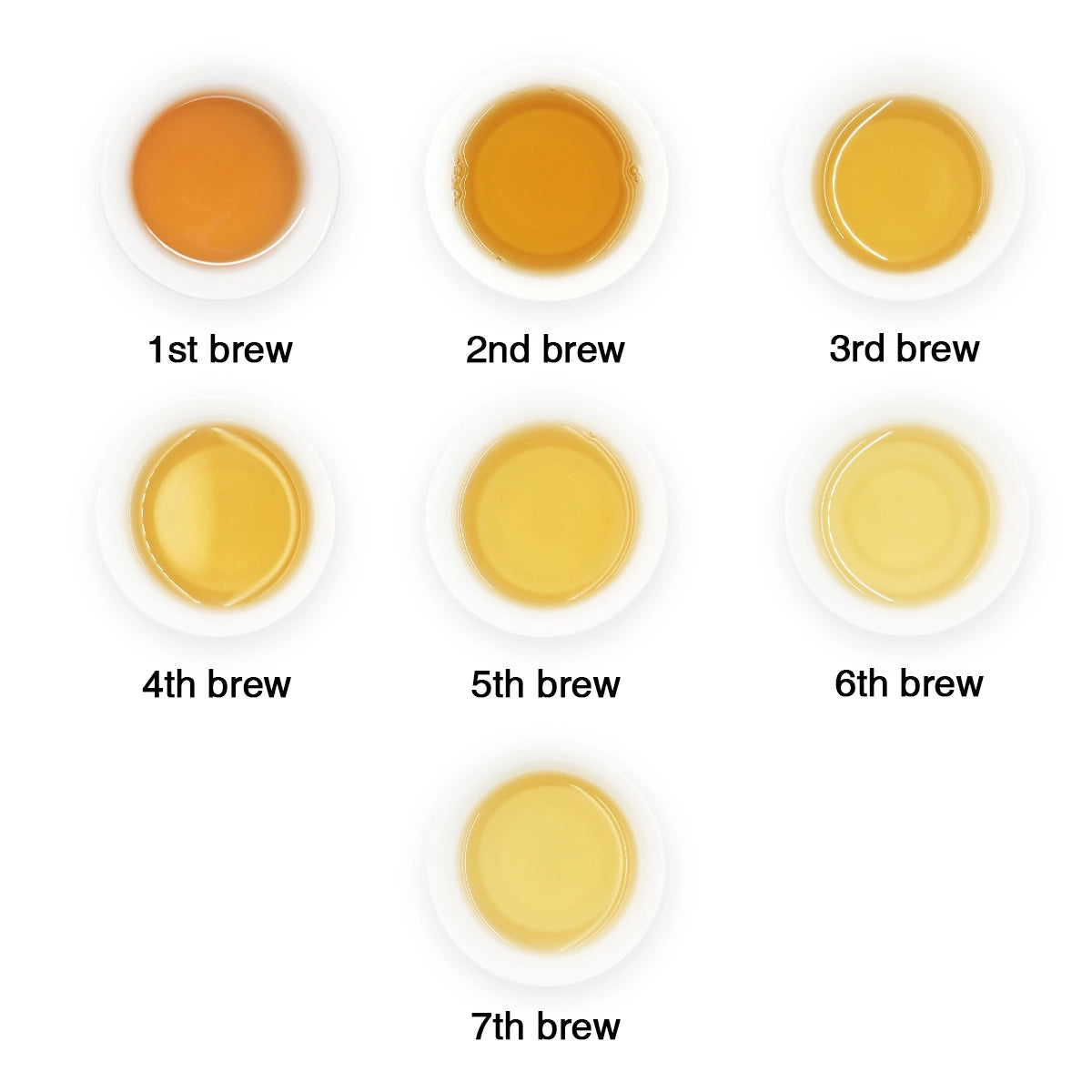
Discover a tea shaped by nature alone. Grown wild in the remote mountains of Guangxi, this Oolong thrives without fertilizers or pesticides, capturing the raw energy of the high-altitude ecosystem.
-
Wild-Grown: 1,000m altitude, harvested only in spring.
-
Masterfully Roasted: Crafted with Wuyi Rock Tea techniques for a rich, multi-layered bouquet of flowers and ripe fruit.
-
The Perfect Pour: A radiant orange-red liquor with a silky mouthfeel and a lingering, sweet finish.


Shui Xian is one of the most classic Wuyi rock oolongs, traditionally prized in China for its rich, smooth, and mellow character.
This premium Wuyi Shui Xian offers delicate orchid florals layered with gentle woody notes. The tea liquor is smooth, full-bodied, and comforting, gradually revealing subtle forest-like freshness and a light mineral texture through multiple infusions.
Crafted from a Ban Yan area within the Wuyi region, this tea presents a softer and more approachable expression compared with intensely rocky Zheng Yan teas, while still retaining the roasted depth and gentle mineral character that define traditional Wuyi oolong.
An excellent choice for drinkers looking to explore Wuyi rock tea through a balanced, smooth, and less aggressive style.


This Winter harvest Ya Shi Xiang Dancong offers a uniquely soft and refreshing floral profile with a clean, cooling character rarely found in traditional Dancong teas. The tea liquor is smooth, silky, and naturally sweet, delivering a gentle honeyed finish with an elegant winter-like freshness.
Harvested during the late autumn to early winter season in Dapu, Guangdong, this special “winter harvest” style develops a lighter, purer, and more delicate expression compared with typical Ya Shi Xiang Dancong. Its aroma feels calmer and cleaner, while the texture becomes softer and more rounded.
Ideal for drinkers who enjoy refined floral oolong teas with a smooth, mellow, and comforting character. Especially suitable for those who prefer cleaner and gentler tea profiles over heavily roasted styles.


Baiya Qilan is a rare oolong variety native to Pinghe County, Fujian. First discovered during the Qing Dynasty, it’s named for its pale buds and strong orchid fragrance. It’s one of Fujian’s top five oolongs, beloved for its unique blend of floral aroma and natural honeyed sweetness.
Our tea is harvested from the high-elevation gardens of Daqin Mountain (around 1000 meters), where misty skies and selenium-rich soil help develop its rich aroma. Each cup offers bright orchid and pomelo notes, with a soft texture and a refreshing, sweet finish.
This is a refined, elegant oolong that appeals to both floral tea lovers and those looking for something rare and naturally sweet.


Daidai Flower Green Tea is a refreshing floral tea that brings together the bright citrus fragrance of Daidai flowers and the delicate sweetness of early spring green tea. Daidai is a traditional citrus blossom from China, known for its unique aroma that combines the freshness of lemon peel with the elegance of orange blossom.
Crafted in Jinhua, Zhejiang, this tea uses tender spring-picked Biluochun green tea as its base, made from young buds and one-bud-one-leaf leaves. Freshly harvested Daidai flowers are carefully used for scenting, adding a natural citrus sweetness that softens the green tea’s fresh character and creates a smoother, more balanced cup.
The first impression is a lively citrus floral aroma, followed by the fresh sweetness of Biluochun. The tea liquor is light, smooth, and refreshing, with a clean finish and a lingering fragrance that combines citrus, flowers, and green tea notes. It is a unique expression of spring tea with a bright and uplifting character.


Gardenia Black Tea captures the beauty of early summer, when fresh gardenia blossoms meet the rich sweetness of Yunnan black tea. Gardenia, a beloved traditional Chinese fragrant flower, is known for its pure, elegant aroma with a naturally refreshing character.
This tea begins with spring-harvested Dianhong from Fengqing, Yunnan, a black tea prized for its smooth texture and honey-like sweetness. Fresh June gardenia blossoms are carefully paired with the tea through three rounds of traditional scenting, allowing the flower’s graceful fragrance to gently blend into the warm, mellow tea base.
The result is a tea with a unique contrast of floral brightness and rich tea depth. The first impression is a fresh gardenia aroma, delicate yet captivating, like stepping into a garden in full bloom. As you sip, the smooth sweetness of Yunnan black tea unfolds, creating a balanced experience that is refreshing, comforting, and beautifully lingering.


Huang Jin Gui is a classic oolong tea from Anxi, Fujian, known for its elegant floral aroma and smooth, naturally sweet character.
This tasting-grade Huang Jin Gui offers fresh floral notes with a soft and silky tea liquor. Its flavor profile is similar to lightly roasted Tie Guan Yin, but with a smoother texture, fuller body, and a calmer, more refined aroma.
Compared with more intensely aromatic oolongs, Huang Jin Gui delivers a gentler and more comforting tea experience that is easy to enjoy daily.
An excellent choice for drinkers who enjoy the fresh floral style of Tie Guan Yin and want to explore a softer, rounder expression of Fujian oolong tea.


Crafted from fresh spring-picked green tea harvested in Ya'an, Sichuan, and traditionally scented five times with fresh jasmine blossoms, this Jasmine Maojian Green Tea delivers an elegant balance of vibrant green tea freshness and rich floral fragrance.
Ya'an's cool mountain climate and abundant rainfall nurture tender tea leaves with a naturally sweet, refreshing character. Through five traditional scenting rounds, the tea gradually absorbs the natural aroma of freshly opened jasmine flowers, creating a fragrance that is rich yet refined, while preserving the lively character of the green tea.
The result is a bright, refreshing cup with a smooth body, lingering sweetness, and a clean floral finish—an excellent choice for everyday enjoyment, whether served hot or cold.


Lingtou Dancong is a Guangdong oolong tea from the Chaozhou region, closely related to Phoenix Dancong. Compared with the intensely aromatic and highly layered style of Phoenix Dancong, Lingtou Dancong is especially prized for its signature “honeyed sweetness” known as mi yun (“honey charm”).
This Premium Lingtou Dancong offers elegant floral notes with a gentle honey-like aroma. The tea liquor is rich, smooth, and naturally sweet, with very low bitterness and a soft lingering finish reminiscent of honey.
Compared with more aggressively aromatic Dancong teas, this style is softer, rounder, and easier to drink, making it especially suitable for those who enjoy sweet, smooth oolong teas with a lighter roast and a comforting finish.


This Osmanthus Black Tea was freshly scented this autumn, using autumn-harvested black tea paired with autumn-blooming Bao Xin osmanthus. Through careful scenting, it carries a rich osmanthus aroma with a gentle sweetness.
Bao Xin osmanthus is often called the “royalty of osmanthus” for its exceptional quality, has layered petals and a full, rounded center. Compared with regular osmanthus, its blossoms are larger, thicker, and more fragrant. A single round of scenting is enough to infuse the tea with a strong aroma, and dried flowers are often kept in the final product to enhance the flavor.
The tea tastes warm and smooth, almost silky, with a sweet, full-bodied profile. The richness of the black tea and the clean sweetness of osmanthus complement each other, leaving a long-lasting aroma and a clear, pleasant aftertaste. It’s an excellent choice for autumn and winter, offering comforting warmth to both body and stomach.


Pomelo Blossom Oolong is a rare floral oolong tea that captures the delicate sweetness of pomelo blossoms and the elegant character of traditional Chinese oolong. Unlike teas scented with heavy floral notes, this tea offers a naturally fresh and subtle fragrance, with a gentle citrus blossom sweetness that feels light, clean, and refreshing.
Crafted in Pinghe County, Fujian, the birthplace of Bai Ya Qi Lan and the famous Guanxi honey pomelo, this tea combines the region’s two seasonal treasures. Each spring, tea makers collect Bai Ya Qi Lan tea leaves and carefully scent them with freshly blooming pomelo flowers during the short 20-day blossom season. The result is a unique harmony between Bai Ya Qi Lan’s signature orchid-like aroma and the soft, sweet fragrance of pomelo flowers.
The tea opens with a delicate sweetness from the pomelo blossoms, followed by the smooth body and layered floral notes of Bai Ya Qi Lan. Its silky texture, refreshing finish, and lingering floral aftertaste create a graceful and memorable oolong experience.


This roasted Tie Guan Yin offers a warm, smooth, and full-bodied expression, representing a more rounded and mellow style within traditional Tie Guan Yin teas.
The tea liquor is rich and silky on the palate, with pronounced roasted aromas accompanied by subtle nutty and toasty notes. Compared with fresh-style Tie Guan Yin, it has less brightness and briskness, but a noticeably deeper warmth and fuller body.
Through medium oxidation and slow charcoal roasting, the tea’s astringency is further softened, resulting in a rounder, more approachable cup with enhanced depth and structure.
Ideal for those who enjoy roasted, warming oolong teas with a smooth and comforting character.


Wuyi Rou Gui is one of the most iconic cultivars of Wuyi rock oolong, well known for its distinctive cinnamon-like aroma and rich, full-bodied character.
This tasting-grade Rou Gui comes from a Ban Yan area (One of Wuyi mountain areas), offering a more rounded and powerful expression. The tea liquor is smooth, dense, and structured, with pronounced cinnamon spice and warm roasted notes that unfold layer by layer.
With multiple infusions, subtle Wuyi rock tea minerality and a gentle mineral-like texture emerge, adding depth and complexity to the overall profile.
Compared with lighter floral oolongs, this Rou Gui delivers a stronger, more warming, and more assertive experience, making it ideal for drinkers who enjoy bold aroma, rich body, and a deeply satisfying rock tea character.


Rich in honeysuckle-like floral aroma, this Ya Shi Xiang Dancong offers a smooth, full-bodied tea liquor with a naturally sweet and silky texture. Its refreshing finish and uplifting fragrance make it an especially enjoyable floral oolong for daily drinking.
Compared with traditionally heavy-roasted Dancong styles, this version presents a cleaner, fresher, and more aromatic profile while still maintaining satisfying body and depth.
Crafted from autumn-harvest tea leaves grown in Dingyao — one of the core tea-growing areas of Phoenix Mountain, Guangdong — this tea is ideal for drinkers who enjoy highly fragrant oolong teas with a smooth and approachable character. Suitable for both newcomers to Dancong and experienced oolong enthusiasts.


Yongchun Fo Shou is a distinctive Southern Fujian oolong tea from Yongchun County, prized for its bergamot-like fruity aroma and smooth, rich tea liquor.
This premium Fo Shou combines bright citrusy fruit notes with elegant floral aromatics, creating a highly recognizable and refreshing flavor profile. The tea liquor is silky, mellow, and naturally sweet, offering a smooth and comforting drinking experience.
Compared with more purely floral oolongs, Yongchun Fo Shou stands out for its unique citrus character reminiscent of bergamot and Buddha’s hand fruit, making it especially appealing to drinkers who enjoy fruit-forward oolong teas.
Local tea folklore tells of 17th-century monks inspired by fragrant citrus plants when cultivating this unique tea variety, adding a touch of legend to its distinctive personality.
Suitable for both hot brewing and cold brewing. An excellent choice for those who enjoy fruity, floral, and smooth oolong teas.


Zhangping Shui Xian is a unique compressed oolong tea from Zhangping, Fujian, recognized for its distinctive square-shaped tea cakes, elegant orchid aroma, and smooth, naturally sweet character. Each piece is individually pressed for convenient brewing while helping preserve the tea’s fragrance and freshness.
This Premium Zhangping Shui Xian comes from the authentic growing region of Zhangping. The tea liquor is soft, floral, offering delicate orchid notes with a clean, sweet finish.
Compared with more intense and sharp floral oolongs, this tea presents a calmer and smoother profile, making it especially approachable and comfortable to drink.
An excellent choice for those who enjoy floral oolong teas but prefer a softer, less aggressive tea experience.


Pearl Orchid Green Tea is a rare traditional Chinese scented tea that combines the freshness of Huangshan Maofeng green tea with the elegant fragrance of Pearl Orchid, a treasured flower once cultivated in She County, Anhui for its beauty and later cherished for tea scenting.
Pearl Orchid gets its name from its tiny golden blossoms that grow along the stem like strings of pearls. Unlike the bright and expressive aroma of jasmine, Pearl Orchid offers a softer, deeper floral fragrance with a serene sweetness and a long-lasting finish. It is a classic seasonal tea in Chinese tea culture, traditionally enjoyed during the transitions between warmer and cooler seasons.
This tea is crafted with spring-picked Huangshan Maofeng and carefully scented with Pearl Orchid blossoms from She County. The fresh, delicate green tea base provides a clean and sweet foundation, while the floral infusion brings a gentle orchid-like aroma and a smoother, more refined character.
The first sip reveals a subtle floral sweetness, followed by the fresh and mellow taste of Huangshan Maofeng. The tea is light yet layered, with a graceful aroma that lingers long after each cup.


This Qi Dan Da Hong Pao is a balanced and refined Wuyi rock oolong with elegant floral aromas, layered fragrance, and a smooth roasted character. Compared to heavier roasted rock teas, it offers a more harmonious and approachable profile while still retaining the gentle mineral character that defines Wuyi oolong.
Smooth, expressive, and comforting, this tea is especially suitable for those who enjoy roasted oolongs with both floral complexity and depth.
This tea is made from the Qi Dan cultivar, one of the original tea varieties associated with Da Hong Pao. Unlike the blended Da Hong Pao styles commonly found today, single-cultivar Da Hong Pao highlights the unique personality of one specific tea variety, offering a more distinctive and layered tasting experience.

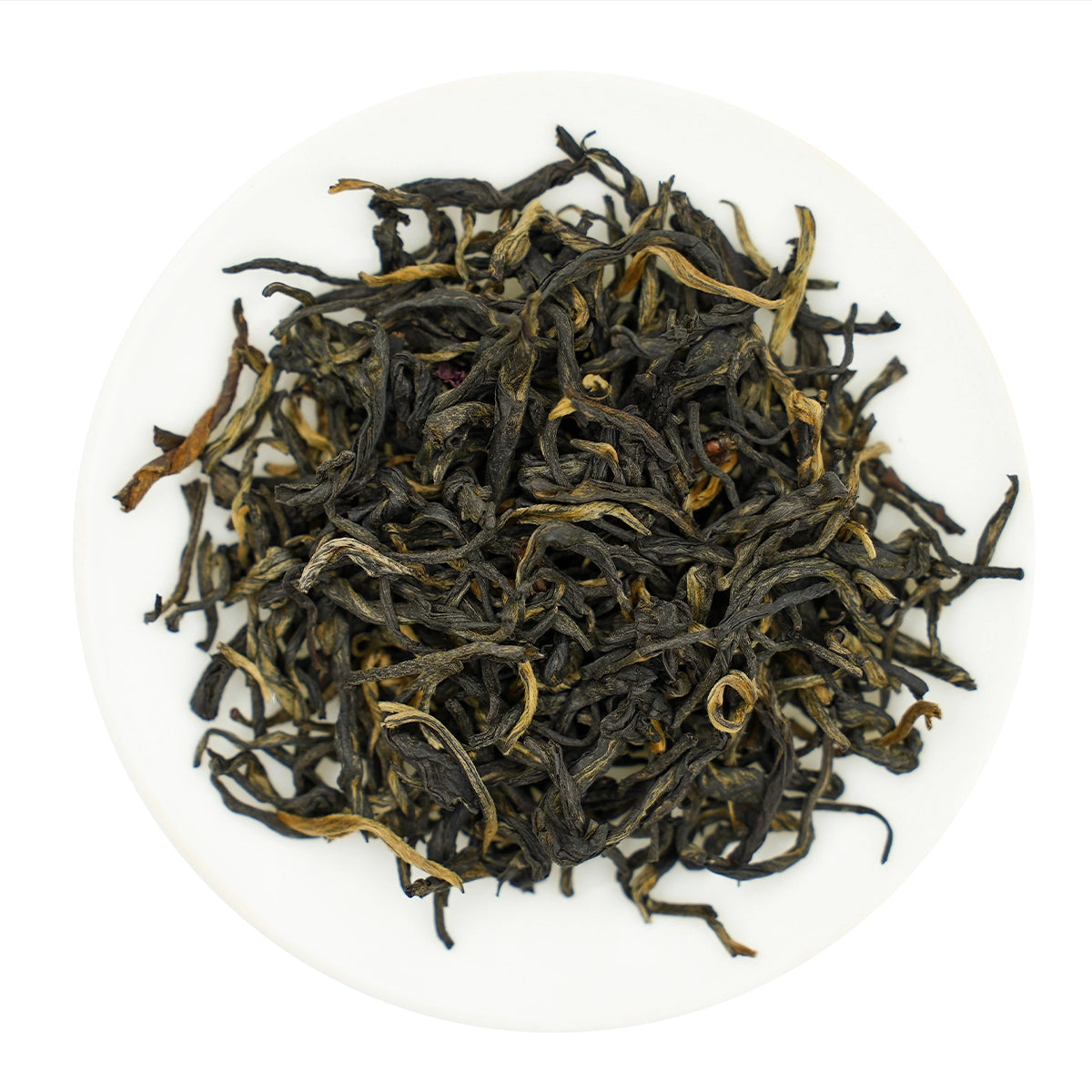
This rose black tea brings together two signature ingredients from Yunnan, China: fragrant Yunnan roses and smooth Dianhong black tea.
Yunnan roses are known for their rich, naturally sweet floral aroma. Grown in sunny mountain environments with fresh air, they develop a deeper and more vibrant fragrance.
The tea base is Dianhong black tea, famous for its smooth body and gentle sweetness, often with notes of honey and malt.
Using a traditional Chinese scenting process, fresh rose petals are layered with the tea, allowing the floral aroma to slowly infuse into the tea. This process is repeated three times to create a balanced cup that is soft, floral, and naturally smooth.


Traditional Smoked Lapsang Souchong
Originating from Tongmuguan, Wuyi Mountains, the birthplace of Zhengshan Xiaozhong, this Traditional Smoked Lapsang Souchong represents one of the earliest styles of Chinese black tea. Made from local Xiaocai tea leaves and crafted using traditional pine-smoking techniques, it develops its signature smoky character and rich aroma.
The tea releases a distinctive pine smoke fragrance with hints of longan fruit and honey-like sweetness. The taste is bold yet smooth, with a full-bodied texture, deep smoky notes, and a lingering sweet finish. Unlike heavily flavored smoked teas, authentic Tongmuguan Lapsang Souchong offers a balanced and layered experience shaped by its mountain origin and traditional craftsmanship.
A true classic for tea lovers who appreciate complex aromas and the heritage of traditional Chinese black tea.
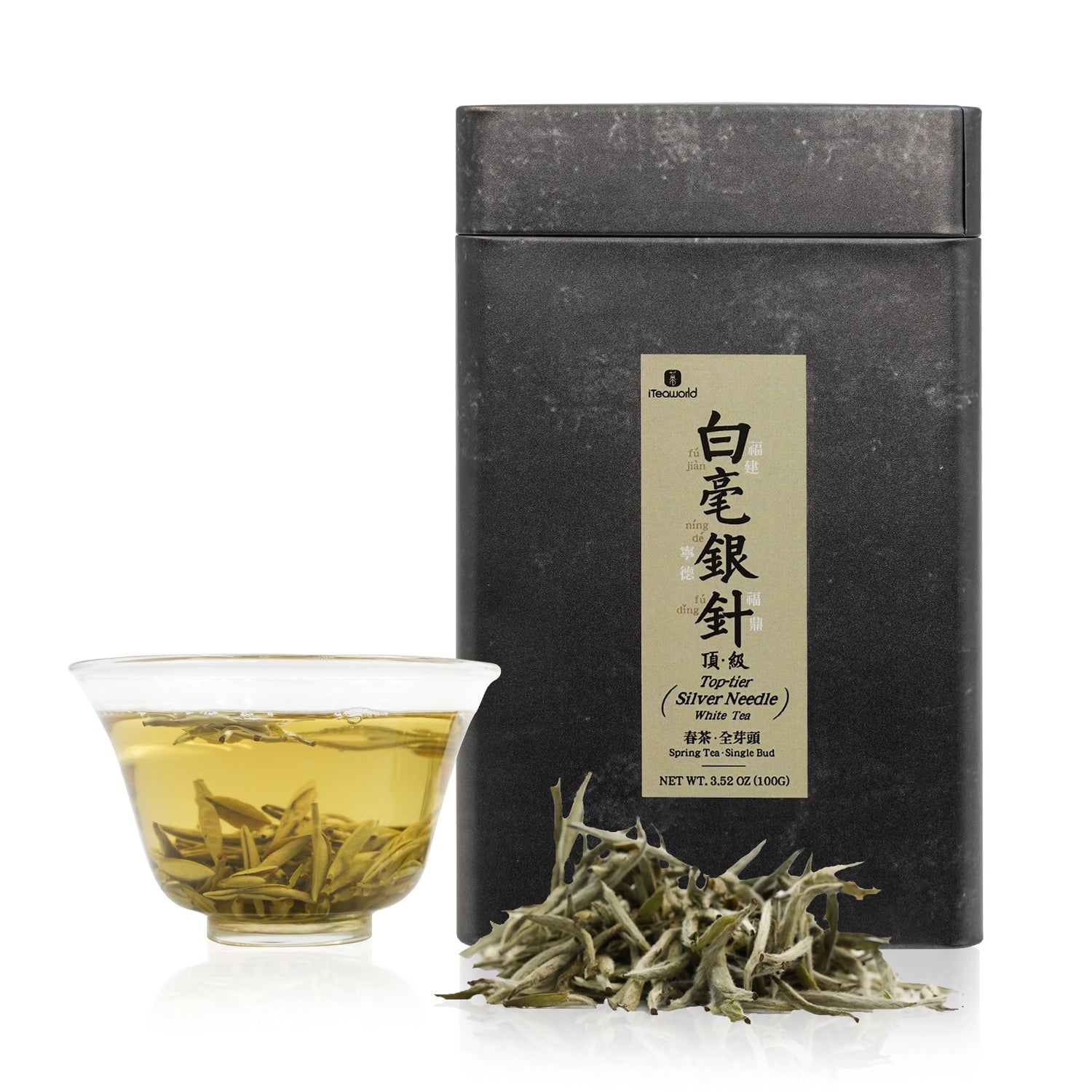

Fuding Silver Needle White Tea is the purest expression of traditional Chinese white tea. Made entirely from the unopened spring buds of the Fuding Da Bai tea variety, each delicate bud is carefully handpicked during the short early spring harvest season, when the tea plant concentrates its most refined flavors.
Originating from Fuding, Fujian, the birthplace of white tea, this tea follows traditional sun-drying craftsmanship with minimal processing, allowing the natural character of the fresh buds to shine. The fine white hairs covering the buds give Silver Needle its signature silver appearance and help preserve its gentle sweetness and freshness.
Unlike White Peony or Gongmei, which include young leaves for a fuller tea body, Silver Needle offers a lighter and more elegant experience. Its beauty lies in subtlety: a clean floral aroma, silky texture, honey-like sweetness, and a refreshing finish that reflects the pure essence of the tea plant itself.
Perfect for those seeking a refined daily tea or a meaningful introduction to authentic Fuding white tea, Silver Needle can be enjoyed fresh for its bright and delicate character or carefully stored to develop greater depth over time.


Sticky Rice Aroma Black Tea is a unique specialty from Yunnan, created by combining classic Dianhong black tea with the naturally fragrant leaves that carry a distinctive sticky-rice aroma. Unlike traditional scented teas made only with flowers, this tea showcases the creativity of Yunnan tea craftsmanship by using aromatic leaves to create a warm and comforting fragrance.
Made with Dianhong black tea from Fengqing, Yunnan, and carefully scented with sticky rice aroma leaves, this tea offers a harmonious blend of rich black tea sweetness and a soft rice-like fragrance. Once brewed, it releases an inviting sticky rice aroma, followed by a smooth, mellow taste with a thick and silky texture. The bright orange-red liquor delivers a naturally sweet finish with no bitterness or astringency.
A unique expression of Yunnan tea culture, this tea brings together the depth of Dianhong and the nostalgic aroma of sticky rice, creating a warm and satisfying tea experience for everyday enjoyment.
Recently viewed products
Shop with Confidence at iTeaworld

30-Day Return & Satisfaction Policy
Not satisfied? Get a refund within 15 days for taste concerns, or return unopened products within 30 days.

Free tea samples with tea order
Buy 1 get 1 sample. Buy 2 get 2. Buy 3+ get 3 free sample