Сортировать по:
204 продуктов
204 продуктов
Рекомендуемая покупка
Ключевые сведения о сыром чае Yiwu Cake
- Происхождение: Иу, провинция Юньнань, Китай.
- Дата производства: 2010
- Класс: Первый класс
- Сорт чая: Юньнаньский крупнолистовой сорт
- Мастерство: Этот чай производится из высушенных на солнце сырых чайных листьев крупнолистового сорта Юньнань, обработанных традиционными методами, включая завяливание, скручивание, разминание, прессование и высокотемпературную обработку паром, для создания очищенного продукта. Затем он естественным образом выдерживается в сухой среде хранения в течение 15 лет, что позволяет ему развить свой уникальный характер и глубину.
- Особенности вкуса: чай обладает сильным, стойким ароматом, богатым и мягким вкусом, сладким и освежающим послевкусием, а также отличной стойкостью для многократного заваривания.
Что такое сыроедческий чай Иу?
Чай Yiwu Raw Cake — классический шедевр в мире чая пуэр. Он изготавливается из высушенных на солнце сырых чайных листьев, собранных с экологически чистых чайных деревьев в чайном регионе Иу в начале весеннего сезона, из сырья, полученного из лучших районов выращивания. Чайный блин имеет цвет от темно-зеленого до черного, с умеренным уровнем сжатия, четко видимыми чайными нитями и толстым, мягким и равномерно ярким заваренным листом.
Чай Yiwu Raw Cake Tea наследует поколения традиционного мастерства приготовления чая, сочетая в себе нежный, но крепкий характер с потенциалом улучшения с возрастом, становясь все более ароматным с течением времени. Это вечная классика, сформированная как течением времени, так и преданностью искусных мастеров чайного дела.
Советы по завариванию и наслаждению
Этот чай воплощает в себе уникальную трансформацию, которую приносит время. Первый настой может служить «пробуждением чая», чтобы активировать внутренние качества чая, усиливая его богатый и мягкий вкус. Для лучшего опыта рекомендуется использовать традиционные методы заваривания, чтобы полностью раскрыть его выдержанные характеристики.
Рекомендуемые методы заваривания
Гайвань Пивоварение
- Емкость: 100 мл Гайвань
- Вода: минеральная вода или очищенная вода
- Температура воды: 100℃
- Время заваривания: 7-8 раз
- Соотношение чая и воды: около 7:100 (регулируйте по своему вкусу)
- Время заваривания один раз: около 5 секунд (регулируйте по своему вкусу). Рекомендуется вылить первые два настоя и начать пить с третьего настоя.
Правила хранения
Чтобы обеспечить наилучшее качество чая, идеальный способ хранения — хранить его в вакуумной упаковке в прохладном, темном и сухом месте. Избегайте воздействия сильных запахов и воздуха. Для герметичного хранения рекомендуется использовать жестяную банку или металлическую банку с двойной крышкой. Для еще лучшего результата вы можете хранить герметично закрытый чай в холодильнике или сухом контейнере для хранения.
Вес и упаковка
Вес: 12,6 унций (357 г)
Тип упаковки: Бумажная упаковка
В процессе выдержки и транспортировки выдержанного чая упаковка и сам чай могут быть повреждены. Пожалуйста, будьте осторожны при покупке, если вас это беспокоит.
Рекомендуемая покупка
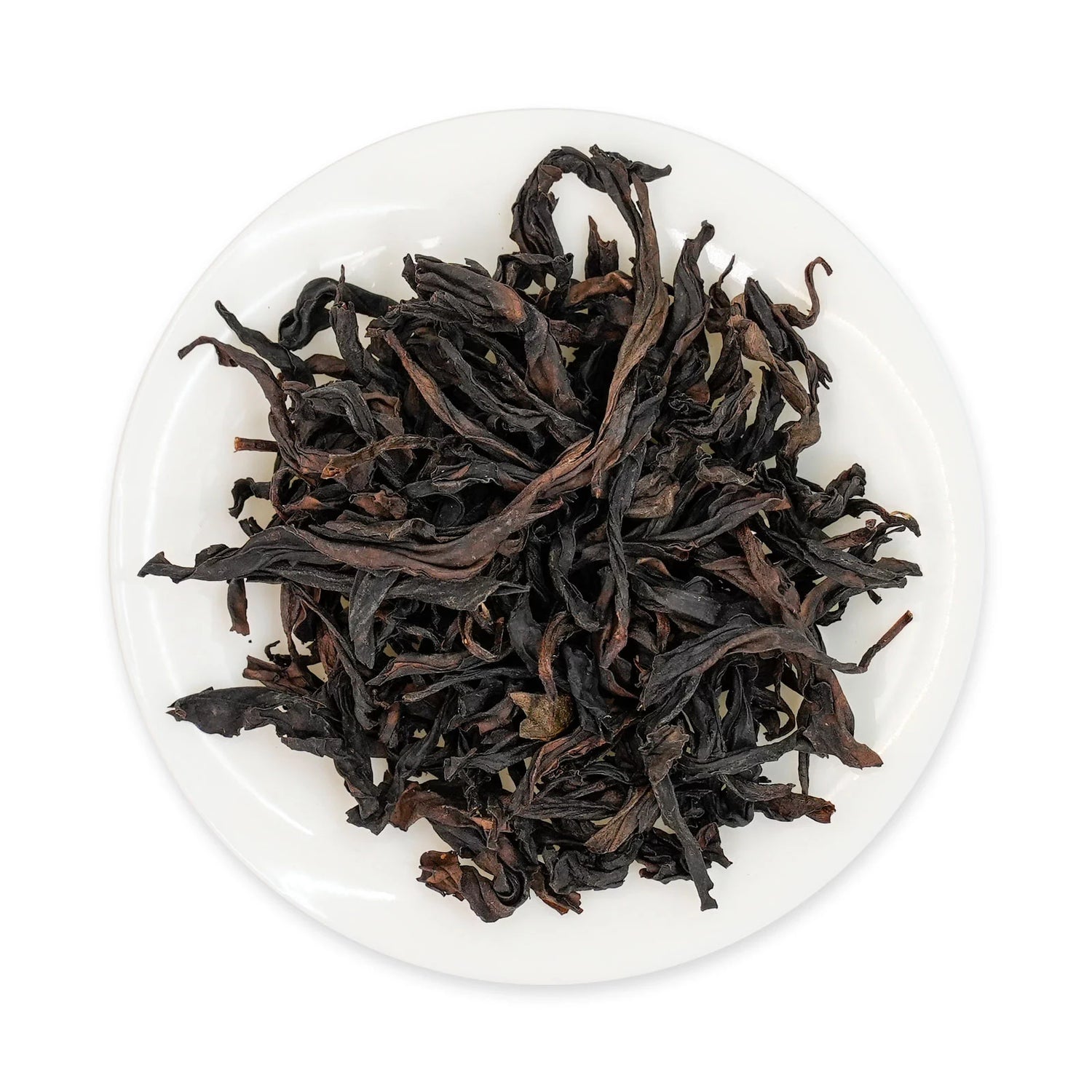
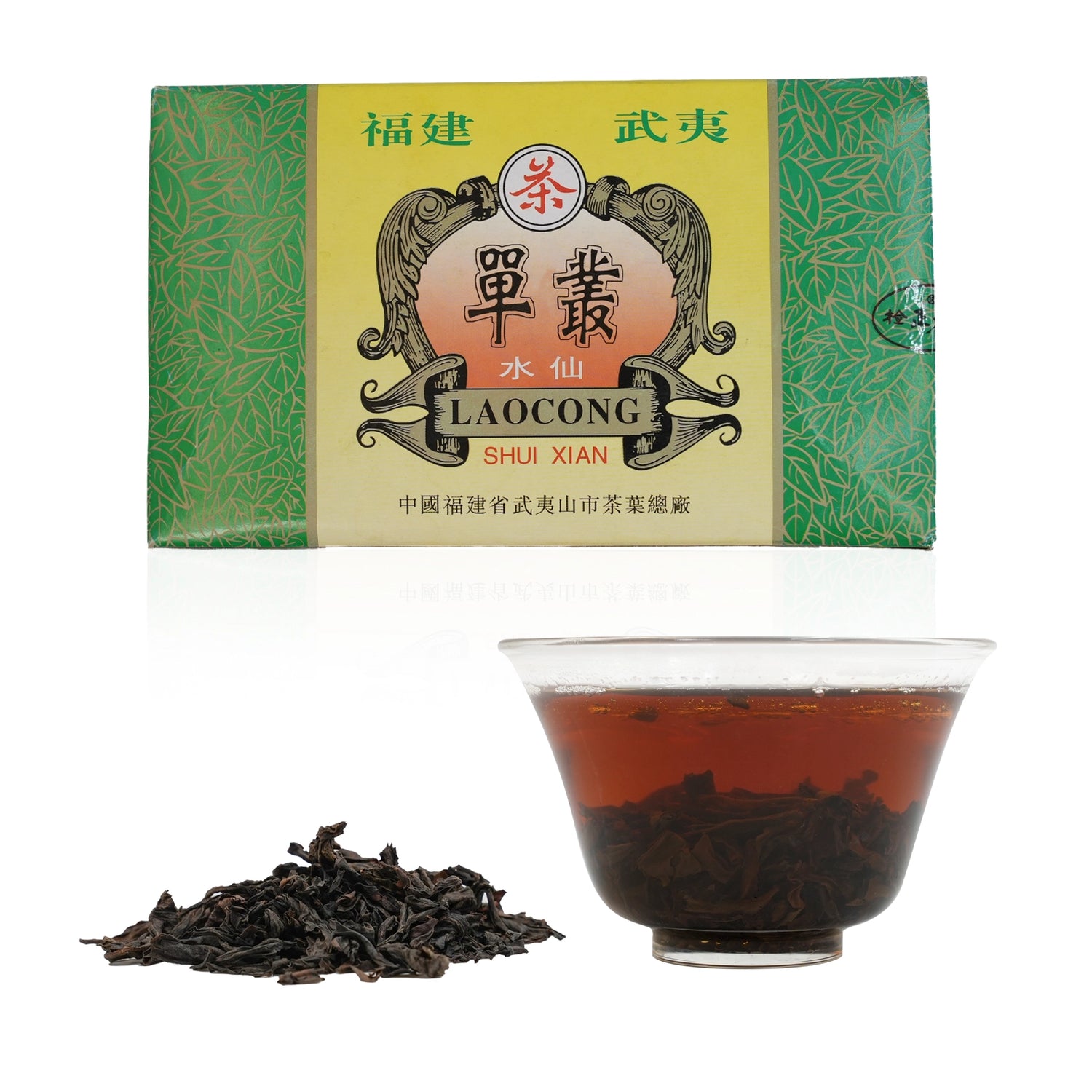
Этот выдержанный чай Dancong Shui Xian Oolong Tea 1996 года изготовлен из сортов чая Shui Xian, выращенных в знаменитом регионе горы Уи провинции Фуцзянь, Китай. Произведенный на фабрике чая Wuyi Mountain Tea Factory, этот чай выдерживался естественным образом в сухом хранилище в течение 30 лет. Он известен своим насыщенным сладким ароматом с нотками жареного батата и фруктов, а также характерным цветочным ароматом орхидей. Чайный ликер яркий, темно-оранжевый, а вкус густой, с заметной кислотностью, которая уступает место освежающему послевкусию. Этот продукт находится в своей оригинальной упаковке и больше не продается на рынке. Этот чай идеально подходит для тех, кто ценит сложность выдержанных чаев Wuyi rock и ищет смелый, насыщенный вкус.
Основные сведения о выдержанном Данконг Шуй Сянь 1996 года
- Происхождение: гора Уи, провинция Фуцзянь, Китай.
- Дата производства: 1996
- Сорт: Специальный сорт Данконг
- Сорт чая: Шуй Сянь
- Мастерство: Средняя обжарка, среднее окисление, легкая прокатка
- Особенности вкуса: Сладкий аромат с нотками жареного батата, фруктов и цветочной орхидеи, густой и освежающий вкус с кислинкой.
- Хранение: Естественное сухое созревание, герметичная упаковка для оптимальной сохранности.
Что такое чай Даньцун Шуй Сянь Улун?
Dancong Shui Xian — это тип чая из скалы Уи, известный своим интенсивным, сложным вкусовым профилем. Shui Xian — один из самых известных сортов в горах Уи, который ценится за свой уникальный цветочный и фруктовый аромат. Чай подвергается умеренному уровню окисления и обжаривается, чтобы выявить его крепкий вкус. Выдержанный улун Shui Xian предлагает еще более глубокую сложность, с цветочными, фруктовыми нотками, переходящими в более тонкие, пикантные характеристики. Это делает его идеальным выбором для ценителей чая, которые ценят как свежесть, так и глубину выдержанного чая.
Советы по завариванию и наслаждению
Выдержанный чай Шуйсянь лучше всего употреблять, используя методы заваривания или кипячения Гунфу, которые позволяют раскрыть весь спектр ароматов и вкусов. Чай обладает превосходной прочностью, поэтому он может выдерживать многократные заваривания.
Как заваривать выдержанный чай Даньцун Шуй Сянь Улун 1996 года
- Метод заваривания Гунфу
-
- Соотношение чая и воды: 6 г чая на 100 мл воды.
- Температура воды: 95–100 °C (203–212 °F)
- Время заваривания: 10–15 секунд для первой заварки, увеличивайте время для каждой последующей заварки.
- Рекомендуемый инструмент: фарфоровая гайвань или чайник из исинской глины.
- Соотношение чая и воды: 6 г чая на 100 мл воды.
- Метод кипячения
- Соотношение чая и воды: 3 г на 100 мл воды.
- Процесс: заварите чай в течение 3–5 минут, затем варите на медленном огне в течение 2–3 минут.
- Повторное заваривание: продлевайте время заваривания на 2–3 минуты для каждого последующего заваривания.
- Рекомендуемый инструмент: стеклянный или керамический чайник.
- Соотношение чая и воды: 3 г на 100 мл воды.
Правила хранения выдержанного чая Шуйсянь Улун
Чтобы сохранить свойства чая при выдержке, храните его в прохладном, сухом месте, вдали от прямого света и сильных запахов. Держите чай запечатанным в герметичном контейнере, чтобы свести к минимуму воздействие воздуха и влаги. Правильное хранение позволит чаю продолжать вызревать изящно.
Вес и упаковка
- Вес нетто: 125 г (4,4 унции)
- Тип упаковки: оригинальная запечатанная бумажная коробка с внутренним пакетом из алюминиевой фольги
В процессе выдержки и транспортировки выдержанного чая упаковка и сам чай могут быть повреждены. Пожалуйста, будьте осторожны при покупке, если вас это беспокоит.
Рекомендуемая покупка
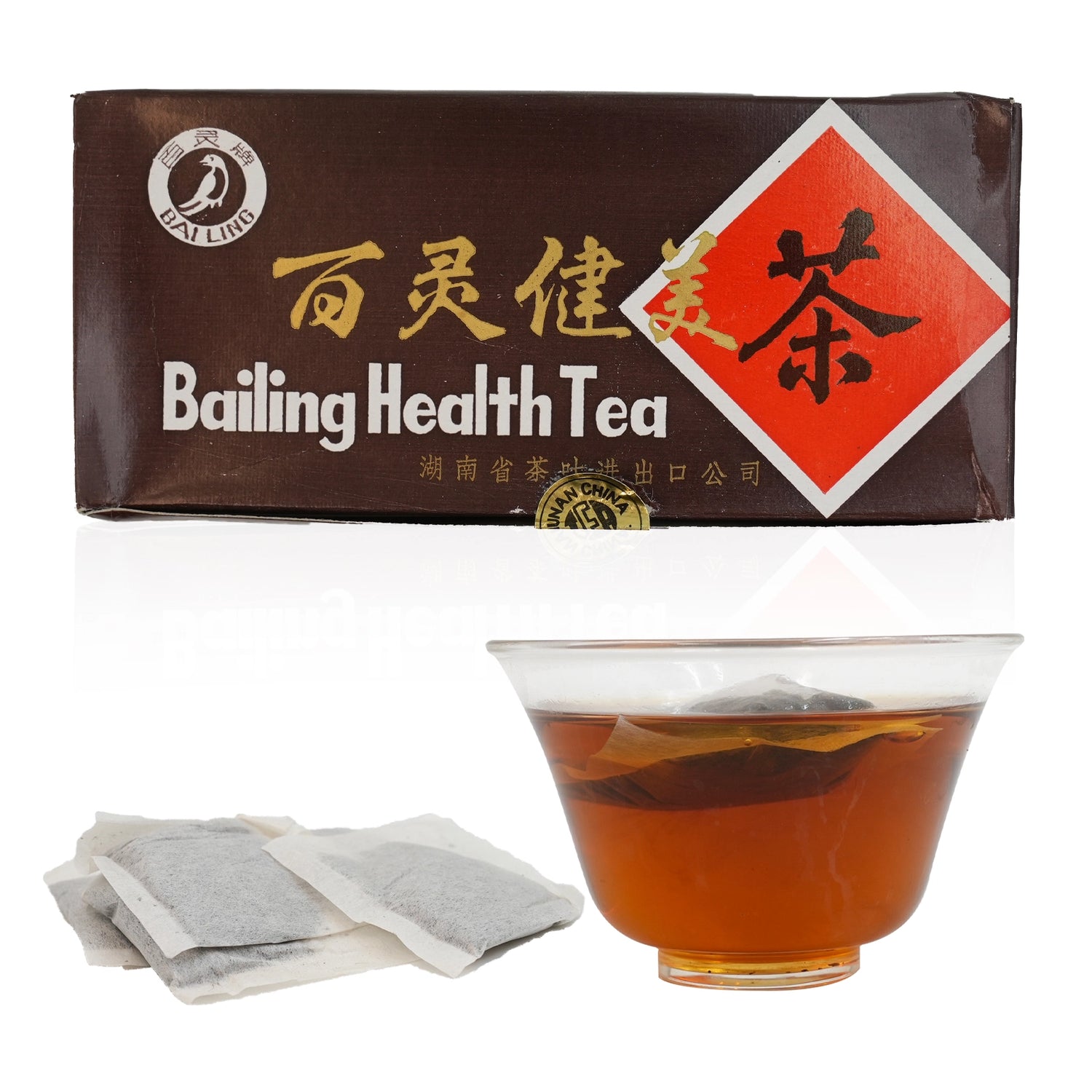
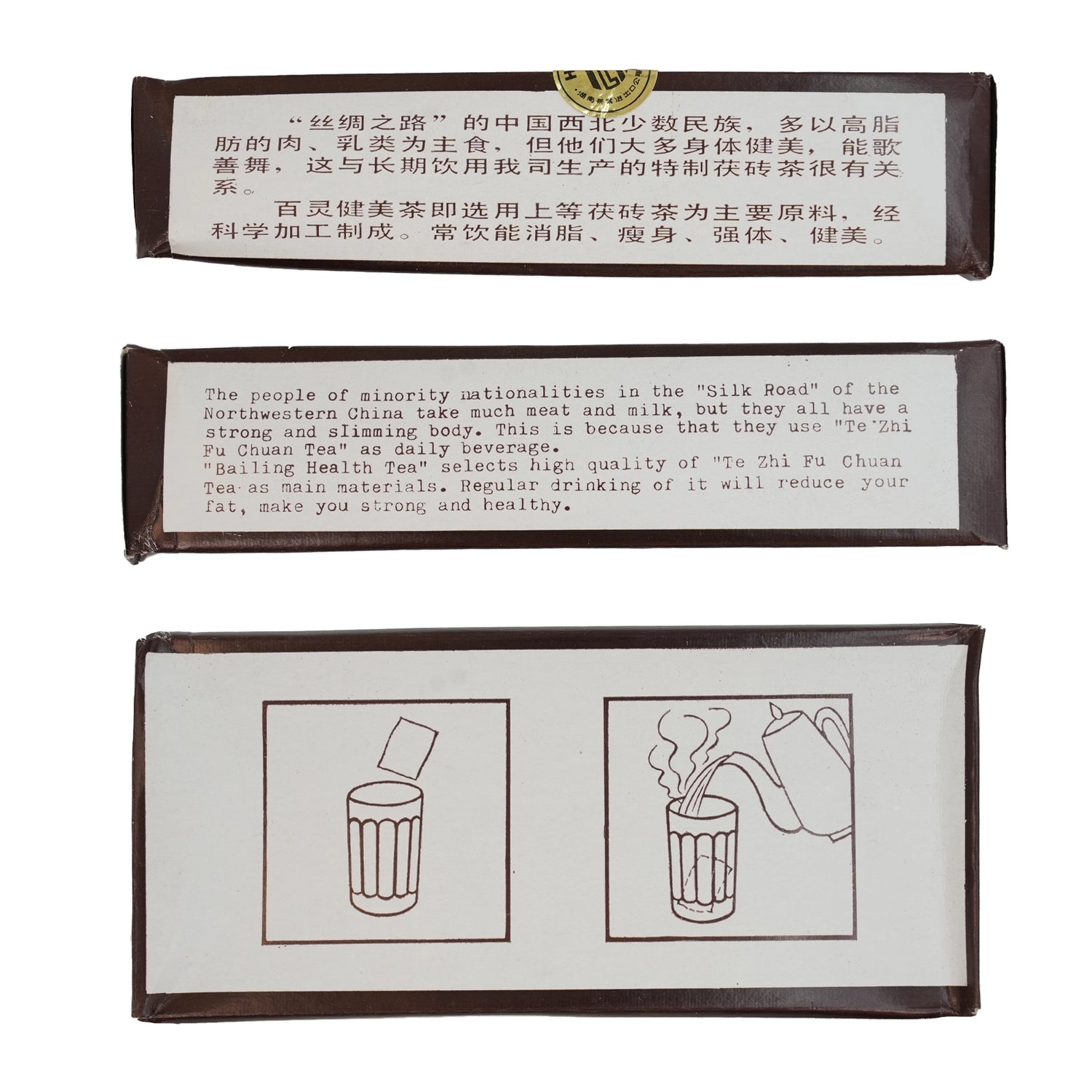
Чай Bailing Wellness Tea — это уникальный выдержанный чай Fu Brick, который происходит из традиционной чайной культуры Шелкового пути . Этот чай был создан в 1988 году компанией Hunan Tea Import & Export Company с использованием отборных чайных листьев Fu Brick и Hei Brick. После 34 лет бережной выдержки в сухих условиях хранения этот чай приобрел мягкий вкус, богатый лекарственным ароматом и мягким, слегка сладковатым послевкусием. Традиционно он был основным продуктом питания среди этнических групп Северо-Западного Китая , которые потребляют пищу с высоким содержанием жиров, но при этом поддерживают подтянутый и энергичный образ жизни. Уникальный процесс ферментации чая Bailing Wellness Tea усиливает его способность помогать пищеварению, стимулировать обмен веществ и поддерживать общее самочувствие. Этот продукт сохраняет свою оригинальную запечатанную бумажную упаковку и больше не доступен на рынке.
Основные сведения о чае Bailing Fitness
- Происхождение : провинция Хунань, Китай
- Дата производства : 1988
- Класс : Третий класс
- Сорт чая : Фу Брик, фрагменты чая Хэй Брик
- Мастерство : традиционная ферментация кирпича Фу, естественная выдержка
- Особенности вкуса : Яркий желтый ликер, насыщенный выдержанный аромат с травяными нотками, мягкий и мягкий вкус, легкая лекарственная сладость.
- Хранение : Сухое складское хранение, оригинальная герметичная упаковка.
Что такое чай «Фу Брик»?
Fu Brick Tea — это разновидность темного чая, происходящего из провинции Хунань, Китай, известного своим уникальным процессом постферментации и полезными для здоровья свойствами. Он содержит золотые цветы (Eurotium cristatum), пробиотик, полезный для пищеварения и обмена веществ. Благодаря своему длительному потенциалу выдержки, чай Fu Brick со временем приобретает сложный и мягкий вкус. Bailing Fitness Tea, выдержанный в течение 34 лет, демонстрирует насыщенный, лечебный аромат с шелковистой гладкой текстурой, что делает его ценным выбором среди любителей выдержанного чая.
Рекомендуемые методы заваривания
-
Гайвань Пивоварение
- Соотношение чая и воды: 1:20
- Температура воды: 95 ° С-100 ° С
- Настои: 6-8 раз
- Время заваривания: 10~20 секунд
-
Термос для заваривания
- Соотношение чая и воды: 1 г на 100 мл воды.
- Температура воды: 100 ° C (кипящая вода)
- Время настаивания: 1-2 часа
- Инструмент: Термос с изоляцией
-
Метод кипячения
- Соотношение чая и воды: 1 г на 100 мл воды.
- Время закипания: 1-2 минуты, затем дайте постоять 2-3 минуты.
- Повторное заваривание: продлите время заваривания на 3 минуты для каждого дополнительного заваривания.
- Подходит для: керамического или стеклянного чайника.
- Время заваривания: 3-4 заваривания
Правила хранения
Чтобы поддерживать оптимальный процесс выдержки чая , храните его в сухом и прохладном месте с влажностью ниже 45% и температурой ниже 25 ° C. Берегите его от сильных запахов, прямого света и воздействия воздуха. Правильное хранение гарантирует, что чай сохранит свой выдержанный аромат и продолжит изящно созревать с течением времени.
Вес и упаковка
- Вес нетто : 75 г
- Тип упаковки : Оригинальная запечатанная бумажная коробка с влагонепроницаемым покрытием
О компании Hunan Tea Import & Export Company
Основанная в начале 20-го века, Hunan Tea Import & Export Company является пионером в торговле чаем в Китае. Компания сыграла решающую роль в экспорте кирпичного чая Fu по Шелковому пути, сделав его основным продуктом среди этнических групп Северо-Западного Китая и Центральной Азии. Опыт компании в традиционной ферментации и хранении чая обеспечил производство высококачественных выдержанных чаев, которые выдерживают испытание временем.
Сегодня этот 34-летний чай Bailing Fitness Tea остается замечательным свидетельством чайного наследия Китая и непреходящей привлекательности чая Fu Brick.
This Zhuni Teapot was handcrafted by Cai Songkai, a renowned Zhuni teapot master from Chaozhou.
The design follows the “Shuiping” (Level) teapot concept, first created by Ming dynasty artisans. The idea centers on perfect balance — a rounded, full body with a stable center of gravity, allowing the teapot to remain level whether it floats or sinks when filled with water. This reflects the Eastern philosophy of harmony and balance — “peace through equilibrium, virtue through harmony.”
Structurally, the spout, lid rim, and handle top all align on the same horizontal plane, with the spout, lid, and handle forming a straight line. This precise geometry prevents external water from entering the teapot and ensures stability when placed in a bowl — hence the name “Shuiping Teapot.”
The artist’s surname or signature is engraved on the inside of the lid and the handle.
This teapot shape is particularly suitable for high-aroma teas, especially Oolong teas such as Phoenix Dancong, Tieguanyin, and Dong Ding Oolong.
Capacity: 80 mL
What is a Zhuni Teapot?
Zhuni is a type of zisha clay, belonging to the “red clay” family, and is regarded as the finest and most delicate among them — often considered the “noble” or “gem” of zisha clay.
It has a low sand content and a fragile texture, making it prone to deformation or cracking during firing. Because of this, the yield rate is very low, and teapots made from it are known as Zhuni teapots.
Chaozhou Zhuni Master — Cai Songkai
Cai Songkai is a senior arts and crafts artist of Guangdong Province, a Chaozhou arts and crafts master, and a renowned folk ceramic artist.
With years of dedication to Zhuni pottery, he has developed a distinctive style that combines precise structure, smooth lines, and refined craftsmanship. His teapots are widely admired by collectors both in China and abroad, earning him a strong reputation in the field of Zhuni teapot making. His works have won multiple gold awards in major competitions.
This Zhuni Teapot was handcrafted by Chaozhou master potter Cai Songkai, using Zhuni clay as the primary material. The teapot’s shape resembles an eggplant, inspired by the fruits and vegetables of the countryside — hence its name, Qiegua Hu (“Eggplant Teapot”). The artist’s surname or signature is engraved on the inside of the lid and the handle.
This teapot shape is ideal for brewing high-aroma teas, especially Oolong teas such as Phoenix Dancong, Tieguanyin, and Dong Ding Oolong.
Capacity: 80 mL
What is a Zhuni Teapot?
Zhuni is a type of zisha clay, belonging to the “red clay” family, and is regarded as the finest and most delicate among them — often considered the “noble” or “gem” of zisha clay.
It has a low sand content and a fragile texture, making it prone to deformation or cracking during firing. Because of this, the yield rate is very low, and teapots made from it are known as Zhuni teapots.
Chaozhou Zhuni Master — Cai Songkai
Cai Songkai is a senior arts and crafts artist of Guangdong Province, a Chaozhou arts and crafts master, and a renowned folk ceramic artist.
With years of dedication to Zhuni pottery, he has developed a distinctive style that combines precise structure, smooth lines, and refined craftsmanship. His teapots are widely admired by collectors both in China and abroad, earning him a strong reputation in the field of Zhuni teapot making. His works have won multiple gold awards in major competitions.
Experience the perfect harmony between the bright, zesty aroma of sun-dried citrus and the deep, grounding soul of fermented dark tea. This 2021 vintage blend pairs premium Liu Bao tea with authentic Chenpi (aged citrus peel) from 30-year-old trees. It’s a comforting, "living" tea that grows smoother and sweeter with time—designed for those who seek a moment of calm in a busy day.
This tea mat is crafted in Fujian, China, and features an overall soft light-green tone.
Both sides are embroidered with delicate light-green daisy motifs, bringing a natural and lively elegance to the design.
In traditional Chinese culture, the chrysanthemum is one of the “Four Gentlemen” among flowers, symbolizing integrity, refinement, and deep emotional meaning.
Small daisies usually bloom in early spring, when all living things begin to awaken. They represent new beginnings and hope, resilience of life, and optimism for the future, offering a gentle yet uplifting sense of positivity.
The tea mat’s refined color palette is calm and tasteful. It is made from thick, durable fabric with fine, dense stitching, making it well-suited for placing various tea utensils or enhancing the atmosphere of a tea room.
Size:
Length 49.5 cm × Width 24.5 cm
* Due to manual measurement, slight variations of ±0.5 cm may occur.
This lid rest is handcrafted in Jingdezhen, China’s renowned “porcelain capital.”
Each piece features traditional Chinese floral motifs painted using the famille rose (fencai) enamel technique.
A lid rest is used to hold the lid of a teapot or gaiwan during brewing, keeping it off the table.
It helps maintain cleanliness, prevents accidental bumps or heat damage to the surface, and reflects the brewer’s care and respect for tea preparation and teaware.
Material: Porcelain
Size: Height 3.3 cm, Diameter 3.3 cm
What is Tuanhua?
Tuanhua, also known as “ball-flower patterns,” doesn’t refer to any specific flower. Instead, it’s a decorative style where flowers, fruits, and geometric elements are arranged within a circular outline, forming a compact “ball-like” motif.
The earliest versions date back to the Shang dynasty, appearing on bronze and white pottery. By the Yongzheng period of the Qing dynasty, tuanhua became widely used in imperial porcelain—especially in famille-rose ware—and later spread to folk kilns, becoming a beloved decorative style.
Tuanhua designs are known for their lively, free layouts. Circles of different sizes are arranged in seemingly casual yet harmonious compositions—sometimes single, sometimes overlapping in pairs or groups of three.
Often paired with colors like white, black, and celadon white, they create a light, balanced visual effect. These motifs are commonly used on porcelain, clothing, and furniture, symbolizing reunion, prosperity, and completeness, carrying blessings of good fortune.
This ceramic master cup is made in Dehua, China, using raw mineral clay fired at high temperatures. It features a classic blue-and-white glaze paired with colorful tuanhua (round floral motifs). The overall look is vibrant yet refined, showcasing an elegant traditional Chinese aesthetic. Suitable for personal use or as a thoughtful gift.
Material: Ceramic
Capacity: 70 mL
Size: 8 cm (width), 4.3 cm (height)
What is Tuanhua (团花)?
Tuanhua, also known as “ball-flower patterns,” doesn’t refer to any specific flower. Instead, it’s a decorative style where flowers, fruits, and geometric elements are arranged within a circular outline, forming a compact “ball-like” motif. The earliest versions date back to the Shang dynasty, appearing on bronze and white pottery. By the Yongzheng period of the Qing dynasty, tuanhua became widely used in imperial porcelain—especially in famille-rose ware—and later spread to folk kilns, becoming a beloved decorative style.
Tuanhua designs are known for their lively, free layouts. Circles of different sizes are arranged in seemingly casual yet harmonious compositions—sometimes single, sometimes overlapping in pairs or groups of three. Often paired with colors like white, black, and celadon white, they create a light, balanced visual effect. These motifs are commonly used on porcelain, clothing, and furniture, symbolizing reunion, prosperity, and completeness, carrying blessings of good fortune.
This tea canister comes from Dehua, China, known as the “World Capital of Ceramics.” It features a soft celadon-white glaze and is fired at high temperatures, giving the surface a smooth and refined texture. The lid and body are decorated with hand-painted tuanhua (Chinese roundel motifs), arranged in a natural and harmonious layout.
The base is polished multiple times for a smooth finish, and the rim is fitted with a metal band to improve the seal. The overall design is elegant, compact, and easy to store, pairing beautifully with any tea setup.
Material: Ceramic
Capacity: 250 mL, holds roughly 150 g of tea
Size: Height 9.7 cm, Width 7.2 cm
What is Tuanhua (团花)?
Tuanhua, also known as “ball-flower patterns,” doesn’t refer to any specific flower. Instead, it’s a decorative style where flowers, fruits, and geometric elements are arranged within a circular outline, forming a compact “ball-like” motif. The earliest versions date back to the Shang dynasty, appearing on bronze and white pottery. By the Yongzheng period of the Qing dynasty, tuanhua became widely used in imperial porcelain—especially in famille-rose ware—and later spread to folk kilns, becoming a beloved decorative style.
Tuanhua designs are known for their lively, free layouts. Circles of different sizes are arranged in seemingly casual yet harmonious compositions—sometimes single, sometimes overlapping in pairs or groups of three. Often paired with colors like white, black, and celadon white, they create a light, balanced visual effect. These motifs are commonly used on porcelain, clothing, and furniture, symbolizing reunion, prosperity, and completeness, carrying blessings of good fortune.
This gaiwan comes from Jingdezhen, the porcelain capital of China, and is fully handcrafted. Its surface is decorated with various traditional Chinese tuanhua motifs (Tuanhua) using the famille-rose (falangcai) enamel technique. The gaiwan itself is shaped like a traditional ingot, and the wide-rimmed design makes it comfortable to hold without burning your fingers. The overall look is refined and graceful, showcasing the beauty of Chinese porcelain craftsmanship.
Material: Ceramic
Capacity: 150 mL
Size: Height 9 cm, Width 9 cm
What is Tuanhua (团花)?
Tuanhua, also known as “ball-flower patterns,” doesn’t refer to any specific flower. Instead, it’s a decorative style where flowers, fruits, and geometric elements are arranged within a circular outline, forming a compact “ball-like” motif. The earliest versions date back to the Shang dynasty, appearing on bronze and white pottery. By the Yongzheng period of the Qing dynasty, tuanhua became widely used in imperial porcelain—especially in famille-rose ware—and later spread to folk kilns, becoming a beloved decorative style.
Tuanhua designs are known for their lively, free layouts. Circles of different sizes are arranged in seemingly casual yet harmonious compositions—sometimes single, sometimes overlapping in pairs or groups of three. Often paired with colors like white, black, and celadon white, they create a light, balanced visual effect. These motifs are commonly used on porcelain, clothing, and furniture, symbolizing reunion, prosperity, and completeness, carrying blessings of good fortune.
Юнчунь Фо Шоу
Юнчунь Фо Шоу — редкий улун из высокогорья уезда Юнчунь провинции Фуцзянь. Его название происходит от формы листьев, напоминающих руку Будды, и яркого фруктового аромата.
Легенда гласит, что в XVII веке буддийские монахи привили чайное дерево к цитрону, создав этот уникальный ароматный сорт. Этот чай, произрастающий на высоте 600–900 метров над уровнем моря в деревне Уси, недалеко от охраняемого региона происхождения, отражает как богатую историю, так и характер высокогорья.
Он известен своими характерными цитрусовыми и грушевыми нотами, оттенёнными сливочным, слегка цветочным послевкусием. Вкус мягкий и многослойный, с длительным сладковатым послевкусием, которое часто называют «очарованием Фо Шоу». Этот чай — спокойный и насыщенный выбор для ценителей фруктовых, элегантных улунов.
-
Происхождение: деревня Уси, город Уфэн, уезд Юнчунь, Цюаньчжоу, Фуцзянь, Китай.
-
Чайник: Сюй Юнъюань
-
Урожай: осень 2024 г.
-
Срок годности: 36 месяцев
-
Сорт: Юнчунь Фо Шоу.
-
Высота: 500 метров
Рекомендуемая покупка
Этот чай улун южной Фуцзянь Шуйсянь, произведенный в период с 1993 по 1995 год и выдержанный более 30 лет на сухом складе в герметичных условиях, изготовлен из сорта Шуйсянь (Нарцисс), полученного из Юнчуня, провинция Фуцзянь — родины этого чая. Он был совместно произведен компанией Quanzhou Tea Import & Export Company и государственной китайской чайной фабрикой Yongchun Kong Overseas в Фуцзяне.
Обработанный по методу Юнчунь Шуйсянь, этот чай является классическим примером чая Улун, сохраненного в оригинальной упаковке. Он больше не доступен на рынке. Чай демонстрирует отчетливый выдержанный аромат, сопровождаемый тонким лекарственным ароматом, со сладким, мягким вкусом и гладкой текстурой. Его превосходные результаты выдержки делают его ценным выбором для любителей выдержанного чая Улун.
Ключевые сведения о Южном Фуцзянь Шуйсяне
- Происхождение: Юнчунь, провинция Фуцзянь, Китай.
- Дата производства: 1993-1995
- Класс: Первый класс
- Сорт чая: Шуй Сянь
- Мастерство: Этот чай перерабатывается в улун методом Юн Чунь Шуй Сянь с умеренной ферментацией. Он выдерживается естественным образом в сухой среде хранения более 30 лет. Чай упакован в оригинальную запечатанную картонную коробку с внутренним слоем алюминиевой фольги для дополнительной защиты.
- Вкусовые особенности: Чай демонстрирует отчетливый выдержанный аромат, сопровождаемый тонким лекарственным ароматом. Его вкус сладкий и мягкий, с гладкой текстурой, демонстрирующей превосходные эффекты выдержки.
Что такое чай «Южный Фуцзянь Шуйсянь»?
Чай Southern Fujian Shui Xian возник в Северной Фуцзяни и был представлен Юн Чуню в период Даогуан династии Цин. Со временем методы его обработки развивались путем смешивания характеристик северных и южных фуцзяньских улунских чаев, что привело к уникальному методу, который увеличивает стойкость чая для многократных завариваний, усиливает его орхидееподобный аромат и производит ярко-желтый ликер со сладким, мягким и освежающим вкусом. Помимо своего исключительного вкуса, чай Southern Fujian Shui Xian предлагает многочисленные преимущества для здоровья, такие как активация автономной нервной системы, снижение стресса, улучшение энергетического обмена, расщепление жиров и снижение уровня холестерина, что делает его желанным выбором как для любителей чая, так и для людей, заботящихся о своем здоровье.
Советы по завариванию и наслаждению
Этот чай демонстрирует уникальную трансформацию, которую приносит время. Первое заваривание можно использовать как шаг «пробуждения чая», чтобы активировать внутренние качества чая, что приводит к более богатой, гладкой текстуре и более выраженному сладкому послевкусию. Для лучшего опыта мы рекомендуем использовать более длительное время заваривания или методы кипячения, чтобы полностью раскрыть его выдержанные характеристики.
Рекомендуемые методы заваривания
Гайваньское пивоварение:
- Емкость: 110 мл Гайвань
- Температура воды: 100℃
- Время заваривания: 5-7 раз
- Соотношение чая и воды: 1:22
- Время заваривания Один раз:Для заваривания начните с быстрого ополаскивания (1-2 секунды) и слейте жидкость. Для первых трех заварок заваривайте чай всего несколько секунд и сразу же выливайте. После этого постепенно увеличивайте время каждой последующей заварки на 5-10 секунд, чтобы адаптироваться к развивающемуся профилю вкуса.
Правила хранения
Чтобы обеспечить наилучшее качество чая, идеальный способ хранения — хранить его в вакуумной упаковке в прохладном, темном и сухом месте. Избегайте воздействия сильных запахов и воздуха. Для герметичного хранения рекомендуется использовать жестяную банку или металлическую банку с двойной крышкой. Для еще лучшего результата вы можете хранить герметично закрытый чай в холодильнике или сухом контейнере для хранения.
Вес и упаковка:
Вес: 4,4 унции (125 г)
Тип упаковки: оригинальная запечатанная бумажная коробка, внутренняя запечатанная алюминиевая пленка
О зарубежной китайской чайной фабрике Yongchun Beikeng
Основанная в 1958 году государственная фабрика чая Fujian Yongchun Beikeng Overseas Chinese Tea Factory имеет богатую историю и культурное наследие производства чая. На пике своего развития фабрика была оживленным центром инноваций и мастерства, на ней работало более 1000 рабочих чайной отрасли, и ежегодно производились миллионы фунтов чая. Ее чаи, включая Tieguanyin, экспортировались в Гонконг, Тайвань, Японию и Юго-Восточную Азию, заслужив широкое признание и став ярким символом чайной культуры Фуцзянь.
Однако к 1990-м годам фабрика пришла в упадок, а ее некогда оживленные земли затихли. Не в силах вынести, как угасает дело его жизни, ветеран-директор фабрики Хуан Шэнхоу взял на себя управление после ее приватизации, посвятив себя возрождению фабрики и сохранению ее чайного наследия.
Сегодня выдержанный Тегуаньинь фабрики не только воплощает в себе десятилетия опыта в изготовлении чая, но и продолжает демонстрировать непреходящее очарование Тегуаньинь из Юнчуня. История фабрики заграничного китайского чая Фуцзянь Юнчунь Бэйкэн отражает преданность и новаторство поколений мастеров чайного дела, а ее выдержанный Тегуаньинь продолжает это замечательное наследие.
This Zhuni teapot was crafted by Chaozhou Zhuni master Cai Songkai, using Zhuni clay as the primary material. The form is based on the classic Half-Moon teapot.
The design draws from the poetic line “to ascend the heavens and embrace the moon.” This teapot design won a Gold Award at the 2020 Guangdong (Chaozhou) Arts & Crafts Fine Works Exhibition.
Shaped like a Half-Moon, the teapot has a compact, flattened body.
It has a small, flattened body, and the handle is shaped like an inverted sickle, as if drawing the moon into its embrace—reflecting the maker’s spirit of exploration and progress.
The maker’s name or surname is carved inside the lid and on the handle.
This type of teapot is suitable for brewing high-aroma teas, especially oolong teas such as Phoenix Dancong, Tieguanyin, and Dong Ding oolong.
Capacity: 70 mL
What is a Zhuni Teapot?
Zhuni is a type of zisha clay, belonging to the “red clay” family, and is regarded as the finest and most delicate among them — often considered the “noble” or “gem” of zisha clay.
It has a low sand content and a fragile texture, making it prone to deformation or cracking during firing. Because of this, the yield rate is very low, and teapots made from it are known as Zhuni teapots.
Chaozhou Zhuni Master — Cai Songkai
Cai Songkai is a senior arts and crafts artist of Guangdong Province, a Chaozhou arts and crafts master, and a renowned folk ceramic artist.
With years of dedication to Zhuni pottery, he has developed a distinctive style that combines precise structure, smooth lines, and refined craftsmanship. His teapots are widely admired by collectors both in China and abroad, earning him a strong reputation in the field of Zhuni teapot making. His works have won multiple gold awards in major competitions.
This Yunnan High Mountain Green Tea is grown at around 1,200 meters in Mengku, Lincang, Yunnan, and made from spring-picked Fengqing large-leaf tea plants. Unlike lighter green teas, it offers a bolder and more structured green tea experience.
The tea has a rich floral aroma, full-bodied liquor, and a lingering aftertaste, with a gentle bitterness reminiscent of young raw Pu-erh—but fresher, brighter, and more refreshing. It is ideal for tea drinkers who enjoy strong tea flavor, noticeable body, and a more distinctive Chinese green tea character.
This fairness cup (gong dao bei) is fully handcrafted in Jingdezhen, China’s famed “porcelain capital.”
Its surface is decorated with traditional Chinese floral motifs, painted using the famille rose (fencai) enamel technique.
A fairness cup is used to control consistency when serving tea.
After pouring from a teapot or gaiwan, the liquor is gathered and mixed in the cup before being served to each guest.
This ensures that everyone enjoys tea with the same strength, flavor, and temperature.
The name “fairness cup” carries the idea of equality and respect—every guest is treated the same.
Material: Porcelain
Capacity: 200 mL
Dimensions: Height 7.7 cm; Max diameter at top: 9 cm
What is Tuanhua?
Tuanhua, also known as “ball-flower patterns,” doesn’t refer to any specific flower.
Instead, it’s a decorative style where flowers, fruits, and geometric elements are arranged within a circular outline, forming a compact “ball-like” motif.
The earliest versions date back to the Shang dynasty, appearing on bronze and white pottery.
By the Yongzheng period of the Qing dynasty, tuanhua became widely used in imperial porcelain—especially in famille-rose ware—and later spread to folk kilns, becoming a beloved decorative style.
Tuanhua designs are known for their lively, free layouts.
Circles of different sizes are arranged in seemingly casual yet harmonious compositions—sometimes single, sometimes overlapping in pairs or groups of three.
Often paired with colors like white, black, and celadon white, they create a light, balanced visual effect.
These motifs are commonly used on porcelain, clothing, and furniture, symbolizing reunion, prosperity, and completeness, carrying blessings of good fortune.
This tea mat features Chinese traditional tuanhua (round floral motifs). The pattern is elegant, with subtle flower-shaped embossing on the surface. The fabric feels soft and comfortable, and the edges are smooth, neat, and durable. Both sides can be used. The material is treated to be water-repellent, so spills do not seep in; a quick wipe leaves no tea stains. It fits easily into any setting and adds a touch of vintage luxury to the space.
Size: 65 cm (L) × 34 cm (W)
What is Tuanhua (团花)?
Tuanhua, also known as “ball-flower patterns,” doesn’t refer to any specific flower. Instead, it’s a decorative style where flowers, fruits, and geometric elements are arranged within a circular outline, forming a compact “ball-like” motif. The earliest versions date back to the Shang dynasty, appearing on bronze and white pottery. By the Yongzheng period of the Qing dynasty, tuanhua became widely used in imperial porcelain—especially in famille-rose ware—and later spread to folk kilns, becoming a beloved decorative style.
Tuanhua designs are known for their lively, free layouts. Circles of different sizes are arranged in seemingly casual yet harmonious compositions—sometimes single, sometimes overlapping in pairs or groups of three. Often paired with colors like white, black, and celadon white, they create a light, balanced visual effect. These motifs are commonly used on porcelain, clothing, and furniture, symbolizing reunion, prosperity, and completeness, carrying blessings of good fortune.
This set includes five cups made in Dehua, China. Each cup is hand-painted with a different motif: landscape, lotus, bamboo, mountain, and persimmon. The brushwork is smooth and expressive, bringing each design to life. All five cups use underglaze painting and feature the classic “douli” (conical hat) shape. They are fired at high temperatures, giving them a dense body and a smooth, delicate glaze that feels warm to the touch. The overall look is elegant and refined.
The cups show the typical characteristics of Ge ware, with a network of natural crackles across the surface. These patterns, known as “golden threads and iron lines,” become more distinct as they are nourished by tea over time.
The glaze is a soft gray-green color. The rim is slightly thickened to enhance the drinking experience.
Cup Size: 6.5 cm diameter, 4.8 cm height
Capacity: approx. 50 mL
Quantity: 5 cups total
All measurements are taken by hand and may have small variations.
This Zhuni Teapot was handcrafted by Cai Songkai, a renowned Zhuni teapot master from Chaozhou. Made primarily from Zhuni clay, the teapot features an egg-shaped body, hence the name “Dragon Egg Teapot.”
In traditional Chinese culture, the egg symbolizes the origin of life and the primordial state of the universe — representing vitality and endless possibility. The dragon, on the other hand, is a symbol of good fortune and auspicious power. Together, the concept of the “Dragon Egg” conveys a blessing for prosperity, renewal, and good luck.
The artist’s name is engraved inside the lid and on the handle.
This teapot shape is ideal for high-aroma teas, especially Oolong teas such as Phoenix Dancong, Tieguanyin, and Dong Ding Oolong.
Capacity: 110 mL
What is a Zhuni Teapot?
Zhuni is a type of zisha clay, belonging to the “red clay” family, and is regarded as the finest and most delicate among them — often considered the “noble” or “gem” of zisha clay.
It has a low sand content and a fragile texture, making it prone to deformation or cracking during firing. Because of this, the yield rate is very low, and teapots made from it are known as Zhuni teapots.
Chaozhou Zhuni Master — Cai Songkai
Cai Songkai is a senior arts and crafts artist of Guangdong Province, a Chaozhou arts and crafts master, and a renowned folk ceramic artist.
With years of dedication to Zhuni pottery, he has developed a distinctive style that combines precise structure, smooth lines, and refined craftsmanship. His teapots are widely admired by collectors both in China and abroad, earning him a strong reputation in the field of Zhuni teapot making. His works have won multiple gold awards in major competitions.