
Сортировать по:
222 продуктов
222 продуктов


A naturally aged ripe Pu-erh from Menghai, Yunnan, offering a smooth, warming cup with rich depth and a clean aged aroma.
Made from Yunnan large-leaf tea and crafted as ripe Pu-erh, this tea has been naturally aged since 2003 in Menghai, one of the most renowned Pu-erh regions in China.
Over two decades of aging have transformed its flavor, removing the youthful fermentation notes and creating a refined aged character with hints of old wood, dried fruit, and a deep, mellow aroma.
The tea brews into a rich amber liquor with a smooth, silky texture and a warm, full-bodied taste. With very little bitterness or astringency, it remains balanced and enjoyable through many infusions.
A great choice for those who enjoy bold flavors, aged teas, or are looking for a comforting alternative to coffee.


A refreshing floral green tea infused with fresh gardenia flowers, offering a bright aroma and a clean, crisp taste.
A popular summer tea in China, Gardenia Green Tea is loved for its fresh floral character and refreshing finish. It’s a perfect choice for those who enjoy jasmine tea or light, naturally fragrant teas.
Made with fresh gardenia flowers and spring green tea from Sichuan, this tea is carefully scented through five rounds of traditional floral infusion. The process creates a beautiful balance between gardenia’s sweet floral notes and the fresh, lively taste of green tea.
Light, smooth, and refreshing, it can be enjoyed hot or cold. Cold brewing brings out its delicate floral aroma and crisp, cooling character—making it an ideal summer tea.


Summer Refresh Tea Box – Six Teas for a Cool & Balanced Summer Ritual
A seasonal tea collection crafted for July–August.
Discover six unique teas designed for three cups a day—morning, afternoon, and evening. From refreshing daytime sips to calming evening brews, each blend helps you embrace summer with a sense of coolness, balance, and seasonal renewal, inspired by traditional wellness wisdom.


This Zhuni teapot was crafted by Chaozhou Zhuni master Cai Songkai, using Zhuni clay as the primary material. The form is based on the classic Half-Moon teapot.
The design draws from the poetic line “to ascend the heavens and embrace the moon.” This teapot design won a Gold Award at the 2020 Guangdong (Chaozhou) Arts & Crafts Fine Works Exhibition.
Shaped like a Half-Moon, the teapot has a compact, flattened body.
It has a small, flattened body, and the handle is shaped like an inverted sickle, as if drawing the moon into its embrace—reflecting the maker’s spirit of exploration and progress.
The maker’s name or surname is carved inside the lid and on the handle.
This type of teapot is suitable for brewing high-aroma teas, especially oolong teas such as Phoenix Dancong, Tieguanyin, and Dong Ding oolong.
Capacity: 150 mL
What is a Zhuni Teapot?
Zhuni is a type of zisha clay, belonging to the “red clay” family, and is regarded as the finest and most delicate among them — often considered the “noble” or “gem” of zisha clay.
It has a low sand content and a fragile texture, making it prone to deformation or cracking during firing. Because of this, the yield rate is very low, and teapots made from it are known as Zhuni teapots.
Chaozhou Zhuni Master — Cai Songkai
Cai Songkai is a senior arts and crafts artist of Guangdong Province, a Chaozhou arts and crafts master, and a renowned folk ceramic artist.
With years of dedication to Zhuni pottery, he has developed a distinctive style that combines precise structure, smooth lines, and refined craftsmanship. His teapots are widely admired by collectors both in China and abroad, earning him a strong reputation in the field of Zhuni teapot making. His works have won multiple gold awards in major competitions.


This Zhuni Teapot was handcrafted by Cai Songkai, a renowned Zhuni teapot master from Chaozhou.
The design follows the “Shuiping” (Level) teapot concept, first created by Ming dynasty artisans. The idea centers on perfect balance — a rounded, full body with a stable center of gravity, allowing the teapot to remain level whether it floats or sinks when filled with water. This reflects the Eastern philosophy of harmony and balance — “peace through equilibrium, virtue through harmony.”
Structurally, the spout, lid rim, and handle top all align on the same horizontal plane, with the spout, lid, and handle forming a straight line. This precise geometry prevents external water from entering the teapot and ensures stability when placed in a bowl — hence the name “Shuiping Teapot.”
The artist’s surname or signature is engraved on the inside of the lid and the handle.
This teapot shape is particularly suitable for high-aroma teas, especially Oolong teas such as Phoenix Dancong, Tieguanyin, and Dong Ding Oolong.
Capacity: 80 mL
What is a Zhuni Teapot?
Zhuni is a type of zisha clay, belonging to the “red clay” family, and is regarded as the finest and most delicate among them — often considered the “noble” or “gem” of zisha clay.
It has a low sand content and a fragile texture, making it prone to deformation or cracking during firing. Because of this, the yield rate is very low, and teapots made from it are known as Zhuni teapots.
Chaozhou Zhuni Master — Cai Songkai
Cai Songkai is a senior arts and crafts artist of Guangdong Province, a Chaozhou arts and crafts master, and a renowned folk ceramic artist.
With years of dedication to Zhuni pottery, he has developed a distinctive style that combines precise structure, smooth lines, and refined craftsmanship. His teapots are widely admired by collectors both in China and abroad, earning him a strong reputation in the field of Zhuni teapot making. His works have won multiple gold awards in major competitions.


This Zhuni Teapot was handcrafted by Chaozhou master potter Cai Songkai, using Zhuni clay as the primary material. The teapot’s shape resembles an eggplant, inspired by the fruits and vegetables of the countryside — hence its name, Qiegua Hu (“Eggplant Teapot”). The artist’s surname or signature is engraved on the inside of the lid and the handle.
This teapot shape is ideal for brewing high-aroma teas, especially Oolong teas such as Phoenix Dancong, Tieguanyin, and Dong Ding Oolong.
Capacity: 80 mL
What is a Zhuni Teapot?
Zhuni is a type of zisha clay, belonging to the “red clay” family, and is regarded as the finest and most delicate among them — often considered the “noble” or “gem” of zisha clay.
It has a low sand content and a fragile texture, making it prone to deformation or cracking during firing. Because of this, the yield rate is very low, and teapots made from it are known as Zhuni teapots.
Chaozhou Zhuni Master — Cai Songkai
Cai Songkai is a senior arts and crafts artist of Guangdong Province, a Chaozhou arts and crafts master, and a renowned folk ceramic artist.
With years of dedication to Zhuni pottery, he has developed a distinctive style that combines precise structure, smooth lines, and refined craftsmanship. His teapots are widely admired by collectors both in China and abroad, earning him a strong reputation in the field of Zhuni teapot making. His works have won multiple gold awards in major competitions.


Experience the perfect harmony between the bright, zesty aroma of sun-dried citrus and the deep, grounding soul of fermented dark tea. This 2021 vintage blend pairs premium Liu Bao tea with authentic Chenpi (aged citrus peel) from 30-year-old trees. It’s a comforting, "living" tea that grows smoother and sweeter with time—designed for those who seek a moment of calm in a busy day.


This tea mat is crafted in Fujian, China, and features an overall soft light-green tone.
Both sides are embroidered with delicate light-green daisy motifs, bringing a natural and lively elegance to the design.
In traditional Chinese culture, the chrysanthemum is one of the “Four Gentlemen” among flowers, symbolizing integrity, refinement, and deep emotional meaning.
Small daisies usually bloom in early spring, when all living things begin to awaken. They represent new beginnings and hope, resilience of life, and optimism for the future, offering a gentle yet uplifting sense of positivity.
The tea mat’s refined color palette is calm and tasteful. It is made from thick, durable fabric with fine, dense stitching, making it well-suited for placing various tea utensils or enhancing the atmosphere of a tea room.
Size:
Length 49.5 cm × Width 24.5 cm
* Due to manual measurement, slight variations of ±0.5 cm may occur.


This lid rest is handcrafted in Jingdezhen, China’s renowned “porcelain capital.”
Each piece features traditional Chinese floral motifs painted using the famille rose (fencai) enamel technique.
A lid rest is used to hold the lid of a teapot or gaiwan during brewing, keeping it off the table.
It helps maintain cleanliness, prevents accidental bumps or heat damage to the surface, and reflects the brewer’s care and respect for tea preparation and teaware.
Material: Porcelain
Size: Height 3.3 cm, Diameter 3.3 cm
What is Tuanhua?
Tuanhua, also known as “ball-flower patterns,” doesn’t refer to any specific flower. Instead, it’s a decorative style where flowers, fruits, and geometric elements are arranged within a circular outline, forming a compact “ball-like” motif.
The earliest versions date back to the Shang dynasty, appearing on bronze and white pottery. By the Yongzheng period of the Qing dynasty, tuanhua became widely used in imperial porcelain—especially in famille-rose ware—and later spread to folk kilns, becoming a beloved decorative style.
Tuanhua designs are known for their lively, free layouts. Circles of different sizes are arranged in seemingly casual yet harmonious compositions—sometimes single, sometimes overlapping in pairs or groups of three.
Often paired with colors like white, black, and celadon white, they create a light, balanced visual effect. These motifs are commonly used on porcelain, clothing, and furniture, symbolizing reunion, prosperity, and completeness, carrying blessings of good fortune.


This ceramic master cup is made in Dehua, China, using raw mineral clay fired at high temperatures. It features a classic blue-and-white glaze paired with colorful tuanhua (round floral motifs). The overall look is vibrant yet refined, showcasing an elegant traditional Chinese aesthetic. Suitable for personal use or as a thoughtful gift.
Material: Ceramic
Capacity: 70 mL
Size: 8 cm (width), 4.3 cm (height)
What is Tuanhua (团花)?
Tuanhua, also known as “ball-flower patterns,” doesn’t refer to any specific flower. Instead, it’s a decorative style where flowers, fruits, and geometric elements are arranged within a circular outline, forming a compact “ball-like” motif. The earliest versions date back to the Shang dynasty, appearing on bronze and white pottery. By the Yongzheng period of the Qing dynasty, tuanhua became widely used in imperial porcelain—especially in famille-rose ware—and later spread to folk kilns, becoming a beloved decorative style.
Tuanhua designs are known for their lively, free layouts. Circles of different sizes are arranged in seemingly casual yet harmonious compositions—sometimes single, sometimes overlapping in pairs or groups of three. Often paired with colors like white, black, and celadon white, they create a light, balanced visual effect. These motifs are commonly used on porcelain, clothing, and furniture, symbolizing reunion, prosperity, and completeness, carrying blessings of good fortune.


This gaiwan comes from Jingdezhen, the porcelain capital of China, and is fully handcrafted. Its surface is decorated with various traditional Chinese tuanhua motifs (Tuanhua) using the famille-rose (falangcai) enamel technique. The gaiwan itself is shaped like a traditional ingot, and the wide-rimmed design makes it comfortable to hold without burning your fingers. The overall look is refined and graceful, showcasing the beauty of Chinese porcelain craftsmanship.
Material: Ceramic
Capacity: 150 mL
Size: Height 9 cm, Width 9 cm
What is Tuanhua (团花)?
Tuanhua, also known as “ball-flower patterns,” doesn’t refer to any specific flower. Instead, it’s a decorative style where flowers, fruits, and geometric elements are arranged within a circular outline, forming a compact “ball-like” motif. The earliest versions date back to the Shang dynasty, appearing on bronze and white pottery. By the Yongzheng period of the Qing dynasty, tuanhua became widely used in imperial porcelain—especially in famille-rose ware—and later spread to folk kilns, becoming a beloved decorative style.
Tuanhua designs are known for their lively, free layouts. Circles of different sizes are arranged in seemingly casual yet harmonious compositions—sometimes single, sometimes overlapping in pairs or groups of three. Often paired with colors like white, black, and celadon white, they create a light, balanced visual effect. These motifs are commonly used on porcelain, clothing, and furniture, symbolizing reunion, prosperity, and completeness, carrying blessings of good fortune.
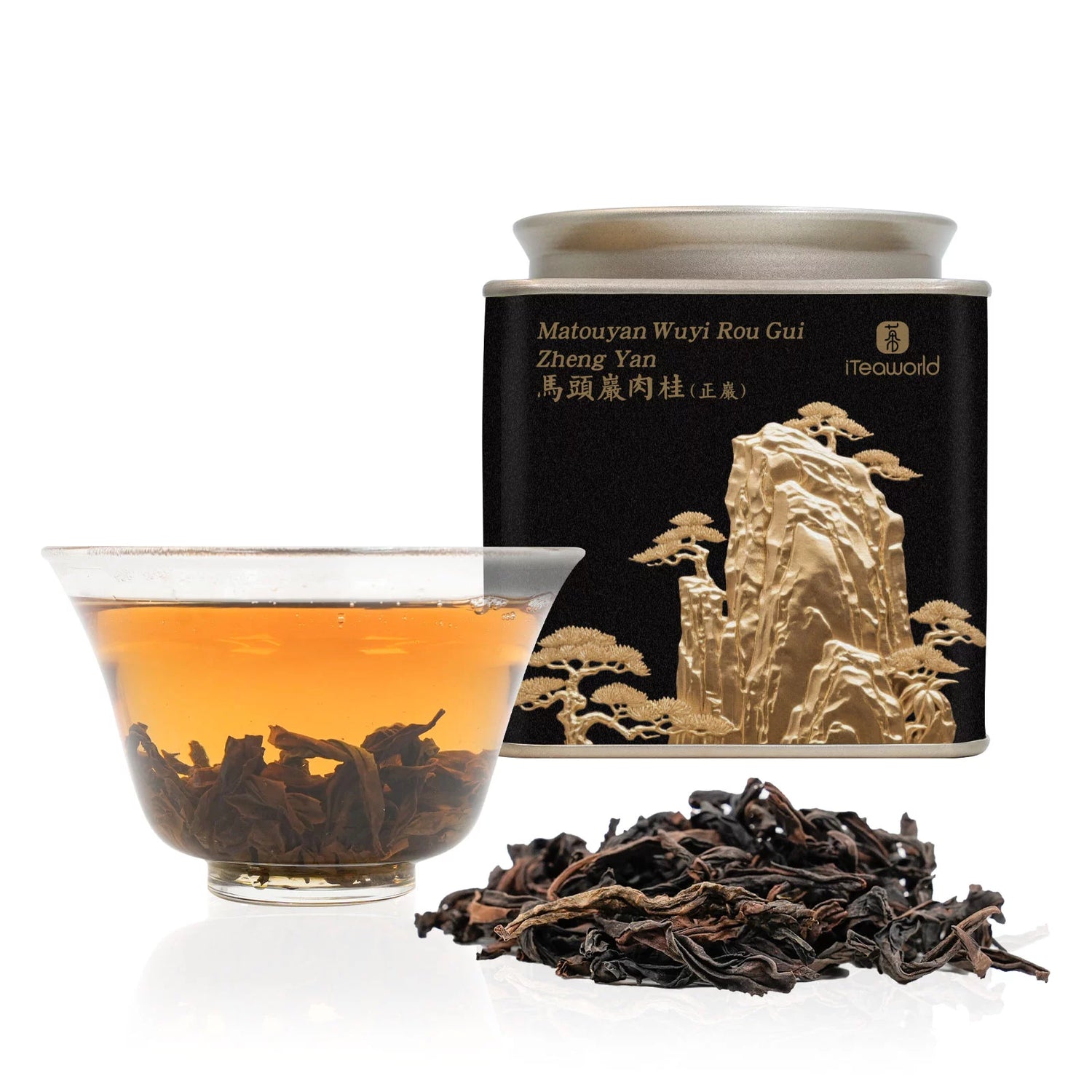
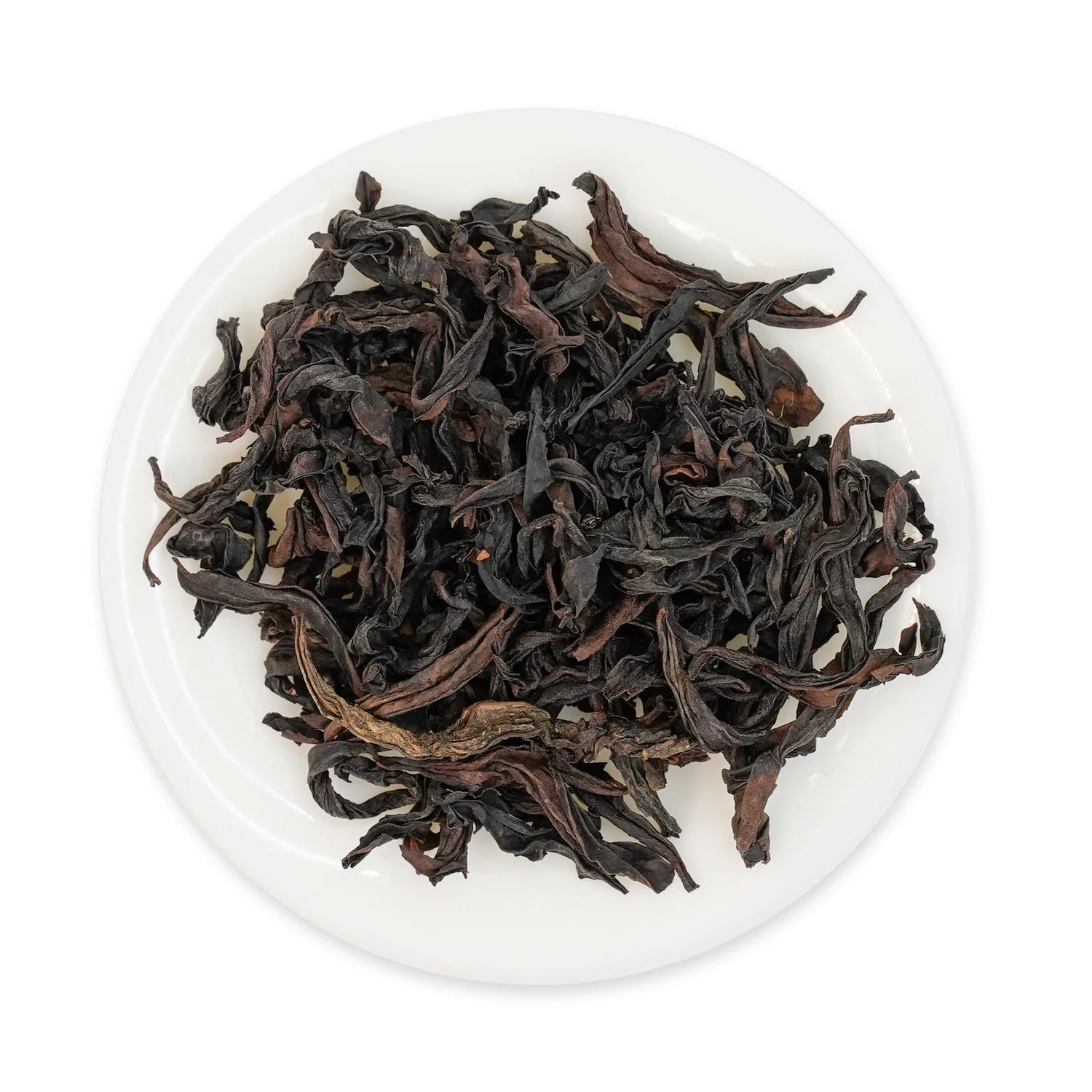
This Top Grade Rou Gui comes from Matouyan, one of the most celebrated terroirs within the core Zhengyan region of Wuyi Mountain. Renowned for producing rock teas with exceptional depth, structure, and mineral character, Matouyan is considered one of the finest origins for premium Wuyi rock tea.
This tea showcases the signature cinnamon-spice aroma that has made Rou Gui one of the most sought-after Wuyi cultivars. The dramatic canyon landscape, rocky cliffs, and unique microclimate of Matou Yan contribute to the tea's distinctive mineral-rich character and remarkable complexity.
The liquor is rich, full-bodied, and powerfully structured, with pronounced roasted notes balanced by lasting mineral depth and a long, satisfying finish. Bold yet refined, this Rou Gui delivers the commanding presence and layered character that experienced Yancha drinkers seek.
Ideal for those who appreciate traditional Wuyi rock teas with strong cinnamon aroma, robust body, pronounced roast, and the distinctive mineral character of top-tier Zhengyan terroir.


Юнчунь Фо Шоу
Юнчунь Фо Шоу — редкий улун из высокогорья уезда Юнчунь провинции Фуцзянь. Его название происходит от формы листьев, напоминающих руку Будды, и яркого фруктового аромата.
Легенда гласит, что в XVII веке буддийские монахи привили чайное дерево к цитрону, создав этот уникальный ароматный сорт. Этот чай, произрастающий на высоте 600–900 метров над уровнем моря в деревне Уси, недалеко от охраняемого региона происхождения, отражает как богатую историю, так и характер высокогорья.
Он известен своими характерными цитрусовыми и грушевыми нотами, оттенёнными сливочным, слегка цветочным послевкусием. Вкус мягкий и многослойный, с длительным сладковатым послевкусием, которое часто называют «очарованием Фо Шоу». Этот чай — спокойный и насыщенный выбор для ценителей фруктовых, элегантных улунов.
-
Происхождение: деревня Уси, город Уфэн, уезд Юнчунь, Цюаньчжоу, Фуцзянь, Китай.
-
Чайник: Сюй Юнъюань
-
Урожай: осень 2024 г.
-
Срок годности: 36 месяцев
-
Сорт: Юнчунь Фо Шоу.
-
Высота: 500 метров
Рекомендуемая покупка
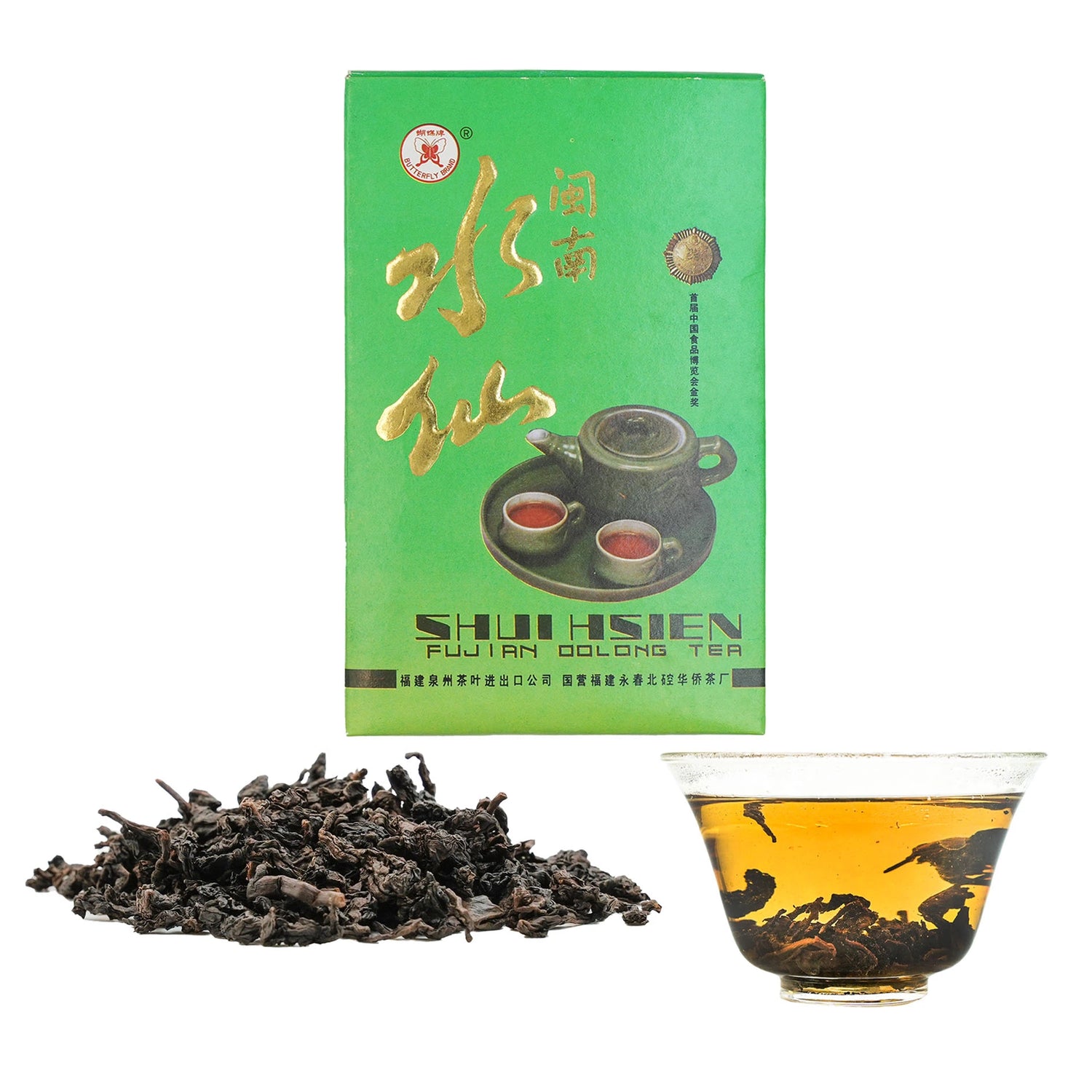
Этот чай улун южной Фуцзянь Шуйсянь, произведенный в период с 1993 по 1995 год и выдержанный более 30 лет на сухом складе в герметичных условиях, изготовлен из сорта Шуйсянь (Нарцисс), полученного из Юнчуня, провинция Фуцзянь — родины этого чая. Он был совместно произведен компанией Quanzhou Tea Import & Export Company и государственной китайской чайной фабрикой Yongchun Kong Overseas в Фуцзяне.
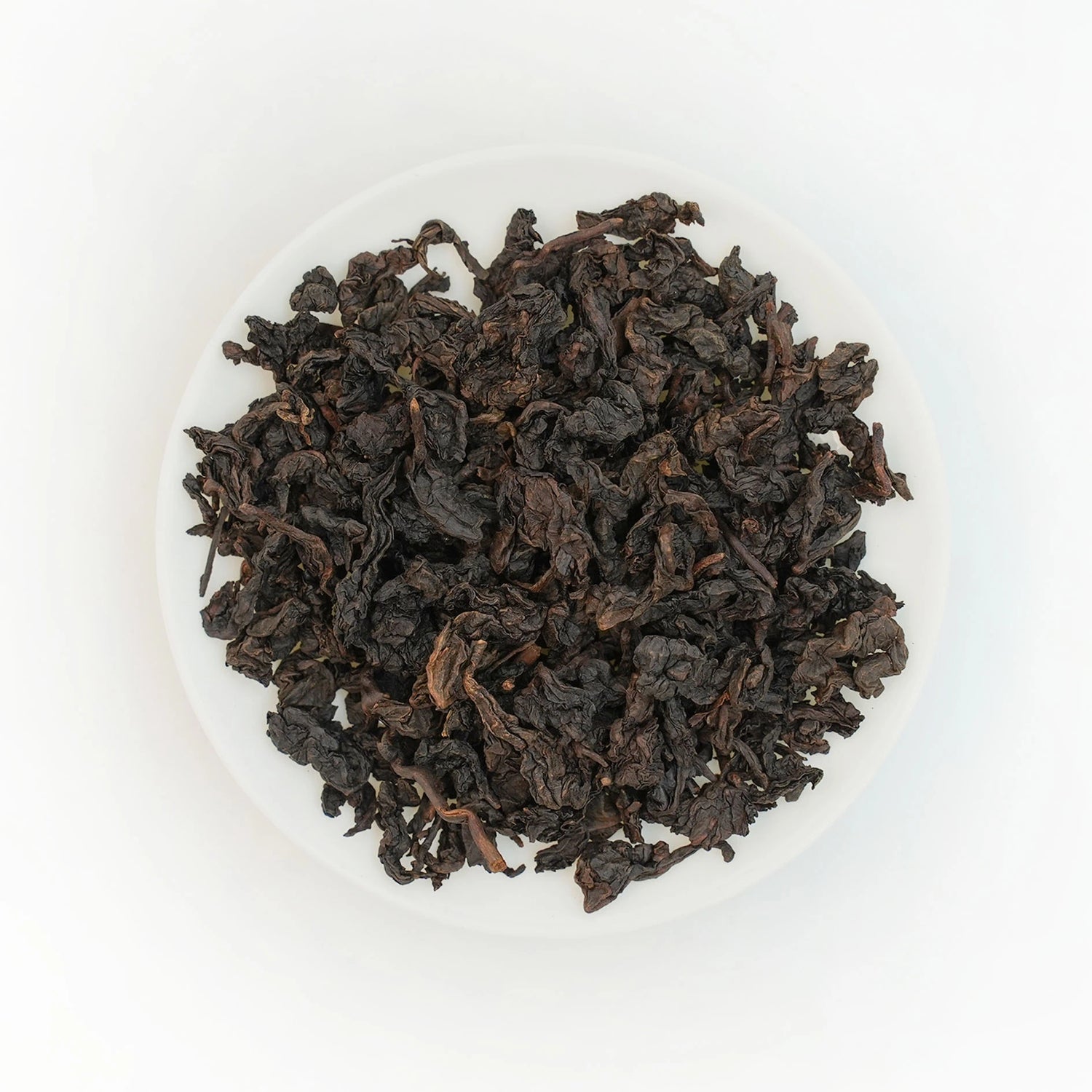
Обработанный по методу Юнчунь Шуйсянь, этот чай является классическим примером чая Улун, сохраненного в оригинальной упаковке. Он больше не доступен на рынке. Чай демонстрирует отчетливый выдержанный аромат, сопровождаемый тонким лекарственным ароматом, со сладким, мягким вкусом и гладкой текстурой. Его превосходные результаты выдержки делают его ценным выбором для любителей выдержанного чая Улун.
Ключевые сведения о Южном Фуцзянь Шуйсяне
- Происхождение: Юнчунь, провинция Фуцзянь, Китай.
- Дата производства: 1993-1995
- Класс: Первый класс
- Сорт чая: Шуй Сянь
- Мастерство: Этот чай перерабатывается в улун методом Юн Чунь Шуй Сянь с умеренной ферментацией. Он выдерживается естественным образом в сухой среде хранения более 30 лет. Чай упакован в оригинальную запечатанную картонную коробку с внутренним слоем алюминиевой фольги для дополнительной защиты.
- Вкусовые особенности: Чай демонстрирует отчетливый выдержанный аромат, сопровождаемый тонким лекарственным ароматом. Его вкус сладкий и мягкий, с гладкой текстурой, демонстрирующей превосходные эффекты выдержки.
Что такое чай «Южный Фуцзянь Шуйсянь»?
Чай Southern Fujian Shui Xian возник в Северной Фуцзяни и был представлен Юн Чуню в период Даогуан династии Цин. Со временем методы его обработки развивались путем смешивания характеристик северных и южных фуцзяньских улунских чаев, что привело к уникальному методу, который увеличивает стойкость чая для многократных завариваний, усиливает его орхидееподобный аромат и производит ярко-желтый ликер со сладким, мягким и освежающим вкусом. Помимо своего исключительного вкуса, чай Southern Fujian Shui Xian предлагает многочисленные преимущества для здоровья, такие как активация автономной нервной системы, снижение стресса, улучшение энергетического обмена, расщепление жиров и снижение уровня холестерина, что делает его желанным выбором как для любителей чая, так и для людей, заботящихся о своем здоровье.
Советы по завариванию и наслаждению
Этот чай демонстрирует уникальную трансформацию, которую приносит время. Первое заваривание можно использовать как шаг «пробуждения чая», чтобы активировать внутренние качества чая, что приводит к более богатой, гладкой текстуре и более выраженному сладкому послевкусию. Для лучшего опыта мы рекомендуем использовать более длительное время заваривания или методы кипячения, чтобы полностью раскрыть его выдержанные характеристики.
Рекомендуемые методы заваривания
Гайваньское пивоварение:
- Емкость: 110 мл Гайвань
- Температура воды: 100℃
- Время заваривания: 5-7 раз
- Соотношение чая и воды: 1:22
- Время заваривания Один раз:Для заваривания начните с быстрого ополаскивания (1-2 секунды) и слейте жидкость. Для первых трех заварок заваривайте чай всего несколько секунд и сразу же выливайте. После этого постепенно увеличивайте время каждой последующей заварки на 5-10 секунд, чтобы адаптироваться к развивающемуся профилю вкуса.
Правила хранения
Чтобы обеспечить наилучшее качество чая, идеальный способ хранения — хранить его в вакуумной упаковке в прохладном, темном и сухом месте. Избегайте воздействия сильных запахов и воздуха. Для герметичного хранения рекомендуется использовать жестяную банку или металлическую банку с двойной крышкой. Для еще лучшего результата вы можете хранить герметично закрытый чай в холодильнике или сухом контейнере для хранения.
Вес и упаковка:
Вес: 4,4 унции (125 г)
Тип упаковки: оригинальная запечатанная бумажная коробка, внутренняя запечатанная алюминиевая пленка
О зарубежной китайской чайной фабрике Yongchun Beikeng
Основанная в 1958 году государственная фабрика чая Fujian Yongchun Beikeng Overseas Chinese Tea Factory имеет богатую историю и культурное наследие производства чая. На пике своего развития фабрика была оживленным центром инноваций и мастерства, на ней работало более 1000 рабочих чайной отрасли, и ежегодно производились миллионы фунтов чая. Ее чаи, включая Tieguanyin, экспортировались в Гонконг, Тайвань, Японию и Юго-Восточную Азию, заслужив широкое признание и став ярким символом чайной культуры Фуцзянь.
Однако к 1990-м годам фабрика пришла в упадок, а ее некогда оживленные земли затихли. Не в силах вынести, как угасает дело его жизни, ветеран-директор фабрики Хуан Шэнхоу взял на себя управление после ее приватизации, посвятив себя возрождению фабрики и сохранению ее чайного наследия.
Сегодня выдержанный Тегуаньинь фабрики не только воплощает в себе десятилетия опыта в изготовлении чая, но и продолжает демонстрировать непреходящее очарование Тегуаньинь из Юнчуня. История фабрики заграничного китайского чая Фуцзянь Юнчунь Бэйкэн отражает преданность и новаторство поколений мастеров чайного дела, а ее выдержанный Тегуаньинь продолжает это замечательное наследие.


Рекомендуемая покупка:
Этот чай Hei Zhuan (черный кирпичный чай), произведенный в 2011 году и выдержанный в течение 14 лет на сухом северном складе, изготовлен из настоящего темного необработанного чая Gao Ma Er Xi путем пропаривания и прессования. Он производится компанией Hunan Jiuyang Tea Co., Ltd. и тщательно обрабатывается с помощью таких этапов, как дробление, просеивание, ферментация, пропаривание, машинное прессование и сушка. Этот чай больше не доступен на рынке.
Кирпич имеет гладкую поверхность, четкие узоры, четко очерченные края, равномерную толщину и глянцевый темно-коричневый цвет. После многих лет выдержки он приобретает отчетливый выдержанный аромат с древесными нотками, предлагая богатый, мягкий вкус и гладкую, изысканную текстуру. Этот чай Hei Zhuan был награжден специальной золотой медалью на выставке Shanghai Tea Expo 2009, что делает его классическим шедевром от чайной фабрики Jiuyang.
Основные сведения о темном чае Hei Zhuan Tea:
- Происхождение: уезд Аньхуа, провинция Хунань, Китай
- Дата производства: 2011
- Класс: Первый класс
- Сорт чая: сорт оригинальной группы Гао Ма Эр Си
- Мастерство: Этот чай Hei Zhuan (черный кирпичный чай) производится с использованием темного необработанного чая Anhua в качестве базового материала. После того, как необработанный чай поступает на фабрику, он проходит ряд процессов, включая просеивание, веяние, дробление и смешивание, чтобы создать полуфабрикат, который соответствует строгим стандартам однородности и чистоты. Затем полуфабрикат проходит дополнительную обработку путем пропаривания, прессования, обжаривания и упаковки для получения конечного черного кирпичного чая.
- Особенности вкуса: Чай обладает ярко выраженным выдержанным ароматом с древесными нотками, богатым, мягким вкусом и гладкой, изысканной текстурой.
Что такое темный чай Хэй Чжуань?
Чай Hei Zhuan (черный кирпичный чай) назван так из-за использования в качестве основного материала темного необработанного чая (Hei Mao Cha), который придает чаю темный, глянцевый цвет и кирпичную форму при сжатии. Сырье получают из высококачественного темного необработанного чая, произведенного на чайных фабриках в Аньхуа и других уездах.
Раньше сырье делилось на два типа: поверхностный чай (высшего качества) и внутренний чай (низшего качества). Во время прессования чай более низкого качества прессовался внутри, а чай более высокого качества использовался на поверхности. Однако с начала 1970-х годов трудоемкий и длительный традиционный процесс был оптимизирован. Теперь чай смешивается в соответствующем соотношении поверхностного и внутреннего чая и прессуется за один шаг.
В процессе производства сырье сначала просеивают, формуют, провеивают и очищают. Затем его смешивают в определенных пропорциях. Для машинного прессования чай стерилизуют с помощью высокотемпературного пара, сжимают под высоким давлением, проверяют и обрезают, а затем медленно сушат перед упаковкой в окончательную форму кирпича.
При заваривании чай Hei Zhuan дает напиток цвета янтаря с богатым, мягким вкусом и чистым, чистым ароматом. Считается, что длительное употребление этого чая способствует пищеварению, регулирует обмен веществ и обеспечивает пользу для здоровья и профилактические эффекты для организма.
Советы по завариванию и наслаждению:
Этот чай воплощает в себе уникальную трансформацию, привнесенную временем. Первое заваривание может служить «пробуждением чая», чтобы активировать внутренние качества чая, усиливая его вкусовой профиль. Чай Хэй Чжуань (черный кирпичный чай) имеет форму кирпича. Перед завариванием используйте специальный нож для кирпичного чая или лопатку для чая, чтобы аккуратно разломить кирпич на кусочки подходящего размера. Избегайте применения чрезмерной силы, чтобы не повредить чайные листья.
Рекомендуемые методы заваривания:
Гайваньское пивоварение:
- Емкость: 100 мл Гайвань
- Температура воды:100℃
- Время заваривания: 5-7 раз
- Соотношение чая и воды: около 1:20 (регулируйте по своему вкусу)
- Время заваривания: 1 раз: 2–3 минуты (регулируйте по своему вкусу). Первый раз в качестве пробуждающего чая можно заваривать 3–5 секунд.
Метод кипячения:
Чтобы заварить чай Хэй Чжуань (черный кирпичный чай), начните с 10–15 граммов чая и 500 миллилитров воды. Нагрейте воду до бурного кипения, затем добавьте чай. Как только вода снова закипит, убавьте огонь до слабого кипения и дайте ему вариться в течение 2 минут. Выключите огонь, процедите чайные листья и подавайте горячим. Если вы предпочитаете более легкий вкус, вы можете изменить соотношение до 1 части чая на 15 частей воды (например, 10 граммов чая на 150 миллилитров воды) и выполнить те же действия.
Для молочного чая в центральноазиатском стиле заварите чай, как описано выше. Затем смешайте процеженный чай с молоком в соотношении 1:5 (1 часть молока на 5 частей чая). Добавьте щепотку соли по вкусу, хорошо перемешайте и наслаждайтесь этим кремовым, пикантным напитком.
Правила хранения:
Чтобы обеспечить наилучшее качество чая, идеальный способ хранения — хранить его в вакуумной упаковке в прохладном, темном и сухом месте. Избегайте воздействия сильных запахов и воздуха. Для герметичного хранения рекомендуется использовать жестяную банку или металлическую банку с двойной крышкой. Для еще лучшего результата вы можете хранить герметично закрытый чай в холодильнике или сухом контейнере для хранения.
Вес и упаковка:
Вес: 35,3 унции (1000 г)
Тип упаковки: Оригинальная запечатанная бумажная коробка, внутренняя упаковка из крафт-бумаги
О чайной фабрике Хунань Цзюян:
Hunan Jiuyang Tea Co., Ltd., основанная в 1985 году, берет свое начало в древнем городе Ючжоу, родине темного чая Аньхуа. Будучи ведущим предприятием в индустрии темного чая Хунани, Jiuyang занимается сектором темного чая уже почти четыре десятилетия без перерыва. Сейчас ее штаб-квартира находится в городе Цзяннань, родине чая Цянь Лян (чай тысячи таэлей), и может похвастаться более чем 5000 акрами высокогорных органических чайных садов на ледниковой каменистой почве и стандартизированным производственным предприятием, охватывающим более 20 000 квадратных метров.
Руководствуясь основной философией «наследия и инноваций», компания Jiuyang сохранила традиционное мастерство «Трех кирпичей» (например, Fu Brick, Hei Brick, Hua Brick), «Трех советов» (например, Tian Jian, Gong Jian, Sheng Jian) и чая Qian Liang, а также разработала более 100 современных темных чайных продуктов. Компания завоевала множество международных и внутренних наград за качество и стремится производить «премиальный темный чай» как свидетельство своей приверженности совершенству. Jiuyang продолжает продвигать культуру темного чая Anhua на мировой арене.


This fairness cup (gong dao bei) is fully handcrafted in Jingdezhen, China’s famed “porcelain capital.”
Its surface is decorated with traditional Chinese floral motifs, painted using the famille rose (fencai) enamel technique.
A fairness cup is used to control consistency when serving tea.
After pouring from a teapot or gaiwan, the liquor is gathered and mixed in the cup before being served to each guest.
This ensures that everyone enjoys tea with the same strength, flavor, and temperature.
The name “fairness cup” carries the idea of equality and respect—every guest is treated the same.
Material: Porcelain
Capacity: 200 mL
Dimensions: Height 7.7 cm; Max diameter at top: 9 cm
What is Tuanhua?
Tuanhua, also known as “ball-flower patterns,” doesn’t refer to any specific flower.
Instead, it’s a decorative style where flowers, fruits, and geometric elements are arranged within a circular outline, forming a compact “ball-like” motif.
The earliest versions date back to the Shang dynasty, appearing on bronze and white pottery.
By the Yongzheng period of the Qing dynasty, tuanhua became widely used in imperial porcelain—especially in famille-rose ware—and later spread to folk kilns, becoming a beloved decorative style.
Tuanhua designs are known for their lively, free layouts.
Circles of different sizes are arranged in seemingly casual yet harmonious compositions—sometimes single, sometimes overlapping in pairs or groups of three.
Often paired with colors like white, black, and celadon white, they create a light, balanced visual effect.
These motifs are commonly used on porcelain, clothing, and furniture, symbolizing reunion, prosperity, and completeness, carrying blessings of good fortune.


This tea mat features Chinese traditional tuanhua (round floral motifs). The pattern is elegant, with subtle flower-shaped embossing on the surface. The fabric feels soft and comfortable, and the edges are smooth, neat, and durable. Both sides can be used. The material is treated to be water-repellent, so spills do not seep in; a quick wipe leaves no tea stains. It fits easily into any setting and adds a touch of vintage luxury to the space.
Size: 65 cm (L) × 34 cm (W)
What is Tuanhua (团花)?
Tuanhua, also known as “ball-flower patterns,” doesn’t refer to any specific flower. Instead, it’s a decorative style where flowers, fruits, and geometric elements are arranged within a circular outline, forming a compact “ball-like” motif. The earliest versions date back to the Shang dynasty, appearing on bronze and white pottery. By the Yongzheng period of the Qing dynasty, tuanhua became widely used in imperial porcelain—especially in famille-rose ware—and later spread to folk kilns, becoming a beloved decorative style.
Tuanhua designs are known for their lively, free layouts. Circles of different sizes are arranged in seemingly casual yet harmonious compositions—sometimes single, sometimes overlapping in pairs or groups of three. Often paired with colors like white, black, and celadon white, they create a light, balanced visual effect. These motifs are commonly used on porcelain, clothing, and furniture, symbolizing reunion, prosperity, and completeness, carrying blessings of good fortune.


This Zhuni Teapot was handcrafted by Cai Songkai, a renowned Zhuni teapot master from Chaozhou. Made primarily from Zhuni clay, the teapot features an egg-shaped body, hence the name “Dragon Egg Teapot.”
In traditional Chinese culture, the egg symbolizes the origin of life and the primordial state of the universe — representing vitality and endless possibility. The dragon, on the other hand, is a symbol of good fortune and auspicious power. Together, the concept of the “Dragon Egg” conveys a blessing for prosperity, renewal, and good luck.
The artist’s name is engraved inside the lid and on the handle.
This teapot shape is ideal for high-aroma teas, especially Oolong teas such as Phoenix Dancong, Tieguanyin, and Dong Ding Oolong.
Capacity: 110 mL
What is a Zhuni Teapot?
Zhuni is a type of zisha clay, belonging to the “red clay” family, and is regarded as the finest and most delicate among them — often considered the “noble” or “gem” of zisha clay.
It has a low sand content and a fragile texture, making it prone to deformation or cracking during firing. Because of this, the yield rate is very low, and teapots made from it are known as Zhuni teapots.
Chaozhou Zhuni Master — Cai Songkai
Cai Songkai is a senior arts and crafts artist of Guangdong Province, a Chaozhou arts and crafts master, and a renowned folk ceramic artist.
With years of dedication to Zhuni pottery, he has developed a distinctive style that combines precise structure, smooth lines, and refined craftsmanship. His teapots are widely admired by collectors both in China and abroad, earning him a strong reputation in the field of Zhuni teapot making. His works have won multiple gold awards in major competitions.
Recently viewed products
Shop with Confidence at iTeaworld

Not satisfied? Get a full refund within 30 days — no return needed

Free tea samples with tea order
Buy 1 get 1 sample. Buy 2 get 2. Buy 3+ get 3 free sample