


Search results
165 results
165 results
Search results


Discover the Hidden Diversity of Longjing
Most tea lovers know Longjing (Dragon Well) for its signature roasted chestnut aroma, smooth texture, and refreshing sweetness. But behind this familiar profile are different tea cultivars — each bringing its own character to the cup.
This Longjing Cultivar Comparison Set features four representative varieties: Longjing #43, Wu Niu Zao, Longjing Qunti, and Baiye No.1.
By tasting them side by side, you can explore how different tea trees shape the aroma, body, sweetness, and overall personality of Longjing — and discover which cultivar creates the style you love most.
A perfect tasting experience for Longjing enthusiasts who want to go beyond one classic flavor and understand the diversity behind Dragon Well green tea.


Explore the best of Chinese spring tea with the 2026 First Flush Green Tea Collection.
This set includes 4 iconic green teas:
-
Longjing (Dragon Well)
-
Biluochun
-
Huangshan Maofeng
-
Enshi Yulu
All teas are handpicked as First Flush, the earliest harvest after winter dormancy. At this time, the young buds are rich in amino acids, creating a cup that is exceptionally fresh, smooth, and naturally sweet.
From nutty and smooth to floral and vegetal, this collection lets you experience the diversity of Chinese green tea in one set.


High-quality Chinese loose leaf tea samples, individually wrapped, to try at a low price.
Yellow-style Longjing (Nutty)
Green-style Longjing (Floral)
Premium Longjing
Premium Huangshan Maofeng
Premium Biluochun
Premium Enshi Jade Dew
Yunan Green Tea
First Flush Spring Longjing
First Flush Spring Huangshan Maofeng
First Flush Spring Enshi Yulu
First Flush Spring Biluochun


Designed with the beginner in mind, these teas are easy to brew. It is the perfect starting point for anyone looking to a delightful journey into authentic Chinese green tea.


Huang Jin Gui is a classic oolong tea from Anxi, Fujian, known for its elegant floral aroma and smooth, naturally sweet character.
This tasting-grade Huang Jin Gui offers fresh floral notes with a soft and silky tea liquor. Its flavor profile is similar to lightly roasted Tie Guan Yin, but with a smoother texture, fuller body, and a calmer, more refined aroma.
Compared with more intensely aromatic oolongs, Huang Jin Gui delivers a gentler and more comforting tea experience that is easy to enjoy daily.
An excellent choice for drinkers who enjoy the fresh floral style of Tie Guan Yin and want to explore a softer, rounder expression of Fujian oolong tea.


A classic Chinese pairing designed for moments of restoration. This blend harmonizes the delicate elegance of Hangbaiju Chrysanthemum with the honeyed depth of 2014 Aged Shou Mei White Tea. Beyond the flavor, it is a natural remedy for the digital age—crafted to soothe eyes tired from screen time and clear "inner heat" caused by stress or late nights. It’s a soul-soothing beverage designed to bring clarity and a sense of calm to a restless afternoon.
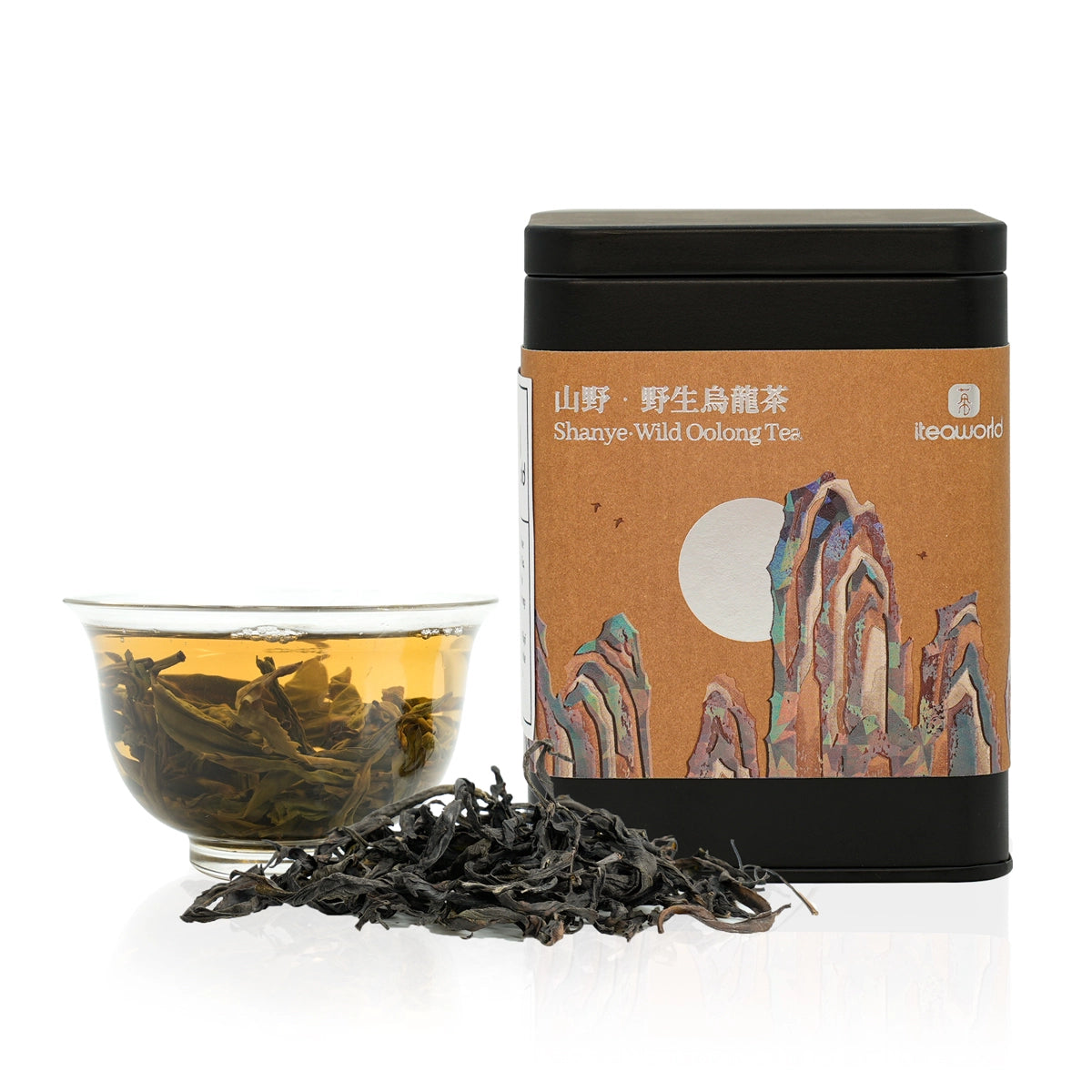
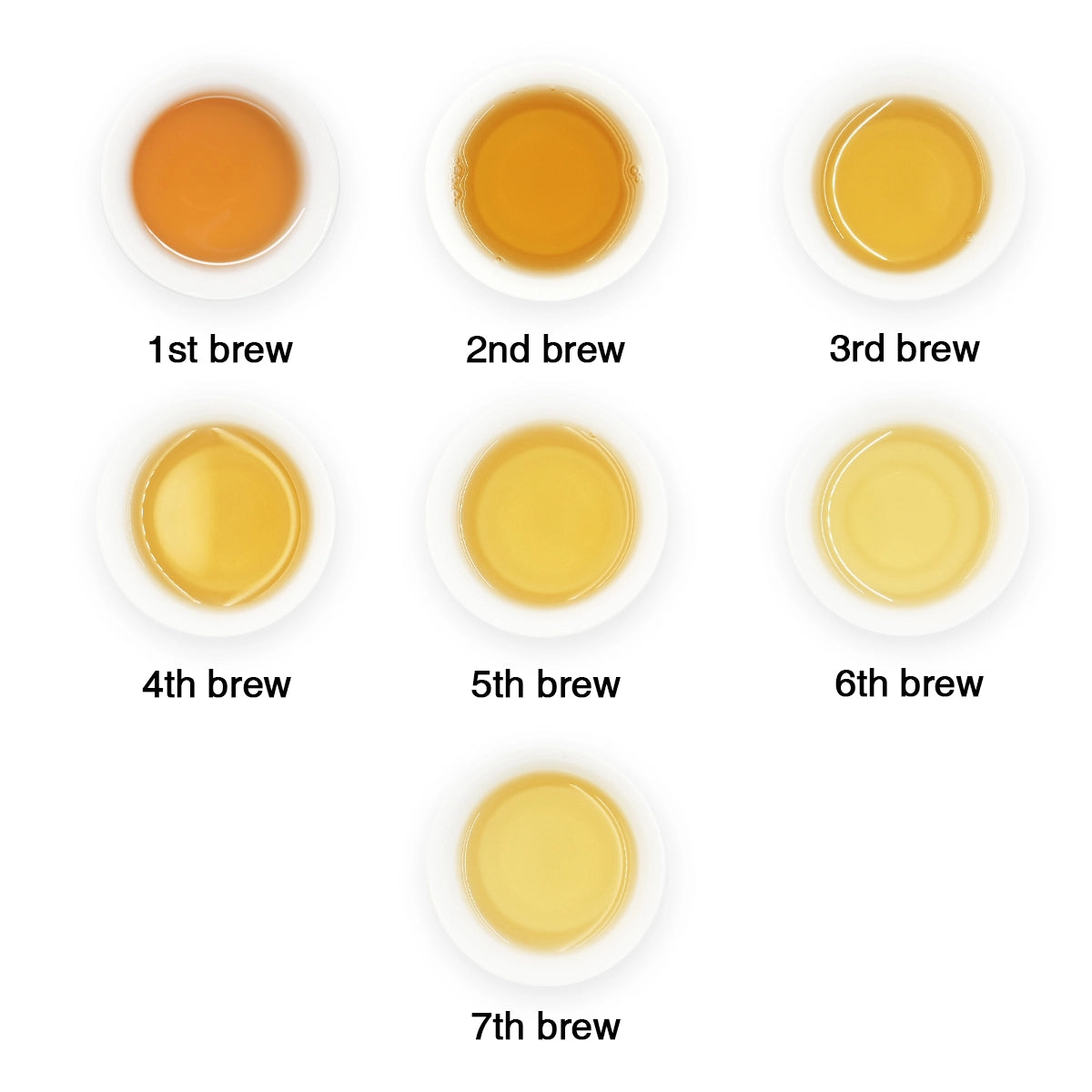
Discover a tea shaped by nature alone. Grown wild in the remote mountains of Guangxi, this Oolong thrives without fertilizers or pesticides, capturing the raw energy of the high-altitude ecosystem.
-
Wild-Grown: 1,000m altitude, harvested only in spring.
-
Masterfully Roasted: Crafted with Wuyi Rock Tea techniques for a rich, multi-layered bouquet of flowers and ripe fruit.
-
The Perfect Pour: A radiant orange-red liquor with a silky mouthfeel and a lingering, sweet finish.


Refined 110ml Bone China Gaiwan
Designed for Aroma, Comfort, and Mindful Brewing
Product Overview
Material: Bone China
Composition: Made primarily from bone ash (calcined animal bone, ≥30%), kaolin, quartz, and feldspar
Origin: Chaozhou, Guangdong, China
Bone China Thickness: 1.5–2.5mm
Gaiwan
-
Capacity: 110ml
-
Dimensions: Diameter 7.8cm, Height 7cm
-
Weight: 74.1g
Teacup
-
Capacity: 32ml
-
Dimensions: Diameter 5.2cm, Height 3cm
-
Weight: 14g
Available Sets
-
Option 1: One 110ml bone china gaiwan
-
Option 2: One 110ml bone china gaiwan + Four 32ml bone china teacups
Bone China Craftsmanship
-
Firing Process: Low-temperature bisque firing followed by high-temperature glaze firing (~1200°C)
-
Appearance: Smooth milky-white glaze with a fine, delicate texture
-
Double Firing: First fired unglazed for shape stability, then glazed and refired at high temperatures — a complex process with a relatively low yield
-
Translucency & Tone: When thin, the body is translucent due to bone ash content. When tapped, it produces a crisp, bell-like sound
How Bone China Affects Tea Flavor
Advantages:
-
Neutral & Stable: The chemically inert glaze doesn’t absorb aroma or flavor, making it ideal for highly aromatic teas such as oolong and dancong. Preserves fragrance clarity and detail.
-
Fast Heat Dissipation: Thin walls release heat quickly, which prevents delicate green and white teas from over-steeping. Keeps the brew fresh and clean.
Limitation:
-
Weaker Heat Retention: Not ideal for teas that require prolonged high temperatures (e.g., aged pu-erh), unless poured promptly.
Recommended Teas for This Bone China Gaiwan
1. Aromatic Oolong Teas
(e.g., Wuyi rock oolong, Dancong, Tie Guan Yin)
✅ Non-absorbent glaze preserves floral, fruity, and roasted aromas
✅ Quick heat dissipation prevents excessive volatilization of aromatic compounds
2. Tender Green Teas
(e.g., Longjing, Biluochun)
✅ Cools quickly to prevent scalding delicate buds, preserving freshness
✅ Smooth glaze enhances the sweet, umami-rich character of the liquor
3. High-Grade Young White Teas
(e.g., Silver Needle, White Peony)
✅ Neutral surface keeps the natural honeyed and floral notes intact
✅ Light glaze highlights the golden hue of the brew and the fine downy buds
4. Sweet-Scented Black Teas
(e.g., Jin Jun Mei, Dianhong)
✅ Locks in sweet and honeyed aromas for a fuller taste
✅ Translucent body enhances visual clarity—“golden rings” appear more vibrant
Conclusion
This bone china gaiwan is the perfect match for aromatic, delicate, and flavor-focused teas. It combines non-absorbency, quick cooling, and clarity to bring out the true character of each brew.
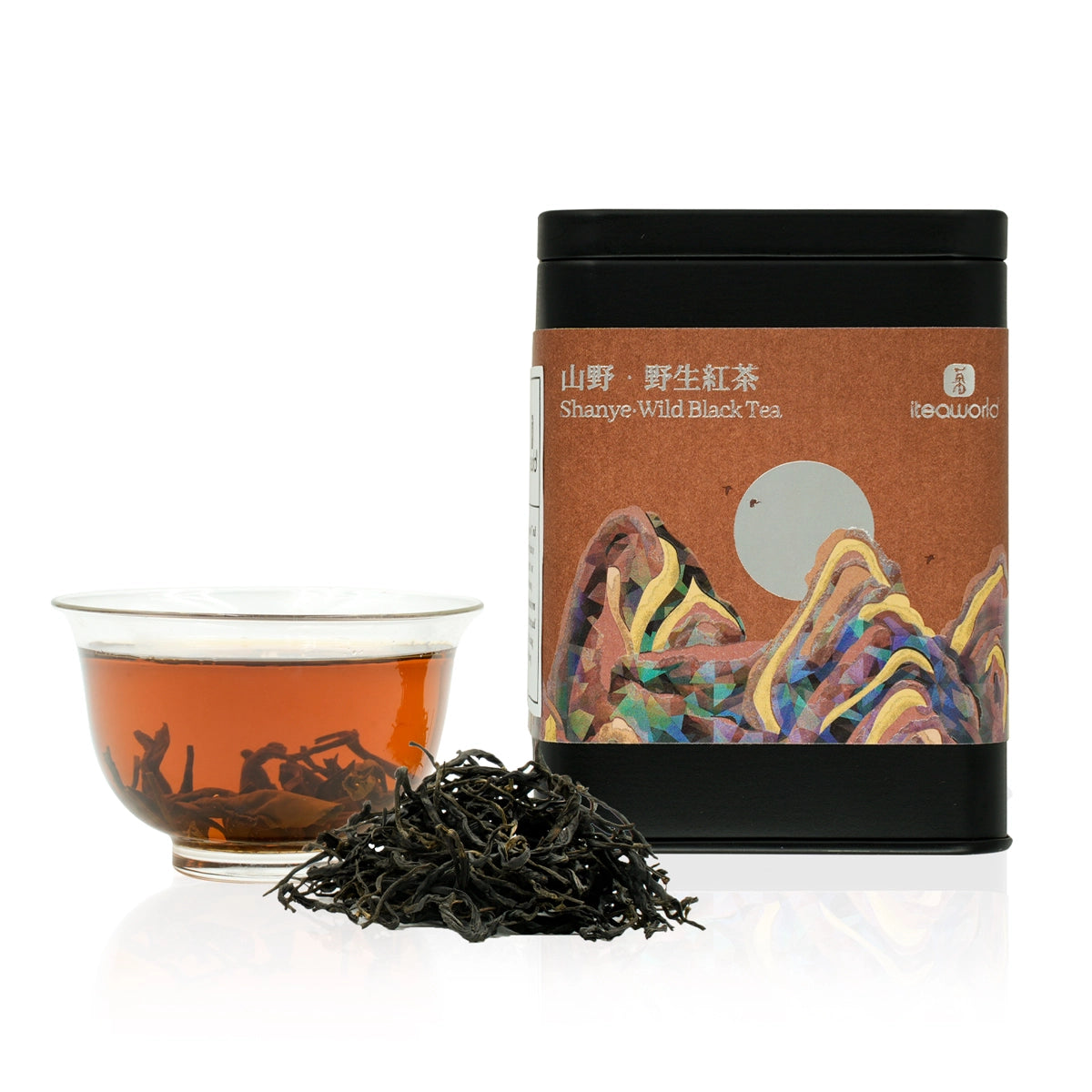
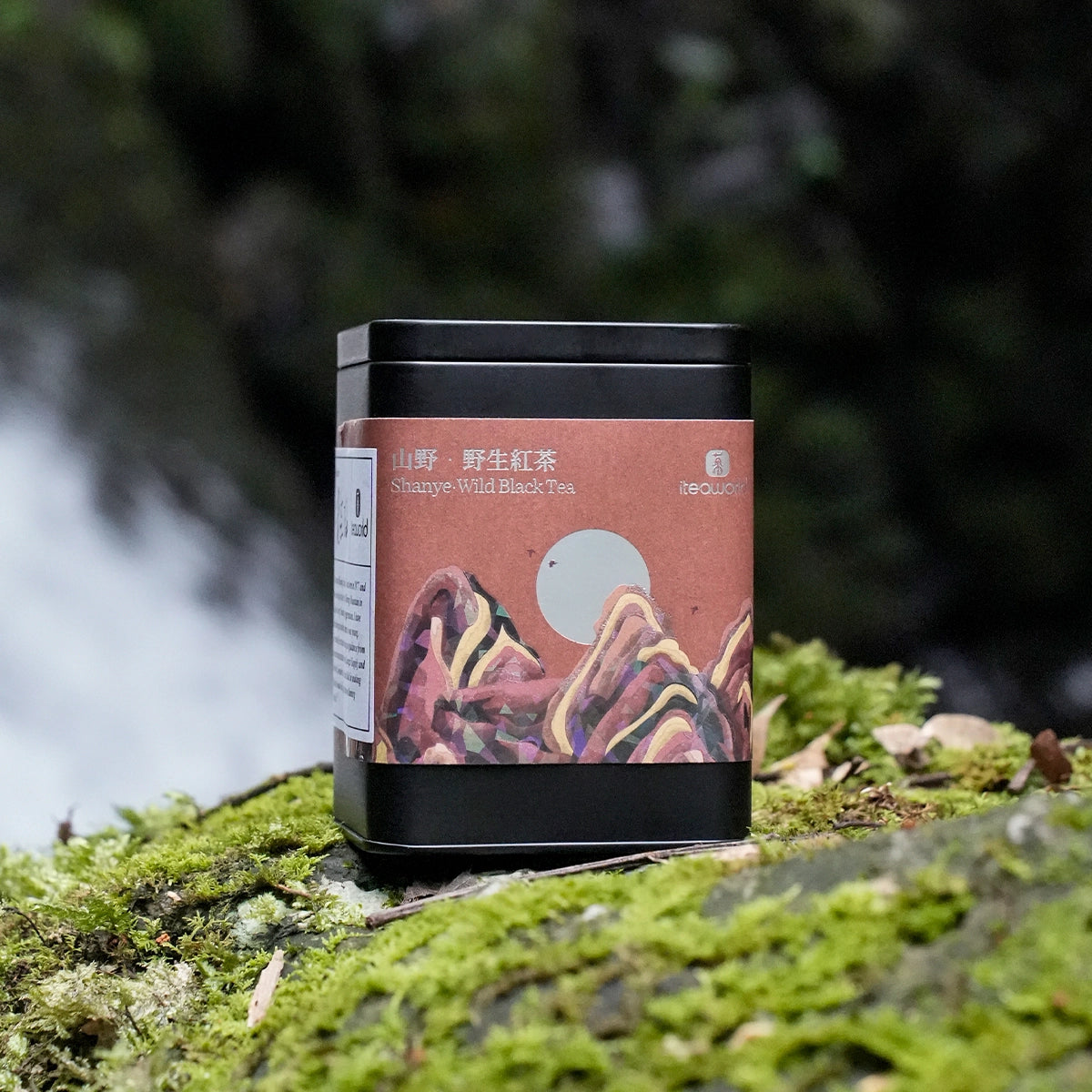
Wild Black Tea
Untouched Nature: Grown wild at 900m altitude in the lush Da Ming Mountain range. This tea thrives in a pristine ecosystem without chemical fertilizers or pesticides. To preserve its concentrated energy, we only harvest once a year in spring.
The Craft: Processed using the traditional Lapsang Souchong technique (unsmoked). This method highlights the tea's natural wild character without the distraction of smoke.
Flavor Profile: A brilliant orange-yellow liquor with a prominent "golden ring." It features a rich, unique floral bouquet and a refreshing, honey-like sweetness that lingers on the palate.


Sticky Rice Aroma Black Tea is a unique specialty from Yunnan, created by combining classic Dianhong black tea with the naturally fragrant leaves that carry a distinctive sticky-rice aroma. Unlike traditional scented teas made only with flowers, this tea showcases the creativity of Yunnan tea craftsmanship by using aromatic leaves to create a warm and comforting fragrance.
Made with Dianhong black tea from Fengqing, Yunnan, and carefully scented with sticky rice aroma leaves, this tea offers a harmonious blend of rich black tea sweetness and a soft rice-like fragrance. Once brewed, it releases an inviting sticky rice aroma, followed by a smooth, mellow taste with a thick and silky texture. The bright orange-red liquor delivers a naturally sweet finish with no bitterness or astringency.
A unique expression of Yunnan tea culture, this tea brings together the depth of Dianhong and the nostalgic aroma of sticky rice, creating a warm and satisfying tea experience for everyday enjoyment.

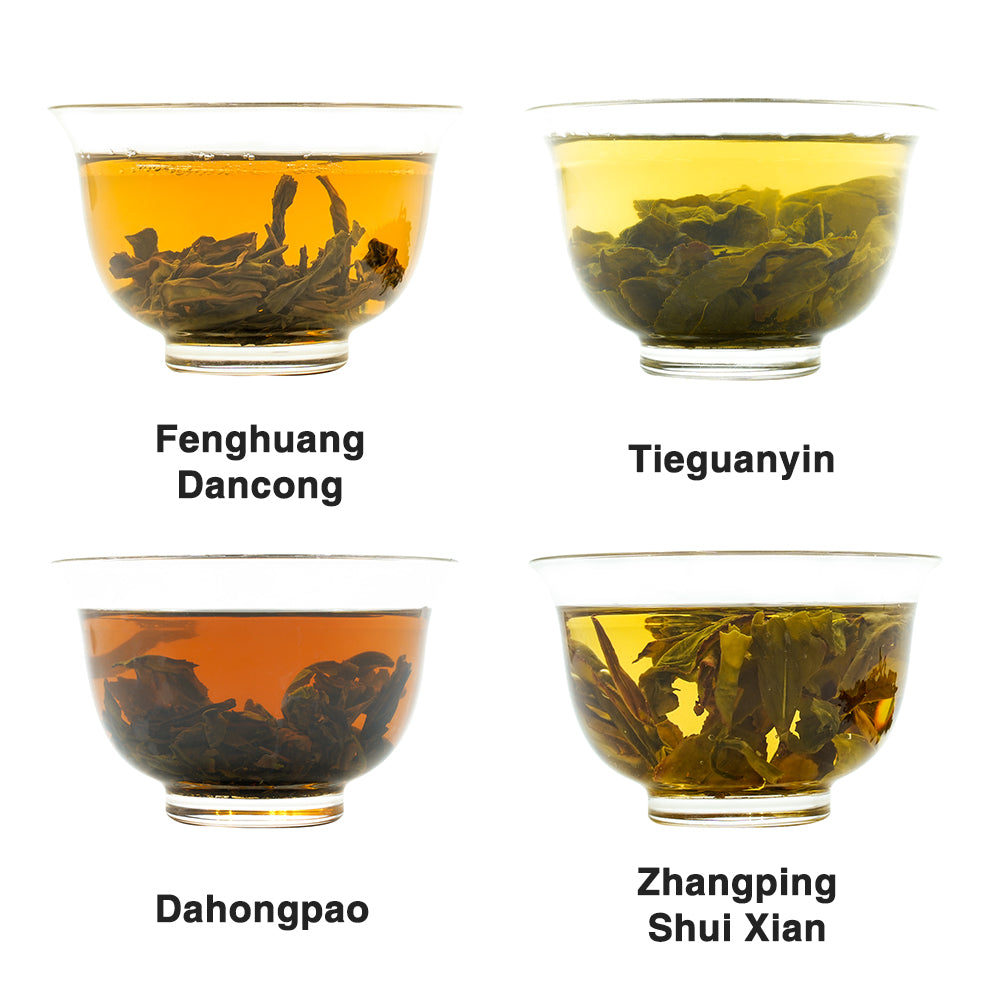
Explore the World of Chinese Oolong Tea with Four Iconic Varieties
Discover the rich diversity of Chinese Oolong tea with this curated sampler featuring Da Hong Pao, Tie Guan Yin, Phoenix Dan Cong, and Zhangping Shui Xian. From lightly oxidized teas to deeply roasted rock teas, this set is a perfect introduction for tea lovers who want to explore the full spectrum of oolong flavors.
- Da Hong Pao: Bold and toasty, from Wuyi Mountains
- Tie Guan Yin: Light, floral, and elegant — a classic minnan oolong tea
- Fenghuang Dan Cong: Naturally fruity with rich orchid aroma
- Zhangping Shui Xian: Rare pressed oolong with subtle garden notes
Whether you're new to oolong or seeking variety, this set offers a sensory journey across China’s top tea regions, all in one elegant collection.
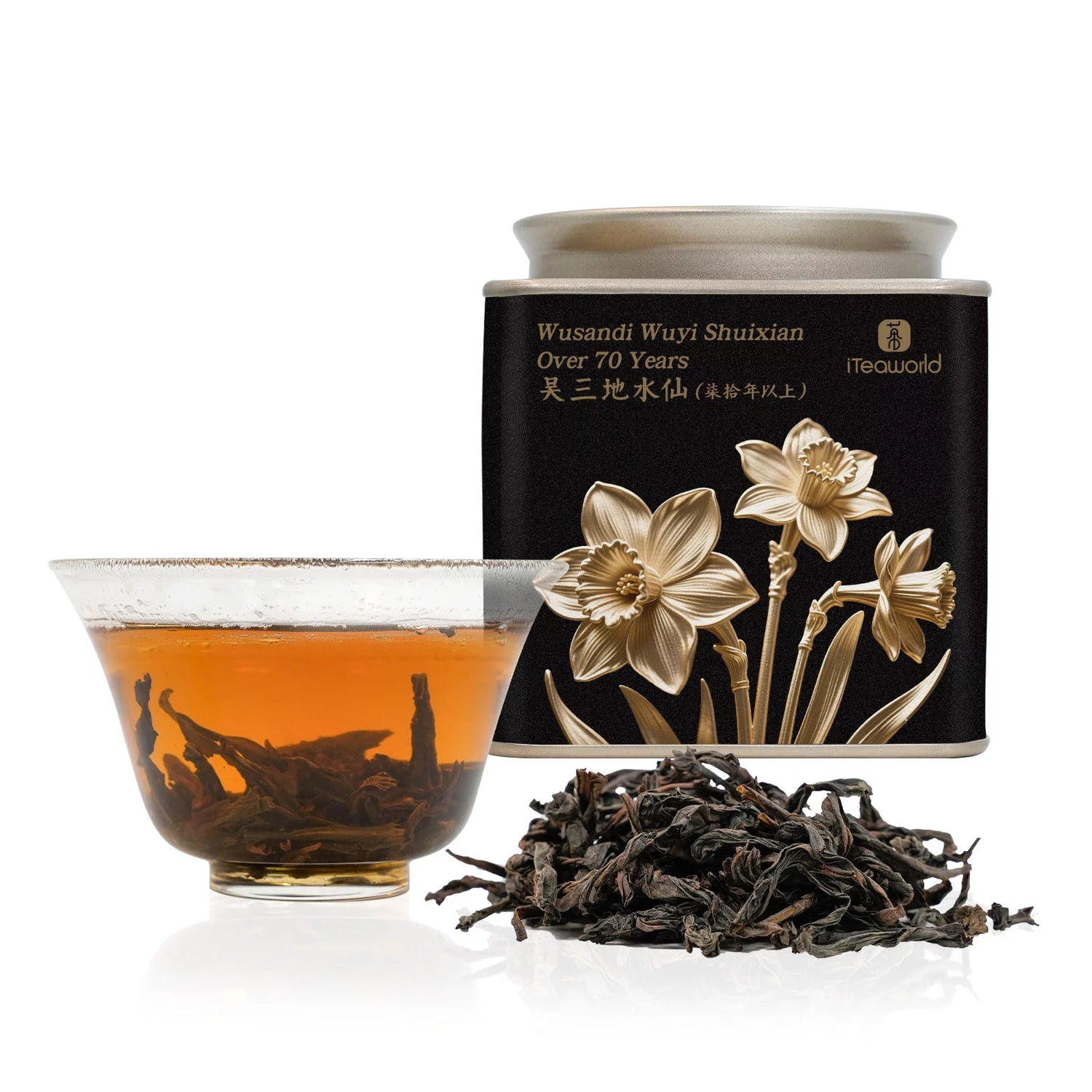
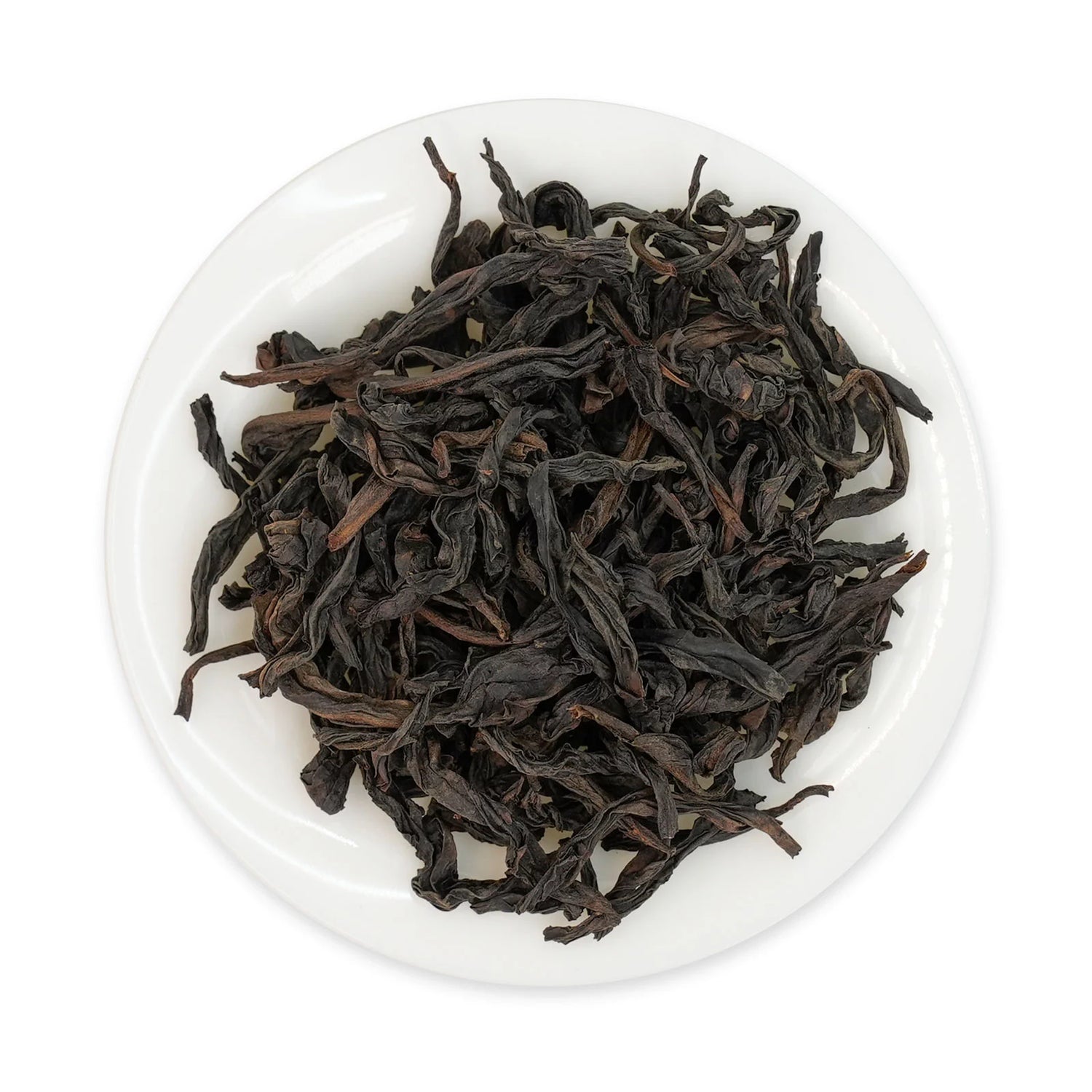
This Wuyi Shui Xian is sourced from Wu San Di, a renowned mountain terroir celebrated for producing exceptional old bush Shui Xian teas. The region is known for teas with distinctive woody aromas, mossy depth, and an exceptionally smooth, full-bodied texture.
Compared with more heavily roasted Wuyi Shui Xian teas, this version features a lighter roast that allows the tea's natural character to shine through. The liquor is brighter, smoother, and more approachable, while still retaining the rich depth and complexity that Shui Xian is known for.
Harvested from tea trees over 70 years old, the tea offers a remarkably silky mouthfeel, enhanced sweetness, and a long, lingering finish. Its balanced aroma and pronounced old bush character create a refined and deeply satisfying drinking experience.
Elegant, smooth, and expressive, this tea is ideal for drinkers who appreciate distinctive woody and mossy notes, balanced aromatics.


Dianhong Golden Bud is one of the most refined varieties of Yunnan black tea, crafted from carefully selected pre-Qingming tender buds of the Fengqing large-leaf tea cultivar. Grown in Fengqing, Yunnan — a region renowned for its exceptional black tea — this tea is made using traditional Dianhong techniques to preserve the natural sweetness and rich aroma of the buds.
The dry leaves are covered with golden tips, producing a bright reddish-gold liquor. It offers a luxurious honey-like aroma, a smooth and full-bodied texture, and a naturally sweet aftertaste that lingers. Compared with Dianhong made from one bud and two leaves, Golden Bud delivers a more delicate, elegant, and refined tea experience.
Perfect for enjoying on its own, this premium Dianhong showcases the classic character of Yunnan black tea through its pure bud material, rich fragrance, and graceful sweetness.
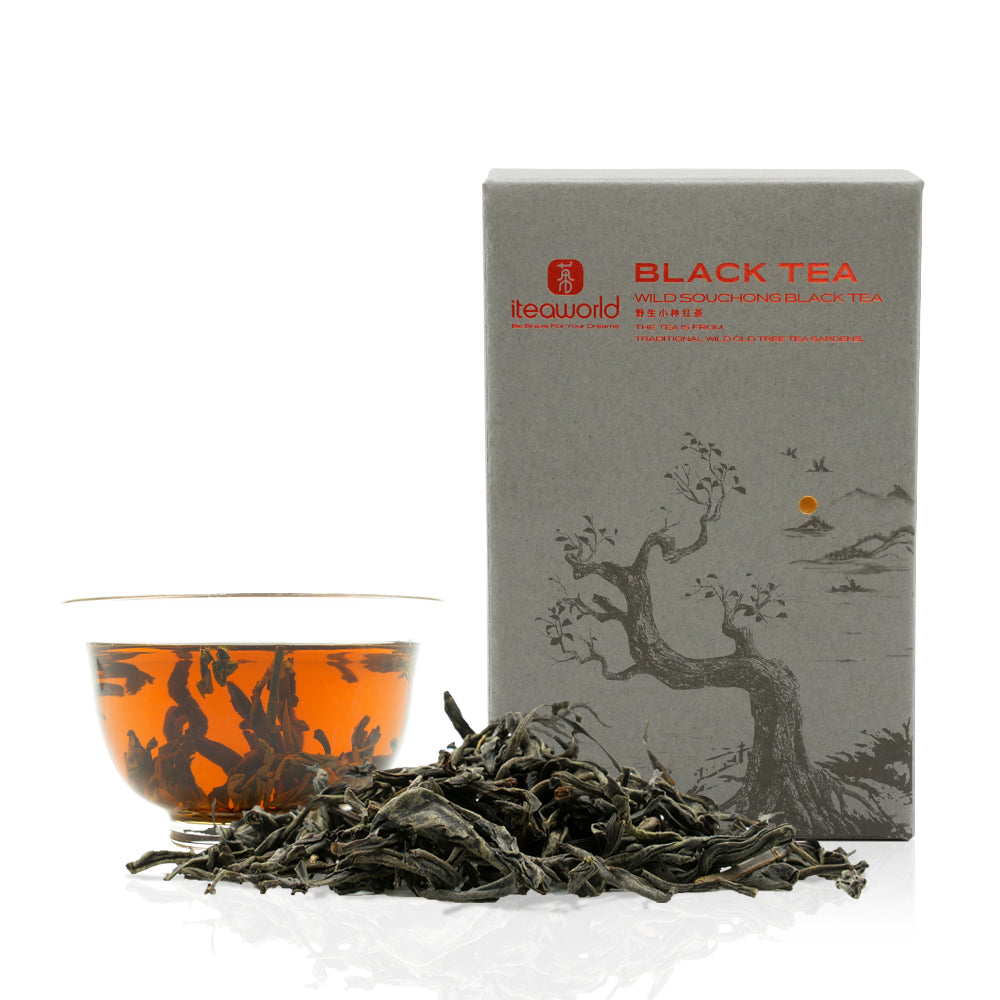
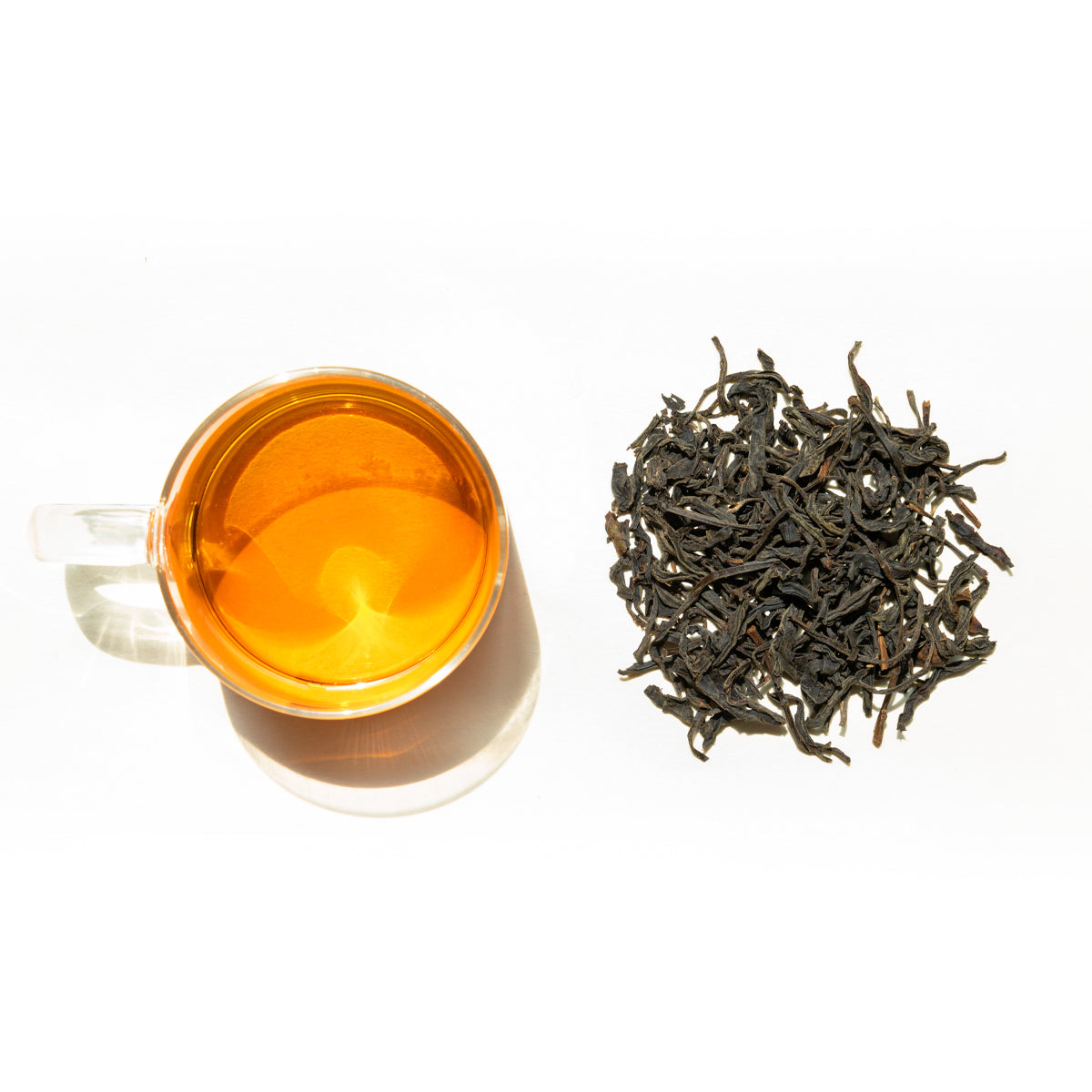
Wild Souchong Black Tea is a distinctive black tea made from wild tea leaves collected from the mountain forests of Guangxi, China. Inspired by the traditional craftsmanship of Lapsang Souchong, this tea brings the character of one of China’s earliest black teas into a lighter, more natural expression shaped by wild-grown tea trees.
Lapsang Souchong has a history of over 400 years and is widely regarded as one of the earliest styles of Chinese black tea. Traditionally associated with pine-smoked tea, it is known for its bold character and distinctive smoky aroma. This Wild Souchong takes inspiration from the traditional style while allowing the natural character of the wild leaves to come forward.
The tea opens with a clean, gentle aroma, followed by delicate notes of dried fruit, wood, and a light, natural sweetness. Its liquor is smooth and refreshing rather than heavy, with a subtle sweetness that gradually lingers on the palate. The finish is clean and clear, revealing the distinctive mountain character of wild tea leaves.
A lighter take on Souchong—naturally sweet, smooth.


This Qi Dan Da Hong Pao is a balanced and refined Wuyi rock oolong with elegant floral aromas, layered fragrance, and a smooth roasted character. Compared to heavier roasted rock teas, it offers a more harmonious and approachable profile while still retaining the gentle mineral character that defines Wuyi oolong.
Smooth, expressive, and comforting, this tea is especially suitable for those who enjoy roasted oolongs with both floral complexity and depth.
This tea is made from the Qi Dan cultivar, one of the original tea varieties associated with Da Hong Pao. Unlike the blended Da Hong Pao styles commonly found today, single-cultivar Da Hong Pao highlights the unique personality of one specific tea variety, offering a more distinctive and layered tasting experience.
Blog

What is Longjing Tea (Dragon Well)?
Blog

What’s the Difference Between “Yellow” and “Green” Longjing?
Shop with Confidence at iTeaworld

30-Day Return & Satisfaction Policy
Not satisfied? Get a refund within 15 days for taste concerns, or return unopened products within 30 days.

Free tea samples with tea order
Buy 1 get 1 sample. Buy 2 get 2. Buy 3+ get 3 free sample