









If you love tea but worry about caffeine (or want an alternative to coffee), you’re not alone. The truth is: tea usually has less caffeine than coffee—but the exact amount depends on the tea type, how you brew it, and how much you drink.
Quick takeaways
- Tea vs coffee: drip coffee can be ~100–200mg caffeine; tea varies widely by type and brewing.
- Lower-caffeine brewing: cooler water + shorter steeps + skip the first infusion.
- Want truly caffeine-free? herbal options like Meicha (Vine Tea) naturally contain zero caffeine.
In this guide
1) Caffeine in Loose Leaf Black Tea vs Loose Leaf Oolong Tea

According to the paper “Analysis of the Proportion of Bound Caffeine in Different Teas” (Journal of Yunnan Agricultural University), teas with a higher degree of polyphenol oxidation tend to have a higher proportion of “bound caffeine” based on experimental results.
What this means (simple version)
- Black tea & dark teas often show a higher bound-caffeine proportion than lighter teas.
- Bound caffeine does not automatically mean “more stimulating,” but it helps explain why caffeine can feel different across tea types.
In the study, among black/dark teas, ripe Pu’er and Liu Bao showed relatively higher caffeine binding (about 20% of total caffeine in those samples). Some teas showed much lower bound caffeine, such as Anhua dark tea (2.15%) compared with Hubei old green brick (7.43%).
For loose leaf black tea, the bound caffeine proportion ranged from 7.58% to 12.50%.
For loose leaf oolong, Dahongpao showed a relatively higher bound caffeine proportion (4.52% in that sample), while Tieguanyin and some other oolongs were closer to green tea samples (<2%).
Yellow tea and white tea ranged roughly 2%–6%. Green tea was generally lower; Pu’er raw tea (classified as a green tea in this context) was small (0.94%).
Practical ranking (rough guide)
Pu’er (ripe) > black tea > oolong > yellow > white > green > (decaf/low-caffeine choices)
Note: brewing method can change caffeine more than tea type—see the next section.
If you enjoy deeper, bold flavors (closer to coffee in vibe), you may like our curated oolong tea set: Explore Oolong Tea Selection >>>
2) How Brewing Methods Affect Caffeine in Tea
- Longer steeping → slightly more caffeine extracted
- More infusions → caffeine drops noticeably in later infusions
- Hotter water → more caffeine extracted
How to reduce caffeine (most effective)
- Skip the first infusion (discard the first steep)
- Use slightly cooler water
- Keep steeps short (especially for the first 1–2 infusions)
3) How Much Caffeine Is in a Cup of Tea?

Adults’ daily caffeine intake is often grouped as: 80–250mg (low), 300–400mg (medium), and 500mg+ (high).
In everyday tea brewing (hot water, short infusions of ~10–30 seconds), caffeine can vary by tea type, brand, water temperature, and leaf amount. A practical reference point: 2.0g of tea brewed across 3 short infusions may release ~60–90mg caffeine in total.
4) How Much Caffeine Is in a Cup of Coffee?
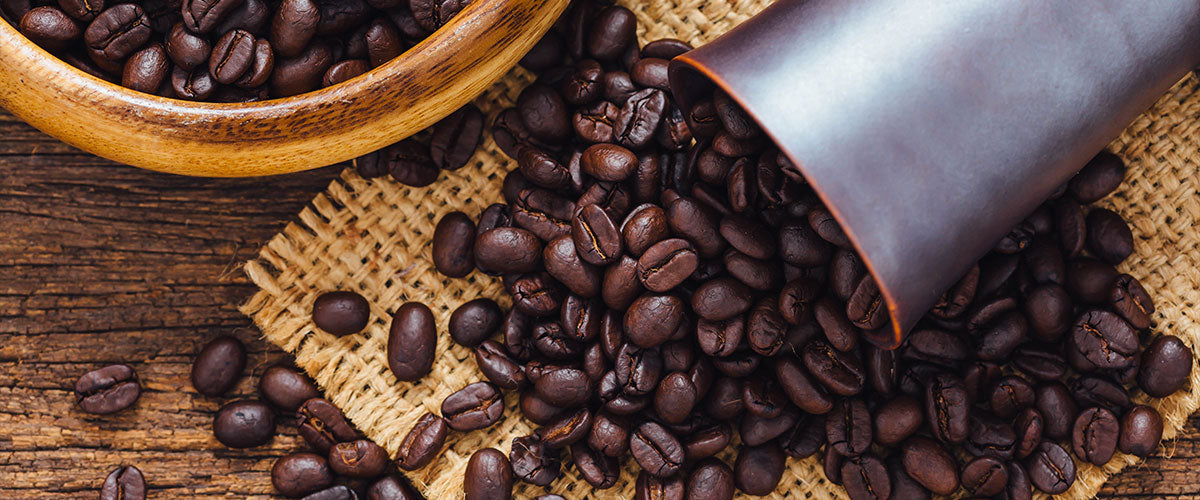
Coffee varies widely. As a simple guide: espresso can be around ~50mg per shot, while drip coffee can reach ~200mg per cup depending on size and recipe.
Why coffee caffeine varies so much
- Bean type: Robusta generally has more caffeine than Arabica
- Grind & method: finer grind + longer contact time can extract more caffeine
- Serving size: the biggest factor in real life
If you’re managing caffeine, the easiest consumer tips are: order smaller sizes, choose milk-based drinks, and ask the barista if you’re unsure.
5) Low-Caffeine & Caffeine-Free Recommendations
Important note
Green tea and white tea are often lower in caffeine, but they are not caffeine-free. If you want zero caffeine, choose naturally caffeine-free herbal teas.
A) Low-caffeine tea options (still real tea)
Green tea: Longjing and Biluochun are often perceived as lighter choices—great for daytime sipping without feeling “too strong.”
Discover 6 classic Chinese green teas in one box >>>
White tea: Bai Mudan and Baihao Yinzhen are known for gentler profiles and are often chosen by people who prefer a softer tea experience.
B) Truly caffeine-free (best for evenings): Meicha (Vine Tea)
If you’re sensitive to caffeine or want a drink you can enjoy even before bed, we recommend Meicha (Vine Tea)— a naturally caffeine-free herbal tea (not made from Camellia sinensis, so it contains zero caffeine).
Why people love Meicha
- Naturally caffeine-free (ideal for evenings)
- Starts slightly bitter, then turns into a long-lasting sweetness
- Refreshing, clean herbal aroma; can be brewed 3–5 times
Try our 3-flavor caffeine-free herbal sampler (Meicha) >>>
Want a deeper dive? Here’s our full guide: Everything You Should Know About Meicha (Vine Tea) >>>

C) Cold brew (often feels lighter)
Cold brew tea often extracts differently and many people find it “lighter” in effect—especially if you use less leaf and brew shorter. For a refreshing summer option:
Discover our Cold Brew Tea Sampler >>>
FAQ: Tea vs Coffee Caffeine
Does loose leaf tea have less caffeine than coffee?
Generally, yes—especially compared with drip coffee. But tea caffeine varies by tea type and brewing method.
Which tea has the least caffeine?
Many people choose green or white tea for a lighter profile, but they still contain caffeine. For zero caffeine, choose naturally caffeine-free herbal teas like Meicha (Vine Tea).
How do I reduce caffeine in tea without buying different tea?
Skip the first infusion, use slightly cooler water, and keep early steeps short.
Is cold brew tea lower in caffeine?
It can be, depending on leaf amount and brew time. Many people experience cold brew as “lighter,” but caffeine still varies by recipe.
Not sure what fits your caffeine needs?
If you want something you can drink anytime (even at night), start with naturally caffeine-free options like Meicha. If you still want classic tea flavors, try a green tea sampler for a lighter experience.
Caffeine-free Herbal Sampler (Meicha) >>> | Green Tea Sampler >>>
References
[1] SMITH P F, SMITH A, MINERS J, et al. The Safety Aspects of Dietary Caffeine. Australia: Report from the expert working group, 2000.


