

Sort by:
236 products
236 products


The First Taste of Spring — Light, Clean & Delicate
The elegance of Huangshan Maofeng is defined by its earliest harvest.
Handpicked in early April from high-altitude mountains of Anhui (around 800 meters), these young leaves develop a lighter, more refined profile shaped by the cool, misty environment.
The result is a clean vegetal aroma, gentle sweetness, and a smooth, refreshing finish — soft, balanced, and quietly expressive.
As the season progresses, this delicacy diminishes, making First Flush the most prized selection.
Limited to a short harvest window each year.
A pure and delicate taste of spring.


This curated collection features nine teas aged from 14 to 40 years, each capturing a mature in flavor evolution. Experience a velvety, full-bodied texture that glides across the palate, revealing a profile that is both profound and strikingly revitalizing.
Wrapped in packaging adorned with ancient Chinese galloping horse motifs, these teas mirror the spirit of the artwork: a timeless vitality that has only sharpened with age. It is more than a drink; it is a celebration of heritage and refined elegance.
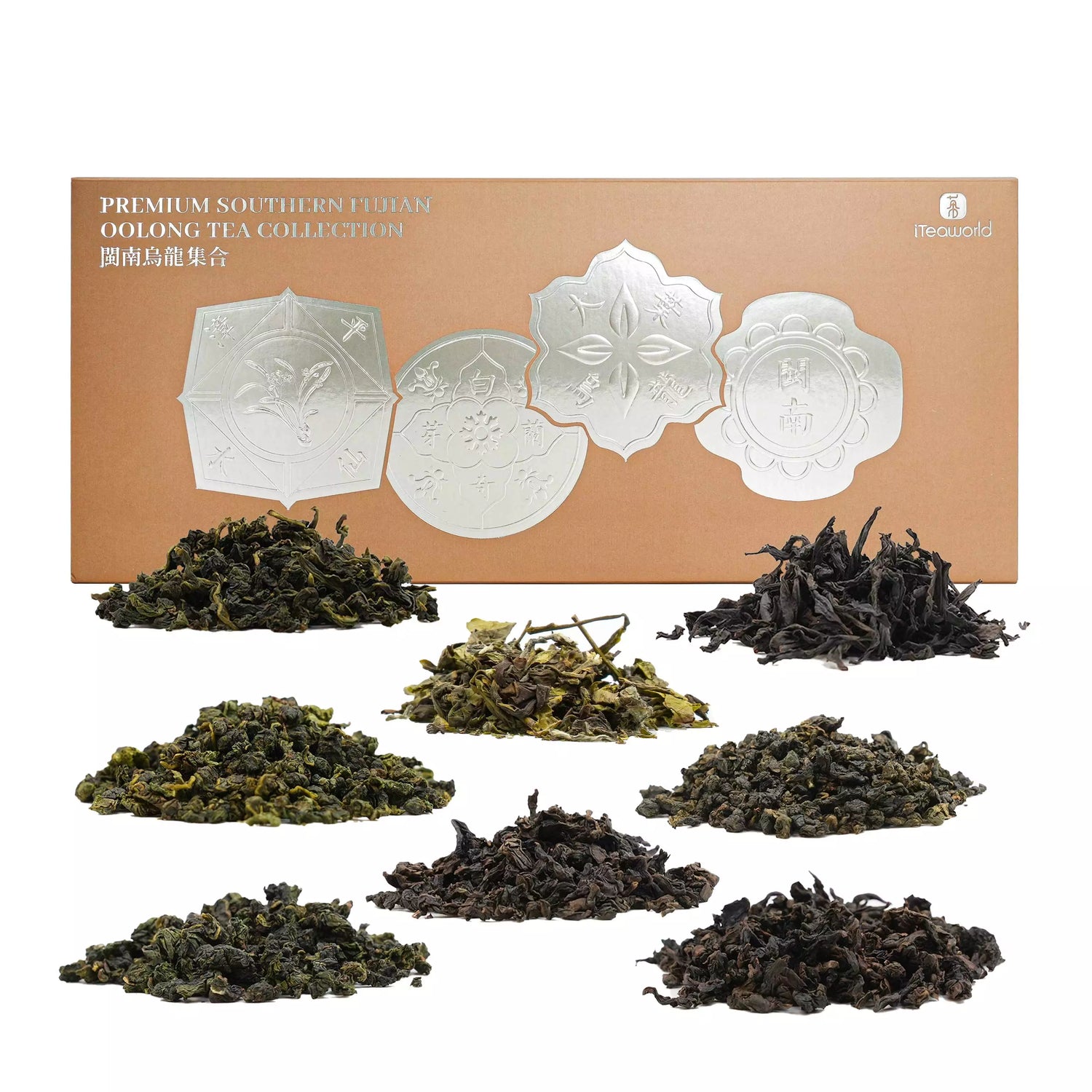
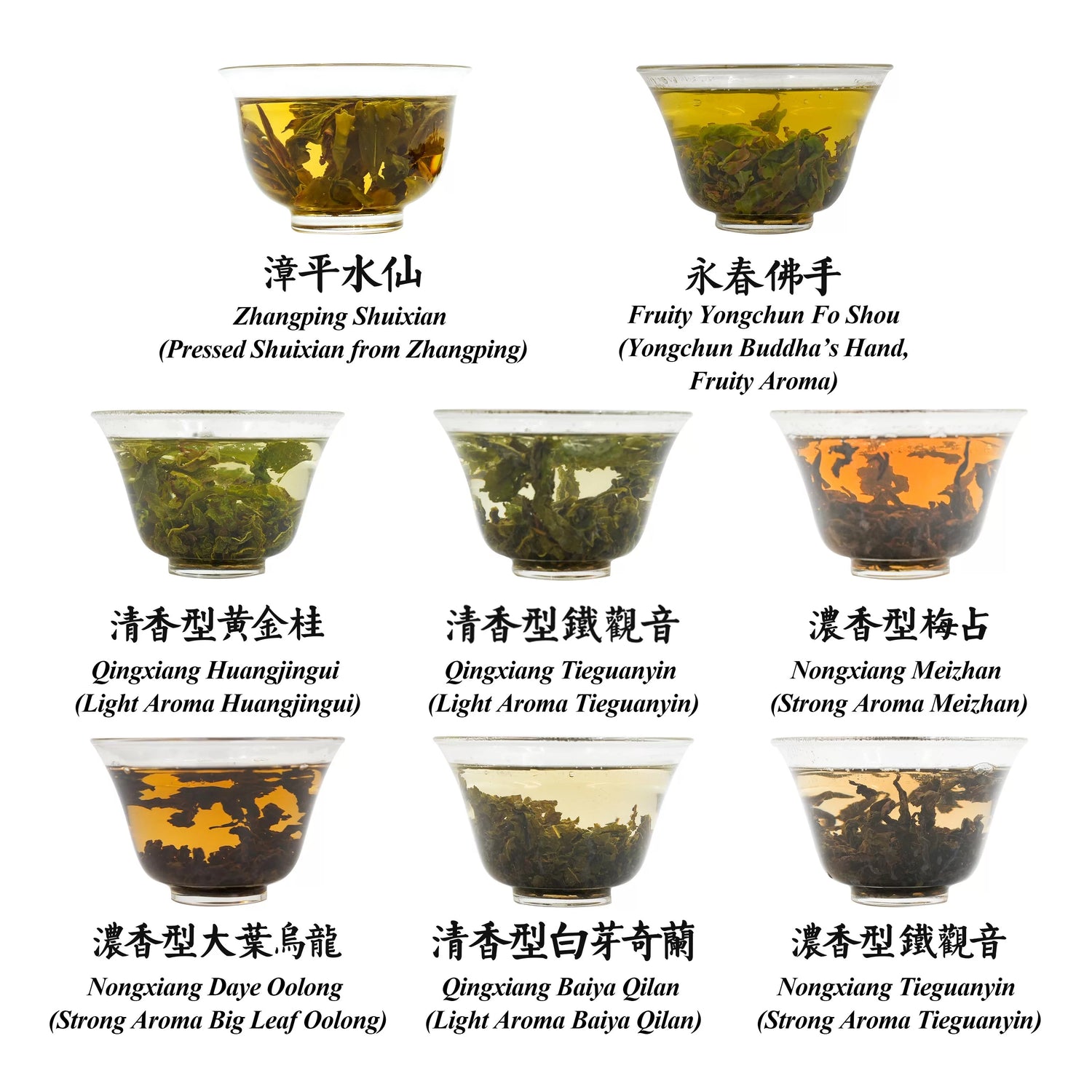
Explore the rich legacy of Southern Fujian oolong teas — home to the iconic Tie Guan Yin and Zhangping Shui Xian, both recognized as part of China’s Intangible Cultural Heritage. Since the 17th century, this region has pioneered the art of high-aroma oolongs, known for their floral, fruity, and gently roasted notes. Crafted with time-honored techniques like light oxidation, layered roasting, and meticulous leaf shaping, these teas capture the essence of Minnan tradition. Whether you're a seasoned tea drinker or just beginning your journey, this curated collection offers a true taste of oolong history.
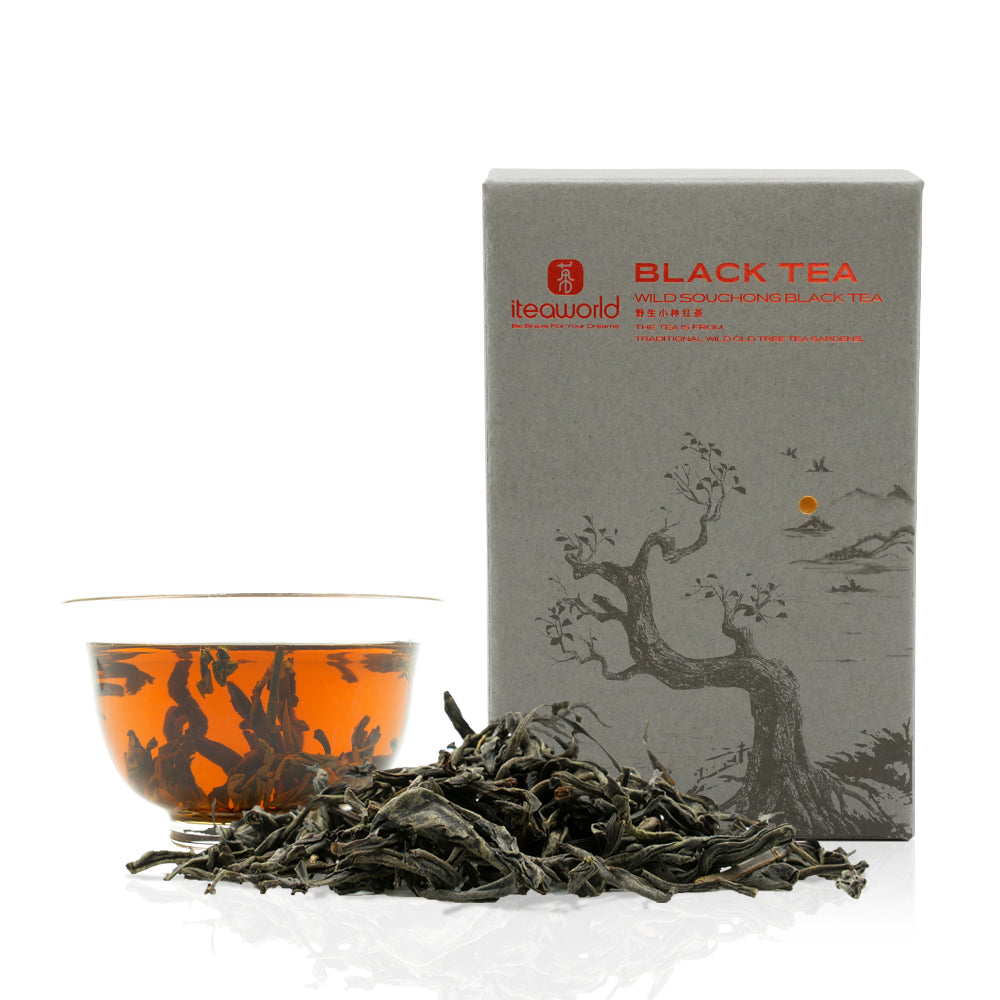
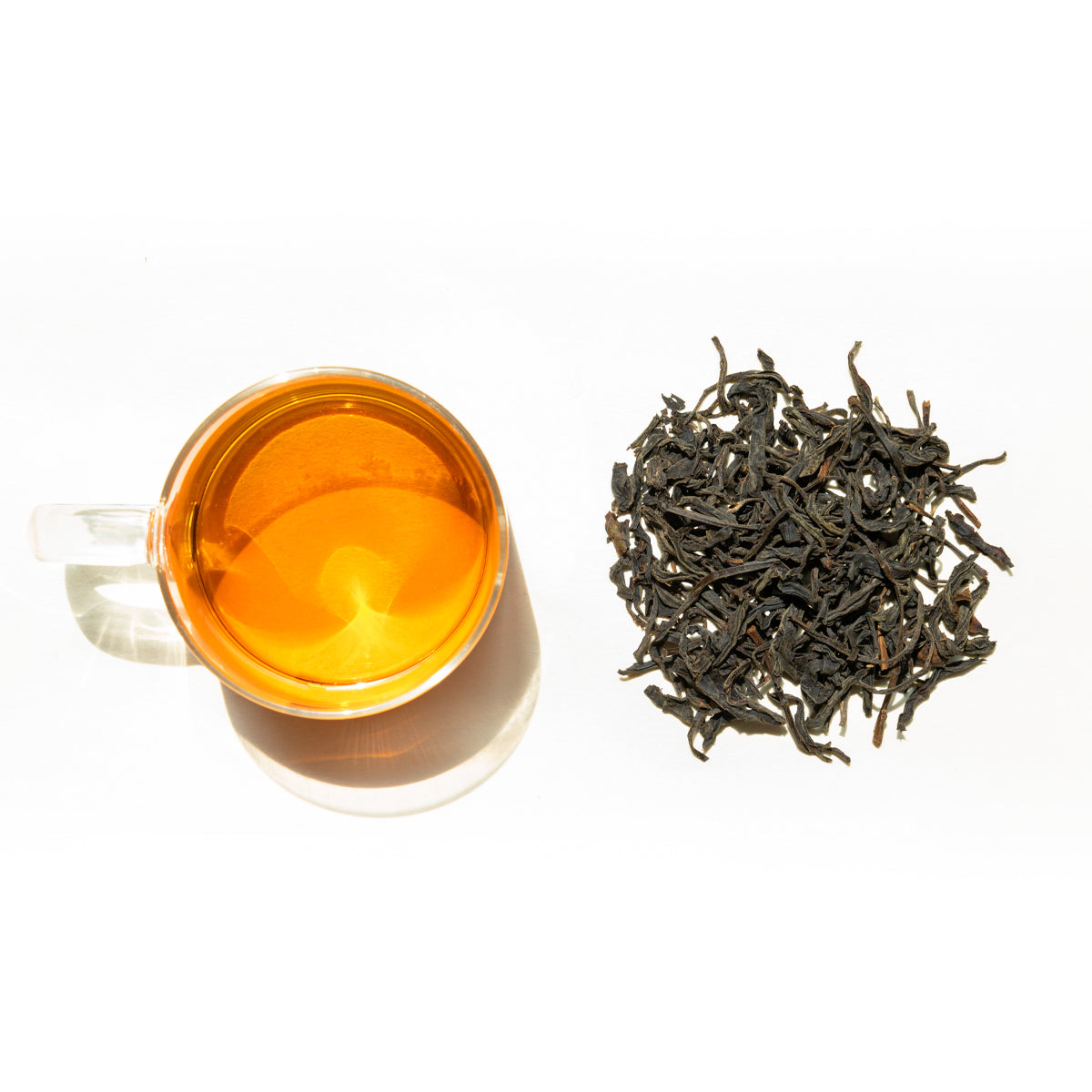
Wild Souchong Black Tea is a distinctive black tea made from wild tea leaves collected from the mountain forests of Guangxi, China. Inspired by the traditional craftsmanship of Lapsang Souchong, this tea brings the character of one of China’s earliest black teas into a lighter, more natural expression shaped by wild-grown tea trees.
Lapsang Souchong has a history of over 400 years and is widely regarded as one of the earliest styles of Chinese black tea. Traditionally associated with pine-smoked tea, it is known for its bold character and distinctive smoky aroma. This Wild Souchong takes inspiration from the traditional style while allowing the natural character of the wild leaves to come forward.
The tea opens with a clean, gentle aroma, followed by delicate notes of dried fruit, wood, and a light, natural sweetness. Its liquor is smooth and refreshing rather than heavy, with a subtle sweetness that gradually lingers on the palate. The finish is clean and clear, revealing the distinctive mountain character of wild tea leaves.
A lighter take on Souchong—naturally sweet, smooth.


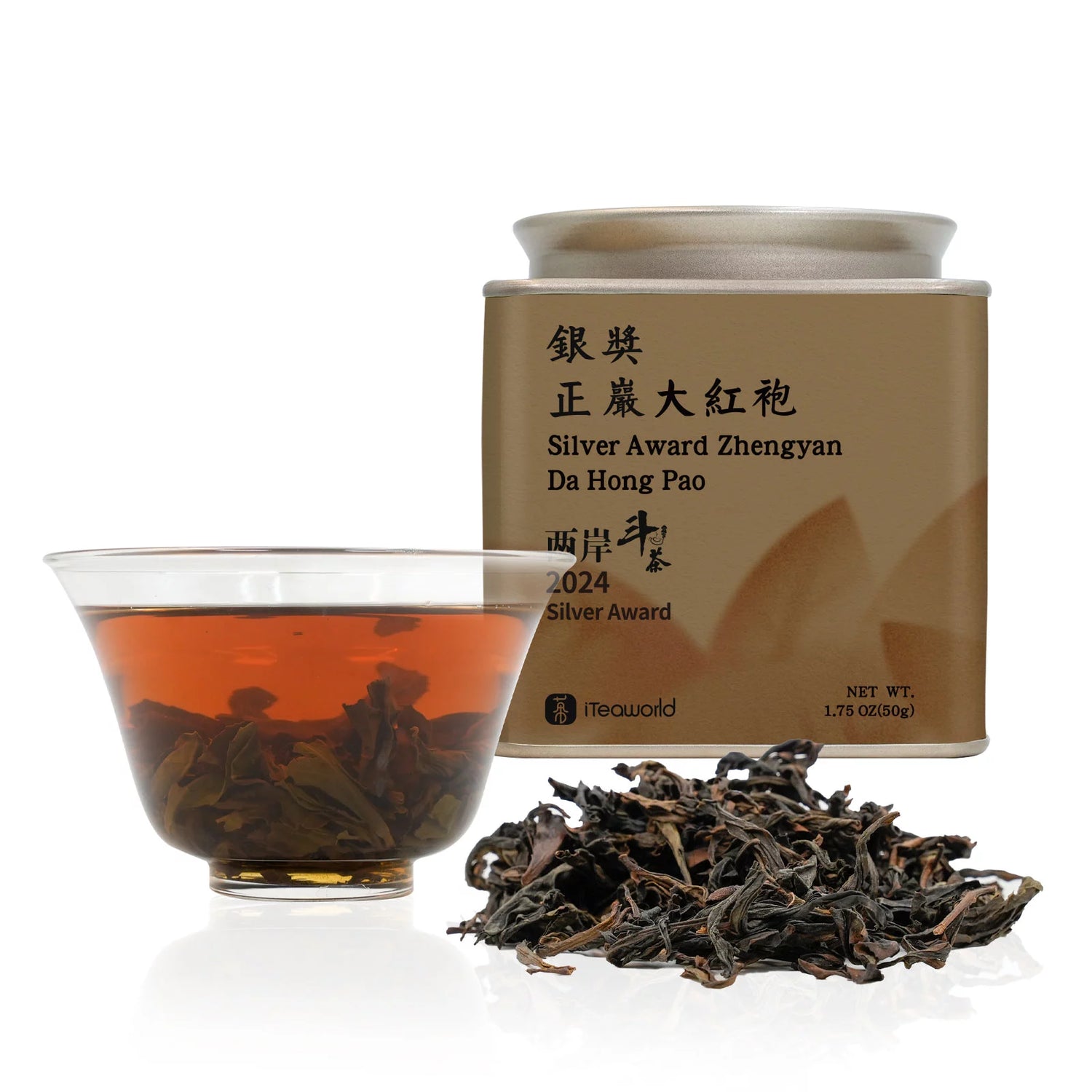

This Top Grade Da Hong Pao is crafted for tea drinkers who enjoy the balance of elegant floral aroma and rich roasted depth in traditional Wuyi rock oolong tea.Compared with many heavily roasted Da Hong Pao teas, this version highlights a more expressive orchid-like fragrance while still preserving the smooth, structured character that defines authentic Yancha.


Mi Lan Xiang Dancong is one of the most highly regarded varieties of Phoenix ( Fenghuang )Dancong oolong, known for its naturally rich honey-orchid aroma. The medium-rolled, dark dry leaves brew into a golden amber liquor. The taste is smooth and full-bodied, with layered floral and fruity sweetness. Its honey-like, silky texture remains lingering and enjoyable even after multiple infusions, leaving a refreshing and lasting sweet aftertaste.
Ideal for those who prefer a smooth, sweet, and mellow cup of tea.


Chinese Aged Citrus Peel Tea Collection | Digestive Support & Soothing Warmth
$29.90 USD
Unit price perChinese Aged Citrus Peel Tea Collection | Digestive Support & Soothing Warmth
$29.90 USD
Unit price perChinese Aged Citrus Peel Tea Collection is crafted for tea lovers who want a warm, comforting cup during the cold season — without any fuss.
In traditional Chinese tea culture, special varieties of Aged Mandarin Peel are paired with mild, winter-friendly teas such as Pu-erh, Liu Bao, and aged white tea. These blends are celebrated for being gentle, stomach-warming, easy to digest, and soothing, making them the go-to digestive tea for southern China during winter.
One thing these teas have in common: they are delicious however you brew them — whether in a thermos, a mug, or simmered on low heat, the flavor is never bitter or harsh. Perfect for sipping anytime, the way you like.


Discover 6 Naturally Scented Chinese Teas
Love floral tea? Explore six unique Chinese teas scented with fresh jasmine, rose, and osmanthus flowers. Each tea combines a different tea base with delicate floral aromas, from light and refreshing to rich and mellow.
Made through traditional multi-round scenting, these teas capture the natural fragrance of fresh flowers without added petals or artificial flavors. Perfect for everyday enjoyment, discovering new flavors, or sharing as a thoughtful gift.
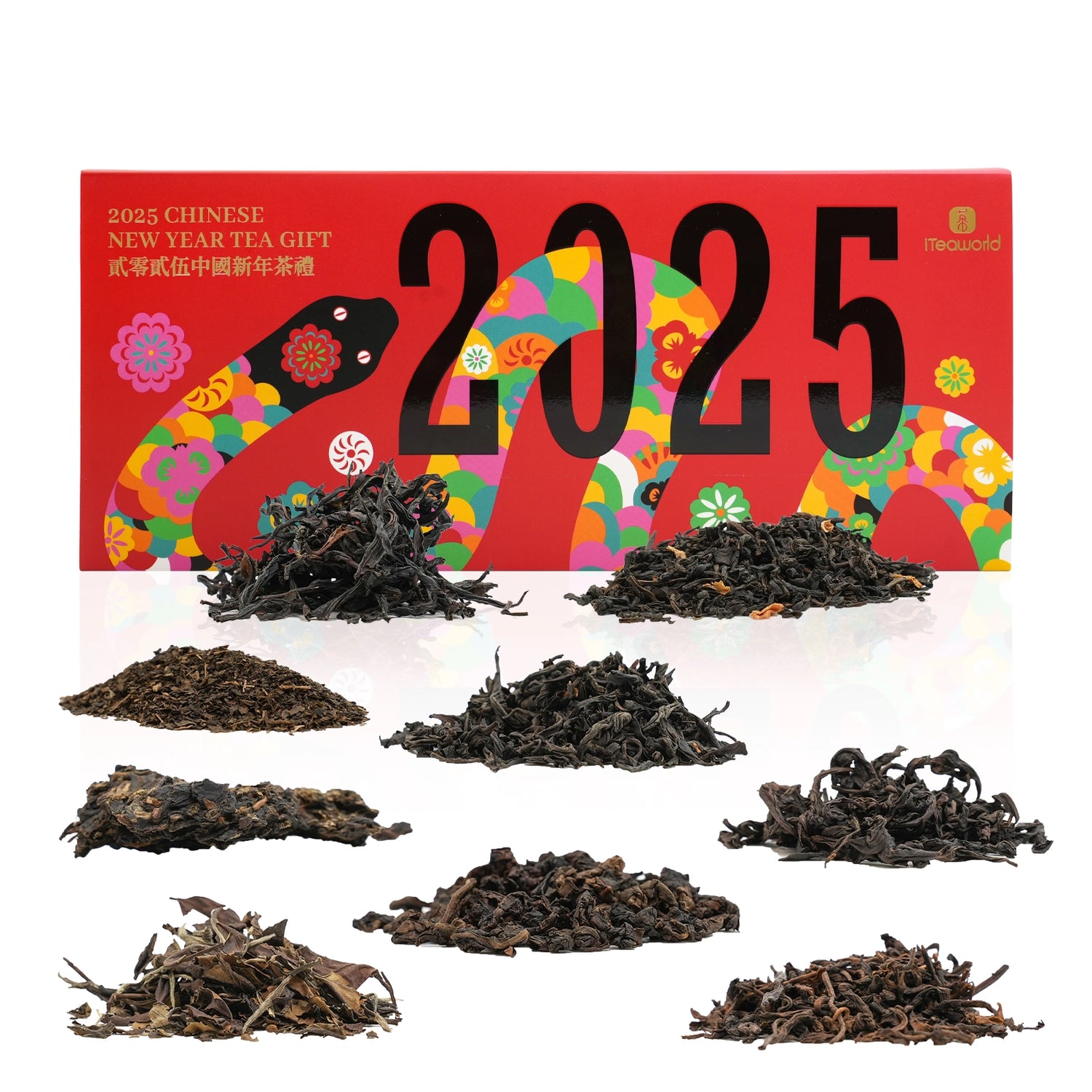
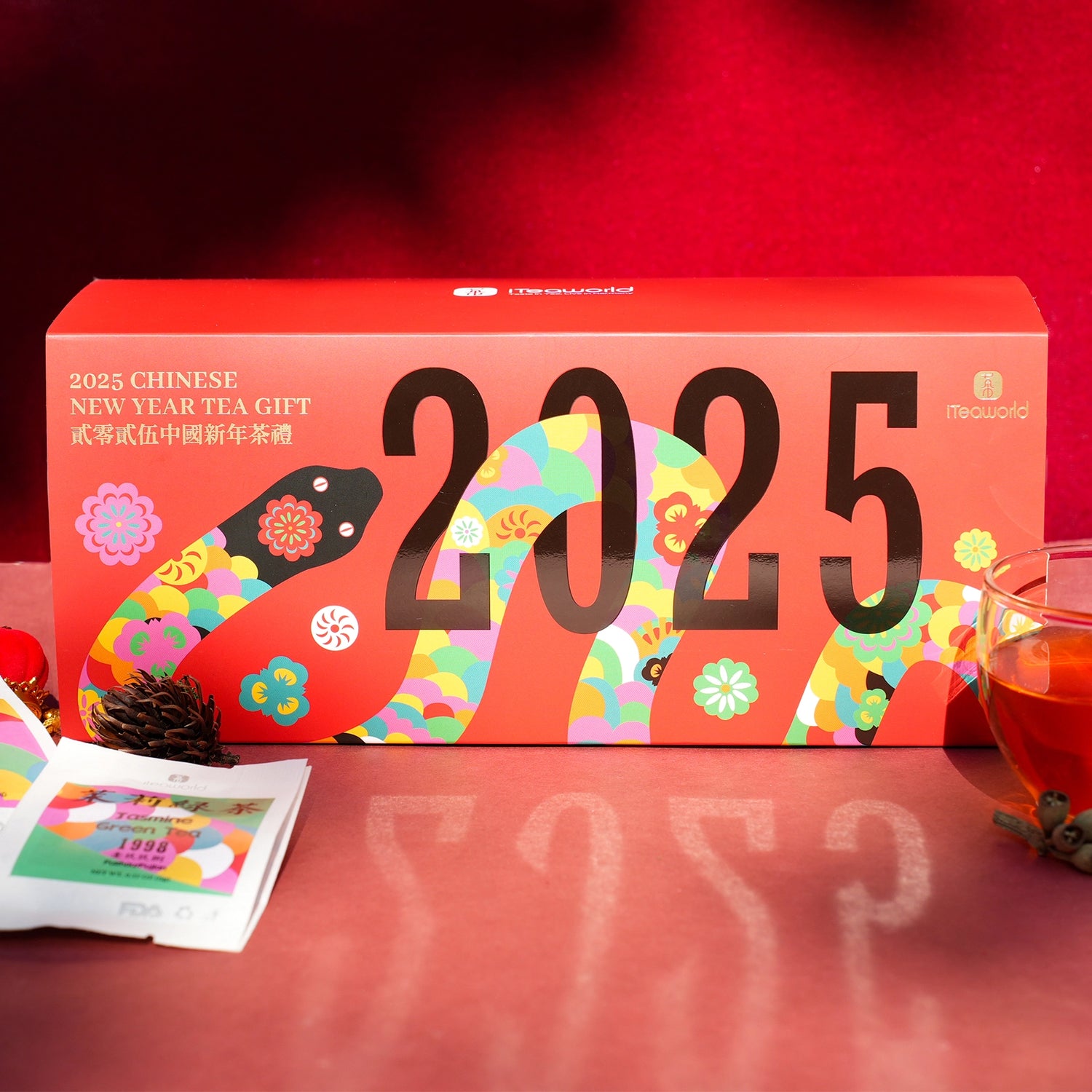
Why this product?
Many people are unclear about what qualifies as aged tea and how to tell the age of tea. iTeaworld has been working with aged tea in the Chinese market for 20 years. We believe that for tea to be considered "aged," it should meet these three criteria: 1. It should have an aged or woody aroma. 2. The tea liquor should be smooth, rich, and sweet. 3. There should be a noticeable warm sensation in the body, especially in the hands and feet, after drinking.
Based on this standard, we’ve selected 10 aged teas, including Oolong, black tea, white tea, dark tea, Pu-erh, and green tea, to help tea lovers understand what aged tea really is.
The product includes:
1995 Shui Xian Oolong Tea: 2 packs of 5g each
1998 Tie Guan Yin Oolong Tea: 2 packs of 5g each
1995 Fenghuang Dancong Oolong Tea: 2 packs of 5g each
1998 Raw Pu-erh Tea : 2 packs of 5g each
2003 Ripe Pu-erh Tea : 2 packs of 5g each
2008 Shuangzheng Liu Bao Dark Tea: 2 packs of 5g each
2014 Shou Mei White Tea: 2 packs of 5g each
2014 Lapsang Souchong Black Tea: 2 packs of 5g each
1998 Jasmine Green Tea: 2 packs of 5g each
1980s Aged Fu Brick Dark Tea: 2 packs of 5g each
How to brew:
Brewing utensils: White porcelain Gaiwan or Zisha teapot.
Water temperature: 95°C-100°C
Tea-to-water ratio: 1:15-25
Brewing time: 10-20seconds
Number of brews: 5-7 times
Why Aged Tea is Still Drinkable:
The reason aged tea can still be consumed safely lies in the unique chemistry of tea leaves and traditional storage methods. Tea contains powerful antioxidants like catechins and polyphenols, which naturally help slow oxidation, keeping tea consumable for extended periods. Dried tea absorbs only minimal moisture and oxygen, meaning it doesn’t provide the damp environment that bacteria need to grow. As long as tea is stored properly—dry, cool, and sealed against odors—it won’t spoil easily, and you can enjoy it without worries if there’s no mold or strange smells.
How Different Types of Tea Age:
Dark Tea (Hei Cha)
Dark tea, when properly aged, undergoes microbial transformations that mellow its flavor. Over time, compounds like caffeine and polyphenols break down, shifting the taste from bitter to smooth and rich. Dark tea requires specific storage conditions: dry, airy, and cool, to support this mellowing process.
White Tea
In China, there’s a saying about white tea: "One-year tea, three-year medicine, seven-year treasure." Aging for three years or more brings out richer flavors and enhances its perceived medicinal value. As white tea ages, the leaves soften in flavor and aroma, creating a more layered drinking experience.
Black Tea
Black tea generally maintains its natural sweetness and fragrance over time, and since its flavor doesn’t improve with aging, most black teas are best enjoyed fresh. However, certain types of compressed black teas, like Hunan's Fu Brick, can develop deeper flavors with storage due to gradual microbial changes.
Oolong Tea
Roasted Oolong teas like Wuyi Rock Tea (Yan Cha) gain complexity as they age. The roasted notes soften, and the tea develops a distinctive “aged aroma,” adding richness and hints of sweetness. Proper storage is essential to preserve its unique characteristics: keep it dry, away from direct sunlight, and sealed to maintain freshness.
Jasmine Green Tea
Jasmine Green Tea, infused with fresh jasmine flowers, has a unique floral aroma that is best enjoyed within one or two years. Over time, the green tea component oxidizes, leading to a darker color and a softer floral note. To preserve the jasmine aroma and freshness, it’s ideal to store it sealed, in a cool, dry place, or even refrigerate it if possible.


Traditional Smoked Lapsang Souchong
Originating from Tongmuguan, Wuyi Mountains, the birthplace of Zhengshan Xiaozhong, this Traditional Smoked Lapsang Souchong represents one of the earliest styles of Chinese black tea. Made from local Xiaocai tea leaves and crafted using traditional pine-smoking techniques, it develops its signature smoky character and rich aroma.
The tea releases a distinctive pine smoke fragrance with hints of longan fruit and honey-like sweetness. The taste is bold yet smooth, with a full-bodied texture, deep smoky notes, and a lingering sweet finish. Unlike heavily flavored smoked teas, authentic Tongmuguan Lapsang Souchong offers a balanced and layered experience shaped by its mountain origin and traditional craftsmanship.
A true classic for tea lovers who appreciate complex aromas and the heritage of traditional Chinese black tea.

Size Range:5cm*3.5cm*4.7cm
Ru Kiln :Ru Kiln is located in Qingliang Temple, Baofeng County, Henan Province, which was part of Ruzhou during the Song Dynasty, hence the name. It is known as the foremost among the "Five Great Kilns" and has the reputation of being "like jade, not jade, but superior to jade." Belonging to the celadon series, the main glaze colors include sky blue, powder blue, and sky blue, with the sky blue being the most precious. The glaze of Ru Kiln is warm and jade-like, pure and soft, and simple yet elegant.
The body of the porcelain is grayish-white, similar to the gray after incense has burned, commonly known as the "incense ash body." The glaze has fine cracks that interweave in a diagonal pattern, deep and shallow, resembling fish scales or cicada wings. There are very few surviving pieces of Ru Kiln porcelain.
Ge Kiln:Ge Kiln porcelain is famous for its unique crackle glaze, which has a natural and unpretentious pattern, forming a strong contrast with the smooth and moist glaze. The body color comes in various shades including black, dark gray, light gray, and earthy yellow, with the grayish-blue being predominant. The Ge Kiln is mainly known for its celadon color. The surviving pieces of Ge Kiln porcelain are mainly collected in the Palace Museum in Beijing, the National Palace Museum in Taipei, the Shanghai Museum, and some major museums abroad. The Ge Kiln is part of the official kilns from the Song Dynasty.


Crafted from fresh spring-picked green tea harvested in Ya'an, Sichuan, and traditionally scented five times with fresh jasmine blossoms, this Jasmine Maojian Green Tea delivers an elegant balance of vibrant green tea freshness and rich floral fragrance.
Ya'an's cool mountain climate and abundant rainfall nurture tender tea leaves with a naturally sweet, refreshing character. Through five traditional scenting rounds, the tea gradually absorbs the natural aroma of freshly opened jasmine flowers, creating a fragrance that is rich yet refined, while preserving the lively character of the green tea.
The result is a bright, refreshing cup with a smooth body, lingering sweetness, and a clean floral finish—an excellent choice for everyday enjoyment, whether served hot or cold.


Designed with the beginner in mind, these teas are easy to brew. It is the perfect starting point for anyone looking to a delightful journey into authentic Chinese green tea.


This rare and elegant Chinese yellow tea is carefully crafted from tender spring buds harvested in Yueyang, Hunan.
Junshan Yinzhen undergoes the distinctive “men huang” (yellowing) process, a defining step in yellow tea production. This gentle process gradually transforms the fresh buds, giving both the tea leaves and liquor their signature golden-yellow color while creating a softer, mellower character.
With its delicate spring buds, the tea releases a sweet, corn-like aroma reminiscent of freshly cooked sweet corn. The liquor is naturally sweet, smooth, and silky, with a delicate texture and lingering finish.
With an oxidation level between green tea and black tea, yellow tea offers a unique balance of freshness and mellow smoothness. If you enjoy the freshness of green tea but prefer a softer, less astringent cup, Junshan Yinzhen is a wonderful way to discover the unique charm of Chinese yellow tea.


This Da Hong Pao is a rich and full-bodied Wuyi rock oolong with deep roasted aromas, a smooth texture, and the distinctive mineral character that Wuyi teas are known for. Crafted with a heavier roast, it offers warm roasted notes, layered intensity, and a bold yet comforting finish.
Its strong character makes it especially suitable for those who enjoy darker roasted teas or regularly drink coffee.
This tea comes from the Ban Yan (“half-rock”) area of the Wuyi Mountains. Compared to teas grown in the core rocky region, Ban Yan teas are often smoother, more balanced, and easier to approach, while still retaining the signature roasted and mineral-rich character of Wuyi oolong.
Traditionally, this style of Da Hong Pao is created by blending different Wuyi rock tea cultivars to achieve greater balance, depth, and complexity.
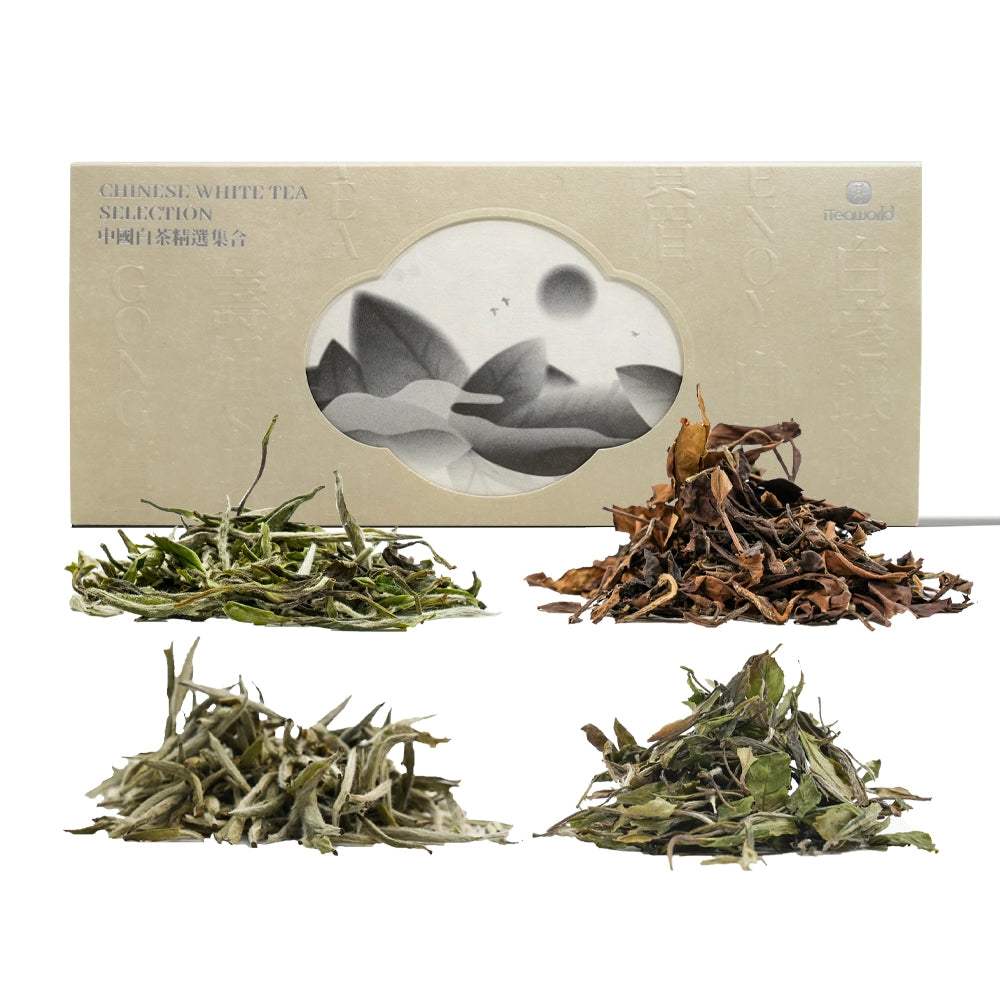


This Ya Shi Xiang Dancong is known for its elegant floral aroma, featuring distinctive notes of honeysuckle and sweet blossoms. As one of the signature aroma styles of Fenghuang Dancong oolong (also known as Phoenix Dancong), it is especially appreciated for its clear floral character and naturally honey-like sweetness.
The tea brews into a smooth and gentle cup with a refined, graceful finish. Light, aromatic, and easy to enjoy, it is an excellent everyday oolong for those who appreciate floral teas and clean, delicate flavors.


Keemun Black Tea, one of China’s most famous black teas, originates from Qimen County in Anhui Province. Known as the “Champagne of Black Teas,” it has been treasured by tea lovers around the world for its elegant aroma and refined taste.
Made from local Qimen tea trees in the core production area, this tea showcases the signature “Keemun aroma” — a graceful combination of orchid-like floral notes, fresh apple fragrance, and a subtle honey sweetness. The liquor is smooth and mellow, with a silky texture, balanced body, and a clean, lingering finish.
Keemun is also one of the classic Chinese black teas traditionally used as a base for Earl Grey blends. Its naturally elegant fragrance and gentle sweetness make it an ideal choice for enjoying on its own, while also explaining why it has long been appreciated in Western tea culture.

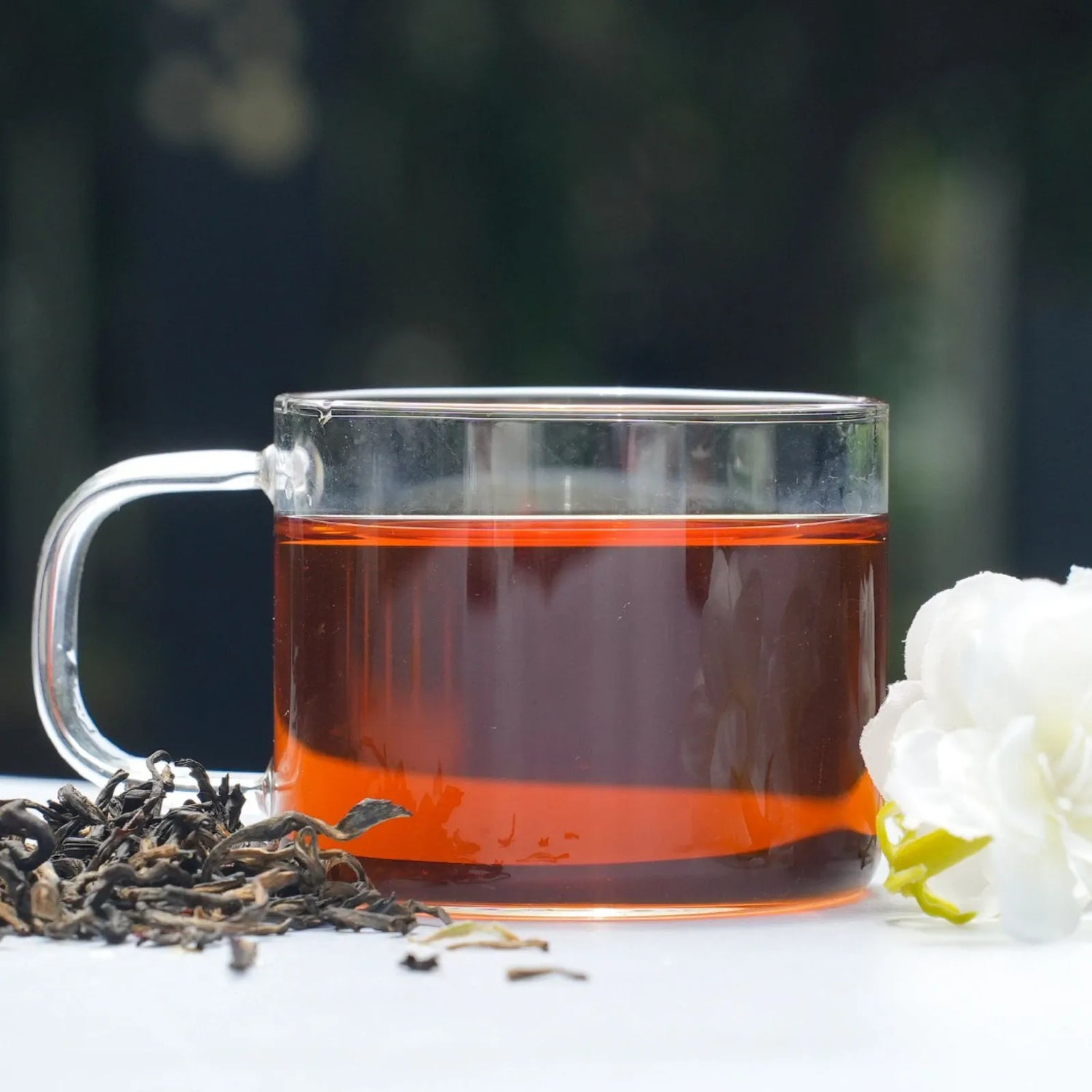
Jasmine Black Tea is a delicate blend of high-mountain Yunnan black tea and fresh jasmine flowers from Hengxian, Guangxi. Made from spring-harvested tea leaves from Fengqing, Yunnan, this tea develops a naturally sweet, smooth, and mellow character thanks to its high-altitude growing environment.
During the traditional three-round jasmine scenting process, fresh jasmine flowers gently infuse the rich body of Yunnan black tea with a refined floral fragrance. The jasmine aroma adds a touch of freshness to the tea’s honey-like sweetness, creating a lighter and more elegant expression of Yunnan black tea while preserving its deep and satisfying character.


Wild green tea from Kaishan Town, Hezhou City, Guangxi. The tea area is situated at an altitude of around 1,000 meters, surrounded by mountains on three sides and shrouded in mist throughout the year. Growing in a pristine ecological environment with abundant vegetation, this wild green tea is cultivated without chemical fertilizers or pesticides. With only one spring harvest each year, production is naturally limited.
Processed using traditional roasted green tea techniques, it has a fresh, crisp, and refreshing character with a distinctive green-fruit fragrance reminiscent of Biluochun. The tea opens with a lively freshness, followed by a gentle sweetness and a clean, pure mountain finish that lingers pleasantly on the palate. Its flavor is delicate yet layered, balancing the bright fragrance of green fruit with the fresh, airy character of wild mountain tea.
Even after multiple infusions, the aroma remains fresh and inviting. The liquor is clear and bright, with an elegant yellow-green hue.
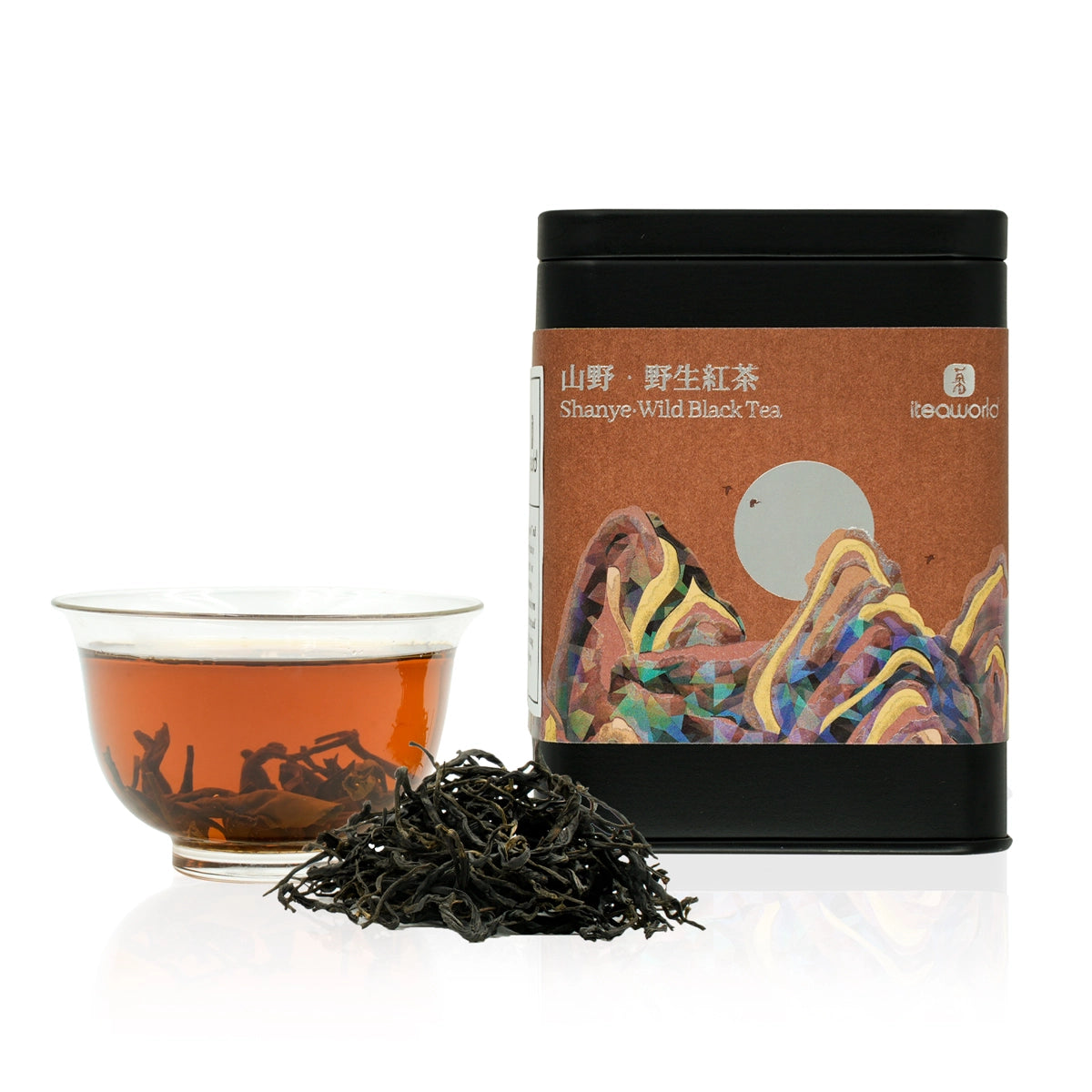
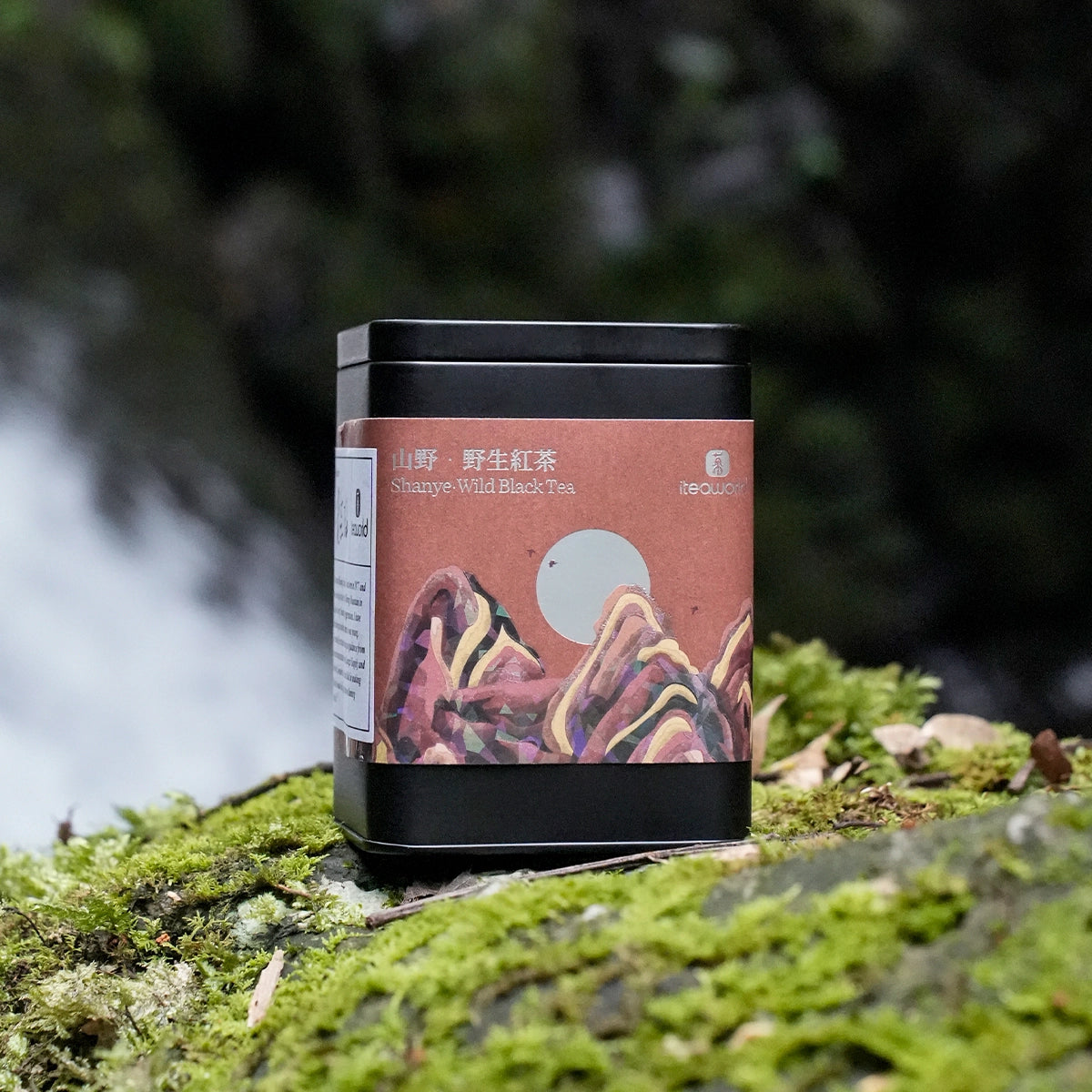
Wild Black Tea
Untouched Nature: Grown wild at 900m altitude in the lush Da Ming Mountain range. This tea thrives in a pristine ecosystem without chemical fertilizers or pesticides. To preserve its concentrated energy, we only harvest once a year in spring.
The Craft: Processed using the traditional Lapsang Souchong technique (unsmoked). This method highlights the tea's natural wild character without the distraction of smoke.
Flavor Profile: A brilliant orange-yellow liquor with a prominent "golden ring." It features a rich, unique floral bouquet and a refreshing, honey-like sweetness that lingers on the palate.


Recently viewed products
Shop with Confidence at iTeaworld

30-Day Return & Satisfaction Policy
Not satisfied? Get a refund within 15 days for taste concerns, or return unopened products within 30 days.

Free tea samples with tea order
Buy 1 get 1 sample. Buy 2 get 2. Buy 3+ get 3 free sample