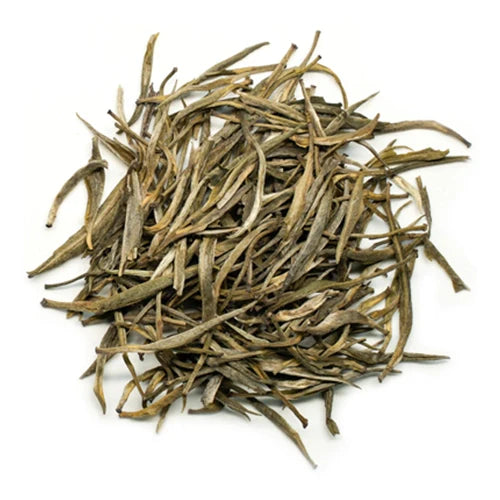
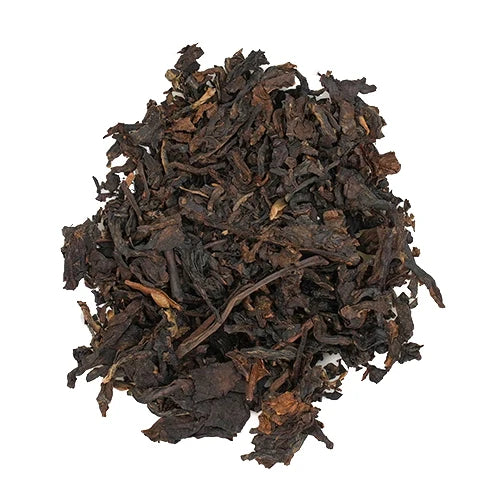
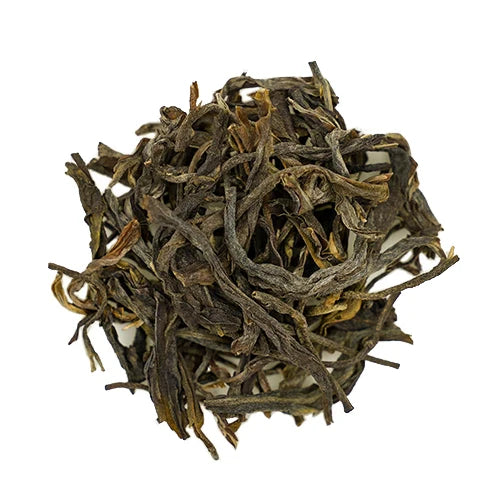
Guide
First Spring, First Pick Green Tea: Why Tea Lovers Crave It
How Many Seasons Is Green Tea Harvested?
Green tea isn’t just a spring harvest—it’s also picked in summer and fall. However, in the actual market, most of the green tea sold is from the spring harvest. Summer and fall teas are less commonly labeled and are usually processed for other uses due to their different flavor profiles.
Differences Between Spring, Summer, and Fall Green Tea
Spring Green Tea: The most prized harvest. Spring tea has delicate buds and leaves, a high theanine content, a strong aroma, and a fresh, sweet taste. Most high-quality green teas on the market are from the spring harvest.
Summer Green Tea: Higher yield and more budget-friendly, but with a more bitter taste and weaker aroma. Because of this, summer tea is mainly used for jasmine tea, tea bags, instant tea, bottled tea drinks, or as a blending ingredient.
Fall Green Tea: Milder in taste but with a higher aroma than summer tea. While some autumn tea is blended into green tea or used for scented teas, the market demand is much lower compared to spring tea.
Since high-quality green tea primarily comes from the spring harvest, summer and fall teas are more often used in processed tea products rather than being sold as standalone premium green teas.
When is Spring Tea Typically Harvested?
Spring Tea: From March to May.
During this time, the weather is just right, and the tea grows slowly, which makes it rich in nutrients and gives it a fresh, sweet taste and a strong aroma. Many of the top-quality green teas, such as Ming Qian tea and Yu Qian tea, are harvested during this period.
The exact timing for harvesting spring tea depends on factors like the tea plant variety, altitude, and geographical latitude, so the harvest times vary from place to place.
Tea Plant Variety: Early-maturing varieties like Wu Niu Zao can be harvested as early as late February in low-altitude areas of Sichuan, while in Zhejiang, they’re ready around early March. Traditional varieties, like Longjing (Dragon Well), grow slower and are usually picked around March 15th.
Altitude: The higher the altitude, the slower the tea grows due to cooler temperatures, which means harvesting happens later. For example, lowland tea might be ready by early March, but high-mountain teas (like those from altitudes over 800 meters) usually aren’t picked until around Qingming (April 4–6).
Geographical Latitude: The further south, the earlier the tea starts growing. In Hainan, green tea can be harvested as early as February, while in Qingdao, Shandong, the Laoshan green tea may not be ready until late April or early May.
Overall, the specific harvest time for spring tea is determined by a combination of the tea variety, altitude, and latitude, so the timing for different regions and tea varieties can vary quite a bit.
What is "First Spring, First Pick" Green Tea, and Why is it So Precious?
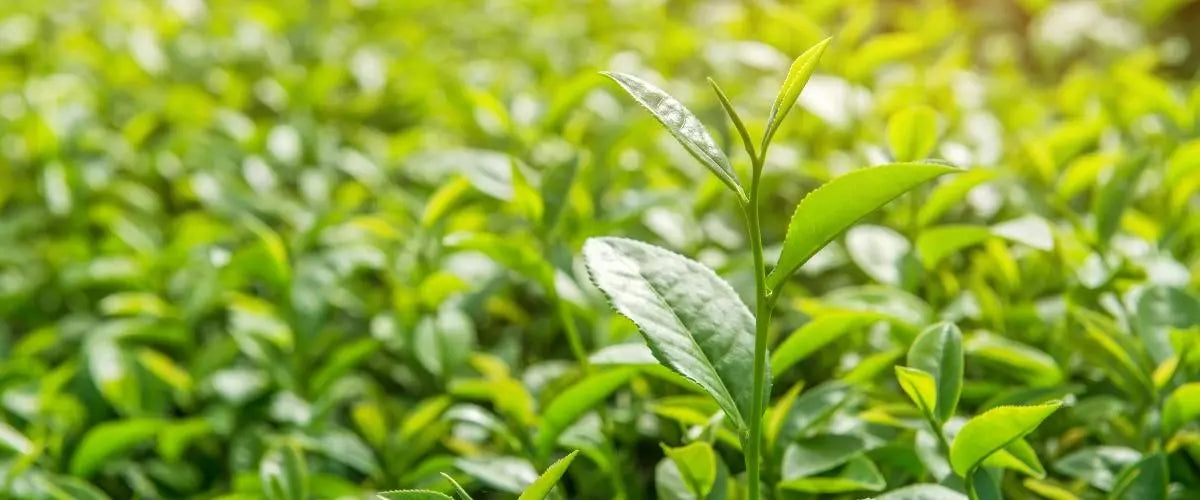
"First Spring, First Pick" green tea refers to the very first fresh leaves that sprout after the tea plants rest over the winter. It's the first harvest of the year, and it’s harvested in the early days of spring.
What Makes It Special?
Rich in Nutrients: After resting through the winter, the tea plants store up nutrients, making the first leaves rich in amino acids, tea polyphenols, and aromatic compounds. This gives the tea a fresher, sweeter taste and a more intense aroma.
Delicate Taste: The leaves are tender, soft, and full of fresh, crisp flavor with a noticeable sweet aftertaste.
Limited Quantity: Due to factors like climate, variety, and region, the harvest period for this tea is very short, and the yield is extremely low.
Once a Year: "First Spring, First Pick" green tea is harvested only once each year during the brief spring season, making it rare and valuable.
Hand-Picked: It’s usually harvested by skilled tea farmers who carefully select the best leaves, ensuring a higher quality tea with more attention to detail in the process.
Unique Flavor: Compared to later harvests, the first pick has a more vibrant, mellow flavor and stronger aroma, making it a favorite among tea enthusiasts.
For all these reasons, "First Spring, First Pick" green tea is considered a precious gem among green teas and highly sought after.
What Early Spring Green Teas Does iTeaworld Offer?
We’ve carefully selected four of China’s most renowned green teas—Longjing (Dragon Well), Biluochun, Huangshan Maofeng, and Enshi Yulu. Our teas come directly from long-term partner farmers with at least 20 years of tea-making experience. We work with them to custom-produce the first spring harvest, ensuring each sip is packed with fresh, authentic flavor.
When selecting our teas, we focus on seed-propagated traditional tea cultivars and prioritize high-mountain tea gardens at elevations of 800 meters or higher. Except for Enshi Yulu, the other teas are sourced from areas surrounding the core growing regions. This guarantees an authentic taste while also offering excellent value.
2026 First Spring Harvest Longjing Tea
We’re excited to bring you our 2026 First Spring Harvest Longjing, handcrafted by master tea maker Sheng Jiangjun. With over 20 years of experience, Sheng is a true guardian of traditional Longjing craftsmanship. From 2011 to 2013, he honed his skills in the heart of Longjing’s core production area, Meijiawu, before founding his own tea workshop in Xinchang, Zhejiang, where he specializes in Xinchang Longjing tea.
This tea comes from a high-elevation tea garden in Xinchang, Zhejiang, with an estimated picking date of March 25. As an early spring harvest, these young, tender leaves are rare and highly prized, making this tea a truly exceptional choice.
2026 First Spring Harvest Biluochun
We’re thrilled to bring you our 2026 First Spring Harvest Biluochun, sourced from tea master Wu’s garden in Linwu Village, Jinting Town, Wuzhong District, Suzhou. Mr. Wu was born in 1963 and raised in Jinting Town, in the West Mountain area—the core producing region of Biluochun. His family has cultivated and crafted Biluochun for generations. From a young age, he became familiar with every stage of the process, from tending the tea gardens to handcrafting the finished tea. At 26, he began producing tea independently, and he now brings over 30 years of dedicated experience to his craft.This tea is expected to be harvested around March 20, featuring young, tender buds with one tiny leaf, ensuring a fresh and aromatic brew.
2026 First Spring Harvest Huangshan Maofeng
We’re excited to introduce the 2026 First Spring Harvest Huangshan Maofeng, crafted by tea master Yu Chengshi in Longma Village, Yanzihe Town, Jinzhai County, Anhui. With over 30 years of experience, Yu is a specialist in crafting iconic Anhui teas like Huangshan Maofeng and Lu’an Guapian. His tea garden sits at 800 meters (2,600 feet) above sea level, home to wild-grown local tea varieties that thrive naturally, giving this tea its distinctive fragrance and pure taste.This tea is harvested around March 20, selecting only the first flush "one bud, one leaf" for the freshest and most delicate flavor.
2026 First Spring Harvest Enshi Yulu
We’re proud to present the 2026 First Spring Harvest Enshi Yulu, sourced from the pristine highlands of Baoyangping, Enshi City, Hubei, at an elevation of 800-900 meters (2,600-3,000 feet). This region is one of the core production areas for Enshi Yulu, known for its clean air and ideal tea-growing conditions. Tea master Zhang Yi, a national-level senior tea maker and tea taster, has been perfecting his craft for over 20 years, blending traditional techniques with modern expertise to create an exceptional tea.Harvested around March 20, this tea features one tender bud with a tiny leaf, ensuring its signature freshness and rich aroma.
2026 First Spring Green Tea Sampler – Four Classic Teas, One Box!
We’re beyond excited to introduce a special 2025 First Spring Green Tea Sampler—a curated collection featuring four of China’s most iconic early spring green teas in one beautifully designed gift set. This set includes:
Longjing (Dragon Well)
Biluochun
Huangshan Maofeng
Enshi Yulu
It’s the perfect way to explore the unique flavors of these legendary teas, whether you're a seasoned tea lover or just starting your journey into Chinese tea.
How to Brew First Spring Green Tea
Teaware: Use a glass cup or a gaiwan.Water: Purified water or spring water works best.Tea-to-Water Ratio: 3-5g of tea per 150ml (5oz) of water (adjust to taste).Water Temperature: Around 175°F (80°C) to protect the delicate tea buds.Pouring Technique: Pour water gently along the side of the cup to avoid hitting the tea leaves directly.Pro Tip: Don't steep for too long! Pour out the tea after each infusion to prevent over-extraction.
How to Identify Authentic First Flush Chinese Tea: A Guide to the Best Loose Leaf Green Teas
First Flush Green Tea, the earliest harvest of the tea season, is celebrated for its delicate flavor, freshness, and exceptional quality. Known as the pinnacle of Chinese tea, this premium loose leaf green tea captures the essence of spring tea with its tender leaves and vibrant aroma.
In this guide, we’ll explore what makes First Flush Green Tea so special, how to identify authentic varieties, and why best green teas like Dragon Well (Longjing), Bi Luo Chun, Huang Shan Mao Feng, and En Shi Yu Lu from iTeaworld stand out in the world of loose leaf tea.
1. What is First Flush Green Tea? Why It’s the Best Green Tea?
First Flush Green Tea is the first harvest of tea leaves in spring, prized for its tender, nutrient-rich leaves and fresh, floral flavor. This early plucking results in a light, fragrant tea with a higher antioxidant content, making it one of the best green teas available. Chinese tea varieties like Dragon Well (Longjing) are renowned for their exquisite first flushes, offering a perfect balance of sweetness and delicate fragrance.
2. How Many Times is Green Tea Harvested in a Year?
The number of harvests for green tea in a year depends on the tea plant variety, growing environment, and climatic conditions. Generally, green tea is harvested 3-4 times per year, with the main harvesting seasons as follows:
Spring tea: From February to May, this tea has a fresh, crisp taste, a strong aroma, and high nutritional value, offering the best quality.
Summer tea: From June to July, the yield is higher, with a higher content of tea polyphenols, though it tends to be slightly bitter with a distinctive fragrance.
Autumn tea: From August to October, this tea has a good fragrance and a refreshing taste.
In some warmer regions or well-managed tea gardens, there may be additional harvest rounds.
3. What Are the Differences in the Main First Flush Harvesting Times?
The harvesting times for China's main first flush green teas vary due to differences in geography and climate. Here are the harvesting periods for some representative green teas:
Longjing (Dragon Well): Longjing 43 tea trees are usually harvested from mid to late March, while other varieties are harvested later, especially Mingqian Longjing (pre-Qingming Longjing), which is picked before the Qingming Festival (April 4-6).
Bi Luo Chun (Green Snail Spring): Usually harvested from late March to early April, with the exact timing depending on the climate, typically before Qingming.
Huangshan Mao Feng: Harvested from late March to early April, with the exact time varying depending on altitude and climate conditions.
Enshi Yulu (Enshi Jade Dew): Typically harvested from late March to early April, depending on the local climate.
The specific harvesting period each year may vary slightly due to climatic conditions (such as temperature and precipitation), but it generally falls between February and early April.
Earliest Harvest: Southwest tea regions (e.g., Yibin Early Tea, Mengding Ganlu), from February to March.
Latest Harvest: North of the Yangtze River tea regions (e.g., Xinyang Maojian, Rizhao Green Tea), from late March to early April.
Jiangnan Tea Region: Mid-to-late March to early April, this area is the primary production zone for first-flush green tea.
4. How to Identify Authentic First Flush Green Tea?
Now that we know why First Flush Green Tea is special, how can we ensure we’re drinking the real deal? Here are a few key characteristics to look for:
Appearance: Authentic first flush leaves, especially those from premium loose leaf green tea, should be uniform in size and shape, with a distinct light green color.
Aroma: Authentic first flush green tea should have a fresh, grassy, floral aroma, often with hints of chestnut or a subtle sweetness.
Liquor Color: When brewed, first flush green tea should produce a clear, light green or yellowish liquor. The color can be slightly different depending on the variety, but it should always be bright and vibrant.
Taste: The taste of first flush green tea is typically light, smooth, and refreshing. There should be no bitterness—just a clean, slightly sweet, and mildly vegetal flavor.
5. What Does First Flush Green Tea Taste Like?
The flavor of First Flush Green Tea is unparalleled. It’s often described as fresh, sweet, and floral with a slight vegetal undertone. Teas like Huangshan Maofeng exhibit a mild sweetness that lingers on the palate, while Bi Luo Chun brings a fragrant floral note akin to fresh spring blossoms.
Compared to regular green teas, first flush varieties have a more complex and delicate profile. The lower bitterness and lighter texture make them the perfect introduction to the world of loose leaf green tea for newcomers.
6. How Long to Steep First Flush Green Tea?
To experience the true qualities of First Flush Green Tea, steeping it correctly is essential. Here’s how:
Water Temperature: The ideal water temperature should be around 80°C (176°F).
Tea Quantity: Mix 3-5 grams of tea with 150 milliliters of water (adjusted according to taste).
Steep Time: First flush tea should only be steeped for 1-3 minutes (adjusted according to taste).
The best green tea doesn’t require aggressive steeping methods. A gentler approach will highlight its natural sweetness and floral aroma.
7. How to Make Green Tea Taste Good?
To ensure your First Flush Green Tea tastes its best, you’ll need to adjust a few factors during preparation. Here are some tips:
Water Quality: Always use purified water or mountain spring water. Tap water with a high mineral content can alter the taste.
Tea Pot: Using a glass teapot or Gaiwan allows the tea leaves to expand and release their flavor.
8. Does First Flush Green Tea Expire?
Ideally, First Flush Green Tea should be consumed within 6-12 months of harvest to ensure maximum freshness and flavor. To preserve the tea, store it in an airtight container and keep it in the refrigerator at 32°F to 41°F (0°C to 5°C), away from sunlight, moisture, and strong odors. If your loose leaf tea starts to smell musty or becomes stale, it’s a sign that it’s no longer at its best.
9. Health Benefits of First Flush Green Tea
Does Green Tea Stain Your Teeth? Unlike dark teas, First Flush Green Tea is less likely to stain your teeth due to its light, clear liquor. Its delicate nature means it has fewer tannins, the compounds responsible for staining.
Will Green Tea Help with Bloating? Yes! First Flush Green Tea can help alleviate bloating. Its natural antioxidants and mild diuretic effect promote digestion, reducing bloating, leaving you feeling more comfortable.
Does Green Tea Help with Constipation? Green tea, including First Flush Green Tea, can assist with digestion. It contains compounds that stimulate bowel movements, making it a natural remedy for occasional constipation without being harsh on the stomach.
Can Green Tea Cause Kidney Stones? Moderate consumption of First Flush Green Tea is not linked to kidney stones. While it contains caffeine and oxalates, research suggests that drinking it in moderation is safe.
10. Conclusion: Why First Flush Chinese Green Tea is Worth the Effort?
First Flush Green Tea is a luxurious, healthful choice for tea enthusiasts. Its delicate flavor, vibrant aroma, and premium quality make it a standout among best green teas. Explore iTeaworld’s collection of authentic Chinese teas, including Dragon Well, Bi Luo Chun, Huangshan Maofeng, and Enshi Yulu, to experience the true essence of loose leaf green tea. Elevate your tea journey today!
The Allure of Excellent Green Tea: A First Flush Springtime Gem
In the world of tea, few things are as highly cherished as excellent green tea, especially the first flush varieties. Revered by tea lovers worldwide for their unique flavor and rare harvest, these teas are more than just a seasonal delight—they embody nature’s freshest gift. Often seen as a symbol of renewal, excellent green tea captures the essence of spring, making it a standout choice among premium green teas.
But what makes excellent green tea like the first flush so special? Let’s take a deeper dive into the factors that contribute to its unmatched quality and why it deserves a place in your tea collection.
The First Spring Buds: Where Excellent Green Tea Meets Nature
The magic of excellent green tea lies in its precise harvesting timeline. The term "First Spring" refers to the earliest buds that sprout as the season of spring begins. These are the first leaves to appear after the long, cold winter. "First Harvest" is the very first batch of tea leaves plucked during this period, typically before the tea tree has fully awakened from its winter dormancy.
This delicate process results in tender, vibrant buds packed with nutrients, giving the tea its characteristic depth of flavor and aroma.
For example, the renowned Dragon Well (Longjing), harvested from the hills around Hangzhou, represents a perfect first flush tea. Its smooth, slightly nutty flavor and sweet finish embody the freshness of early spring.
The Beauty of Excellent Green Tea
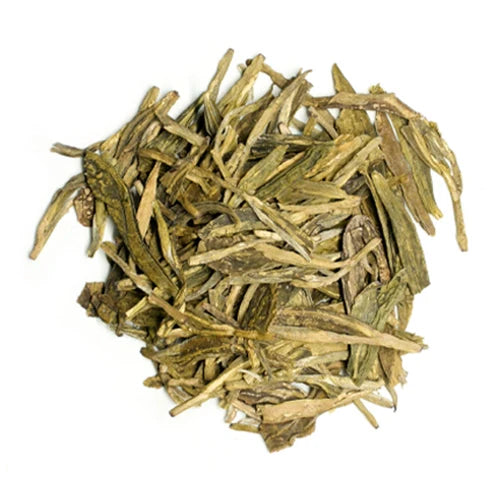
Visually, excellent green tea is nothing short of stunning. The leaves are delicate, plump, and vibrant green, with fine downy hairs that signal the tea's youthful freshness. When dried, the leaves are tightly rolled, forming uniform, beautiful strips, often with a clear white down that speaks to their top-tier quality.
As you brew the leaves, they unfold in the water, revealing their delicate beauty and releasing a subtle, elegant fragrance. The resulting bright green liquor is strikingly clear, offering a refreshing aroma that signals the coming of spring with every sip.
Biluochun, with its tightly curled leaves, is an example of a tea that expresses this characteristic perfectly, offering a delicate, sweet flavor profile with floral undertones that transport you straight to the lush hills where it’s harvested.
Tasting Excellent Green Tea: A Refreshing Experience
Tasting excellent green tea is an experience all its own. The moment it touches your tongue, a burst of freshness and vitality blossoms. Unlike the bitterness associated with summer tea or the dullness of autumn tea, first flush green tea carries the unique sweetness and purity of spring. It has a smooth, fresh taste with lingering floral notes that leave you feeling rejuvenated.
The Huangshan Mao Feng offers just this kind of experience, with its tender leaves and rich, floral aroma that refreshes and delights with every sip. Its subtle sweetness and pleasant aftertaste make it an excellent choice for those seeking a complex, refreshing cup.
Why Excellent Green Tea is So Rare
Despite its delicate charm, excellent green tea is incredibly rare. This rarity stems not only from the short harvest window but also from the difficulty of harvesting. Since the buds grow slowly at the start of the season, the yield is low, making it harder to produce. Tea farmers must work quickly and skillfully, carefully selecting the most tender leaves. It’s a process that requires significant expertise and patience, which is why excellent green tea is considered one of the most luxurious varieties of tea.
For those who seek out the finest examples of this rare tea, Enshi Yulu is an exceptional choice. Its soft, delicate flavor and subtle sweetness are a testament to the precision required to craft such a rare tea. The tender leaves are carefully plucked and processed to bring out a smooth, clean taste, perfect for the discerning tea lover.
Crafting Perfection: The Making of Excellent Green Tea
The production process of excellent green tea is just as meticulous as its harvest. To preserve the tea's natural qualities and delicate flavors, tea masters employ both traditional and modern techniques. The tea is carefully processed through several stages, from fixing (or "killing green") to rolling and drying. Each step is designed to maximize the flavor and aroma, ensuring the tea reaches its full potential.
Savor the Spring with iTeaworld’s Premium Excellent Green Tea
Take a moment to savor the refreshing, rejuvenating taste of spring with iTeaworld’s premium excellent green tea. Whether you choose Dragon Well, Biluochun, Huangshan Mao Feng, or Enshi Yulu, each cup offers a glimpse of nature’s seasonal gift, captured in every sip. Your taste buds will thank you—and your soul will too.
Why First Flush Green Tea is the Best Green Tea: The Magic of Spring's First Harves
In the vast world of Chinese tea culture, green tea stands out as a symbol of freshness, purity, and natural beauty. Among the many varieties, "First Flush Green Tea" is widely regarded as the best green tea, not only for its rich taste but also for its deep connection to nature’s cycles. Revered for its unmatched quality, this premium tea is a rare gem, cherished for its delicate flavor and the careful artistry involved in its harvest. But what exactly makes this tea so special, and why is it considered the epitome of luxury?
What Is "First Spring" and "First Harvest"?
The term "First Spring" refers to the very first harvest of green tea in the spring, typically occurring between the Beginning of Spring and the Spring Equinox according to the solar calendar. During this brief period, tea trees, having spent the winter in dormancy, begin to awaken with the arrival of warmer weather. The first buds of the year emerge, fresh from the cold winter and nourished by early spring dew. These tender buds are rich in nutrients and form the foundation of the best green tea, with qualities that make them the most delicate and high-quality teas of the season.
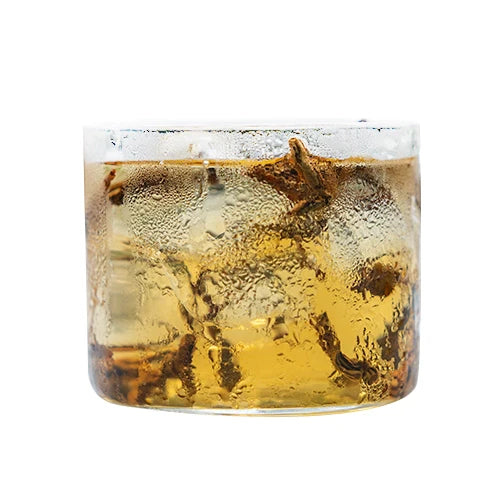
The term "First Harvest" refers to the picking of these early, tender buds and young leaves, which are the first to grow after the long winter. This harvest window is extremely narrow, often lasting just a few days. Because these leaves represent the first "fruits" of the season, they are considered the head picks, and their rarity only enhances their high value.
The Unique Features of First Flush Green Tea
Rich in Nutrients
Green tea harvested during the First Flush is packed with an abundance of nutrients. After a long winter dormancy, the tea plants are rich in amino acids, tea polyphenols, vitamins, and antioxidants. These nutrients accumulate slowly during the chilly early spring, contributing to a tea that is not only fresh but also incredibly vibrant and nourishing. This is why First Flush Green Tea is celebrated as the best green tea, offering a fresh, clean flavor that captures the essence of spring.
Pure and Natural Quality
One of the most defining qualities of First Flush Green Tea is its purity. Since it is harvested early in the season, the tea leaves are less susceptible to pests and diseases, eliminating the need for pesticides or artificial fertilizers. The leaves retain a bright, uniform green color, tightly rolled into a shape that signifies top-quality green tea. The natural, pesticide-free quality of First Flush Green Tea ensures that every sip is as pure as nature intended.
For example, iTeaworld’s Longjing is a perfect embodiment of this purity. Known for its smooth, chestnut-like flavor and silky texture, the first flush of Longjing is particularly cherished for its delicate flavor and fragrant aroma, setting the standard for the best green teas.
Aroma that Captures Spring
The aroma of First Flush Green Tea is light and floral, a fragrance that lingers in the air and captures the feeling of spring’s early days. The aromatic compounds in the tea leaves develop at low temperatures, creating a clean, crisp fragrance that is free from the earthy undertones found in teas harvested later in the season. The refined aroma of First Flush Green Tea contributes significantly to its status as the best green tea.
Another of iTeaworld’s renowned offerings, Biluochun, with its curly leaves and bright green color, is famous for its floral and fruity notes. It creates a refreshing and lively cup of tea, exemplifying why the first flush is often considered the best green tea.
The Art of Picking and Production
Harvesting First Flush Green Tea is a delicate art that requires precision and skill. Tea farmers typically begin picking in the early morning when the leaves are at their freshest and most aromatic. The process is done entirely by hand to preserve the quality of the leaves. Only the tender buds and young leaves are carefully plucked to ensure the highest quality.
After harvesting, the leaves undergo a meticulous production process to preserve their delicate nature. They are pan-fired at a high temperature to stop oxidation and prevent browning, then rolled tightly to release their flavor and aroma. The leaves are finally dried to lock in their freshness and flavor, which is why First Flush Green Tea stands out as one of the best green teas available.
Among iTeaworld’s exceptional range of green teas, Huangshan Maofeng stands out. Grown in the misty peaks of Yellow Mountain, this tea is treasured for its sweet, vegetal flavor and smooth, lingering finish. Its light floral aroma captures the essence of spring in every cup.
Brewing and Tasting: A Moment of Pure Joy
Brewing First Flush Green Tea is a ritual. To properly prepare this tea, it’s essential to use water at around 80°C (176°F) to avoid scalding the delicate leaves. Steeping the tea in a transparent teapot or glass allows you to watch the leaves unfurl, slowly releasing their sweet, spring-like fragrance. The resulting tea will be a vibrant green, with a fresh, mellow taste that lingers long after the sip. The moment you drink First Flush Green Tea, you’re not just enjoying a cup of tea—you’re experiencing the essence of spring itself.
Whether you’re a seasoned tea enthusiast or new to premium teas, First Flush Green Tea from China’s renowned tea-growing regions offers the best green teas available. iTeaworld proudly presents Enshi Yulu, produced in Enshi, Hubei, which offers a fresh, slightly sweet flavor with a gentle, soothing aftertaste. It is considered one of the purest green teas due to its minimal processing, perfect for those seeking a light, crisp tea experience.
The True Value of First Flush Green Tea
First Flush Green Tea is not only a treasure of Chinese tea culture, but it is also a luxury gift from nature. Its purity, fragrance, and unmatched quality make it the best green tea—a luxury worth savoring. Whether you’re enjoying it for its flavor, gifting it to a loved one, or adding it to your collection, this tea represents the very best of what spring has to offer.
Indulge in the finest green teas and experience the difference that spring’s first buds can make. iTeaworld’s carefully curated collection of Longjing, Biluochun, Huangshan Maofeng, and Enshi Yulu offers the ultimate green tea experience. Your perfect cup of the best green tea awaits!
How to Choose Longjing (Dragon Well) Tea: Cultivar, Origin, and Evaluation Methods
Longjing is one of the most famous green teas in China. Its signature bean-flower aroma and fresh, brisk taste have long been favored by tea lovers.Today, there are three main raw materials used to produce Longjing: the Longjing Qunti Zhong, Longjing 43, and Wuniu Zao. Each produces a distinct flavor profile and mouthfeel.So how should you choose?This blog will walk you through the differences between them.
What Is Authentic West Lake Longjing?
1. Protected Production Areas Within the Designated Region
According to local standards, West Lake Longjing tea must meet three criteria: First, it must be produced within the 168 square kilometers of the West Lake production area; second, it must be from specific varieties, including the Longjing group, Longjing 43, Longjing Changye, and so on. Third, it must be processed using a special pan-firing technique.
West Lake Longjing is divided into first-grade production areas (protected areas) and second-grade production areas (protected areas). The first-grade production areas include the traditional five core production areas known as "Shi, Long, Yun, Hu, Mei," while the second-grade production areas are Longjing produced in the West Lake district outside of the first-grade production areas.
The "Shi" grade is produced in the Longjing Shifeng area, the "Long" grade is produced in the Longjing and Wengjia Mountain area, the "Yun" grade is produced in the Yunqi and Wuyun Mountain area, the "Hu" grade is produced in the Huqiao area, and the "Mei" grade is produced in the Meijiawu area.
2. Longjing Made from Authorized Cultivars
Within the first-grade protection area of West Lake Longjing, where only the best green tea varieties are cultivated, it is strictly prohibited to plant any tea trees other than the Longjing tea variety.
Varieties such as Wuniu Zao and white tea are forbidden from entering this exclusive domain. The Longjing tea planted in this area is predominantly the original group variety of West Lake Longjing, known for its exceptional quality, as well as clonal varieties derived from this group variety, including Longjing 43, Longjing Changye, Jiukeng, Yingshuang, and others that represent the pinnacle of the best green tea standards.
If you’d like to explore the authentic flavor of West Lake Longjing, click the link below to learn more >>
Differences Between Longjing Cultivars
Longjing Qunti Zhong(Longjing Group Variety):
Longjing Qunti Zhong, also known as the old tea bush or local tea, is the original variety of Longjing tea. It's a naturally sexually reproduced plant, so it's a bit of a mixed bag in terms of appearance—it's kind of yellowish—but it has a delicate fragrance and a full bean aroma.
It can be a bit tannic, which some tea lovers really appreciate. Most of the tea plants in the first-grade protection area of West Lake Longjing are of this group variety, including the eighteen imperial tea trees on Lion Peak.
Even though Longjing 43 has become popular because it hits the market earlier and brings better economic benefits, the government has restrictions to protect the original and traditional old Longjing tea plant resources. They don't allow farmers in the West Lake Longjing origin area to cut down the group variety tea trees to plant Longjing 43.
Longjing 43:
Longjing 43 is a cloned variety that was developed in 1978. It's a bit of a superstar in the tea world because it retains the great qualities of the old Longjing but without the astringency. It's a bit earlier to market than the group variety, which makes it more economically appealing.
Longjing 43 is a bit more delicate and doesn't spread out as much when brewed, and it has a more consistent taste throughout multiple infusions. It's known for its balanced aroma and strength, with a long-lasting sweetness. The tea trees of Longjing 43 are planted through asexual reproduction, resulting in neatly arranged, orderly rows that stand out in the tea garden.
The individual shapes of these trees are uniform, with light green buds and leaves that are notably attractive and straight, featuring slightly reddish pedicles. Longjing 43 emits a fragrance reminiscent of roasted chestnuts or beans, and its flavor is typically strong and mellow, although it may become slightly bitter if steeped for too long or in excessive amounts.
Wuniuzao(Wuniu Early):
Wuniuzao, also known as “Early Longjing Tea,” is an ancient Chinese tea with a cultivation history of over 300 years. It's mainly produced in areas including Wuniu Town and Luodong Township in Yongjia County, Zhejiang Province, and it's famous for sprouting about a month earlier than other tea varieties. The tea leaves begin to sprout in late February to early March, boasting dense and plump young shoots with a rich, emerald green color.
These tea leaves are abundant in amino acids, with a content of approximately 4.2%. The leaves have a moderate amount of fine hair, and they are known for their tender qualities. Wuniu Early has excellent resistance to adversity and maintains high yields, making it ideal for producing green tea, especially premium flat-shaped teas. The tea has a flat and smooth appearance, with a well-arranged structure, prominent leaf tips, slight silver fuzz, and a tender and lustrous green color.
The tea offers a clear and bright infusion with young and plump leaves, creating a consistent appearance. It is suitable for early spring cultivation in Zhejiang Province, especially in regions known for premium flat-shaped teas. However, Wuniu Early is not a Longjing variety at all, and some unscrupulous tea merchants pass it off as Longjing because of its early harvest and similar appearance. The price of Wuniu Early is significantly lower than that of Longjing, so it's a favorite for those looking to make a quick buck by passing it off as the real deal
Differences Between Longjing Qunti Zhong, Longjing 43, and Wuniuzao
1. The Main Difference:
The core distinction lies in the tea tree varieties. Both Qunti Zhong and Longjing 43 belong to the authentic Longjing family. Simply put, Qunti Zhong is like the "parent" of Longjing 43. However, Wuniuzao is not related to the Longjing family at all. It just looks similar to Longjing in dry leaf form, which is why tea merchants often use it as a substitute for real Longjing. Without this need to distinguish between authentic and fake Longjing, there's really no basis for comparison.
2. Harvest and Market Time:
Generally, Qunti Zhong starts budding around the Qingming Festival, while Longjing 43 sprouts and gets picked about 10 days earlier. Wuniuzao, on the other hand, is harvested about a month earlier than Longjing, and in some years, it can be picked as early as January.
3. Appearance:
Compared to Longjing, Wuniuzao has thicker buds and broader leaves. Qunti Zhong, on the other hand, tends to have a flatter surface, lighter color, and its leaves look a bit rougher compared to the more delicate Longjing 43. Qunti Zhong's leaves may also curl slightly, while Longjing 43 has straighter, more upright leaves.
4. Color:
Wuniuzao dry tea is greener, while West Lake Longjing has a more yellowish-green hue. However, this is not absolute, as the color also depends on the roasting temperature.
5. Aroma:
Wuniuzao has a chestnut-like aroma, while West Lake Longjing is known for its distinctive bean-flower scent. Qunti Zhong has a richer aroma, combining the bean-flower fragrance with subtle hints of floral and fruity notes.
6. Taste:
When brewed, Wuniuzao has a lighter taste and lacks the richness and freshness of West Lake Longjing. Longjing 43, which is a grafted version, retains the excellent qualities of the original Longjing, with almost none of its bitterness. It has a stronger bean aroma, a smooth, sweet, and mellow taste. Qunti Zhong, in comparison to Longjing 43, has a thicker flavor.
7. Durability (Re-steeping):
Longjing 43 has a delightful aroma, but it’s not as durable as Qunti Zhong. The first steep of Longjing 43 is rich and flavorful, but by the second steep, the color and taste have noticeably diminished, and by the third, it’s much weaker. Qunti Zhong, though milder in the first steep, shines with its consistency. It maintains a steady aroma and color for the first three to five steeps, only starting to lose flavor after the fifth steep.
If you want to taste the flavor differences between Longjing Qunti Zhong, Longjing 43, and Wuniuzao, consider exploring the Longjing Green Tea Varietal Collection, a thoughtful tea gift set within the realm of Chinese Tea. This collection offers a unique opportunity to delve into the subtle differences in flavor, aroma, and texture created by three distinct tea tree varieties, all adhering to the same picking grade: one bud and two leaves.
If you’d like to explore the Longjing Green Tea Comparison Set, click the link below to learn more >>
You’ll get to experience Longjing green teas crafted from three esteemed tea tree varietals: Wuniuzao, Longjing 43, and the traditional Longjing Qunti Zhong. Although these teas are harvested and processed in a uniform manner, each one showcases the unique traits of its specific tree variety within the Chinese Tea spectrum.