

Sort by:
14 products
14 products


Explore the best of Chinese spring tea with the 2026 First Flush Green Tea Collection.
This set includes 4 iconic green teas:
-
Longjing (Dragon Well)
-
Biluochun
-
Huangshan Maofeng
-
Enshi Yulu
All teas are handpicked as First Flush, the earliest harvest after winter dormancy. At this time, the young buds are rich in amino acids, creating a cup that is exceptionally fresh, smooth, and naturally sweet.
From nutty and smooth to floral and vegetal, this collection lets you experience the diversity of Chinese green tea in one set.


The First Taste of Spring — Rich, Nutty & Smooth
The finest Longjing begins with the very first buds of early April — a brief moment that defines its most prized character.
Handpicked from Zhejiang and crafted from traditional Qunti Zhong cultivar, these early leaves are rich in amino acids, creating a smooth, rounded body with a distinctive roasted bean aroma and warm nutty notes.
As the season advances, this depth and sweetness begin to fade — which is why First Flush Longjing is considered the most complete expression of this iconic tea.
Harvested within a short seasonal window, only once a year.
A rich and comforting taste of spring.


The First Taste of Spring — Fresh, Fragrant
Biluochun reveals its most captivating character in the earliest days of spring.
Handpicked in early April from Dongting Mountain in Suzhou, these tender buds grow among fruit trees — a unique terroir that naturally infuses the tea with a fresh aroma and a bright, lively taste.
Picked at their youngest stage, the leaves are exceptionally delicate, offering a clarity and fragrance that later harvests cannot replicate.
Available only during a short spring window, once a year.
A vibrant and aromatic expression of spring.


The First Taste of Spring — Light, Clean & Delicate
The elegance of Huangshan Maofeng is defined by its earliest harvest.
Handpicked in early April from high-altitude mountains of Anhui (around 800 meters), these young leaves develop a lighter, more refined profile shaped by the cool, misty environment.
The result is a clean vegetal aroma, gentle sweetness, and a smooth, refreshing finish — soft, balanced, and quietly expressive.
As the season progresses, this delicacy diminishes, making First Flush the most prized selection.
Limited to a short harvest window each year.
A pure and delicate taste of spring.


The First Taste of Spring — Steamed Freshness & Umami Depth
Enshi Yulu captures spring in one of the most distinctive ways among Chinese green teas.
Harvested in early April from the mountains of Hubei, its youngest buds are processed using a rare steaming technique — preserving natural chlorophyll and active compounds at their peak.
This method gives the tea its vibrant green color, a gentle seaweed-like aroma, and a fresh, umami-rich taste with a smooth, clean finish.
Unlike pan-fired teas, its freshness feels brighter and more vivid — a true expression of preserved spring vitality.
Only produced once a year, within a short seasonal window.
A uniquely fresh and lively taste of spring.


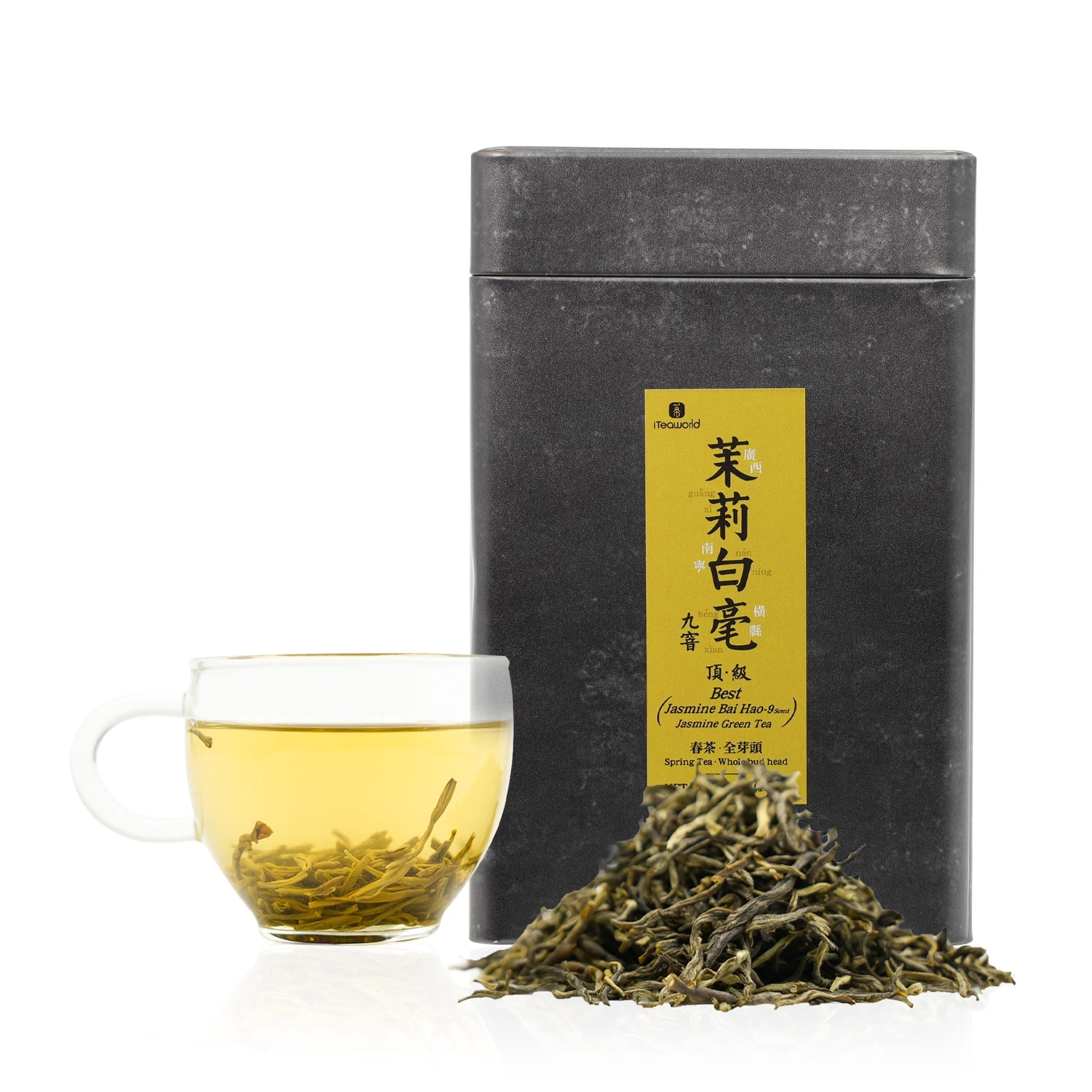

Jasmine Bai Hao represents the pinnacle of traditional Chinese jasmine tea craftsmanship, featuring nine rounds of jasmine scenting — an exceptional level of traditional processing. Each round uses fresh jasmine flowers from Fuzhou, allowing the tea buds to absorb the floral essence and develop a fresh, lively, and deeply layered jasmine aroma.
Made from rare whole buds of Fuding Big Pekoe grown in the high mountains of northern Fujian, this tea combines precious bud material with masterful scenting techniques. The result is an elegant tea with a vibrant jasmine fragrance, a smooth and mellow taste, and a naturally sweet, lingering finish.
A prized choice for those who appreciate the finest expressions of traditional Chinese jasmine tea.
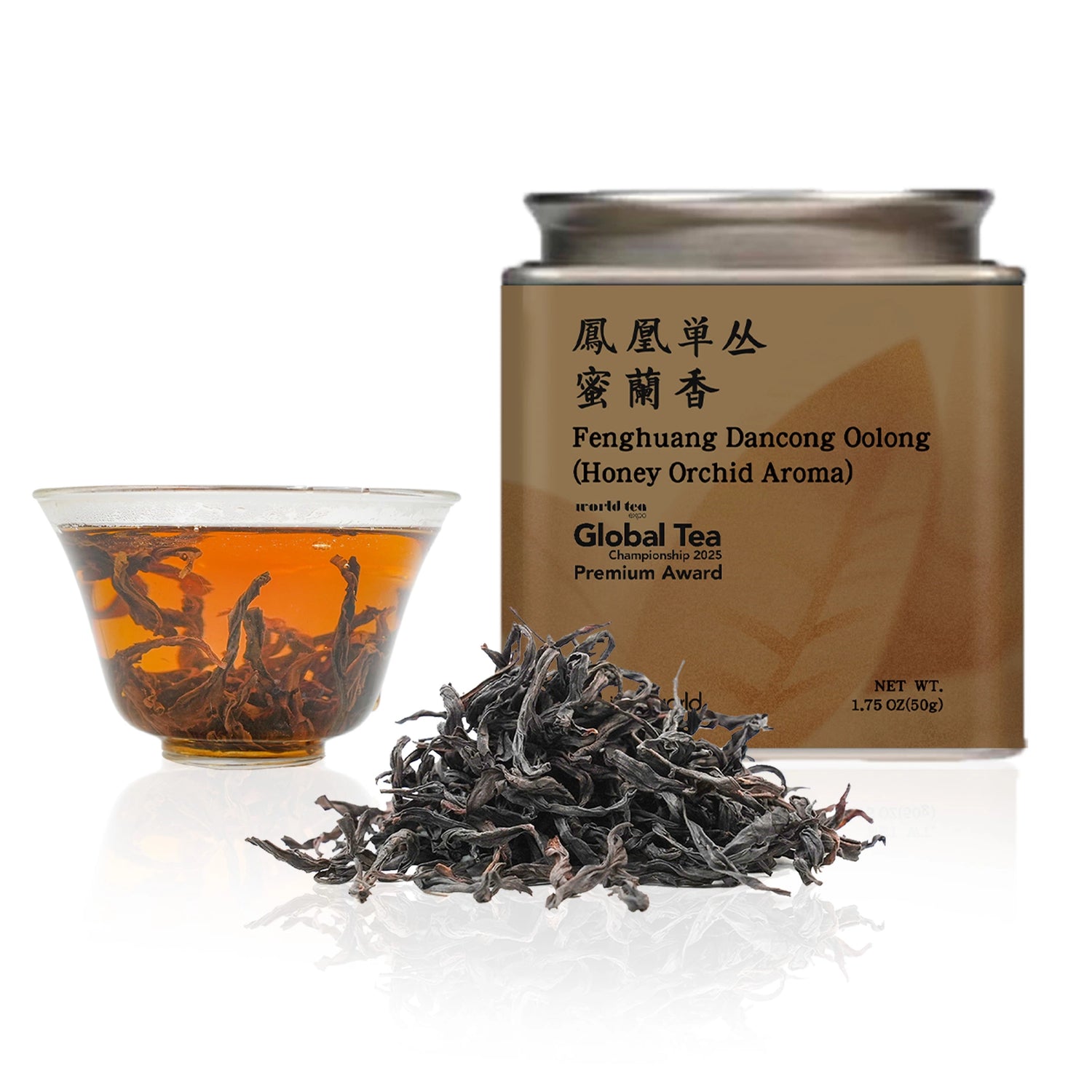
Top Grade Mi Lan Xiang Dancong Oolong - Global Tea Championship Winner 50g
$99.99 USD
Unit price perTop Grade Mi Lan Xiang Dancong Oolong - Global Tea Championship Winner 50g
$99.99 USD
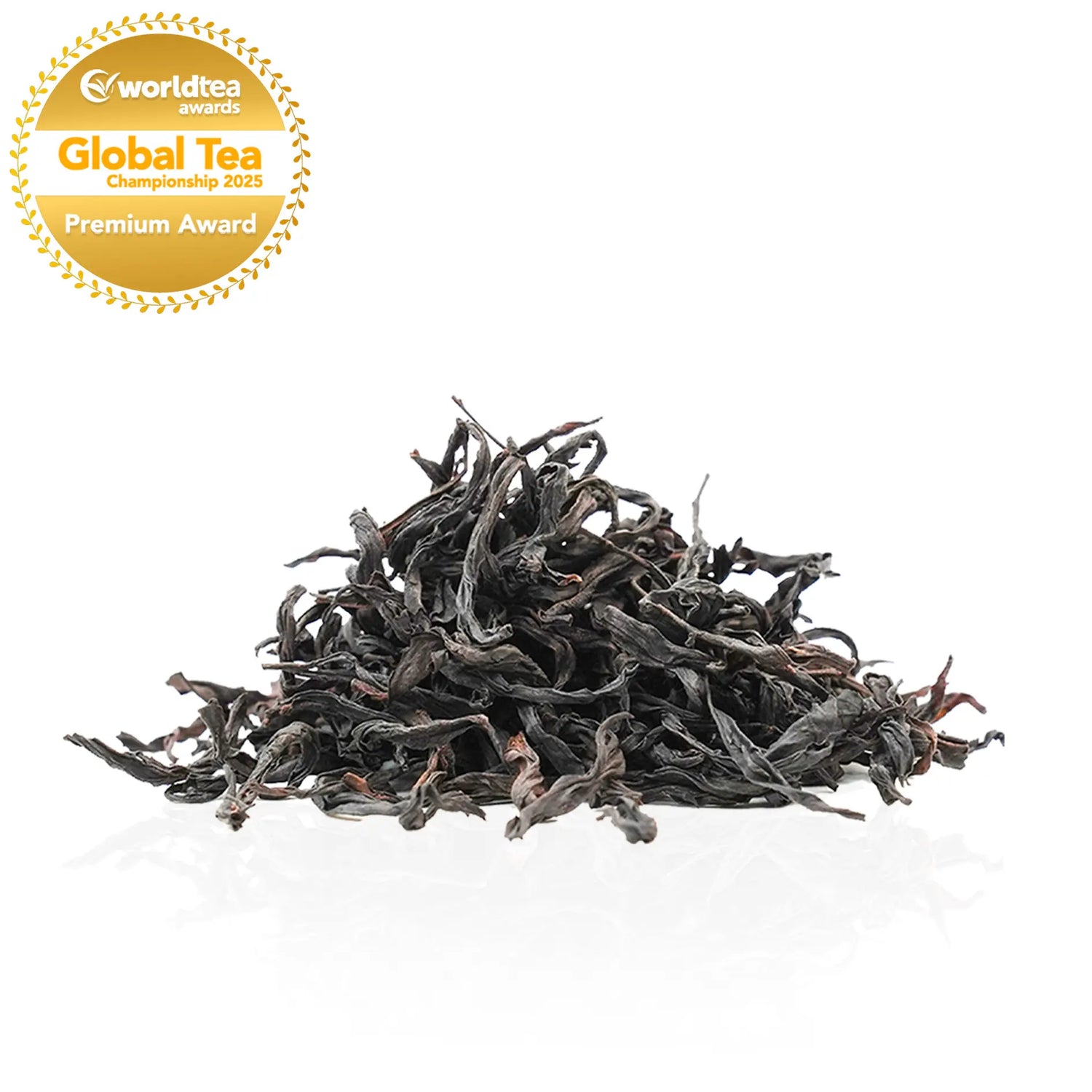
Unit price perThis Award-Winning Mi Lan Xiang Dancong was honored with the Premium Award – Best Oolong (Long Oxidized) at the Global Tea Championship 2025.
Judged by an independent panel of international tea experts in Las Vegas, the Global Tea Championship recognizes outstanding teas from around the world. Our Mi Lan Xiang Dancong distinguished itself in the highly competitive oolong category for its exceptional aroma, balance, and craftsmanship.
The tea is crafted from leaves harvested from 50–70-year-old tea trees. These mature trees develop deep root systems that contribute to the tea’s concentrated aroma, rich body, and long-lasting sweetness.
Traditional charcoal roasting is used to bring out the tea’s full character. Unlike electric roasting, charcoal roasting enhances aromatic complexity, adds depth and warmth, and creates a smoother, more refined cup while preserving the tea’s natural floral character.
The result is a clean, silky liquor with rich orchid-like floral fragrance, lingering sweetness, and remarkable depth. Smooth, elegant, and highly aromatic, this award-winning Dancong is an excellent choice for tea drinkers who appreciate floral oolongs, refined texture, and a long-lasting finish.
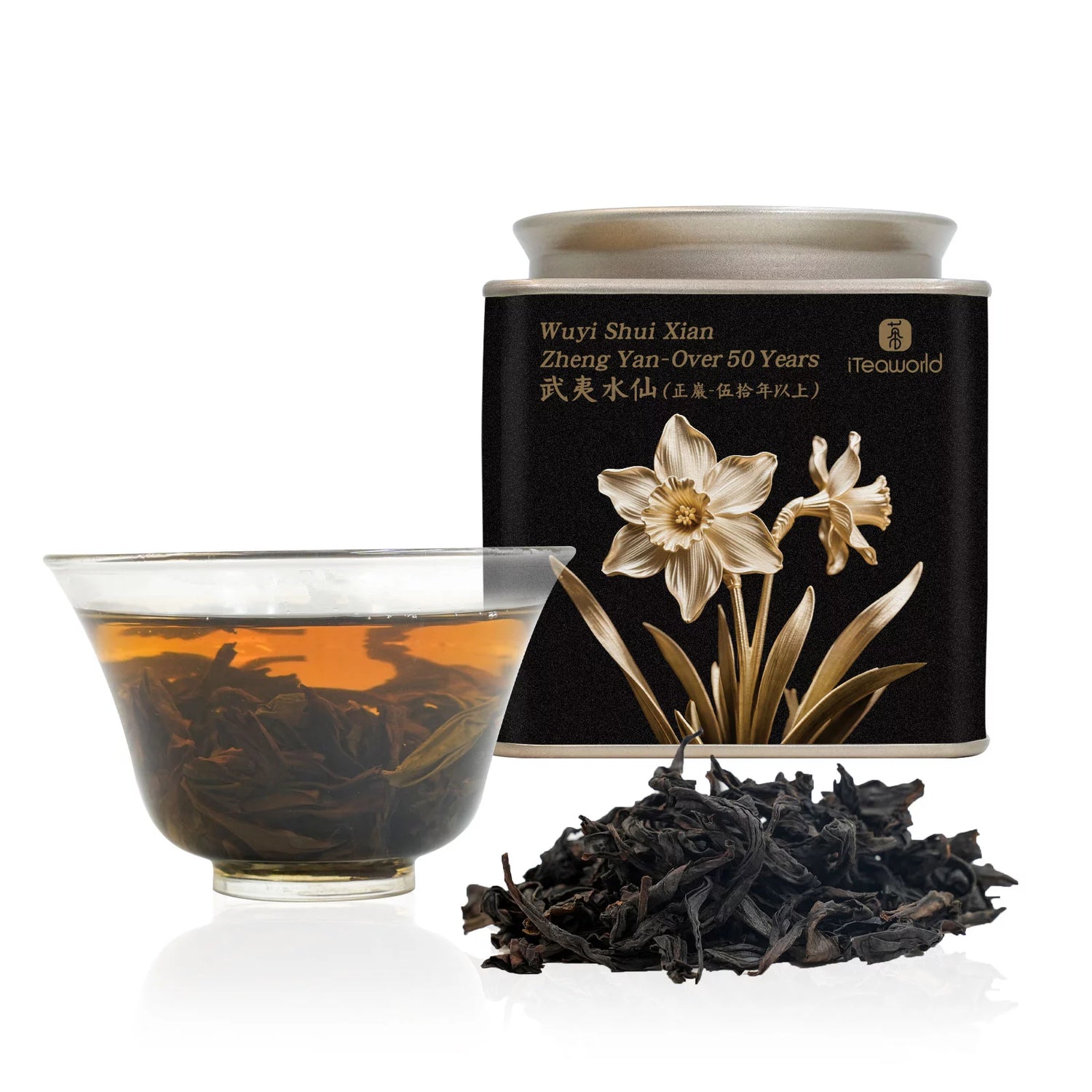
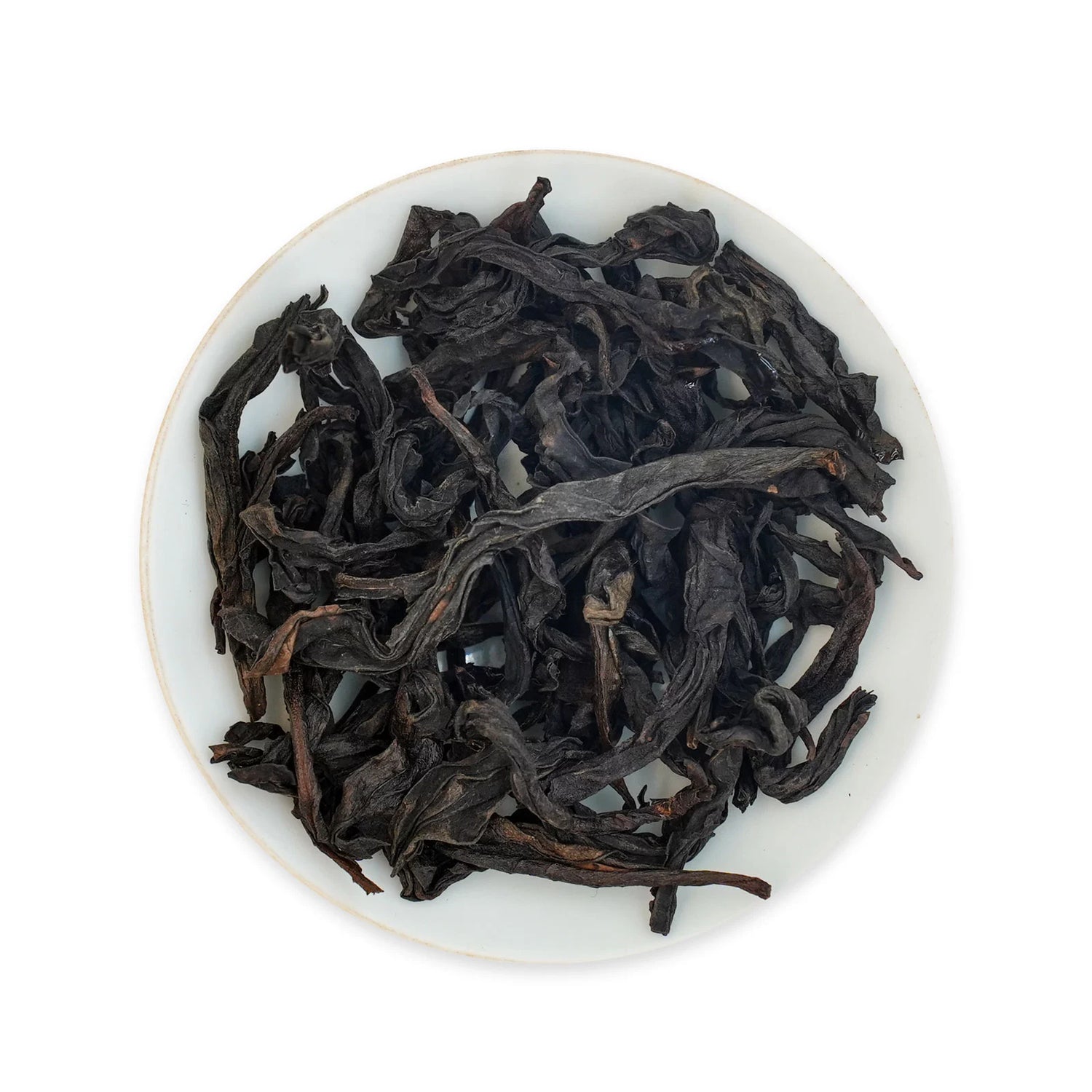
This Top Grade Laocong Shui Xian is crafted for tea drinkers who appreciate the deep, traditional character of classic Wuyi rock oolong tea. Made from leaves harvested from 50+ year-old tea trees growing in the Zhengyan region near Yunu Peak — one of the well-known scenic and tea-growing areas within the core Wuyi Mountain terroir — this tea expresses the distinctive old bush character that Shui Xian is prized for.
Compared with younger tea trees, Laocong Shui Xian develops a fuller body, deeper texture, and more layered flavor profile. The tea features pronounced woody and mossy aromas, accompanied by a smooth, velvety mouthfeel and the grounded mineral depth characteristic of authentic Wuyi Yancha. Gentle roasting adds warmth and structure without overpowering the tea’s natural complexity.
Rich, mellow, and deeply expressive, this traditional Wuyi rock tea is ideal for those who enjoy wood notes and the bold, mature character of old bush oolong teas.
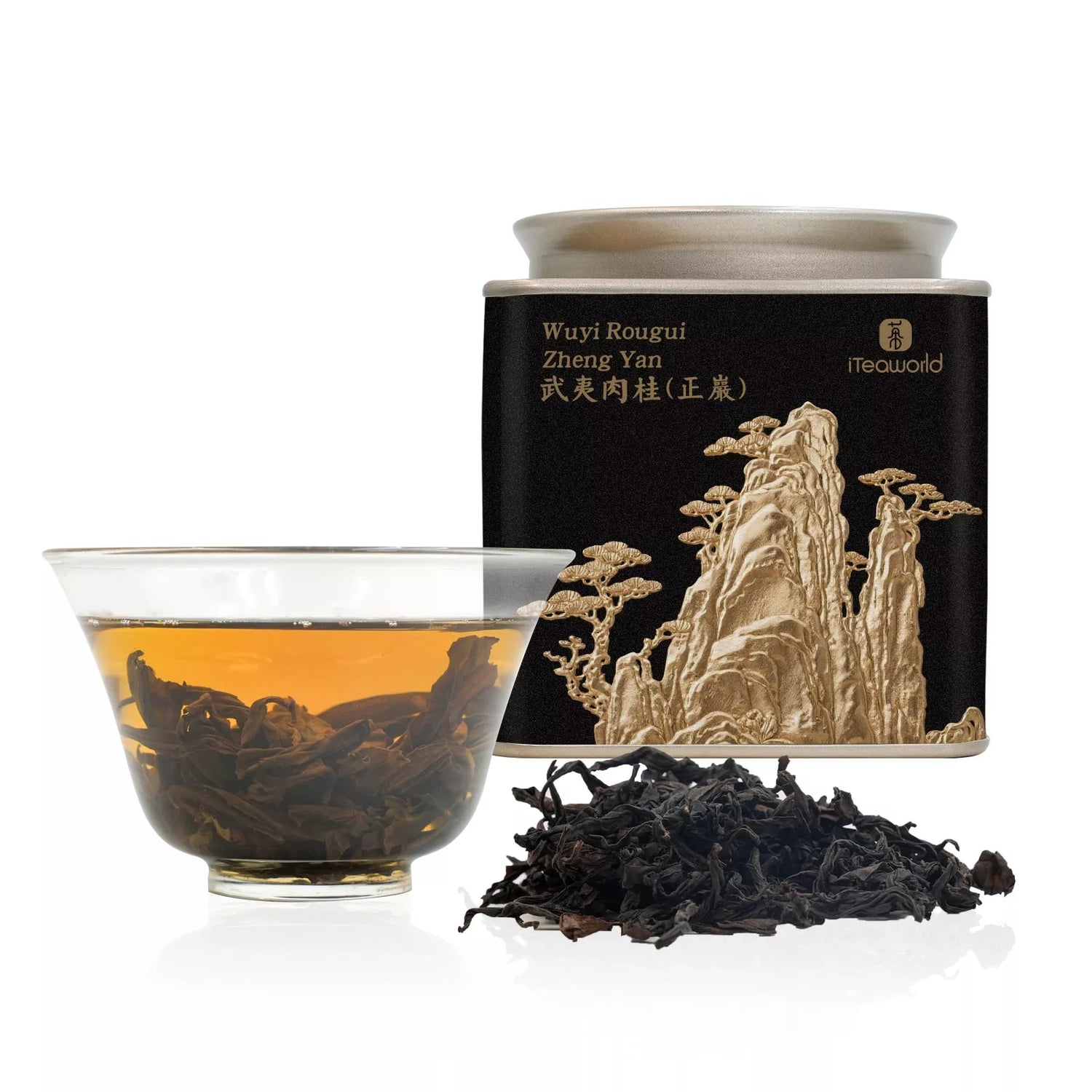
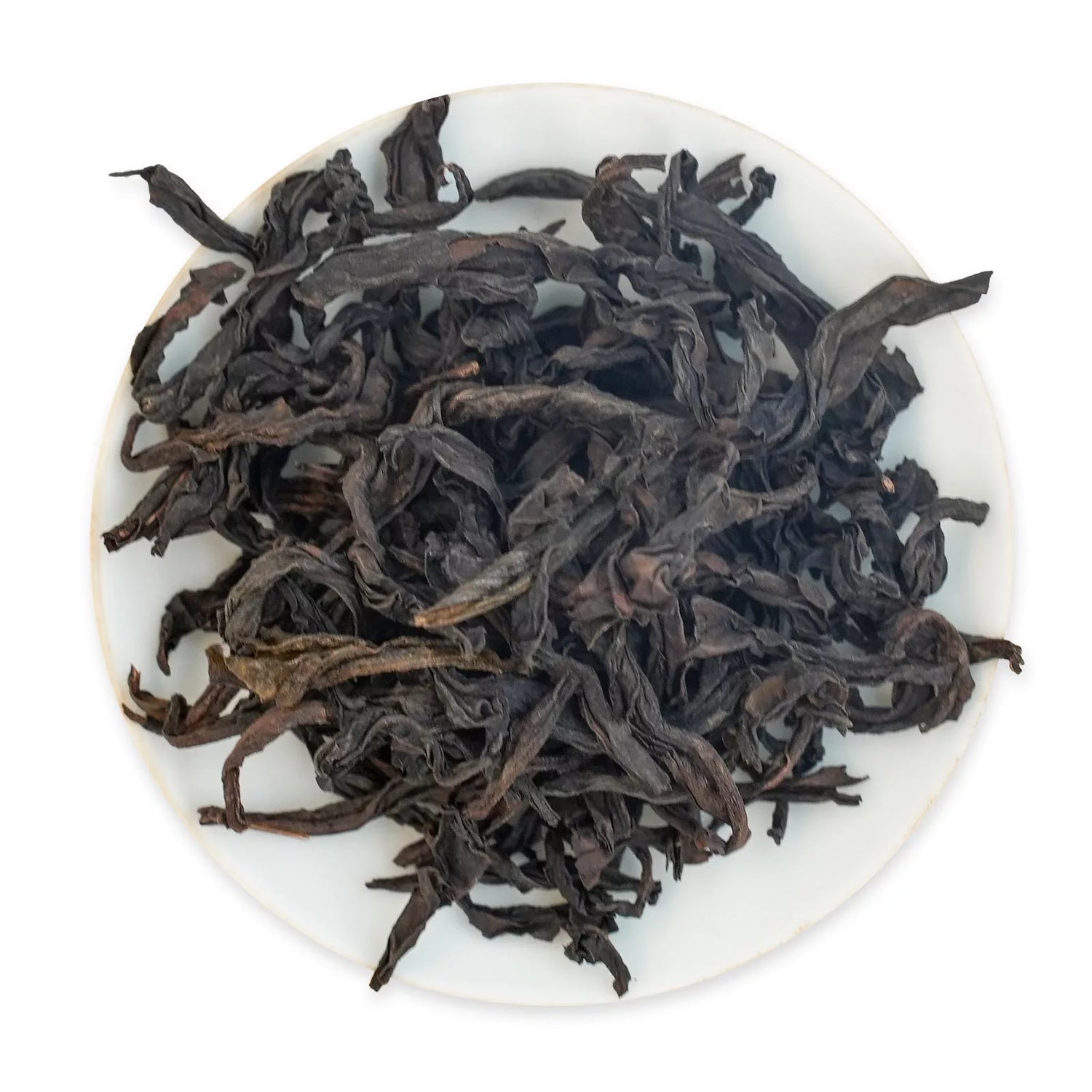
This Rou Gui offers a softer, more refined expression of Wuyi rock tea. Its signature cinnamon-like spice is gentle and elegant, supported by a smooth texture, natural sweetness, and a lingering mineral finish.
Grown in Fo Guo Yan, a lesser-known yet highly regarded site within Wuyi's Zhengyan region, this tea showcases a distinctive side of Rou Gui. Compared with the bold intensity often associated with famous cliff-grown Rou Gui teas, Fo Guo Yan produces a more balanced and graceful character, where sweetness, clarity, and rock rhyme unfold in harmony.
For tea drinkers who appreciate the depth of Wuyi rock tea but prefer elegance over power, this rare-origin Rou Gui offers a rewarding and approachable experience.


This Top Grade Da Hong Pao is crafted for tea drinkers who enjoy the balance of elegant floral aroma and rich roasted depth in traditional Wuyi rock oolong tea.Compared with many heavily roasted Da Hong Pao teas, this version highlights a more expressive orchid-like fragrance while still preserving the smooth, structured character that defines authentic Yancha.
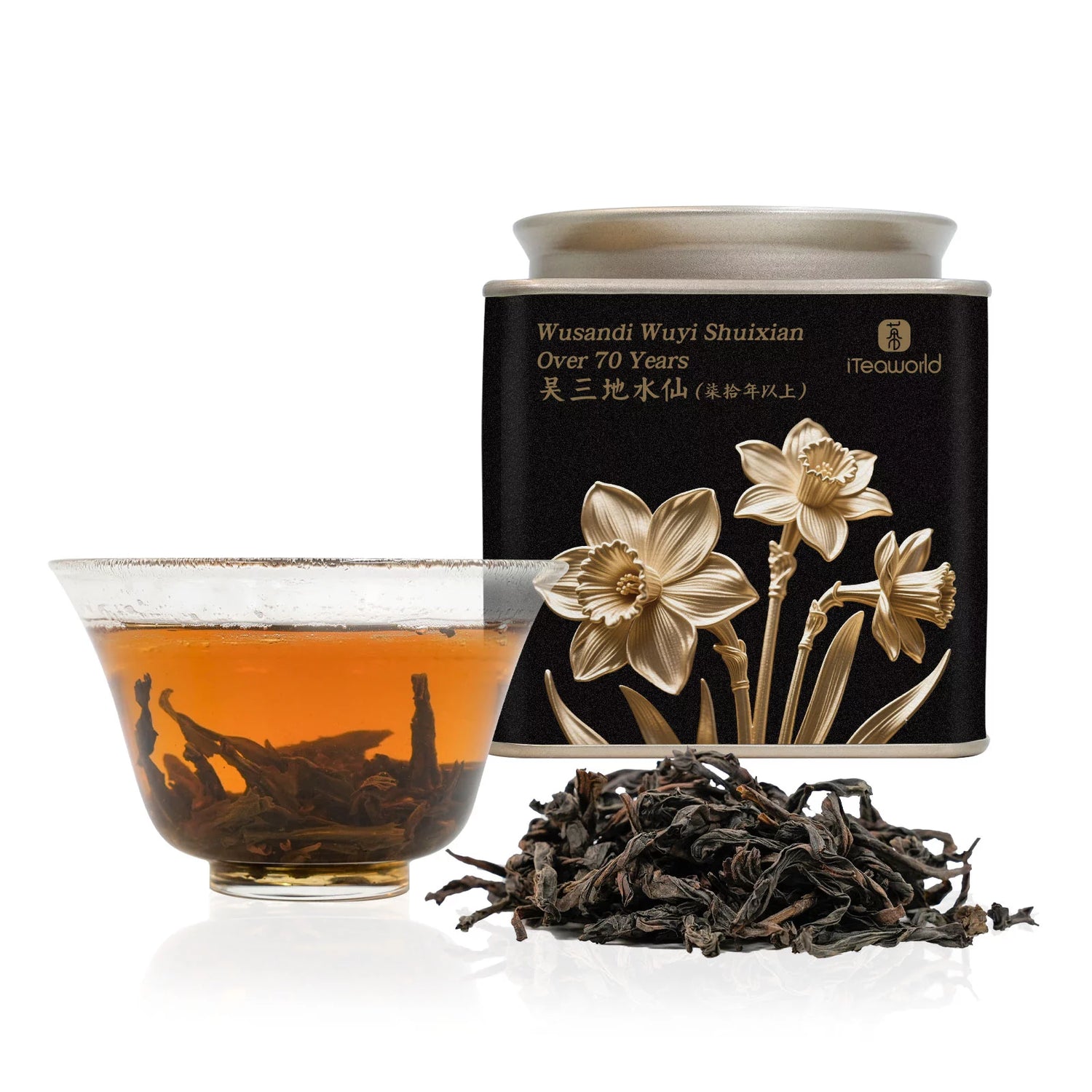
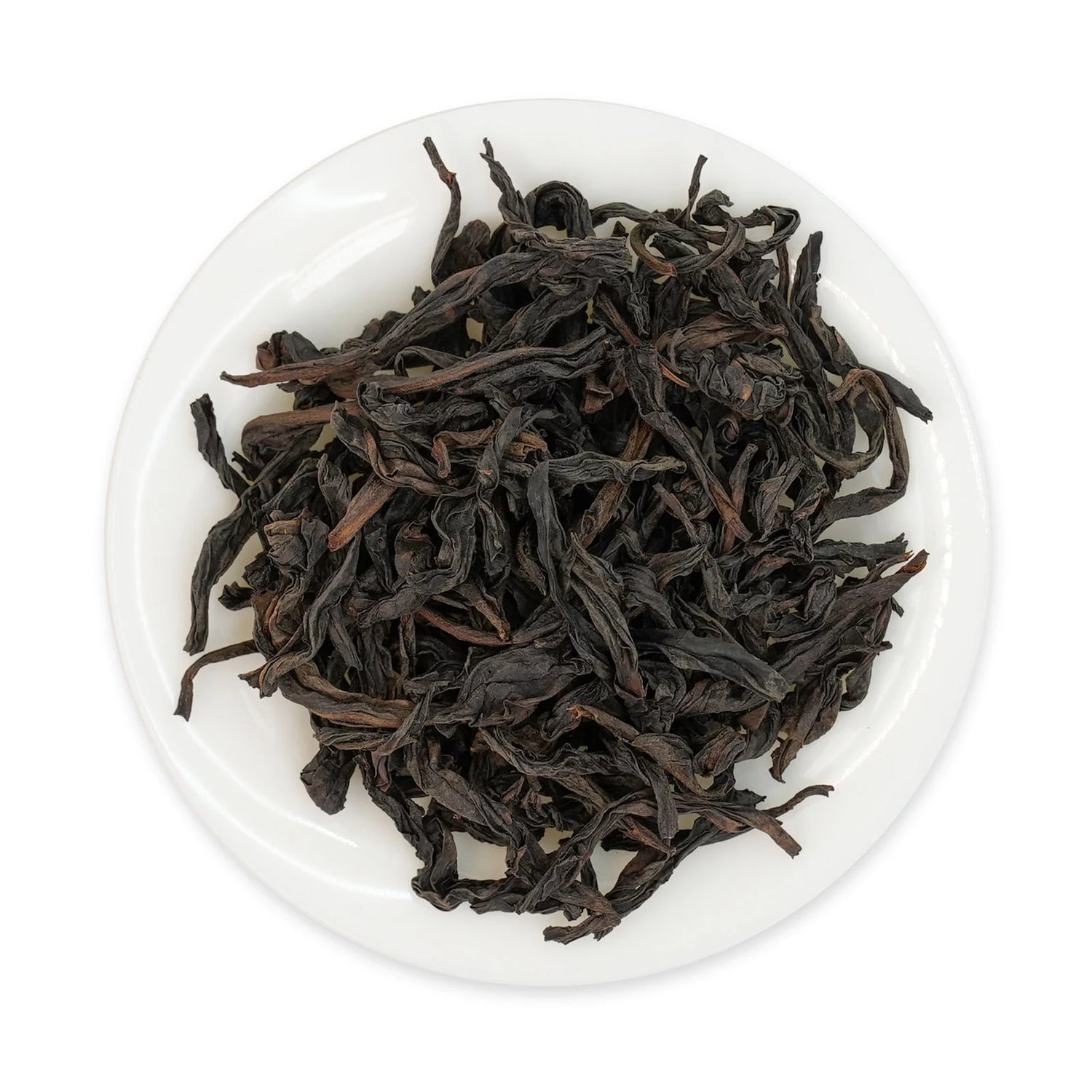
This Wuyi Shui Xian is sourced from Wu San Di, a renowned mountain terroir celebrated for producing exceptional old bush Shui Xian teas. The region is known for teas with distinctive woody aromas, mossy depth, and an exceptionally smooth, full-bodied texture.
Compared with more heavily roasted Wuyi Shui Xian teas, this version features a lighter roast that allows the tea's natural character to shine through. The liquor is brighter, smoother, and more approachable, while still retaining the rich depth and complexity that Shui Xian is known for.
Harvested from tea trees over 70 years old, the tea offers a remarkably silky mouthfeel, enhanced sweetness, and a long, lingering finish. Its balanced aroma and pronounced old bush character create a refined and deeply satisfying drinking experience.
Elegant, smooth, and expressive, this tea is ideal for drinkers who appreciate distinctive woody and mossy notes, balanced aromatics.
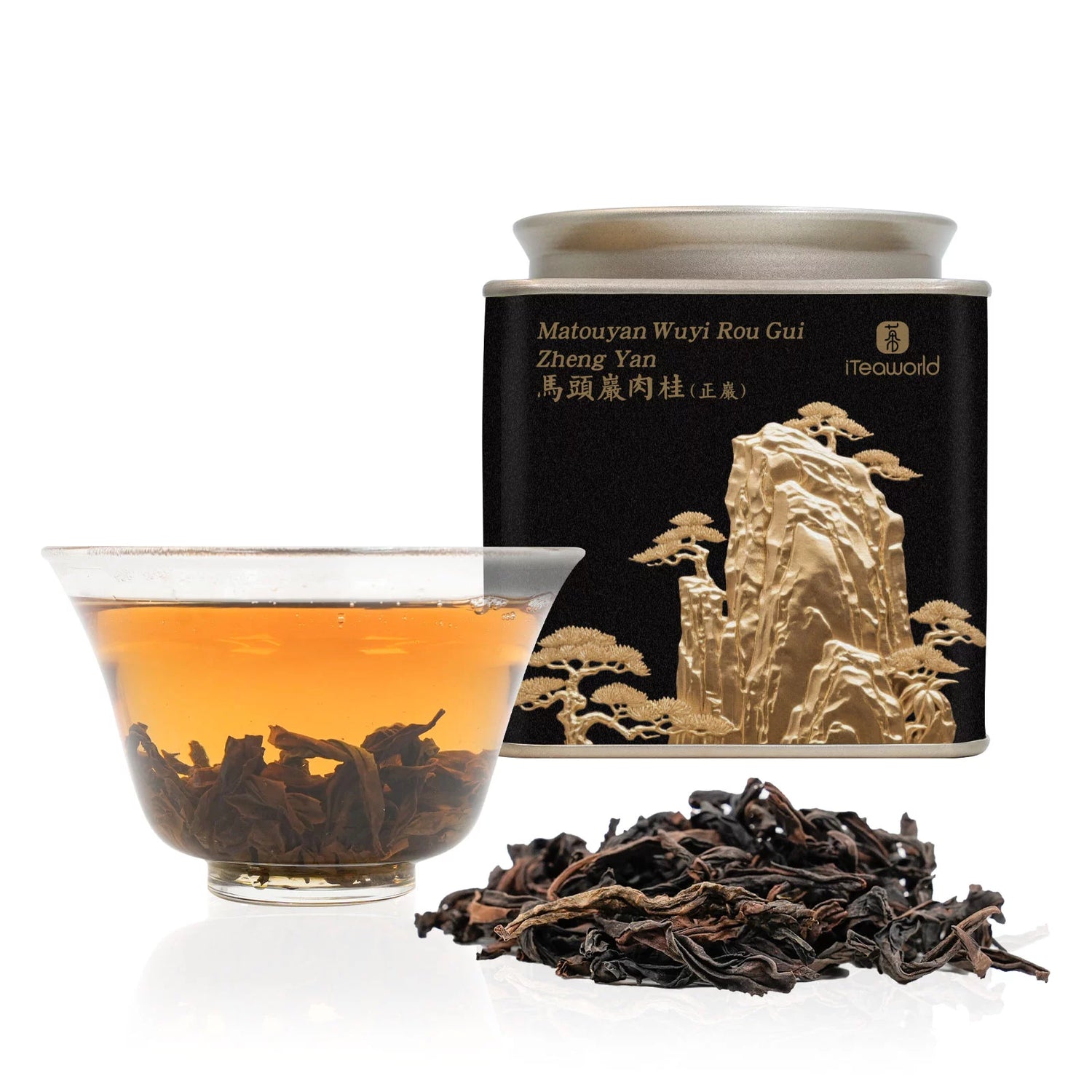
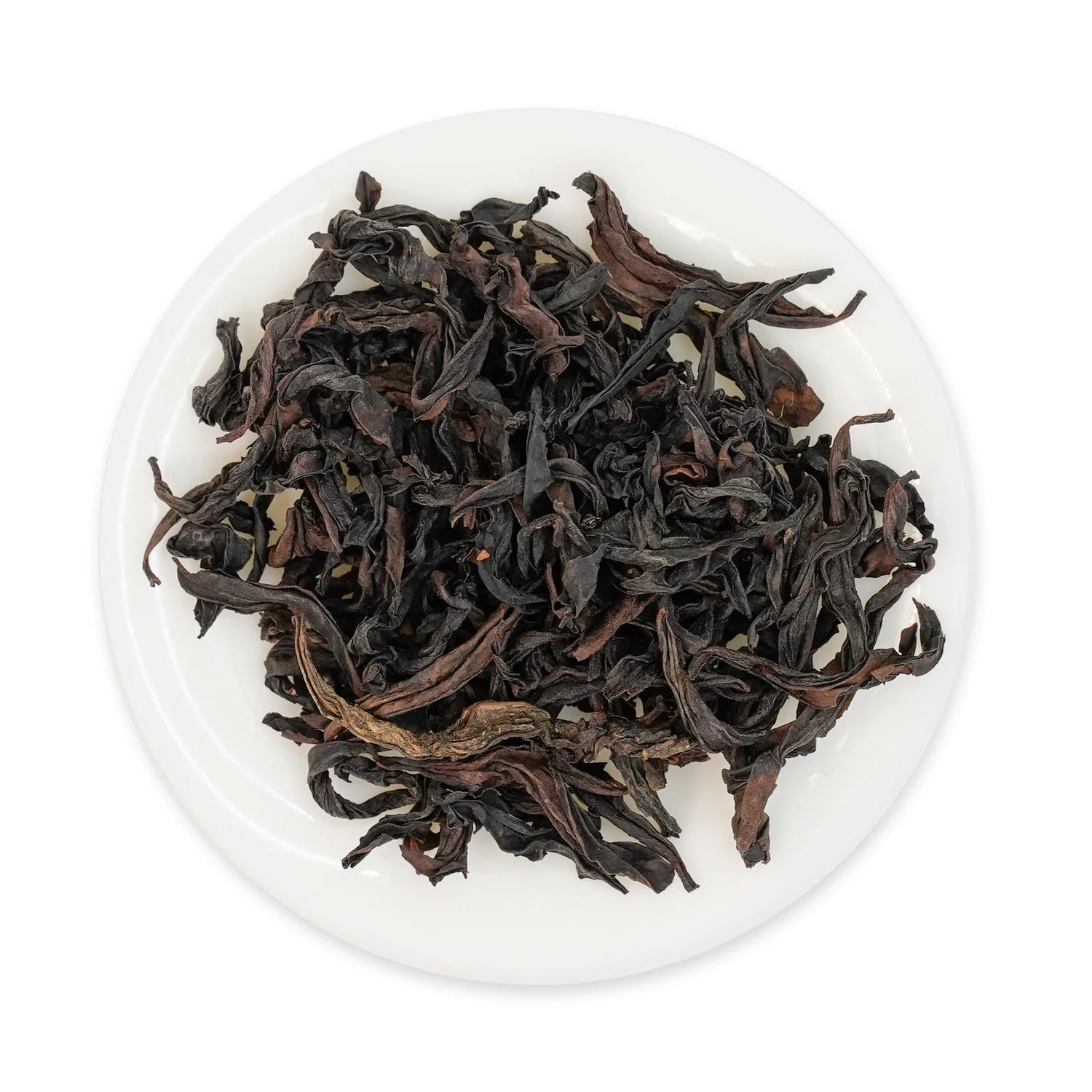
This Top Grade Rou Gui comes from Matouyan, one of the most celebrated terroirs within the core Zhengyan region of Wuyi Mountain. Renowned for producing rock teas with exceptional depth, structure, and mineral character, Matouyan is considered one of the finest origins for premium Wuyi rock tea.
This tea showcases the signature cinnamon-spice aroma that has made Rou Gui one of the most sought-after Wuyi cultivars. The dramatic canyon landscape, rocky cliffs, and unique microclimate of Matou Yan contribute to the tea's distinctive mineral-rich character and remarkable complexity.
The liquor is rich, full-bodied, and powerfully structured, with pronounced roasted notes balanced by lasting mineral depth and a long, satisfying finish. Bold yet refined, this Rou Gui delivers the commanding presence and layered character that experienced Yancha drinkers seek.
Ideal for those who appreciate traditional Wuyi rock teas with strong cinnamon aroma, robust body, pronounced roast, and the distinctive mineral character of top-tier Zhengyan terroir.
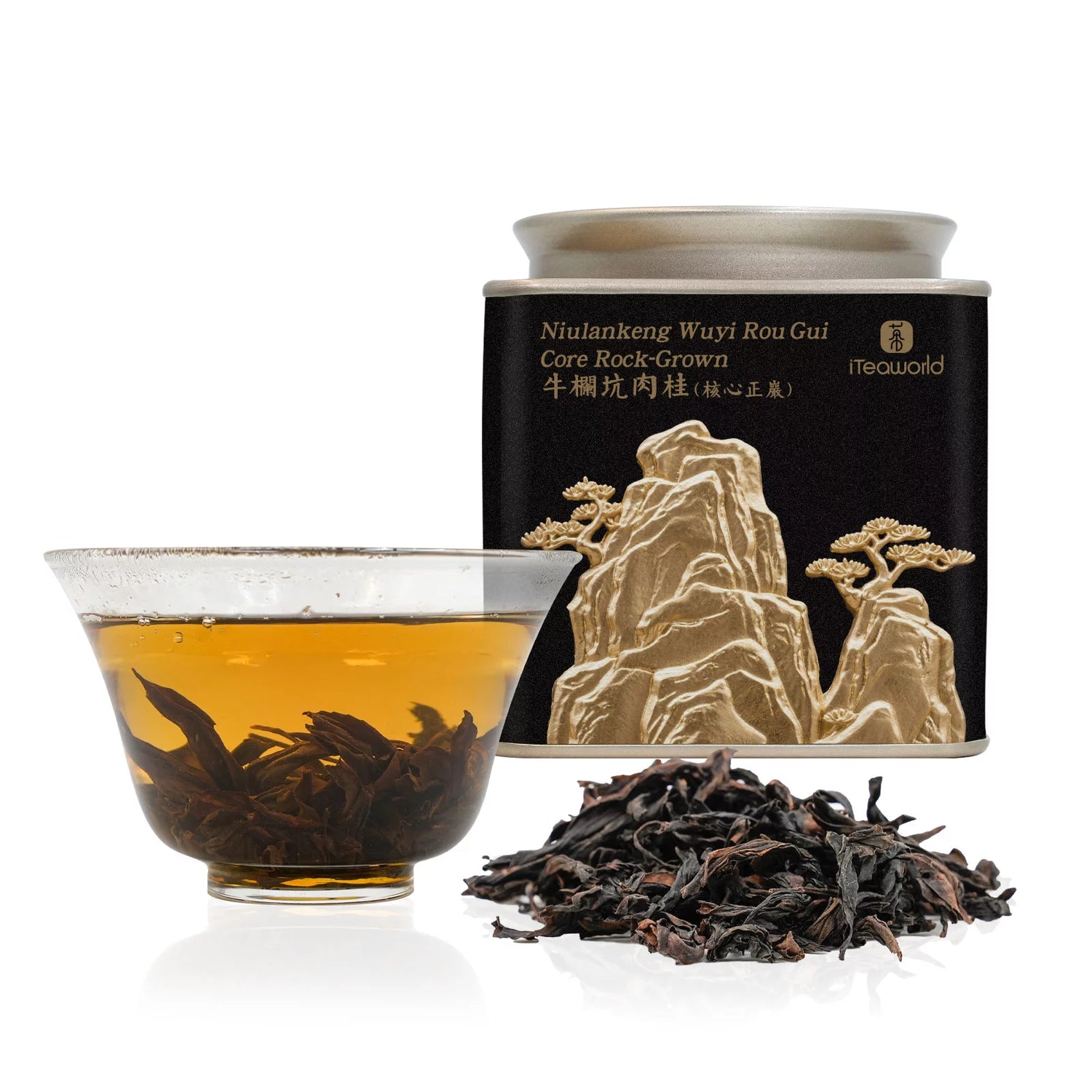
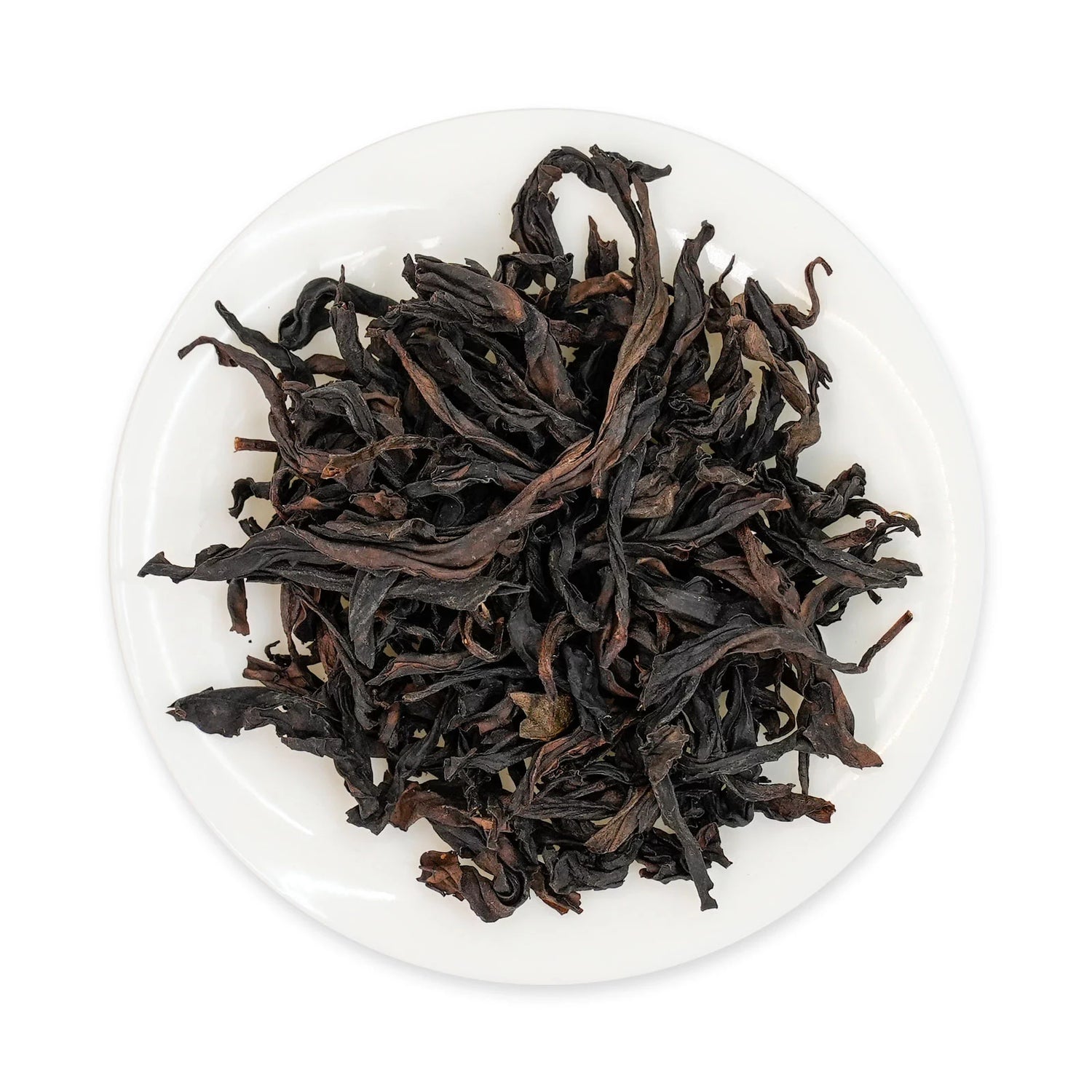
Niu Lan Keng is one of the core Zhengyan producing areas of Wuyi Rock Tea, belonging to the famous “Three Pits and Two Ravines.” The area is nourished year-round by flowing streams from rock crevices, with high humidity, misty air, limited sunlight inside the pit, and mineral-rich soil. These conditions create a cool, shaded environment ideal for tea trees.
The Wuyi Rougui produced here—often referred to as “Niu Rou”—is highly prized for its rarity and extremely limited yield, earning it the title “King of Rock Tea.” Its signature cinnamon note is sharp, bold, and highly penetrating, layered with osmanthus, floral, and fruity aromas. Unique to Niu Lan Keng, it also carries a distinct “ravine character”—a mossy, mineral freshness reminiscent of a primeval forest—which adds depth and authenticity to its terroir expression.
On the palate, it strikes a balance of strength and finesse: the cinnamon’s spicy sharpness is complemented by a smooth, delicate liquor, hiding inner power. The rock rhyme is pronounced, with a quick and lasting sweet aftertaste.
Recently viewed products
Chat with fellow tea lovers, ask questions, and share your tea moments.
Shop with Confidence at iTeaworld

30-Day Return & Satisfaction Policy
Not satisfied? Get a refund within 15 days for taste concerns, or return unopened products within 30 days.

Free tea samples with tea order
Buy 1 get 1 sample. Buy 2 get 2. Buy 3+ get 3 free sample