Guide

loose-leaf-tea-caffeine-vs-coffee-caffeine

Caffeine in Loose Leaf Tea VS Coffee

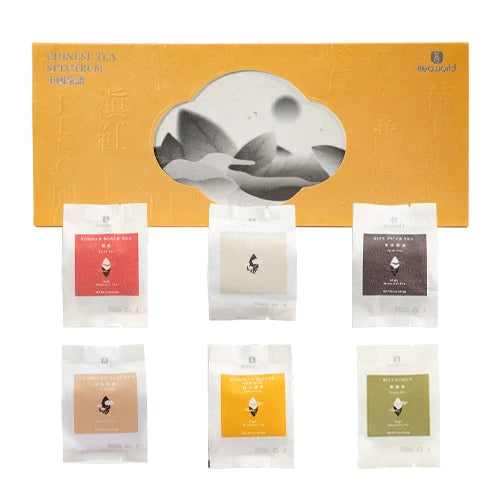
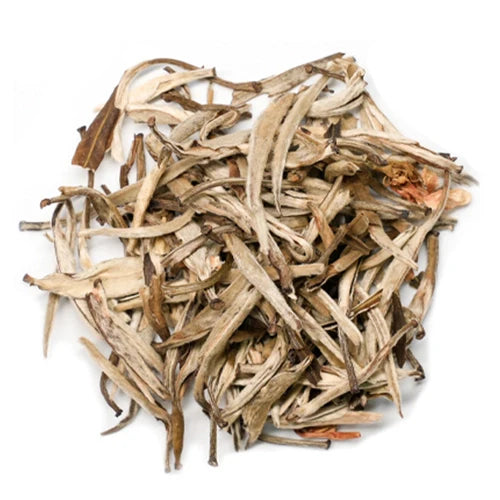
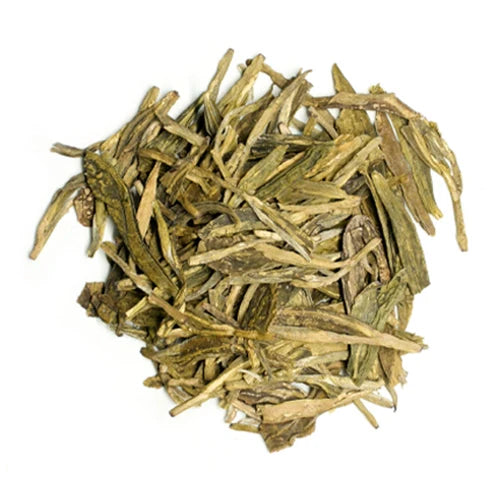
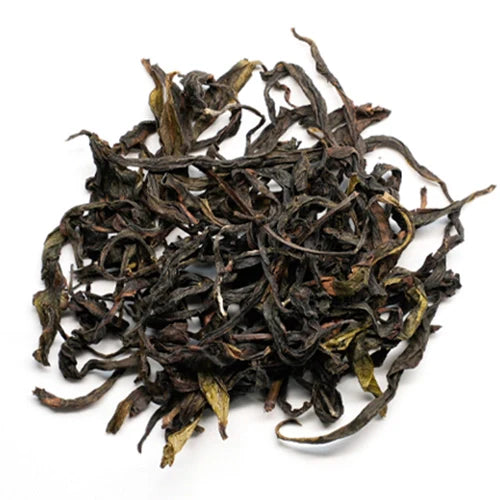
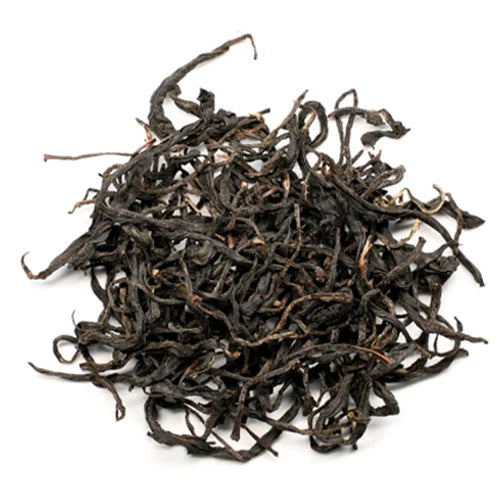
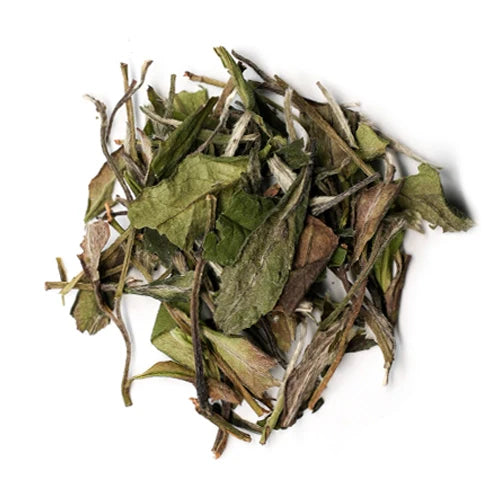
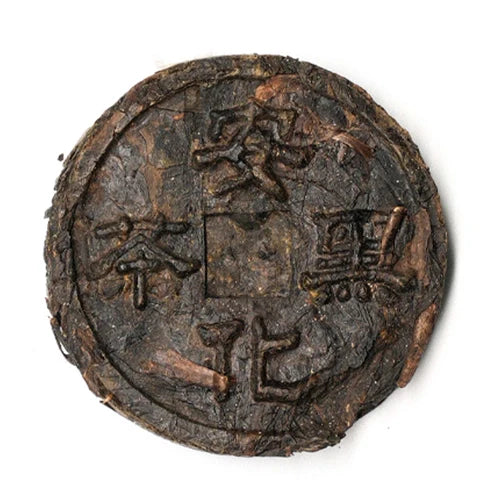
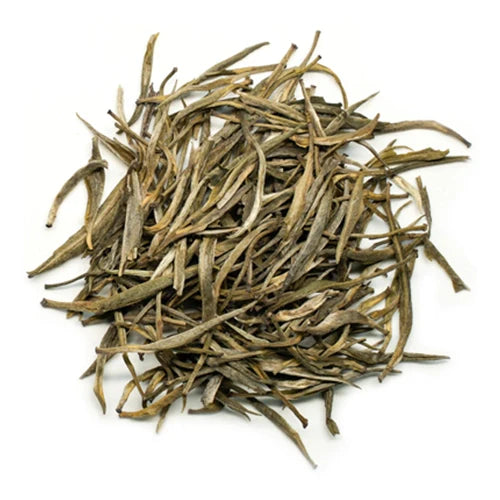
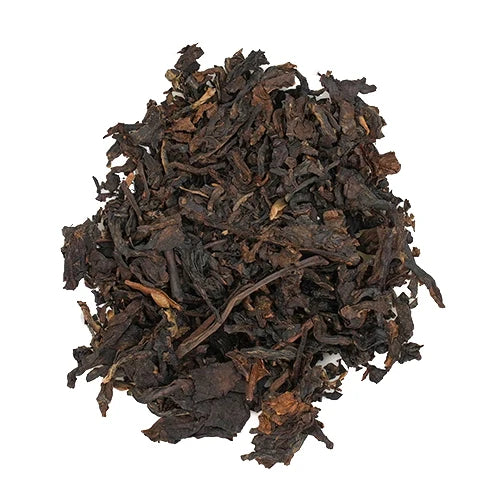
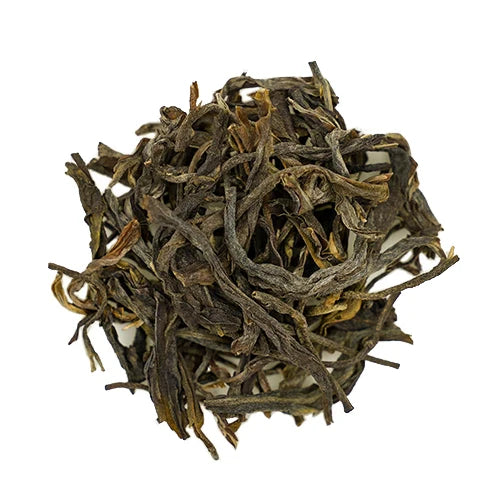
1.Caffeine In Loose Leaf Black Tea Vs Loose Leaf Oolong Tea According to the article "Analysis of the Proportion of Bound Caffeine in Different Teas" published in the Journal of Yunnan Agricultural University, the proportion of bound caffeine in teas with a greater degree of polyphenol oxidation is inferred to be greater according to the experimental results. Among the black teas, Pu'er tea (ripe tea) and Liu Bao tea have higher content of caffeine binding, accounting for about 20% of the total caffeine. The proportion of caffeine bound in Anhua black tea (2.15%), which is also a black tea, was much lower than that in Hubei old green brick (7.43%). In loose leaf black tea, the proportion of combined caffeine was 7.58% to 12.50%. Among the loose leaf oolong tea, the proportion of caffeine bound in the sample of Dahongpao was also higher (4.52%). Among the oolong tea samples, the proportion of caffeine bound in Tieguanyin and Jiedingtian oolong tea samples was close to that of green tea samples (<2%). The proportion of caffeine bound in yellow tea and white tea ranged from 2% to 6%. The proportion of caffeine bound in green tea was generally low. The proportion of caffeine bound in Pu-erh raw tea (which is a green tea) was small (0.94%). Therefore, we can roughly summarize the caffeine content of different loose leaf tea from high to low: Puerh tea > black tea > oolong tea > yellow tea > white tea > green tea > decaffeinated tea > cold brewed tea. Experience the bold flavors of our loose leaf black tea selection and awaken your senses with every sip. Discover the true essence of tea at iTeaworld. >>> 2.The Effect Of Brewing Methods On The Caffeine Content In Tea. As the steeping time increases, there is a slight increase in the amount of caffeine in the tea. As the number of steeping increases, the caffeine content in the tea drops dramatically. As the water temperature for steeping increases, the amount of caffeine in the tea gradually increases. To reduce the caffeine content in tea, the most effective method is to avoid drinking the first infusion. Additionally, you can also lower the water temperature for brewing. 3.The Caffeine Content Of a Cup Of Tea Adults' daily caffeine intake can be categorized into the following levels: 80-250mg is a low intake, 300-400mg is a medium intake, and more than 500mg is a high intake . The caffeine content of tea brewed daily (hot water brewing, each brewing time of 10-30 seconds) is affected by the brand of tea, the temperature of the water in which it is brewed and so on, and the caffeine mass dissolved in 2.0g of tea brewed 3 times is about 60-90mg. The mass of caffeine dissolved in 2.0g of tea steeped 3 times is about 60-90mg. Explore the timeless classics with iTeaworld's Classic Tea Selection. From bold black teas to delicate green teas, we have your favorites. >>> 4.Caffeine Content of a Cup of Coffee The average caffeine content of a cup of coffee is 100mg, but in reality it varies greatly from coffee to coffee. A cup of espresso can have as little as 50mg of caffeine, while a cup of drip coffee can have as much as 200mg of caffeine. It's hard to say exactly how much caffeine each type of coffee contains, but all you need to know is which ones will help you refresh your mind without exceeding the 300mg daily limit. There are also many factors that affect the amount of caffeine content. Unlock the secrets of Caffeine in loose leaf tea at iTeaworld. Discover the perfect balance between energy and tranquility with our meticulously crafted teas. >>> 4.1 Caffeine Content of Coffees with Different Levels of Roasting Many people think that the caffeine content of dark roasted coffee is higher because the coffee has a stronger flavor. But in fact light roasted coffee has more caffeine per unit, this is because light roasted coffee is denser. 4.2 Caffeine content of coffee powder Each type of coffee requires a different thickness of coffee powder, for example, espresso and Turkish coffee require very finely ground coffee powder, so the caffeine content per unit of these two types of coffee is higher. 4.3 Caffeine content of different bean varieties The caffeine content of different coffee varieties varies. Robusta coffee (which is of lower quality and mostly used for instant coffee) has twice the caffeine content of Arabica coffee (which is of higher quality and accounts for 70% of the world's total coffee supply). Excelsa coffee is a naturally lower caffeine coffee variety and is produced in very low quantities. It is usually used in blending with Arabica to make lower caffeine coffees. 4.4 Caffeine content of different brewing methods The longer the brewing time, the higher the caffeine content. The brewing time varies depending on the brewing method, for example, French press coffee needs to be soaked for a few minutes before pressing, and therefore has a higher caffeine content; drip coffee also has a higher caffeine content, and espresso with a longer brewing time, such as Lungo, also has a higher caffeine content. In addition, the ratio of water to powder also affects the caffeine content, so if more coffee powder is used, the caffeine content will be higher. 4.5 Caffeine Content of Coffee Produced by Different Cafes The caffeine content of coffee made by different brands of cafes varies widely, for example, McCafe's coffee is 1/2 the size of Starbucks coffee in the same size situation, while Caribou is in between. 4.6 As a consumer, how do you choose how much caffeine to have: Ask the waiter; Coffee with milk and other flavorings is usually a little less caffeinated for the same size; If you are not sure, try to order a smaller cup. Elevate your tea-drinking experience with our Tea Sampler. Explore a diverse range of flavors and embark on a journey of tea exploration with iTeaworld. >>> 5.Decaffeinated Tea Recommendations: If you want to try some decaffeinated tea, then we recommend choosing from loose leaf green tea, or loose leaf white tea. Of course, cold brewed tea is also one of the fantastic choices! Green Tea: Longjing Tea : Longjing Produced in Hangzhou, China, Longjing tea is a well-known green tea that has been named one of China's top ten famous teas several times. Its green, flat leaves and unique flavor make it a favorite. The taste of Longjing tea is light and soothing, making it a decaffeinated choice for everyday drinking.Biluochun: Produced in Suzhou, China, and a frequent list of China's top 10 teas, Biluochun is a refreshingly sweet green tea. Relatively low in caffeine, it is suitable for tea drinkers seeking a lighter flavor. Discover a box of 6 classic Chinese green teas and enjoy the perfect combination of low caffeine and great taste >>> White Tea: Bai Mudan: One of the representatives of white tea, Bai Mudan's low oxidizing properties make it relatively low in caffeine. Its clear tea broth and fresh flavor are perfect for all-day enjoyment.Baihao Yinzhen: Baihao Yinzhen is also a famous white tea variety. The silver-white hairs of its dried tea are its unique feature. Its relatively low caffeine content and elegant flavor make it a favorite among many tea lovers. Cold Brew Tea: Rose Black Tea: This is a great tea for cold brewing, combining Dian Hong tea and rose petals for a rich flavor and fragrant aroma, ideal for a cool summer day.Cold Brew Chrysanthemum Tea: Choose decaffeinated cold brew chrysanthemum tea, which not only quenches your thirst, but is also rich in herbal ingredients that help to relax your body and mind, making it an excellent drink to beat the summer heat. Discover four of the best teas for cold brew in one box, cool and decaffeinated for the perfect summer cold brew>>>All of the above teas offer a rich flavor and aroma, while the lower caffeine content makes them suitable for any time of day. If you want to lower the caffeine content, you can also do so by adjusting the ratio of tea to water.   References: [1] SMITH P F,SMITH A,MINERS J,et al. The Safety Aspects ofDietary Caffeine[M]. Australia: Report from the expert workinggroup,2000. 
how-to-make-loose-leaf-tea

How to Make Loose Leaf Tea: Tips for Brewing Flavorful Tea at Home

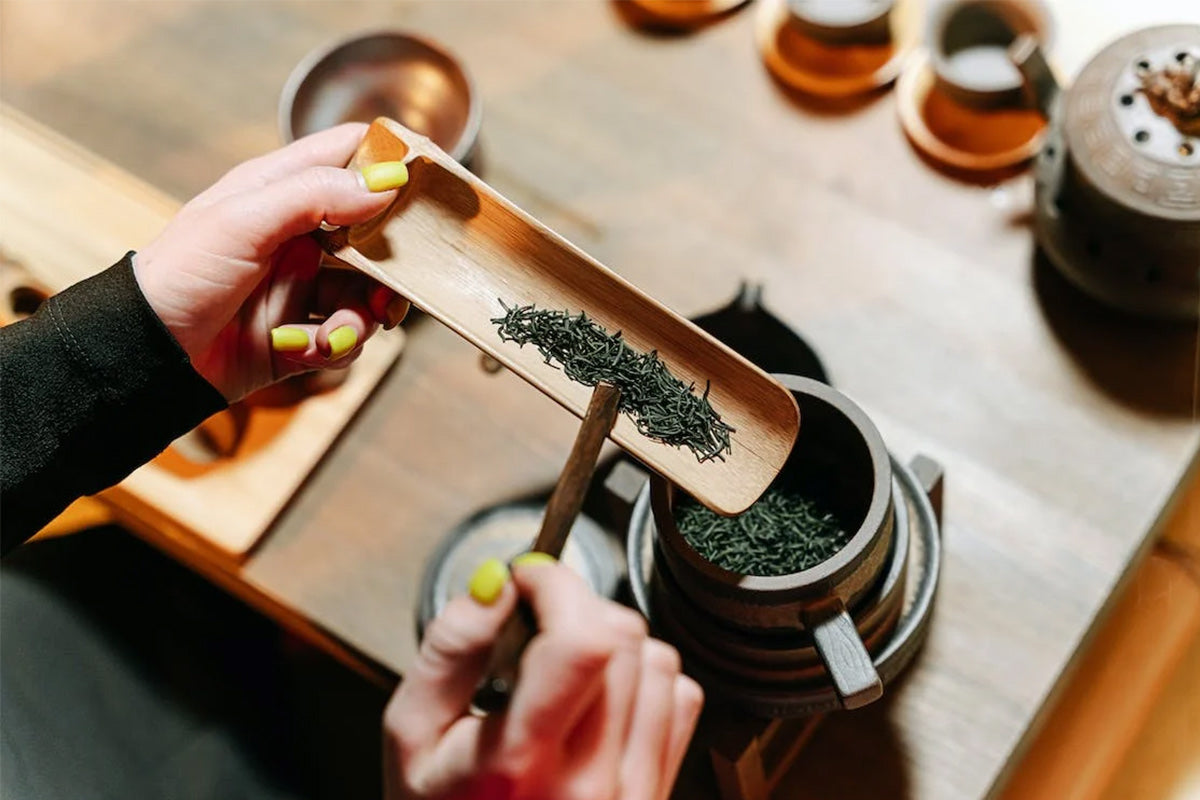
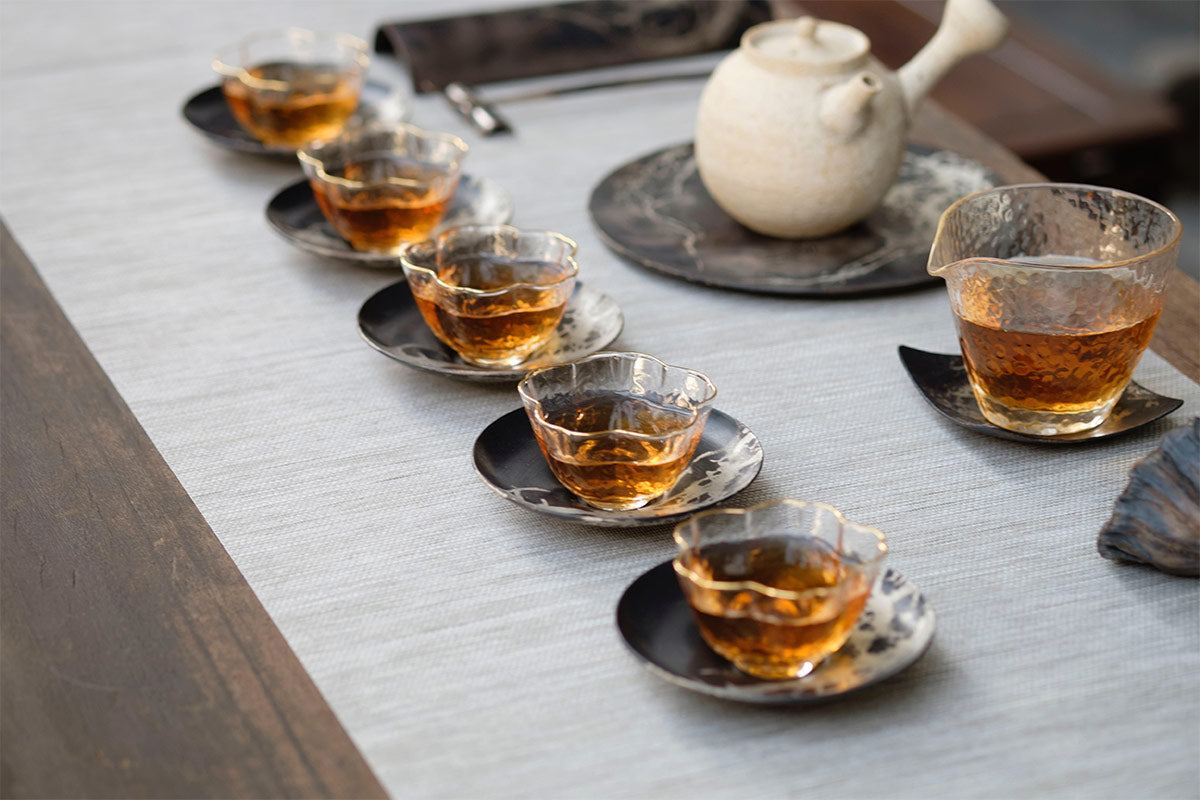
There’s nothing quite like the aroma and taste of a fresh cup of loose leaf tea. By brewing whole tea leaves at home, you can craft a delicious, soothing cup of tea and fully appreciate its nuanced flavor. You can get the best flavor out of high-quality loose leaf tea by following a few easy procedures, regardless of whether you enjoy powerful black teas, vegetal green teas, sweet white teas, or complex oolongs. We'll go over the tips for brewing a great cup of loose leaf tea at home, from picking the best loose leaf tea to streamlining the brewing procedure. Continue reading for advice on choosing tea, necessary tools, perfect brewing instructions, and more. Let's start from the beginning with how to select premium quality loose leaf tea... II. Selecting High Quality Loose Leaf Tea The starting point for brewing great tasting loose leaf tea is choosing fresh, high-grade tea leaves. Here are some tips for selecting premium quality loose leaf tea: ● Check the expiration date and look for the production date or "packed on" date. Fresher tea leaves make better tea. ● Buy from reputable sellers and tea companies known for quality, like iTeaworld. This helps ensure you get freshly packed tea direct from the source. ● Look for whole leaf tea rather than broken leaves or dust. Whole leaves contain the most flavor oils. ● Consider the tea type and grade. Higher grade black, green and oolong tea will provide more complexity. ● Store tea properly in a sealed opaque package in a cool, dark space to preserve freshness and prevent moisture. ● Buy tea in smaller quantities more often for ultimate freshness. Tea leaves stale over time. With high quality loose leaf tea leaves from a reputable seller like iTeaworld, you'll have an excellent foundation for creating delicious tea. III. Brewing Methods Once you have flavorful, fresh loose leaf tea leaves, it's time to brew them into a tasty cup of tea. There are two main brewing methods to try: Western style vs. Eastern gongfu style Western Style Tea leaves are steeped in a teapot, infuser, or strainer in the Western method of brewing. Black tea and various oolongs are frequently brewed using this technique. Simply pour loose tea into a tea ball, teapot with a strainer, or infuser basket. Then, depending on the type of tea, add freshly heated water and let steep for 3-5 minutes before serving. To get the required strength, change the tea to water ratio. Gongfu Style A more delicate tea, whether oolong, white, or green, is frequently prepared using the traditional Chinese technique known as gongfu. It entails steeping in smaller teaware several times for brief periods of time. Utilize a tiny teapot, such as a gaiwan or kyusu. more tea leaves per amount of water. Pour into a serving pitcher after a quick infusion of 15 to 45 seconds. Repeat the short steeps 3–6 times after that. Both brewing techniques yield flavorful tea. Try different flavors to determine your choice. IV. Optimizing Flavor Brewing loose leaf tea is as much art as science. Try these tips to coax the most flavor possible from your tea leaves: ● Always start with fresh, filtered water. Soft, pure water allows the tea's flavors to shine. ● Pay attention to water temperature. Each tea type has an ideal temp that releases its flavors. Cooler for green tea, hotter for black. ● Experiment with steeping times. Taste testing shorter and longer steeps will help perfect the strength and development of flavors. ● Adjust the tea leaf to water ratio. More leaves or less water results in a stronger brew, while less tea or more water creates a milder infusion. ● Try multiple shorter steeps versus one long one. This progressively extracts different nuances with each subsequent steep. ● Use a small vessel like a gaiwan or teapot so aromas are concentrated. Brew into a cup instead of pot to prevent oversteeping. You may achieve the right flavor profile for each tea by dialing in the ideal water, time, temperature, and tea ratio. To create your ideal cup of tea, taste test the ingredients and tweak the settings. V. Serving and Enjoying Tea After mastering the brew, here are some tips for optimally serving and savoring your loose leaf tea: 1. Pour the freshly brewed tea into pre-heated teacups or mugs to maintain the proper drinking temperature. 2. Consider adding milk, honey or lemon to black, green or herbal teas. Sweeteners like sugar or agave complement floral white teas. 3. Pair teas with light snacks like scones, cookies, finger sandwiches or fruit. The light fare enhances the tea experience. 4. Develop your palate by cupping the tea and slurping to aerate it. Take time to appreciate the aroma and complex flavors. 5. Use clear glass teaware to admire the tea's color. Observe how the leaves unfurl and expand during steeping. 6. Brew different tea types side by side to compare flavors. Chinese teas like green, white, oolong and loose leaf black tea make an educational tasting. 7. Enjoy the ritual of preparing and sipping tea. Brewing loose tea is a calming, meditative process. Properly serving tea helps preserve the aroma, temperature and taste of your leafy brew. Sipping slowly lets you fully appreciate all of the subtle flavors and sensations. VI. Conclusion Crafting flavorful loose leaf tea at home is an enjoyable ritual that lets you fully appreciate the nuances of premium tea. With high-quality leaves, proper brewing techniques, and mindful sipping, you can create a wonderful tea experience. Want to explore more about loose leaf teas or discover authentic Chinese teas? Check out iTeaworld, a brand dedicated to supplying quality loose leaf teas and educating on tea culture. The iTeaworld website offers an array of premium Chinese teas like famous Dahongpao and yunnan black tea sourced directly from China. They also provide beginner-friendly sampler sets so you can taste different teas. Beyond supplying delicious teas, iTeaworld shares extensive blogs expanding on Chinese tea history, steeping methods, health benefits and more. Any tea lover will enjoy learning from their articles. Visit iTeaworld if you're new to loose leaf tea or interested in Chinese tea culture to buy great teas, read informative blogs, and expand your understanding of tea. Allow their high-quality teas and wisdom to enrich your personal tea experience.
iTeaworld-loose-leaf-tea-oolong-tea-with-Cookies

Tea With Cookies--iTeaworld Oolong Tea Review

Tea and biscuit pairingWhat biscuits go well with oolong tea?In this review, Alicia B paired the iTeaworld oolong tea with the corresponding biscuitsHave a sip of tea and a bite of biscuit. enjoy life quietly
how-to-make-iced-tea-with-chinese-loose-leaf-tea

How to Make Iced Tea with Chinese Tea

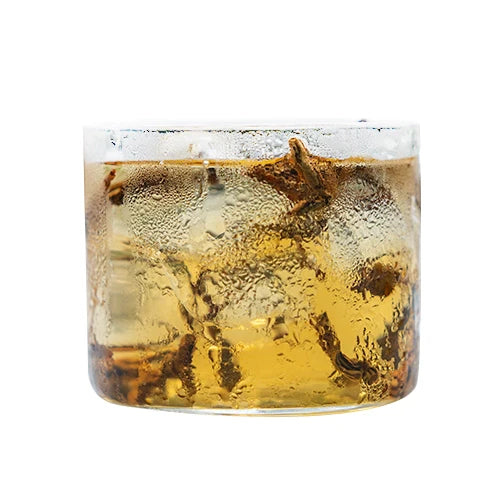
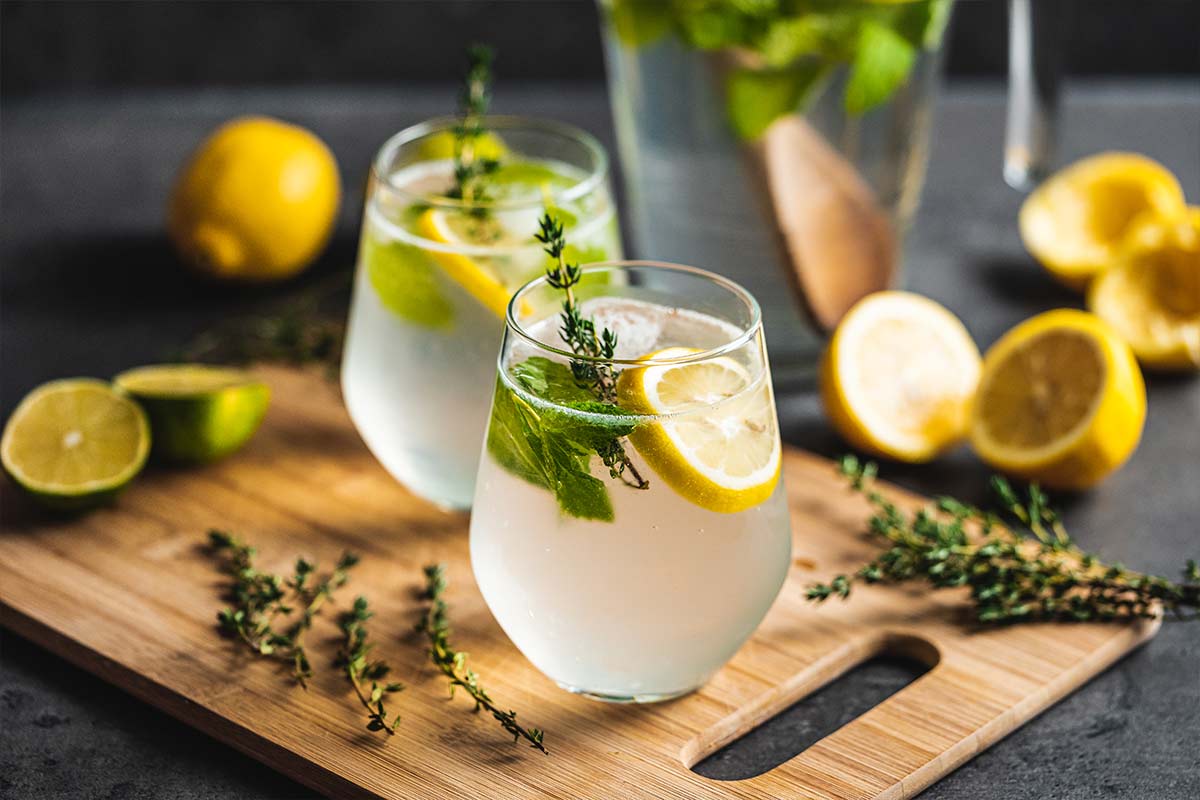
Today’s Perks from iTeaworld First order ships free (U.S. 50% off shipping; free over $39.99 / $99.99) Free tea samples with every order 30‑Day Satisfaction Guarantee Faster delivery: now up to 7 days quicker Shop Iced‑Tea‑Friendly Teas › Table of Contents Why Choose Chinese Tea for Iced Tea Best Chinese Teas for Iced Tea How to Make Chinese Iced Tea (3 Easy Methods) Brewing Time & Storage Tips Iced Tea Comparison Table FAQ – Chinese Iced Tea Shop the Best Teas for Iced Tea Why Choose Chinese Tea for Iced Tea Aromatic & layered – florals, honeyed sweetness, and refreshing greenery. Naturally sweet – cold brewing reduces bitterness and highlights umami. Healthy & clean – no added sugar needed. Versatile – great as cold brew, hot brew then chill, or ice‑melt styles. Serving tip: Add ice and a slice of citrus (lemon/yuzu) to brighten the tea without sweeteners. Sweetness control: If needed, use a splash of simple syrup or honey; start with 1–2 tsp per 500ml. Best Chinese Teas for Iced Tea Choose teas that are fresh, aromatic, and tender. The picks below are especially good for chinese iced tea and cold brew chinese tea: Green Tea Biluochun – fragrant and refreshing; Huangshan Maofeng – orchid‑like aroma; Enshi Yulu – steamed style with a clean, seaweed note. Shop Biluochun ›   Shop Huangshan Maofeng ›   Shop Enshi Yulu › 1. White Tea Pick fresher lots like Silver Needle or White Peony for a floral, honeyed iced tea. (Brew gently; see methods below.) 2. Oolong Tea Lightly oxidized, aromatic oolongs shine on ice. If you want a fruit‑forward style, look for Dancong or other high‑aroma oolongs. 3. Black Tea Choose sweet and aromatic styles (e.g., Yunnan/Keemun‑like profiles). Smoke‑heavy styles (e.g., classic Lapsang) are better hot. 4. Floral/Herbal Blends Jasmine, osmanthus, and peach‑accented blends are crowd‑pleasers. For a clean finish, keep the brew time moderate. Sampler shortcut: Not sure which to pick? Try a mixed set and compare on ice: Flower Tea Sampler, Cold Brew Tea Sampler or Top 10 classic Chinese Oolong sampler. How to Make Chinese Iced Tea (3 Easy Methods) Method 1: Cold Brew (Clean & Sweet) Ratio: 1g tea : 100–150ml mineral water (lighter at 1:150; richer at 1:100). Combine & chill: Add tea to a bottle, fill with water, shake gently, refrigerate. Time: 4–8 hours depending on tea and taste (see “Brewing Time” below). Serve: Strain, pour over ice, garnish with citrus if desired. Method 2: Hot Brew, Then Chill (Faster Aroma Release) Add tea to a heat‑safe vessel. Pour in about half the total water as hot (e.g., 80–90°C), then top with cold water. Stir, cool to room temp, and refrigerate. Method 3: Ice‑Melt (On‑the‑Go) Fill a cup with ice; add tea leaves (about 3g per 300–400ml). Let the melting ice extract flavor; swirl occasionally and strain to serve. Brewing Time & Storage Tips Green/White/Light Oolong: 4–6 hours cold brew; check early to avoid over‑extraction. Aromatic Black: 6–8 hours cold brew for round sweetness. Storage: Keep sealed in the fridge and finish within 24–72 hours (best flavor within 24–48h). Hygiene: Use clean teaware and fresh water; avoid touching leaves with wet hands. FAQ – Chinese Iced Tea How to make Chinese iced tea?Use one of the three methods above. For the cleanest, sweetest results, try cold brew with a 1:100–150 tea‑to‑water ratio for 4–6 hours. Which Chinese tea is best for iced tea?Fresh, aromatic greens (e.g., Biluochun, Huangshan Maofeng, Enshi Yulu) and lightly oxidized oolongs are excellent. For black tea, pick sweeter, aromatic styles. How long does iced tea last in the fridge?Best within 24–48 hours; finish within 72 hours in a sealed container. Shop the Best Teas for Iced Tea First order ships free (U.S. customers 50% off shipping; free over $39.99 / $99.99) Free tea samples with every order (Buy 1 get 1; Buy 2 get 2; Buy 3+ get 3 unique samples) 30‑Day Satisfaction Guarantee — full refund if not satisfied Faster Delivery — now up to 7 days faster Shop Iced‑Tea‑Friendly Teas › Back to top ↑  
Da Youcha – A Local Tea-drinking Custom in Guangxi

Da Youcha – A Local Tea-drinking Custom in Guangxi

Da Youcha is a local tea-drinking custom in Guangxi. Da (make) refers to the preparation process of this unique food, and Youcha (oil tea) is the name of this unique food. The climate of Guangxi is cold and wet. Drinking Youcha keeps people away from cold and helps people prevent disease. Da Youcha is a kind of wisdom that has been passed down from generation to generation. It is said that the local people will feel sick if they do not drink Youcha for a day. The common ingredients of Youcha are glutinous rice, peanuts, corn kernels, chopped scallions, tea and oil, etc. More abundant ingredients are added to Youcha when it is served to guests. The taste of Youcha is unique and rich. When you try is at the first time, you may not be used to the taste. But you will gradually fall in love with it after drinking it for several times.
Protecting Wild Old Tea Trees Is Difficult, But It’s Worth It.

Protecting Wild Old Tea Trees Is Difficult, But It’s Worth It.

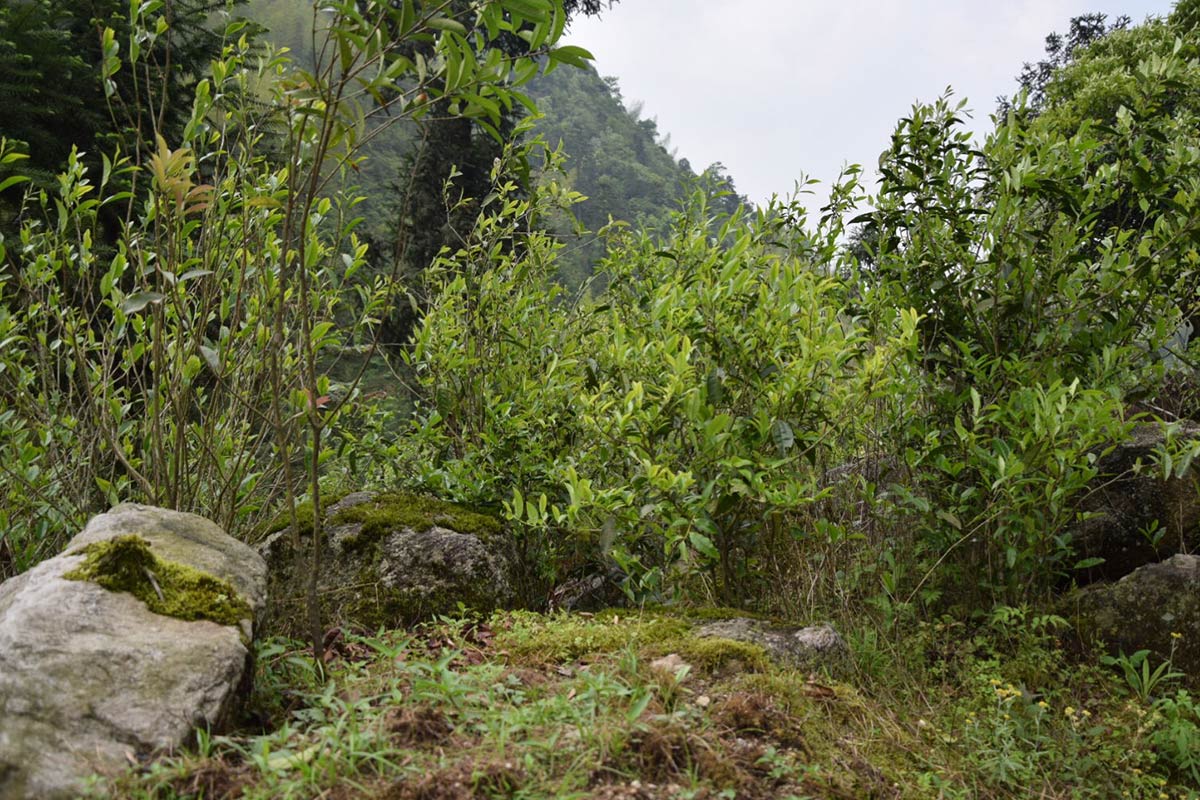
There are many wild old tea trees growing on Longsheng Mountain. Nowadays, these old tea trees are faced with many difficulties. In this video and subsequent videos, we will share our experiences in conserving these old tea trees, and what we have learned from them about the wisdom of living in harmony with nature.
loose-leaf-black-tea-in-rainy-day

What’s the Perfect Tea in Rainy Days?

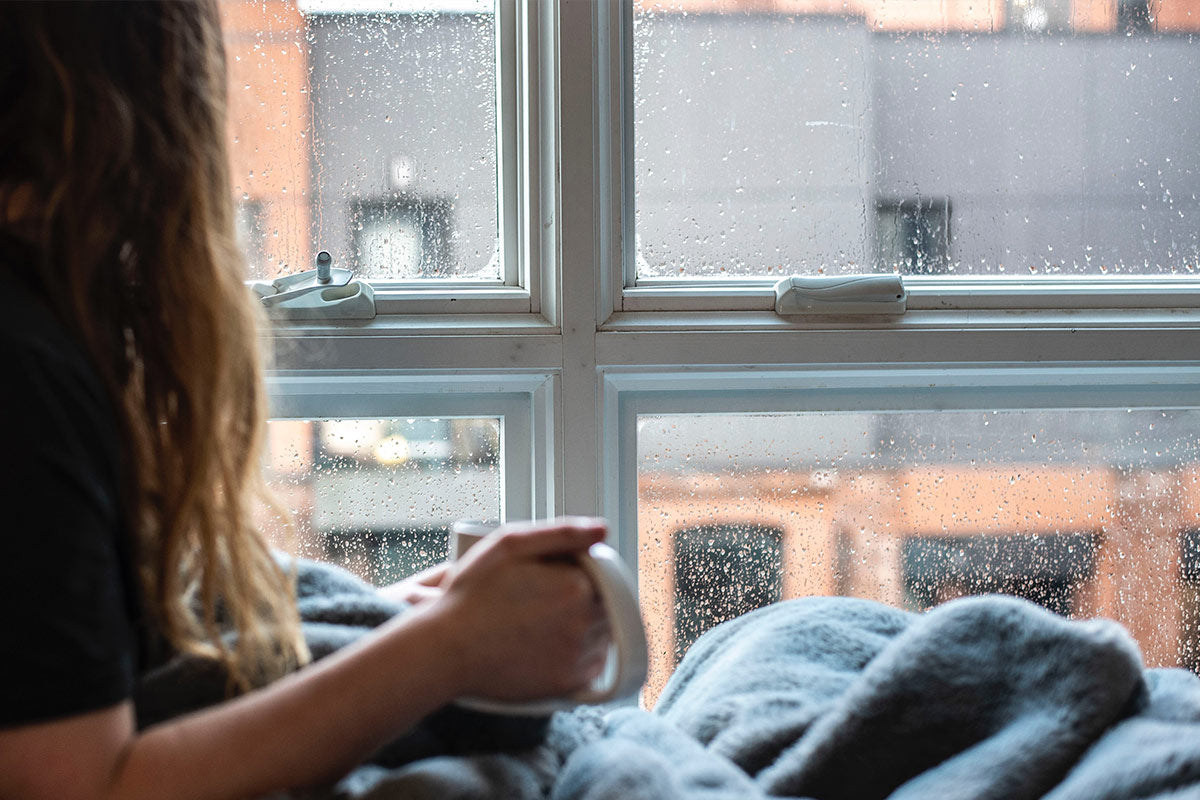
On rainy days, it is perfect to hold a cup of tea, chill out, or casually turn the pages of a book. Listening to the sound of the rain and sipping tea slowly is a pleasure. Then, what kind of tea can be tasted in rainy days without losing much of its taste? What kind of tea can warm and comfort your body and mind on rainy days? First, the humidity is high on rainy days. Dry tea is easy to absorb water, especially for tea that is newly produced. After being brewed, tea with a high level of moisture tends to have little fragrance and insipid flavor. Thus, the tea that is known for its fragrance is not suitable for rainy days. It is better to choose tea with a rich flavor. Thus, fermented Pu’er tea, black tea, Liubao tea, and various old teas are good choices on rainy days.   Second, the weather on rainy days might influence a person’s mood. It is easy to feel a bit down on rainy days. You might feel that the taste of the tea is not as good as before. So it is important to keep a calm mind. At last, rainy days are wet and cold. It is easy for people to catch cold on rainy days. There some tea, like fermented Pu’er tea, Liubao tea, and black tea, can make your body warm. They are very suitable for rainy days. Next, we'll discuss how to choose the right tea for a rainy day and some of the black tea varieties I recommend. Of course, I recommend loose leaf tea, which has a stronger flavor than bagged tea.1, Yunnan Black Tea:Yunnan black tea is an excellent choice for a rainy day. Its rich flavor and strong aroma can bring you a warm and cozy feeling.2, Yingde Black Tea:Yingde black tea is a must-have tea for English afternoon tea, and of course, it's perfect for rainy days. Imagine yourself enjoying an English afternoon tea in a warm room on a rainy day, it's fantastic!3. Wild Souchong Black Tea: When you drink Wild Souchong Black Tea, the smoky flavor mixes with woodsy and earthy notes reminiscent of a campfire, and it's fantastic to drink on a rainy day!4, Souchong Black Tea:Souchong Black Tea is a black tea with a floral aroma and a hint of honey. If you like strong malt smells and flavors, you'll love small black tea. Drinking souchong black tea on a rainy day will give you a sweet feeling5、Guangxi Old Tree Black tea: Guangxi Old Tree Black Tea is a tea made from century-old trees. Its strong flavor and long-lasting aftertaste will let you enjoy the feeling of contact with nature on a rainy day.Apart from that, you can also try iTeaworld's loose leaf black tea collection pack, which includes Yunnan black tea, Yingde black tea, wild souchong black tea, and souchong black tea. This allows you to try a variety of black teas at a low cost, and also enjoy a warm black tea on a rainy day!Regardless of the weather, tea is an indispensable beverage in life. And on a rainy day, it brings a more peaceful and pleasant feeling. Choosing the right tea can make you feel warm and cozy on a rainy day.