





























Sort by:
171 products
171 products


Recommended Purchase :
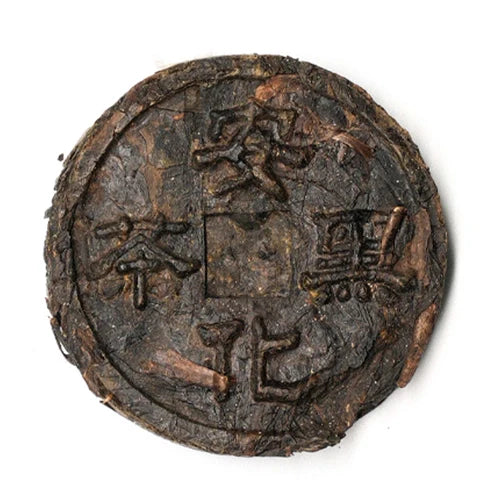
This product, originating from 2003, is a type of brick tea known as Mi Zhuan Tea, which has been stored in a dry warehouse in the north for 22 years. It is made from high-quality black tea through a process of steaming and pressing. Produced by the renowned Zhao Li Qiao Tea Factory in Hubei Province, it is meticulously crafted according to traditional processing techniques. The tea leaves used as raw material are as fine as grains of rice, hence the name "Mi Zhuan" (Rice Brick). This tea is no longer available on the market. The brick surface exhibits a dark, glossy color with exquisite patterns and distinct edges. The brewed tea presents a deep red, bright liquor with a pronounced medicinal aroma and a mellow, harmonious flavor, making it a coveted choice for enthusiasts of aged dark tea.
Key Details about Mi Zhuan Tea Dark Tea :
- Origin : Chibi City, Hubei Province, China
- Production Date :2003
- Grade : Special Grade
- Tea Cultivar :Yichang large leaf tea
- Craftsmanship : Mi Zhuan Tea is produced following the manufacturing principles of Qing Brick Tea, using finely broken black tea leaves as raw material. The process involves screening, blending, compressing, demolding, inspecting, drying, and packaging. This tea has been naturally aged for 22 years in a dry warehouse environment and is wrapped in paper packaging.
- Flavor Highlights :It exhibits a prominent medicinal aroma, with a rich, deep red liquor. The taste is mellow and smooth, offering complex and layered flavors.
What is Mi Zhuan Tea Dark Tea?
Mi Zhuan Tea (Rice Brick Tea) is a unique compressed tea produced in Yangloudong, an ancient town in Chibi City, Hubei Province, known as the "Hometown of Chinese Brick Tea." It is a type of compressed tea—specifically, a brick tea. The tea leaves used as raw material are as fine as grains of rice, hence the name "Mi Zhuan" (Rice Brick Tea).
The finished product is visually striking, with well-defined edges, elegant surface patterns, and a glossy, dark surface. When brewed, the tea yields a deep red liquor with a pure, mellow aroma and a rich, full-bodied flavor.
Traditionally, Mi Zhuan Tea was consumed by people living in cold climates due to its high vitamin content, which helps compensate for the lack of fresh fruits and vegetables during winter. It is primarily sold in Xinjiang and North China, with some exports to Russia and Mongolia. In recent years, small quantities have also made their way to Europe and America, making it a distinctive and exceptional red brick tea among Chinese brick teas.
Brewing and Enjoyment Tips
This tea embodies the unique transformation brought by time. The first infusion can serve as a "tea awakening" to activate the tea's inner qualities, enhancing its flavor profile. Mi Zhuan Tea (Rice Brick Tea) is shaped like a brick. Before brewing, use a specialized brick tea knife or tea pick to gently break the brick into appropriately sized pieces. Avoid using excessive force to prevent damaging the tea leaves.
Recommended Brewing Methods :
Gaiwan Brewing
- Capacity:100ml Gaiwan
- Water Temperature:95℃-100℃
- Brewing Times:5-7 times
- Tea Water Ratio:around 1:25(Adjust according to your own taste)
- Brewing Time Once:10~20 seconds(Adjust according to your own taste),The first time as a wake-up tea can take 3-5 seconds.
Boiling Method
Place the broken pieces of Mi Zhuan Tea (Rice Brick Tea) into a tea infuser and add them to a tea kettle. Use a tea-to-water ratio of approximately 1:150, starting with cold water. Bring the water to a boil, then let it steep for 1 to 2 minutes before drinking. Remove the tea infuser from the kettle to prevent the tea from becoming overly strong.
For subsequent infusions, follow the same method. One tea infuser can be used for 3 to 4 brews.
Storage Guidelines :
To ensure the best quality of tea, the ideal way to store it is in vacuum-sealed packaging, kept in a cool, dark, and dry place. Avoid exposure to strong odors and air. For sealed storage, using a tin can or a double-lidded metal can is recommended. For even better results, you can store the sealed tea in the refrigerator or a dry storage container.
Weight & Packaging:
Weight : 35.3oz (1000g)
Packing Type : Paper packaging
About Hubei Zhaoliqiao Tea Factory
Zhao Li Qiao Tea Factory in Hubei Province is a leading enterprise in China’s border-sale tea (brick tea) industry, with an annual production capacity exceeding 10,000 tons. Its history dates back to the Xianfeng period of the Qing Dynasty (1861), when its predecessor, Yangloudong Brick Tea Factory, gained fame for its "Dong Tea." In 1953, the factory relocated to Zhao Li Qiao Town in Chibi City and adopted its current name.
As a "Time-Honored Chinese Brand" and a "National Benchmark Enterprise," the factory has preserved centuries-old craftsmanship. It specializes in producing distinctive brick teas such as Qing Zhuan, Mi Zhuan, Fu Zhuan, and Lü Zhuan . Renowned for its high-quality raw materials and meticulous processing techniques, its products are valued for their ability to aid digestion, warm the body, and boost energy. These teas have become essential to the daily lives of ethnic minorities in regions like Inner Mongolia and Xinjiang, and are exported to countries including Russia, Mongolia, the Middle East, Europe, and the Americas.
The factory benefits from its strategic location near key transportation hubs, such as the Beijing-Guangzhou Railway, giving it a significant logistical advantage. Its products have won numerous awards at both the provincial and national levels, including gold, silver, and bronze medals at the First China Food Expo. In 2020, it was recognized as part of the Fourth Batch of National Industrial Heritage, highlighting its historical significance and social contributions to the tea industry.
As a benchmark in the tea industry, blending traditional heritage with modern capabilities, Zhao Li Qiao Tea Factory continues to promote the preservation and global dissemination of Chinese brick tea culture.


Collection Introduction
As winter's palette turns muted, we turn to the spectrum of flavor for comfort. This season invites more than just roasted warmth and floral notes—it calls for the sun-drenched sweetness of fruit, naturally captured in the tea leaf.
Presenting Orchard Hearth, a journey into the heart of China's naturally fruit-scented teas. We've consciously moved beyond strong floral scents or heavy roast profiles to curate leaves that whisper of ripe berries, honeyed orchards, and sun-warmed citrus. These are pure teas, needing no added flavors, that brew into cups brimming with the essence of a cozy, sun-kissed grove. They are the vibrant accent in the quiet winter months, a refreshing and uplifting warmth that brightens any day.
Why We Chose These Teas
Fruitiness is a universal language of delight. We selected these teas precisely because their natural, approachable flavors speak directly to the global palate, offering a welcoming gateway to the world of premium Chinese tea.
Sunshine & Nectar: Winter's Sweet Embrace
Featured Teas: Mi Lan Xiang Dan Cong, Yunnan Golden Buds, Keemun Black Tea (Red Fruit Note), Yongchun Fo Shou.
The Experience: These teas deliver the sweet, radiant warmth we crave in winter. Whether it's the iconic honeyed aroma of Mi Lan Xiang, the ripe mango-like sweetness of Yunnan Golden Buds, or Keemun's elegant notes of red wine and apple (the celebrated "Keemun Aroma"), they are like liquid sunshine—immediately comforting, satisfying, and uplifting.
The Crisp Accent: A Spark of Freshness
Featured Teas: Qing Xiang Bai Ya Qi Lan, Gong Mei White Tea, Bi Luo Chun Green Tea.
The Experience: Who says winter can't be refreshing? These teas offer a bright, clean counterpoint to heavier flavors. Bai Ya Qi Lan presents a delicate fruitiness alongside orchid notes, Gong Mei White Tea evokes gentle honey and melon, and the precious Bi Luo Chun holds the fresh, subtle fruitiness of spring. They cut through the staleness of heated rooms, bringing a burst of mental clarity and revitalization.
Mellow Comfort: The Daily Cup of Serenity
Featured Teas: Zhangping Shui Xian (Soft Fruit Note), Shou Mei White Tea, Lingtou Dan Cong.
The Experience: These are your reliable companions for a peaceful winter afternoon. They are mellow, smooth, and incredibly approachable. Zhangping Shui Xian is softly soothing, aged Shou Mei develops a warm, date-like sweetness over time, and Lingtou Dan Cong is known for its straightforward honeyed charm. Their fruit notes are not bold but are woven deeply into the liquor, offering a lasting sweetness and profound relaxation.
In Summary, the Orchard Hearth collection is our gift to those seeking unique, approachable, and delightfully flavorful teas. It proves that warmth can come from sun-kissed fruitiness and comfort from vibrant clarity. It's the perfect answer to the winter monotony, creating a sunny, inner orchard with every sip.


Winter invites us to enjoy richer, heartier meals and cozy comforts. But these indulgences can often leave us feeling heavy and sluggish. Now, more than ever, your body craves a gentle aid to restore balance and lightness.
The "After-Meal Digestive Picks" collection is your essential winter wellness ritual. We've curated seven teas renowned in Chinese tradition for their digestive benefits. Instead of simply ending a meal, let these teas be your warm, soothing companion to ease discomfort, cut through richness, and leave you feeling comfortably light and settled.
Why These Teas Are Perfect for Winter
Winter's hearty diets and less active lifestyle make mindful digestion key. This collection is rooted in centuries of Chinese culinary wisdom, focusing on two categories celebrated as natural digestive aids:
1. Rock Oolongs: The Natural "Grease Cutter"
Featured Teas: Wuyi Rou Gui (Ban Yan), Wuyi Rock Tea 'Golden Peony', Wuyi Rock Tea 'Rui Xiang 305'.
The Winter Reason: In regions like Fujian, a pot of robust, warmed Rock Oolong is the traditional answer to rich, celebratory winter feasts. Their baking process creates a toasty, warm character that perfectly complements the season, while their complex profiles are known to help metabolize fats and relieve that overstuffed feeling.
2. Dark Teas & Aged White Tea: The Soothing "Gut Harmonizer"
Featured Teas: Liupao Dark Tea, Ripe Pu-erh, Anhua Dark Tea, Jasmine Liupao, 2014 Aged Shou Mei.
The Winter Reason: In Northern China and border regions where winter diets rely on meat and rich foods, Dark Tea (Pu-erh, Liupao, Anhua) is a daily staple for good reason. Through post-fermentation, these teas become exceptionally mellow and warming. They are prized for gently soothing the stomach and aiding digestion, making them ideal for managing heavier winter meals. The 2014 Aged Shou Mei, having matured into a warm and sweet profile, offers similar gentle comfort. The Jasmine Liupao adds a unique floral lift, cutting through winter's richness with a refreshing aroma.
In summary, this collection focuses on teas that are warming, smooth, and traditionally used to support digestion. They are not just a beverage, but a practical and comforting wellness practice for the winter season, helping you feel your best even while enjoying the coziness of the season.
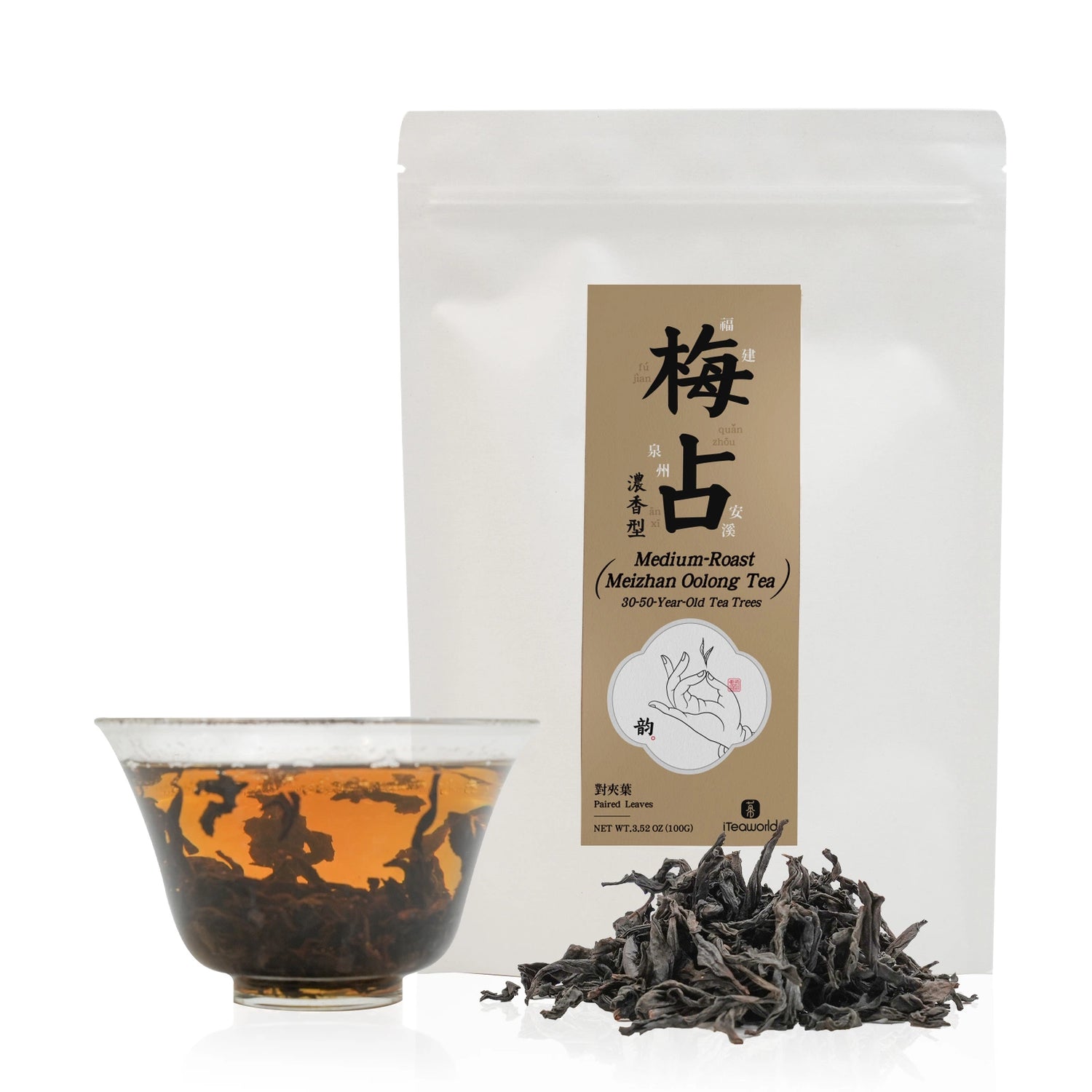
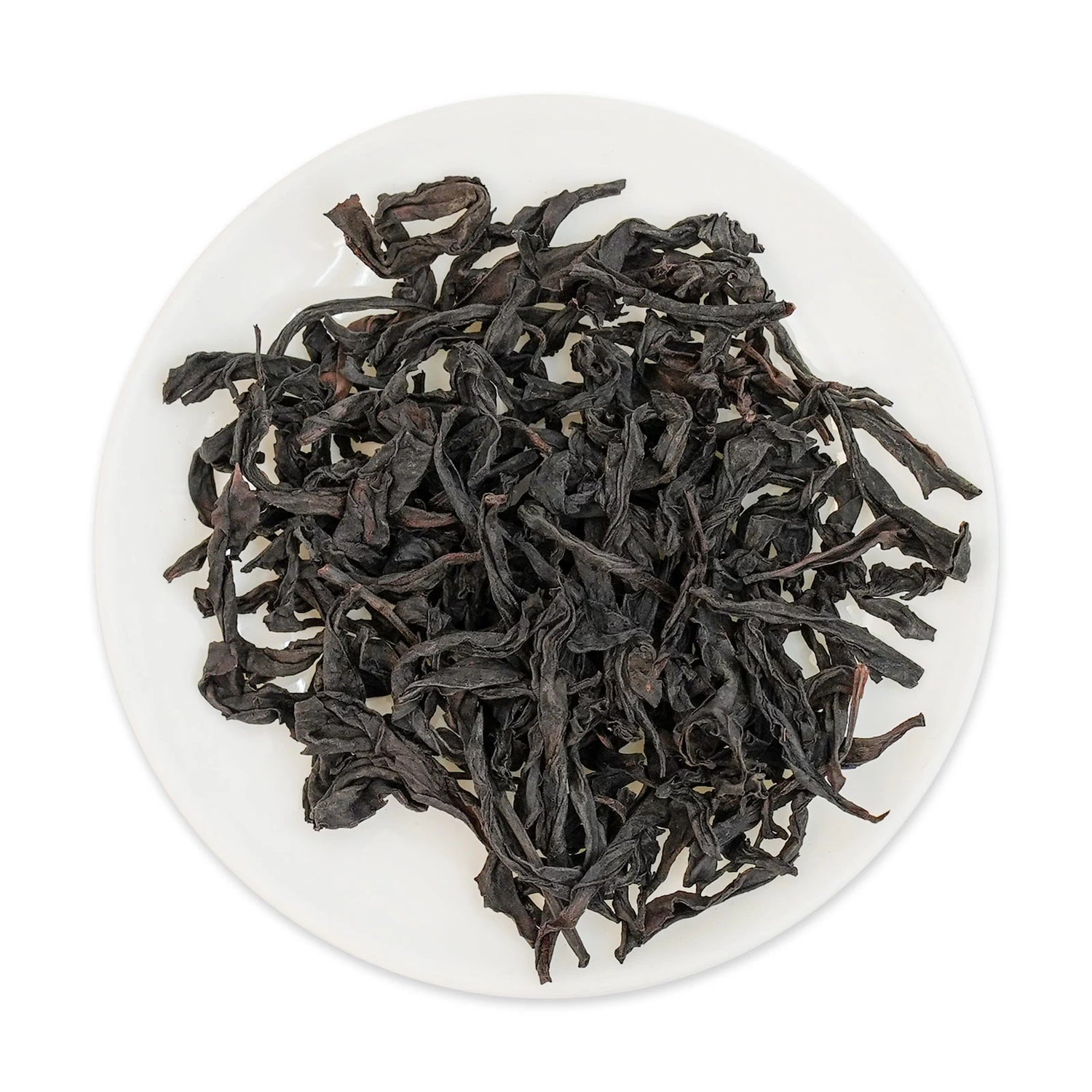
Meizhan (Plum Fragrance Oolong)
Meizhan is a traditional oolong variety native to Anxi, first discovered in the early 19th century. It’s named for its signature plum blossom aroma and complex floral-fruity character. The leaves are thick and crisp, requiring gentle oxidation and careful handling during processing to preserve its elegant fragrance.
Our Meizhan comes from Chishui village in Xiping, Anxi—grown at 900 meters in a cool, misty climate ideal for this cultivar. The tea is traditionally medium-roasted, offering a perfect balance of fire and fragrance: notes of plum, orchid, and a touch of woodiness, with a soft, full-bodied finish.
A great choice for tea lovers who enjoy both floral and fruity complexity with a warming roasted undertone.
-
Origin: Chishui Village, Xiping Town, Anxi County, Fujian, China
-
Elevation: 900 meters
-
Tea Maker: Chen Jiangzhi
-
Harvest: 2025
-
Shelf Life: 36 months
-
Cultivar: Meizhan
-
Tree Age: 50 years
Baiya Qilan
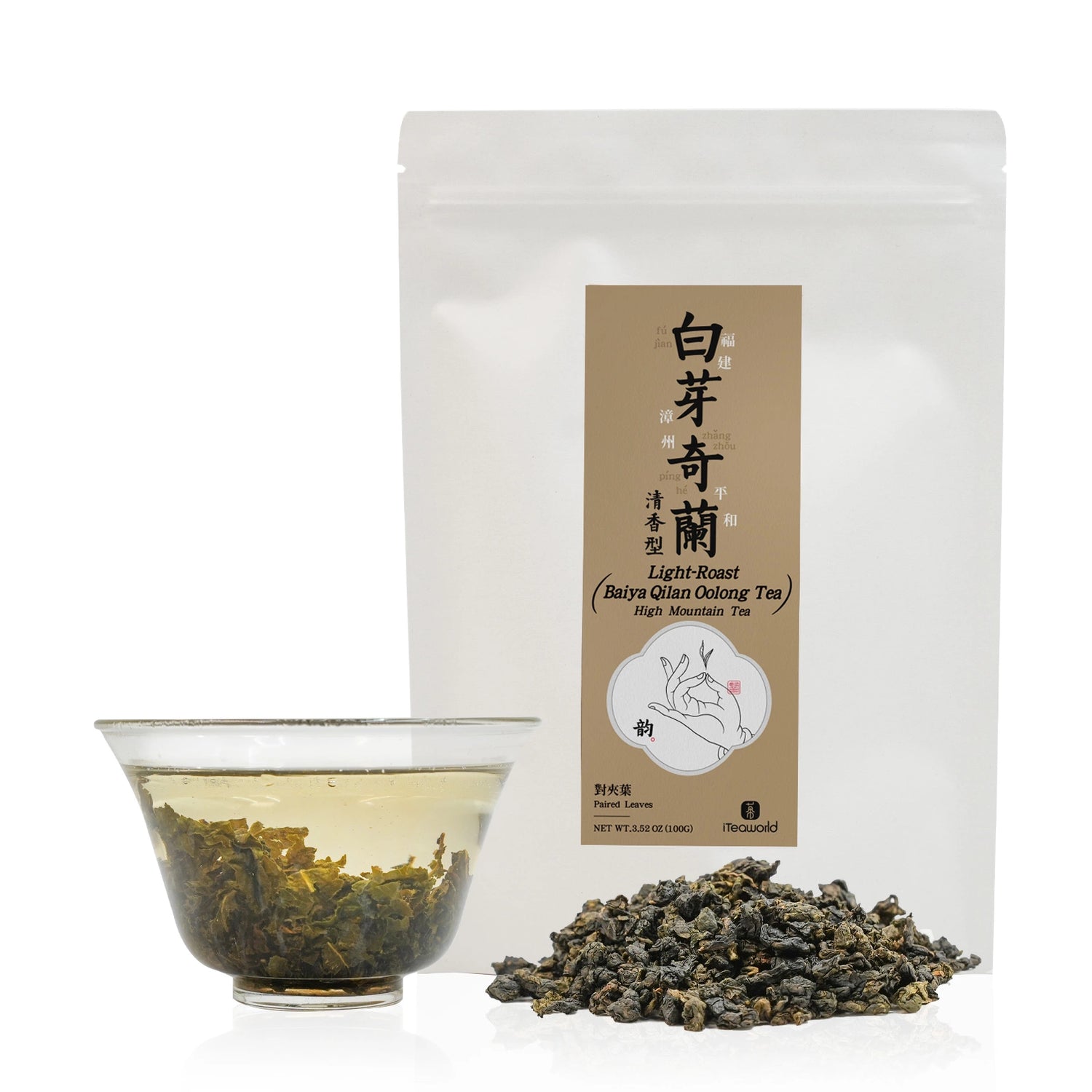
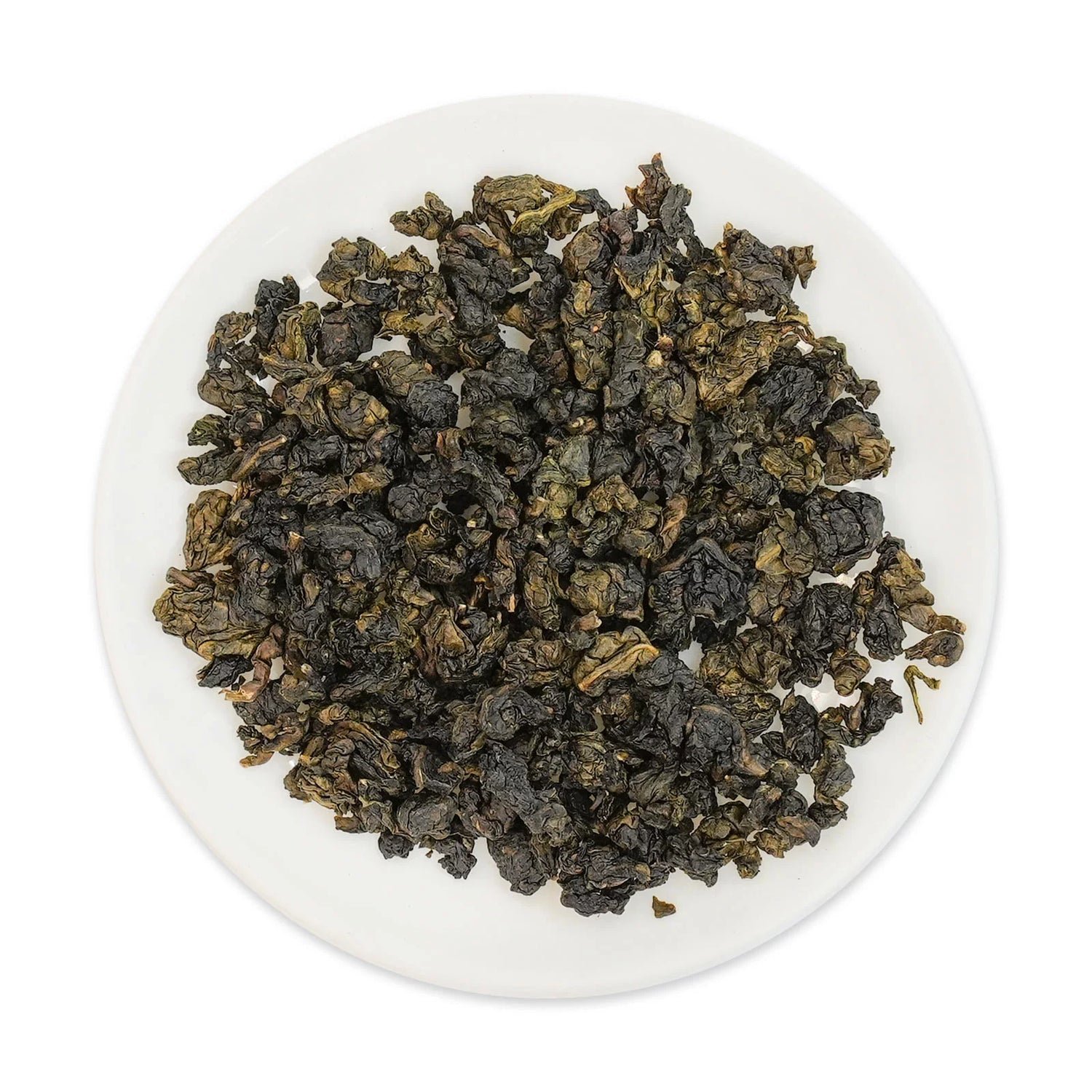
Baiya Qilan is a rare oolong variety native to Pinghe County, Fujian. First discovered during the Qing Dynasty, it’s named for its pale buds and strong orchid fragrance. It’s one of Fujian’s top five oolongs, beloved for its unique blend of floral aroma and natural honeyed sweetness.
Our tea is harvested from the high-elevation gardens of Daqin Mountain (around 1000 meters), where misty skies and selenium-rich soil help develop its rich aroma. Each cup offers bright orchid and pomelo notes, with a soft texture and a refreshing, sweet finish.
This is a refined, elegant oolong that appeals to both floral tea lovers and those looking for something rare and naturally sweet.
-
Origin: Daqin Mountain, Qiling Township, Pinghe County, Zhangzhou, Fujian, China
-
Tea Maker: Cai Xiaohong
-
Harvest: Autumn 2024
-
Shelf Life: 36 months
-
Cultivar: Qilan
-
Elevation: 800–1000 meters
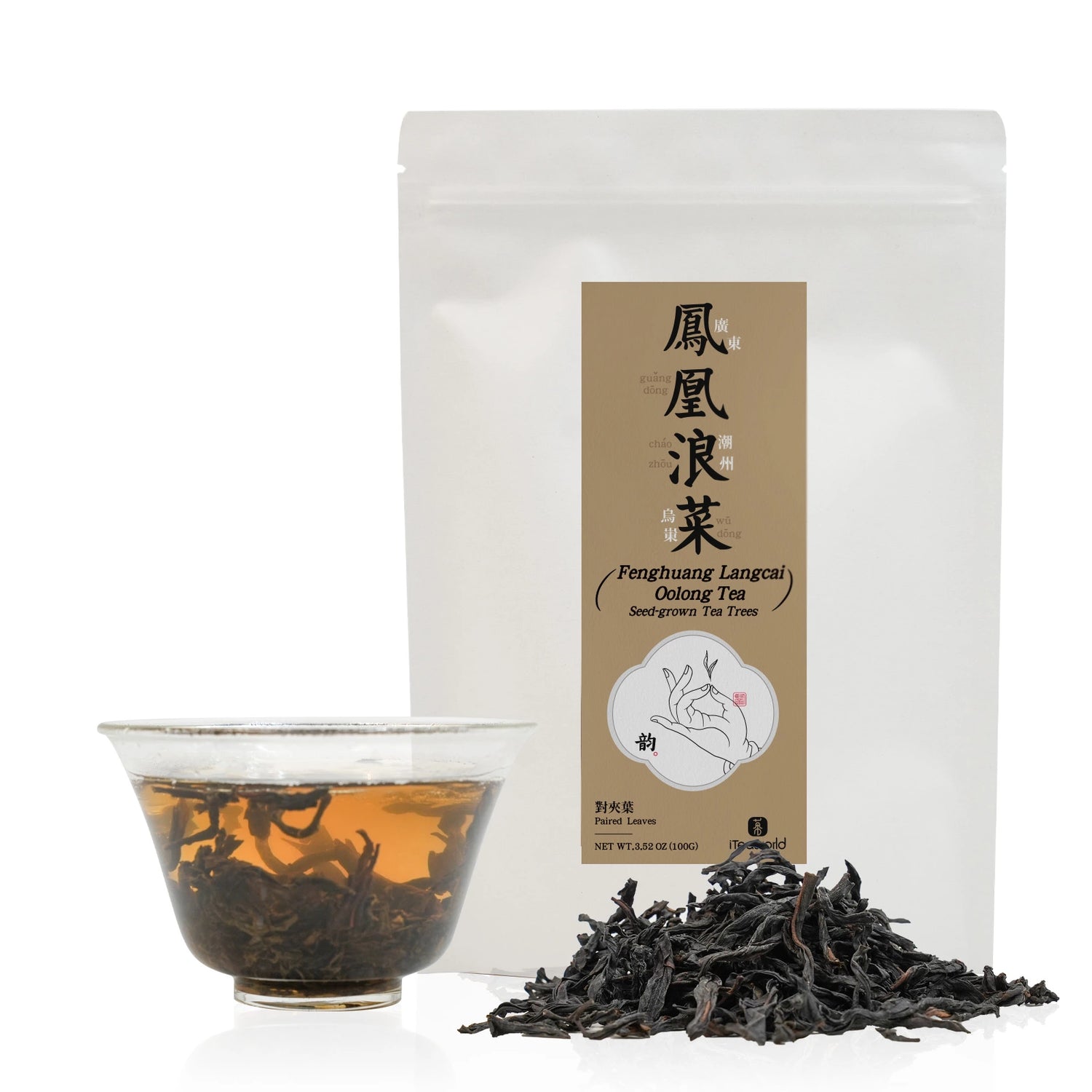
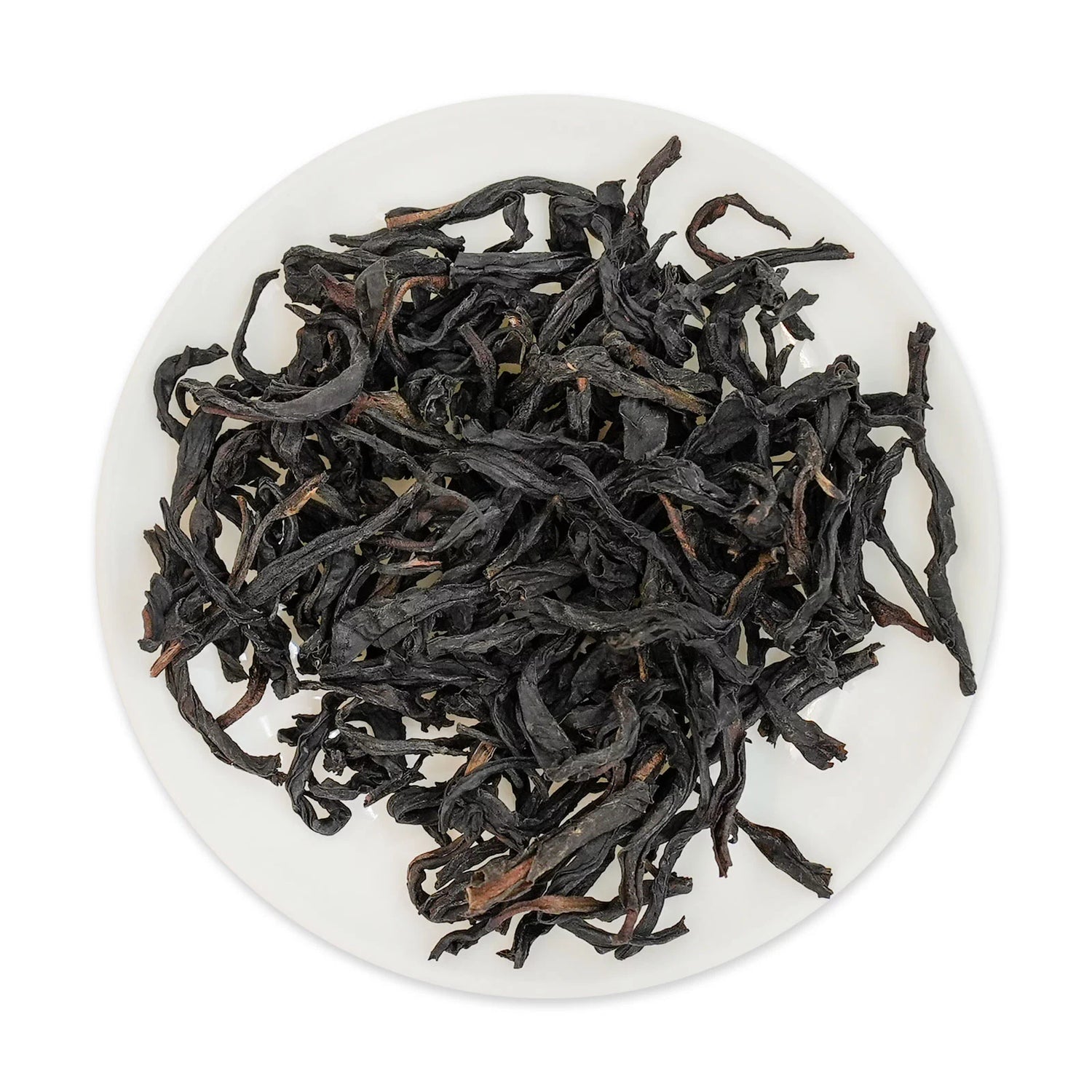
Phoenix Lang Cai Oolong | The Hidden Hermit of Guangdong Teas
A bold and rare oolong born in the misty peaks of Phoenix Mountain, Guangdong.
Phoenix Lang Cai (浪菜), literally meaning “tossed greens,” is a traditional and lesser-known style of Chaozhou oolong tea. Crafted at altitudes above 600 meters from heirloom Phoenix Shui Xian tea trees, this tea bridges the flavor spectrum between high-fragrance Dancong and lighter Phoenix Shui Xian.
Tasting Notes
Expect an aromatic profile built on woody base notes, layered with wild honey, moss, and a distinct mineral “rock rhyme” (岩韵). The liquor is bright amber-orange. First sips are sweet and powerful, followed by a long, smooth aftertaste with a hint of wildflower nectar. This is not a delicate tea—it is bold, rustic, and grounding, with a raw mountain energy.
Origin: Phoenix Mountain, Chaozhou, Guangdong, China
Cultivar: Phoenix Shui Xian group cultivar
Elevation: 600–800m
Crafting: Hand-tossed “Lang Qing” + medium charcoal roast
Storage: Best within 36 months in cool, dry conditions
What Makes Lang Cai Special?
In Chaozhou tea-making, “Lang Cai” refers to the traditional process of “Lang Qing”—gently tossing the tea leaves during oxidation to stimulate natural fermentation. This labor-intensive process lasts 8–12 hours and is done entirely by hand, often at night. Lang Cai teas sit between:
-
Dancong (highly aromatic, single-bush teas)
-
Phoenix Shui Xian (mild, lightly oxidized teas)
Lang Cai retains traditional craft elements—nighttime processing, hand-tossing, and charcoal roasting—all of which deepen its flavor complexity.
Why You’ll Love This Tea
-
If you enjoy teas with character – Lang Cai offers an earthy, grounding experience unlike the floral lightness of other oolongs.
-
If you're exploring the Guangdong oolong spectrum – This tea is a must-try, offering a “middle ground” between delicate and robust.
-
If you appreciate craft and terroir – Lang Cai reflects the minerals, mists, and time-honored methods of Phoenix Mountain more directly than any other style.
“Dancong is for aroma, Lang Cai is for structure, Shui Xian is for clarity.” – Chaozhou tea saying
Brewing Recommendations
Traditional Gongfu Style (Recommended):
-
Teaware: Gaiwan or small teapot (100–150ml)
-
Tea Amount: 5g
-
Water Temperature: 95–100°C (203–212°F)
-
Rinse: Quick rinse to awaken the leaves
-
Infusions: 6–8+ steeps, starting at 10 seconds
This method will bring out the layered aroma and long-lasting finish.
Western-style Brewing:
-
Teapot or infuser mug: 2g per 200ml
-
Temperature: 95°C / 203°F
-
Steep Time: 1-3 minutes
-
Suitable for 2–3 infusions
Who Is It For?
-
Intermediate to advanced tea drinkers looking to deepen their understanding of Chinese oolongs
-
Dancong lovers who want something more grounded and robust
-
Wuyi rock tea fans seeking a Guangdong counterpart with similar mineral complexity
-
Explorers of terroir and traditional craft
-


Recommended Purchase
Key Details about Yiwu Raw Cake Tea
- Origin:Yiwu, Yunnan Province, China
- Production Date:2010
- Grade: First grade
- Tea Cultivar:Yunnan Large-Leaf Varietal
- Craftsmanship:This tea is made from sun-dried raw tea leaves of the Yunnan large-leaf varietal, processed through traditional methods including withering, rolling, kneading, pressing, and high-temperature steaming, to create a refined product. It is then naturally aged in a dry storage environment for 15 years, allowing it to develop its unique character and depth.
- Flavor Highlights:The tea offers a high, enduring aroma, a rich and mellow flavor, a sweet and refreshing aftertaste, and excellent durability for multiple infusions.
What is Yiwu Raw Cake Tea ?
Yiwu Raw Cake Tea is a classic masterpiece in the world of Pu'er tea. It is crafted from sun-dried raw tea leaves harvested from ecological arbor tea trees in the Yiwu tea region during the early spring season, with raw materials sourced from premium growing areas. The tea cake features a dark green to black color, with a moderate compression level, clearly visible tea strands, and a thick, soft, and evenly vibrant brewed leaf.
Yiwu Raw Cake Tea inherits generations of traditional tea-making craftsmanship, combining a delicate yet robust character with the potential to improve with age, becoming more fragrant over time. It is a timeless classic, shaped by both the passage of time and the dedication of skilled tea artisans.
Brewing and Enjoyment Tips
This tea embodies the unique transformation brought by time. The first infusion can serve as a "tea awakening" to activate the tea's inner qualities, enhancing its rich and mellow flavor. For the best experience, it is recommended to use traditional brewing methods to fully release its aged characteristics.
Recommended Brewing Methods
Gaiwan Brewing
- Capacity:100ml Gaiwan
- Water:Mineral Water or Purified Water
- Water Temperature:100℃
- Brewing Times:7-8 times
- Tea Water Ratio:Around 7:100(Adjust according to your own taste)
- Brewing Time Once:Around 5 seconds(Adjust according to your own taste)It is recommended to discard the first two infusions and start drinking from the third infusion.
Storage Guidelines
To ensure the best quality of tea, the ideal way to store it is in vacuum-sealed packaging, kept in a cool, dark, and dry place. Avoid exposure to strong odors and air. For sealed storage, using a tin can or a double-lidded metal can is recommended. For even better results, you can store the sealed tea in the refrigerator or a dry storage container.
Weight & Packaging
Weight : 12.6oz (357g)
Packing Type : Paper packaging


Introduction:
This Anhua Dark Tea is meticulously selected from the autumn harvest of 2021. Plucked from wild tea gardens in Anhua County, Hunan Province, it adheres to the plucking standard of one bud and three leaves. Recognized by the global tea and medical communities as one of the healthiest beverages of the 21st century, this tea exudes a unique pine smoke aroma when brewed, offering a pure, mellow, and sweet taste with a lasting aftertaste.
Reasons to Recommend:
- Special Processing Technique: Anhua Dark Tea undergoes a unique "wet piling" (wo dui) process twice—once during the initial processing of raw tea and again during the final product processing. This process utilizes the temperature and humidity of the tea leaves after fixation, allowing microorganisms in the air to interact with the leaves, resulting in the transformation of the tea's internal compounds.
- Premium Quality: This Anhua Dark Tea (Tianjian) is considered the finest variety available on the market and was historically treasured as a tribute tea for emperors.
- Unique Aroma: A special step in the production of Anhua Dark Tea is the "Seven Star Stove" roasting. During this process, pine wood is burned beneath the stove, and the pine smoke is channeled into the tea leaves, infusing them with a distinctive pine smoke aroma while drying.
Oxidation Level: Wet piling fermentation
Roasting Level: Seven Star Stove pine smoke roasting
Tea Garden Soil: Weathered slate soil
Processing Time: 2021
Best Before Date: Suitable for long-term storage
Tea Variety: Anhua Group Variety
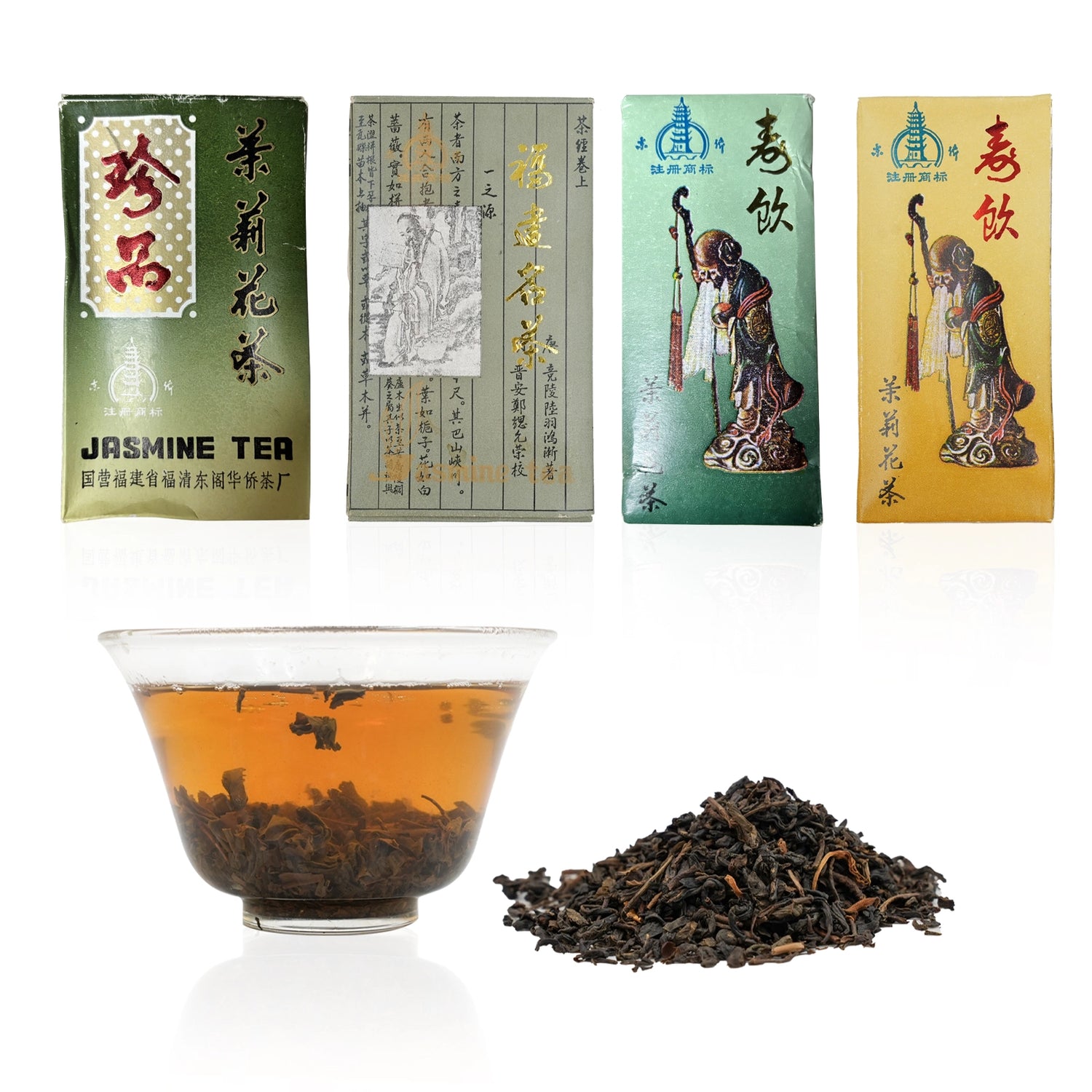
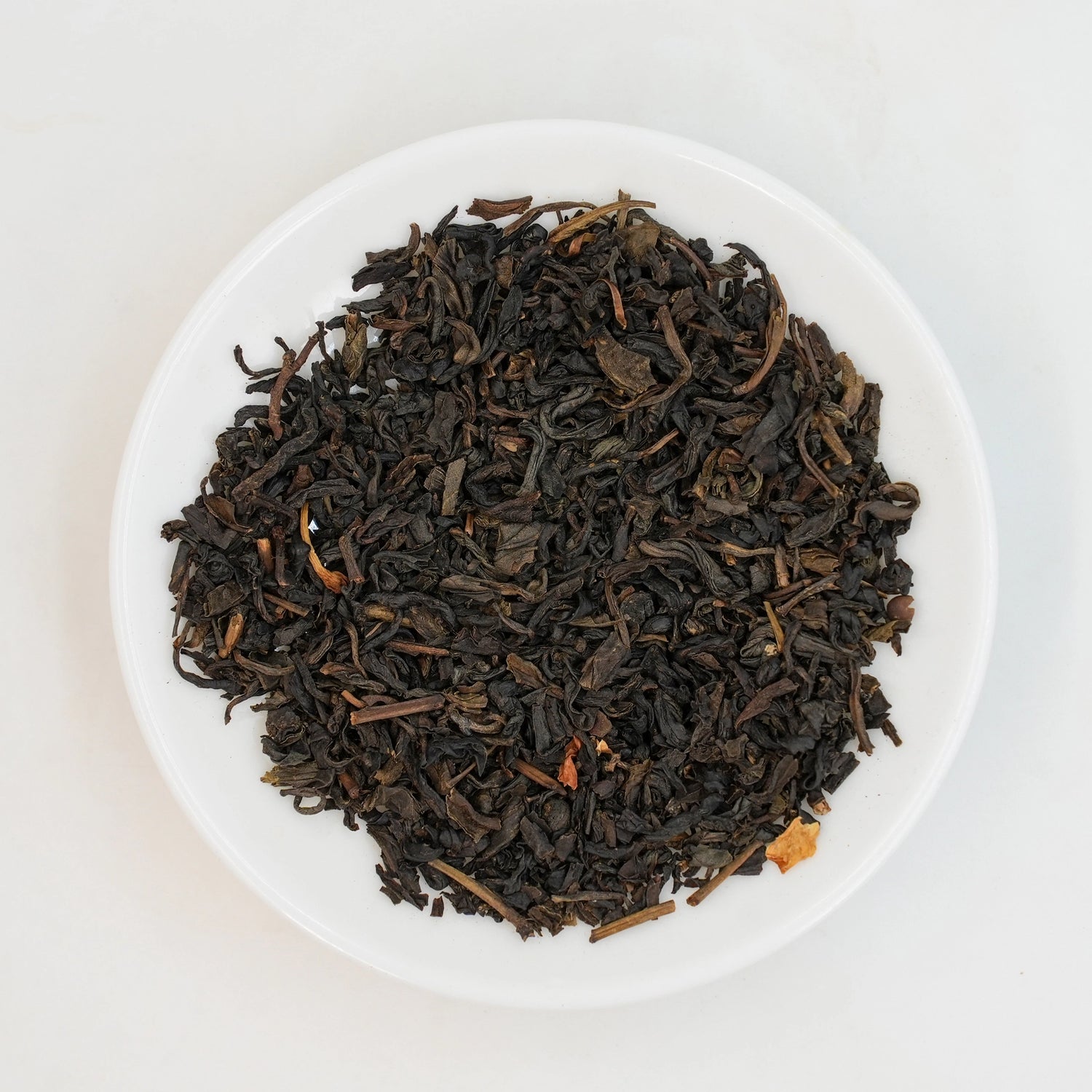
- Four types of packaging are randomly dispatched.
- During the aging and transportation process of aged tea, the packaging and the tea itself may get damaged. Please be cautious when purchasing if you mind this.
Recommended Purchase
This aged Jasmine Tea is a rare and exquisite tea that has been naturally stored for over 30 years, making it a true collector’s item. Crafted by the renowned Fuqing Dongge Overseas Chinese Tea Factory in the early 1990s, this tea has undergone decades of natural aging, enhancing its depth of flavor and smoothness. Unlike freshly scented jasmine tea, this aged version offers a more mellow and rich taste with a deep, lingering floral fragrance. It has completely transformed over time, developing a soothing and slightly honeyed undertone while retaining its signature jasmine aroma. This tea is no longer in circulation on the market, making it a unique find for tea connoisseurs and collectors.
Key Details about Jasmine Tea
- Origin: Fuqing, Fujian, China
- Production Date: Early 1990s
- Grade: Third Grade
- Tea Cultivar: Green tea buds
- Craftsmanship: Aged naturally over decades, originally scented with jasmine flowers
- Flavor Highlights: Aged floral aroma, mellow and smooth taste, slightly honeyed aftertaste
- Storage: Stored in a dry, cool environment in the northwest warehouse
What is Aged Jasmine Tea?
Aged Jasmine Tea is a unique category of jasmine tea that has been carefully stored for decades, allowing its flavors to develop and mature over time. While fresh jasmine tea is prized for its bright floral notes, aged jasmine tea offers a deeper, smoother taste with a richer texture. The aging process enhances the tea’s complexity, reducing any bitterness and infusing it with subtle honeyed sweetness. This type of tea is rare due to its long storage period and the fact that it is no longer in active production, making it highly sought after by tea collectors and enthusiasts.
Recommended Brewing Methods
-
Gaiwan Brewing
- 100ml Gaiwan
- 95℃-100℃
- 4-6 times
- 1:15 to 1:20
- 15-20 seconds
-
Thermos Brewing
- 1g tea per 100ml (3.4oz) water
- Use water at 95℃
- Steeping Time: 1-2 hours
- Tool: Insulated thermos
Storage Guidelines
Store in a cool, dry place, away from light, moisture, and strong odors. Proper storage will help preserve the delicate fragrance and flavor of the jasmine tea.
Weight & Packaging
- Net Weight: 50g (1.76oz)
- Packing Type: Original paper box sealed packaging
About Fuqing Dongge Overseas Chinese Tea Factory
The Fuqing Dongge Overseas Chinese Tea Factory, established in 1963, is a renowned producer of high-quality teas, specializing in jasmine-scented teas. Located in Fuqing, Fujian, an area rich in tea cultivation, the factory has been dedicated to preserving traditional tea-making methods while ensuring the highest standards of craftsmanship. With decades of experience, Fuqing Dongge has become a trusted name in the tea industry, especially known for its aromatic jasmine tea, which has gained popularity both domestically and internationally. The aged Jasmine Tea from this factory is a testament to their commitment to excellence and the beauty of time-enhanced tea.


Xiao Qing Gan (Green Mandarin Stuffed with Ripe Pu-erh) for Daily Use 150g
$19.99 USD
Unit price perXiao Qing Gan (Green Mandarin Stuffed with Ripe Pu-erh) for Daily Use 150g
$19.99 USD
Unit price perXiao Qing Gan is made from young Chazhigan(茶枝柑) harvested in July–August. After the fruit is carefully hollowed out, the fresh peel is filled with ripe Pu-erh tea, then slowly dried to create this distinctive tea.
The green mandarin peel in this tea comes from Pubei, Guangxi, one of the premium regions for aged citrus peel, while the Pu-erh tea is sourced from Yunnan. Both ingredients were produced in 2020 and have undergone approximately five years of aging.
Over time, the sharp, youthful citrus notes of the green mandarin gradually soften, transforming into a gentle, deep, and well-rounded citrus aroma.
After brewing, the first impression is a bright mandarin fragrance, followed by the smooth, full-bodied texture of ripe Pu-erh. The overall character is soft, calm, and grounded, with a subtle cooling sensation in the finish.
The fresh citrus aroma helps mellow the typical storage notes of ripe Pu-erh, making this tea exceptionally approachable and beginner-friendly.
This tea can be steeped or gently boiled, making it especially suitable for autumn and winter. Both citrus peel and ripe Pu-erh are traditionally appreciated for supporting digestion and reducing heaviness after meals.
Who Is This Tea For?
This Xiao Qing Gan is ideal for tea drinkers who enjoy rich, bold, and full-bodied flavors.
If you prefer light and delicate teas such as green tea or scented teas, this tea may feel too intense for your taste.


Daidai flower comes from a small evergreen citrus tree and carries an aroma similar to lemon peel and orange blossom. It’s traditionally used both as food and herbal medicine, and is often made into essential oils, scented teas, herbal remedies, or even cooked in porridge. Jinhua in Zhejiang is one of the main producing regions. In traditional Chinese medicine, Daidai flower is known for supporting digestion, easing constipation, and relieving stress.
This Daidai Flower Tea is produced in Jinhua, Zhejiang. It uses early spring tea buds—ranging from single buds to one-bud-one-leaf—as the base, scented with freshly harvested Daidai flowers. The flowers add a gentle sweetness to the green tea, softening its bitterness and creating a more rounded, balanced cup. The liquor tastes fresh and lively, with a clear sweet finish and layered notes of citrus, florals, and green tea aroma. The fragrance is rich and long-lasting.
This tea is effective for aiding digestion and relieving constipation. Those with weak or cold stomachs should drink it with caution. One cup per day (about 400 mL) is recommended, as excessive consumption may cause diarrhea.
Origin:Zhucun Village, Xinfan Township, Wucheng District, Jinhua City, Zhejiang Province.
Tea Base / Number of Scenting Rounds:Biluochun,Second scenting
Tea Master: Wu Jinxiang (吴金香)
Processing Date:June 2025
Shelf Life:18 months
Brewing
Water: Purified, 80 °C | 176 °F
Gaiwan: 2g per 100ml · 10–15 sec · add 5–7 sec each steep · up to 7 infusions
Glass cup: 1g per 100ml · 1st: 40s | 2nd: 60–90s | 3rd: 90–150s
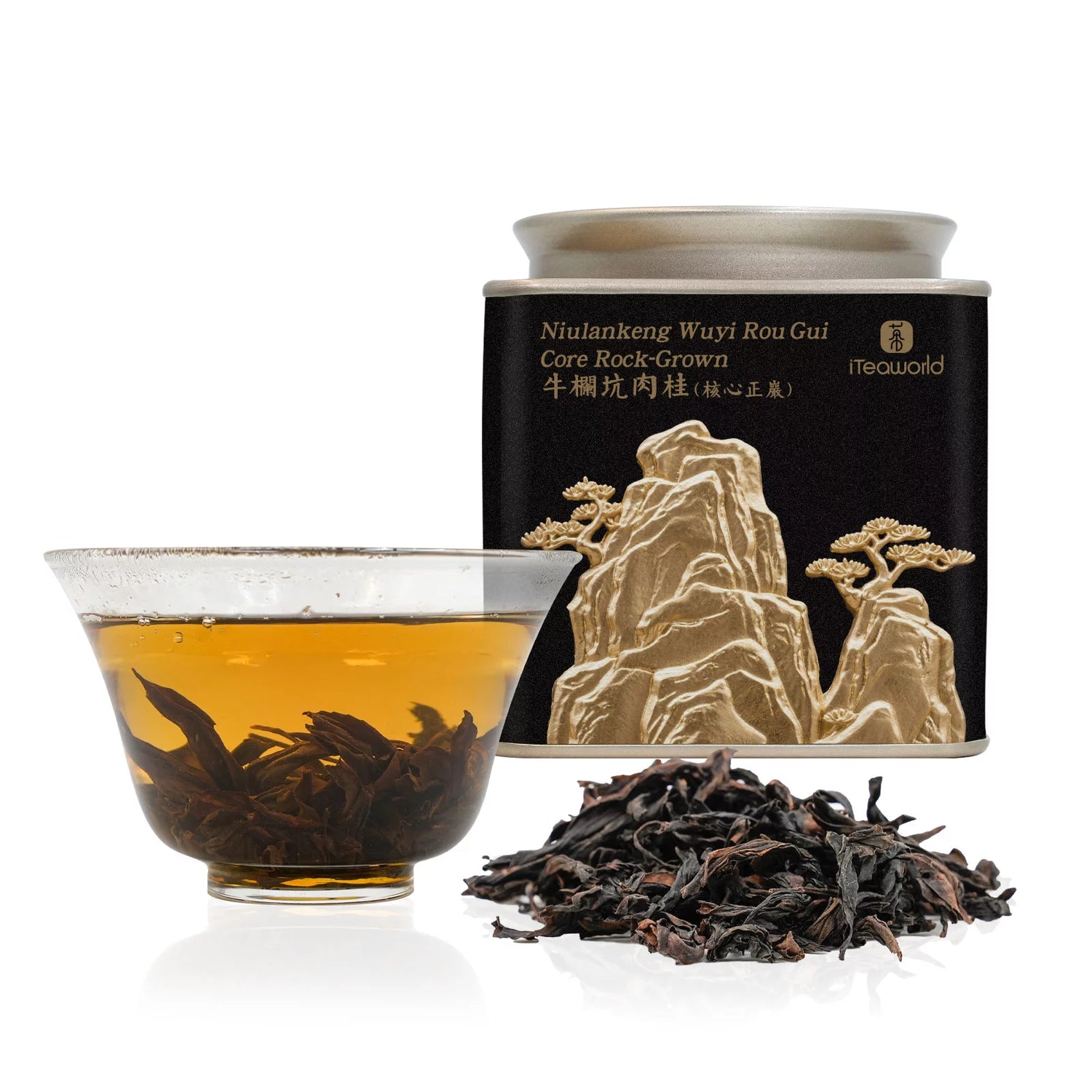
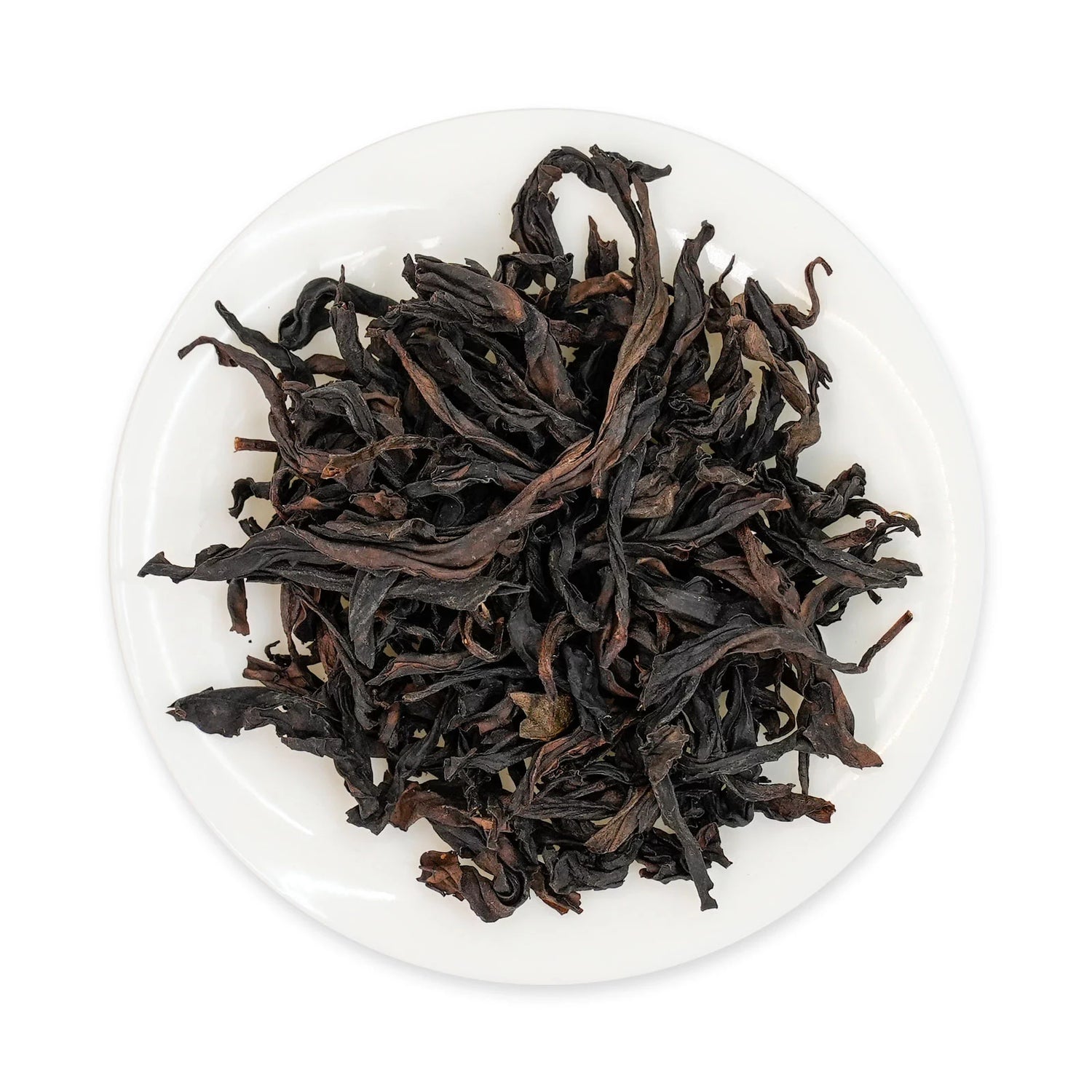
Niu Lan Keng is one of the core Zhengyan producing areas of Wuyi Rock Tea, belonging to the famous “Three Pits and Two Ravines.” The area is nourished year-round by flowing streams from rock crevices, with high humidity, misty air, limited sunlight inside the pit, and mineral-rich soil. These conditions create a cool, shaded environment ideal for tea trees.
The Wuyi Rougui produced here—often referred to as “Niu Rou”—is highly prized for its rarity and extremely limited yield, earning it the title “King of Rock Tea.” Its signature cinnamon note is sharp, bold, and highly penetrating, layered with osmanthus, floral, and fruity aromas. Unique to Niu Lan Keng, it also carries a distinct “ravine character”—a mossy, mineral freshness reminiscent of a primeval forest—which adds depth and authenticity to its terroir expression.
On the palate, it strikes a balance of strength and finesse: the cinnamon’s spicy sharpness is complemented by a smooth, delicate liquor, hiding inner power. The rock rhyme is pronounced, with a quick and lasting sweet aftertaste.
Origin: Niulankeng, Xingcun Town, Wuyishan City, Fujian Province, China
Type: Core Zheng Yan (Core True Rock)
Tea Variety: Wuyi Rougui
Producer: Chen Hui
Harvest: October 2024
Aging: 36 months
Brewing Guide:
-
Water Temperature: 100°C (212°F)
-
Brewing Vessel: Gaiwan or Yixing Clay Teapot
-
Tea-to-Water Ratio: 5–7g per 100ml
-
Infusions:
1–3 infusions: 8–15 sec
Later infusions: +5–10 sec per infusion
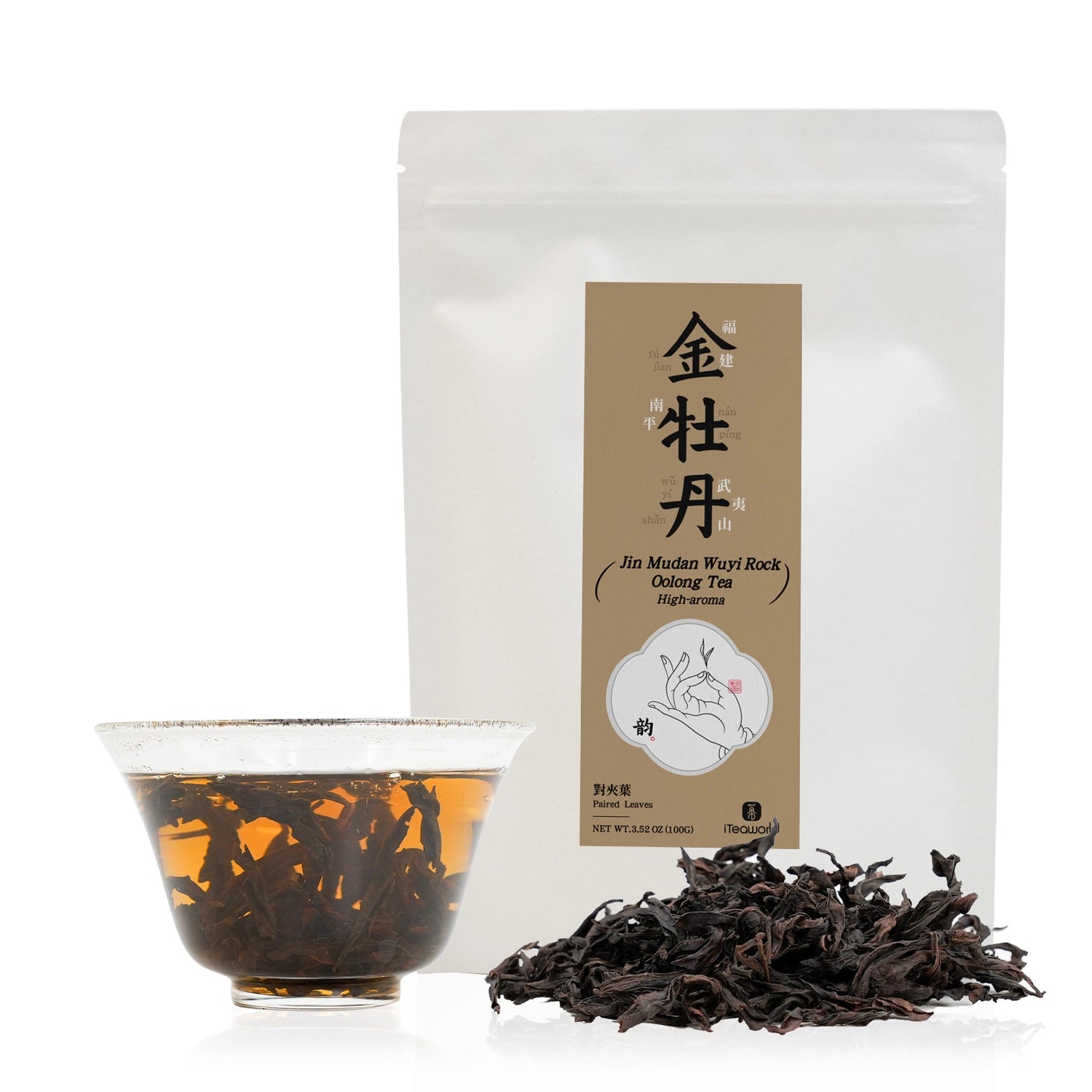
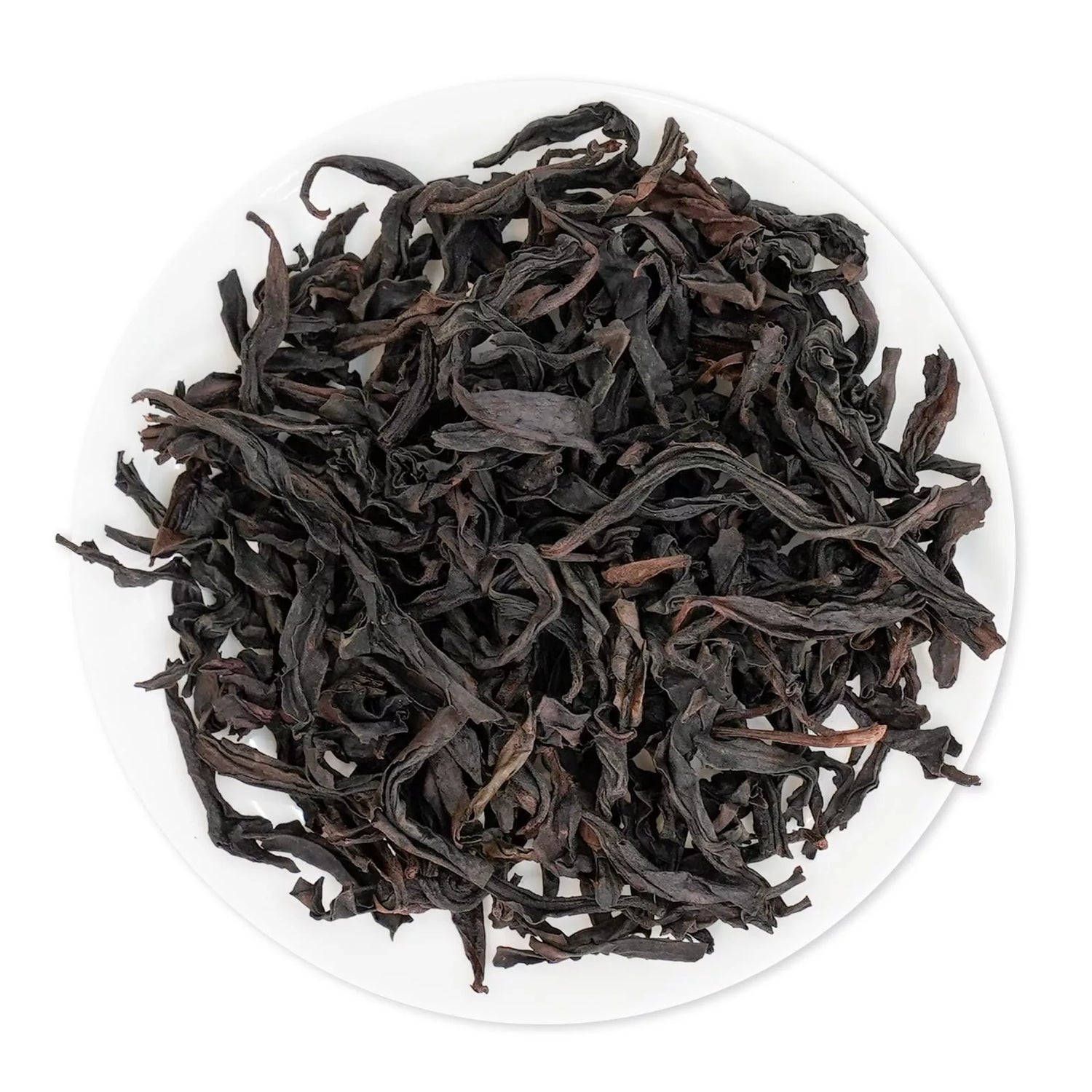
Jin Mudan (Golden Peony) was developed by the Tea Research Institute of Fujian Academy of Agricultural Sciences between 1978 and 2002 through hybridization of Tieguanyin (female parent) and Huang Ti (Huang Jingui, male parent). Its name comes from the dark, glossy appearance of the dry leaves and the golden color of the leaf buds. Jin Mudan combines the “flavor” of Tieguanyin and the “fragrance” of Huang Jingui.
This Jin Mudan features a vivid, rich aroma with floral notes blending orchid and honey fragrance, which lingers even in a cold brew. The liquor is full-bodied, smooth, and delicate, with a distinct mineral taste ( rock rhyme ) and a long-lasting finish. It is often used to enhance the aroma when blending Da Hong Pao or enjoyed as a high-fragrance single-origin tea.
Origin: Jingshui Village, Xingcun Town, Wuyishan City, Fujian Province, China
Category: Ban Yan (mid-mountain, 400–600 m)
Soil: Gravel soil
Variety: Jin Mudan
Producer: Chen Hui
Harvest Time: November 2024
Shelf Life: 36 months
Brewing Guide
-
Water Temperature: 100°C (212°F)
-
Brewware: Gaiwan, Yixing clay teapot
-
Tea-to-Water Ratio: 5–7 g per 100 ml
-
1st–3rd Infusions: 8–15 seconds
-
Later Infusions: Add 5–10 seconds each time
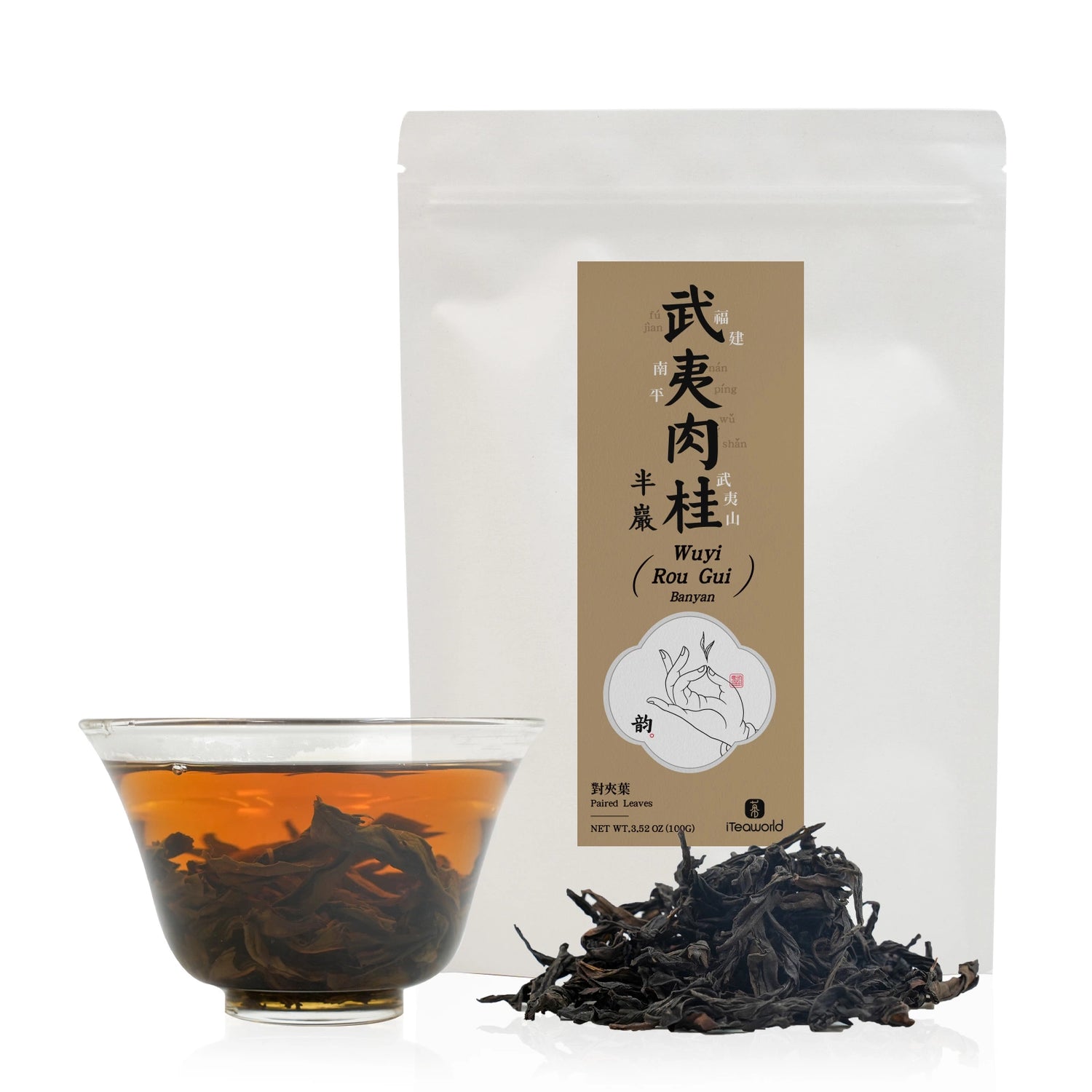
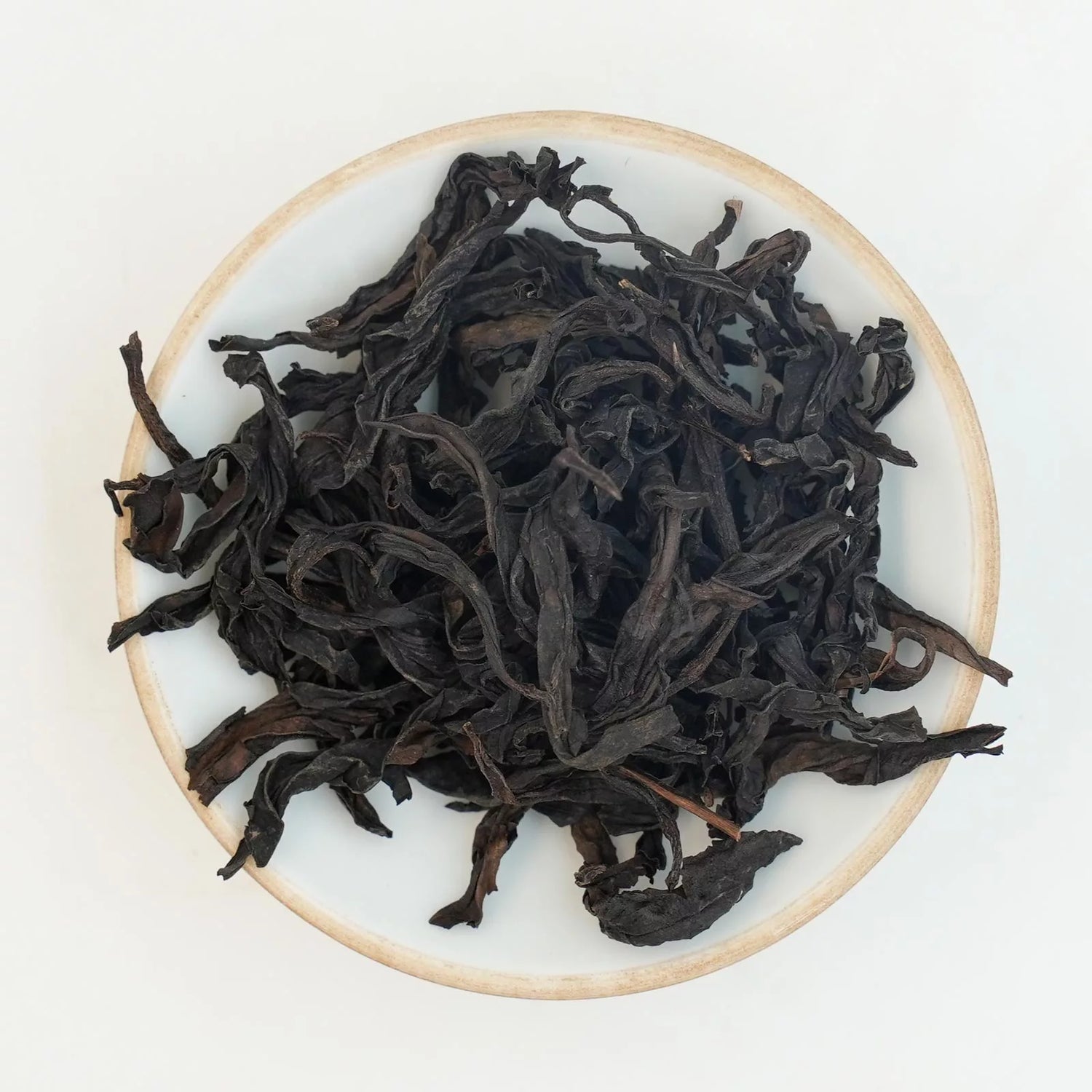
Wuyi Rougui is one of the most famous varieties of Wuyi Rock Tea, named for its sharp, cinnamon-like aroma.
This Wuyi Rougui is medium charcoal-roasted. While its aroma and complexity are slightly less pronounced than core Zhengyan Rougui, the cinnamon fragrance is sharp and direct, filling the nose with the first infusion. The flavor is rich and full-bodied, with a slightly stimulating character and a touch of bitterness in the liquor. The sweet aftertaste and mouthwatering effect appear quickly, accompanied by a noticeable mineral character.
Compared to core Zhengyan Rougui, this Wuyi Rougui is an excellent choice for beginners exploring Rock Tea. It offers high value while retaining the distinctive features of Wuyi Rock Tea.
Origin: Jingshui Village, Xingcun Town, Wuyishan City, Fujian Province, China
Category: Ban Yan (mid-mountain)
Soil: Gravel soil
Variety: Wuyi Rou Gui
Producer: Chen Hui
Harvest Time: November 2024
Shelf Life: 36 months
Daye Oolong
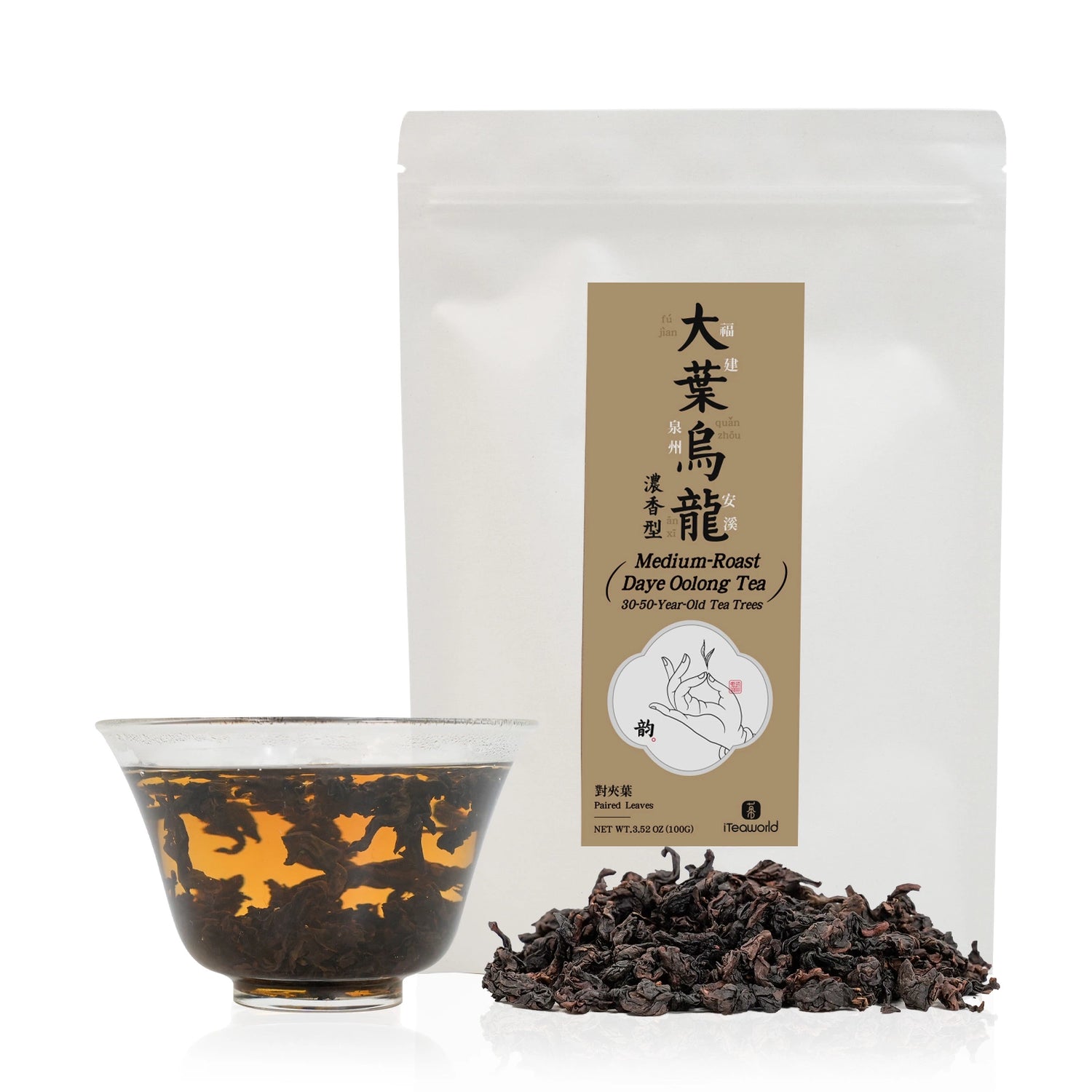
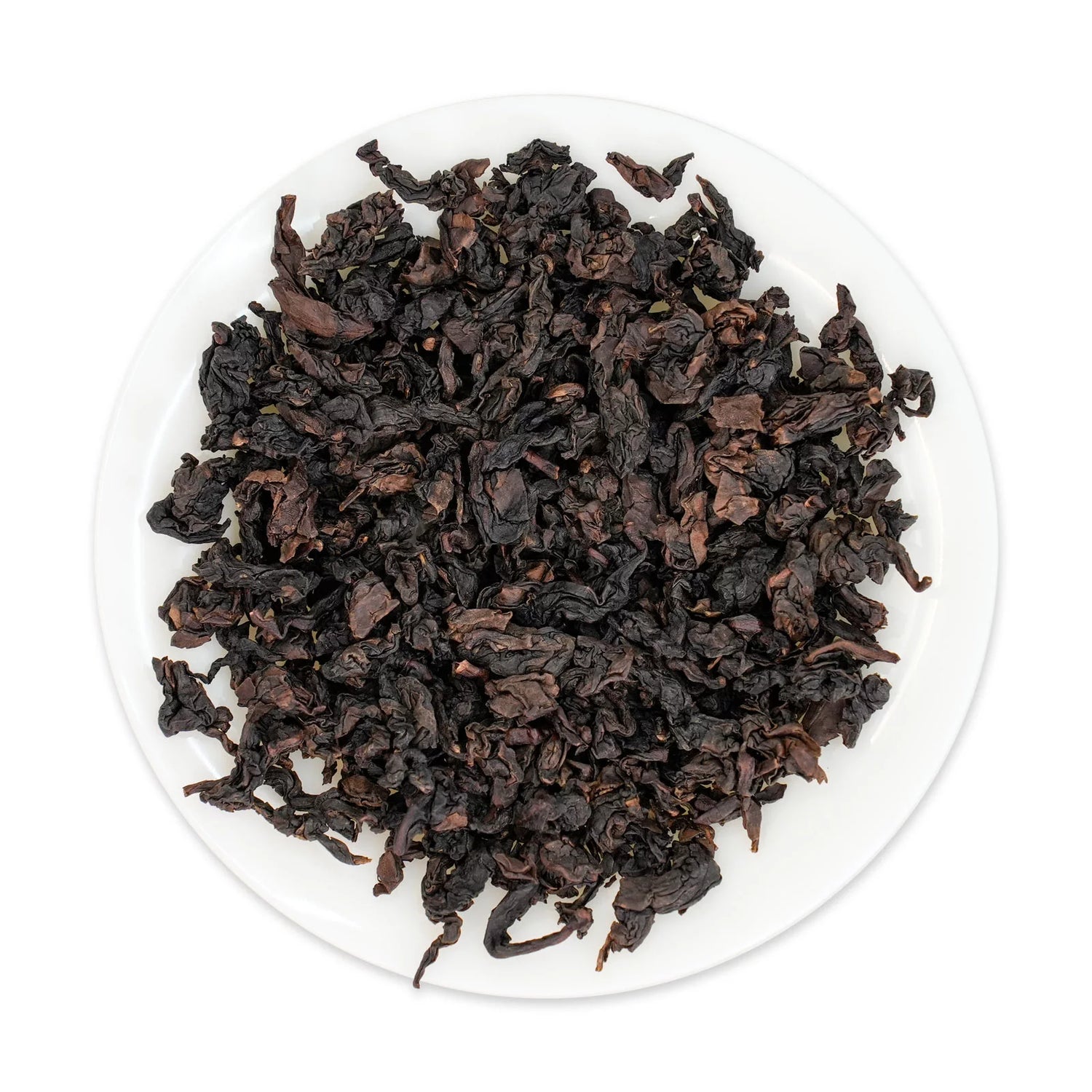
Daye Oolong, or "Big Leaf Oolong," is a lesser-known but classic cultivar from Anxi’s Changqing region. It has been grown for centuries, valued for its bold leaves, rich mouthfeel, and signature toasted aroma.
Our tea comes from Shanping village, considered the origin area for this cultivar, with tea gardens around 800 meters elevation. The high mountain environment and older tea trees bring out deeper notes of caramel, wood, and dried fruit. It’s naturally smooth and mellow, with a clean, lingering finish.
Daye Oolong is especially well-suited for those who like richer, deeper teas that are still easy to drink—perfect for both hot and cold brewing.
-
Origin: Shanping Village, Changqing Town, Anxi County, Fujian, China
-
Elevation: 800 meters
-
Tea Maker: Chen Jiangzhi
-
Harvest: 2025
-
Shelf Life: 36 months
-
Cultivar: Daye Oolong (Large-Leaf Oolong)
-
Tree Age: 40 years
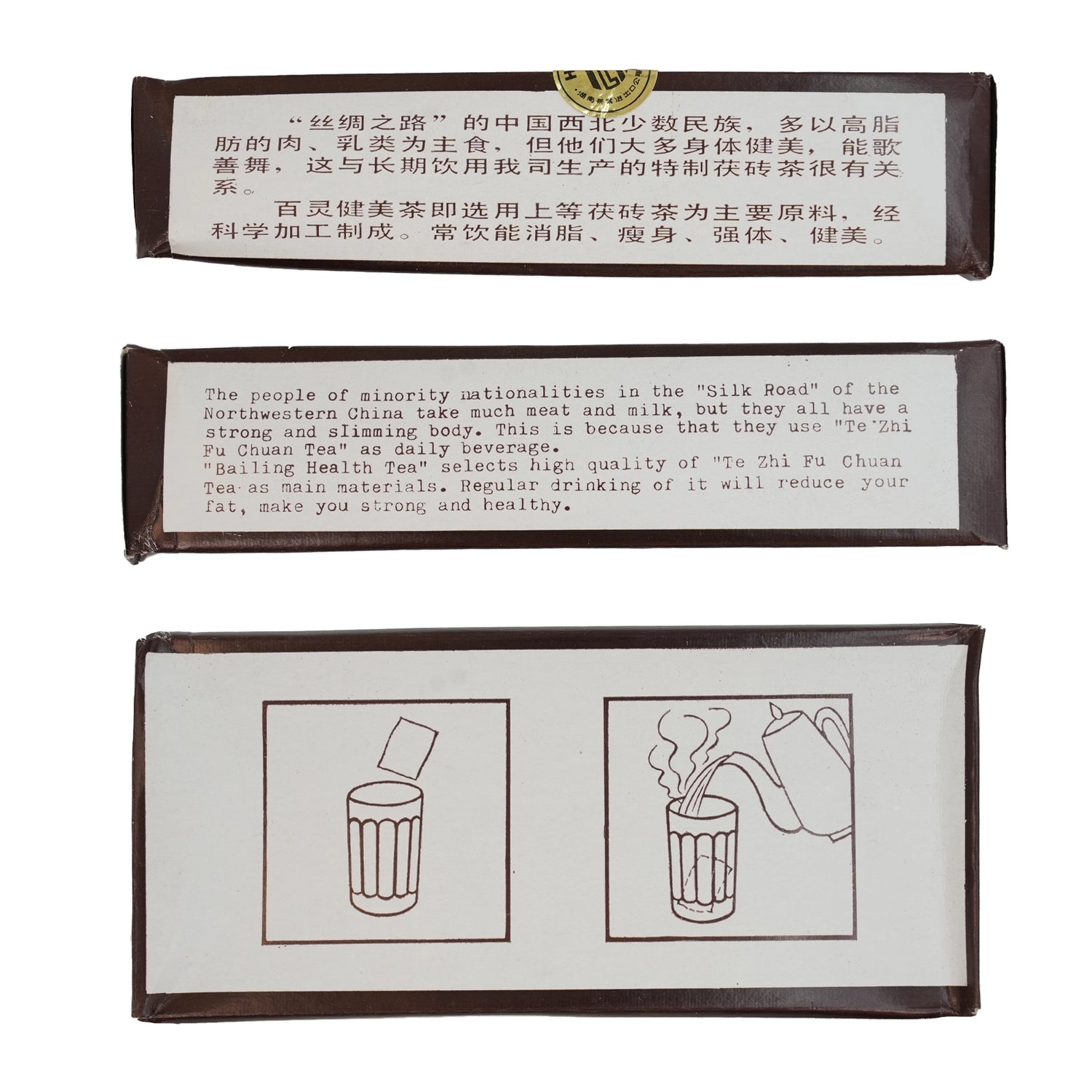
During the aging and transportation process of aged tea, the packaging and the tea itself may get damaged. Please be cautious when purchasing if you mind this.
Recommended Purchase
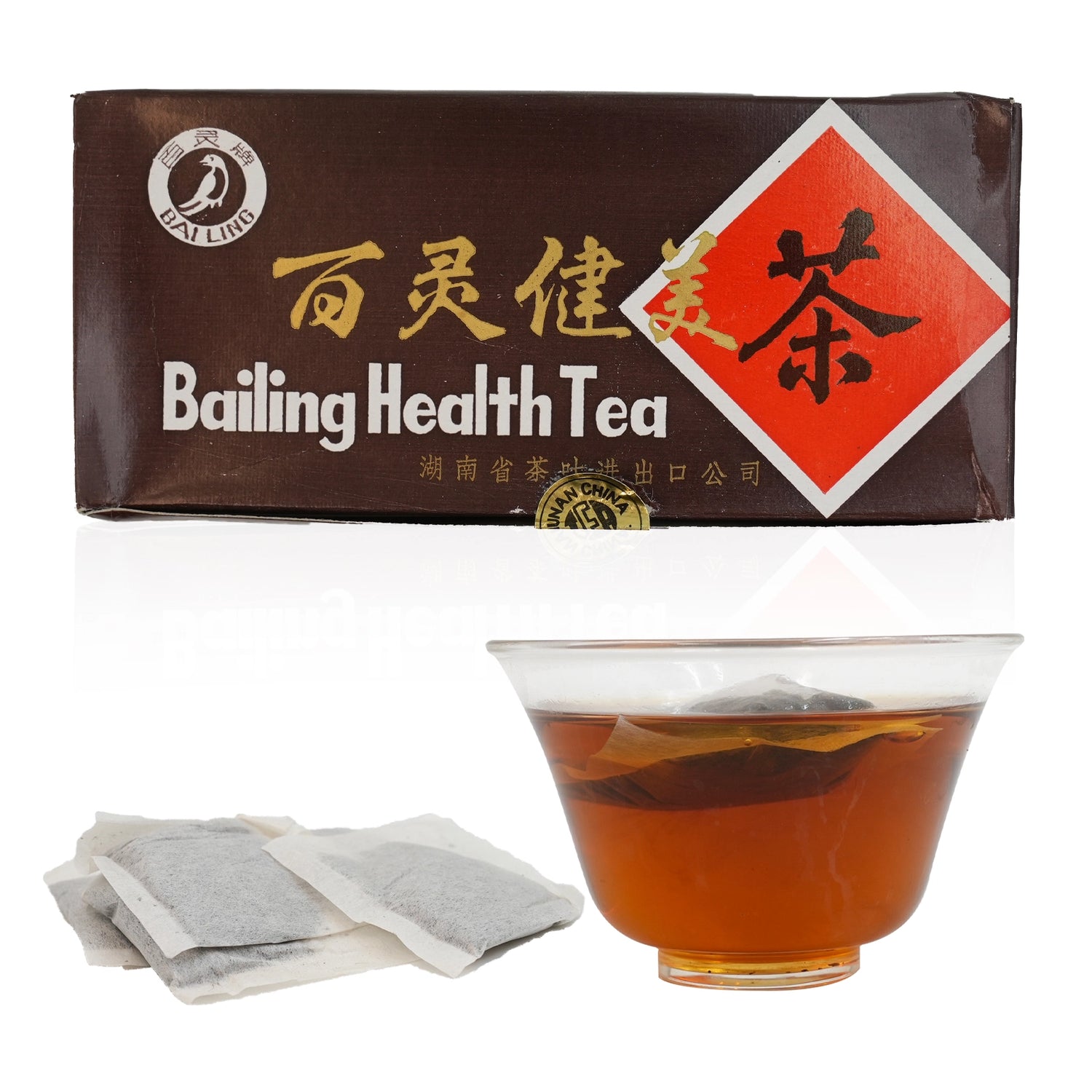
Bailing Wellness Tea is a unique aged Fu Brick tea that originated from the Silk Road’s traditional tea culture. This tea was crafted in 1988 by Hunan Tea Import & Export Company using premium Fu Brick and Hei Brick tea leaves. After 34 years of careful aging in a dry storage environment, this tea has developed a mellow taste, rich in medicinal fragrance and a smooth, slightly sweet aftertaste. Traditionally, it has been a staple among Northwest China’s ethnic groups, who consume a high-fat diet yet maintain a fit and energetic lifestyle. Bailing Wellness Tea’s unique fermentation process enhances its ability to aid digestion, promote metabolism, and support overall wellness. This product retains its original sealed paper box packaging and is no longer available on the market.
Key Details about Bailing Fitness Tea
- Origin: Hunan Province, China
- Production Date: 1988
- Grade: Third Grade
- Tea Cultivar: Fu Brick, Hei Brick Tea Fragments
- Craftsmanship: Traditional Fu Brick fermentation, natural aging
- Flavor Highlights: Bright yellow liquor, rich aged aroma with herbal notes, mellow and smooth taste, slight medicinal sweetness
- Storage: Dry warehouse storage, original sealed packaging
What is Fu Brick Tea?
Fu Brick Tea is a type of dark tea originating from Hunan, China, known for its unique post-fermentation process and health benefits. It contains Golden Flowers (Eurotium cristatum), a probiotic beneficial for digestion and metabolism. Due to its long aging potential, Fu Brick tea develops a complex and mellow taste over time. Bailing Fitness Tea, aged for 34 years, showcases a rich, medicinal aroma with a silky smooth texture, making it a prized selection among aged tea enthusiasts.
Recommended Brewing Methods
-
Gaiwan Brewing
- Tea-to-water ratio: 1:20
- Water temperature: 95°C-100°C
- Infusions: 6-8 times
- Steeping time: 10~20 seconds
-
Thermos Brewing
- Tea-to-water ratio: 1g per 100ml water
- Water temperature: 100°C (boiling water)
- Steeping time: 1-2 hours
- Tool: Insulated thermos
-
Boiling Method
- Tea-to-water ratio: 1g per 100ml water
- Boiling time: 1-2 minutes, then let sit for 2-3 minutes
- Rebrew: Extend boiling time by 3 minutes for each additional infusion
- Best with: Ceramic or glass teapot
- Steeping times: 3-4 brews
Storage Guidelines
To maintain the tea’s optimal aging process, store it in a dry and cool environment with humidity below 45% and temperature under 25°C. Keep it away from strong odors, direct light, and air exposure. Proper storage ensures that the tea retains its aged aroma and continues to mature gracefully over time.
Weight & Packaging
- Net Weight: 75g
- Packing Type: Original sealed paper box with moisture-proof coating
About Hunan Tea Import & Export Company
Founded in the early 20th century, Hunan Tea Import & Export Company is a pioneering force in China's tea trade. The company played a crucial role in exporting Fu Brick Tea along the Silk Road, making it a staple among ethnic groups in Northwest China and Central Asia. The company’s expertise in traditional tea fermentation and storage has ensured the production of high-quality aged teas that stand the test of time.
Today, this 34-year aged Bailing Fitness Tea remains a remarkable testament to China’s tea heritage and the enduring appeal of Fu Brick Tea.
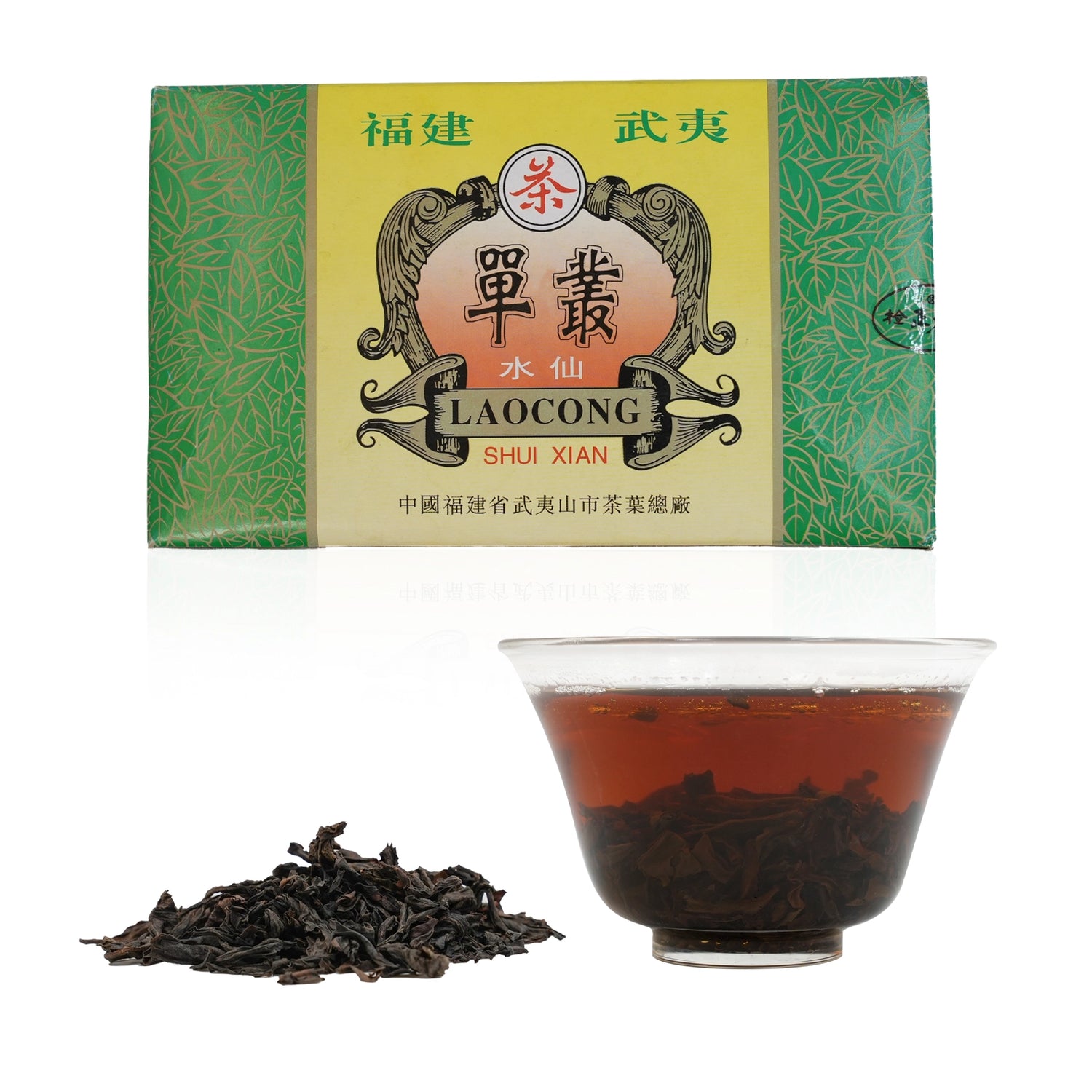
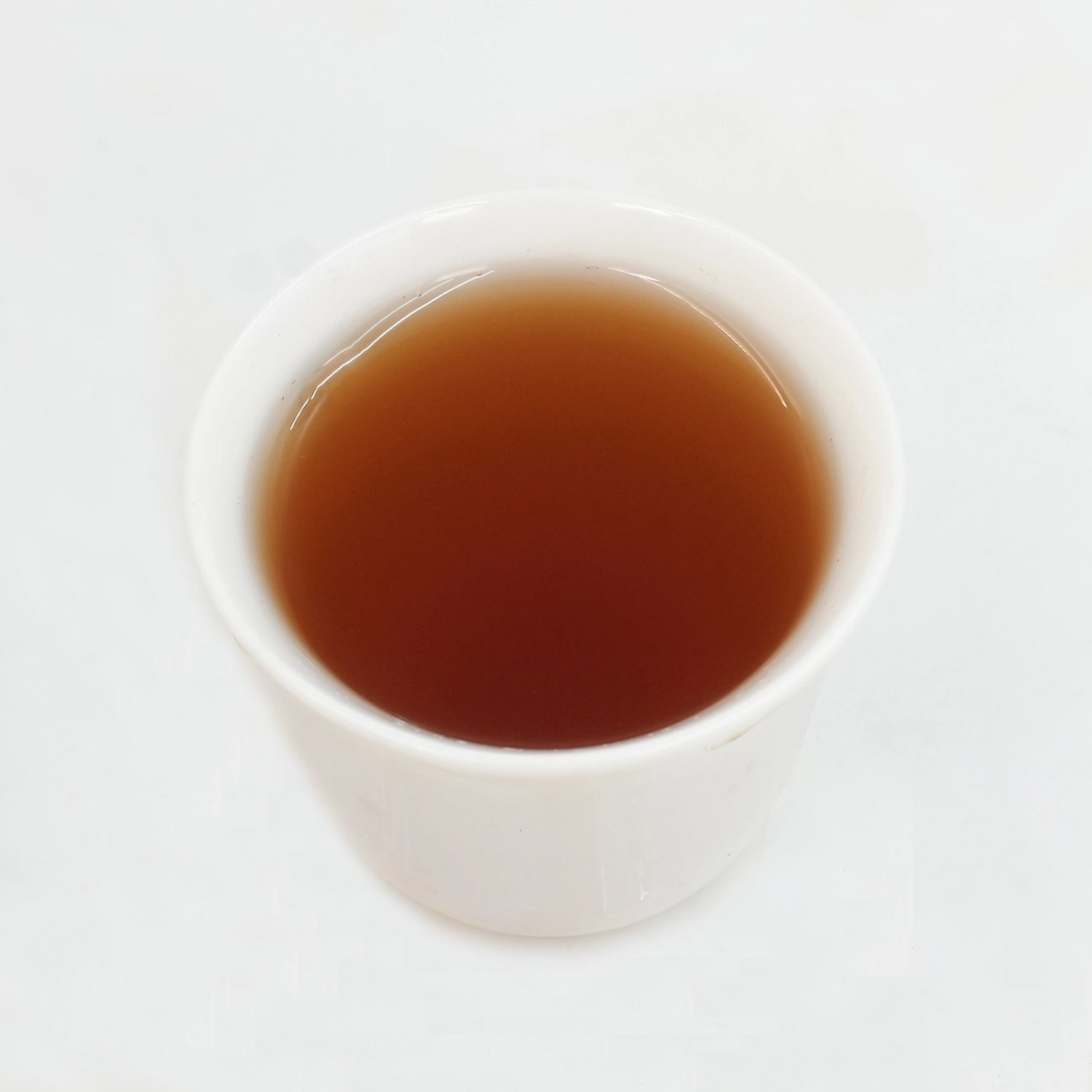
During the aging and transportation process of aged tea, the packaging and the tea itself may get damaged. Please be cautious when purchasing if you mind this.
Recommended Purchase
This 1996 Aged Dancong Shui Xian Oolong Tea is crafted from Shui Xian tea cultivars grown in the famous Wuyi Mountain region of Fujian, China. Produced by the Wuyi Mountain Tea Factory, this tea has been naturally aged in dry storage for 30 years. It is known for its rich, sweet aroma with notes of roasted sweet potato and fruit, and the distinctive floral fragrance of orchids. The tea liquor is a vibrant, deep orange, and the taste is thick, with a noticeable acidity that gives way to a refreshing aftertaste. This product is in its original packaging and is no longer in circulation on the market.This tea is ideal for those who appreciate the complexity of aged Wuyi rock teas and are looking for a bold, full-bodied flavor.
Key Details about 1996 Aged Dancong Shui Xian
- Origin: Wuyi Mountain, Fujian Province, China
- Production Date: 1996
- Grade: Special Grade Dancong
- Tea Cultivar: Shui Xian
- Craftsmanship: Medium roasting, medium oxidation, light rolling
- Flavor Highlights: Sweet aroma with roasted sweet potato, fruit, and floral orchid notes, thick and refreshing taste with acidity
- Storage: Naturally dry-aged, sealed packaging for optimal preservation
What is Dancong Shui Xian Oolong Tea?
Dancong Shui Xian is a type of Wuyi rock tea, known for its intense, complex flavor profile. Shui Xian is one of the most well-known cultivars in Wuyi Mountain and is prized for its unique floral and fruit-like aroma. The tea undergoes a moderate level of oxidation and is roasted to bring out its robust flavor. Aged Shui Xian Oolong offers even deeper complexity, with the floral, fruity notes mellowing into more nuanced, savory characteristics. This makes it a perfect choice for tea connoisseurs who appreciate both freshness and the depth of aged tea.
Brewing and Enjoyment Tips
Aged Shui Xian tea is best enjoyed using Gongfu brewing or boiling methods, which can bring out the full range of aromas and flavors. The tea has excellent durability, so it can withstand multiple brews.
How to Brew 1996 Aged Dancong Shui Xian Oolong Tea
- Gongfu Brewing Method
-
- Tea-to-Water Ratio: 6g tea per 100ml water
- Water Temperature: 95-100°C (203-212°F)
- Steeping Time: 10-15 seconds for the first brew, increase time for each subsequent brew
- Recommended Tool: Porcelain Gaiwan or Yixing Clay Teapot
- Tea-to-Water Ratio: 6g tea per 100ml water
- Boiling Method
- Tea-to-Water Ratio: 3g per 100ml water
- Process: Boil the tea for 3-5 minutes, then simmer for 2-3 minutes
- Rebrewing: Extend boiling time by 2-3 minutes for each subsequent brew
- Recommended Tool: Glass or ceramic teapot
- Tea-to-Water Ratio: 3g per 100ml water
Storage Guidelines for Aged Shui Xian Oolong Tea
To preserve the tea's aging qualities, store it in a cool, dry environment, away from direct light and strong odors. Keep the tea sealed in an airtight container to minimize exposure to air and moisture. Proper storage will allow the tea to continue aging gracefully.
Weight & Packaging
- Net Weight: 125g (4.4oz)
- Packing Type: Original sealed paper box with inner aluminum foil bag

Recently viewed products
Shop with Confidence at iTeaworld

Not satisfied? Get a full refund within 30 days — no return needed

Free tea samples with tea order
Buy 1 get 1 sample. Buy 2 get 2. Buy 3+ get 3 free sample