





























Sort by:
171 products
171 products


Rosa Roxburghii Black Tea is a unique tea specialty from Guizhou, China, made with Rosa roxburghii fruit (Ci Li, 刺梨) and black tea. The fruit is widely known for its naturally high vitamin C content.
Fresh Rosa roxburghii contains around 2000 mg of vitamin C per 100 g, compared to about 50 mg in oranges, which is why it is often called the “King of Vitamin C” in China.
Each autumn, ripe fruits are harvested and their centers are carefully hollowed out. Premium black tea leaves are placed inside the fruit shells, and the fruits are then slowly dried at about 80°C (176°F). This process allows the tea and fruit to gently infuse together, creating a tea that combines the sweet-tart fruit character with the smooth richness of black tea.


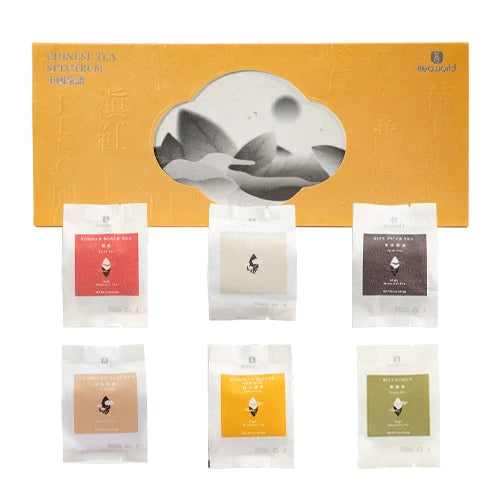
Spring Harmony Tea Collection – Six Blends for Seasonal Renewal
A seasonal tea collection crafted for spring.
Discover six unique herbal and flower teas, designed for three cups a day—morning, afternoon, and evening.
Inspired by traditional seasonal wellness wisdom, each cup brings a moment of freshness, balance, and gentle renewal.
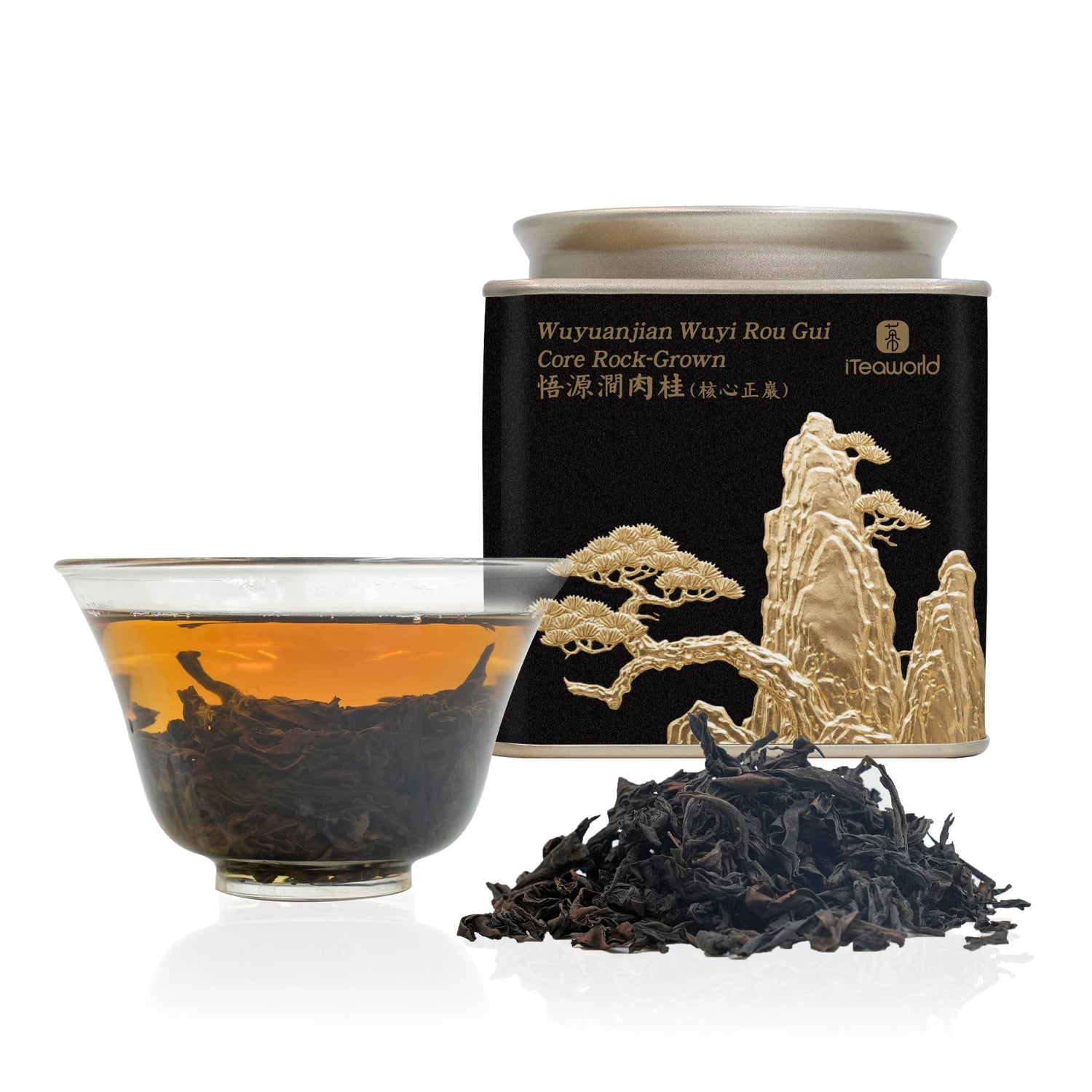
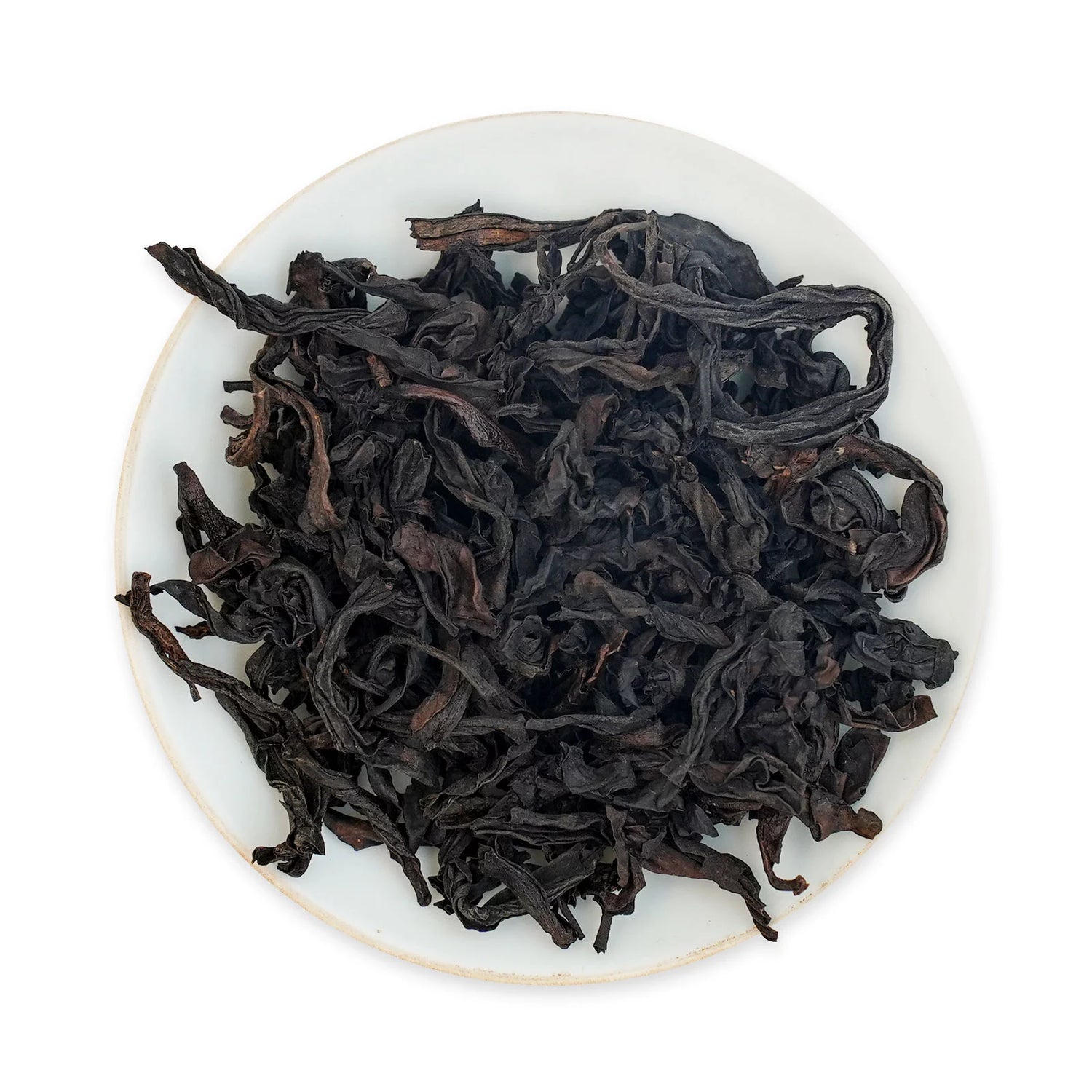
Wuyuanjian is one of the core Zhengyan producing areas of Wuyi Rock Tea, belonging to the famous “Three Pits and Two Ravines,” and is one of the two ravines. The area is shrouded in mist throughout the year, nourished by flowing streams, with a humid climate and soil rich in fine sandy gravel and minerals. Lush vegetation and this unique terroir together give birth to outstanding Wuyi Rock Teas. Among them, Rougui and Shui Xian from Wuyuanjian are especially prized for their rich fruity notes, elegant orchid fragrance, and full-bodied taste.
The Wuyi Rougui from Wuyuanjian reveals a clear and vivid cinnamon aroma at first, followed by subtle layers of orchid, woody undertones, and even a refreshing hint of mint. The fragrance is pure, distinctive, and lingers gracefully. The liquor is smooth and delicate on the palate, gradually unfolding into depth and the signature “rock rhyme.” Compared to Rougui from Niu Lan Keng, Wuyuanjian’s expression is softer and more refined—ideal for tea lovers who seek a fresh, elegant style.
Origin: Wuyuanjian, Xingcun Town, Wuyishan City, Fujian Province, China
Type: Core Zheng Yan (Core True Rock)
Tea Variety: Wuyi Rougui
Producer: Chen Hui
Harvest: October 2024
Aging: 36 months
Brewing Guide:
-
Water Temperature: 100°C (212°F)
-
Brewing Vessel: Gaiwan or Yixing Clay Teapot
-
Tea-to-Water Ratio: 5–7g per 100ml
-
Infusions:
1–3 infusions: 8–15 sec
Later infusions: +5–10 sec per infusion
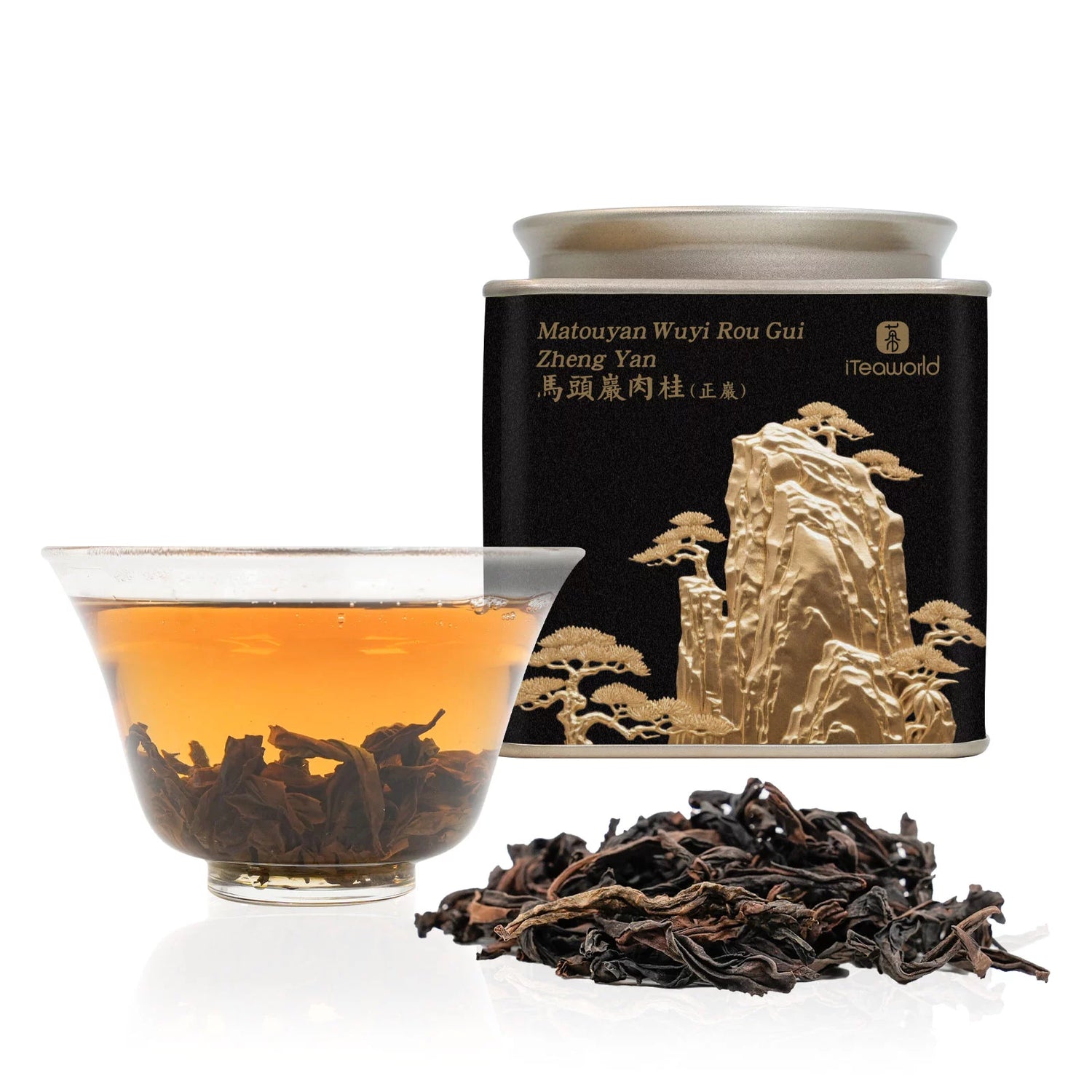
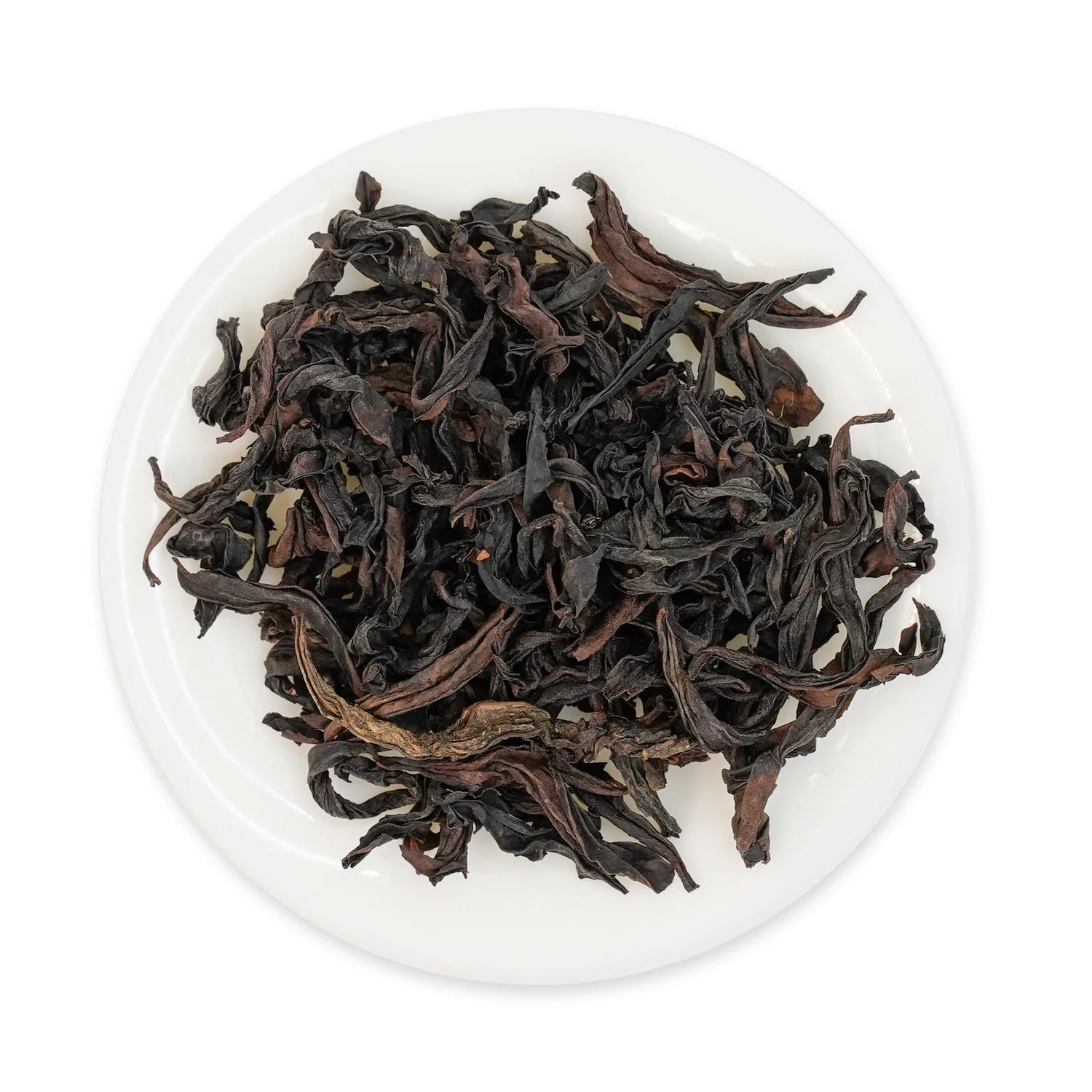
Matouyan is one of the top producing areas of Zhengyan Wuyi Rock Tea, located adjacent to Wuyuanjian. With open terrain, ample sunlight, and purple sandy-gravel soil ideal for growing Rougui and other tea trees, it is renowned for producing exceptional teas. The Rougui from Matouyan, often called “Ma Rou”, is prized as a luxury among Rock Teas for its sharp cinnamon aroma and full-bodied taste.
This Wuyi Rougui from Matouyan features a vivid, intense cinnamon fragrance. The liquor is rich, smooth, and full-bodied, with a subtle spicy note on the tip of the tongue, followed by a sweet aftertaste and pronounced rock rhyme (mineral character). Overall, it is bold, powerful, and commanding in style.
Origin: Matouyan, Xingcun Town, Wuyishan City, Fujian Province, China
Type: Zheng Yan (True Rock)
Tea Variety: Wuyi Rougui
Producer: Chen Hui
Harvest: August 2025
Aging: 36 months
Brewing Guide:
-
Water Temperature: 100°C (212°F)
-
Brewing Vessel: Gaiwan or Yixing Clay Teapot
-
Tea-to-Water Ratio: 5–7g per 100ml
-
Infusions:
1–3 infusions: 8–15 sec
Later infusions: +5–10 sec per infusion
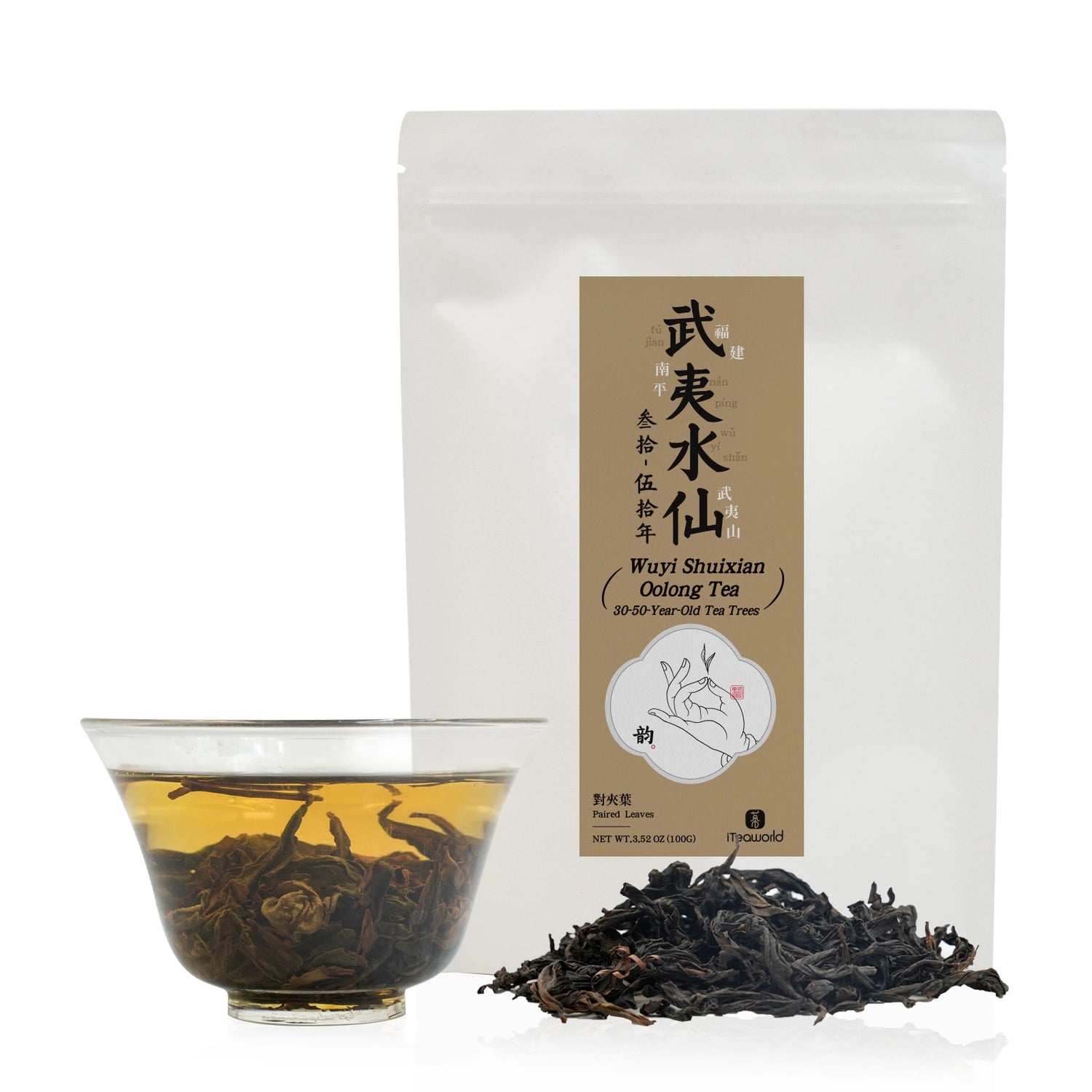
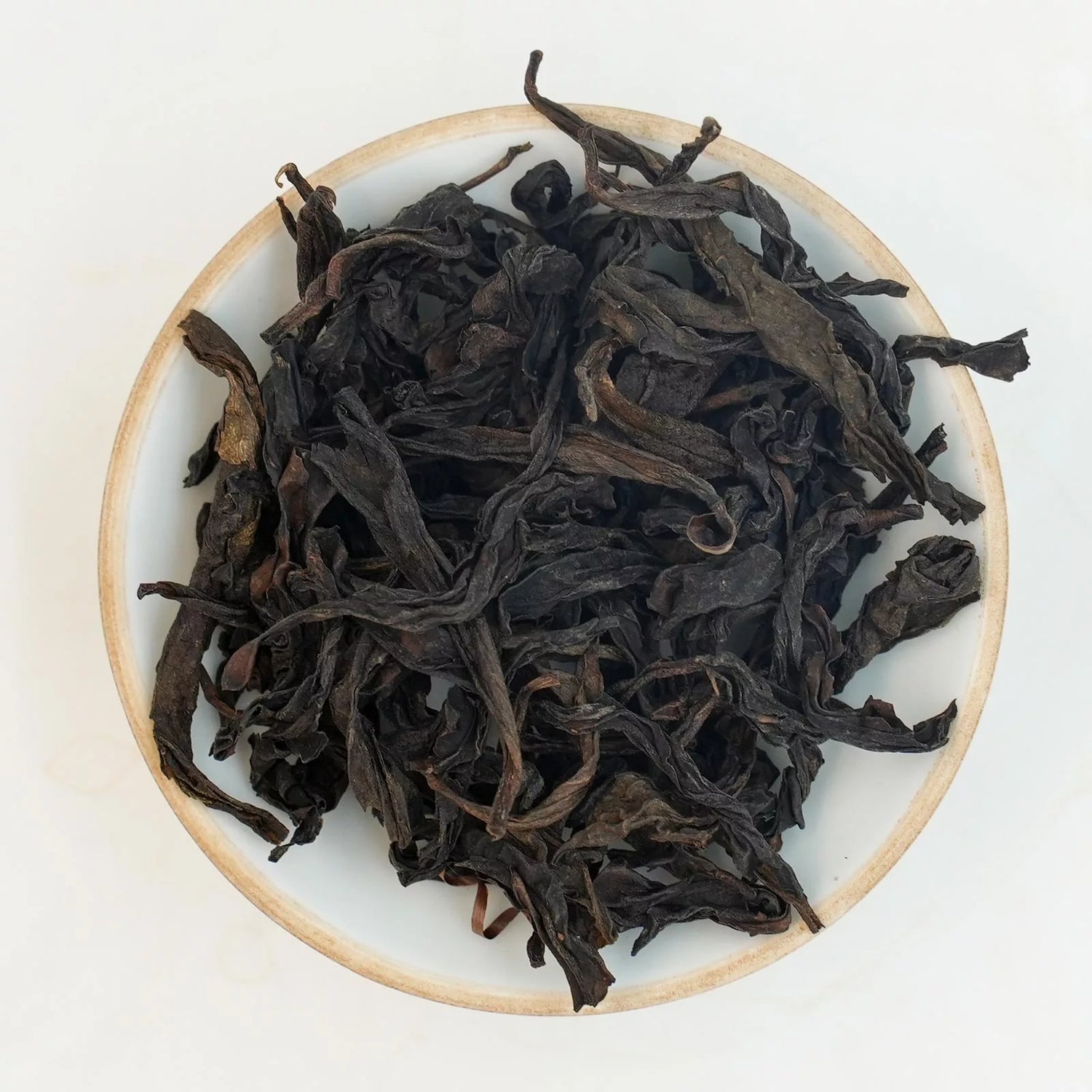
Wuyi Shui Xian is one of the most famous varieties of Wuyi Rock Tea. Alongside Rougui, it is famed for the saying: “No tea more mellow than Shui Xian, no tea more fragrant than Rougui.” It combines the classic rock character with rock rhyme and a rich, full-bodied liquor. Originally introduced from Jianyang during the Qing Dynasty, Wuyi Shui Xian places great emphasis on tree age: as the trees grow older, the tea becomes more mellow, with reduced bitterness and increasingly complex layers of flavor.
This Wuyi Shui Xian is made from fresh leaves of tea trees aged 30–50 years and roasted using traditional Wuyi charcoal methods. The liquor is rich and full-bodied, moderately intense with a slight astringency, a clear and lasting sweet aftertaste, and a subtle woody fragrance. The texture is smooth and refined, offering depth and complexity that invites slow, mindful tasting.
Origin: Daan Village, Yangzhuang Township, Wuyishan City, Fujian Province, China
Tree Age: 30–50 years
Type: Ban Yan (Half-Rock)
Tea Variety: Wuyi Shui Xian
Producer: Chen Hui
Harvest: May 2024
Aging: 36 months
Brewing Guide:
-
Water Temperature: 100°C (212°F)
-
Brewing Vessel: Gaiwan or Yixing Clay Teapot
-
Tea-to-Water Ratio: 5–7g per 100ml
-
Infusions:
1–3 infusions: 8–15 sec
Later infusions: +5–10 sec per infusion
Yongchun Fo Shou
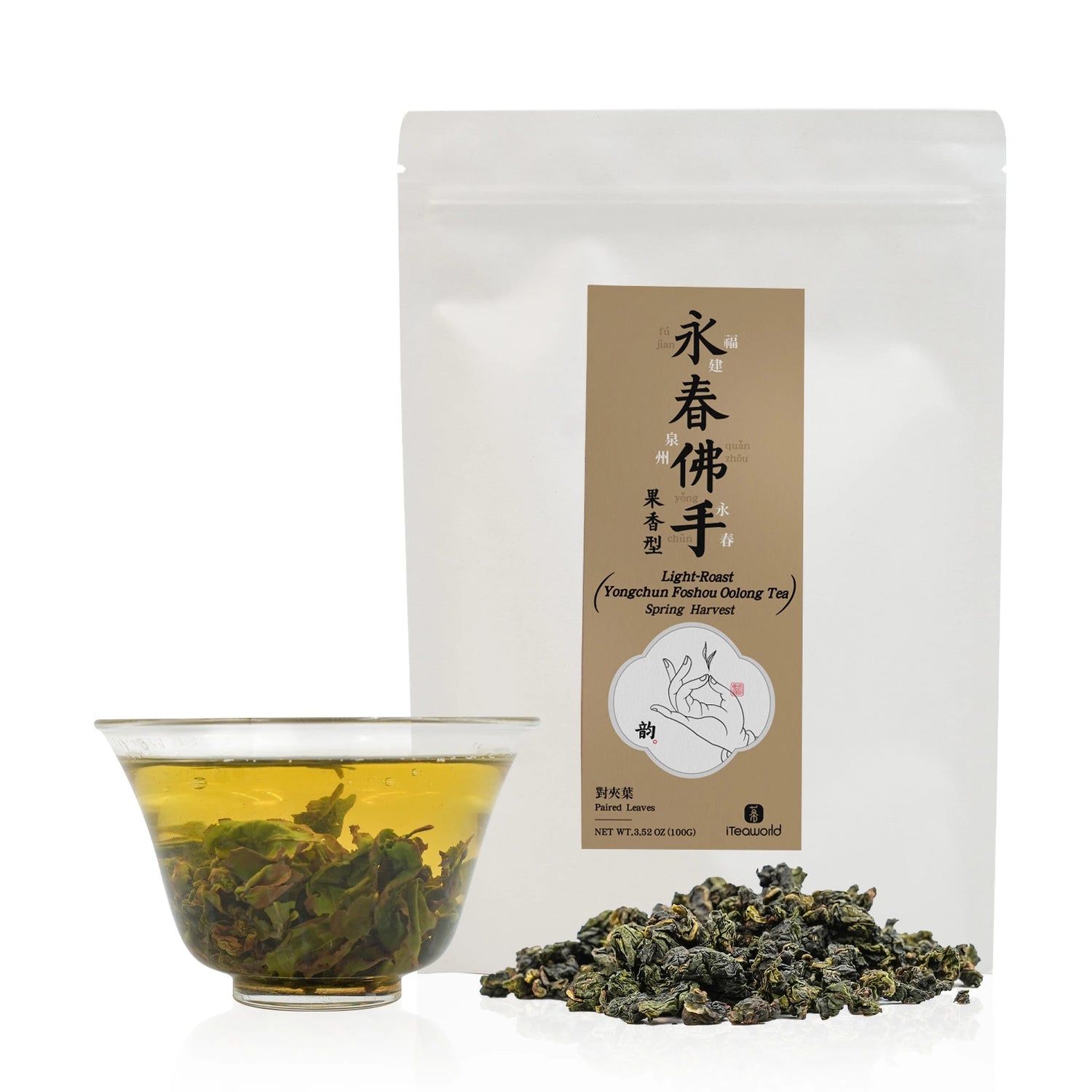
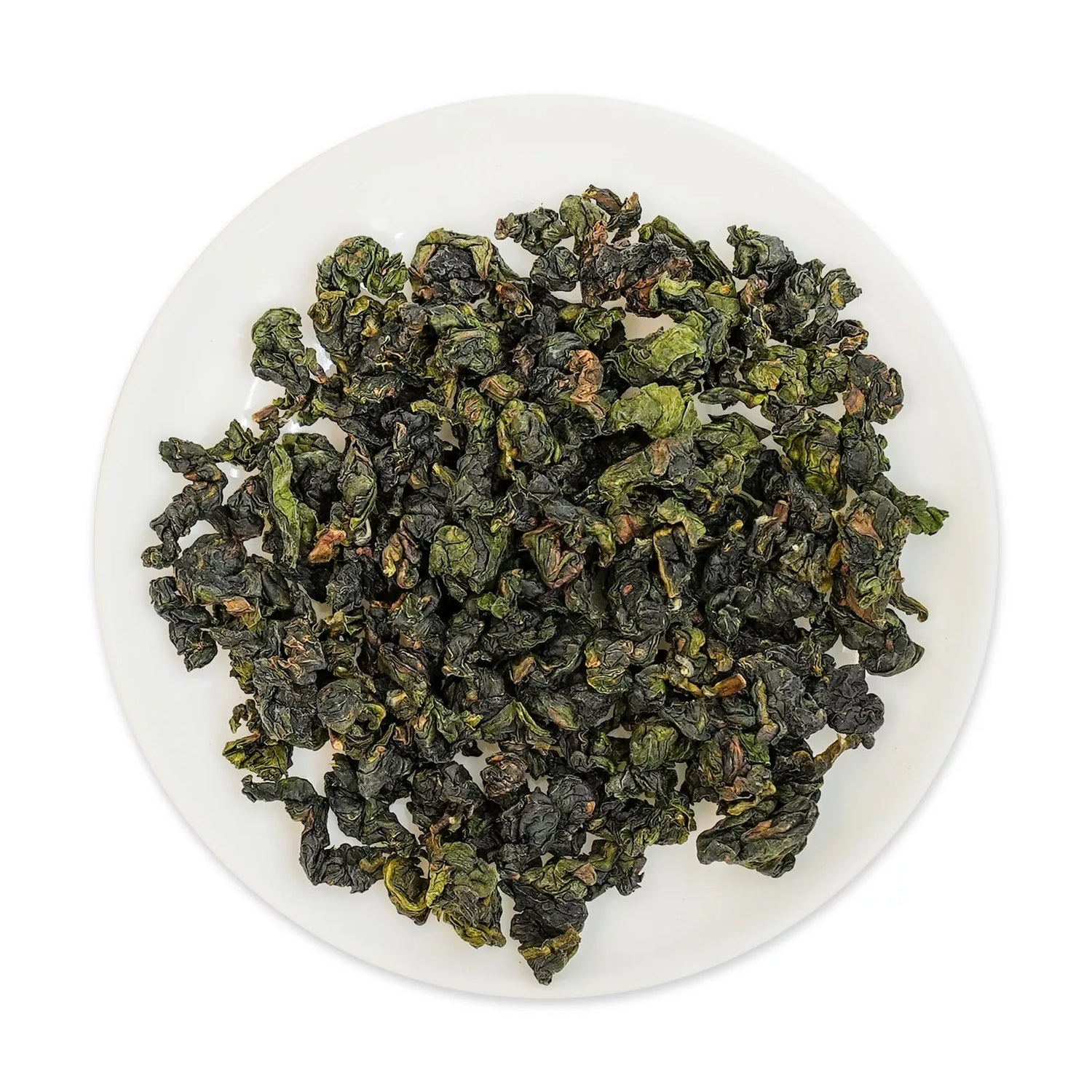
Yongchun Fo Shou is a rare oolong from the high mountains of Yongchun County, Fujian. Its name comes from the leaf shape—resembling the Buddha’s hand citrus—and its bright, fruity aroma.
Legend says Buddhist monks in the 17th century grafted a tea tree onto a citron plant, creating this uniquely fragrant cultivar. Grown between 600–900 meters in Wuxi village near the protected origin region, this tea reflects both rich history and high mountain character.
It’s known for its distinctive citrus and pear notes, rounded out by a creamy, slightly floral finish. The taste is smooth and layered, with a lingering sweetness often described as the “Fo Shou charm.” Whether brewed hot or cold, this tea is a peaceful, full-bodied choice for those who enjoy fruity, elegant oolongs.
-
Origin: Wuxi Village, Wufeng Town, Yongchun County, Quanzhou, Fujian, China
-
Tea Maker: Xu Yongyuan
-
Harvest: 2025
-
Shelf Life: 36 months
-
Cultivar: Yongchun Fo Shou
-
Elevation: 500 meters
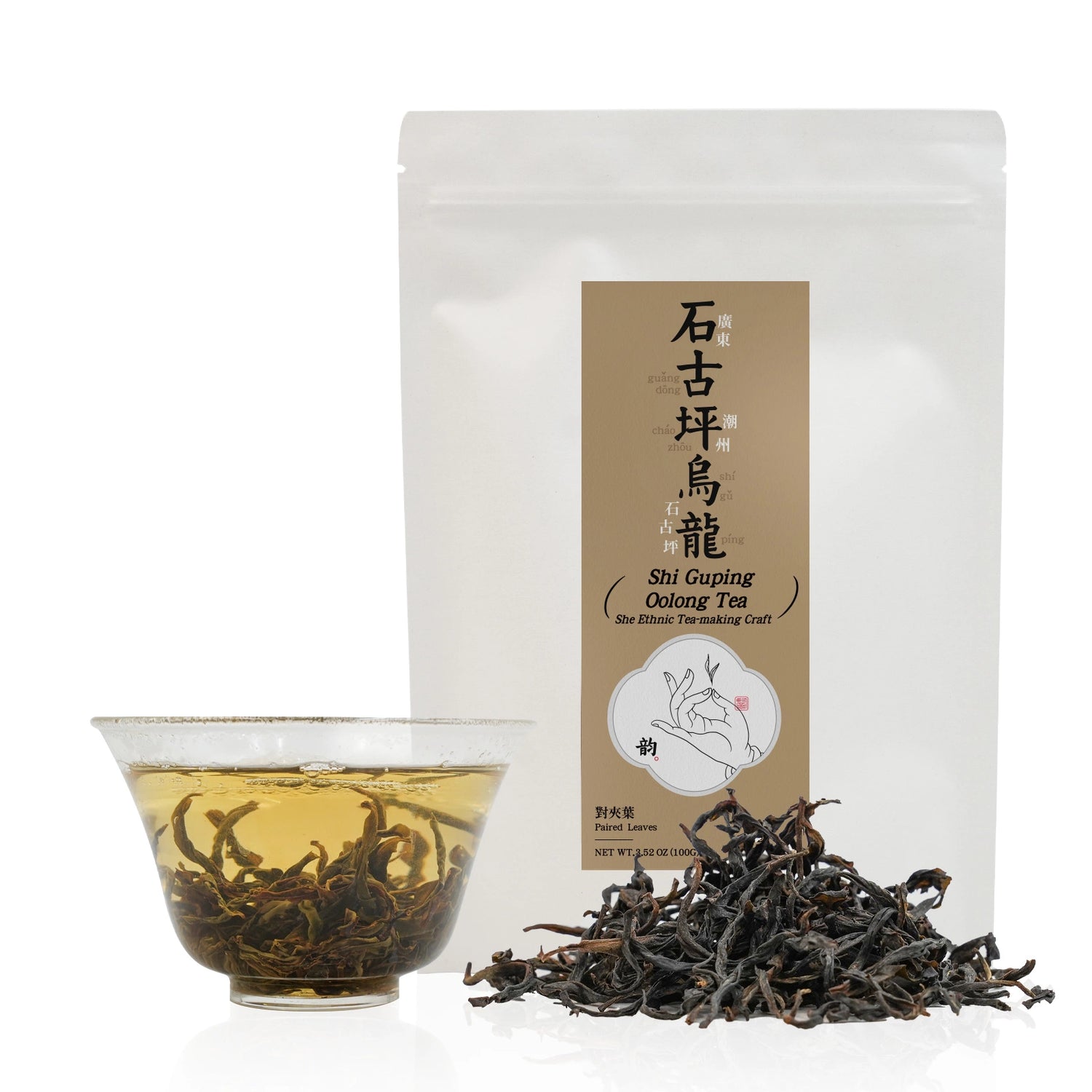

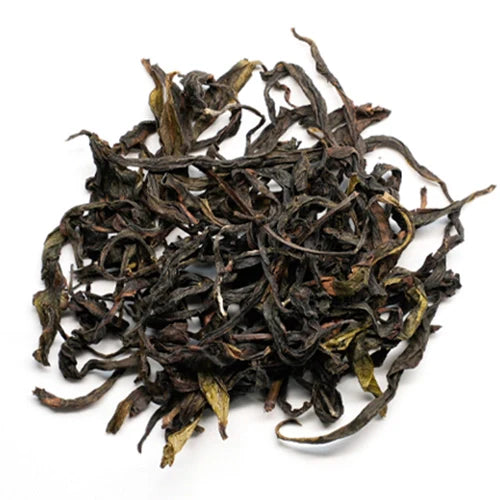
Premium Shiguping Oolong – Wild Phoenix Tea with Aged Pu’er Notes 50g 2025
$49.99 USD
Unit price perPremium Shiguping Oolong – Wild Phoenix Tea with Aged Pu’er Notes 50g 2025
$49.99 USD
Unit price perShiguping Oolong | The Wild Soul of Hakka Craft
A Rare Indigenous Cultivar with Ethnic Roots
Shiguping oolong is made from a local, indigenous tea cultivar traditionally cultivated by the She people, a minority ethnic group native to this part of Guangdong. Unlike the widely used Phoenix Shui Xian cultivar, this tea comes from a separate genetic lineage, maintained for generations in Shiguping Village.
The tea plants here are broadleaf shrubs, not arbor trees, and have adapted to volcanic soils and mountain mists. Their leaves are thicker and more polyphenol-rich than Phoenix cultivars, giving the tea a wilder, more mineral-driven taste—distinct from the fragrant and delicate Dancong varieties grown elsewhere in Fenghuang.
Flavor Note
A rare oolong with a mellow, grounding taste—low in aroma but high in sweetness and complexity. Though freshly made, it already shows a flavor style similar to a lightly aged raw pu-erh (around 2–3 years): soft, gently fruity. Unlike most Guangdong oolongs, this tea does not focus on floral fragrance, but offers a smooth, deep sweetness and strong aging potential.
Origin: Shiguping Village, Fenghuang Town, Chaozhou, Guangdong, China
Cultivar: Shiguping Group-Varietal / Bird Beak Tea
Elevation: 400–600m
Tree Age: ~50 years
Roast: Longan wood charcoal roast
Storage: Ages well over time (ideal shelf life 36+ months)
Origin & Terroir: “Low Mountains, High Tea”
Though its elevation is only 400–600m, Shiguping’s volcanic soil, dense fog (200 days/year), and dramatic day-night temperature swings create an exceptional microclimate. Tea trees here grow slowly, developing richer amino acids and aromatic compounds. This unique environment produces unexpected richness usually reserved for higher elevations.
A Wild Cultivar with a Fierce Personality
Shiguping oolong is made from a local group-varietal known as “Bird Beak Tea”, with thick leaves and 15% higher polyphenol content than Phoenix Shui Xian. Descended from Shui Xian but diverging through natural mutation, it expresses a wilder, more rugged flavor than cultivated Dancong types.
Hakka-Style Processing: Intense, Ancestral, Authentic
This tea follows a late-Qing dynasty Hakka method of:
-
Heavier tossing (三碰三晾) during oxidation
-
35–40% fermentation, close to northern Fujian-style oolongs
-
12+ hours charcoal roast using longan wood
The result? A complex aroma of roasted fruit and deep charcoal, with a flavor much more intense and aged than typical Phoenix teas.
Flavor: From Fire to Fruit to Sweetness
This tea delivers a three-stage taste experience:
-
First infusions: roasted, toasty notes like Wuyi rock teas
-
Mid infusions: tart-sweet flavor of preserved plums
-
Final steeps: mellow sugarcane sweetness
It’s bold, complex, and full of contrast—a tea that evolves in your cup and lingers on the mind.
For Aging, It’s in a League of Its Own
Historically exported from Shantou in the 19th century and used in Southeast Asian medicinal tea blends, Shiguping oolong is prized for its aging potential. Rich in polyphenols, it ages nearly twice as fast as Dancong, developing woody and medicinal notes over time.
“Three years becomes medicine. Ten years becomes treasure.”
A 2010 batch reviewed in 2023 showed clear transformation to herbal aroma, while most Dancong from the same year only showed mild honey notes.
Brewing Recommendations
Gongfu Style (Recommended):
-
5–6g tea per 100–150ml gaiwan
-
Water temp: 95–98°C / 203–208°F
-
Quick rinse, then steep 6–8+ times
-
Start at 10–15 sec per infusion and adjust to taste
Western-style Brewing:
-
2g per 100ml water
-
95°C (203°F), 2–3 minutes steep
-
Re-steep up to 2–3 times
Recommended Purchase
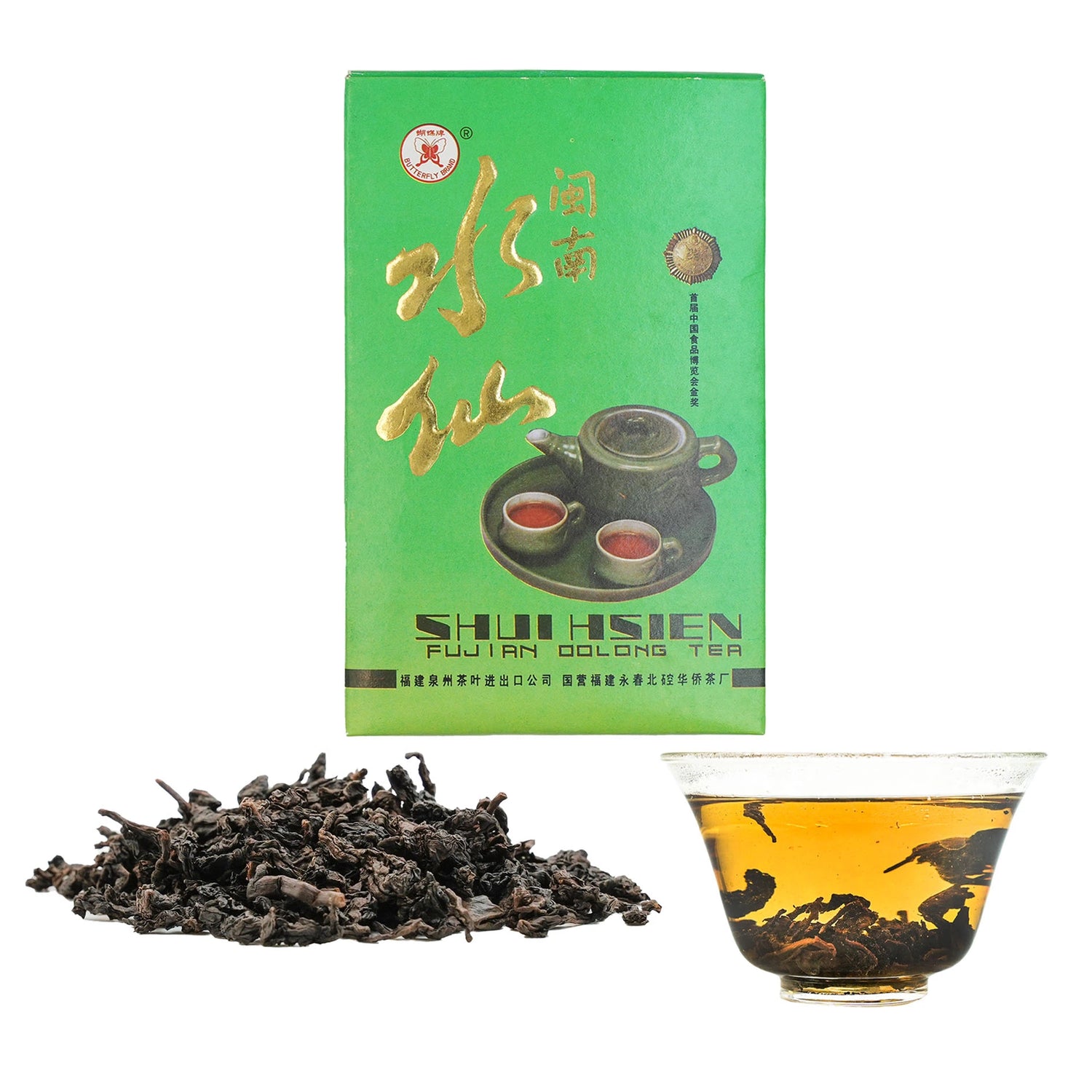
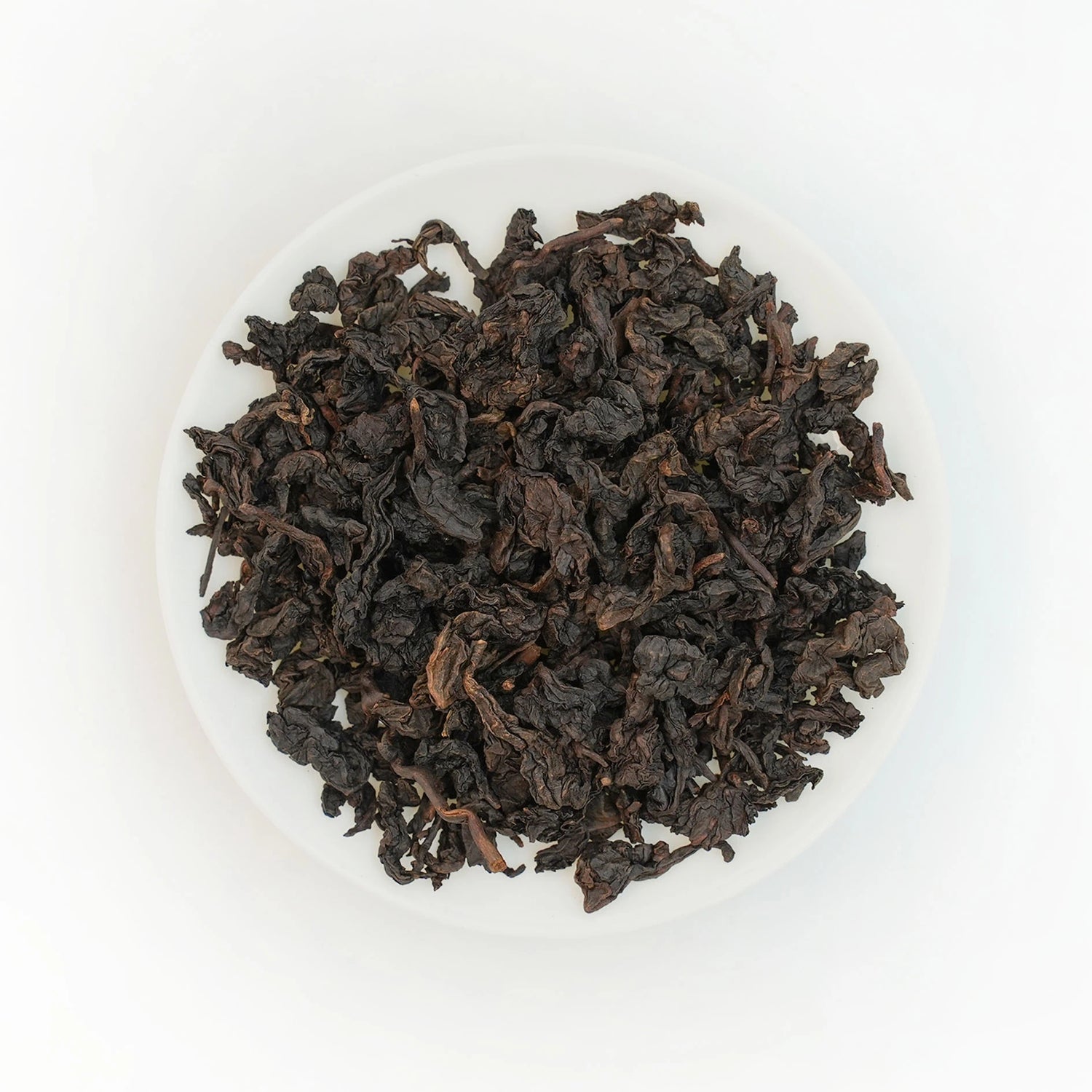
This Southern Fujian Shui Xian Oolong Tea, produced between 1993 and 1995 and aged for over 30 years in a dry warehouse under sealed conditions, is made from the Shui Xian (Narcissus) varietal sourced from Yongchun, Fujian—the birthplace of this tea. It was jointly produced by Quanzhou Tea Import & Export Company and the State-Owned Yongchun Kong Overseas Chinese Tea Factory in Fujian.
Processed using the Yongchun Shui Xian method, this tea is a classic example of Oolong tea, preserved in its original packaging. It is no longer available on the market. The tea exhibits a distinct aged aroma, accompanied by a subtle medicinal fragrance, with a sweet, mellow flavor and a smooth texture. Its excellent aging results make it a treasured choice for enthusiasts of aged Oolong tea.
Key Details about Southern Fujian Shui Xian
- Origin:Yongchun, Fujian Province, China
- Production Date:1993-1995
- Grade: First grade
- Tea Cultivar:Shui Xian
- Craftsmanship:This tea is processed into oolong tea using the Yong Chun Shui Xian method, with moderate fermentation. It has been naturally aged in a dry storage environment for over 30 years. The tea is packaged in its original sealed cardboard box, with an inner aluminum foil layer for additional protection.
- Flavor Highlights :The tea exhibits a distinct aged aroma, accompanied by a subtle medicinal fragrance. Its flavor is sweet and mellow, with a smooth texture, showcasing excellent aging effects.
What is Southern Fujian Shui Xian Tea?
Southern Fujian Shui Xian Tea originated in Northern Fujian and was introduced to Yong Chun during the Daoguang period of the Qing Dynasty. Over time, its processing techniques evolved by blending the characteristics of Northern and Southern Fujian oolong teas, resulting in a unique method that enhances the tea's durability for multiple infusions, intensifies its orchid-like aroma, and produces a bright yellow liquor with a sweet, mellow, and refreshing flavor. Beyond its exceptional taste, Southern Fujian Shui Xian Tea offers numerous health benefits, such as activating the autonomic nervous system, reducing stress, enhancing energy metabolism, breaking down fats, and lowering cholesterol, making it a cherished choice for both tea enthusiasts and health-conscious individuals.
Brewing and Enjoyment Tips
This tea showcases the unique transformation brought by time. The first infusion can be used as a "tea awakening" step to activate the tea's inner qualities, resulting in a richer, smoother texture and a more pronounced sweet aftertaste. For the best experience, we recommend using longer steeping times or boiling methods to fully unlock its aged characteristics.
Recommended Brewing Methods
Gaiwan Brewing :
- Capacity:110ml Gaiwan
- Water Temperature:100℃
- Brewing Times:5-7 times
- Tea Water Ratio:1:22
- Brewing Time Once:For brewing, begin with a quick rinse (1-2 seconds) and discard the liquid. For the first three infusions, steep the tea for just a few seconds and pour out immediately. After that, gradually extend each subsequent infusion by 5-10 seconds to adapt to the evolving flavor profile.
Storage Guidelines
To ensure the best quality of tea, the ideal way to store it is in vacuum-sealed packaging, kept in a cool, dark, and dry place. Avoid exposure to strong odors and air. For sealed storage, using a tin can or a double-lidded metal can is recommended. For even better results, you can store the sealed tea in the refrigerator or a dry storage container.
Weight & Packaging:
Weight : 4.4oz (125g)
Packing Type : Original paper box sealed packaging, inner aluminum film sealed packaging
About Yongchun Beikeng Overseas Chinese Tea Factory
Established in 1958, the state-owned Fujian Yongchun Beikeng Overseas Chinese Tea Factory carries a rich history and cultural heritage of tea production. At its peak, the factory was a bustling hub of innovation and craftsmanship, employing over 1,000 tea workers and producing millions of pounds of tea annually. Its teas, including Tieguanyin, were exported to Hong Kong, Taiwan, Japan, and Southeast Asia, earning widespread acclaim and becoming a shining symbol of Fujian's tea culture.
However, by the 1990s, the factory fell into decline, and its once-vibrant grounds grew quiet. Unable to bear seeing his life's work fade away, the veteran factory director, Huang Shenghou, took over after its privatization, dedicating himself to reviving the factory and preserving its tea-making legacy.
Today, the factory's aged Tieguanyin not only embodies decades of tea-making expertise but also continues to showcase the timeless charm of Yongchun's Tieguanyin. The story of the Fujian Yongchun Beikeng Overseas Chinese Tea Factory reflects the dedication and innovation of generations of tea artisans, and its aged Tieguanyin carries forward this remarkable legacy.


Recommended Purchase :
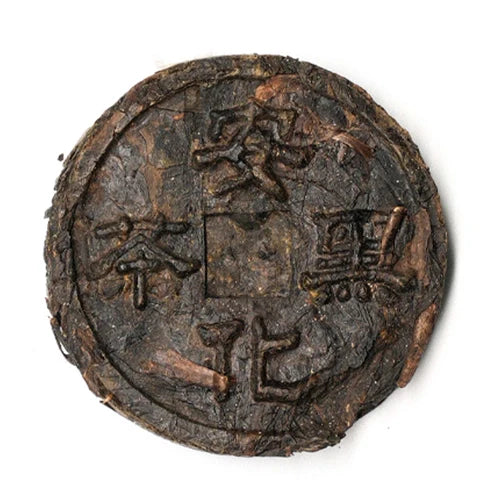
This Hei Zhuan Tea (Black Brick Tea), produced in 2011 and aged for 14 years in a dry northern warehouse, is made from authentic Gao Ma Er Xi dark raw tea through a process of steaming and compression. It is produced by Hunan Jiuyang Tea Co., Ltd. and meticulously crafted through steps including crushing, sifting, fermentation, steaming, machine pressing, and drying. This tea is no longer available on the market.
The brick features a smooth surface, clear patterns, well-defined edges, uniform thickness, and a glossy dark brown color. After years of aging, it develops a distinct aged aroma accompanied by woody notes, offering a rich, mellow flavor and a smooth, refined texture.This Hei Zhuan Tea was awarded the Special Gold Medal at the 2009 Shanghai Tea Expo, making it a classic masterpiece from Jiuyang Tea Factory.
Key Details about Hei Zhuan Tea Dark Tea :
- Origin:Anhua County, Hunan Province, China
- Production Date:2011
- Grade : First Grade
- Tea Cultivar :Gao Ma Er Xi Original Group Variety
- Craftsmanship :This Hei Zhuan Tea (Black Brick Tea) is made using Anhua dark raw tea as its base material. After the raw tea arrives at the factory, it undergoes a series of processes, including sifting, winnowing, crushing, and blending, to create a semi-finished product that meets strict standards for uniformity and purity. The semi-finished product is then further processed through steaming, pressing, roasting, and packaging to produce the final Black Brick Tea.
- Flavor Highlights :The tea exhibits a distinct aged aroma, accompanied by woody notes, with a rich, mellow flavor and a smooth, refined texture.
What is Hei Zhuan Tea Dark Tea?
Hei Zhuan Tea (Black Brick Tea) is named for its use of dark raw tea (Hei Mao Cha) as the primary material, which gives the tea its dark, glossy color, and its brick-like shape when compressed. The raw material is sourced from high-quality dark raw tea produced in tea factories in Anhua and other counties.
In the past, the raw material was divided into two types: surface tea (higher quality) and inner tea (lower quality). During compression, the lower-quality tea was pressed inside, while the higher-quality tea was used on the surface. However, since the early 1970s, the labor-intensive and time-consuming traditional process was streamlined. The tea is now blended in the appropriate ratio of surface and inner tea and compressed in a single step.
During production, the raw material is first sifted, shaped, winnowed, and cleaned. It is then blended in specific proportions. For machine pressing, the tea is sterilized using high-temperature steam, compressed under high pressure, inspected and trimmed, and slowly dried before being packaged into the final brick form.
When brewed, Hei Zhuan Tea yields a liquor the color of amber, with a rich, mellow flavor and a pure, clean aroma. Long-term consumption of this tea is believed to aid digestion, regulate metabolism, and provide health benefits and preventive effects for the body.
Brewing and Enjoyment Tips :
This tea embodies the unique transformation brought by time. The first infusion can serve as a "tea awakening" to activate the tea's inner qualities, enhancing its flavor profile. Hei Zhuan Tea (Black Brick Tea) is shaped like a brick. Before brewing, use a specialized brick tea knife or tea pick to gently break the brick into appropriately sized pieces. Avoid using excessive force to prevent damaging the tea leaves.
Recommended Brewing Methods :
Gaiwan Brewing :
- Capacity:100ml Gaiwan
- Water Temperature:100℃
- Brewing Times:5-7 times
- Tea Water Ratio:around 1:20(Adjust according to your own taste)
- Brewing Time Once:2-3 minutes(Adjust according to your own taste),The first time as a wake-up tea can take 3-5 seconds.
Boiling Method :
To brew Hei Zhuan Tea (Black Brick Tea), start with 10–15 grams of tea and 500 milliliters of water. Heat the water until it reaches a rolling boil, then add the tea. Once the water comes back to a boil, lower the heat to a gentle simmer and let it cook for 2 minutes. Turn off the heat, strain out the tea leaves, and serve it hot. If you prefer a lighter flavor, you can adjust the ratio to 1 part tea to 15 parts water (for example, 10 grams of tea to 150 milliliters of water) and follow the same steps.
For a Central Asian-inspired milk tea, brew the tea as described above. Then, mix the strained tea with milk in a 1:5 ratio (1 part milk to 5 parts tea). Add a pinch of salt to taste, stir well, and enjoy this creamy, savory drink.
Storage Guidelines :
To ensure the best quality of tea, the ideal way to store it is in vacuum-sealed packaging, kept in a cool, dark, and dry place. Avoid exposure to strong odors and air. For sealed storage, using a tin can or a double-lidded metal can is recommended. For even better results, you can store the sealed tea in the refrigerator or a dry storage container.
Weight & Packaging:
Weight : 35.3oz (1000g)
Packing Type : Original paper box sealed packaging, inner packaging made of kraft paper
About Hunan Jiuyang Tea Factory :
Hunan Jiuyang Tea Co., Ltd., founded in 1985, is rooted in Youzhou Ancient Town, the birthplace of Anhua Dark Tea. As a leading enterprise in Hunan's dark tea industry, Jiuyang has been dedicated to the dark tea sector for nearly four decades without interruption. Its headquarters is now located in Jiangnan Town, the birthplace of Qian Liang Tea (Thousand Taels Tea), and boasts over 5,000 acres of high-altitude organic tea gardens on glacial rock soil and a standardized production facility spanning more than 20,000 square meters.
Guided by the core philosophy of "heritage and innovation," Jiuyang has preserved the traditional craftsmanship of "Three Bricks" (e.g., Fu Brick, Hei Brick, Hua Brick), "Three Tips" (e.g., Tian Jian, Gong Jian, Sheng Jian), and Qian Liang Tea, while also developing over 100 modern dark tea products. The company has won numerous international and domestic quality awards and is committed to producing "premium dark tea" as a testament to its dedication to excellence. Jiuyang continues to promote Anhua Dark Tea culture on the global stage.
Recently viewed products
Shop with Confidence at iTeaworld

Not satisfied? Get a full refund within 30 days — no return needed

Free tea samples with tea order
Buy 1 get 1 sample. Buy 2 get 2. Buy 3+ get 3 free sample