







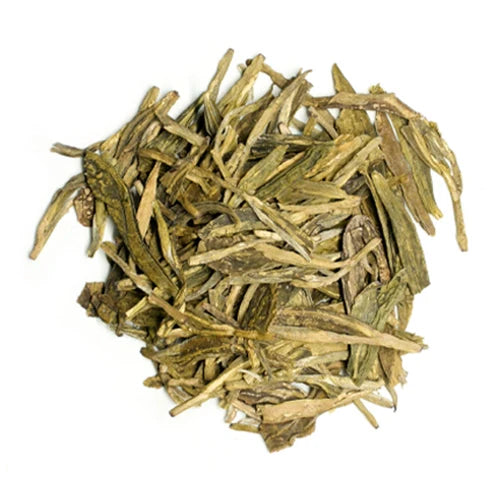










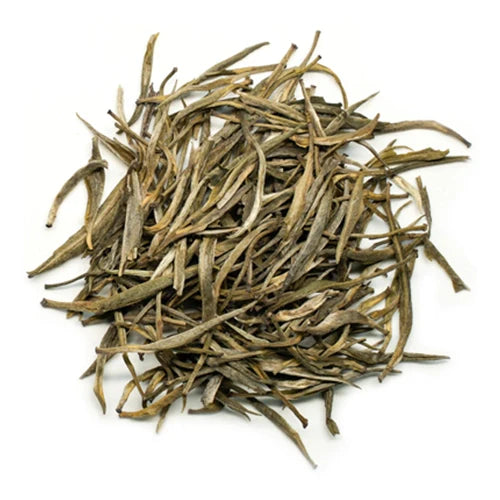

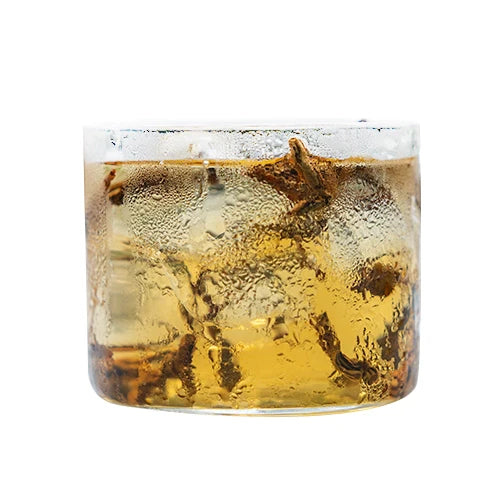


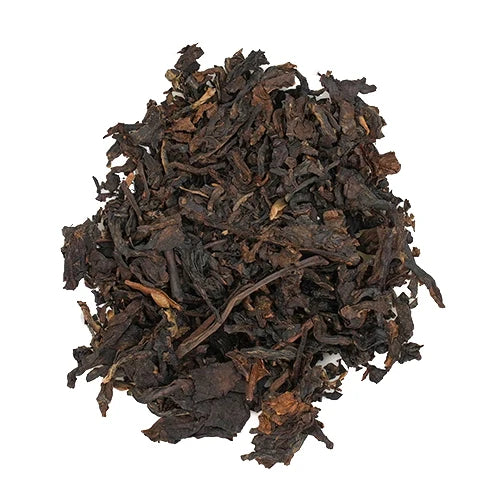


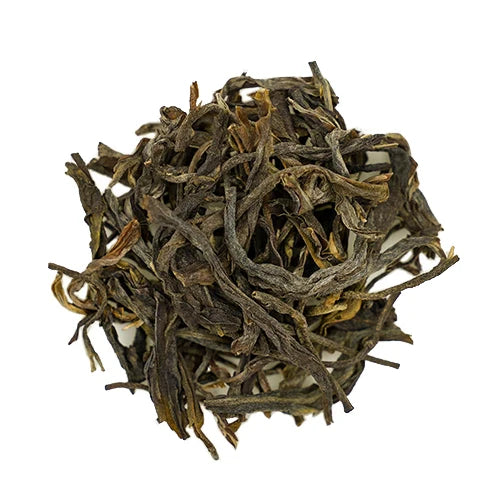










Most people picture Longjing tea as bright, tender, and green. But if you look closely at what’s sold today, you’ll notice two distinct styles: a greener version and a more yellow version. So… why do they look different? And does the color tell you anything about flavor?
This guide walks you through why these two colors exist, how they develop, and what each one tastes like.
Why Do These Two Colors Exist?
1) It all comes down to the final pan-firing step
During Longjing processing, the last stage is called “hui guo.”
This step finishes the shaping and drying, helps lock in aroma, and gently removes the tiny hairs on the leaf surface.Temperature and timing here directly affect the final color:
• Higher heat or longer firing → yellowish Longjing
Chlorophyll breaks down more, turning the tea a warm “rice-yellow.”
This style usually brings richer aromas such as bean flower, toasted soybean, or chestnut. The taste is fuller and more rounded. This is known as the rich-aroma style. It stores better and is less irritating to the stomach.
• Lower heat → greener Longjing
This preserves more of the tea’s fresh, delicate character. You’ll get clean bean-flower fragrance or a gentle vegetal aroma. The taste is brisk, sweet, and refreshing — the light-aroma style. This style is less stable in storage and can feel more aggressive on the stomach.

2) Why did two firing styles develop?
Traditionally, all Longjing was yellowish, with Shifeng Longjing as the iconic example.
After 1949, as production expanded, farmers in Meijiawu developed a greener-colored version.
At the same time, Yellowish tea was often mistaken for “aged tea,” which made it harder for regular buyers to accept. The greener version looked fresher and matched what people expected green tea to be, so it became more popular.
Still, many experienced tea drinkers continue to prefer the classic yellow Longjing for its depth and warm flavor.
Color Differences Across Longjing Regions
Longjing is produced in three official regions:
West Lake, Qiantang, and Yuezhou.
As long as the tea is grown in these regions, made from approved Longjing cultivars (such as Longjing Group, Longjing 43, Longjing Changye, Yingshuang, Jiukeng, etc.), and crafted using traditional Longjing processing, it can be called Longjing tea.
Here’s how they differ:
1) West Lake Longjing
Where it’s grown:
Within Hangzhou’s West Lake Scenic Area, only 168 square kilometers.
It’s the rarest region and produces about 10% of all Longjing.
Flavor profile:
Flat, smooth leaves; yellow-green or rice-yellow color. Aromas are elegant: bean flower, orchid, or tender chestnut. Taste is fresh, sweet, gentle, with quick returning sweetness. Liquor is a light, bright green. The most traditional West Lake style is the classic rice-yellow look.

2) Qiantang Longjing
Where it’s grown:
Areas outside West Lake within Hangzhou — including Xiaoshan, Yuhang, Fuyang, Lin’an, Tonglu, Jiande, and Chun’an. About 30% of total production.
Flavor profile:
Flat but slightly looser leaf appearance. Color is a darker green. Aromas center on bean fragrance with hints of chestnut or fresh-cut grass. Taste is refreshing with clear sweetness.
3) Yuezhou Longjing
Where it’s grown:
Shaoxing and surrounding regions such as Xinchang, Shengzhou, Zhuji, Shangyu, Dongyang, and Tiantai. This is the largest production area, accounting for around 60% of all Longjing. Famous teas like Dafou Longjing and Yuexiang Longjing come from here.
Flavor profile:
Compared with West Lake tea, the leaves may look slightly less uniform. Aroma is stronger: pronounced toasted bean, fresh fava bean, or chestnut notes. Some teas even carry a hint of roasted rice. Taste is fuller and slightly astringent. Both yellow and green styles exist here.

If you’d like to learn more about Yuezhou Longjing, just click the image or the link>>
Which One Should You Choose?
It really depends on your taste preference. Neither style is “better” — they’re simply different expressions of Longjing.
- If you like fresh, crisp, bright flavors, go for the greener Longjing.
- If you prefer richer, toastier, deeper notes, choose the yellowish Longjing.
What matters most is avoiding stale tea, which can look similar to yellow Longjing at first glance.
How to tell fresh yellow Longjing from stale tea:
Fresh yellow Longjing:
- Yellow-green color
- Slightly glossy and smooth
- Natural, soft tone with a hint of green underneath
- Looks lively and fresh
Stale tea:
- Dull, gray-yellow or brownish color
- No shine
- Flat, lifeless appearance
- Looks dry and muted
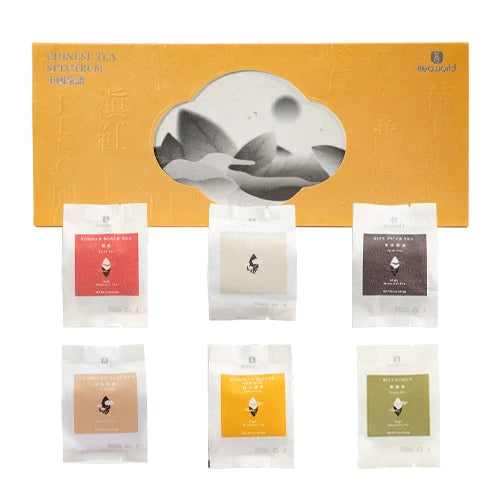
If you want to learn more about different Longjing cultivars, you can also click to purchase our Longjing Variety Sampler.


