
Sort by:
141 products
141 products


This roasted Tie Guan Yin offers a warm, smooth, and full-bodied expression, representing a more rounded and mellow style within traditional Tie Guan Yin teas.
The tea liquor is rich and silky on the palate, with pronounced roasted aromas accompanied by subtle nutty and toasty notes. Compared with fresh-style Tie Guan Yin, it has less brightness and briskness, but a noticeably deeper warmth and fuller body.
Through medium oxidation and slow charcoal roasting, the tea’s astringency is further softened, resulting in a rounder, more approachable cup with enhanced depth and structure.
Ideal for those who enjoy roasted, warming oolong teas with a smooth and comforting character.

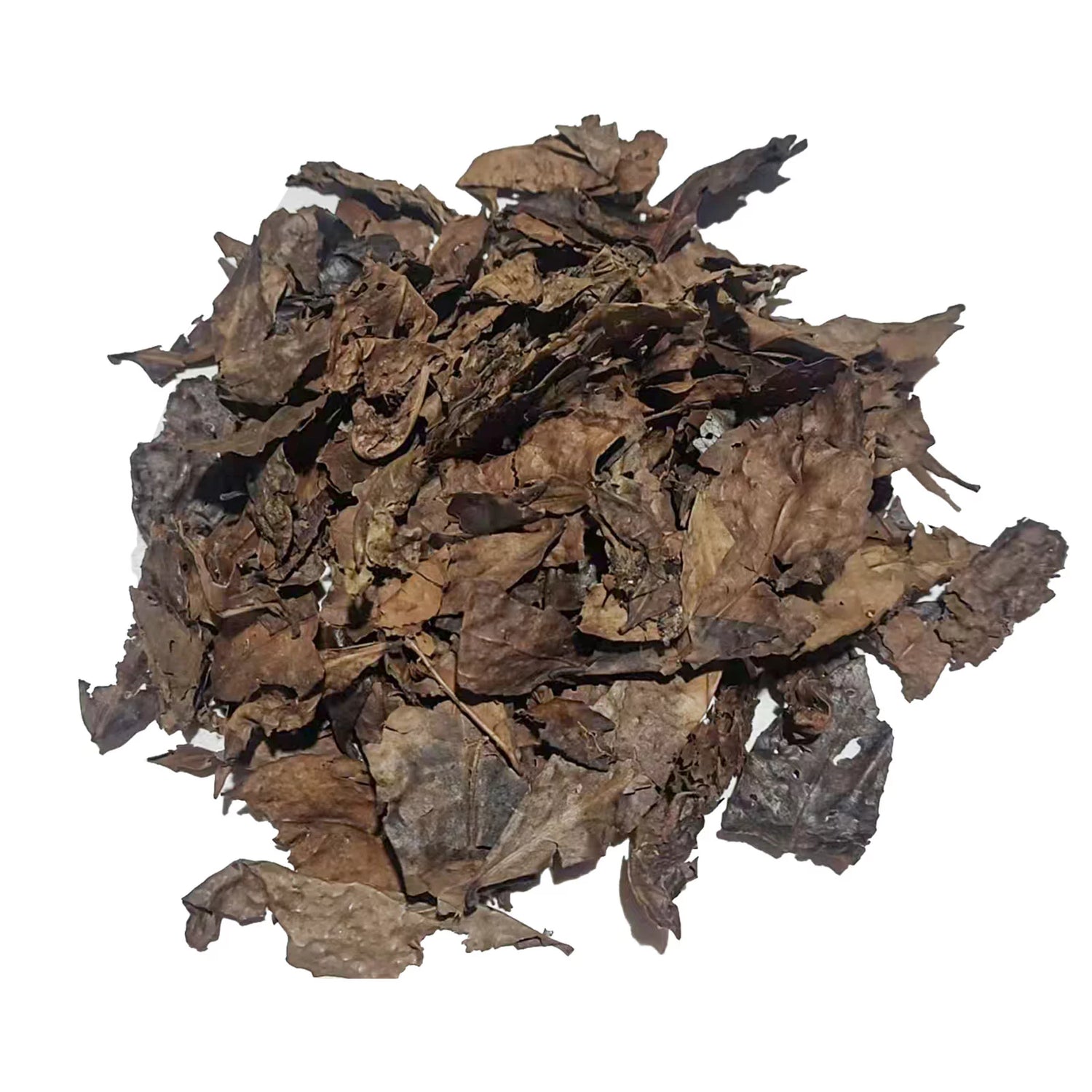
A rich and mellow Liubao tea with a cool herbal aroma, deep body, and long-lasting sweetness. The smooth, full-bodied liquor has a distinctive forest-like character, with a gentle herbal note that lingers pleasantly after each sip.
Perfect for: Tea drinkers who enjoy aged teas, herbal aromas, rich textures, and a deep, lingering finish.
Best for: Slow sipping, quiet evenings, and boiling over a gentle heat to bring out its deeper aroma and sweetness.
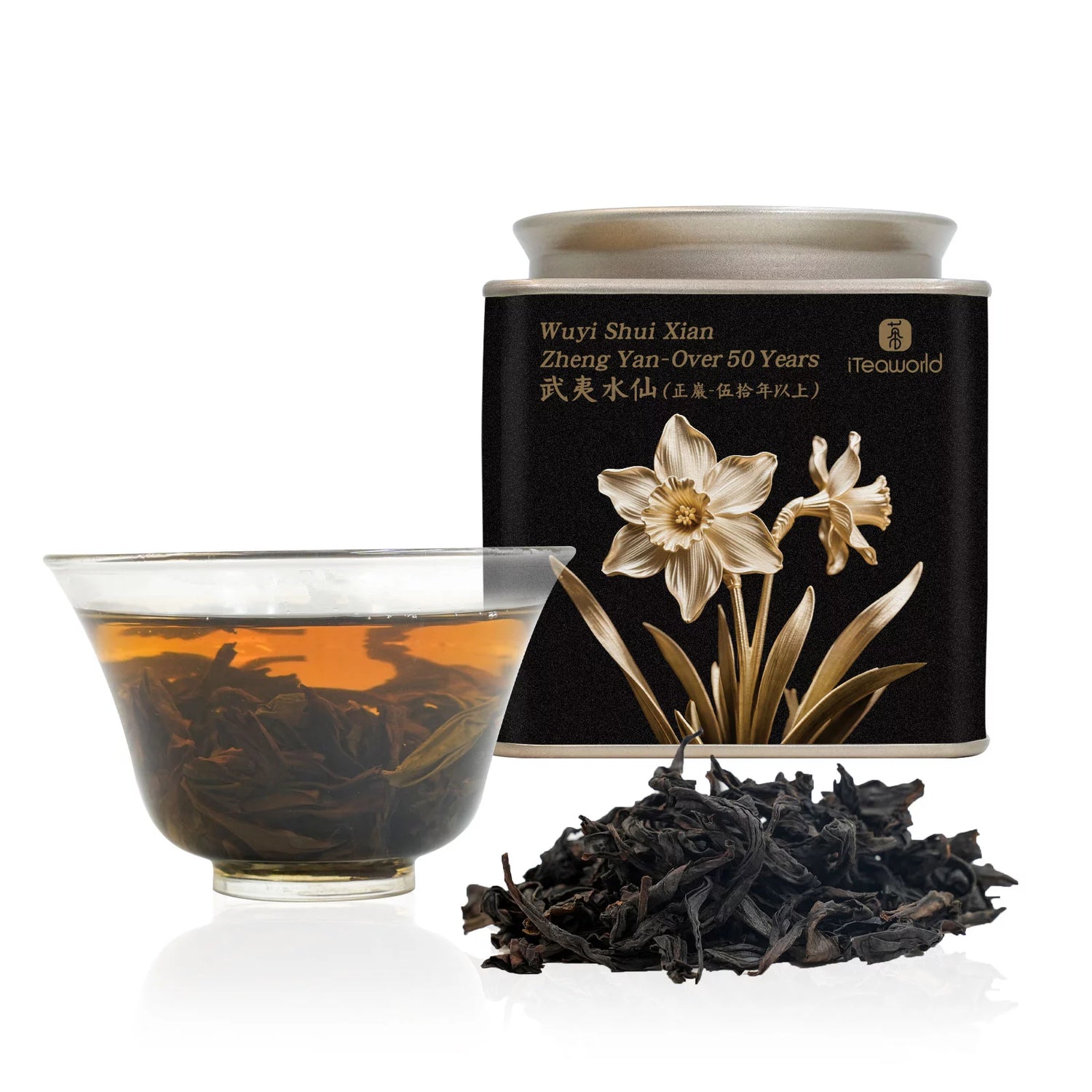
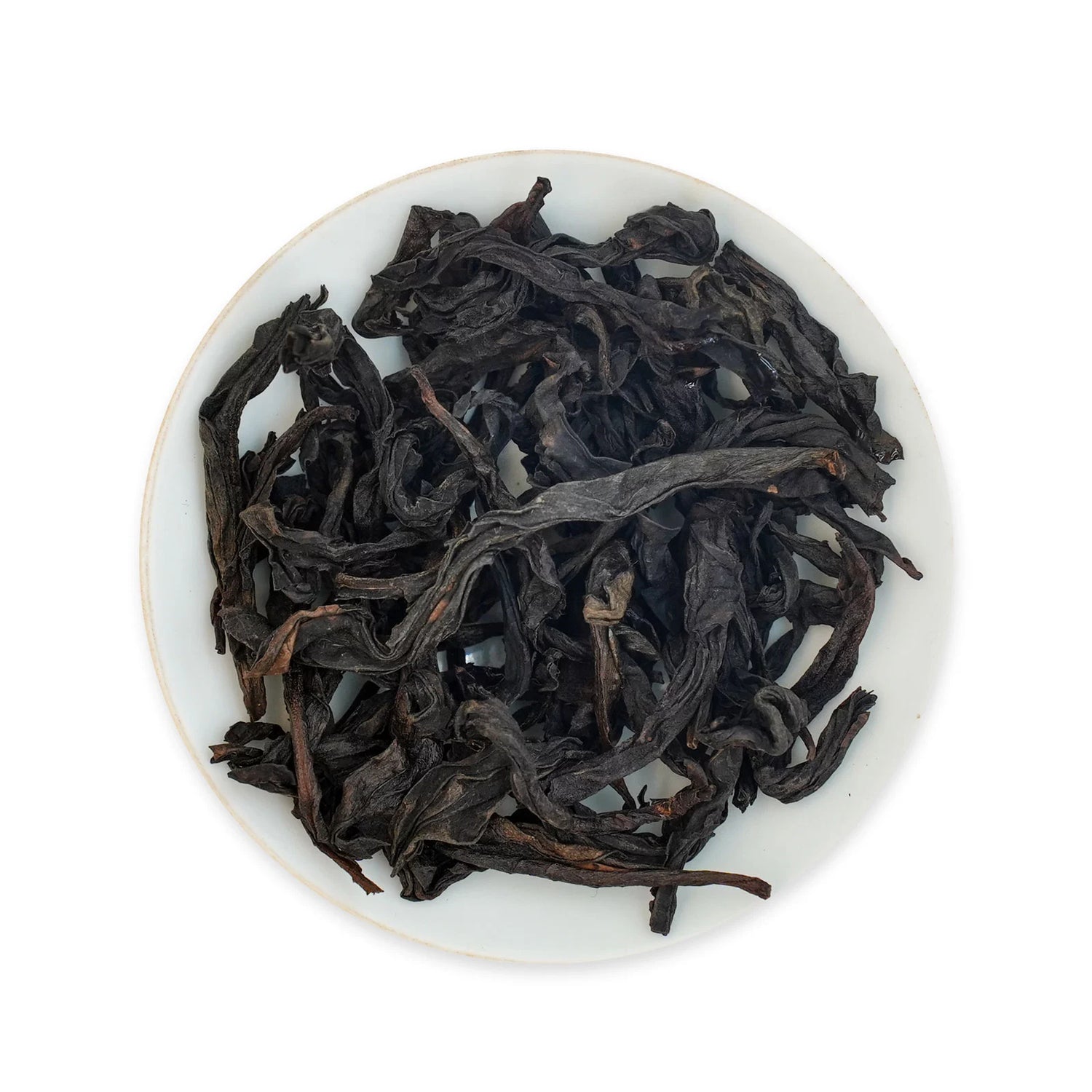
This Top Grade Laocong Shui Xian is crafted for tea drinkers who appreciate the deep, traditional character of classic Wuyi rock oolong tea. Made from leaves harvested from 50+ year-old tea trees growing in the Zhengyan region near Yunu Peak — one of the well-known scenic and tea-growing areas within the core Wuyi Mountain terroir — this tea expresses the distinctive old bush character that Shui Xian is prized for.
Compared with younger tea trees, Laocong Shui Xian develops a fuller body, deeper texture, and more layered flavor profile. The tea features pronounced woody and mossy aromas, accompanied by a smooth, velvety mouthfeel and the grounded mineral depth characteristic of authentic Wuyi Yancha. Gentle roasting adds warmth and structure without overpowering the tea’s natural complexity.
Rich, mellow, and deeply expressive, this traditional Wuyi rock tea is ideal for those who enjoy wood notes and the bold, mature character of old bush oolong teas.
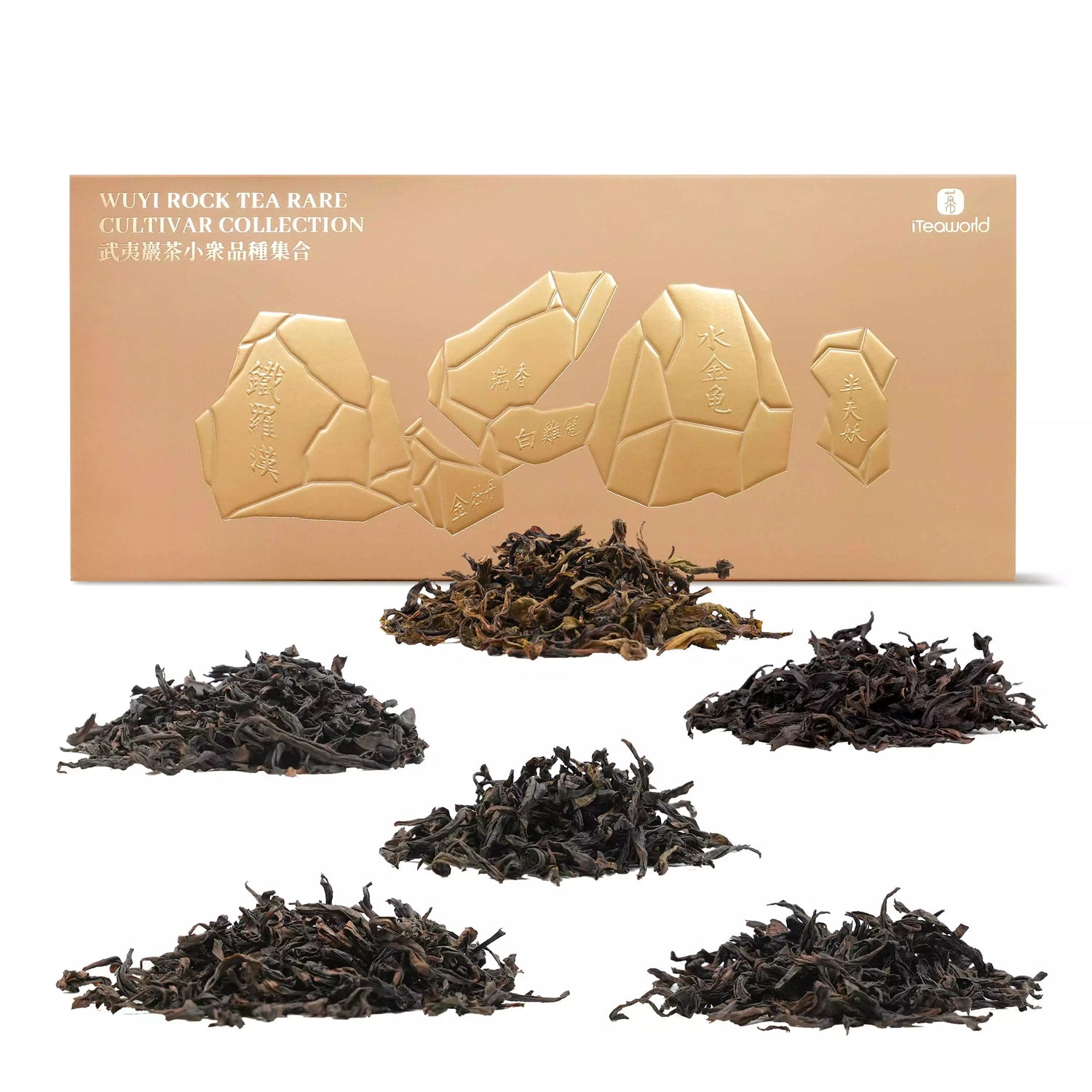
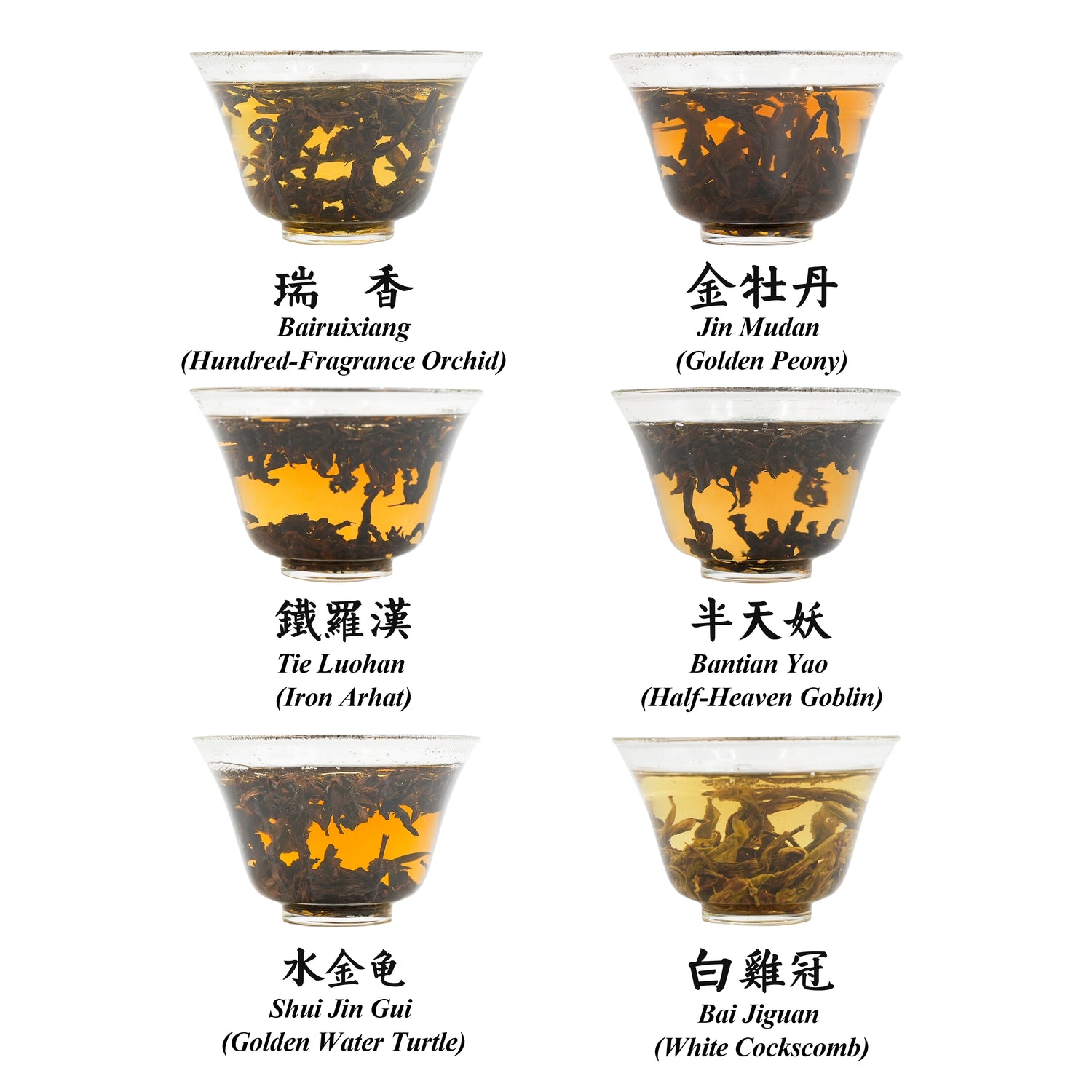
Rare Wuyi Rock Tea Cultivars: Hidden Gems from the Core of Zhengyan
While teas like Da Hong Pao, Rou Gui, and Shui Xian have become well-known representatives of Wuyi Rock Tea, the rare cultivars—such as Tie Luo Han, Bai Ji Guan, Shui Jin Gui, and Ban Tian Yao—tell a deeper, more authentic story. These teas originate from wild, heirloom tea trees that have grown for centuries in the heart of the Wuyi Mountains, shaped by natural selection and careful cultivation. They embody the original genetic heritage of Wuyi rock tea.
Grown on remote cliffs and craggy ledges in the Zhengyan core production zone—places like Guidong Cave and Sanhua Peak—these tea trees sink their roots deep into rocky crevices, drawing in rare minerals. The result is a flavor profile marked by the elusive and unmistakable "Yan Yun" (rock rhyme) that connoisseurs revere.
Who would enjoy this tea?
This collection is perfect for those who have explored the classic Wuyi rock teas and are ready to dive deeper into its rare and distinctive varieties. It includes historically renowned teas like Tie Luohan, Bàn Tiān Yāo, Bai Ji Guan, Shui Jin Gui, and Bai Rui Xiang, along with newer, highly sought-after cultivars like Rui Xiang and Jin Mudan. A journey through the diverse flavors and craftsmanship of Wuyi rock tea.


Fuding Gongmei White Tea offers an authentic taste of traditional Fuding white tea, crafted in Fujian’s renowned white tea region using time-honored techniques of slow withering and natural sun-drying. Made from the local “cai cha” tea variety, this tea reflects the classic character of Gongmei with its smooth texture, gentle sweetness, and balanced depth.
Unlike delicate silver needle teas that can feel too subtle for beginners, Gongmei offers a fuller yet approachable flavor profile. It carries the freshness of white tea while developing a soft sweetness and mellow character that makes it enjoyable from the first cup. Over time, proper storage allows its flavor to become smoother and more refined, making it a tea that can be appreciated both now and in the years ahead.
Pressed into convenient 5g loose-leaf cakes, each serving is easy to brew without measuring, making it perfect for everyday enjoyment at home, at work, or while traveling. For those looking to explore authentic Fuding white tea, Gongmei provides a balanced introduction with excellent value.
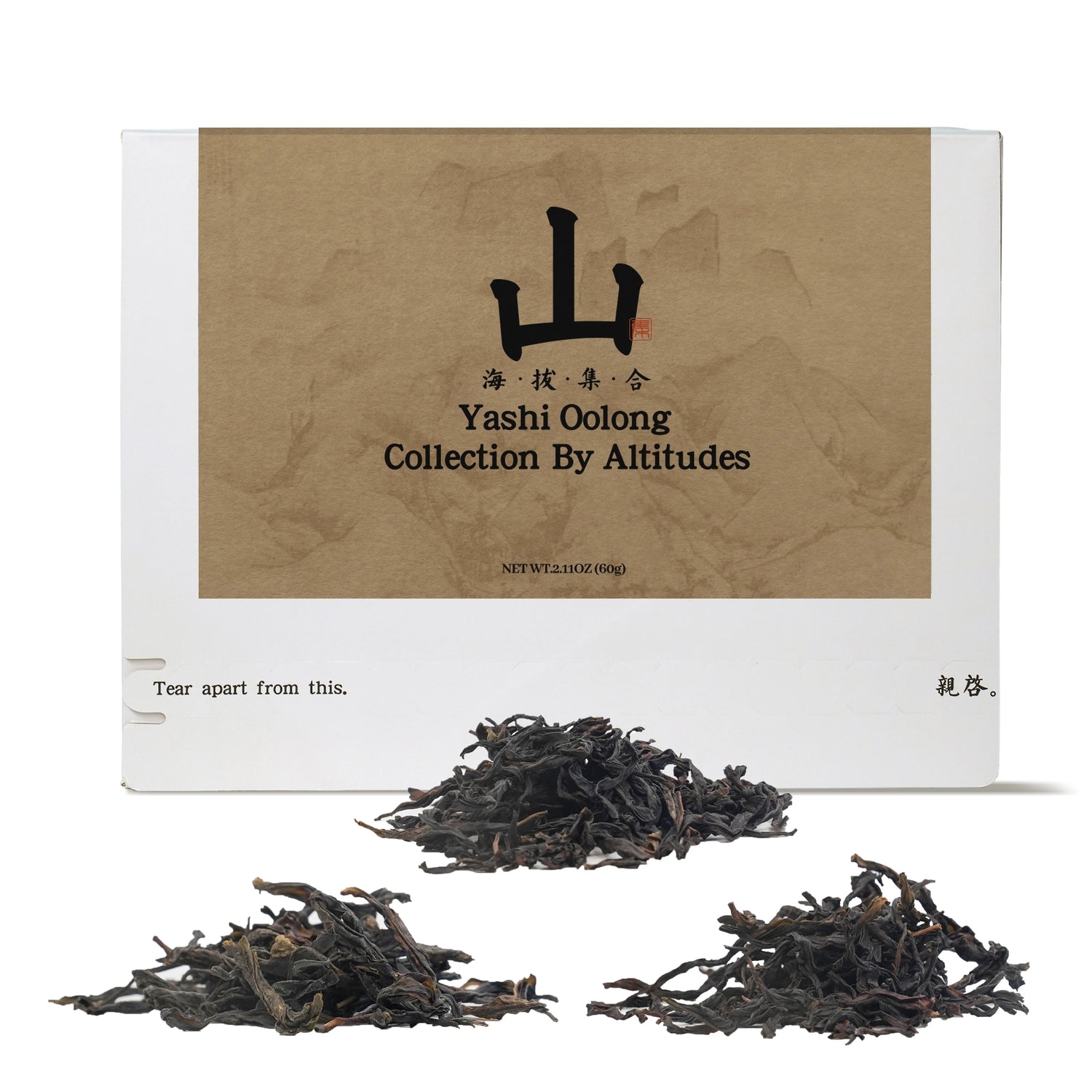
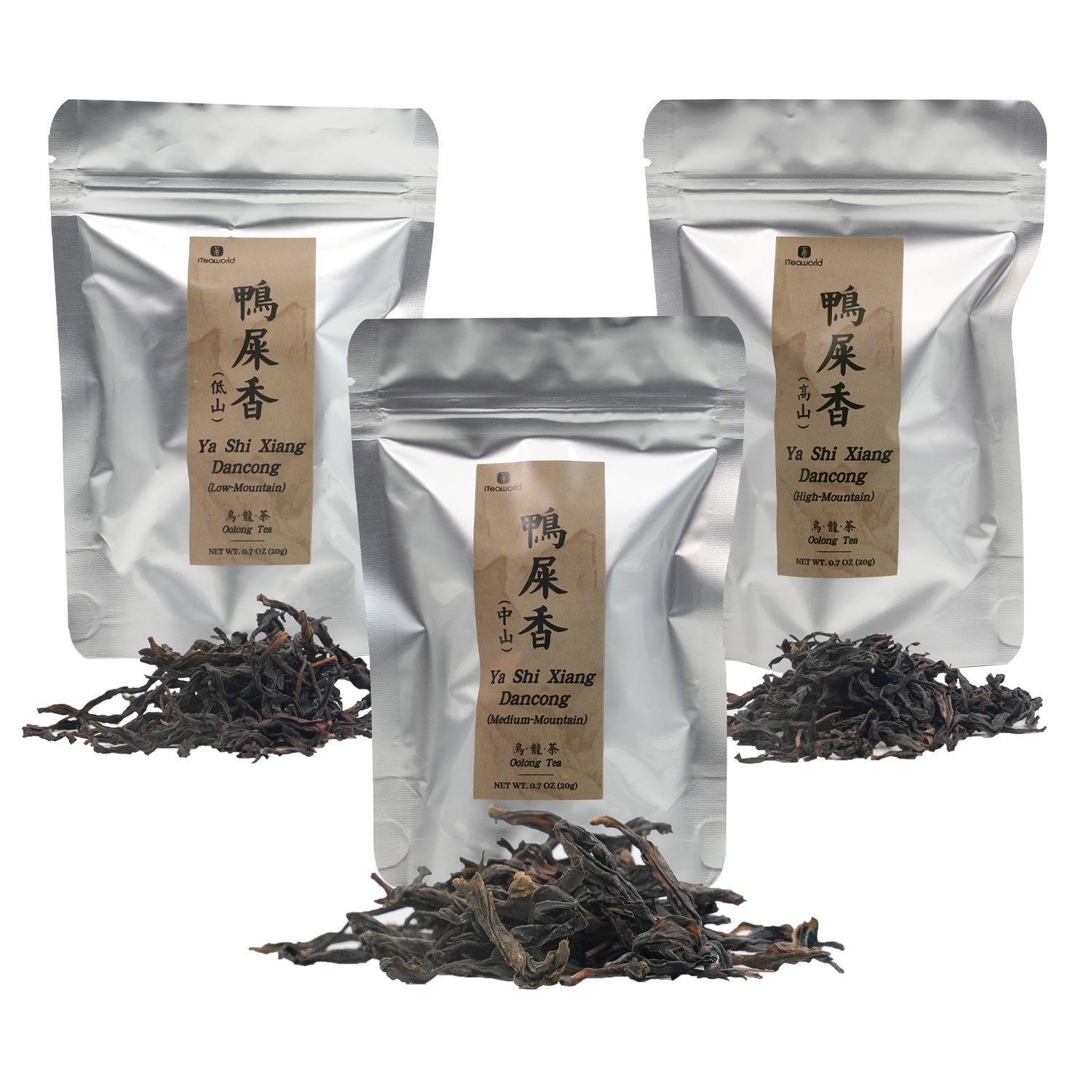
Ya Shi Xiang is one of the most aromatic Dancong oolong teas from Fenghuang Town in Chaozhou, Guangdong, China, known for its naturally expressive floral fragrance and layered complexity.
This collection explores how elevation shapes the character of the same tea. All teas are made from the same Ya Shi Xiang cultivar and crafted by the same tea master, but sourced from different altitudes within the Phoenix Mountains.
As elevation increases, temperature, sunlight exposure, and growing conditions naturally shift, creating subtle yet noticeable differences in aroma intensity, structure, and mouthfeel.
Rather than a single expression, this set offers a guided tasting experience that reveals how geography influences the personality of the same tea in different environments.
Taste them side by side and experience how altitude transforms aroma, texture, and finish.


A classic Chinese pairing designed for moments of restoration. This blend harmonizes the delicate elegance of Hangbaiju Chrysanthemum with the honeyed depth of 2014 Aged Shou Mei White Tea. Beyond the flavor, it is a natural remedy for the digital age—crafted to soothe eyes tired from screen time and clear "inner heat" caused by stress or late nights. It’s a soul-soothing beverage designed to bring clarity and a sense of calm to a restless afternoon.


This Jasmine Piaoxue Green Tea is a refined floral green tea crafted through a traditional four-time scenting process using fresh Jianwei jasmine blossoms and spring-harvested Sichuan small-leaf tea. During scenting, fresh jasmine flowers are layered with tea leaves, allowing the tea to fully absorb the natural fragrance before being carefully dried again.
The result is a tea that is both aromatic and visually elegant. As it steeps, delicate white jasmine petals float gracefully in the cup, creating the signature “Piaoxue” (falling snow) appearance. Light, refreshing, and naturally sweet, it offers a clean floral aroma and a gentle lift that makes it especially enjoyable during busy mornings or work hours. The fresh jasmine fragrance helps create a calm, focused moment, making it a perfect everyday tea to start your day, stay refreshed, and enjoy a naturally uplifting break—whether served hot or cold.
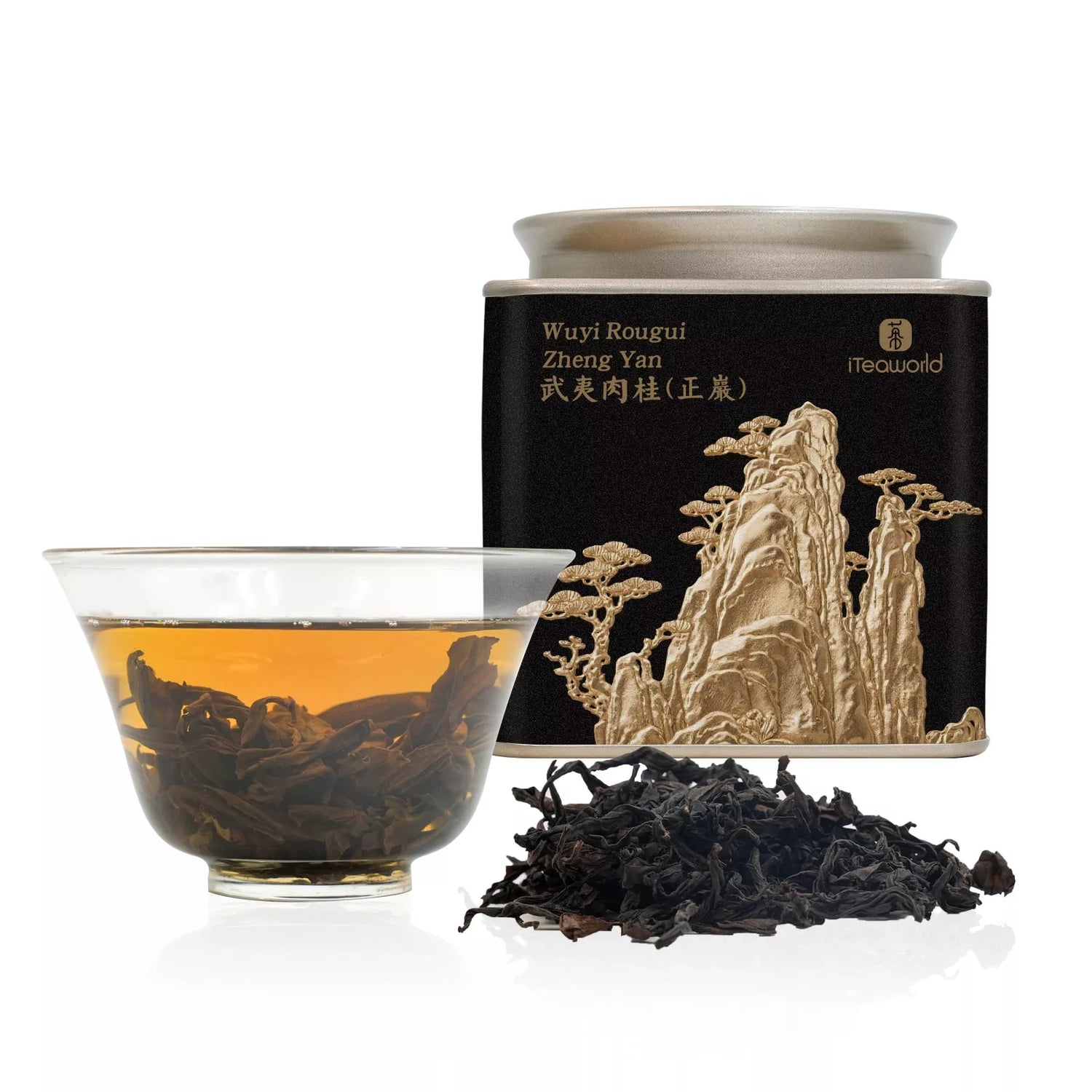
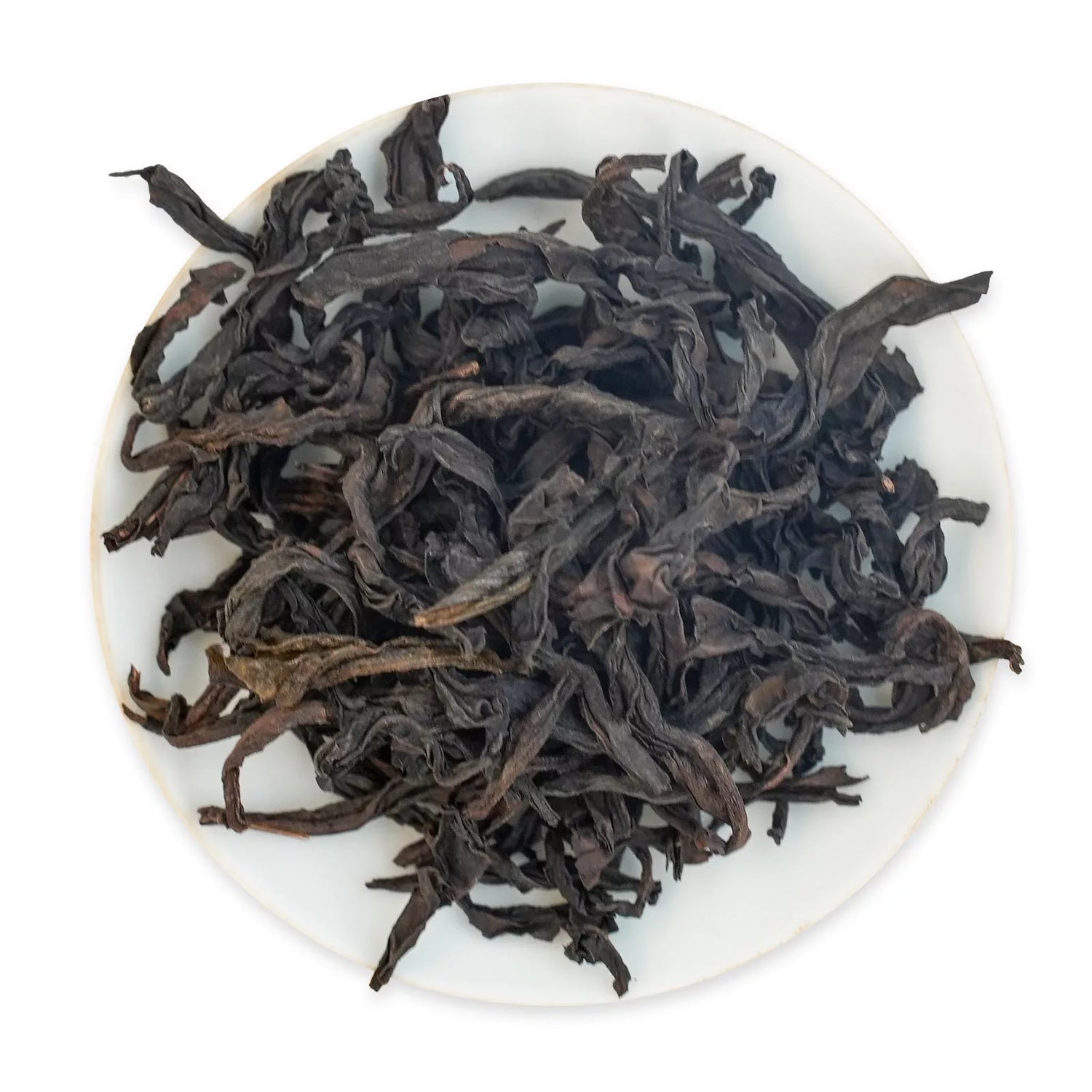
This Rou Gui offers a softer, more refined expression of Wuyi rock tea. Its signature cinnamon-like spice is gentle and elegant, supported by a smooth texture, natural sweetness, and a lingering mineral finish.
Grown in Fo Guo Yan, a lesser-known yet highly regarded site within Wuyi's Zhengyan region, this tea showcases a distinctive side of Rou Gui. Compared with the bold intensity often associated with famous cliff-grown Rou Gui teas, Fo Guo Yan produces a more balanced and graceful character, where sweetness, clarity, and rock rhyme unfold in harmony.
For tea drinkers who appreciate the depth of Wuyi rock tea but prefer elegance over power, this rare-origin Rou Gui offers a rewarding and approachable experience.
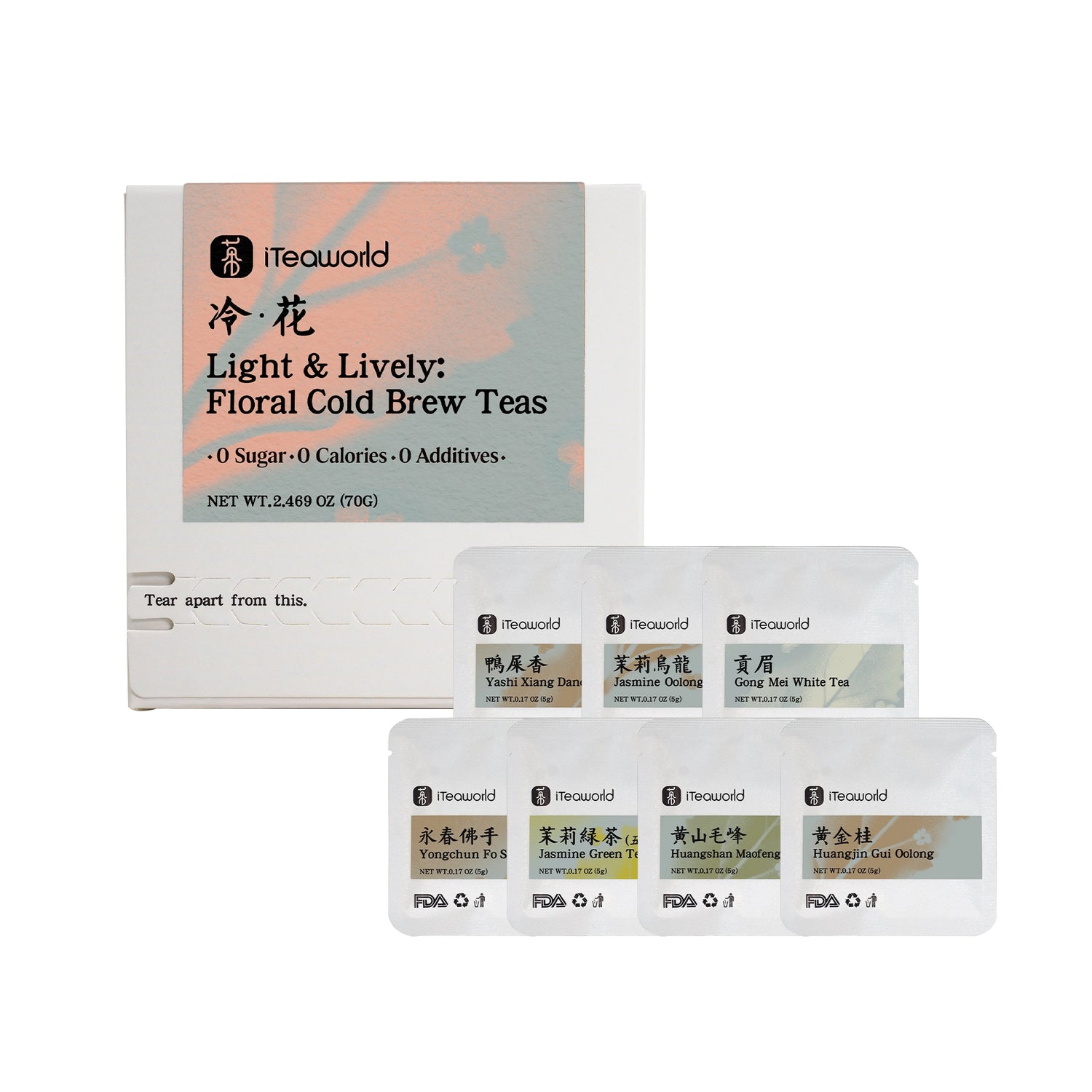
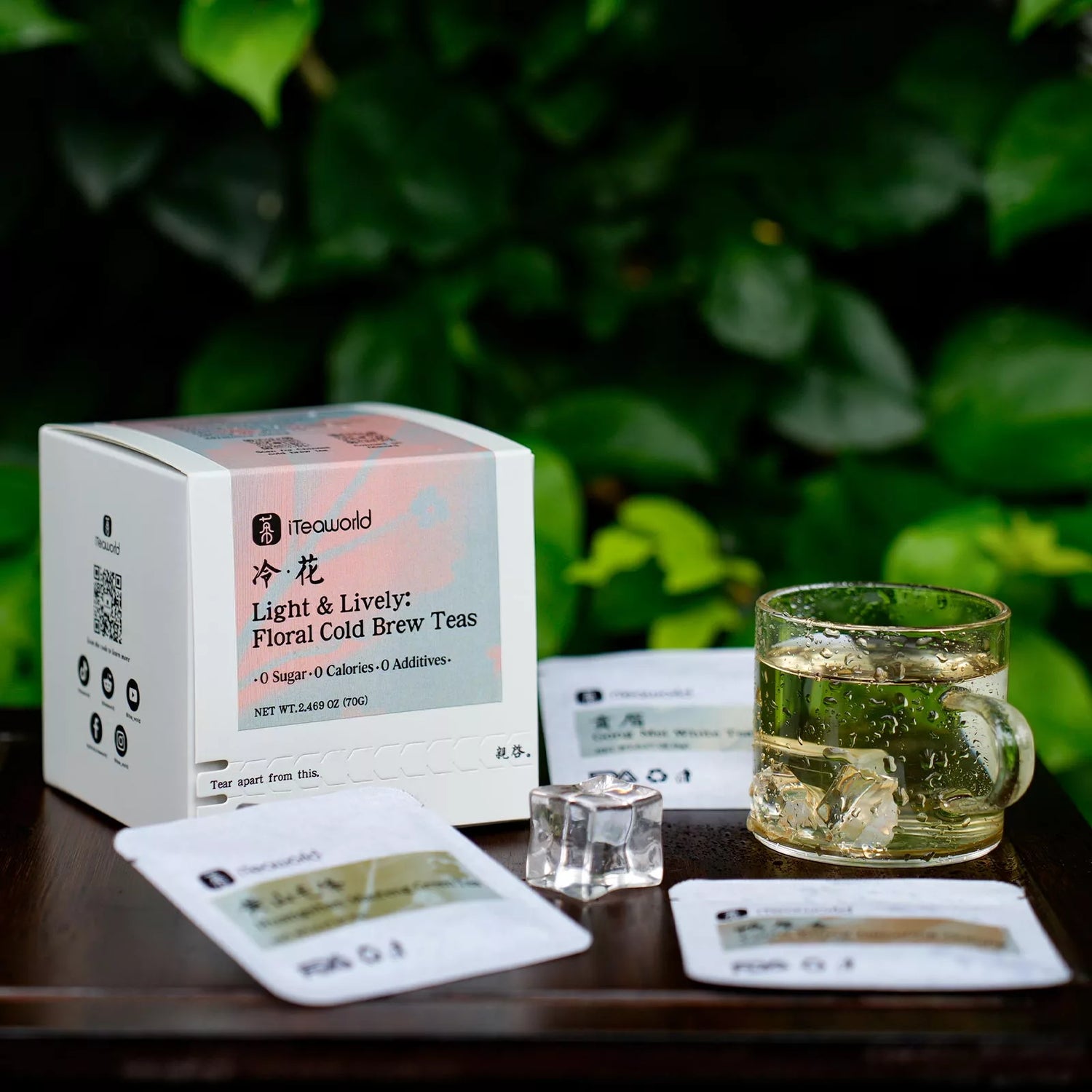
Light & Lively: Floral Cold Brew Teas | 0 Sugar · 0 Calories · 0 Additives - Whole Leaf | 14 Bags
$18.99 USD
Unit price perLight & Lively: Floral Cold Brew Teas | 0 Sugar · 0 Calories · 0 Additives - Whole Leaf | 14 Bags
$18.99 USD
Unit price perLight & Lively Floral Cold Brew Teas | 7 teas perfect for cold brewing.
This tea collection brings together 7 Chinese teas from four classic types — oolong, white, green, and floral tea. Each tea is pressed from loose leaf tea into compact discs, carefully selected from dozens of varieties for their light floral aroma and perfect compatibility with cold brewing.
Small, portable, and effortless to brew — it might just be the easiest and laziest way to steep tea, ideal for travel or as your everyday sampler.
Brewing Tip
For pressed tea discs like Gongmei, and Huangshan Maofeng, we recommend a quick rinse with hot water to open the leaves before cold brewing. This helps the tea release its flavor more quickly and evenly.


Begin your Chinese oolong journey with three classic flavor styles: fresh, floral, and roasted.
Approachable in taste and easy to brew, this starter set helps beginners explore the core flavor spectrum of Chinese oolong tea without feeling overwhelmed.
Taste, compare, and find the oolong style you enjoy most.


Huang Jin Gui is a classic oolong tea from Anxi, Fujian, known for its elegant floral aroma and smooth, naturally sweet character.
This tasting-grade Huang Jin Gui offers fresh floral notes with a soft and silky tea liquor. Its flavor profile is similar to lightly roasted Tie Guan Yin, but with a smoother texture, fuller body, and a calmer, more refined aroma.
Compared with more intensely aromatic oolongs, Huang Jin Gui delivers a gentler and more comforting tea experience that is easy to enjoy daily.
An excellent choice for drinkers who enjoy the fresh floral style of Tie Guan Yin and want to explore a softer, rounder expression of Fujian oolong tea.


Zhangping Shui Xian is a unique compressed oolong tea from Zhangping, Fujian, recognized for its distinctive square-shaped tea cakes, elegant orchid aroma, and smooth, naturally sweet character. Each piece is individually pressed for convenient brewing while helping preserve the tea’s fragrance and freshness.
This Premium Zhangping Shui Xian comes from the authentic growing region of Zhangping. The tea liquor is soft, floral, offering delicate orchid notes with a clean, sweet finish.
Compared with more intense and sharp floral oolongs, this tea presents a calmer and smoother profile, making it especially approachable and comfortable to drink.
An excellent choice for those who enjoy floral oolong teas but prefer a softer, less aggressive tea experience.


Shui Xian is one of the most classic Wuyi rock oolongs, traditionally prized in China for its rich, smooth, and mellow character.
This premium Wuyi Shui Xian offers delicate orchid florals layered with gentle woody notes. The tea liquor is smooth, full-bodied, and comforting, gradually revealing subtle forest-like freshness and a light mineral texture through multiple infusions.
Crafted from a Ban Yan area within the Wuyi region, this tea presents a softer and more approachable expression compared with intensely rocky Zheng Yan teas, while still retaining the roasted depth and gentle mineral character that define traditional Wuyi oolong.
An excellent choice for drinkers looking to explore Wuyi rock tea through a balanced, smooth, and less aggressive style.
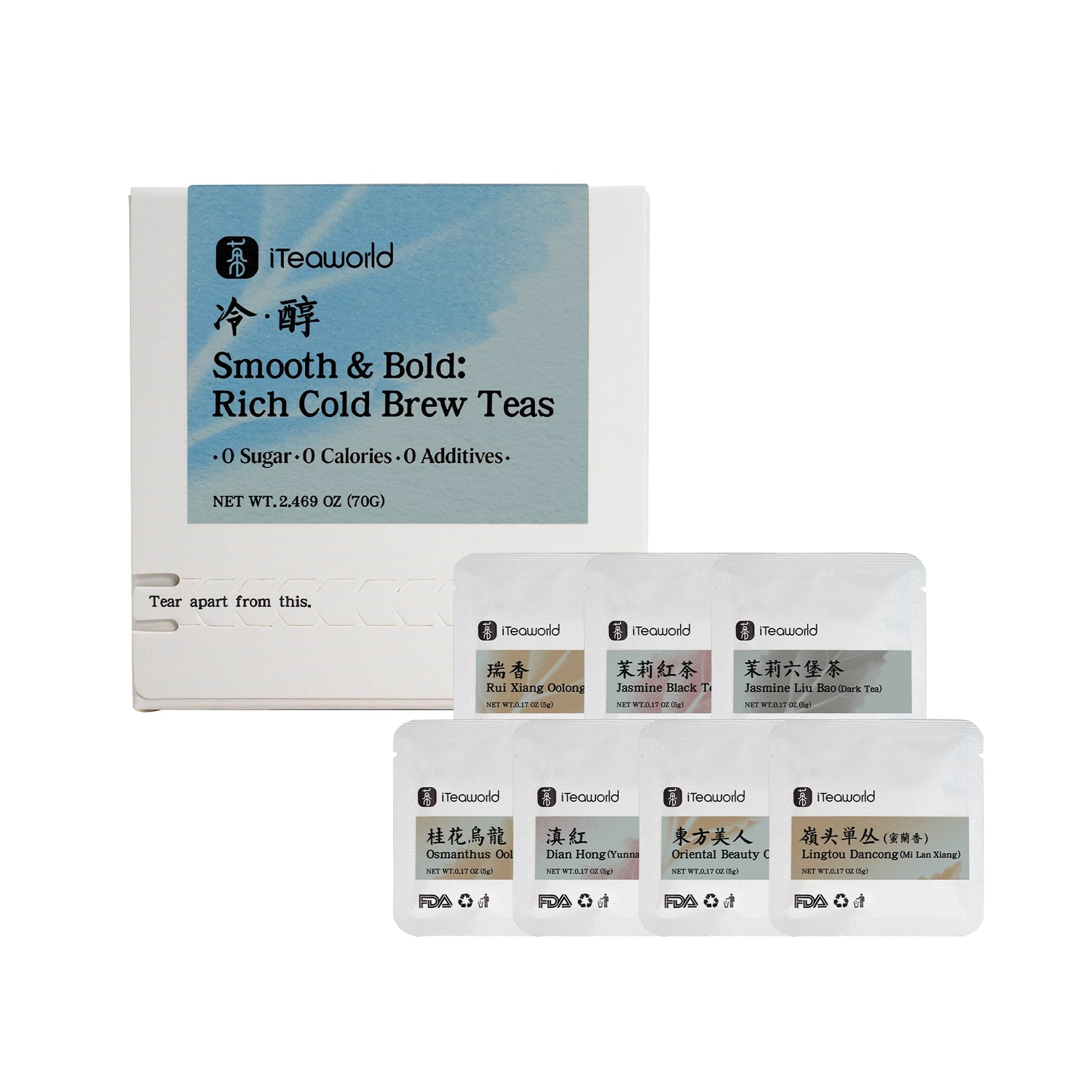
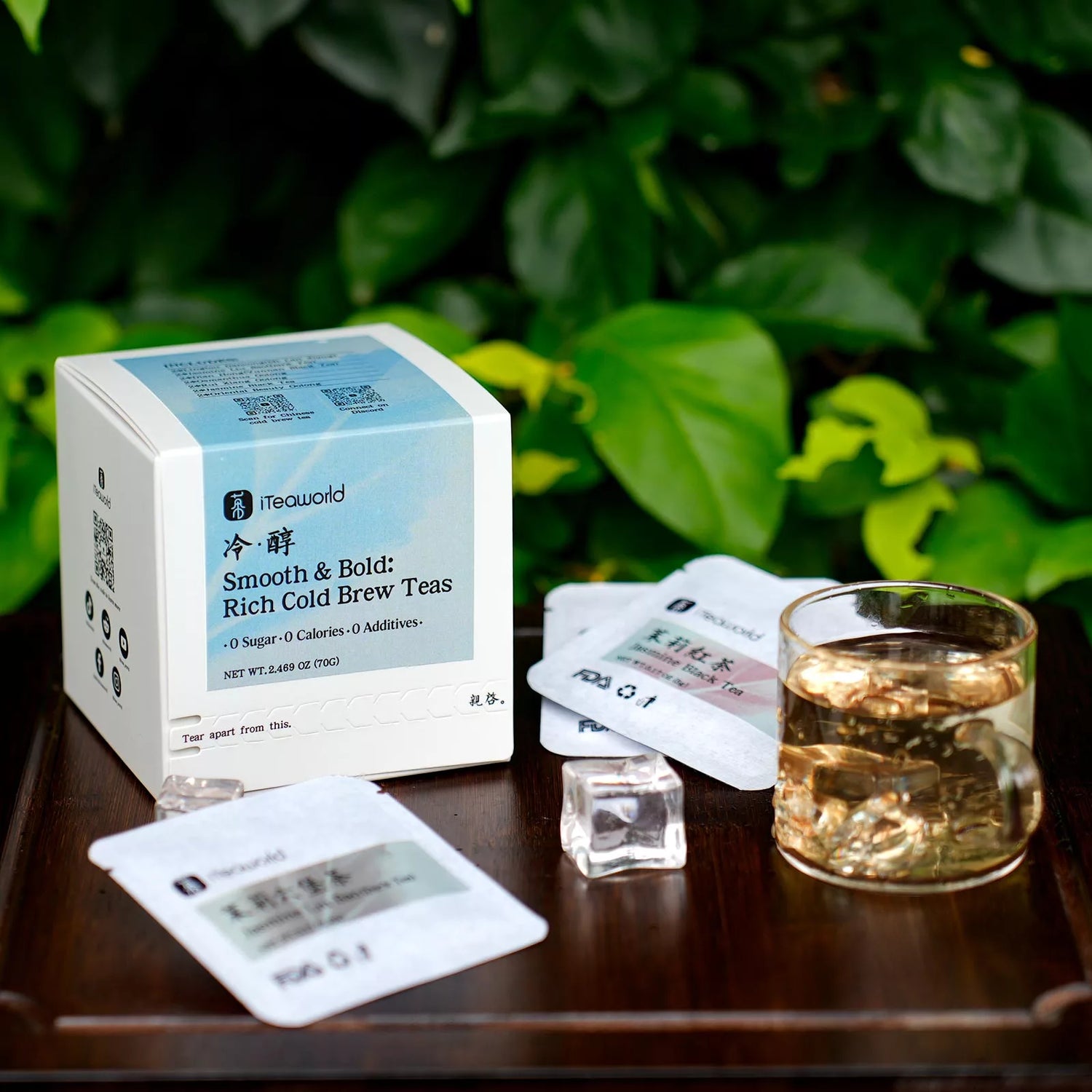
Smooth & Bold: Rich Cold Brew Teas | 0 Sugar · 0 Calories · 0 Additives - Whole Leaf | 14 Bags
$18.99 USD
Unit price perSmooth & Bold: Rich Cold Brew Teas | 0 Sugar · 0 Calories · 0 Additives - Whole Leaf | 14 Bags
$18.99 USD
Unit price perSmooth & Bold: Rich Cold Brew Teas | 7 teas perfect for cold brewing.
This tea collection features seven rich-flavored Chinese teas across three classic types — oolong, floral, and black tea. Each tea is pressed from loose tea into convenient discs, making it perfect for cold brewing, easy to carry, and ideal for travel.
It might just be the easiest and laziest way to steep tea — a delightful everyday sampler you can enjoy anytime, anywhere.
Brewing Tip
For pressed tea discs like Oriental Beauty and Lingtou Dancong, we recommend a quick rinse with hot water to open the leaves before cold brewing. This helps the tea release its flavor more quickly and evenly.
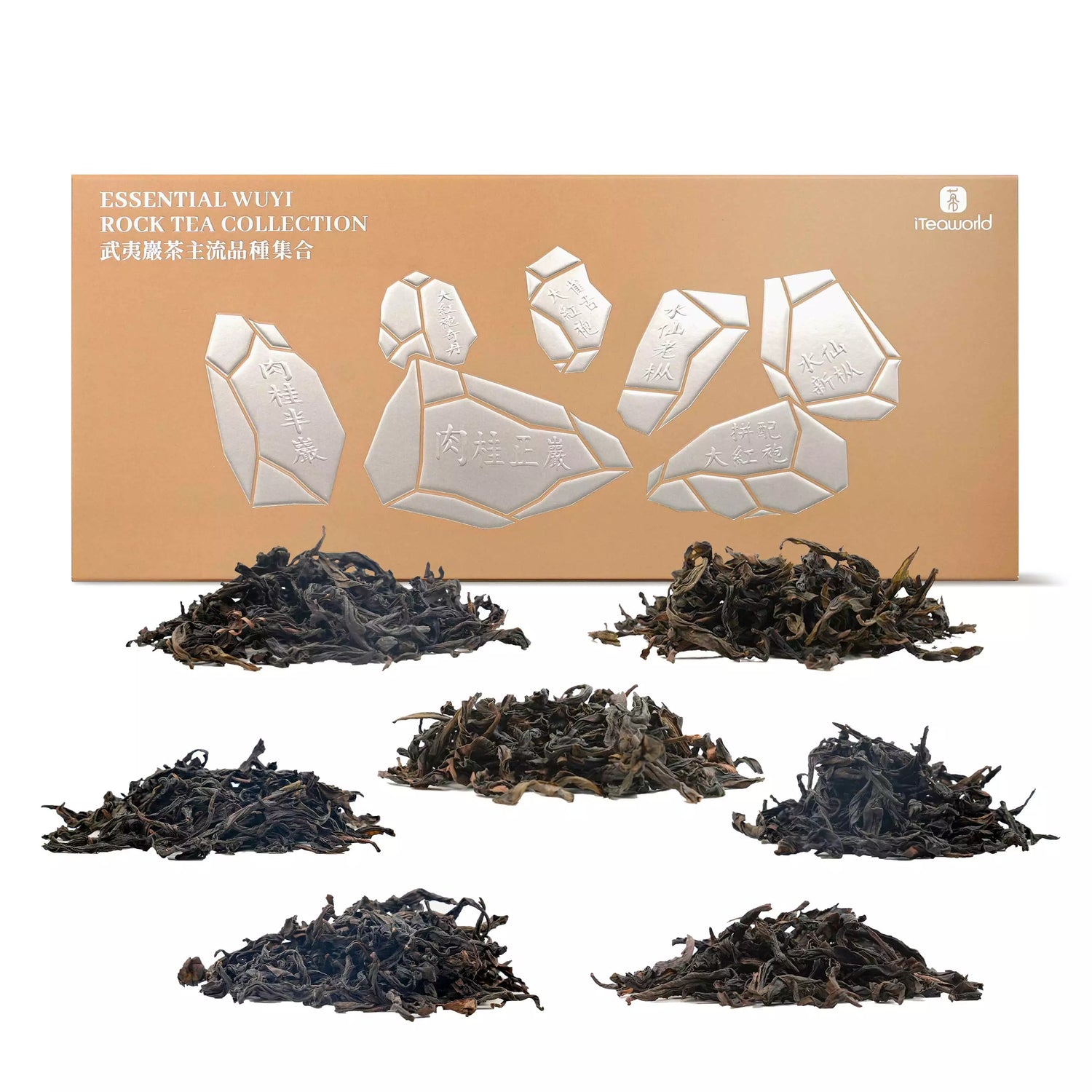
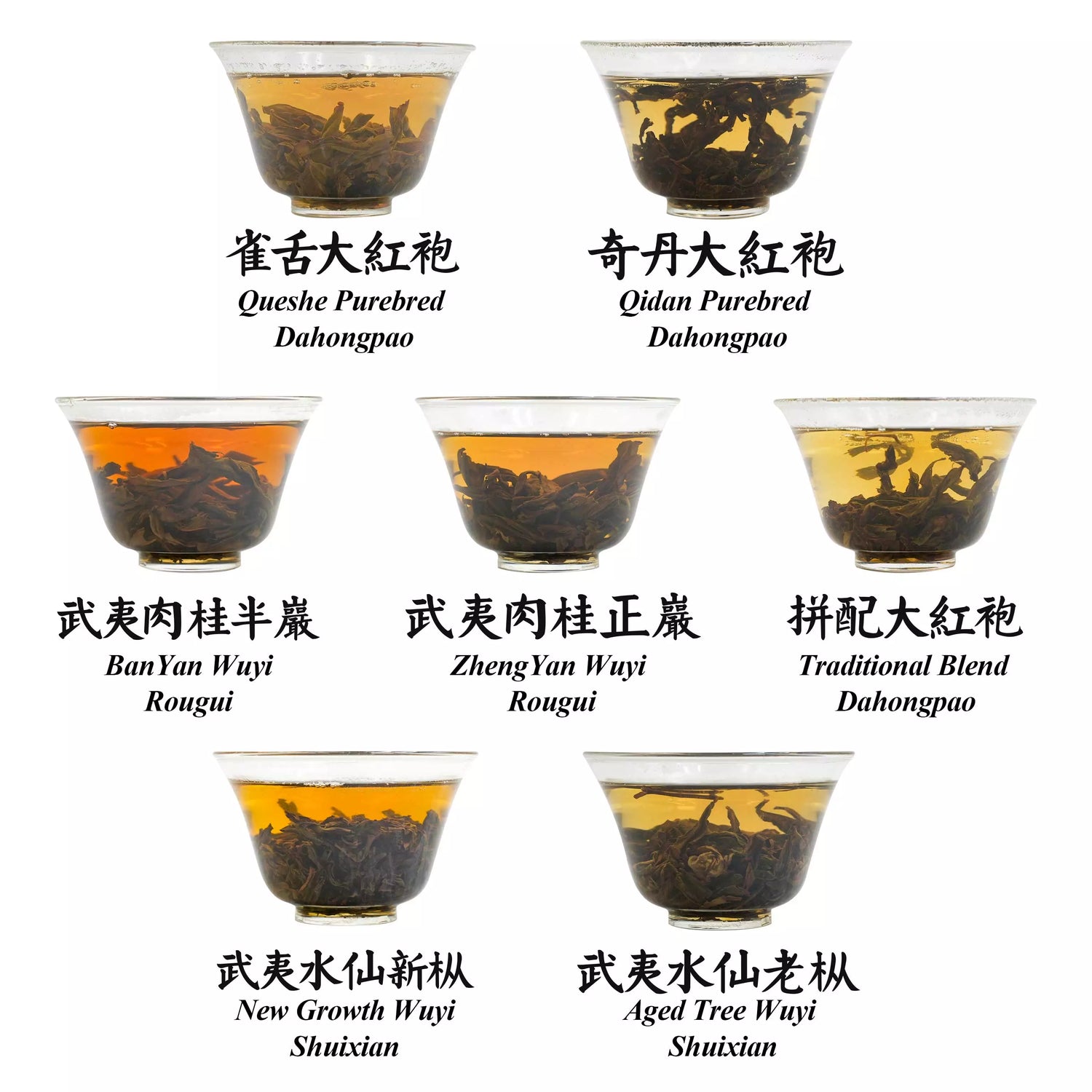
A semi-fermented oolong tea grown in the rocky crevices of Fujian’s Wuyi Mountain, renowned for its unique "rock bone floral aroma" (Yan Yun). Only tea cultivated within Wuyi City’s protected region can bear this name. Other areas (e.g., Anxi) do not produce Rock Tea.
This collection features the three most iconic Wuyi rock teas—Da Hong Pao, Shuixian, and Rougui—along with their key variations. You’ll taste the difference between blended and purebred Da Hong Pao, young and old Shuixian trees, and core vs. semi-core Rougui. A guided journey into the depth and complexity of Wuyi rock tea.
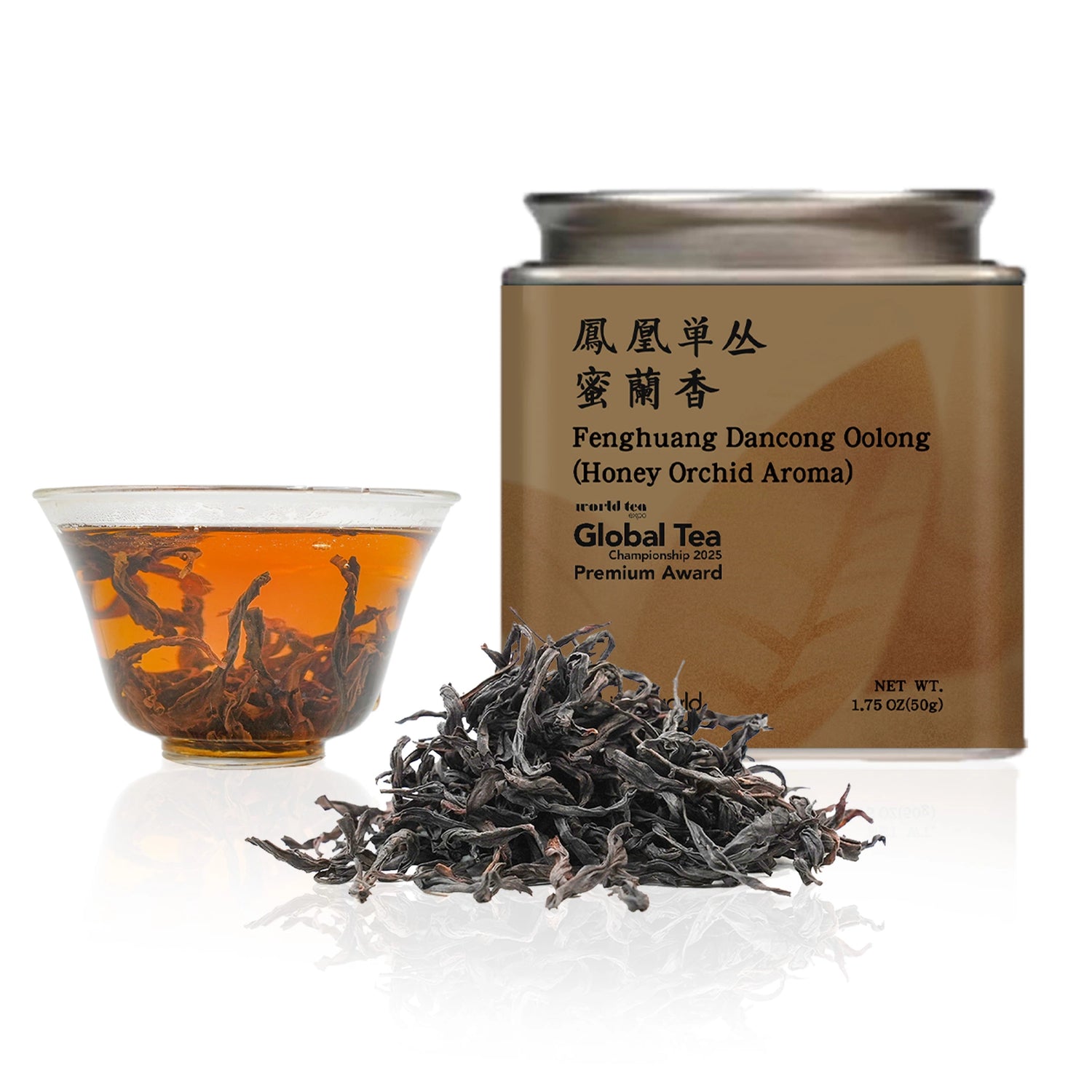
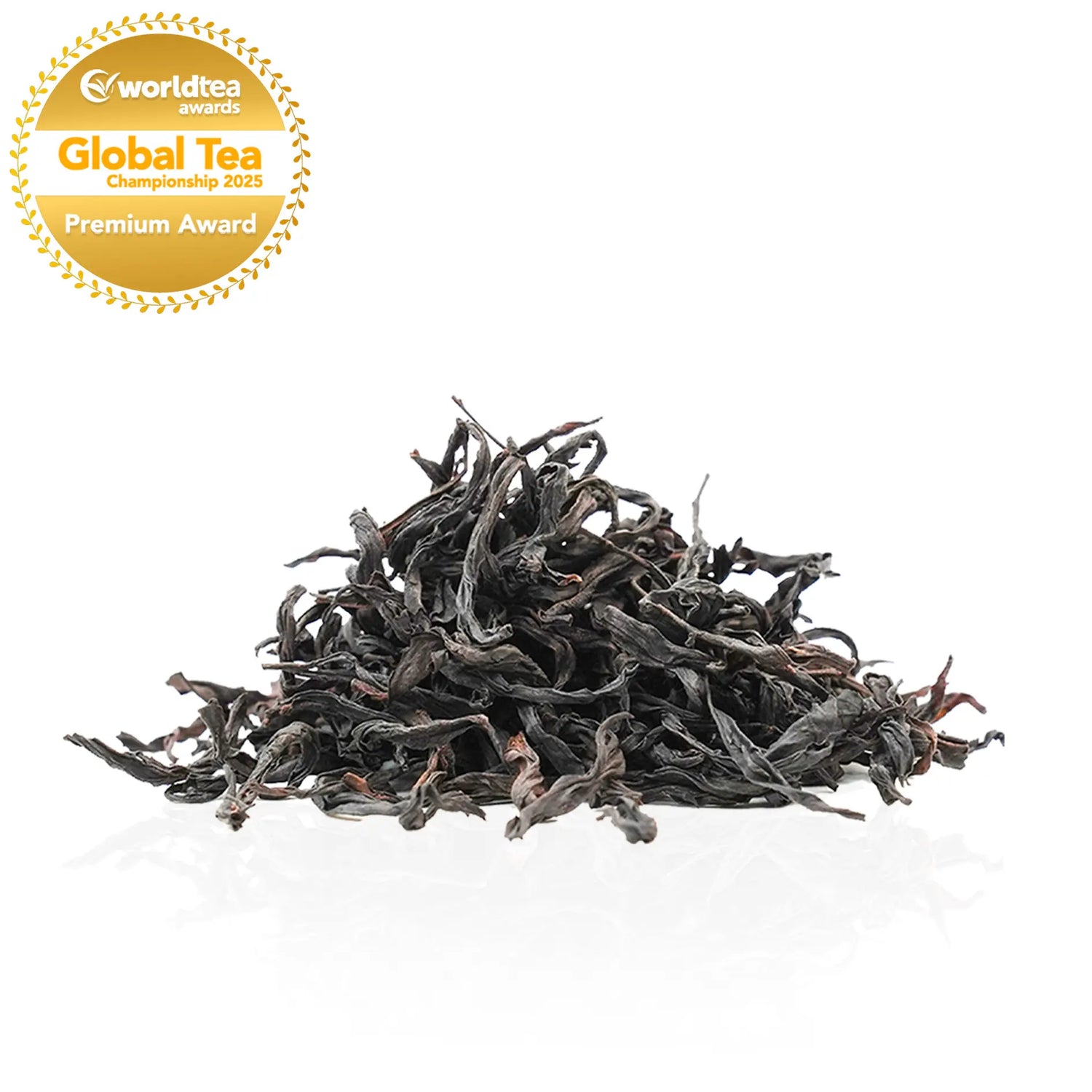
Top Grade Mi Lan Xiang Dancong Oolong - Global Tea Championship Winner 50g
$99.99 USD
Unit price perTop Grade Mi Lan Xiang Dancong Oolong - Global Tea Championship Winner 50g
$99.99 USD
Unit price perThis Award-Winning Mi Lan Xiang Dancong was honored with the Premium Award – Best Oolong (Long Oxidized) at the Global Tea Championship 2025.
Judged by an independent panel of international tea experts in Las Vegas, the Global Tea Championship recognizes outstanding teas from around the world. Our Mi Lan Xiang Dancong distinguished itself in the highly competitive oolong category for its exceptional aroma, balance, and craftsmanship.
The tea is crafted from leaves harvested from 50–70-year-old tea trees. These mature trees develop deep root systems that contribute to the tea’s concentrated aroma, rich body, and long-lasting sweetness.
Traditional charcoal roasting is used to bring out the tea’s full character. Unlike electric roasting, charcoal roasting enhances aromatic complexity, adds depth and warmth, and creates a smoother, more refined cup while preserving the tea’s natural floral character.
The result is a clean, silky liquor with rich orchid-like floral fragrance, lingering sweetness, and remarkable depth. Smooth, elegant, and highly aromatic, this award-winning Dancong is an excellent choice for tea drinkers who appreciate floral oolongs, refined texture, and a long-lasting finish.


2021 Gongmei White Tea is a traditional Fuding white tea with a richer and more mature character. Crafted from the Fuding Qunti tea variety and naturally sun-dried using classic white tea techniques, this tea has developed a smooth, full-bodied flavor through several years of aging.
Unlike delicate white teas such as Silver Needle or White Peony, Gongmei is made from slightly more mature leaves, giving it a deeper body and more layered taste. With time, the tea develops warm notes of dried fruit, honey, and subtle nuttiness, while maintaining the gentle sweetness and clean finish that define authentic Fuding white tea.
Pressed into convenient 5g tea cakes using whole loose leaves, this tea is easy to brew and perfect for daily enjoyment. It is an excellent choice for those who appreciate a richer white tea experience with more depth, sweetness, and character.
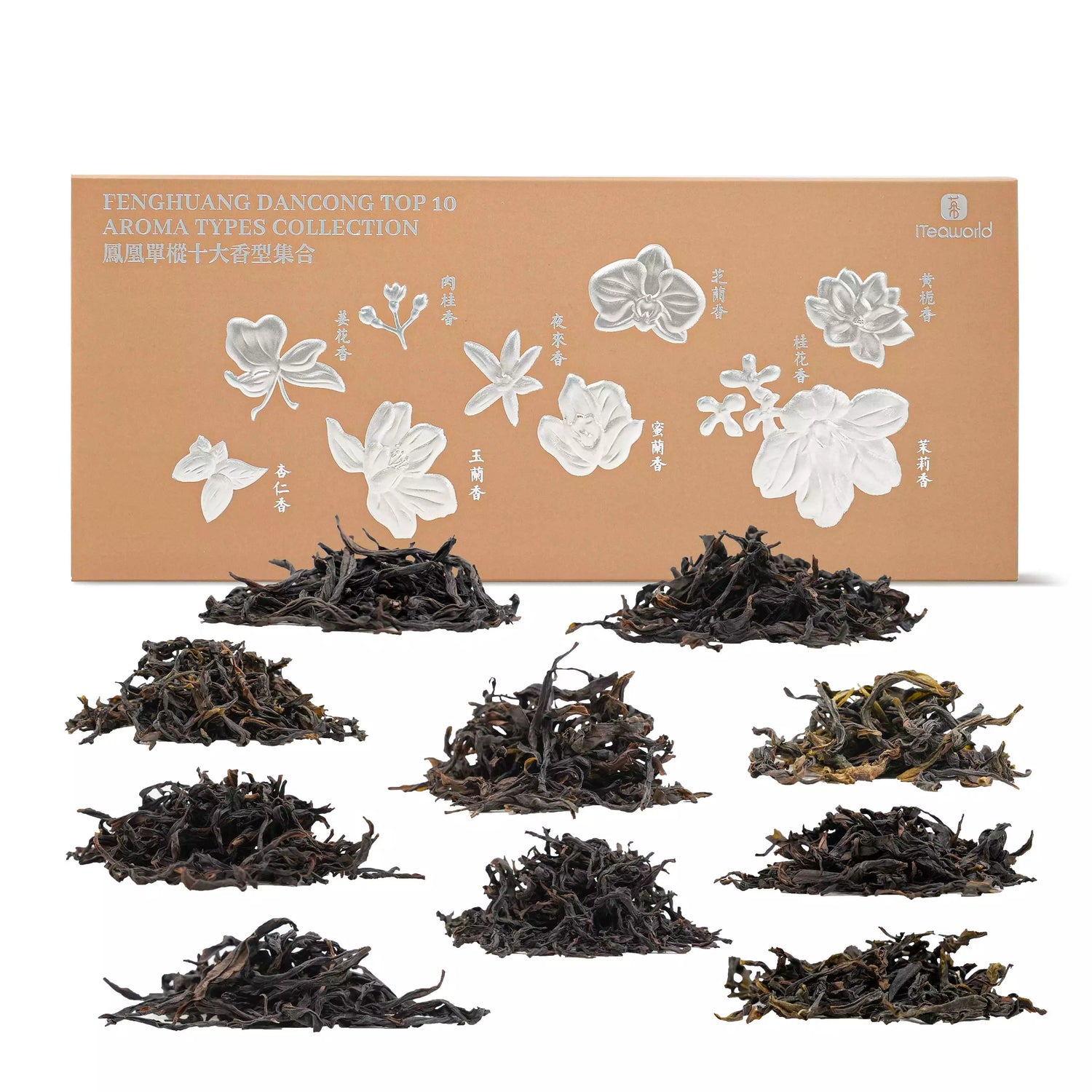
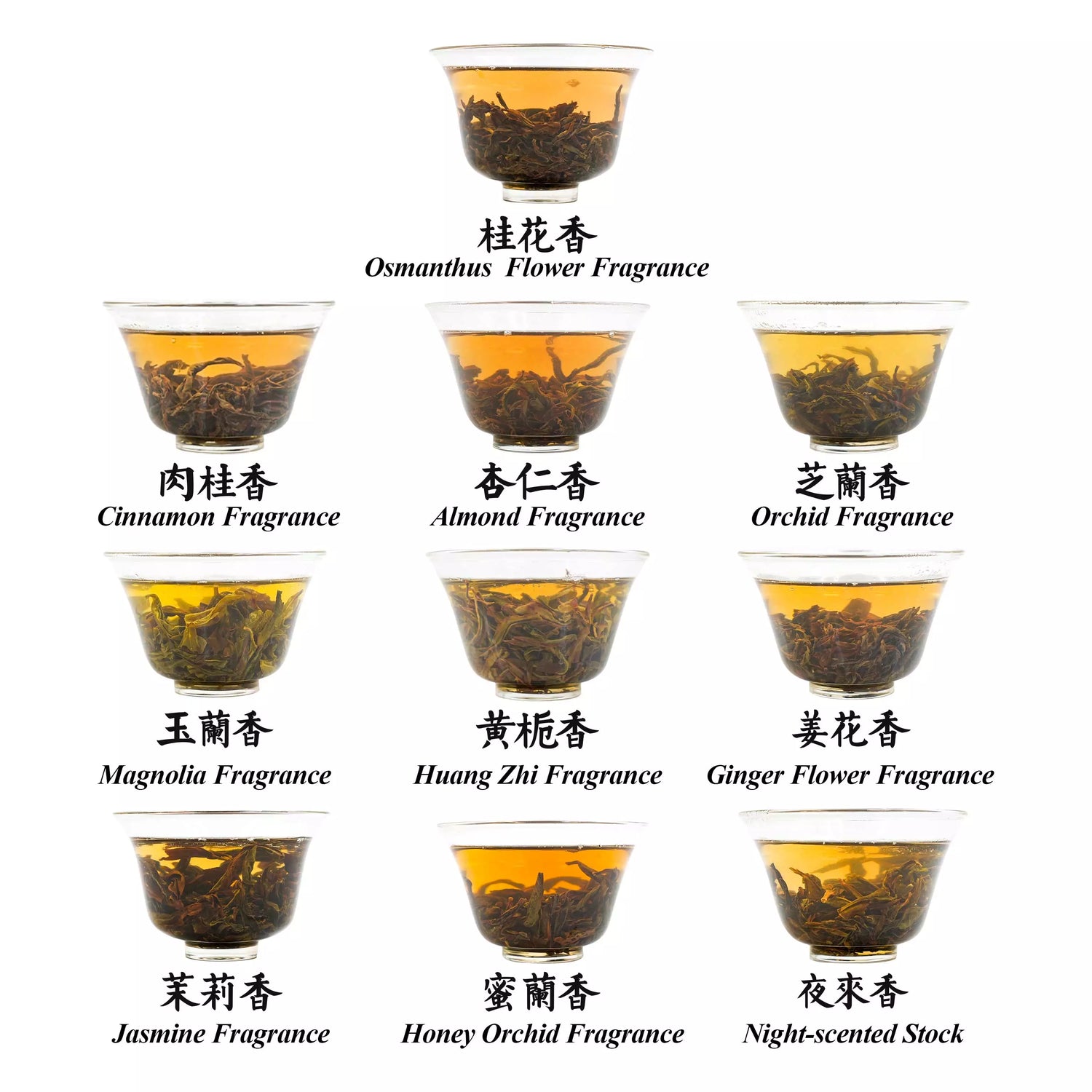
Fenghuang Dancong Oolong comes from the Phoenix Mountains in Chaozhou, Guangdong, China.
What makes it truly unique is that different tea cultivars naturally develop completely different aromas—from floral and fruity notes to rich honey-like scents.
Over time, tea makers identified ten classic aroma profiles, now known as the “Ten Signature Aromas of Fenghuang Dancong.”
This collection brings them together in one tasting set, allowing you to explore the full spectrum of its natural fragrance.
Often called “the perfume of tea,” Fenghuang Dancong is a rare experience for anyone who loves natural floral aromas and sensory exploration.
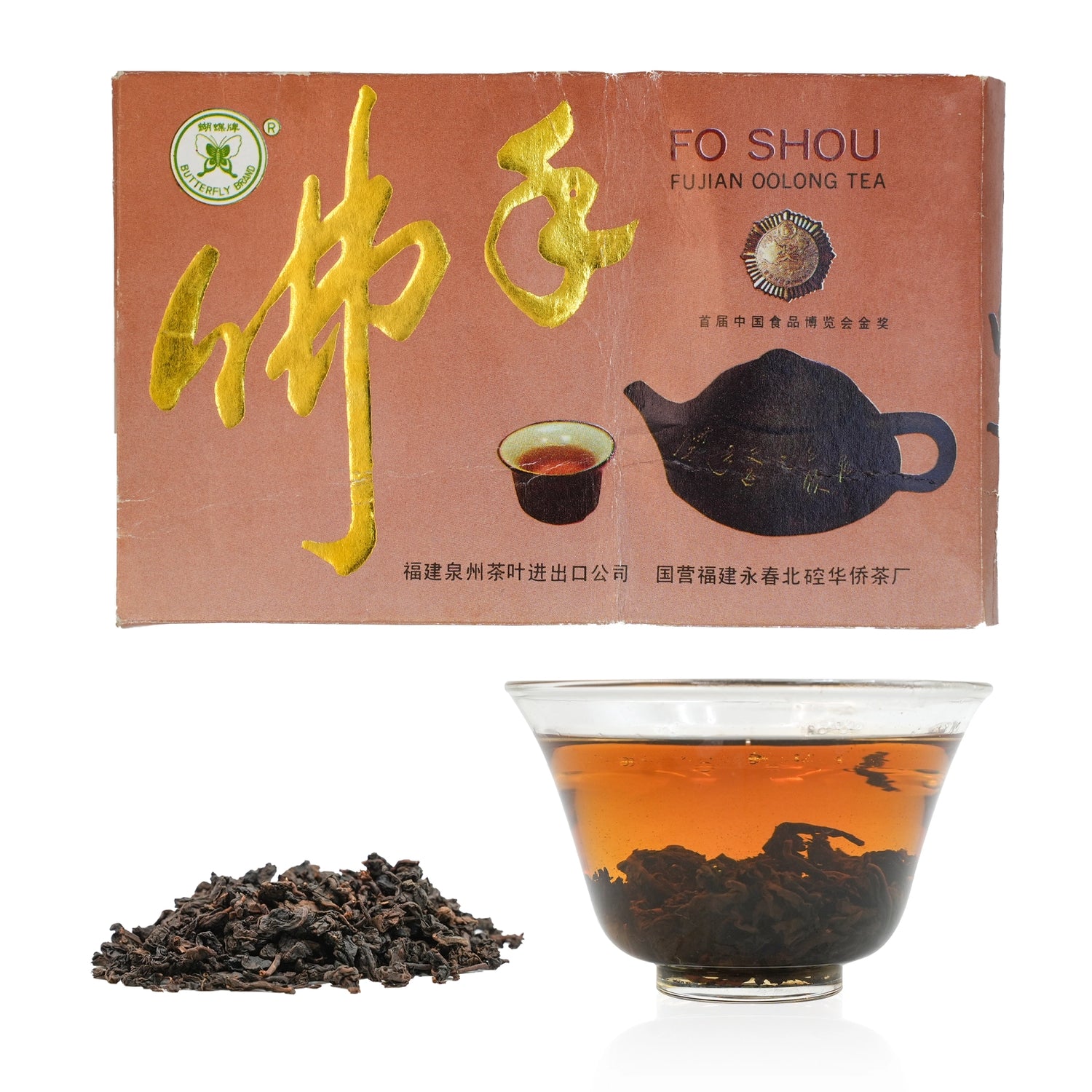
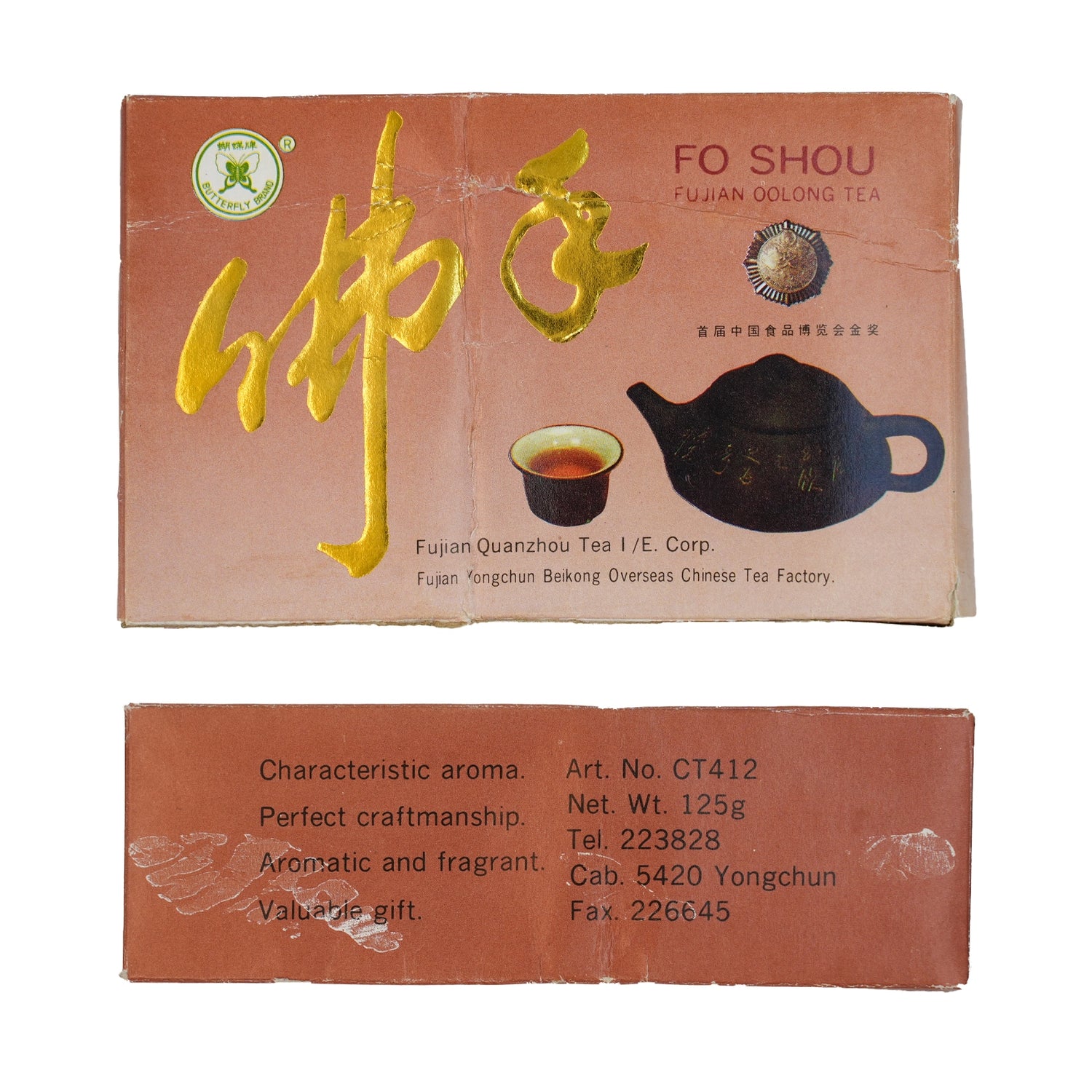
During the aging and transportation process of aged tea, the packaging and the tea itself may get damaged. Please be cautious when purchasing if you mind this.
Recommended Purchase
This Yongchun Fo Shou Oolong tea, produced in 1993 and naturally aged in dry storage for 33 years, is made from the Yongchun Fo Shou variety, a well-known tea type from Yongchun, Fujian Province. It was crafted by the Yongchun Beikong Overseas Chinese Tea Factory, established in 1917. This tea is handcrafted with traditional full-heat roasting and comes in its original packaging. No longer available on the market, it features a unique "aged aroma", rich sweetness and smooth texture, making it a cherished choice for lovers of aged Oolong tea.
Key Details about 1993 Yongchun Fo Shou
- Origin: Yongchun, Fujian Province, China
- Production Date : 1993
- Grade: Special Grade
- Tea Cultivar: Yongchun Fo Shou
- Craftsmanship : Traditional high-fire roasting with medium fermentation, followed by 33 years of natural dry storage in sealed outer box with an inner foil bag.
- Flavor Highlights: Warm "aged aroma" with notes of roasted nuts, complex layers of aged flavors.
What is Yongchun Fo Shou Oolong Tea?
Yongchun Fo Shou, also known as "Buddha’s Hand," is a premium variety of oolong tea grown in Yongchun, Fujian. Named after its leaves that resemble a Buddha’s hand, Yongchun Fo Shou is celebrated for its fragrant aroma, smooth taste, and exceptional aging potential. The tea is lightly twisted into a "dragonfly head" shape, with dark blackish-brown leaves indicative of traditional craftsmanship.
Brewing and Enjoyment Tips
This tea is a testament to the transformative effects of time, offering a rich, smooth, and slightly tangy flavor profile. Best enjoyed with long steeping times or simmering to fully release its aged characteristics.
Recommended Brewing Methods:
-
Gaiwan Brewing:
- 100ml Gaiwan
- 95℃-100℃
- 5-7 times
- 1:15 to 1:25
- 10~20 seconds
-
Thermos Brewing:
- 1g tea per 100ml (3.4oz) water.
- Use boiling water (212°F).
- Steeping Time: 1-2 hours.
- Tool: Insulated thermos.
-
Boiling Method:
- Add 1g tea per 100ml (3.4oz) water.
- Boil for 1-2 minutes, then let sit for 2-3 minutes.
- Rebrew by boiling 3 minutes longer with each steeping.
- Use a ceramic or glass teapot for optimal flavor.
- Enjoy up to 3-4 brews.
Storage Guidelines
Store this tea in a dry, cool environment with a humidity level below 45% and temperature below 25°C (77°F). Keep it away from strong odors, light, and air exposure. Proper storage ensures the tea retains its flavor and continues to age gracefully over time.
Weight
- 4.4oz (125g)
- Packing Type : Sealed Paper Box with Internal Foil Bag
About Yongchun Beikeng Overseas Chinese Tea Factory
Founded in 1917, the Yongchun Beikeng Tea Factory has a rich history of producing high-quality teas. Once a bustling hub of innovation and craftsmanship, the factory was home to over 1,000 tea workers at its peak, producing millions of pounds of tea annually. Its products, including Yongchun Fo Shou, were highly sought after in Hong Kong, Taiwan, Japan, and Southeast Asia.
Just as many state-owned old factories have experienced ups and downs, in the 1990s, the tea factory once fell into a slump, and the once bustling factory area gradually became desolate. The former factory director, Huang Shenghou, who had created its greatest glory and witnessed its decline, was deeply saddened by its decline and took over the factory himself after privatization.
Today, this aged Yongchun Fo Shou tea stands as a flavorful tribute to the factory's storied past and the enduring legacy of traditional Chinese tea-making.
Recently viewed products
Shop with Confidence at iTeaworld

30-Day Return & Satisfaction Policy
Not satisfied? Get a refund within 15 days for taste concerns, or return unopened products within 30 days.

Free tea samples with tea order
Buy 1 get 1 sample. Buy 2 get 2. Buy 3+ get 3 free sample