




























Sort by:
165 products
165 products
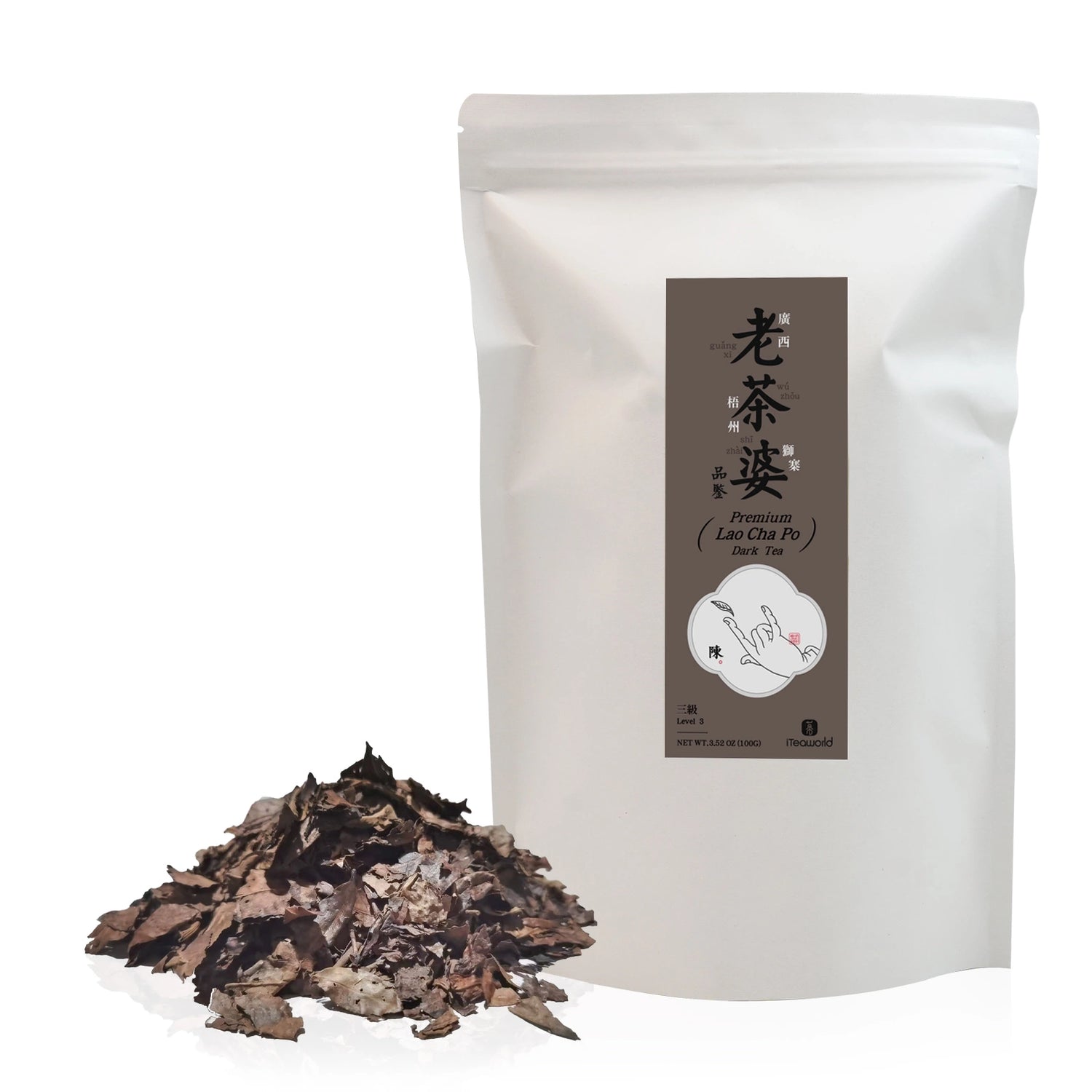
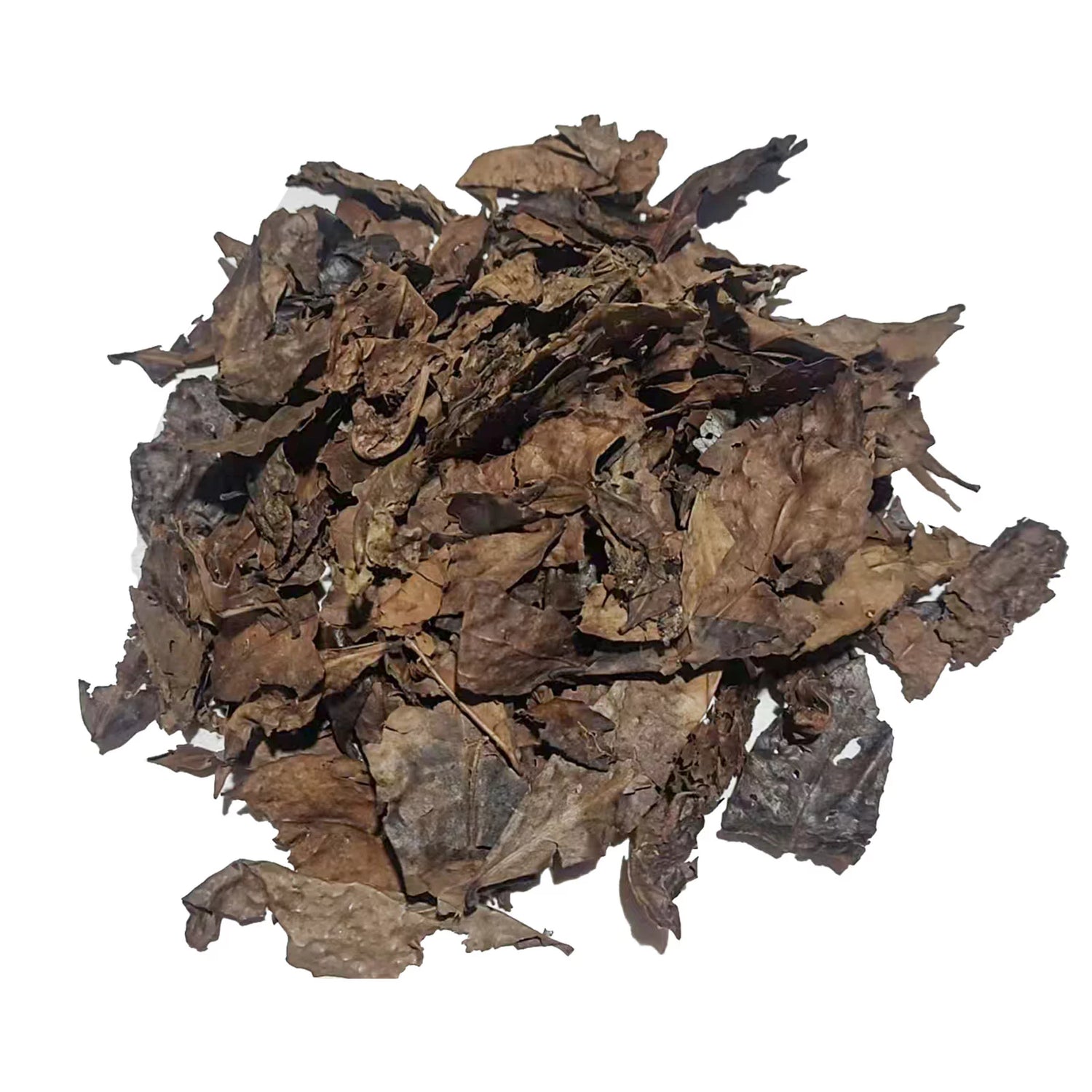
“Lao Cha Po” specifically refers to old leaves (not tender buds) harvested one week before and after Shuangjiang (one of China’s 24 solar terms, around October 23, marking the start of colder weather). These are mostly coarse leaves from the current year or 2–3-year-old growth. “Cha Po” is the Liubao people’s respectful name for old leaves. In the past, farmers sold tender buds as high-quality tea, while coarse old leaves were kept as everyday tea. The name reflects the farmers’ wisdom of “making full use of what you have.”
Around Shuangjiang, large temperature differences and reduced rainfall make the old leaves thicker and richer in sugars and nutrients, giving the tea a natural cane sugar sweetness. Tea harvested at this time has less astringency and a smoother, naturally sweet taste.
This Lao Cha Po tea was brewed at the tea bar during the 15th Northwest Tea Festival and loved by everyone, receiving high praise.
This tea is made using the traditional Liubao “picking and cleaning old leaves” method: fresh leaves are briefly blanched in hot water, then sun-dried or air-dried. Blanching reduces bitterness, while the drying process, similar to white tea, preserves most of the tea’s natural compounds.
This batch of Lao Cha Po comes from wild, aged tea trees in Shizhai Town, Wuzhou City, with tree ages of 30–50 years, making the raw material rare. Because it uses old trees, even with only 20 years of aging, the tea exhibits flavor comparable to 30+ years aged tea. The tea has a distinct medicinal aroma and carries the forest-like character unique to old trees, offering a rich and unique flavor.


This Pu-erh tea comes from Bulang Mountain, the core production area of Pu-erh tea. The region enjoys abundant rainfall and ample sunlight, creating ideal natural conditions for tea growth. Bulang Mountain is home to several renowned tea-producing villages, such as Lao Banzhang, Lao Man’e, and Xin Banzhang. Teas from these areas are famous for their powerful “cha qi” (tea energy), long-lasting sweetness, and strong wild mountain character, making them true classics among Pu-erh teas.
This raw Pu-erh tea was produced in the year 2000, made from a blend of leaves harvested from old tea trees and pressed into a column shape. It has been carefully stored in a dry warehouse for 25 years, allowing for slow and natural aging. The resulting tea liquor reveals distinct smoky and aged aromas, with a rich, mellow body and a lingering sweet aftertaste.
Origin: Bulang Mountain, Menghai County, Xishuangbanna Dai Autonomous Prefecture, Yunnan Province
Production Date: 2000
Tea Cultivar: Yunnan Large-Leaf Tea


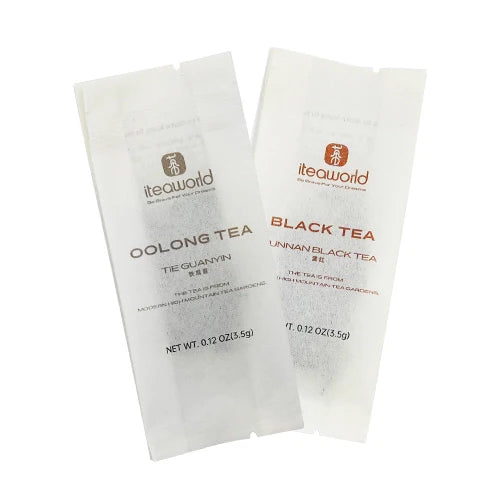
High-quality Chinese loose leaf tea samples, individually wrapped, to try at a low price.


A selection of ten traditional Chinese flower-scented teas — from jasmine and osmanthus to rose, pomelo blossom, and bitter orange flower.
Each tea is crafted with the ancient art of natural scenting, where blossoms and tea leaves merge in harmony.
Free from artificial flavors or additives, every blend reflects the patience of artisans and the gift of nature.
May this gentle fragrance bring you moments of calm and joy.


Pinghe County in Fujian is not only the core growing region for Bai Ya Qi Lan but also famous for its Guanxi honey pomelos. Every April, the mountains are filled with blooming pomelo flowers. Tea makers pick the buds just before they open and scent them with Bai Ya Qi Lan, creating the region’s unique Pomelo Blossom Bai Ya Qi Lan. Since the pomelo blossom season lasts only about 20 days, production is very limited.
This Pomelo Blossom Oolong comes from that origin. Its aroma blends the orchid-like fragrance of Bai Ya Qi Lan with the delicate sweetness of pomelo flowers. The tea is fresh, smooth, and naturally sweet, offering both the richness of Oolong and the light, cooling sweetness of citrus blossoms. You’ll notice the gentle sweetness of pomelo flowers at the first sip, followed by the unfolding depth of Oolong. The texture is silky, the aftertaste lingers, and the finish carries a refreshing hint of pomelo blossom.
Origin:Daqin Mountain, Qiling Township, Pinghe County, Zhangzhou, Fujian, China
Tea Base / Number of Scenting Rounds:Bai Ya Qinlan Oolong tea / Second scenting
Tea Master:Cai Xiaohong
Processing Date:2025/4
Shelf Life:36 months
Brewing
Vessel: White porcelain gaiwan / Yixing clay teapot
Water: Purified, 100°C | 212°F
Steeping Time:
5g per 100ml · 1-3 steeps:10-15 sec , add 5-7 sec after · Up to 7 infusions


Daidai flower comes from a small evergreen citrus tree and carries an aroma similar to lemon peel and orange blossom. It’s traditionally used both as food and herbal medicine, and is often made into essential oils, scented teas, herbal remedies, or even cooked in porridge. Jinhua in Zhejiang is one of the main producing regions. In traditional Chinese medicine, Daidai flower is known for supporting digestion, easing constipation, and relieving stress.
This Daidai Flower Tea is produced in Jinhua, Zhejiang. It uses early spring tea buds—ranging from single buds to one-bud-one-leaf—as the base, scented with freshly harvested Daidai flowers. The flowers add a gentle sweetness to the green tea, softening its bitterness and creating a more rounded, balanced cup. The liquor tastes fresh and lively, with a clear sweet finish and layered notes of citrus, florals, and green tea aroma. The fragrance is rich and long-lasting.
This tea is effective for aiding digestion and relieving constipation. Those with weak or cold stomachs should drink it with caution. One cup per day (about 400 mL) is recommended, as excessive consumption may cause diarrhea.
Origin:Zhucun Village, Xinfan Township, Wucheng District, Jinhua City, Zhejiang Province.
Tea Base / Number of Scenting Rounds:Biluochun,Second scenting
Tea Master: Wu Jinxiang (吴金香)
Processing Date:June 2025
Shelf Life:18 months
Brewing
Water: Purified, 80 °C | 176 °F
Gaiwan: 2g per 100ml · 10–15 sec · add 5–7 sec each steep · up to 7 infusions
Glass cup: 1g per 100ml · 1st: 40s | 2nd: 60–90s | 3rd: 90–150s


This Osmanthus Black Tea was freshly scented this autumn, using autumn-harvested black tea paired with autumn-blooming Bao Xin osmanthus. Through careful scenting, it carries a rich osmanthus aroma with a gentle sweetness.
Bao Xin osmanthus is often called the “royalty of osmanthus” for its exceptional quality, has layered petals and a full, rounded center. Compared with regular osmanthus, its blossoms are larger, thicker, and more fragrant. A single round of scenting is enough to infuse the tea with a strong aroma, and dried flowers are often kept in the final product to enhance the flavor.
The tea tastes warm and smooth, almost silky, with a sweet, full-bodied profile. The richness of the black tea and the clean sweetness of osmanthus complement each other, leaving a long-lasting aroma and a clear, pleasant aftertaste. It’s an excellent choice for autumn and winter, offering comforting warmth to both body and stomach.
Origin: Fengshan Township, Fengqing County, Yunnan Province
Tea Base / Number of Scenting Rounds: Yunnan Black Tea (Dianhong)/one round of scenting
Tea Master: Zhang Guo'an张国安
Processing Date: 2025 October
Shelf Life: 24 months
Brewing
Vessel: Porcelain gaiwan / glass cup / mug
Water: Purified, 95-100°C | 203-212°F
Gaiwan / Teapot:
5g per 100ml · 1-3 steeps:10-15 sec , add 5-7 sec after · Up to 7 infusions
Mug Brew:
1g per 100ml · 1st: 40s | 2nd: 60–90s | 3rd: 90–150s


Scented tea isn’t made only with fresh flowers—aromatic leaves can be used as well. Sticky Rice Aroma Black Tea is a unique specialty from Yunnan, created by scenting Dianhong black tea with sticky rice aroma leaves.
These leaves carry a strong, natural sticky-rice fragrance. In Yunnan, they are often dried and used for tea, seasoning, or traditional remedies. Ethnic groups such as the Dai and Hani use them to clear heat and support digestion. Paired with black tea, which is known for warming the stomach, this blend is especially friendly for those with weak digestion.
This Sticky Rice Aroma Black Tea brings together the sweetness of Dianhong and the comforting sticky-rice fragrance of the leaves. Once brewed, you’ll first notice the rich, natural sticky-rice aroma. The tea tastes smooth, sweet, and full, without bitterness or roughness. The liquor is thick, silky, and a glowing orange-red, offering a warm and soothing feeling—perfect for autumn and winter.
Origin:Fengshan Township, Fengqing County, Yunnan Province
Tea Base / Number of Scenting Rounds:Yunnan Black Tea (Dianhong)/Second scenting
Tea Master:Zhang Guo‘an张国安
Processing Date:June 2025
Shelf Life:24 months
Brewing
Vessel: Porcelain gaiwan / glass cup / mug
Water: Purified, 95-100°C | 203-212°F
Gaiwan / Teapot:
5g per 100ml · 1-3 steeps:10-15 sec , add 5-7 sec after · Up to 7 infusions
Mug Brew:
1g per 100ml · 1st: 40s | 2nd: 60–90s | 3rd: 90–150s


As the days grow shorter and a chill fills the air, we crave a cup of tea that warms us from the inside out. It’s more than just heat; it's about the comfort and satisfaction that comes from rich, soothing flavors.
The "Cozy Winter Warmers" collection was created for exactly this moment. We've carefully curated ten distinct Chinese teas, each chosen for its ability to comfort and delight. Like a crackling fireplace, a soft blanket, or a warm hug, these teas are your perfect companions to melt away the winter chill.
Why We Chose These Teas
When winter arrives, we turn to teas that are inherently warming, rich, and sweet. The philosophy behind this collection is all about comfort, body, and natural sweetness.
The Direct Sweetness of Black & Flowering Teas:
Lapsang Souchong Black Tea: Offers a signature sweet, smoky aroma with notes of dried longan.
Sticky Rice Scented Black Tea: Known for its unique, toasty aroma of glutinous rice, providing a mild and comforting sweetness.
Rose Black Tea (Scented x3): A romantic and warming blend of honeyed black tea and fragrant rose petals.
These teas are smooth, approachable, and deliver immediate, delightful flavors that are easy to love.
The Toasty Warmth of Rock Oolongs:
Wuyi Shui Xian (Ban Yan): A robust, mineral tea with floral notes and a warm, toasty finish from roasting.
Wuyi Rou Gui (Ban Yan): Known for its warming, spicy cinnamon character and a rich, baked aroma.
Wuyi Da Hong Pao (Blend): The ultimate expression of a complex, toasty, and deeply satisfying Rock Oolong.
Osmanthus Oolong (Scented x3): The toasty base of the oolong is beautifully brightened by the sweet, apricot-like fragrance of osmanthus flowers.
These teas provide a solid, grounding warmth that lingers, perfect for a cozy afternoon.
The Smooth & Earthy Depth of Dark Teas & Aged White Tea:
Liupao Dark Tea: Exceptionally smooth and mellow, with earthy, woody, and sometimes date-like notes. Known for its digestive comfort.
Ripe Pu-erh Dark Tea: Deeply rich and earthy with a smooth, velvety texture and a warm, soothing character.
Gong Mei White Tea (Aged): While young white tea is fresh, this aged version has matured into a warmer, sweeter cup with honey and herbal notes.
These teas are the definition of cozy—soft, earthy, and incredibly soothing on a cold day.
Together, these teas share a common theme: they are warming, full-bodied, and feature inviting aromas of wood, natural sugar, and baked goodness. They are chosen not just to warm your hands, but to comfort your soul, making them perfect for sharing with loved ones during the holiday season and beyond. This collection is expertly curated to suit the American palate's desire for comforting and robust flavors in winter.


Winter invites us to enjoy richer, heartier meals and cozy comforts. But these indulgences can often leave us feeling heavy and sluggish. Now, more than ever, your body craves a gentle aid to restore balance and lightness.
The "After-Meal Digestive Picks" collection is your essential winter wellness ritual. We've curated seven teas renowned in Chinese tradition for their digestive benefits. Instead of simply ending a meal, let these teas be your warm, soothing companion to ease discomfort, cut through richness, and leave you feeling comfortably light and settled.
Why These Teas Are Perfect for Winter
Winter's hearty diets and less active lifestyle make mindful digestion key. This collection is rooted in centuries of Chinese culinary wisdom, focusing on two categories celebrated as natural digestive aids:
1. Rock Oolongs: The Natural "Grease Cutter"
Featured Teas: Wuyi Rou Gui (Ban Yan), Wuyi Rock Tea 'Golden Peony', Wuyi Rock Tea 'Rui Xiang 305'.
The Winter Reason: In regions like Fujian, a pot of robust, warmed Rock Oolong is the traditional answer to rich, celebratory winter feasts. Their baking process creates a toasty, warm character that perfectly complements the season, while their complex profiles are known to help metabolize fats and relieve that overstuffed feeling.
2. Dark Teas & Aged White Tea: The Soothing "Gut Harmonizer"
Featured Teas: Liupao Dark Tea, Ripe Pu-erh, Anhua Dark Tea, Jasmine Liupao, 2014 Aged Shou Mei.
The Winter Reason: In Northern China and border regions where winter diets rely on meat and rich foods, Dark Tea (Pu-erh, Liupao, Anhua) is a daily staple for good reason. Through post-fermentation, these teas become exceptionally mellow and warming. They are prized for gently soothing the stomach and aiding digestion, making them ideal for managing heavier winter meals. The 2014 Aged Shou Mei, having matured into a warm and sweet profile, offers similar gentle comfort. The Jasmine Liupao adds a unique floral lift, cutting through winter's richness with a refreshing aroma.
In summary, this collection focuses on teas that are warming, smooth, and traditionally used to support digestion. They are not just a beverage, but a practical and comforting wellness practice for the winter season, helping you feel your best even while enjoying the coziness of the season.


Collection Introduction
As winter's palette turns muted, we turn to the spectrum of flavor for comfort. This season invites more than just roasted warmth and floral notes—it calls for the sun-drenched sweetness of fruit, naturally captured in the tea leaf.
Presenting Orchard Hearth, a journey into the heart of China's naturally fruit-scented teas. We've consciously moved beyond strong floral scents or heavy roast profiles to curate leaves that whisper of ripe berries, honeyed orchards, and sun-warmed citrus. These are pure teas, needing no added flavors, that brew into cups brimming with the essence of a cozy, sun-kissed grove. They are the vibrant accent in the quiet winter months, a refreshing and uplifting warmth that brightens any day.
Why We Chose These Teas
Fruitiness is a universal language of delight. We selected these teas precisely because their natural, approachable flavors speak directly to the global palate, offering a welcoming gateway to the world of premium Chinese tea.
Sunshine & Nectar: Winter's Sweet Embrace
Featured Teas: Mi Lan Xiang Dan Cong, Yunnan Golden Buds, Keemun Black Tea (Red Fruit Note), Yongchun Fo Shou.
The Experience: These teas deliver the sweet, radiant warmth we crave in winter. Whether it's the iconic honeyed aroma of Mi Lan Xiang, the ripe mango-like sweetness of Yunnan Golden Buds, or Keemun's elegant notes of red wine and apple (the celebrated "Keemun Aroma"), they are like liquid sunshine—immediately comforting, satisfying, and uplifting.
The Crisp Accent: A Spark of Freshness
Featured Teas: Qing Xiang Bai Ya Qi Lan, Gong Mei White Tea, Bi Luo Chun Green Tea.
The Experience: Who says winter can't be refreshing? These teas offer a bright, clean counterpoint to heavier flavors. Bai Ya Qi Lan presents a delicate fruitiness alongside orchid notes, Gong Mei White Tea evokes gentle honey and melon, and the precious Bi Luo Chun holds the fresh, subtle fruitiness of spring. They cut through the staleness of heated rooms, bringing a burst of mental clarity and revitalization.
Mellow Comfort: The Daily Cup of Serenity
Featured Teas: Zhangping Shui Xian (Soft Fruit Note), Shou Mei White Tea, Lingtou Dan Cong.
The Experience: These are your reliable companions for a peaceful winter afternoon. They are mellow, smooth, and incredibly approachable. Zhangping Shui Xian is softly soothing, aged Shou Mei develops a warm, date-like sweetness over time, and Lingtou Dan Cong is known for its straightforward honeyed charm. Their fruit notes are not bold but are woven deeply into the liquor, offering a lasting sweetness and profound relaxation.
In Summary, the Orchard Hearth collection is our gift to those seeking unique, approachable, and delightfully flavorful teas. It proves that warmth can come from sun-kissed fruitiness and comfort from vibrant clarity. It's the perfect answer to the winter monotony, creating a sunny, inner orchard with every sip.


Gardenia, also known as huang zhizi or mountain gardenia, is an evergreen shrub and one of China’s traditional fragrant flowers. It has long been used in the art of scenting tea.
This Gardenia Black Tea is made by scenting freshly picked gardenia blossoms with spring-harvested Yunnan black tea, using a three-round traditional scenting process.
When June gardenias meet black tea, the flower’s bold, heady fragrance softens into a gentle, elegant aroma. The warmth and richness of the black tea lift the gardenia’s cool, refreshing scent, creating a perfectly balanced harmony.
The first sip brings a clear and delicate gardenia aroma—like walking into a garden in full bloom, instantly awakening the senses. The liquor is smooth and full-bodied, with the gardenia’s natural sweetness melding beautifully with the tea’s mellow depth. A lingering, sweet finish remains long after each sip.
This tea is not only an expression of traditional scenting craftsmanship, but also a soothing gift from nature. In traditional Chinese medicine, gardenia is believed to help clear heat and relieve symptoms such as dry mouth, sore throat, and irritability.
The cooling character of the flower combines with the comforting warmth of black tea, creating a brew that is both rich and refreshing. It’s enjoyable in all seasons, and especially uplifting in summer when you want something cooling, cleansing, and effortlessly calming.
Origin: Fengshan Township, Fengqing County, Yunnan Province
Tea Base / Number of Scenting Rounds: Yunnan Black Tea (Dianhong)/ Triple scenting
Tea Master: Zhang Guoan张国安
Processing Date: June 2025
Shelf Life: 24 months
Brewing Method:
Vessel: Porcelain gaiwan / glass cup / mug
Water: Purified, 95-100°C | 203-212°F
Gaiwan / Teapot:
5g per 100ml · 1-3 steeps:10-15 sec , add 5-7 sec after · Up to 7 infusions
Mug Brew:
1g per 100ml · 1st: 40s | 2nd: 60–90s | 3rd: 90–150s


Dong Pian (Winter Flake), also known as “Xue Pian,” is a seasonal tea produced in Guangdong. Because winters in this region are mild, tea plants continue to grow slowly from Lidong (Start of Winter) to Xiaoxue (Light Snow)—roughly early to late November. Tea made during this period is called Dong Pian.
At this time of year, temperatures are lower and the day–night temperature difference is larger. The slower growth allows the tea plants to accumulate more internal compounds—especially aromatic substances, amino acids, and natural sugars. These give Dong Pian its intensely fragrant, uplifting aroma and a sweet, refreshing taste with remarkable clarity.
This Duck Shit Aroma Winter Dong Pian is harvested from tea gardens at 500–700 meters on Xiyanshan in Guangdong. Compared with Winter Sprout from Phoenix Town, the higher elevation here produces a tea with stronger, cooler high notes, a clean and sweet flavor, and very low bitterness, like a gentle cold breeze in early winter. The dry leaves carry a unique creamy fragrance.
A seasonal limited-release oolong with impressive value, this tea captures the brisk beauty of early winter in every cup.
Origin: Xiyan Village, Fenglang Township, Meizhou, Guangdong, China
Elevation: 500–700m
Roast Level: Light Roast
Tea Master: 魏鸿西 Wei Hongxi
Processing Date: November 2025
Shelf Life: 36 months
Brewing Method:
① Gongfu Style (recommended):
5g per 100 gaiwan
95–100°C (203–212°F) water
Rinse quickly, then infuse 6–8+ times
Start with 10–15 seconds, increase gradually
② Western Brewing:
2g per 200ml
Steep for 1-3 minutes at 95-100°C
Re-steep up to 3 times


Pearl Orchid, also known as Zhenzhulan or Cha Lan, gets its name from the way its tiny golden blossoms cluster along the stem like strands of pearls. In She County of Anhui, the flower was originally grown for ornamental purposes, but over time it became treasured for scenting tea. The region’s warm, humid climate and fertile soil provide ideal conditions for cultivating Pearl Orchid. Large-scale production of Pearl Orchid–scented tea began during the Xianfeng period of the Qing Dynasty, and by around 1890, it had already become one of China’s major scented tea varieties, especially loved in northern China and among scholars and literati.
There is an old Chinese saying about seasonal tea drinking: “In winter drink black tea, in summer drink green tea, and in the second and eighth lunar months, drink Pearl Orchid tea.” These months mark the shift between warmer and cooler seasons, when humidity is higher. Pearl Orchid tea was believed to help dispel dampness and support the body during seasonal transitions.
This tea comes from She County in Anhui, using spring-picked Huangshan Maofeng green tea as the base. The addition of Pearl Orchid blossoms gives the tea a cleaner, brighter character. The liquor is smooth and sweet, without the bitterness sometimes found in green tea.
Its aroma is elegant and serene, with a soft, cooling sweetness—reminiscent of orchids blooming in a quiet valley. Compared with the lively, expressive fragrance of jasmine tea, Pearl Orchid tea is more subtle and deep, yet wonderfully long-lasting.
Origin: Baohuan Village, Huicheng Town, She County, Huangshan City, Anhui Province.
Tea Base / Number of Scenting Rounds: Huangshan Maofeng/Second scenting
Tea Master: Mr Yu.
Processing Date: June 2025
Shelf Life: 18 months
Brewing Method:
Water: Purified, 80 °C | 176 °F
Gaiwan: 2g per 100ml · 10–15 sec · add 5–7 sec each steep · up to 7 infusions
Glass cup: 1g per 100ml · 1st: 40s | 2nd: 60–90s | 3rd: 90–150s


China's 10 Most Famous Tea Collection – Your Complete Introduction to Chinese Tea
From $24.99 USD
Unit price perChina's 10 Most Famous Tea Collection – Your Complete Introduction to Chinese Tea
From $24.99 USD
Unit price perWe designed this collection because many of our Tea friends wanted to explore Chinese tea but didn’t know where to begin. China’s tea world is far more than just Longjing or Tieguanyin—it spans seven major categories, each with unique flavors, histories, and craftsmanship. For newcomers, buying tea one by one is costly, confusing, and often overwhelming.
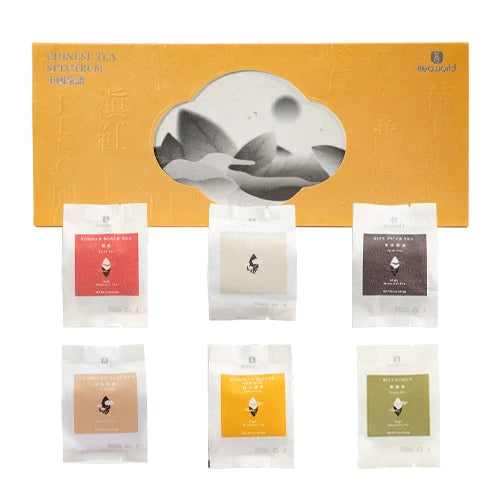
So we created the “China's 10 Most Famous Tea Collection”—a curated set that brings together the most representative teas from each category. From Longjing and Tieguanyin to Pu’er, Jasmine, and the rare Junshan Yinzhen, this box offers a complete taste of China’s tea landscape in one experience.
To make learning easier, every set includes a beautifully designed Beginner’s Guide to Chinese Tea, covering tea culture, the six major tea types, why Chinese people use a gaiwan, simple brewing steps, and essential tea etiquette.
And because many beginners don’t have proper teaware, we also created a Gift Edition featuring a premium Chaozhou bone-china gaiwan set—lightweight, quick-cooling, and perfect for first-time users.
This product isn’t just a sampler.
It’s an accessible, thoughtful entry into the world of Chinese tea—a way for us to share its flavor, culture, and beauty with tea lovers everywhere.
Recently viewed products
Chat with fellow tea lovers, ask questions, and share your tea moments.
FAQs
Certainly! Here's a list of the types of Chinese teas we offer:
Black Tea
We have a black tea sampler, including Yingde Black Tea, Yunnan Black Tea and Souchong Black Tea.
Oolong Tea
We have special premium oolong tea sampler, as well as introductory oolong tea sampler, and individual teas such as Fenghuang Dancong, Da hong pao, Tieguanyin, and more!
Green Tea
You'll love the premium Green Tea Sampler, featuring six Chinese green teas, all the best green teas!
Jasmine Tea
For those who love jasmine tea, don't miss our Chinese jasmine tea sampler, which contains four different jasmine tea samplers, all fresh jasmine flowers blended with green tea!
Cold Brew Tea
We have selected the best Chinese teas for cold brewing to make a cold brew tea sampler.
This is our very best tea sampler! It contains the six main types of Chinese teas, and you get a representative variety of each type of tea, perfect for all tea lovers!
Remember, drinking good tea is not as good as drinking the right tea!
iTeaworld offers an extensive selection of Chinese teas, all available as loose leaf tea varieties. Our range includes black tea, green tea, oolong tea, cold brew tea, jasmine tea, and puerh teas, among others. A standout feature is our tea sampler, each thoughtfully curated to embody the rich cultural heritage of China.
Classic Tea Sampler is ideal for beginners.
If you have a higher budget, you can choose the Chinese Tea Sampler for $39.99. It contains six types of Chinese teas, including oolong tea, black tea, green tea, yellow tea, white tea, and black tea.
Chinese tea is unique due to its long history, diverse varieties and traditional production methods. It is usually handmade and undergoes specific processing techniques to produce a wide range of flavors and aromas.
Chinese tea is usually a tea without any additives or extra sugar. It is a healthier alternative to coffee.
Chinese tea is usually one of the best loose leaf teas, which has a stronger flavor.
Chinese tea usually has many health benefits, such as lowering blood lipids for dark tea, nourishing the stomach for black tea, and antioxidant for green tea.
There are many different types of Chinese loose leaf tea, each with its own unique flavor and aroma. The most common types of Chinese loose leaf tea include:
Black tea: Black tea is the most processed type of Chinese tea and has a strong, robust flavor. Some popular black teas include Lapsang Souchong, Keemun, and Yunnan.
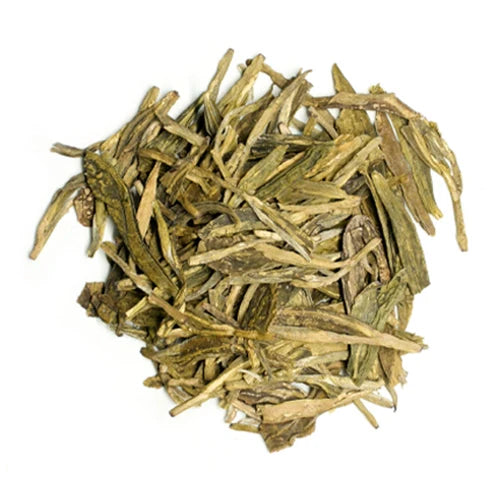
Green tea: Green tea is the least processed type of Chinese tea and has a fresh, grassy flavor. Some popular green teas include Longjing, Bi Luo Chun, and Gunpowder.
Oolong tea: Oolong tea is a type of tea that is partially oxidized, resulting in a flavor that falls between green tea and black tea. Some popular oolong teas include Tieguanyin, Da Hong Pao, and Dong Ding.
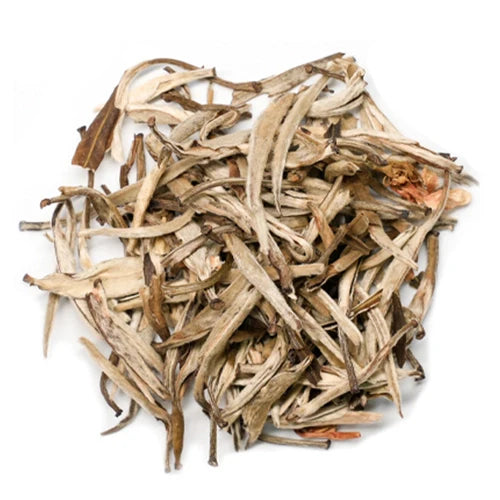
White tea: White tea is a type of tea that is made from young tea leaves and has a delicate, floral flavor. Some popular white teas include Silver Needle, White Peony, and Long Jing.
Pu-erh tea: Pu-erh tea is a type of fermented tea that has a strong, earthy flavor. Some popular pu-erh teas include Shu Pu-erh and Sheng Pu-erh.
Shop with Confidence at iTeaworld

Not satisfied? Get a full refund within 30 days — no return needed.

Free tea samples with every order
Buy 1, get 1 sample. Buy 2, get 2. Buy 3+, get 3 unique samples (different from your order).

Faster Delivery with Upgraded Logistics
Average delivery time: 15 days, now up to 7 days faster than before.
